
The Moche Marvels: Unveiling the Artistic and Technological Prowess of the Moche

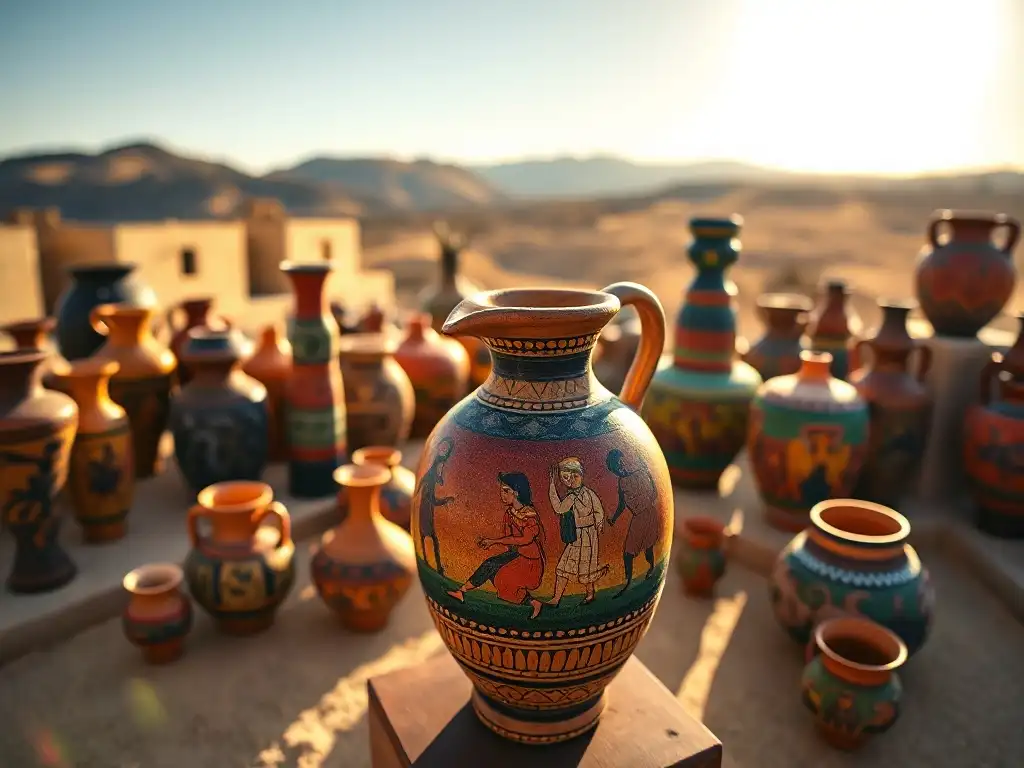
Prepare to be amazed. Journey into the heart of the Andes and uncover the secrets of civilizations that thrived centuries before the Incas. From the breathtaking artistry of the Nazca lines to the sophisticated engineering of Tiahuanaco, Andean Civilizations unveils a world of wonder. But we begin with something truly captivating: the Moche pottery techniques, a testament to the ingenuity and artistic brilliance of this remarkable pre-Incan culture. Dare to explore the intricacies of their masterful creations and discover the untold stories hidden within the clay...
The Moche civilization, flourishing along the northern coast of Peru from approximately 100 CE to 800 CE, represents a remarkable chapter in Andean pre-Columbian history. Often overshadowed by the later Inca Empire, the Moche left behind a legacy of breathtaking artistry, sophisticated engineering, and a complex social structure that continues to fascinate and inspire researchers today. This article delves into the fascinating world of the Moche, focusing particularly on their renowned pottery techniques and the technological ingenuity that underpinned their artistic achievements.
We will explore their geographic location, societal organization, and the remarkable skills that allowed them to create some of the most iconic and detailed ceramics of the ancient Americas. Understanding the Moche's mastery of “Moche pottery techniques” provides crucial insight into their worldview, societal values, and technological capabilities, offering a captivating glimpse into a vibrant and advanced pre-Incan culture.
Introduction to the Moche Civilization: A Pre-Incan Power
The Moche were a powerful and influential pre-Inca culture, known for their highly developed irrigation systems, sophisticated metalworking, and, most famously, their exceptional pottery. Unlike many other contemporary Andean societies, the Moche thrived in a challenging desert environment, utilizing ingenious techniques to harness scarce resources. Their mastery of water management allowed them to cultivate fertile valleys, supporting a dense population and fostering a complex social hierarchy.
Evidence suggests a centralized political system, likely ruled by a powerful elite class, as depicted in their elaborate funerary practices and monumental architecture. The Moche's artistic achievements, particularly their intricate and lifelike pottery, served not only as decorative objects but also as powerful tools for communicating religious beliefs, social status, and historical events.
Their legacy is preserved in the numerous archaeological sites scattered along the Peruvian coast, offering a rich tapestry of information about their lives, beliefs, and achievements. The meticulous detail and vibrant colors of their pottery, showcasing a wide range of "Moche pottery techniques," are testaments to their advanced skills and artistic vision.
The Geographic Realm of the Moche Culture
The Moche civilization occupied a geographically diverse region along the arid northern coast of Peru. Their territory stretched approximately 500 kilometers, encompassing a narrow coastal strip and extending into the adjacent valleys. This region presented both challenges and opportunities. The arid climate meant that access to water was crucial for survival and agriculture.
The Moche ingeniously developed extensive irrigation systems, channeling water from rivers and streams to irrigate their fields. These systems, often involving complex networks of canals and reservoirs, were essential to their agricultural success and allowed them to cultivate crops such as maize, beans, and cotton. The coastal location also provided access to marine resources, which played a significant role in their diet and economy.
The varied landscape, encompassing deserts, valleys, and mountains, influenced their settlement patterns and resource management strategies. Their ability to thrive in such a challenging environment is a testament to their adaptive capacity and technological prowess. This geographical context is crucial to understanding the development and refinement of their "Moche pottery techniques," as access to specific clays and resources directly influenced their artistic production.
Moche society was characterized by a distinct social hierarchy, with a powerful elite at the top and various social strata below. Archaeological evidence, particularly from their monumental tombs and elaborate burial practices, suggests a complex social organization. The elite class likely controlled resources and political power, evidenced by their access to luxurious goods, elaborate burial rituals, and the construction of impressive pyramids and temples.
Their elaborate headdresses, finely crafted gold and silver ornaments, and the presence of human sacrifices in their tombs underscore their privileged status. Lower social strata likely consisted of farmers, artisans, and laborers who contributed to the functioning of the Moche state. The intricate depictions on Moche pottery provide valuable insights into their social structure, often portraying scenes of daily life, rituals, and warfare, offering glimpses into the different roles and statuses within their society.
The careful execution of their "Moche pottery techniques" may also have been linked to social status, with certain techniques and styles potentially reserved for the elite or specific craft specialists. Further research continues to illuminate the complexities and nuances of Moche social organization and its impact on their artistic and technological achievements.
Moche Artistic Achievements: Beyond Pottery
The Moche civilization's artistic prowess extended far beyond their renowned pottery. While ceramics certainly represent a significant portion of their artistic legacy, a closer examination reveals a sophisticated mastery across diverse media, reflecting a complex and vibrant culture. Their skill in metalworking, for instance, produced exquisite gold and silver objects, often intricately detailed and showcasing a deep understanding of metallurgical techniques.
These pieces, ranging from elaborate headdresses and ornaments to finely crafted tools and weapons, demonstrate a high level of technical expertise and artistic vision. The artistry wasn't limited to precious metals; the Moche also worked with copper and other alloys, creating a wide array of functional and decorative items. The precision and detail evident in these metalworks rival, and in some cases surpass, the artistry seen in their pottery.
Beyond metalwork, the Moche demonstrated exceptional skill in textile production. While many examples have unfortunately not survived the ravages of time, the fragments and depictions found in tombs and murals reveal a sophisticated understanding of weaving techniques and dye production. The use of vibrant colors and intricate patterns suggests a high level of social stratification, with finer textiles likely reserved for the elite.
The surviving examples show a mastery of various weaving techniques, including tapestry weaving and embroidery, reflecting a complex and highly developed textile tradition. Further research is needed to fully understand the extent of Moche textile production and its significance within their society. The scarcity of surviving textiles, however, highlights the challenges faced in preserving organic materials over millennia.
Furthermore, the Moche created impressive monumental architecture, including extensive irrigation systems, large adobe pyramids, and elaborate palaces. While not always as visually striking as their pottery or metalwork, these structures represent a monumental undertaking reflecting their advanced engineering and organizational skills. The scale and complexity of these projects speak to a sophisticated understanding of planning, labor organization, and resource management.
The design and construction of these structures, often integrated into the landscape, demonstrate their deep understanding of their environment and their ability to adapt their construction techniques to the challenges posed by the coastal desert. Studying these architectural achievements offers valuable insights into the social and political organization of the Moche civilization and its relationship with its environment. The sheer scale of these projects underscores the societal organization and resources required for such significant undertakings.
- Introduction to the Moche Civilization: A Pre-Incan Power
- The Geographic Realm of the Moche Culture
- Moche Society: Hierarchy and Social Structure
- Moche Artistic Achievements: Beyond Pottery
- Moche Ceramics: Forms, Styles, and Iconography
- The Significance of Moche Pottery in Understanding their Culture
- Moche Pottery Production: The Use of Molds and Slip Painting
- Analyzing Moche Pottery: Iconographic Motifs and Symbolism
- Moche Pottery Decoration: Precision and Artistic Skill
- Moche Ceramics and their Social Function: Ritual and Daily Life
Moche Pottery Techniques: A Masterclass in Craftsmanship
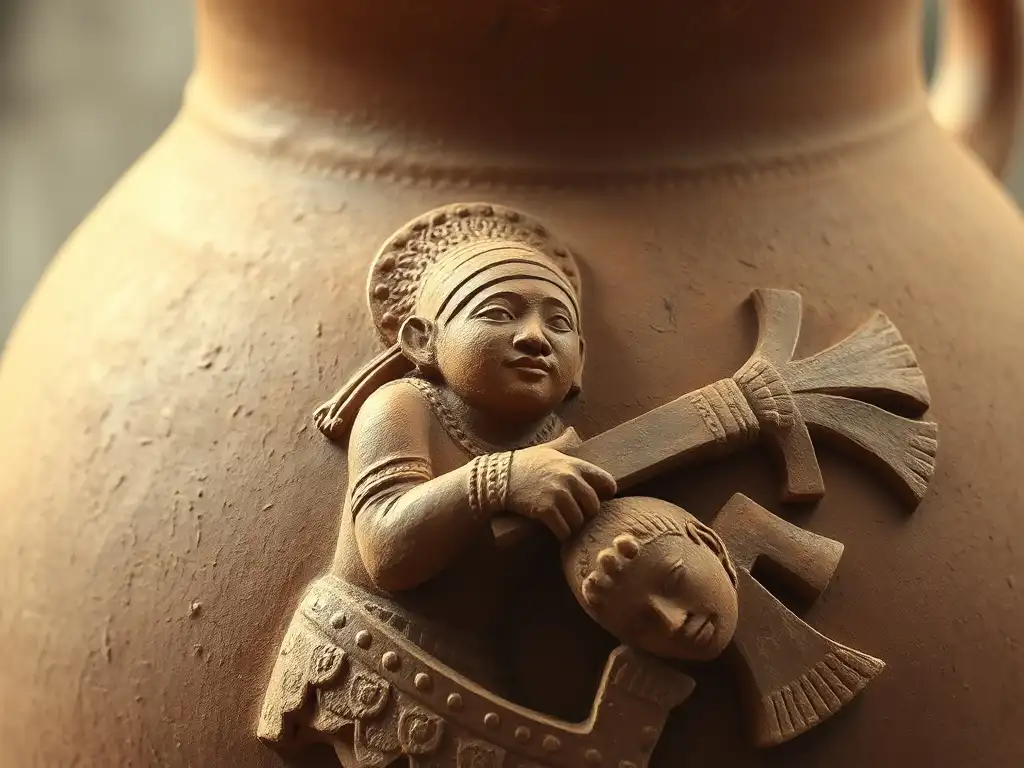
The Moche civilization (c. 100 – 800 CE) of northern Peru left behind a remarkable legacy, most notably their incredibly sophisticated pottery. Moche pottery techniques represent a pinnacle of pre-Columbian artistry and technological innovation. Their mastery of clay manipulation, firing processes, and decorative techniques resulted in vibrant, lifelike depictions of their world, providing invaluable insights into their society, beliefs, and daily lives.
This section delves into the specific techniques employed by the Moche, highlighting the precision and skill involved in creating these enduring masterpieces. Understanding these techniques allows us to appreciate the complexity and artistry that went into each piece, solidifying the Moche's place as masterful potters.
Moche Ceramics: Forms, Styles, and Iconography
Moche ceramics are renowned for their diversity of forms, styles, and iconography. They produced a wide range of vessels, from simple bowls and jars to highly elaborate stirrup-spout vessels, characterized by their distinctive handles shaped like stirrups. These stirrup-spout vessels often featured complex scenes, frequently depicting ritualistic events, mythological figures, and scenes of daily life with astonishing realism.
The stylistic variations in Moche pottery are also noteworthy. Early Moche pottery often displays simpler designs and forms, while later periods saw an explosion of intricate details and a wider range of colors and techniques. The iconography is equally diverse, with recurring motifs such as warriors, priests, deities, animals (including jaguars, birds, and fish), and erotic scenes.
These images provide rich material for interpreting Moche mythology, social structures, and religious beliefs. The level of detail, especially in portraying human and animal features, is truly astonishing, showcasing the potters' keen observation skills and artistic talent. For instance, the depiction of facial expressions, muscle definition, and even individual strands of hair demonstrates an incredible level of precision.
Analyzing the different styles and iconography helps archaeologists and art historians to date and categorize Moche pottery, providing a chronological framework for understanding the evolution of their artistic traditions. The consistent high quality of craftsmanship, however, underscores the enduring importance of pottery-making within Moche society.
The Significance of Moche Pottery in Understanding their Culture
Moche pottery serves as a crucial primary source for understanding their culture. Unlike many other pre-Columbian cultures that left behind limited written records, the Moche's intricate pottery provides a visual record of their worldview, social hierarchy, and religious practices. The detailed depictions on the vessels offer invaluable insights into their daily lives, rituals, and beliefs. For example, scenes of warfare suggest a society organized around military power, while depictions of elaborate feasts and ceremonies illuminate their social and religious practices. The portrayal of specific individuals, possibly rulers or priests, indicates a hierarchical social structure.
Furthermore, the prevalence of certain motifs, such as supernatural beings and ritual objects, suggests the importance of religion in Moche society. The careful and meticulous execution of these images shows the high regard in which the craft was held and its role in expressing cultural values and beliefs.
The sheer volume of surviving pottery also indicates the widespread nature of the craft, suggesting that pottery making was an integral part of Moche daily life, and not simply limited to elite or specialized groups. Understanding the symbolism within the pottery is key to unlocking a deeper understanding of Moche culture and beliefs.
Moche Pottery Production: The Use of Molds and Slip Painting
Moche potters employed sophisticated techniques to create their remarkable ceramics. The use of molds, for example, allowed for the mass production of certain forms while maintaining high levels of quality and detail. While some vessels were likely hand-built, the use of molds facilitated the creation of standardized shapes, especially for larger vessels. This technique allowed for efficient production, ensuring a consistent supply of pottery for various purposes.
Slip painting was another crucial Moche pottery technique. Slips, which are liquid clay suspensions, were used to create a variety of colors and textures on the pottery surface. The Moche mastered the use of different slips and firing techniques to achieve a wide range of hues, from vibrant reds and oranges to subtle yellows and blacks. They often combined multiple slips to create complex designs, demonstrating a high level of skill and artistry. The application of the slip was often done with great precision, allowing the potters to create intricate patterns and detailed images.
Furthermore, the Moche employed various techniques to enhance the durability and visual appeal of their pottery. Polishing the surface after firing gave the vessels a smooth, glossy finish, enhancing their aesthetic qualities. In addition to slip painting, the Moche sometimes used paint directly onto the surface of the pottery, further enhancing the complexity of the designs and adding another layer to their artistic expression.
The combination of mold-making, slip painting, and other finishing techniques showcases the Moche's advanced understanding of ceramic technology and their remarkable artistic skill. Their mastery of these techniques resulted in the creation of enduring and aesthetically stunning artifacts that continue to fascinate and inspire today.
Analyzing Moche Pottery: Iconographic Motifs and Symbolism
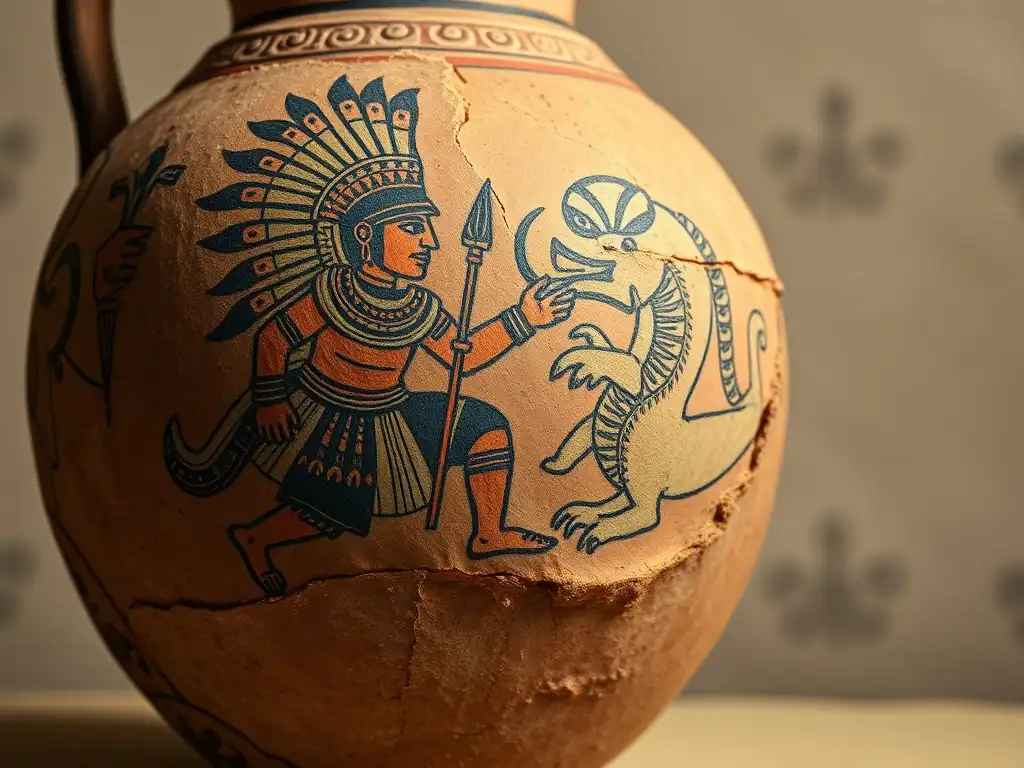
Moche pottery is renowned not only for its technical brilliance but also for its rich iconography. The motifs depicted on these vessels offer invaluable insights into the Moche worldview, their social structures, and their daily lives. Careful analysis reveals intricate scenes of warfare, religious ceremonies, and everyday activities, all rendered with remarkable detail. For instance, depictions of warriors in elaborate headdresses and wielding weaponry provide clues about Moche military organization and strategies.
Similarly, scenes of elaborate rituals involving priests, shamans, and possibly human sacrifice offer glimpses into their religious beliefs and practices. The frequent portrayal of deities, mythical creatures, and stylized representations of nature further enriches our understanding of their cosmology. The symbolism embedded within these images is complex and multifaceted, often requiring interdisciplinary approaches involving archaeology, anthropology, and art history to fully decipher. Scholars continue to debate the precise meaning of many motifs, making the study of Moche iconography a dynamic and ongoing field of research.
The careful observation of posture, facial expressions, and the arrangement of figures within a scene can reveal power dynamics and social hierarchies within Moche society. For example, the size and prominence of certain figures in a scene often indicate their social status or religious importance. The use of specific colors and materials also carries symbolic weight, contributing to the overall meaning of the depicted scene. The study of Moche pottery iconography is essential to understanding the intricate complexities of their culture.
Moche Pottery Decoration: Precision and Artistic Skill
The artistry displayed in Moche pottery decoration is breathtaking. The potters demonstrated exceptional skill in a variety of techniques, including modeling, painting, and sculpting. They mastered the art of slip painting, applying thin layers of colored clay to create vibrant and detailed designs. The precision of their work is astonishing, with incredibly fine lines and intricate details that are still visible today. The use of multiple colors, often combined with negative space, created dynamic and visually striking compositions.
The process was complex, demanding skill and patience. First, the vessel would be shaped using coils of clay, then carefully smoothed and polished. After drying, the slip was applied, followed by meticulous painting with brushes made from natural materials. Some pieces were further embellished with added features, like sculpted figures or incised lines. The use of different clays and firing techniques allowed for variations in color and texture, enhancing the overall aesthetic appeal.
The level of detail, even in smaller pieces, is a testament to the potters' mastery of their craft. The range of decorative styles employed by Moche artisans also testifies to their creative spirit, highlighting the diversity of artistic expression within the culture. Some pieces feature highly realistic depictions of flora and fauna, while others showcase abstract patterns or geometric designs. This diversity speaks to the richness of Moche artistic traditions and the individual creativity of the artisans.
Moche ceramics played a significant role in both ritual and daily life. Elaborate vessels were used in religious ceremonies, often depicting scenes of sacrifices, offerings, and interactions with deities. These vessels weren't merely containers; they were active participants in the rituals themselves. Their forms and decorations were carefully chosen to reflect the specific purpose of the ceremony. For example, large, ornate vessels might have been used for containing offerings to powerful deities, while smaller, simpler vessels might have served more mundane purposes within the ritual context.
Beyond ritual use, Moche pottery was integral to daily life. A wide variety of vessels were created for storing food, water, and other necessities. The shapes and sizes of these vessels often reflect the specific contents they were intended to hold. Some vessels were designed for carrying liquids, while others were better suited for storing dry goods. The presence of Moche pottery in burials also indicates its importance in funerary practices.
The type and quality of pottery found in a grave often reflect the social status of the deceased. Elaborate vessels were commonly placed in the graves of elites, while simpler vessels were associated with individuals of lower social standing. This demonstrates the social stratification within Moche society and the significant role pottery played in marking social distinctions. Studying Moche ceramics therefore provides a window into the social fabric of the civilization, revealing their beliefs, practices, and daily routines. The careful analysis of these artifacts helps us reconstruct the social, religious, and economic structures of Moche society.
Moche Metallurgy: Working with Precious Metals
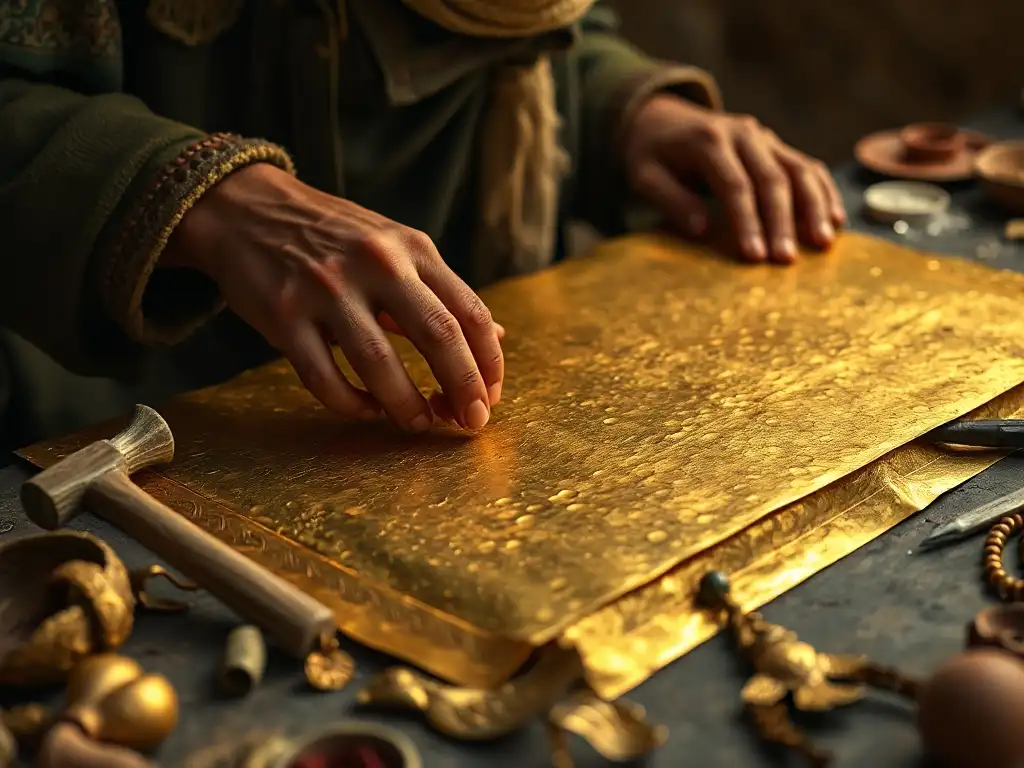
The Moche civilization, flourishing along the northern coast of Peru from approximately 100 to 800 CE, demonstrated remarkable skill in metallurgy, rivaling their expertise in pottery. Their mastery of metalworking, particularly with gold, silver, and copper, reveals sophisticated techniques and a deep understanding of material properties. The use of these precious metals wasn't merely decorative; it played a crucial role in their social hierarchy, religious practices, and political power structures.
Analyzing Moche metallurgical practices offers invaluable insights into their complex society and artistic achievements. The scarcity of these metals in the region suggests intricate trade networks and a highly organized system of resource management. Evidence suggests that Moche metallurgists possessed advanced knowledge of alloying, casting, hammering, and repoussé techniques, resulting in intricate and visually stunning artifacts.
Moche Metalworking Techniques: Gold, Silver, and Copper
Moche metalworkers employed a variety of techniques to shape and embellish gold, silver, and copper. The most common methods included:
- Lost-wax casting: This sophisticated technique allowed for the creation of complex three-dimensional forms. Evidence suggests the use of pre-Columbian lost-wax casting, where a wax model is covered in clay, heated to melt the wax, and then molten metal is poured into the resulting mold. This method enabled the production of intricate figures, jewelry, and tools. The precision and detail evident in surviving artifacts highlight the skill and patience of Moche artisans.
- Hammering and repoussé: These techniques involved shaping metal sheets by hammering from the front and back, creating three-dimensional relief. This process required significant skill and control, as the metal could easily crack or tear. The Moche mastered this, producing incredibly detailed and delicate pieces.
- Alloying: Moche metallurgists understood the properties of different metals and skillfully combined them to create alloys with desired characteristics. For example, they alloyed copper with tin or arsenic to produce bronze, a harder and more durable material. The precise ratios used in these alloys remain a subject of ongoing research, with [specific alloying ratios pending] analysis.
- Inlay: This decorative technique involved embedding small pieces of other materials, such as turquoise or shell, into the metal surface, creating intricate patterns and designs. This demonstrates a keen eye for detail and a sophisticated understanding of both material properties and artistic composition.
Moche Metal Art: Jewelry, Masks, and Ritual Objects
The Moche's metallurgical prowess is evident in the stunning array of objects they produced. These artifacts serve as powerful testaments to their artistry and technological capabilities. Examples include:
- Jewelry: Elaborate necklaces, earrings, and headdresses adorned the elite members of Moche society. These pieces often featured intricate designs, depicting deities, animals, and mythical creatures. The use of gold and silver highlights their importance and the social status of those who wore them.
- Masks: Metal masks, often made of gold or copper, played an important role in Moche rituals and ceremonies. These masks, often representing deities or ancestors, were likely used in funerary practices or religious performances. The expressive features and detailed craftsmanship demonstrate a high level of artistry.
- Ritual Objects: Moche metallurgists also produced a variety of ritual objects, including small figurines, vessels, and tools. These items were likely used in religious ceremonies or as offerings to the gods. The level of detail and precision in these pieces demonstrate the high value placed on religious practices within Moche society.
The diversity of forms and the consistent high quality of the metalwork indicate a well-established and specialized craft tradition.
The Role of Metallurgy in Moche Society and Power
Moche metallurgy wasn't simply a craft; it was deeply intertwined with their social structure and political power. The control over precious metals and the expertise required to work them likely concentrated wealth and power in the hands of the elite. The production of elaborate gold and silver objects was likely reserved for the ruling class, symbolizing their status and authority.
The distribution of metal artifacts suggests a hierarchical system, with the most elaborate pieces found in elite tombs and ceremonial contexts. This reinforces the idea that access to precious metals and the skills to work them were controlled by the ruling class, serving to solidify their position within society. The symbolic and ritualistic use of metal objects further underscores their importance in Moche religion and ideology. Further research into the distribution and use of these objects may reveal more about the intricacies of Moche social organization and power dynamics.
For example, [Further research on the relationship between metalworking and social stratification is needed]. The study of Moche metallurgy offers a captivating glimpse into a sophisticated and complex civilization. 🏆
Moche Engineering and Architecture: Building a Civilization
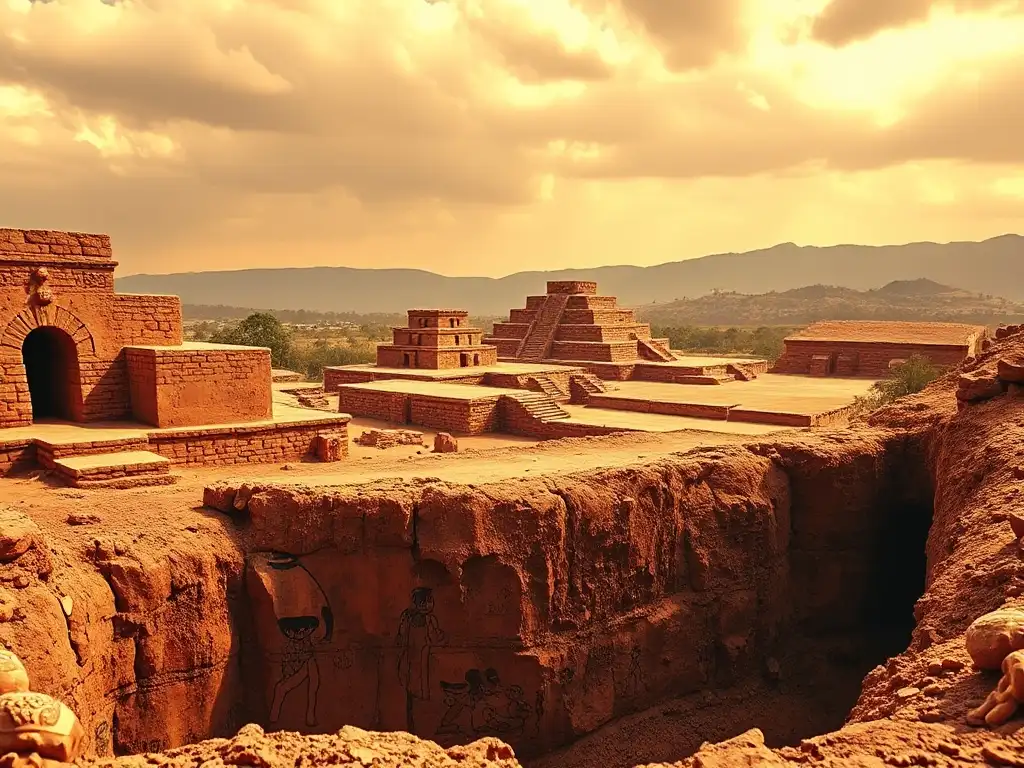
The Moche, a pre-Columbian civilization flourishing along the northern coast of Peru (roughly 200-800 CE), were not just masters of pottery; their engineering and architectural achievements were equally impressive, reflecting a sophisticated understanding of their environment and a remarkable capacity for organized labor. Their urban planning, irrigation systems, and construction techniques showcase a level of technological sophistication that continues to fascinate archaeologists and historians. Understanding their Moche pottery techniques in the context of their broader technological capabilities provides a more complete picture of this remarkable culture.
Moche Urban Centers: Huacas and Ceremonial Sites
Moche urban centers weren't sprawling cities like those found in Mesoamerica. Instead, they were characterized by a decentralized network of smaller settlements centered around monumental structures known as huacas. These weren't merely buildings; they were complex religious and administrative centers, often incorporating pyramids, platforms, and plazas.
The construction of these huacas required significant engineering skill, involving the precise placement of millions of adobe bricks and, in some cases, the incorporation of stone elements. Huaca del Sol and Huaca de la Luna, near the modern city of Trujillo, are prime examples of this sophisticated urban planning and monumental architecture. The sheer scale of these structures speaks to the Moche's ability to mobilize large workforces and manage complex logistical operations.
Detailed analysis of the construction methods employed reveals a deep understanding of weight distribution and structural integrity, allowing them to create remarkably stable and durable structures that have withstood the test of time, albeit with significant damage from looting and natural elements. The layout of these sites, with their carefully planned plazas and interconnected buildings, suggests a highly organized social structure and a centralized authority capable of directing large-scale construction projects.
Moche Irrigation Systems: Managing Water Resources
The arid coastal desert of northern Peru presented a significant challenge to the Moche. Their survival depended on their ability to effectively manage scarce water resources. The Moche developed an ingenious system of canals and reservoirs that channeled water from rivers and streams to irrigate their agricultural lands.
This wasn't a simple matter of digging ditches; it involved surveying the terrain, designing intricate networks of canals, and constructing dams and reservoirs to store water for use during dry periods. The precision and scale of these irrigation systems are a testament to their advanced engineering skills and their deep understanding of hydrology. The Moche pottery techniques used to create vessels for storing and transporting water were also crucial to their successful water management strategies.
Archaeological evidence suggests a sophisticated understanding of hydraulic engineering, including techniques for regulating water flow and preventing erosion. The success of their irrigation systems allowed the Moche to support a large and dense population, facilitating the development of their complex society and allowing them to dedicate resources to other endeavors, such as the creation of their iconic pottery.
Moche Construction Techniques: Adobe and Stone
The Moche primarily used adobe bricks—sun-dried mud bricks—for the construction of their buildings and monumental structures. However, their mastery extended beyond simple bricklaying. They developed techniques for creating exceptionally strong and durable adobe bricks, often incorporating organic materials like straw or reeds to improve their consistency and strength. The precision with which they laid these bricks, creating intricate patterns and designs, is remarkable.
In some cases, they also incorporated stone, particularly in the construction of foundations and key architectural features. The precise cutting and fitting of stone blocks demonstrate a high level of craftsmanship and a sophisticated understanding of stonework. The use of both adobe and stone, depending on the specific needs of the project, demonstrates a flexible and adaptive approach to construction, highlighting the Moche's practical and innovative spirit.
The longevity of many Moche structures, despite centuries of exposure to the harsh coastal climate, is a testament to the quality of their construction techniques. Their innovative use of readily available materials, combined with their engineering expertise, allowed them to build structures that served their needs for generations. Further research into the specific composition of their adobe bricks and the techniques used in their construction could provide even more insights into the sophistication of their Moche pottery techniques and their broader technological achievements.
Moche Decline and Legacy: What Happened to this Powerful Culture?
The Moche civilization, known for its sophisticated irrigation systems, impressive architecture, and breathtaking pottery, mysteriously collapsed around the 8th century CE. While the exact causes remain a subject of ongoing debate among archaeologists and historians, several compelling theories attempt to explain this dramatic downfall. Understanding the factors contributing to the Moche decline is crucial to appreciating the full scope of their achievements and their lasting impact on subsequent Andean societies. The study of "Moche pottery techniques," for example, offers valuable clues into their societal structures and vulnerabilities.
Theories Surrounding the Moche Collapse
Several interconnected factors likely contributed to the Moche civilization's demise. One prominent theory points to environmental changes. Prolonged droughts, possibly exacerbated by El Niño events, could have severely impacted their agricultural productivity, the backbone of their economy. The intricate canal systems that sustained their population may have become insufficient during extended periods of water scarcity, leading to widespread famine and societal unrest. Evidence of shifting river courses and desertification supports this hypothesis.
Another significant factor might have been internal strife and warfare. While the Moche are known for their centralized power structure, evidence suggests internal conflicts and power struggles may have weakened the empire from within. Excavations have uncovered signs of violence and destruction in some Moche sites, indicating potential battles and rebellions. The complex interplay between environmental stress and internal conflicts could have created a perfect storm, leading to the collapse.
Finally, the impact of external pressures cannot be ignored. While the exact nature and extent of interactions with neighboring cultures remain unclear, it's plausible that external pressures, including raids or invasions, contributed to the Moche's decline. The emergence of new, powerful groups in the region could have further destabilized an already vulnerable society. More research is needed to fully understand the interactions and influence of external factors. The intricate designs found in “Moche pottery techniques” suggest a sophisticated society, yet one that may have been vulnerable to internal and external pressures.
The Influence of Moche Culture on Later Andean Societies
Despite their decline, the Moche left an indelible mark on the Andean world. Their artistic and technological innovations, particularly their mastery of "Moche pottery techniques," were adopted and adapted by subsequent cultures. The sophisticated metalworking techniques, the distinctive ceramic styles, and the advanced irrigation systems all influenced later Andean societies.
The impact of Moche artistry is particularly evident. The vibrant and detailed iconography found in their pottery, textiles, and metalwork served as inspiration for later Andean artists. The iconic Moche portraits, for example, showcase a level of realism and technical skill unmatched by many contemporary cultures. These artistic traditions were carried forward, evolving and adapting over time, but retaining clear links to the Moche aesthetic. The unique styles and "Moche pottery techniques" influenced generations of artisans.
Their advanced knowledge of hydraulic engineering also had a lasting legacy. The intricate canal systems they developed, while eventually failing under environmental stress, served as a model for later irrigation projects. This knowledge of water management was crucial for the survival and prosperity of subsequent Andean societies.
Moche Art and Technology: A Lasting Contribution to Andean History
The Moche civilization's legacy extends far beyond their relatively short lifespan. Their mastery of various art forms and technologies continues to fascinate and inspire. Their iconic pottery, renowned for its realistic depictions of human figures, animals, and mythological scenes, stands as a testament to their artistic prowess. The meticulous attention to detail and the vibrant use of colors are hallmarks of "Moche pottery techniques," reflecting a deep understanding of ceramic materials and firing processes.
Beyond pottery, the Moche were skilled metalworkers, producing intricate gold and silver objects, often adorned with intricate designs. Their advancements in metallurgy were remarkable, demonstrating a sophisticated understanding of alloying and casting techniques. This knowledge was not only used for decorative purposes but also for ceremonial and practical tools.
The Moche's innovative techniques in both pottery and metalwork significantly influenced the development of art and technology in the Andean region for centuries to come. The study of "Moche pottery techniques" provides a window into their technological and artistic sophistication. Their legacy continues to inspire researchers and artists alike, ensuring that the Moche civilization remains a captivating chapter in the rich tapestry of Andean history.
Conclusion: The Enduring Legacy of the Moche Civilization
The collapse of the Moche civilization, while shrouded in some mystery, wasn't a sudden event but likely a gradual process spanning decades, perhaps even centuries. Environmental factors, such as prolonged droughts or devastating El Niño events, undoubtedly played a significant role. These climatic shifts could have severely impacted agricultural production, the backbone of the Moche economy, leading to widespread famine and social unrest. Evidence suggests that internal conflicts, possibly fueled by resource scarcity, may have also contributed to the weakening of the Moche state.
Competition between different factions or elites could have destabilized the political system, making it vulnerable to external pressures or internal collapse. Archaeological findings, though still debated among scholars, point towards a gradual decline rather than a swift conquest. The absence of widespread evidence of warfare or large-scale destruction in many Moche sites suggests a less violent end than some other Andean civilizations.
The Moche legacy, however, extends far beyond their political demise. Their sophisticated artistic achievements, particularly their mastery of Moche pottery techniques, continue to captivate and inspire. The intricate details, vibrant colors, and realistic depictions of their pottery provide invaluable insights into their daily life, religious beliefs, and social structures. These artifacts are not merely decorative objects; they are windows into a complex and fascinating society.
Their advanced irrigation systems, impressive architectural feats, and sophisticated metalworking also stand as testaments to their ingenuity and technological prowess. The impact of their innovations on subsequent Andean cultures is undeniable, influencing the development of later civilizations in the region. Their artistic style, particularly their distinctive pottery, influenced subsequent artistic traditions, leaving an indelible mark on Andean art history. The Moche civilization, though vanished, continues to resonate through the enduring power of its artistic and technological legacy.
Even today, the study of Moche artifacts helps us understand the intricacies of pre-Columbian Andean societies and their remarkable achievements. The precise mechanisms of their downfall remain a topic of ongoing research and debate, highlighting the complexities of studying ancient civilizations and the need for continued exploration and analysis. Their story serves as a powerful reminder of the cyclical nature of power and the lasting impact of human ingenuity, even in the face of adversity. 🌊
Frequently Asked Questions
What makes Moche pottery unique?
Moche pottery is renowned for its exceptional artistry and realistic depictions of daily life, rituals, and mythology. The vibrant colors and intricate details are truly remarkable.
What techniques did the Moche use to create their pottery?
The Moche employed a variety of techniques, including modeling, slip painting, and negative painting. They also used various firing methods to achieve different effects.
How did the Moche achieve such realistic detail in their pottery?
Their skilled craftsmanship and use of natural pigments allowed for incredibly lifelike representations. Detailed modeling and precise application of paint contributed to their realism.
What were the purposes of Moche pottery?
Moche pottery served ceremonial, funerary, and domestic purposes. Some pieces were used in rituals, while others were everyday vessels. Many were also grave goods.
Where can I learn more about Moche pottery techniques?
To delve deeper, explore museum exhibits focusing on Moche artifacts, academic journals, and books on pre-Columbian art and archaeology. You can also search online for information using the keywords "Moche pottery techniques".
Final Reflection: Echoes of the Moche: A Legacy in Clay
The intricate artistry and advanced technological prowess of the Moche civilization continue to resonate today, a testament to human ingenuity and a profound connection to the natural world. Their mastery of pottery, a seemingly simple craft, transcended mere functionality, becoming a powerful medium for storytelling, ritual, and social commentary that continues to fascinate and inspire archaeologists and art historians alike. The enduring legacy of the Moche is not just in the surviving artifacts, but in the questions they pose about human creativity and our enduring relationship with the past.
The Moche's innovative techniques, from their sophisticated slipware to their mastery of mold-making, represent a high point of pre-Columbian artistry. Their pottery wasn't simply decorative; it was a vital component of their religious beliefs and social structures, reflecting their complex worldview. The Moche pot is not just a vessel; it is a window into a lost world, a vibrant tapestry woven from clay and imagination.
This quote encapsulates the enduring power of their artistic legacy, a legacy that continues to shape our understanding of ancient Andean cultures and challenges our preconceived notions of technological advancement in pre-industrial societies. The meticulous detail and vibrant colors still hold the power to captivate, reminding us of the enduring human need for artistic expression.
Consider the implications of the Moche's achievements. Their dedication to their craft, their innovative spirit, and their ability to transform simple materials into breathtaking works of art offer a profound lesson for us all. You too possess the capacity for innovation and creative expression. Take a moment to reflect on your own skills and talents, and consider how you might use them to create something beautiful, something meaningful, something that will endure. Let the legacy of the Moche inspire you to explore your own potential and leave your own mark on the world, however small.
Unveil the Wonders of the Moche Today!
Thank you for exploring the incredible artistry and technological achievements of the Moche civilization. We hope you've gained valuable insights into their rich heritage and cultural legacy. Now, let's delve deeper into this fascinating world!
Here's how you can continue your journey:
- Visit a museum with a significant collection of Andean artifacts to experience Moche art firsthand. Many museums feature dedicated exhibits showcasing the beauty and complexity of Moche pottery, metalwork, and textiles.
- Connect with other enthusiasts through online forums or social media groups dedicated to pre-Columbian cultures. Sharing your thoughts and learning from others who are equally passionate about this period can enrich your understanding significantly.
- Share your discoveries! Write a blog post, create a social media update, or even contribute to an online encyclopedia – your insights could inspire others to learn about the remarkable Moche civilization.
What aspect of Moche culture has captivated you the most, and how will you further explore it?