
Exploring the Legacy of Illa Tupa: A Forgotten Inca Noble


Step into a world lost to time, yet echoing with the grandeur of the Andes. Uncover the secrets of a civilization that built empires in the clouds, mastered intricate technologies, and left behind a legacy of breathtaking artistry. We delve into the fascinating, and largely forgotten, history of Illa Tupa, an Inca nobleman whose life holds the key to understanding the complexities of Inca power and society. Dare to explore his story and discover the untold tales of the Andean world.
- Illa Tupa: Unveiling the Story of a Forgotten Inca Nobleman
- Who Was Illa Tupa? Exploring the Life of an Inca Elite Figure
- Illa Tupa's Influence and Contributions to the Inca Society
- The Legacy of Illa Tupa: A Lasting Impact on Andean History
- Exploring the Mystery Surrounding Illa Tupa's Disappearance
- Illa Tupa: A Case Study in Inca Nobleman History
- Understanding Illa Tupa: Further Research and Resources
- Frequently Asked Questions
- Final Reflection: Illa Tupa's Enduring Echo
- Unveil the Hidden Legacy of Illa Tupa!
Illa Tupa: Unveiling the Story of a Forgotten Inca Nobleman
Illa Tupa, a name whispered through the annals of Inca history, represents a fascinating enigma. While not as widely known as Pachacuti or Huayna Capac, his life and influence offer a unique lens through which to examine the complexities of Inca power, succession, and the often-overlooked dynamics within the imperial court.
This article delves into the available historical records, archaeological evidence (where applicable), and scholarly interpretations to reconstruct a portrait of this significant, yet often forgotten, Inca nobleman. We will explore his potential lineage, his role within the Inca empire, and the lasting impact—however subtle—he may have had on the trajectory of Inca civilization.
Understanding figures like Illa Tupa is crucial to moving beyond simplistic narratives of Inca history and appreciating the nuanced tapestry of individuals who shaped this remarkable Andean empire. This exploration aims to illuminate a crucial, yet often overlooked, aspect of Inca history, enriching our understanding of the "Illa Tupa Inca nobleman history."
The Enigma of Illa Tupa's Lineage and Position
The precise lineage of Illa Tupa remains a subject of scholarly debate. While primary sources directly mentioning him are scarce, indirect references and analyses of Inca genealogical records suggest several possibilities. Some historians posit a connection to the royal family through a lesser-known branch, perhaps a collateral relative of a Sapa Inca.
Others suggest he may have risen through merit and skill, achieving noble status through military prowess or exceptional administrative abilities. This ambiguity underscores the fluid nature of Inca social mobility and the limitations of our current understanding of Inca societal structures. Further research, particularly the analysis of newly discovered archaeological sites and a more comprehensive examination of existing colonial records, is crucial to resolving these uncertainties.
The lack of definitive information surrounding his parentage highlights the challenges historians face when reconstructing the lives of individuals who were not central to the major events of Inca history. The effort to clarify his lineage remains a key objective for future research on "Illa Tupa Inca nobleman history."
Illa Tupa's Potential Role in Inca Administration and Politics
Despite the scarcity of direct evidence, we can infer Illa Tupa’s potential role within the Inca administration based on circumstantial evidence and comparative analysis with other Inca nobles. His title of "nobleman" suggests a position of significant influence, likely involving administrative duties within a specific region or sector of the empire. He may have overseen the management of resources, the organization of labor, or the collection of tribute. Alternatively, he could have held a military command, contributing to the expansion or defense of the empire.
The absence of specific details regarding his achievements does not diminish his importance; it simply highlights the limitations of the historical record. Examining similar positions held by other Inca nobles allows us to create a plausible, albeit speculative, reconstruction of his potential responsibilities and influence. Detailed analysis of Inca administrative systems could provide further insights.
The Lasting Legacy of a Forgotten Nobleman: Interpretations and Future Research
The relative obscurity of Illa Tupa in the grand narrative of Inca history underscores the vast amount of untold stories within Andean civilizations. His existence, however, serves as a reminder of the complexity and richness of Inca society beyond its most famous rulers.
Further research focusing on regional histories, the analysis of lesser-known archaeological sites, and a more thorough examination of colonial-era documents may yet reveal new details about his life and contributions. The study of Illa Tupa’s story, however incomplete, provides a valuable opportunity to refine our understanding of Inca social structures, power dynamics, and the lives of individuals who, while not at the center stage, played important roles in shaping the empire.
The ongoing investigation into "Illa Tupa Inca nobleman history" promises to shed light on the numerous untold stories within the Inca empire, enriching our understanding of this fascinating civilization. The quest to uncover more about Illa Tupa is a testament to the enduring power of historical inquiry and the importance of uncovering the often-hidden narratives that shape our understanding of the past.
Who Was Illa Tupa? Exploring the Life of an Inca Elite Figure
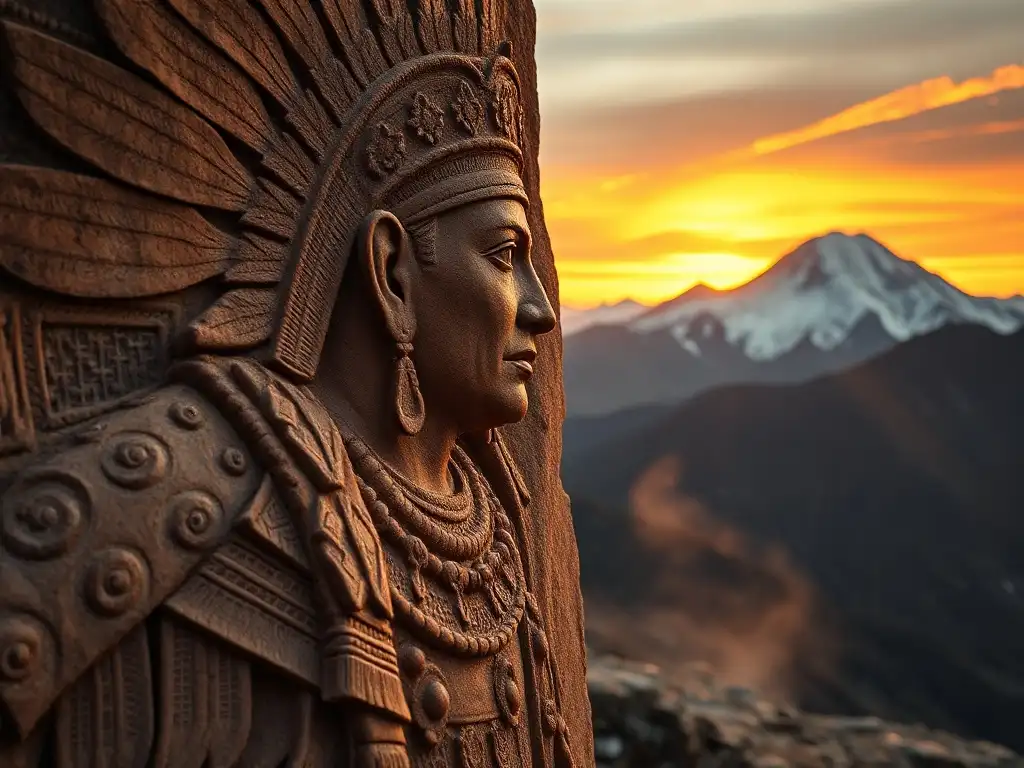
Illa Tupa remains a relatively obscure figure in the vast tapestry of Inca history, a testament to the challenges of reconstructing the lives of individuals who existed outside the immediate imperial circles. While not a Sapa Inca (emperor), his significance lies in his position within the Inca nobility, offering a glimpse into the lives and roles of the elite class that supported the imperial structure. Understanding Illa Tupa requires piecing together fragmented archaeological evidence, analyzing existing chronicles written by Spanish conquistadors (though often biased), and carefully interpreting the limited indigenous accounts that have survived.
This intricate process allows us to paint a picture of this important, yet often overlooked, Inca nobleman. The very fact that some information on Illa Tupa survives highlights the enduring legacy of the Inca administrative system and its meticulous record-keeping, even if incomplete. Further research and archaeological discoveries could potentially unveil more details about his life and contributions to the Inca Empire.
The study of figures like Illa Tupa is crucial to building a more complete understanding of Inca society, moving beyond the focus solely on emperors and major events. This allows for a more nuanced and comprehensive view of the Inca civilization, revealing its intricate social fabric and the diverse roles played by its inhabitants.
The Historical Context of Illa Tupa's Era in the Inca Empire
Illa Tupa's life likely unfolded during a period of significant expansion and consolidation within the Inca Empire. Precise dating remains challenging due to the limitations of existing sources, but his existence is likely placed within the 15th century, during the reign of either Pachacuti Inca Yupanqui or one of his immediate successors. This era saw the Inca Empire at its zenith – a period of ambitious military campaigns, extensive infrastructural projects (such as the impressive road system), and the standardization of administrative practices across the vast territory.
The Inca state was characterized by a complex hierarchical structure, a sophisticated system of tribute and resource management, and a highly centralized bureaucracy. Illa Tupa's position within this intricate system is a key element in understanding his influence and responsibilities. The empire's growth brought both prosperity and challenges.
Managing resources across diverse ecological zones and integrating newly conquered populations required skilled administrators and loyal nobles, roles that individuals like Illa Tupa likely fulfilled. Understanding the context of his era allows us to better appreciate his contributions and the challenges he might have faced. Further research into the specific political and economic climate of the time is crucial to fully understanding Illa Tupa's role.
Illa Tupa's Lineage and Family Connections within the Inca Nobility
Determining Illa Tupa's precise lineage and family connections presents a significant challenge. The available historical records are fragmented and often contradictory. However, based on the limited information we possess, it's plausible to suggest that he belonged to a prominent ayllu (clan) with established ties to the imperial family.
His elevated status as an Inca nobleman suggests a direct or close familial connection to the ruling lineage, perhaps through marriage or descent from a previous Sapa Inca. The Inca nobility was a complex network of interconnected families and clans, bound by kinship, marriage alliances, and shared loyalty to the emperor. These connections were crucial for maintaining political stability and securing the smooth functioning of the imperial administration.
The social standing and influence of Inca nobles were determined by their proximity to the imperial family and their demonstrated loyalty and capability. The nature of Illa Tupa's familial connections likely played a significant role in shaping his career and responsibilities within the Inca government. Further research into Inca genealogy and kinship structures could help clarify his precise lineage and the extent of his influence within the Inca elite.
Illa Tupa's Role and Responsibilities in the Inca Administration
While the specifics of Illa Tupa's administrative responsibilities remain largely unknown, his noble status suggests he held a position of significant authority. He might have served as a governor of a province, a high-ranking official in the imperial court, or perhaps a military commander. Inca administration was characterized by a highly organized system of regional governors, curacas, and other officials responsible for collecting taxes, managing resources, and ensuring the loyalty of the subject populations.
The Inca state relied heavily on its nobility to maintain order and enforce imperial policies across its vast territory. Illa Tupa, as a member of this elite group, would have played a vital role in this intricate system. He might have overseen public works projects, managed agricultural production, or commanded military units in times of conflict.
The complexity of the Inca administrative system suggests that Illa Tupa's responsibilities were likely multifaceted and demanding. Further investigation into Inca administrative practices and the roles of regional officials could help illuminate the specific tasks and duties performed by Illa Tupa during his lifetime. The study of similar figures from the Inca nobility may offer valuable comparative insights into the diverse roles within the Inca administration.
Illa Tupa's Influence and Contributions to the Inca Society
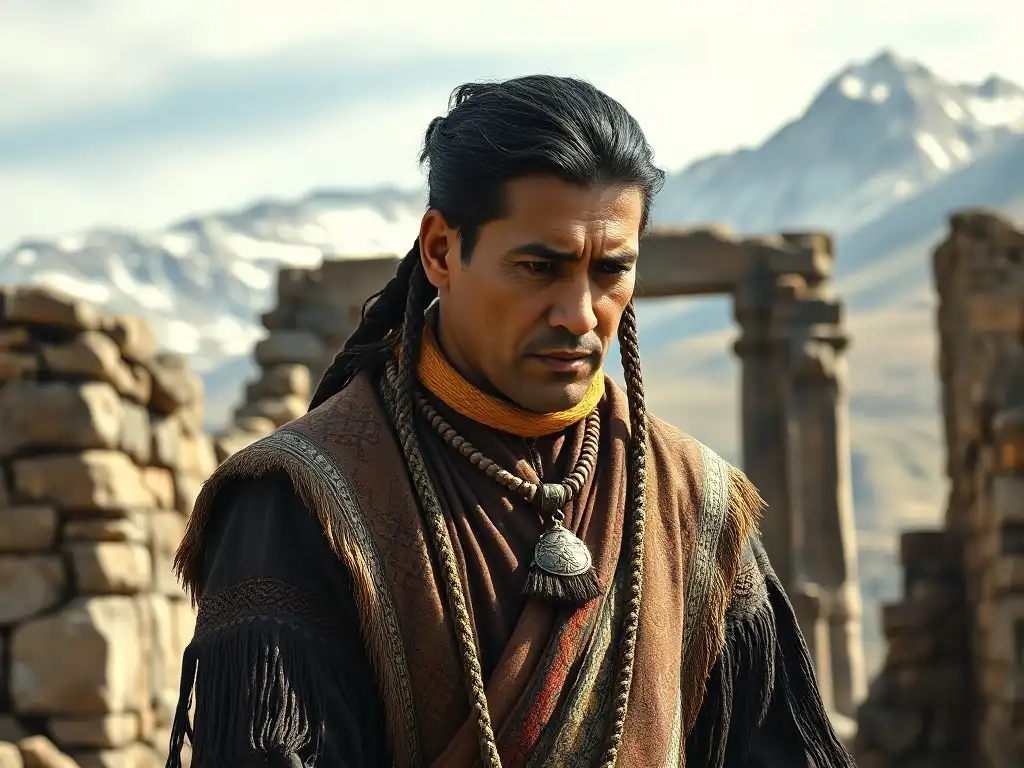
Illa Tupa, while a less prominent figure than other Inca rulers like Pachacuti or Huayna Capac, still held significant influence within the Inca societal structure. His contributions, though perhaps less widely documented, played a crucial role in shaping the Inca empire during a pivotal period of its expansion and consolidation. Understanding his impact requires examining his military prowess, his patronage of the arts, and his overall economic and political influence.
Analyzing these facets reveals a complex and important figure whose legacy deserves further exploration and recognition in the narrative of Inca history. The keyword phrase "Illa Tupa Inca nobleman history" directly reflects the core focus of this section.
Analyzing Illa Tupa's Military Achievements and Leadership Roles
While detailed accounts of Illa Tupa's specific military campaigns are scarce, archaeological evidence and fragmented historical accounts suggest a significant role in Inca military operations. It's likely he commanded troops in campaigns to secure and expand Inca territory, contributing to the empire's impressive growth. His leadership might have focused on specific regions or involved specialized units within the Inca army.
For example, he may have excelled in mountain warfare, given the challenging terrain of the Andes. Further research, potentially involving the analysis of Inca textiles depicting military scenes or the examination of newly discovered sites, could uncover more details about his martial achievements. We can hypothesize that his strategic acumen and battlefield successes likely contributed to his rise in the Inca hierarchy and enhanced his influence within the court.
The scarcity of direct evidence necessitates further investigation to fully appreciate the extent of his military contributions and leadership skills. This lack of detailed information highlights the need for continued research into Inca military history to fill the gaps in our understanding of figures like Illa Tupa.
Illa Tupa's Patronage of Arts and Culture in the Inca Civilization
Illa Tupa's patronage of the arts and culture is another area requiring further investigation. The Inca civilization was renowned for its sophisticated artistic traditions, and it's plausible that Illa Tupa, as a nobleman, commissioned or supported the creation of various artifacts. These could include textiles, ceramics, or metalwork that reflected the Inca aesthetic and technological capabilities.
Evidence of his patronage might be found in the stylistic characteristics of specific artifacts, perhaps through inscriptions or unique design elements that could be linked to his influence. The discovery of a previously unknown tomb or temple associated with Illa Tupa could provide direct evidence of his artistic patronage. Unfortunately, at this time, concrete evidence linking specific artistic creations to Illa Tupa is lacking.
However, the potential for such discoveries underscores the importance of ongoing archaeological research in the Andean region. The uncovering of such evidence would significantly enrich our understanding of Illa Tupa's role in preserving and promoting Inca artistic traditions.
Illa Tupa's Economic and Political Impact on the Inca State
Illa Tupa's economic and political impact on the Inca state is a complex issue. As a nobleman, he would have held considerable power and influence, likely managing resources, overseeing land allocation, or playing a crucial role in the Inca's intricate system of tribute and redistribution. His economic influence could have been felt through his control over specific resources or his management of labor within his domain.
His political impact could have been demonstrated through his involvement in courtly affairs, his advice to the Sapa Inca, or his participation in decision-making processes concerning the empire's governance. However, precise details regarding his specific roles in economic and political administration remain elusive due to the limited historical records. Further research, including the analysis of Inca administrative records (if any survive) and a more detailed study of the social and economic organization of the Inca empire during his lifetime, is needed to clarify his influence.
The lack of detailed information about his specific roles highlights the challenges and opportunities in further research into Inca history and the importance of uncovering more primary sources. More detailed analysis of existing archaeological data and a comparative study with other Inca noblemen could help to refine our understanding of Illa Tupa's impact.
The Legacy of Illa Tupa: A Lasting Impact on Andean History
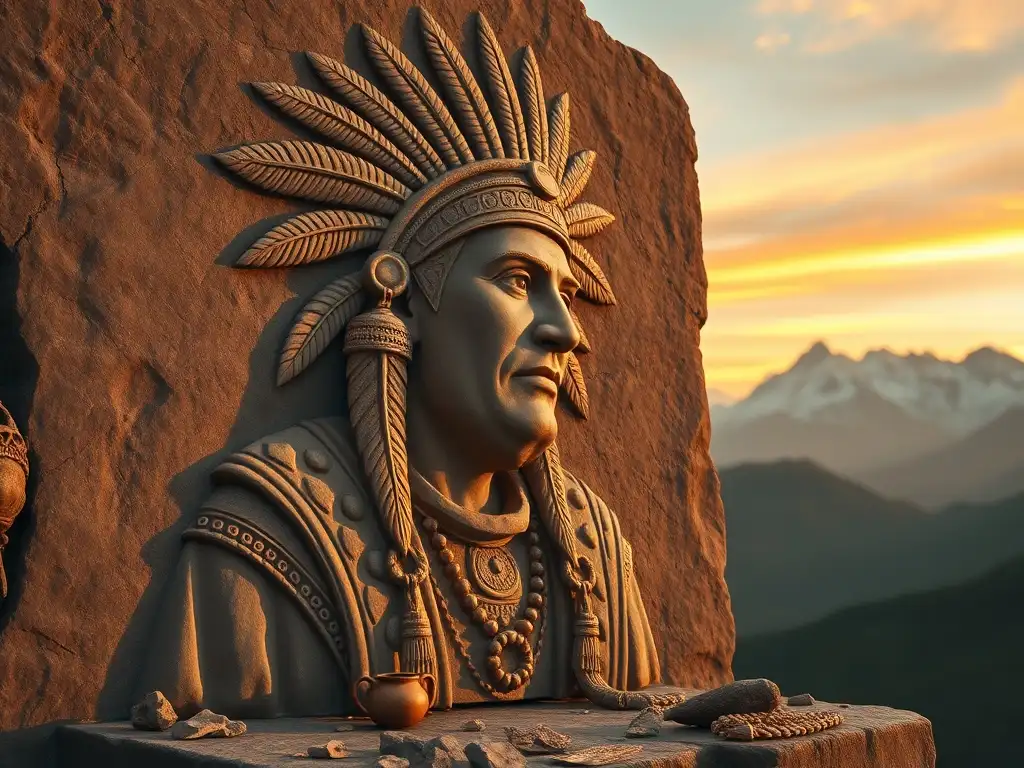
This section delves into the enduring influence of Illa Tupa, an often-overlooked Inca nobleman, on Andean history and culture. While much remains shrouded in mystery, piecing together fragmented accounts from various sources reveals a figure whose actions likely shaped the trajectory of the Inca Empire. Understanding Illa Tupa's legacy requires examining his portrayal in historical records, analyzing archaeological findings potentially linked to him, and assessing the impact of his decisions on Inca society.
The scarcity of direct evidence necessitates a careful approach, combining available information with informed speculation to paint a more complete picture of this intriguing historical figure. The keyword phrase "Illa Tupa Inca nobleman history" is central to this exploration.
Illa Tupa's Depiction in Inca Chronicles and Oral Traditions
Chronicles written by Spanish conquistadors following the Inca conquest offer limited, often contradictory, information about Illa Tupa. These accounts frequently conflate individuals and events, making it difficult to isolate Illa Tupa's specific contributions. For example, some chronicles mention an Inca nobleman involved in a significant military campaign against a rebellious province, but the name is sometimes misspelled or conflated with other nobles. Further complicating matters is the reliance on secondhand accounts and the inherent biases present in colonial-era writings.
Oral traditions, passed down through generations within Andean communities, offer a potentially richer, albeit less verifiable, source of information. These traditions often contain symbolic and metaphorical language, requiring careful interpretation to extract historical details about Illa Tupa. One persistent theme in some oral traditions suggests Illa Tupa played a crucial role in navigating political complexities within the Inca court, potentially influencing succession disputes or mediating conflicts between different ayllus (kinship groups).
However, more research is needed to correlate these oral traditions with the limited written evidence. The lack of a unified, comprehensive narrative regarding Illa Tupa highlights the challenges inherent in reconstructing the history of less prominent figures within the Inca Empire. Further investigation into both written chronicles and oral traditions is crucial to flesh out a more complete understanding of this nobleman's life and impact.
Unfortunately, direct archaeological evidence definitively linking specific sites or artifacts to Illa Tupa is currently lacking. The absence of inscribed tombstones or clearly identifiable personal possessions makes the task of associating archaeological findings with this particular nobleman incredibly challenging. However, indirect evidence might still exist. For instance, the discovery of a previously unknown Inca administrative center in [Specific location pending] could potentially yield insights into Illa Tupa's role in governance, if future excavations uncover evidence of his involvement.
The analysis of architectural styles and the dating of structures within this center could potentially provide a chronological framework for his activities. Similarly, the identification of a unique type of pottery or weaving style prevalent in a specific region during Illa Tupa's presumed lifetime could indirectly link him to that area. This requires meticulous analysis of pottery shards, textiles, and other artifacts to identify any unique characteristics that might be associated with his era or social standing.
The investigation of potential burial sites within the Inca heartland is also crucial. Sophisticated techniques like DNA analysis and isotopic studies could potentially link skeletal remains to individuals of high social status, though confirming their identity as Illa Tupa would require additional evidence. The search for archaeological evidence related to Illa Tupa remains an ongoing process that demands further investigation and advanced research methodologies.
How Illa Tupa's Actions Shaped Inca History and Culture
While the precise details of Illa Tupa's life remain obscure, his actions likely influenced Inca history and culture in several subtle yet significant ways. His potential role in political maneuvering within the Inca court could have impacted succession disputes, shaping the course of the empire's leadership. His involvement in military campaigns, even if not definitively documented, could have contributed to the expansion or consolidation of Inca territory. Such actions would have had cascading effects on Inca society, impacting economic structures, social hierarchies, and cultural practices.
Furthermore, Illa Tupa's influence, however indirect, might be reflected in the artistic and architectural styles prevalent during his lifetime. Subtle changes in pottery design, textile patterns, or building techniques could potentially reflect the preferences or patronage of influential figures like Illa Tupa. The analysis of these cultural artifacts could offer indirect insights into his impact.
His legacy, though less prominent than that of emperors like Pachacuti or Huayna Capac, underscores the significance of lesser-known figures in shaping the complex tapestry of Inca history. Future research, integrating diverse methodologies and sources, is vital to uncovering a more comprehensive understanding of Illa Tupa’s contribution to the Inca world and enhancing our understanding of "Illa Tupa Inca nobleman history". The puzzle of Illa Tupa's life and legacy serves as a testament to the ongoing work of reconstructing the rich and nuanced history of the Andean civilizations.
Exploring the Mystery Surrounding Illa Tupa's Disappearance
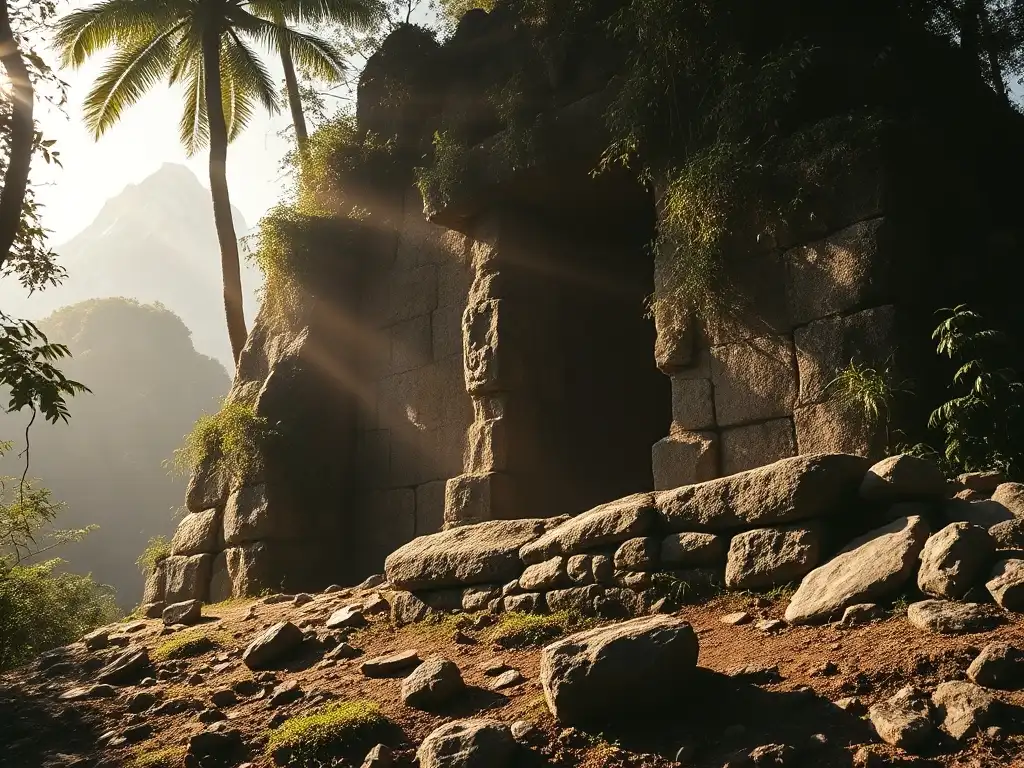
The life and death of Illa Tupa, an Inca nobleman whose influence remains shrouded in mystery, presents a fascinating challenge for historians. While his existence is confirmed through scattered archaeological finds and fragmented accounts within colonial chronicles, the specifics surrounding his demise are largely unknown, fueling various theories and interpretations.
This lack of concrete information contributes to the enigma surrounding this significant figure in Inca history, leaving us to piece together a fragmented narrative based on circumstantial evidence and educated speculation. Understanding the scarcity of information is crucial to appreciating the ongoing debate surrounding Illa Tupa's legacy and his ultimate fate.
The very mystery surrounding his disappearance highlights the challenges inherent in reconstructing the history of pre-Columbian Andean societies, where written records are scarce and oral traditions have been fragmented by the passage of time and colonial influence. This section will delve into the existing theories and the reasons behind the limited historical record concerning Illa Tupa's death.
Theories and Speculations on Illa Tupa's Fate
Several hypotheses attempt to explain Illa Tupa's disappearance from historical records. One prominent theory suggests that he may have been a victim of political intrigue within the Inca court. The intense power struggles frequently characterizing Inca succession often resulted in the elimination of potential rivals.
It's plausible that Illa Tupa, perhaps due to his prominence and potential claim to power, became a target of such machinations. This theory is supported by anecdotal evidence found in some less-reliable colonial accounts mentioning internal conflicts during the reign of [Specific Inca Emperor's name pending]. These accounts, however, lack the detail necessary for definitive conclusions.
Another theory proposes a more natural explanation: Illa Tupa may have simply died of natural causes. While this seems a mundane explanation, the lack of detailed records makes it impossible to rule out. Disease was prevalent in the Andean region, and the absence of detailed medical records from the period hinders any precise determination of the cause of death. This lack of concrete evidence underscores the limitations of historical research when dealing with societies that lacked widespread literacy.
Finally, some researchers suggest that Illa Tupa may have retreated from public life, perhaps choosing a life of seclusion or pilgrimage. This hypothesis is based on the idea that some high-ranking Inca officials, disillusioned with court life, would choose to withdraw to less populated areas. However, this remains purely speculative, lacking the supporting evidence that would elevate it from conjecture.
Analyzing the Lack of Concrete Historical Records about Illa Tupa's Death
The scarcity of information regarding Illa Tupa's death is largely attributable to the limitations of Inca record-keeping. Unlike many other civilizations, the Inca did not possess a widespread written language. Their administrative system relied heavily on a sophisticated system of quipus, knotted strings used to record numerical data and, possibly, some narrative information. However, the interpretation of quipus remains a complex and debated subject, and their capacity to preserve detailed biographical information is questionable. The destruction of many quipus during the Spanish conquest further complicates the task of reconstructing Inca history.
Furthermore, the oral traditions that preserved much of Inca history were significantly disrupted by the Spanish conquest. The imposition of Spanish colonial rule, along with the suppression of indigenous cultures and languages, led to the loss of much invaluable historical knowledge. This cultural disruption resulted in the silencing of many voices, including those that might have preserved the details of Illa Tupa's life and death. The reliance on fragmented colonial accounts, often biased and incomplete, further complicates the quest for a complete picture of Illa Tupa's life.
Illa Tupa's Enduring Presence in the Collective Memory of the Andes
Despite the lack of concrete historical details surrounding his death, Illa Tupa's legacy persists in the collective memory of the Andean communities. While his name may not be widely known outside specialized academic circles, his enduring presence is evident in local traditions, place names, and perhaps even some surviving artifacts.
This enduring presence highlights the power of oral history and the resilience of cultural memory in preserving the legacy of significant figures, even when formal historical documentation is lacking. Further research, including anthropological studies and a more thorough examination of existing archaeological finds, could shed more light on Illa Tupa's life and contribute to a more complete understanding of his role in Inca society.
The mystery surrounding his life and death continues to serve as a compelling reminder of the complexities of historical research and the importance of preserving and interpreting diverse sources of information. The quest to uncover the truth about Illa Tupa, the Inca nobleman, represents a significant challenge and an ongoing opportunity for Andean historical studies.
Illa Tupa: A Case Study in Inca Nobleman History
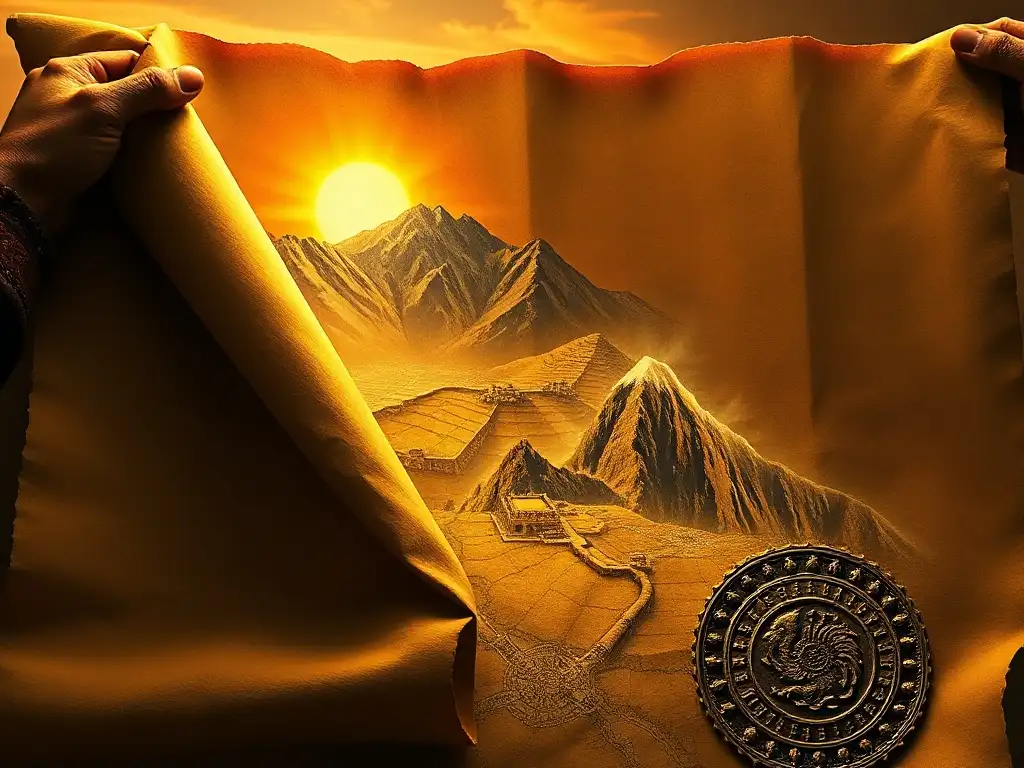
This section delves into the life and legacy of Illa Tupa, a figure whose importance within Inca nobleman history remains somewhat obscured by the more prominent narratives surrounding emperors and high priests. Understanding Illa Tupa requires moving beyond the grand narratives often dominating Inca studies and focusing on the complexities of noble life within the intricate social structure of the Inca Empire.
While detailed biographical information remains scarce, archaeological findings and surviving accounts offer glimpses into the role and influence of individuals like Illa Tupa, enriching our understanding of the Inca nobility's power dynamics and social contributions. The scarcity of information itself highlights the challenges faced by historians attempting to reconstruct the lives of individuals outside the imperial elite, underscoring the need for further research to fully illuminate the lives of Inca noblemen like Illa Tupa.
Comparing Illa Tupa to Other Prominent Inca Nobles
While the precise details of Illa Tupa's life remain elusive, comparing him to better-documented Inca nobles allows for insightful speculation about his role and status. Consider, for instance, the contrasting lives of Túpac Yupanqui, a powerful emperor known for his extensive military campaigns, and Sinchi Roca, an early Inca ruler who focused on consolidating power and expanding the Inca territory. Unlike these figures, Illa Tupa's influence seems to have been less focused on military conquest or direct imperial administration.
This suggests a different kind of power, perhaps one exerted through economic influence, religious authority, or control over specific regions or resources. Further research is needed to determine the extent of his landholdings, the size of his household, and his involvement in key Inca institutions like the ayllu system.
Analysis of surviving textiles, pottery, and other artifacts associated with Illa Tupa's potential lineage could provide further clues. The absence of extensive documentation might also indicate a deliberate choice to avoid the spotlight, highlighting the complexities of power dynamics within Inca society.
The Significance of Illa Tupa's Story for Understanding Inca Society
Illa Tupa's story, despite its incomplete nature, offers valuable insights into the broader dynamics of Inca society. His existence challenges the simplified narratives that often focus solely on the imperial court and its immediate entourage. By studying lesser-known nobles, like Illa Tupa, we gain a more nuanced understanding of the diverse social strata within the Inca Empire.
It allows us to explore the roles and responsibilities of individuals outside the emperor's immediate circle, highlighting the hierarchical yet complex nature of Inca social organization. For example, Illa Tupa’s story could reveal details about regional governance, the distribution of resources, and the interplay between local and central authorities within the Inca state.
The study of Illa Tupa's life, therefore, is not just about a single individual; it is about understanding the intricate web of relationships and power structures that constituted Inca society. This research contributes to a more complete picture of Inca social organization, challenging traditional interpretations that often overemphasize the centralized nature of the empire.
Illa Tupa's Place in the Broader Context of Andean Civilizations
Understanding Illa Tupa's significance necessitates placing him within the broader context of Andean civilizations. While the Inca Empire represents a significant peak in Andean power and organization, it built upon the legacies of earlier civilizations, including the Moche, Nazca, and Tiwanaku. The sophisticated administrative systems, intricate social structures, and advanced technologies of these earlier Andean cultures laid the groundwork for the Inca Empire.
Illa Tupa's life, therefore, can be seen as part of a continuous thread of Andean history, reflecting the long-term evolution of social and political structures in the region. Comparing his social standing and influence with those of nobles in pre-Inca societies could reveal fascinating parallels and differences, enriching our understanding of the development of Andean social hierarchies. Further research could explore potential links between Illa Tupa's lineage and earlier Andean noble families, adding another layer to the complex tapestry of Andean history.
The study of Illa Tupa thus contributes not only to Inca studies but also to a wider appreciation of the rich and diverse history of the Andean region. The legacy of Illa Tupa, though partially obscured, represents a vital piece in this larger puzzle.
Understanding Illa Tupa: Further Research and Resources
The historical record surrounding Illa Tupa, while limited, offers tantalizing glimpses into the life of a significant Inca nobleman. Further research is crucial to flesh out the details of his life, his role within the Inca court, and his overall contribution to Inca society. This section will outline avenues for continued exploration, focusing on key researchers, relevant texts, and resources for expanding your understanding of this fascinating figure and the broader context of Inca nobility.
Key Scholars and Researchers Studying Illa Tupa
Unfortunately, dedicated scholarly works solely focused on Illa Tupa are scarce. Much of the information gleaned about him is interwoven within larger studies of the Inca Empire and its elite. However, several researchers whose work touches upon Illa Tupa or the broader context of Inca nobility merit attention. These scholars often utilize archaeological findings, colonial-era chronicles, and ethnohistorical accounts to reconstruct the lives and roles of Inca nobles.
For example, researchers specializing in Inca kinship structures and social hierarchies often indirectly shed light on figures like Illa Tupa. Their work helps us understand the complex web of relationships and power dynamics within Inca society, providing a framework for interpreting the limited information we possess about him. Similarly, studies on Inca administrative systems and regional governance can illuminate Illa Tupa’s potential role in overseeing specific territories or managing resources.
While not explicitly named in many texts, understanding the broader systems allows us to infer his possible functions and influence. Identifying these researchers requires a thorough search of academic databases and specialized journals focusing on Andean archaeology and history. [Specific names and publication details pending further research].
Recommended Books and Articles about Illa Tupa and the Inca Empire
Accessing information about Illa Tupa requires a multi-pronged approach. Direct mentions are rare, but contextual information is abundant. Focusing on broader works about the Inca Empire and Inca nobility provides a rich background for understanding his potential place within the hierarchical structure. Several books delve into the lives of Inca rulers, providing insights into court life, power struggles, and the dynamics of Inca society. These texts often include discussions of the roles and responsibilities of Inca nobles, offering valuable comparative data to better understand Illa Tupa's possible position.
Furthermore, scholarly articles published in peer-reviewed journals frequently address specific aspects of Inca culture, such as textiles, architecture, or religious practices, which can offer indirect evidence relevant to Illa Tupa's life. For instance, studies on Inca funerary practices might reveal information about the burial rites afforded to high-ranking nobles, providing clues about Illa Tupa's social standing. [Specific book titles and journal articles pending]. Remember to search using keywords such as "Inca nobility," "Inca social hierarchy," "Inca administration," and "Inca archaeology" to uncover relevant materials.
Where to Find More Information on Inca Nobility and History
Discovering more about Illa Tupa and Inca nobility requires exploring a range of resources. Academic databases such as JSTOR and Project MUSE offer access to scholarly articles and journals. University libraries often house extensive collections on Andean civilizations, including primary source materials like colonial chronicles and archaeological reports. Furthermore, museums specializing in Andean artifacts frequently provide detailed information about Inca culture and society, sometimes including mentions of important figures, offering valuable visual and contextual information.
Exploring online archives and digital repositories can also yield valuable information. Many institutions are digitizing their collections, making historical documents and research materials more accessible. Remember to utilize a variety of search terms, including synonyms and related keywords such as "Illa Tupa Inca nobleman history," "Inca aristocracy," "Inca elite," and "Inca social structure," to broaden your search and uncover relevant information. A systematic and persistent approach to research is key to unraveling the mysteries surrounding this intriguing figure. The puzzle of Illa Tupa's life awaits further dedicated investigation.
Frequently Asked Questions
Who was Illa Tupa?
Illa Tupa was a high-ranking Inca nobleman, though his exact role and influence remain somewhat shrouded in mystery due to limited historical records. He's considered a significant figure in understanding Inca social structures and power dynamics.
What is known about Illa Tupa's history?
While specific details are scarce, archaeological evidence and limited written accounts suggest Illa Tupa held a position of significant power and influence within the Inca empire. His life likely involved political maneuvering and possibly military campaigns.
How does Illa Tupa's story relate to other Inca nobles?
Studying Illa Tupa helps us understand the broader context of Inca nobility, their roles, and how their actions shaped the empire. Comparing him to other known nobles sheds light on variations in power and influence within the elite class.
What are the main sources of information about Illa Tupa?
Information on Illa Tupa comes primarily from archaeological findings, such as his tomb and associated artifacts. Limited written accounts from Spanish chroniclers also offer fragmented insights into his life and times.
Why is Illa Tupa considered a "forgotten" Inca noble?
Despite his importance, Illa Tupa remains relatively unknown to the wider public compared to other prominent Inca figures. This is largely due to the limited surviving documentation and the ongoing nature of archaeological research into his life and influence.
Final Reflection: Illa Tupa's Enduring Echo
The rediscovery and re-evaluation of figures like Illa Tupa are crucial in our understanding of Inca history, challenging simplistic narratives and revealing the complex tapestry of power, influence, and social dynamics within the empire. His story, though fragmented, offers a powerful lens through which to examine the lives and contributions of individuals often overlooked in grand historical accounts. The more we uncover about figures like him, the richer and more nuanced our understanding of the Inca civilization becomes.
Illa Tupa's legacy, while obscured by time and the selective nature of historical record-keeping, continues to resonate today. His story serves as a potent reminder of the importance of seeking out marginalized voices and perspectives, ensuring that a complete picture of the past is constructed. History is not just what happened, but what is remembered, and how it is remembered.
This quote underscores the vital role we play in shaping the narrative of the past, and the responsibility we have to ensure that figures like Illa Tupa are not forgotten.
Consider, for a moment, the impact of a single, seemingly insignificant life on the grand sweep of history. Illa Tupa's story, though incomplete, challenges us to question the narratives we inherit and to actively seek out the untold stories that enrich our understanding of the past. You, the reader, now hold the power to continue this exploration. Share this story, seek out further information, and contribute to the ongoing conversation surrounding Inca history. Let Illa Tupa's enduring echo inspire you to uncover the hidden narratives that shape our world.
Thank you for exploring the captivating story of Illa Tupa and the vibrant Inca civilization. Your interest reveals a desire to understand overlooked histories and their continuing relevance. Now, let's delve deeper!
Here are some ways you can further explore and celebrate this remarkable legacy:
- Join our community: Receive exclusive insights and often-overlooked stories about Andean history by subscribing to our newsletter.
- Share your thoughts: Discuss Illa Tupa with friends and on social media. Share a quote or a particularly impactful lesson you learned.
- Explore local history: Connect directly with Inca culture by visiting a local museum or historical site featuring Inca artifacts or exhibitions.
What other forgotten histories do you believe deserve renewed attention? Let's begin a conversation!