
Moche Beliefs About Fertility and Agriculture: Cycles of Growth and Abundance


Step into a world lost to time, yet echoing with vibrant life. Uncover the secrets of the Andean civilizations, where ingenuity and spirituality intertwined to shape a landscape of breathtaking beauty. Prepare to be captivated by the intricate story of the Moche, and their profound beliefs surrounding agricultural fertility – a connection between the earth, the heavens, and the very essence of life itself.
Discover how these beliefs fueled their remarkable achievements, and what we can still learn from their ingenious methods of cultivation. Dive in and explore the fascinating world of Moche agricultural fertility beliefs – a journey into a civilization's enduring legacy.
- Moche Agricultural Fertility Beliefs: Cycles of Growth and Abundance
- The Role of Deities in Moche Agricultural Fertility
- Moche Rituals and Ceremonies for Agricultural Abundance
- Moche Art and Iconography Reflecting Agricultural Fertility
- Moche Agricultural Techniques and their Connection to Beliefs
- The Legacy of Moche Agricultural Fertility Beliefs
-
Frequently Asked Questions
- What role did agriculture play in Moche society?
- How did the Moche view agricultural fertility?
- What were some of the Moche's agricultural techniques?
- How did Moche religious beliefs influence their agricultural practices?
- What evidence exists to support our understanding of Moche agricultural fertility beliefs?
- Final Reflection: Harvesting the Legacy of Moche Fertility Beliefs
- Cultivate Your Knowledge and Grow Together!
Moche Agricultural Fertility Beliefs: Cycles of Growth and Abundance
The Moche civilization (c. 100 – 800 CE), flourishing along the arid northern coast of Peru, developed a complex and sophisticated understanding of agriculture that was intrinsically linked to their religious beliefs. Their survival hinged entirely on their ability to harness the scarce water resources and cultivate fertile land in a harsh desert environment.
This article delves into the fascinating interplay between Moche agricultural practices and their deeply held beliefs about fertility, revealing a worldview where the cycles of growth and abundance were not merely agricultural processes, but sacred rituals reflecting a profound connection between the human and divine realms. Understanding these beliefs provides crucial insight into the Moche worldview, their social structures, and their remarkable achievements in adapting to their challenging environment.
We will explore the evidence unearthed by archaeologists, analyzing their iconography, ceramics, and monumental architecture to illuminate the vital role fertility played in their society and religion. This exploration will shed light on the intricate relationship between the Moche people, their gods, and the land that sustained them, highlighting the importance of "Moche agricultural fertility beliefs" within their culture.
Understanding Moche Society's Dependence on Agriculture
The Moche were master irrigators, constructing elaborate canal systems to divert water from rivers and streams to their fields. These systems, often carved into the desert landscape, were not merely feats of engineering; they represented a profound commitment to agricultural success, reflecting the centrality of farming to their economy and social organization. Evidence suggests a highly stratified society, with elite classes controlling the water resources and directing large-scale agricultural projects.
The success of these projects directly impacted the availability of food, which in turn influenced social stability and power dynamics. The intricate network of canals, therefore, wasn't just a practical solution to water scarcity; it was a symbol of Moche power and a testament to their collective effort in ensuring survival and prosperity. The scale of these irrigation systems, combined with the sophistication of their agricultural techniques, underscores the significant effort invested in achieving agricultural abundance.
Archaeological findings, such as the remnants of extensive irrigation networks and the diverse range of crops cultivated, paint a picture of a society deeply reliant on and highly skilled in agricultural practices. The sheer volume of agricultural output required to sustain a large population in such a harsh environment is a clear indicator of the critical importance of agriculture to the Moche.
Moche Worldview and the Importance of Fertility
The Moche worldview was deeply intertwined with fertility, both human and agricultural. Their religious beliefs emphasized the cyclical nature of life, death, and regeneration, mirroring the seasonal patterns of planting, growth, and harvest. This is vividly depicted in their art, particularly their ceramics, which often feature scenes of agricultural activities alongside depictions of deities associated with fertility and abundance.
The Ai Apaec deity, for example, often depicted with a ferocious aspect, is also linked to both agricultural fertility and the power of life and death. Many Moche ceramic vessels show stylized representations of agricultural scenes, highlighting the importance of the harvest and suggesting ritualistic elements associated with ensuring bountiful crops. These depictions go beyond mere documentation of daily life; they demonstrate the sacred significance attributed to agricultural practices.
The prominence of fertility symbols in Moche art, from the representation of sprouting plants to the depiction of pregnant women and animals, further emphasizes the centrality of this theme within their religious and cultural beliefs. The Moche's understanding of agricultural fertility was not simply a practical matter; it was a deeply spiritual one, reflecting their belief in the interconnectedness of the natural world and the divine. The abundance of agricultural produce was seen as a blessing from the gods, a reward for performing the necessary rituals and maintaining a harmonious relationship with the supernatural.
The Role of Deities in Moche Agricultural Fertility
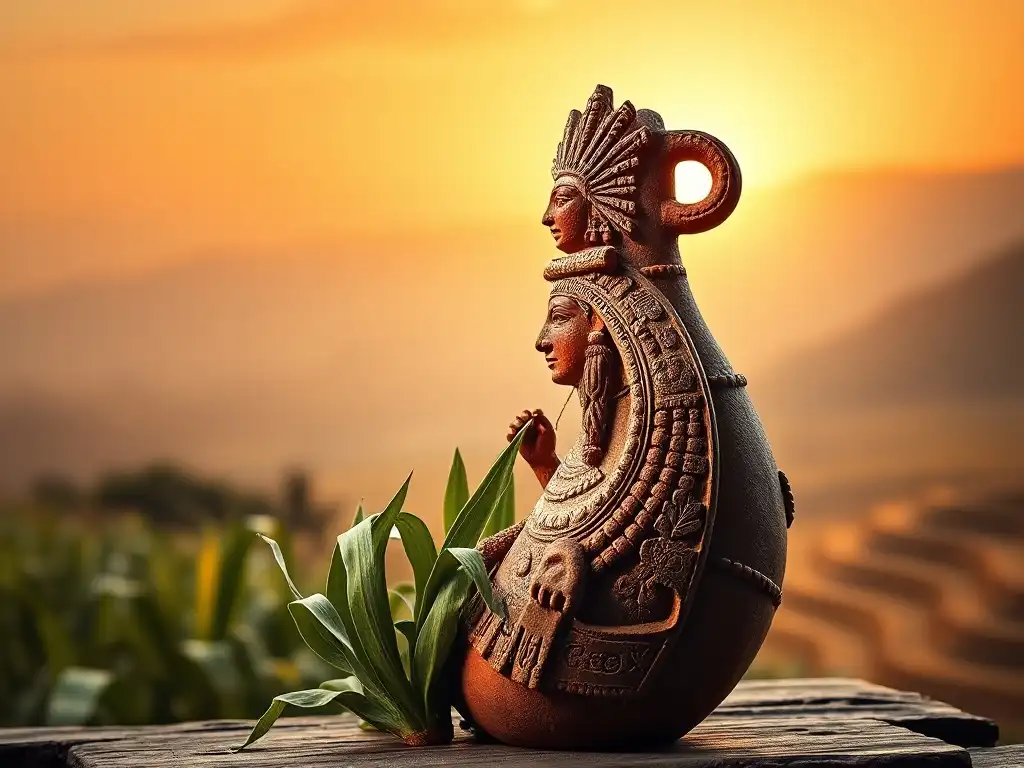
The Moche civilization, renowned for its sophisticated irrigation systems and agricultural prowess, deeply intertwined its religious beliefs with the success of its harvests. Their understanding of agricultural fertility wasn't simply a practical matter; it was a sacred duty, overseen and influenced by a pantheon of deities. The Moche believed that the abundance or scarcity of their crops directly reflected the favor or displeasure of these divine beings.
Understanding their beliefs about agricultural fertility provides crucial insight into the Moche worldview and their sophisticated relationship with the natural world. The Moche's success in cultivating the arid northern coast of Peru hinged on both ingenious engineering and a profound spiritual connection to the land, a connection manifested in their complex religious practices and iconography.
This section will explore the key deities believed to influence agricultural fertility within the Moche belief system. The meticulous attention to detail in their pottery and other artifacts offers invaluable clues to deciphering their cosmology and agricultural rituals.
Ai Apaec: The Moche Creator God and Agricultural Cycles
Ai Apaec, often depicted as a fearsome deity with fangs and clawed hands emerging from a monstrous mouth, holds a pivotal role in Moche cosmology and, by extension, agricultural fertility. While his ferocity might suggest a destructive force, Ai Apaec was also considered a creator god. His presence in Moche iconography often links him to both the creation of the world and the cyclical renewal of life, essential aspects of successful agriculture.
The cyclical nature of planting, growth, and harvest directly mirrored the cycles of life and death inherent in Ai Apaec's representation. His terrifying visage, therefore, might symbolize the powerful forces of nature – both destructive and generative – that govern the agricultural cycle. The Moche likely performed rituals to appease Ai Apaec, ensuring his benevolent influence on their crops and seeking his protection against natural disasters that could threaten their harvests.
The depiction of Ai Apaec often includes elements of nature, such as plants and animals, further reinforcing his connection to the earth's bounty. Scholars are still uncovering the nuances of Ai Apaec's role, but his pervasive presence in Moche art and artifacts undoubtedly points to his crucial importance in their agricultural practices and belief system related to "Moche agricultural fertility beliefs".
The Moche Moon God and its Influence on Plant Growth
The moon, a powerful symbol of cyclical change and renewal across many cultures, held significant importance for the Moche. Their moon god, whose exact iconography varies across different artifacts, was believed to influence the growth of crops. The phases of the moon, meticulously observed by the Moche, likely guided their planting and harvesting schedules.
The rhythmic waxing and waning of the moon mirrored the life cycle of plants, emphasizing the interconnectedness between celestial events and terrestrial fertility. Evidence suggests the Moche might have used lunar calendars to optimize their agricultural practices, maximizing yields by coordinating their activities with the moon's phases.
This demonstrates a sophisticated understanding of the moon's influence on plant growth and a remarkable level of integration between astronomical observation and agricultural practice. While precise details of rituals dedicated to the moon god remain elusive, the prominence of lunar imagery in Moche art strongly suggests its crucial role in their understanding of "Moche agricultural fertility beliefs" and agricultural success.
Other Moche Deities Linked to Land and Harvest
Beyond Ai Apaec and the moon god, several other deities in the Moche pantheon were associated with the land and harvest. These deities often manifested in the form of anthropomorphic figures, animals, or a combination of both, reflecting the interconnectedness of the natural world in Moche beliefs. For example, depictions of deities associated with specific crops or animals crucial to their agricultural system are frequently found in Moche pottery and other artifacts.
These representations often feature symbols of abundance, such as overflowing baskets or fertile fields, underscoring the deities' connection to agricultural prosperity. While specific names and attributes of these lesser-known deities are not always clear, their presence in Moche art and the consistent themes of fertility and abundance strongly suggest their significant roles in the Moche understanding of agricultural fertility. Further research into Moche iconography and archaeological findings is needed to fully elucidate the roles of these additional deities and their specific contributions to the complex web of "Moche agricultural fertility beliefs".
The variety of deities involved highlights the multifaceted nature of the Moche relationship with the land and their reliance on divine intervention for successful harvests. The systematic study of these deities could provide a richer understanding of the Moche's agricultural practices and their deeply spiritual approach to cultivating the land.
Moche Rituals and Ceremonies for Agricultural Abundance
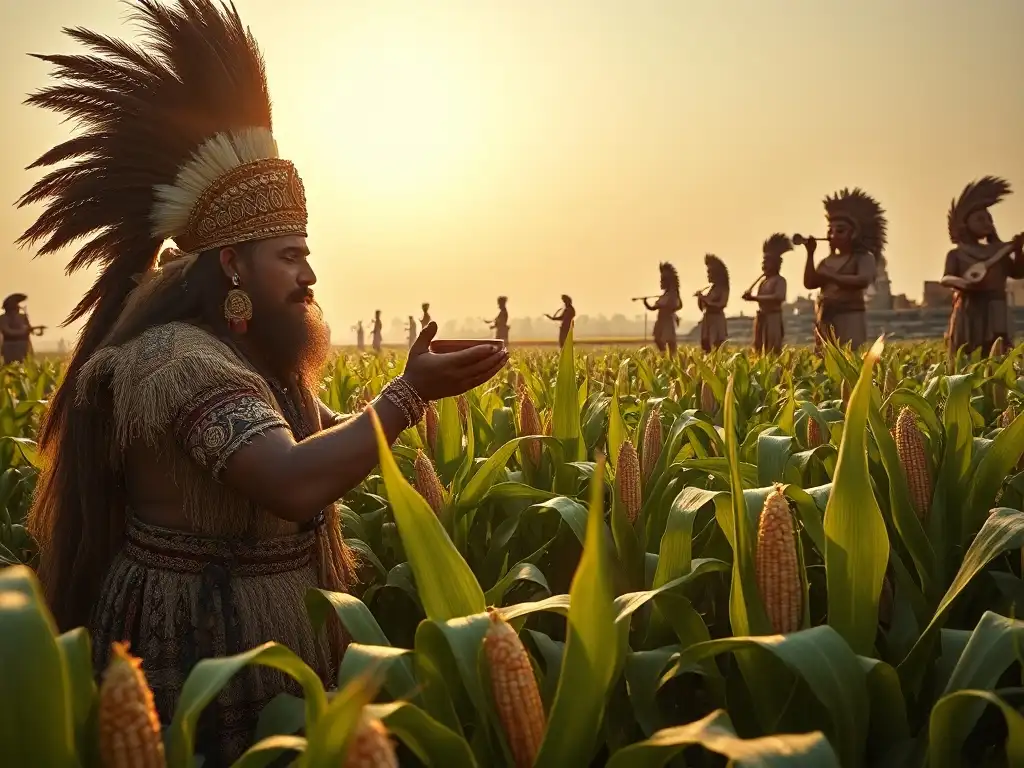
The Moche civilization, flourishing along the arid northern coast of Peru from approximately 100 to 800 CE, developed sophisticated agricultural techniques to thrive in a challenging environment. Their success wasn't solely reliant on irrigation and terracing; it was deeply intertwined with a complex system of religious beliefs and rituals centered around ensuring agricultural fertility. Understanding the Moche's beliefs about agricultural fertility requires examining their ceremonial practices designed to appease their gods and guarantee bountiful harvests.
These rituals, often depicted in their exquisite pottery, provide invaluable insights into their worldview and the crucial role agriculture played in their society. The Moche believed that the success of their agricultural endeavors depended on maintaining a delicate balance between the natural world and the supernatural realm.
Human Sacrifice and the Cycle of Rebirth in Moche Culture
Human sacrifice formed a chilling yet integral part of Moche rituals aimed at ensuring agricultural abundance. While the exact details remain debated by scholars, archaeological evidence strongly suggests that these sacrifices were not random acts of violence but rather carefully orchestrated ceremonies intended to symbolically replenish the earth's fertility. The Moche likely believed that the life force of the sacrificed individual, offered to the gods, would be transferred to the land, invigorating the crops and ensuring a prosperous harvest.
Depictions on Moche pottery often show elaborate scenes of sacrifice, with individuals being offered to deities associated with agriculture and water. These images, combined with skeletal remains found in ritual contexts, paint a vivid picture of the human cost associated with maintaining Moche agricultural prosperity. The act of sacrifice, therefore, wasn't simply about appeasing the gods; it was a crucial element in their understanding of the cyclical nature of life, death, and rebirth, mirrored in the agricultural cycle itself.
The offered lifeblood symbolized the life-giving force necessary for the renewal of the land and its produce. The gruesome reality of these sacrifices underscores the immense importance the Moche placed on agriculture and their willingness to make extreme sacrifices to guarantee its success.
Water Management and its Symbolic Significance in Moche Rituals
Water, the lifeblood of the Moche civilization, held profound symbolic significance in their religious practices. Their ingenious irrigation systems, a testament to their engineering prowess, were not just technological marvels; they were also deeply embedded in their spiritual world. Rituals surrounding water management were integral to ensuring successful harvests.
The Moche likely performed ceremonies at the sources of water, such as springs and rivers, to appease the deities controlling these vital resources. These rituals, though not fully documented, were likely aimed at ensuring a steady flow of water to their fields throughout the year. The intricate canal systems themselves might have been viewed as sacred pathways, connecting the human world with the supernatural realm, facilitating the flow of both water and divine blessings.
The careful management and symbolic representation of water in Moche culture highlight the deep understanding they possessed of the delicate balance between human intervention and divine intervention in agricultural production. Further research into Moche iconography and archaeological sites may reveal more specific details about these water-related rituals and their connection to agricultural fertility.
Moche Offerings and Sacrifices for Successful Harvests
Beyond human sacrifice, the Moche made various other offerings to ensure successful harvests. These included agricultural products such as maize, beans, and cotton, along with precious metals and finely crafted pottery. These offerings were likely presented to deities associated with fertility and agriculture, in the hope of securing their favor and ensuring abundant yields. The elaborate nature of some of these offerings, as depicted in Moche art, suggests the significant investment the society made in these religious practices.
The offerings weren't merely symbolic gestures; they represented a tangible investment in the success of the harvest. The Moche likely believed that by offering the first fruits of the harvest to the gods, they were ensuring a continued flow of abundance throughout the growing season. The sheer variety of offerings – from everyday agricultural products to precious metals – underscores the multifaceted nature of their relationship with the supernatural and their commitment to maintaining a positive relationship with the forces that determined their agricultural success.
Analysis of the contents of burial sites and ritual caches continues to reveal more about the types and significance of these offerings. The meticulous craftsmanship evident in the pottery and metalwork further highlights the importance attributed to these religious practices. The Moche's beliefs about agricultural fertility are undeniably linked to their ritualistic practices, emphasizing the strong connection between their spiritual world and their material existence.
Moche Art and Iconography Reflecting Agricultural Fertility
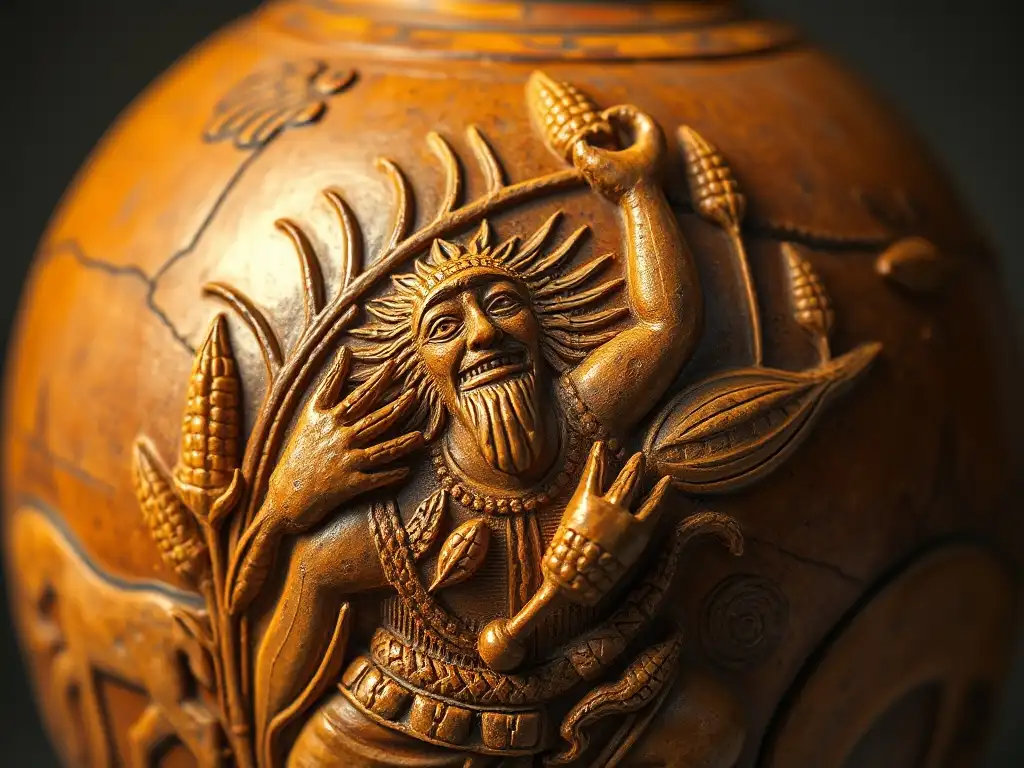
The Moche civilization, flourishing along the arid northern coast of Peru from approximately 100 to 800 CE, developed a sophisticated understanding of agriculture, inextricably linked to their religious beliefs and worldview. Their remarkable artistic achievements, particularly in pottery, provide invaluable insights into their understanding of agricultural fertility and the cycles of growth and abundance crucial to their survival. The intricate details and symbolic representations found in Moche ceramics offer a window into a culture deeply intertwined with the natural world and its life-giving processes.
Analysis of Moche art reveals a complex system of beliefs surrounding fertility, encompassing both human and agricultural productivity, highlighting the profound reverence for the forces that ensured their prosperity. Understanding these artistic expressions is key to deciphering the nuances of Moche agricultural fertility beliefs.
Depictions of Moche Agricultural Practices in Pottery
Moche pottery frequently depicts scenes of agricultural labor, offering a vivid portrayal of their farming techniques and the importance of agriculture in their daily lives. These depictions are not merely realistic representations; they are imbued with symbolic meaning, connecting the act of cultivation to broader religious and cosmological beliefs. For example, many vessels show individuals meticulously tending to crops, irrigating fields, and harvesting produce.
The detailed rendering of agricultural tools, such as digging sticks and irrigation canals, underscores the sophisticated level of agricultural technology employed by the Moche. Furthermore, the inclusion of specific crops, like maize, beans, and squash, in these scenes highlights the centrality of these plants in their diet and religious rituals. The careful observation of these artistic representations allows for a deeper understanding of the practical aspects of Moche agriculture, contextualizing their beliefs within the realities of their environment.
The meticulous detail in these depictions suggests a profound respect for the process of cultivation and the vital role it played in their society. These scenes are not simply functional depictions; they are statements about the importance of agriculture to Moche identity and spiritual well-being.
Symbolic Representation of Fertility in Moche Art
Beyond the realistic portrayal of agricultural practices, Moche art incorporates numerous symbolic representations of fertility, directly connecting agricultural abundance with the broader cosmological order. The recurring motifs of stylized plants, animals, and human figures often represent fertility deities or embody fertility principles. For example, the depiction of powerful, often anthropomorphic figures associated with water and rain underscores the vital role of water in agricultural productivity.
The prevalence of feline imagery, potentially representing jaguars or other powerful predators, may symbolize the power and energy necessary for both human and plant reproduction. Furthermore, the frequent use of vibrant colors and elaborate ornamentation in these depictions emphasizes the sacred nature of fertility and its importance to the Moche worldview.
The careful study of these symbolic elements reveals a complex network of interconnected beliefs, highlighting the Moche's sophisticated understanding of the relationship between the natural world, human activity, and the divine. More research is needed to fully understand the specific meanings behind certain symbolic representations, but the available evidence points to a highly developed system of religious thought deeply rooted in agricultural fertility.
The Moche "Bean Runner" and its Significance
One of the most compelling examples of Moche art reflecting agricultural fertility beliefs is the iconic "Bean Runner" motif. This recurring image depicts a stylized human figure, often running or leaping, carrying a container filled with beans. The energetic posture of the figure, combined with the abundance of beans, powerfully symbolizes the bounty of the harvest and the vital role of beans in the Moche diet.
The "Bean Runner" is not simply a depiction of a runner carrying beans; it is a complex symbol imbued with religious and cosmological significance. Some interpretations suggest that the runner represents a fertility deity or a shaman participating in a ritual related to agricultural abundance. The beans themselves may represent the life-giving essence of the earth, connecting the human realm to the divine.
The dynamic composition of the "Bean Runner" image, coupled with its recurrent appearance in Moche art, suggests its profound importance in their belief system. Further investigation into the context in which this motif appears may shed more light on its precise meaning and its contribution to our understanding of Moche agricultural fertility beliefs. The "Bean Runner" serves as a powerful reminder of the intricate relationship between art, religion, and agriculture in Moche society, emphasizing the holistic nature of their worldview.
Moche Agricultural Techniques and their Connection to Beliefs
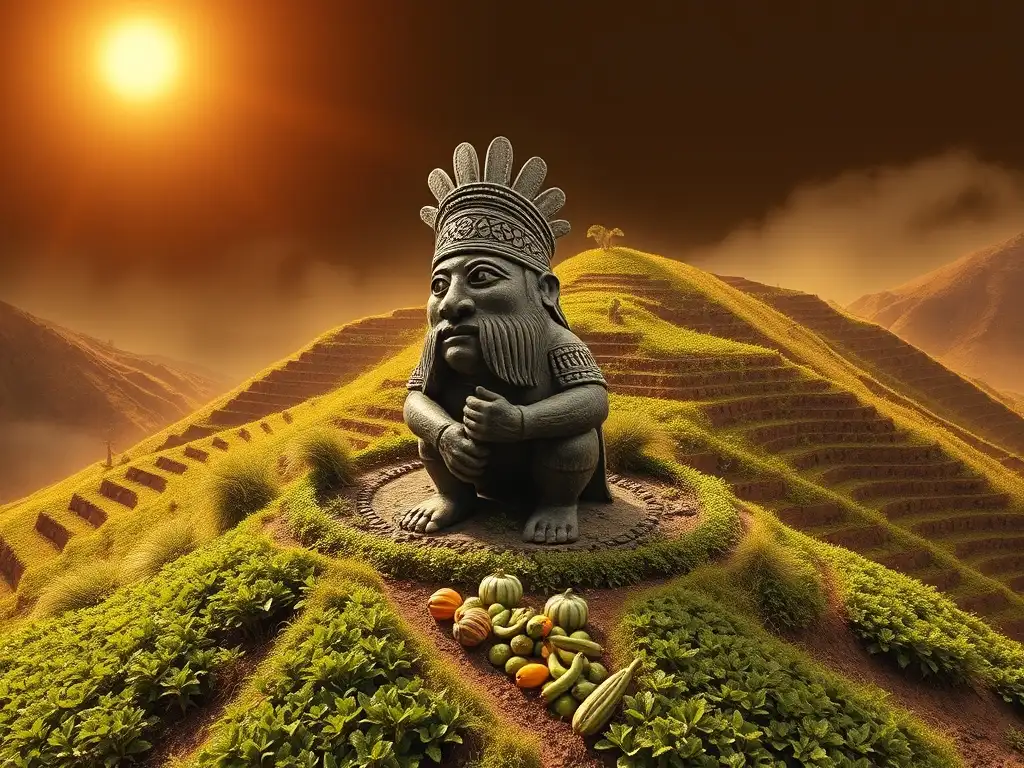
The Moche civilization, flourishing along the arid northern coast of Peru from approximately 100 to 800 CE, developed sophisticated agricultural techniques intricately woven into their religious and spiritual beliefs. Their success wasn't merely a matter of ingenuity; it was a deeply spiritual endeavor, reflecting a profound understanding of the cycles of life, death, and rebirth mirrored in the agricultural process. The Moche believed that ensuring bountiful harvests required not only technical skill but also appeasement of powerful deities and adherence to ritual practices.
This section explores the vital link between Moche agricultural practices and their deeply held spiritual convictions concerning fertility and abundance. Understanding this connection reveals a holistic worldview where the material and spiritual realms were inextricably intertwined, shaping their society and leaving behind a remarkable legacy. The keyword "Moche agricultural fertility beliefs" is central to understanding this complex interplay.
Advanced Irrigation Systems and their Relation to Moche Spirituality
The Moche's mastery of irrigation was crucial to their agricultural success in the otherwise harsh desert environment. They constructed extensive canal systems, diverting water from rivers and streams to irrigate their fields. These weren't simply engineering feats; they were imbued with spiritual significance.
Evidence suggests that the construction and maintenance of these canals were likely tied to rituals and ceremonies. The act of channeling water, a life-giving force, was probably viewed as a sacred act, connecting the Moche to the supernatural realm. We can imagine that the successful completion of an irrigation project, or the restoration of a damaged canal, would have been celebrated with elaborate rituals, reinforcing the belief that the gods favored their efforts.
The careful planning and execution of these systems, visible even today in the remnants of their infrastructure, demonstrates a sophisticated understanding of hydrology and a profound respect for the power of water, viewed as a sacred element directly linked to fertility and the cycle of agricultural production. The precision and scale of these systems are testaments to the Moche's ingenuity and their deeply held beliefs concerning the divine power of water.
Moche Crop Management: A Fusion of Practice and Belief
Moche crop management wasn't simply a matter of planting and harvesting; it was a complex process infused with ritual and belief. Their agricultural calendar, likely guided by astronomical observations, dictated the timing of planting and harvesting, aligning these activities with specific phases of the moon or the positions of stars. This synchronization suggests a belief that the cosmos directly influenced agricultural productivity, necessitating a careful observation of celestial events.
Furthermore, the selection of crops themselves may have held symbolic meaning. Certain plants, perhaps those with particular medicinal or ritualistic uses, might have been cultivated with special care and reverence.
The careful tending of the crops, from planting to harvest, was likely viewed as a sacred act, aimed at ensuring the favor of the deities responsible for agricultural abundance. Analyzing Moche iconography, we find frequent depictions of deities associated with agriculture, often shown alongside representations of maize, beans, and other staple crops, further supporting the interconnectedness of agricultural practices and religious beliefs.
Adapting to the Andean Environment: Moche Agricultural Innovation
The Moche's ability to thrive in the challenging Andean environment stemmed from their innovative agricultural techniques. They developed sophisticated methods of terracing hillsides to create level planting areas, maximizing the use of available land. These terraces weren't simply practical; they likely also held symbolic meaning, perhaps reflecting a worldview where the layered structure of the terraces mirrored the hierarchical structure of their society or the cosmos itself.
Additionally, their use of fertilizers, derived from guano (bird droppings) and other organic materials, demonstrates a sophisticated understanding of soil enrichment. The Moche’s dedication to optimizing their agricultural practices highlights their resilience and adaptability, demonstrating a remarkable ability to harness the resources available to them. This constant innovation, in turn, reinforced their faith in their ability to appease the gods and ensure continued agricultural prosperity.
The Moche's success wasn't merely technological; it was a testament to their deeply-rooted spiritual beliefs and their innovative approach to adapting to a demanding environment. Their agricultural achievements stand as a powerful example of how belief systems can drive technological advancement and societal success.
The Legacy of Moche Agricultural Fertility Beliefs
The Moche civilization's deep reverence for agricultural fertility wasn't simply a matter of practical survival; it permeated their entire worldview, shaping their art, religious practices, and social structures. Their beliefs about agricultural fertility weren't isolated events; they were intricately woven into the fabric of their society, leaving a lasting legacy on subsequent Andean cultures. This enduring influence underscores the profound impact of their agricultural practices and beliefs on the development of later civilizations in the region.
Understanding this legacy requires examining the ways in which their agricultural knowledge and spiritual interpretations were passed down and adapted. The Moche's sophisticated irrigation systems, for example, weren't simply technological achievements; they were also expressions of their deep-seated beliefs in the interconnectedness between the human world and the forces of nature.
Influence of Moche Agricultural Practices on Later Andean Cultures
The sophisticated irrigation systems developed by the Moche, a testament to their understanding of water management and agricultural fertility, directly influenced later Andean cultures. Their techniques, including canal construction and terraced farming, were adopted and refined by subsequent civilizations, demonstrating a clear lineage of agricultural knowledge. Evidence suggests that the Chimu, for instance, built upon the Moche's groundwork, expanding and improving upon existing irrigation networks.
This continuity highlights the enduring impact of Moche agricultural practices on the region's agricultural development and its subsequent economic prosperity. The Moche's understanding of water management wasn't merely technological; it was deeply intertwined with their religious beliefs, emphasizing the sacred nature of water and its vital role in ensuring agricultural fertility.
This holistic approach to agriculture likely contributed to the long-term sustainability of their farming practices and influenced the agricultural philosophies of later Andean civilizations. The legacy of their agricultural innovation continues to inspire modern agricultural practices in the region, demonstrating the enduring relevance of their knowledge and techniques.
The Enduring Relevance of Moche Beliefs about Nature
The Moche's profound respect for nature, deeply intertwined with their agricultural fertility beliefs, remains remarkably relevant today. Their worldview, which emphasized the interconnectedness of all living things and the cyclical nature of life, death, and renewal, offers valuable insights into sustainable agricultural practices. The Moche's understanding of the delicate balance between human activity and the environment serves as a powerful reminder of the importance of responsible stewardship of natural resources.
Their intricate depictions of agricultural scenes in their pottery and other artifacts vividly illustrate their intimate relationship with the land and their deep understanding of the natural world. This holistic perspective contrasts sharply with modern agricultural practices that often prioritize short-term gains over long-term sustainability.
The Moche's emphasis on respecting the natural rhythms of the environment provides a compelling model for contemporary agricultural practices, promoting a more harmonious relationship between humanity and nature. Their beliefs highlight the importance of considering the long-term consequences of human actions on the environment, a critical issue in today's world.
Contemporary Interpretations of Moche Agricultural Symbolism
Contemporary interpretations of Moche agricultural symbolism often focus on the complex interplay between religious beliefs and agricultural practices. Scholars continue to debate the precise meaning of specific symbols and iconography, but several key themes emerge. The recurring imagery of rain, rivers, and fertile lands underscores the importance of water in sustaining agricultural production.
Furthermore, the depiction of deities associated with fertility and agriculture highlights the sacred nature of these processes within the Moche worldview. The detailed analysis of Moche art, including pottery, textiles, and metalwork, reveals a sophisticated understanding of agricultural cycles and the symbolic representation of abundance and prosperity. The careful observation of these artistic representations allows for a deeper understanding of Moche cosmology and its connection to agricultural practices.
These contemporary interpretations enrich our understanding of the Moche civilization, illuminating the profound connection between their religious beliefs and their daily lives, particularly their reliance on successful agriculture. The ongoing research into Moche symbolism continues to shed light on the intricate relationship between their beliefs and their remarkable achievements in agriculture and irrigation. The study of Moche agricultural symbolism offers valuable insights into the complex relationship between religion, society, and the environment in ancient Andean cultures.
Frequently Asked Questions
What role did agriculture play in Moche society?
Agriculture was central to Moche life, providing sustenance and shaping their social structure, religious beliefs, and art. Their sophisticated irrigation systems and agricultural practices were crucial for their survival and prosperity.
How did the Moche view agricultural fertility?
The Moche viewed agricultural fertility as a sacred gift, often linked to their deities and the cyclical nature of life and death. Rituals and offerings aimed to ensure bountiful harvests and appease the spirits associated with growth and abundance.
What were some of the Moche's agricultural techniques?
The Moche employed advanced techniques such as terracing, irrigation canals, and waru waru (raised field agriculture) to maximize crop yields in the challenging Andean environment. These techniques allowed for intensive cultivation and supported a large population.
How did Moche religious beliefs influence their agricultural practices?
Moche religious beliefs were deeply intertwined with agriculture. They performed rituals and offered sacrifices to ensure the fertility of the land and the success of their crops. Their art frequently depicts agricultural themes and deities associated with fertility and abundance.
What evidence exists to support our understanding of Moche agricultural fertility beliefs?
Archaeological evidence, including iconography on pottery and textiles, ritual sites, and the remains of sophisticated irrigation systems, provides significant insight into Moche agricultural practices and their deeply held beliefs about fertility. These sources reveal the importance of agriculture in their worldview.
Final Reflection: Harvesting the Legacy of Moche Fertility Beliefs
The intricate relationship between the Moche people, their agricultural practices, and their deeply held beliefs about fertility remains profoundly relevant today. Understanding their sophisticated understanding of cyclical processes, their reverence for nature, and their innovative irrigation systems offers valuable insights into sustainable living and resource management in a world increasingly grappling with climate change and food security. Their legacy is not just a historical curiosity; it's a blueprint for a more harmonious relationship with the environment.
The Moche's profound connection to the land, their artistic expression of this connection, and their ingenious agricultural techniques continue to resonate in contemporary discussions about environmental stewardship and cultural preservation. Their worldview, where the cycles of nature were not just observed but actively participated in and celebrated, offers a powerful counterpoint to modern anthropocentric views. The earth does not belong to man, man belongs to the earth.
This sentiment, though not directly from the Moche, encapsulates the essence of their deeply spiritual and practical relationship with their environment, a relationship we would do well to re-examine.
Consider the enduring power of the Moche's legacy. Their art, their architecture, and their agricultural innovations all speak to a civilization that understood the delicate balance between human needs and ecological sustainability. You, the reader, are now part of this ongoing conversation. Reflect on your own relationship with the natural world. How can we learn from the Moche's wisdom to cultivate a more sustainable and respectful future? Let their story inspire you to find new ways to connect with the land and to appreciate the cyclical rhythms that sustain all life.
Cultivate Your Knowledge and Grow Together!
Thank you for exploring the fascinating Moche beliefs about fertility and agriculture. Your curiosity reveals a deeper understanding of the rich heritage of Andean civilizations. Now, let's apply this knowledge to your life and community.
Here are some meaningful ways to continue your journey:
- **Engage with local agriculture:** Visit a community garden or farmers' market, connecting directly with local growers and learning about their practices.
- **Share your newfound knowledge:** Discuss the Moche's perspective on agriculture and culture with friends and family, sparking conversations about sustainability and the importance of food systems.
- **Expand your understanding:** Explore related topics like permaculture and indigenous farming techniques, considering how to integrate these principles into your own life.
What aspects of sustainable agriculture and food production resonate most with you, and how do you see them shaping our future? Let's discuss this further in the comments below!