
The Role of Andean Shamans: Religious Leaders and Their Influence

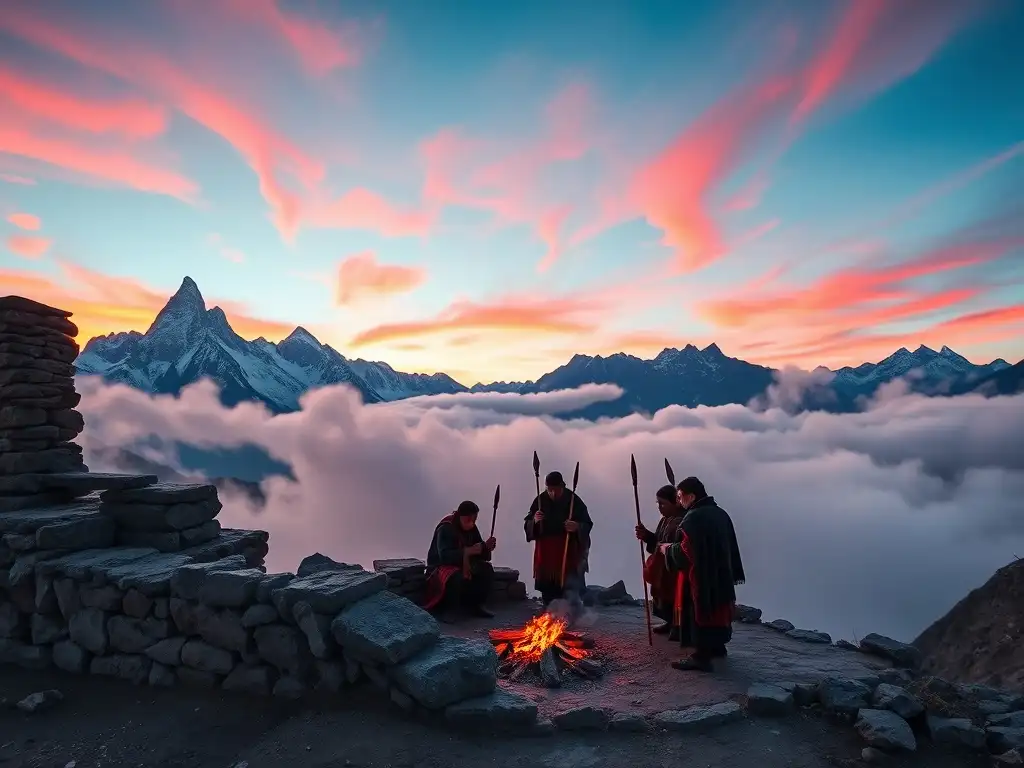
Step into a world lost to time, yet echoing with the power of ancient Andean spirituality. Imagine a realm where the mystical and the mundane intertwined, a world shaped by the profound influence of Andean shaman religious practices. This journey into the heart of the Andes will unveil the secrets of these enigmatic religious leaders and their impact – particularly during the tumultuous era of the Spanish Conquest. Prepare to be captivated by their stories, their rituals, and their lasting legacy. Discover how their beliefs shaped civilizations and continue to resonate today.
The Spanish conquest of the Andes dramatically altered the social and religious landscape of the region, yet the enduring legacy of Andean shamanism reveals a remarkable resilience. This article delves into the crucial role Andean shamans played as religious leaders, exploring their practices and influence, particularly in the context of resistance against Spanish rule.
We'll examine their core beliefs and practices, highlighting how these spiritual leaders navigated the upheaval caused by the arrival of the Europeans and how their influence shaped the Andean response to colonization. Understanding the profound impact of Andean shamanism is key to comprehending the complexities of the Spanish conquest and the subsequent struggles for survival and cultural preservation.
The enduring power of these spiritual leaders in the face of immense societal change provides a fascinating case study in the resilience of indigenous belief systems. This exploration will focus on the keyword phrase "Andean shaman religious practices," offering a detailed view of their significance during a period of significant upheaval.
Understanding Andean Shamanism: A Historical Overview
Andean shamanism, far from being a monolithic entity, encompassed a diverse range of beliefs and practices across different Andean cultures. While specific rituals and beliefs varied among the Incas, Moche, Nazca, and Tiahuanaco, some common threads unite them. Shamans, often referred to as paqos or yatiri depending on the specific culture, were considered intermediaries between the human and spiritual realms.
Their roles extended beyond simple religious leadership; they acted as healers, diviners, and advisors to rulers and communities alike. Their deep knowledge of medicinal plants, astronomical cycles, and spiritual forces made them indispensable figures within their societies. The Spanish chroniclers, while often biased in their accounts, provide valuable, albeit incomplete, glimpses into these practices.
These accounts frequently describe elaborate ceremonies involving offerings, rituals aimed at ensuring successful harvests or military victories, and the use of hallucinogenic substances like San Pedro cactus or coca leaves to induce altered states of consciousness and facilitate communication with the spirit world. The intricate relationship between the shaman, the community, and the Andean cosmology reveals a sophisticated religious system deeply intertwined with daily life. Understanding this historical context is crucial to appreciating the complexities of Andean shamanism and its role in resisting Spanish rule.
Andean Shaman Religious Practices: Core Beliefs
The core beliefs underpinning Andean shamanic practices often centered around the concept of Pachamama, Mother Earth, and the interconnectedness of all living things. This worldview emphasized a harmonious relationship between the human world and the supernatural, with shamans acting as custodians of this balance. Their rituals were often designed to maintain this balance, appease the spirits, and ensure the prosperity of the community. Many practices involved offerings to apus (mountain spirits) and other deities, seeking their favor and protection.
The use of specific objects like textiles, ceramics, and metalwork in ceremonies further emphasized the importance of material culture in their religious practices. The shamans’ knowledge of the natural world, including medicinal plants and astronomical cycles, was integral to their religious practices. For example, the precise timing of agricultural ceremonies was often determined by astronomical observations, highlighting the deep connection between the spiritual and the practical aspects of Andean life.
The effectiveness of the shaman's actions was believed to be directly tied to their ability to maintain this delicate balance and communicate effectively with the spirit world, making them powerful figures during a time of significant societal change. The Spanish conquest, however, presented a direct challenge to these beliefs, leading to ingenious strategies of resistance and adaptation. The continued prevalence of Andean shamanic practices even after the conquest underscores their enduring power and cultural significance.
The Spiritual World of the Andean Shaman: Connecting with Nature
Andean shamans, far from being mere religious leaders, were deeply intertwined with the natural world. Their spiritual beliefs centered on the Pachamama, or Mother Earth, considered a living entity deserving of respect and reverence. This worldview permeated all aspects of their lives and religious practices, shaping their understanding of the cosmos and their place within it.
Shamans acted as intermediaries between the human world and the spirit world, facilitating communication and maintaining balance within the intricate web of life. They possessed an intimate knowledge of medicinal plants, animals, and celestial events, all of which played crucial roles in their rituals and healing practices. The mountains, rivers, and other geographical features were not simply physical landscapes but also powerful spiritual entities, inhabited by deities and spirits.
Understanding this interconnectedness was fundamental to the shaman's role and their ability to influence the spiritual realm. The Andean shaman's deep connection to nature wasn't simply a matter of belief; it was a lived experience, informing every aspect of their daily life and their relationship with their community. This intimate understanding of the natural world allowed them to effectively harness its power for healing, divination, and agricultural prosperity.
Andean Shamanic Rituals and Ceremonies: Practices and Meaning
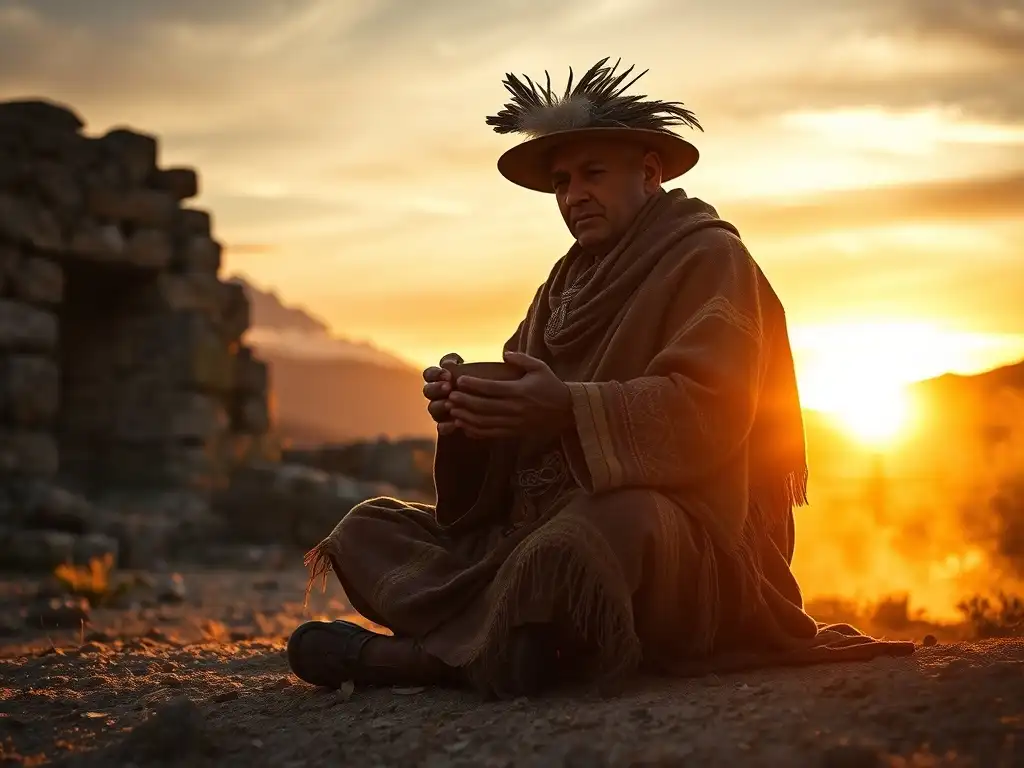
Andean shamanic rituals and ceremonies were complex and multifaceted events, often involving elaborate preparations, specific offerings, and symbolic gestures. These ceremonies were not merely religious observances; they were integral to the social and political fabric of Andean societies. They served to maintain social order, ensure agricultural abundance, and address various crises, from illness to drought.
The use of hallucinogenic substances, such as San Pedro cactus and coca leaves, played a significant role in many rituals, facilitating altered states of consciousness that enabled shamans to communicate with the spirit world and access hidden knowledge. The rituals often involved music, dance, and chanting, creating a powerful and immersive experience for participants. The specific practices varied across different Andean cultures and regions, reflecting the diversity of beliefs and traditions.
However, the underlying purpose remained consistent: to maintain harmony between the human and spiritual realms and ensure the well-being of the community. The effectiveness of these ceremonies was deeply rooted in the community's faith and the shaman's ability to skillfully manipulate spiritual forces.
Healing Rituals Conducted by Andean Shamans
Healing rituals formed a central part of Andean shamanic practices. Shamans diagnosed illnesses by interpreting dreams, observing symptoms, and sometimes using divination techniques. They believed that illness stemmed from an imbalance in the spiritual realm, often caused by transgressions against the Pachamama or the spirits.
Healing ceremonies involved a combination of herbal remedies, spiritual cleansing, and rituals aimed at restoring the patient's spiritual harmony. The shaman might use songs, prayers, and symbolic gestures to appease offended spirits or remove negative energies. In some cases, the shaman would enter a trance state, allowing them to journey to the spirit world to seek assistance or confront the source of the illness.
The effectiveness of these healing rituals was often attributed to the shaman's ability to connect with the spiritual world and restore balance to the patient's life. These practices highlight the holistic approach to health prevalent in Andean cultures, where physical and spiritual well-being were inextricably linked. Success often hinged on both the shaman's skills and the patient's faith in the process.
Divination Practices in Andean Shamanism
Divination played a crucial role in Andean shamanic practices, providing insights into the future, interpreting dreams, and guiding decision-making within the community. Shamans employed various techniques, including reading coca leaves, interpreting the patterns of stars, and using other natural objects for divination. The interpretation of these signs was often complex and nuanced, requiring years of training and experience.
Divination was not simply about predicting the future; it was a way of understanding the will of the spirits and gaining guidance in navigating life's challenges. This information was often crucial in making decisions about agriculture, warfare, and other important matters affecting the community.
The accuracy of these divinations was often attributed to the shaman's connection to the spiritual world and their ability to interpret the signs accurately. These practices reveal the profound importance placed on spiritual guidance in Andean societies, where understanding the will of the spirits was critical to maintaining balance and prosperity.
Agricultural Ceremonies and Their Shamanic Significance
Agriculture was the cornerstone of Andean societies, and shamanic practices played a vital role in ensuring successful harvests. Agricultural ceremonies were conducted throughout the year, marking key stages of the agricultural cycle, from planting to harvesting. These ceremonies involved offerings to the Pachamama, prayers for bountiful crops, and rituals aimed at ensuring the fertility of the land.
Shamans often led these ceremonies, using their knowledge of the natural world and their connection to the spirit world to influence the growth of crops. The ceremonies often involved symbolic gestures, music, and dance, creating a powerful and communal experience. The success of the harvest was often seen as a testament to the shaman's effectiveness in mediating between the human and spiritual realms.
These rituals underscore the deep connection between Andean spirituality and the practical aspects of life, highlighting the importance of maintaining harmony with nature for the well-being of the community. The influence of Andean shamanic practices on agricultural success is a testament to the integral role religion played in the daily lives of Andean peoples.
The Role of Andean Shamans in Local Communities
Andean shamans held a pivotal role within their communities, extending far beyond mere religious leadership. They served as vital intermediaries between the physical and spiritual worlds, offering guidance not only on matters of faith but also on daily life. Their deep understanding of the natural world, including medicinal plants and agricultural cycles, made them essential for community well-being. Shamans often acted as healers, utilizing herbal remedies and spiritual practices to treat illnesses.
They were also consulted on matters of agriculture, predicting favorable planting times and offering rituals to ensure bountiful harvests. This practical application of their knowledge cemented their position as respected and indispensable members of society. Their influence wasn't limited to the physical realm; their spiritual authority often guided community decisions and conflict resolution, making them key players in the social fabric of Andean villages. Their pronouncements held weight, influencing social norms and maintaining community cohesion.
Andean Shamans and Power Dynamics
The influence of Andean shamans varied across different Andean societies and time periods. In some cases, shamans held significant political power, advising rulers and influencing major decisions. This is particularly evident in the Inca empire, where certain priestly figures held high positions within the imperial bureaucracy. Their knowledge of religious rituals and their ability to communicate with the gods gave them considerable leverage.
However, in other societies, the shaman's influence might be more localized, confined to a specific village or community. Even within a single society, the level of influence could depend on the shaman's individual reputation, skills, and the specific circumstances. The power dynamics between shamans and other community leaders, such as chiefs or nobles, were complex and varied depending on the specific social structure.
In some instances, shamans might directly challenge the authority of secular leaders, while in others, they might work in collaboration, forming a symbiotic relationship. The interplay between religious and political power is a crucial aspect of understanding the multifaceted role of Andean shamans. The balance of power shifted constantly, reflecting the dynamic and ever-evolving nature of Andean societies.
The Impact of the Spanish Conquest on Andean Shamanic Traditions
Suppression of Indigenous Andean Religious Practices
The Spanish conquest profoundly impacted Andean shamanic traditions. The Spanish, driven by a fervent desire to convert the indigenous population to Catholicism, systematically suppressed indigenous religious practices. The destruction of sacred sites, the persecution of shamans, and the imposition of Christian beliefs significantly altered the religious landscape of the Andes. Many sacred objects were destroyed or confiscated, religious rituals were banned, and the traditional knowledge passed down through generations was actively discouraged.
This suppression wasn't merely a matter of religious intolerance; it was also a strategy to weaken indigenous resistance and consolidate Spanish control. By undermining the spiritual authority of the shamans, the Spanish sought to destabilize Andean societies and facilitate their subjugation. The impact was devastating, leading to the loss of vital cultural knowledge and the disruption of centuries-old traditions.
The Resilience of Andean Shamanism Under Colonial Rule
Despite the brutal suppression by the Spanish, Andean shamanism demonstrated remarkable resilience. While many aspects of the tradition were forced underground, the practice itself did not disappear completely. Shamans continued to operate in secrecy, adapting their practices to evade Spanish authorities. Syncretism, the blending of indigenous beliefs with aspects of Catholicism, became a common survival strategy. Shamans subtly incorporated Catholic elements into their rituals, creating a hybrid religious system that allowed them to continue their practice while ostensibly complying with colonial regulations. This adaptability, combined with the deep-rooted nature of Andean spiritual beliefs, ensured that shamanism persisted, though significantly transformed, throughout the colonial period. The resilience of Andean shamanism is a testament to the enduring power of indigenous spiritual traditions and the determination of Andean communities to maintain their cultural heritage in the face of overwhelming oppression. The legacy of this syncretism is still visible in many Andean communities today.
Andean Shamanism Today: Contemporary Practices and Relevance
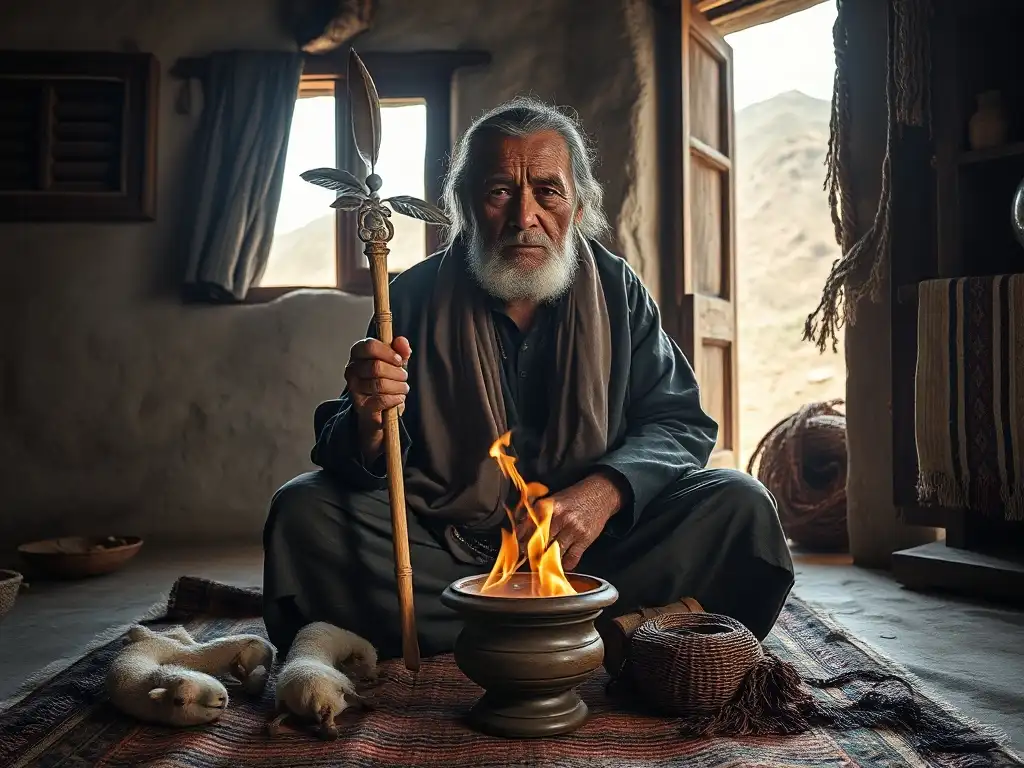
Andean shamanism, far from being relegated to the history books, thrives in contemporary Andean communities. While the practices have evolved and adapted to modern circumstances, the core beliefs and spiritual connection to the Pachamama (Mother Earth) and the Apus (mountain spirits) remain strong. The vibrant tapestry of Andean spirituality continues to influence the lives of millions. Modern practitioners blend traditional rituals with contemporary challenges, navigating a world increasingly influenced by globalization while preserving their ancestral heritage.
This dynamic interplay between tradition and modernity is a testament to the resilience and adaptability of Andean shamanic traditions. The ongoing relevance of these practices is evident in their continued use in healing, community leadership, and the preservation of cultural identity. Many communities actively seek out shamans for guidance on matters ranging from personal well-being to community disputes, highlighting the enduring importance of these spiritual leaders.
Modern Andean Shamans and Their Role
Modern Andean shamans, often referred to as yatiri or paqo, play multifaceted roles within their communities. They are not simply religious figures; they are healers, spiritual guides, and often, community leaders. Their expertise extends beyond the spiritual realm; they are frequently consulted on matters of agriculture, health, and even political issues.
Their knowledge of medicinal plants and traditional healing techniques is invaluable in communities with limited access to modern healthcare. They act as mediators between the physical and spiritual worlds, interpreting the will of the Apus and guiding their communities through challenging times. This holistic approach to leadership and healing demonstrates the integral role shamans play in the social fabric of Andean societies.
Their influence is a powerful force in preserving cultural traditions and fostering a sense of community identity. The training and initiation process for modern shamans often involves years of apprenticeship under experienced practitioners, ensuring the continuity of ancient knowledge and practices.
The Continuity of Ancient Andean Religious Beliefs
Despite the passage of centuries and the influence of external cultures, many core beliefs of ancient Andean shamanism persist in contemporary practices. The veneration of Pachamama, the concept of reciprocal exchange between humans and nature ( ayni), and the importance of ancestral spirits remain central tenets of Andean spirituality.
While the specific rituals and ceremonies may have adapted over time, the underlying worldview – one deeply connected to the land and its spiritual forces – remains remarkably consistent. The use of coca leaves, traditional music, and specific ceremonial objects all point to a direct lineage connecting modern practices to those of their ancestors.
This continuity is not merely a matter of tradition; it represents a living spiritual legacy that serves as a source of strength and identity for Andean communities. The resilience of these beliefs speaks to their profound impact on the lives of Andean people and their enduring significance in the modern world.
The Significance of Andean Shamanism in Understanding Andean Culture
Understanding Andean shamanism is crucial to comprehending the broader Andean culture. It provides a key to unlocking the worldview, social structures, and artistic expressions of these civilizations. The deep spiritual connection to the natural world, evident in shamanic practices, is reflected in the art, architecture, and agricultural techniques of Andean societies.
The intricate relationship between humans and the environment, a central theme in Andean shamanism, shaped the social and political organization of these communities. The emphasis on reciprocity, balance, and harmony in the cosmos is mirrored in their social structures and economic systems. Studying Andean shamanism allows us to understand the profound influence of spiritual beliefs on all aspects of Andean life, from daily routines to complex societal structures.
Without acknowledging the central role of shamanism, a complete understanding of Andean civilizations remains incomplete. It offers a crucial lens through which to interpret their history, art, and societal organization, providing a richer and more nuanced appreciation of their cultural legacy.
Andean Shamanism and its Connection to Andean Cosmovision
Andean shamanism wasn't simply a set of rituals; it was intrinsically linked to the Andean cosmovision, a complex worldview that permeated every aspect of life. This cosmovision saw the world as interconnected, with a vibrant spiritual energy flowing through mountains, rivers, and the very air itself. Shamans acted as intermediaries between the human world and this vibrant spiritual realm, a crucial role in maintaining cosmic balance and societal harmony.
Their practices weren't merely religious; they were deeply embedded in the social and political fabric of Andean societies. The success of agricultural cycles, the health of the community, and even the outcome of battles were often believed to be directly influenced by the shaman's ability to interact with the supernatural. This intimate connection between the spiritual and the material world shaped every aspect of Andean shamanic practices, from healing ceremonies to agricultural rituals.
The Andean cosmovision emphasized a hierarchical structure, mirroring the social organization of many Andean societies. The Apus, or mountain spirits, were considered powerful deities, holding sway over the land and its inhabitants. Shamans, through their specialized knowledge and abilities, could communicate with these Apus, making offerings, seeking guidance, and negotiating for the well-being of their communities.
This relationship wasn't a passive one; it was a dynamic exchange of power and responsibility. Shamans wielded considerable influence, not only because of their spiritual abilities but also because of their role as interpreters of the divine will. Their pronouncements could affect political decisions, influence social structures, and even determine the fate of individuals.
Furthermore, the concept of Pachamama, or Mother Earth, played a central role in Andean shamanic practices. Pachamama represented the fertile earth, the source of life and sustenance. Shamans performed rituals to appease Pachamama, ensuring bountiful harvests and the continued prosperity of the community.
These rituals often involved offerings of coca leaves, chicha (fermented corn beer), and other sacred items, demonstrating a deep respect for the natural world and its life-giving power. The health and vitality of Pachamama were inextricably linked to the well-being of the people, highlighting the holistic nature of the Andean worldview and the shaman's crucial role in maintaining this delicate balance. The shaman's understanding and manipulation of this cosmic energy, therefore, were fundamental to the survival and prosperity of the entire community.
This deep connection to the land and its spiritual forces underscores the profound significance of Andean shamanism within the context of the Andean cosmovision. The practices weren't simply religious acts; they were essential components of a complex and interconnected system that shaped Andean society in profound ways.
- Understanding Andean Shamanism: A Historical Overview
- Andean Shaman Religious Practices: Core Beliefs
- The Spiritual World of the Andean Shaman: Connecting with Nature
- Andean Shamanic Rituals and Ceremonies: Practices and Meaning
- Andean Shamans as Community Leaders: Social and Political Influence
- The Impact of the Spanish Conquest on Andean Shamanic Traditions
- Andean Shamanism Today: Contemporary Practices and Relevance
- The Significance of Andean Shamanism in Understanding Andean Culture
- Andean Shamanism and its Connection to Andean Cosmovision
- What was the role of Andean shamans in their societies?
- How did Andean shamans interact with the spiritual world?
- What were some common religious practices led by Andean shamans?
- What types of healing practices did Andean shamans employ?
- How did the Inca Empire influence Andean shamanistic practices?
Frequently Asked Questions
What was the role of Andean shamans in their societies?
Andean shamans served as spiritual leaders, connecting the community with the supernatural world. Their roles encompassed healing, divination, and conducting rituals vital to Andean life.
How did Andean shamans interact with the spiritual world?
Shamans used various techniques, including trance states induced by hallucinogens, to communicate with spirits and deities. They were believed to possess the ability to journey to other realms and interact with powerful entities.
What were some common religious practices led by Andean shamans?
Shamans led ceremonies involving offerings, prayers, and rituals designed to ensure successful harvests, healing, and protection from harm. These practices often involved sacred objects and locations.
What types of healing practices did Andean shamans employ?
Andean shamans used a combination of herbal remedies, spiritual cleansing, and rituals to heal physical and spiritual ailments. Their knowledge of medicinal plants was extensive and deeply intertwined with their spiritual beliefs.
How did the Inca Empire influence Andean shamanistic practices?
The Inca Empire integrated and standardized many aspects of Andean religious practices, including shamanistic traditions. While shamanism persisted, it often became subordinated to the imperial religious structure.
Final Reflection: Echoes of the Andes: A Legacy of Spiritual Practice
The enduring legacy of Andean shamans resonates powerfully in today's world, a testament to the enduring human need for spiritual connection and healing. Their intricate rituals and profound understanding of the natural world offer a compelling counterpoint to the often-sterile landscapes of modern life, reminding us of the deep interconnectedness between humanity and the cosmos. The practices of these spiritual leaders are not relics of the past, but living traditions that continue to shape communities and inspire individuals.
The influence of Andean shamanic practices extends far beyond the Andes themselves, weaving its way into contemporary spirituality and influencing artistic expression, therapeutic approaches, and even our understanding of consciousness. Their profound connection to Pachamama, Mother Earth, serves as a potent reminder of our responsibility to the environment and the delicate balance of the natural world. The shaman is not simply a healer; he or she is a bridge between the visible and invisible worlds, a keeper of ancient knowledge and a guardian of the sacred.
This understanding, deeply embedded in Andean culture, offers a valuable perspective in a world grappling with ecological crises and a growing sense of disconnection.
Consider the wisdom embedded within these ancient traditions. How can we, in our own lives, cultivate a deeper connection to the natural world and to the spiritual dimensions of existence? Embrace the opportunity to learn from the enduring legacy of Andean shamans, to find inspiration in their profound connection to the earth and the cosmos, and to integrate their wisdom into your own journey of self-discovery and healing. Let their practices serve as a reminder of the power of ritual, the importance of community, and the enduring human need for spiritual meaning.
Unveil the Wisdom of Andean Shamans!
Thank you for exploring the profound world of Andean shamans and their unique roles as spiritual guides. We hope you've gained valuable insights into their influence on Andean culture. Now, let's delve deeper into how you can connect with this ancient tradition.
Here are some ways to deepen your understanding:
- **Take an online course or attend a workshop** focusing on Andean spiritual practices to enhance your understanding and personal growth. Many resources are available, both in person and online.
- **Join a community of like-minded individuals** to share experiences and learn from others passionate about Andean traditions. This shared exploration can be incredibly enriching.
- **Expand your knowledge through books and documentaries** that explore the customs and beliefs of Andean shamans. This will broaden your perspective on their significant influence.
Which aspects of Andean shamanism resonate most with you, and how do you envision it enriching your life or community?