
The Moche Farmers: Cultivating the Fertile Valleys

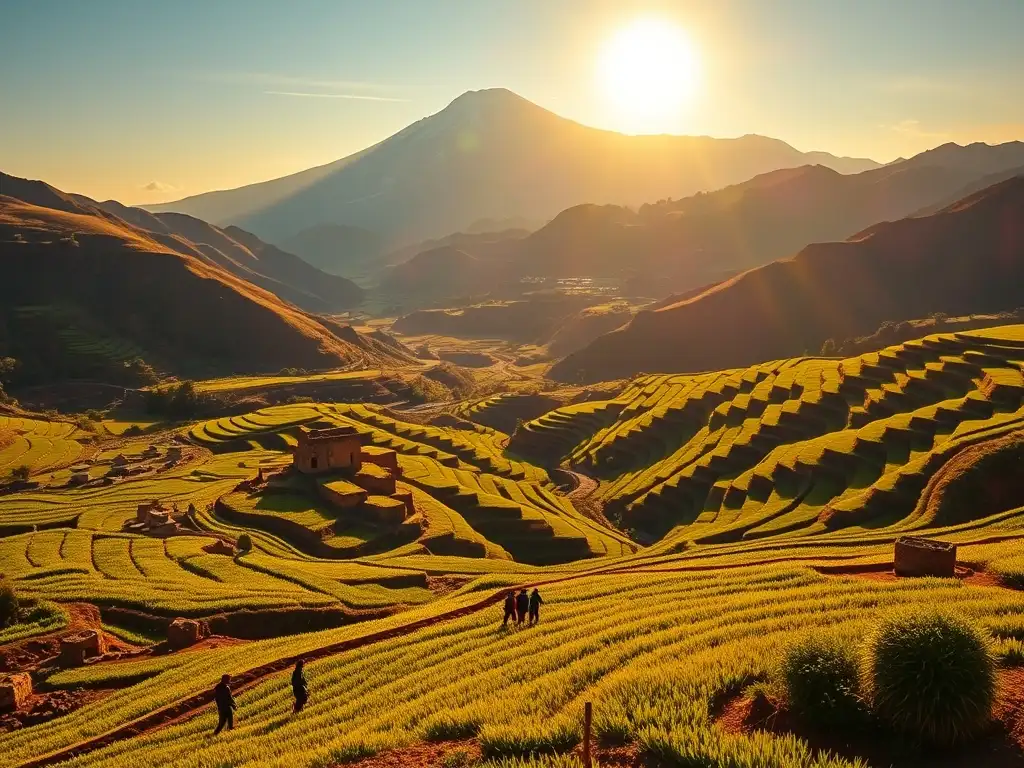
Unravel the mysteries of the Andes! Journey through millennia of innovation and ingenuity as we delve into the remarkable achievements of the ancient Andean civilizations. But first, prepare to be amazed by the ingenious Moche farming techniques that transformed arid landscapes into thriving oases. Discover how these master cultivators harnessed the power of nature, defying the odds to build an empire. Their secrets are waiting to be unearthed – explore the story of the Moche and their enduring legacy.
The Moche civilization, flourishing along the northern coast of Peru from approximately 100 CE to 800 CE, wasn't solely defined by its impressive artistry and sophisticated metalworking. A cornerstone of their remarkable societal development was their mastery of agriculture.
Their innovative farming techniques, adapted to the challenging yet fertile environment of the coastal valleys, allowed for the surplus production that fueled the growth and complexity of their urban centers and supported a large, stratified population. This article delves into the ingenious methods employed by the Moche farmers, exploring the geographic context and the significant role agriculture played in shaping their civilization.
Understanding their agricultural prowess is key to understanding the Moche's overall success and lasting legacy, revealing a fascinating interplay between human ingenuity and the natural world. We'll explore how their farming techniques, a testament to their deep knowledge of their environment, contributed significantly to their societal achievements, making it a pivotal aspect of studying "Moche farming techniques".
Understanding Moche Agriculture and its Importance
Moche agriculture wasn't simply a means of subsistence; it was the engine of their society. The surplus food production generated by their efficient farming practices allowed for specialization of labor. This meant that not everyone needed to be involved in food production, leading to the development of skilled artisans, builders, priests, and warriors.
The agricultural surplus also facilitated the accumulation of wealth and power within the Moche elite, shaping their social hierarchy and influencing their political structures. The ability to reliably produce food in a geographically challenging environment was a key factor in the Moche's ability to build large, complex urban centers and maintain social stability for centuries. Evidence suggests a sophisticated understanding of water management, crop rotation, and irrigation, indicating a level of agricultural knowledge that was far ahead of its time.
The scale of their agricultural projects, such as extensive irrigation canals, demonstrates a high level of societal organization and planning. Their success in farming directly impacted their artistic expressions, with agricultural motifs frequently appearing in their pottery and other art forms.
The Geographical Context of Moche Farming
The success of Moche agriculture was intrinsically linked to the unique geographical features of the region. The interaction between the coastal desert, the fertile valleys, and the Andes Mountains created a complex but productive environment that the Moche expertly harnessed. Understanding this geographical context is crucial to appreciating the ingenuity of their farming techniques.
The Coastal Valleys of Northern Peru: Ideal for Agriculture
The coastal valleys of northern Peru, while seemingly arid, possess a surprising abundance of fertile land thanks to seasonal river flows originating in the Andes Mountains. These rivers, swollen by the rains in the Andes, brought life-giving water and rich alluvial soil down to the coastal plain. The Moche expertly exploited this seasonal water supply, developing sophisticated irrigation systems to maximize the available resources.
The narrow valleys, often flanked by steep hills, provided a natural environment conducive to the creation of effective irrigation canals, channeling the water precisely where it was needed. The fertile soil, rich in nutrients deposited by the rivers, ensured abundant crop yields.
Influence of the Andes Mountains on Moche Farming
The Andes Mountains played a vital role in the Moche agricultural system. Not only did they provide the source of water for the coastal valleys, but they also influenced the microclimates of the region. The mountains created a variety of ecological niches, allowing for the cultivation of different crops at varying altitudes.
The Moche likely utilized different strategies for agriculture at different elevations, taking advantage of the diverse microclimates to diversify their food production. Furthermore, the mountains provided resources such as timber and stone, used in the construction and maintenance of their irrigation infrastructure. The relationship between the Andes and the coastal plain was a fundamental aspect of their agricultural success, highlighting the Moche's profound understanding of their environment.
Moche Farming Techniques: Innovations in Irrigation
The Moche civilization's success was intrinsically linked to its mastery of irrigation, a testament to their advanced understanding of hydraulic engineering. Their ability to cultivate the arid coastal valleys of northern Peru relied heavily on sophisticated irrigation systems that harnessed scarce water resources effectively. This wasn't simply a matter of digging ditches; the Moche developed complex networks of canals, reservoirs, and aqueducts that showcased remarkable ingenuity and planning.
The scale of these projects is impressive, indicating a highly organized society capable of undertaking large-scale public works. These irrigation systems weren't static; they were constantly maintained and adapted to changing environmental conditions, reflecting a deep understanding of their environment and a commitment to long-term sustainability. The effectiveness of their irrigation techniques allowed the Moche to achieve high agricultural yields, supporting a large and densely populated society.
Their innovations in water management provided the foundation for their flourishing civilization, shaping their social structure and cultural development. The legacy of their agricultural prowess continues to inspire awe and admiration.
Irrigation Canals: Engineering Marvels for Water Management
Moche irrigation canals were not simply straight ditches; they were carefully engineered systems designed to efficiently transport water from rivers and streams to agricultural fields. These canals were often built along contours of the land, minimizing the need for excessive excavation and maximizing water flow. They utilized sophisticated techniques to regulate water distribution, including diversion channels, spillways, and control gates.
The construction of these canals required meticulous planning and coordination, reflecting a high level of societal organization and engineering expertise. Archaeological evidence reveals that some canals spanned significant distances, connecting distant water sources to expansive agricultural areas. The construction materials varied depending on the terrain and available resources, but commonly included earth, stone, and even adobe bricks.
The precise alignment and gradients of these canals indicate a deep understanding of surveying and hydraulic principles, far surpassing the capabilities often attributed to "primitive" societies. The longevity and effectiveness of these canals are a testament to the Moche's engineering skills and their understanding of water management.
Moche Agricultural Terraces: Maximizing Arable Land
To further maximize their limited arable land, the Moche skillfully constructed agricultural terraces on hillsides. These terraces weren't simply flat platforms; they were carefully designed to capture and retain water, creating fertile plots of land on otherwise unusable slopes. The construction of terraces required significant labor and expertise, involving the careful shaping of the land, the construction of retaining walls, and the creation of efficient drainage systems.
The terraces increased the amount of cultivable land dramatically, allowing the Moche to grow more food to support their growing population. The precise arrangement and orientation of these terraces often followed the contours of the land, optimizing sunlight exposure and water retention.
The construction of these terraces is a clear indication of the Moche’s deep understanding of both agriculture and engineering, their ability to adapt to the challenging terrain, and their commitment to sustainable agricultural practices. The scale and precision of the Moche terraces remain a remarkable feat of ancient engineering.
Utilizing Groundwater: Moche Wells and Aquifers
Beyond surface water sources, the Moche also tapped into groundwater resources through the construction of wells and the utilization of aquifers. This demonstrates a comprehensive understanding of hydrology and a capacity to access water resources beyond the reach of surface irrigation systems. The construction of these wells required advanced knowledge of geology and the ability to locate underground water sources.
The depth and design of these wells varied depending on the geological conditions, but they often involved sophisticated techniques to prevent collapse and maintain water quality. The use of groundwater sources provided a reliable backup water supply during periods of drought or when surface water sources were insufficient.
This diversified approach to water management further enhanced the resilience of the Moche agricultural system, ensuring a stable food supply even under challenging environmental circumstances. The discovery of these wells provides further evidence of the Moche's sophisticated understanding of hydrology and their ability to adapt to a challenging environment.
Moche Crop Cultivation: A Diverse Agricultural System
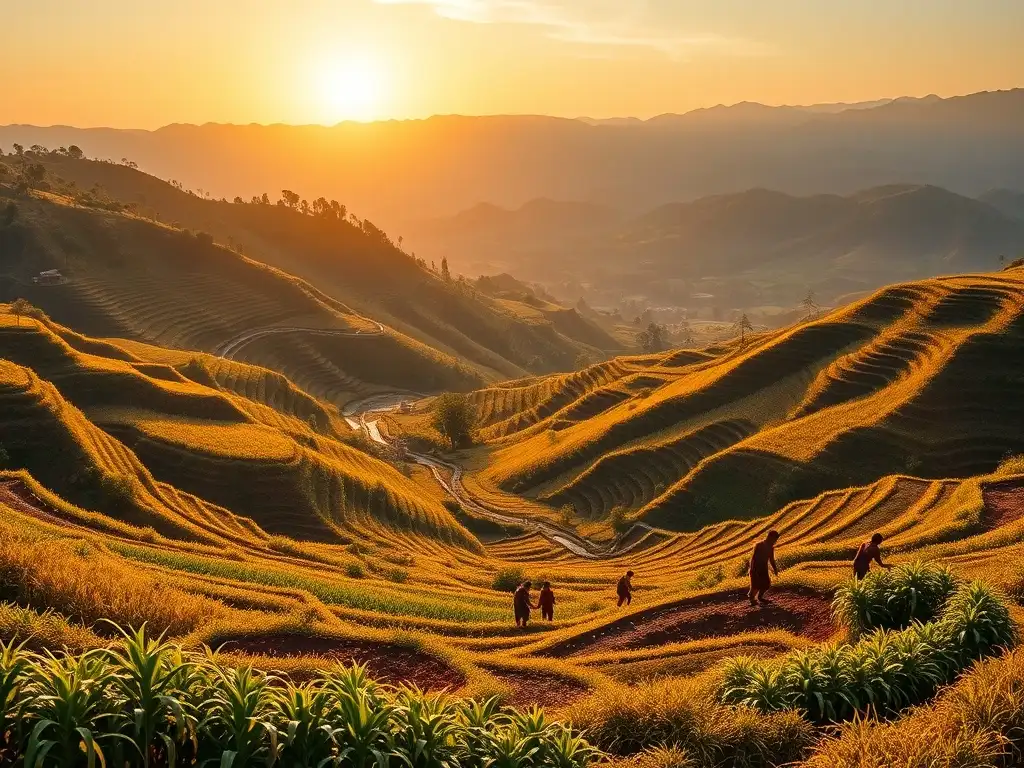
The Moche agricultural system was remarkably diverse, reflecting both their ingenuity and the varied ecological conditions of their environment. They didn't rely on a single crop, but cultivated a wide range of plants, ensuring a resilient food supply and reducing their vulnerability to crop failures. This diversity was achieved through a combination of advanced irrigation techniques, careful land management, and a deep understanding of plant biology.
Their agricultural practices played a crucial role in supporting their large and complex society, contributing significantly to their economic prosperity and social stability. The success of their agricultural system is a testament to their sophisticated understanding of ecology and their ability to adapt to the challenges of their environment. The Moche's agricultural practices provide valuable insights into sustainable agriculture and resource management.
Key Crops in Moche Agriculture: Maize, Beans, and Squash
Maize (corn), beans, and squash formed the core of the Moche diet, a classic example of the "three sisters" agricultural system commonly practiced in Mesoamerica and the Andes. Maize provided essential carbohydrates, beans supplied protein, and squash offered vitamins and other nutrients. These crops were cultivated in diverse ways, reflecting the Moche's understanding of different soil conditions and microclimates.
Archaeological evidence shows extensive cultivation of these crops, suggesting their importance in supporting the Moche population. The ability to grow these crops in abundance was crucial to the Moche's success, providing a stable source of food and contributing to their social and economic stability. The cultivation of these staples underscores the sophistication of Moche agricultural practices and their deep understanding of plant cultivation.
Moche Cultivation of Root Vegetables and Tubers
Beyond the "three sisters," the Moche cultivated a variety of root vegetables and tubers, including potatoes, sweet potatoes, and yuca. These crops were particularly well-suited to the diverse ecological conditions of the region and provided additional sources of carbohydrates and nutrients. Their cultivation added to the overall dietary diversity and resilience of the Moche agricultural system.
Different varieties of these crops were likely adapted to varying altitudes and soil types, demonstrating the Moche's understanding of agricultural diversification. The importance of these root crops in the Moche diet is reflected in both archaeological evidence and depictions in their art. Their cultivation further highlights the advanced agricultural knowledge and practices of the Moche.
Fruit Production in the Moche Civilization
The Moche also cultivated a range of fruits, including various types of peppers, avocados, and lúcuma. These fruits provided additional sources of vitamins, minerals, and flavor to their diet. The cultivation of these fruits likely required specific soil conditions and microclimates, showcasing the Moche's understanding of diverse agricultural practices.
The presence of these fruits in their diet, both fresh and preserved, indicates a sophisticated level of agricultural planning and resource management. Fruit production contributed to a more balanced and nutritious diet, further enhancing the overall resilience of the Moche agricultural system. Depictions of fruits in Moche art also suggest their cultural significance beyond mere sustenance.
The Moche civilization's agricultural success wasn't solely dependent on innovative techniques; it was deeply intertwined with their sophisticated social organization and labor systems. Evidence suggests a complex interplay between centralized control and communal effort in managing the extensive agricultural lands. The elite likely oversaw the overall planning and distribution of resources, while the bulk of the agricultural work was carried out by the common population.
This system ensured the consistent production of crops vital for the survival and prosperity of the entire society. The precise details of labor allocation remain a topic of ongoing research, but archaeological findings, such as the distribution of settlements near irrigation canals and the uniformity of agricultural practices across vast areas, point towards a highly organized system.
Furthermore, the impressive scale of Moche irrigation projects strongly suggests a coordinated and centrally managed labor force. The sheer volume of earthworks involved in canal construction and maintenance would have required a significant and highly organized workforce.
The Role of Moche Farmers in Society
Moche farmers weren't simply laborers; they were integral to the social fabric of the civilization. Their work sustained the entire population, providing food for the masses and tribute for the elite. This crucial role likely translated into a degree of social standing, though the exact hierarchy within the farming communities remains debated.
It's plausible that skilled farmers or those overseeing irrigation projects held positions of respect and authority within their local communities. The depiction of farmers in Moche art, while not always prominent, sometimes shows them alongside other important figures, hinting at their social significance. Further research into Moche burial practices and the analysis of artifacts found in farmers' settlements might reveal a clearer picture of their social status and the level of social mobility within the agricultural sector.
Communal Work and Agricultural Practices
Archaeological evidence strongly suggests that communal labor played a significant role in Moche agriculture. The construction and maintenance of extensive irrigation systems, for example, would have required the coordinated efforts of large groups of people. This communal work likely involved a system of reciprocal labor or perhaps a form of corvée, where individuals contributed their labor to the community in exchange for access to resources and protection.
The precise organization of this communal effort remains unclear, but the scale of the Moche irrigation networks and the uniformity of agricultural practices across vast regions point towards a high degree of social cooperation and centralized planning. The success of the Moche agricultural system underscores the importance of community participation in maintaining and expanding the productive capacity of the land.
Agricultural Surplus and its Impact on Moche Society
The efficient Moche farming techniques resulted in significant agricultural surpluses. This surplus was crucial to the development of a complex society. It allowed for the support of a non-farming population, including artisans, priests, and rulers, who could dedicate their time and skills to other aspects of Moche life. The surplus also facilitated trade and the accumulation of wealth, contributing to the growth of urban centers and the development of a powerful state.
The existence of large-scale storage facilities further supports the notion of surplus production. This surplus not only ensured food security but also fueled the economic and political power of the Moche state, enabling the construction of monumental architecture and the production of elaborate artifacts. The ability to generate and manage a surplus was a key factor in the Moche civilization's flourishing.
Moche Agricultural Tools and Technology
The Moche people's agricultural success stemmed not only from efficient social organization but also from their sophisticated tools and techniques. They developed a range of tools adapted to the specific challenges of their environment, allowing them to cultivate the fertile valleys and produce abundant crops. Their technology, though seemingly simple compared to modern standards, was remarkably effective in maximizing agricultural yields within the constraints of their resources and environment. Analyzing these tools and techniques provides valuable insights into the ingenuity and adaptability of the Moche people.
Tools Used in Moche Farming: Digging Sticks and Hoes
Among the most commonly used tools in Moche agriculture were digging sticks and hoes. These simple tools were essential for preparing the land for planting and weeding. Digging sticks, often made from wood, were used to loosen the soil, while hoes, crafted from stone or bone, served to remove weeds and cultivate the growing crops. The effectiveness of these tools depended on their design and the skill of the user. Archaeological excavations have unearthed numerous examples of these implements, highlighting their widespread use. The durability and simplicity of these tools made them practical and easily replaceable.
The Use of Fertilizers in Moche Agriculture
Evidence suggests that the Moche employed various forms of fertilizer to enhance soil fertility and improve crop yields. While the exact methods and types of fertilizers used are not fully understood, the presence of guano (bird droppings) deposits near agricultural areas indicates its likely use as a natural fertilizer. Guano is rich in nutrients, and its use would have significantly increased the productivity of the land.
Further research is needed to fully understand the extent to which the Moche utilized guano and other organic materials to enrich their soils. The successful application of these fertilization techniques played a crucial role in the sustainability and productivity of the Moche agricultural system. The ingenuity of the Moche in utilizing available resources to enhance agricultural yields is a testament to their understanding of agricultural practices.
Moche Farming and its Impact on Moche Society
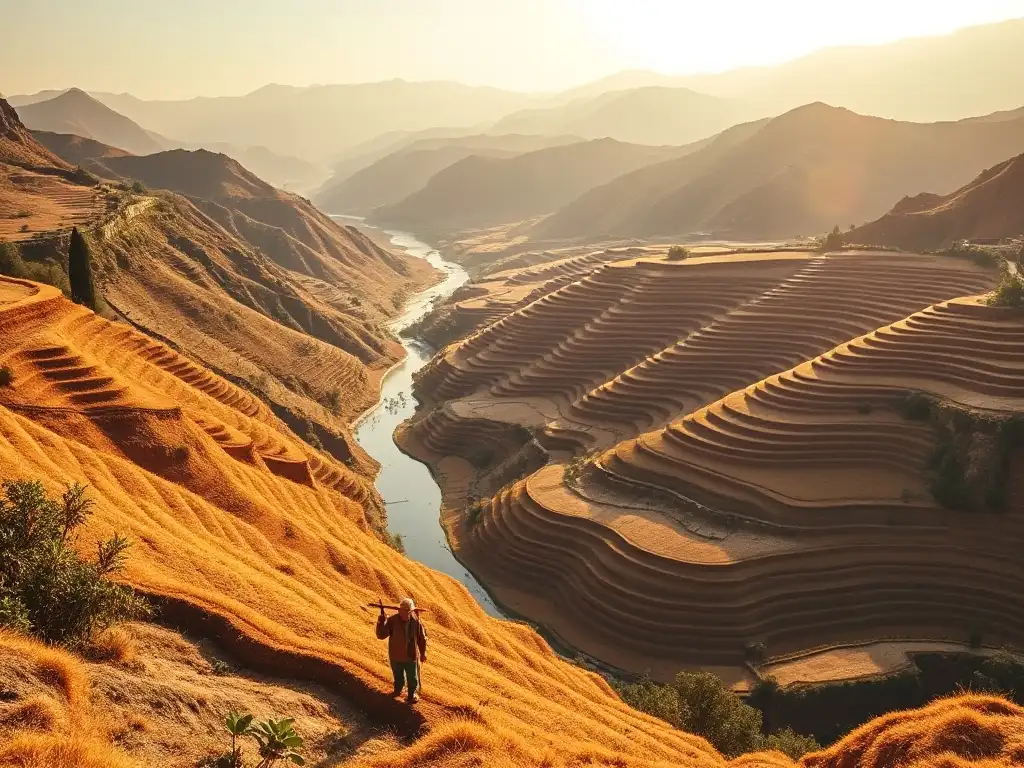
The Moche civilization (c. 100-800 CE) flourished in the arid coastal valleys of northern Peru, a feat largely attributed to their sophisticated agricultural techniques. Their mastery of irrigation and water management allowed them to transform otherwise barren landscapes into productive farmland, supporting a large and complex society. This agricultural success wasn't merely about sustenance; it was fundamentally intertwined with the political and religious structures of Moche society.
The ability to control water and produce surplus crops provided the Moche elite with immense power and influence, shaping their social hierarchy and contributing to the creation of a centralized state. The abundance of food also fueled the growth of specialized labor, enabling artisans, priests, and warriors to dedicate themselves to non-agricultural pursuits, further enriching the cultural complexity of the civilization.
The very foundation of Moche power, its art, its religious practices, and its social stratification were all deeply rooted in the success of their agricultural endeavors. Without the ingenuity and dedication to farming, the impressive Moche civilization as we know it may never have existed.
The Relationship between Agriculture and Moche Power
The control of water resources directly translated into political power within the Moche state. The elite likely controlled the distribution of water and land, granting access to favored individuals or communities while restricting others. This system reinforced the social hierarchy, with the ruling class enjoying the benefits of abundant harvests while commoners worked the land.
Evidence suggests that the Moche rulers were depicted in their art as divine figures associated with fertility and abundance, further highlighting the connection between agricultural success and political authority. Monumental architecture, such as the impressive pyramids and palaces, likely required a significant workforce supported by surplus agricultural production.
The ability to mobilize and feed such a large workforce was a testament to the Moche's sophisticated agricultural organization and the power it vested in their rulers. The economic power derived from agriculture was directly linked to the political power of the Moche elite, creating a system where agricultural success was essential for maintaining social order and the ruling class's authority.
Moche Agricultural Practices and Food Security
The Moche employed a variety of ingenious techniques to maximize agricultural output in a challenging environment. Their most significant achievement was their extensive irrigation systems, which channeled water from rivers and streams across vast distances to irrigate fields in the valleys. These weren't simple canals; they involved complex engineering feats, including the construction of reservoirs, aqueducts, and terraces to manage water flow and prevent erosion. They cultivated a diverse range of crops, including maize, beans, squash, cotton, and various fruits.
The diversification of crops provided a degree of food security, mitigating the risks associated with droughts or crop failures. The efficient use of water and the variety of crops ensured a relatively stable food supply, supporting a large population and contributing to the stability and longevity of the Moche civilization. The sophistication of their techniques shows a deep understanding of the environment and a commitment to sustainable agricultural practices.
The Legacy of Moche Farming Techniques
The Moche legacy extends far beyond their impressive artwork and architecture. Their sophisticated agricultural techniques profoundly impacted subsequent Andean civilizations. Many of their irrigation methods and crop cultivation practices were adopted and adapted by later cultures, influencing the development of agriculture in the region for centuries.
The knowledge and skills developed by the Moche in managing water resources and maximizing agricultural productivity provided a foundation for the success of other Andean societies. Their innovations served as a blueprint for sustainable agriculture in a challenging environment, demonstrating the long-term impact of their ingenuity and demonstrating how effective and adaptable their farming methods were. The enduring influence of their farming techniques is a testament to their enduring contribution to the development of Andean agriculture.
Comparing Moche Agriculture with Other Andean Civilizations
The Moche weren't alone in their agricultural achievements; other Andean civilizations also developed sophisticated farming techniques to thrive in challenging environments. However, comparing their methods with those of other cultures reveals both similarities and significant differences, highlighting the unique aspects of Moche agricultural innovation.
Moche Agricultural Innovations vs. Chimú Agriculture
The Chimú, who succeeded the Moche, also relied heavily on agriculture, but their approach differed in several key aspects. While both civilizations utilized extensive irrigation systems, the Chimú are known for their more centralized and hierarchical control of water resources. Their vast irrigation networks, often involving canals extending for many kilometers, were managed by a complex bureaucracy, demonstrating a higher degree of state control compared to the Moche.
The Chimú also focused more on intensive agriculture, maximizing yields through techniques such as terracing and the creation of artificial islands (huachaques) in coastal wetlands. While the Moche excelled in adapting to diverse landscapes, the Chimú focused on large-scale, state-controlled irrigation projects. These differences reflect variations in social organization and political structures, showcasing the distinct paths taken by these two powerful Andean civilizations.
Comparison of Irrigation Techniques with the Nazca Civilization
The Nazca civilization, contemporary to the Moche, is renowned for its elaborate aqueducts known as puquios. These subterranean channels were ingeniously designed to tap into underground water sources, a remarkable adaptation to the extremely arid Nazca desert. While the Moche relied more on surface irrigation canals drawing from rivers and streams, the Nazca's puquios represented a different approach to water management, demonstrating a focus on tapping into groundwater resources.
Both systems were remarkably effective in their respective environments, highlighting the adaptive capacity of Andean civilizations in response to diverse ecological challenges. The contrasting strategies underscore the innovative ways in which different Andean societies addressed the challenges of aridity and scarcity of water resources. The ingenuity of both the Moche and Nazca in adapting to their specific environments serves as a testament to the remarkable resilience and adaptability of Andean societies.
Conclusion: The Enduring Legacy of Moche Agriculture
The ingenuity of Moche farming techniques is undeniable. Their mastery of irrigation, terracing, and crop diversification allowed them to thrive in a challenging environment, supporting a large and complex society. The extensive canal systems, some of which are still visible today, stand as testaments to their advanced understanding of hydraulic engineering.
These weren't simply irrigation ditches; they were sophisticated networks carefully designed to manage water flow, ensuring consistent water supply even during periods of drought. This sophisticated approach allowed the Moche to cultivate a wide variety of crops, including maize, beans, squash, cotton, and chili peppers – a diverse agricultural system that ensured food security and economic stability. The success of their agricultural practices contributed significantly to the Moche's political and economic power, fueling their artistic achievements and societal development.
While the Moche civilization itself eventually declined, the impact of their agricultural innovations continues to resonate. Their methods provided a foundation for later Andean cultures, influencing their own agricultural practices and contributing to the long-term sustainability of farming in the region. The legacy of Moche agriculture is not merely historical; it's a practical lesson in resource management and sustainable development.
Understanding their techniques offers valuable insights for modern agricultural practices, particularly in arid and semi-arid regions facing challenges of water scarcity and climate change. Studying their sophisticated water management systems provides a roadmap for developing more resilient and sustainable agricultural solutions for the future. The Moche's ability to cultivate such a diverse range of crops in a challenging environment serves as a powerful example of human adaptability and ingenuity, reminding us of the enduring importance of understanding and respecting the delicate balance between human civilization and the natural world.
Their achievements in agricultural technology remain a remarkable feat of engineering and a testament to the enduring power of human innovation. The study of Moche farming techniques offers not only a glimpse into the past but also valuable lessons for addressing the agricultural challenges of the present and future.
- Understanding Moche Agriculture and its Importance
- The Geographical Context of Moche Farming
- Moche Farming Techniques: Innovations in Irrigation
- Moche Crop Cultivation: A Diverse Agricultural System
- Labor and Social Organization in Moche Agriculture
- Moche Agricultural Tools and Technology
- Moche Farming and its Impact on Moche Society
- Comparing Moche Agriculture with Other Andean Civilizations
- Conclusion: The Enduring Legacy of Moche Agriculture
- What innovative farming techniques did the Moche employ?
- How did the Moche's location influence their farming practices?
- What crops did the Moche primarily cultivate?
- What evidence supports our understanding of Moche farming techniques?
- How did Moche farming techniques contribute to their societal success?
Frequently Asked Questions
What innovative farming techniques did the Moche employ?
The Moche utilized a sophisticated system of irrigation canals and terraces to maximize water use in the arid coastal valleys. They also employed advanced techniques like raised fields in swampy areas to increase agricultural output.
How did the Moche's location influence their farming practices?
Their location along the arid northern coast of Peru necessitated the development of complex irrigation systems to channel scarce water resources to their fields. This ingenuity allowed them to thrive in a challenging environment.
What crops did the Moche primarily cultivate?
The Moche cultivated a variety of crops, including corn, beans, squash, cotton, and peppers. These crops formed the basis of their diet and economy.
What evidence supports our understanding of Moche farming techniques?
Archaeological evidence, including remnants of irrigation canals, terraces, and agricultural tools, provides valuable insights into their farming practices. Ancient artwork also depicts agricultural scenes and techniques.
How did Moche farming techniques contribute to their societal success?
Their advanced farming techniques enabled the Moche to support a large and complex society. Abundant food production fueled population growth and supported the development of elaborate culture and infrastructure.
Final Reflection: Harvesting the Legacy of the Moche Farmers
The ingenuity of the Moche farmers in harnessing the harsh desert environment remains a testament to human resilience and a powerful lesson for sustainable agriculture today. Their sophisticated irrigation systems and innovative farming techniques, developed centuries ago, offer invaluable insights as we grapple with modern challenges like climate change and food security. The echoes of their achievements resonate powerfully in our current need to find sustainable solutions for feeding a growing global population.
The Moche's deep understanding of their environment, their ability to adapt and innovate, continues to inspire awe and serves as a powerful reminder of the interconnectedness between human societies and the natural world. The land was their mother, and they treated it with respect.
This unspoken principle, evident in their meticulous farming practices, offers a valuable counterpoint to modern exploitative agricultural methods. Their legacy compels us to reconsider our relationship with the land and to embrace sustainable practices that ensure its long-term health and productivity.
Consider the intricate network of canals and terraces the Moche built, a testament to their collaborative spirit and foresight. Their success wasn't solely based on technological prowess, but also on a deep understanding of community and cooperation. You too can cultivate a deeper appreciation for sustainable practices, by exploring local farming initiatives, supporting environmentally conscious agriculture, and advocating for policies that protect our precious natural resources. Let the legacy of the Moche farmers inspire you to become a steward of the land, ensuring a bountiful future for generations to come.
Unveil the Secrets of Moche Agriculture Today!
Thank you for exploring the fascinating world of Moche agriculture with us! You've discovered the rich techniques and innovations that shaped agricultural practices in the fertile valleys of ancient Peru. Now, let's delve deeper into this captivating subject!
- Explore local sustainable farming methods and compare them to ancient techniques. Many communities offer workshops and events focusing on sustainable agriculture.
- Share your newfound knowledge! Discuss with friends and family how the ingenuity of the Moche farmers continues to inspire modern agricultural practices.
- Engage with us! Follow Andean Civilizations on social media for ongoing insights into Moche heritage and their remarkable agricultural achievements.
What aspect of Moche farming most intrigues you, and how do you envision its influence on contemporary agriculture?