
Nazca Pottery and the Supernatural: Depictions of Deities and Mythological Beings

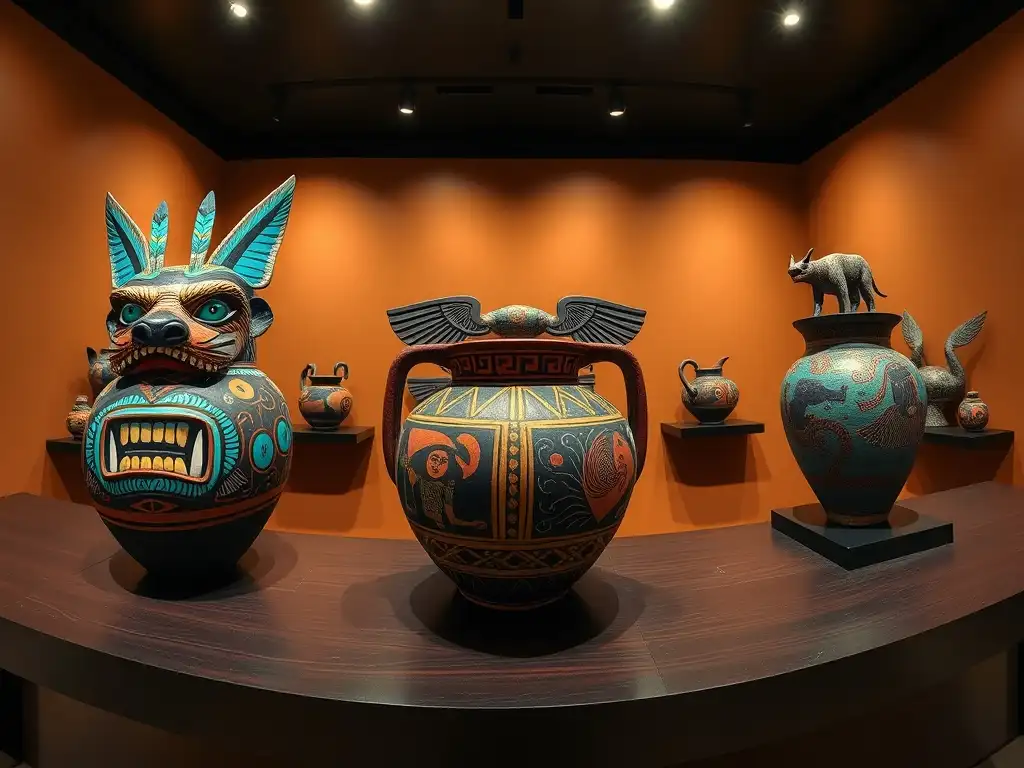
Step into a world lost to time, where the arid plains of Peru hold secrets whispered on the wind. Journey with us into the heart of the ancient Andean civilizations, uncovering their breathtaking artistry and profound spirituality. Prepare to be captivated by the Nazca pottery supernatural depictions, revealing a complex cosmology teeming with deities and mythological beings. Unravel the mysteries of these enigmatic artifacts and discover the power they held for a civilization that continues to fascinate and inspire. What stories do these ancient vessels tell? Explore further to find out.
The Nazca civilization, flourishing along Peru's southern coast between 100 BCE and 800 CE, left behind a remarkable legacy of intricate pottery, textiles, and geoglyphs. This article delves into the fascinating world of Nazca pottery, focusing specifically on its depictions of deities and mythological beings, offering a window into their complex religious beliefs and worldview.
We will explore the iconography, symbolism, and artistic techniques employed by Nazca artisans to represent their supernatural realm, revealing insights into their societal structures and spiritual practices. Understanding these depictions provides crucial context for interpreting the broader cultural landscape of the Nazca, revealing a civilization deeply connected to the supernatural forces they believed shaped their lives.
The intricate detail and vibrant colors of their pottery serve as powerful evidence of their advanced artistic skills and profound spiritual beliefs, making the study of Nazca pottery a captivating journey into the heart of a mysterious and fascinating ancient culture. This exploration will illuminate the unique aspects of Nazca beliefs, highlighting how their pottery reflects a sophisticated understanding of the cosmos and their place within it.
Iconography of Nazca Deities: Identifying Key Figures
Nazca pottery showcases a pantheon of deities, each with distinct attributes and symbolic representations. While precise identification remains challenging due to the lack of written records, careful analysis of recurring motifs and contextual clues allows for tentative interpretations. Many depictions feature anthropomorphic figures, often adorned with elaborate headdresses, jewelry, and symbolic garments.
These figures frequently hold objects associated with specific powers or roles within the Nazca cosmology, such as staffs, scepters, or ritual instruments. For example, a recurring motif shows a deity holding a staff topped with a feline head, possibly representing a connection to the animal world and its spiritual significance. Other deities are depicted with elaborate masks or feathered headdresses, signifying their elevated status and connection to the supernatural.
The intricate detail in these representations, including facial expressions and body postures, suggests a deep understanding of human anatomy and a keen awareness of the power of visual communication. The consistent use of certain colors also provides valuable clues, with red often linked to power and authority, and yellow associated with the sun and its life-giving energy.
Mythological Creatures and Hybrid Beings: Exploring the Supernatural Realm
Beyond human-like deities, Nazca pottery vividly portrays a range of fantastical creatures and hybrid beings, reflecting the richness and complexity of their mythological world. These often combine elements from various animals, plants, and human forms, creating striking and symbolic images. For example, we frequently see depictions of creatures with the heads of jaguars, birds of prey, or snakes, combined with human-like bodies.
These hybrid forms likely represent powerful forces or spirits that inhabit the natural world and interact with the human realm. Their presence on pottery suggests the importance of these entities in Nazca rituals and beliefs, perhaps serving as intermediaries between the human and spiritual worlds. The sheer diversity of these mythological creatures, each with its unique attributes and symbolic meaning, underscores the vibrant and dynamic nature of Nazca religious thought.
Further research into these depictions could reveal more nuanced understandings of their roles and significance within Nazca society. Analysis of their poses and accompanying symbols could provide valuable clues for future interpretations.
Artistic Techniques and the Creation of Supernatural Images: Mastering the Craft
The technical skill evident in Nazca pottery is remarkable. Artisans employed a variety of techniques to achieve their stunning results, including modeling, slip painting, and the use of various pigments. The meticulous detail and vibrant colors found in these pieces are a testament to their mastery of the craft.
The creation of these supernatural images wasn't merely a technical achievement; it was a ritualistic act, imbuing the pottery with spiritual significance. The careful selection of colors, the precise application of paint, and the intricate detailing of the figures all contributed to the power and impact of these representations. The process itself was likely steeped in ritual and ceremony, further enhancing the sacred nature of the finished product.
Understanding the techniques used by Nazca potters helps us appreciate the artistry and effort involved in creating these evocative depictions of their supernatural world. Further investigation into the specific pigments and their sources could reveal additional insights into the materials and methods used by these skilled artisans.
The Role of Pottery in Nazca Rituals and Society: Connecting the Supernatural and the Everyday
Nazca pottery wasn't simply decorative; it played a crucial role in their rituals and daily life. The depiction of deities and mythological beings on these vessels suggests their use in religious ceremonies, possibly as offerings or ritual objects. The presence of these supernatural figures on everyday pottery, however, implies a deeper integration of the spiritual realm into their daily lives.
The constant visual reminders of these powerful beings likely served to reinforce their beliefs and maintain a connection to the supernatural world. This pervasive presence of the supernatural in their material culture suggests a society deeply intertwined with its spiritual dimension, where the line between the human and divine was perhaps more fluid than in other cultures.
Further research is needed to fully understand the specific contexts in which these pieces were used and their role in shaping Nazca social structures and beliefs. Excavations of Nazca sites and analysis of associated artifacts could provide valuable clues in this area.
- Iconography of Nazca Deities: Identifying Key Figures
- Mythological Creatures and Hybrid Beings: Exploring the Supernatural Realm
- Artistic Techniques and the Creation of Supernatural Images: Mastering the Craft
- The Role of Pottery in Nazca Rituals and Society: Connecting the Supernatural and the Everyday
The Spiritual World Reflected in Nazca Ceramics
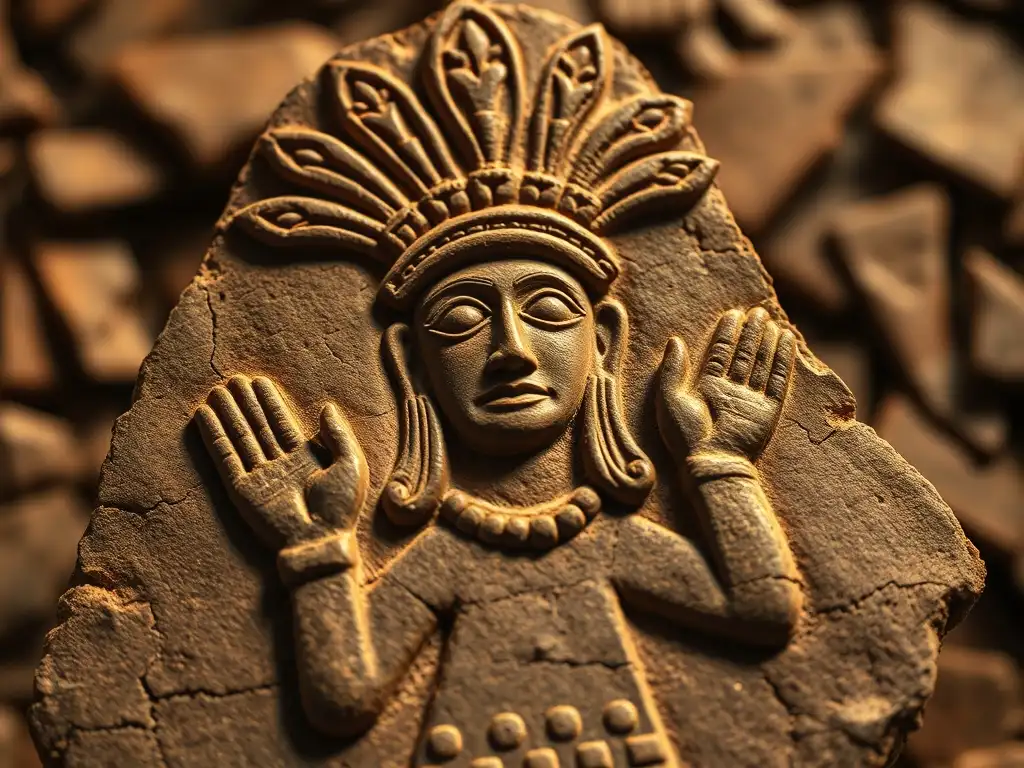
This section delves into the fascinating intersection of Nazca pottery and their deeply ingrained spiritual beliefs. The intricate designs and depictions found on Nazca ceramics offer invaluable insights into their cosmology, mythology, and the profound role of the supernatural in their daily lives. Analyzing these artifacts allows us to reconstruct a vibrant and complex spiritual world, far removed from our modern understanding. The keyword phrase "Nazca pottery supernatural depictions" is central to this exploration.
Introduction to Nazca Art and its Religious Significance
Nazca art, particularly their pottery, is not merely decorative; it's a powerful medium for communicating religious beliefs and cosmological ideas. Unlike some other Andean cultures, Nazca art doesn't consistently depict monumental architecture or grand narratives in its pottery. Instead, it focuses on detailed representations of deities, mythical creatures, and ritualistic scenes, suggesting a strong emphasis on shamanistic practices and ancestor veneration.
The vibrant colors—reds, yellows, blacks, and whites—were achieved through the use of natural pigments, adding to the spiritual aura of these pieces. Many scholars believe that the creation of the pottery itself was a ritualistic act, imbued with spiritual energy.
The stylistic conventions employed in Nazca pottery also contribute to its religious significance. The highly stylized representations of figures, often with exaggerated features, are not meant to be realistic portraits but rather symbolic depictions of spiritual entities. The use of repetitive motifs, such as geometric patterns and stylized plants, further reinforces the ritualistic and symbolic nature of the art.
For example, the recurring depiction of feline figures, often associated with deities or shamans, highlights their importance within the Nazca pantheon. These depictions aren't simply aesthetic choices; they are carefully crafted symbols laden with religious meaning, contributing significantly to our understanding of "Nazca pottery supernatural depictions."
The Role of Pottery in Nazca Rituals and Beliefs
Nazca pottery wasn't just for display; it played a crucial role in their rituals and beliefs. Evidence suggests that pottery vessels were used in offerings to deities and ancestors, often containing food, drink, or other precious items. The intricate designs on these vessels may have served as visual aids during ceremonies, helping to invoke the presence of the supernatural beings depicted. Some vessels were even found buried with the deceased, indicating their importance in the afterlife. This practice underscores the deep connection between the living and the dead, a central theme in Nazca spirituality.
Furthermore, the different types of pottery vessels likely served specific ritualistic purposes. For instance, large, elaborately decorated jars might have been used in communal ceremonies, while smaller, simpler vessels could have been used in private rituals. The variety of shapes and sizes of Nazca pottery reflects the diversity of their rituals and beliefs. The detailed analysis of these variations provides further insight into the complexities of their spiritual world and strengthens the understanding of "Nazca pottery supernatural depictions" as a key aspect of their religious practices.
The study of Nazca pottery continues to reveal new information about their complex spiritual world. Future research, including advanced scientific analyses of pigments and vessel contents, will undoubtedly shed further light on the religious significance of these remarkable artifacts and their role in the rich tapestry of Nazca culture. The enduring legacy of Nazca pottery lies not only in its artistic merit but also in its ability to illuminate the beliefs and practices of a fascinating ancient civilization. The meticulous attention to detail in these "Nazca pottery supernatural depictions" offers a unique window into a lost world.
Key Supernatural Figures in Nazca Pottery
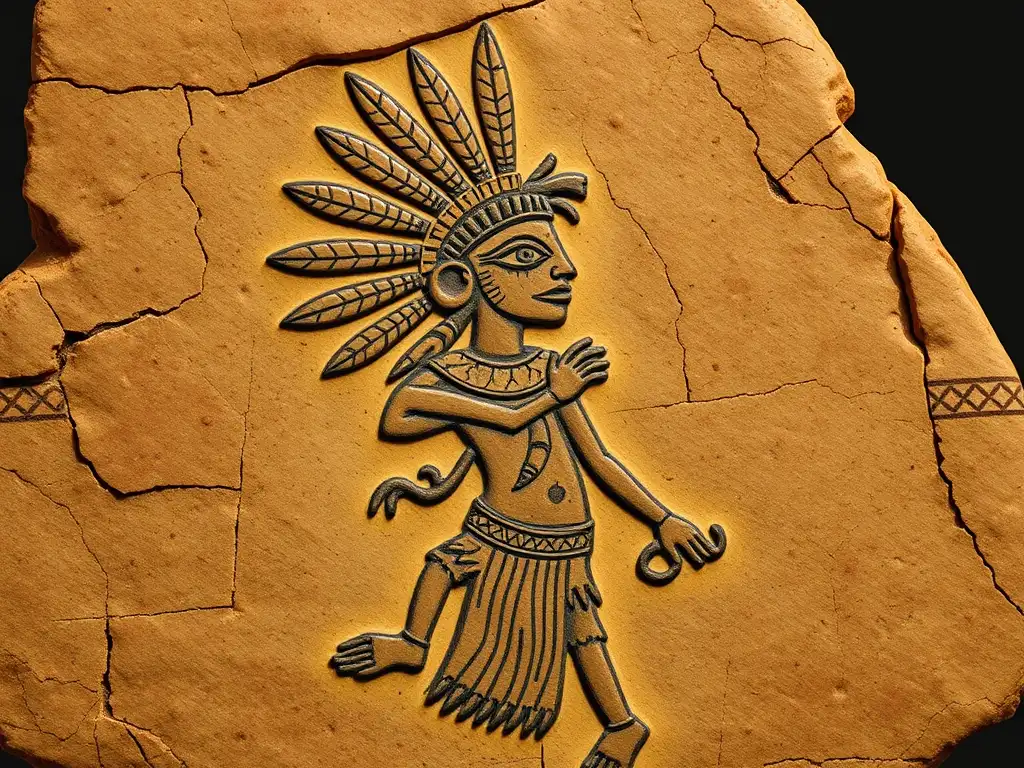
Nazca pottery, renowned for its intricate designs and vibrant colors, offers a captivating window into the supernatural beliefs of this ancient Andean civilization. The vessels, often depicting complex mythological scenes and figures, provide invaluable insights into their cosmology, rituals, and societal structure. Analyzing these "Nazca pottery supernatural depictions" reveals a pantheon of deities and mythical beings, each with unique iconography and symbolic significance.
The recurring motifs suggest a complex interplay of beliefs surrounding power, fertility, and the connection between the terrestrial and supernatural realms. The careful study of these ceramic artifacts allows us to piece together fragments of a rich, albeit enigmatic, worldview. This section focuses on three prominent supernatural figures frequently portrayed in Nazca pottery: the anthropomorphic being, the orca god, and the feline deity.
The Mythical Anthropomorphic Being: A Central Nazca Deity
The most frequently depicted supernatural figure in Nazca pottery is a highly stylized anthropomorphic being. This figure, often characterized by elongated limbs, a large head, and exaggerated features, lacks consistent attributes across all depictions. However, certain common characteristics emerge: the figure frequently wears elaborate headdresses, often featuring stylized feathers or other decorative elements.
Some portrayals show them holding staffs or scepters, symbols of power and authority. The variations in these depictions may represent different aspects of a single deity or even multiple deities within a similar typology. The anthropomorphic being's prominence in Nazca iconography suggests a central role in their religious beliefs, potentially representing a supreme deity or a powerful intermediary between the human and spirit worlds.
Further research into the contextual placement of these figures within larger narrative scenes on the pottery could shed more light on their precise roles and meaning. The size and placement of the figure on the vessel also seem to correlate with its perceived importance within the narrative.
Depictions of the Orca God: Power and the Marine Realm
Another significant supernatural figure frequently appearing in Nazca pottery is the orca god. Unlike the more ambiguous anthropomorphic being, the orca's identity is more readily apparent due to its clear physical characteristics. Depictions showcase the orca's distinctive body shape, powerful physique, and prominent dorsal fin.
These representations often depict the orca in dynamic poses, sometimes emerging from the water or engaged in predatory behavior. The inclusion of the orca god highlights the importance of the marine environment in Nazca cosmology. The ocean, a powerful force, was likely seen as a source of both sustenance and potential danger, reflected in the orca's dual nature – powerful yet potentially threatening.
The orca's prominent depiction might signify its role as a protector, a symbol of power over the sea, or even a deity associated with maritime activities and abundance. Analyzing the surrounding imagery in these scenes could reveal additional insights into the specific attributes and functions assigned to this powerful marine deity. Detailed studies of the stylistic variations in orca depictions across different pottery pieces would also help to understand the evolution of this important symbol over time.
The Feline Figure: Symbolism and Connection to the Jaguar
The feline figure, often interpreted as representing the jaguar, is a recurring motif in Nazca pottery. The jaguar, a powerful predator with significant symbolic importance throughout Mesoamerica and the Andes, likely held a similar status within Nazca culture. Depictions of the feline figure often emphasize its powerful physique, sharp claws, and piercing gaze. Sometimes, these figures are depicted in a more stylized manner, with elongated bodies and exaggerated features, similar to the anthropomorphic being.
However, the feline characteristics – the spotted coat, sharp teeth, and powerful musculature – remain clear, even in the most abstract representations. The jaguar’s association with power, hunting, and the underworld is widely recognized in Andean iconography. In Nazca pottery, the feline figure may represent a deity associated with these attributes or serve as a symbol of shamanistic power, connecting the human realm to the spirit world.
The presence of the feline figure within specific narrative scenes on the pottery would be a key area for future research to further elucidate its meaning and contextual significance. The variations in the depiction of the feline figure across different pottery styles could also provide valuable information about the evolving role of this powerful symbol in Nazca society. Further analysis of these depictions, focusing on posture, accompanying symbols, and the context of the overall scene, is crucial for a more comprehensive understanding of the jaguar's role in Nazca mythology.
Avian Deities: The Importance of Birds in Nazca Cosmology
Birds held a position of significant importance within the cosmology of the Nazca people, as evidenced by their frequent and striking depictions in pottery. These weren't simply realistic portrayals; the birds often served as powerful symbols of deities or supernatural beings, deeply intertwined with Nazca beliefs and rituals. The specific bird species represented varied, suggesting a nuanced understanding of avian symbolism within their society.
Condors, with their majestic size and soaring flight, frequently appear, likely representing power, dominion, and connection to the upper world. Smaller birds, such as hummingbirds, might symbolize agility, grace, and perhaps even a connection to the ephemeral nature of life. The precise meaning of each bird species, however, remains a subject of ongoing scholarly debate, with interpretations varying based on the context of the pottery piece itself, including accompanying iconography and the overall style of the vessel.
Further research is needed to fully unravel the complex tapestry of avian symbolism in Nazca culture. For example, the presence of a specific type of bird alongside other symbols, such as stylized plants or human figures, could dramatically alter the interpretation of its role within the depicted narrative.
Detailed analysis of Nazca pottery reveals a sophisticated understanding of avian anatomy and behavior, suggesting a deep familiarity with the birds themselves. This isn't merely artistic skill; it suggests a close relationship between the Nazca and the avian world, perhaps reflecting a dependence on birds for food, or a belief in their spiritual significance. The level of detail in many depictions, from the precise rendering of feathers to the subtle nuances of posture, points to a reverence for these creatures, reinforcing their status as powerful symbolic figures in Nazca mythology and religious practice.
Furthermore, the use of vibrant colors and intricate designs in portraying these avian deities underscores their importance within the cultural context. The careful selection of pigments and the meticulous application of paint were not merely aesthetic choices; they were integral to the ritualistic and symbolic function of the pottery itself.
The stylistic variations in the depiction of avian deities across different Nazca pottery pieces also offer valuable insights into the evolution of their beliefs and artistic practices. Changes in artistic conventions over time, such as the shift in preferred color palettes or the adoption of new iconographic elements, reflect the dynamic nature of Nazca culture and its evolving relationship with the supernatural.
By studying these changes, researchers can gain a deeper understanding of the social and religious transformations that occurred within Nazca society throughout its history. The continuity and variations in the representation of avian deities across different periods provide a rich source of information for scholars interested in the development of Nazca cosmology and the role of birds within their belief systems.
For instance, comparing early and late Nazca pottery displaying avian motifs can illuminate shifts in artistic styles and possibly even alterations in the associated religious beliefs. This detailed comparative analysis is crucial for understanding the complex interplay between artistic expression and religious practice within Nazca culture.
Understanding Nazca Iconography and its Meaning
The Nazca civilization, renowned for its enigmatic geoglyphs, also left behind a rich legacy of pottery, brimming with intricate designs and symbolic representations. Understanding Nazca pottery requires deciphering a complex visual language deeply intertwined with their beliefs and worldview, a world heavily influenced by the supernatural. This section delves into the iconography of Nazca pottery, exploring the depictions of deities, mythical creatures, and symbolic motifs, providing insight into the religious and cosmological beliefs of this fascinating ancient culture.
The analysis of "Nazca pottery supernatural depictions" reveals a society profoundly connected to the spiritual realm, where the line between the human and divine was blurred. This intricate interplay of imagery provides a window into their rich spiritual life.
Decoding the Visual Language of Nazca Pottery
Nazca potters were master artisans, skillfully employing a variety of techniques, including slip painting, negative painting, and incision, to create stunningly detailed imagery. Their visual language, however, is not immediately transparent. Many symbols remain debated amongst scholars, but recurring themes offer valuable clues. For instance, anthropomorphic figures—human-like beings with exaggerated features—frequently appear.
These figures often possess attributes associated with deities or supernatural beings, such as elaborate headdresses, staffs, and ritualistic paraphernalia. Analyzing these features, along with their context within the overall design, is crucial for interpretation. Some figures are clearly depicted in ritualistic acts, while others appear in scenes that seem to narrate mythological stories or cosmogonic events.
The level of detail in these representations is remarkable, with even minute features, like facial expressions and clothing patterns, carefully rendered. The mastery of these techniques, coupled with the complexity of the iconography, underscores the significant cultural and religious importance of this artistic expression. Further research into the specific pigments and their sourcing could shed more light on the production methods and the potential symbolic meaning associated with specific colors used in the creation of these pieces.
Recurring Motifs and Their Supernatural Interpretations
Several motifs appear repeatedly in Nazca pottery, reinforcing their symbolic significance. One prominent motif is the depiction of feline figures, often associated with powerful deities or supernatural entities. These felines, sometimes depicted with human-like features, are often portrayed in dynamic poses, suggesting power and agility. Similarly, serpent motifs are frequently encountered, often intertwined with other elements, implying a connection to the underworld or the forces of nature.
The frequent appearance of these motifs suggests their central role in Nazca cosmology and religious beliefs. Another common motif is the depiction of stylized plants and animals, which may represent shamanic journeys or transformation processes. The combination of these motifs within a single vessel often suggests a narrative, perhaps depicting a myth or a ritualistic event.
Detailed analysis of these recurring motifs, along with contextual clues provided by the surrounding imagery, allows for a more nuanced understanding of Nazca religious practices and beliefs. For example, the presence of a specific type of bird alongside a feline deity could indicate a specific mythological association or a ritualistic practice involving both entities. Further research is needed to fully understand the intricate network of meanings embedded within these recurring motifs.
Color Symbolism in Nazca Art: Conveying Religious Concepts
Color plays a vital role in conveying meaning in Nazca pottery. While the precise symbolism remains a subject of ongoing study, certain color associations can be inferred. Red, for instance, is often linked to blood, sacrifice, and fertility, while white might represent purity and the sacred. Black could symbolize the underworld or night, while yellow might be associated with the sun or gold.
The skillful use of these colors, often combined in intricate patterns, adds another layer of complexity to the visual narrative. The interplay of color and line work enhances the symbolic significance of the designs. For example, a red feline figure against a white background might emphasize the deity’s power and importance. Conversely, a black serpent winding through a field of yellow flowers could symbolize the cyclical nature of life and death.
Further investigation into the specific pigments used and their sources could provide a deeper understanding of the cultural significance of color within the Nazca context. The careful study of color palettes across different vessels and their correlation with specific motifs could offer valuable insights into the religious beliefs and worldview of the Nazca people. The systematic analysis of color symbolism in Nazca pottery remains a crucial area of ongoing research for enriching our understanding of "Nazca pottery supernatural depictions".
Nazca Pottery Techniques and their Impact on Depictions
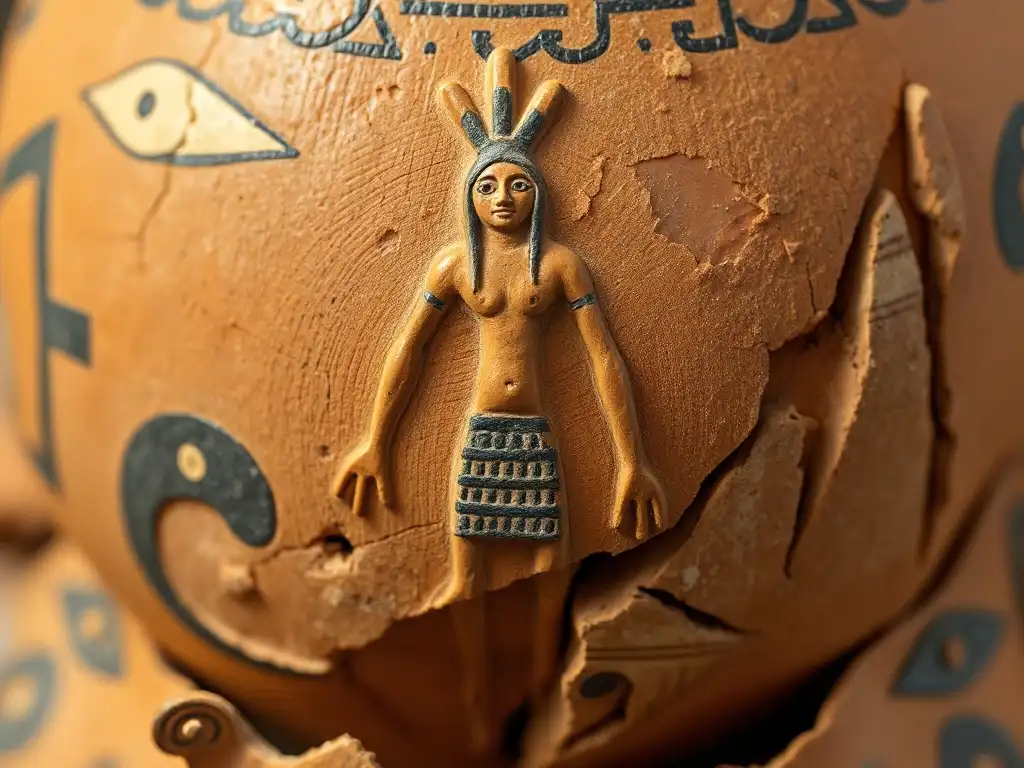
The remarkable detail and vibrant artistry of Nazca pottery are inextricably linked to the sophisticated ceramic production techniques employed by the artisans. Understanding these techniques is crucial to appreciating the power and nuance of the supernatural depictions found on these vessels. The level of skill and precision involved allowed for the creation of incredibly lifelike and expressive representations of deities and mythical creatures, significantly contributing to the overall impact of the narrative conveyed.
The Nazca people’s mastery of pottery wasn't merely functional; it was a powerful medium for expressing their worldview and beliefs about the supernatural. Analyzing the techniques reveals not just how the images were made, but why they were made in such a specific way. This section explores the direct relationship between production methods and the resulting artistic expressions.
Ceramic Production Methods and the Level of Detail
Nazca potters were masters of their craft, utilizing a complex process to achieve the high level of detail seen in their work. The process began with the careful selection and preparation of clay, often sourced from specific locations known for their quality. This clay was meticulously cleaned and mixed with temper—additives like sand or crushed rock—to improve its workability and prevent cracking during firing.
The subsequent shaping of the vessels involved a combination of techniques, including coiling and molding, allowing for the creation of diverse forms ranging from simple bowls to complex, anthropomorphic figures. The precision of these methods is evident in the intricate details of the pottery, such as the finely rendered features of deities and the delicate patterns adorning the vessels. For instance, the representation of feathered headdresses on certain deity figures requires an exceptionally high level of skill in shaping and smoothing the clay.
The use of slip—a liquid clay suspension—further enhanced the detail. The application of multiple layers of slip allowed for subtle variations in color and texture, creating a three-dimensional effect that brought the depictions to life.
How Pottery Techniques Influenced the Representation of Deities
The technical proficiency of Nazca potters directly influenced their ability to represent supernatural beings with striking realism and symbolic complexity. The precision of their techniques allowed for the subtle rendering of facial expressions, body postures, and clothing details, which are crucial in conveying the specific attributes and power of each deity. For example, the depiction of a deity's wrath might be emphasized through a furrowed brow or clenched fists, details only achievable through a high degree of control over the shaping and finishing processes.
The ability to create thin, delicate vessels facilitated the depiction of flowing garments and intricate headdresses, adding to the visual impact of the supernatural figures. The use of different clay types and firing temperatures also contributed to the overall aesthetic effect, allowing for variations in color and texture that enhanced the symbolic representation of specific deities and their associated powers.
Moreover, the development of advanced slip painting techniques enabled the creation of complex iconography, adding layers of meaning to the depictions. The meticulous application of pigment allowed for the creation of highly detailed patterns and symbols, further enriching the visual narrative surrounding the supernatural beings.
The Use of Slip Painting and its Effect on Visual Storytelling
Slip painting was a crucial technique in Nazca pottery, allowing for the creation of vibrant and detailed images that served as powerful visual narratives. The potters used different colored slips, often derived from natural pigments, to create a wide range of hues. The application of multiple layers of slip, sometimes combined with negative space techniques (like resist painting), enabled the creation of complex designs and patterns. This technique was integral in depicting the attributes and iconography associated with various deities and mythical creatures.
For example, the use of red slip might symbolize blood or power, while white slip could represent purity or the supernatural realm. The combination of these colors, along with other techniques like incision and incising, contributed to the visual storytelling on the pottery. The layering of slips also created a sense of depth and dimension, enhancing the realism of the depictions.
Consider the intricate details of a mythical bird, its plumage rendered with varying shades of red, black, and white slip. The subtle gradations of color and the precision of the lines create a vivid and lifelike image that captures the essence of the supernatural being. The mastery of slip painting in Nazca pottery is a testament to the sophisticated artistic and technological capabilities of the culture, and it played a pivotal role in their unique representation of the supernatural world.
The Function of Supernatural Imagery in Nazca Society
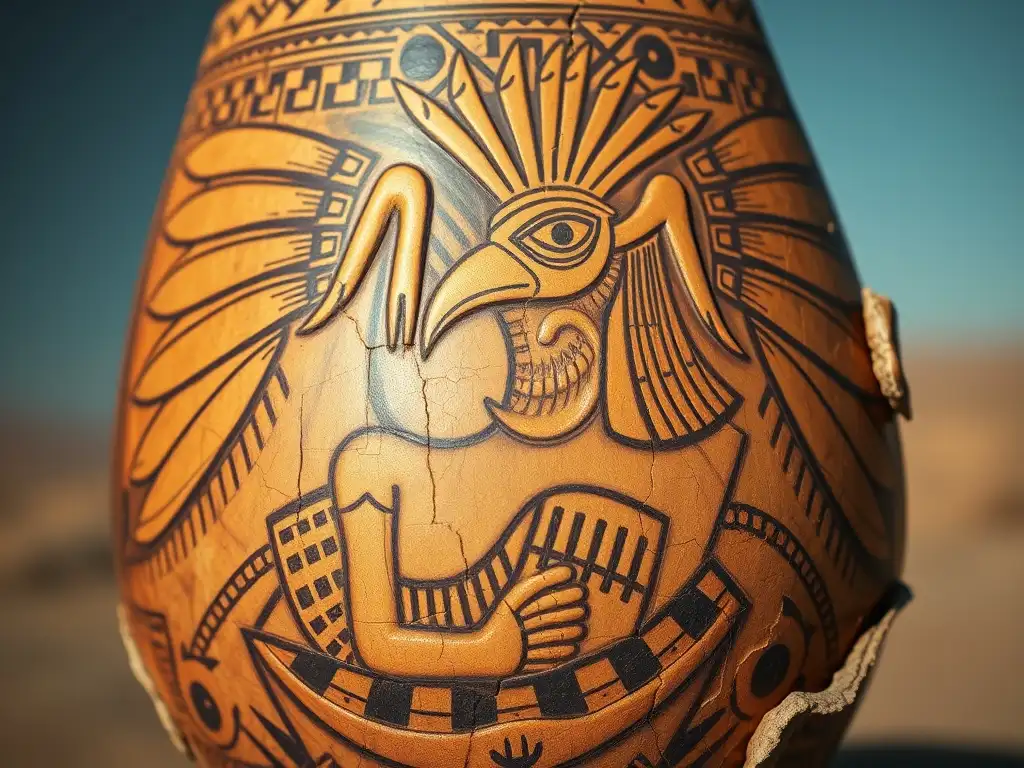
The vibrant and often enigmatic imagery found on Nazca pottery offers a unique window into the spiritual beliefs and social structures of this fascinating ancient civilization. The prevalence of supernatural depictions—from anthropomorphic deities to fantastical creatures—suggests a society deeply intertwined with the supernatural world, where the line between the physical and spiritual realms was likely blurred. Analyzing these depictions allows us to explore the complex interplay between religious practices, social hierarchy, and the afterlife in Nazca culture.
The consistent presence of these motifs across various pottery types, from simple domestic wares to elaborate funerary vessels, underscores their importance in everyday life and ritualistic contexts. Understanding the function of these images is crucial to deciphering the rich tapestry of Nazca beliefs and practices.
The frequency of certain motifs, such as feline deities and bird-human hybrids, hints at a complex pantheon and a sophisticated cosmology. Further research into the contextual findings of these artifacts, alongside comparative studies with other Andean cultures, will continue to refine our understanding of Nazca supernatural beliefs and their societal impact.
Religious Practices and the Use of Pottery in Ceremonies
Nazca religious practices were intrinsically linked to their sophisticated pottery production. Ceramics weren't merely utilitarian objects; they served as crucial elements in various rituals and ceremonies. Evidence suggests that specific pottery forms, decorated with particular supernatural beings, were used in specific rituals.
For example, vessels depicting feline deities might have been used in offerings connected to hunting or fertility, while those showing bird-human hybrids could have been involved in ceremonies related to ancestor veneration or shamanic practices. The careful craftsmanship and intricate detail lavished upon many pieces further emphasizes their sacred significance. The use of specific pigments and techniques, potentially imbued with symbolic meaning, further highlights the ritualistic importance of Nazca pottery.
Moreover, the discovery of pottery fragments within ceremonial contexts, such as temples or shrines (though specific examples require further archeological investigation to confirm), strengthens the link between these artifacts and religious life. The size and style of the vessels also likely played a role; larger, more elaborate pieces might have been reserved for major ceremonies or high-ranking individuals. The meticulous nature of the pottery production itself suggests a highly organized and specialized religious system.
The Role of Shamans and their Connection to the Supernatural
The Nazca worldview appears to have been heavily influenced by shamanistic practices. Many pottery depictions feature figures that strongly resemble shamans, often depicted in altered states of consciousness, interacting with supernatural entities. These figures are frequently shown wearing distinctive headdresses, clothing, and accessories, possibly symbolizing their connection to the spirit world.
Their interaction with mythical creatures and deities, as portrayed on the pottery, suggests their role as intermediaries between the human and supernatural realms. The shaman's ability to communicate with and influence these supernatural forces would have been highly valued within Nazca society. Some pottery pieces showcase scenes that could be interpreted as shamanic rituals, including trance-like states, hallucinogenic experiences (implied through iconography), and interactions with spirits.
Analyzing these depictions provides insight into the shaman's role in healing, divination, and other aspects of Nazca social life. Further investigation into the specific iconography associated with shamanic figures on Nazca pottery is needed to fully understand the nuances of their roles and powers. The stylistic variations in depictions of shamans across different pottery pieces may also reflect different social standings or shamanic specializations within the community.
Funerary Use of Pottery and its Significance
Nazca pottery played a significant role in funerary practices, reflecting the belief in an afterlife and the continued importance of supernatural beings beyond death. Elaborate funerary vessels, often containing food, drink, and other offerings, were frequently interred with the deceased. The imagery on these vessels frequently depicts supernatural beings, suggesting a belief that these entities continued to play a role in the afterlife. The types of offerings and the specific imagery on the pottery might have been tailored to the deceased's social status or role in life.
For example, a high-ranking individual might have been buried with exceptionally ornate vessels depicting powerful deities, while a commoner might have been interred with simpler pottery featuring less prominent supernatural figures. The presence of pottery in tombs also suggests a belief in the importance of continuing to provide for the deceased in the afterlife. Analyzing the contents of these funerary vessels, along with the imagery they bear, provides valuable insight into Nazca beliefs about death and the afterlife.
The quantity and quality of the pottery found in a particular burial site could also offer clues about the social standing of the deceased. The meticulous care taken in creating and placing these vessels within the tombs underscores the importance of the afterlife in Nazca cosmology. Further study into the arrangement of pottery within tombs might reveal additional information about the funerary rituals and beliefs of the Nazca people.
The Legacy of Nazca Supernatural Depictions
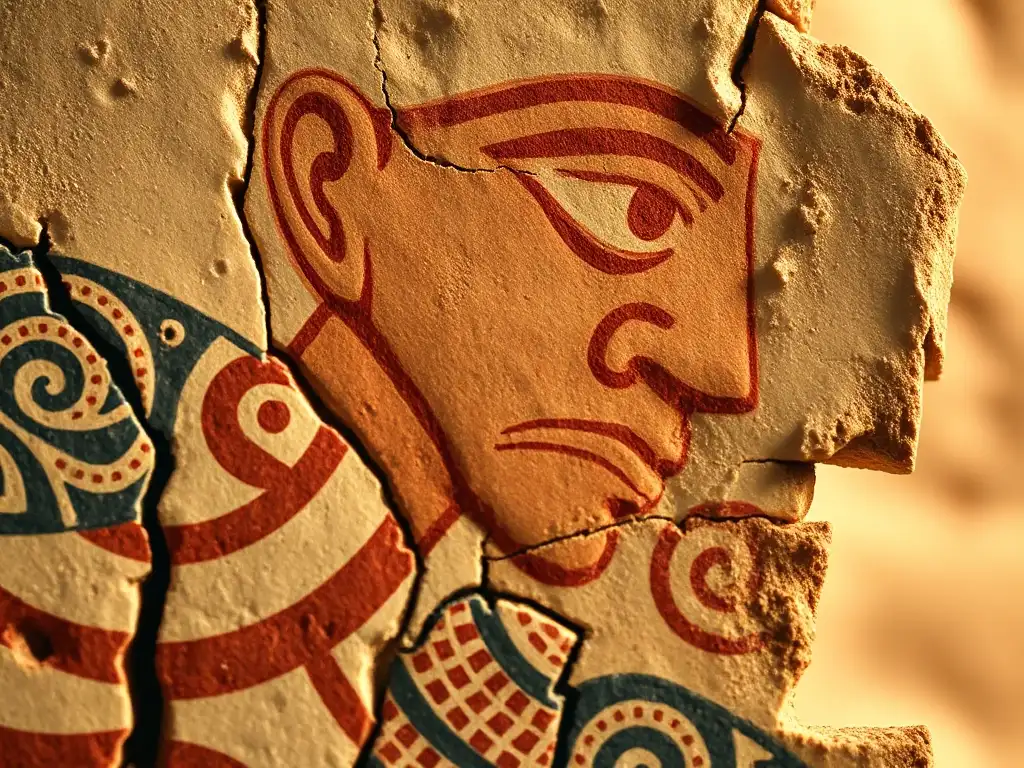
The Nazca people's profound connection to the supernatural is vividly reflected in their pottery, leaving behind a legacy that continues to fascinate and inspire. Their unique artistic style, characterized by bold colors, intricate designs, and dynamic representations of deities and mythical beings, offers invaluable insights into their cosmology and beliefs. The sophisticated techniques employed in creating these vessels, from the careful selection of clays to the masterful execution of the painted scenes, demonstrate a high level of artistic skill and cultural significance.
Analyzing these depictions provides a window into their worldview, revealing a complex system of beliefs centered around powerful deities, shamans, and otherworldly creatures. This section will explore the lasting impact of these supernatural depictions, their preservation efforts, and their influence on contemporary art.
Influence of Nazca Imagery on Subsequent Andean Cultures
The striking imagery found on Nazca pottery wasn't confined to the Nazca culture itself. Its influence reverberated through subsequent Andean societies, demonstrating the enduring power of their artistic and spiritual expressions. While the specific styles evolved, the underlying themes of supernatural power and interaction with the divine world persisted.
For example, certain motifs, such as stylized feline deities or anthropomorphic figures with exaggerated features, found parallels in later cultures like the Wari and Inca. This suggests a continuity of religious ideas and artistic conventions across different Andean groups. The enduring appeal of these supernatural depictions is evident in their continued presence in later Andean art, suggesting a cultural memory and shared understanding of the spiritual world.
Further research is needed to fully map the transmission of these motifs and their evolution across different periods and regions [specific information pending on cross-cultural comparisons]. However, the initial evidence strongly suggests that Nazca pottery played a significant role in shaping the visual language of Andean supernatural representations for centuries to come. This cultural diffusion underscores the lasting impact of Nazca artistic expressions on the broader Andean cultural landscape.
Preserving the Nazca Spiritual World Through Pottery
The fragility of Nazca pottery presents a significant challenge to preserving the unique spiritual world depicted on these artifacts. The vibrant colors, often achieved through intricate layering techniques, are susceptible to deterioration over time due to exposure to light, humidity, and temperature fluctuations. Museum curators employ specialized techniques to mitigate this degradation, including controlled environmental conditions, careful handling procedures, and advanced conservation methods.
Additionally, meticulous documentation through high-resolution photography and digital archiving helps create a lasting record of these invaluable pieces. The creation of detailed catalogs and databases facilitates research and allows scholars worldwide access to the images, enabling a deeper understanding of Nazca cosmology and beliefs. Furthermore, educational programs and public exhibitions play a crucial role in raising awareness about the importance of preserving this cultural heritage and fostering appreciation for the artistic and spiritual significance of Nazca pottery.
These collaborative efforts, combining scientific expertise with cultural sensitivity, are essential for safeguarding the legacy of the Nazca spiritual world for future generations. The preservation of Nazca pottery is not merely about protecting artifacts; it is about safeguarding a unique window into a fascinating and complex ancient civilization.
Contemporary Art Inspired by Nazca Supernatural Motifs
The enduring power and visual appeal of Nazca supernatural depictions continue to inspire contemporary artists. Modern artists draw inspiration from the bold colors, intricate patterns, and captivating imagery found on Nazca pottery, reinterpreting these ancient motifs in new and innovative ways. This artistic reimagining often reflects a contemporary understanding of spirituality, mythology, and the relationship between humans and the supernatural. Some artists directly incorporate Nazca designs into their work, while others use the imagery as a springboard for exploring broader themes of identity, culture, and the environment.
The resurgence of interest in Nazca pottery has led to a flourishing of contemporary art that engages with its themes and aesthetics. This demonstrates the lasting cultural impact of Nazca art and its capacity to resonate with modern audiences. The use of Nazca motifs in contemporary art helps to keep the legacy of this ancient civilization alive, bridging the gap between past and present, and highlighting the enduring relevance of its artistic and spiritual expressions.
This creative dialogue between ancient and modern perspectives enriches our understanding of both Nazca culture and the ongoing evolution of artistic expression. The vibrant and ever-evolving field of contemporary art inspired by Nazca pottery showcases the powerful and lasting legacy of Nazca supernatural depictions. 🎨
Conclusion: The Enduring Power of Nazca Pottery
The vibrant and enigmatic world of Nazca pottery offers a unique and invaluable glimpse into the spiritual beliefs and societal structures of this remarkable Andean civilization. The meticulous craftsmanship, the bold use of color, and the often-surreal depictions of deities and mythological beings continue to fascinate and inspire researchers and art enthusiasts alike. These ceramics are not merely vessels; they are powerful artifacts that transcend time, offering a tangible connection to a lost culture.
Studying Nazca pottery allows us to engage directly with their cosmology, understand their rituals, and appreciate the sophisticated artistic techniques they employed. The enduring power of Nazca pottery lies in its ability to bridge the gap between past and present, enriching our understanding of the human experience and the enduring quest for meaning.
The Significance of Nazca Ceramics in Understanding their Beliefs
Nazca ceramics provide crucial insights into the complex religious beliefs of the Nazca people. Unlike written records, which are absent in the Nazca culture, pottery serves as a primary source for understanding their worldview. The frequent depiction of anthropomorphic figures, hybrid creatures, and stylized deities reveals a rich pantheon of supernatural beings integral to their daily lives.
Analysis of recurring motifs, such as feline deities, bird-headed figures, and shamanistic scenes, suggests a sophisticated cosmology with intricate hierarchies and complex rituals. The detailed portrayal of these figures, often engaging in ritualistic acts or interacting with the natural world, gives us valuable clues about their beliefs concerning life, death, and the forces that governed their existence. For instance, the repeated imagery of a specific deity wielding a staff might indicate its role in healing or controlling natural phenomena, reflecting a possible connection between the supernatural and the practical aspects of Nazca life.
Further research into iconographic patterns and stylistic variations within different ceramic types could reveal even more nuanced understandings of their belief systems. The study of Nazca pottery, therefore, is not just an aesthetic appreciation; it's a crucial archeological investigation into a lost culture's spiritual world.
Nazca Pottery Supernatural Depictions: A Window into the Past
The supernatural depictions found on Nazca pottery are not merely decorative; they are powerful statements reflecting the Nazca people's cosmology and worldview. These depictions offer a window into their understanding of the world beyond the tangible, revealing a pantheon of deities and mythological beings that interacted with the human realm. The stylistic choices made by the artisans – the use of vibrant colors, the intricate details, the dynamic poses of the figures – all contribute to the powerful impact of these images. For example, the recurring motif of the feline deity, often depicted in a predatory stance or adorned with elaborate headdresses, likely represents a powerful force in their society, possibly associated with warfare, hunting, or even fertility.
Similarly, the bird-headed figures, frequently seen in ritualistic contexts, may symbolize shamanistic figures or intermediaries between the human and supernatural worlds. The presence of these recurring motifs across different ceramic types and styles suggests a deeply ingrained belief system that permeated all aspects of Nazca society. Furthermore, the careful observation of variations in these depictions across different time periods could reveal shifts in beliefs or the evolution of their religious practices over time.
The analysis of these "Nazca pottery supernatural depictions" therefore provides invaluable data for reconstructing the complex religious landscape of this fascinating civilization. Careful study of these depictions, including the use of advanced imaging techniques and cross-referencing with other archaeological findings, promises to further unlock the secrets held within these remarkable artifacts. The intricate details and vibrant colours speak volumes about the depth of their spiritual life and the importance of the supernatural in shaping their society.
Frequently Asked Questions
What makes Nazca pottery unique?
Nazca pottery is renowned for its vibrant colors and intricate designs. Many pieces depict supernatural beings and deities, reflecting their complex religious beliefs. The polychrome style is particularly distinctive.
What supernatural beings are commonly depicted in Nazca pottery?
Common depictions include mythological creatures, deities associated with fertility and the afterlife, and shamanistic figures. These often appear in complex scenes showcasing rituals and ceremonies. Interpretations vary amongst researchers.
How did Nazca potters achieve such vibrant colors?
The potters used a sophisticated technique involving multiple layers of paint and firing processes. They employed natural pigments derived from minerals and plants, resulting in the remarkable durability and color retention we see today.
What is the significance of the supernatural depictions in Nazca pottery?
The depictions provide invaluable insights into Nazca cosmology and religious beliefs. They offer clues to their social structure, rituals, and worldview, revealing a rich and complex understanding of the supernatural.
Where can I see examples of Nazca pottery with supernatural depictions?
Many museums worldwide house collections of Nazca pottery, including the Larco Museum in Lima, Peru, and various museums in the United States and Europe. You can also find images online, but always verify the source's authenticity.
Final Reflection: Echoes of the Supernatural in Nazca Clay
The vibrant, otherworldly depictions on Nazca pottery aren't just relics of a distant past; they are powerful reminders of humanity's enduring fascination with the supernatural. These intricate designs, imbued with mythical beings and deities, continue to resonate with us today, sparking awe and prompting questions about the beliefs and anxieties of a civilization long gone. Their enduring appeal speaks to a universal human need to understand the forces beyond our comprehension.
The influence of Nazca pottery's supernatural imagery extends far beyond the dusty plains of Peru. Its impact on modern art, anthropology, and even our understanding of ancient belief systems is undeniable. The bold lines, the enigmatic figures, the sheer artistry—these elements continue to inspire artists and researchers alike. The past is never dead. It's not even past,
wrote William Faulkner, and the vibrant spirits depicted on these ancient vessels prove his point. Their enduring presence challenges us to consider the continuity of human experience across millennia.
Consider the power of these images. Consider the stories they whisper across the centuries. You, too, can engage with this ancient dialogue. Take a moment to truly appreciate the artistry and the mystery embedded within each painted scene. Let the vibrant colors and enigmatic figures spark your imagination, prompting you to explore your own beliefs about the supernatural and the enduring human quest for meaning. The echoes of the Nazca resonate within us all.
**Unveil the Mysteries of Nazca Pottery! **
Thank you for exploring the fascinating world of Nazca pottery and its rich spiritual significance! We hope you were inspired by the vibrant depictions of deities and mythical creatures that reveal the creativity and deeply held beliefs of the ancient Andean civilizations. Now, let's continue your journey of discovery!
- **Dive deeper! ** Explore local museums and online collections showcasing Nazca pottery to experience these stunning artifacts firsthand.
- **Join the conversation! ** Share your thoughts and insights on Nazca pottery with fellow enthusiasts in our online community forum.
- **Try your hand at creativity! ** Create your own pottery piece inspired by the Nazca's intricate designs and share your work with us.
Which aspect of Nazca mythology resonates most with you, and how do you believe it informs our understanding of their culture today?