
The Conservation Challenges of Machu Picchu: Protecting a Fragile Site

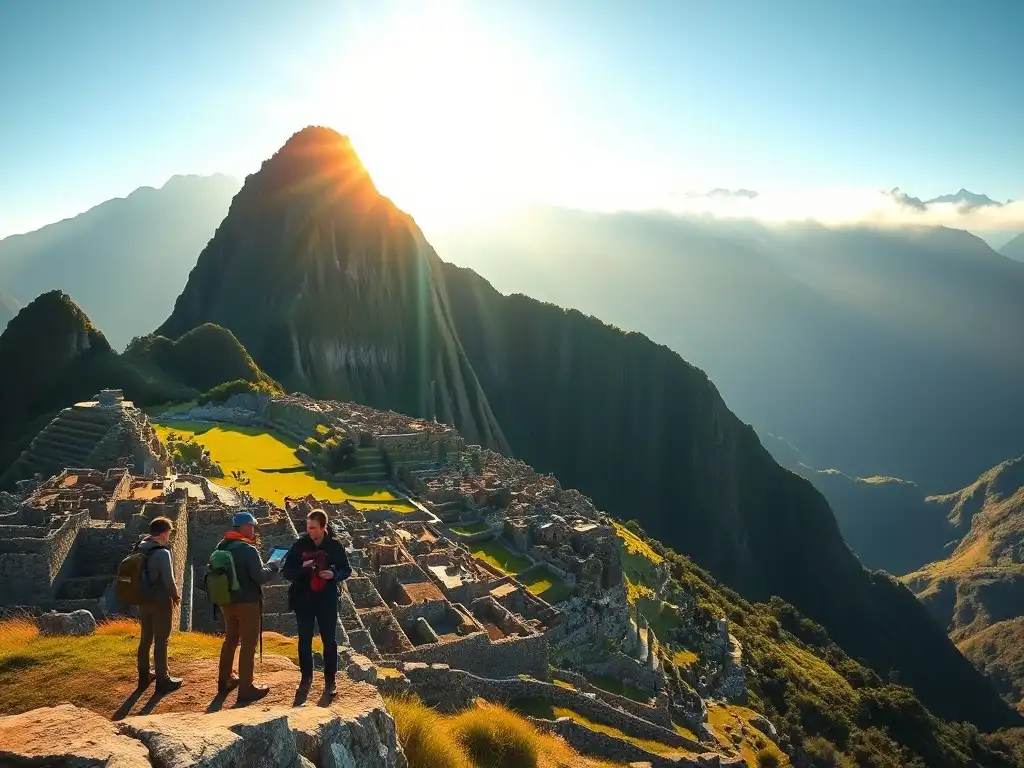
Step into a world lost to time, yet echoing with the whispers of empires past. Andean Civilizations unveils the breathtaking tapestry of ancient Andean cultures, from the intricate artistry of the Nazca lines to the awe-inspiring engineering feats of the Incas. But even legends face challenges. Discover the urgent story of Machu Picchu's conservation challenges, a fight against time and the elements to preserve this fragile jewel of the Inca Empire. Are we doing enough to safeguard this incredible heritage for future generations? Journey with us to uncover the answers.
- Machu Picchu Conservation Challenges: Protecting a Fragile Inca Site
- The Unique Vulnerability of Machu Picchu
- Key Conservation Issues at Machu Picchu
- Strategies for Preserving Machu Picchu
- Specific Threats and Mitigation Efforts
- The Future of Machu Picchu's Conservation
- The Ongoing Need for Vigilance in Machu Picchu's Protection
-
Frequently Asked Questions
- What are the biggest conservation challenges facing Machu Picchu?
- How is overtourism impacting Machu Picchu's preservation?
- What role does climate change play in threatening Machu Picchu?
- What conservation efforts are currently underway at Machu Picchu?
- How can I help in the conservation of Machu Picchu?
- Final Reflection: The Enduring Legacy of Machu Picchu's Preservation
- Join the Movement: Protect Machu Picchu Today!
Machu Picchu Conservation Challenges: Protecting a Fragile Inca Site
Machu Picchu, the iconic "Lost City of the Incas," stands as a testament to the ingenuity and artistry of a remarkable civilization. Perched high in the Andes Mountains, this breathtaking citadel attracts millions of visitors annually, captivated by its stunning architecture, breathtaking views, and the mysteries surrounding its past. However, this very popularity presents significant challenges to the preservation of this fragile historical site.
This article delves into the multifaceted conservation challenges facing Machu Picchu, exploring the delicate balance between responsible tourism, preservation efforts, and the enduring legacy of this invaluable cultural heritage. We will examine the specific threats to the site, the strategies employed for its protection, and the ongoing efforts to ensure Machu Picchu's survival for future generations.
Understanding these challenges is crucial for appreciating the complexities involved in safeguarding such a significant piece of world history and for promoting sustainable tourism practices that prioritize preservation. The keyword "Machu Picchu conservation challenges" will be explored in detail throughout this article, highlighting various aspects of this critical issue.
The Impact of Tourism on Machu Picchu's Infrastructure
The sheer volume of tourists visiting Machu Picchu each year puts immense strain on its infrastructure. Thousands of visitors traverse the ancient pathways daily, causing significant wear and tear on the stone structures and surrounding environment. The constant foot traffic leads to erosion of the trails, damage to the delicate stonework, and the potential for structural collapse of less stable sections. Furthermore, the increased demand for accommodation and services in the surrounding areas leads to uncontrolled development, further impacting the delicate ecosystem.
For example, the increased need for water resources can strain local supplies, affecting both the site and the communities that depend on them. Managing the flow of tourists effectively is crucial to mitigating this damage, requiring careful planning and the implementation of sustainable tourism practices. This includes limiting the daily number of visitors, improving access routes to minimize environmental impact, and educating tourists about responsible behavior.
Environmental Threats to Machu Picchu's Preservation
Beyond the impact of tourism, Machu Picchu faces a range of environmental threats. The site's high-altitude location makes it vulnerable to extreme weather conditions, including heavy rainfall, landslides, and frost. These events can cause significant damage to the structures and surrounding landscape. Moreover, the unique ecosystem of the region is susceptible to invasive species and climate change.
Invasive plant species can outcompete native vegetation, altering the delicate balance of the ecosystem and potentially impacting the stability of the ruins. Climate change poses an even greater threat, with projected increases in temperature and changes in precipitation patterns potentially accelerating erosion and damaging the delicate stonework. Conservation efforts must address these environmental challenges through proactive measures such as implementing erosion control techniques, managing invasive species, and researching the long-term impact of climate change on the site.
Conservation Efforts and Sustainable Tourism Initiatives
Recognizing the urgency of the situation, numerous conservation efforts are underway to protect Machu Picchu. These initiatives encompass a wide range of strategies, from structural stabilization and restoration work to the implementation of sustainable tourism practices. Experts are employing advanced techniques to monitor the stability of the structures and implement targeted interventions to prevent further deterioration. For instance, detailed mapping and analysis are used to identify areas at risk and guide conservation efforts, while innovative materials and methods are employed to minimize the impact of restoration work.
Simultaneously, initiatives focused on sustainable tourism aim to educate visitors about responsible behavior and reduce the environmental footprint of tourism. These include the implementation of stricter visitor regulations, improved waste management systems, and the promotion of eco-friendly transportation options. The success of these efforts relies heavily on collaboration between government agencies, local communities, researchers, and tourism operators.
The Future of Machu Picchu: Balancing Preservation and Accessibility
The future of Machu Picchu hinges on finding a sustainable balance between preserving this invaluable historical site and allowing access for visitors who wish to experience its wonders. This requires ongoing research, innovative conservation techniques, and a commitment to sustainable tourism practices. It also involves fostering a deeper understanding and appreciation of the site's significance among both visitors and the local communities.
Continued investment in research, monitoring, and preventative measures will be essential to mitigate the threats facing Machu Picchu and ensure its preservation for generations to come. Furthermore, promoting responsible tourism practices and educating visitors about the importance of conservation are crucial steps in ensuring the long-term viability of this remarkable site. The ongoing challenge lies in effectively managing the delicate interplay between cultural heritage preservation and the economic benefits derived from tourism.
The Unique Vulnerability of Machu Picchu
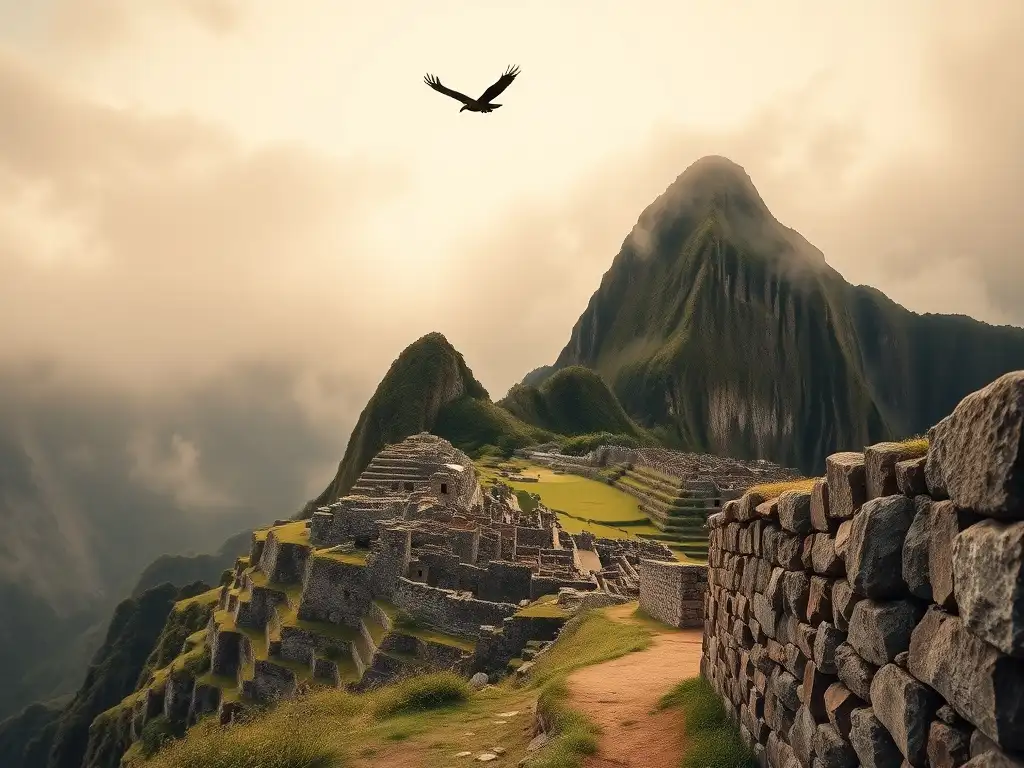
Machu Picchu's conservation challenges are multifaceted and uniquely demanding, stemming from a confluence of natural and anthropogenic factors. Its location, perched high in the Andes Mountains, exposes it to extreme weather conditions and geological instability. Simultaneously, the site's immense popularity as a tourist destination puts immense pressure on its fragile infrastructure and delicate ecosystems. Understanding these intertwined threats is crucial for developing effective preservation strategies.
The keyword "Machu Picchu conservation challenges" is central to this understanding, highlighting the urgent need for proactive and comprehensive approaches. Failure to address these challenges risks irreversible damage to this invaluable historical and cultural landmark. The delicate balance between accessibility and preservation is a constant tightrope walk for authorities and researchers alike.
The Impact of Heavy Rainfall and Seismic Activity
Machu Picchu's high-altitude location makes it susceptible to intense rainfall, causing significant erosion and landslides. The porous nature of the mountain's geology exacerbates this problem. Heavy downpours can saturate the soil, leading to instability and the potential collapse of ancient structures. This is further compounded by the region's seismic activity. The Andes are geologically active, and even minor tremors can destabilize already weakened structures, causing damage to walls, terraces, and other architectural elements.
For example, the 1950 earthquake caused considerable damage to several buildings, highlighting the vulnerability of the site. Ongoing monitoring and preventative measures, such as drainage systems and slope stabilization, are essential to mitigate the risk of future damage from these natural hazards. Data on rainfall intensity and seismic activity are continuously monitored and analyzed to inform conservation strategies.
The frequency and intensity of these events are carefully studied, helping to predict potential future risks and inform preventative measures. This ongoing monitoring is crucial for the long-term preservation of the site. The need for robust infrastructure capable of withstanding both heavy rainfall and seismic activity is paramount for the continued safeguarding of Machu Picchu.
The Effects of Mass Tourism on Site Preservation
The sheer volume of tourists visiting Machu Picchu annually presents significant challenges to its preservation. The constant foot traffic compacts the soil, leading to erosion and damage to pathways and surrounding vegetation. Furthermore, the sheer number of visitors increases the risk of accidental damage to delicate structures and artifacts. The impact of tourism extends beyond physical damage. The influx of people generates waste, which can pollute the surrounding environment and harm the delicate ecosystem. This pollution includes both visible litter and less obvious forms of contamination such as air pollution from transportation.
The carrying capacity of the site is a subject of ongoing debate, with conservationists advocating for stricter visitor limits to lessen the site's degradation. Sustainable tourism practices, including the implementation of well-maintained pathways, controlled access points, and effective waste management systems, are crucial for mitigating the negative impacts of tourism. Educating visitors about responsible behavior and the importance of preserving the site is also a key component of a successful conservation strategy.
Balancing the economic benefits of tourism with the need to protect the site's integrity remains a significant challenge. Striking this balance will require a multi-faceted approach involving government regulations, responsible tourism operators, and an informed and engaged public.
The Challenges of Preserving Inca Engineering
Preserving the unique Inca engineering found at Machu Picchu presents its own set of difficulties. The intricate stonework, characterized by its precision and sophisticated techniques, is vulnerable to deterioration due to weathering and the effects of time. Many structures were built without mortar, relying instead on the precise fitting of stones to create stable and durable constructions. Understanding the original building techniques is crucial for effective restoration and conservation efforts. However, replicating these techniques requires specialized skills and knowledge, often requiring years of training and experience.
Furthermore, the use of modern materials and techniques in past restoration efforts has sometimes proven detrimental. The introduction of inappropriate materials can lead to chemical reactions that accelerate the deterioration of the original stonework. Modern conservation approaches prioritize the use of minimally invasive techniques and materials that are compatible with the original construction methods. The meticulous documentation of the site and its structures is essential for guiding future conservation efforts.
This includes detailed surveys, photographic records, and analysis of the materials used in construction. This detailed record-keeping provides a baseline for monitoring changes over time and informing future restoration decisions. The ongoing research into Inca engineering techniques and the development of innovative conservation strategies are paramount to ensuring the long-term preservation of this remarkable site.
Key Conservation Issues at Machu Picchu
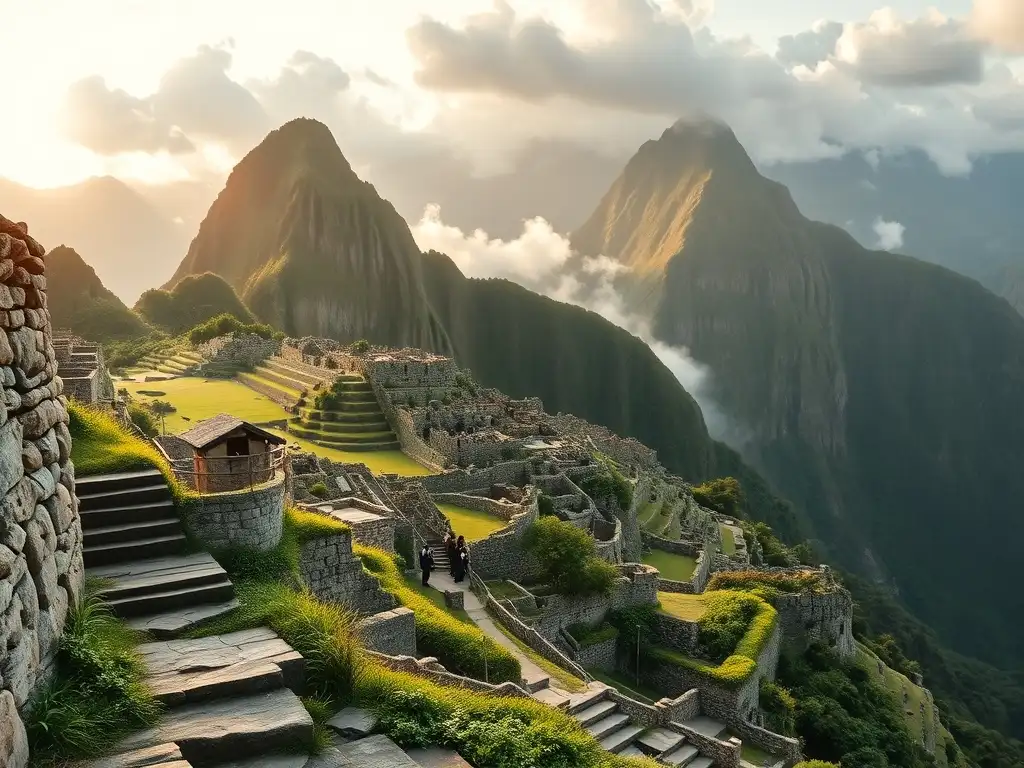
Machu Picchu, a breathtaking testament to Inca ingenuity and a UNESCO World Heritage site, faces significant conservation challenges. The sheer popularity of this iconic location, coupled with the inherent fragility of its environment and the age of the structures themselves, creates a complex web of issues demanding careful and ongoing management. Understanding these challenges is crucial for ensuring the longevity of this invaluable historical treasure. This section details some of the most pressing concerns in Machu Picchu conservation.
Foundation Weakening and Risk of Structural Damage
The foundations of Machu Picchu's structures, primarily built from carefully fitted stones, are subject to several detrimental processes. The constant influx of tourists, despite efforts to manage visitor numbers, contributes to compaction of the soil beneath the structures. This compaction reduces the soil's ability to support the weight of the buildings, leading to gradual settling and potentially catastrophic foundation failure. Furthermore, seismic activity, a common occurrence in the Andean region, poses a significant threat. The intricate stonework, while remarkably resilient, is not impervious to the forces of an earthquake.
The risk is exacerbated by the age of the structures and the natural weathering processes that have weakened the stone over centuries. Precise quantification of the level of foundation weakening across the entire site is an ongoing research challenge. However, regular monitoring using techniques such as ground-penetrating radar and inclinometer surveys provides crucial data for preventative measures.
This data informs targeted interventions, such as underpinning unstable sections or reinforcing vulnerable areas with minimally intrusive techniques. The goal is to mitigate the risk of structural damage, ensuring the long-term preservation of Machu Picchu's architectural heritage. The delicate balance between preservation and access necessitates continuous adaptation of conservation strategies.
Soil Erosion and Slope Instability
The steep slopes surrounding Machu Picchu contribute to significant soil erosion. Rainfall, exacerbated by climate change, washes away topsoil, destabilizing the slopes and threatening both the structures and the surrounding environment. The loss of topsoil reduces the site's ability to support vegetation, further increasing erosion and leading to a vicious cycle of degradation. Moreover, the construction of pathways and other infrastructure to manage tourism has, in some instances, inadvertently contributed to soil erosion by disrupting natural drainage patterns.
Several strategies are employed to combat soil erosion. These include terracing, the construction of retaining walls, and the implementation of bioengineering techniques that utilize vegetation to stabilize slopes. Careful management of water runoff is crucial, and this involves creating drainage systems that channel water away from vulnerable areas.
Monitoring soil stability using techniques such as slope inclinometry and ground deformation measurements is essential for identifying areas at high risk of landslides or other slope failures. Effective Machu Picchu conservation necessitates a holistic approach, addressing both the immediate threats and the underlying causes of soil erosion. The long-term sustainability of these efforts relies on a comprehensive understanding of the complex interplay between climate, geology, and human impact.
Weathering and Degradation of Inca Stone
The Inca stonework, renowned for its precision and durability, is nevertheless susceptible to weathering processes. Exposure to the elements—sun, rain, wind, and frost—gradually degrades the stone, causing discoloration, cracking, and surface erosion. Biological factors, such as the growth of lichens and mosses, also contribute to the deterioration of the stone. These organisms secrete acids that can etch the stone's surface, weakening its structure and accelerating the weathering process. Air pollution, though less significant in this relatively remote location, can also contribute to the degradation of the stone.
Conservation efforts focus on minimizing further damage through careful cleaning techniques, the use of protective coatings where necessary, and the implementation of strategies to mitigate the effects of environmental stressors. The careful removal of invasive vegetation and the monitoring of atmospheric conditions are crucial aspects of this ongoing process. The challenge lies in balancing the need to preserve the authenticity of the site with the requirement to protect it from further damage.
Understanding the complex processes of stone degradation is essential for developing effective and sustainable conservation strategies, ensuring that future generations can appreciate the remarkable achievements of the Inca civilization at Machu Picchu. The detailed study of stone samples and the ongoing monitoring of weathering patterns are vital components of Machu Picchu conservation efforts.
Threats to Local Flora and Fauna
The unique biodiversity of Machu Picchu and its surrounding cloud forest faces significant threats from the increasing influx of tourists. The delicate ecosystem, home to a plethora of endemic species, is vulnerable to habitat destruction, pollution, and the introduction of invasive species. The sheer number of visitors trampling vegetation, unintentionally damaging delicate plant life, and disturbing animal habitats is a major concern. Erosion caused by foot traffic, particularly on less-maintained trails, leads to soil loss and damages the root systems of plants, making them more susceptible to disease and death.
Furthermore, the disposal of waste, including plastic and organic matter, contaminates the soil and water sources, harming the flora and fauna. Improper waste management practices contribute to the proliferation of pests and diseases that affect native plants and animals. The introduction of non-native plant and animal species, either accidentally or intentionally, poses a significant threat to the native biodiversity. These invasive species can outcompete native organisms for resources, disrupting the delicate balance of the ecosystem.
For example, the introduction of certain grasses can lead to wildfires, devastating large areas of the cloud forest. The impact on the local fauna is equally concerning; increased human presence and habitat disruption lead to stress, displacement, and a decline in populations of various animal species, including birds, mammals, and insects. Effective conservation strategies must address these challenges through stricter waste management, improved trail maintenance, and the implementation of robust measures to prevent the introduction of invasive species.
Monitoring programs to track the health of both flora and fauna are crucial for assessing the effectiveness of conservation efforts and adapting strategies as needed. The delicate balance of this unique ecosystem requires constant vigilance and proactive measures to mitigate these threats. The long-term survival of Machu Picchu's unique biodiversity depends on effective and sustainable conservation practices.
Strategies for Preserving Machu Picchu
Machu Picchu, a breathtaking testament to Inca ingenuity and a UNESCO World Heritage site, faces numerous conservation challenges. The sheer popularity of the site, coupled with environmental factors, poses a significant threat to its long-term preservation. Understanding and implementing effective conservation strategies is crucial to ensure that future generations can appreciate this invaluable historical landmark. This section will explore some key approaches to safeguarding Machu Picchu's fragile ecosystem and architectural wonders. The keyword "Machu Picchu conservation challenges" and its semantic variations will be woven throughout the discussion to enhance search engine optimization (SEO).
Implementing a Ticketed Entry System with Limited Access
One of the most effective strategies in addressing Machu Picchu's conservation challenges is the implementation of a robust ticketed entry system with strictly limited access. This strategy directly combats the detrimental effects of overtourism, a major contributor to site degradation. By carefully controlling the number of daily visitors, the pressure on the ancient structures and surrounding environment is significantly reduced. This approach not only minimizes physical damage caused by foot traffic and erosion but also allows for a more controlled and respectful visitor experience.
The current system, while effective to a degree, could be further refined. For example, implementing a tiered ticketing system, with different access levels and time slots, could help to distribute visitor flows more evenly throughout the day and across different areas of the site. This would minimize congestion in popular areas, allowing for a more immersive and less disruptive experience for visitors while simultaneously protecting vulnerable sections of Machu Picchu.
Data analysis on visitor patterns and impact could further inform the optimization of this system, leading to a more sustainable approach to managing visitor access. This data-driven approach is crucial for addressing the ongoing challenges of Machu Picchu conservation.
Employing Remote Sensing and 3D Modeling for Monitoring
Modern technology plays a vital role in the ongoing efforts to preserve Machu Picchu. The use of remote sensing techniques, such as aerial photography and LiDAR (Light Detection and Ranging), provides invaluable data for monitoring the site's condition. These techniques allow for the non-invasive assessment of structural integrity, erosion patterns, and vegetation growth. By regularly collecting this data, researchers can identify potential problems before they escalate into major conservation issues. This proactive approach is crucial for addressing the subtle yet significant challenges of preserving Machu Picchu.
Furthermore, the creation of detailed 3D models of Machu Picchu offers a powerful tool for both monitoring and planning conservation efforts. These models allow researchers to visualize the site in unprecedented detail, identifying subtle changes over time and simulating the impact of different conservation interventions. This virtual representation aids in the development of targeted and effective strategies to mitigate the various threats faced by this invaluable historical site. The combination of remote sensing and 3D modeling represents a significant advancement in the ongoing quest to address the multifaceted challenges of Machu Picchu conservation.
Using Traditional Inca Techniques in Restoration
A unique aspect of Machu Picchu's conservation is the integration of traditional Inca techniques in restoration efforts. Rather than relying solely on modern methods, conservationists are increasingly incorporating knowledge and practices from the Inca era itself. This approach not only respects the site's historical significance but also often proves to be more sustainable and environmentally friendly. For example, the use of locally sourced materials and traditional stone-fitting techniques ensures that repairs blend seamlessly with the existing structures, maintaining the integrity and authenticity of the site.
This approach is not merely about aesthetics; it also demonstrates a deep understanding of the Inca's remarkable building techniques and their adaptability to the challenging Andean environment. By learning from the past, conservationists can develop more effective and enduring solutions to the ongoing challenges of preserving Machu Picchu.
Understanding and applying these traditional techniques represents a crucial element in the long-term sustainability of Machu Picchu's conservation efforts, addressing the challenges through a respectful and historically informed approach. This holistic approach, combining modern technology with traditional knowledge, exemplifies best practices in heritage preservation and offers valuable lessons for the conservation of other ancient sites worldwide.
Empowering Local Communities Through Conservation Programs
Sustainable Machu Picchu conservation necessitates the active participation and empowerment of local communities. These communities, often descendants of those who once inhabited the area, possess invaluable traditional ecological knowledge (TEK) and a deep-rooted connection to the site. Ignoring their input risks undermining conservation efforts and fostering resentment. Successful preservation strategies therefore prioritize collaborative partnerships.
One key approach involves creating economic opportunities linked directly to conservation. This could include training local residents as guides, artisans producing sustainable handicrafts inspired by Inca designs, or establishing community-based tourism initiatives that prioritize responsible practices and revenue sharing. By directly benefiting from the preservation of Machu Picchu, local communities become invested stakeholders, actively contributing to its protection and sustainable management. This economic empowerment significantly reduces the pressure to exploit the site for unsustainable gains, such as illegal construction or resource extraction.
Furthermore, educational programs play a critical role. These initiatives should focus on raising awareness about the importance of Machu Picchu's cultural and ecological heritage, promoting responsible tourism behaviors, and equipping community members with the skills to actively participate in conservation efforts. This might include workshops on sustainable agriculture, waste management, and the preservation of traditional building techniques.
The goal is not just to educate, but to foster a sense of ownership and pride in the site's preservation amongst local residents. Such programs can also help to counteract misinformation and harmful practices, ensuring the long-term sustainability of conservation initiatives.
The success of these community-based programs hinges on genuine collaboration, transparency, and equitable benefit-sharing, ensuring that the economic and social benefits of conservation are felt by those who live closest to Machu Picchu. This approach moves beyond simply protecting the site to fostering a vibrant and sustainable relationship between the community and its rich cultural heritage.
Specific Threats and Mitigation Efforts
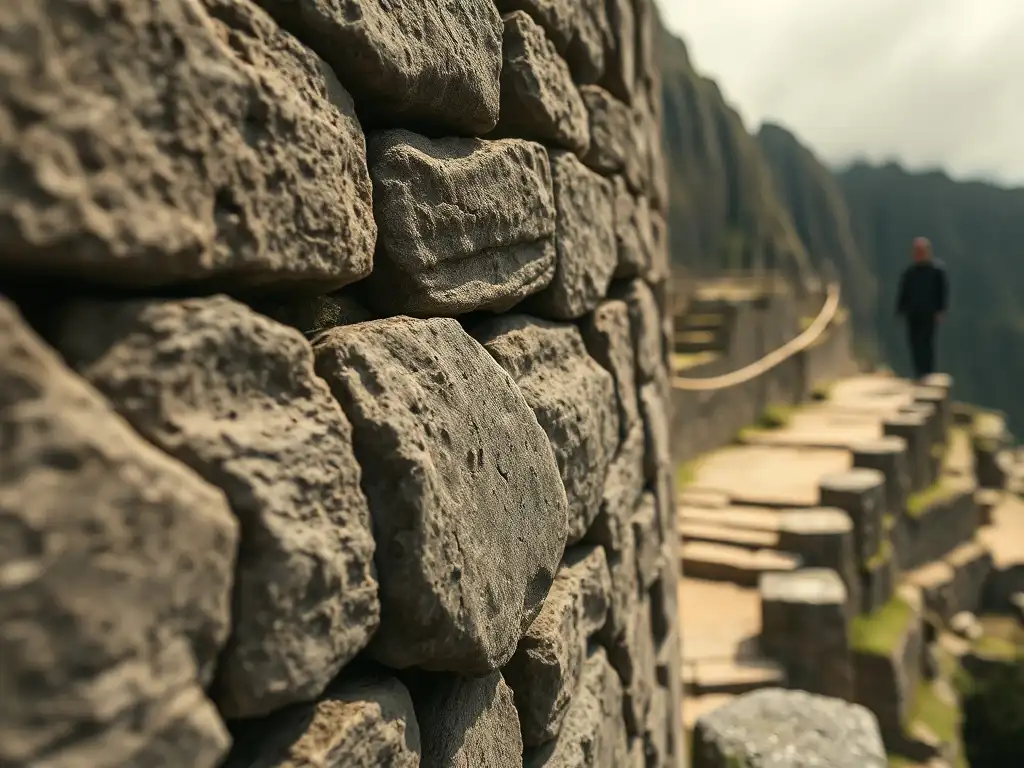
Machu Picchu, a UNESCO World Heritage site and a symbol of Inca ingenuity, faces numerous conservation challenges demanding immediate and long-term solutions. The sheer popularity of the site, coupled with its unique geographical location and the inherent fragility of its ancient structures, creates a complex web of threats requiring careful management and innovative approaches. Understanding these threats and the ongoing mitigation efforts is crucial for ensuring the preservation of this invaluable historical treasure for future generations. The keyword phrase "Machu Picchu conservation challenges" is central to understanding the site's vulnerability and the need for proactive strategies.
Managing Daily Visitor Numbers and Foot Traffic
The sheer volume of daily visitors to Machu Picchu poses a significant threat to its structural integrity. The constant trampling of thousands of feet on the ancient stonework causes erosion, compaction of the soil, and damage to delicate pathways and structures. This is exacerbated by the uneven terrain and the age of the pathways themselves. Effective management of visitor numbers is paramount. Strategies employed include:
- Stricter Permitting Systems: Implementing a more robust permit system to control the number of visitors allowed into the site each day, potentially using a timed-entry system. This limits the concentration of visitors in specific areas at any given time.
- Designated Trails and Pathways: Clearly marked and well-maintained trails help to channel foot traffic, minimizing damage to vulnerable areas. Regular inspections and maintenance of these trails are crucial.
- Guided Tours and Educational Programs: Educating visitors about the fragility of the site and promoting responsible behavior through guided tours and informative signage can significantly reduce unintentional damage. This includes emphasizing the importance of staying on designated paths and refraining from touching the ancient structures.
- Load-Bearing Capacity Studies: Ongoing research into the load-bearing capacity of different sections of the site allows for the implementation of strategies to manage visitor density in particularly vulnerable areas. This includes potentially limiting access to certain areas during peak seasons.
Implementing Drainage Systems and Slope Stabilization
Machu Picchu's location on a steep mountainside exposes it to the risks of erosion, landslides, and flooding. The unpredictable nature of Andean weather patterns further complicates this challenge. Effective drainage systems and slope stabilization are essential to mitigating these threats. Specific efforts include:
- Improved Drainage Infrastructure: Construction and maintenance of sophisticated drainage systems to divert rainwater away from the structures, preventing water damage and erosion. This involves the careful placement of channels and pipes to manage water flow effectively.
- Slope Stabilization Techniques: Implementing bioengineering techniques, such as planting native vegetation to reinforce slopes and prevent landslides. This natural approach helps to stabilize the soil and reduce the risk of erosion. Careful selection of plant species is crucial to avoid damaging the existing archaeological context.
- Retaining Walls and Terracing: Construction and reinforcement of retaining walls and terraces to support the slopes and prevent soil erosion. These structures need to be carefully integrated into the existing landscape to minimize visual impact.
- Monitoring Systems: Implementing advanced monitoring systems to detect early warning signs of slope instability, allowing for timely intervention and preventative measures. This includes using sensors and other technologies to track ground movement and water levels.
Researching and Applying Protective Coatings to Stone
The ancient stonework of Machu Picchu is susceptible to weathering, erosion, and biological growth. Research into appropriate protective coatings is ongoing, aiming to safeguard the structures without compromising their historical authenticity. The application of such coatings requires careful consideration:
- Material Compatibility: Extensive testing is required to ensure that any protective coating is compatible with the type of stone used in the construction of Machu Picchu, preventing any chemical reactions that could damage the stone.
- Minimizing Visual Impact: The coating should be virtually invisible, preserving the natural appearance of the stonework. This requires the use of specialized materials and application techniques.
- Long-Term Effectiveness: The coating needs to provide long-term protection against weathering and environmental damage, requiring rigorous testing and evaluation of its durability.
- Biocide Application: Research into appropriate biocides to prevent the growth of algae, moss, and lichen on the stone surfaces is crucial. These organisms can contribute to erosion and damage the stonework over time. The application of biocides requires careful consideration to minimize any impact on the surrounding environment. The goal is to find a balance between preservation and environmental protection.
The ongoing conservation of Machu Picchu requires a multi-faceted approach, balancing the needs of preservation with the desire for public access. These efforts, though challenging, are vital to ensuring that this incredible site remains a testament to the ingenuity and legacy of the Inca civilization for centuries to come.
Enforcing Stricter Regulations Against Vandalism
Machu Picchu's vulnerability to vandalism poses a significant conservation challenge. While the site boasts impressive security measures, the sheer scale and accessibility of the ruins make complete protection difficult. Graffiti, the theft of artifacts, and even the deliberate damage of stonework are ongoing concerns. Effective conservation requires not only improved security but also stricter penalties for those caught vandalizing the site. Current legislation needs to be reviewed and potentially strengthened to act as a more significant deterrent.
This includes increasing fines and implementing longer prison sentences for those found guilty of damaging this irreplaceable historical treasure. Furthermore, public awareness campaigns emphasizing the long-term consequences of vandalism are crucial. These campaigns should target both local communities and tourists, highlighting the ethical and legal ramifications of damaging Machu Picchu's heritage. Successful enforcement relies on collaboration between local authorities, national park services, and international organizations dedicated to heritage preservation.
Investment in advanced surveillance technologies, such as improved CCTV systems and drone patrols, could significantly enhance the detection and prevention of vandalism. Finally, strengthening international cooperation to track and prosecute individuals involved in the illicit trafficking of artifacts stolen from Machu Picchu is essential for long-term protection. The global nature of this criminal activity requires a coordinated international response to effectively combat it. Without stricter regulations and robust enforcement, the ongoing threat of vandalism will continue to undermine Machu Picchu's preservation efforts.
The Future of Machu Picchu's Conservation
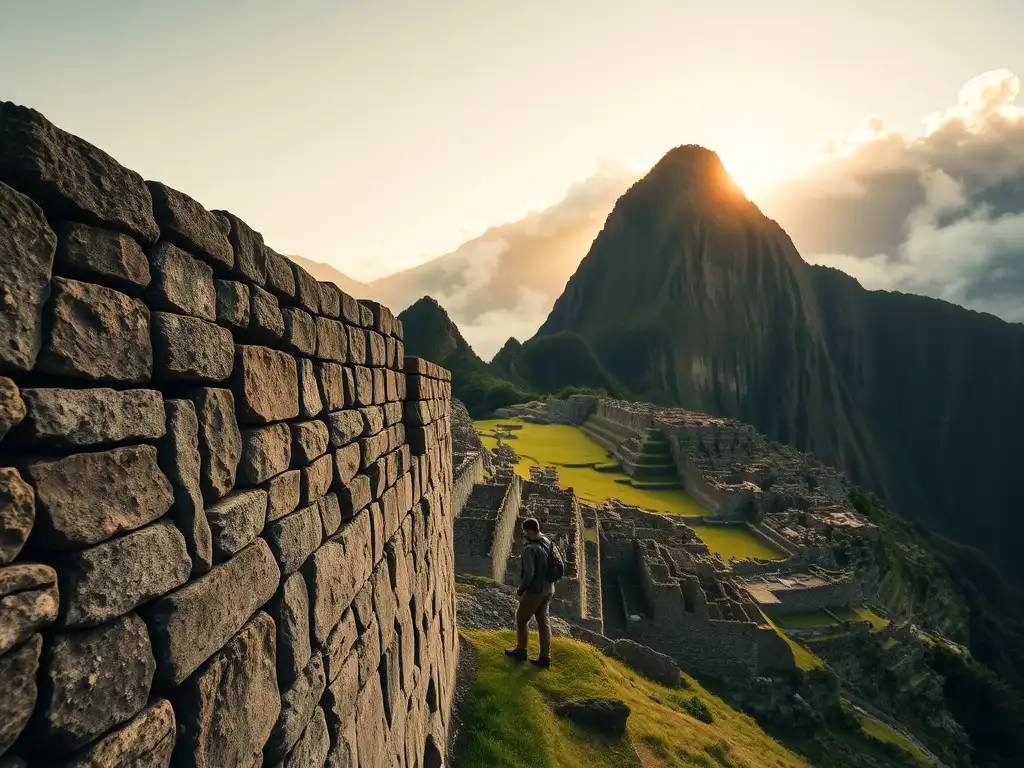
The long-term preservation of Machu Picchu necessitates a multifaceted approach that addresses both immediate threats and potential future challenges. The site's vulnerability to natural disasters, the impact of tourism, and the ongoing effects of climate change demand a proactive and adaptive strategy. Effective conservation isn't just about maintaining the status quo; it's about ensuring the site's integrity for generations to come.
This requires a holistic understanding of the site's ecosystem, its cultural significance, and the pressures it faces. Successfully navigating the complexities of Machu Picchu conservation challenges demands a commitment to innovation, collaboration, and sustainable practices. The future of this iconic site depends on it.
Developing a Long-Term Master Plan for Site Management
A comprehensive master plan is crucial for guiding the future of Machu Picchu's conservation. This plan should incorporate several key elements. Firstly, it must establish clear objectives and priorities for site management, prioritizing preservation over potentially damaging development. This includes setting limits on visitor numbers, carefully managing infrastructure development, and implementing strict environmental regulations.
Secondly, the master plan should outline a detailed budget allocation, specifying funding sources for maintenance, research, and emergency response. Financial stability is crucial for long-term success. Thirdly, the plan must incorporate a robust monitoring system to track the effectiveness of conservation efforts. This includes regular assessments of the site's condition, tourist impact, and environmental factors.
Regular data collection will allow for adaptive management, enabling swift responses to emerging challenges. Finally, the plan should be publicly accessible and subject to regular review and updates, ensuring transparency and accountability. Failure to develop and implement a rigorous master plan leaves Machu Picchu vulnerable to degradation and irreversible damage. This comprehensive strategy is vital in addressing Machu Picchu conservation challenges effectively.
Utilizing Advanced Technologies for Conservation
Modern technology offers powerful tools for enhancing Machu Picchu's preservation. Drone technology, for example, allows for non-invasive monitoring of the site's condition, identifying areas requiring immediate attention. High-resolution imagery can reveal subtle signs of deterioration, enabling preventative measures before significant damage occurs. Furthermore, advanced materials science offers innovative solutions for repairing and stabilizing structures.
New bio-compatible materials can be used to consolidate weakened stones and protect them from further erosion. Sophisticated environmental monitoring systems can track changes in microclimates and soil conditions, providing valuable data for informed decision-making. The application of Geographic Information Systems (GIS) allows for the creation of detailed digital models of the site, which can be used for planning and managing conservation efforts.
Investing in these advanced technologies is not merely an option; it's a necessity for safeguarding this invaluable heritage site. The effective application of such tools is crucial in the ongoing effort to overcome Machu Picchu conservation challenges. The integration of these technologies will play a critical role in the future of the site.
Fostering Collaboration Between International Experts
Effective conservation of Machu Picchu requires a collaborative effort involving archaeologists, engineers, environmental scientists, and heritage preservation specialists from around the globe. Sharing knowledge and expertise is critical to developing innovative solutions to complex conservation problems. International collaboration can facilitate the exchange of best practices, fostering the adoption of successful strategies from other heritage sites facing similar challenges. Joint research projects can lead to significant breakthroughs in understanding the site's vulnerabilities and developing effective preservation techniques.
Moreover, international partnerships can secure funding and resources that may be unavailable at the national level. This collaborative approach is not just desirable; it's essential for the long-term survival of Machu Picchu. This global partnership is paramount in effectively addressing Machu Picchu conservation challenges and ensuring its preservation for future generations. The combined expertise of international experts is crucial for the long-term success of conservation efforts.
Ensuring Sustainable Tourism for Future Generations
Machu Picchu's breathtaking beauty and historical significance attract millions of visitors annually. This influx of tourists, while vital for the local economy, presents a significant conservation challenge. Unsustainable tourism practices can lead to irreparable damage to the site's delicate ecosystem and ancient structures. The sheer volume of visitors compresses trails, erodes the landscape, and contributes to pollution. For example, the increased foot traffic on Inca Trail has resulted in significant trail erosion, necessitating costly and time-consuming restorative work. Furthermore, the disposal of waste and the impact of increased human presence on local flora and fauna pose considerable threats.
To mitigate these challenges, a multi-faceted approach is crucial. This includes implementing stricter regulations on visitor numbers, perhaps through a tiered ticketing system that limits access during peak seasons. Investing in improved infrastructure, such as better-maintained trails and waste management systems, is also paramount. Educating tourists about responsible travel practices, before and during their visit, is essential to raise awareness of the fragility of the site. This could involve providing detailed information in brochures, online resources, and through on-site guides.
Furthermore, supporting local communities in developing sustainable tourism initiatives that benefit both the environment and the local population is key to creating a long-term balance. This might involve promoting community-based tourism projects, supporting local businesses that adhere to sustainable practices, and ensuring that the benefits of tourism are fairly distributed amongst the local population. Failure to address these issues risks jeopardizing the very future of Machu Picchu as a viable historical and tourist site. The goal is to strike a balance – enabling access for future generations to experience this wonder while preserving its integrity for centuries to come.
Careful planning and execution of these strategies will be crucial to ensuring that Machu Picchu's legacy endures. The implementation of such measures requires substantial investment and ongoing monitoring to ensure effectiveness. This includes regular assessments of the impact of tourism on the site and adjustments to management strategies as needed. Ultimately, the preservation of Machu Picchu depends on a collective commitment to sustainable practices, from governmental agencies to individual visitors.
The Ongoing Need for Vigilance in Machu Picchu's Protection
Machu Picchu, a UNESCO World Heritage site and a symbol of Inca ingenuity, faces a multitude of conservation challenges demanding constant attention. The sheer popularity of the site, attracting millions of visitors annually, contributes significantly to its vulnerability. While impressive strides have been made in preservation efforts, the delicate balance between accessibility and protection remains a precarious one.
The ongoing need for vigilance stems from the cumulative impact of various factors, including environmental degradation, the sheer volume of tourism, and the inherent fragility of the archaeological remains themselves. Effective conservation strategies must be adaptive, incorporating technological advancements and community engagement to ensure the long-term survival of this invaluable historical treasure. The challenges are multifaceted and require a holistic approach, encompassing scientific research, sustainable tourism management, and community involvement.
Failure to address these challenges effectively risks irreversible damage to this irreplaceable cultural heritage. The weight of responsibility rests on the shoulders of multiple stakeholders, demanding collaborative efforts to secure Machu Picchu's future.
Maintaining Continuous Monitoring and Evaluation
Continuous monitoring and evaluation are crucial for effective Machu Picchu conservation. This involves a multifaceted approach using a range of technologies and methodologies. For example, sophisticated environmental monitoring systems track changes in microclimates, soil erosion rates, and the impact of rainfall on the stone structures. Regular inspections by expert archaeologists and conservators identify areas requiring immediate attention, such as cracks in walls, signs of water damage, or evidence of vegetation encroachment.
Detailed records are meticulously kept, allowing for trend analysis and the identification of long-term patterns of deterioration. This data-driven approach informs the development of targeted interventions and allows for the evaluation of the effectiveness of existing conservation strategies. The use of drones and advanced imaging techniques, such as LiDAR, provides non-invasive ways to monitor the site's condition and identify subtle changes that might otherwise go unnoticed.
This proactive approach helps to mitigate risks and prevent potentially catastrophic damage. The continuous assessment of Machu Picchu's health is paramount to its long-term survival, ensuring that preventative measures are implemented promptly and effectively. Regular reports summarizing findings and recommendations are vital to keep stakeholders informed and ensure accountability.
Educating the Public on the Importance of Conservation
Educating the public about Machu Picchu's vulnerability and the importance of its preservation is paramount to successful conservation efforts. This requires a multi-pronged approach targeting visitors, local communities, and the wider public. Interactive exhibits at the site itself, supplemented by informative brochures and online resources, can effectively communicate the delicate nature of the archaeological remains and the impact of human activity.
Educational programs for school children can cultivate a sense of ownership and responsibility towards this national treasure. Furthermore, engaging local communities in conservation initiatives fosters a sense of stewardship and provides opportunities for economic empowerment through sustainable tourism practices. Clear guidelines for responsible visitor behavior, such as staying on marked trails and avoiding touching the ancient structures, must be widely disseminated and enforced.
The use of social media and other digital platforms can effectively reach a wider audience and promote awareness of the conservation challenges facing Machu Picchu. By fostering a culture of respect and responsibility, we can ensure the long-term preservation of this incredible site for future generations. The success of this educational endeavor hinges on the effective communication of the site's significance and the tangible impact of individual actions.
Promoting Cultural Heritage Awareness
Promoting broader cultural heritage awareness extends beyond the immediate context of Machu Picchu conservation. It involves recognizing the site within the broader tapestry of Andean civilizations and the rich cultural heritage of Peru. This necessitates highlighting the Inca's impressive achievements in architecture, engineering, and social organization. By showcasing the intricate details of Machu Picchu's design and its role within the Inca Empire, visitors gain a deeper appreciation for its historical significance.
Educating the public about the Inca's advanced understanding of astronomy, agriculture, and urban planning enhances their understanding of the site's context and purpose. This wider perspective fosters a greater sense of responsibility towards preserving not just the physical remains, but also the intangible cultural heritage associated with Machu Picchu. Furthermore, connecting Machu Picchu to other significant Andean sites, such as Sacsayhuamán or Ollantaytambo, creates a more comprehensive understanding of the Inca civilization and its legacy.
This holistic approach to cultural heritage preservation emphasizes the interconnectedness of historical sites and the importance of protecting them as integral parts of a larger narrative. Ultimately, fostering a broader appreciation for Andean culture strengthens the resolve to protect Machu Picchu and other invaluable sites for future generations. This involves celebrating the rich tapestry of Andean civilizations and highlighting their enduring contributions to human history.
Supporting Sustainable Travel Practices
Machu Picchu's popularity presents a double-edged sword. While tourism generates vital revenue for Peru, the sheer volume of visitors puts immense pressure on the site's fragile ecosystem and ancient structures. Sustainable tourism practices are crucial to mitigate this impact. This involves educating tourists on responsible behavior before, during, and after their visit.
Clear guidelines on minimizing environmental impact, respecting cultural heritage, and supporting local communities should be widely disseminated. For instance, promoting the use of reusable water bottles to reduce plastic waste and encouraging the purchase of locally sourced souvenirs directly benefits the community while reducing the demand for mass-produced, often environmentally damaging, items. Furthermore, the implementation of stricter regulations on tour group sizes and designated walking paths can help prevent further erosion and damage to the delicate Inca stonework.
The success of sustainable tourism initiatives hinges on a collaborative effort between the government, tour operators, and individual travelers. A well-structured campaign emphasizing responsible travel could significantly alleviate the strain on Machu Picchu's resources. This might involve promoting "slow travel" approaches, encouraging longer stays in nearby communities to spread the economic benefits more evenly, and highlighting the unique experiences available beyond the main tourist areas.
The implementation of sustainable travel practices isn't just about minimizing negative impacts; it's also about maximizing positive contributions. By supporting local businesses and communities, tourists contribute directly to the economic well-being of the region, providing incentives for the preservation of Machu Picchu and its surrounding environment. This creates a positive feedback loop where economic growth is directly linked to environmental protection, fostering a symbiotic relationship between tourism and conservation.
For example, encouraging tourists to patronize local restaurants and artisan workshops not only supports the local economy but also promotes the preservation of traditional Andean crafts and culinary practices. This approach moves beyond simply managing the negative impacts of tourism and actively promotes the positive contributions it can make.
It involves a shift in mindset, from viewing tourism as a potential threat to recognizing it as a powerful tool for sustainable development. This requires a strong commitment from all stakeholders – from policymakers to tour guides to individual travelers – to prioritize long-term sustainability over short-term gains.
Frequently Asked Questions
What are the biggest conservation challenges facing Machu Picchu?
Machu Picchu faces numerous threats, including overtourism, leading to soil erosion and site degradation. Climate change also poses a significant risk, with increased rainfall and extreme weather events damaging the structures. Effective management is crucial.
How is overtourism impacting Machu Picchu's preservation?
The sheer number of visitors causes physical damage to trails and structures. Increased waste and pollution further contribute to the site's deterioration. Careful visitor management is essential for mitigating these impacts.
What role does climate change play in threatening Machu Picchu?
Increased rainfall and more frequent extreme weather events like landslides and floods damage the fragile ruins. Melting glaciers also affect water resources and the stability of the mountainside. Climate-resilient strategies are needed.
What conservation efforts are currently underway at Machu Picchu?
Peruvian authorities are implementing various measures, including limiting visitor numbers, improving infrastructure, and enhancing waste management. Research and monitoring are also crucial to understand and address the ongoing challenges.
How can I help in the conservation of Machu Picchu?
By being a responsible tourist, you can contribute. This includes staying on marked trails, respecting the site's fragility, and supporting sustainable tourism initiatives. Educating others about the importance of conservation is also vital.
Final Reflection: The Enduring Legacy of Machu Picchu's Preservation
The delicate balance between preserving Machu Picchu's unparalleled beauty and ensuring its accessibility for future generations remains a critical challenge in the 21st century. The sheer volume of tourism, coupled with the inherent fragility of the site and the surrounding ecosystem, demands innovative and sustainable solutions. Ignoring these challenges risks irreparable damage to this invaluable historical and ecological treasure.
The ongoing struggle to protect Machu Picchu underscores the broader global issue of responsible tourism and the delicate relationship between human activity and the natural world. It's a constant negotiation, a balancing act that requires careful planning, community involvement, and a deep respect for the site's significance. The past is never dead. It's not even past.
– William Faulkner. This quote resonates deeply, reminding us that Machu Picchu's history continues to shape its present and future, demanding our active participation in its preservation. We cannot simply observe its beauty; we must actively contribute to its survival.
Consider the impact your own choices have on places like Machu Picchu. Will you be a part of the problem, contributing to unsustainable tourism practices, or will you be part of the solution, advocating for responsible travel and supporting initiatives dedicated to the site's conservation? The future of Machu Picchu, and countless other precious historical and natural sites, rests in our hands. Let us choose wisely, ensuring that future generations can experience the wonder and awe that this incredible place inspires.
Join the Movement: Protect Machu Picchu Today!
Thank you for learning about the conservation challenges facing Machu Picchu. Your interest in this iconic site shows your commitment to its preservation. Now, you can take action!
Here are some ways you can help protect this cultural treasure:
- Sign our petition to promote sustainable tourism practices in Machu Picchu, ensuring its preservation for future generations.
- Share this information with your friends and family to raise awareness about the importance of conservation in the Andes.
- Join a conservation group, either online or in your community—your voice makes a difference.
What will you do today to help protect Machu Picchu and ensure its beauty endures for everyone to enjoy?