
The Magic of Andean Art: Finding Enchanting Crafts in Undiscovered Markets

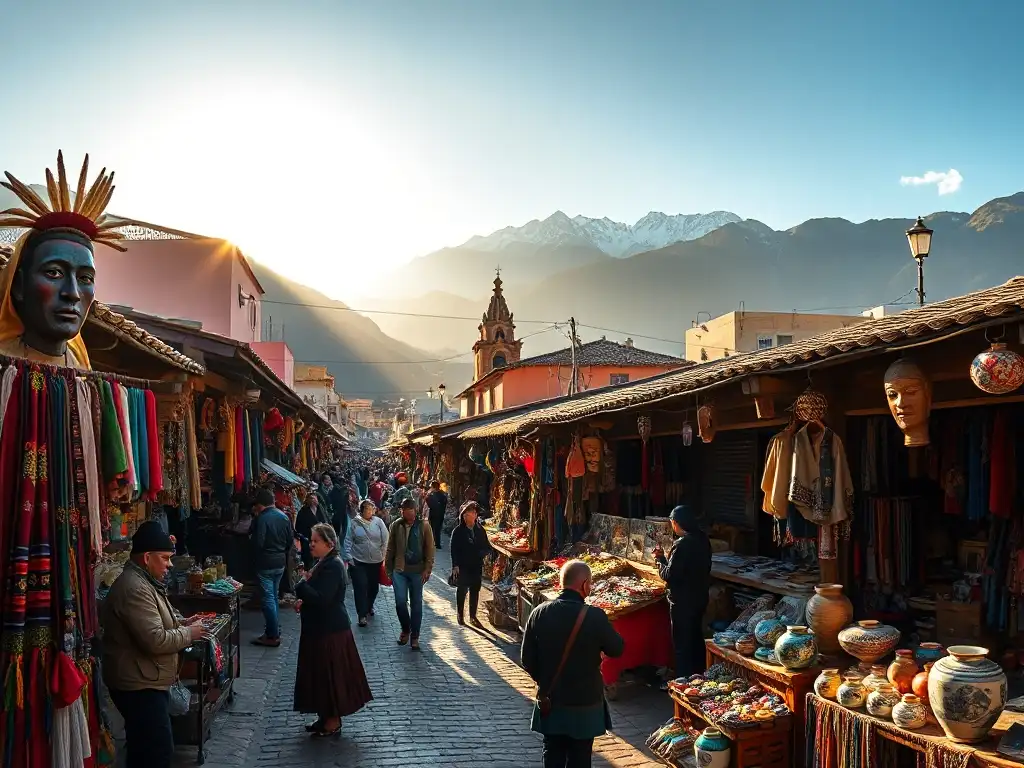
Step into a world lost in time, where the echoes of empires still resonate in vibrant hues and intricate designs. Prepare to be captivated by the Andean Civilizations, a realm of breathtaking artistry and innovative engineering. But have you ever wondered about the hidden heart of this legacy? Discover the secrets behind the thriving Andean art markets, and uncover the stories woven into each piece. Journey with us to explore the enchanting crafts and the vibrant culture that continues to inspire awe.
The Andes Mountains, a spine of majestic peaks running down the western edge of South America, are not only a breathtaking geographical feature but also the cradle of incredibly rich and diverse ancient civilizations. For centuries, these cultures—the Incas, Moche, Nazca, Tiahuanaco, and many others—developed unique artistic traditions, expressing their worldview, beliefs, and daily lives through intricate textiles, stunning ceramics, and masterful metalwork. Today, this legacy continues, albeit transformed, in the vibrant tapestry of Andean art found throughout the region.
This article delves into the captivating world of Andean art markets, guiding you to discover authentic handicrafts and experience the magic firsthand. We'll explore what makes these markets special, how to identify genuine pieces, and why supporting these artisans is crucial for preserving a vital part of cultural heritage.
Prepare to be enchanted by the beauty and skill embedded within each handcrafted item, a testament to the enduring spirit of Andean artistry. Let's embark on a journey to uncover the hidden gems waiting for you in these undiscovered markets, where the past meets the present in a vibrant and unforgettable display of Andean artistry.
Unveiling the Authenticity of Andean Handicrafts
Finding truly authentic Andean handicrafts requires a discerning eye and a little knowledge. The market is unfortunately saturated with imitations, mass-produced items masquerading as genuine artisan work. Knowing the telltale signs of authenticity can significantly enhance your shopping experience and ensure you're supporting the talented artisans who create these pieces. Here are some key features to look for:
- Materials: Authentic Andean textiles often use natural dyes derived from plants and minerals, resulting in subtle variations in color. Look for the use of traditional fibers like alpaca wool, llama wool, or cotton. Ceramic pieces might exhibit imperfections, a sign of handcrafted artistry rather than mass production. Similarly, silver jewelry often displays unique hallmarks and may show slight variations in design, reflecting the artisan's individual style.
- Techniques: Traditional Andean techniques are passed down through generations. Look for intricate weaving patterns, hand-painted details, and unique craftsmanship that reflects a deep understanding of the craft. Observe the quality of the stitching, the evenness of the weave, and the overall level of detail. Genuine pieces often exhibit a higher level of skill and attention to detail compared to mass-produced imitations.
- Origin and Story: Ask the seller about the origin of the piece and the artisan's background. A genuine seller will be proud to share the story behind the creation, providing context and adding a deeper appreciation for the work. Often, a small tag or label might indicate the region of origin and perhaps even the artisan's name, providing a valuable link to the piece's history.
- Price Point: While it's crucial to negotiate respectfully, be wary of prices that seem too good to be true. Authentic Andean handicrafts, especially those made with high-quality materials and intricate techniques, generally command a higher price reflecting the time, skill, and tradition involved in their creation.
Why Seek Out Authentic Andean Art Markets?
Beyond acquiring beautiful and unique pieces, supporting authentic Andean art markets offers a multitude of benefits:
- Preservation of Cultural Heritage: Purchasing directly from artisans ensures that these ancient traditions continue to thrive and that the skills and knowledge of generations are preserved for future generations. This direct support helps sustain these communities and their cultural identity.
- Economic Empowerment: By purchasing authentic handicrafts, you directly contribute to the economic well-being of Andean artisans and their families, providing them with sustainable livelihoods and enabling them to continue their craft.
- Unique and Meaningful Souvenirs: Authentic Andean handicrafts offer far more than simply decorative objects; they are tangible pieces of history, embodying the rich cultural heritage and artistic traditions of the Andes. They provide a unique and meaningful souvenir that tells a story far beyond the mass-produced items found in larger tourist shops.
- Supporting Sustainable Practices: Many Andean artisans employ sustainable practices in their craft, using locally sourced materials and minimizing environmental impact. Choosing authentic pieces supports these responsible and eco-conscious approaches.
The experience of exploring an Andean art market is more than just shopping; it's an immersion into a vibrant culture, a journey through history, and a chance to connect with the talented artisans who keep these traditions alive. It's a chance to discover the magic of Andean art for yourself.
Best Andean Art Markets: A Curated Selection for Discerning Buyers
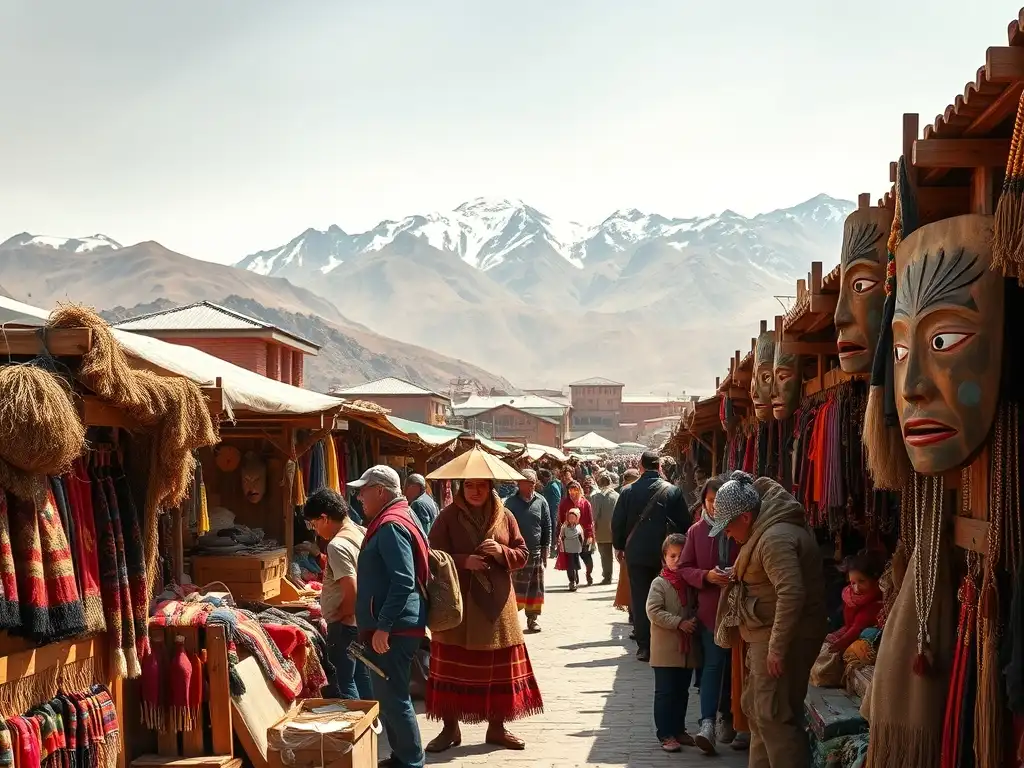
This section delves into some of the best markets across the Andes where you can find exquisite examples of Andean art, focusing on the unique offerings and shopping tips for each location. Understanding the nuances of each market will enhance your experience and help you acquire authentic and high-quality pieces. We'll explore the cultural context of the crafts, providing you with the knowledge to navigate these vibrant marketplaces confidently. Remember, purchasing Andean handicrafts directly supports local artisans and preserves these invaluable traditions.
The Otavalo Market, Ecuador: A Textile Treasure Trove
The Otavalo Market, nestled in the highlands of Ecuador, is renowned globally for its vibrant textile traditions. Its sprawling marketplace offers a captivating blend of indigenous artistry and modern commerce, making it a must-visit for any enthusiast of Andean art. The sheer scale and diversity of goods available are truly impressive.
Otavalo Market: Key Features and Unique Crafts
Otavalo is famous for its incredibly high-quality textiles, primarily crafted from alpaca and llama wool. You'll find an astounding array of goods, including intricately woven ponchos, blankets, scarves, and tapestries. The market also features a significant selection of handcrafted jewelry, often incorporating silver and semi-precious stones found in the region.
The distinct dyeing techniques and patterns tell stories of ancestral traditions and Andean cosmology. Many stalls also sell leather goods, ceramics, and wood carvings, though textiles remain the undisputed star of the show. The energy of the market itself is an experience; the bustling atmosphere, the vibrant colors, and the friendly interactions with vendors all contribute to its unique charm.
Buying Tips for Otavalo Textiles: Alpaca Ponchos and Blankets
When purchasing alpaca wool products, look for items with a soft, plush feel. Genuine alpaca is known for its exceptional softness and warmth. Pay close attention to the weave; a tightly woven piece indicates higher quality and durability. Compare prices across different stalls, but don't be afraid to negotiate respectfully. Remember that bargaining is customary in many Andean markets.
It's also advisable to check the seams and edges for any signs of poor craftsmanship. A well-made item will have clean, even stitching. Finally, consider the color and design; choose a piece that resonates with you and reflects the rich tapestry of Andean culture. Don't hesitate to ask the vendor about the origins of the wool and the techniques used in crafting the item – this is a great way to learn more about the process and support ethical practices.
How to Find Authentic Otavalo Crafts and Avoid Counterfeits
The popularity of Otavalo crafts has unfortunately led to some counterfeiting. To ensure you're buying authentic goods, look for stalls that showcase the artisan's work directly or have clear provenance information. Ask questions about the materials and the creation process. Genuine alpaca wool will have a distinct softness and feel significantly different from cheaper alternatives like acrylic.
Beware of excessively low prices; if a deal seems too good to be true, it probably is. Finally, consider purchasing from cooperatives or artisan collectives which often prioritize fair trade practices and ensure the authenticity of their products. By engaging with the vendors and taking the time to examine the items carefully, you can significantly increase your chances of acquiring genuine and ethically sourced Otavalo crafts.
Chinchero Market, Peru: Woven History in the Andes
Located near Cusco, Peru, the Chinchero market offers a unique window into the rich textile traditions of the Andes. Unlike Otavalo’s vast array of goods, Chinchero focuses primarily on textiles, offering a more intimate and specialized shopping experience. The market is deeply rooted in the community, with many artisans selling their own handcrafted items.
Chinchero Market: Exploring Traditional Weaving Techniques
Chinchero's textiles are renowned for their vibrant colors derived from natural dyes and their intricate designs reflecting ancient Inca patterns and motifs. The women of Chinchero have preserved ancestral weaving techniques, passing down knowledge through generations. They use traditional backstrap looms, creating textiles with remarkable precision and artistry. Observing the artisans at work is a truly captivating experience, offering a glimpse into a centuries-old tradition that continues to thrive. The use of natural dyes, including cochineal (a vibrant red dye from insects), gives the textiles a unique depth and luminosity.
Spotting Quality Chinchero Textiles: Handwoven Shawls and Belts
When selecting Chinchero textiles, look for the intricate detail in the weaving. The tighter the weave, the higher the quality and durability of the piece. Examine the colors; natural dyes often have subtle variations that enhance their beauty. Authentic Chinchero textiles often incorporate traditional Andean symbols and patterns, reflecting a deep connection to the region's history and culture.
The softness and drape of the fabric are also important indicators of quality. A high-quality shawl or belt will have a luxurious feel and will drape elegantly. As with Otavalo, don’t hesitate to ask questions about the creation process and the materials used. This interaction not only adds to your understanding but also demonstrates respect for the artisan's craft.
Sustainable Practices in Chinchero's Artisan Community
Many artisans in Chinchero are committed to sustainable practices. They utilize natural dyes, minimizing environmental impact, and often source their wool locally, supporting sustainable farming practices. By choosing to purchase from these artisans, you are directly supporting their efforts to preserve both their cultural heritage and the environment.
Look for cooperatives and groups that emphasize sustainable and ethical practices; these organizations often prioritize fair wages and environmentally friendly methods. Supporting these initiatives helps ensure that the vibrant textile traditions of Chinchero continue to flourish for generations to come. The commitment to sustainability is an important aspect of the Chinchero market and a key factor to consider when making your purchases.
Pisac Market, Peru: A Vibrant Hub of Andean Goods
The Pisac market, nestled in the Sacred Valley of the Incas near Cusco, Peru, is a sensory explosion of color, texture, and the rich heritage of Andean art. It's a place where the past seamlessly blends with the present, offering a captivating glimpse into the lives and artistry of Andean communities. The market sprawls across a series of interconnected stalls, overflowing with textiles, ceramics, jewelry, and an array of other handcrafted goods.
The air hums with the chatter of vendors and the excited murmurs of tourists and locals alike, creating a truly immersive experience. Beyond the vibrant handicrafts, the market also offers a wide selection of fresh produce, fruits, and local delicacies, making it a fantastic place to experience Peruvian life in its full vibrancy. Many vendors are artisans themselves, ready to discuss their craft and the intricate techniques involved in creating their unique pieces.
This direct interaction with the creators adds an extra layer of authenticity and meaning to your shopping experience. The market's location, high in the Andes with stunning views of the surrounding mountains, only enhances its allure.
Pisac Market: The Variety of Crafts and Local Produce
Pisac Market boasts an impressive array of Andean crafts. Textiles are a standout, with intricately woven alpaca and llama wool sweaters, ponchos, and blankets in a dazzling spectrum of colors and patterns. These textiles often feature traditional Andean designs, passed down through generations, reflecting the rich symbolism and storytelling inherent in the culture.
Beyond textiles, you'll find an abundance of ceramics, from simple utilitarian bowls to finely detailed figurines and decorative pieces. Silver jewelry, often incorporating traditional Andean motifs such as llamas, condors, and geometric patterns, is another popular item. The market also offers a variety of wood carvings, leather goods, and musical instruments, each reflecting the unique artistry of the region.
Alongside the handicrafts, the market is a bustling center for local produce. Vendors display vibrant fruits, such as colorful chirimoyas and juicy papayas, alongside a range of vegetables, herbs, and spices. This combination of crafts and fresh produce makes Pisac a truly immersive and enriching experience for visitors.
Negotiating Prices in Pisac: A Guide for Buyers
Negotiating is customary in Pisac Market, and it's an integral part of the shopping experience. It's considered a polite and even expected practice, allowing for a friendly exchange between buyer and seller. Begin by politely inquiring about the price, and then, depending on your budget and the item, offer a slightly lower price.
A friendly smile and a respectful demeanor go a long way. Remember, the initial price is often a starting point for negotiation. Don't be afraid to walk away if you feel the price is too high; often, the vendor will call you back with a more agreeable offer.
However, be mindful to be respectful and fair in your negotiations; remember that the artisans rely on their sales for their livelihood. Aim for a price that feels mutually beneficial, respecting both your budget and the artisan's time and effort. The experience of friendly bargaining adds another layer of cultural immersion to your shopping journey.
Where to Find Unique Ceramics and Pottery in Pisac: Hand-Painted Ceramic Plates and Mugs
For those seeking unique ceramics and pottery, Pisac Market offers a treasure trove of handcrafted pieces. The stalls brimming with these items are often located towards the center of the market, where artisans display their creations proudly. Look for hand-painted ceramic plates and mugs featuring traditional Andean motifs, vibrant colors, and intricate designs.
These pieces are often made using ancient techniques passed down through generations, adding to their cultural significance and artistic value. Some artisans specialize in specific styles or techniques, so take your time to explore the different stalls and compare the quality and craftsmanship of the various pieces.
Don't hesitate to ask the artisans about their techniques and the inspiration behind their designs; they're often eager to share their knowledge and passion for their craft. By engaging with the artisans, you'll not only find a unique piece of Andean art but also gain a deeper understanding of the rich cultural heritage behind it.
La Paz Witches' Market, Bolivia: Beyond the Mystical
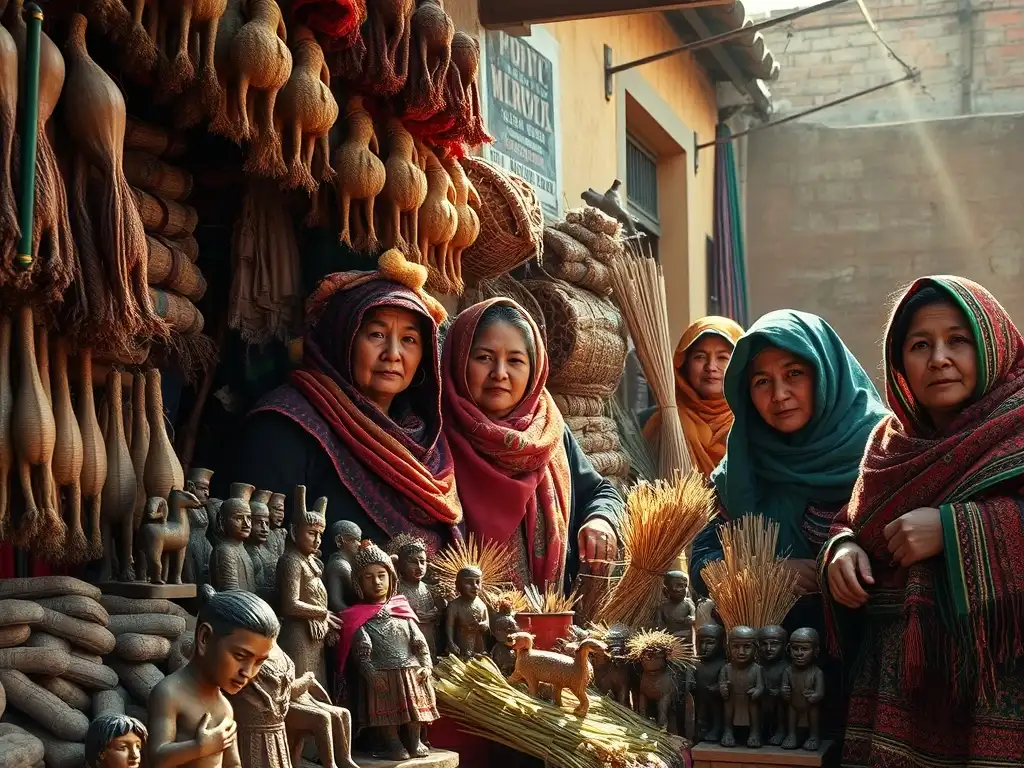
The Witches' Market (Mercado de las Brujas) in La Paz, Bolivia, is far more than just a place to buy quirky souvenirs; it's a fascinating window into Andean spirituality and traditional medicine. Located in the heart of La Paz, this vibrant market offers a unique blend of the mystical and the mundane. While it's known for its potent amulets, dried llama fetuses, and other ritual objects, it also sells a wide range of everyday goods, creating a captivating juxtaposition of the spiritual and the practical.
The atmosphere is electric, a mix of incense, the chatter of vendors, and the palpable energy of ancient traditions. The market is a potent reminder of the enduring power of Andean beliefs and practices.
La Paz Witches' Market: Discovering Unique Ritual Objects and Crafts
The Witches' Market presents a captivating array of ritual objects and crafts deeply rooted in Andean traditions. Llama fetuses, often used in ceremonies for good fortune or protection, are perhaps the market's most notorious item. However, the market offers much more than just this. You’ll find a wide variety of herbs, spices, and medicinal plants, each believed to possess unique healing properties. These are often bundled and sold as remedies for various ailments.
Amulets and talismans, intricately carved from wood or stone and adorned with symbolic designs, are also prevalent. These objects are believed to offer protection, good luck, and spiritual guidance. Additionally, the market offers a range of handcrafted goods, including textiles, ceramics, and jewelry, many incorporating traditional Andean motifs and symbolism. The sheer diversity of items on display reflects the deep-rooted spiritual and cultural practices of the Andean region.
Understanding the Symbolism of Andean Talismans
Many of the talismans and amulets sold at the La Paz Witches' Market are imbued with rich symbolism drawn from Andean cosmology and beliefs. For example, the llama, a sacred animal in Andean culture, often represents prosperity and fertility. Condor feathers, symbolizing power and protection, are frequently incorporated into amulets. Geometric patterns, such as the chakana (Andean cross), represent the interconnectedness of the cosmos and the four elements.
Understanding these symbols adds another layer of appreciation to these handcrafted objects. It’s crucial to research the meaning and significance of these symbols before purchasing, ensuring you understand what you are acquiring and its cultural context. Respectful engagement with the vendors and a willingness to learn about the cultural significance of the items are essential.
Ethical Sourcing of Andean Goods in La Paz: Amulets and Incense Burners
Ethical sourcing is paramount when purchasing goods from the La Paz Witches' Market. Many items, particularly amulets and incense burners, are handcrafted by local artisans who rely on their sales for their livelihood. By choosing to buy from smaller, independent vendors, you directly support these artisans and their communities. Ask questions about the origin of the materials and the crafting process.
This shows respect for the artisans and their work, and it helps to ensure that your purchase supports fair trade practices. Look for vendors who are transparent about their sourcing and who treat their employees fairly. Choosing ethically sourced goods not only ensures you're getting a high-quality, authentic product but also contributes to the sustainability of Andean traditions and the well-being of local communities. Supporting ethical practices is crucial for preserving the cultural heritage and ensuring the continuation of these ancient crafts.
Online Andean Art Markets: Expanding Your Reach
The digital age has revolutionized the accessibility of Andean art, opening up a world of possibilities for collectors and enthusiasts. Online Andean art markets offer a convenient and diverse platform to discover unique pieces, often directly from the artisans themselves. This eliminates geographical limitations, allowing individuals worldwide to appreciate the rich tapestry of Andean creativity. However, navigating this online landscape requires careful consideration, as authenticity and ethical sourcing are paramount.
The sheer volume of options available online means discerning buyers must develop a keen eye for detail and a robust understanding of what constitutes genuine Andean craftsmanship. The rise of online marketplaces presents both incredible opportunities and significant challenges for both buyers and sellers. Understanding these nuances is key to a successful and rewarding online shopping experience.
Exploring Reputable Online Platforms for Andean Crafts: NOVICA and Amazon Handmade
Several online platforms specialize in showcasing and selling authentic Andean crafts. Two prominent examples are NOVICA and Amazon Handmade. NOVICA, known for its commitment to fair trade practices, connects artisans directly with consumers, ensuring that creators receive fair compensation for their work. This platform often features detailed artist profiles and stories, adding a personal touch to the shopping experience.
In contrast, Amazon Handmade offers a broader selection of handcrafted items, including Andean crafts. While it provides a vast marketplace, buyers must exercise greater caution in verifying the authenticity and origin of the products. Amazon's buyer protection policies can provide a degree of security, but diligent research remains crucial. Other online platforms dedicated to ethical and sustainable sourcing of handcrafted goods should also be considered, ensuring a careful examination of seller reviews and certifications before making a purchase.
How to Identify Genuine Andean Art Online
Identifying genuine Andean art online requires a discerning eye and a healthy dose of skepticism. High-resolution images are essential; look for fine details in the craftsmanship, such as intricate weaving techniques, unique patterns, and the use of traditional materials. Pay close attention to the descriptions provided by the seller. Legitimate sellers often provide detailed information about the materials used, the artisan's background, and the techniques employed. Be wary of overly generic descriptions or claims of authenticity without supporting evidence.
If possible, look for certifications or provenance documentation that verifies the artwork's origin and authenticity. Compare prices across different platforms; significantly lower prices might indicate counterfeit goods. Finally, don't hesitate to contact the seller directly with questions about the artwork's creation process and materials. Authentic Andean art tells a story; a lack of detail in the seller's description should raise a red flag.
The Benefits of Buying Directly from Andean Artisans Online
Purchasing Andean art directly from artisans online offers several advantages. It ensures fair compensation for the creators, supporting their livelihoods and preserving traditional art forms. This direct connection also allows buyers to learn about the cultural significance of the artwork and the artisan's creative process.
Moreover, it often fosters a deeper appreciation for the artistry and cultural heritage embedded in each piece. It's a more ethical and sustainable approach, promoting fair trade practices and empowering Andean communities. Buying directly also often opens up opportunities to commission custom pieces, allowing for a unique and personalized creation tailored to the buyer's preferences.
This personal connection, often missing in larger retail settings, adds an invaluable dimension to the experience of acquiring Andean art. However, it is important to remember that communication might present a challenge due to language barriers or differing time zones. Therefore, patience and clear communication are key to a successful transaction.
Maximizing Your Andean Art Purchases: Tips and Tricks
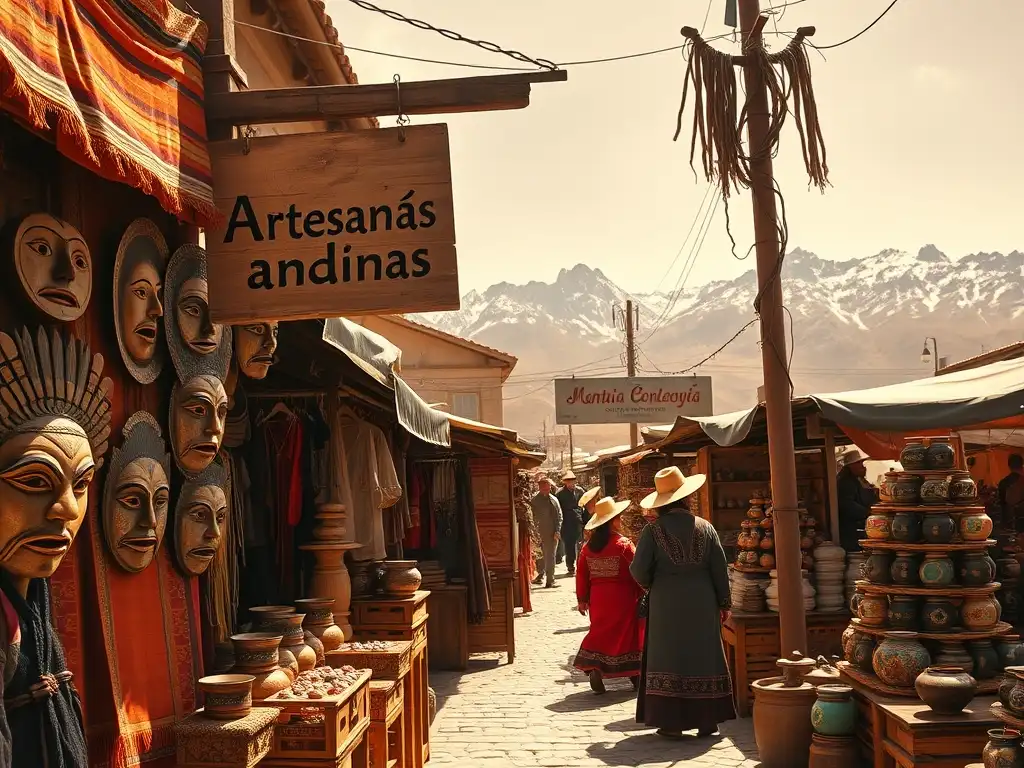
This section offers practical advice for maximizing your experience and securing authentic, high-quality Andean art during your market explorations. Remember, purchasing Andean art is not just about acquiring a beautiful object; it's about supporting local artisans and preserving cultural heritage. Let's explore how to make the most of your shopping journey.
Understanding Andean Art Motifs and Their Meanings
Understanding the symbolism within Andean art significantly enhances your appreciation and allows for more informed purchases. Many motifs carry deep cultural significance, passed down through generations. For instance, the khipu, a system of knotted strings used by the Inca for record-keeping, often appears in modern textiles and ceramics. Recognizing this iconic symbol adds a layer of historical context to your purchase.
Similarly, representations of Andean deities, such as the sun god Inti or the moon goddess Mama Killa, are frequently depicted in artwork, revealing insights into the spiritual beliefs of these ancient cultures. Learning about these motifs beforehand will enable you to select pieces that resonate with you on a deeper level. Consider researching common Andean symbols before your trip – this will elevate your shopping experience from simply acquiring souvenirs to collecting meaningful pieces of history.
The intricate designs found in Andean textiles, for example, often tell stories, depict scenes from daily life, or symbolize specific events or beliefs. A thorough understanding of these motifs allows you to identify truly authentic pieces and differentiate them from mass-produced imitations. Look for subtle details: the precision of the weaving, the natural dyes used, and the overall balance and harmony of the design.
These are hallmarks of genuine Andean craftsmanship. Books, museums, and online resources offer valuable information on deciphering these visual narratives. Take advantage of these resources to become a more discerning and appreciative buyer of Andean art.
Negotiating Prices Respectfully in Andean Markets
Negotiation is a customary part of the Andean market experience. However, it's crucial to approach the process with respect and understanding. Remember that these artisans are often the sole providers for their families, and their prices reflect their time, skill, and materials. Begin by politely inquiring about the price, and then, based on your research and understanding of the piece's value, offer a reasonable counteroffer. Avoid insulting offers; instead, use a friendly and respectful tone, acknowledging the artisan's craftsmanship. A smile and a few basic Spanish phrases can go a long way in building rapport.
It's also important to remember that bargaining is a two-way street. Be prepared to walk away if you're not comfortable with the final price. This doesn't mean you're being disrespectful; it's simply a part of the negotiation process.
Ultimately, a successful negotiation should leave both parties feeling satisfied and respected. The goal isn't to get the lowest possible price, but rather to reach a fair and mutually agreeable price that values both the artisan's work and your budget. This approach ensures a positive and sustainable experience for both the buyer and the seller, fostering a respectful exchange that supports the continued creation and preservation of Andean art.
Caring for Your Andean Art Treasures
Once you've acquired your Andean art treasures, proper care is essential to preserve their beauty and longevity. Many pieces are made from delicate materials, such as hand-spun wool or naturally dyed cotton. Avoid exposing your purchases to direct sunlight, as this can cause fading and damage. Similarly, high humidity can also be detrimental to certain materials. Store your pieces in a cool, dry place, ideally in a protective case or display cabinet.
For textiles, dry cleaning is often recommended, as washing can shrink or damage the delicate fibers. For ceramics, handle them with care to avoid chipping or breakage. Regular dusting with a soft cloth is sufficient to keep them clean. Remember, the longevity of your Andean art depends on your diligent care.
By following these simple guidelines, you can ensure that your beautiful purchases remain cherished heirlooms for generations to come. This responsible approach not only protects your investment but also contributes to the ongoing appreciation and preservation of Andean artistic heritage. Consider creating an inventory of your purchases, noting the materials and any specific care instructions provided by the artisan. This will help maintain the quality of your collection and ensure its lasting value.
Supporting Andean Artisans and Sustainable Practices
This section delves into the crucial role of ethical consumption in the vibrant world of Andean art markets. Understanding the impact of our purchasing decisions is paramount to ensuring the longevity of these unique artistic traditions and the well-being of the communities that create them. The beauty of Andean art is inextricably linked to the cultural heritage and livelihoods of its creators.
By making informed choices, we can actively contribute to the preservation of this rich legacy and promote sustainable practices within the Andean art market. The demand for authentic Andean handicrafts fuels a complex economic ecosystem, and our choices as consumers have a direct influence on its sustainability.
The Importance of Ethical Sourcing in Andean Art Markets
Ethical sourcing in Andean art markets isn't just a trend; it's a necessity for preserving both the cultural integrity and the economic stability of Andean communities. Many artisans, particularly in remote areas, rely heavily on the income generated from their craft. Exploitative practices, such as unfair pricing and the use of unethical labor, undermine their livelihoods and threaten the continuity of traditional art forms.
Identifying ethically sourced Andean art requires careful consideration. Look for pieces that clearly indicate the origin of materials and the artisan's involvement in the creation process. Support organizations and initiatives dedicated to fair trade practices, as they often work directly with artisans to ensure fair compensation and safe working conditions.
The absence of transparency should raise red flags. Question the seller about the origins of the product and the artisan's story. A genuine seller will be happy to provide detailed information about the product's provenance and the ethical considerations involved in its creation.
How to Make a Difference Through Your Purchases
Even seemingly small purchases can collectively make a significant difference in supporting Andean artisans and sustainable practices. Prioritizing ethically sourced Andean art empowers artisans and helps maintain their cultural heritage. Here's how you can contribute:
- Research: Before making a purchase, research the seller and their commitment to fair trade principles. Look for certifications or testimonials that attest to their ethical practices.
- Directly Support Artisans: When possible, purchase directly from artisans or cooperatives, cutting out intermediaries who may exploit them. This ensures a larger portion of the sale price reaches the creator.
- Understand Pricing: Be aware that authentic, hand-crafted Andean art often commands a higher price due to the time, skill, and materials involved. Low prices often indicate exploitation.
- Appreciation of Craftsmanship: Recognize and value the artistry and cultural significance of each piece. This appreciation translates into a willingness to pay a fair price.
- Spread Awareness: Encourage others to support ethical sourcing by sharing information about responsible purchasing practices and recommending reputable sellers.
Promoting Fair Trade and Community Development in the Andes
Fair trade initiatives play a pivotal role in fostering sustainable development in Andean communities by ensuring that artisans receive fair wages, have access to resources and training, and participate in decision-making processes. The positive effects extend beyond individual artisans; community development thrives when economic opportunities are equitably distributed. This boosts local economies, improves infrastructure, and supports education and healthcare initiatives.
Supporting fair trade organizations not only guarantees ethical sourcing but also contributes directly to the overall well-being of Andean communities. Fair trade practices also promote environmental sustainability by encouraging the use of eco-friendly materials and responsible resource management. By choosing fair trade Andean art, you're actively investing in the preservation of both cultural heritage and environmental protection.
The impact ripples outwards, creating a more sustainable and equitable future for the Andean region. Seek out certifications like "Fair Trade Certified" to ensure authenticity and ethical sourcing. The mark signifies a commitment to fair wages, safe working conditions, and environmental protection.
Frequently Asked Questions
Where can I find authentic Andean art?
You can find authentic Andean art in a variety of places, from small, local markets in the Andes region to specialized galleries and online retailers. However, always be wary of fakes and prioritize reputable sources.
What are some popular types of Andean art?
Andean art encompasses a wide range of styles and mediums, including textiles, ceramics, metalwork, and sculpture. Traditional techniques and vibrant colors are common characteristics.
How can I tell if a piece of Andean art is genuine?
Authenticity verification can be challenging. Look for hallmarks of traditional techniques, research the specific style and region, and if possible, consult with experts or reputable dealers.
Are there specific markets known for Andean art?
While many markets offer Andean crafts, some regions are particularly renowned. Look for markets in Peru, Bolivia, Ecuador, and Colombia, focusing on areas with strong indigenous populations. Research specific towns and villages known for their artisan traditions.
What is the best way to support Andean artisans directly?
Buying directly from artisan cooperatives or individual artists ensures that the artisans receive fair compensation for their work. Look for ethical and sustainable sourcing options.
Final Reflection: Weaving the Threads of Andean Heritage
The vibrant tapestry of Andean art, once hidden in undiscovered markets, is now increasingly recognized for its breathtaking beauty and profound cultural significance. This resurgence isn't just a trend; it's a testament to the enduring power of artistic expression to connect us across time and cultures, reminding us of the rich heritage woven into each intricate piece. The global appreciation for Andean art represents a powerful shift, acknowledging the artistry and resilience of Andean communities.
The journey through these markets, encountering the skilled artisans and their captivating creations, has profoundly impacted my understanding of cultural preservation and the importance of supporting sustainable practices. The dedication and passion poured into each textile, carving, and ceramic piece is truly inspiring. Art washes away from the soul the dust of everyday life.
– Pablo Picasso. This quote resonates deeply, as the art of the Andes not only washes away the dust of daily life for the creator but also offers a similar cleansing and enriching experience for those who appreciate it.
Now, consider your own connection to art and craftsmanship. What stories do the objects in your life tell? I invite you to seek out the beauty and meaning in handcrafted items, supporting artisans and their communities while enriching your own life with the unique magic of their creations. Let the vibrant colors and intricate designs of Andean art inspire you to explore the rich cultural heritage of other communities and to appreciate the enduring power of human creativity.
Unleash Your Andean Adventure Today!
Thank you for exploring the captivating world of Andean art with us! These unique crafts showcase incredible artistry and offer a powerful connection to the rich culture of the Andes. Let's build on this inspiration and take action!
Here are some exciting ways to continue your journey:
- Explore local markets and artisan fairs. Discover beautiful Andean crafts, support talented artisans, and bring home a piece of this vibrant culture.
- Share your discoveries on social media. Inspire others by showcasing your favorite Andean art and tagging @AndeanCivilizations.
- Connect with fellow enthusiasts. Join an online or in-person community dedicated to Andean art and artisanship to learn, share experiences, and build lasting connections.
What type of Andean art would best complement your personal style and home?