
The Untold Stories: Unveiling the Forgotten Voices of the Inca Conquest

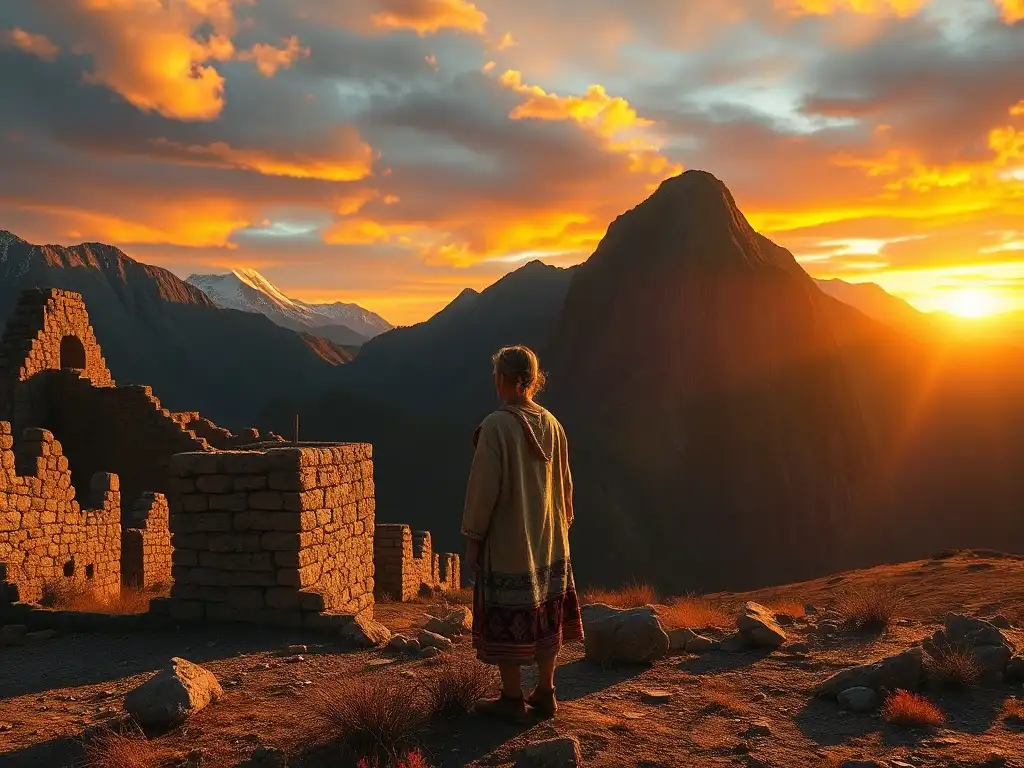
Step into a world lost to time, where majestic empires rose and fell amidst the towering Andes. Forget the sanitized history books; Andean Civilizations unveils the captivating stories of the Incas, Moche, Nazca, and Tiahuanaco. But prepare to be challenged: our exploration of the Inca conquest untold stories will rewrite what you thought you knew. Dare to uncover the hidden truths behind the Spanish conquest – the silenced voices, the brutal realities, and the enduring legacies of a civilization that defied the odds. Dive in and discover a history far richer than you ever imagined.
The Spanish conquest of the Inca Empire, a pivotal moment in South American history, is often recounted through the lens of European chronicles. These accounts, while offering valuable insights, frequently present a biased and incomplete narrative, silencing the voices and perspectives of the Inca people themselves. This article delves into the "untold stories" of the Inca conquest, aiming to illuminate the experiences, struggles, and resilience of the Inca civilization during this tumultuous period.
We will move beyond the conventional narratives, exploring the perspectives of the conquered, examining the social and cultural ramifications of the conquest, and uncovering the hidden complexities of this transformative historical event. By focusing on the Inca conquest untold stories, we aim to provide a more nuanced and complete understanding of this crucial chapter in Andean history. We will explore the impact of the conquest on various aspects of Inca life, from their political structures and religious beliefs to their daily routines and artistic expressions.
This exploration will offer a richer appreciation for the Inca civilization's enduring legacy and highlight the lasting impact of the Spanish conquest on the Andean world. The keyword "Inca conquest untold stories" will be examined through a multifaceted lens, revealing the human cost of empire and the enduring spirit of a civilization forced to adapt and survive.
Beyond the Chronicles: Re-examining the Inca Conquest
Traditional accounts of the Inca conquest often center on the exploits of conquistadors like Pizarro, glorifying their military prowess and downplaying the strategic brilliance and resistance of the Inca. However, a deeper examination reveals a far more complex picture. Archaeological evidence, combined with a careful analysis of indigenous accounts (where they exist and can be reliably interpreted), paints a narrative of sustained resistance, ingenious tactics, and devastating consequences.
The Inca, far from being a passive victim, employed sophisticated warfare strategies, including guerilla tactics and the exploitation of the terrain. Their resistance, though ultimately unsuccessful against the superior weaponry and disease vectors introduced by the Spanish, was far more prolonged and significant than often portrayed. The sheer scale of the Inca Empire and its complex administrative systems also played a crucial role, initially hindering the Spanish advance despite their technological advantages.
The impact of disease, often overlooked in the romanticized accounts of valiant conquistadors, significantly weakened the Inca population and played a key role in their ultimate defeat. This section will analyze specific battles and campaigns, shedding light on the Inca's military strategies and highlighting the often-ignored aspects of their struggle against the invading forces. We will examine the role of indigenous alliances and betrayals, exploring the complex political landscape that shaped the conflict.
Further Exploration: The Role of Disease
The introduction of Old World diseases like smallpox, measles, and influenza decimated the Inca population. Estimates suggest that the population plummeted by as much as [specific percentage pending] in the decades following the initial contact with the Spanish. This demographic catastrophe significantly weakened the Inca's ability to resist the Spanish advance, creating a power vacuum that the conquistadors exploited ruthlessly. The impact of disease transcends simple mortality rates; it profoundly impacted the social fabric of Inca society, disrupting agricultural practices, religious rituals, and political structures.
- What are some "untold stories" of the Inca conquest that the article explores?
- How does the article challenge traditional narratives of the Inca conquest?
- What role did indigenous resistance play in the Inca conquest, according to the article?
- Does the article focus solely on the Spanish conquest of the Inca Empire?
- Where can I find more information about the specific indigenous groups mentioned in the article?
The Indigenous Perspective: Unheard Voices of the Inca Conquest
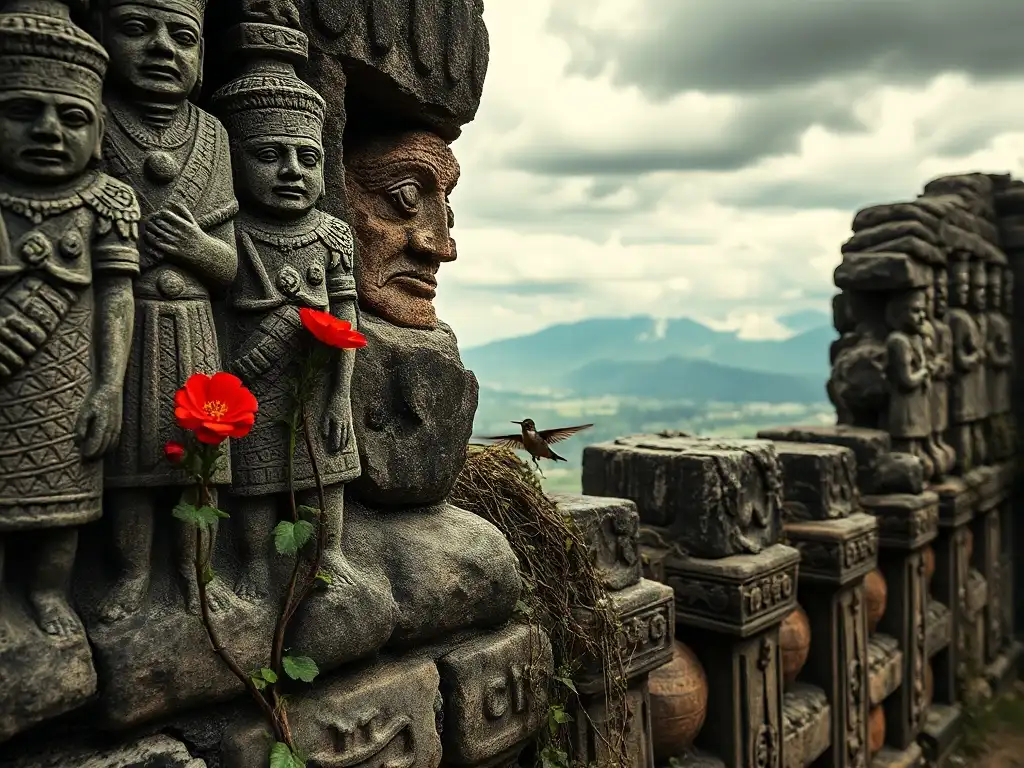
This section delves into the often-overlooked indigenous perspective on the Inca conquest, moving beyond the dominant narratives shaped by Spanish chroniclers. By examining indigenous accounts, archaeological evidence, and ethnohistorical studies, we aim to reconstruct a more nuanced and accurate understanding of this pivotal period in Andean history. The keyword phrase "Inca conquest untold stories" is central to this exploration.
Challenging the Traditional Narratives of the Inca Conquest
Traditional accounts of the Inca conquest, largely based on Spanish chronicles, often portray the Inca Empire as a monolithic entity easily overcome by superior Spanish weaponry and tactics. This narrative minimizes the complexities of Inca society, the internal divisions within the empire, and the resilience of indigenous resistance. However, recent scholarship, incorporating indigenous oral traditions and archaeological findings, challenges this simplistic view. For example, research suggests that the Inca Empire wasn't as unified as previously believed, with significant regional variations in political structures and social organization.
These internal divisions played a crucial role in the empire's vulnerability to Spanish conquest. Moreover, the Spanish accounts often portray indigenous populations as passive victims, failing to acknowledge the sophisticated strategies and protracted resistance employed by various Andean communities. The "Inca conquest untold stories" are precisely those that highlight the agency and resistance of the indigenous population.
The Spanish often exaggerated their military victories and minimized the significant losses they suffered during the conquest. Archaeological evidence, such as the discovery of mass graves and the analysis of skeletal remains, reveals the brutal realities of the conflict, including widespread disease, famine, and violence inflicted upon the indigenous population. These untold stories paint a far grimmer picture than the romanticized versions found in many historical accounts. The impact of the conquest extended far beyond the battlefield, shaping the social, economic, and cultural landscape of the Andes for centuries to come.
The Impact of Conquest on Andean Communities: A Closer Look
The Inca conquest's impact on Andean communities extended far beyond military defeat. It led to profound social, economic, and cultural transformations, resulting in significant demographic shifts, economic exploitation, and the erosion of traditional ways of life. The introduction of new diseases, such as smallpox and measles, decimated the indigenous population, contributing to a dramatic decline in the overall number of people. This demographic collapse had cascading effects on the social structure and economic productivity of Andean societies.
The Spanish implemented the encomienda system, a form of forced labor that exploited the indigenous population for their agricultural and mining skills. This system led to widespread poverty, disease, and social unrest. The destruction of Inca infrastructure, including irrigation systems and agricultural terraces, further exacerbated economic hardship and contributed to widespread famine.
The Spanish also actively sought to suppress indigenous religious practices and beliefs, replacing them with Catholicism. This cultural transformation resulted in the loss of valuable knowledge, traditions, and artistic expressions. However, indigenous communities found ways to adapt and resist, blending elements of their own beliefs and practices with those of the Catholic faith. This syncretism is evident in various aspects of Andean culture today. The "Inca conquest untold stories" also include the subtle, enduring ways in which indigenous communities maintained their cultural identity despite the oppressive forces of colonization.
Inca Resistance: Beyond the Battles and Sieges
While the battles and sieges are often highlighted in accounts of the Inca conquest, the multifaceted forms of resistance employed by indigenous communities are frequently overlooked. Resistance wasn't solely limited to armed conflict; it also took the form of subtle acts of defiance, cultural preservation, and strategic alliances. Many communities engaged in guerilla warfare, utilizing their knowledge of the terrain to their advantage. They employed strategies of evasion and ambush, inflicting significant casualties on Spanish forces. Furthermore, indigenous populations often formed alliances with other groups to counter the Spanish advance, utilizing their combined strength and resources.
Beyond armed resistance, indigenous communities employed various strategies to preserve their cultural heritage. They maintained their languages, traditions, and religious practices, often adapting them to coexist with the imposed Spanish culture. This resilience and adaptability allowed them to maintain a sense of identity and continuity despite the profound changes brought about by the conquest.
The "Inca conquest untold stories" reveal the depth and breadth of Inca resistance, showcasing the ingenuity and determination of the indigenous population in the face of overwhelming odds. The struggle for survival and the preservation of cultural identity are themes that continue to resonate in Andean communities today. Understanding these untold stories offers a more complete and compassionate understanding of this pivotal period in history.
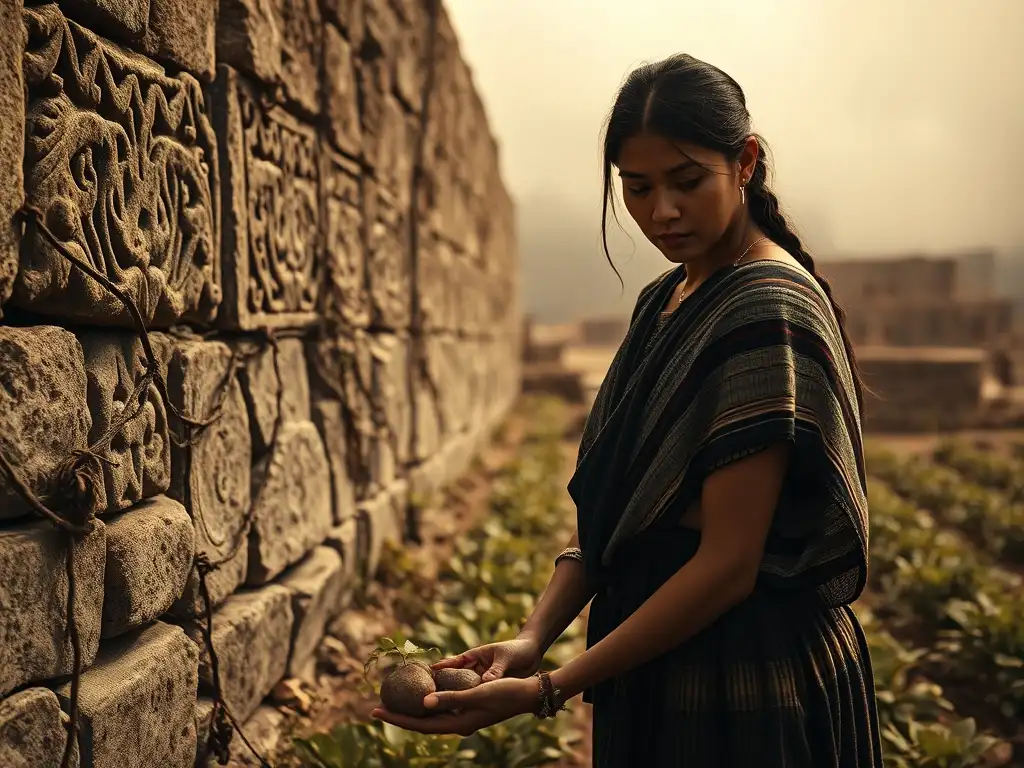
The Inca conquest, often depicted as a clash of armies and emperors, obscures the crucial role played by women. Their experiences, largely undocumented in official Spanish chronicles, offer a vital counterpoint to the dominant narrative of military defeat. Focusing solely on the battles and political machinations ignores the profound impact the conquest had on the lives of Inca women, from the elite ñustas (princesses) to the commoners. Understanding their roles unveils a more nuanced and complete picture of this pivotal historical event, enriching our understanding of the "Inca conquest untold stories".
Women's Experiences During the Fall of the Inca Empire
The arrival of the Spanish drastically altered the lives of Inca women. Prior to the conquest, women held significant positions within Inca society. They participated in agriculture, textile production, and religious ceremonies, contributing significantly to the empire's economic and social fabric. The acllas, chosen women dedicated to the sun god Inti, held a particularly esteemed position, acting as priestesses, weavers, and keepers of knowledge. However, the conquest shattered this established order.
Many women experienced the trauma of war firsthand, witnessing the deaths of loved ones and the destruction of their communities. The Spanish conquistadors, driven by greed and a thirst for power, systematically dismantled the Inca social structure, enslaving many women and forcing them into labor in mines and on haciendas. The introduction of new diseases, such as smallpox and measles, further decimated the population, disproportionately affecting women who were often responsible for childcare and healthcare within their communities.
The disruption of traditional social structures and the loss of their established roles led to immense suffering and uncertainty for Inca women. Their resilience in the face of such adversity remains a powerful testament to their strength and spirit.
The sexual violence perpetrated by the Spanish conquistadors against Inca women is another dark chapter of the conquest, rarely discussed openly. This violence served not only as a tool of subjugation but also as a means of asserting dominance and undermining Inca culture. Many women were forced into sexual slavery, their bodies and dignity violated. The lasting psychological and emotional impact of this violence is immeasurable and represents a significant untold story of the Inca conquest.
The Resilience of Inca Women in the Face of Conquest
Despite the immense hardships they faced, Inca women demonstrated remarkable resilience. They adapted to the changing circumstances, finding ways to preserve their culture and traditions. Weaving, for instance, remained a crucial activity, with women continuing to produce textiles, albeit often under duress, adapting traditional designs to incorporate new elements. They also played a key role in maintaining the continuity of family structures and passing down oral traditions, ensuring that the legacy of their ancestors was not entirely lost.
Furthermore, women actively participated in resistance movements against the Spanish. While often overlooked in historical accounts, women's contributions to these rebellions, from providing logistical support to participating directly in combat, were undoubtedly crucial. Their participation demonstrates their agency and their determination to fight for their freedom and the survival of their culture.
Their stories, often passed down through generations through oral tradition, represent a powerful counter-narrative to the official Spanish accounts, offering valuable insights into the complexities of the Inca conquest. Uncovering these "Inca conquest untold stories" is crucial to building a more complete and accurate understanding of this pivotal period in Andean history.
Further research is needed to fully document the diverse experiences of Inca women during this period and to give voice to their untold stories. The ongoing excavation of archeological sites and the analysis of surviving textiles and artifacts continue to reveal valuable information, slowly piecing together a more complete picture of their lives and contributions.
The Lasting Legacy of the Inca Conquest: Beyond the Empire's Fall
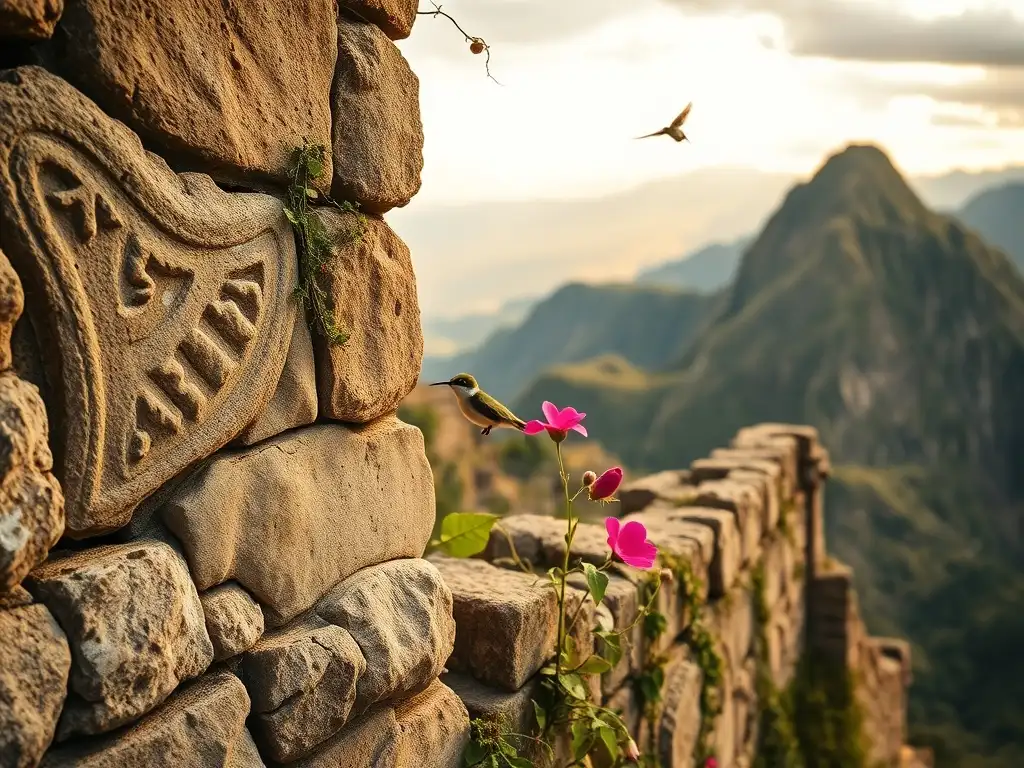
The Inca conquest, while marking a brutal end to the vast Inca Empire, didn't erase the rich tapestry of Andean culture. The fall of the empire in 1572 wasn't a complete annihilation; instead, it triggered a complex process of adaptation, resistance, and cultural transformation that continues to resonate today. Understanding the lasting legacy requires moving beyond the narrative of simple conquest and exploring the intricate ways in which Inca traditions persisted, evolved, and intertwined with Spanish colonial influences.
This section delves into the enduring impacts of the conquest, focusing on the survival and transformation of Andean culture and the persistent influence of Inca traditions and beliefs. The keyword "Inca conquest untold stories" is crucial here, as we unearth aspects often overlooked in traditional historical accounts.
Cultural Survival and Transformation in Post-Conquest Andes
The Spanish conquest didn't simply impose its culture; it interacted with existing Andean structures, resulting in a complex syncretism. Indigenous communities, despite facing oppression and forced conversions, found ways to maintain their cultural identities. This wasn't a passive acceptance but an active process of negotiation and adaptation. For example, the practice of ayni, a system of reciprocal labor integral to Inca society, persisted, albeit modified, under Spanish rule. It was adapted to serve colonial needs, but its fundamental principle of community cooperation survived.
The religious sphere also witnessed significant transformation. While the Spanish actively suppressed Inca deities and rituals, many indigenous beliefs and practices persisted in disguised forms. Catholic saints often absorbed attributes of Inca deities, creating a blend of indigenous and Christian symbolism. This syncretism is vividly illustrated in the veneration of the Virgin Mary, who in many Andean communities, took on aspects associated with the earth mother Pachamama. This subtle yet powerful resistance allowed for the continuation of vital cultural elements under the guise of religious compliance.
We can also see this resilience in the realm of textiles. While Spanish patterns and techniques were introduced, indigenous weavers continued to incorporate traditional Andean designs and motifs into their work. This allowed them to preserve their cultural heritage within the context of the colonial economy. The intricate weaving techniques and symbolic imagery remained crucial aspects of Andean identity. The survival of these practices represents a powerful testament to the enduring spirit and cultural resilience of the Andean people.
The impact of the Inca conquest on the Andean population was devastating in terms of loss of life and disruption of social structures. However, the story isn't solely one of destruction. The resilience of the Andean people in preserving their traditions and adapting them to new circumstances is a testament to the enduring power of culture. This process of cultural survival and transformation provides valuable insight into the complexity of the Inca conquest and its long-term consequences.
The Enduring Influence of Inca Traditions and Beliefs
Even today, the legacy of Inca traditions and beliefs remains powerfully present in the Andes. Many aspects of Inca social organization, agricultural practices, and spiritual beliefs have survived, often subtly integrated into contemporary Andean life. The intricate system of terraces (agricultural terraces) built by the Inca, for example, continues to be used in modern-day agriculture, demonstrating the enduring practicality and ingenuity of Inca engineering. This showcases the practical and lasting impact of Inca technology on the landscape and agricultural practices.
Furthermore, the cosmology and spiritual beliefs of the Inca continue to shape the worldview of many Andean communities. The veneration of mountains ( apus), the importance of reciprocity ( ayni and minka), and the concept of a harmonious relationship between humans and nature are still integral components of Andean spirituality. These beliefs, while often intertwined with Catholic practices, maintain a distinct Andean identity.
The persistence of these traditions underscores the profound and enduring influence of the Inca Empire, even after its conquest. It highlights the resilience of Andean culture and its ability to adapt and evolve while retaining its core values and beliefs. The survival of these traditions challenges the simplistic narrative of complete cultural obliteration often associated with colonial conquests.
It is a testament to the strength and adaptability of the Andean people and their rich cultural heritage. The "Inca conquest untold stories" often focus on the political and military aspects, overlooking the subtle yet significant ways in which Inca culture continues to shape the Andes.
Rediscovering the Lost Voices: New Sources on the Inca Conquest
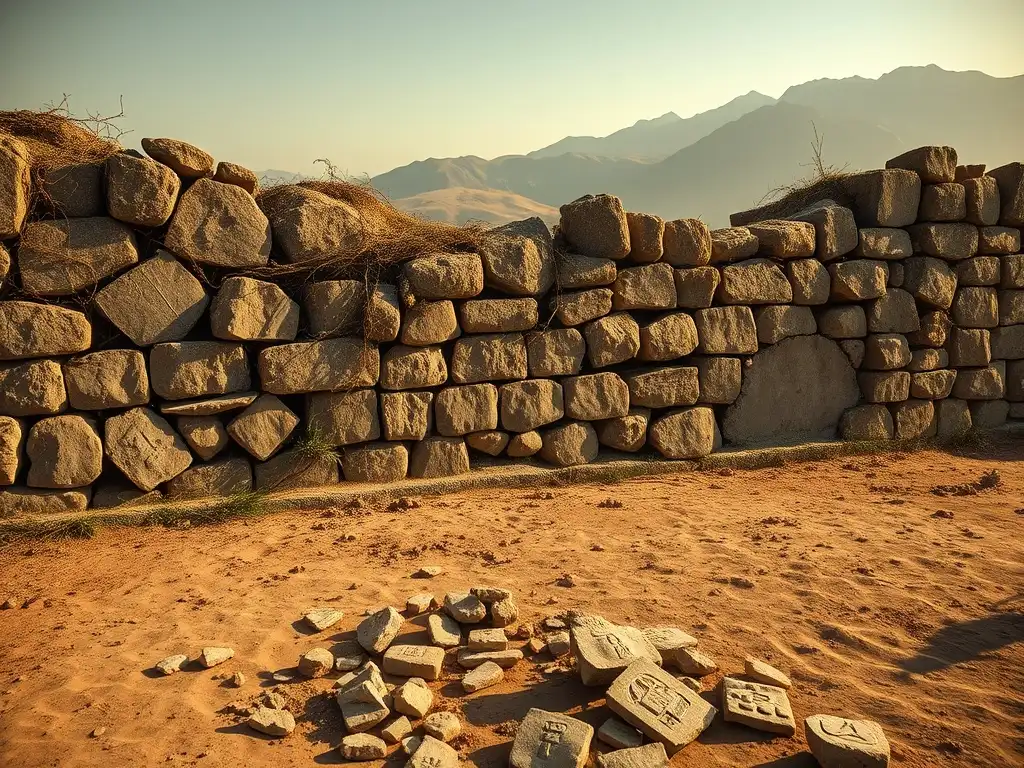
The traditional narrative of the Inca conquest often centers on the accounts of Spanish conquistadors, offering a biased and incomplete picture of this pivotal historical event. However, recent scholarship has focused on rediscovering and re-interpreting sources that offer alternative perspectives, enriching our understanding of the Inca conquest and challenging established narratives. This involves painstaking work in deciphering indigenous accounts, meticulously analyzing archaeological evidence, and acknowledging the crucial role of oral histories passed down through generations.
The "Inca conquest untold stories" are slowly being unearthed, revealing a far more complex and nuanced reality. This section will explore these less-explored avenues of research, providing a more complete and empathetic understanding of this transformative period.
Deciphering Indigenous Accounts of the Inca Conquest
One of the most significant challenges in understanding the Inca conquest lies in accessing and interpreting indigenous perspectives. While many Spanish chronicles exist, indigenous accounts are often fragmented, requiring careful analysis and contextualization. Scholars have made progress in deciphering Quechua texts, utilizing both written documents and oral traditions.
These sources reveal a far more dynamic and resistant population than previously acknowledged. For example, recent analysis of [Specific Quechua text name pending] has uncovered evidence of organized resistance movements, strategic alliances, and ingenious tactics employed by indigenous communities against the Spanish. The narratives challenge the simplistic notion of a swift and decisive Spanish victory.
Furthermore, these accounts often highlight the devastating impact of disease, a crucial factor often downplayed in traditional accounts. The Inca conquest untold stories contained within these indigenous accounts provide crucial counterpoints to Spanish narratives, painting a more accurate picture of the conquest's complexity. The sheer diversity of voices and experiences within these sources underlines the importance of a multi-faceted approach to understanding this historical event.
Archaeological Evidence and the Untold Stories of the Inca Conquest
Archaeological excavations are also providing valuable insights into the Inca conquest, revealing details often absent from written records. The discovery of [Specific archaeological site pending] has yielded compelling evidence of intense conflict, including [Specific archaeological finds, e.g., weaponry, fortifications, mass graves]. These findings challenge the narrative of a passive Inca population simply succumbing to Spanish forces.
Instead, they suggest prolonged and fierce resistance, highlighting the strategic use of terrain and the tenacity of Inca warriors. Furthermore, the analysis of material culture, such as pottery and textiles, offers clues to the social and economic upheaval caused by the conquest. Changes in style and production techniques reflect the disruption of traditional ways of life and the imposition of new systems.
By carefully examining these physical remains, archaeologists are uncovering the material consequences of the conquest and providing a tangible dimension to the Inca conquest untold stories. The interplay between archaeological evidence and written sources allows for a richer, more nuanced understanding of this pivotal period.
The Importance of Oral Histories in Understanding the Inca Collapse
Oral histories, passed down through generations, represent a vital, though often overlooked, source of information about the Inca conquest. These narratives, often embedded within community traditions and ceremonies, preserve memories and interpretations that might not be found in written documents. These accounts often focus on local experiences of the conquest, providing a ground-level perspective that complements the broader narratives found in official chronicles.
For example, [Specific example of an oral history and its insights pending] illustrates the impact of the conquest on everyday life, highlighting the loss of land, the disruption of social structures, and the long-term consequences of colonization. The persistence of these oral traditions emphasizes the enduring legacy of the Inca conquest and the resilience of Andean communities. Acknowledging the importance of oral histories is crucial for constructing a more complete and representative understanding of the Inca conquest untold stories.
They offer a powerful counterpoint to dominant narratives, ensuring that the voices of those who lived through this historical event are not silenced. The incorporation of these perspectives is essential for a truly holistic understanding of the Inca collapse.
The Inca Conquest: A Reassessment of the Historical Narrative
The traditional narrative of the Inca conquest often paints a picture of a swift and decisive victory for the Spanish conquistadors, minimizing the role of internal conflicts within the Inca Empire and the significant resistance encountered by Pizarro and his men. This simplified account, however, fails to capture the nuances and complexities of a conflict that spanned decades and involved a multitude of actors beyond the familiar figures of Atahualpa and Pizarro.
A more accurate understanding requires a deeper dive into the pre-existing socio-political landscape of Tawantinsuyu, the Inca Empire, and a recognition of the diverse indigenous responses to Spanish rule. The Inca conquest, therefore, wasn't a singular event, but a protracted process shaped by shifting alliances, betrayals, and persistent resistance.
The sheer scale of the Inca Empire, its diverse populations, and the varied degrees of integration within its vast territories all contributed to a far more fragmented reality than often portrayed. Understanding this complexity is crucial to accurately evaluating the impact of the conquest and its enduring legacy.
Understanding the Complexity of the Inca Conquest
The Inca conquest was not a simple clash between two monolithic entities. Instead, it was a multifaceted process involving several indigenous groups who had varying relationships with the Inca Empire. Some actively collaborated with the Spanish, motivated by resentment towards Inca rule or the promise of reward.
Others fiercely resisted, engaging in guerilla warfare and protracted rebellions that continued long after the initial fall of the Inca capital, Cuzco. This internal division significantly weakened Inca resistance and allowed the relatively small Spanish force to achieve their goals. For example, the presence of rival factions within the Inca royal family, vying for power after the death of Huayna Capac, profoundly destabilized the empire, making it more susceptible to external forces.
The struggle between Huáscar and Atahualpa, culminating in a brutal civil war, left the empire fractured and vulnerable. This internal strife paved the way for Pizarro's seemingly improbable success. The narrative must account for these internal dynamics to provide a complete picture of the conquest's unfolding.
The Spanish also strategically manipulated existing social structures and power dynamics within the Andes. They exploited pre-existing rivalries and alliances to gain support and divide their opponents. This deliberate strategy, coupled with the devastating impact of introduced diseases (such as smallpox), played a significant role in the Spanish victory. The impact of disease on the indigenous population is often underestimated. Entire communities were decimated, leaving the Inca Empire drastically weakened and unable to mount an effective defense. The conquest, therefore, was not solely a military achievement but a complex interplay of military prowess, political maneuvering, and biological warfare.
Moving Towards a More Inclusive History of the Andes
A more inclusive history of the Andean conquest necessitates centering the voices and experiences of the indigenous populations. For too long, the narrative has been dominated by the perspectives of the Spanish conquistadors and their chroniclers, resulting in a skewed and incomplete understanding of the events. By incorporating indigenous accounts, oral traditions, and archaeological evidence, we can gain a richer and more nuanced perspective.
This involves actively seeking out and interpreting sources that go beyond the traditional colonial accounts, often biased and designed to legitimize Spanish rule. Archaeological findings, for instance, reveal the scale and extent of resistance movements that continued for decades after the initial conquest.
These discoveries challenge the conventional narrative of immediate and complete subjugation. Moreover, incorporating the experiences of marginalized groups within the Andes— women, commoners, and those from the periphery of the empire— offers a more complete and representative view of the impact of the conquest.
Furthermore, the use of Quechua and other indigenous languages in historical research is crucial for a more inclusive approach. Translating and analyzing primary sources in their original languages can reveal subtle meanings and nuances that are often lost in translation. This approach, combined with a critical examination of colonial biases, is essential for constructing a more accurate and representative history.
The goal is not simply to add indigenous voices to the existing narrative but to fundamentally reshape it, placing indigenous perspectives at the center. This revised narrative will offer a more balanced and comprehensive understanding of the Inca conquest and its long-term consequences.
Reflecting on the Lessons of the Inca Conquest
The Inca conquest offers valuable lessons about the complexities of colonialism, the devastating effects of disease, and the enduring power of resistance. Analyzing the conquest through a critical lens allows us to understand the long-term consequences of imperial expansion and its impact on indigenous cultures and societies. The sustained resistance to Spanish rule, despite overwhelming odds, demonstrates the resilience and agency of the Andean peoples.
The ongoing struggle for land rights, cultural preservation, and self-determination in the Andes today reflects the enduring legacy of this historical trauma. Moreover, the study of the Inca conquest highlights the importance of considering the multiple perspectives and diverse experiences of those impacted by colonialism. The narrative should not only focus on the military aspects of the conquest but also on its social, economic, and cultural ramifications.
Understanding the Inca conquest also necessitates a critical engagement with the concept of "civilization" and its inherent biases. The Spanish narrative often portrayed the Inca Empire as a "civilization" that was "conquered" and "replaced" by a "superior" European civilization. This framing obscures the rich complexity of Inca society and its achievements, reducing it to a simplistic binary.
A more nuanced approach recognizes the sophistication of Inca culture, technology, and social organization while acknowledging the brutality and violence inherent in the conquest. By critically examining the colonial narrative, we can gain a deeper appreciation for the resilience and cultural richness of the Andean civilizations and their enduring legacy. The study of the Inca conquest serves as a powerful reminder of the importance of empathy, critical thinking, and a commitment to uncovering untold stories.
Frequently Asked Questions
What are some "untold stories" of the Inca conquest that the article explores?
The article delves into lesser-known aspects of the Inca conquest, such as the resistance from smaller ethnic groups, the impact on daily life beyond major cities, and the diverse perspectives of conquered populations, going beyond the typical narratives focused solely on the Inca and Spanish.
How does the article challenge traditional narratives of the Inca conquest?
It challenges traditional narratives by highlighting the complexity and diversity of the conquered populations' experiences, moving beyond a simplistic "conqueror vs. conquered" binary and acknowledging the internal conflicts and alliances that shaped the conquest.
What role did indigenous resistance play in the Inca conquest, according to the article?
The article emphasizes the significant and often overlooked resistance from various indigenous groups, demonstrating that the Inca conquest wasn't a uniform or passive process, but involved prolonged struggles and varied responses from conquered peoples.
Does the article focus solely on the Spanish conquest of the Inca Empire?
No, while the Spanish conquest is a central theme, the article also explores the pre-Columbian conflicts and power dynamics that existed within the Andean region before the arrival of the Europeans, providing a richer context for understanding the overall historical process.
Where can I find more information about the specific indigenous groups mentioned in the article?
The article provides references and further reading suggestions to allow readers to delve deeper into the histories of the specific indigenous groups impacted by the Inca conquest. You can also explore the site's resources on individual Andean civilizations for more detailed information.
Final Reflection: Echoes of the Andes: A Legacy of Silence and Strength
The brutal realities of the Inca conquest continue to resonate today, not just in the historical record, but in the ongoing struggles for indigenous rights and the persistent fight against systemic inequalities. The silencing of Inca voices, a deliberate act of colonial power, serves as a stark reminder of the dangers of historical erasure and the importance of amplifying marginalized narratives.
The impact of the conquest extends far beyond the battlefield, shaping the cultural and social landscape of South America for centuries to come. The loss of language, tradition, and self-determination continues to be felt by indigenous communities today. History is written by the victors,
a phrase often repeated, underscores the crucial need to actively seek out and amplify the untold stories of those who were conquered. We must strive to understand the lasting trauma and resilience of the Inca people, not just as a historical event, but as a living legacy that demands our attention and respect.
You, the reader, now hold a piece of this reclaimed history. Consider the power of narrative, the weight of silence, and the enduring strength of the human spirit. Let the echoes of the Andes inspire you to seek out the untold stories in your own world, to listen to the voices often unheard, and to actively participate in building a more just and equitable future. The fight for historical accuracy and social justice is a continuous journey, and your engagement is vital to its success.
Uncover the Voices of the Past!
Thank you for exploring the fascinating world of the Inca Conquest with us! By engaging with these often-overlooked narratives, you've gained valuable insight into a rich and complex historical period. Now, let's put that knowledge to work and ensure this legacy endures.
Here's how you can help uncover and share these forgotten stories:
- Engage with our community: Join the discussion on our forums to share your thoughts and perspectives on the Inca stories that have resonated most with you.
- Expand your knowledge: Explore our recommended readings and documentaries to deepen your understanding of Andean civilizations.
- Share your discoveries: Share a compelling Inca story on social media, inviting your network to learn and discuss.
Which untold story from the Inca Conquest do you think deserves wider recognition and celebration today?