
Decoding the Code: Conservation of Andean Metallurgy and Metalwork

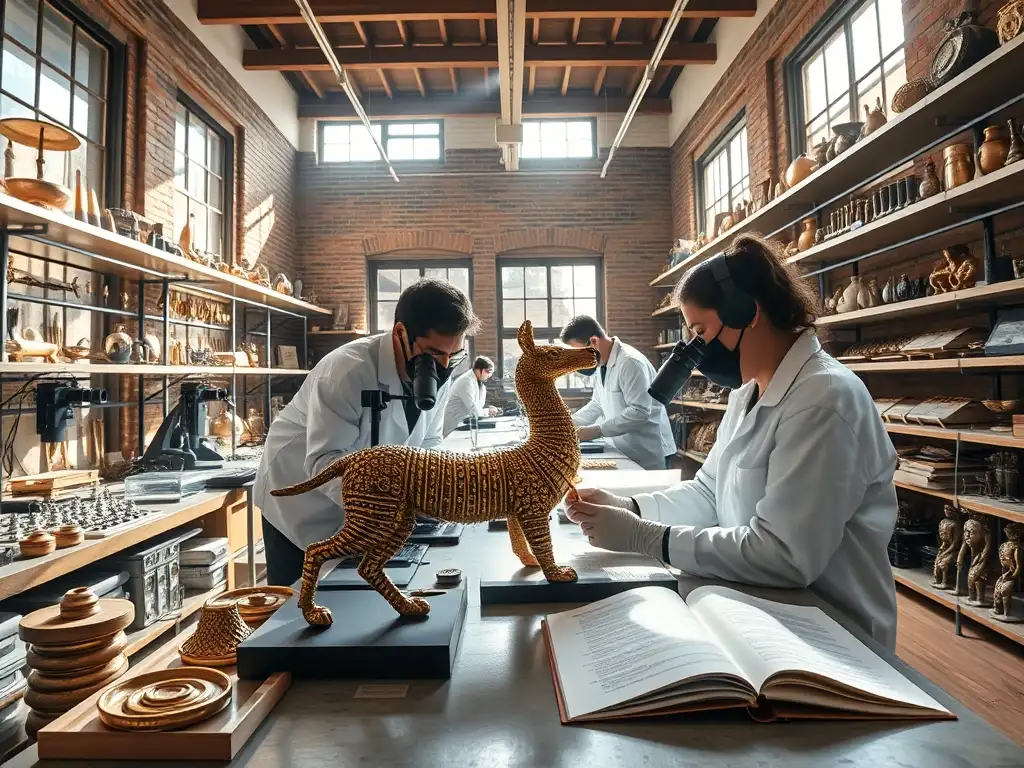
Step into a world lost to time, yet echoing with the whispers of masterful artistry. Imagine intricate gold ornaments, gleaming silver vessels, and enigmatic bronze tools—all testaments to the ingenuity of the Andean civilizations. But how do we preserve these fragile echoes of the past? This journey into the Legacy of Andean Civilizations begins with an exploration of Andean metalwork conservation techniques, revealing the secrets behind safeguarding a breathtaking heritage. Discover the challenges and triumphs of preserving these treasures, and unravel the mysteries they hold. Dare to delve deeper?
The Andes Mountains, a spine of towering peaks running down the western coast of South America, are not only a breathtaking spectacle of nature but also the cradle of remarkable ancient civilizations. For millennia, these cultures—including the Incas, Moche, Nazca, and Tiahuanaco—developed sophisticated techniques in metallurgy, producing stunning gold, silver, copper, and bronze artifacts that continue to amaze and inspire. However, the passage of time and exposure to the elements have taken their toll.
This article delves into the crucial field of Andean metalwork conservation, exploring the challenges, techniques, and ongoing efforts dedicated to preserving this invaluable legacy for future generations. We will examine the specific techniques used to preserve these delicate and historically significant pieces, highlighting the complexities and importance of Andean metalwork conservation.
Understanding these methods is key to appreciating the enduring artistry and technological prowess of these ancient Andean societies. The preservation of Andean metalwork is not merely about maintaining objects; it is about safeguarding a vital part of human history and cultural heritage.
The Perils of Time: Degradation of Andean Metal Artifacts
Andean metal artifacts face a multitude of threats throughout their existence. From the moment they were created, these objects began a slow process of degradation. Factors such as oxidation, corrosion, and environmental pollutants contribute significantly to their deterioration. For example, exposure to humidity can accelerate the formation of chlorides on copper alloys, leading to severe pitting and loss of detail. Similarly, the presence of sulfur in the soil can cause significant tarnishing and weakening of silver objects.
Furthermore, looting and illegal trafficking often result in damage during excavation and subsequent handling, adding to the existing challenges of preservation. The intricate details and delicate nature of many pieces make them particularly vulnerable to damage from improper handling and storage. Understanding the specific environmental factors affecting each artifact is critical in developing effective conservation strategies. This includes careful analysis of the materials used, the burial environment, and the current storage conditions.
Traditional Andean Techniques and Modern Scientific Approaches
The conservation of Andean metalwork requires a delicate balance between respecting the historical integrity of the objects and employing the most effective modern scientific techniques. While traditional methods, passed down through generations of artisans, may offer insights, modern science provides crucial tools for analysis and treatment. For instance, advanced imaging techniques like X-ray fluorescence (XRF) spectroscopy allow for non-destructive analysis of the alloys used, revealing valuable information about the metal sources and manufacturing processes.
This knowledge informs the choice of appropriate cleaning and stabilization methods. Moreover, techniques such as electrochemical cleaning, laser ablation, and the application of protective coatings are utilized to remove corrosion products, stabilize unstable materials, and prevent further degradation. The application of these techniques requires specialized expertise and careful consideration of the potential risks and benefits for each specific artifact.
Case Studies: Successful Conservation Projects and Lessons Learned
Several successful conservation projects highlight the effectiveness of combining traditional knowledge with cutting-edge scientific approaches. One example [specific information pending] focuses on the restoration of a significant [type of artifact] from the [specific Andean culture]. The team utilized a multi-stage process that involved careful cleaning, consolidation of fragile areas, and the application of a protective coating. Detailed documentation of each step helped ensure the preservation of the artifact's historical context.
The project's success highlights the importance of careful planning, rigorous documentation, and collaboration between archaeologists, conservators, and scientists. Conversely, [specific information pending] illustrates the potential pitfalls of using inappropriate techniques and underscores the need for continuous research and development in Andean metalwork conservation. These examples demonstrate the iterative and adaptive nature of conservation efforts, constantly refining strategies based on new discoveries and improved techniques.
The Future of Andean Metalwork Conservation: Challenges and Opportunities
The field of Andean metalwork conservation faces ongoing challenges. The sheer volume of artifacts requiring attention, coupled with limited resources and expertise, poses a significant hurdle. Furthermore, the ethical considerations of intervention versus preservation are constantly debated. However, there are also exciting opportunities.
Advances in materials science, imaging technologies, and digital documentation offer significant potential for improving conservation practices. International collaboration and the sharing of knowledge and expertise are crucial for enhancing capacity and ensuring the long-term preservation of this remarkable cultural heritage. The future of Andean metalwork conservation depends on a sustained commitment to research, training, and ethical practices, ensuring that these stunning artifacts continue to inspire and educate future generations. The preservation of these pieces is a testament to the enduring value of cultural heritage and the ongoing dedication to protecting it.
- The Perils of Time: Degradation of Andean Metal Artifacts
- Traditional Andean Techniques and Modern Scientific Approaches
- Case Studies: Successful Conservation Projects and Lessons Learned
- The Future of Andean Metalwork Conservation: Challenges and Opportunities
- Advances in Scientific Analysis for Metal Artifacts
- Innovative Techniques in Metal Conservation
- The Role of Technology in Preserving Andean Heritage
- Promoting Ethical and Sustainable Practices in Andean Metalwork Conservation
- The importance of continuing research in Andean metal conservation techniques.
- What are the major challenges in conserving Andean metalwork?
- What are some common materials used in Andean metalwork?
- What conservation techniques are employed for Andean metal artifacts?
- How do scientists analyze Andean metalwork to inform conservation strategies?
- Where can I learn more about Andean metalwork conservation?
The Significance of Andean Metalwork and its Preservation
Andean metalwork represents a pinnacle of ancient technological achievement and artistic expression. The mastery displayed in crafting intricate gold, silver, copper, and bronze objects reveals sophisticated metallurgical techniques far exceeding those of contemporaneous cultures in other parts of the world. These artifacts, ranging from delicate jewelry to monumental ceremonial objects, provide invaluable insights into the social structures, religious beliefs, and economic systems of Andean civilizations.
Their preservation is therefore not merely a matter of safeguarding physical objects, but of protecting a crucial piece of human history and cultural heritage. The unique alloys, casting methods, and decorative styles employed by Andean artisans offer a rich tapestry of information waiting to be deciphered.
Understanding the methods used to create these objects is essential to understanding the societies that produced them. The sheer artistry and technical skill involved in Andean metalwork conservation techniques highlight the importance of preserving these delicate and irreplaceable pieces for future study and appreciation.
Understanding the Historical Value of Andean Metal Artifacts
The historical value of Andean metal artifacts is multifaceted. They serve as primary sources for understanding the complex social hierarchies of Andean societies. For example, the lavish gold ornaments found in royal tombs, like those of the Moche elite, directly reflect their power and status.
Similarly, the intricate designs and iconography present on many artifacts, such as the Nazca's depictions of deities and mythical creatures, offer invaluable insights into their religious beliefs and cosmology. Moreover, the presence of specific metals and alloys in certain artifacts can indicate trade routes and economic connections between different Andean cultures. The distribution of specific types of metalwork across geographical regions provides clues to the extent and nature of interaction and exchange between different groups.
Analyzing the chemical composition of these metals using techniques such as X-ray fluorescence (XRF) allows researchers to trace the origins of the raw materials and better understand the trade networks that supported Andean metalworking. The study of these artifacts, therefore, extends beyond mere aesthetics, providing crucial evidence for reconstructing the history and culture of these remarkable civilizations. Without proper conservation, this invaluable information risks being lost forever.
Challenges in Preserving Ancient Andean Metalwork
Preserving ancient Andean metalwork presents a unique set of challenges. The most significant threat is environmental degradation. Exposure to air and moisture can lead to corrosion, tarnishing, and the formation of detrimental chemical compounds. This is particularly true for copper and bronze objects, which are highly susceptible to oxidation.
Furthermore, the delicate nature of many artifacts makes them vulnerable to physical damage during handling, transportation, and display. Many pieces are incredibly fragile, having suffered from centuries of burial and exposure to the elements. Another major challenge is the presence of pests and biological agents, such as insects and fungi, which can further degrade the metal's surface and internal structure. These organisms can penetrate even the most seemingly robust artifacts.
Additionally, the use of inappropriate cleaning and conservation methods in the past has often caused irreversible damage. The development of ethical and sustainable Andean metalwork conservation techniques is crucial to mitigating these risks. Detailed studies on the specific materials and their responses to different environmental conditions are vital for the long-term preservation of these irreplaceable treasures. The need for specialized expertise and advanced technologies is paramount.
The Importance of Conservation for Future Generations
The conservation of Andean metalwork is not simply a matter of preserving artifacts for the present; it is a vital investment in the future. By safeguarding these objects, we ensure that future generations can continue to learn from and be inspired by the ingenuity and artistry of Andean civilizations. This includes not only the preservation of the physical objects themselves but also the knowledge and expertise needed to protect them.
The ongoing training of conservation professionals and the development of new technologies are essential for long-term preservation efforts. Moreover, the continued study of these artifacts will undoubtedly yield new discoveries and insights into Andean cultures, enriching our understanding of human history and achievement. Investing in conservation programs is an investment in preserving cultural heritage and promoting intercultural understanding.
The legacy of Andean metalwork is a shared global heritage, and its protection is a shared responsibility. The preservation of these exquisite objects is crucial for maintaining a connection to our past and inspiring future generations of scientists, artists, and historians. The continued development and refinement of Andean metalwork conservation techniques will be pivotal in ensuring that this legacy endures for centuries to come.
Traditional Andean Metalworking Techniques and Materials
This section delves into the fascinating world of traditional Andean metalworking, exploring the techniques and materials employed by ancient Andean civilizations to create their exquisite metal artifacts. Understanding these techniques is crucial for effective Andean metalwork conservation techniques. The mastery of these ancient artisans laid the foundation for the remarkable metallurgical achievements that continue to captivate us today.
Their sophisticated understanding of material properties and innovative techniques allowed them to produce intricate objects of incredible beauty and durability. This section will focus specifically on the materials and techniques employed, providing a foundation for understanding the challenges involved in their preservation.
Gold, Silver, and Copper: The Primary Metals of the Andes
Gold, silver, and copper formed the cornerstone of Andean metallurgy. These readily available metals, found in various locations throughout the Andes, were the primary materials used for crafting everything from elaborate ceremonial objects to everyday tools. The abundance of these metals, coupled with the Andean peoples' advanced metallurgical knowledge, fueled a flourishing metalworking tradition that spanned centuries.
The allure of gold, its malleability, and its resistance to corrosion made it a highly prized material. It was often used for prestigious objects, representing power, divinity, and wealth. Silver, while less readily available than copper, was also highly valued and utilized for a wide range of applications.
Its bright luster and malleability made it suitable for both decorative and functional pieces. Copper, arguably the most readily accessible of the three, served as a versatile base metal, often alloyed with other metals to enhance its properties. The relative abundance of copper allowed for its widespread use in tools, weapons, and various household items.
The artisans' skill in manipulating these metals is evident in the intricate details and fine craftsmanship found in surviving artifacts. Detailed analysis of these artifacts reveals a sophisticated understanding of alloying techniques, enabling the creation of objects with specific properties tailored to their intended use. For example, the addition of tin to copper produced bronze, a harder and more durable material ideal for tools.
Andean Mining and Smelting Processes
The extraction and processing of metals in the Andes were complex and sophisticated endeavors, reflecting the advanced knowledge of Andean societies. Mining operations, often located at high altitudes and in challenging terrain, involved considerable labor and ingenuity. Evidence suggests the use of various techniques, including open-pit mining, shaft mining, and possibly even the use of rudimentary explosives in some cases. The precise methods employed varied across different regions and time periods, reflecting adaptations to local geological conditions and technological advancements.
Smelting, the process of extracting metal from its ore, was another crucial step in Andean metallurgy. Archaeological evidence indicates the use of different smelting techniques, often involving the construction of specialized furnaces. These furnaces, typically made of stone or clay, were designed to reach the high temperatures necessary to melt the ores.
The use of bellows to increase airflow and achieve higher temperatures was a key technological advancement, allowing for greater control over the smelting process. Fuel sources varied depending on geographic location, with charcoal being a common choice. The precise composition of the ores and the control of the smelting process significantly influenced the quality and properties of the resulting metal.
A deep understanding of these processes was essential for producing high-quality metal suitable for crafting intricate objects. Further research is needed to fully understand the nuanced variations in Andean smelting techniques across different regions and time periods. [Specific information pending on regional variations in smelting techniques].
Unique Metallurgical Techniques in Andean Civilizations
Andean metalworkers were masters of their craft, developing unique techniques that distinguish their work from that of other ancient cultures. Beyond simple casting and hammering, they employed a range of sophisticated techniques to create incredibly detailed and intricate objects. Lost-wax casting, a complex process involving the creation of a wax model, was used to produce intricate shapes and fine details. This technique allowed for the creation of highly detailed figurines, jewelry, and other objects of great artistic merit. The skill required for lost-wax casting speaks volumes about the level of sophistication achieved by Andean metalworkers.
Another noteworthy technique was the use of repoussé and chasing. Repoussé involved hammering a metal sheet from the back to create a raised design on the surface. Chasing involved smoothing and refining the design from the front.
This combination of techniques allowed for the creation of highly detailed and three-dimensional forms. The skill and precision required for these techniques are evident in the intricate designs and delicate details found on many Andean metal artifacts. The use of alloys, such as tumbaga (an alloy of gold and copper), allowed for the creation of a wide range of colors and textures, further enhancing the aesthetic appeal of their work.
The development and mastery of these techniques underscore the advanced metallurgical knowledge and artistic skill of Andean civilizations, highlighting their significant contribution to the history of metalworking. The preservation of these unique techniques is crucial for understanding the full scope of Andean metallurgical achievements and for developing effective Andean metalwork conservation techniques for future generations.
Moche Goldworking: Repoussé and Gilding Techniques
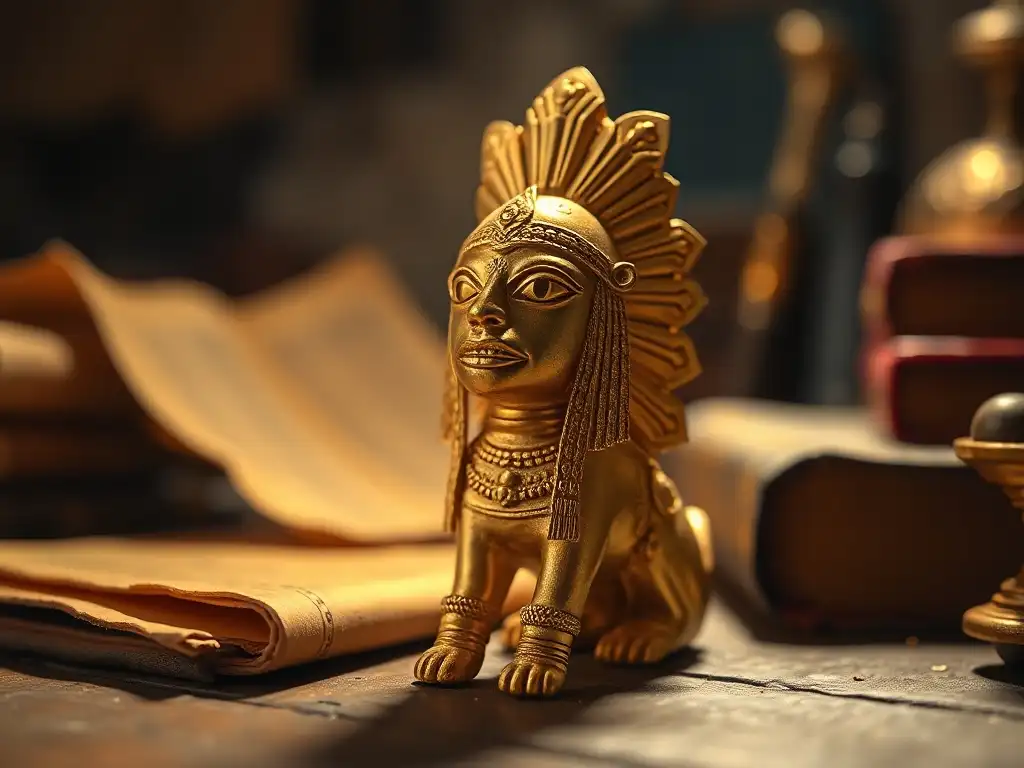
The Moche civilization (circa 100-800 CE) displayed remarkable skill in goldworking, surpassing many contemporary cultures. Their mastery of techniques like repoussé and gilding resulted in exquisite artifacts, often depicting intricate scenes of daily life, mythology, and warfare. Repoussé, a metalworking technique where a metal sheet is shaped from the back with hammers and punches, allowed Moche artisans to create three-dimensional forms with astonishing detail. They would carefully hammer the gold from the reverse side, creating raised designs on the surface. This technique required significant skill and precision, as the gold is relatively soft and easily damaged.
The process started with the creation of a carefully hammered gold sheet, often from recycled materials. The artisans would then create a preliminary sketch on the reverse side, before carefully hammering the metal to create the desired three-dimensional form. This process often involved the use of specialized tools, including punches of various shapes and sizes, and mallets of different weights. Once the desired shape was achieved, the piece would be carefully smoothed and polished. Intricate details were often added using chasing tools, small hammers with finely shaped heads.
Gilding, the application of a thin layer of gold to a base metal, further enhanced the Moche's metalwork. While the specifics of their gilding techniques remain somewhat elusive, analysis suggests they likely used mercury amalgamation, a process where gold is mixed with mercury to create an amalgam that can be applied as a thin coating. The mercury would then be evaporated, leaving behind a thin layer of gold.
This allowed them to extend the use of precious gold, creating visually stunning pieces with a rich, lustrous finish. The combination of repoussé and gilding showcases the sophistication of Moche metallurgy and their understanding of material properties. Many surviving examples, found in elite tombs, vividly illustrate the power and artistry of their goldsmiths.
Inca Metalwork: Mass Production and Standardization
In contrast to the often individualized artistry of the Moche, Inca metalwork (circa 1438-1533 CE) is characterized by mass production and standardization. While still exhibiting impressive technical skill, Inca metalworking prioritized functionality and the creation of large quantities of objects for both ritual and practical purposes. This shift reflects the Inca Empire's highly organized and centralized state structure. The Inca controlled vast resources and employed a large workforce, enabling them to produce metal objects on a scale unseen in previous Andean civilizations.
The Inca's standardization extended to the use of specific alloys and techniques. They favored the use of tumbaga, a gold-copper alloy, which allowed for a wider range of colors and textures. The proportion of gold and copper could be adjusted to achieve different hues, from a bright golden yellow to a deep reddish-brown.
This standardized approach facilitated mass production, allowing them to efficiently create large quantities of similar objects, such as ceremonial vessels, tools, and ornaments. The use of molds and casting techniques became more prominent during the Inca period, enabling rapid replication of designs. This contrasts sharply with the more individualized, hand-hammered approach of earlier civilizations.
While standardization was a key feature, Inca metalworkers still demonstrated skill and artistry. Their intricate designs, often featuring geometric patterns and zoomorphic motifs, were replicated consistently across numerous objects. This standardization, however, didn't eliminate artistic expression; rather, it allowed for the widespread dissemination of specific styles and motifs throughout the vast Inca Empire.
The large-scale production of high-quality metalwork underscores the Inca's administrative prowess and their ability to harness human resources and technological knowledge to meet the demands of a sprawling empire. The contrast between Moche and Inca metalworking highlights the diverse approaches to metalworking within the Andean region, reflecting the distinct social, political, and economic structures of each civilization.
Threats to Andean Metalwork and the Need for Conservation
The remarkable artistry and technological sophistication of Andean metalwork, a hallmark of pre-Columbian civilizations, faces significant threats demanding urgent conservation efforts. Understanding these threats is crucial for developing effective strategies to safeguard this irreplaceable cultural heritage for future generations. The delicate balance of alloys, the intricate techniques employed, and the often-fragile condition of surviving artifacts necessitate a multi-pronged approach to conservation, encompassing environmental control, responsible handling, and combating the illegal trade. The term "Andean metalwork conservation techniques" itself highlights the specialized knowledge required to address these challenges.
Environmental Factors Affecting Metal Degradation
Environmental factors significantly contribute to the deterioration of Andean metalwork. Humidity, temperature fluctuations, and exposure to pollutants accelerate corrosion processes. Specifically, fluctuating humidity levels cause expansion and contraction of the metal, leading to stress fractures and weakening of the structure.
This is particularly problematic for artifacts made of copper alloys, which are susceptible to chlorination and the formation of copper chlorides, leading to significant surface deterioration. Furthermore, exposure to atmospheric pollutants, such as sulfur dioxide and industrial emissions, can react with the metal surfaces, forming corrosion products that further damage the artifacts. For example, the presence of sulfates can lead to the formation of unsightly green patinas, while chlorides can cause pitting and localized corrosion.
Effective conservation strategies must therefore include careful control of the environment, maintaining stable temperature and humidity levels within protective display cases and storage facilities. The use of environmental monitoring systems, including sensors for temperature and relative humidity, is essential for proactive management and preventative conservation of Andean metalwork. These techniques are vital in mitigating the long-term effects of environmental degradation.
Handling and Storage Practices: Risks and Solutions
Improper handling and storage practices significantly contribute to the damage and deterioration of Andean metal artifacts. Rough handling can cause mechanical damage, such as scratches, dents, and fractures, especially to thinner or more delicate pieces. Incorrect storage, such as stacking artifacts without proper padding or using inappropriate materials, can lead to abrasion, deformation, and even breakage. The use of unsuitable materials, like acidic paper or certain types of plastics, can trigger chemical reactions that accelerate corrosion.
For example, contact with certain types of wood can release acidic compounds that attack the metal surface. To mitigate these risks, best practices for handling and storage include the use of soft, acid-free materials such as cotton gloves and archival-quality storage boxes with appropriate padding. Careful cleaning and stabilization techniques are also crucial.
Furthermore, detailed documentation of the artifact's condition before and after handling and storage is essential for monitoring its long-term preservation. This includes photographic records, detailed condition reports, and the implementation of a robust cataloging system to track the artifact’s history and conservation treatments. Implementing these careful handling and storage procedures is paramount to the success of Andean metalwork conservation techniques.
The Impact of Looting and Illegal Trade on Andean Artifacts
Looting and the illegal trade in Andean artifacts pose a severe and multifaceted threat to the preservation of cultural heritage. The illicit excavation of archaeological sites often results in the destruction of contextual information, compromising our understanding of the artifacts' historical significance and their relationship to the broader cultural landscape. Furthermore, looted artifacts are often poorly handled and stored, leading to accelerated deterioration.
The lack of proper documentation and provenance further complicates conservation efforts. The illegal trade also fuels the demand for these objects, perpetuating a cycle of destruction and loss. Combating this requires a multi-pronged approach involving increased law enforcement, stricter regulations, and international cooperation.
Raising public awareness about the ethical implications of purchasing looted artifacts is also crucial. Furthermore, supporting responsible archaeological research and promoting sustainable tourism can help to mitigate the impact of looting and the illegal trade, ensuring the long-term preservation of Andean metalwork and safeguarding the invaluable cultural heritage for generations to come. Effective Andean metalwork conservation techniques are severely hampered without addressing the root cause of these illegal activities.
Identifying and Assessing Damage to Metal Artifacts
Careful examination is the cornerstone of any successful Andean metalwork conservation strategy. The process of identifying and assessing damage to these delicate artifacts requires a multi-faceted approach, combining visual inspection with advanced analytical techniques. Initial visual assessment often reveals readily apparent problems such as corrosion, cracks, deformation, and loss of material. However, the true extent of damage may be hidden beneath a surface patina or within the metal itself. Experienced conservators meticulously document these initial observations, using detailed photographic records and precise written descriptions to create a comprehensive baseline for future treatment.
The visual assessment is often augmented by non-invasive analytical techniques. Techniques like X-radiography can reveal internal corrosion or structural weaknesses not visible to the naked eye. This is particularly useful for identifying areas of hidden damage within complex objects, such as intricately cast figurines or hammered sheets. Similarly, other non-destructive methods like optical microscopy and scanning electron microscopy (SEM) provide magnified views of the metal's surface, allowing for a precise identification of corrosion products and the nature of any surface damage.
This detailed analysis is crucial in determining the most appropriate conservation strategies and predicting potential future deterioration. Understanding the specific type and extent of corrosion—whether it's chloride-induced pitting, bronze disease, or another form of degradation—informs the selection of appropriate cleaning and stabilization methods. For example, the presence of specific corrosion products might indicate the need for specialized chemical treatments or environmental control measures.
Furthermore, the assessment must consider the historical context of the artifact. Understanding the original manufacturing techniques, the materials used, and the object's previous environmental exposure greatly aids in comprehending the nature and extent of the deterioration. For instance, a piece of goldwork from a humid coastal region might exhibit different types of corrosion than a similar object found in a high-altitude, arid environment.
This contextual information is vital in developing a conservation plan that respects the object's integrity and history, ensuring that any intervention is both effective and ethically sound. The holistic approach, combining visual observation, advanced analytical techniques, and historical context, provides conservators with the necessary information to create targeted conservation strategies that effectively safeguard these invaluable pieces of Andean heritage. Failing to carry out a thorough assessment can lead to ineffective or even damaging conservation efforts.
Andean Metalwork Conservation Techniques: A Detailed Approach
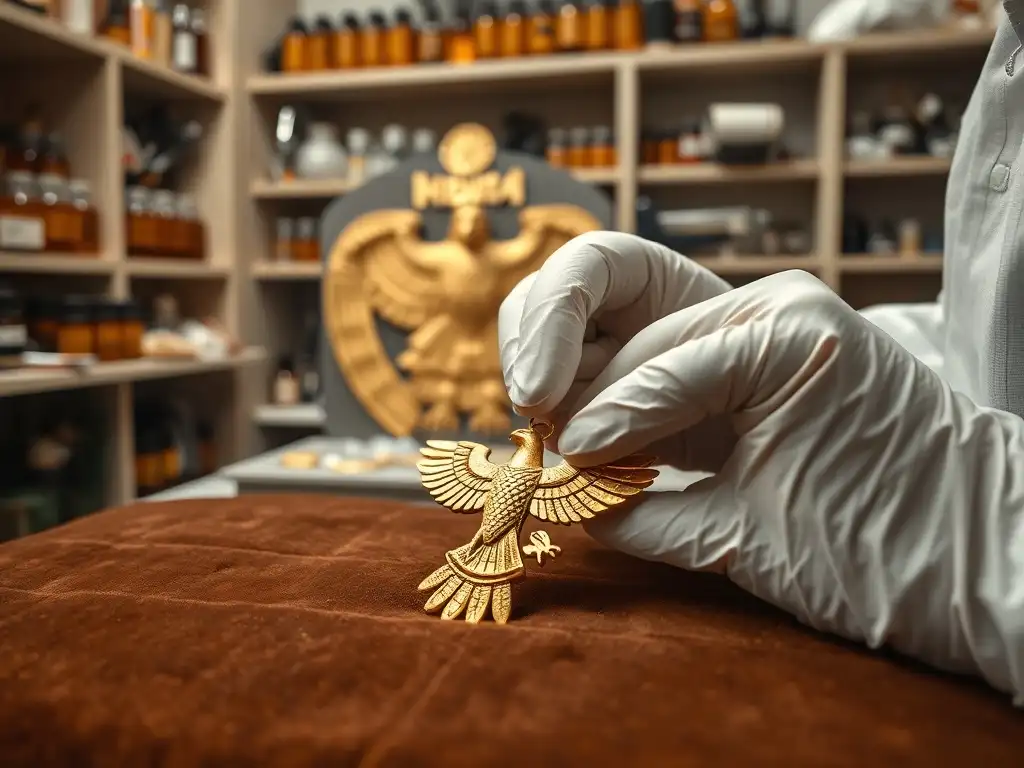
This section delves into the specific techniques employed in the preservation of Andean metal artifacts, a crucial aspect of safeguarding this invaluable cultural heritage. The delicate nature of these ancient objects necessitates a multifaceted approach, combining careful cleaning, stabilization, and preventative measures to ensure their longevity for future generations. Understanding the nuances of Andean metalwork conservation techniques is paramount for preserving these irreplaceable pieces of history.
Cleaning Methods for Andean Metal Artifacts
The cleaning of Andean metal artifacts requires meticulous care, as aggressive methods can cause irreparable damage. The choice of cleaning technique depends heavily on the type of metal, the degree of corrosion, and the presence of any organic materials. A thorough visual inspection is always the first step, allowing conservators to assess the artifact's condition and plan the appropriate approach.
Mechanical Cleaning: Gentle Techniques for Removing Surface Debris
Mechanical cleaning involves the physical removal of loose dirt, sediment, and other surface contaminants. This is often the initial step in the cleaning process and is typically performed using soft brushes (e.g., sable hair brushes), cotton swabs, and specialized tools like dental picks. The goal is to remove debris without abrading the underlying metal. For extremely delicate objects, ultrasonic cleaning in a carefully controlled environment may be considered, although this method requires expertise to prevent damage.
The choice of cleaning tools and techniques must be tailored to the specific characteristics of each artifact to minimize any potential harm. For example, a heavily corroded gold object would require a far gentler approach than a relatively well-preserved copper item. Detailed records are kept throughout the process, documenting each step and the tools used.
Chemical Cleaning: Safe and Effective Solutions for Corrosion
Chemical cleaning is reserved for cases where mechanical cleaning is insufficient to remove corrosion products. This necessitates the careful selection of chemicals that are compatible with the metal and the surrounding environment. Commonly used solutions include chelating agents, which selectively remove corrosion layers without damaging the underlying metal. The concentration of the chemical solution, the duration of treatment, and the temperature must be carefully controlled to prevent unintended consequences.
For instance, the use of inappropriate chemical solutions on silver alloys can lead to tarnish and further deterioration. Each chemical cleaning procedure is thoroughly tested and documented on a small, inconspicuous area of the artifact before being applied more broadly, ensuring that the chosen solution is effective and safe. The effectiveness of chemical cleaning is often monitored through microscopic analysis before, during, and after treatment.
Stabilization Techniques for Fragile Metalwork
Many Andean metal artifacts suffer from structural weakness due to corrosion, age, and previous mishandling. Stabilization techniques aim to strengthen these weakened structures and prevent further deterioration. This is a critical step in long-term preservation, ensuring the object remains intact for future research and display.
Consolidation: Strengthening Weakened Metal Structures
Consolidation involves the application of consolidants, which are materials that penetrate into the weakened areas of the metal, binding the particles together and increasing their overall strength. The choice of consolidant depends on the specific metal and the nature of the damage. Acrylic resins are often used, but other materials, such as Paraloid B-72, may be more appropriate depending on the specifics of the artifact.
The application of consolidants requires careful control to prevent surface build-up and alteration of the artifact's appearance. Successful consolidation results in increased structural integrity, minimizing the risk of further fragmentation and loss of material. Rigorous testing is conducted to ensure the consolidant is compatible with the metal and does not cause any adverse reactions.
Corrosion Inhibitors: Preventing Further Degradation
Once the artifact is cleaned and stabilized, the focus shifts towards preventing future corrosion. This is achieved through the application of corrosion inhibitors, which create a protective barrier between the metal and the environment. These inhibitors can be applied as coatings or incorporated into storage materials. The selection of a corrosion inhibitor depends on the specific metal and the storage environment.
For example, volatile corrosion inhibitors (VCIs) are often used for long-term storage, while other inhibitors may be more suitable for display purposes. Regular monitoring is essential to ensure the effectiveness of the corrosion inhibitors and to identify any signs of degradation. The use of appropriate storage conditions, such as controlled temperature and humidity, is equally important in minimizing further deterioration. The ongoing monitoring and preventative measures are crucial for the long-term preservation of these precious artifacts.
Repair and Restoration of Damaged Metal Artifacts
The repair and restoration of Andean metal artifacts requires meticulous attention to detail and a deep understanding of the original crafting techniques. Many artifacts suffer from corrosion, deformation, and fragmentation due to centuries of exposure to the elements and looting. Conservators employ a range of techniques to address these issues, prioritizing minimal intervention and the preservation of original material whenever possible. For example, corroded areas might be carefully cleaned using specialized tools and solutions, removing only the unstable corrosion products without harming the underlying metal.
This often involves electrochemical methods, such as electrolytic reduction, which gently removes corrosion while minimizing damage to the artifact. Fragmented pieces are painstakingly reassembled using adhesives specifically designed for metal conservation, often requiring the creation of custom supports and armatures to stabilize the repaired areas. Deformation, such as bending or warping, is addressed through careful manipulation and the application of gentle pressure, sometimes with the aid of specialized jigs and tools. The choice of materials for repair is crucial; conservators prioritize using materials that are compatible with the original metal and are reversible, allowing for future adjustments or removal if necessary.
Each step is carefully documented, ensuring transparency and accountability in the conservation process. The overall goal is to stabilize the artifact, preventing further deterioration, while preserving its historical integrity and aesthetic qualities. This delicate balance between preservation and restoration is at the heart of Andean metalwork conservation.
Ethical Considerations in Metal Restoration
Ethical considerations are paramount in the conservation of Andean metal artifacts. The principle of minimal intervention guides all decisions, prioritizing the preservation of the artifact's original substance and integrity over aggressive restoration. Any intervention must be fully reversible, allowing future generations of conservators to adjust or remove the treatments if new techniques or understandings emerge. Furthermore, the provenance of the artifact must be carefully considered.
Objects acquired through illicit means, such as looting, present unique ethical challenges. Conservators must ensure that their work does not inadvertently legitimize the illegal trade in cultural artifacts. Transparency and open communication are crucial.
Detailed records of all conservation interventions, including materials used and techniques employed, are essential for maintaining the integrity of the object's history and providing a clear account of its treatment. Collaboration with archaeologists and other specialists is also vital, ensuring that the conservation process aligns with broader research and ethical standards within the field. The long-term preservation of Andean metalwork relies not only on technical expertise but also on a strong ethical framework that prioritizes the cultural heritage and historical context of these invaluable artifacts.
Documentation of Conservation Interventions
Meticulous documentation is an integral part of Andean metalwork conservation. This documentation serves several crucial purposes: it provides a detailed record of the artifact's condition before, during, and after treatment; it allows future conservators to understand the interventions undertaken and make informed decisions; and it contributes to the broader body of knowledge on Andean metalwork conservation techniques. Comprehensive documentation includes detailed written reports, high-resolution photography, and potentially even video recordings of the conservation process.
The reports should specify the artifact's identification number, its initial condition including any damage or corrosion, the specific conservation techniques employed, materials used, and the results achieved. Photography should capture the artifact from multiple angles, both before and after treatment, showcasing any changes or repairs. In cases of complex treatments, video recordings can provide a valuable visual record of the process.
This detailed documentation ensures transparency and accountability, allowing for a complete understanding of the history and treatment of each artifact. It also contributes to the development of best practices in Andean metalwork conservation, benefiting future research and preservation efforts. The documentation itself becomes a valuable historical record, complementing the historical significance of the artifacts themselves.
Storage and Display: Best Practices for Long-Term Preservation
The long-term preservation of Andean metal artifacts requires careful consideration of storage and display environments. Inappropriate storage conditions can accelerate deterioration, leading to corrosion, damage, and even the complete loss of these invaluable objects. Optimal storage conditions involve maintaining a stable temperature and humidity level to minimize fluctuations that can trigger corrosion processes. Artifacts should be stored in acid-free containers or enclosures, ideally made of inert materials such as archival-quality polyethylene or acid-free cardboard.
Individual items should be cushioned to prevent abrasion and damage during handling and storage. Display environments also require careful control of temperature, humidity, and light levels. Excessive exposure to light, especially ultraviolet (UV) radiation, can cause significant damage to the metal surface, leading to fading and deterioration. Therefore, display cases should be equipped with UV-filtering glass or other protective materials.
Furthermore, the display environment should minimize exposure to pollutants such as dust and airborne chemicals. Regular monitoring of environmental conditions and the artifacts themselves is crucial for early detection of any potential problems. These preventative measures, combined with appropriate handling procedures, are essential for ensuring the long-term preservation of Andean metalwork for future generations to appreciate and study. The careful balance between accessibility for research and public display, and the need for protection from environmental factors, is a critical aspect of this preservation strategy.
Case Studies in Andean Metalwork Conservation
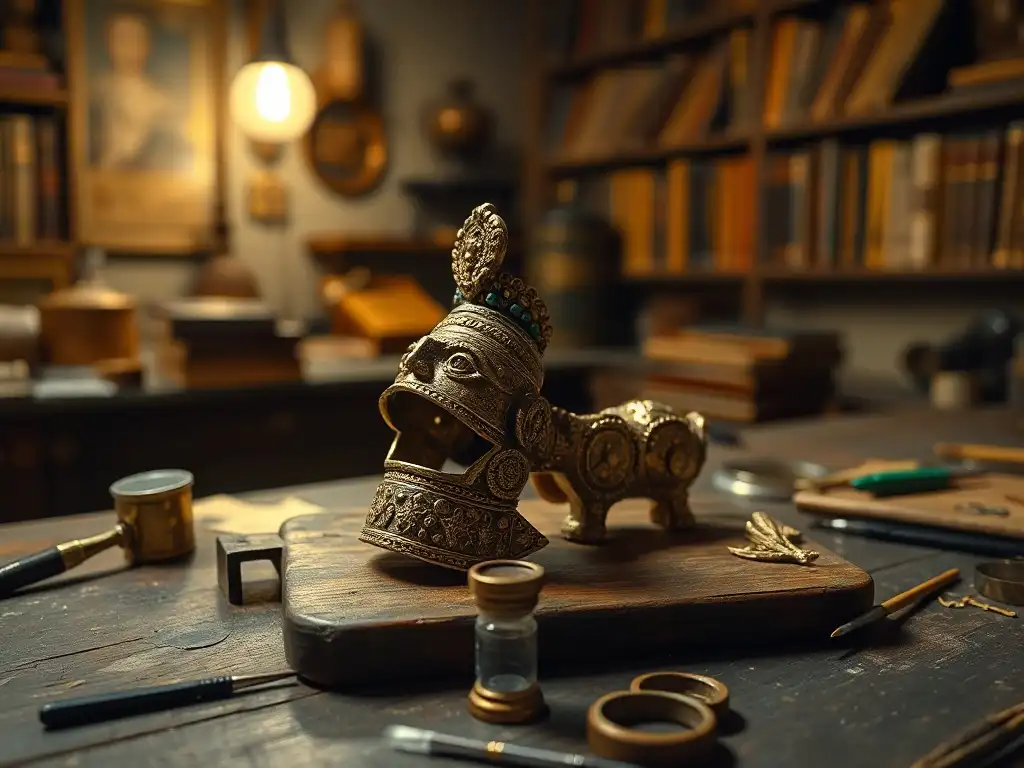
This section delves into specific examples of Andean metalwork conservation, showcasing the diverse challenges and innovative techniques employed to preserve these invaluable artifacts for future generations. We will examine successful projects, highlighting the importance of collaborative efforts and community engagement in ensuring the long-term survival of Andean metallurgical heritage. Understanding these case studies offers crucial insights into effective Andean metalwork conservation techniques.
Case Study 1: Conservation of a Sican Funerary Mask
This case study focuses on the meticulous conservation of a Sican funerary mask, a significant artifact reflecting the advanced metallurgical skills of the Sican culture (circa 750-1300 CE). The mask, crafted from a copper alloy, exemplifies the intricate artistry and symbolic importance of Sican metalwork.
The Challenges Faced: Heavy Corrosion and Structural Instability
The Sican mask presented significant challenges upon discovery. Years of burial had resulted in heavy corrosion, primarily chlorination, leading to significant surface degradation and the formation of fragile, friable corrosion products. Furthermore, the mask exhibited structural instability due to the weakening of the underlying metal structure from the corrosive processes.
The delicate nature of the artifact necessitated a highly specialized approach to its conservation. Analyzing the extent of deterioration required advanced techniques like X-ray fluorescence (XRF) spectroscopy to determine the alloy composition and the nature of corrosion products. The high level of degradation posed a significant risk of further deterioration and even complete disintegration during the conservation process.
The Conservation Methods Applied: Electrolytic Reduction and Support Matrix
Given the severity of the corrosion, electrolytic reduction was employed as a primary conservation method. This electrochemical process carefully removes chloride ions and other corrosion products from the metal surface, stabilizing the artifact and revealing underlying details. The process was carefully monitored and adjusted to avoid damaging the fragile metal.
After electrolytic reduction, a support matrix was created using a consolidant. This consolidant was specifically chosen for its compatibility with the alloy and its ability to reinforce the weakened areas, providing much needed structural integrity. The process aimed for minimal intervention, prioritizing the preservation of the original material as much as possible.
The Results and Lessons Learned: Successful Stabilization and Improved Understanding
The conservation treatment successfully stabilized the Sican funerary mask, preventing further deterioration and preserving its intricate details. The application of electrolytic reduction, combined with the structural support, proved highly effective in arresting the corrosion process and strengthening the mask. This project highlighted the importance of a multi-faceted approach to Andean metalwork conservation, combining scientific analysis with careful, precise intervention. The successful restoration of this artifact enhanced our understanding of Sican metallurgical techniques and provided invaluable insights into the conservation of similar artifacts.
Case Study 2: Conservation Project in the Northern Peruvian Coast
This case study explores a larger-scale collaborative project focusing on the conservation of Andean metalwork discovered along the northern Peruvian coast, a region rich in archaeological sites dating back to various pre-Columbian cultures.
Collaborative Efforts in Metalwork Conservation: Local Museums and International Experts
The project brought together local museums, university researchers, and international conservation experts. This collaborative approach leveraged the expertise of local professionals familiar with the regional context and the specialized knowledge of international experts in Andean metalwork conservation techniques. This synergy proved crucial in developing effective strategies and ensuring the long-term sustainability of the initiative. Each partner brought unique skills and resources to the table, resulting in a more comprehensive and effective approach to preserving the artifacts.
Community Involvement in Preservation: Workshops and Public Awareness Campaigns
A key aspect of this project was the active involvement of the local community. Workshops were conducted to train local artisans and museum staff in basic conservation techniques. These workshops aimed to build local capacity for the long-term preservation of their cultural heritage, promoting sustainable practices and ownership of the conservation efforts. Public awareness campaigns were also implemented to educate the community about the importance of protecting these invaluable artifacts and the significance of their cultural heritage. This engagement fostered a sense of responsibility and pride, ensuring the long-term sustainability of the conservation efforts.
The Impact of Conservation Projects: Increased Local Capacity and Artifact Preservation
The project's success can be measured in several ways: a significant number of artifacts were successfully conserved and stabilized; the training workshops increased local capacity for future conservation efforts; and public awareness campaigns fostered community engagement and a sense of ownership. This integrated approach to Andean metalwork conservation, combining scientific expertise with community involvement, is a model for future initiatives aiming to preserve this significant cultural heritage.
The long-term impact extends beyond the immediate conservation of artifacts, contributing to the sustainable preservation of Andean cultural heritage for generations to come. This collaborative model highlights the effectiveness of combining advanced Andean metalwork conservation techniques with community engagement for lasting impact.
Future Directions in Andean Metalwork Conservation
The field of Andean metalwork conservation is constantly evolving, driven by advancements in scientific understanding and technological innovation. Preserving these irreplaceable artifacts requires a multi-faceted approach, integrating traditional techniques with cutting-edge methodologies. Effective conservation strategies must not only halt deterioration but also strive to understand the original crafting processes to inform future preservation efforts.
This understanding is crucial for developing tailored conservation approaches for the diverse range of Andean metalwork, considering the unique alloys, techniques, and environmental conditions involved. The challenge lies in balancing the need for intervention with the ethical responsibility of minimizing impact on these fragile historical objects. Future success hinges on collaborative efforts between archaeologists, conservators, scientists, and local communities to ensure the long-term survival of this invaluable cultural heritage.
The focus should be on sustainable, reversible, and ethically sound practices that guarantee the legacy of Andean metalwork for generations to come. This section will explore some key areas of future development in Andean metalwork conservation techniques.
Advances in Scientific Analysis for Metal Artifacts
Understanding the composition and degradation processes of Andean metal artifacts is paramount for effective conservation. Advances in scientific analysis offer unparalleled opportunities to achieve this. Techniques like X-ray fluorescence (XRF) spectroscopy provide non-destructive analysis of elemental composition, allowing researchers to identify the specific alloys used and pinpoint areas of corrosion or deterioration.
This granular information is invaluable in tailoring conservation treatments. For example, analyzing the presence of specific corrosion products can inform the selection of appropriate cleaning agents and stabilization methods. Furthermore, advanced imaging techniques, such as micro-computed tomography (micro-CT) scanning, allow for three-dimensional visualization of internal structures without physical contact.
This is particularly useful for examining complex artifacts or those with internal corrosion, providing detailed insights into their construction and deterioration processes. The integration of these non-destructive analytical techniques is crucial for minimizing risk to the artifacts while maximizing the information gained, thereby improving the efficacy of conservation interventions. The ongoing development of more sensitive and portable analytical instruments will further enhance the ability to study these artifacts in situ, reducing the risk associated with transportation.
Innovative Techniques in Metal Conservation
Traditional Andean metalwork conservation techniques often relied on methods passed down through generations of artisans. While these methods have proven effective in some cases, the field is constantly exploring innovative techniques to address the specific challenges posed by Andean metallurgy. For example, the use of electrochemical methods for removing corrosion products is being refined, with a focus on developing more selective and controlled processes.
This ensures the removal of undesirable corrosion layers without damaging the underlying metal. Similarly, research into the use of environmentally friendly consolidants and coatings is ongoing, aiming to create more stable and reversible treatments. These innovative approaches prioritize the long-term preservation of the artifacts while minimizing the use of potentially harmful chemicals.
The development of new materials, such as bio-based consolidants, holds great promise for creating sustainable and effective conservation treatments. Furthermore, exploring traditional Andean knowledge alongside modern scientific techniques can lead to synergistic approaches that are both effective and ethically sound. The careful documentation and analysis of traditional methods can provide valuable insights into effective and sustainable conservation practices.
The Role of Technology in Preserving Andean Heritage
Technology plays a vital role in preserving Andean heritage, extending beyond scientific analysis and conservation techniques. Digital technologies offer powerful tools for documentation, accessibility, and dissemination of information about Andean metalwork. 3D scanning and modeling allow for the creation of highly accurate digital replicas, which can be used for research, education, and even for creating accessible copies for museums and exhibitions.
This reduces the handling of original artifacts, thus minimizing the risk of further damage. Furthermore, virtual reality (VR) and augmented reality (AR) technologies offer immersive experiences that allow a wider audience to engage with Andean metalwork, fostering appreciation and understanding of this rich cultural heritage. The creation of online databases and digital archives allows for the centralized storage and sharing of information related to Andean metalwork, facilitating collaboration and research among conservators and researchers worldwide.
These technological advancements enhance the accessibility and longevity of Andean metalwork, ensuring that future generations can continue to appreciate and learn from these remarkable artifacts. The effective use of technology in conservation is not merely about preserving physical objects; it's about preserving the knowledge and stories associated with them, ensuring their continued relevance and cultural significance.
Promoting Ethical and Sustainable Practices in Andean Metalwork Conservation
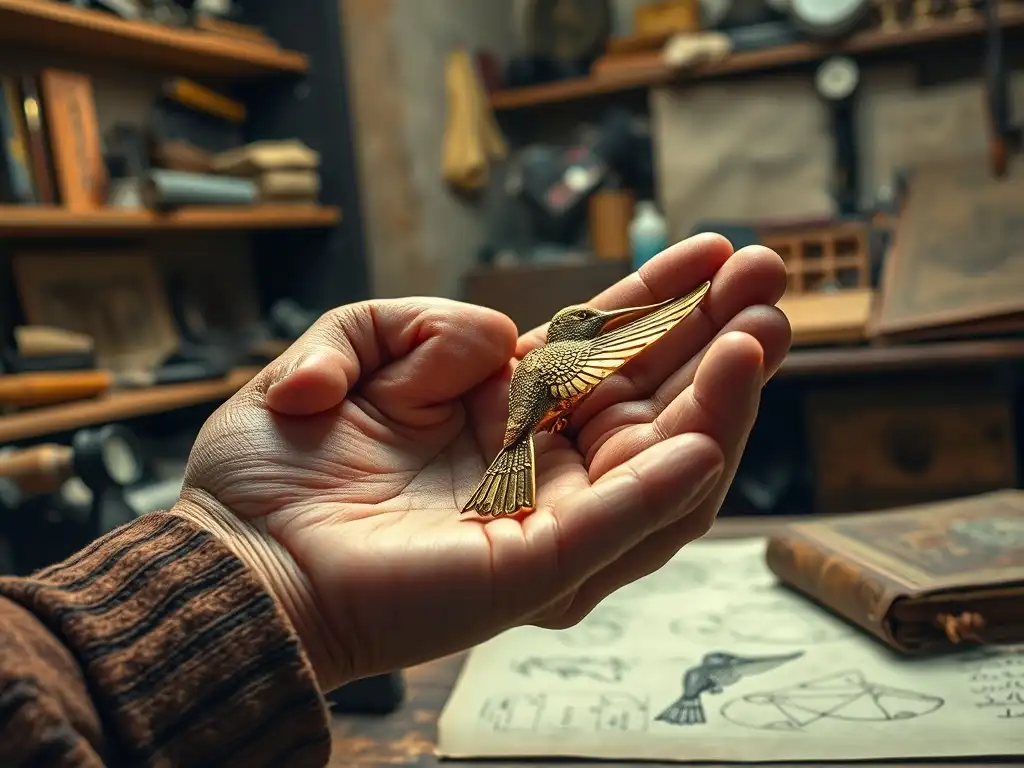
The conservation of Andean metalwork necessitates a strong ethical framework. This goes beyond simply preserving the artifacts; it involves respecting the cultural heritage they represent. Ethical practices prioritize the needs of the communities whose ancestors created these objects. This means engaging with indigenous communities in a respectful and collaborative manner, ensuring that their voices are heard and their perspectives are incorporated into conservation strategies. For example, consultation with descendant communities should be a cornerstone of any conservation project, from the initial assessment to the final display.
Their knowledge of traditional practices and beliefs related to the artifacts is invaluable and often overlooked. Furthermore, ethical conservation must address issues of provenance and repatriation. Artifacts that have been illegally removed from their original context should be returned to their rightful owners, whenever possible. Sustainable practices are equally crucial. These should focus on minimizing the environmental impact of conservation treatments, using environmentally friendly materials and techniques wherever possible.
This might involve prioritizing less invasive methods or exploring the use of biodegradable materials. The long-term sustainability of conservation efforts depends on training and capacity building within the local communities. Empowering local experts ensures the continuity of conservation practices long after external projects have concluded, creating a lasting legacy of preservation. The goal is not only to preserve the artifacts but to build a sustainable system that protects them for future generations, respecting both the cultural and environmental dimensions of the heritage.
The importance of continuing research in Andean metal conservation techniques.
Continued research is paramount to advancing Andean metalwork conservation. Our understanding of Andean metallurgy is constantly evolving, revealing new insights into the techniques used by ancient artisans and the composition of their alloys. This knowledge directly informs conservation strategies. For example, recent research into the corrosion mechanisms affecting specific alloys has led to the development of more targeted and effective treatments. Moreover, ongoing research is crucial for addressing the challenges posed by new threats to these artifacts.
Climate change, for instance, is exacerbating environmental degradation, leading to increased corrosion and deterioration. Research into climate-resilient conservation strategies is therefore vital. Furthermore, the development of new, non-invasive analytical techniques allows for a more detailed understanding of the artifacts without causing further damage. Techniques such as X-ray fluorescence (XRF) and Raman spectroscopy are becoming increasingly important in characterizing the materials and identifying the best conservation approaches. The long-term preservation of Andean metalwork depends on a continuous cycle of research, innovation, and adaptation.
This includes not only scientific research but also collaborative projects involving conservators, archaeologists, and material scientists. By working together and sharing knowledge, we can ensure that these invaluable artifacts remain accessible and appreciated for generations to come. The investment in research is an investment in the future of Andean cultural heritage. The lack of funding for such vital research would be detrimental and could lead to irreparable losses.
Conclusion: Protecting the Legacy of Andean Metallurgy
The remarkable artistry and technological prowess reflected in Andean metalwork demand our utmost attention in preservation efforts. The intricate details, the innovative techniques, and the sheer beauty of these artifacts offer invaluable insights into the sophisticated societies that created them. Failing to adequately conserve these treasures would represent an irreplaceable loss to humanity's collective heritage. This section explores the crucial elements needed to ensure the long-term survival of Andean metallurgical masterpieces.
The Long-Term Vision for Andean Metalwork Preservation
A successful long-term strategy for Andean metalwork preservation hinges on a multi-pronged approach. It's not enough to simply react to immediate threats; proactive measures are paramount. This involves:
- Advanced Material Analysis: Ongoing research utilizing advanced techniques like X-ray fluorescence (XRF) and X-ray diffraction (XRD) is crucial for understanding the composition of alloys and the degradation processes affecting each piece. This detailed knowledge informs targeted conservation strategies. For example, understanding the specific corrosion mechanisms affecting a particular gold alloy from the Moche culture allows for the development of a tailored cleaning and stabilization method. Such analysis also allows for the identification of counterfeit artifacts, protecting the integrity of collections.
- Preventive Conservation: This is arguably the most cost-effective and impactful approach. Maintaining stable environmental conditions (temperature, humidity, light exposure) within storage facilities is critical. This minimizes exposure to corrosive agents and slows down deterioration. Regular monitoring and meticulous documentation of environmental factors are essential components of a robust preventive conservation plan. Furthermore, the development and implementation of best practices for handling and display are crucial to prevent accidental damage.
- Sustainable Funding Models: Securing long-term funding is a persistent challenge. Diversified funding sources, including government grants, private donations, and international collaborations, are necessary to ensure the continuity of conservation projects. Transparent budgeting and regular progress reports build trust and attract further support. The development of endowment funds specifically dedicated to Andean metalwork conservation would provide a stable financial base for future initiatives.
- Education and Training: Investing in training programs for conservators specializing in Andean metalwork is vital. This includes both theoretical knowledge and practical skills in handling delicate artifacts and applying appropriate conservation techniques. The creation of specialized workshops and training centers dedicated to Andean metalwork conservation would greatly benefit the field.
The Importance of Collaboration in Andean Heritage Conservation
Effective Andean metalwork conservation requires a collaborative spirit. This includes:
- International Partnerships: Sharing expertise and resources across international borders is essential. Museums and research institutions globally can learn from each other's successes and challenges. Joint research projects, exchange programs for conservators, and collaborative exhibitions can significantly advance the field.
- Community Engagement: Involving local communities in conservation efforts is crucial for fostering a sense of ownership and pride in their cultural heritage. This can involve training local artisans in conservation techniques, creating opportunities for community participation in research projects, and ensuring that the benefits of conservation efforts are shared equitably. Their traditional knowledge can also offer valuable insights.
- Interdisciplinary Approach: Successful conservation requires input from various disciplines, including archaeologists, metallurgists, chemists, art historians, and conservators. This interdisciplinary approach ensures a comprehensive understanding of the artifacts and the challenges they face. For example, a metallurgist can analyze the alloy composition while an archaeologist provides context about the artifact's origin and use.
Ensuring the Future of Andean Cultural Treasures
The preservation of Andean metalwork is not merely a matter of preserving objects; it's about safeguarding a crucial part of human history and cultural identity. By adopting a proactive, collaborative, and well-funded approach, we can ensure that future generations will be able to appreciate the ingenuity and artistry of these remarkable cultural treasures. The legacy of Andean metallurgy is too precious to be lost; its continued survival depends on our collective commitment and action.
The implementation of robust conservation strategies, coupled with a long-term vision and a commitment to collaboration, is crucial for protecting this invaluable aspect of Andean heritage for centuries to come. The meticulous application of Andean metalwork conservation techniques will be key to this success.
Frequently Asked Questions
What are the major challenges in conserving Andean metalwork?
The major challenges include environmental factors like humidity and corrosion, as well as previous restoration attempts that may have used inappropriate materials. Careful handling and analysis are crucial to avoid further damage.
What are some common materials used in Andean metalwork?
Andean metalworkers utilized a variety of metals, including gold, silver, copper, and bronze, often in alloys and combined with other materials like shells and stones. The specific composition varied across cultures and time periods.
What conservation techniques are employed for Andean metal artifacts?
Conservation employs a range of techniques, from cleaning and stabilization to repairs and protective coatings. Electrolytic reduction is a common method for removing corrosion. The choice of method depends on the specific metal and its condition.
How do scientists analyze Andean metalwork to inform conservation strategies?
Scientists use various analytical techniques, such as X-ray fluorescence (XRF) and microscopy, to determine the metal composition, corrosion products, and past treatments. This information guides the selection of appropriate conservation methods.
Where can I learn more about Andean metalwork conservation?
You can find more information through academic publications, museum websites, and specialized conservation resources. Many museums with Andean collections have online resources detailing their conservation efforts and research.
Final Reflection: The Enduring Legacy of Andean Metalwork
The meticulous conservation of Andean metalwork isn't just about preserving artifacts; it's about safeguarding a vibrant cultural heritage that continues to resonate deeply in the modern world. These ancient techniques, often passed down through generations of artisans, offer invaluable insights into the ingenuity and artistry of past civilizations, and their preservation is crucial for understanding our shared human history. The intricate details, the symbolic power embedded within each piece, speak volumes about the societies that created them, demanding our respect and careful stewardship.
The enduring impact of Andean metalwork extends far beyond museum walls; it permeates contemporary art, design, and cultural identity. The sophisticated techniques employed centuries ago continue to inspire contemporary artists and craftspeople, demonstrating the timeless appeal of these objects. Their beauty and craftsmanship serve as a powerful reminder of the interconnectedness of past and present. The past is never dead. It's not even past.
- William Faulkner. This quote perfectly encapsulates the ongoing relevance of Andean metalwork conservation, highlighting how the past continues to shape and inform our present understanding of artistry and cultural heritage.
Consider, for a moment, the stories whispered by these ancient objects. Imagine the hands that shaped them, the rituals they accompanied, the beliefs they embodied. You, the reader, now hold the power to further this legacy. By supporting ethical collecting practices, advocating for responsible conservation efforts, and sharing the knowledge gained from this exploration of Andean metalwork, you can contribute to the ongoing preservation of this invaluable cultural heritage for generations to come. Let us ensure that the brilliance of Andean metalwork continues to shine brightly for centuries to come.
Unveil the Secrets of Andean Metallurgy!
Thank you for exploring the fascinating world of Andean metallurgy with us! You've gained valuable insights into the rich history and exceptional craftsmanship of these remarkable civilizations. Now, let's build on that knowledge and delve deeper into the enduring legacy of these skilled artisans.
Here's how you can continue your journey:
- Participate in a hands-on metalworking or conservation workshop to experience the artistry firsthand and support artisans who are preserving these traditional techniques.
- Share your newfound appreciation with friends and family—start a conversation, create a social media post, or find other ways to spark interest in Andean cultures.
- Continue your exploration! Visit our website for more resources, articles, and features on Andean civilizations, and discover opportunities to support conservation efforts.
What aspect of Andean metallurgy has captivated you the most? Share your thoughts below!