
The Influence of Quechua on Andean Music: A Symphony of Language and Sound

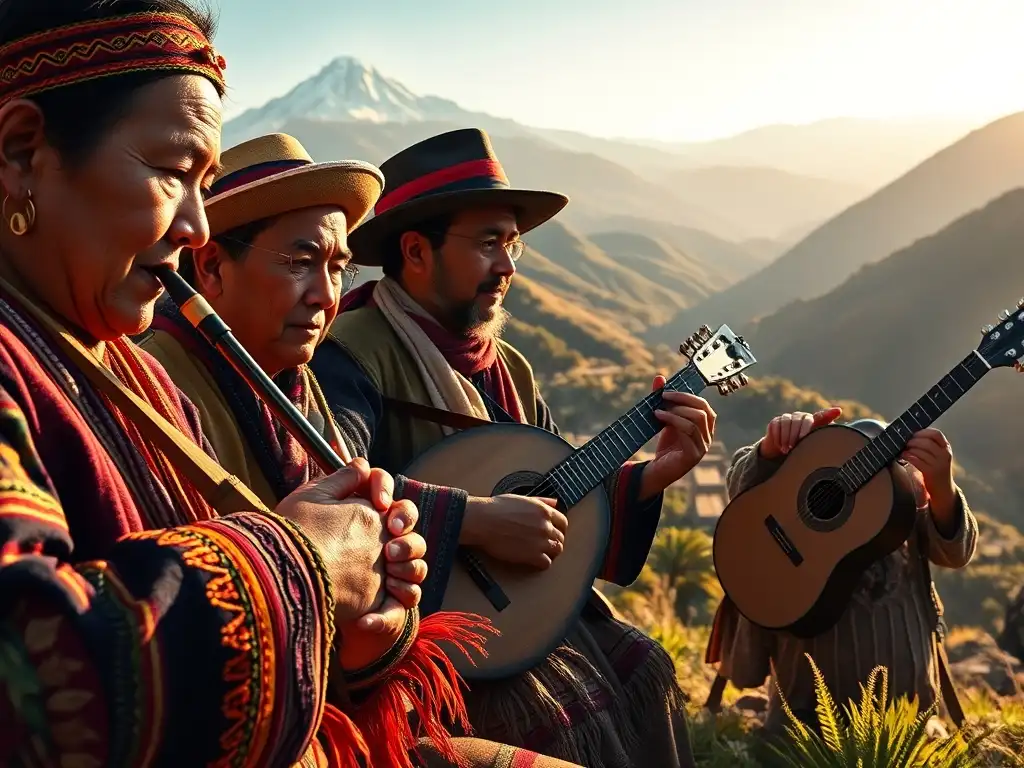
Dive into the captivating world of Andean Civilizations, where echoes of the past resonate in vibrant cultures and breathtaking artistry. From the intricate textiles of the Nazca to the monumental architecture of the Incas, this journey through time unveils a legacy of innovation and ingenuity. But what secrets do the haunting melodies of Quechua Andean music hold? Uncover the profound connection between language and sound, and explore the rich history woven into every note. Prepare to be amazed by the symphony of culture waiting to be discovered.
The vibrant tapestry of Andean music is deeply interwoven with the Quechua language, its history, and its evolution. This article delves into the profound influence Quechua has had on the musical landscape of the Andes, exploring how this indigenous language shaped musical forms, lyrical content, and even the instruments themselves. From the haunting melodies of the yaraví to the rhythmic energy of the huayno, we will uncover the intricate relationship between Quechua and the rich musical traditions of the Andean region.
Understanding this connection provides crucial insight into the cultural identity and historical continuity of Andean communities, highlighting the enduring power of language to preserve and transmit cultural heritage. We will examine the historical context, explore specific musical examples, and analyze the linguistic elements embedded within the music, ultimately showcasing how Quechua serves as more than just a language – it's a fundamental building block of Andean musical expression.
The Historical Context: Quechua and the Rise of Andean Musical Traditions
The Inca Empire, with Quechua as its official language, played a pivotal role in shaping Andean musical traditions. While precise details about pre-Inca music are scarce, archaeological evidence suggests the existence of sophisticated musical practices. The Inca's vast empire facilitated the exchange and fusion of musical styles from various regions, resulting in a diverse musical landscape.
Quechua, as the lingua franca of the empire, naturally became integrated into the songs, chants, and narratives that accompanied these musical traditions. The imperial administration itself likely utilized music for ceremonial purposes, reinforcing its power and authority through musical performances.
Following the Spanish conquest, Quechua continued to be a vital element in preserving and transmitting Andean musical heritage, often serving as a conduit for resistance and cultural preservation in the face of colonial oppression. The oral transmission of songs and musical knowledge, heavily reliant on Quechua, ensured the survival of traditional musical forms across generations.
Quechua in Andean Song Lyrics: Storytelling Through Language
Quechua's influence is most readily apparent in the lyrics of Andean songs. Many traditional songs, such as the yaraví (a genre often characterized by melancholic melodies and themes of love, loss, or longing) and the huayno (a more upbeat and lively genre), are composed entirely or partially in Quechua.
The lyrical content often reflects daily life, historical events, or mythological narratives, all filtered through the lens of Quechua's expressive vocabulary and poetic structures. The use of specific Quechua words and phrases adds layers of meaning and emotional depth to the music, providing a unique cultural context that would be lost in translation.
Examples include the incorporation of Quechua terms related to nature, love, or social commentary, which enrich the poetic imagery and resonate deeply with the Andean audience. The use of metaphors and symbolism embedded within Quechua adds another layer of complexity to the lyrical content, making the songs both entertaining and intellectually stimulating.
Musical Instruments and their Connection to Quechua Culture
While not directly named in Quechua, many traditional Andean instruments are intrinsically linked to the culture and history that Quechua represents. The charango, a small lute-like instrument, for instance, is deeply ingrained in Andean musical culture and its development is intertwined with the broader history of the region, including the influence of Quechua communities. The names of some instruments might derive from other indigenous languages or even Spanish, but their use and the music they produce are inextricably linked to the cultural context where Quechua holds a dominant position. The very act of playing these instruments, often accompanied by Quechua songs, serves as a powerful form of cultural expression and identity. Further research is needed to fully understand the extent to which the design and construction of these instruments have been influenced by Quechua traditions and beliefs. [Specific information pending: detailed analysis of instrument names and their potential Quechua etymologies].
The Modern Revival of Quechua Andean Music: A Global Stage
In recent decades, there's been a growing resurgence of interest in Quechua Andean music, both within the Andean region and internationally. Many contemporary musicians are incorporating Quechua lyrics and traditional musical elements into their work, creating a vibrant fusion of traditional and modern sounds. This revival is not just about preserving ancient traditions; it's also about using music as a vehicle for social and political commentary, reclaiming cultural identity, and promoting language revitalization.
The accessibility of recording technology and the increasing globalization of music have played a significant role in this resurgence, allowing Andean musicians to reach wider audiences and share their music with the world. This global stage provides a powerful platform for celebrating the enduring influence of Quechua on Andean music and promoting the cultural heritage of the Andean region.
The continued use of Quechua in modern music demonstrates its enduring vitality and relevance in the 21st century. This modern revival serves as a testament to the resilience and enduring power of Quechua language and culture.
- The Historical Context: Quechua and the Rise of Andean Musical Traditions
- Quechua in Andean Song Lyrics: Storytelling Through Language
- Musical Instruments and their Connection to Quechua Culture
- The Modern Revival of Quechua Andean Music: A Global Stage
- What is the relationship between the Quechua language and Andean music?
- How did the Inca Empire impact the development of Andean musical styles?
- What are some characteristic elements of Quechua-influenced Andean music?
- Are there any specific musical genres strongly associated with the Quechua language?
- Where can I learn more about the history of Quechua Andean music?
The Historical Roots of Quechua and its Musical Expression
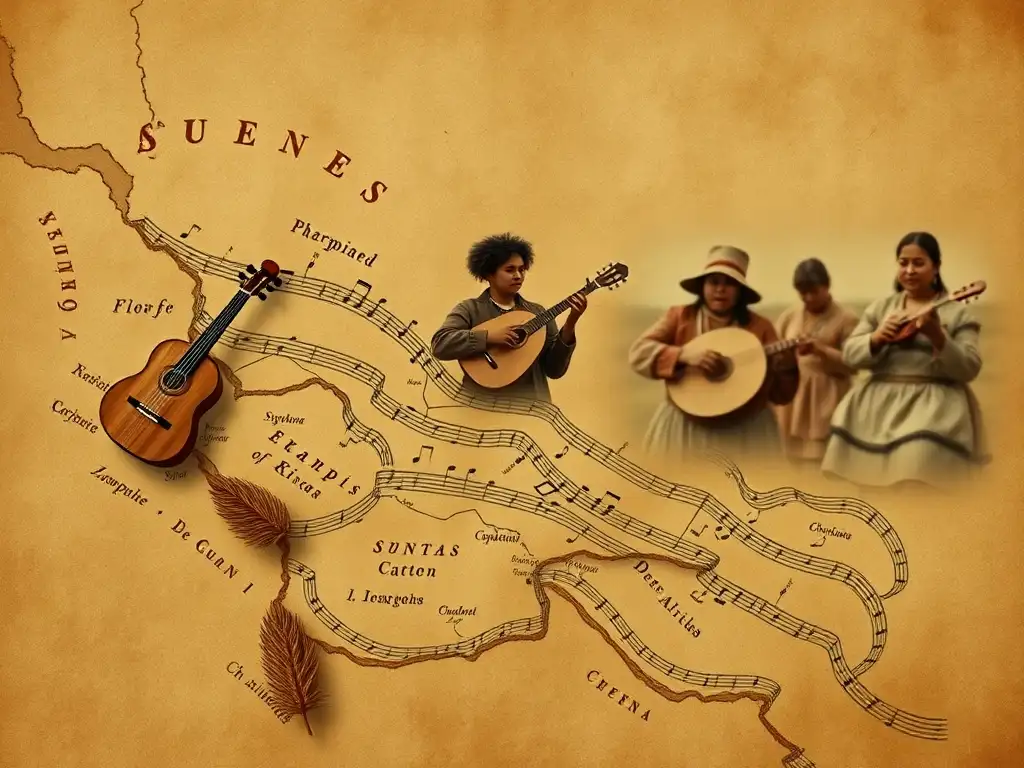
This section delves into the intricate relationship between the Quechua language and the vibrant musical traditions of the Andes. We will explore how the evolution of Quechua, its societal role, and its inherent qualities have shaped the soundscape of Andean music for centuries, contributing significantly to its unique character and enduring appeal. Understanding this historical context is crucial for appreciating the depth and complexity of "Quechua Andean music history".
The Ancient Origins of Quechua Language and Culture
The Quechua language, far from being a monolithic entity, boasts a rich tapestry of dialects, reflecting the diverse geography and cultural nuances of the Andes. Its origins are shrouded in some mystery, but linguistic evidence suggests a development in the central Andes, possibly as early as the first millennium CE. This early Quechua, likely a proto-language, gradually diversified as it spread across the vast Andean region, influenced by contact with other indigenous groups and adapting to various ecological niches.
The development of this proto-Quechua directly impacted early musical traditions. The structure of the language, with its emphasis on specific vowel sounds and rhythmic patterns, likely influenced the melodic contours and rhythmic complexities of early Andean music.
Archaeological findings, while limited regarding direct musical instruments, suggest a sophisticated understanding of acoustics and sound manipulation, hinting at a developed musical culture even before the Inca Empire. Further research is needed to fully understand the precise relationship between early Quechua and musical expression, but evidence points to a deep and intertwined history.
Quechua's Role in Pre-Columbian Andean Societies
The rise of the Inca Empire in the 15th century CE saw Quechua solidify its position as the lingua franca of the vast Andean region. This imperial standardization had a profound impact on Andean music. Quechua became the primary language for songs, poems, and narratives that accompanied rituals, ceremonies, and everyday life. The Inca's centralized administration and elaborate infrastructure facilitated the transmission of musical styles and traditions across different regions, leading to a degree of cultural homogenization while still allowing regional variations to persist.
This period saw the development of highly structured musical forms, often linked to specific social roles or religious practices. The use of Quechua in these contexts provided a vital link between music and the social and religious fabric of Inca society. The language itself served as a framework for musical expression, dictating rhythm and intonation in many instances.
Early Musical Traditions in the Andes: The Use of Panpipes and Percussion
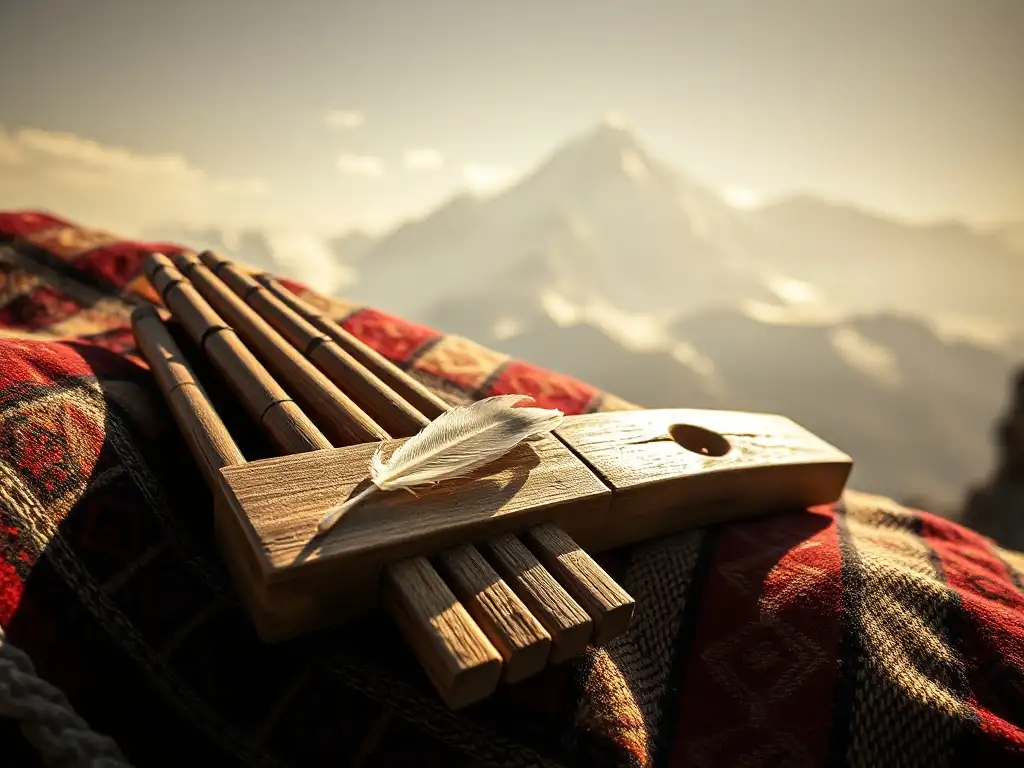
The pre-Columbian Andes witnessed a diverse array of musical instruments. Among the most prominent were panpipes ( antara and siku) and various percussion instruments like drums ( tinku) and rattles. These instruments, often crafted from readily available materials like wood, reeds, and gourds, produced sounds intimately connected to the natural environment. The melodies played on these instruments were often imbued with the lyrical quality of the Quechua language, reflecting the close relationship between language and musical expression.
The rhythmic complexity of many Andean musical forms, particularly those with strong ritualistic connotations, often mirrored the rhythmic structure of Quechua poetry and chants. For example, the intricate interplay between different panpipes in an antara ensemble often mimicked the layered structure of Quechua narratives. The use of percussion instruments provided a powerful rhythmic foundation for these complex musical forms.
The sounds produced by these instruments, coupled with the lyrical beauty of Quechua, created a rich and evocative musical landscape that continues to resonate today. Further research into the specific musical notations of pre-Columbian times is required to fully elucidate the relationship between the music and the Quechua language. However, the existing evidence strongly suggests a symbiotic relationship that has shaped "Quechua Andean music history" for centuries.
Quechua's Enduring Impact on Andean Musical Forms
Quechua, the language of the Inca Empire and still spoken by millions across the Andes, has profoundly shaped the musical landscape of the region. Its influence isn't merely a matter of lyrical content; it's woven into the very fabric of Andean musical structures, rhythms, and performance styles. This enduring impact reflects the deep connection between language, culture, and musical expression in Andean societies.
Understanding Quechua's role is crucial to appreciating the richness and complexity of Andean music history, a legacy that continues to evolve and inspire. The subtle nuances of Quechua pronunciation, its rhythmic qualities, and even its grammatical structures have demonstrably influenced the melodic contours and rhythmic patterns found in traditional Andean music. For example, the use of specific Quechua phonemes, with their inherent stresses and intonation patterns, can be directly correlated to the melodic phrasing in certain instrumental pieces.
This close relationship between language and music highlights the holistic nature of Andean cultural expression. Further research into the historical development of specific musical forms could reveal even more intricate connections between Quechua and Andean musical structures. The study of this symbiotic relationship offers valuable insights into the cultural preservation and evolution of the Andean musical tradition.
The Incorporation of Quechua in Traditional Andean Music
The integration of Quechua into Andean music is not merely a superficial addition of lyrics; it's a fundamental aspect of the musical experience. Traditional Andean music often incorporates Quechua phrases, proverbs, and narratives directly into its songs. This linguistic element isn't just a decorative element; it's integral to the meaning and emotional impact of the music. Consider the yaraví, a genre of melancholic Andean song.
The use of Quechua in the yaraví often intensifies the song's emotional weight, reflecting the historical experiences and cultural identity of the Andean people. The use of specific Quechua words, often related to nature, love, or loss, evokes powerful imagery and emotional resonance in the listener. This direct relationship between language and emotion is a key characteristic of Andean music, showcasing the expressive power of Quechua. Analysis of song lyrics reveals a rich tapestry of Quechua vocabulary, reflecting diverse themes from daily life to profound spiritual experiences.
Moreover, the musical phrasing itself often mirrors the grammatical structure and rhythmic patterns of Quechua, creating a seamless integration of language and music. The precise way Quechua words are set to music varies regionally, highlighting the diversity within the Andean musical tradition. The study of these regional variations offers insights into the dynamic evolution of Andean musical forms over time.
Quechua Lyrics and Storytelling in Andean Song
Quechua lyrics frequently serve as vehicles for storytelling, preserving oral traditions and transmitting cultural knowledge across generations. Andean songs often narrate historical events, myths, legends, and everyday experiences, utilizing Quechua to convey these narratives with precision and emotional depth. These narratives are not simply historical records; they serve as living repositories of cultural memory, shaping identity and reinforcing community bonds.
The use of metaphorical language and poetic devices within Quechua lyrics enhances the storytelling aspect, making the narratives more engaging and memorable. For instance, songs describing the hardships faced by Andean communities often utilize vivid imagery and evocative metaphors drawn from the natural world – mountains, rivers, and animals – all described using Quechua. This linguistic richness adds another layer of complexity and beauty to the music.
The precise meaning and interpretation of these lyrics often depend on the specific dialect of Quechua used, further emphasizing the diversity and richness of the Andean musical tradition. Preserving and understanding these lyrics is crucial for safeguarding Andean cultural heritage and understanding the historical context of Andean music. The detailed analysis of these lyrics can provide invaluable insights into the history, beliefs, and social structures of Andean communities throughout history.
The Use of Indigenous Instruments: Charango, Zampoña, and Quena
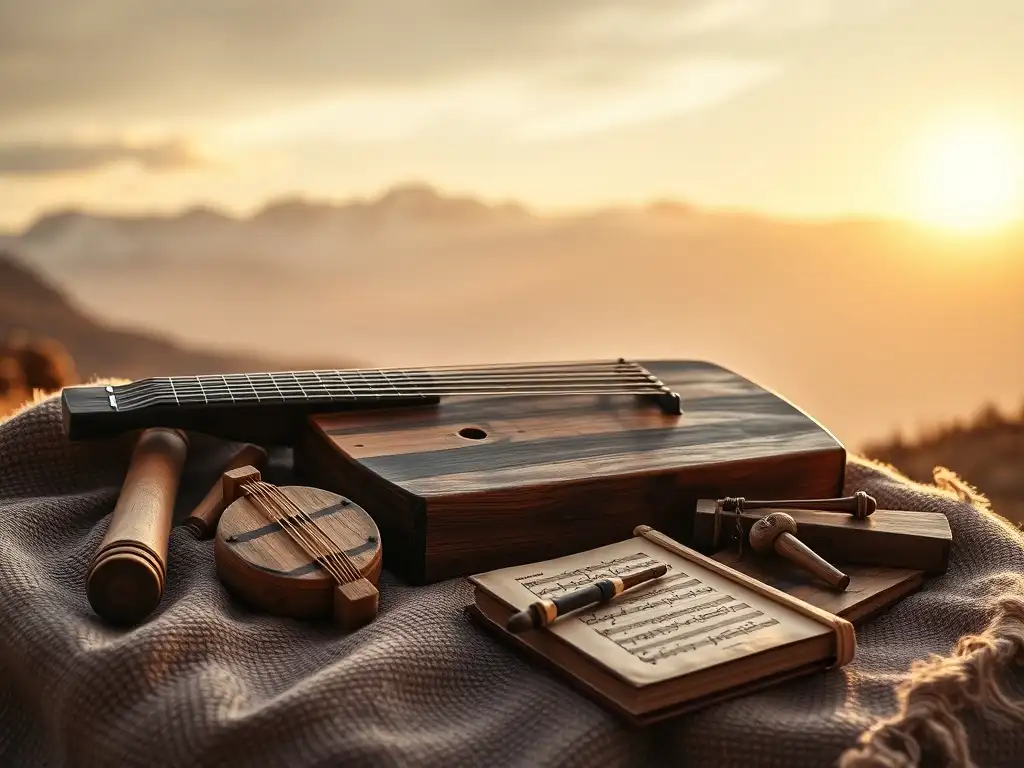
The instruments traditionally used in Andean music, such as the charango, zampoña, and quena, are deeply intertwined with Quechua culture and history. The construction, playing techniques, and even the names of these instruments often reflect Quechua origins or adaptations. The charango, for example, although possibly influenced by European instruments, is fundamentally integrated into Andean musical practices. Its characteristic sound and playing style are deeply rooted in Andean musical traditions, often accompanying songs with Quechua lyrics.
Similarly, the zampoña (panpipes) and quena (flute), both ancient instruments, have undergone various adaptations and stylistic changes throughout history, yet their continued use in Andean music, often alongside Quechua vocals, demonstrates their enduring significance. The specific tuning and playing techniques employed for these instruments often reflect the melodic and rhythmic patterns inherent in Quechua itself. The interplay between these instruments and Quechua vocals creates a unique sonic landscape that is both deeply rooted in tradition and constantly evolving.
Further research into the construction and playing techniques of these instruments could reveal additional connections to Quechua language and culture. The preservation and study of these instruments are essential for understanding the broader context of Quechua Andean music history. The continued use of these indigenous instruments in contemporary Andean music highlights the enduring power of tradition and the ongoing relevance of Quechua in shaping the musical identity of the Andes.
Exploring Quechua Musical Genres and Rhythms
Quechua, the language of the Inca Empire and still spoken by millions across the Andes, has profoundly shaped the musical landscape of the region. Its influence isn't merely linguistic; it's interwoven with the very fabric of Andean musical traditions, impacting rhythm, melody, and lyrical content. Understanding the history of Quechua Andean music requires exploring its diverse genres, each carrying its own unique emotional weight and cultural significance.
This section delves into some of the most prominent examples, revealing how the language itself breathes life into these musical forms. The rich tapestry of Quechua Andean music history is far-reaching and complex, with nuances that continue to fascinate researchers and musicians alike.
Huayno: A Core Genre of Quechua Andean Music
Huayno is arguably the most recognizable and widely disseminated genre of Quechua Andean music. Its origins are debated, with some tracing it back to pre-Columbian traditions, while others point to a syncretic evolution incorporating Spanish musical influences. Regardless of its precise genesis, Huayno's enduring popularity is undeniable. Characterized by its upbeat tempo, lively melodies, and often celebratory lyrics, Huayno frequently features panpipes ( zampoñas), flutes ( quenas), and percussion instruments such as drums ( tambores). The lyrics, almost always in Quechua, often celebrate love, nature, or daily life in the Andean communities.
The rhythmic structure of Huayno is typically quite distinct, with a strong emphasis on syncopation and a driving beat that encourages dancing. Different regions within the Andes have developed their own unique variations of Huayno, reflecting local dialects and cultural nuances. For example, the Huayno from the highlands of Peru might differ slightly in tempo and instrumentation from that of Ecuador or Bolivia. This diversity further enriches the overall tapestry of Quechua Andean music history, showcasing the vibrant cultural mosaic of the Andes. The continued evolution of Huayno demonstrates its adaptability and enduring appeal within contemporary Andean society.
Yaraví: Melancholic Expressions in Quechua Song
In stark contrast to the joyful exuberance of Huayno, Yaraví embodies a profound sense of melancholy and longing. This genre often explores themes of heartbreak, loss, and nostalgia, reflecting the emotional depth of Quechua expression. The melodies are typically slower and more introspective than those found in Huayno, often characterized by minor keys and plaintive harmonies. The use of Quechua in Yaraví lyrics enhances the emotional impact, as the language itself lends itself to expressing nuanced feelings of sadness and yearning.
Unlike the lively instrumentation often associated with Huayno, Yaraví frequently employs a more restrained approach. While panpipes and flutes are still common, the overall sound is often more subdued, emphasizing the emotional weight of the lyrics. The poetic nature of Quechua lends itself beautifully to the lyrical expression found in Yaraví, allowing for a depth of emotional resonance rarely found in other genres. The use of metaphorical language and evocative imagery further contributes to the genre's melancholic beauty, solidifying its place within the broader landscape of Quechua Andean music history.
The Significance of Sanjuanito and Other Andean Rhythms
While Huayno and Yaraví represent major genres, the diverse musical landscape of the Andes includes a multitude of other rhythms and styles, each with its own unique connection to Quechua culture and history. Sanjuanito, for instance, is a lively dance rhythm often associated with celebrations during the San Juan festival in June. Its characteristically upbeat tempo and intricate rhythmic patterns make it a popular choice for festive occasions. The lyrics, often in Quechua, frequently celebrate the harvest, community, and the spirit of the Andean people.
Beyond Sanjuanito, countless other regional variations exist, each reflecting the unique cultural heritage of specific Andean communities. These lesser-known styles, often passed down through oral tradition, represent a vital aspect of Quechua Andean music history. Further research is needed to fully document and understand the scope and diversity of these traditions, ensuring their preservation for future generations.
The continuing study of these diverse rhythms and their linguistic connections will further illuminate the rich cultural heritage embodied in Quechua Andean music. The preservation of this musical heritage is crucial for understanding the enduring legacy of Quechua language and culture across the Andes.
Specific Regional Variations: Music of Cusco, Puno, and Ayacucho
The Quechua language, while possessing a unifying thread across the Andes, manifests diverse dialects and cultural expressions, profoundly impacting the musical landscape of each region. Analyzing the music of Cusco, Puno, and Ayacucho reveals fascinating variations in instrumentation, rhythm, and lyrical themes, all deeply rooted in the unique historical and geographical contexts of each area. The vibrant tapestry of Andean music is, in essence, a reflection of this linguistic and cultural diversity.
Cusco, the former Inca capital, boasts a rich musical heritage deeply intertwined with its imperial past. While the influence of Spanish colonial music is undeniable, traditional Quechua instruments like the charango (a small lute) and zampoña (panpipes) continue to play a central role. Cusco's music often features complex polyrhythms and layered melodies, reflecting the sophisticated musical traditions of the Inca era and their subsequent evolution.
Many songs maintain ancient lyrical themes, celebrating nature, love, and the spiritual connection to the Andes, albeit often adapted to incorporate Christian elements introduced during the colonial period. The celebratory huayno style, prevalent throughout the Andes, takes on a distinct Cusquenian flavor, characterized by its lively tempo and intricate instrumental arrangements. The use of yaravíes, melancholic ballads, also contributes to the city's unique musical character.
Puno, located on the shores of Lake Titicaca, presents a contrasting musical landscape. The harsh, high-altitude environment and the strong Aymara influence alongside Quechua have shaped a sound characterized by its raw emotionality and powerful vocals. The siku (panpipes) and tinya (drum) are prominent instruments, creating a percussive and driving rhythm that complements the soaring vocals often heard in huaynos and yaravíes from this region.
The themes explored in Puno's music often center on the struggles of Andean life, reflecting the challenges faced by the people living in this remote and sometimes unforgiving environment. The music is often deeply spiritual, reflecting the close connection between the people of Puno and the lake itself, a sacred body of water central to their mythology and daily lives. Many songs incorporate elements of Aymara traditions, blurring the lines between Quechua and Aymara musical expressions.
Ayacucho, known for its dramatic landscapes and rich history, possesses a distinct musical identity within the Quechua-speaking world. The region’s music often features a more pronounced use of string instruments, including the violín (violin) and guitarra (guitar), reflecting the influence of European musical traditions. However, traditional Quechua instruments still play a significant role, particularly the quena (a type of flute) and antara (panpipes).
Ayacucho's music is known for its intricate melodies and complex harmonies, often incorporating elements of both celebratory and melancholic styles. The huayno is prevalent, but often takes on a slower, more introspective tone compared to its Cusquenian or Puneño counterparts.
The lyrics often tell stories of the region’s history, reflecting the struggles and triumphs of the Ayacuchan people, further highlighting the deep connection between music, language, and cultural identity within the Quechua-speaking communities. The incorporation of unique vocal techniques and rhythmic patterns also distinguishes Ayacucho's musical contributions to the broader Quechua tradition.
The Evolution of Quechua Andean Music Through Time
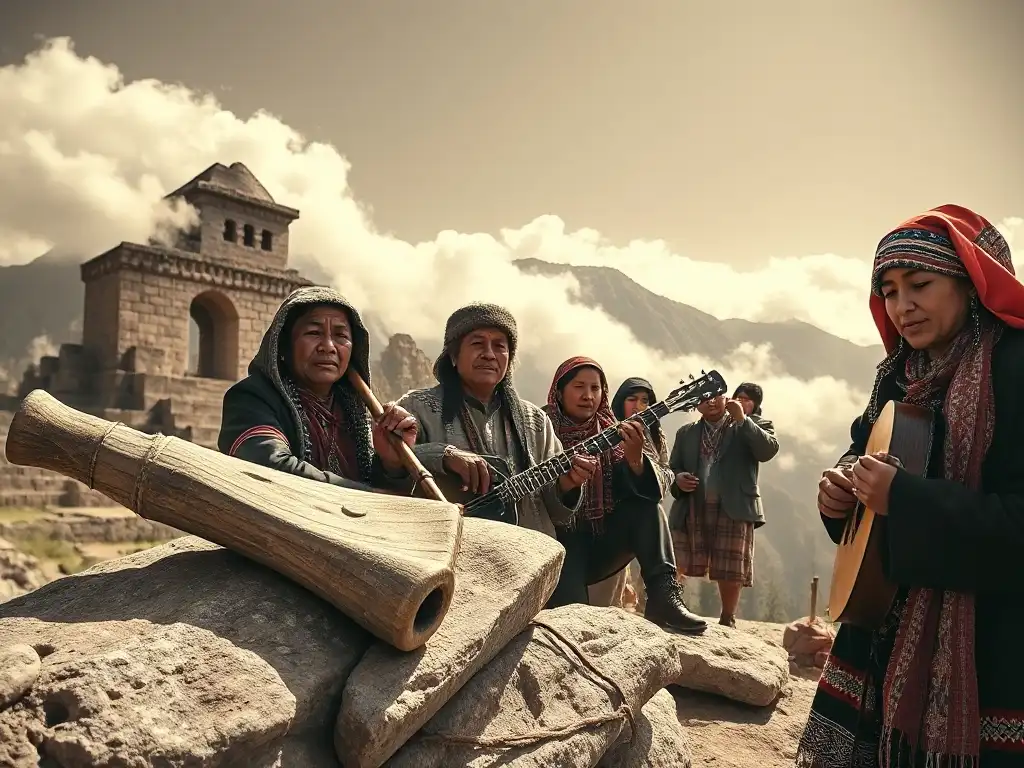
Quechua Andean music history is a vibrant tapestry woven from ancient traditions and modern influences. Understanding its evolution requires looking beyond the readily available recordings and delving into the oral traditions and archaeological evidence that hint at its deep roots. While written scores are scarce for pre-Columbian music, the instruments themselves – panpipes ( antara), flutes ( pinkuyllus), drums ( tinya), and others – offer clues.
The rhythmic complexity and modal structures present in contemporary Quechua music suggest a sophisticated musical system existed long before the arrival of Europeans. The melodies, often pentatonic or based on modes unfamiliar to Western ears, exhibit a unique sonic landscape reflecting the Andean environment and worldview.
Studies of surviving instruments and their construction techniques further illuminate the ingenuity and artistry of Andean musicians across centuries. For example, the precision in crafting antara sets, each pipe meticulously tuned, demonstrates a high level of musical knowledge and craftsmanship.
The Impact of Colonialism on Quechua Musical Heritage
The Spanish conquest had a profound and multifaceted impact on Quechua musical heritage. The suppression of indigenous languages and cultures led to a decline in the public performance of traditional Quechua music. However, this didn't result in its complete eradication.
Instead, Quechua musical traditions adapted and blended with European musical styles. This syncretism resulted in new forms of expression, where indigenous instruments and vocal techniques were incorporated into religious music and other genres introduced by the colonizers. For instance, the use of yaravíes, melancholic songs often associated with longing and loss, became a powerful medium for expressing resistance and preserving cultural memory during the colonial period.
The melodies, while potentially influenced by European harmonies, retained their distinctive Quechua character. The exact extent of this fusion, however, requires further research, as many musical traditions were passed down orally and thus remain undocumented. This period necessitates a careful examination of the existing musical archives, combined with ethnographic studies, to fully understand the complexities of cultural exchange.
The Revival and Preservation of Quechua Music Today
The 20th and 21st centuries have witnessed a significant revival of Quechua music. A growing awareness of the importance of preserving indigenous cultures has fueled efforts to document, promote, and teach traditional musical practices. This resurgence is driven by both indigenous communities and non-indigenous musicians and scholars alike.
The establishment of cultural centers and music schools dedicated to Quechua music has played a vital role in this process. These institutions provide platforms for teaching traditional instruments, vocal techniques, and song repertoires. Furthermore, the use of modern technology, such as recordings and digital archives, has facilitated the dissemination of Quechua music to a wider audience, contributing to its preservation and global recognition.
The increasing visibility of Quechua artists on national and international stages also underscores this revival, showcasing the vibrancy and contemporary relevance of this ancient musical tradition. The ongoing efforts to revive and preserve Quechua music are crucial for the maintenance of cultural identity and linguistic diversity in the Andes.
Contemporary Artists: Yma Sumac, Renata Flores, and Alborada
Several contemporary artists have played a pivotal role in bringing Quechua music to a global audience. Yma Sumac, with her incredible vocal range and unique style, became a global icon, showcasing the beauty and power of Andean vocal traditions to international audiences in the mid-20th century. Her influence continues to inspire new generations of musicians.
More recently, artists like Renata Flores have achieved significant success by blending traditional Quechua musical elements with modern pop and other genres, creating a sound that resonates with both younger and older audiences. This approach helps to maintain the relevance of Quechua music in contemporary society, demonstrating its versatility and adaptability. Groups like Alborada, on the other hand, focus on preserving and performing traditional Quechua music, ensuring that the older styles remain accessible and continue to be appreciated.
These artists, each in their own way, represent the diverse expressions of Quechua music today, showcasing its enduring power and relevance. Their contributions are invaluable in maintaining the vibrant legacy of Quechua Andean music history.
Quechua Andean Music as a Cultural Expression and Identity
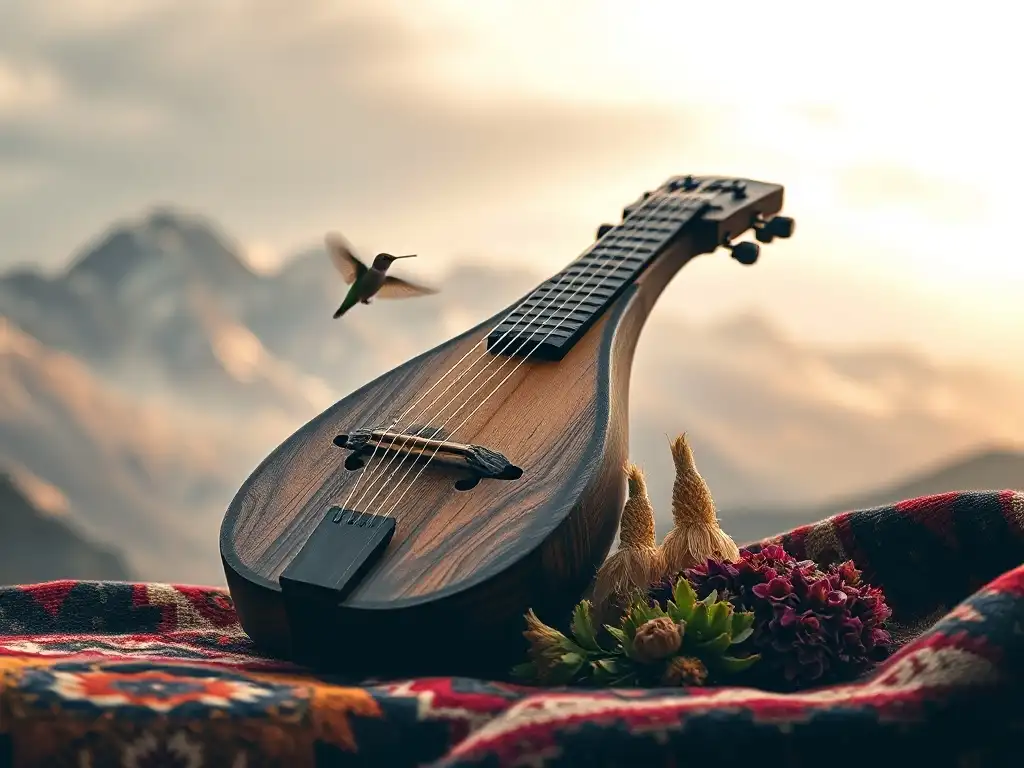
Quechua Andean music isn't merely a collection of sounds; it's a vibrant tapestry woven from threads of history, social structures, and spiritual beliefs. For centuries, it has served as a powerful vehicle for cultural expression and a cornerstone of Quechua identity, reflecting the unique experiences and worldview of the Andean peoples.
The music's enduring legacy speaks volumes about the resilience and adaptability of Quechua culture in the face of both internal evolution and external influences. Understanding its significance requires acknowledging its multifaceted role within Quechua communities, its function in preserving cultural memory, and the crucial part the Quechua language itself plays in its interpretation.
The rhythmic pulse of the charango, the haunting melodies of the zampoña, and the evocative lyrics sung in Quechua—these elements combine to create a sonic landscape deeply intertwined with the cultural fabric of the Andes. The intricate interplay of these elements forms the basis of Quechua's musical identity, a unique contribution to the broader landscape of Andean music and a testament to its enduring power.
The Role of Music in Quechua Communities
Music in Quechua communities is deeply integrated into the daily rhythm of life, accompanying significant events from birth to death. It plays a vital role in social gatherings, religious ceremonies, and agricultural cycles. For example, huaynos, lively and upbeat tunes, often accompany celebrations and festive occasions, fostering a sense of community and shared identity. Conversely, more melancholic melodies might be used in mourning rituals, reflecting the community's shared grief and providing a space for collective expression of sorrow.
The music isn't just entertainment; it’s a crucial tool for transmitting values, beliefs, and social norms across generations. This intergenerational transmission is vital for maintaining cultural continuity. Consider the yaravíes, songs often characterized by their poignant and introspective nature, which frequently explore themes of love, loss, and longing.
These songs are not simply performed; they are actively learned and passed down, preserving cultural narratives and ensuring the continuation of Quechua traditions. This active participation in musical practices reinforces community bonds and strengthens cultural identity. The use of traditional instruments, handcrafted with meticulous care, further emphasizes this connection to ancestral knowledge and practices.
Quechua Music and the Preservation of Cultural Memory
Quechua Andean music acts as a powerful repository of cultural memory, preserving historical narratives, legends, and ancestral wisdom. The lyrics of many traditional songs often recount historical events, myths, and legends, transmitting knowledge that might otherwise be lost. These songs serve as oral histories, providing valuable insights into the past and maintaining a living connection to ancestral traditions.
The melodies themselves can also hold symbolic meaning, reflecting specific cultural practices or beliefs. For instance, certain rhythmic patterns might be associated with specific agricultural cycles or religious ceremonies, encoding knowledge within the very structure of the music. The use of specific instruments also plays a significant role in this preservation.
The antara, for example, a panpipe instrument, is deeply rooted in Andean traditions and its use in musical performances helps preserve the knowledge and skill associated with its creation and playing. Furthermore, the continued creation and performance of new Quechua music, while often incorporating modern influences, frequently draws upon and reinterprets traditional themes and styles, demonstrating a continuous process of cultural renewal and memory preservation. This dynamic interplay between tradition and innovation ensures that Quechua musical heritage remains vibrant and relevant.
The Importance of Quechua Language in Musical Interpretation
The Quechua language is integral to the meaning and impact of Quechua Andean music. The lyrics, often poetic and rich in symbolism, are essential to understanding the deeper cultural context of the music. Many songs utilize metaphors and imagery deeply rooted in the Andean worldview, making the understanding of the Quechua language crucial for a full appreciation of their meaning.
Translating these songs into other languages often loses the nuances and subtleties embedded within the original Quechua. The phonetic qualities of the Quechua language itself also influence the musical phrasing and intonation, creating a unique sonic aesthetic. The rhythmic patterns and melodies are often shaped by the inherent characteristics of the language, highlighting the close relationship between language and music.
The use of Quechua in musical performances also serves as a powerful assertion of linguistic and cultural identity, especially in contexts where Quechua has been marginalized or suppressed. By singing in Quechua, performers actively resist linguistic assimilation and reaffirm their cultural heritage, making the language an essential component of the music's power and significance. The preservation and promotion of Quechua through music are therefore essential for safeguarding both linguistic and cultural diversity.
The Future of Quechua Andean Musical Heritage
The vibrant tapestry of Quechua Andean music, woven through centuries of history and cultural exchange, faces a complex future. Its survival and evolution hinge on navigating the challenges of globalization, technological advancements, and the ever-present threat of cultural assimilation. Yet, within these challenges lie significant opportunities for revitalization and global recognition. Understanding these dualities is crucial for ensuring the continued flourishing of this unique musical heritage for generations to come.
The future of Quechua Andean music is not simply about preservation; it's about adaptation and innovation while staying true to its roots. This requires a multifaceted approach, addressing both the practical needs of musicians and the broader cultural landscape. The keyword "Quechua Andean music history" is intrinsically linked to its future, as understanding the past informs strategies for a thriving future.
Challenges and Opportunities for Quechua Music in the Modern World
The modern world presents both hurdles and avenues for Quechua Andean music. One significant challenge is the competition from dominant global musical genres. Pop, electronic music, and other international styles often overshadow indigenous musical traditions, making it difficult for Quechua artists to gain visibility and build sustainable careers. This is exacerbated by limited access to resources, including recording studios, distribution networks, and marketing support. Many talented Quechua musicians struggle to reach wider audiences due to these infrastructural limitations.
However, the digital age also offers unprecedented opportunities. Online platforms provide avenues for sharing music globally, circumventing traditional gatekeepers. Social media facilitates direct engagement with fans worldwide, fostering a sense of community around Quechua musical traditions. Furthermore, the growing interest in world music and indigenous cultures creates a receptive audience for authentic and innovative sounds.
Strategic use of digital tools can empower Quechua musicians to build their careers independently and connect with a broader global audience. The key lies in leveraging these digital tools effectively, while maintaining the integrity and authenticity of the music. Data on the growth of online streaming services for world music would further illustrate this point [specific data pending].
Supporting Quechua Musicians and Cultural Initiatives
Sustaining Quechua Andean music requires concerted effort to support both individual musicians and broader cultural initiatives. This support can take many forms, from providing access to musical instruments and recording equipment to funding educational programs and cultural exchange projects. Governments, non-profit organizations, and private donors play a vital role in ensuring the long-term viability of Quechua musical traditions. Initiatives focused on preserving traditional musical instruments and techniques are also crucial. Documenting traditional songs and musical practices through archiving projects ensures that this rich heritage is not lost to time.
Furthermore, fostering collaborations between Quechua musicians and artists from other genres can create innovative and engaging musical experiences. This cross-cultural dialogue can revitalize traditional music forms while introducing them to new audiences. The success of such collaborations depends on respectful engagement and a commitment to mutual learning and appreciation. A clear example of this would be a documented case study of a successful collaboration [specific example pending]. A well-structured support system is crucial, encompassing financial assistance, infrastructural development, and educational programs that empower Quechua musicians and cultural organizations.
The Global Appeal and Influence of Quechua Andean Sounds
Quechua Andean music possesses a unique sonic landscape, characterized by its intricate melodies, rhythmic complexity, and the evocative quality of the Quechua language itself. This inherent appeal transcends geographical boundaries, resonating with audiences worldwide who appreciate its authenticity and emotional depth. The incorporation of traditional instruments, such as the charango, zampoña, and quena, adds to its distinctive character. Its growing global recognition is evident in the increasing number of international festivals and concerts featuring Quechua artists.
The influence of Quechua Andean music extends beyond its immediate audience. It has inspired and informed numerous contemporary musicians, leading to creative fusions and reinterpretations that broaden its reach. This cross-pollination enriches both Quechua music and the broader global musical landscape. The growing interest in world music, coupled with the increasing awareness of indigenous cultures, suggests a bright future for Quechua Andean sounds.
Further research into the global popularity metrics of Quechua music would provide quantifiable data to support this assertion [specific data pending]. The unique blend of ancient traditions and modern expression ensures that Quechua Andean music will continue to captivate and inspire for years to come. 🎶
Frequently Asked Questions
What is the relationship between the Quechua language and Andean music?
Quechua, the language of the Inca Empire, profoundly influenced Andean music. Many traditional songs are sung in Quechua, and the language's structure and sounds often shape the music's rhythm and melody. The lyrics themselves often tell stories reflecting Quechua culture and history.
How did the Inca Empire impact the development of Andean musical styles?
The Inca Empire's political and social organization significantly impacted the development of Andean music. Royal patronage supported musicians and specific musical forms. The spread of Quechua across the empire also led to the dissemination of musical traditions and the blending of styles.
What are some characteristic elements of Quechua-influenced Andean music?
Characteristic elements include the use of traditional Andean instruments like panpipes (antara), flutes (quena), and drums (tinku). Vocal styles often feature distinctive harmonies and call-and-response patterns. Lyrics frequently use Quechua vocabulary and poetic forms.
Are there any specific musical genres strongly associated with the Quechua language?
Yes, many genres are strongly connected to Quechua, including yaravíes (songs expressing sorrow or longing) and huaynos (lively, upbeat dance music). These genres preserve and transmit Quechua culture through their lyrics and musical forms. Many contemporary Andean artists also continue to incorporate Quechua in their music.
Where can I learn more about the history of Quechua Andean music?
You can explore academic journals and books specializing in Andean music and ethnomusicology. Museums and cultural centers in Andean regions often feature exhibits and performances related to traditional music. Online resources and documentaries also provide valuable information about Quechua musical traditions.
Final Reflection: Echoes of the Andes: A Legacy in Sound
The enduring legacy of the Quechua language reverberates through the vibrant tapestry of Andean music, shaping its melodies, rhythms, and very soul. This isn't merely a historical curiosity; it's a living testament to the power of cultural preservation and the enduring strength of indigenous voices in a globalized world. The intricate relationship between language and music continues to inspire artists and resonate with audiences, proving that the past holds invaluable keys to understanding the present.
The influence of Quechua extends far beyond mere lyrical content; it informs the very structure and feeling of Andean musical traditions. The emotional depth woven into the songs, often reflecting the struggles, joys, and spiritual beliefs of the Quechua people, speaks volumes about the profound connection between language, identity, and artistic expression. As the renowned Andean musician, Jaime Guardia, once stated: Music is the heart of our culture, the voice of our ancestors, and the language of our soul. It carries the stories of our people, whispered on the wind and sung across the mountains.
This sentiment perfectly encapsulates the enduring power of Quechua's influence on Andean music.
Consider the impact of this rich musical heritage on your own life. How does the intersection of language and music shape your own cultural identity? I invite you to delve deeper into the soundscapes of the Andes, to listen not just to the music, but to the stories it tells, the history it embodies, and the vibrant culture it represents. By engaging with this musical legacy, we honor the past, celebrate the present, and contribute to the preservation of a unique and invaluable cultural treasure for generations to come.
Dive Deeper into the Andean Melodies!
Thank you for exploring the fascinating connection between Quechua and Andean music! You've gained valuable insights into how language and music intertwine, enriching the vibrant culture of the Andes. Now, let's put that knowledge to work!
Here are a few ways to further explore Andean music:
- Take a local drumming or music class to experience the rhythms firsthand and recreate the lively sounds of the Andes.
- Share your newfound appreciation with friends by hosting a listening party focused on traditional Quechua music.
- Connect with Andean musicians online or at local events to learn from their experiences and perhaps even collaborate on a project celebrating this rich heritage.
What piece of Andean music resonates most with you, and how might you incorporate it into your life? Let's discuss!