
Atahualpa's Mourning: How the Inca People Reacted to the Loss of Their King

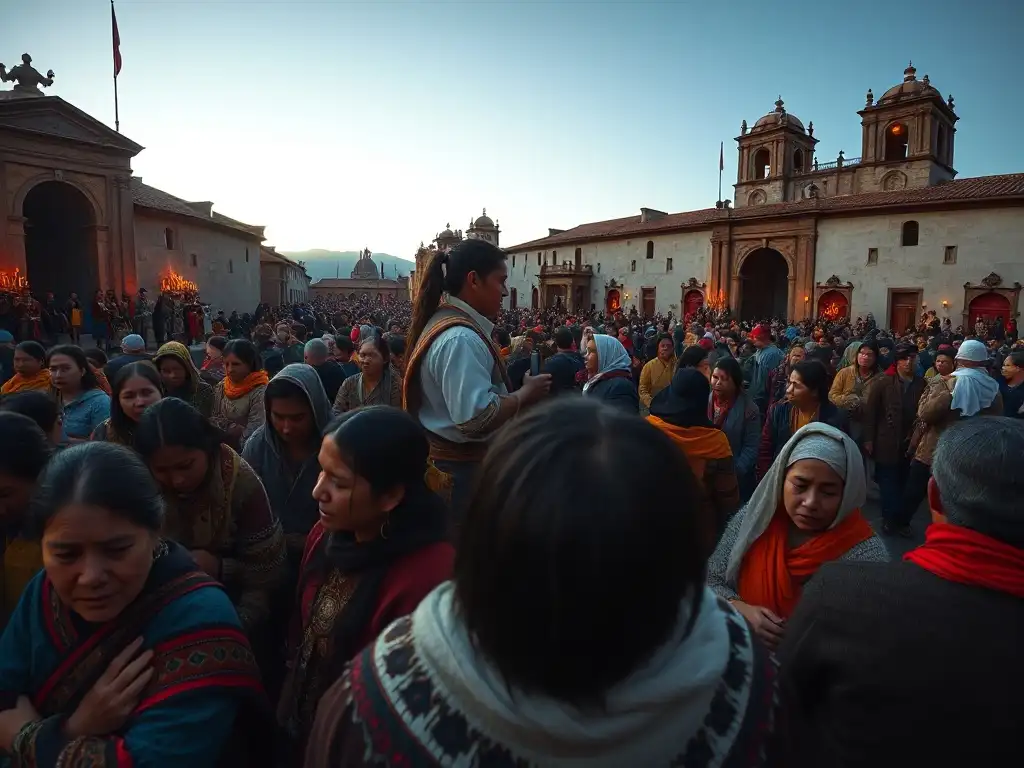
Uncover the secrets whispered on the wind across the Andes… Atahualpa’s death sent shockwaves through the Inca Empire, shattering a world of intricate goldwork and celestial observation. But how did the common people, the priests, the warriors – the very heart of the Inca civilization – truly react to the loss of their Sapa Inca? Prepare to delve into the aftermath of a tragedy that reshaped history, exploring the profound and often unexpected consequences of Atahualpa's demise and the subsequent Spanish Conquest. Discover more about the Inca reaction to Atahualpa's death within.
The execution of Atahualpa, the last Sapa Inca to rule a truly independent Inca Empire, in 1533, was a catastrophic event that sent shockwaves throughout the Inca world. This article explores the profound and multifaceted reaction of the Inca people to the loss of their emperor, examining the immediate aftermath of his death and its long-term consequences on the Inca social structure, political landscape, and spiritual beliefs.
We will delve into the widespread grief, the ensuing power struggles, and the lasting impact of this pivotal moment in Andean history, analyzing how the Inca responded to the brutal end of their powerful leader and the devastating consequences of the Spanish conquest. Understanding the Inca reaction to Atahualpa's death is crucial to grasping the full complexity of the Spanish conquest and its devastating impact on the Inca civilization.
This event marked not just the end of an emperor's life, but the beginning of a period of profound upheaval and transformation for the entire Inca Empire.
The Capture of Atahualpa: Setting the Stage for Inca Grief
Atahualpa's capture at Cajamarca in 1532 was the first devastating blow. While the initial strategy of the Inca may have been one of cautious diplomacy, the Spanish betrayal and subsequent massacre shattered any illusions of peaceful coexistence. The capture of their Sapa Inca, the embodiment of their divine lineage and political authority, was a profound shock that sowed the seeds of future despair.
The ensuing imprisonment and the relentless demands for ransom, though temporarily diverting attention, only served to heighten the sense of vulnerability and impending doom among the Inca populace. The sheer scale of the ransom, a room filled with gold and silver, only underscored the disparity in power and the fragility of the Inca Empire in the face of Spanish aggression.
The very act of demanding a ransom, rather than immediate execution, only served to prolong the agony and anticipation of the Inca people. The seeds of grief had been sown, awaiting the devastating harvest of Atahualpa's death.
The Execution of Atahualpa and its Immediate Impact
The execution of Atahualpa on July 26, 1533, despite the fulfillment of the immense ransom, marked a pivotal point in the Spanish conquest and unleashed a torrent of grief and chaos across the Inca Empire. The act itself, a blatant disregard for Inca customs and religious beliefs, was deeply insulting and traumatic. The news spread like wildfire, shattering the fragile hope that had perhaps lingered among some segments of the population. The execution was not merely the death of a leader; it was the symbolic destruction of the Inca worldview and the shattering of their carefully constructed social order.
The Initial Shock and Disbelief Among the Inca
The immediate reaction was one of profound shock and disbelief. The Inca, accustomed to a hierarchical and ordered society, were unprepared for such a brazen act of violence and treachery. The death of the Sapa Inca, the divinely appointed ruler, was unthinkable. It shattered the very foundation of their belief system and left a void of immense proportions.
Reports suggest widespread mourning, with public displays of grief and expressions of despair becoming commonplace. The loss of their leader was not just a political crisis; it was a spiritual one, a blow to the core of their identity. The sudden absence of their Sapa Inca left a vacuum of leadership that contributed to the subsequent internal conflicts and vulnerabilities.
The Collapse of Inca Authority After Atahualpa's Death
Atahualpa’s death triggered a power vacuum, leading to intense struggles for succession. The carefully constructed Inca system of succession, based on divine lineage and intricate political maneuvering, crumbled under the weight of the Spanish conquest and the absence of a clear heir. This internal conflict, exacerbated by the Spanish manipulation and exploitation of existing rivalries, further weakened the Inca Empire, hindering any organized resistance.
The ensuing power struggles among rival claimants to the throne weakened the Inca ability to resist the Spanish advance and contributed to the rapid disintegration of the empire. The consequences were devastating, resulting in widespread chaos, social disruption, and the beginning of the end for the once-mighty Inca civilization. The absence of a strong central authority left the Inca vulnerable to Spanish exploitation and control, leading to the eventual subjugation of their people.
The death of Atahualpa marked not only the end of an era but the beginning of a long and painful process of cultural and political subjugation. The Inca reaction to Atahualpa's death, therefore, was not just a response to the loss of a leader, but a multifaceted reaction to the shattering of their world.
Inca Mourning Rituals and Practices Following the King's Death
The death of a Sapa Inca, the emperor, was a cataclysmic event for the Inca Empire, triggering elaborate and deeply significant mourning rituals. These weren't simply expressions of personal grief; they were state-sanctioned ceremonies designed to maintain cosmic order and ensure the continued well-being of the empire. The scale and intensity of the mourning reflected the Sapa Inca's position as a divine intermediary between the human and spiritual realms.
The elaborate nature of the rituals underscores the profound reverence held for the ruler and the interconnectedness of the Inca worldview. The death of a leader of such importance necessitated a response that acknowledged their divine status and the resulting disruption to the natural order. The meticulous planning and execution of these rituals demonstrate the sophistication of Inca societal structure and their deep-seated beliefs.
Traditional Inca Funeral Rites and Their Significance
Traditional Inca funeral rites involved a complex series of ceremonies. The body of the Sapa Inca, meticulously prepared through mummification, would be adorned with royal regalia and placed within a specially constructed tomb, often accompanied by offerings of gold, silver, textiles, and other precious items. These offerings were not simply grave goods; they were intended to provide the deceased with necessities in the afterlife and to appease the spirits.
The location of the tomb itself held symbolic importance, often chosen for its geographical or spiritual significance. The construction of the tomb, a monumental undertaking in itself, further emphasized the importance of the deceased and their status within the Inca cosmology.
The entire process, from the initial preparation of the body to the final placement within the tomb, was overseen by priests and high-ranking officials, highlighting the sacred nature of the event. Archaeological evidence supports the elaborate nature of these burial practices, revealing the immense resources dedicated to honoring the deceased Sapa Inca.
Expressions of Grief: Laments, Songs, and Ritualistic Practices
The death of Atahualpa sparked widespread expressions of grief throughout the empire. Professional mourners, known as qhapaq qunqa, would lead public lamentations, their mournful songs and chants echoing the collective sorrow. These weren't simply expressions of sadness; they were ritualistic performances designed to honor the deceased and to help the community process their grief.
The songs and chants often recounted the Sapa Inca's accomplishments and virtues, while also expressing the community's fear and uncertainty about the future. The intensity of these public displays of grief, documented in Spanish chronicles, hints at the depth of the Inca people's attachment to their ruler and the disruption caused by his death. Evidence suggests that these rituals were carefully choreographed, with specific movements and vocalizations designed to convey the appropriate level of sorrow and respect.
The Role of Priests and Spiritual Leaders in Mourning
Inca priests and spiritual leaders played a crucial role in the mourning process. They were responsible for conducting the funeral rites, ensuring the proper execution of ceremonies, and offering prayers and sacrifices to appease the spirits and maintain cosmic balance. Their guidance was essential in navigating the spiritual implications of the Sapa Inca's death and in providing comfort and solace to the grieving population.
The priests’ knowledge of Inca cosmology and their ability to interpret omens and signs were crucial in guiding the community during this period of uncertainty. Their role extended beyond the immediate funeral rites, encompassing ongoing ceremonies and rituals aimed at ensuring the transition to a new ruler and the continued prosperity of the empire. The authority and influence of the priests were paramount in shaping the Inca response to Atahualpa's demise.
The Wider Inca Response to Atahualpa's Demise
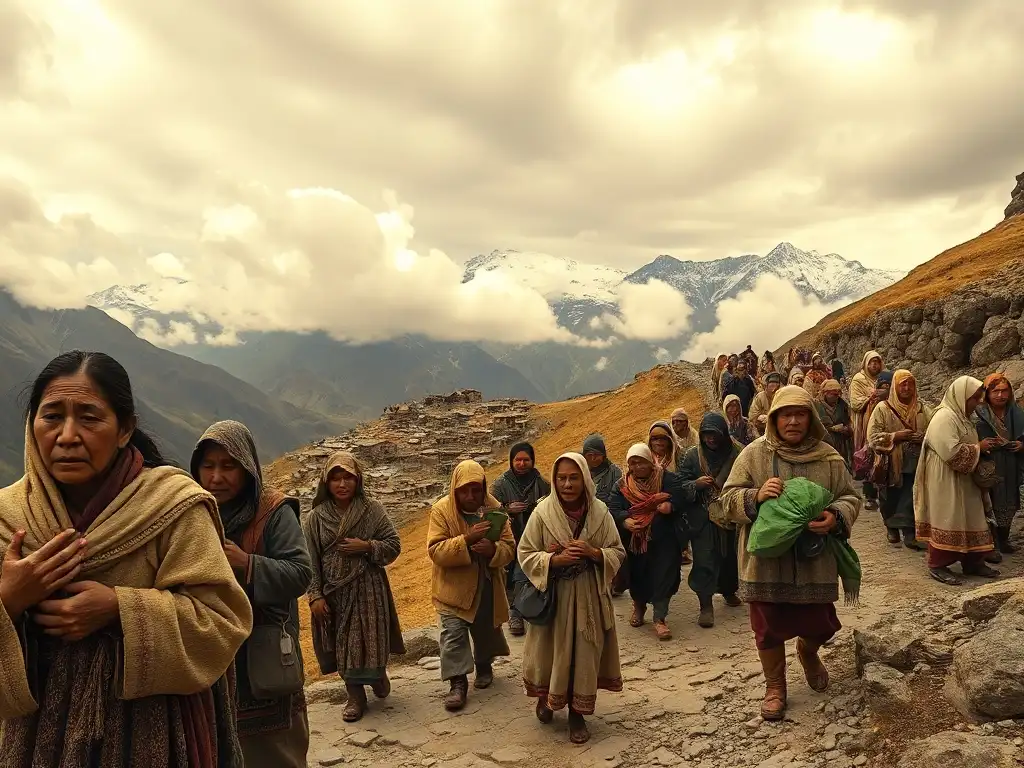
Atahualpa's execution had far-reaching consequences that extended beyond the immediate expressions of grief. The loss of their emperor created a power vacuum and triggered significant social and political upheavals. The Inca Empire, already weakened by internal strife and the Spanish conquest, faced a period of profound instability. The carefully constructed hierarchy and order of the empire were thrown into chaos, resulting in widespread unrest and resistance.
Political Instability and Power Struggles
The death of Atahualpa ignited a fierce struggle for succession. Various factions and claimants vied for control, leading to intense political instability and internal conflict. The absence of a clear heir exacerbated the situation, plunging the empire into a period of civil war and weakening its ability to resist the Spanish advance. The power vacuum allowed ambitious individuals and groups to exploit the situation for their own gain, further destabilizing the already fragile political landscape. This internal conflict significantly diminished the Inca's capacity to mount a unified defense against the Spanish conquistadors.
Local Rebellions and Resistance Against the Spanish
Atahualpa's death fueled local rebellions and resistance movements against the Spanish. While some Inca leaders collaborated with the Spanish, others actively resisted, leveraging the widespread discontent and anger over the execution of their emperor. These rebellions, though often localized and fragmented, demonstrate the enduring strength of Inca resistance and their refusal to accept Spanish domination.
The resistance movements, while ultimately unsuccessful in preventing the fall of the Inca Empire, highlight the resilience and determination of the Inca people in the face of overwhelming odds. Specific examples of these uprisings, while requiring further research for precise details, are crucial to understanding the full extent of the Inca reaction.
The Psychological Impact of Losing the Sapa Inca
The death of Atahualpa had a profound psychological impact on the Inca people. The Sapa Inca was not merely a political leader; he was considered a divine figure, a link between the human and spiritual realms. His death shattered the established cosmic order, creating a sense of fear, uncertainty, and disorientation.
This psychological trauma contributed to the empire's vulnerability and facilitated the Spanish conquest. The loss of faith in the divine authority of the Sapa Inca significantly undermined the social and political fabric of the empire, leaving the population vulnerable to Spanish manipulation and control. The psychological impact is a critical, albeit often overlooked, aspect of the Inca reaction to Atahualpa’s death.
The Long-Term Legacy of Atahualpa's Death
Atahualpa's execution in 1533 marked a pivotal moment not only in the immediate aftermath but also in the long-term trajectory of the Inca Empire. His death profoundly impacted the Inca social structure, political landscape, and cultural identity. The elimination of a powerful and charismatic leader created a power vacuum, leading to internal strife and weakening the empire's ability to resist Spanish conquest.
The systematic dismantling of the Inca administrative system, coupled with the introduction of foreign diseases and the exploitation of resources, further exacerbated the situation. The ensuing chaos and instability laid the groundwork for the complete subjugation of the Inca people under Spanish rule. The loss was not merely that of a ruler; it represented the shattering of a complex social order and the beginning of a painful era of cultural assimilation.
The impact reverberated through generations, shaping the cultural identity of the Andean region for centuries to come. The Spanish victory, cemented by Atahualpa's demise, irrevocably altered the course of Andean history.
The Erosion of Inca Culture and Traditions
The death of Atahualpa triggered a systematic erosion of Inca culture and traditions. The Spanish conquest, facilitated by the internal turmoil caused by Atahualpa's death, led to the suppression of Inca religious practices, the destruction of sacred sites, and the forced conversion of the population to Christianity. Traditional Inca art forms, including textiles, pottery, and metalwork, were either destroyed or adapted to suit Spanish tastes.
The intricate system of mita, a form of labor tribute, was exploited and transformed into a system of forced labor that benefited the Spanish colonizers. The Inca language, Quechua, was gradually replaced by Spanish in administrative and public life, though it persisted in rural communities.
The loss of Atahualpa, therefore, symbolized not only the loss of a leader but also the beginning of a systematic cultural genocide, a slow and deliberate dismantling of a complex and vibrant civilization. The impact on Inca identity was profound and long-lasting.
The Inca Perspective on Atahualpa's Fate
Understanding the Inca perspective on Atahualpa's fate requires considering their worldview and beliefs. For the Inca, the death of a Sapa Inca was a catastrophic event, disrupting the cosmic order and weakening the connection between the earthly and spiritual realms. Atahualpa's death, particularly through execution by a foreign power, would have been perceived as a profound violation of their sacred traditions and a sign of immense misfortune.
Oral histories and surviving accounts (albeit filtered through Spanish interpretations) suggest that the Inca people viewed Atahualpa's death as a betrayal of their divine lineage and a catastrophic blow to their empire. The immense grief and anger would have fuelled resistance movements and fueled a sense of injustice that persisted long after the conquest. Reconstructing this perspective requires careful consideration of the available, often fragmented, sources and an understanding of Inca cosmology.
How the Inca Remembered Atahualpa's Death Through Generations
The memory of Atahualpa's death was passed down through generations primarily through oral traditions. While the Spanish attempted to suppress Inca narratives, stories of Atahualpa's courage, his betrayal, and the injustices suffered by the Inca people continued to circulate within Andean communities. These narratives, often woven into songs, poems, and myths, served as a means of preserving cultural identity and resisting the imposed Spanish narrative of conquest.
The memory of Atahualpa became a symbol of resistance and a reminder of the empire's lost glory. While written documentation from the Inca perspective is limited due to the destruction of many records, the enduring presence of Atahualpa in Andean folklore and cultural memory testifies to the lasting impact of his death and the resilience of the Inca people. The stories served as both a lament and a source of strength, shaping cultural identity for centuries to come.
The Inca Reaction to Atahualpa's Death: A Summary of Loss and Resilience
The Inca reaction to Atahualpa's death was multifaceted and complex, ranging from immediate grief and confusion to prolonged resistance and the tenacious preservation of cultural identity. The initial response was likely characterized by widespread mourning and disbelief, as the unexpected demise of their Sapa Inca shattered the established social order. This initial shock gave way to a period of internal conflict and struggle for power, further weakening the empire's ability to resist the Spanish.
However, the loss of Atahualpa did not extinguish the spirit of the Inca people. Resistance movements emerged, though often fragmented and suppressed. The Inca people displayed remarkable resilience in preserving aspects of their culture and traditions, even under the oppressive rule of the Spanish.
Their memory of Atahualpa, passed down through generations, served as a potent symbol of resistance and a testament to the enduring strength of their cultural heritage. The story of Atahualpa's death thus became a narrative of both profound loss and remarkable resilience. The Inca reaction demonstrated the enduring power of cultural memory and the ability of a people to preserve their identity even in the face of overwhelming adversity.
- The Capture of Atahualpa: Setting the Stage for Inca Grief
- The Execution of Atahualpa and its Immediate Impact
- Inca Mourning Rituals and Practices Following the King's Death
- The Wider Inca Response to Atahualpa's Demise
- The Long-Term Legacy of Atahualpa's Death
- The Inca Reaction to Atahualpa's Death: A Summary of Loss and Resilience
- What was the immediate Inca reaction to Atahualpa's death?
- How did the death of Atahualpa impact Inca religious beliefs and practices?
- Did the Spanish conquest directly benefit from Atahualpa's execution?
- How did the common Inca people react to the death of their Sapa Inca?
- What long-term effects did Atahualpa's death have on the Inca Empire?
Frequently Asked Questions
What was the immediate Inca reaction to Atahualpa's death?
The immediate reaction was one of chaos and uncertainty. The empire was left without a clear successor, leading to power struggles and instability among various factions vying for control. This created a vulnerable state for the Inca.
How did the death of Atahualpa impact Inca religious beliefs and practices?
Atahualpa's death likely deepened existing anxieties surrounding the legitimacy of the Inca ruler and their connection to the divine. Religious rituals and beliefs would have been significantly impacted by the loss of their supreme leader. The ensuing instability would have weakened their faith.
Did the Spanish conquest directly benefit from Atahualpa's execution?
Yes, Atahualpa's death significantly weakened the Inca Empire. The lack of a strong central authority allowed the Spanish to more easily consolidate their power and control over the conquered territories and people. This facilitated the Spanish conquest.
How did the common Inca people react to the death of their Sapa Inca?
The common people likely experienced grief, fear, and confusion. The death of the Sapa Inca was a devastating blow, leaving many without leadership and creating widespread social and economic disruption. Their lives were immediately and drastically altered.
What long-term effects did Atahualpa's death have on the Inca Empire?
Atahualpa's death had profound and lasting consequences. The ensuing civil war and the subsequent Spanish conquest led to the collapse of the Inca Empire and the loss of their unique culture and traditions. The empire never recovered its former strength.
Final Reflection: The Enduring Legacy of Atahualpa's Death
The brutal execution of Atahualpa in 1533 wasn't merely a historical event; it was a seismic shift that irrevocably altered the course of Andean civilization. The consequences of this act, far from being confined to the past, continue to resonate in the cultural and political landscape of South America today, shaping narratives of identity and resistance.
The Inca reaction to Atahualpa's death, a complex tapestry woven from grief, betrayal, and ultimately, fierce resistance, serves as a potent reminder of the enduring human spirit in the face of unimaginable loss. The death of a king is not the death of a man, but the death of an era.
While this quote may not be directly from the Inca perspective, it captures the profound impact of Atahualpa's demise on the Inca Empire and its people. The ensuing power struggles, the fragmentation of the empire, and the subsequent colonial subjugation all stemmed from this pivotal moment, leaving an indelible mark on the collective memory of the Andean peoples. The legacy of this trauma continues to inform discussions about indigenous rights, cultural preservation, and the ongoing struggle for self-determination.
Consider, for a moment, the weight of this history. How does the story of Atahualpa's death and its aftermath shape your understanding of colonialism, power, and resilience? Let the echoes of Atahualpa's mourning inspire you to learn more, to listen to the voices of the marginalized, and to actively work towards a future where such injustices are not repeated.
Engage with the ongoing conversation surrounding indigenous rights and the preservation of cultural heritage. The past is not simply a collection of facts; it is a living force that shapes our present and informs our future. Let us honor the memory of Atahualpa and the Inca people by striving to build a more just and equitable world.
Embrace the Legacy: Honor Atahualpa's Memory Today!
Thank you for exploring the profound impact of Atahualpa's death on the Inca people. Your interest in this pivotal historical moment helps preserve his legacy and fosters a deeper understanding of Inca civilization. Let's use this opportunity to honor his memory and learn from his life and times.
Here are some ways you can engage further:
- Join the Conversation: Share your thoughts on Atahualpa's life and impact in the comments below. What insights have you gained from learning about his story?
- Explore Further: Learn more about Inca culture by reading our related articles on Andean traditions and leadership styles.
- Spread the Word: Share this article with friends and family interested in history and diverse cultures. Let's continue the discussion and keep Atahualpa's story alive.
How might Atahualpa's leadership style inform the approaches of modern leaders?