
Moche Innovation: New Ideas and Inventions

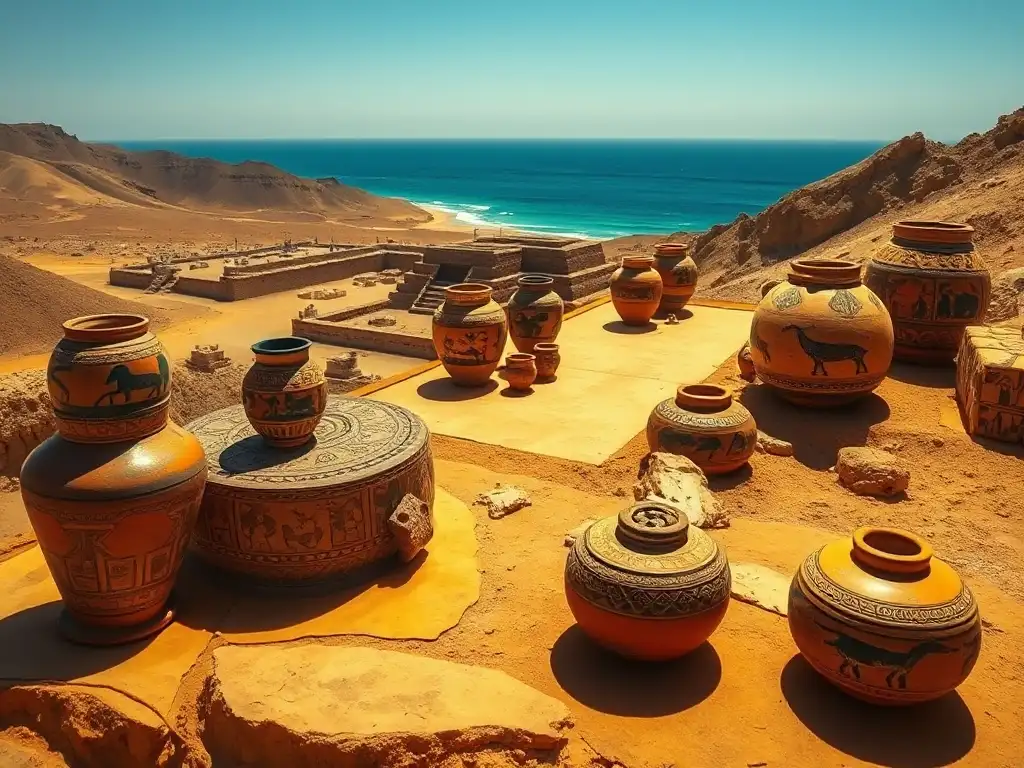
Step into a world lost to time, yet echoing with ingenuity. Prepare to be amazed by the unparalleled achievements of the ancient Andean civilizations. This journey begins with the Moche, a culture whose mastery of engineering and artistry continues to astound. Discover the secrets behind their incredible Moche inventions and innovations – innovations that defied their time and continue to inspire awe. Dare to delve deeper into their captivating legacy? Then explore the wonders that await.
- Moche Innovation: Unveiling New Ideas and Inventions
- Moche Agricultural Innovations: Cultivating the Desert
- Moche Artistic and Crafting Innovations
- Moche Architectural and Engineering Achievements
- Moche Military and Warfare Innovations
- Moche Social and Political Innovations
- The Legacy of Moche Inventions and Innovations
- Frequently Asked Questions
- Final Reflection: The Enduring Legacy of Moche Ingenuity
- Unleash Your Curiosity: Dive into Moche Innovations!
Moche Innovation: Unveiling New Ideas and Inventions
The Moche civilization, flourishing along the northern coast of Peru from approximately 100 to 800 CE, stands as a testament to human ingenuity and adaptation. This remarkably advanced culture, known for its breathtaking artistry and sophisticated social structures, also boasted impressive technological achievements that significantly impacted their daily lives and left a lasting legacy. This article delves into the fascinating world of Moche inventions and innovations, exploring their remarkable contributions to irrigation, metallurgy, ceramics, and architecture, showcasing their problem-solving skills and their deep understanding of their environment.
We will uncover evidence of their innovative spirit, highlighting how their inventions shaped their society and continue to inspire awe and admiration today. The Moche weren't simply skilled artisans; they were innovators who pushed the boundaries of their time, leaving behind a rich tapestry of technological advancements for future generations to study and appreciate.
Introduction to Moche Ingenuity and Technological Advancements
The Moche's ingenuity is perhaps most evident in their mastery of their arid environment. Facing the challenges of a desert climate, they developed sophisticated irrigation systems that allowed them to cultivate vast expanses of land. These weren't simple canals; they were complex networks of channels, reservoirs, and aqueducts, meticulously designed and maintained to maximize water efficiency.
Their understanding of hydraulics was exceptional, allowing them to harness scarce water resources and support a large, thriving population. This mastery of water management was fundamental to their agricultural success and the overall prosperity of their society. Furthermore, their advancements weren't limited to irrigation; their innovations extended to metallurgy, ceramics, and architecture, demonstrating a remarkable breadth of technological expertise.
Moche Metallurgy: Shaping Metal into Art and Tools
The Moche were renowned for their exceptional metalworking skills. They skillfully crafted intricate objects from gold, silver, copper, and alloys, demonstrating a deep understanding of metallurgical processes. Their techniques included casting, hammering, and soldering, allowing them to create everything from elaborate jewelry and ceremonial objects to practical tools and weapons. The precision and detail in their metalwork are astonishing, reflecting a high level of skill and artistry.
Examples include intricately designed gold ornaments depicting deities and mythical creatures, reflecting their rich religious beliefs and artistic sensibilities. The quality of their metalwork surpasses that of many contemporary cultures, highlighting their advanced understanding of metallurgy. The sheer volume and variety of their metal artifacts also speaks volumes about the scale of their metalworking industry and its significance to Moche society.
Moche Ceramics: A Window into their World
Moche pottery is arguably their most iconic legacy. Beyond their aesthetic appeal, these vessels offer invaluable insights into their daily lives, religious beliefs, and social structures. The Moche were masters of ceramic techniques, producing incredibly detailed and lifelike representations of people, animals, and scenes from their daily lives. Their mastery of modeling, painting, and firing techniques allowed them to create highly realistic and expressive pieces.
The vibrant colors and intricate details of their pottery reveal a sophisticated understanding of pigments and firing processes. These ceramic artifacts serve as a visual record of their society, providing a window into their beliefs, customs, and artistic expressions. The sheer quantity and variety of surviving pottery further underscore the importance of ceramics in Moche culture.
Moche Architecture: Designing for Function and Aesthetics
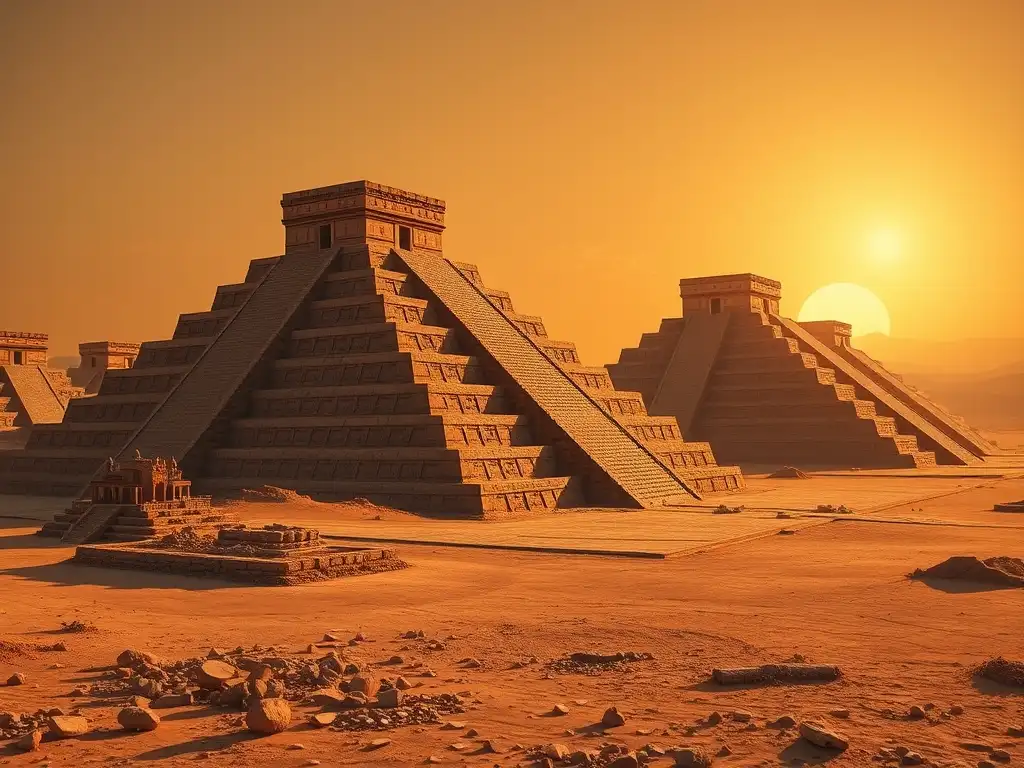
Moche architecture reflects both practical considerations and artistic expression. Their structures, ranging from modest dwellings to monumental pyramids, demonstrate a sophisticated understanding of construction techniques and materials. They utilized adobe bricks, stone, and other local materials to create durable and functional structures. The layout of their cities and settlements suggests a well-organized and planned society.
Their monumental architecture, such as the Huaca del Sol and Huaca de la Luna, are impressive feats of engineering and reflect the power and organization of the Moche state. These structures were not merely functional; they served important religious and ceremonial purposes, showcasing the integration of art, religion, and engineering in Moche society. The scale and complexity of their architecture highlight their advanced organizational capabilities and engineering skills.
Conclusion: The Enduring Legacy of Moche Innovation
The Moche civilization's legacy extends far beyond its impressive artistic achievements. Their innovations in irrigation, metallurgy, ceramics, and architecture demonstrate a remarkable capacity for technological advancement and adaptation. Their ingenuity in overcoming the challenges of their environment and their mastery of various crafts stand as a testament to their creativity and resilience.
The study of Moche inventions and innovations continues to provide valuable insights into the complexities of this fascinating ancient civilization and their lasting impact on the cultural landscape of Peru. Their legacy serves as a reminder of the power of human ingenuity and the enduring impact of innovation on societies throughout history.
Moche Agricultural Innovations: Cultivating the Desert
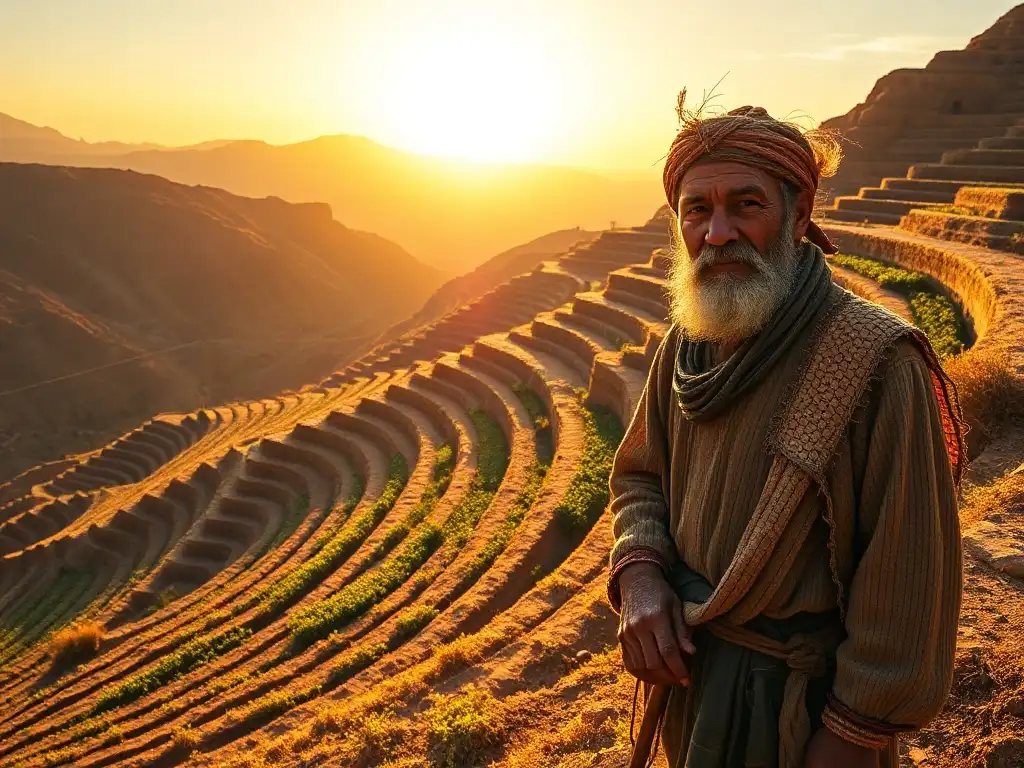
The Moche civilization, flourishing along the arid northern coast of Peru from roughly 100 to 800 CE, achieved remarkable feats in agriculture, transforming a seemingly inhospitable desert landscape into a productive agricultural region. Their success stemmed from a sophisticated understanding of water management and innovative farming techniques, a testament to their ingenuity and adaptability. This section explores the key elements of Moche agricultural innovations, focusing on their irrigation systems, advanced farming practices, and the impressive diversity of crops they cultivated.
Understanding these achievements provides crucial insight into the Moche's ability to sustain a large and complex society in a challenging environment. The keyword "Moche inventions and innovations" is directly addressed throughout this section, highlighting the civilization's inventive spirit and its impact on their societal development.
Moche Irrigation Systems: Engineering for Abundance
The Moche's most significant contribution to agriculture was their mastery of irrigation. They developed an extensive network of canals, ditches, and reservoirs to channel water from rivers and streams to their fields. These weren't simple systems; they involved intricate engineering feats, including the construction of aqueducts across valleys and the creation of reservoirs to store water during the dry season.
Evidence suggests the use of sophisticated surveying techniques to ensure accurate water distribution. The scale of these projects is impressive, reflecting a highly organized society capable of mobilizing significant labor for large-scale infrastructure projects. These irrigation systems weren't just about quantity; they also demonstrated an understanding of water management, optimizing water flow and minimizing water loss.
The success of the Moche irrigation systems is a prime example of Moche inventions and innovations in water management, directly supporting their societal growth and prosperity. The sophisticated network allowed for year-round cultivation, ensuring food security and supporting population growth.
Advanced Farming Techniques: Maximizing Crop Yields
Beyond irrigation, the Moche employed advanced farming techniques to maximize crop yields. These techniques included terracing, which involved creating flat platforms on hillsides to create more arable land and reduce soil erosion. They also utilized raised fields, creating artificial islands of fertile soil in marshy areas, allowing for efficient drainage and improved soil aeration. Furthermore, evidence suggests the use of fertilizers, possibly composed of guano (bird droppings) and other organic materials, to enrich the soil and enhance crop productivity.
The combination of irrigation and these advanced farming practices allowed the Moche to achieve remarkably high crop yields, supporting a substantial population density in an otherwise arid environment. This level of agricultural efficiency demonstrates the ingenuity of Moche inventions and innovations in boosting food production. The innovations directly contributed to their societal stability and allowed for the development of a complex social hierarchy and sophisticated art forms.
Moche Crop Diversity: Adapting to the Environment
The Moche cultivated a remarkable diversity of crops, showcasing their adaptability to the challenging environment. Their staple crops included maize (corn), beans, squash, and cotton. They also cultivated a variety of other crops, including chili peppers, peanuts, and various fruits.
This diversity ensured resilience against crop failure due to drought or disease. The selection and cultivation of these crops reflect a deep understanding of local ecology and an ability to adapt to diverse microclimates within the region. Their agricultural prowess showcases the Moche's ability to not only manage resources effectively but also to innovate and adapt to the environmental challenges they faced.
This diversity, coupled with their innovative irrigation and farming techniques, are key elements of Moche inventions and innovations that ensured the long-term success and sustainability of their civilization. The ability to cultivate such a wide array of crops speaks to their advanced knowledge of agriculture and their resourceful approach to food production.
Moche Artistic and Crafting Innovations
The Moche, a pre-Columbian civilization flourishing along the northern coast of Peru from approximately 100 CE to 800 CE, were renowned for their remarkable artistic and technological achievements. Their innovations extended beyond mere aesthetics, reflecting a sophisticated understanding of materials and techniques, and a deep-seated cultural expression. This section delves into some of the key innovations in Moche artistry and craftsmanship, showcasing their ingenuity and mastery. Understanding these advancements provides crucial insight into the complexity and sophistication of Moche society, highlighting their unique contributions to Andean cultural heritage. The Moche inventions and innovations in these fields are truly remarkable.
Moche Ceramics: Beyond Decoration - Storytelling in Clay
Moche pottery is arguably their most iconic artistic achievement. Far from being simple vessels, Moche ceramics served as powerful mediums for storytelling, religious expression, and social commentary. The artisans displayed exceptional skill in modeling, sculpting, and painting, creating incredibly lifelike depictions of people, animals, and mythical creatures. The level of detail is astounding; facial expressions, body postures, and even textiles are rendered with remarkable accuracy.
Consider the iconic huacos retrato, portrait vessels depicting individuals with striking realism. These weren't mass-produced; each piece is unique, reflecting individual features and potentially representing specific members of the society, possibly elites or even rulers. The vibrant colors, achieved through the use of mineral pigments, further enhanced the expressiveness of these works. Beyond portraiture, Moche potters also created intricate scenes depicting daily life, warfare, religious rituals, and mythical narratives, providing invaluable insights into their worldview and social structures.
The precision and detail in these narrative scenes demonstrate a sophisticated understanding of artistic composition and storytelling through visual media. These weren't merely decorative objects; they were complex narratives, preserved in clay for posterity. The sophisticated techniques involved in creating these pieces, from the preparation of the clay to the firing process, further highlight the advanced technological capabilities of Moche artisans.
Moche Metallurgy: Techniques in Gold, Silver and Copper
The Moche were master metallurgists, adept at working with gold, silver, and copper. Their metallurgical innovations are evident in the intricate jewelry, ornaments, and tools they produced. They employed advanced techniques like lost-wax casting, hammering, and repoussé to create objects of exquisite beauty and functionality. Gold and silver were often combined, sometimes with inlaid turquoise or other precious stones, to create stunningly ornate pieces.
Examples include intricate headdresses, delicately crafted necklaces, and finely detailed ceremonial objects. The techniques used in Moche metallurgy demonstrate a deep understanding of material properties and a remarkable level of technical skill. Analysis of surviving artifacts reveals sophisticated methods of alloying metals to achieve desired properties, such as strength and durability.
The Moche also developed innovative techniques for surface decoration, including etching, engraving, and gilding, enhancing the aesthetic appeal of their metalwork. Their mastery of metallurgy not only served practical purposes but also played a crucial role in religious and social rituals, highlighting the integral role of metalwork in Moche society. The sheer artistry and technical precision of their metalwork stand as a testament to their ingenuity and the advanced state of their metallurgical knowledge.
Textile Innovation: Weaving Techniques and Complex Patterns
Moche textile production was another area of significant innovation. They developed sophisticated weaving techniques, utilizing various fibers like cotton and camelid wool to create intricate and richly colored textiles. Their mastery of weaving is evident in the complexity of the patterns and the fine quality of the fabrics. The Moche employed a variety of weaving techniques, including tapestry weaving, brocade, and embroidery, to achieve a wide range of textures and effects.
These textiles were not only functional but also served ceremonial and decorative purposes. They were used to create elaborate garments for elites, intricate tapestries for religious rituals, and finely woven bags for everyday use. The patterns and motifs found on Moche textiles often feature symbolic imagery, reflecting religious beliefs, social status, and cosmological concepts. The use of vibrant colors, achieved through natural dyes, further enhanced the aesthetic appeal of these textiles.
The sophisticated techniques and complex patterns found in Moche textiles demonstrate a high level of artistic skill and technological expertise, underscoring the advanced state of their textile production. The survival of some of these textiles, despite the passage of centuries, is a testament to the durability and quality of Moche craftsmanship. Further research into the dyes and fibers used could provide even more information about Moche inventions and innovations in textile production.
Moche Architectural and Engineering Achievements
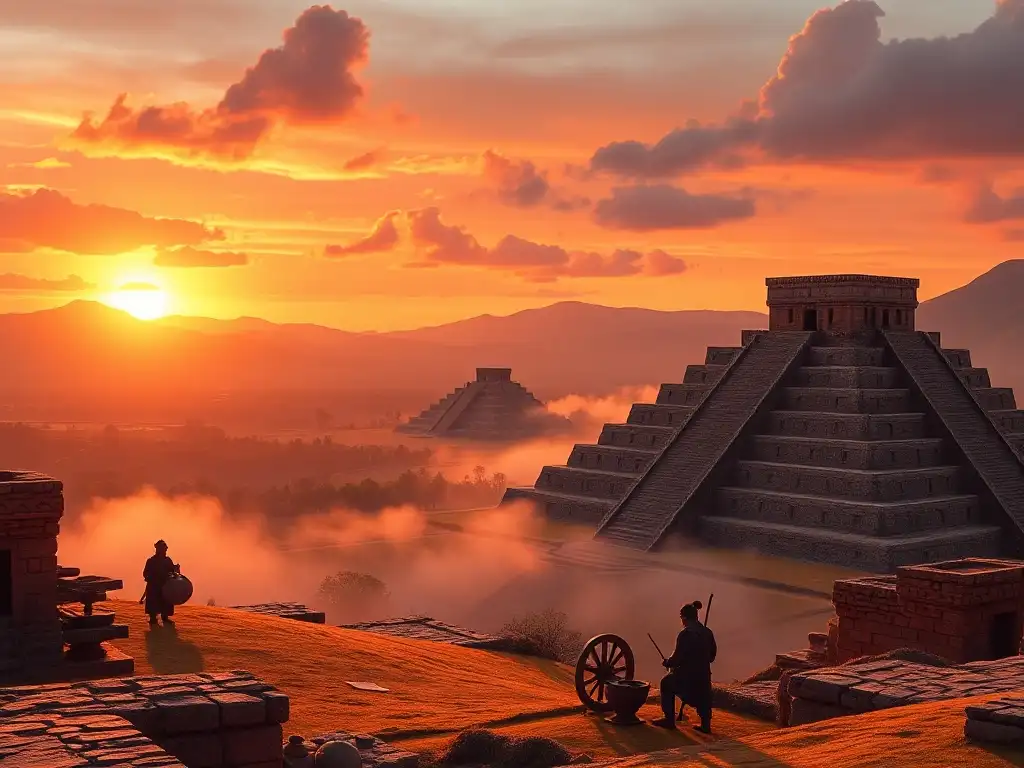
The Moche, a pre-Columbian civilization flourishing along the northern coast of Peru (roughly 100-800 CE), left behind a remarkable legacy of architectural and engineering marvels. Their ingenuity in construction, hydraulics, and urban planning showcases a sophisticated understanding of materials, logistics, and societal organization. This section delves into specific examples of their impressive achievements, highlighting their innovative techniques and the impact on their society. The keyword "Moche inventions and innovations" is directly addressed through the detailed examples provided below.
Moche Pyramids: Monumental Construction Methods
Moche pyramids, such as the Huaca del Sol and Huaca de la Luna near Trujillo, are testaments to their impressive construction capabilities. These massive structures, built from millions of adobe bricks, were not simply burial mounds or temples; they were complex, multi-layered edifices reflecting their social hierarchy and religious beliefs. The sheer scale of these projects requires consideration of the logistical challenges involved: the procurement of raw materials, the organization of labor, and the sophisticated planning necessary for such monumental undertakings.
Evidence suggests that Moche builders employed advanced techniques, including the use of ramps and scaffolding, to efficiently transport and place the enormous quantities of adobe bricks. The precision in bricklaying and the overall structural integrity of these pyramids, some of which have withstood centuries of weathering, point to a high level of skill and expertise among Moche builders. Further research into the construction techniques could reveal even more about their understanding of engineering principles.
The precision in the construction of these pyramids is truly breathtaking 🤯. Consider the immense human effort required, a testament to the Moche's organizational prowess and collective dedication.
Moche Hydraulic Engineering: Managing Water Resources
The arid coastal desert presented significant challenges to the Moche. Their survival depended on their ability to effectively manage scarce water resources. The Moche demonstrated remarkable ingenuity in developing sophisticated irrigation systems, including canals, reservoirs, and aqueducts. These systems, often carved into the landscape, channeled water from rivers and streams to agricultural fields, enabling intensive agriculture and supporting a large population.
The intricate network of canals, some stretching for kilometers, required careful planning, surveying, and maintenance. The Moche's understanding of hydrology and their capacity to execute large-scale water projects are evident in the efficiency and longevity of these systems. Archaeological evidence suggests the use of sophisticated techniques for water management, such as the construction of underground channels (canales subterráneos) to minimize water loss through evaporation.
This mastery of hydraulic engineering is a cornerstone of their success and a significant example of Moche inventions and innovations. The ingenuity displayed in their water management systems is nothing short of astonishing! ✨
Urban Planning: Innovative City Design
While less visibly impressive than their pyramids, the Moche's urban planning also exhibits considerable innovation. Their cities, characterized by a structured layout and specialized zones, demonstrate a degree of urban sophistication rarely seen in contemporary societies. Evidence suggests a clear division of residential, administrative, and religious areas, reflecting a complex social structure and a well-defined urban hierarchy.
The careful placement of buildings, the organization of streets, and the presence of public spaces such as plazas all point to a planned and organized approach to urban development. Further research is needed to fully understand the principles guiding their urban design, but the existing evidence strongly suggests a deliberate and sophisticated approach. The Moche's urban planning, though less visually striking than their monumental architecture, represents a significant contribution to their overall achievements and is a key aspect of understanding their innovations.
Their ability to create functional and organized settlements within a challenging environment highlights their adaptability and problem-solving capabilities. The careful consideration of functionality and social structure within their city designs is a testament to their advanced understanding of urban planning principles.
Moche Military and Warfare Innovations
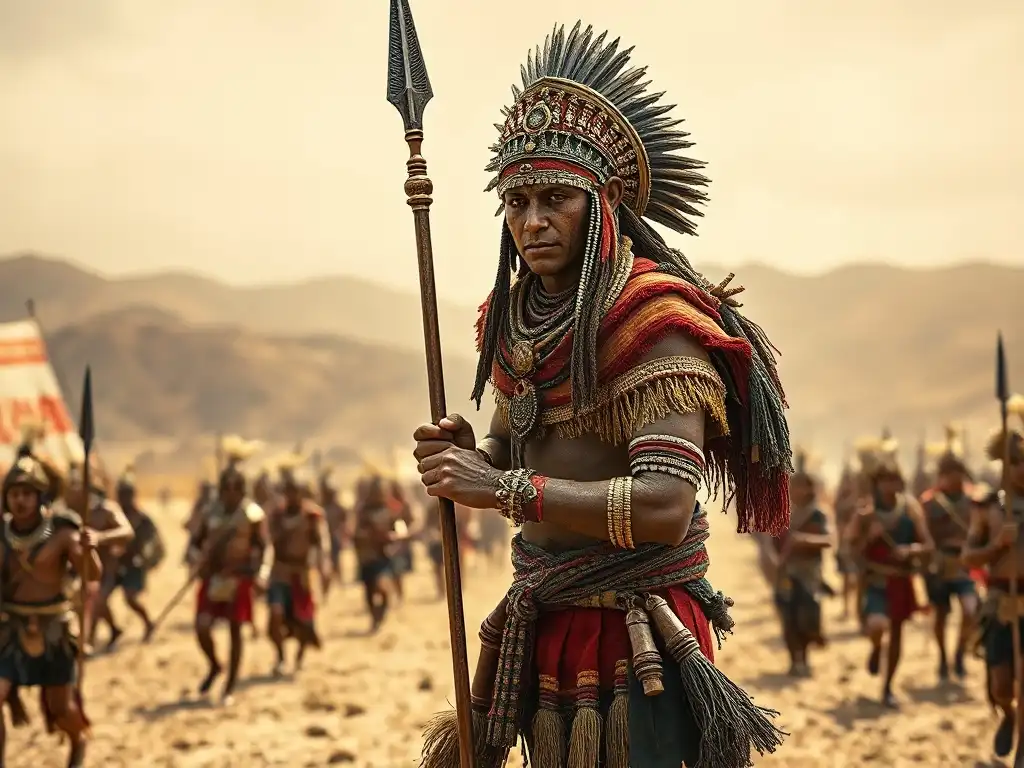
The Moche civilization, flourishing along the northern coast of Peru from approximately 100 CE to 800 CE, wasn't just known for its stunning artistry and sophisticated irrigation systems. Their military prowess and innovative approaches to warfare played a crucial role in their societal development and territorial expansion. The Moche weren't simply warriors; they were innovators in military technology, defensive strategies, and organizational tactics, all contributing to their long-lasting dominance in the region.
Understanding their military innovations provides key insights into the Moche understanding of power, societal structure, and their overall success as a civilization. This section delves into the specific advancements the Moche made in military technology, fortifications, and organizational structures.
Moche Weaponry: Advanced Combat Technology
Moche weaponry wasn't merely rudimentary tools; it represented a sophisticated understanding of metallurgy and combat effectiveness. Their mastery of metalworking, particularly copper alloys, allowed them to craft superior weapons compared to neighboring cultures. Evidence suggests widespread use of:
- Spear-throwers (Atlatls): These devices significantly increased the range and power of spears, giving Moche warriors a considerable advantage in engagements. The atlatls themselves were often elaborately decorated, reflecting their importance in Moche society.
- Copper and Bronze Weapons: Moche artisans produced high-quality copper and bronze weapons, including swords, knives, and spear points. The use of alloys improved the durability and sharpness of these weapons, giving them a significant edge in battle. Analysis of surviving artifacts reveals sophisticated casting techniques and the use of heat treatment to enhance the metal's properties.
- Macanas (Clubs): While seemingly less advanced than metal weapons, the macanas were effective close-quarters combat weapons, often featuring intricate carvings and designs. Their effectiveness stemmed from the strength and weight of the club combined with the skill of the warrior.
The quality and sophistication of Moche weaponry, coupled with their tactical deployment, played a key role in their military successes and territorial control. Further research into the specific metallurgical techniques employed by the Moche could reveal even more about their technological advancements.
Moche Fortifications: Defense Strategies and Structures
Moche defense strategies went beyond simply deploying warriors. They invested significantly in constructing elaborate fortifications designed to protect their settlements and resources. These weren't just simple walls; they were strategically planned defensive structures integrated into the landscape:
- Citadels: Strategically located citadels, often situated on elevated ground or near water sources, served as defensive strongholds and centers of power. These structures were typically fortified with walls, towers, and possibly even moats, providing superior defensive positions. Evidence suggests that the construction of these citadels involved significant engineering feats and labor organization.
- Defensive Walls: Many Moche settlements were protected by extensive defensive walls, often constructed from adobe bricks or stone. These walls were not only effective barriers but also incorporated defensive features like towers and strategically placed gateways. Their design and construction suggest a high degree of planning and coordination.
- Integration with the Landscape: Moche fortifications were often cleverly integrated into the natural landscape, utilizing hillsides, cliffs, and rivers to enhance their defensive capabilities. This demonstrates a sophisticated understanding of terrain and its strategic importance in warfare.
The investment in such substantial fortifications underscores the importance of defense and the Moche's commitment to protecting their settlements and resources from potential threats. The scale and sophistication of these structures highlight their advanced engineering capabilities and organizational prowess.
Military Organization: Innovation in Tactics and Logistics
Beyond weaponry and fortifications, the Moche's success in warfare stemmed from their innovative military organization and logistics. While specific details remain elusive, archaeological evidence and iconography suggest a complex and well-organized military structure:
- Hierarchical Structure: The Moche military likely followed a hierarchical structure, with specialized units and ranks. Depictions in Moche art show warriors in different roles and equipment, suggesting a degree of specialization and organization within their military forces.
- Logistics and Supply: Sustaining a large-scale military operation required a sophisticated logistical system. The Moche's mastery of irrigation and agriculture provided a stable food supply, supporting their military endeavors. The organization required to manage this supply chain would have been significant.
- Inter-regional Cooperation (Potential): While the extent is debated, some scholars suggest the possibility of inter-regional cooperation or alliances among different Moche settlements, allowing for coordinated military actions over larger territories. Further research is needed to fully understand this aspect of Moche military organization.
The Moche military's effectiveness wasn't solely based on superior weaponry but also on their organizational capabilities, logistical expertise, and perhaps even strategic alliances. Further research focusing on the archaeological evidence and the interpretation of Moche iconography is crucial to fully understand the complexities of their military organization and its contribution to their societal success. The investigation of Moche military structures and organization remains a vibrant field of study within Andean archaeology, with much still to be discovered about the "Moche inventions and innovations" in this area.
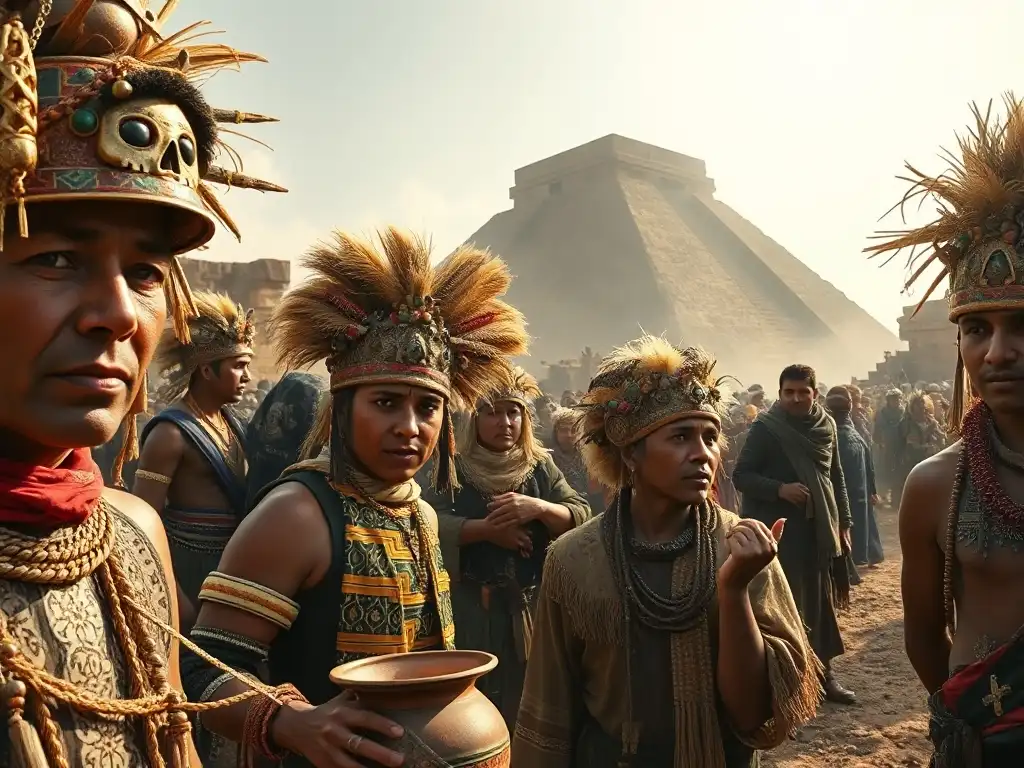
The Moche civilization, flourishing along the northern coast of Peru from approximately 100 CE to 800 CE, wasn't just known for its stunning artistry; it also boasted significant social and political innovations that facilitated its growth and longevity. These advancements weren't merely incremental changes but represented a substantial leap forward in Andean societal organization and control. Understanding these innovations provides crucial insight into the complexity and sophistication of Moche society, a civilization often underestimated in its administrative prowess.
The strategic combination of sophisticated governance, specialized labor, and efficient resource management solidified the Moche's position as a dominant force in the region. This section will explore key aspects of these remarkable achievements, focusing on the Moche inventions and innovations that shaped their world.
Governance Structures: Innovative Systems of Control
The Moche state, while lacking a centralized, unified political structure like the later Inca Empire, employed remarkably effective systems for controlling its vast territory and diverse population. Evidence suggests a hierarchical system, likely featuring powerful rulers—often depicted in elaborate iconography—who wielded significant authority. However, the mechanisms of control extended beyond simple coercion. The Moche likely employed a combination of strategies, including:
- Religious Authority: The Moche elite skillfully intertwined religious beliefs and political power. Their elaborate religious rituals and iconography, frequently depicting powerful deities and rulers, fostered a sense of reverence and obedience among the populace. This religious legitimacy buttressed their political control.
- Infrastructure Projects: The construction of extensive irrigation systems, monumental architecture (such as the Huaca del Sol and Huaca de la Luna), and impressive roadways demonstrably showcased the power and organizational capabilities of the Moche state. These projects not only served practical purposes but also served as potent symbols of power and control, requiring significant coordination and labor mobilization.
- Regional Control: While not a unified empire in the traditional sense, the Moche exerted influence over a considerable geographical area. Archaeological evidence points to a network of settlements and smaller centers, suggesting a decentralized but coordinated system of control. This may have involved a combination of alliances, tributary relationships, and military might. The exact nature of this control remains an area of active research, with ongoing excavations revealing new insights into the Moche’s administrative strategies.
Beyond political control, the Moche’s success stemmed from a highly specialized and stratified social structure. This wasn't merely a division of labor; it represented a complex system of roles and responsibilities, reflecting a sophisticated understanding of social engineering. Evidence from Moche burials and artistic representations reveals a clear social hierarchy:
- Elite Class: This group, including priests, rulers, and high-ranking officials, enjoyed privileged access to resources and held significant power. Their burials are characterized by lavish grave goods, reflecting their elevated status.
- Artisans and Specialists: The Moche civilization thrived on the skills of specialized artisans. Potters, metalworkers, weavers, and other specialists played crucial roles in the society, creating the exquisite artifacts for which the Moche are renowned. This specialization reflects a high level of social organization and economic interdependence.
- Farmers and Laborers: The majority of the Moche population likely consisted of farmers and laborers who supported the elite and specialists. Their contributions were essential to the functioning of the society, providing food and resources. Irrigation systems, a key Moche innovation, enabled increased agricultural productivity, supporting this large population.
The intricate interaction between these social groups, facilitated by efficient resource management and governance, formed the backbone of Moche society. The organization and efficient deployment of these different social classes contributed significantly to the Moche's ability to sustain itself and flourish for centuries.
Moche Economic Innovations: Trade and Resource Management
The Moche's economic success was closely tied to their ability to manage resources and engage in trade. Their innovations in these areas were crucial to their prosperity and social stability. Key aspects include:
- Irrigation Systems: The development of sophisticated irrigation systems was a cornerstone of Moche economic prosperity. These systems allowed for intensive agriculture in the arid coastal region, generating surplus food to support a large population and specialized labor. The engineering prowess displayed in these systems represents a significant technological achievement.
- Metallurgy: The Moche were masterful metalworkers, producing intricate gold, silver, and copper objects. This metallurgical expertise not only enhanced their artistic achievements but also played a crucial role in their economy. Metal objects served as valuable trade goods and symbols of power.
- Trade Networks: The Moche engaged in extensive trade networks, exchanging goods with other Andean civilizations and possibly even beyond. The distribution of Moche pottery and other artifacts across a wide geographical area attests to their participation in regional exchange systems. This trade fostered economic growth and cultural exchange.
The efficient management of resources and the development of robust trade networks were integral to the Moche's long-term success. These economic innovations, combined with their social and political strategies, enabled them to build a powerful and enduring civilization. Further research into Moche economic practices promises to reveal even more about the ingenuity and sophistication of this remarkable ancient society.
The Legacy of Moche Inventions and Innovations
The Moche civilization, flourishing along the northern coast of Peru from roughly 100 CE to 800 CE, left behind a remarkable legacy of inventions and innovations that significantly impacted subsequent Andean cultures and continue to fascinate modern researchers. Their ingenuity wasn't limited to a single area; rather, it spanned diverse fields, including irrigation, metallurgy, ceramics, and textile production. Understanding the extent of their achievements requires acknowledging not just the objects themselves, but also the sophisticated social structures and technological understanding that enabled their creation.
The Moche weren't simply inventing; they were constantly improving upon existing techniques, demonstrating a remarkable capacity for adaptation and innovation. This section will delve into the lasting impact of their technological advancements.
Impact on Subsequent Andean Cultures
The Moche's influence extended far beyond their geographical boundaries and temporal lifespan. Their advancements in irrigation techniques, for example, involving complex canal systems and reservoirs, provided a model for later cultures like the Chimú and Inca. The intricate network of canals, capable of diverting water from rivers and streams to arid agricultural lands, allowed for intensive farming and supported a large, densely populated society.
This sophisticated system demonstrated a deep understanding of hydraulic engineering, far surpassing simpler irrigation methods used in other contemporary societies. Moreover, their metallurgical skills, particularly in gold and silver working, were adopted and refined by subsequent cultures. The distinctive Moche style of metalworking, characterized by intricate details and realistic depictions, served as a foundation for later Andean metal craftsmanship.
The legacy of Moche artistry and technology is clearly visible in the artistic traditions and technological capabilities of the later Andean empires. Evidence of this transmission includes similarities in techniques and motifs found in ceramics, textiles, and metalwork across different Andean cultures. For example, [specific examples of stylistic similarities pending further research].
Modern Understanding of Moche Technological Prowess
Modern scientific analysis is continually revealing the sophistication of Moche technology. Recent studies using advanced imaging techniques have uncovered intricate details in their metalwork, revealing the precise methods used to create incredibly fine details and complex shapes. Furthermore, analysis of their ceramic production techniques reveals a deep understanding of material science. The Moche were able to produce exceptionally durable and aesthetically pleasing ceramics using local materials, demonstrating a mastery of firing techniques and glaze application.
Their understanding of metallurgy is equally impressive. The precision of their gold and silver work, often incorporating intricate filigree and repoussé techniques, testifies to their advanced skills and specialized knowledge. The ability to create such delicate and intricate pieces points to a high level of skill and a well-developed understanding of the properties of different metals.
Analysis of Moche tools and workshops provides further insight into their manufacturing processes, illuminating the social organization and division of labor within their society. For instance, the discovery of specialized workshops indicates a level of economic and social organization necessary to support such complex production. This level of organization and technical skill is a testament to the advanced nature of Moche society.
Further Research and Discoveries in Moche Innovation
Despite significant progress, much remains to be discovered about Moche inventions and innovations. Ongoing archaeological excavations and scientific analyses continue to unearth new evidence, revealing further details about their technological achievements. Future research should focus on:
- A more detailed analysis of Moche textile production techniques, including the dyes and fibers used.
- A deeper understanding of their medical knowledge and practices, based on the analysis of skeletal remains and medical tools.
- Further investigation into their astronomical knowledge and its potential impact on their agricultural practices and religious beliefs.
- Advanced imaging techniques to better understand the construction and function of their irrigation systems.
The potential for new discoveries is immense, promising a richer and more complete picture of the ingenuity and technological prowess of this remarkable civilization. The study of Moche inventions and innovations offers not only a glimpse into the past but also a valuable lens through which to understand the development of technology and societal organization in the Andes.
Continued research will undoubtedly uncover more evidence of their remarkable achievements, solidifying their place as a pivotal chapter in the history of Andean innovation. The ongoing exploration of Moche sites promises to unveil further insights into their unique technological and artistic achievements, furthering our understanding of this fascinating civilization.
Frequently Asked Questions
What were some key Moche inventions and innovations?
The Moche were master artisans and engineers. Their innovations included advanced irrigation systems, remarkable metalworking techniques, and highly developed pottery depicting vibrant scenes of their culture.
How did Moche irrigation systems impact their society?
The extensive canal systems allowed the Moche to cultivate the arid coastal regions, supporting a large population and contributing to their prosperity and complex social structure. This reliable water source was crucial for their agricultural success.
What materials did the Moche use in their metalworking?
The Moche were skilled in working with gold, silver, copper, and alloys, creating intricate jewelry, tools, and ceremonial objects. Their lost-wax casting technique was particularly advanced for its time.
What is unique about Moche pottery?
Moche pottery is renowned for its realistic and detailed depictions of daily life, religious rituals, and warfare. These figurative representations offer invaluable insights into their society and beliefs. The quality and artistry are exceptional.
How did the Moche's innovations influence later Andean cultures?
Moche advancements in metallurgy, irrigation, and artistic expression undeniably influenced subsequent Andean cultures, including the Inca. Their innovations laid the foundation for future technological and artistic achievements in the region.
Final Reflection: The Enduring Legacy of Moche Ingenuity
The ingenuity of the Moche people continues to resonate today, reminding us of the power of human creativity in the face of adversity. Their remarkable achievements in irrigation, metallurgy, and artistic expression stand as a testament to their advanced understanding of engineering, materials science, and social organization. These weren't simply technological advancements; they were solutions born from necessity, shaping a vibrant and complex society that thrived in a challenging environment.
The Moche's impact extends far beyond their physical artifacts; their innovative spirit continues to inspire contemporary artists, engineers, and archaeologists. Their intricate metalwork, sophisticated irrigation systems, and powerful iconography offer valuable insights into their worldview and social structures, prompting ongoing research and reinterpretations. The past is never dead. It's not even past.
- William Faulkner. This quote perfectly encapsulates the enduring relevance of the Moche and their contributions to our understanding of human potential. Their legacy challenges us to appreciate the ingenuity of past civilizations and to consider how their solutions to challenges might inform our own approaches to problem-solving.
Consider the Moche's dedication to their craft, their resourcefulness in the face of limitations, and their ability to create a thriving society in a harsh landscape. You too possess the potential for innovation and creativity. Reflect on the challenges you face and consider how the Moche's resourcefulness and inventive spirit might inspire you to find your own unique solutions. Embrace the spirit of ingenuity, and let the legacy of the Moche inspire you to create, innovate, and leave your own mark on the world.
Unleash Your Curiosity: Dive into Moche Innovations!
Thank you for exploring the fascinating world of Moche innovation! We hope you've discovered intriguing insights that have sparked your imagination and inspired your creativity. Now, let's put that knowledge to work!
Here are some ways you can deepen your understanding and appreciation of Moche achievements:
- Explore further: Visit your local museum or explore online resources to discover artifacts and exhibitions showcasing Moche artistry, technology, and culture. You might be surprised by the sophistication of their irrigation systems or the intricate detail of their pottery.
- Join a community: Connect with other history enthusiasts to share your thoughts and discoveries. Online forums, social media groups, or local history societies offer great opportunities for discussion and collaboration.
- Share your passion: Write a blog post, create a video, or even give a presentation about what you've learned. Focus on a specific Moche invention that fascinates you and explore its impact on Andean society.
What Moche invention intrigues you most, and how do you think its ingenuity could inspire innovation today? We'd love to hear your thoughts—they might just spark an exciting conversation!