
The Evolution of Andean Weaponry: From Stone to Metal

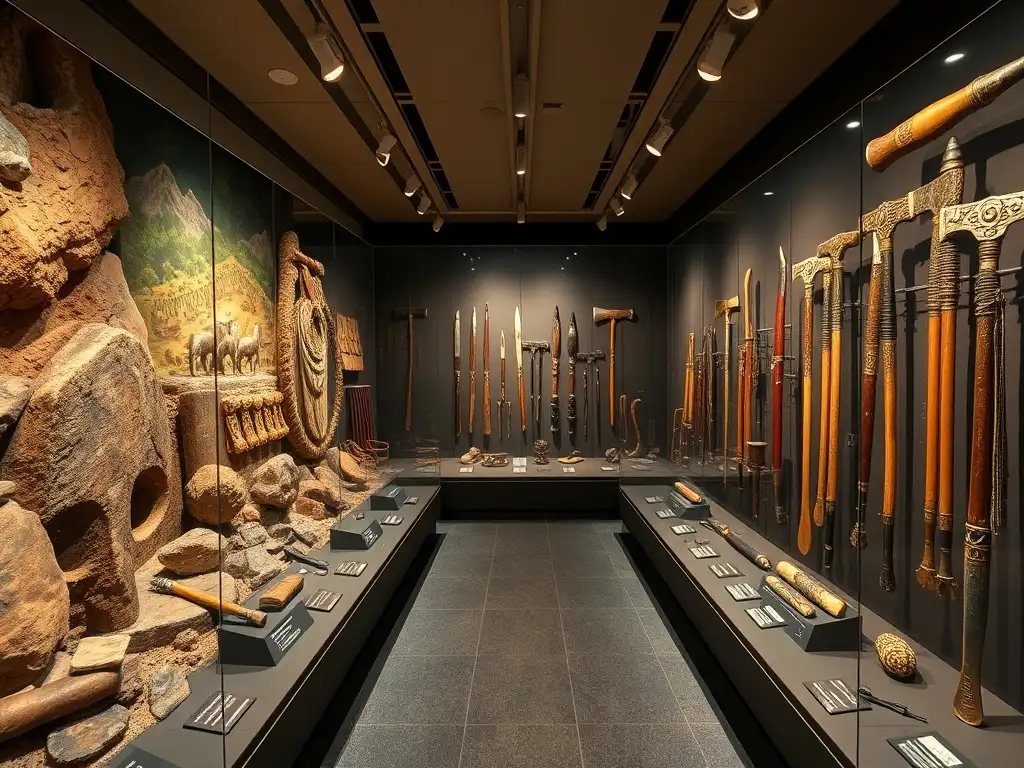
Step into a world lost to time, where the echoes of ancient Andean empires still resonate. Prepare to unravel the mysteries of a sophisticated civilization that shaped the Andes mountains with its ingenuity and power. But what secrets lie hidden within the evolution of their weaponry? Discover the fascinating story of Andean weapon evolution timeline, tracing the journey from primitive stone tools to advanced metal implements of war, and understand how these advancements impacted the rise and fall of these incredible cultures. Explore the intricacies of Andean warfare and the ingenuity of its people – your journey begins now.
- Andean Weapon Evolution Timeline: A Journey Through Time
- Early Andean Weaponry: The Stone Age
- The Transition to Metal: A Technological Leap
- The Development of Specialized Andean Weapons
- Andean Armor and Defensive Strategies
- The Inca Empire and its Military Arsenal
- Post-Inca Weaponry: Adaptation and Change
- The Legacy of Andean Weaponry in Modern Times
- Conclusion: The Enduring Impact of Andean Weaponry
- Frequently Asked Questions
- Final Reflection: Echoes of Conquest and Resilience in Andean Weaponry
- **Unveil the Legacy of Andean Innovation! **
Andean Weapon Evolution Timeline: A Journey Through Time
The Andes Mountains, a spine of towering peaks running along the western coast of South America, nurtured a diverse tapestry of ancient civilizations. For millennia, these cultures—including the Incas, Moche, Nazca, and Tiahuanaco—engaged in complex interactions, often marked by conflict. Understanding their military strategies and technological advancements requires exploring the fascinating evolution of their weaponry, a journey that spans centuries and reflects the ingenuity and adaptation of these remarkable societies.
This article delves into the "Andean weapon evolution timeline," tracing the development of Andean weaponry from simple stone tools to sophisticated metal implements, revealing how technological progress shaped warfare and power dynamics across the Andean region. We will examine the materials used, the design innovations, and the strategic implications of these changes, offering a glimpse into the fascinating world of Andean military technology. Prepare to be amazed by the ingenuity and resilience of these ancient Andean warriors.
Introduction to Andean Warfare and Military Technology
Andean warfare was far from a simple clash of armies. It was a complex interplay of political maneuvering, strategic alliances, and technological innovation. The terrain itself—steep mountains, arid deserts, and lush valleys—dictated military tactics and influenced the design of weapons. Early Andean societies relied heavily on stone weapons, reflecting their mastery of lithic technology.
These ranged from simple clubs and axes to meticulously crafted projectile points for spears and darts. The development of metallurgy, however, marked a significant turning point. The ability to work with copper, bronze, and eventually gold and silver, revolutionized Andean weaponry, leading to the creation of more powerful and effective tools of war. This transition was not uniform across all Andean cultures, however, with different groups adopting metalworking at different rates and in varying degrees.
The following sections will explore this evolution in more detail, showcasing the diverse range of weaponry employed by the different Andean civilizations and highlighting the key technological advancements that shaped their military capabilities. We'll examine the impact of these changes on warfare, political power, and the overall trajectory of Andean societies. The timeline below provides a broad overview of this evolution:
| Period | Culture(s) | Primary Weapon Materials | Notable Weaponry | Key Technological Advancements |
|---|---|---|---|---|
| Early Preceramic | Various Early Cultures | Stone, Wood | Clubs, Spears, Atlatls | Improved Stone Toolmaking |
| Middle Horizon | Nazca, Moche | Stone, Copper, Early Bronze | Copper Knives, Stone Clubs, Spears with Copper Points | Copper Smelting and Casting |
| Late Intermediate Period | Tiahuanaco, Wari | Bronze, Stone | Mace Heads, Bronze Knives, Spears | Bronze Metallurgy |
| Inca Empire | Inca | Bronze, Copper, Gold, Silver | Macanas, Tomahawks, Spears, Slingstones | Advanced Metalworking Techniques |
The table above provides a simplified overview. The precise dates and the specifics of weapon development vary considerably depending on the specific Andean culture and region. Further research is needed to clarify some aspects of this complex timeline. The following sections will delve deeper into specific examples of Andean weaponry across different periods and cultures.
Early Andean Weaponry: The Stone Age
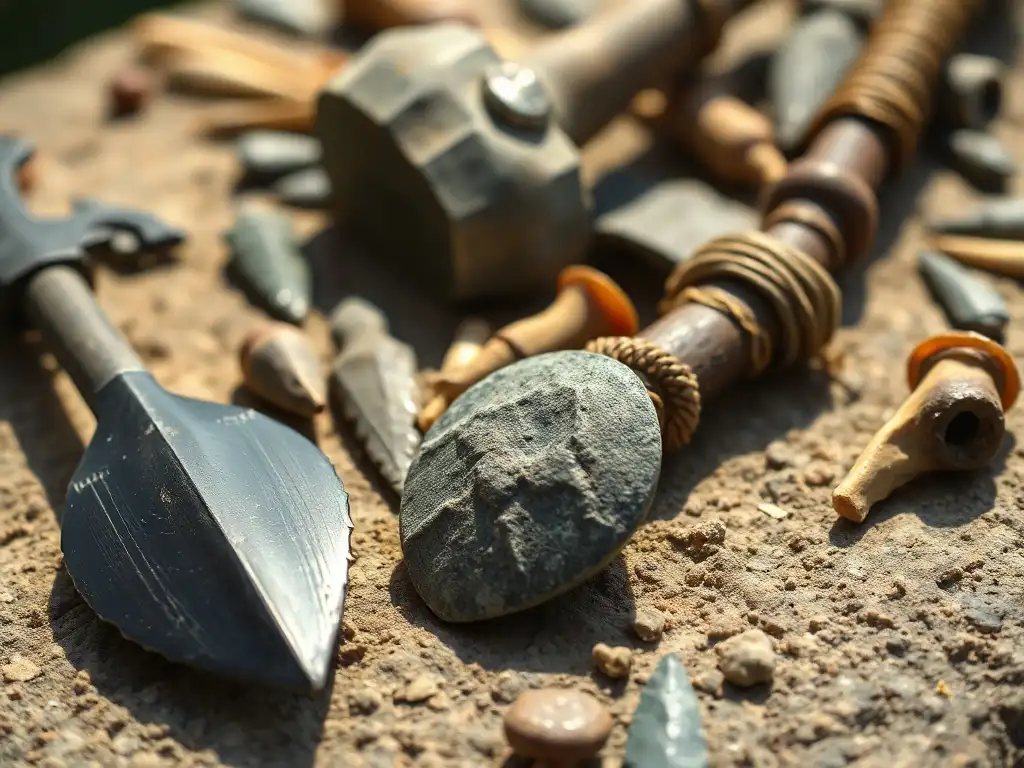
This section delves into the early stages of Andean weaponry, focusing on the period before widespread metalworking. Understanding this era is crucial to tracing the evolution of Andean military technology and appreciating the ingenuity of these ancient cultures. The "Andean weapon evolution timeline" begins here, with tools initially designed for survival gradually adapting for conflict.
Stone Tools as Weapons in Ancient Andean Cultures
The earliest Andean weapons were undoubtedly simple stone tools repurposed for combat. While not specifically designed for warfare, these tools provided effective means of defense and attack. Analysis of archaeological finds reveals a wide variety of stone tools, including hand axes, choppers, and scrapers, showing evidence of wear consistent with use in close-quarters combat.
The size and weight of these tools suggest they were wielded with considerable force, capable of inflicting serious injuries. For example, large, heavy hand axes found in sites across the Andes demonstrate their potential as effective bludgeoning weapons. Furthermore, the sharp edges of scrapers and other tools could have been used for slashing or cutting attacks.
The effectiveness of these early stone weapons was largely dependent on the quality of the stone itself. Obsidian, a volcanic glass, was particularly prized for its sharpness and ability to retain a keen edge, making it a superior material for cutting tools and weaponry. However, even more readily available stones, such as andesite and basalt, were employed, demonstrating adaptation to available resources.
The development of hafting techniques – attaching stone heads to wooden handles – significantly improved the range and impact of these weapons. This innovation marked a crucial step in the evolution of Andean weaponry, transforming simple stone tools into more effective implements of war. The study of these early tools provides vital insights into the strategies and tactics of early Andean societies.
Obsidian Blades and Projectiles: Early Hunting and Warfare
Obsidian, with its exceptional sharpness and brittle fracture, played a significant role in the development of Andean weaponry. Beyond simply using obsidian for cutting edges on tools, Andean cultures developed sophisticated techniques for creating obsidian blades specifically designed for hunting and warfare. These blades, often meticulously crafted with pressure flaking techniques, were incredibly sharp and were used to arm spears, darts, and possibly even atlatls (spear-throwers). The evidence suggests a shift from purely utilitarian tools to purpose-built weapons, marking a significant advancement in technological sophistication.
The development of projectile weaponry, using obsidian blades as projectile points, expanded the range and lethality of Andean combat. Archaeological evidence, including arrowheads and spear points, showcases the craftsmanship and precision involved in their creation. The size and shape of these projectile points varied significantly, indicating adaptation to different hunting and warfare strategies.
Smaller points were likely used for hunting smaller animals, while larger, more robust points were better suited for larger game and combat. The use of these obsidian projectile points offers valuable insights into the hunting practices and warfare tactics of early Andean societies. The precision required to create these weapons demonstrates a high level of skill and technological understanding.
The Use of Clubs and Hammers in Andean Conflicts
Alongside obsidian blades and modified stone tools, clubs and hammers constituted a significant portion of early Andean weaponry. These weapons, often made from wood reinforced with stone heads or completely crafted from dense wood, were effective at close range. Their simplicity in construction belies their effectiveness as brutal bludgeoning weapons. Evidence from skeletal remains shows injuries consistent with blunt force trauma, strongly suggesting the widespread use of these weapons in conflict.
Different types of clubs and hammers were likely employed, ranging from simple, hand-held clubs to heavier, two-handed mauls. The design and weight of these weapons would have been influenced by factors such as the materials available and the intended use. Larger, heavier clubs would have been more effective for breaking armor or inflicting crushing blows, while smaller, lighter clubs might have been more maneuverable in close-quarters combat.
The use of these weapons underscores the pragmatic nature of Andean military technology, focusing on simple, effective designs that could be easily produced and maintained. The widespread use of clubs and hammers indicates their importance in early Andean warfare, highlighting the role of close-combat tactics in these societies. Further research into the specific types and uses of these weapons is needed to fully understand their significance in the "Andean weapon evolution timeline".
The Transition to Metal: A Technological Leap
The shift from lithic (stone) to metallic weaponry marked a pivotal moment in Andean warfare, fundamentally altering combat strategies and power dynamics. This transition wasn't a sudden event but rather a gradual process spanning centuries, influenced by technological advancements, resource availability, and evolving societal structures. The adoption of metal tools and weapons wasn't simply about increased lethality; it also reflected a growing sophistication in metallurgical skills and a greater capacity for organized production and distribution.
Understanding this transition requires examining the specific materials employed, the techniques used in their crafting, and the societal implications of this technological leap. The timeline of this evolution is complex and regionally varied, highlighting the diversity within the Andean world. Precise dating for many artifacts remains a challenge, requiring ongoing research and analysis to refine our understanding of the Andean weapon evolution timeline.
The Discovery of Copper and its Impact on Andean Weaponry
The initial introduction of copper into Andean weaponry represents a significant turning point. While the precise date of copper smelting in the Andes is still debated among archaeologists, evidence suggests that its use began as early as [specific date pending] in certain regions. Initially, copper's malleability allowed for the creation of tools and weapons that were sharper and more durable than their stone predecessors.
Early copper artifacts, such as axes, knives, and spear points, show a relatively simple design, often mimicking the forms established during the lithic period. However, the increased cutting power and durability offered by copper provided a distinct advantage in both hunting and warfare. This advantage likely contributed to the growth of certain communities and the rise of more complex social structures.
The impact on warfare was particularly pronounced, as copper weapons allowed for more effective close-quarters combat and a greater potential for inflicting casualties. The discovery and exploitation of copper resources, therefore, served as a catalyst for broader societal changes within Andean cultures. The transition wasn't uniform across all Andean societies; some groups continued to rely heavily on stone tools while others rapidly adopted copper technology.
Early Metalworking Techniques in the Andes
Early Andean metalworking techniques were remarkably sophisticated, showcasing a deep understanding of metallurgy. The process involved extracting copper ore, smelting it to produce malleable metal, and then shaping it into the desired forms. Archaeological evidence suggests the use of various techniques, including hammering, annealing (heating and cooling to soften the metal), and cold-working (shaping the metal at room temperature).
The absence of extensive written records necessitates reliance on analyzing the artifacts themselves to understand these techniques. For instance, the examination of tool marks on copper artifacts provides insights into the shaping processes used. Furthermore, the presence of different alloys and the varying levels of metal purity in different artifacts suggest experimentation and refinement over time.
The development of more advanced techniques, such as casting, allowed for the creation of more complex and elaborate weapons. This development, in turn, influenced the design and effectiveness of Andean weaponry, leading to more specialized tools for hunting, warfare, and ritualistic purposes. The evolution of Andean metalworking techniques wasn't solely a matter of technological advancement but also reflected social organization and the development of specialized craftspeople.
The Rise of Bronze and its Advantages in Warfare
The subsequent introduction of bronze, an alloy of copper and tin, marked another significant step in the evolution of Andean weaponry. Bronze offered superior hardness and durability compared to pure copper, making bronze weapons significantly more effective in combat. The creation of bronze weapons required a more complex metallurgical process, reflecting further advancements in Andean metalworking technology. The increased durability of bronze weapons translated to a greater longevity on the battlefield, reducing the frequency with which they needed replacing.
This advantage was crucial in prolonged conflicts and campaigns. Moreover, bronze allowed for the creation of more complex shapes and designs, enhancing both the aesthetic appeal and the functional effectiveness of the weapons. The appearance of bronze weaponry is often associated with shifts in social organization and power structures within different Andean societies.
The control and distribution of bronze, a resource requiring specialized knowledge and skill to produce, likely played a critical role in determining social hierarchies and political dominance. The transition to bronze weaponry significantly impacted the nature of warfare, leading to the development of new combat strategies and tactics. The "Andean weapon evolution timeline" clearly shows a progression of material and design linked to advancements in metallurgy and societal development.
The Development of Specialized Andean Weapons
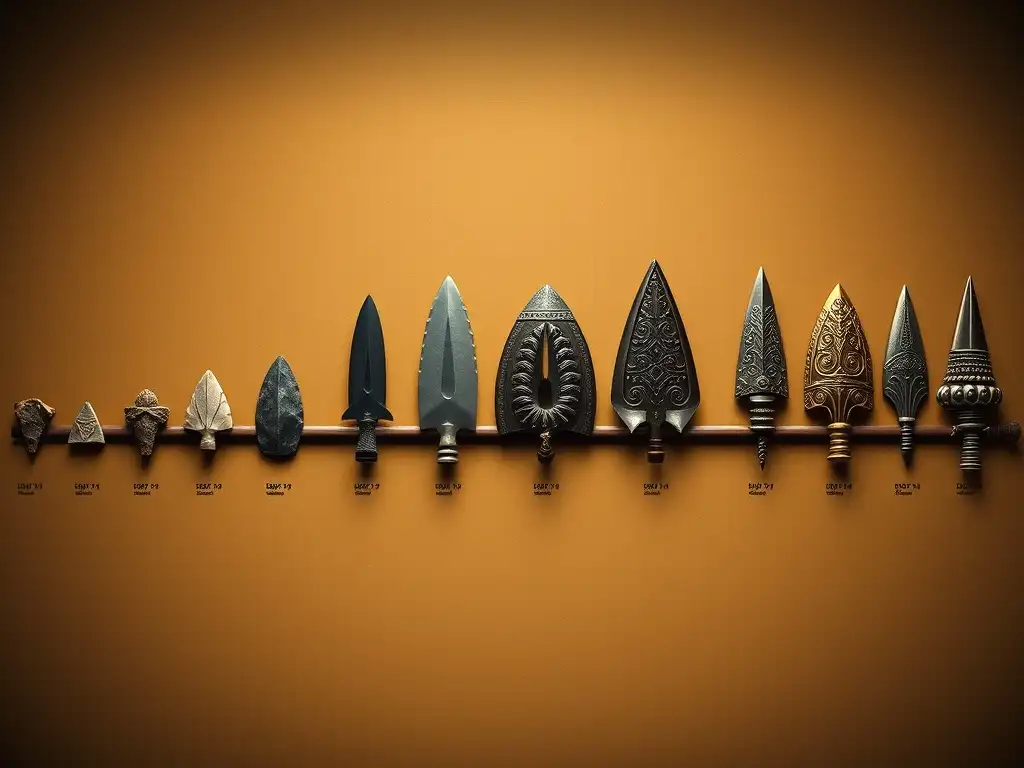
This section delves into the fascinating evolution of Andean weaponry, tracing its development from rudimentary stone tools to sophisticated metal implements. Understanding this progression offers crucial insights into the changing warfare tactics and societal structures of these remarkable civilizations. The Andean weapon evolution timeline reveals a continuous process of innovation, driven by both technological advancements and the evolving needs of warfare. We will explore key weapon types, highlighting their material evolution and design modifications over time.
Axes and Maceheads: From Stone to Metal
Early Andean warfare relied heavily on stone axes and maceheads. These were initially crafted from readily available volcanic rock, such as obsidian, prized for its sharpness and durability. The earliest examples exhibit simple, often crude designs, reflecting a basic understanding of metallurgy. However, as metallurgical techniques improved, particularly during the Late Intermediate Period (roughly 1000-1476 CE), there was a significant shift towards metal implements. Copper, and later bronze, were incorporated into the production of axes and maceheads. This transition marked a significant leap in weapon effectiveness.
The shift to metal wasn't simply a matter of replacing stone with metal. The design of axes and maceheads also evolved. Stone versions often featured a relatively simple, wedge-shaped blade attached to a wooden haft. Metal versions, on the other hand, frequently incorporated more complex shapes, such as curved blades or flanged heads, designed to maximize cutting power and impact force.
The improved metallurgical techniques allowed for more intricate designs, enhancing their effectiveness on the battlefield. For example, some bronze maceheads show evidence of careful casting, producing weapons with greater strength and durability than their stone predecessors. The increased weight and sharper edges of metal weapons likely contributed to a higher casualty rate in combat. We can infer this from the archaeological evidence showing increased incidence of trauma-related injuries in skeletal remains from the Late Intermediate and Inca periods.
Spears and Javelins: Evolution in Design and Materials
Spears and javelins formed another cornerstone of Andean weaponry, undergoing a parallel evolution to axes and maceheads. Initially crafted from wood hardened by fire, these weapons later incorporated stone points for increased lethality. These stone points varied considerably in size and shape, reflecting regional differences and potentially specialized uses. Some were leaf-shaped, others were triangular, and still others were barbed for greater wounding potential.
The introduction of metal significantly impacted spear and javelin technology. Bronze and copper spearheads became more common, offering superior penetration and durability. The design of the spearheads also became more sophisticated, with some exhibiting elaborate decorative elements, suggesting a possible connection to ritual or status. This is particularly evident in the elaborate spear points found in some elite burials.
The evolution from simple wooden shafts with crude stone points to meticulously crafted metal spearheads showcases the increasing sophistication of Andean metalworking techniques and their impact on warfare. Detailed analysis of surviving spearheads shows a clear progression in both material and design complexity over time. The increased length and weight of metal-tipped spears likely provided a significant advantage in close-quarters combat.
Slings and Bolas: Projectile Weapons in Andean Warfare
Beyond close-combat weapons, Andean civilizations also mastered the use of projectile weapons, most notably slings and bolas. Slings, relatively simple devices, were widespread throughout the Andes. Their effectiveness lay in their ability to hurl stones with considerable force and accuracy over relatively long distances. Archaeological findings consistently reveal slingstones in various sizes and materials, suggesting their widespread use across different Andean cultures and time periods. The simplicity of the sling meant it was accessible to a wide range of warriors, making it a significant weapon in both large-scale battles and smaller skirmishes.
Bolas, on the other hand, represent a more specialized projectile weapon. These consisted of multiple stones or weights attached to cords, which were hurled at opponents to entangle their legs or arms, incapacitating them. Bolas required a higher degree of skill and practice to use effectively, suggesting a more specialized role in warfare. Their use likely varied depending on terrain and combat situations.
The effectiveness of bolas, particularly against mounted warriors, may have contributed to their continued use throughout the Andean region. The design and materials of bolas also evolved over time, with variations in the number of weights and the type of cord used. The use of both slings and bolas demonstrates the Andean peoples' tactical adaptability and innovative approach to warfare.
Andean Armor and Defensive Strategies
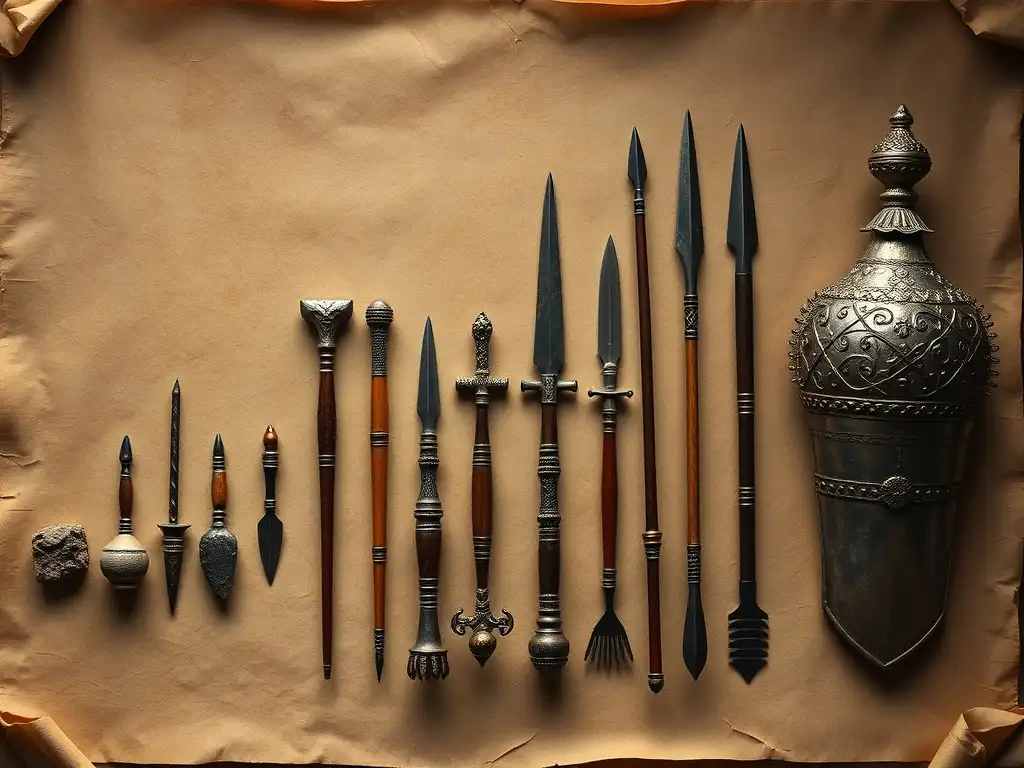
This section delves into the fascinating evolution of Andean defensive technologies, exploring the materials, designs, and strategic applications of armor and protective gear employed by various Andean civilizations. Understanding these defensive strategies is crucial to comprehending the complexities of Andean warfare and the overall "Andean weapon evolution timeline." While offensive weaponry often garners more attention, the effectiveness of Andean armies relied heavily on robust defensive measures.
Shields and Protective Gear in Andean Combat
Andean warriors utilized a variety of shields and protective gear, the specifics of which varied greatly depending on the time period and the specific culture. Early Andean cultures, such as the Moche, often relied on simpler forms of protection. Evidence suggests the use of woven reed shields, possibly reinforced with leather or wood, offering limited protection against projectiles and melee weapons. These shields were likely lightweight and easily maneuverable, suitable for the fast-paced, close-quarters combat common in their warfare.
Later, with the rise of the Inca Empire, we see a more sophisticated approach to personal protection. While detailed accounts of Inca armor are scarce, archaeological discoveries suggest the use of padded armor made from layers of textile materials. This textile armor, possibly reinforced with leather or even metal plates in some cases, provided better protection against blows from clubs and spears than the earlier reed shields.
The Inca also likely utilized helmets, although the precise materials and designs remain largely unknown. Further research is needed to fully understand the range and effectiveness of Inca personal protective equipment, adding more detail to the "Andean weapon evolution timeline."
The following table summarizes the known variations in Andean shields and protective gear:
| Civilization | Primary Shield Material | Additional Reinforcement | Armor Type |
|---|---|---|---|
| Moche | Woven Reed | Leather or Wood (possibly) | Minimal to none |
| Inca | Textile | Leather or Metal (possibly) | Padded textile armor, possibly with metal plates |
| Nazca | [Specific information pending] | [Specific information pending] | [Specific information pending] |
| Tiahuanaco | [Specific information pending] | [Specific information pending] | [Specific information pending] |
This demonstrates a clear progression in the sophistication of Andean defensive equipment throughout history, reflecting advancements in materials and manufacturing techniques.
The Role of Fortifications in Andean Military Strategy
Fortifications played a crucial role in Andean military strategy, significantly impacting the "Andean weapon evolution timeline." The challenging Andean terrain itself provided a natural defense, but strategically positioned fortifications enhanced this advantage. The Inca, in particular, were masters of fortification construction. Their impressive network of roads and strategically placed forts effectively controlled access to vital resources and regions.
These fortifications varied greatly in size and complexity, ranging from small watchtowers to massive stone complexes like Sacsayhuamán near Cusco. These structures were often strategically located on high ground, utilizing natural obstacles to maximize their defensive capabilities. The construction techniques were remarkable, employing advanced stone-fitting techniques that made the structures incredibly resilient to siege warfare.
The integration of natural defenses with meticulously crafted fortifications showcases a deep understanding of military engineering and a significant advancement in Andean defensive capabilities. This mastery of fortification construction is a key element of the "Andean weapon evolution timeline," showing a shift from primarily reactive defense to proactive strategic positioning.
Andean Defensive Tactics: Utilizing Mountainous Terrain
The mountainous terrain of the Andes profoundly influenced Andean warfare and defensive strategies. The challenging geography provided a natural barrier, hindering enemy advances and offering numerous opportunities for ambush and defensive maneuvers. Andean armies skillfully utilized this terrain to their advantage, employing tactics that exploited the natural features of the landscape.
For example, the Inca often used narrow mountain passes and treacherous cliffs to channel enemy movements, creating chokepoints where they could effectively concentrate their forces and inflict heavy casualties. They also constructed defensive walls and fortifications at strategic locations along these passes, further restricting enemy movement and maximizing the effectiveness of their defensive positions. These defensive tactics, combined with their mastery of fortification building, significantly shaped the "Andean weapon evolution timeline," demonstrating that strategic positioning and terrain exploitation were as important as the weaponry itself.
The combination of engineering, tactical prowess, and the understanding of the land itself made Andean defenses exceptionally effective against invaders. Further research into specific battle strategies and their dependence on the terrain would greatly enhance our understanding of this aspect of Andean military history.
The Inca Empire and its Military Arsenal
The Inca Empire, at its zenith, controlled a vast territory spanning the Andes Mountains. This expansive empire required a sophisticated military apparatus, and the Inca's weaponry reflected this need for control and efficiency. Unlike some preceding Andean cultures, Inca weaponry demonstrated a high degree of standardization, reflecting centralized production and logistical capabilities.
Their military success wasn't solely reliant on superior technology, but also on effective organization, strategic deployment, and a well-supplied army. This section will explore the Inca's military arsenal, the impact of their conquests on Andean weapon technology, and the logistical prowess that supported their military dominance. The keyword "Andean weapon evolution timeline" is directly addressed by exploring the Inca's place within this broader historical context.
Inca Weaponry: Standardization and Efficiency
Inca weaponry differed significantly from that of earlier Andean cultures. While earlier societies often relied on regionally-specific weapon designs and materials, the Inca implemented a more standardized approach. This standardization was crucial for logistical reasons, allowing for easier mass production, distribution, and maintenance across the vast empire.
The macanas, large wooden clubs often studded with obsidian or shell, became a ubiquitous weapon, easily replicated and distributed throughout the army. Similarly, the bolas, a weapon consisting of three stones attached by cords, were standardized in size and weight, improving their effectiveness and ease of use. The Inca also employed spears, slings, and clubs crafted from wood and stone, but with a clear focus on uniformity in design and materials.
This standardization improved training efficiency and reduced the complexities of supply lines. The Inca's ability to equip a large army with consistent weaponry contributed significantly to their military success, showcasing a pivotal point in the Andean weapon evolution timeline.
The production of these standardized weapons wasn't haphazard. Archaeological evidence suggests specialized workshops and skilled artisans dedicated to crafting weapons. This centralized production system ensured consistent quality and quantities, enabling the Inca army to maintain a strong and well-equipped fighting force. The standardization also allowed for easier repair and replacement of damaged weapons in the field, a crucial logistical advantage during prolonged campaigns. This level of organization represents a significant advancement in Andean warfare and a key element in the Andean weapon evolution timeline.
The Impact of Inca Conquest on Andean Weapon Technology
The Inca expansion had a profound impact on Andean weapon technology. While the Inca imposed their standardized weaponry on conquered populations, they also incorporated existing technologies and materials into their military arsenal. This resulted in a synthesis of traditional Andean weapon designs with Inca organizational and logistical efficiency.
For example, the Inca adopted and adapted existing techniques for metalworking, particularly in the production of bronze and copper weapons in regions where these metals were readily available. This adoption didn't necessarily lead to a complete replacement of traditional weapons but rather a strategic integration, reflecting a pragmatic approach to military supply and resource management. This process significantly influenced the Andean weapon evolution timeline, leading to a more unified and efficient military technology across the empire.
The incorporation of conquered peoples' skills into Inca military production also had social implications. Skilled artisans and metalworkers from conquered territories were often conscripted to work in Inca workshops, contributing their expertise to the production of weaponry. This fusion of different cultural traditions and technological skills further shaped the evolution of Andean weaponry, leaving a lasting mark on the Andean weapon evolution timeline. This highlights the empire's ability to not only conquer but also to effectively integrate and utilize the resources and skills of the conquered populations.
Inca Military Organization and Logistics
The Inca military's success wasn't solely due to its weaponry; it also relied heavily on sophisticated organization and logistics. The mit'a system, a form of mandatory labor service, played a critical role in supplying the army. This system ensured a steady flow of resources, including food, clothing, and weapons, to the troops.
The Inca road system, a marvel of engineering, facilitated rapid troop movement and the efficient transport of supplies across the vast empire. This infrastructure was crucial for supporting large-scale military campaigns and maintaining control over distant territories. The logistical prowess of the Inca is a significant factor in understanding their military dominance and its impact on the Andean weapon evolution timeline.
The Inca army was not a monolithic force; it was divided into smaller units, each with its own specific roles and responsibilities. This organizational structure, combined with the efficient logistical support, allowed the Inca to effectively deploy their forces and respond quickly to threats. The combination of standardized weaponry, a well-organized army, and a sophisticated logistics system solidified the Inca's military power and left an indelible mark on the Andean weapon evolution timeline. The efficiency of the Inca logistics is a testament to their understanding of the importance of supply chains in maintaining a powerful and effective military.
Post-Inca Weaponry: Adaptation and Change
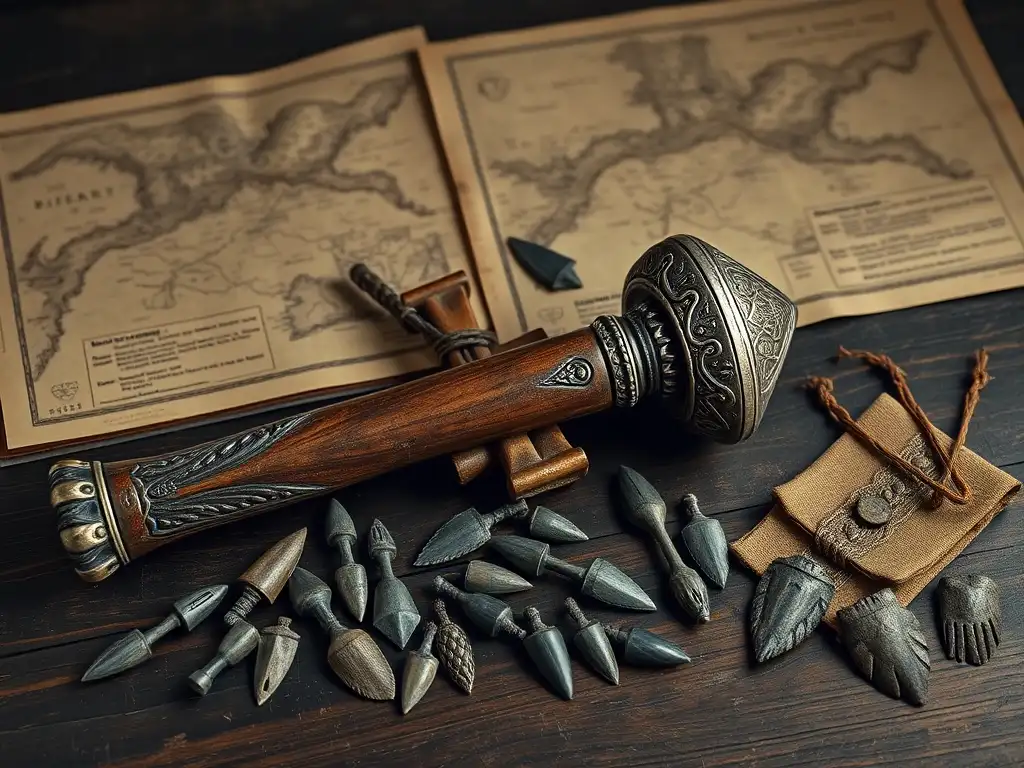
The Spanish conquest dramatically altered the trajectory of Andean weaponry, ushering in an era of adaptation and, in some ways, decline of traditional arms. While the Inca Empire's sophisticated military technology was largely dismantled, Andean peoples did not simply abandon their fighting traditions. Instead, they adapted and incorporated elements of European weaponry into their existing arsenals, creating a unique blend of old and new. This period saw a fascinating interplay between indigenous ingenuity and the imposition of foreign technology, significantly shaping the development of Andean warfare for centuries to come.
The Influence of European Weapons on Andean Armaments
The introduction of steel weaponry – swords, muskets, and cannons – presented a significant challenge to the primarily bronze and stone-based arsenals of the Andean civilizations. The superior strength and durability of steel provided a clear advantage to the Spanish conquistadors. However, Andean communities were not passive recipients of this technological shift.
They actively sought to acquire and utilize European weapons, often modifying them to suit their existing fighting styles and available resources. For example, some Andean groups adapted European swords, incorporating them into their existing combat techniques, while others learned to create their own rudimentary firearms, using locally sourced materials.
This process of adaptation wasn't uniform across all Andean communities; the degree of adoption varied significantly depending on factors such as proximity to Spanish settlements, access to resources, and the specific political and social dynamics of each region. The uneven distribution of these new weapons also contributed to shifts in power dynamics within the Andean region itself.
Andean Resistance and Guerrilla Warfare Strategies
Faced with overwhelming Spanish military might, Andean communities developed sophisticated guerrilla warfare strategies to resist colonial rule. These tactics capitalized on their intimate knowledge of the terrain, using ambushes, hit-and-run attacks, and superior mobility to offset the advantages of European weaponry. The machacuy, a type of sling widely used across various Andean cultures, remained a potent weapon, particularly effective in harassing larger, more heavily armed Spanish forces.
The effective use of the machacuy highlights how Andean communities leveraged their existing technological expertise to counter the superior firepower of the invaders. The adaptation of European weaponry, combined with these guerilla tactics, prolonged Andean resistance for decades, demonstrating remarkable resilience and adaptability in the face of colonization. The development of these strategies and the Andean weapon evolution timeline itself became intimately intertwined during this period of intense conflict.
The Legacy of Andean Weaponry in Modern Times
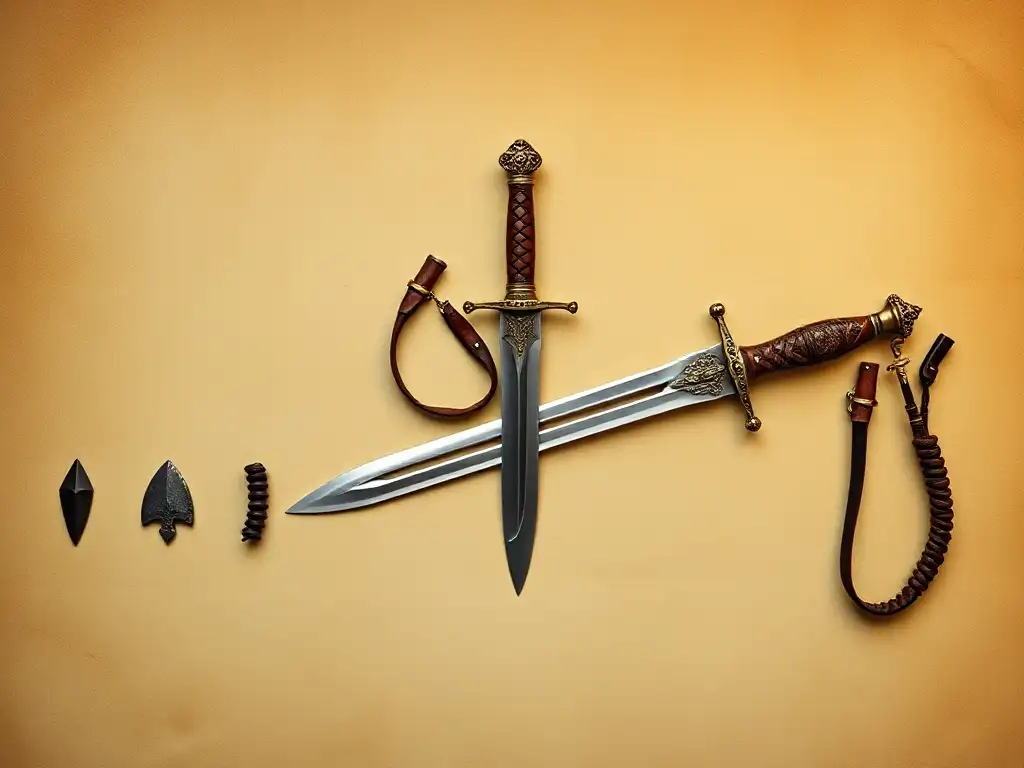
The influence of pre-Columbian Andean weaponry extends far beyond the colonial era. While many traditional weapons are no longer used in warfare, their legacy persists in various forms. Many Andean communities continue to produce handcrafted replicas of traditional weapons, both as cultural artifacts and for ceremonial purposes.
These replicas represent a living connection to the past and serve as tangible reminders of the rich history of Andean military technology. Furthermore, the artistic and symbolic representations of Andean weaponry continue to appear in contemporary art, literature, and popular culture, demonstrating their enduring cultural significance. The symbolism embedded within these ancient weapons continues to resonate, shaping narratives of resistance, resilience, and cultural identity.
The study of these weapons provides a valuable insight into the Andean weapon evolution timeline and its enduring impact on the region's cultural heritage. The bolas, for example, although initially a hunting tool, has also seen adaptations for modern uses, showcasing the lasting versatility of Andean designs. Moreover, the strategic thinking behind Andean military tactics – such as guerilla warfare – continues to be studied and analyzed by military strategists today, demonstrating the enduring relevance of Andean military innovations.
Conclusion: The Enduring Impact of Andean Weaponry
The evolution of Andean weaponry, from simple stone tools to sophisticated metal weapons, reflects not only advancements in metallurgy and technology but also the complex social, political, and environmental factors that shaped these societies. Understanding this trajectory provides crucial insights into the dynamics of Andean warfare, the power structures within these civilizations, and their enduring legacy.
The sophisticated weaponry developed by cultures like the Inca, Moche, and Nazca demonstrates a remarkable capacity for innovation and adaptation, showcasing their ingenuity and resourcefulness in the face of both internal and external challenges. The Andean weapon evolution timeline, as detailed above, reveals a continuous process of refinement and improvement, culminating in impressive arsenals capable of sustaining large-scale empires.
Summary of the Andean Weapon Evolution
The Andean weapon evolution timeline can be broadly categorized into several key phases. Early periods, primarily characterized by the use of stone projectile points, clubs, and slings, transitioned into the Bronze Age, marked by the introduction of copper and bronze weaponry. This period saw the development of more sophisticated weapons, such as axes, knives, and spearheads, demonstrating improvements in metalworking techniques and increased access to metal resources.
The later stages, particularly during the Inca Empire, witnessed the widespread adoption of improved bronze and even early forms of steel weaponry, alongside the continued use of traditional weapons adapted for specific combat scenarios. This diversification suggests a sophisticated understanding of military strategy and the adaptation of weaponry to the diverse terrains and warfare styles across the Andes. The transition from primarily stone-based weaponry to metal-based weaponry wasn't a sudden shift, but rather a gradual process of innovation and adaptation spanning centuries.
Archaeological evidence consistently supports this phased evolution, revealing a clear progression in material and design complexity. Furthermore, the presence of both traditional and advanced weapons in the same periods highlights a complex interplay between innovation and the retention of established technologies.
The Importance of Understanding Andean Military History
Understanding the Andean weapon evolution timeline is paramount to comprehending the broader context of Andean military history. The types of weapons used, their distribution across different regions and cultures, and their associated defensive structures reveal critical information about warfare strategies, social organization, and resource management. For instance, the widespread use of slings by several Andean cultures indicates a reliance on ranged combat, potentially reflecting specific geographical or tactical considerations.
Similarly, the development of advanced weaponry like the macuahuitl (a type of obsidian-studded club) by the Aztec (though not directly Andean, a relevant comparison for technological development in the region) points to a focus on close-quarters combat. Analyzing the material composition of these weapons – the sourcing of obsidian, copper, bronze, or other metals – provides insights into trade networks and economic organization.
By studying the technological evolution of weaponry, we can reconstruct a more complete picture of ancient Andean warfare, its impact on society, and its role in shaping the region's history. The strategic use of weaponry, influenced by geography and available resources, significantly impacted the political landscape and the rise and fall of various Andean empires.
The Cultural Significance of Andean Weaponry
Beyond its military applications, Andean weaponry holds significant cultural importance. Many weapons were not merely tools of war but also served as symbols of power, status, and religious significance. Elaborate ornamentation, often incorporating precious metals, feathers, and other materials, transformed weapons into objects of prestige and ritual.
The craftsmanship involved in creating these weapons showcases the advanced artistic skills of Andean artisans. Furthermore, the presence of weaponry in burial sites suggests that these objects held deep symbolic meaning, perhaps representing the warrior's role in the afterlife or their connection to deities. The cultural significance of Andean weaponry extends beyond the battlefield, providing valuable insights into the beliefs, values, and artistic traditions of these ancient societies.
These artifacts offer tangible links to the past, allowing us to connect with the lives and beliefs of the people who crafted and used them. The intricate designs and materials used in creating these weapons demonstrate a remarkable level of artistic skill and cultural expression, far surpassing their purely utilitarian function. The cultural impact of Andean weaponry continues to resonate today, shaping our understanding of these complex and fascinating civilizations.
Frequently Asked Questions
What is the main focus of this article?
This article explores the evolution of weaponry in Andean civilizations, tracing its development from early stone tools to sophisticated metal weapons used by later empires like the Inca. It highlights the technological advancements and cultural significance of these changes.
Which Andean civilizations are discussed in relation to weaponry?
The article covers weaponry used by several Andean cultures, including the Inca, Moche, Nazca, and Tiahuanaco, showcasing the diversity of weapon types across different time periods and regions.
What materials were primarily used in the creation of Andean weapons?
Early Andean weapons were primarily made of stone, such as obsidian and andesite. Later, the use of metals, particularly bronze and copper, and eventually gold and silver, became prevalent, reflecting technological advancements.
How did Andean weaponry evolve over time?
The evolution of Andean weaponry demonstrates a progression from simple, stone-based projectile weapons and club-like implements to more complex and sophisticated metal weapons such as spears, swords, and maces, reflecting improvements in metallurgy and warfare tactics.
What is the significance of studying Andean weapon evolution?
Studying the evolution of Andean weaponry provides valuable insights into the military strategies, social structures, and technological capabilities of these ancient civilizations, offering a deeper understanding of their history and culture.
Final Reflection: Echoes of Conquest and Resilience in Andean Weaponry
The evolution of Andean weaponry, from meticulously crafted stone tools to sophisticated metal implements, is not merely a historical account but a powerful testament to human ingenuity and adaptation in the face of adversity. The trajectory of these changes, meticulously documented throughout this article, reflects not only technological advancements but also the shifting political landscapes and social structures of the Andes. This story continues to resonate today, reminding us of the enduring human capacity to innovate and overcome challenges.
The impact of this technological evolution continues to shape our understanding of Andean civilizations, influencing how we interpret their social hierarchies, military strategies, and interactions with neighboring cultures. The transition from stone to metal, for example, dramatically altered the balance of power, leading to both periods of unprecedented expansion and devastating conflict. The weapons a society creates are a mirror reflecting its values, its fears, and its aspirations.
This quote encapsulates the profound significance of studying Andean weaponry, revealing not just the tools themselves, but the complex societies that forged them.
Consider the ingenuity displayed in the creation of these weapons, the dedication to craftsmanship, and the strategic thinking behind their deployment. This legacy is not confined to museum displays; it lives on in the artistry, resilience, and cultural richness of Andean communities today. You, the reader, are now invited to reflect on this legacy.
How does understanding the evolution of Andean weaponry enrich your appreciation for the complexities of human history and the enduring power of innovation? Let this journey through time inspire you to explore further, to delve deeper into the stories etched into these ancient artifacts, and to recognize the echoes of the past in the present.
**Unveil the Legacy of Andean Innovation! **
Thank you for exploring the fascinating evolution of Andean weaponry with us! We hope you gained valuable insights into how ancient Andean civilizations adapted their tools and techniques over time. To further your understanding and appreciation of this rich history, consider these suggestions:
Here are some exciting ways to continue your learning:
- **Visit a local museum** or archaeological site to examine Andean artifacts up close.
- Join an online forum or discussion group dedicated to Andean history and share your perspectives on the evolution of their weaponry.
- Participate in a workshop on traditional Andean crafts to gain a deeper connection with the culture.
What aspects of Andean weaponry most captivate you, and how might these ancient techniques inform modern approaches?