
Machu Picchu's Enigmatic Origins: Unraveling the Lost City's Purpose

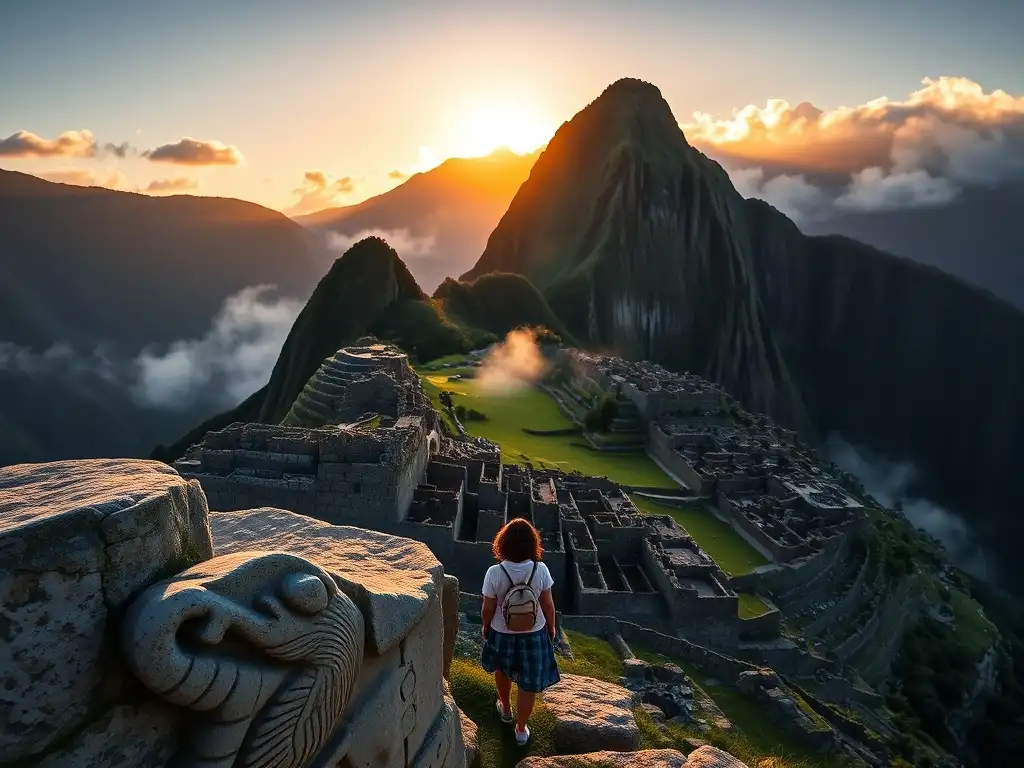
Step into a world lost to time, where towering mountains hold secrets whispered on the wind. Andean Civilizations unveils the captivating tapestry of ancient empires, from the ingenious artistry of the Nazca to the architectural marvels of the Inca. But what truly lies at the heart of their enduring legacy? Prepare to be enthralled as we delve into the mystery of Machu Picchu's lost city origins, uncovering clues to its enigmatic purpose in a journey through the heart of the Inca Empire. Dare to explore...
Machu Picchu, the iconic "Lost City of the Incas," perched high in the Andes Mountains, continues to captivate the world with its breathtaking beauty and enduring mysteries. While its discovery in 1911 by Hiram Bingham brought it to global attention, the true purpose of this remarkable city remains a subject of ongoing debate and scholarly research.
This article delves into the enigmatic origins of Machu Picchu, exploring various theories surrounding its construction, its role within the Inca Empire, and the fascinating clues left behind by its inhabitants. We will examine the evidence, separating established facts from enduring speculation, to offer a comprehensive understanding of this iconic site and its significance within the broader context of Inca civilization and the "Machu Picchu lost city origins" question.
Understanding Machu Picchu's purpose provides crucial insight into Inca societal structures, religious beliefs, and engineering prowess. Prepare to embark on a journey through time, unraveling the secrets held within the stones of this breathtaking Andean citadel.
The Traditional Narrative: A Royal Estate or Sacred Sanctuary?
The dominant narrative surrounding Machu Picchu's purpose often centers on two primary interpretations: a royal estate or a sacred sanctuary. The meticulously crafted stonework, the sophisticated agricultural terraces, and the presence of royal residences suggest a connection to the Inca elite. Some scholars propose that Machu Picchu served as a secluded retreat for Inca royalty, a place of refuge and relaxation far from the bustling capital of Cusco.
However, the presence of numerous temples and ritual structures, along with evidence of significant religious practices, points towards a more profound religious significance. The intricate astronomical alignments of certain buildings suggest a sophisticated understanding of celestial events and their importance within Inca cosmology. The debate continues, with many scholars believing that Machu Picchu was likely a multifaceted site, combining elements of both royal residence and sacred sanctuary.
Further research is needed to definitively determine the precise balance between these two functions. Archaeological excavations continue to uncover new evidence, slowly shedding light on this complex question.
Challenging the Traditional View: Alternative Theories and Perspectives
While the royal estate/sacred sanctuary dichotomy has dominated discussions for decades, alternative theories continue to emerge. Some researchers propose that Machu Picchu served as a strategic military outpost, strategically positioned to control access to vital trade routes and resources. Others suggest that it might have been a crucial administrative center, managing the vast agricultural resources of the surrounding region.
The absence of evidence of large-scale defensive fortifications weakens the military outpost theory, while the relatively small population size estimated to have lived in Machu Picchu challenges the administrative center hypothesis. These alternative perspectives highlight the complexity of interpreting archaeological evidence and the need for a nuanced understanding of Inca society and its intricate workings. The ongoing research continually challenges and refines our understanding of the city's function within the Inca Empire.
The Role of Machu Picchu in the Broader Inca Context
Understanding Machu Picchu requires situating it within the larger context of Inca civilization. The Inca Empire, at its zenith, controlled a vast territory spanning much of the Andes Mountains. Machu Picchu, while undeniably significant, was not the empire's capital. Its location, its unique architectural features, and its apparent connection to religious practices suggest a specialized role within the Inca imperial structure.
Further research into the administrative and religious networks connecting Machu Picchu to other Inca sites is crucial for a complete understanding of its purpose. This includes investigating the flow of goods, people, and information between Machu Picchu and other important Inca centers. The detailed analysis of artifacts found at the site continues to provide valuable clues about its function and significance within the broader Inca context. The meticulous record-keeping of the Inca, although largely destroyed by the Spanish conquest, offers tantalizing glimpses into the city's potential importance.
Unanswered Questions and Future Research
Despite significant advancements in our understanding of Machu Picchu, many questions remain unanswered. The precise dating of the city's construction and abandonment is still debated. The identity of the people who lived and worked at Machu Picchu, and their relationship to the Inca elite, continues to be a topic of scholarly inquiry.
Furthermore, the full extent of the city's agricultural practices and its connection to the surrounding environment still requires further investigation. Continued archaeological excavation, advanced technological analysis of artifacts and the site itself, and interdisciplinary approaches combining archaeology, anthropology, and history are essential to further unraveling the mysteries surrounding Machu Picchu's enigmatic origins. The "Machu Picchu lost city origins" narrative is a dynamic one, constantly evolving with new discoveries and interpretations.
- The Traditional Narrative: A Royal Estate or Sacred Sanctuary?
- Challenging the Traditional View: Alternative Theories and Perspectives
- The Role of Machu Picchu in the Broader Inca Context
- Unanswered Questions and Future Research
- What is Machu Picchu, and why is its origin mysterious?
- What are some of the leading theories about Machu Picchu's origins?
- How does Machu Picchu relate to the broader Inca civilization?
- What role did the Inca emperor Pachacuti play in Machu Picchu's history?
- Where can I find more information about Machu Picchu's ongoing research and discoveries?
The Mystery of Machu Picchu's Construction: Exploring its Historical Context
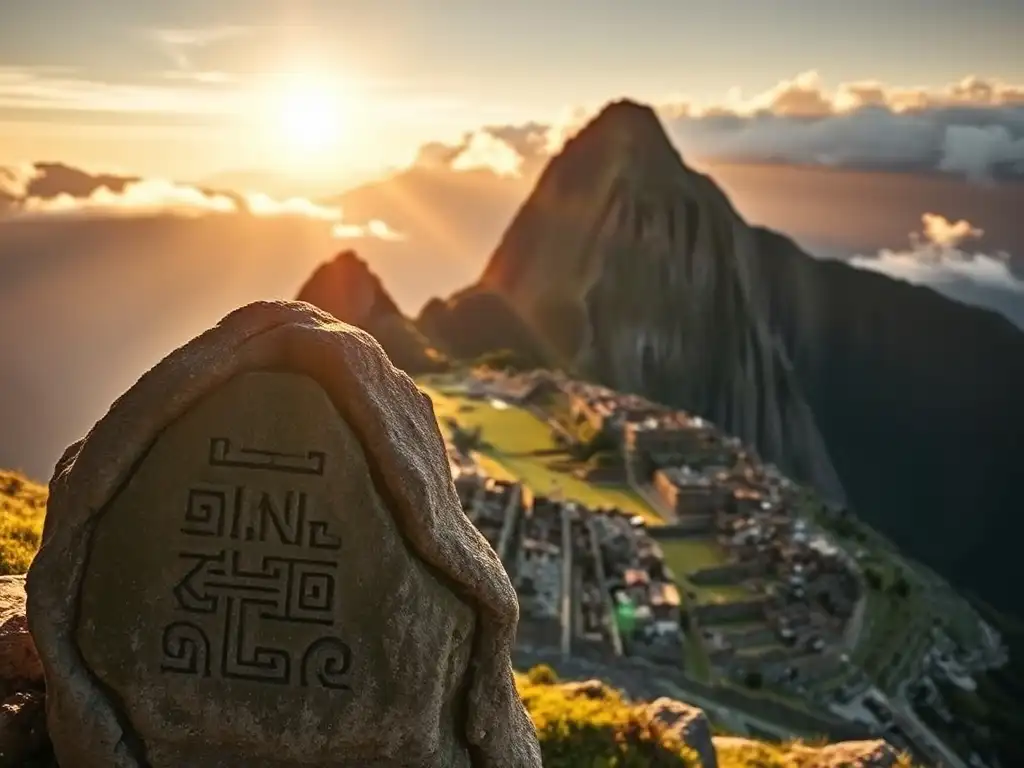
The precise origins of Machu Picchu, while shrouded in mystery, are gradually being illuminated through archaeological investigation and careful analysis of existing evidence. The "Machu Picchu lost city origins" question remains a captivating enigma, prompting ongoing scholarly debate. While the Inca Empire's association is undeniable, the city's exact purpose and the timeline of its construction are still debated.
Was it a royal estate, a religious center, a strategic military outpost, or a combination of these functions? This section delves into the historical context surrounding Machu Picchu's construction, examining various hypotheses and the supporting (or refuting) evidence. Understanding the historical context is crucial to unraveling the secrets embedded within the stones of this iconic site.
Rediscovering the Lost City of the Incas: Hiram Bingham's Expedition
Hiram Bingham III's 1911 expedition significantly propelled Machu Picchu into the global spotlight. His rediscovery, while celebrated, is also viewed with a degree of complexity. Bingham's account, while impactful in generating interest and initiating initial research, has been critiqued for potentially downplaying the knowledge of local communities who were already aware of the site's existence.
His narrative, though instrumental in bringing Machu Picchu to the world's attention, may have inadvertently obscured the indigenous perspectives and historical understanding predating his arrival. The expedition's impact, therefore, is a double-edged sword: it brought international recognition but also introduced a potentially biased narrative into the historical record of the "Machu Picchu lost city origins." Further research is needed to fully understand the complexities of this pivotal moment in Machu Picchu's history.
The Inca Empire's Presence: Understanding the Political Landscape
The Inca Empire, at its zenith, held immense power and influence across the Andes. Machu Picchu's construction is firmly placed within this context of imperial expansion, sophisticated engineering, and centralized control. However, the exact role Machu Picchu played within the broader political landscape requires further investigation. Was it a symbolic center of power, showcasing the Inca's mastery of architecture and engineering?
Or was it a strategically located administrative center, facilitating control over surrounding territories? The intricate network of roads and the evidence of agricultural terraces suggest a multifaceted purpose, perhaps integrating both symbolic and practical functionality. Deciphering the city's position within the Inca Empire's administrative and symbolic structures is key to understanding its true significance and addressing the enduring question of "Machu Picchu lost city origins."
Architectural Marvels at Machu Picchu: Analyzing Inca Engineering
The architectural sophistication of Machu Picchu is breathtaking. The precise stonework, the ingenious integration with the surrounding terrain, and the intricate network of water channels all speak to the advanced engineering capabilities of the Inca. The mastery displayed in the construction of Machu Picchu is not merely aesthetically impressive; it showcases a deep understanding of structural mechanics, hydraulics, and environmental adaptation. Analyzing these architectural marvels provides crucial insights into Inca engineering practices and their ability to construct such a monumental site. The precision and complexity of the stonework, particularly the absence of mortar, continue to fascinate and inspire engineers and archaeologists alike. Further studies into the techniques and materials used further illuminate the ingenuity behind this lost city and deepen our understanding of "Machu Picchu lost city origins." The enduring legacy of Inca engineering is undeniable, as evidenced by the remarkable preservation of Machu Picchu despite the passage of centuries.
Debating Machu Picchu's True Purpose: Unveiling the Theories
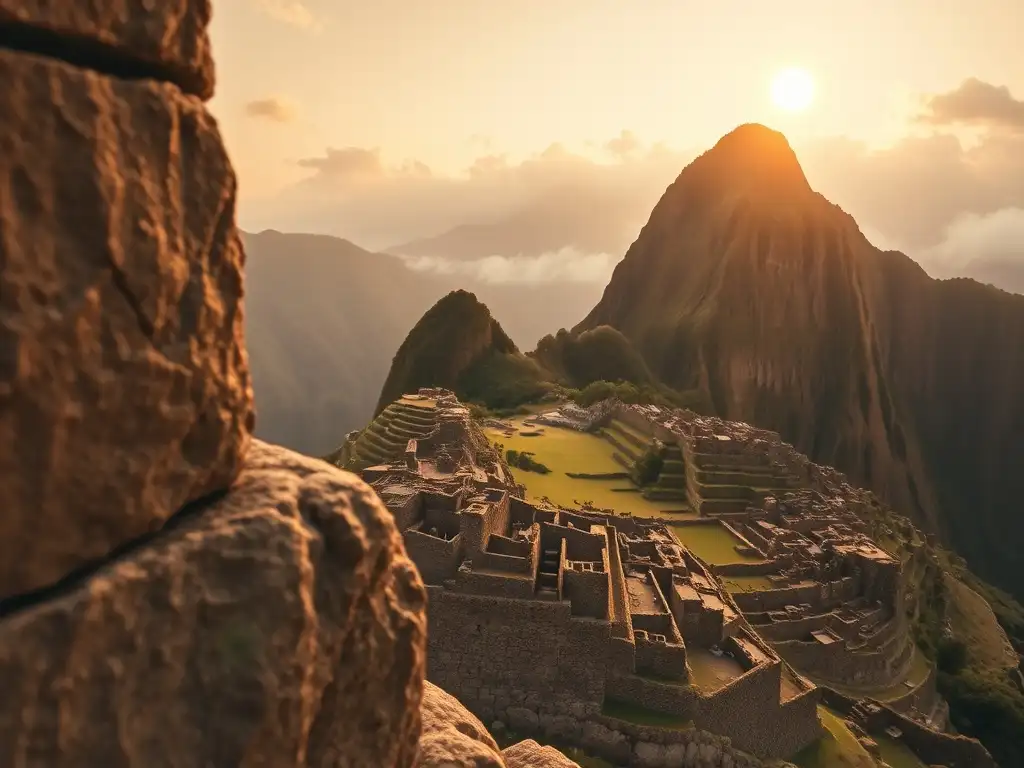
The precise purpose of Machu Picchu, the iconic "lost city of the Incas," remains a subject of ongoing scholarly debate. While its breathtaking beauty is undeniable, its functional role within the Inca Empire continues to fascinate and challenge researchers. Decades of archaeological investigation have yielded numerous artifacts and architectural insights, yet a definitive answer about its primary function eludes us. The prevailing theories, however, point towards a multifaceted purpose, suggesting that Machu Picchu served not as a single-purpose site, but rather as a complex hub integrating several crucial aspects of Inca life.
This section explores the leading hypotheses surrounding Machu Picchu’s true nature, examining the evidence supporting each. Understanding these diverse perspectives is crucial to appreciating the city's complexity and its significance within the broader context of Inca civilization. The mystery surrounding the "Machu Picchu lost city origins" continues to drive research and inspire awe.
Royal Estate or Sacred Sanctuary? Investigating the Leading Hypotheses
For many years, the dominant theory posited Machu Picchu as a royal estate, a secluded retreat for Inca royalty. This hypothesis is supported by the presence of luxurious residential structures, finely crafted stonework, and sophisticated water management systems, all indicative of a high level of comfort and refinement. The layout of the site, with its distinct residential areas and agricultural terraces, further suggests a planned community catering to the needs of a privileged elite.
However, the absence of extensive fortifications, often associated with royal palaces, has led some to question this interpretation. Furthermore, the presence of numerous religious structures and the significant evidence of ritual activity complicate the purely "royal estate" narrative. The "Machu Picchu lost city origins" discussion hinges on understanding this balance between the secular and the sacred.
The alternative, and increasingly popular, theory suggests that Machu Picchu served primarily as a sacred sanctuary, a place dedicated to religious practices and rituals. The abundance of temples, shrines, and ritual plazas strongly supports this view. The carefully oriented astronomical features, such as the Intihuatana stone, suggest a connection to Inca cosmology and their intricate understanding of the celestial bodies.
The discovery of numerous human remains, some exhibiting signs of ritual sacrifice, further reinforces the religious significance of the site. However, the presence of sophisticated agricultural terraces and residential buildings suggests a more complex reality than a purely religious site. The interplay between the secular and sacred aspects of Machu Picchu remains a key area of research in understanding the "Machu Picchu lost city origins."
The Role of Machu Picchu in Inca Religious Practices
The evidence strongly suggests that religious practices played a central role in the life of Machu Picchu's inhabitants. The discovery of numerous ritual objects, including intricately carved stones, ceramic vessels, and offerings, points to a significant level of religious activity. The Intihuatana stone, a prominent feature of the site, is believed to have been used for astronomical observations and ritual ceremonies related to the sun god Inti, a central figure in Inca religion. The presence of numerous shrines and temples, strategically located throughout the city, further underscores the importance of religious life in shaping the city's layout and function.
Moreover, the agricultural terraces, while serving a practical purpose, may also have held symbolic significance, representing the Inca's connection to the earth and their mastery over agriculture. The careful planning and precise construction of these terraces suggest a deep understanding of the environment and a reverence for the land's productivity. The integration of religious and practical aspects of life within Machu Picchu's design highlights the holistic worldview of the Inca civilization. Further research into the "Machu Picchu lost city origins" could reveal more nuanced details about these interwoven aspects of Inca life.
Machu Picchu as a Center for Astronomical Observation
The precise alignment of certain structures at Machu Picchu with significant astronomical events suggests that the site might have also served as a center for astronomical observation. The Intihuatana stone, for instance, is believed to have been used to track the solstices and equinoxes, crucial events in the Inca calendar. Other structures, such as the Temple of the Sun and the Temple of the Three Windows, are also thought to have been strategically placed to observe celestial movements. This suggests a sophisticated understanding of astronomy and its integration into Inca religious and agricultural practices.
The evidence suggests that the Inca astronomers at Machu Picchu were able to accurately predict seasonal changes, which were vital for planning agricultural cycles. This knowledge was likely crucial for the survival and prosperity of the Inca Empire. The integration of astronomical observations into the broader religious and practical functions of Machu Picchu adds another layer of complexity to our understanding of the site.
Further research focusing on the alignment of structures and the tools used for astronomical observation could shed more light on this aspect of the "Machu Picchu lost city origins". The precise methods used by Inca astronomers remain an exciting area of ongoing research.
Evidence Supporting a Royal Retreat: Analyzing the Structures
The layout and architecture of Machu Picchu strongly suggest its use as a royal retreat. The city's design is not haphazard; rather, it exhibits a sophisticated understanding of urban planning and engineering, characteristic of Inca ingenuity. The presence of numerous palaces and residential structures, complete with intricate stonework and luxurious features, points towards a population of high social standing.
These structures were not built for mass occupancy, but rather for a smaller, elite group, likely the Inca royalty and their close entourage. For example, the Royal Estate, with its meticulously crafted stonework and expansive terraces, stands as a testament to the city's purpose as a refuge for the Inca elite. The intricate water management system, featuring meticulously carved channels and fountains, further underscores the focus on comfort and luxury befitting a royal residence.
This system not only provided a reliable water supply but also served as an aesthetic element, enhancing the overall beauty and functionality of the royal estate. The careful placement of buildings, considering both practical needs and aesthetic appeal, adds to the evidence supporting a royal retreat.
The quality of the construction itself speaks volumes. The precision and artistry displayed in the stonework, with its famously tight-fitting blocks requiring minimal mortar, are exceptional. This level of craftsmanship is rarely seen outside of structures associated with royal power and prestige.
The meticulous detailing, the use of high-quality materials, and the sheer scale of the project all point towards a significant investment of resources and labor, suggesting an undertaking of immense importance, likely reserved for the Inca elite. The absence of large-scale agricultural structures, compared to the abundance of residential buildings and religious sites, further strengthens this hypothesis.
While some agricultural activities certainly took place, they were not the primary focus of the city's design and function, indicating a concentration on other, more significant activities, likely related to the Inca royal family. The careful integration of the architecture with the natural landscape, reflecting Inca principles of harmony with nature, also suggests a deliberate aesthetic choice reflecting the sophistication and refined tastes of the royal court.
Analyzing the Archaeological Evidence: Unearthing Clues to Machu Picchu's Past
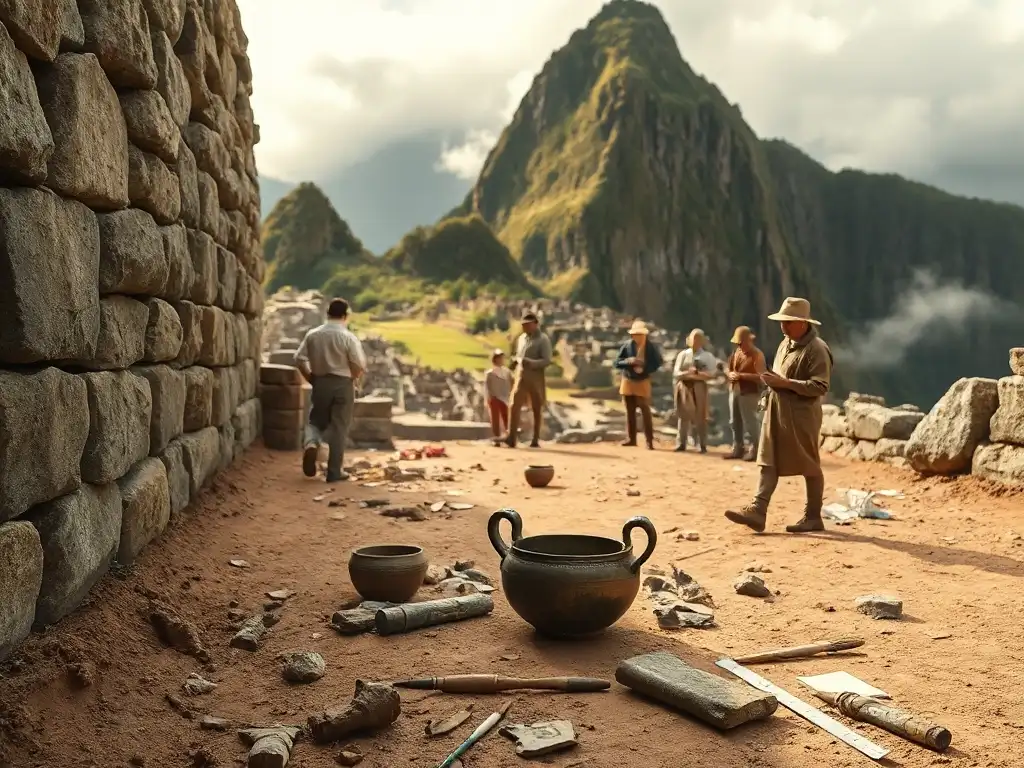
Machu Picchu's enigmatic origins continue to fascinate and challenge researchers. While the Inca connection is undeniable, the precise purpose and the full story behind its construction remain subjects of ongoing debate. Analyzing the archaeological evidence provides crucial insights into the lost city's past, helping to piece together a more complete picture of its function and significance within the Inca Empire.
Careful study of various aspects – from the pottery and artifacts discovered within the site to the sophisticated water management system and the impressive stonework – reveals much about the daily life, technological prowess, and possibly even the spiritual significance of this remarkable city. Understanding these elements is key to unlocking the secrets of Machu Picchu's "lost city origins."
Pottery and Artifacts: What They Reveal About Daily Life
The pottery shards and artifacts unearthed at Machu Picchu offer a window into the daily lives of its inhabitants. Analysis of ceramic styles reveals a blend of local traditions and Inca influences, suggesting a complex social structure and potentially a diverse population. The types of pottery found—from utilitarian cooking vessels to finely decorated ceremonial pieces—indicate a range of activities, from food preparation and storage to religious practices and social events.
The presence of sophisticated textiles, tools, and agricultural implements further supports the idea that Machu Picchu was a thriving community, not just a ceremonial center. For example, the discovery of numerous spindle whorls suggests a significant textile production, possibly supplying clothing and other necessities for the inhabitants and potentially even for trade with other Inca settlements.
The meticulous cataloging and analysis of these artifacts are crucial for understanding the social dynamics and economic activities within the city, contributing significantly to the ongoing research into Machu Picchu's lost city origins. Further research into the chemical composition of the pottery clays could pinpoint the sources of the raw materials, potentially revealing trade routes and connections with other regions.
The Intricate Water Management System: A Sign of Inca Ingenuity
Machu Picchu's remarkable water management system stands as a testament to Inca engineering prowess. The city's intricate network of canals, fountains, and aqueducts skillfully channeled water from surrounding springs and streams, providing a reliable source of water for both domestic and agricultural purposes. This sophisticated system, remarkably well-preserved even today, highlights the advanced understanding of hydraulics possessed by the Inca engineers.
The precise alignment of canals and the use of carefully shaped stones to control water flow demonstrate a high level of planning and execution. The system's effectiveness is further underscored by its ability to supply water to the various sectors of the city, including residential areas, agricultural terraces, and religious sites, even during periods of drought.
The ingenuity displayed in this system is not only impressive from an engineering standpoint but also speaks to the importance of water management for the sustainability of the city and the overall success of the Inca civilization, a key factor in understanding the longevity and importance of this "lost city origins." The efficiency of the water management system may even hint at the city's capacity to support a larger population than initially estimated.
Stone Quarrying Techniques: Understanding the Construction Process
The precise stonework of Machu Picchu is renowned for its accuracy and artistry. Understanding the quarrying techniques employed by the Inca builders is crucial to appreciating the scale and complexity of the construction process. Archaeological evidence suggests that the Inca utilized a variety of techniques, including the careful selection of stones from nearby quarries and the sophisticated use of tools like copper chisels and hammers.
The remarkable fit of the stones, often without the use of mortar, points to a deep understanding of stone cutting and shaping. The precision of the cuts and the intricate interlocking of the stones demonstrate a high level of skill and craftsmanship. Further research into the quarries themselves, including the identification of specific stone types and the analysis of tool marks on the extracted stones, can provide valuable insights into the logistical challenges and the organizational capabilities of the Inca empire, furthering our comprehension of Machu Picchu's "lost city origins."
The sheer scale of the undertaking, involving the transport of massive stones over challenging terrain, speaks to the impressive organizational and engineering capabilities of the Inca civilization. The absence of evidence for the use of wheels or animal-powered transport further emphasizes the ingenuity and manpower involved in this extraordinary feat of construction.
The Significance of the Terraces: Agricultural Practices at Machu Picchu
The iconic terraces of Machu Picchu are not merely a picturesque element of the landscape; they represent a sophisticated agricultural system crucial to the city's sustenance and its ability to thrive in a challenging environment. These meticulously engineered terraces, carved into the steep mountain slopes, demonstrate the Inca's profound understanding of agriculture and their remarkable engineering capabilities. The terraces weren't simply haphazardly carved; they were carefully designed to optimize sunlight exposure, water drainage, and soil fertility.
The Inca utilized a complex system of channels and irrigation ditches to distribute water efficiently across the terraces, ensuring a consistent water supply even during the dry season. This intricate water management system allowed for the cultivation of a diverse range of crops, including maize, potatoes, quinoa, and beans – staples of the Inca diet.
The construction of the terraces itself was a feat of engineering. The Inca employed a sophisticated technique of retaining walls built from locally sourced stone, perfectly fitted together without the use of mortar. These walls not only supported the terraces but also prevented soil erosion, a significant concern on the steep slopes.
The careful selection of stone and the precision of the construction ensured the longevity and stability of the terraces, allowing for generations of successful harvests. The size and orientation of the individual terraces varied depending on the slope and the specific crop being cultivated, showcasing a deep understanding of microclimates and the specific needs of different plants. This level of agricultural sophistication played a vital role in supporting the population of Machu Picchu and underscores the Inca's mastery of resource management within a complex ecosystem.
The terraces, therefore, are not simply agricultural features; they are a testament to the Inca's ingenuity and their ability to adapt to their environment, contributing significantly to the city's longevity and prosperity. The study of these terraces provides invaluable insights into Inca agricultural practices and their profound impact on the development of Machu Picchu. Further research into the soil composition within the terraces could reveal even more about the specific crops cultivated and the techniques used to enhance soil fertility.
Machu Picchu's Abandonment: Speculations and Historical Events
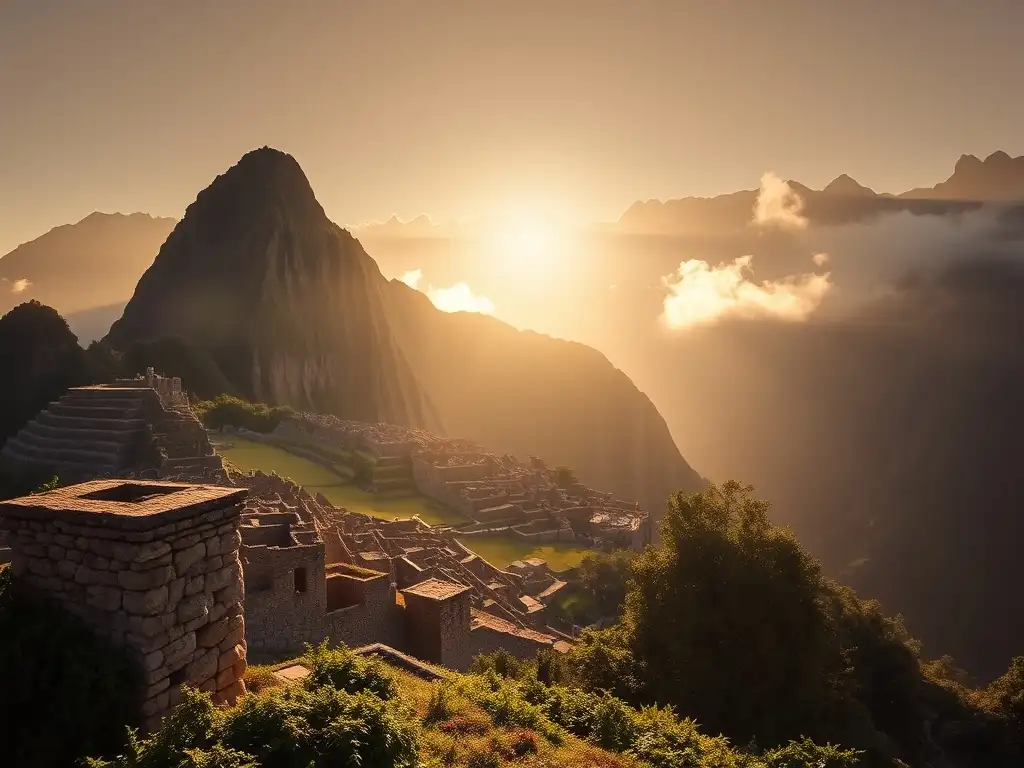
The precise reasons behind Machu Picchu's abandonment remain shrouded in mystery, fueling ongoing scholarly debate and captivating the imaginations of countless researchers and enthusiasts of "Machu Picchu lost city origins." While the city's construction is relatively well-documented within the context of Inca expansion and ingenuity, its sudden desertion presents a more complex puzzle. Several factors likely contributed to its eventual decline, creating a confluence of events leading to its emptiness.
Unraveling these interwoven strands requires careful consideration of historical context and the available archaeological evidence. The abruptness of the abandonment is particularly striking, suggesting a crisis rather than a gradual decline.
The Spanish Conquest and its Impact on Inca Society
The Spanish conquest of the Inca Empire in the 16th century drastically altered the social, political, and economic landscape of the Andes. The arrival of Pizarro and his conquistadors marked a turning point, triggering widespread upheaval and devastation. The Inca's sophisticated societal structures, including their intricate road networks and administrative systems, were systematically dismantled. Disease, warfare, and forced labor decimated the indigenous population, disrupting established agricultural practices and weakening the empire's foundations.
The Inca's centralized control crumbled, impacting even remote settlements like Machu Picchu. This disruption in communication and governance likely played a significant role in the city's abandonment. The Spanish conquest created a climate of instability and fear, compelling many Inca communities to relocate or assimilate, effectively severing their connection to ancestral lands and sites like Machu Picchu.
The impact extended beyond immediate physical destruction. The Spanish systematically destroyed Inca religious practices and traditions, further destabilizing the social fabric. The loss of religious leadership and the disruption of sacred rituals may have contributed to the abandonment of sites imbued with deep spiritual significance, like Machu Picchu. The imposition of new religious beliefs and cultural practices further marginalized indigenous knowledge and traditions, contributing to the erosion of the Inca identity and the decline of its once-thriving settlements.
Theories on the City's Decline and Disuse
Several competing theories attempt to explain Machu Picchu's abandonment beyond the broad impact of the Spanish conquest. Some scholars suggest that a natural disaster, such as an earthquake or landslide, might have rendered the city uninhabitable. This hypothesis is supported by evidence of geological instability in the region. However, the lack of substantial physical evidence directly linking a catastrophic event to the city's desertion weakens this theory.
Another theory posits that a shift in Inca political power or a change in strategic importance led to the city's neglect. Perhaps Machu Picchu lost its prominence as a royal estate or a strategic military outpost, leading to a gradual decline in its population and eventual desertion. This hypothesis requires further investigation into the Inca political dynamics and the changing strategic landscape of the Andes during this period. Further research into Inca administrative records (if any survive) might shed light on this possibility.
The possibility of disease outbreaks devastating the population cannot be ignored. The introduction of Old World diseases had a catastrophic impact on the Inca population, and a severe epidemic could have easily depopulated Machu Picchu. [Specific information pending] on the prevalence of diseases in the region during this period would greatly enhance our understanding of this potential factor.
The Legacy of Machu Picchu: Preserving the Inca Heritage
Despite its abandonment, Machu Picchu's legacy endures as a powerful testament to Inca ingenuity and resilience. The city's rediscovery in the early 20th century sparked renewed interest in the Inca civilization and its rich cultural heritage. The preservation of Machu Picchu is paramount, not only for its historical significance but also for its role in fostering a deeper understanding of "Machu Picchu lost city origins" and the broader Andean civilizations.
Ongoing efforts to protect the site from the detrimental effects of tourism and environmental degradation are crucial for safeguarding this invaluable piece of history for future generations. The preservation of Machu Picchu is a collective responsibility, requiring international cooperation and a commitment to sustainable practices that prioritize both the site's integrity and its accessibility to visitors.
The ongoing research and conservation efforts ensure that the enigmatic secrets of this lost city continue to be revealed, enriching our understanding of the Inca Empire and the complexities of its history. The ongoing quest to understand the reasons behind its desertion remains a compelling example of the enduring allure of "Machu Picchu lost city origins."
Conclusion: The Enduring Enigma of Machu Picchu's Origins
The mystery surrounding Machu Picchu's origins persists, despite decades of archaeological investigation and scholarly debate. While we've uncovered significant information about its construction, inhabitants, and daily life, the precise reasons behind its location and its ultimate function remain elusive. The "Machu Picchu lost city origins" question continues to captivate researchers and the public alike. Was it solely a royal estate, a religious center, a strategic military outpost, or a complex amalgamation of these purposes?
The evidence suggests a multifaceted role, but a definitive answer remains out of reach. The very ambiguity fuels ongoing fascination with this iconic site, drawing researchers and tourists alike to unravel its secrets. The incomplete nature of our understanding serves as a powerful reminder of the limitations of historical interpretation and the enduring power of the past.
Reflecting on the Unsolved Questions about the Lost City
Many questions regarding Machu Picchu’s purpose continue to puzzle experts. For example, the surprisingly small number of human remains discovered at the site, relative to its size and apparent capacity, remains unexplained. Did the population fluctuate dramatically throughout its use? Were the inhabitants primarily elite, with supporting personnel living elsewhere?
The lack of extensive agricultural features within the immediate vicinity, despite the fertile Urubamba Valley nearby, also raises questions about the city's self-sufficiency. Did Machu Picchu rely heavily on external resources and trade networks? Furthermore, the precise nature of its relationship with other Inca settlements and the wider empire requires further clarification. Was it a self-governing entity, or a tightly controlled outpost directly answerable to the Inca emperor?
These unanswered questions highlight the complexity of interpreting a site as unique and enigmatic as Machu Picchu. The ongoing discovery of new artifacts and the application of advanced analytical techniques offer hope for shedding more light on these enduring puzzles. The ongoing debate surrounding the "Machu Picchu lost city origins" is a testament to the rich complexity of the Inca civilization.
The Importance of Continued Research on Machu Picchu
Continued research on Machu Picchu is crucial not only for unraveling its specific origins and purpose but also for furthering our understanding of the Inca civilization as a whole. The insights gained from studying this site contribute significantly to our broader knowledge of Inca social structures, religious beliefs, agricultural practices, and engineering prowess. Furthermore, the preservation of Machu Picchu and the surrounding environment is paramount.
Careful and ethical research practices are essential to protect this invaluable historical treasure for future generations. This includes meticulous excavation techniques, advanced non-invasive surveying methods, and a commitment to sustainable tourism practices. The meticulous study of the site's architecture, artifacts, and environmental context provides invaluable data that can be used to reconstruct the daily lives of its inhabitants and to understand the larger societal context in which Machu Picchu flourished.
This ongoing research will undoubtedly provide further insights into the "Machu Picchu lost city origins" and enhance our understanding of this remarkable Inca achievement. The pursuit of knowledge about Machu Picchu is a continuous and evolving process, promising further revelations about this incredible lost city and the advanced Inca civilization that created it.
Frequently Asked Questions
What is Machu Picchu, and why is its origin mysterious?
Machu Picchu is a 15th-century Inca citadel nestled high in the Andes Mountains of Peru. Its precise purpose and the reasons behind its abandonment remain debated among scholars, making its origins enigmatic. The lack of extensive written records adds to the mystery.
What are some of the leading theories about Machu Picchu's origins?
Theories range from a royal estate or religious center to a strategic military outpost or a combination of these functions. Recent research suggests it may have served multiple purposes throughout its history. Further archaeological investigation is ongoing.
How does Machu Picchu relate to the broader Inca civilization?
Machu Picchu represents a significant achievement of Inca engineering and architecture, showcasing their mastery of stonework and urban planning. Its location and design reflect the Inca's deep connection to the Andes landscape and their sophisticated societal structure.
What role did the Inca emperor Pachacuti play in Machu Picchu's history?
While not definitively proven, Pachacuti is widely believed to have been instrumental in Machu Picchu's construction and/or use. His reign saw a period of significant Inca expansion and infrastructure development. Further research may reveal a more precise role.
Where can I find more information about Machu Picchu's ongoing research and discoveries?
You can explore reputable academic journals focusing on Andean archaeology and Inca studies. Websites of institutions like Yale University and the National Geographic Society often feature updates on new findings and interpretations related to Machu Picchu and its origins.
Final Reflection: Echoes of the Inca, Whispers of the Future
The enduring mystery of Machu Picchu's origins continues to resonate today, a powerful reminder of the complex interplay between human ingenuity and the forces of nature. Its breathtaking beauty and enigmatic purpose serve not only as a testament to the Inca civilization's advanced capabilities but also as a potent symbol of our own enduring fascination with the past and our persistent quest for understanding. The unanswered questions surrounding its construction and function fuel ongoing research and inspire countless visitors to seek their own connection with this remarkable site.
Machu Picchu's influence extends far beyond its physical presence in the Andes. It has become a global icon, a symbol of both cultural heritage and environmental preservation. Its story, a narrative woven from archaeological discoveries, historical accounts, and enduring legends, continues to shape our understanding of pre-Columbian societies and the profound relationship between humans and their environment. As the renowned anthropologist, Claude Lévi-Strauss, once observed, Myth is the language of the unconscious, and it is in the unconscious that we find the roots of our actions.
Machu Picchu's myths and mysteries, therefore, offer a profound insight into the human psyche and our enduring need to create meaning and purpose.
Consider, for a moment, the echoes of the Inca that reverberate through this lost city. What can its story teach us about resilience, innovation, and the enduring power of human connection? Let Machu Picchu's enigmatic legacy inspire you to explore the mysteries in your own life, to seek understanding in the unknown, and to appreciate the rich tapestry of human history that continues to unfold around us. Embrace the spirit of discovery, and let the whispers of the past guide you toward a future where we cherish and protect our shared heritage.
Unveil Your Adventure at Machu Picchu!
Thank you for exploring the captivating origins of Machu Picchu with us! We hope you've gained a deeper appreciation for its rich history and the enduring mysteries surrounding its purpose. Now, it's time to experience the wonders of this ancient site firsthand!
- Book your trip to Machu Picchu today and witness its majesty—don't just read about it, live it!
- Join our online community of Machu Picchu enthusiasts to connect with fellow travelers, share your experiences, and ask questions about planning your trip.
- Explore our extensive resources on Inca history, culture, and practical travel tips to enrich your understanding and plan the perfect visit.
What unique aspects of Machu Picchu are you most excited to discover during your visit?