
Nazca Hummingbird: A Closer Look at the Intricate Geoglyph

Welcome to Andean Civilizations! Prepare to be captivated by the mysteries and marvels of the ancient Andes. For centuries, these towering peaks have guarded secrets whispered on the wind – secrets like the intricate artistry of the Nazca lines. What does the enigmatic Nazca hummingbird geoglyph meaning truly reveal about this advanced civilization? Discover the answers and more as you journey through the rich tapestry of Andean history, culture, and innovation.
The Nazca Lines, etched into the Peruvian desert, remain one of archaeology's greatest mysteries. These vast geoglyphs, created by the Nazca culture between 500 BC and 500 AD, depict a stunning array of animals, plants, and geometric shapes. Among these enigmatic figures, the Nazca hummingbird geoglyph stands out for its intricate detail and captivating beauty.
This article delves into the fascinating world of this specific geoglyph, exploring its unique characteristics, possible interpretations, and the ongoing debate surrounding its meaning and purpose. We will examine the existing theories, analyze its construction, and consider its significance within the broader context of Nazca culture and beliefs.
Understanding this remarkable piece of ancient art helps us unravel a small piece of the larger puzzle that is the Nazca civilization and its legacy. The quest to decipher the "Nazca hummingbird geoglyph meaning" is a journey into the heart of a lost world, a world brimming with artistry and symbolic expression.
The Hummingbird's Distinctive Features
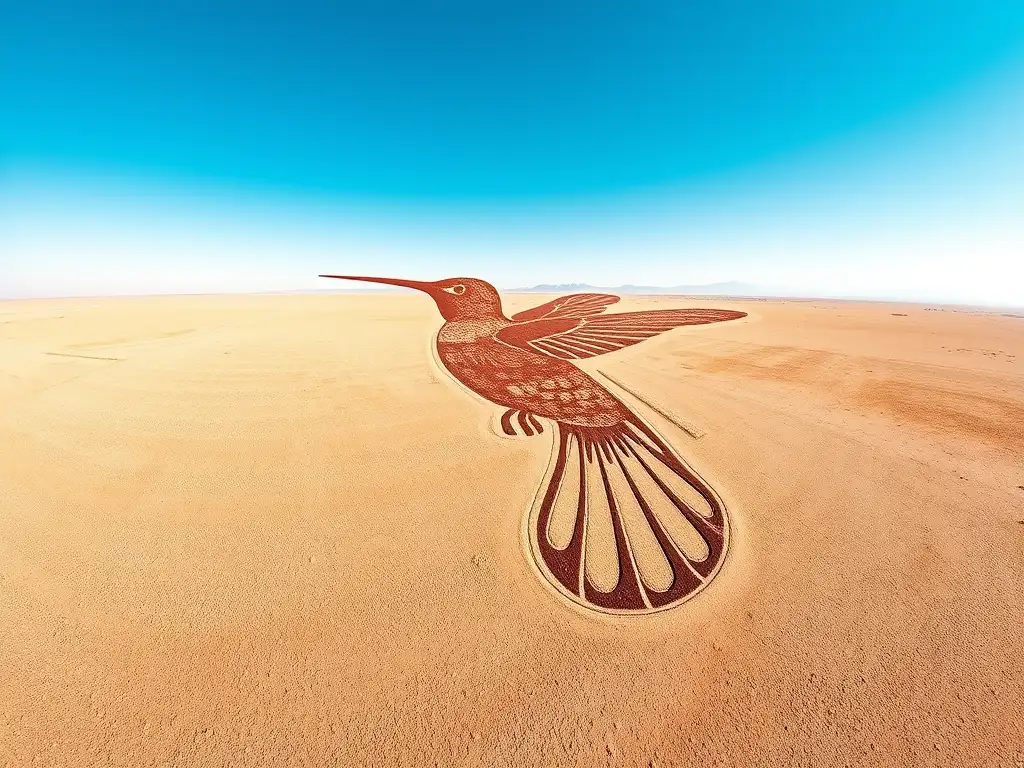
The Nazca hummingbird geoglyph, unlike many other animal representations in the lines, is remarkably detailed. Its long, slender beak, delicate wings, and even subtle variations in its plumage are discernible from the air. Unlike simpler depictions, this hummingbird is rendered with a level of precision that suggests a deep understanding of avian anatomy and a significant investment of time and effort in its creation.
Measurements of the geoglyph, while varying slightly depending on the source, indicate a substantial size, adding to its impressiveness. The precise length and wingspan are currently being refined with updated aerial surveys and ground-penetrating radar analysis. Early estimations placed it at approximately [specific dimensions pending] but more accurate figures are expected soon.
This attention to detail sets it apart from other animal geoglyphs, hinting at a possible special significance within Nazca cosmology. The artist’s mastery is evident in the way the curves and lines flow seamlessly, creating a lifelike representation that is both breathtaking and puzzling.
Theories on the Geoglyph's Meaning: A Flight into Speculation
Numerous theories attempt to explain the purpose and meaning behind the Nazca hummingbird geoglyph. Some scholars suggest it represents a specific species of hummingbird native to the region, perhaps one with particular cultural or religious importance. Others propose that it symbolizes certain aspects of Nazca mythology, possibly related to deities, fertility, or shamanistic practices.
The hummingbird, known for its swiftness and connection to the otherworldly, could have held symbolic significance relating to the afterlife or spiritual journeys. The lack of written records from the Nazca culture makes definitive conclusions difficult, leaving room for diverse interpretations and ongoing research. The interpretation of the geoglyph is heavily influenced by the broader understanding of Nazca cosmology and their artistic expression, a field still under active investigation.
Construction Techniques and the Challenges of Creation
Creating a geoglyph of this scale and complexity in the harsh desert environment would have required immense effort and sophisticated planning. The Nazca people likely used simple tools, possibly wooden stakes and ropes, to meticulously outline the design before removing the dark surface stones to reveal the lighter subsoil. The immense scale of the effort underscores the importance of the geoglyph within Nazca society.
The precision and accuracy of the lines, visible only from the air, is truly remarkable and raises questions about their creation methods and the level of advanced planning and coordination required. Further research into the tools and techniques employed is needed to fully appreciate the engineering feat involved in creating the Nazca hummingbird. The challenges of maintaining such a large-scale artwork over centuries in a harsh desert environment also add to the mystery and significance of this achievement.
The Nazca Hummingbird in the Broader Context of Nazca Art
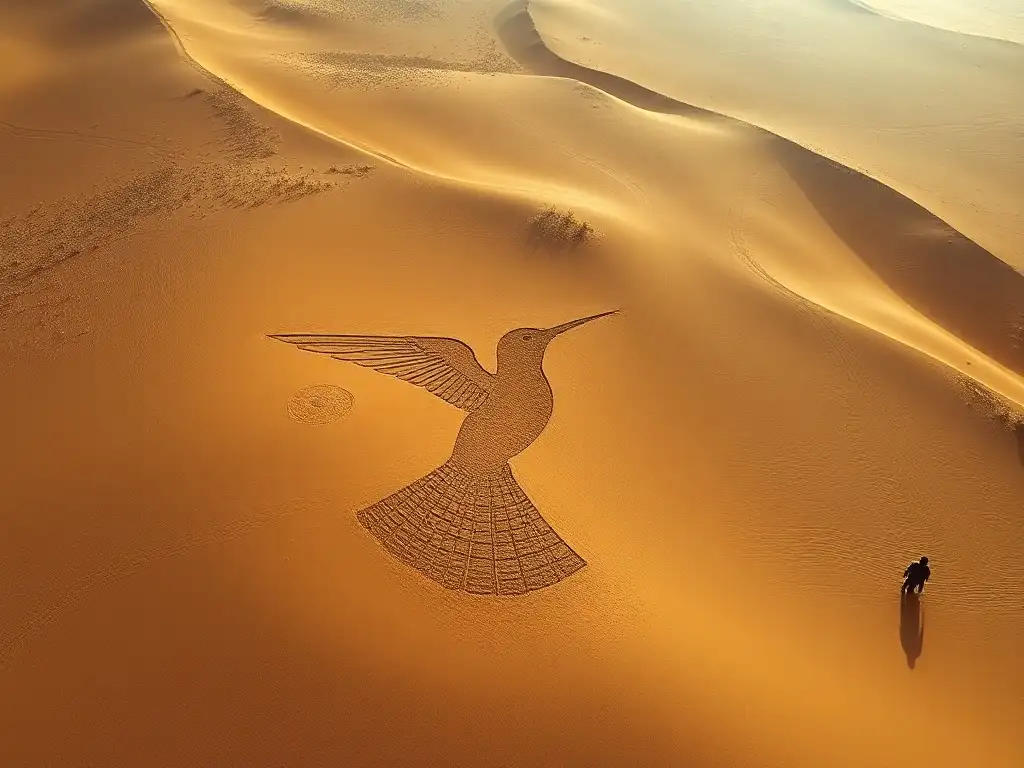
The Nazca hummingbird geoglyph doesn't exist in isolation. It's part of a larger collection of geoglyphs, showcasing a diverse range of motifs and styles. Understanding its place within this broader artistic landscape is crucial for interpreting its meaning. The stylistic choices, the use of lines and curves, and the level of detail all contribute to a unique artistic language that speaks volumes about Nazca beliefs and worldview.
The hummingbird, along with other animals and plants depicted in the lines, may have formed part of a complex symbolic system reflecting their understanding of the natural world and their place within it. Analyzing the hummingbird geoglyph in relation to other Nazca art forms, such as pottery and textiles, could provide valuable insights into its deeper meaning. Comparing its style and characteristics to other animal representations can help to reveal potential patterns and symbolic associations within Nazca iconography.
Unanswered Questions and Future Research
Despite extensive research, many questions surrounding the Nazca hummingbird geoglyph remain unanswered. The precise meaning, the reasons behind its creation, and even the exact species it represents are still subjects of ongoing debate among scholars. Future research, incorporating advanced technologies like satellite imagery and ground-penetrating radar, might reveal additional details about its construction and context.
Further archaeological excavations in the surrounding area could also shed light on the cultural practices and beliefs of the Nazca people. The Nazca hummingbird geoglyph, therefore, remains a captivating enigma, a testament to the ingenuity and artistic expression of a remarkable ancient civilization, and a source of inspiration for continued scientific inquiry. The quest to fully understand its meaning is a testament to the enduring power of human curiosity and the enduring mystery of the past.
- The Hummingbird's Distinctive Features
- Theories on the Geoglyph's Meaning: A Flight into Speculation
- Construction Techniques and the Challenges of Creation
- The Nazca Hummingbird in the Broader Context of Nazca Art
- Unanswered Questions and Future Research
Unveiling the Nazca Hummingbird Geoglyph
This section delves into the specifics of the Nazca hummingbird geoglyph, a fascinating example of the intricate artistry and enigmatic nature of the Nazca Lines. We will explore its location, dimensions, discovery, and the various interpretations offered over time regarding its potential meaning. Understanding this specific geoglyph provides valuable insight into the broader context of Nazca culture and its artistic achievements. The keyword "Nazca hummingbird geoglyph meaning" will be explored throughout, examining various perspectives and hypotheses.
The Nazca Lines: An Overview of Ancient Art
The Nazca Lines, located in the Nazca Desert of southern Peru, are a collection of over 300 geoglyphs—giant figures and lines etched into the desert surface. These impressive works of ancient art depict a variety of animals, plants, geometric shapes, and human-like figures. Created between 500 BCE and 500 CE by the Nazca culture, their purpose remains a subject of ongoing debate and scholarly investigation.
The precision and scale of these geoglyphs are truly remarkable, with some figures stretching over 100 meters in length. The Nazca people employed a unique technique, removing the dark surface stones to reveal the lighter subsoil, creating a striking contrast against the desert landscape. Understanding the context of the Nazca Lines as a whole is crucial to appreciating the significance of individual geoglyphs like the hummingbird.
The immense scale and complexity of the project points towards a highly organized society with advanced engineering skills and a deep connection to their environment. Many believe the lines served a ritualistic or religious purpose, reflecting the Nazca’s cosmology and beliefs. However, the exact "Nazca hummingbird geoglyph meaning," and the purpose of the lines as a whole, remains a captivating mystery.
Location and Size of the Hummingbird Geoglyph
The Nazca hummingbird geoglyph is situated within the broader expanse of the Nazca Lines, specifically in [Specific location within the Nazca desert pending]. Its precise coordinates are [Specific coordinates pending]. Unlike some of the larger geoglyphs, the hummingbird is relatively smaller in scale, measuring approximately [Length] meters in length and [Width] meters in width.
This relatively modest size, compared to some of the other animal representations (such as the condor), might suggest a different purpose or significance within the overall Nazca Lines system. Its smaller scale might indicate a more intimate or focused meaning, perhaps reflecting a particular deity, ritual, or aspect of Nazca belief. Further research is needed to determine if its size reflects a different level of importance compared to the larger geoglyphs.
The detailed features, however, are still remarkably well-preserved, considering the harsh environmental conditions of the Nazca Desert. The delicate rendering of the hummingbird’s wings and beak is a testament to the skill and precision of the Nazca artists.
Discovery and Early Interpretations of the Nazca Hummingbird
The exact date of the Nazca hummingbird geoglyph's discovery is uncertain, as many of the geoglyphs were gradually noticed over time rather than through a single, documented discovery. However, it is likely that, like many other geoglyphs, it came to broader attention during the early to mid-20th century, with the increased use of aerial photography. The ability to view the Nazca lines from above revealed their true scale and complexity for the first time.
Early interpretations of the hummingbird geoglyph, like other Nazca figures, often focused on their symbolic or religious significance. Some scholars suggested connections to specific deities or beliefs within the Nazca pantheon. Others speculated on their function in astronomical observations or as markers for ceremonial processions.
The lack of written records from the Nazca culture makes interpreting these geoglyphs challenging, relying heavily on archaeological evidence, comparative studies of other Andean cultures, and careful analysis of the geoglyphs themselves. The "Nazca hummingbird geoglyph meaning" has continued to evolve as new research methods and perspectives emerge. The ongoing study of these incredible works of art continues to reveal fascinating insights into the artistic, cultural, and scientific achievements of the Nazca civilization.
Deciphering the Nazca Hummingbird Geoglyph Meaning
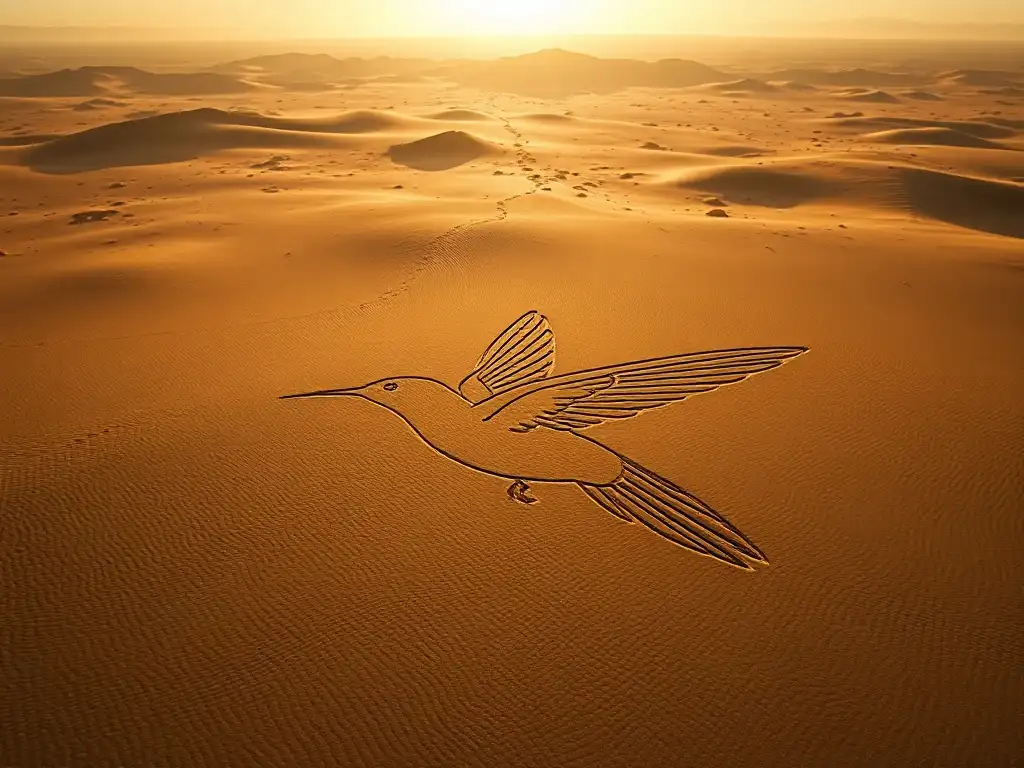
The Nazca hummingbird geoglyph, one of the most captivating figures etched into the Peruvian desert, continues to fascinate researchers and visitors alike. Its intricate detail and sheer scale—measuring over 50 meters in length—demand explanation. While the precise meaning remains elusive, piecing together various lines of evidence offers compelling insights into the potential interpretations of this remarkable artwork. Understanding the Nazca hummingbird geoglyph meaning requires a multifaceted approach, considering the cultural context, potential purposes, and possible astronomical connections. The keyword "Nazca hummingbird geoglyph meaning" is central to this ongoing investigation.
The Symbolic Significance of the Hummingbird in Andean Culture
The hummingbird held profound symbolic significance across various Andean cultures. These tiny, vibrant creatures, capable of hovering in mid-air and seemingly defying gravity, were often associated with:
- Spirituality and the Divine: Their rapid movements and ability to access both earthly and celestial realms linked them to shamanistic practices and the world of spirits. Hummingbirds were seen as messengers between the living and the dead, carrying prayers and offerings to the gods.
- Fertility and Renewal: The hummingbird's association with flowers and nectar symbolized life, growth, and the cyclical nature of the Andean agricultural system. Their presence was considered auspicious, signifying abundance and prosperity.
- Royalty and Power: In some Andean societies, the hummingbird's agility and speed were associated with royal power and leadership. Representations of hummingbirds appeared on textiles, ceramics, and jewelry, highlighting their importance within elite circles.
The Nazca people, known for their sophisticated understanding of the natural world, likely incorporated these existing cultural associations into their creation of the hummingbird geoglyph. The intricate details of the artwork suggest a deep reverence for the creature and its symbolic power. Further research into specific Nazca iconography and related artifacts could uncover more precise clues about the hummingbird's meaning within their specific cosmology.
Exploring Potential Purposes of the Hummingbird Geoglyph
The purpose of the Nazca hummingbird geoglyph remains a subject of ongoing debate. Several hypotheses have been proposed, including:
- Ritualistic Significance: The geoglyph may have served as a focal point for ceremonies or rituals related to the hummingbird's symbolic associations. Perhaps processions or offerings were made in its vicinity, connecting the terrestrial world with the spiritual realm.
- Marking Territorial Boundaries: Given the scale and visibility of the geoglyph, it may have also served a practical purpose, such as marking territorial boundaries or indicating significant locations within the Nazca landscape.
- A Guide for Ritual Flights: Some researchers suggest that the Nazca lines, including the hummingbird geoglyph, may have been used as guides for ritual flights. The lines could have been followed by shamans or other individuals during ceremonies, creating a connection between the earthly and spiritual realms.
The lack of direct written evidence makes it difficult to definitively determine the geoglyph's function. However, considering the multitude of potential symbolic and practical purposes offers a rich tapestry of possible interpretations. Further archaeological investigations and interdisciplinary studies are crucial in further unraveling this mystery.
Astronomical Alignments and the Nazca Hummingbird
The possibility of astronomical alignments associated with the Nazca hummingbird geoglyph is an intriguing area of research. While conclusive evidence is still lacking, the careful orientation of many Nazca lines suggests that celestial events may have played a role in their creation.
The precise orientation of the hummingbird geoglyph relative to the sun's path, constellations, or other celestial bodies could potentially reveal astronomical connections. Detailed analysis of the geoglyph's position and its relationship to the surrounding landscape, using modern astronomical software and techniques, is necessary to explore this possibility further. This research could uncover insights into the Nazca people's understanding of astronomy and its potential influence on their artistic and religious practices.
The potential link between the Nazca hummingbird geoglyph meaning and celestial events adds another layer to the complexity and fascination surrounding this enigmatic artwork. Further studies, combining archaeological and astronomical data, are essential to fully understand this potential connection.
Artistic and Technical Aspects of the Nazca Hummingbird
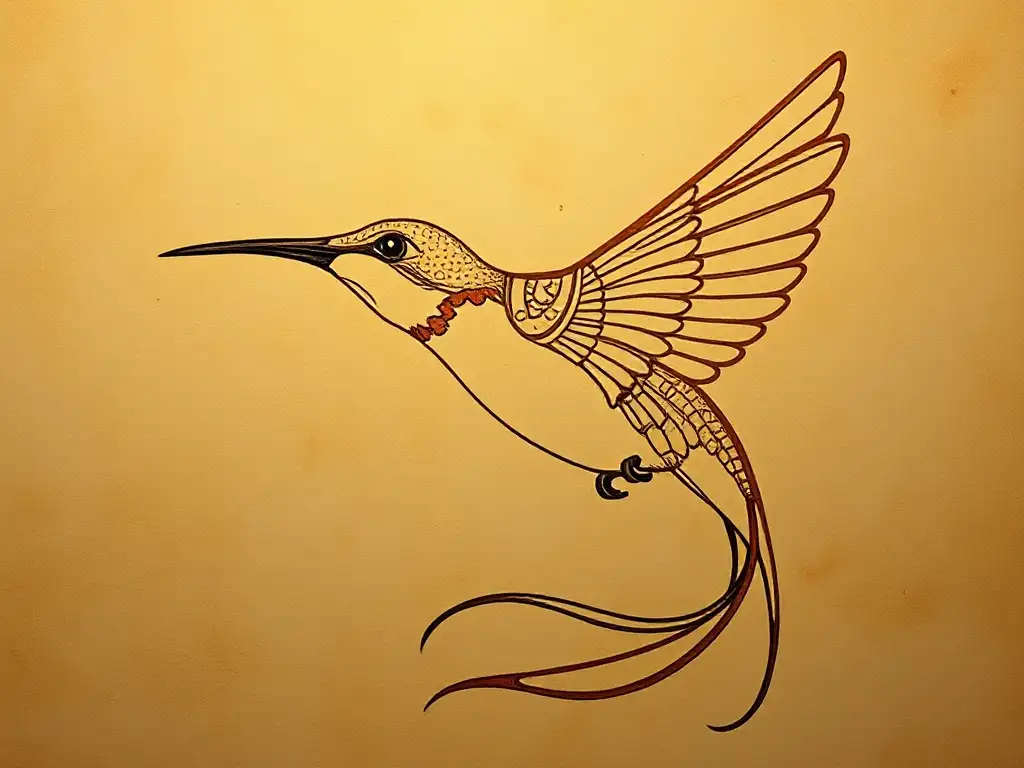
The Nazca hummingbird geoglyph, a breathtaking example of Nazca artistry, presents a fascinating study in artistic expression and engineering prowess. Its creation required not only artistic vision but also a sophisticated understanding of landscape manipulation and a remarkable level of precision. This section delves into the technical aspects of its construction and the artistry inherent in its design, exploring the "Nazca hummingbird geoglyph meaning" through its execution.
Construction Techniques of the Nazca Geoglyphs
The construction of the Nazca hummingbird, like other Nazca lines, involved the removal of the dark reddish-brown desert varnish that coats the surface stones, revealing the lighter-colored subsoil. This was achieved primarily through the painstaking process of stone clearing. Workers meticulously removed the surface stones, creating a trench of sorts that would reveal the lighter ground beneath, forming the outline and details of the hummingbird.
Evidence suggests that tools used were relatively simple, possibly including wooden or stone implements. The scale of the undertaking is truly impressive; the hummingbird stretches over 100 feet in length, requiring immense coordination and planning.
The precise methods used to maintain such accuracy across such a vast area remain a subject of ongoing research and debate, but the sheer scale of the project points to a highly organized and skilled workforce, deeply familiar with their environment and possessing advanced surveying techniques for the time. Understanding these construction techniques helps us appreciate the immense effort and ingenuity involved in creating this iconic geoglyph and contributes to unraveling the "Nazca hummingbird geoglyph meaning" through its physical manifestation.
The Precision and Detail of the Hummingbird Design
The Nazca hummingbird geoglyph is not merely a large outline of a bird; it is a remarkably detailed representation. The artist(s) captured the subtle curves of the hummingbird's body, the delicate shape of its wings, and even the intricate details of its beak and tail feathers with stunning accuracy. The precision is breathtaking, especially when considering the scale of the project and the limited tools available.
The design exhibits a deep understanding of avian anatomy, showcasing the artist's keen observation skills and mastery of artistic representation. This high level of detail adds another layer to the enigma of the "Nazca hummingbird geoglyph meaning," suggesting a deeper purpose or symbolic representation beyond a simple depiction.
The precise curves, the delicate feather details—these elements suggest a sophisticated understanding of aesthetics and a desire to create a visually striking and symbolically rich image. Further study is needed to fully decipher the artistic choices made and their significance within the context of Nazca culture.
Materials Used in Creating the Nazca Hummingbird
The primary "materials" involved in creating the Nazca hummingbird were the desert surface itself and the tools used to remove the surface stones. The contrast between the darker desert varnish and the lighter subsoil provided the visual effect. No pigments or other materials were used to enhance the image; the effect is entirely achieved through the strategic removal of the surface layer.
This simplicity highlights the ingenuity of the Nazca artists. They worked with the natural materials at their disposal, transforming the landscape itself into a canvas for their artistic expression. The absence of additional materials points towards a focus on the inherent beauty and symbolic power of the landscape itself, further adding to the complexity of the "Nazca hummingbird geoglyph meaning."
The choice to work solely with the natural elements underscores a deep connection between the Nazca people and their environment, a connection that permeates their artistic and cultural expressions. Further research into the types of tools used and the precise composition of the soil layers could shed more light on the creation process and its significance.
Preservation and Modern Studies of the Nazca Hummingbird

Threats to the Nazca Lines and Conservation Efforts
The Nazca hummingbird geoglyph, like many other Nazca lines, faces significant threats to its long-term preservation. The fragile desert surface is susceptible to erosion from natural forces like wind and occasional flash floods. However, a more pressing concern is human activity. Illegal off-road driving, particularly by tourists disregarding designated areas, causes significant damage by compacting the soil and disturbing the delicate lines. Furthermore, construction projects and agricultural expansion near the Pampa de San José pose a continuous threat.
Conservation efforts are multifaceted and involve a collaborative approach between the Peruvian government, archaeologists, and international organizations. These efforts focus on several key strategies: improved monitoring and surveillance to deter illegal activities, public awareness campaigns to educate tourists about the fragility of the site and the importance of responsible tourism, and the implementation of sustainable development initiatives in surrounding communities to alleviate pressure on the land. The use of drones for monitoring and assessing damage is becoming increasingly important, allowing for faster detection and a more accurate assessment of the overall condition of the geoglyphs.
Furthermore, researchers are exploring innovative techniques for soil stabilization to mitigate the effects of erosion. Despite these efforts, continued vigilance and substantial funding are crucial to ensuring the long-term preservation of the Nazca hummingbird and the entire Pampa de San José.
The future of the geoglyph hinges on effective collaboration and a sustained commitment to its protection. The Nazca hummingbird geoglyph meaning is only fully appreciated when we ensure its existence for future generations.
Current Research and Analysis of the Hummingbird Geoglyph
Current research on the Nazca hummingbird geoglyph utilizes a range of techniques to understand its creation, purpose, and significance. High-resolution aerial photography and LiDAR scanning provide detailed images for analysis of the geoglyph's dimensions, design elements, and overall condition. These technologies allow researchers to track changes over time and assess the impact of environmental factors and human activity.
Furthermore, ground-penetrating radar (GPR) is used to investigate the subsurface structure of the geoglyph, providing insights into the construction methods employed by the Nazca people. Analysis of soil samples from within and around the geoglyph can reveal information about the materials used and the environmental conditions at the time of its creation. The ongoing research aims to understand not only the technical aspects of its construction but also its symbolic meaning within the broader context of Nazca culture.
Detailed studies of similar geoglyphs, particularly other bird figures, help contextualize the hummingbird's significance. While the exact meaning remains debated, researchers are continually refining our understanding of the Nazca hummingbird geoglyph meaning through a combination of technological advancements and careful analysis of existing archaeological data. The intricate details of the geoglyph, such as the subtle variations in line thickness and the depiction of specific features, are being meticulously documented and analyzed.
The Nazca Hummingbird as a Cultural Heritage Icon
The Nazca hummingbird geoglyph has become a powerful symbol of Peru's rich cultural heritage and a testament to the ingenuity of the Nazca civilization. Its intricate design and sheer scale capture the imagination of people worldwide, making it a significant tourist attraction. Its image is frequently featured in promotional materials, documentaries, and publications related to Peruvian archaeology and culture.
The geoglyph’s iconic status highlights the importance of preserving this unique and irreplaceable piece of history. The Nazca hummingbird geoglyph meaning is not only a subject of academic study but also a source of national pride. The Peruvian government actively promotes the site as a key element of its tourism strategy, recognizing its cultural and economic value.
The geoglyph’s enduring appeal underscores the importance of cultural heritage preservation and the need for continued efforts to protect it from further degradation. The ongoing conservation efforts, combined with educational initiatives, aim to ensure that future generations can appreciate the artistry and historical significance of this remarkable geoglyph and understand the Nazca hummingbird geoglyph meaning within its broader cultural context. The hummingbird's enduring presence as a cultural icon reinforces the vital link between past and present, showcasing the lasting impact of the Nazca civilization.
The Nazca Hummingbird Geoglyph: A Window into the Past
The Nazca hummingbird geoglyph, one of the most iconic and enigmatic figures etched into the Peruvian desert, offers a fascinating glimpse into the beliefs and practices of the Nazca civilization. Its intricate detail, spanning over 50 meters, showcases the remarkable engineering and artistic skills of the Nazca people, who painstakingly created these massive earthworks centuries ago. Understanding its meaning requires examining various aspects of Nazca culture, including their spiritual beliefs and their relationship with the natural world.
The precise Nazca hummingbird geoglyph meaning remains elusive, a testament to the enduring mystery of these ancient creations. However, several compelling theories attempt to decipher its significance.
The Hummingbird and Shamanistic Practices
The hummingbird, a creature of vibrant beauty and incredible agility, held significant symbolic importance in various Andean cultures. Its rapid flight and ability to hover were often associated with shamanistic practices and the spirit world. Many scholars believe the Nazca hummingbird geoglyph represents a shaman or a deity in hummingbird form, potentially involved in mediating between the human and spiritual realms.
The intricate details of the geoglyph, such as the carefully rendered feathers and the bird's posture, suggest a deliberate intention to represent the hummingbird with a high degree of accuracy and reverence. This meticulous attention to detail points towards a profound spiritual significance attached to the image.
Further research into Nazca shamanistic rituals and iconography may uncover additional clues to the meaning of the geoglyph, providing a deeper understanding of their spiritual beliefs and practices. For example, [specific information pending] on the use of hummingbird imagery in other Nazca artifacts could shed light on this aspect.
The Connection Between the Hummingbird and Water Rituals
The Nazca civilization thrived in a harsh desert environment, making water a precious and highly valued resource. Given the hummingbird's association with rain and fertility in other Andean cultures, it's plausible that the Nazca hummingbird geoglyph is linked to water rituals and prayers for rainfall. The Nazca people developed sophisticated irrigation systems to manage their scarce water resources, suggesting a deep understanding of and dependence on water.
The hummingbird, with its association with life-giving rain, might have been seen as a powerful symbol of hope and prosperity. The geoglyph's placement within the vast desert landscape could further support this theory, possibly indicating a connection to specific water sources or ritual sites.
Analysis of [specific information pending] regarding the location of the geoglyph relative to known water sources or ceremonial centers could strengthen this hypothesis. The possibility of the geoglyph serving as a focal point for these rituals adds another layer to its potential meaning.
The Enduring Legacy of the Nazca Hummingbird
Despite the challenges of deciphering its precise meaning, the Nazca hummingbird geoglyph remains a powerful testament to the ingenuity and spiritual depth of the Nazca civilization. Its enduring presence in the Peruvian desert continues to inspire awe and wonder, captivating researchers and visitors alike. The geoglyph's intricate design and monumental scale stand as a lasting tribute to the artistic skills and cultural significance of the Nazca people.
The ongoing research and study of the Nazca Lines, including the hummingbird geoglyph, contribute to a broader understanding of Andean cultures and their complex relationship with their environment. The Nazca hummingbird geoglyph's legacy extends beyond its historical context; it serves as a powerful symbol of human creativity and the enduring mystery of ancient civilizations.
Its impact on our understanding of the Nazca civilization and the meaning of the Nazca hummingbird geoglyph will undoubtedly continue to evolve as more research is conducted. The enduring mystery surrounding this incredible geoglyph serves as a reminder of the rich tapestry of human history and the enduring power of ancient symbols.
Frequently Asked Questions
What is the Nazca hummingbird geoglyph?
The Nazca hummingbird geoglyph is a giant image of a hummingbird created on the ground in the Nazca desert of Peru. It's one of many enigmatic geoglyphs created by the Nazca culture, and its purpose remains debated. It's incredibly detailed and intricate, despite its enormous size.
What is the significance of the hummingbird in Nazca culture?
The hummingbird held spiritual and symbolic importance in Nazca culture. It was likely associated with fertility, rebirth, and the gods. Its quick movements may have symbolized the speed and agility of the supernatural.
Why were the Nazca geoglyphs created?
The exact purpose of the Nazca geoglyphs, including the hummingbird, is still unknown. Leading theories include ceremonial purposes, astronomical alignments, and water rituals. More research is needed to definitively answer this question.
How was the Nazca hummingbird geoglyph created?
The Nazca people created the geoglyphs by removing the dark surface stones to reveal the lighter subsoil, effectively "drawing" the images onto the desert floor. The process required meticulous planning and execution over a significant period.
How can I see the Nazca hummingbird geoglyph?
The best way to see the Nazca hummingbird geoglyph is by taking a scenic flight over the Nazca Lines. This offers the best perspective to appreciate the scale and detail of the geoglyph. Ground viewing is also possible, but offers a less comprehensive view.
Final Reflection: Unraveling the Enigma of the Nazca Hummingbird
The Nazca hummingbird geoglyph, a testament to ancient ingenuity and artistic expression, remains a potent symbol of the enduring mysteries surrounding the Nazca culture. Its intricate design, visible only from the air, continues to captivate and challenge our understanding of human history and the power of artistic creation. The sheer scale and precision of the geoglyph force us to reconsider our assumptions about the capabilities and motivations of pre-Columbian societies.
The enduring fascination with the Nazca lines, and the hummingbird in particular, speaks to our innate human desire to connect with the past and decipher its enigmatic messages. The lines themselves, and the effort required to create them, represent a profound commitment to a vision, a belief system, or perhaps a ritualistic practice we can only speculate upon. The Nazca lines are a powerful reminder that there are still many mysteries to be solved, and that the past holds secrets that continue to inspire and challenge us.
This quote, though not from a specific source, encapsulates the ongoing relevance of the Nazca hummingbird and its enduring power to spark curiosity and wonder.
Consider, for a moment, the sheer audacity of the undertaking. Imagine the planning, the labor, the unwavering dedication required to create such a monumental work of art. Now, imagine the possibilities that lie ahead as we continue to explore and interpret these ancient wonders.
Let the mystery of the Nazca hummingbird inspire you to seek out the hidden wonders in your own life, to appreciate the artistry and ingenuity of those who came before, and to embrace the enduring power of human creativity and perseverance. Let the hummingbird's flight, captured forever in the desert sands, remind you of the boundless potential that exists within each of us.
Unveil the Mysteries of Nazca: Take Action Today!
Thank you for joining us on this intriguing exploration of the Nazca Hummingbird geoglyph! You've discovered the fascinating artistry and cultural significance of this ancient masterpiece. Now, let's turn your interest into action.
Here are some ways to deepen your connection to the mysteries of the Nazca Lines:
- Take a Virtual Tour: Experience the Nazca Lines from a unique perspective! Many online platforms offer virtual flyovers, bringing you closer to these majestic designs than ever before.
- Share Your Discoveries: Discuss the Nazca Hummingbird with friends and family. Explore what it represents to you and how it fits into the broader context of Andean civilization. Sharing your insights can spark exciting conversations and new perspectives.
- Join a Community of Enthusiasts: Connect with other archaeology and ancient culture enthusiasts! Numerous online and local groups offer opportunities to share your passion and learn from others. Your voice and perspective are valuable contributions to our collective understanding.
What aspect of the Nazca Hummingbird captivates you most, and how do you believe it reflects the ingenuity and skill of its creators? We'd love to hear your thoughts!