
Unveiling the Secrets of Inca Governance: A Deep Dive into Imperial Administration

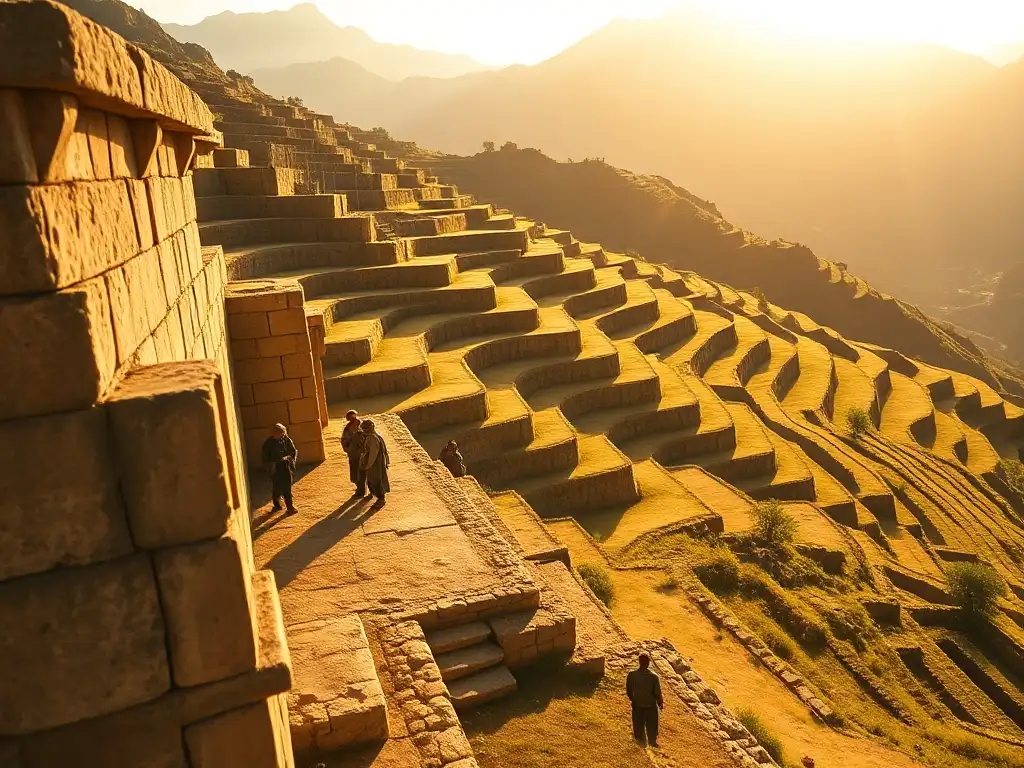
Step into a world lost to time, yet echoing with the whispers of a magnificent empire. Prepare to be captivated by the Andean Civilizations, where intricate artistry, awe-inspiring architecture, and sophisticated technologies thrived for centuries. But the true enigma lies in their masterful governance: how did the Inca Empire, a sprawling realm across treacherous terrain, maintain such effective control? Unravel the mysteries behind the Inca governance system in our in-depth exploration of imperial administration – a journey into the heart of a civilization that continues to astound and inspire.
The Inca Empire, a sprawling civilization that dominated the Andes Mountains from the 15th to the 16th century, left behind a legacy of remarkable engineering feats, intricate artistry, and a surprisingly sophisticated system of governance. This article delves into the intricacies of the Inca governance system, exploring its hierarchical structure, administrative mechanisms, and the strategies employed to maintain control over a vast and diverse empire.
Understanding the Inca's approach to governance provides crucial insight into their remarkable success in unifying disparate Andean communities and building a powerful, enduring state. We will examine how the Inca implemented effective strategies for resource management, conflict resolution, and the integration of conquered territories, ultimately revealing the key elements that contributed to the empire's stability and longevity.
This exploration will utilize primary and secondary sources to paint a comprehensive picture of this fascinating and influential political system, offering a new perspective on the complexities of Inca power.
The Hierarchical Structure of Inca Power
The Inca Empire operated under a highly centralized and hierarchical system, with the Sapa Inca at its apex. The Sapa Inca, considered a divine ruler, held absolute authority and controlled all aspects of the empire. Below the Sapa Inca, a complex network of officials facilitated the administration of the empire. This included the Apus, regional governors who oversaw vast territories, and the Curacas, local chiefs who maintained order and collected tributes at the village level.
This intricate system ensured that imperial decrees were effectively implemented across the vast expanse of the empire. The hierarchy wasn't merely a chain of command; it also represented a complex web of kinship ties, religious authority, and strategic alliances, further solidifying the Inca's control. The appointment of officials, often based on merit and loyalty to the Sapa Inca, ensured competent administration and minimized the potential for rebellion.
The Mit'a System: Labor and Control
The Mit'a system was a cornerstone of Inca governance, representing a form of obligatory labor service. All able-bodied citizens were required to contribute a specific amount of labor to the state, which could involve agricultural work, construction projects, military service, or other essential tasks. While often viewed as a form of forced labor, the Mit'a also served as a vital mechanism for integrating conquered populations into the empire and distributing resources effectively.
The system ensured the construction of vast infrastructure projects, including roads, irrigation systems, and temples, which greatly benefited the empire. It also provided a means of redistributing goods and services, fostering economic stability and reducing social inequality.
However, the system’s effectiveness varied depending on factors such as the region, the nature of the task, and the ability of the Inca administration to manage and monitor the labor force effectively. The potential for abuse and exploitation is a significant factor to consider when evaluating the Mit'a's overall impact.
Resource Management and Redistribution: The Inca's Economic Policy
The Inca Empire implemented a sophisticated system of resource management and redistribution. Through a network of storehouses called qollqas, the Inca collected agricultural surplus from various regions. This surplus was then redistributed to areas experiencing shortages or to support public works projects. This system ensured food security and mitigated the effects of droughts or other natural disasters.
The qollqas also served as a crucial element in the empire’s economic control, allowing the Inca to regulate trade and ensure the availability of essential goods. This centralized economic policy allowed the Inca to effectively manage resources and maintain social stability across the empire. The system was not without its challenges, however; the accurate accounting and efficient distribution of resources required a highly organized bureaucracy, and logistical issues could sometimes arise, particularly in remote regions.
Maintaining Order and Suppressing Rebellion: Military and Religious Control
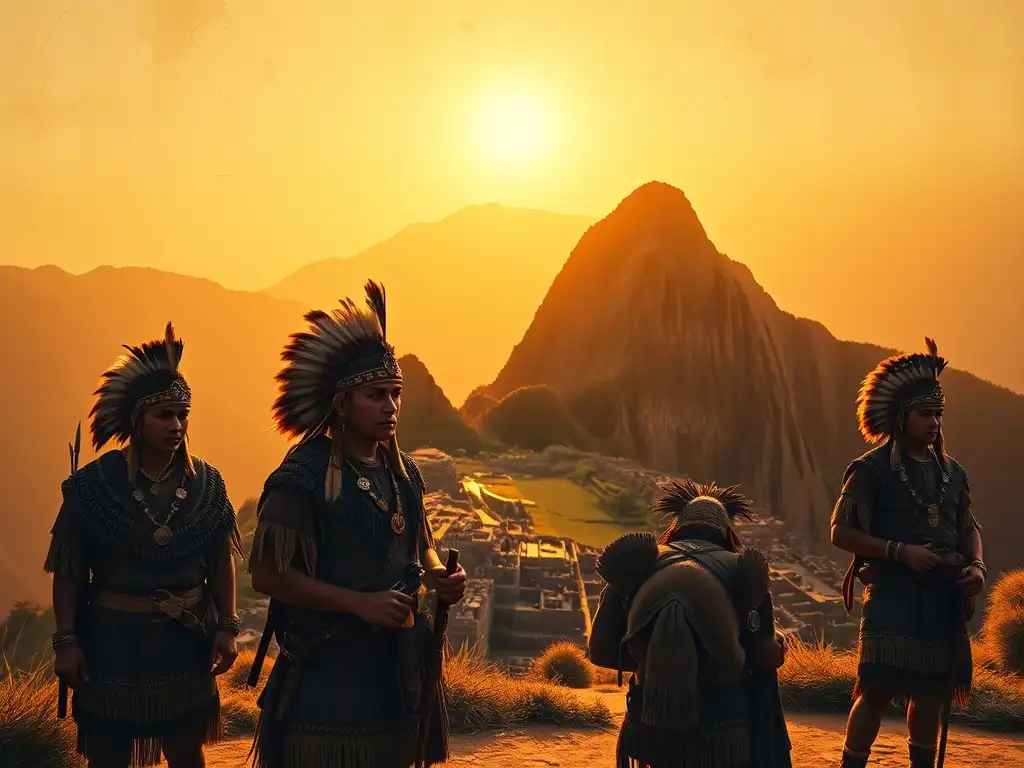
The Inca state maintained order and suppressed rebellion through a combination of military might and religious control. A powerful army, equipped with advanced weaponry for the time, was readily deployed to quell any uprisings. Furthermore, the Inca religion played a significant role in solidifying their rule. The Inca promoted a state religion, emphasizing the divine status of the Sapa Inca and the importance of obedience to the imperial authority.
Religious practices, including elaborate festivals and rituals, helped to reinforce the Inca's power and legitimacy. The Inca also strategically employed religious leaders and priests to maintain social control and spread their ideology. This complex interplay of military strength and religious authority ensured the long-term stability and dominance of the Inca Empire. However, understanding the nuances of Inca religious practices is essential to grasping the full extent of their influence on imperial governance.
The Legacy of Inca Governance: Lessons for Modern Administration
The Inca governance system, while operating within a vastly different context, offers valuable lessons for modern administration. The emphasis on centralized planning, efficient resource management, and the integration of diverse populations provides insights into effective governance strategies. The Inca's ability to build and maintain a vast infrastructure network, while managing a large and diverse population, is a testament to their organizational skills and administrative prowess.
While the harsh realities of the Mit'a system serve as a cautionary tale, the underlying principles of collective responsibility and the importance of social welfare remain relevant in contemporary discussions about governance and development. The legacy of Inca governance continues to inspire scholars and policymakers alike, offering valuable perspectives on the challenges and opportunities associated with managing complex and diverse societies. 🎉
- The Hierarchical Structure of Inca Power
- The Mit'a System: Labor and Control
- Resource Management and Redistribution: The Inca's Economic Policy
- Maintaining Order and Suppressing Rebellion: Military and Religious Control
- The Legacy of Inca Governance: Lessons for Modern Administration
- What was the foundation of the Inca governance system?
- How did the Inca Empire maintain control over such a vast territory?
- What role did religion play in Inca governance?
- How did the Inca system manage resources and redistribute wealth?
- What were some of the strengths and weaknesses of the Inca governance system?
The Foundations of the Inca Governance System
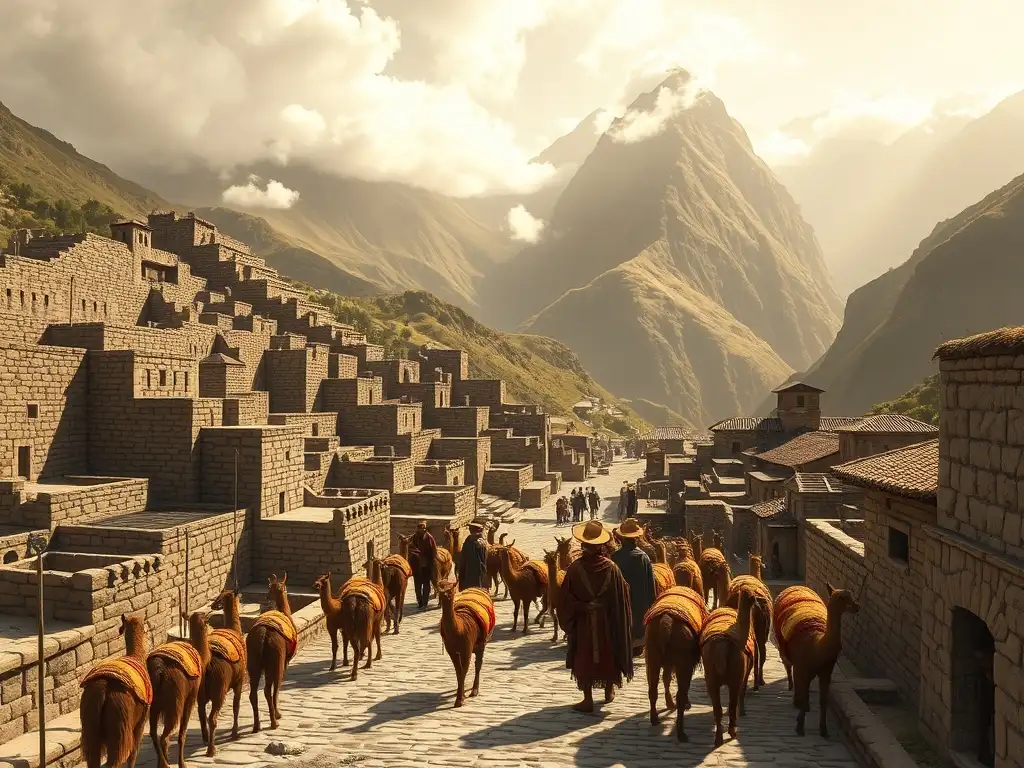
The Inca governance system, a marvel of pre-Columbian administration, rested on a complex interplay of religious authority, bureaucratic efficiency, and a highly stratified social structure. Its success stemmed from a sophisticated understanding of resource management, population control, and the strategic deployment of power across a vast and diverse empire stretching along the Andes Mountains. Understanding this system requires examining its core components, from the divine ruler at its apex to the intricate network of officials and commoners who formed its base.
The effectiveness of Inca governance is frequently debated, but its impact on the lives of millions and its enduring legacy are undeniable. The system's efficiency is often attributed to its centralized nature and its ability to adapt to the unique challenges of the Andean environment.
At the heart of the Inca governance system resided the Sapa Inca, not merely a king, but a divine ruler considered a descendant of the sun god, Inti. This divine status imbued him with absolute authority, allowing him to command unquestioning obedience and loyalty from his subjects. The Sapa Inca’s power was not merely symbolic; he controlled all aspects of the empire, from religious ceremonies and military campaigns to economic production and infrastructure development. His word was law, and his decisions shaped the lives of millions.
The Sapa Inca was supported by a complex bureaucracy, but his personal involvement in key decisions was crucial. He presided over important ceremonies, oversaw the construction of major projects, and appointed key officials. His authority was reinforced through elaborate rituals and displays of power, solidifying his position as both a spiritual and temporal leader.
The succession process, though often fraught with internal conflict, ensured the continuity of power and the stability of the empire. Records suggest a preference for sons, but the most capable candidate often prevailed, regardless of lineage. The Sapa Inca's death often led to a period of uncertainty, highlighting the crucial role of this single individual in the functioning of the entire system.
The Role of the Inca Nobility in Administration
Below the Sapa Inca stood a powerful nobility, crucial in the day-to-day running of the empire. This elite class, comprising relatives of the Sapa Inca and other high-ranking officials, held significant administrative and military positions. They oversaw provinces, managed resources, and collected tributes. This nobility wasn't simply a hereditary class; merit played a role in advancement, ensuring that capable individuals were entrusted with crucial responsibilities. This meritocratic element, while not fully democratic, helped maintain the efficiency of the administration.
The Inca nobility was organized into a hierarchical structure, with different levels of authority and responsibility. Provincial governors, for example, held considerable power within their assigned territories, responsible for maintaining order, collecting taxes, and ensuring the smooth functioning of local communities. These governors reported directly to higher-ranking officials in the capital, creating a clear chain of command.
The system was designed to prevent power from becoming too concentrated in any one area, thus mitigating risks of rebellion or fragmentation. The network of officials acted as a conduit for information, ensuring that the Sapa Inca remained informed about events across the vast empire.
The Inca governance system was intrinsically linked to a rigid social hierarchy. Society was divided into distinct groups, each with its designated roles and responsibilities. At the top were the Sapa Inca and the nobility, followed by priests, skilled artisans, and finally, the ayllu, the common people. This hierarchical structure wasn't merely social; it dictated economic productivity and administrative functions.
The ayllu, the basic unit of Inca society, was responsible for agricultural production, infrastructure maintenance, and providing labor for state projects. This system of reciprocal obligations ensured a steady supply of labor and resources for the empire. The mit'a, a form of mandatory labor service, was a crucial element in this system. Individuals were assigned tasks based on their skills and abilities, contributing to the construction of roads, temples, and other public works. This system, while demanding, ensured the efficient completion of large-scale projects that benefited the entire empire.
The Inca's success in managing this vast workforce highlights the sophistication of their administrative capabilities and the effectiveness of their social control mechanisms. The system, however, was not without its flaws. Social mobility was limited, and the common people had little say in governance. While the system’s efficiency is undeniable, its inherent inequalities were a source of potential instability.
Key Components of Inca Imperial Administration
This section delves into the intricate mechanisms that underpinned the Inca Empire's remarkably effective governance system. The Inca's administrative prowess, crucial to their expansive rule, rested on several key pillars: a sophisticated decimal-based system for organization, the deeply ingrained social structure of the ayllu, and the obligatory mit'a labor system. Understanding these components is essential to appreciating the scale and complexity of Inca governance. The Inca governance system, far from being haphazard, was a carefully constructed machine designed for efficiency and control across vast territories.
The Decimal System and its Application in Inca Governance
The Inca Empire's administrative success was significantly aided by its ingenious use of a decimal system. This wasn't merely a mathematical concept; it was deeply woven into the fabric of their social, economic, and political organization. The decimal system structured their society hierarchically, from the smallest family unit to the vast empire.
Ten families formed a pachaca, ten pachacas a huara, and so on, up to the highest levels of administration. This system allowed for easy population counts, resource allocation, and tax collection. Each level had designated officials responsible for overseeing the units below them, ensuring accountability and efficient communication throughout the empire. This created a clear chain of command, streamlining the distribution of resources and the implementation of imperial policies.
The precision of this system enabled the Inca to effectively manage vast quantities of agricultural produce, textiles, and other goods, fueling their impressive infrastructure projects and supporting a large population. Furthermore, the decimal system facilitated the organization of the mit'a labor system, ensuring a consistent supply of workers for public works projects. Without this sophisticated organizational structure, the Inca Empire's ambitious undertakings would have been far more challenging, if not impossible.
The Importance of the Ayllu in the Inca Administrative Structure
The ayllu, a kinship-based community, served as the foundation of Inca society and played a vital role in their administrative structure. These tightly knit communities, bound by shared ancestry and land ownership, were not merely social units; they were also the primary units of taxation, labor mobilization, and resource distribution. The ayllu system fostered a sense of collective responsibility and mutual support, contributing to social stability and cooperation.
Inca administrators worked with the ayllu, leveraging their existing social structures rather than imposing a completely new system. This approach minimized resistance and maximized efficiency. The curaca, the local leader of an ayllu, acted as a crucial intermediary between the community and the imperial administration.
They were responsible for collecting taxes, organizing labor for mit'a assignments, and ensuring the smooth functioning of their communities. The Inca's integration of the ayllu into their administrative framework is a testament to their pragmatic and adaptable governance style. This understanding of local dynamics allowed for a more sustainable and less disruptive form of imperial control compared to other empires of the time.
Mit'a Labor System: A Cornerstone of Inca Public Works
The mit'a labor system was a cornerstone of Inca governance, powering their remarkable achievements in infrastructure development. It wasn't simply forced labor; it was a system of reciprocal obligation between the state and its citizens. Able-bodied individuals were required to contribute a certain amount of labor to public works projects, such as the construction of roads, temples, irrigation systems, and agricultural terraces. While the system certainly demanded significant effort, it also provided essential services and infrastructure to communities.
The mit'a ensured the construction and maintenance of the impressive Inca road network, facilitating communication and trade throughout the vast empire. The system also contributed to the creation of sophisticated irrigation systems, enhancing agricultural productivity and supporting the empire's substantial population. However, the mit'a system wasn't without its complexities and potential for abuses. The length of service, the type of work assigned, and the treatment of laborers varied across different regions and time periods.
While generally considered a system of mutual benefit, the potential for exploitation and hardship certainly existed, particularly during periods of imperial expansion or conflict. The careful management of the mit'a system was crucial to the Inca's success in maintaining order and productivity across their vast territory. Scholarly debate continues regarding the system's overall impact, balancing its contributions to infrastructure with the potential burdens imposed on its participants.
The Role of Quipus in Record-Keeping and Administration
The Inca Empire, lacking a written alphabet in the conventional sense, relied heavily on a sophisticated system of knotted strings called quipus for record-keeping and administration. These weren't mere decorative items; they were complex data storage devices capable of representing numerical data, historical events, and even potentially narrative information. The quipu's effectiveness stemmed from its ability to convey large amounts of information concisely and accurately, crucial for managing a vast and diverse empire.
Each quipu consisted of a main cord with numerous smaller cords of varying colors and lengths attached, each knot representing a specific value or unit. The position, color, and type of knot all held significance, creating a complex code understood by specialized quipucamayocs—trained record keepers.
The complexity of the quipu system is still being debated by scholars today. While the numerical aspects are relatively well understood, the interpretation of non-numerical data remains a challenge. Recent research, however, suggests a far more nuanced understanding of the quipu than previously assumed. Some scholars believe the different colored cords represented different categories of information, such as agricultural yields, population counts, or tax obligations.
Others propose that the system could even have encoded historical narratives or genealogies, potentially providing crucial insights into Inca history and social structures. The precise methods of recording and interpreting information remain a subject of ongoing research and analysis, but the undeniable importance of quipus in the Inca governance system is clear. Without this innovative system, the effective administration of the vast Inca Empire would have been virtually impossible.
The quipu served as an integral part of the Inca's bureaucratic machine, allowing for detailed tracking of resources, population, and tribute, all essential aspects of their sophisticated governance structure. Their use underscores the Inca's remarkable ingenuity in developing effective administrative tools without a conventional writing system. The ongoing research into quipus promises to further illuminate the intricacies of Inca administration and their remarkable achievements in governance.
The Inca Legal System and Justice
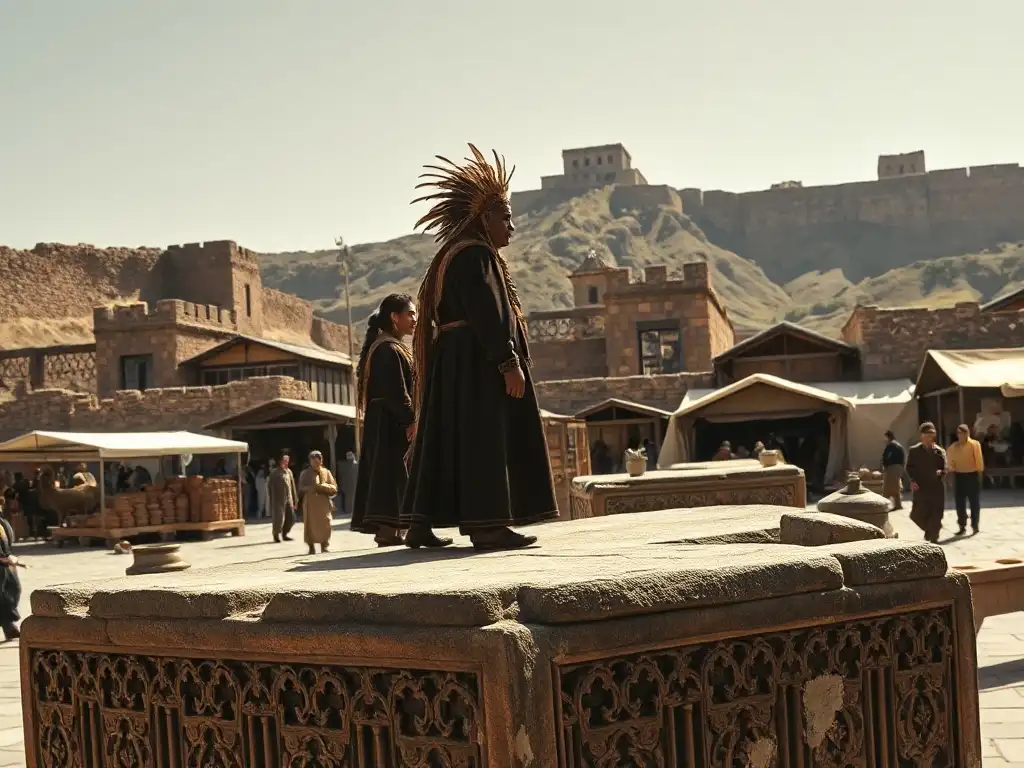
The Inca governance system wasn't solely about military might and expansive infrastructure; it relied heavily on a sophisticated, albeit unwritten, legal framework. Understanding Inca law requires moving beyond a Western lens of codified statutes and recognizing a system deeply embedded in customary practices, religious beliefs, and the hierarchical structure of the empire. While no single "Inca constitution" exists, evidence from Spanish chronicles, archaeological findings, and surviving Andean oral traditions paints a picture of a system prioritizing social harmony and the maintenance of ayllu (community) cohesion.
The concept of mawk'a (law), often intertwined with religious principles and the authority of the Sapa Inca, formed the bedrock of this system. The Inca legal system, therefore, was less about abstract legal principles and more about maintaining social order through a combination of preventative measures, community-based dispute resolution, and carefully calibrated punishments.
This system was remarkably effective in managing a vast and diverse empire, demonstrating the ingenuity of Inca governance. The very effectiveness of the Inca governance system, however, made it difficult for the Spanish conquistadors to understand, leading to misinterpretations and inaccurate portrayals in historical accounts.
Inca Laws and Their Enforcement
Inca laws, transmitted orally through generations, emphasized collective responsibility and the importance of upholding social order. These unwritten laws covered a wide range of matters, including land ownership, agricultural practices, marriage customs, and religious observances. Enforcement wasn't solely the responsibility of a centralized authority. Instead, it was a distributed system, relying heavily on community participation and the authority of local leaders.
The curacas, local chiefs, played a critical role in ensuring compliance with Inca laws within their respective territories. They acted as intermediaries between the central government and the ayllu, interpreting and applying Inca laws to specific situations. Penalties for violating Inca laws varied depending on the severity of the offense and the social standing of the offender. Minor infractions might result in community service or fines, while more serious crimes, such as theft or rebellion, could lead to much harsher penalties.
The system aimed not just at punishment but also at restoring social balance and preventing future transgressions. For example, a person stealing from the community might be required to return the stolen goods, perform extra labor for the benefit of the community, and undergo a ritual purification ceremony to restore their standing within the ayllu. This holistic approach to justice underscores the deeply communal nature of Inca society. The effectiveness of this method is a testament to the intricate workings of the Inca governance system.
The Role of Local Curacas in Legal Matters
The curacas were integral to the functioning of the Inca legal system. They were not merely local administrators; they acted as judges, mediators, and enforcers of Inca laws within their communities. Their authority stemmed from a combination of hereditary lineage, their deep understanding of customary law, and their direct connection to the Inca bureaucracy. They were responsible for identifying and resolving disputes, investigating crimes, and ensuring that Inca decrees were implemented within their territories.
The curacas often held court in public spaces, where community members could witness the proceedings and participate in the process. This public nature of justice fostered transparency and accountability, strengthening community bonds and reinforcing the authority of Inca law. The curacas also played a crucial role in collecting taxes and tributes, ensuring that resources were properly distributed throughout the empire. Their close ties to the ayllu made them effective agents of the Inca government, allowing for efficient governance at a local level.
Their influence, however, was carefully balanced by the presence of Inca officials who oversaw their activities and ensured their loyalty to the empire. This system of checks and balances contributed significantly to the stability and longevity of the Inca governance system. The interplay between local and central authority was a key feature of Inca governance.
Dispute Resolution and Punishments in the Inca Empire
Dispute resolution within the Inca Empire was primarily focused on reconciliation and restoring social harmony. Formal legal proceedings were less common than informal mediation efforts led by curacas or respected community elders. These mediators would attempt to facilitate a mutually agreeable solution, emphasizing compromise and restoring relationships within the ayllu. However, for more serious crimes or disputes that could not be resolved locally, cases might be escalated to higher levels of authority, eventually reaching the Sapa Inca himself in extreme instances.
Punishments varied depending on the severity of the offense. Minor infractions might be dealt with through fines, community service, or public shaming. More serious crimes, such as theft, murder, or rebellion, could result in severe penalties, including imprisonment, exile, or even death. However, even in cases of capital punishment, the emphasis remained on maintaining social order and restoring balance within the community.
The Inca governance system, therefore, was less about retributive justice and more about restoring harmony and preventing future conflicts. The system's focus on restorative justice rather than solely punitive measures contributed significantly to the stability of the Inca Empire. The intricate balance between local customs and imperial authority was a key component of their highly effective governance structure. Understanding these nuanced aspects is crucial to accurately interpreting the Inca governance system.
Expansion and Control: Inca Administrative Strategies
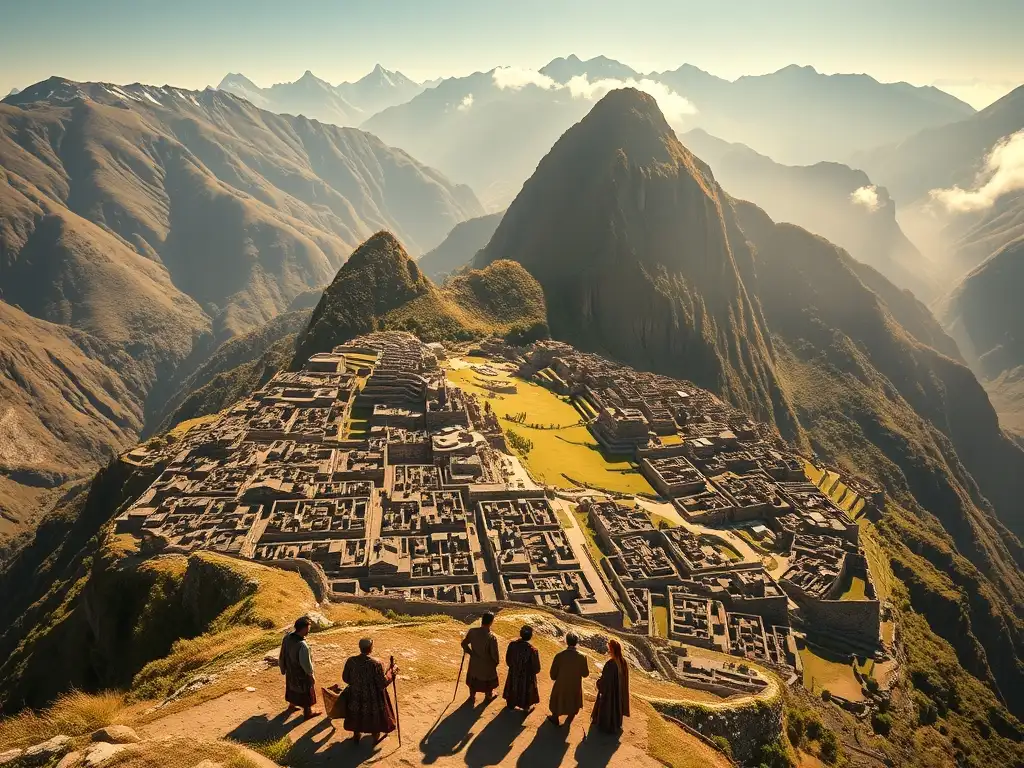
The Inca governance system, a marvel of ancient administration, relied heavily on effective strategies for expansion and control across its vast empire. This wasn't merely conquest; it involved sophisticated methods of integrating diverse populations and resources into a unified, albeit hierarchical, structure. The sheer scale of the Inca Empire, stretching thousands of miles along the Andes, necessitates understanding the intricate mechanisms that enabled its cohesion and longevity. This section delves into the key administrative strategies employed by the Inca, highlighting the interconnectedness of their infrastructure, military might, and social policies.
The Inca Road System (Qhapaq Ñan) and its Administrative Importance
The Qhapaq Ñan, or Great Inca Road, wasn't simply a network of paths; it was the backbone of Inca governance. This meticulously planned and constructed system of roads, stretching over 40,000 kilometers, facilitated rapid communication, efficient transportation of goods, and swift movement of troops across the empire. Its strategic placement, traversing diverse terrains and connecting distant regions, allowed for centralized control and the swift suppression of any potential rebellion. The roads weren't just pathways; they were strategically placed to optimize resource management and control.
The Qhapaq Ñan featured strategically located tambos, or waystations, providing rest and supplies for travelers, messengers, and soldiers. These tambos served as crucial administrative hubs, collecting taxes, relaying messages, and monitoring the flow of goods. The system was incredibly sophisticated, with different road classes catering to various needs – some for foot traffic, others for llamas carrying goods, and some for the elite. This infrastructure demonstrates a remarkable understanding of logistics and its crucial role in maintaining imperial power.
The construction itself, a massive undertaking involving highly skilled labor and intricate engineering, showcases the Inca's ability to organize and manage vast resources for the benefit of the empire's administration. The efficiency of this system is evidenced by the swift movement of information and resources, crucial for effective governance across such a vast and diverse territory. Without the Qhapaq Ñan, the Inca Empire's administrative capabilities would have been severely limited.
Inca Military Organization and its Role in Maintaining Control
The Inca military wasn't simply a force for conquest; it was an integral part of the Inca governance system. Highly organized and disciplined, the army played a crucial role in maintaining order, suppressing rebellions, and enforcing imperial authority. The Inca army was not a standing army in the modern sense, but rather a system of conscription, drawing upon able-bodied men from various provinces. This system ensured widespread loyalty and participation in maintaining the empire.
The army was divided into units based on geographic origin and social standing, fostering loyalty and preventing the concentration of power within any single group. This organizational structure, combined with effective leadership and advanced weaponry for the time (such as slings and clubs), allowed the Inca to effectively control their vast territory. The fear of the Inca army, combined with effective administrative strategies, served as a powerful deterrent against rebellion.
The military's role wasn't solely focused on external threats; it also played a crucial role in internal security, ensuring the smooth functioning of the Inca governance system. Maintaining internal peace and order was as crucial as external expansion, and the army played a significant part in achieving this delicate balance. The Inca's military organization was a testament to their sophisticated understanding of power dynamics and the importance of a strong, centralized military for the sustenance of the empire.
Strategies for Integrating Conquered Peoples into the Inca Empire
The Inca Empire's success wasn't solely dependent on military might; it also relied on effective strategies for integrating conquered peoples into the empire. Rather than simply imposing their culture, the Inca employed a range of strategies to co-opt and assimilate conquered populations, minimizing resistance and maximizing cooperation. One key strategy was the relocation of conquered elites, often to Cuzco, the imperial capital. This tactic served a dual purpose: it removed potential sources of resistance and allowed the Inca to monitor and control the loyalty of these individuals.
Furthermore, the Inca implemented a system of mita, a form of labor tribute, requiring conquered populations to contribute to public works projects, such as road construction and agriculture. While this system could be demanding, it also provided conquered populations with access to resources and infrastructure, fostering a sense of shared purpose. The Inca also strategically promoted intermarriage between Inca elites and members of the conquered populations, fostering a sense of shared identity and loyalty to the empire.
This policy, along with the adoption of some aspects of local customs and beliefs, helped to create a sense of unity and prevent widespread rebellion. The Inca’s approach to integration was a testament to their sophisticated understanding of social engineering and its importance in maintaining a stable and productive empire.
This strategy, combined with their effective administrative and military systems, allowed the Inca Empire to thrive for centuries. The Inca governance system, therefore, was a complex interplay of military might, infrastructure development, and sophisticated social engineering.
The Legacy of Inca Governance
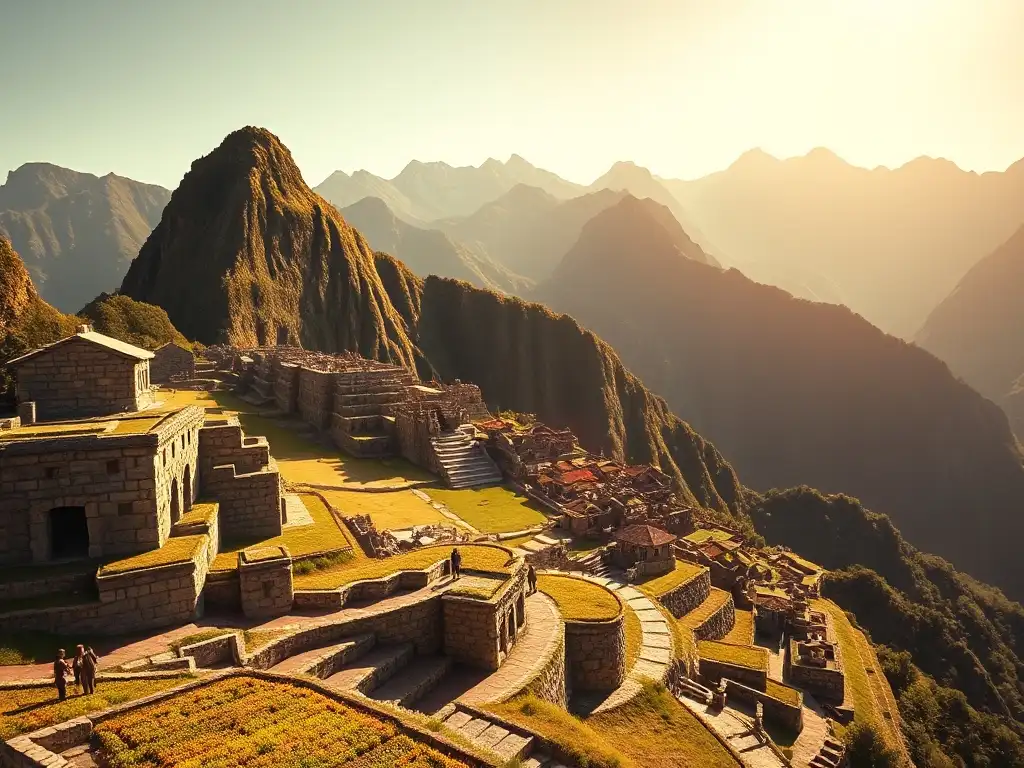
The Inca governance system, a marvel of its time, left an indelible mark on the Andean region and continues to fascinate historians and researchers today. Its impact extended far beyond simple political control; it fundamentally shaped the social, economic, and environmental landscape of the empire.
Understanding this legacy requires examining not only the structures of power but also the lasting effects on subsequent Andean societies and the lessons it holds for modern governance. The intricate system of mita, labor taxation, ensured the construction of monumental infrastructure projects like Machu Picchu, while simultaneously contributing to the empire's agricultural success.
The effectiveness of the Inca system lay in its ability to integrate diverse populations and manage vast resources efficiently, a testament to its sophisticated administrative capabilities. This section will explore the lasting impact of the Inca administrative model, its relevance in modern times, and the crucial role of agricultural terracing in sustaining the empire's population.
Lasting Impacts of the Inca Administrative Model
The Inca Empire's sophisticated administrative model, characterized by its centralized organization and efficient resource management, left a substantial legacy on the Andean region. Even after the Spanish conquest, remnants of the Inca system influenced subsequent administrative structures. The ayllu, the traditional community-based social and economic organization, persisted in modified forms, demonstrating the resilience of Inca social structures.
Furthermore, the Inca emphasis on record-keeping, evident in the use of quipus (knotted cords), influenced later record-keeping practices in the region. The Inca's remarkable road network, a testament to their engineering prowess and logistical capabilities, facilitated communication and trade, and its influence can still be seen in some modern road layouts. The system's ability to mobilize labor for large-scale projects, while ensuring a degree of social stability, showcases its remarkable effectiveness.
The impact extends beyond the immediate post-conquest period; aspects of Inca administrative principles, such as community-based participation and resource allocation, continue to resonate in modern Andean societies. The Inca legacy serves as a powerful reminder of the potential for efficient and equitable governance, even in challenging geographical and social contexts. Further research is needed to fully quantify the long-term effects of the Inca system on various aspects of Andean life, particularly in areas such as land ownership and social stratification.
Lessons from the Inca Governance System for Modern Times
The Inca governance system, despite its inherent limitations and eventual collapse, offers valuable lessons for modern governance. Its emphasis on centralized planning and efficient resource allocation, particularly concerning infrastructure development and agricultural productivity, remains relevant today. The Inca's ability to mobilize large-scale labor for public works projects, through the mita system, could inspire contemporary approaches to infrastructure development and community engagement.
However, it's crucial to acknowledge the potential for exploitation inherent in such systems and to learn from the Inca experience to avoid replicating its negative aspects. The Inca system's success in integrating diverse populations under a common administrative structure demonstrates the importance of inclusivity and cultural sensitivity in governance. Modern states can learn from the Inca approach to managing diverse ethnicities and languages by fostering a sense of shared identity and purpose.
Moreover, the Inca's focus on sustainable agricultural practices, exemplified by their sophisticated terracing techniques, offers valuable insights for contemporary approaches to environmental management and food security. Studying the Inca's successes and failures provides a rich case study for understanding the complexities of governance and the importance of adapting strategies to specific contexts.
The Inca System of Agricultural Terracing and its Impact on Food Production
The Inca system of agricultural terracing represents a remarkable feat of engineering and a cornerstone of their economic success. These carefully constructed terraces, carved into the steep Andean slopes, significantly increased arable land, allowing for intensive cultivation even in challenging terrain. The terraces were not merely flat platforms; they incorporated sophisticated drainage systems to manage water effectively and prevent erosion, demonstrating a deep understanding of hydrology and soil management.
This innovative approach dramatically enhanced food production, ensuring the sustenance of a large and growing population. The impact on food security was profound, allowing the Inca to maintain a stable food supply even during periods of drought or other climatic challenges. Furthermore, the terracing system contributed to the empire's economic strength, providing a surplus of agricultural products that could be used for trade and to support the empire's administrative and military needs.
The precise techniques employed by the Inca, including the use of specific soil types and planting strategies, are still being studied today, offering valuable insights into sustainable agriculture. The legacy of Inca terracing is evident in the Andean landscapes, a testament to their ingenuity and its continuing impact on agricultural practices. Detailed studies of individual terrace systems are crucial to fully understand their construction methods, maintenance, and long-term effects on the environment.
The Collapse and Transformation of Inca Administration
The Inca governance system, a marvel of its time, wasn't immune to the forces of history. Its sophisticated administrative structure, built upon centuries of meticulous planning and adaptation, ultimately crumbled under a confluence of internal weaknesses and external pressures. Understanding this collapse is crucial to appreciating the full complexity of Inca civilization and its lasting legacy. The decline wasn't a sudden event, but rather a gradual process unfolding over several decades. Analyzing the contributing factors allows us to gain a deeper understanding of the Inca empire's vulnerabilities and resilience.
Factors Leading to the Decline of the Inca Empire
Several interconnected factors contributed to the weakening of the Inca Empire before the arrival of the Spanish. Internal strife played a significant role. The vast empire, encompassing diverse ethnic groups and vast geographical areas, faced challenges in maintaining cohesion and loyalty.
Succession disputes, particularly following the death of Huayna Capac, triggered a brutal civil war between his sons Huáscar and Atahualpa. This conflict severely weakened the empire's military and administrative capabilities, leaving it vulnerable to external threats. Furthermore, the Inca system of mit'a, while effective in mobilizing labor for large-scale projects, could also be a source of resentment and rebellion, especially during times of hardship or perceived injustice.
The empire's reliance on a centralized system of authority meant that regional disturbances could have widespread consequences, creating a domino effect that destabilized the entire administrative framework. Finally, outbreaks of disease, possibly exacerbated by the empire's extensive trade networks, further strained resources and weakened the population, contributing to the empire's overall decline. The intricate web of Inca governance, though remarkably efficient, proved ultimately fragile in the face of these converging challenges.
The Spanish Conquest and the Dismantling of Inca Governance
The Spanish conquest marked a catastrophic turning point. The superior weaponry and tactics of the Spanish conquistadors, coupled with the internal divisions already weakening the empire, led to the rapid downfall of the Inca state. Francisco Pizarro's conquest wasn't simply a military victory; it was a systematic dismantling of the Inca administrative system.
The Inca's sophisticated record-keeping systems, based on quipus (knotted strings), were largely destroyed or misunderstood by the Spanish, resulting in a significant loss of historical and administrative knowledge. The Spanish replaced the intricate network of curacas (local leaders) with a system that served their own interests, leading to the disruption of traditional power structures and the erosion of indigenous authority.
The imposition of the encomienda system, a form of forced labor, further exploited the indigenous population and contributed to the long-term economic and social decline of the Andean region. The Spanish conquest wasn't just a military takeover; it represented a fundamental shift in the power dynamics and the complete reshaping of the Inca governance structure.
Comparison of Inca Administration Before and After the Spanish Conquest: The Imposition of the Encomienda System
Before the Spanish conquest, the Inca governance system was characterized by a highly centralized bureaucracy, efficient resource management, and a complex system of communication and control. The mit'a system, while demanding, provided a framework for large-scale public works and agricultural production. The curacas, while subject to Inca authority, retained considerable influence within their local communities. This system, while undeniably authoritarian, maintained a degree of social stability and economic productivity.
The arrival of the Spanish resulted in a radical transformation. The encomienda system, established by the Spanish crown, granted conquistadors control over indigenous labor and resources. This system replaced the Inca's carefully balanced administrative framework with one based on exploitation and oppression.
The curacas were stripped of their authority, replaced by Spanish officials who enforced the encomienda system. This led to widespread displacement, forced labor, and the destruction of traditional social structures. The Inca's sophisticated record-keeping systems were largely disregarded, replaced by Spanish administrative practices that were far less nuanced and less attuned to the needs of the Andean population.
The comparison highlights a stark contrast: a highly organized, albeit authoritarian, system giving way to one characterized by brutal exploitation and the systematic dismantling of indigenous governance. The legacy of this shift continues to resonate in the Andean region today. The contrast between the pre- and post-conquest Inca governance systems underscores the profound and lasting impact of the Spanish conquest on the Andean world.
Frequently Asked Questions
What was the foundation of the Inca governance system?
The Inca governance system was founded on a highly centralized structure with the Sapa Inca as the absolute ruler, considered a divine figure. This centralized power extended to all aspects of life, from agriculture to religion.
How did the Inca Empire maintain control over such a vast territory?
The Incas maintained control through a sophisticated system of administrative divisions, road networks, and military garrisons. They also implemented a system of mit'a, a form of mandatory labor, to maintain infrastructure and support the state.
What role did religion play in Inca governance?
Religion played a crucial role, with the Sapa Inca seen as a divine intermediary. Religious beliefs legitimized the ruler's authority and underpinned the social hierarchy. Temples and priests were integral to the state apparatus.
How did the Inca system manage resources and redistribute wealth?
The Inca state controlled land and resources, redistributing them through a complex system of storage and exchange. This redistributive system ensured food security and supported the population, particularly during times of hardship.
What were some of the strengths and weaknesses of the Inca governance system?
Strengths included its efficiency in resource management and infrastructure development. However, weaknesses included its dependence on the Sapa Inca and a lack of a clear succession plan, leading to instability after his death.
Final Reflection: The Enduring Legacy of Inca Governance
The sophisticated administrative systems of the Inca Empire remain a potent example of effective governance, offering valuable lessons for modern societies grappling with issues of resource management, infrastructure development, and social cohesion. The Inca's ability to unite such a vast and diverse population under a single rule, despite lacking a written language, continues to fascinate and inspire scholars and policymakers alike. Their achievements stand as a testament to the power of well-structured organization and a deeply ingrained sense of community.
The Inca's emphasis on collective well-being and sustainable resource management resonates deeply even today, in a world increasingly concerned with environmental sustainability and equitable distribution of resources. Their intricate system of mit'a, a form of reciprocal labor, highlights the potential for collaborative efforts to achieve ambitious goals. The Inca state was not a machine, but a living organism, constantly adapting and evolving to meet the needs of its people.
This quote encapsulates the dynamic and responsive nature of Inca governance, a quality that modern systems could benefit from emulating. The legacy of their achievements continues to shape our understanding of effective governance and inspires ongoing research and debate.
Consider the principles of Inca governance – their emphasis on community, sustainability, and efficient resource allocation – and reflect on how these might be applied to the challenges facing our own societies. You, the reader, hold the power to translate these ancient insights into meaningful action. Think about how we can foster greater collaboration, prioritize long-term sustainability, and build more equitable systems within our own communities. Let the enduring legacy of the Inca inspire you to strive for a more just and prosperous future.
Uncover the Power of Inca Governance Today!
Thank you for exploring the intricate world of Inca governance! Your insights into their imperial administration reveal how this remarkable civilization thrived. Let's build on that knowledge and further explore this fascinating topic.
Here are some ways to deepen your understanding of Andean history:
- Join an online discussion group focused on ancient civilizations to share your thoughts and learn from other enthusiasts.
- **Expand your knowledge** by reading about the societal structures of other ancient cultures, such as the Roman Empire or the Egyptian dynasties, and comparing their systems to the Inca's.
- **Visit museums** or exhibits showcasing Inca artifacts to experience history firsthand and enhance your understanding.
What aspect of Inca governance most surprised you, and how does it influence your perspective on modern leadership?