
Exploring Supay: The Complex Figure of the Andean Underworld


Step into a world shrouded in mystery and wonder, where the sun-drenched peaks of the Andes conceal a vibrant and complex underworld. Dive into the fascinating realm of Andean civilizations, uncovering their intricate tapestry of beliefs and rituals. This journey begins with Supay, the enigmatic figure who reigns over this hidden realm—a being both terrifying and strangely alluring. Dare to explore the depths of Andean cosmology and uncover the secrets held within the heart of the mountains? Unravel the truth behind Supay and the power he wields in the Andean underworld.
The Andean worldview, a vibrant tapestry woven from diverse cultural threads across millennia, reveals a profound connection with the supernatural. This spiritual landscape, far from being solely focused on benevolent deities, encompasses a complex interplay of forces, both positive and negative. Central to this dynamic is Supay, the powerful and multifaceted figure representing the Andean underworld.
This article delves into the intricacies of Supay's representation across various Andean cultures, exploring his evolving roles, symbolic attributes, and enduring impact on Andean cosmology and religious practices. We will uncover how Supay, far from being a simple "devil" figure as often mistakenly portrayed, embodies a complex interplay of fear, respect, and even a certain degree of ambivalent reverence within the Andean belief system.
Understanding Supay provides crucial insight into the nuanced understanding of life, death, and the interconnectedness of the earthly and spiritual realms within Andean cultures. This exploration will highlight the rich diversity of Andean beliefs and challenge simplistic interpretations of their complex spiritual landscape.
Supay's Diverse Manifestations Across Andean Cultures
Supay's representation varied considerably across different Andean cultures and time periods. While often associated with death and the underworld, his specific attributes and roles differed significantly. For instance, among some groups, Supay was depicted as a powerful but ultimately controllable force, a deity to be appeased through offerings and rituals to prevent misfortune.
In other contexts, he took on a more malevolent role, a bringer of disease, famine, and chaos. This diversity reflects the complex and often localized nature of Andean religious beliefs, highlighting the lack of a single, unified pantheon across all Andean societies. The specific characteristics attributed to Supay often depended on the local traditions and beliefs of a particular community.
Further research is needed to fully understand the regional variations in Supay's iconography and associated myths. We need to analyze more archaeological findings and ethnographic accounts to paint a more complete picture of Supay's diverse representations across the Andes.
Supay's Iconography and Symbolism
The visual representation of Supay also varied greatly. While sometimes depicted as a fearsome, demonic figure, other representations show him with more ambiguous characteristics. Often associated with animals such as snakes, jaguars, or condors – creatures themselves imbued with powerful symbolism in Andean cultures – Supay's iconography reflects the inherent duality present in the Andean worldview. The use of specific colors, such as black and red, further emphasizes his association with death and the underworld.
Analyzing the iconography provides valuable clues into the evolving understanding and perception of Supay throughout Andean history. For example, the presence or absence of certain symbols in depictions of Supay may indicate changes in his perceived power or role within a specific community. The study of artifacts, such as ceramics and textiles, reveals fascinating details about the evolving symbolic representation of this powerful figure.
Supay in Modern Andean Culture
Despite the passage of centuries, and the impact of colonialism and globalization, elements of Supay's legacy persist in modern Andean culture. While his direct worship may have declined in some areas, vestiges of his presence remain embedded in folklore, traditions, and even contemporary artistic expressions. Stories and legends about Supay continue to be told, reflecting enduring anxieties and beliefs surrounding the supernatural.
Furthermore, certain rituals and practices, though possibly transformed over time, may retain subtle echoes of earlier forms of appeasement or interaction with Supay. Further research is needed to document and analyze the contemporary manifestations of Supay and to understand the ongoing influence of this powerful figure in the lives of Andean communities today.
This includes exploring the relationship between traditional beliefs and the influence of Christianity, and how these have shaped modern interpretations of Supay. Understanding this evolution is crucial to gaining a holistic understanding of Andean religious beliefs and practices.
Further Research Areas
More research is needed on the following:
- Regional variations in Supay's attributes and roles.
- The influence of colonialism on the perception of Supay.
- The relationship between Supay and other Andean deities.
- The role of Supay in contemporary Andean culture.
- Supay's Diverse Manifestations Across Andean Cultures
- Supay's Iconography and Symbolism
- Supay in Modern Andean Culture
Who is Supay? Unveiling the Andean God of the Underworld
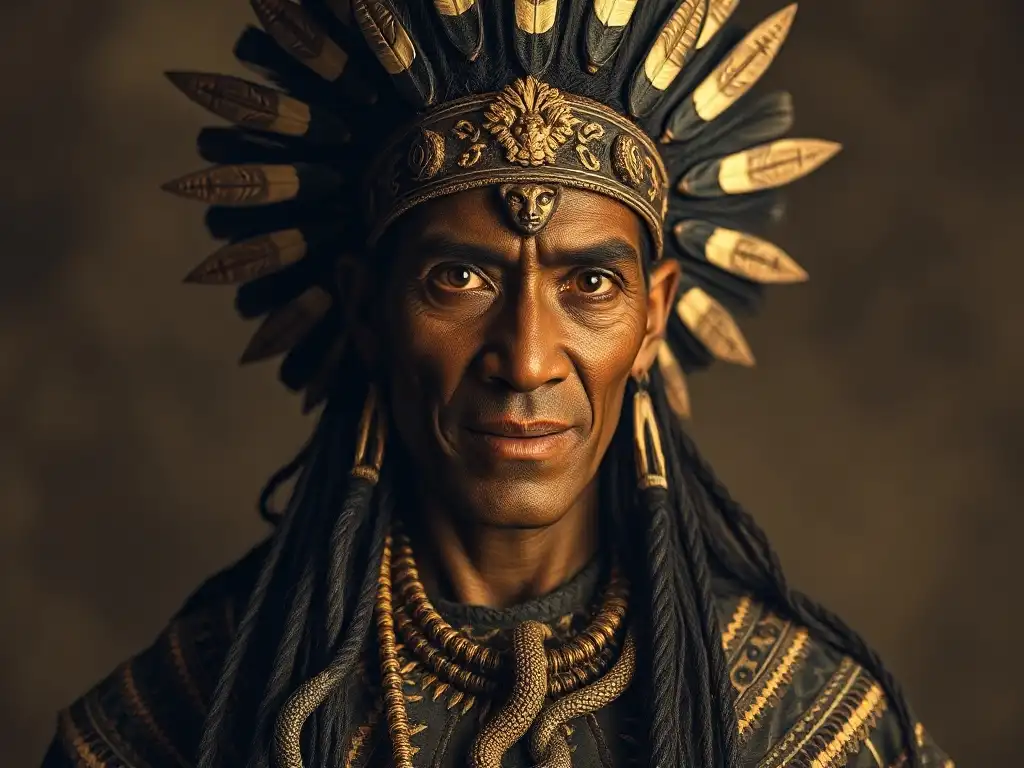
Supay, a prominent figure in the Andean underworld, is far more complex than a simple "devil" figure often presented in simplified narratives. He represents a powerful force of nature, embodying both the terrifying and the necessary aspects of the subterranean world. Understanding Supay requires moving beyond simplistic interpretations and delving into the nuanced beliefs of the various Andean cultures who worshipped him, or, more accurately, acknowledged his power. He wasn't simply "evil" in a Judeo-Christian sense; his dominion encompassed fertility, death, and the cyclical nature of life and regeneration within the Andean cosmovision.
His influence extended beyond the purely spiritual realm, impacting social structures and daily life. The Andean underworld, a realm of both fear and fascination, was inextricably linked to Supay's power and presence. The understanding of Supay is crucial to grasping the intricate web of beliefs that shaped Andean societies.
Supay's Role in Andean Cosmovision
Supay's role in the Andean cosmovision is multifaceted. He wasn't merely a malevolent deity, but rather a powerful force governing the underworld, a realm considered just as vital as the earthly and celestial spheres. His control over the subterranean world connected him directly to the cycle of life, death, and rebirth, crucial elements of Andean spiritual beliefs.
The earth, in Andean thought, was not just a surface to inhabit but a living entity, with a rich subterranean world teeming with spirits and energies. Supay, as master of this realm, held sway over resources like minerals and water, essential for Andean agriculture and survival. His connection to these resources made him both feared and revered, a force to be appeased through ritual and offerings.
Ignoring his power could result in crop failure, illness, or other misfortunes, highlighting his influence on the daily lives of Andean communities. Furthermore, his dominion over death wasn't simply an ending but a transition, a part of the continuous cycle of life and regeneration that characterized Andean beliefs.
The Many Names of Supay: Variations Across Andean Cultures
While "Supay" is the most widely known name for this Andean underworld deity, the specifics of his representation varied across different cultures and regions. The Quechua-speaking peoples primarily used the term "Supay," but other Andean groups had their own names and interpretations. For example, [Specific names and variations from other Andean cultures pending]. This diversity in nomenclature reflects the decentralized nature of Andean religious beliefs, where local variations and adaptations were common.
The core attributes of the deity, however, remained relatively consistent: his association with the underworld, his control over natural resources, and his role in the cycle of life and death. Understanding these variations is crucial to appreciating the rich tapestry of Andean religious practices and the diverse ways in which the concept of the Andean underworld Supay manifested across different communities. These variations highlight the dynamic and evolving nature of Andean religious beliefs.
Contrasting Supay with Other Deities of the Andean World
Understanding Supay requires contrasting him with other prominent deities within the Andean pantheon. While he ruled the underworld, other deities held sway over different aspects of the Andean cosmovision. For instance, the sun god Inti represented life-giving energy and light, a stark contrast to Supay's association with darkness and the subterranean realm.
Similarly, Mama Pacha, the Earth Mother, represented fertility and abundance, while Supay's power, while linked to fertility through the cycle of life and death, was more closely tied to the potentially destructive forces of nature. The contrasting roles of these deities illustrate the complex and multifaceted nature of Andean religious beliefs, where different forces, both benevolent and malevolent, worked together to shape the world.
The dynamic interplay between Supay and other deities reveals a nuanced understanding of the Andean world, far removed from simplistic dualistic views of good and evil. Further research into [Specific deities and their interactions with Supay pending] will further illuminate these complexities.
This nuanced understanding of Supay's role, his various names, and his position within the broader Andean pantheon sheds light on the rich and complex religious landscape of the Andes, challenging simplistic interpretations and revealing a sophisticated understanding of the world and its forces. The Andean underworld, under Supay's dominion, was not merely a place of fear but an integral part of the cyclical nature of Andean life.
The Domains of Supay: Understanding the Andean Underworld
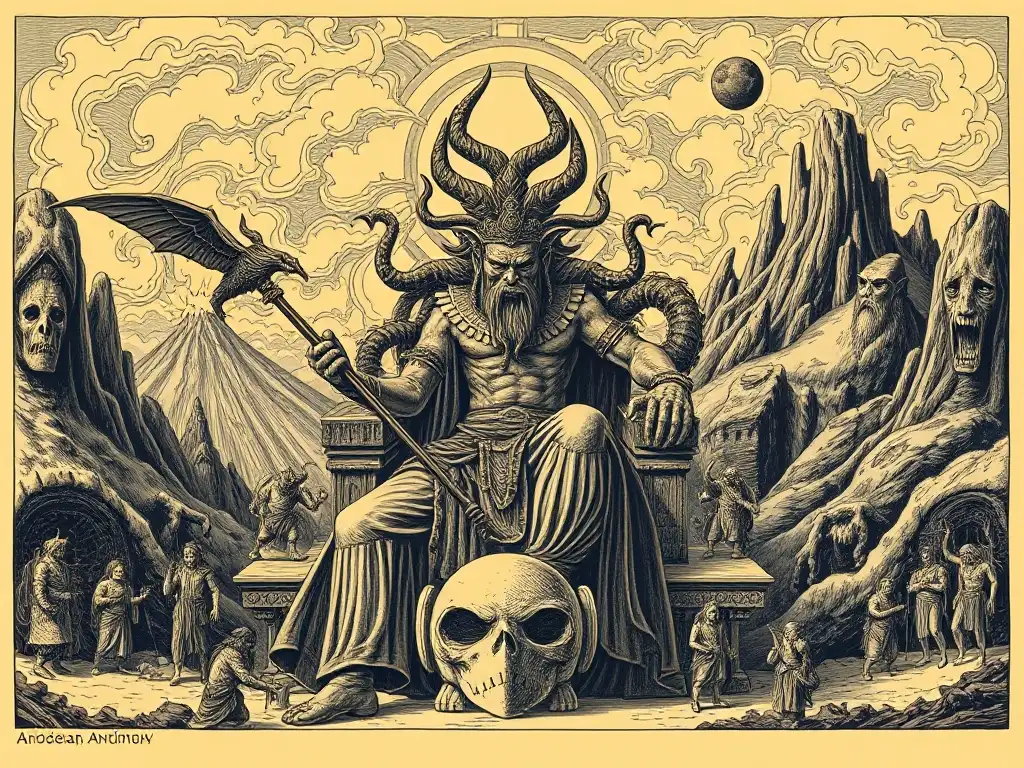
This section delves into the multifaceted nature of Supay, the Andean god of the underworld, and explores the various realms and aspects associated with his dominion. Understanding Supay's influence requires acknowledging the complex cosmology of the Andean civilizations, where the underworld wasn't simply a place of darkness and punishment, but a vital component of the cyclical nature of life and death. The Andean concept of the underworld, often referred to as Uku Pacha, differed significantly from Western conceptions of Hell.
It was a dynamic, interconnected space with its own geography, inhabitants, and influence on the living world. The term "Andean underworld Supay" encapsulates this intricate relationship between the deity and his realm.
Uku Pacha: The Realm of Supay and the Dead
Uku Pacha, the "lower world," wasn't a singular, homogeneous space. Ancient Andean beliefs depicted it as a layered realm, potentially extending far beneath the surface of the earth. It was a place not solely inhabited by the dead, but also by a diverse pantheon of spirits, demons, and other supernatural beings, all under the ultimate authority of Supay.
While often associated with death and darkness, Uku Pacha also held a certain power and mystery, representing the unseen forces that shaped the lives of the living. The depiction of Uku Pacha varied across different Andean cultures, with some emphasizing its chaotic and dangerous aspects, while others saw it as a source of fertility and renewal.
This ambiguity reflects the complex and nuanced understanding of death and the afterlife prevalent in Andean cosmovision. Supay, as the ruler of this enigmatic realm, controlled access to its resources and held sway over the spirits within.
The inhabitants of Uku Pacha weren't simply passive souls. They interacted with the living world, influencing events, causing illness, or offering protection, depending on their nature and the actions of the living. Offerings and rituals were often performed to appease these spirits and maintain a balance between the worlds. This intricate relationship between the living and the dead highlights the Andean understanding of the interconnectedness of life and death. The cycle of life and death wasn't viewed as a linear progression but as a continuous exchange of energy and influence between Uku Pacha and the world of the living.
The Geography of the Andean Underworld According to Ancient Beliefs
Descriptions of Uku Pacha's geography are scarce and often fragmented, drawing from archaeological findings, interpretations of myths, and anthropological studies. However, certain recurring themes suggest a complex and layered underworld. Some accounts suggest caves and subterranean passages as entrances to Uku Pacha, mirroring the physical geography of the Andes themselves. These natural formations served as symbolic portals to the spirit world, connecting the visible and invisible realms. Furthermore, certain mountain peaks and lakes were also considered sacred sites linked to the underworld, signifying the close relationship between the terrestrial and subterranean worlds.
The depiction of Uku Pacha often includes dark, shadowy landscapes, filled with treacherous terrain and dangerous creatures. These elements reflect the inherent risks and uncertainties associated with death and the unknown. However, Uku Pacha wasn't solely a place of fear and dread. Certain aspects, such as subterranean springs and fertile valleys, suggest a potential connection to the life-giving forces of the earth, hinting at the cyclical nature of death and rebirth central to Andean cosmology.
Further research is needed to fully understand the geographical variations in the representation of Uku Pacha across different Andean cultures. More detailed archaeological evidence and a deeper understanding of ancient Andean texts could shed more light on this fascinating aspect of their beliefs. This is a crucial area for future studies related to the "Andean underworld Supay" theme.
Supay's Influence on the Cycles of Life and Death
Supay's role extended far beyond simply ruling Uku Pacha. He was deeply involved in the cyclical processes of life and death, influencing the fertility of the land, the health of the people, and the balance of nature. His power was both feared and respected, as his actions could bring both misfortune and prosperity. Supay's influence on the cycles of life and death was intricately tied to the agricultural practices of Andean civilizations. The cyclical nature of planting, growing, and harvesting mirrored their understanding of the relationship between the living and the dead.
The Andean people believed that Supay controlled the resources of the underworld, including minerals, water, and the spirits of the ancestors. Access to these resources was essential for the prosperity and survival of the communities. Through ritual offerings and sacrifices, they sought to maintain a harmonious relationship with Supay and secure his favor. This demonstrates the practical and spiritual significance of Supay in the daily lives of the Andean people.
The fear of Supay's wrath was a powerful motivator for maintaining social order and respecting the natural world. His influence wasn't solely negative; it was a complex force that shaped the lives of the Andean people in profound ways. Understanding Supay's role in these cycles is essential for comprehending the full scope of Andean religion and cosmology. The interplay between Supay, Uku Pacha, and the living world represents a holistic worldview rarely seen outside of Andean traditions.
Supay's Depiction: Iconography and Symbolism
The Andean underworld, a realm of mystery and power, was ruled by Supay, a complex deity whose depiction varied across different Andean cultures and time periods. Understanding Supay's iconography and symbolism is crucial to grasping the nuanced understanding of death, the afterlife, and the supernatural in Andean cosmovision. This section delves into the visual representations of Supay, the symbolic meanings associated with his image, and how his portrayal evolved through the centuries. The keyword "Andean underworld Supay" is intrinsically linked to the visual and symbolic representations of this powerful figure.
Visual Representations of Supay in Andean Art
Supay's visual representation wasn't standardized across all Andean cultures. Instead, his appearance reflected the artistic styles and beliefs of specific groups. While some depictions show a fearsome, demonic figure, others present a more ambiguous or even ambivalent portrayal.
For instance, some pottery from the Moche culture (100-800 CE) depicts Supay as a monstrous being with fangs, claws, and often associated with snakes or other predatory animals. These depictions emphasize his power and his role as a controller of death and destruction. The intensity of these images underscores his terrifying presence in the Moche worldview. Conversely, later Inca representations, while still depicting a powerful figure, sometimes show Supay with less overtly monstrous features. This might reflect a shift in the understanding of Supay's role, perhaps emphasizing his control over resources as much as his role in death.
The use of color also played a significant role. Darker colors, like black and deep reds, were frequently associated with Supay, highlighting his connection to the darkness and mystery of the underworld. The absence of bright, vibrant colors further reinforced his association with the negative aspects of the Andean worldview.
The materials used also held significance. Supay was often depicted in ceramics, textiles, and even metalwork, reflecting the importance of the deity and the resources dedicated to his representation.
Symbolic Meanings Associated with Supay's Image
Supay's image wasn't merely a visual representation; it was laden with symbolic meanings that reflected his complex role in the Andean worldview. His association with animals, especially predatory ones, symbolized his power and control over the natural world. Snakes, jaguars, and condors were frequently associated with him, representing aspects of his power and dominion.
The use of specific colors and materials also carried symbolic weight. As mentioned earlier, the prevalence of dark colors signifies his link to the underworld and the night. The use of specific metals, such as silver or gold, might have signified his power and control over precious resources. This association suggests a more complex role for Supay than simply a malevolent spirit; he was also a force controlling the earth's bounty and the passage of souls.
Furthermore, the specific context in which Supay was depicted provided further clues to his symbolic meaning. Was he depicted alone, or with other deities? Was he engaged in a specific action or surrounded by particular objects? These details offer valuable insights into the diverse interpretations of Supay's role in different Andean societies.
How Supay’s Portrayal Evolved Over Time
Supay's depiction wasn't static; it evolved over time, reflecting the changing beliefs and artistic styles of different Andean cultures. Early representations, particularly in pre-Inca cultures like the Moche and Nazca, often emphasized Supay's terrifying aspects, highlighting his power and ferocity. These early images often focused on his destructive capacities, reflecting the precarious balance between life and death in their societies.
The Inca period (1438-1533 CE) witnessed a subtle shift. While Supay remained a powerful figure, his portrayal sometimes became less overtly monstrous. This nuanced shift may reflect a more integrated view of Supay within the Inca religious system, potentially emphasizing his control over resources and the cyclical nature of life and death. The Inca state's focus on order and control might have led to a more controlled and less chaotic depiction of Supay, even if his power remained largely undisputed.
This evolution highlights the dynamic nature of Andean religious beliefs and the adaptability of their iconography. While the core concept of Supay persisted, his visual representation and symbolic meanings were reinterpreted and adapted across different cultures and periods, illustrating a complex interaction between artistic expression and religious belief. Further research could illuminate the specific transitions and influences that shaped Supay's evolving image throughout Andean history. The study of Andean textiles, ceramics, and metalwork from different periods is crucial to a deeper understanding of this fascinating evolution.
Supay's Interactions with the Living: Rituals and Beliefs
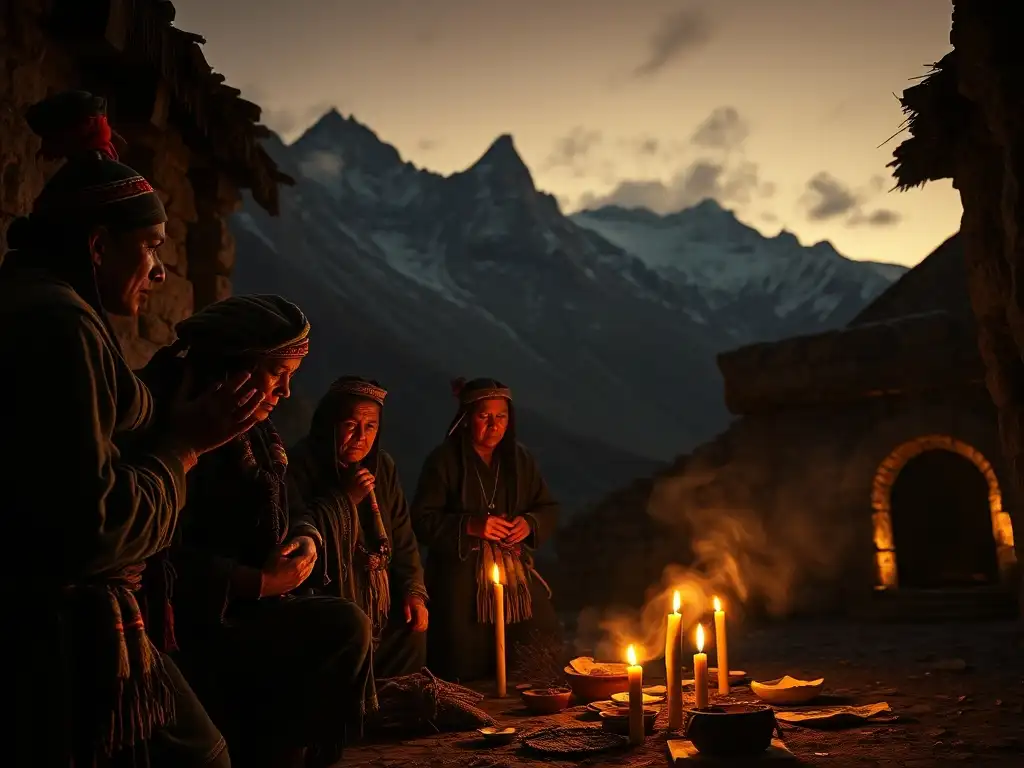
Supay, the Andean deity of the underworld, wasn't simply a distant, malevolent force. His influence permeated the lives of the Andean peoples, demanding both fear and a complex system of appeasement through ritual and offering. Understanding these interactions provides crucial insight into the Andean worldview and its intricate relationship with the supernatural. The concept of "Andean underworld Supay" encompassed not just a fear of death, but a deep-seated awareness of the ongoing interaction between the living and the dead. This interaction wasn't always negative; carefully executed rituals could secure favor and protection from Supay and his domain.
Rituals and Offerings to Appease Supay
Rituals designed to appease Supay varied across different Andean cultures and time periods, reflecting the diverse expressions of Andean religion. Common elements included offerings of food, drink, and precious objects. These weren't simply tossed into a void; the offerings were meticulously placed, often in specific locations considered portals to the underworld or associated with Supay's power.
Archaeological evidence suggests that these offerings included coca leaves (a sacred plant in Andean culture), chicha (fermented maize beverage), and finely crafted pottery and textiles. The act of offering itself was a symbolic act of respect and appeasement, acknowledging Supay's power and seeking his benevolence, or at least his neutrality. The precision and care involved in these rituals underscore the significance placed upon maintaining a balanced relationship with the supernatural.
Failure to appease Supay could, according to Andean beliefs, result in misfortune, illness, or even death. The meticulous nature of these practices, evident in the archaeological record, speaks volumes about the pervasive influence of Supay on daily life. Specific details regarding the types of offerings and their regional variations require further research, but existing data points to a complex system of ritual practice aimed at managing the potentially dangerous power of the Andean underworld Supay.
The Fear and Respect Associated with the Andean Underworld
The Andean underworld, ruled by Supay, wasn't simply a place of punishment; it was a powerful realm that exerted a tangible influence on the living world. Fear of Supay and his power was a constant presence, shaping social norms and individual behavior. This fear wasn't blind terror, however; it was intertwined with a profound respect for the power of the supernatural.
The Andean worldview recognized the intricate balance between the earthly and spiritual realms, recognizing the necessity of respecting and negotiating with the forces that governed both. This delicate balance is reflected in the careful execution of rituals aimed at appeasing Supay and avoiding his wrath. The fear of Supay served as a powerful reminder of the fragility of life and the importance of maintaining harmony with the supernatural world.
This fear, however, wasn't paralyzing; it fueled a complex system of beliefs and practices designed to navigate the dangers of the Andean underworld and ensure the well-being of the community. The coexistence of fear and respect towards Supay is a key element in understanding the Andean religious landscape and its complex relationship with the supernatural.
Supay in Andean Folklore and Oral Traditions
Supay's presence is deeply embedded in Andean folklore and oral traditions, solidifying his role as a central figure in the Andean worldview. Stories passed down through generations depict Supay in various forms, sometimes as a terrifying demon, other times as a cunning trickster. These narratives served not only as entertainment but also as powerful tools for teaching moral lessons and transmitting cultural knowledge.
Tales of Supay's interactions with humans often highlighted the consequences of disrespecting the supernatural or neglecting ritual obligations. These stories, frequently featuring vivid imagery and symbolic language, vividly illustrate the pervasive influence of Supay on Andean culture. The variations in Supay's depiction across different Andean communities highlight the rich diversity of Andean folklore and the localized interpretations of the Andean underworld Supay.
Further research into regional variations in these stories is crucial for a more comprehensive understanding of Supay's role within Andean culture. The persistence of these stories across centuries underscores the enduring power of Supay's image and the continuing relevance of the Andean underworld in the collective consciousness. Analyzing these narratives offers valuable insight into the beliefs, values, and social structures of Andean societies.
Supay and the Concept of Justice in the Andean World
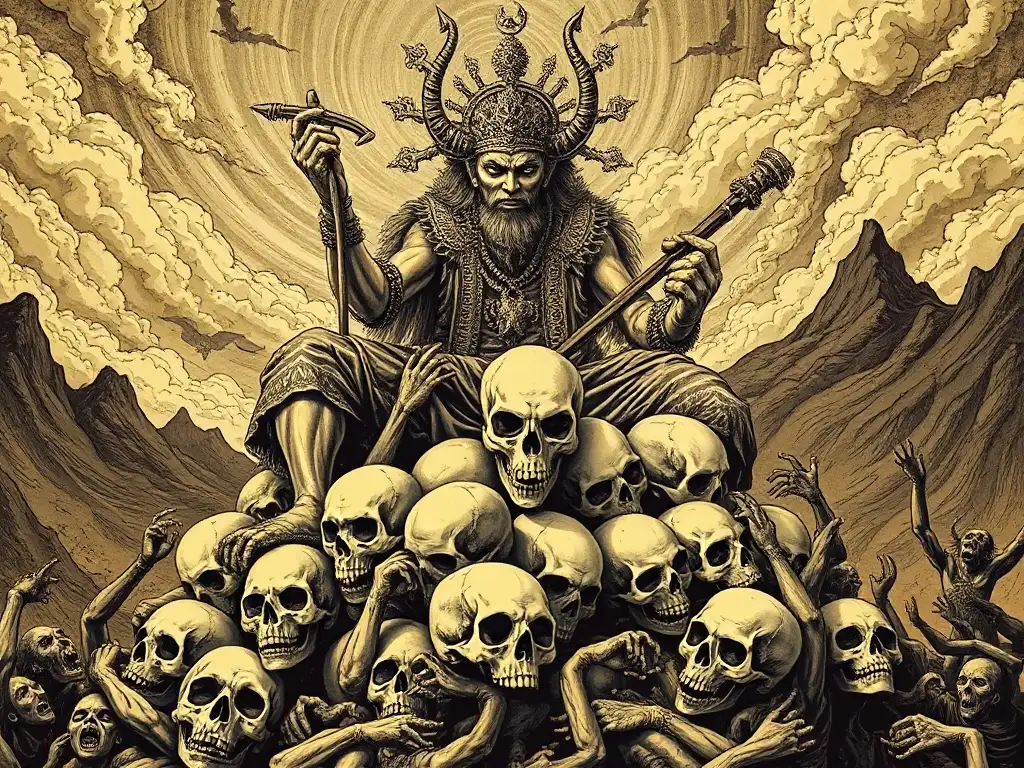
The Andean worldview, far from being simplistic, presented a complex understanding of justice deeply interwoven with its cosmology. Supay, the fearsome lord of the underworld, wasn't merely a malevolent deity; his role encompassed a crucial aspect of maintaining cosmic balance and dispensing a form of justice, albeit a harsh one.
Understanding Supay's function requires moving beyond a purely Western lens of morality and embracing the nuanced Andean perspective on retribution and karmic consequences. This section explores Supay's role as a judge and punisher, the moral implications of the Andean underworld, and his connection to the concept of balance within the Andean cosmos.
The Role of Supay as a Judge and Punisher
Supay wasn't simply a devil; he was a powerful entity responsible for judging the actions of the living. While the specifics varied across different Andean cultures, the general principle remained consistent: transgressions against the established social order, disrespect for the apu (mountain spirits), or failure to uphold reciprocal obligations within the community could lead to punishment in the underworld. This punishment wasn't solely about eternal damnation; it served as a deterrent and a reflection of the Andean emphasis on maintaining social harmony.
Think of it this way: Supay's realm wasn't just a place of fire and brimstone. Instead, it was a place where the consequences of one's actions manifested. A person who lived a life of deceit or violence might face a fitting punishment in the underworld – perhaps enduring torment reflecting the nature of their crime.
This system encouraged ethical behavior, emphasizing the importance of community well-being and reciprocal relationships. This concept of justice, tied to the cyclical nature of Andean life and death, highlights the interconnectedness of all beings within the Andean cosmos. Detailed accounts of specific punishments inflicted by Supay are scarce in surviving records; however, archaeological evidence suggests that offerings and sacrifices were often made to appease him, indicating a fear of his judgment.
Moral Implications of the Andean Underworld
The Andean underworld, ruled by Supay, wasn't simply a place of eternal torment. Its moral implications were far more nuanced and reflected the cyclical and interconnected nature of Andean cosmology. Unlike a purely dualistic Western concept of heaven and hell, the Andean underworld was part of a larger cosmic order, a realm where the consequences of actions in the earthly realm played out.
The concept of ayni (reciprocity) was central to Andean life, and this principle extended to the afterlife. Those who failed to uphold their obligations in life might face repercussions in Supay's domain. This wasn't necessarily a matter of divine judgment in the Western sense, but rather a reflection of the inherent interconnectedness of all things.
Actions had consequences, and these consequences were not confined to the earthly realm. The moral implications of the Andean underworld were tied to maintaining balance and harmony within the community and the cosmos as a whole. This differs significantly from Western concepts of divine reward and punishment, emphasizing instead the pragmatic consequences of one's actions within a complex web of social and cosmic relationships.
Supay's Connection to Karma and Balance
Supay's role can be understood through a lens similar to the concept of karma, although not an exact parallel. The Andean concept emphasized the interconnectedness of all things and the consequences of actions, both positive and negative. While Supay was associated with punishment, his domain was also linked to the cyclical nature of life, death, and rebirth within the Andean worldview. Supay's actions, or rather, his domain's function, maintained a cosmic balance. It was a system of checks and balances where actions had repercussions, ensuring that the natural order wasn't disrupted.
The concept of causa y efecto (cause and effect) is crucial here. Supay's realm wasn't arbitrary; it reflected the consequences of earthly actions. This suggests a system where balance was paramount, a delicate equilibrium maintained through the interplay of various forces, including Supay's role in dispensing justice.
This concept differed from the Western notion of a benevolent God rewarding good and punishing evil; instead, it emphasized the inherent consequences of actions within a complex, interconnected system. Further research is needed to fully understand the nuances of this Andean concept of karma and its relation to Supay's role in maintaining cosmic balance. The limited written records from the pre-Columbian Andean civilizations necessitate a careful and nuanced interpretation of the available archaeological and anthropological evidence.
The Legacy of Supay: Modern Perspectives and Interpretations
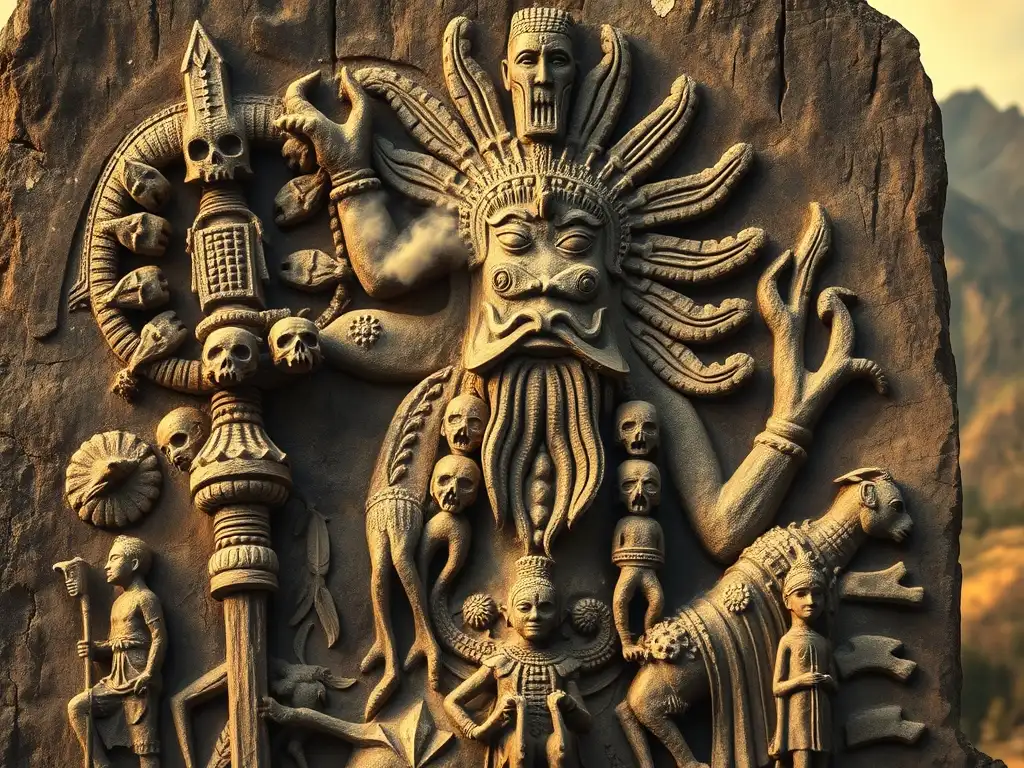
Supay, the Andean deity of the underworld, continues to resonate in contemporary Andean cultures, albeit in transformed and often nuanced ways. While the fearsome aspects of Supay remain, his role and representation have evolved significantly over time, reflecting the complex interplay between indigenous traditions and external influences. Understanding these modern perspectives is crucial to grasping the enduring power of this ancient figure. The Andean underworld, with Supay at its heart, remains a potent symbol, influencing everything from artistic expression to spiritual beliefs.
Supay's Influence on Contemporary Andean Culture
Supay's influence on contemporary Andean culture is multifaceted and often subtle. While direct worship is less common than in pre-Columbian times, his presence persists in folklore, traditions, and even everyday language. Many Andean communities still maintain narratives and beliefs surrounding Supay, albeit often interwoven with Catholic beliefs introduced during the colonial era.
For example, some communities associate Supay with the devil, a syncretic blend reflecting the historical impact of Spanish colonization on Andean religious practices. This syncretism, however, doesn't necessarily diminish Supay's significance; instead, it demonstrates the adaptability and resilience of Andean spiritualities. The fear of Supay, or at least a respectful awareness of his power, continues to shape behaviors and beliefs in certain rural communities.
This might manifest in rituals aimed at appeasing him, or in cautious avoidance of certain places or activities associated with the underworld. Further research is needed to fully document the diverse expressions of Supay's influence across the various Andean communities, as practices and beliefs can vary significantly from region to region. [Specific data on regional variations in Supay beliefs pending].
Reinterpretations of Supay in Modern Art and Literature
Contemporary Andean artists and writers have reinterpreted Supay, often challenging the purely negative portrayals that emerged during colonial times. Instead of simply a malevolent figure, Supay is sometimes depicted as a complex, multifaceted being, reflecting the complexities of the Andean worldview. For instance, some modern artistic representations depict Supay not as a purely evil entity, but as a powerful force of nature, representing the untamed and unpredictable aspects of the world.
This approach aligns with a broader trend in Andean art that seeks to reclaim and reinterpret indigenous symbols and narratives. The novel use of color palettes and stylistic choices often reflects a deliberate attempt to move away from colonial representations, and to instead emphasize the rich visual language of pre-Columbian art. In literature, Supay's character is often reimagined as a figure of ambiguous morality, sometimes even possessing positive aspects.
This nuanced portrayal reflects a growing understanding and appreciation of the complexities of the Andean worldview, moving beyond simplistic good versus evil dichotomies. The literary and artistic reinterpretations of Supay are crucial in promoting a more accurate and culturally sensitive understanding of Andean mythology. They also offer a fascinating case study in how ancient deities can be reimagined and reinterpreted in the context of modern artistic expression.
The Enduring Relevance of the Andean Underworld in the 21st Century
The enduring relevance of the Andean underworld, and Supay's role within it, in the 21st century stems from its continued symbolic power. The underworld serves as a powerful metaphor for the unknown, the untamed, and the forces beyond human control. This resonates deeply with contemporary anxieties around environmental concerns, social inequality, and the uncertainties of the future. The Andean underworld, with its rich mythology and symbolism, provides a framework for understanding these anxieties and navigating the complexities of modern life.
Furthermore, the ongoing interest in indigenous cultures and spiritualities contributes to the renewed appreciation of Supay and the Andean pantheon. This interest is fueled by a growing global awareness of the importance of cultural diversity and a rejection of simplistic, colonial narratives. The study of the Andean underworld, therefore, offers valuable insights into not only the ancient past but also the present-day concerns and aspirations of Andean communities.
The ongoing research and scholarly work focused on Andean mythology and cosmology further strengthen the enduring relevance of Supay and the Andean underworld in the 21st century. The rich tapestry of beliefs and practices surrounding Supay continues to offer valuable lessons on the human relationship with the natural world and the unknown forces that shape our lives. The Andean underworld, therefore, remains a powerful symbol, relevant and resonant in the modern world.
Supay: A Deeper Understanding of the Andean View of Death
Supay, the Andean god of the underworld, represents a far more nuanced figure than a simple devil or demon. Unlike the singular, definitively evil representations found in many Western traditions, Supay's role in Andean cosmovision is far more complex and multifaceted. He embodies both fear and fascination, death and regeneration, highlighting the Andean understanding of a cyclical worldview where death is not an end, but a transition.
Understanding Supay requires moving beyond simplistic binary interpretations of good and evil, and instead embracing the intricate tapestry of Andean beliefs surrounding life, death, and the spirit world. The very name "Supay" itself varies across different Andean cultures, sometimes manifesting as "Supay" or "Huaca Supay," reflecting the regional diversity in Andean religious practices and beliefs. This diversity underscores the importance of nuanced study when exploring this complex figure.
Beyond Good and Evil: The Complex Nature of Supay
Supay wasn't simply a malevolent entity intent on causing harm. While certainly associated with death and the terrifying aspects of the underworld, he also held a position within the cosmic order. He was a powerful force, a deity to be reckoned with, demanding respect and appeasement.
Offerings were made to Supay, not out of pure fear, but also as a way to maintain balance and ensure a smooth transition for the deceased into the underworld. Archaeological evidence shows the presence of offerings in burial sites, suggesting a ritualistic interaction with Supay to facilitate the passage of souls. The nature of these offerings varied across different regions and time periods, reflecting the dynamic and evolving nature of Andean religious practices.
Some offerings might include precious metals, ceramics, or even human sacrifices in extreme cases, although the frequency and significance of human sacrifice remain debated among scholars. The interpretations of Supay's role often depend on the specific Andean culture being examined, with some groups portraying him as more malevolent than others. This highlights the complexity of the deity and the need for a culturally sensitive approach to understanding his role.
Why Study Supay? Unlocking the Secrets of Andean Beliefs
The study of Supay is crucial for understanding the broader Andean worldview. Supay's prominence in Andean mythology reveals a great deal about their understanding of death, the afterlife, and the interconnectedness of the living and the dead. By examining Supay's role, we gain insights into Andean cosmology, social structures, and ritual practices.
The fear and respect associated with Supay influenced daily life, shaping social norms, religious rituals, and even artistic expression. Analyzing pre-Columbian artifacts, such as textiles depicting underworld scenes or pottery representing Supay, provides invaluable data for reconstructing Andean religious beliefs. The iconography associated with Supay, often featuring terrifying imagery, was not merely decorative; it served a powerful function, reinforcing the deity's authority and reminding the living of the precarious balance between the worlds.
Furthermore, understanding Supay's role helps us decolonize our understanding of Andean history and religion, moving beyond Eurocentric interpretations that often misrepresent indigenous belief systems. The study of Supay allows us to appreciate the richness and complexity of Andean spiritual life on its own terms.
The Andean Underworld and the Journey of the Soul
The Andean underworld, the realm of Supay, wasn't a simple hellfire destination. It was a complex and layered space, envisioned differently across various Andean cultures. The journey of the soul after death was a perilous one, often depicted in myths and legends. The soul's passage involved navigating treacherous landscapes, facing challenges, and potentially interacting with other supernatural beings.
The success of this journey depended on various factors, including the deceased's actions during their lifetime and the rituals performed by the living. The specifics of the underworld varied, but common themes include dark caverns, winding paths, and the presence of various spirits, some benevolent and some malevolent. The soul's ultimate destination within the underworld also varied, potentially leading to different levels or realms depending on the individual's life and the successful completion of ritualistic processes.
Understanding the Andean concept of the underworld is key to appreciating the significance of Supay, as he was the powerful figure presiding over this complex and multifaceted realm. Further research is needed to fully understand the regional variations in the depiction of the underworld and the soul's journey. The detailed study of Andean funerary practices and mythology is crucial for a more complete picture of this fascinating aspect of Andean culture.
Frequently Asked Questions
What is Supay?
Supay is the Andean underworld deity, a complex figure representing both fear and fascination in Andean cultures. He's not simply evil, but a powerful force of nature and the unseen world. His influence was widespread across various Andean civilizations.
How was Supay depicted in Andean art and mythology?
Supay's depictions varied across cultures, but often involved fierce animalistic features, sometimes associated with snakes or jaguars. He was represented in textiles, pottery, and other artifacts, reflecting his importance in Andean belief systems.
What role did Supay play in Andean daily life?
Supay's influence extended beyond the spiritual realm. Rituals and offerings were frequently made to appease him, aiming to ensure good fortune and protect against misfortune. His presence was felt in daily life, influencing decisions and shaping worldview.
How did different Andean cultures perceive Supay?
While the core concept of Supay remained consistent, specific attributes and roles varied across cultures like the Inca, Moche, and Nazca. Some emphasized his destructive power, while others acknowledged a more nuanced and complex role within the balance of the cosmos.
How does the understanding of Supay contribute to our understanding of Andean civilizations?
Studying Supay provides valuable insight into the Andean worldview, particularly their understanding of death, the afterlife, and the forces shaping their lives. His presence reveals the complex religious and cosmological beliefs of these ancient societies.
Final Reflection: Supay's Enduring Shadow: A Legacy of Fear and Reverence
The enduring power of Supay, the Andean underworld deity, resonates far beyond the dusty pages of ancient texts. His complex figure, a blend of terrifying power and ambivalent respect, continues to shape cultural narratives and personal beliefs across the Andes, reminding us of the enduring influence of mythology on modern life.
Supay's influence is not merely historical; it's a living force woven into the fabric of Andean society. His presence, both feared and revered, speaks to the human need to grapple with mortality, the unknown, and the forces beyond our control. The gods are not dead, but they sleep,
a Quechua proverb suggests, hinting at the persistent, if sometimes dormant, power of ancient deities like Supay. His image, whether subtly present in everyday life or explicitly invoked in rituals, serves as a potent reminder of the enduring power of the past.
Consider Supay's legacy. How does the understanding of this complex deity challenge our own perceptions of good and evil, of power and vulnerability? You, the reader, are now invited to explore this further. Reflect on how the interplay between fear and reverence, so central to Supay's character, might manifest in your own life, in your own understanding of the unseen forces that shape our world. Let Supay's enduring shadow inspire you to delve deeper into the rich tapestry of Andean culture and the enduring power of myth.
Unveil the Mysteries of Supay Today!
Thank you for exploring the complex world of Supay with us! Your interest in this intriguing figure of the Andean underworld deepens your understanding of the rich tapestry of Andean civilizations. Now that you've learned more about Supay, let's delve even further.
Here are some ways to continue your exploration:
- Join our community: Share your thoughts on Supay in the comments below and connect with other enthusiasts!
- Explore related Andean myths: Research other mythological figures who interact with Supay, and consider how these beliefs influenced daily life.
- Spread the word: Share this article on social media and encourage your friends to learn about the enigmatic Supay!
What aspect of Supay fascinates you most, and how do you think it continues to influence modern Andean culture? We'd love to hear your perspectives!