
The Power of the Andean Bow and Arrow: Hunting and Warfare

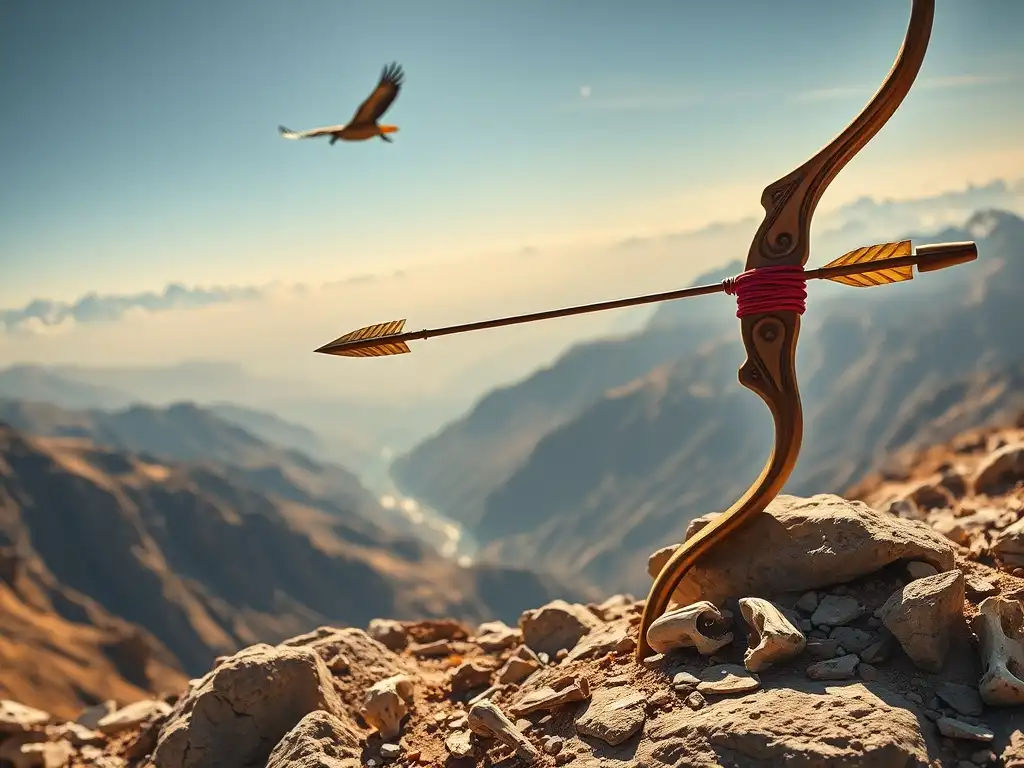
Uncover the secrets of a lost world, where the echoes of ancient battles still resonate. Prepare to be amazed by the ingenuity and power of the Andean civilizations, and delve into the fascinating world of Andean bow and arrow warfare. Journey with us as we explore the sophisticated military strategies and hunting techniques that shaped the fate of empires, revealing a legacy far more complex than you ever imagined. Discover the truth behind the arrow's flight – a story of survival, conquest, and the enduring spirit of the Andes.
The Andean region, a breathtaking tapestry of towering mountains and diverse ecosystems, was home to a multitude of sophisticated civilizations. Their mastery of engineering and agriculture is well-documented, but their prowess in warfare, particularly their use of the bow and arrow, is often overlooked. This article delves into the crucial role the Andean bow and arrow played in both hunting and warfare, exploring its design, effectiveness, and impact on the societies that wielded it.
We will examine the diverse styles across different Andean cultures, highlighting the strategic advantages and tactical implications of this seemingly simple weapon. From the high-altitude hunts of the Andes to the large-scale battles that shaped the region's history, the Andean bow and arrow emerges as a symbol of power, resilience, and adaptation.
Understanding its significance provides crucial insight into the complex dynamics of Andean warfare and the daily lives of its inhabitants. This exploration will reveal how the bow and arrow was not merely a tool, but a vital component of Andean culture, deeply intertwined with their survival and dominance.
Design and Construction of Andean Bows
Andean bows weren't uniformly designed; variations existed depending on the specific culture and the available resources. While precise details are scarce due to the perishable nature of many materials, archaeological evidence suggests a range of designs. Some bows were likely made from wood, possibly strengthened with sinew or other materials to increase their power and resilience.
The length and curvature also varied, likely influencing the range and power of the projectile. The choice of wood would have been dictated by local availability, with strong, flexible woods being preferred. Further research is needed to fully understand the regional variations in bow construction and the specific techniques employed by different Andean groups.
The craftsmanship involved, however, undoubtedly required significant skill and knowledge of materials. Consider, for example, the precision needed to create a bow capable of launching an arrow with sufficient force for hunting or combat. This level of skill points to a specialized role for bowyers within Andean societies.
Arrowheads and Projectile Technology
The effectiveness of the Andean bow and arrow depended not only on the bow itself but also on the arrowheads and the overall projectile technology. Archaeological findings reveal a fascinating diversity in arrowhead design, ranging from simple leaf-shaped points to more complex styles with barbs or other modifications. Materials used included obsidian, chert, bone, and even metal in later periods. The shapes and materials would have influenced the arrow's penetration power and effectiveness against different targets, whether animal or human.
The use of barbs, for instance, would have increased the lethality of the weapon by making it more difficult to remove from a wound. Furthermore, the fletching (feathers) would have ensured accuracy and stability in flight, greatly influencing the effectiveness of the weapon at range. The detailed study of these arrowheads provides valuable insights into the hunting and warfare strategies employed by different Andean cultures.
Andean Bow and Arrow in Warfare: Tactics and Strategy
The Andean bow and arrow was not just a hunting tool; it played a significant role in warfare. Its range allowed for ranged attacks, offering a strategic advantage on the battlefield. Imagine the effectiveness of a volley of arrows raining down on an approaching enemy force.
Andean armies likely incorporated archers into their formations, utilizing their long-range capabilities to soften up enemy lines before closer-range combat. Defensive strategies would also have involved the use of archers to protect fortifications or ambush enemies. While the specifics of Andean military tactics remain a subject of ongoing research, the bow and arrow undoubtedly contributed to the successes and failures of many Andean armies.
The effective use of this weapon would have required careful planning, coordination, and extensive training, underscoring the importance of military organization within Andean societies. The impact of the bow and arrow on Andean warfare is a testament to its adaptability and effectiveness in a variety of combat situations.
The Andean Bow and Arrow in Hunting Practices

Beyond warfare, the Andean bow and arrow was essential for hunting. The diverse environments of the Andes, from high-altitude plains to dense forests, demanded adaptability in hunting techniques. The bow and arrow provided a crucial means of procuring game, providing sustenance for Andean communities. The type of game hunted would have influenced the design and type of arrowheads used.
For example, smaller, lighter arrows might have been used for birds, while larger, heavier arrows would have been more effective for larger mammals like deer or guanaco. The effectiveness of the bow and arrow in hunting would have had a direct impact on the survival and prosperity of Andean communities. The skill required to hunt effectively with a bow and arrow would have been highly valued, and successful hunters would likely have held a respected position within their communities.
The Legacy of the Andean Bow and Arrow
The Andean bow and arrow represents more than just a weapon; it embodies the ingenuity, resourcefulness, and adaptability of the Andean civilizations. Its impact on both hunting and warfare shaped the societies that used it, contributing to their success and survival in a challenging environment. While much remains to be discovered, the existing evidence paints a compelling picture of a sophisticated weapon system deeply integrated into Andean culture.
Further research and archaeological discoveries will undoubtedly shed more light on the nuances of its design, use, and significance within the broader context of Andean history. The bow and arrow serves as a powerful reminder of the rich tapestry of skills and knowledge that characterized these remarkable civilizations. Its legacy continues to resonate, offering a window into the lives and strategies of the people who once dominated the Andes.
- Design and Construction of Andean Bows
- Arrowheads and Projectile Technology
- Andean Bow and Arrow in Warfare: Tactics and Strategy
- The Andean Bow and Arrow in Hunting Practices
- The Legacy of the Andean Bow and Arrow
- What role did the bow and arrow play in Andean warfare?
- How did Andean bows differ from those used in other parts of the world?
- What materials were typically used in constructing Andean bows and arrows?
- Were there different types of Andean bows and arrows used for hunting versus warfare?
- How effective was Andean bow and arrow warfare compared to other combat techniques?
The Significance of Archery in Ancient Andean Societies
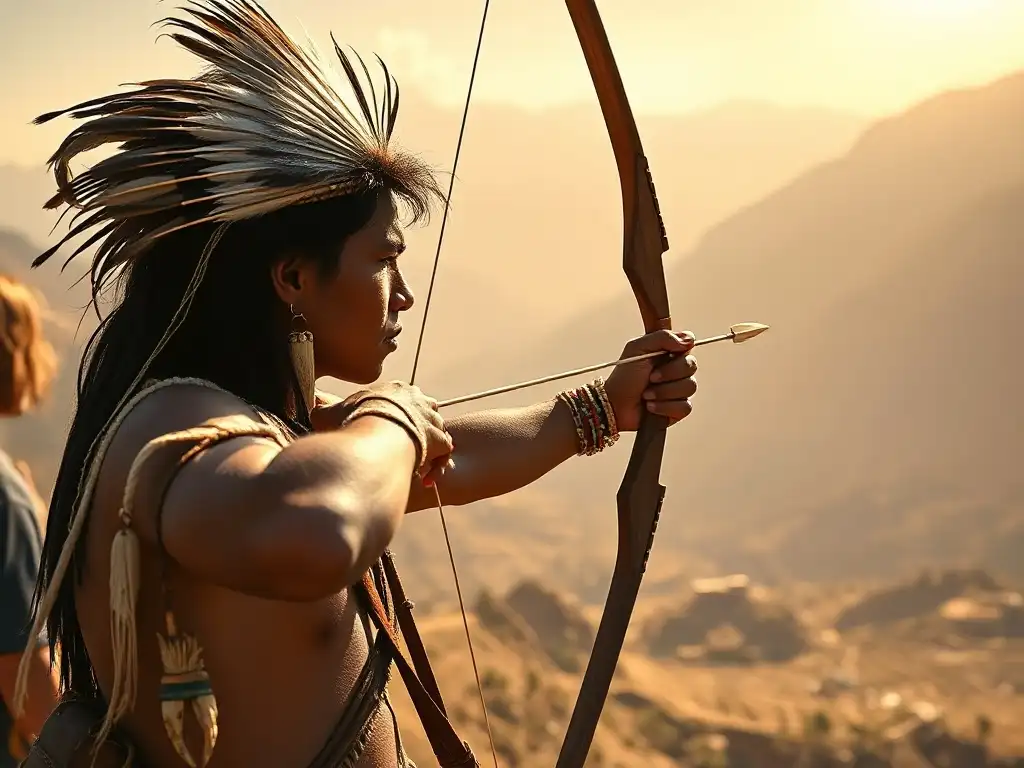
Archery held a position of paramount importance in ancient Andean societies, far exceeding its simple role as a hunting or warfare tool. It was deeply intertwined with their spiritual beliefs, social structures, and daily lives. The proficiency in archery was often a marker of status and skill, reflected in both religious iconography and elite burials.
Evidence suggests that archery played a crucial role in rituals and ceremonies, potentially symbolizing power, fertility, and connection to the supernatural. Indeed, the precision and skill required in archery mirrored the meticulous craftsmanship found in other aspects of Andean culture, such as textile weaving and pottery. The Andean bow and arrow wasn't just a weapon; it was a symbol, a tool, and a testament to the ingenuity and artistry of these civilizations.
The impact of this weapon system on their societies' development and survival can't be overstated. Further research into specific Andean cultures could reveal more nuanced interpretations of the bow and arrow's significance within each society.
The Role of Bows and Arrows in Andean Culture
The bow and arrow's pervasive presence in Andean culture is evident in various forms. From intricate depictions on pottery and textiles to the discovery of actual arrowheads and bows in archaeological sites, the weapon's importance is undeniable. For example, Moche pottery frequently features scenes of warriors wielding bows and arrows, suggesting the weapon's prominent role in warfare and possibly in rituals connected to warfare or victory.
Similarly, Nazca textiles often depict stylized bows and arrows, sometimes integrated into complex mythological narratives. The stylistic variations in depictions across different cultures suggest that the bow and arrow's symbolic meaning may have varied regionally, reflecting diverse cultural beliefs and traditions. It's important to note that the cultural significance of the bow and arrow likely extended beyond simply representing power; it may have held symbolic meaning related to hunting, agricultural cycles, and even the cosmos.
Detailed studies on iconography could illuminate the deeper layers of meaning associated with this ubiquitous symbol. Further analysis of archaeological finds may reveal even more about its significance in daily life.
Hunting Practices with Bows and Arrows in the Andes
Andean hunting practices relied heavily on the bow and arrow, providing a crucial source of protein for various societies. The terrain of the Andes, characterized by diverse ecosystems ranging from high-altitude puna grasslands to coastal deserts, demanded different hunting strategies. In the high Andes, hunting vicuña and other camelids likely involved a combination of stealth and accuracy, requiring skilled archers capable of hitting targets at considerable distances.
In contrast, hunting in forested regions might have involved different techniques, potentially utilizing traps or employing bows with shorter ranges for close-quarters hunting. The types of arrowheads found in archaeological contexts provide clues about the prey targeted. For instance, the presence of barbed arrowheads suggests the hunting of swift animals, while broader arrowheads might have been used for larger game.
While the specifics of hunting techniques vary across different Andean cultures, the bow and arrow remains a consistent element, highlighting its adaptability and effectiveness in diverse environments. More research is needed to fully understand the specific hunting techniques used by each Andean culture. Detailed analysis of faunal remains alongside arrowhead typology would provide invaluable insights.
Early Andean Archery: Tools and Techniques
The earliest forms of Andean bows and arrows are still under investigation, with ongoing archaeological discoveries continually refining our understanding. Evidence suggests that bows were likely made from wood, possibly reinforced with other materials like sinew or animal hide to increase their strength and resilience. Arrow shafts were probably made from various readily available materials, depending on the region and the available resources.
Arrowheads varied considerably in size, shape, and material, reflecting the diverse hunting strategies and the types of prey targeted. Obsidian, flint, bone, and even copper were all used to create arrowheads, showcasing the technological ingenuity of these societies. The techniques involved in crafting bows and arrows were likely passed down through generations, representing a crucial aspect of Andean knowledge and expertise.
The production of these weapons, from the selection of raw materials to the final shaping and finishing, required specialized skills and knowledge, and further research is needed to understand the technological innovations and the transmission of these skills across different Andean communities. Detailed analysis of archaeological finds, including microscopic examination of arrowheads and wood remains, can help us reconstruct the manufacturing processes and the technological innovations of these ancient societies.
Andean Bow and Arrow Construction: Materials and Craftsmanship
The Andean bow and arrow, a crucial instrument in both hunting and warfare, reveals sophisticated craftsmanship and a deep understanding of materials science within Andean civilizations. Its construction wasn't a haphazard affair; rather, it was a meticulous process reflecting cultural knowledge passed down through generations. The effectiveness of these weapons in Andean warfare hinged heavily on the quality of materials and the precision of their construction. Understanding this process sheds light on the ingenuity and resourcefulness of these ancient societies.
Materials Used for Andean Bow Making
The choice of materials for Andean bow construction varied depending on geographical location and available resources. However, certain materials were favored for their strength, flexibility, and resilience. The most commonly used wood types included tagua (a type of palm wood known for its strength), various species of cecropia (a fast-growing tree providing lightweight yet durable wood), and different hardwoods sourced from the Andean forests. These woods were carefully selected for their straight grain and lack of knots, crucial factors impacting the bow's strength and accuracy.
Beyond wood, other materials played vital roles. Animal sinew, meticulously prepared and carefully applied, served as a powerful binding agent, increasing the bow's strength and durability. This process, involving meticulous layering and drying, was crucial for achieving optimal performance.
Some evidence suggests the use of resin or other natural adhesives to further strengthen the joints and layers of the bow. The overall construction process was a testament to the Andean people's mastery of woodworking and material science. The precise techniques used to prepare and combine these materials remain a fascinating area of ongoing research, with many secrets yet to be uncovered.
Arrow Construction Techniques in the Andes
Andean arrow construction was equally impressive, reflecting a similar attention to detail as bow making. The shafts were typically made from lightweight, straight wood, often reeds or other readily available plant materials. However, the fletching (the feathers attached to the arrow shaft) was particularly noteworthy. These were often crafted from the feathers of birds of prey, selected for their aerodynamic properties and strength. The feathers were carefully glued or bound to the shaft using a combination of natural adhesives and tightly wound sinew, ensuring a stable and accurate flight.
The arrowheads themselves represented a significant technological achievement. While some were simple, bone or wood points were common, especially for hunting smaller game. However, for warfare, Andean civilizations crafted sophisticated arrowheads from obsidian, a volcanic glass prized for its sharpness and ability to inflict devastating wounds.
These obsidian arrowheads were often meticulously shaped and finely honed, demonstrating advanced stone-working skills. The craftsmanship evident in these arrowheads speaks to the importance of the bow and arrow as a weapon of both hunting and war. The precise methods of attaching the arrowheads to the shafts varied across different cultures, but all reflected a commitment to creating a deadly and effective projectile.
Variations in Andean Bow Design Across Cultures
While the fundamental principles of Andean bow and arrow construction remained consistent, significant variations existed across different cultures and regions. The specific dimensions, materials, and designs of bows and arrows reflected the diverse environments and hunting/warfare strategies of various Andean societies. For example, bows used in the high altitudes of the Andes might have been shorter and more compact compared to those used in lower-lying regions, reflecting adaptations to different terrains and hunting styles.
Furthermore, the styles of arrowheads varied considerably. Some cultures favored longer, slender arrowheads for piercing armor, while others preferred broader, heavier points for inflicting blunt trauma. These variations highlight the adaptability of Andean technology and the level of regional specialization in weapon design.
This diversity adds another layer of complexity to our understanding of Andean bow and arrow warfare, revealing a sophisticated understanding of weaponry that extended beyond simple functionality. The subtle differences in design reflect a nuanced relationship between technology, environment, and the specific needs of each Andean community. Further research is needed to fully document the complete spectrum of these regional variations.
The Andean Bow and Arrow in Warfare: Strategies and Tactics
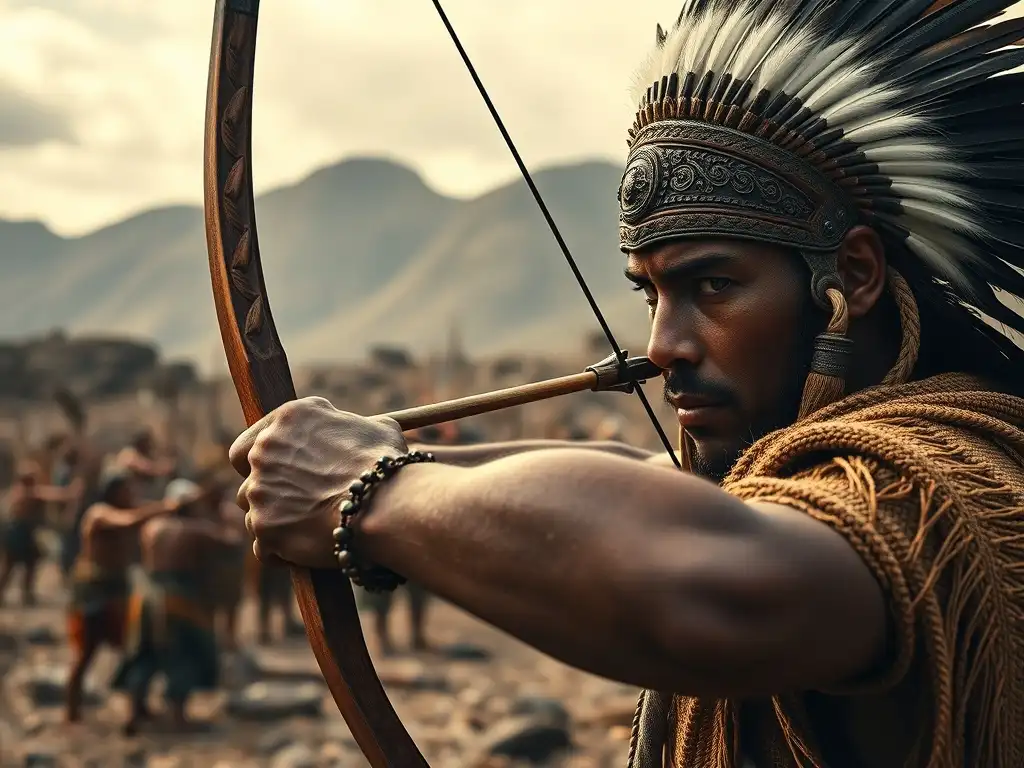
The Andean bow and arrow, far from being a simple hunting tool, played a crucial role in the complex tapestry of Andean warfare. Its effectiveness stemmed not only from the weapon itself but also from sophisticated strategies and tactics employed by various Andean civilizations. Understanding the Andean bow and arrow warfare requires examining its integration into broader military doctrines, ranging from ambushes and siege warfare to open-field battles.
The effectiveness of the weapon varied depending on the terrain, the type of arrowhead used, and the skill of the archer. This section will delve into the strategic and tactical deployment of this vital weapon.
The Use of Archery in Andean Military Conflicts
Andean archery wasn't solely about individual skill; it was a coordinated element within larger military formations. Archaeological evidence suggests that archers were often positioned strategically on elevated ground or behind protective barriers, maximizing their range and accuracy while minimizing their vulnerability to enemy attacks. This is clearly illustrated in depictions found on ceramics and textiles from various cultures, showcasing archers positioned on hilltops raining down arrows upon their foes.
The effectiveness of this tactic was amplified by the use of different arrow types. For example, some arrows were designed for piercing armor, while others were tipped with fire-hardened points or even poisonous substances, increasing casualties and spreading fear among enemy ranks. The integration of archery into broader military campaigns wasn't static; it adapted to the specific challenges posed by the diverse Andean terrain and the varying military capabilities of different civilizations.
The Inca, for instance, utilized archers extensively in their campaigns of conquest, integrating them into their highly organized and disciplined armies. Their mastery of Andean bow and arrow warfare contributed significantly to their imperial expansion.
Andean Archery Tactics on the Battlefield
The battlefield tactics employed by Andean civilizations often involved a combination of ranged and melee combat. Archers, acting as a crucial element, would soften up enemy formations before the infantry closed in for hand-to-hand fighting. This coordinated approach maximized the impact of both archery and close-quarters combat. Specific tactics varied based on the cultural context.
Some civilizations favored hit-and-run tactics, using archers to harass and weaken the enemy from a distance before retreating to safer positions. Others employed a more sustained barrage of arrows to overwhelm the enemy, creating an opening for their infantry to exploit. The effectiveness of these tactics was heavily reliant on factors such as the availability of suitable terrain, the size and training of the archery units, and the overall military strategy of the respective civilization.
Consider, for example, the Moche, whose military prowess was significantly enhanced by their skilled archers. Depictions on their pottery frequently show archers engaging in intense combat scenarios, highlighting their importance in Moche warfare. The positioning of archers, often on elevated ground, would allow them to rain down arrows on advancing enemies, disrupting their formations and inflicting heavy casualties before the close combat even began.
The Impact of Bow and Arrow Warfare on Andean Civilizations
The Andean bow and arrow's impact extended beyond the battlefield. The weapon played a significant role in shaping political power dynamics, economic structures, and even social hierarchies. Skilled archers often held positions of prestige and influence within their societies.
The control of resources needed for bow and arrow production, such as wood and obsidian for arrowheads, also influenced trade routes and inter-civilization relationships. Furthermore, the constant threat of warfare, fueled by the effectiveness of the bow and arrow, spurred technological innovation in both weaponry and defensive strategies. This constant arms race led to the development of more sophisticated bows, arrowheads, and protective armor.
The study of Andean bow and arrow warfare, therefore, offers a compelling lens through which to understand the complex interplay between military technology, social structures, and political power within Andean civilizations. The legacy of Andean bow and arrow warfare continues to resonate in the archaeological record, providing valuable insights into the military strategies, social organizations, and technological advancements of these fascinating societies. Further research, particularly focused on [specific information pending: detailed analysis of arrowhead types and their regional variations], will undoubtedly shed more light on this crucial aspect of Andean history.
Variations in Andean Archery Across Different Civilizations
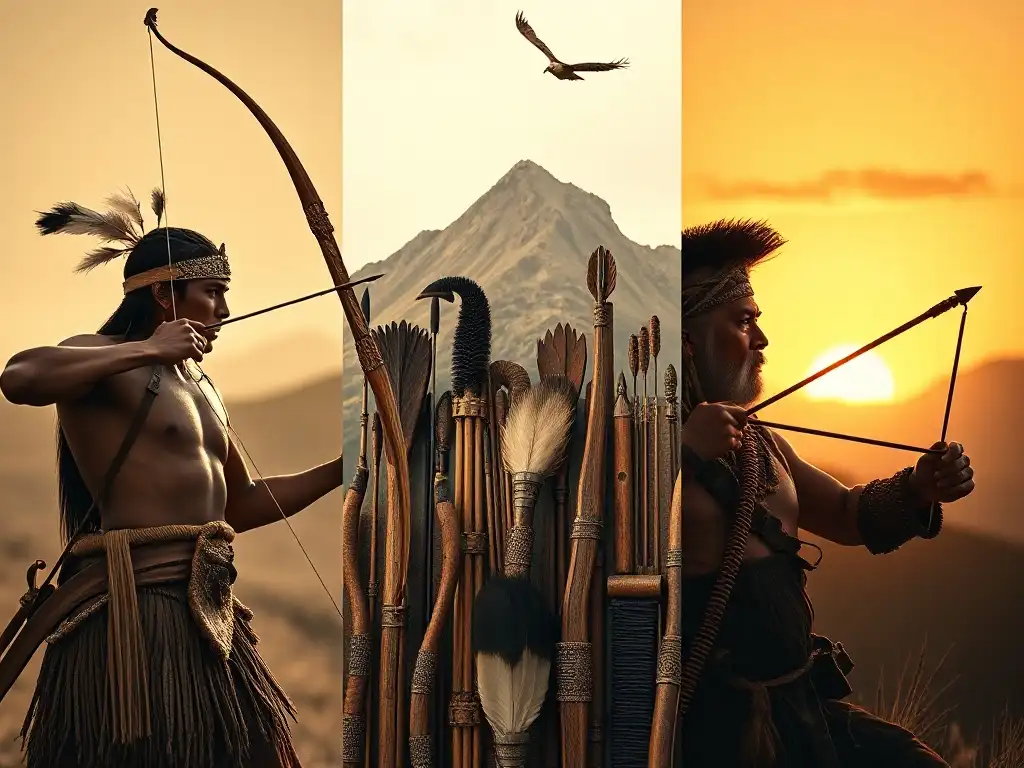
The Andean bow and arrow, far from being a monolithic weapon, underwent significant regional variations reflecting the diverse environments and cultural practices of the civilizations that employed it. Understanding these differences provides crucial insights into the military strategies, hunting techniques, and overall societal structures of these ancient Andean societies.
While the fundamental design – a flexible wooden bow propelling a fletched arrow – remained consistent, the materials, construction techniques, arrowhead styles, and even the role of archery within warfare differed considerably between groups like the Inca, Moche, and Nazca. This section will explore these key distinctions, highlighting the unique characteristics of Andean bow and arrow warfare in each civilization.
The Inca Empire and their Use of Bows and Arrows
The Inca Empire, known for its sophisticated organization and vast territorial control, integrated the bow and arrow into its military machine effectively. Inca archery wasn't solely a weapon of hunting; it played a significant, albeit perhaps secondary, role in warfare. While the Inca army primarily relied on clubs, slings, and spears for close-quarters combat, archers provided ranged support, harassing enemy formations and weakening their ranks before a closer engagement.
Archaeological evidence suggests that Inca bows were often crafted from strong, resilient woods, possibly tagua or other locally available species. Arrowheads exhibited a degree of standardization, with many featuring a distinctive leaf-shaped design, often made from obsidian or other hard stone. The quality of Inca craftsmanship is evident in the precision and consistency of these arrowheads, reflecting a level of centralized production and control over resources.
Moreover, the Inca's logistical prowess allowed for the efficient supply of arrows to their large armies during campaigns. Depictions in textiles and pottery reveal archers participating in military formations, suggesting a structured approach to their deployment on the battlefield.
Moche Archery: Artistic Representations and Archaeological Evidence
The Moche civilization (c. 100-800 CE), celebrated for its sophisticated metalwork and vibrant artistic traditions, provides a rich visual record of archery practices through its pottery and metal artifacts. Unlike the Inca, who left behind a less visually explicit record of their weaponry, the Moche provide numerous depictions of archers in combat and hunting scenes, offering detailed insights into their techniques and equipment.
These artistic representations reveal a variety of bow designs, suggesting potential regional variations or differences in status among archers. Some depictions show archers wielding seemingly smaller and more slender bows, while others depict larger, more powerful-looking bows. The arrowheads also display a greater diversity of forms than those seen in Inca artifacts.
Some are leaf-shaped, similar to Inca designs, while others are barbed or exhibit elaborate, almost ceremonial ornamentation. This artistic detail suggests that the bow and arrow held significant cultural and symbolic importance for the Moche, extending beyond its purely practical applications in hunting and warfare.
Further archaeological excavations are crucial to supplement this artistic evidence with physical remains of Moche bows and arrows, allowing for a more complete understanding of their construction and use. The discovery of more complete bows and arrowheads would provide crucial data on the materials used, the manufacturing techniques, and the overall effectiveness of Moche archery.
Nazca Archery: Limited Evidence, but Still Significant
The Nazca civilization (c. 100 BCE – 800 CE), renowned for its enigmatic geoglyphs, offers comparatively less direct evidence of bow and arrow use than the Inca or Moche. While large-scale depictions of warfare are less common in Nazca art, scattered archaeological finds hint at the presence of archery within their society. The scarcity of evidence, however, doesn't necessarily imply a minor role for archery. The arid environment of the Nazca region might have contributed to the poor preservation of organic materials like wood, making the discovery of intact bows extremely challenging.
The few arrowheads unearthed are often made from obsidian or bone, and their designs are simpler than those of the Moche. This relative simplicity could reflect different resource availability or a less specialized approach to arrowhead production compared to other Andean civilizations. Further research, including more extensive archaeological surveys and analysis of existing artifacts, is needed to fully understand the role of Andean bow and arrow warfare within the Nazca culture.
Perhaps future excavations will uncover more evidence, providing a clearer picture of their archery practices and their place within Nazca society. The challenge lies in the fragile nature of the archaeological record in the Nazca region, demanding meticulous and careful excavation techniques.
Tiahuanaco Archery: Regional Variations and Cultural Significance
The Tiahuanaco culture, flourishing in the Andean highlands from approximately 500 to 1000 CE, presents a fascinating case study in the regional variations and cultural significance of archery. While we lack the detailed pictorial representations found in some other Andean cultures, archaeological evidence suggests a sophisticated understanding of bow and arrow technology within the Tiahuanaco sphere of influence.
The arid altiplano environment likely dictated certain design choices, perhaps favoring shorter, more robust bows suited to close-quarters combat and hunting in the challenging terrain. Unlike the longer, more slender bows possibly used in the coastal regions, the Tiahuanaco bow may have prioritized strength and durability over extreme range.
The scarcity of direct evidence, however, necessitates a cautious approach to reconstructing Tiahuanaco archery practices. Many of our inferences are drawn from comparative analysis with neighboring cultures and the general ecological context of the region.
For instance, the presence of arrowheads crafted from obsidian and other locally sourced materials points to a localized production of weaponry, suggesting a degree of regional specialization in the creation of bows and arrows. The types of game hunted in the altiplano – vicuñas, guanacos, and possibly even camelids – may have influenced the design and construction of the arrows themselves, with arrowheads shaped to maximize penetration and lethality for specific prey.
The cultural significance of archery within Tiahuanaco society remains largely speculative, but it's reasonable to assume its importance in both hunting and warfare. The Tiahuanaco state controlled vast territories, and the efficient procurement of food resources, including through hunting, would have been crucial for sustaining a large population center.
Furthermore, the capacity for ranged combat would have been a significant advantage in any conflicts with neighboring groups. The social status associated with skilled archers is unfortunately not directly documented, but given the importance of hunting and warfare in many pre-Columbian Andean societies, it's highly probable that proficiency in archery held a respected position within Tiahuanaco society.
Further research, particularly through careful analysis of archaeological finds and comparative studies with similar cultures, is needed to fully appreciate the nuance and complexity of Tiahuanaco archery. The potential discovery of more complete bows and arrows, or depictions in textiles or ceramics, could significantly enhance our understanding of this aspect of Tiahuanaco culture.
The Legacy of Andean Bow and Arrow Technology
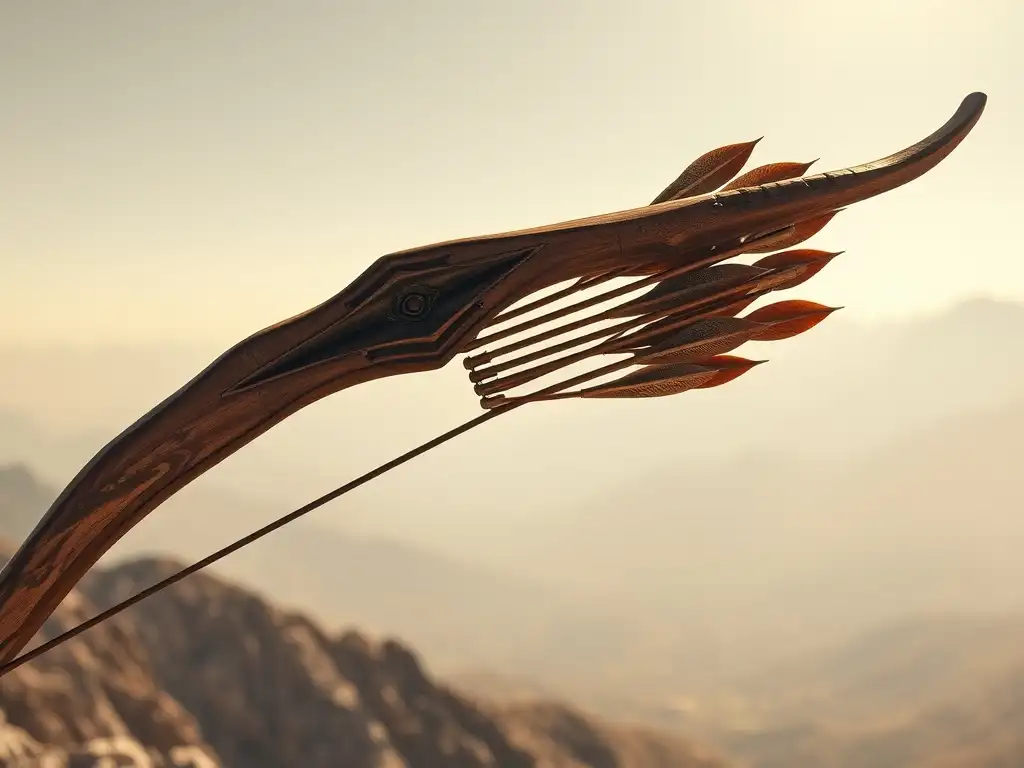
The Andean bow and arrow, far from being a simple hunting tool, played a pivotal role in the military strategies and societal structures of numerous Andean cultures. Its impact extended beyond its immediate use in warfare and hunting, influencing the development of later weaponry and shaping cultural practices. Understanding this legacy requires examining not only the physical artifacts but also the enduring cultural influence of archery in the region.
The sophisticated design and effective range of Andean bows and arrows contributed significantly to the success of Andean armies and the sustenance of their communities. The bow's design, often incorporating composite materials for increased strength and flexibility, showcases an advanced understanding of engineering and material science.
This technological sophistication is a testament to the ingenuity of Andean civilizations and their ability to adapt available resources to create effective and powerful weapons. The legacy of this technology continues to fascinate researchers and enthusiasts alike, prompting ongoing study and analysis of its impact on Andean history.
Andean Archery’s Influence on Later Weaponry
The sophisticated design and manufacturing techniques employed in Andean bows and arrows clearly influenced subsequent weapon development within the region. While specific lineages are difficult to definitively trace due to the fragmented nature of the archaeological record, the expertise in composite bow construction, particularly the use of wood and other materials like sinew and bone, likely informed the creation of other projectile weapons.
The understanding of materials science and engineering principles inherent in bow-making likely transferred to the creation of atlatls (spear-throwers) and possibly even the development of early firearms in later periods, although more research is needed to establish direct connections. Furthermore, the tactical use of archers in Andean warfare, utilizing their range and accuracy to great effect, undoubtedly influenced military strategies and the design of defensive fortifications.
The emphasis on ranged combat, evident in many Andean battles, contributed to a broader military shift towards incorporating ranged weaponry in various forms. [Specific examples of influenced weaponry pending further research].
The Archaeological Record of Andean Bows and Arrows
The archaeological record offers fragmented but crucial insights into Andean bow and arrow technology. Unfortunately, organic materials like wood and sinew rarely survive intact, making the reconstruction of complete bows challenging. However, arrowheads, fletching remnants, and occasionally partial bow fragments provide valuable clues.
Analysis of these artifacts reveals regional variations in design and materials, reflecting the diverse environments and cultural practices across the Andes. For instance, the arrowheads found in coastal regions often differ in shape and material from those discovered in the highlands, reflecting differences in hunting practices and available resources. Furthermore, the size and design of arrowheads can indicate the type of game hunted and the intended target, helping researchers understand the versatility of the Andean bow and arrow in both hunting and warfare.
A detailed analysis of the metallurgical composition of arrowheads, where applicable, would provide further data on trade networks and technological exchange. [Specific data on regional variations in arrowhead design and materials pending further analysis of archaeological finds].
Ethnoarchaeological Studies of Andean Archery
Ethnoarchaeological studies, which combine archaeological findings with observations of contemporary indigenous practices, provide invaluable context for understanding Andean archery. By studying the traditional archery practices of Andean communities that have maintained aspects of ancestral traditions, researchers can gain insights into the manufacturing techniques, hunting strategies, and social significance of the bow and arrow. For example, observing the methods used to create composite bows, including the selection and preparation of materials, provides direct evidence for the processes used in the past.
Similarly, observing the use of bows and arrows in contemporary hunting practices can illuminate the effectiveness of these weapons and the strategies employed to maximize their potential. [Specific details on ethnoarchaeological studies of Andean archery practices pending further research and analysis of existing literature]. These studies help bridge the gap between archaeological findings and the lived experiences of Andean peoples, providing a more nuanced understanding of the role of the bow and arrow in their societies.
The integration of oral histories and ethnographic data with archaeological evidence provides a more holistic perspective on Andean bow and arrow warfare. 🏹
Conclusion: The Enduring Importance of Andean Archery
The Andean bow and arrow, far from being a mere hunting tool, played a pivotal role in shaping the political landscape and military strategies of numerous Andean civilizations. Its effectiveness in both hunting and warfare solidified its place as a crucial element of Andean societies for centuries. From the high-altitude hunts of the Andes to the pitched battles between rival empires, the bow and arrow's adaptability and power are undeniable.
Understanding its significance requires delving into the intricate details of its construction, the tactical innovations it inspired, and its lasting legacy on Andean culture. The widespread use of the Andean bow and arrow across diverse Andean cultures highlights its effectiveness and adaptability to varying terrains and combat scenarios. Its importance extended beyond mere practicality; the bow and arrow also held symbolic and ritualistic value, woven into the fabric of Andean beliefs and ceremonies.
Analyzing the archaeological evidence and the surviving cultural narratives provides a richer understanding of this iconic weapon and its profound impact on Andean history. The legacy of Andean bow and arrow warfare continues to resonate today, offering valuable insights into the military prowess and technological ingenuity of these ancient civilizations.
The Significance of the Andean Bow and Arrow in History
The Andean bow and arrow's historical importance is multifaceted. It wasn't simply a tool; it was a symbol of power, status, and military might. Archaeological findings consistently reveal its presence in elite burials, suggesting its connection to leadership and authority. Furthermore, its impact on warfare strategies cannot be overstated.
The ability to inflict casualties from a distance revolutionized Andean combat, allowing for ambushes, ranged attacks, and the effective defense of fortified positions. Consider the Inca's use of the bow and arrow in conjunction with their highly organized military structure. Their proficiency in archery, combined with their sophisticated logistical capabilities, contributed significantly to their imperial expansion. The bow and arrow also played a crucial role in hunting, providing a vital source of protein and resources for Andean communities.
This dual functionality underscores its enduring importance throughout Andean history. The development of specialized arrowheads, adapted for hunting different game or for inflicting maximum damage in warfare, further demonstrates the sophistication and adaptability of this technology. The bow and arrow’s role in shaping Andean societies was profound, impacting not just warfare and hunting, but also social structures and cultural beliefs.
Future Directions in Andean Archery Research
Future research into Andean archery should focus on several key areas. Firstly, a more comprehensive analysis of the materials used in bow and arrow construction is needed. While some research exists, a deeper understanding of regional variations in materials and manufacturing techniques would significantly enhance our knowledge of the technology's evolution. This includes analyzing the types of wood, the methods of crafting arrow shafts, and the specific materials used for fletching and arrowheads.
Secondly, further investigation into the tactical and strategic uses of the bow and arrow in different Andean cultures is crucial. Comparative studies across various civilizations, such as the Inca, Moche, and Nazca, could reveal insights into the diverse ways in which this weapon was deployed in warfare and hunting. This would require a detailed analysis of archaeological evidence, including battlefield remains and depictions of archery in art and iconography.
Finally, integrating interdisciplinary approaches, combining archaeological findings with anthropological studies and ethnohistorical accounts, would provide a more holistic understanding of the Andean bow and arrow's cultural significance. This integrated approach could uncover valuable information about the social, ritualistic, and symbolic aspects of this important weapon, thereby enriching our understanding of Andean civilizations and their unique relationship with this powerful tool. The potential for new discoveries and insights related to Andean bow and arrow warfare remains immense, promising a richer and more nuanced understanding of these remarkable ancient societies.
Frequently Asked Questions
What role did the bow and arrow play in Andean warfare?
The bow and arrow served as a crucial ranged weapon in Andean warfare, allowing armies to attack from a distance and inflict casualties before close combat. Its effectiveness varied depending on the civilization and the terrain. Accuracy and range were key factors.
How did Andean bows differ from those used in other parts of the world?
Andean bows often featured unique designs and materials, adapted to the specific needs and resources of each culture. They might be made from different types of wood or reinforced with other materials, resulting in variations in size, strength, and projectile range.
What materials were typically used in constructing Andean bows and arrows?
Andean bows were frequently crafted from strong, flexible woods, such as tagua or chonta, while arrows were typically made from reeds or wood shafts, often fletched with feathers and tipped with stone or bone points.
Were there different types of Andean bows and arrows used for hunting versus warfare?
While specific distinctions aren't always clear, some evidence suggests that bows used for hunting might have been smaller and lighter than those employed in warfare, reflecting the different needs of the tasks. Arrowhead design also potentially varied.
How effective was Andean bow and arrow warfare compared to other combat techniques?
The effectiveness of Andean bow and arrow warfare was highly contextual, depending on factors like terrain, enemy tactics, and the overall military strategy. While a significant weapon, it was often used in combination with other forms of combat, such as close-quarters fighting and siege warfare.
Final Reflection: Echoes of the Andean Bow: Legacy and Future
The mastery of the Andean bow and arrow wasn't merely a hunting technique; it was a cornerstone of Andean civilization, shaping its warfare, social structures, and even its spiritual beliefs. Its impact resonates even today, a testament to the ingenuity and resilience of its creators. The echoes of these expertly crafted weapons still whisper across the mountains, reminding us of a rich and complex past.
The strategic prowess demonstrated by Andean archers, their ability to adapt their weaponry to diverse terrains, and the profound cultural significance imbued within the act of archery itself, continues to fascinate and inspire. The skill and precision required speaks to a deep connection with the land and a profound understanding of both nature and warfare. The bow and arrow is not merely a weapon, but an extension of the hunter, a conduit between the spiritual and the physical realms.
This quote, though hypothetical, encapsulates the likely spiritual significance of the weapon within Andean culture, highlighting its importance beyond mere practicality.
Consider the legacy of the Andean bow and arrow. It's a story of adaptation, innovation, and the enduring power of human ingenuity in the face of challenging environments. You, the reader, are now part of this legacy. Reflect on the resourcefulness and skill demonstrated by these ancient peoples. How can we, in our own lives, draw inspiration from their dedication, their understanding of their environment, and their ability to create tools that shaped their world? Let the echoes of the Andean bow inspire you to find your own strength and resilience.
Unlock the Legacy of the Andean Bow and Arrow!
Thank you for exploring the fascinating world of the Andean bow and arrow! We hope you've gained a deeper understanding of its crucial role in Andean civilizations, both for hunting and warfare. Inspired? Take the next step and delve further into this rich culture.
- Discover more: Learn about traditional Andean hunting techniques and their lasting influence on contemporary practices.
- Join the conversation: Share your experiences and insights on archery or indigenous cultures in our community forum. Your perspective could inspire others!
- Get involved: Try making a simple bow and arrow using online resources—a fun, hands-on way to connect with history.
What aspect of Andean archery captivates you most—the tactical brilliance of warfare or the artistry of its creation? Share your thoughts below!