
The Language of the Past: Preserving Andean Oral Traditions

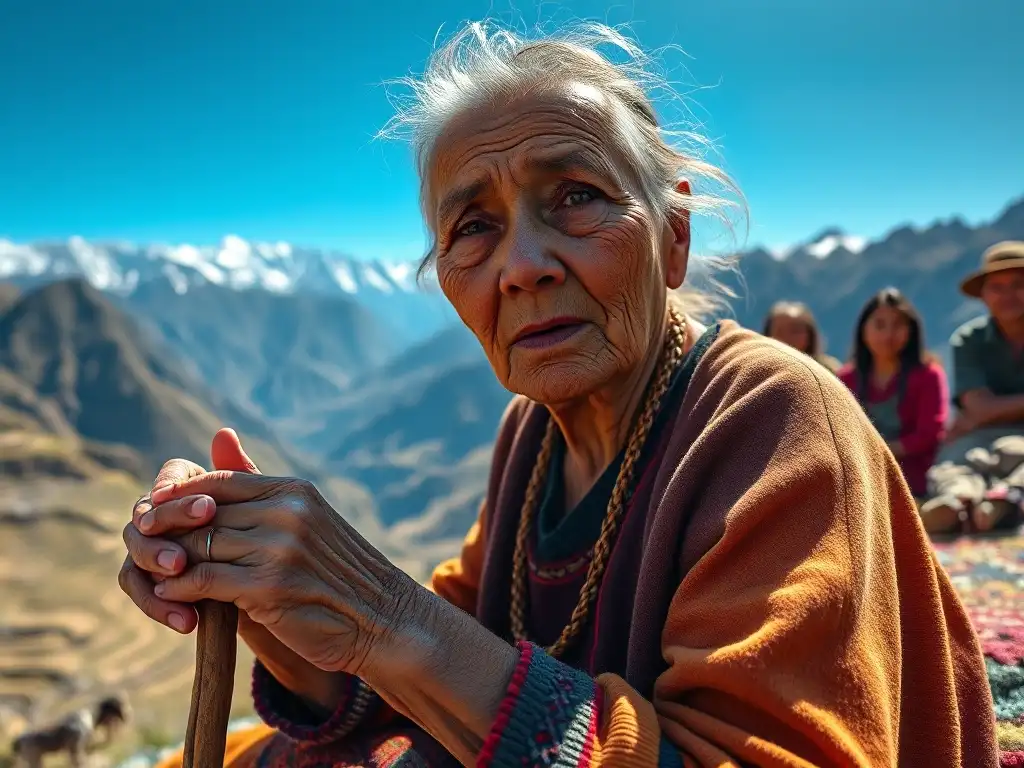
Step into a world lost to time, yet whispering secrets on the wind. For centuries, the Andes Mountains have held the echoes of magnificent civilizations. Discover the intricate tapestry of Andean culture, from the breathtaking artistry of the Nazca lines to the sophisticated engineering of the Incas. But what stories remain untold? This journey begins with Andean oral history preservation, a vital key to unlocking the legacy of these remarkable peoples. Dare to delve deeper and uncover the mysteries waiting within…

The Andes Mountains, a spine of towering peaks running down the western edge of South America, are not only a breathtaking geographical feature but also the cradle of a rich tapestry of ancient civilizations. For millennia, these cultures—including the Incas, Moche, Nazca, and Tiahuanaco—flourished, developing complex societies and leaving behind an enduring legacy. However, much of their knowledge, beliefs, and history wasn't inscribed on stone tablets or written in scrolls.
Instead, it was meticulously preserved through a vibrant tradition of oral storytelling, passed down through generations. This article delves into the crucial work of preserving Andean oral history, exploring its significance, the cultural role of storytelling, and specific examples of these invaluable traditions facing the challenges of modern times. Understanding and protecting this oral heritage is paramount to fully appreciating the depth and complexity of Andean civilizations and ensuring that their voices continue to resonate through time.
The preservation of Andean oral traditions is not merely an academic exercise; it is a vital act of cultural preservation, ensuring the continuation of a rich and complex heritage for future generations. This is particularly crucial given the rapid pace of globalization and cultural homogenization which threatens to erode unique cultural identities. The task of Andean oral history preservation is multifaceted, requiring collaborative efforts from scholars, community members, and governmental organizations.
Understanding the Significance of Andean Oral History
Andean oral history is far more than just a collection of stories; it's the living embodiment of a culture's knowledge, values, and worldview. These narratives are not simply entertainment; they serve as repositories of historical accounts, agricultural practices, medicinal knowledge, social structures, and spiritual beliefs. They embody the collective memory of a people, shaping their identity and guiding their actions.
Unlike written records which can be easily lost or destroyed, oral traditions possess a remarkable resilience, adapting and evolving while retaining their core essence. The transmission of this knowledge often involved intricate mnemonic devices, songs, rituals, and performances, ensuring the accuracy and longevity of the information. The loss of these traditions represents an irreplaceable loss of cultural heritage, potentially leading to the erosion of cultural identity and the fracturing of community bonds.
The significance of this oral history lies in its ability to connect the past with the present, providing a continuous narrative that sustains cultural identity and fosters a sense of belonging. Moreover, the study of these traditions offers invaluable insights into the social, political, and economic structures of Andean societies.
The Role of Storytelling in Andean Culture
Storytelling wasn't merely a pastime in Andean cultures; it was a fundamental aspect of daily life, deeply interwoven into the social fabric. Narratives were used to educate the young, transmit moral values, and reinforce social norms. They served as powerful tools for conflict resolution, community building, and the maintenance of social order.
Experienced storytellers, often respected elders or shamans, held positions of authority and influence within their communities. Their skill in weaving intricate tales and employing captivating techniques ensured the preservation and transmission of vital cultural knowledge. The act of storytelling itself was often accompanied by music, dance, and ritualistic practices, enhancing its impact and ensuring its memorability.
This holistic approach to storytelling underscores its importance as a dynamic and multifaceted element of Andean culture, far exceeding the simple recounting of events. The power of oral tradition lay in its ability to engage multiple senses and create a powerful emotional connection between the storyteller and the audience, fostering a deeper understanding and appreciation of the cultural heritage. The loss of these traditions represents a significant loss not only to the academic world but to the cultural heart of the Andean communities themselves.
Specific Examples of Oral Traditions: The Legend of Manco Cápac, the Creation Myth of Pachamama, Histories of the Inca Empire
Several examples highlight the richness and diversity of Andean oral traditions. The Legend of Manco Cápac, for instance, recounts the mythical origins of the Inca Empire, narrating the emergence of the Inca civilization from Lake Titicaca. This story, passed down through generations, helped to legitimize Inca rule and solidify their cultural identity. Similarly, the creation myth of Pachamama, the Earth Mother, provides insights into the Andean worldview, emphasizing the deep spiritual connection between humans and nature.
These myths not only explain the origins of the world but also highlight the importance of respecting the environment and maintaining a harmonious relationship with the natural world. Finally, oral histories of the Inca Empire, transmitted through generations of quipu keepers (those who interpreted the knotted strings used for record-keeping) and storytellers, offer valuable perspectives on Inca society, politics, and daily life, filling gaps left by limited written records. These narratives often detail the lives of emperors, battles, and significant events, providing a unique and invaluable glimpse into the past.
The preservation of these stories is crucial for understanding the complexity of Inca history and culture, offering a perspective that complements and enriches the information gleaned from other sources. The ongoing effort to document and preserve these traditions is vital to ensuring that these rich narratives remain accessible to future generations. The preservation of these oral traditions is not only a matter of historical accuracy, but also a vital step in ensuring the cultural continuity and identity of the Andean peoples.
- Understanding the Significance of Andean Oral History
- The Role of Storytelling in Andean Culture
- Specific Examples of Oral Traditions: The Legend of Manco Cápac, the Creation Myth of Pachamama, Histories of the Inca Empire
- Community-Based Initiatives for Cultural Heritage
- The Importance of Intergenerational Transmission
- Digital Documentation and Archiving of Oral Traditions
- Specific Examples of Successful Preservation Projects: The Quechua Language Revitalization Program
- The Andean Oral History Archive at the University of Cusco
- How important is oral history in understanding Andean civilizations?
- What challenges are faced in preserving Andean oral history?
- What methods are used to preserve Andean oral traditions?
- How does the preservation of Andean oral history contribute to cultural revitalization?
- Where can I learn more about Andean oral history preservation efforts?
Challenges to Andean Oral History Preservation
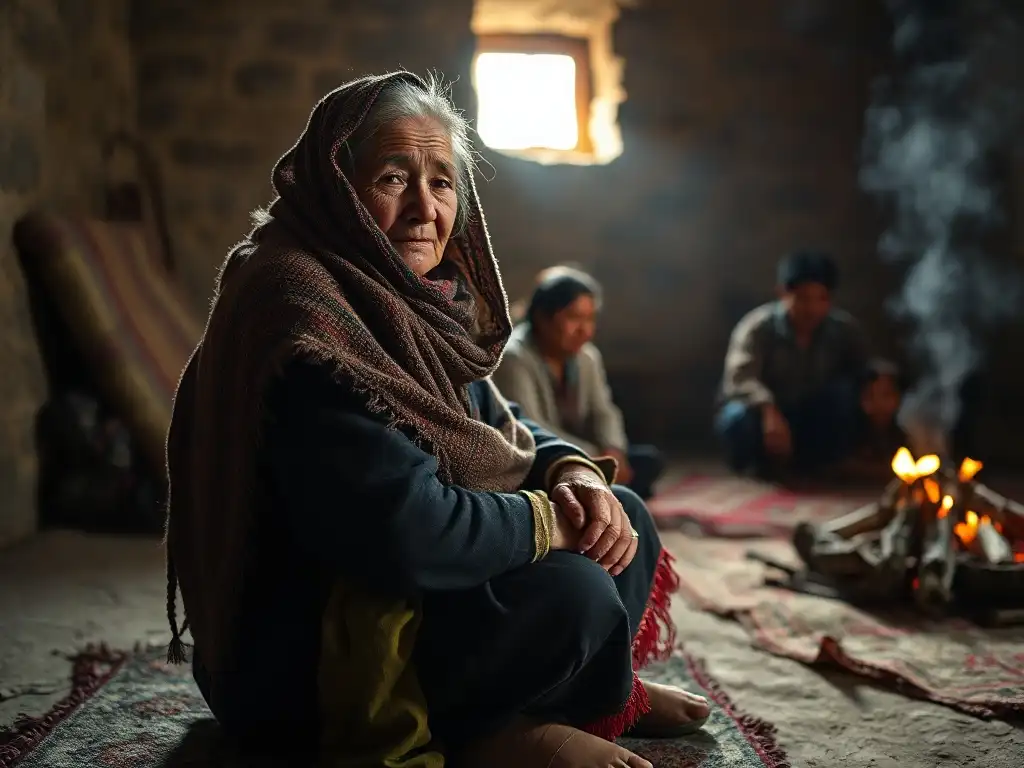
The preservation of Andean oral history faces numerous significant hurdles. The vibrant tapestry of stories, songs, and knowledge passed down through generations is threatened by a confluence of factors, demanding urgent attention and strategic intervention. Effective strategies for Andean oral history preservation must directly address these challenges to ensure the survival of this invaluable cultural heritage. Understanding these obstacles is crucial for developing effective preservation strategies and safeguarding this irreplaceable legacy for future generations. The following sections delve into some of the most pressing issues.
The Impact of Modernization on Traditional Practices
Modernization, while offering undeniable advancements, poses a significant threat to traditional Andean ways of life, profoundly impacting the transmission of oral histories. The influx of modern technology, urbanization, and globalization often leads to a decline in the practice of traditional storytelling and knowledge sharing. Younger generations, increasingly exposed to globalized media and urban lifestyles, may show less interest in learning and preserving ancestral narratives. This shift away from traditional practices creates a critical gap in the intergenerational transmission of knowledge, endangering the continuity of oral traditions.
For example, the increasing prevalence of Spanish as the dominant language in many Andean communities has led to a decline in the use of indigenous languages, directly impacting the richness and authenticity of oral narratives. These narratives, often interwoven with the intricacies of the local language and its unique expressions, lose their depth and meaning when translated or adapted. Furthermore, the shift towards urban centers disrupts the close-knit community structures that traditionally fostered the transmission of oral histories.
The loss of this intimate setting reduces the opportunities for elders to share their knowledge with younger generations, diminishing the effectiveness of traditional apprenticeship models. [Specific data on the rate of language shift in specific Andean communities pending].
Language Loss and its Consequences for Oral Traditions
The erosion of indigenous Andean languages represents one of the most severe threats to the survival of oral traditions. Many languages, once vibrant and integral to the cultural identity of specific communities, are facing extinction. This loss is not merely linguistic; it represents a profound loss of cultural memory and knowledge.
Oral histories are deeply embedded within the linguistic fabric of a community, and their loss inevitably leads to a significant reduction in the depth and richness of the narratives themselves. The nuances of meaning, the subtle shifts in tone, and the evocative power of the language itself are all irretrievably lost when a language disappears.
The consequences are far-reaching. Without a deep understanding of the language, it becomes impossible to fully grasp the complexities and subtleties of the oral narratives. Important cultural contexts, historical details, and social structures embedded within the language are lost, leading to an incomplete and potentially distorted understanding of the past.
This linguistic erosion not only affects the preservation of individual stories but also undermines the ability to understand broader cultural patterns and historical processes. The decline of Quechua, Aymara, and other indigenous languages directly correlates with a decline in the transmission of unique cultural practices and knowledge systems. [Data on the number of endangered Andean languages and the rate of language loss pending].
Lack of Resources for Documentation and Preservation
The preservation of Andean oral history requires significant resources, both financial and human. There is a critical need for funding to support research projects, documentation initiatives, and training programs for individuals involved in the preservation of these oral traditions. The task is complex, requiring skilled linguists, anthropologists, and archivists who possess the cultural sensitivity and expertise needed to approach this delicate work responsibly. Furthermore, the development of digital archives and other technological tools is essential for the long-term preservation and accessibility of these valuable oral histories.
The lack of adequate resources often results in insufficient documentation, inadequate archiving, and a failure to actively engage with communities in preservation efforts. This lack of systematic and well-funded initiatives can lead to the irreversible loss of invaluable cultural heritage. The development of sustainable models for funding and resource allocation is crucial to ensure the long-term survival of Andean oral traditions.
[Specific examples of successful and unsuccessful preservation projects in the Andes pending]. The investment in preserving Andean oral history is not simply a matter of archiving; it is an investment in the safeguarding of a living cultural heritage, enriching our understanding of the past and shaping a more inclusive future.
Strategies for Andean Oral History Preservation

This section delves into the multifaceted strategies employed to preserve the invaluable Andean oral traditions, a crucial aspect of Andean oral history preservation. The challenges are significant, given the inherent fragility of oral histories and the rapid societal shifts impacting indigenous communities. However, innovative and collaborative approaches are proving increasingly effective in safeguarding this rich cultural heritage. The focus here is on practical strategies and their impact, illustrating the complexities and successes of these preservation efforts.
Community-Based Initiatives for Cultural Heritage
Community-based initiatives are at the forefront of Andean oral history preservation. Recognizing that oral traditions are deeply embedded within the social fabric of Andean communities, these initiatives empower local populations to actively participate in the preservation process. This approach fosters a sense of ownership and responsibility, ensuring the long-term sustainability of these efforts. Successful programs often involve:
- Workshops and training: These workshops equip community members with the skills necessary to document, transcribe, and archive their own oral histories. This might include training in basic audio recording techniques, storytelling methodologies, and even digital literacy.
- Storytelling festivals and events: These public events provide platforms for community members to share their stories, fostering intergenerational dialogue and reinforcing cultural identity. The vibrant atmosphere encourages participation and creates a sense of collective pride in their heritage. These events also attract researchers and scholars, further enriching the preservation efforts.
- Creation of community archives: Establishing local archives allows communities to manage and control their own oral history collections. This ensures that the narratives remain authentic and are interpreted through their own cultural lenses. This contrasts with external archives that may lack the necessary cultural understanding.
For example, a community in the Peruvian highlands successfully implemented a project where elders trained younger generations in traditional weaving techniques while simultaneously recording their stories about the history and significance of these practices. This combined approach ensured the preservation of both the tangible and intangible aspects of their cultural heritage. The resulting archive is not only a collection of oral histories but also a living testament to the ongoing practice of traditional weaving. This exemplifies the power of community-led Andean oral history preservation.
The Importance of Intergenerational Transmission
Intergenerational transmission is paramount for the survival of Andean oral traditions. The passing down of knowledge, stories, and songs from one generation to the next is not merely a process of information transfer; it is a vital mechanism for cultural continuity and identity. However, rapid urbanization, migration, and the influence of globalized culture pose significant threats to this crucial transmission process.
To counteract these challenges, several strategies are being implemented:
- Mentorship programs: Pairing elders with younger community members allows for direct knowledge transfer. This personalized approach ensures the authenticity and accuracy of the traditions being passed on. Mentorship programs provide a safe and supportive environment for younger generations to learn from their elders.
- Educational initiatives in schools: Integrating oral traditions into school curricula helps to raise awareness among younger generations and instill a sense of pride in their cultural heritage. This can involve storytelling sessions, traditional music classes, and language revitalization programs.
- Family-based storytelling practices: Encouraging families to engage in regular storytelling sessions at home strengthens the bonds between generations and ensures the continuity of oral traditions within the family unit. This informal approach complements formal educational settings and promotes a deeper understanding of cultural heritage.
The effectiveness of these initiatives hinges on the active participation of both elders and younger generations. The recognition of elders as vital keepers of knowledge and the engagement of youth as active participants in the preservation process are essential for the success of intergenerational transmission efforts. This collaborative approach ensures the vitality of Andean oral history preservation for future generations.
Digital Documentation and Archiving of Oral Traditions
Digital technologies offer powerful tools for Andean oral history preservation. While traditional methods of preservation remain crucial, digital archiving enhances accessibility, longevity, and searchability of these valuable resources. However, the integration of digital technologies must be approached thoughtfully, ensuring that it complements and enhances, rather than replaces, traditional practices.
Here are some key aspects of digital documentation and archiving:
- High-quality audio and video recording: Using professional-grade equipment ensures the preservation of high-fidelity recordings, capturing the nuances of language, intonation, and storytelling styles. This level of detail is essential for accurate transcription and future analysis.
- Metadata tagging and indexing: Detailed metadata, including language, location, date, storyteller's identity, and subject matter, is crucial for effective retrieval and analysis of the recordings. This ensures that the digital archive is not just a collection of files but a readily accessible and searchable resource.
- Secure and accessible online archives: Establishing secure online archives ensures the long-term preservation and accessibility of the recordings. These archives should be designed with user-friendliness in mind, allowing easy access for researchers, educators, and community members. Furthermore, careful consideration must be given to issues of data security and intellectual property rights.
The use of digital technologies is not without challenges. Issues of digital literacy, technological infrastructure, and data security must be carefully addressed to ensure the successful implementation of digital archiving strategies. However, when implemented effectively, digital technologies can significantly enhance the reach and longevity of Andean oral history preservation efforts. The careful consideration of these factors is essential for creating a robust and accessible digital archive that serves both the community and the wider scholarly world.
Specific Examples of Successful Preservation Projects: The Quechua Language Revitalization Program

The Quechua language, spoken by millions across the Andes, faces significant challenges in the modern era. Globalization, the dominance of Spanish, and the lack of formal education in Quechua have all contributed to a decline in fluency, particularly among younger generations. However, numerous initiatives are working to reverse this trend, focusing on the preservation of not just the language itself, but also the rich oral traditions embedded within it. One exemplary program is the Quechua Language Revitalization Program [specific program name pending], which employs a multi-pronged approach.
This includes community-based language nests, where children are immersed in Quechua from an early age; teacher training programs that equip educators with the skills to effectively teach Quechua in classrooms; and the development of educational materials, such as textbooks and digital resources, in Quechua. Furthermore, the program actively promotes the use of Quechua in public spaces, fostering a sense of pride and ownership amongst speakers. Their success is measured not only by increased fluency rates but also by the resurgence of traditional storytelling and song in Quechua-speaking communities. The program's impact extends beyond language preservation; it revitalizes cultural identity and strengthens community bonds, demonstrating the inextricable link between language and cultural heritage.
The initiative highlights the importance of community engagement and participation in successful language revitalization efforts. The program's long-term sustainability depends heavily on continued community support and government funding. Further research is needed to fully assess the long-term impact of this program on intergenerational knowledge transfer within Quechua-speaking communities.
The Andean Oral History Archive at the University of Cusco
The Andean Oral History Archive at the University of Cusco represents a crucial initiative in the preservation of Andean oral traditions. This archive serves as a central repository for recordings, transcripts, and related documentation of oral histories collected from various Andean communities. The archive prioritizes ethical and responsible data collection, working closely with community members to ensure informed consent and respectful representation. This involves obtaining permission from individuals and communities before recording and archiving their stories, and ensuring that the stories are presented accurately and respectfully.
The archive's collection encompasses a wide range of topics, including traditional stories, historical accounts, songs, and ceremonies, providing valuable insights into the diverse cultural expressions of the Andean region. Beyond simply collecting and storing this information, the archive plays an active role in disseminating its resources to researchers, students, and the wider community. This is achieved through online databases, public presentations, and educational programs. The archive also actively collaborates with community members to ensure that the stories are accessible and meaningful to those who contributed them.
The University of Cusco's commitment to preserving Andean oral history is not only commendable but also vital for future generations' understanding of the region’s rich cultural heritage. The archive faces ongoing challenges, including the need for additional funding to expand its capacity and the ongoing task of digitizing its extensive collection. The long-term sustainability of the archive depends on continued collaboration between the university, community members, and government agencies. Furthermore, the archive could benefit from increased collaboration with international institutions to share best practices and resources for Andean oral history preservation.
The Future of Andean Oral History: A Call to Action
The preservation of Andean oral history is not merely an academic pursuit; it's a vital act of cultural safeguarding. The vibrant tapestry of Andean traditions, woven through centuries of storytelling, is increasingly threatened by globalization, migration, and the erosion of indigenous languages. To ensure the survival of these invaluable narratives, a multifaceted approach is crucial, focusing on empowerment, education, and collaborative efforts. The future of Andean oral history hinges on our collective commitment to active preservation.
This involves a shift from passive archiving to proactive engagement with the communities who are the custodians of this rich heritage. Failure to act decisively will lead to an irreversible loss of cultural knowledge and identity. This section explores key strategies for securing a vibrant future for Andean oral traditions, focusing on empowering local communities, integrating oral history into education, and fostering ongoing collaboration.
Empowering Local Communities in Preservation Efforts
Empowering local Andean communities is paramount to effective oral history preservation. This necessitates a shift from externally driven initiatives to community-led projects that respect indigenous knowledge systems and prioritize cultural sensitivity. Successful preservation strategies must involve community members in every stage—from identifying key narratives and storytellers to selecting appropriate methods of documentation and dissemination. This participatory approach fosters ownership and ensures the authenticity and accuracy of the preserved narratives.
For example, initiatives that train local individuals in oral history methodologies, including audio recording, transcription, and translation, empower communities to document their own histories, preserving the nuances of language and cultural context often lost in translation. Furthermore, supporting the development of community-based archives and museums ensures long-term accessibility and control over these precious resources. This process also directly addresses the issue of Andean oral history preservation by providing the custodians of this knowledge with the tools and resources to protect it themselves.
Consider, for instance, the success of [specific example of a community-led project pending] which highlights the power of community involvement in preserving cultural heritage. Investing in these local capabilities strengthens cultural resilience and safeguards Andean oral traditions for future generations. The success of these efforts is intrinsically linked to the active participation and leadership of the communities themselves.
Integrating Oral History into Education and Public Awareness
Integrating Andean oral history into educational curricula and public awareness campaigns is crucial for fostering appreciation and understanding of this rich cultural heritage. This involves developing age-appropriate educational materials that engage students with compelling narratives and historical contexts. The goal is not simply to impart facts, but to cultivate empathy, respect, and a deeper understanding of the diverse perspectives within Andean cultures.
This can be achieved through interactive storytelling sessions, workshops, and the creation of engaging multimedia resources. Moreover, incorporating oral history into museum exhibits, documentaries, and public lectures can help reach a broader audience and raise awareness of the importance of preserving these invaluable traditions. Consider the potential impact of incorporating Andean myths and legends into school literature programs, thereby enriching the curriculum and fostering a sense of cultural pride amongst students.
This increased visibility can also generate greater public support for preservation efforts, creating a virtuous cycle of engagement and sustainability. Furthermore, initiatives that promote the learning and revitalization of indigenous languages are crucial for ensuring the accurate transmission of oral histories. Effective strategies for Andean oral history preservation require a broader societal understanding and appreciation of its significance.
The Ongoing Need for Support and Collaboration in Andean Oral History Preservation
The preservation of Andean oral history requires sustained, long-term support and collaboration among various stakeholders. This includes government agencies, academic institutions, non-governmental organizations (NGOs), and most importantly, the Andean communities themselves. Funding is crucial for supporting community-led initiatives, training programs, technological infrastructure, and the creation of accessible archives.
Collaboration is essential to ensure that projects are designed and implemented in a culturally sensitive and ethically responsible manner. This collaborative approach requires open communication, mutual respect, and a shared commitment to the principles of cultural preservation. The development of a network of researchers, educators, and community members can facilitate the sharing of best practices and resources, thereby enhancing the effectiveness of preservation efforts.
Furthermore, fostering partnerships with international organizations can help leverage resources and expertise to support these crucial initiatives. The long-term sustainability of Andean oral history preservation efforts depends on the commitment of all stakeholders to working together to protect this invaluable cultural heritage for future generations. This collaborative approach ensures that the voices of the past continue to resonate into the future, enriching our understanding of human history and culture.
Frequently Asked Questions
How important is oral history in understanding Andean civilizations?
Oral history is absolutely crucial for understanding Andean civilizations. Written records are limited, so stories, songs, and traditions passed down through generations offer invaluable insights into their beliefs, social structures, and daily life. These traditions provide a unique perspective unavailable elsewhere.
What challenges are faced in preserving Andean oral history?
Preserving Andean oral history faces several challenges, including the loss of language speakers, the impact of globalization, and the difficulty of documenting and archiving rapidly changing traditions. Older generations who hold this knowledge are passing away, and younger generations may not inherit it.
What methods are used to preserve Andean oral traditions?
Researchers use various methods, including audio and video recording, ethnographic interviews, and collaborative projects with indigenous communities. Community-based initiatives are particularly crucial for ensuring that the process is respectful and sustainable.
How does the preservation of Andean oral history contribute to cultural revitalization?
Preserving oral history is vital for cultural revitalization. It helps maintain cultural identity, strengthens community bonds, and empowers indigenous communities to reclaim and share their heritage. This active preservation combats the risks of cultural loss.
Where can I learn more about Andean oral history preservation efforts?
You can find more information through academic journals, university research projects, and organizations dedicated to indigenous rights and cultural preservation. Many museums and cultural centers also host relevant exhibitions and events.
Final Reflection: Echoes of the Andes: A Legacy to Uphold
The erosion of indigenous languages and oral traditions is not merely an academic concern; it represents a catastrophic loss of cultural memory and a silencing of vibrant voices. The intricate tapestry of Andean oral history, woven through generations of storytelling, song, and ritual, is fraying at the edges, threatened by globalization, modernization, and the insidious pressure of dominant languages. This article has explored the urgent need for its preservation, highlighting the innovative methods being employed to safeguard this invaluable heritage.
The power of these oral traditions to connect us to the past, to teach us about resilience and adaptation, and to inspire future generations is profound. They are not simply historical artifacts; they are living, breathing expressions of a culture's identity and worldview. As the renowned Peruvian anthropologist, José María Arguedas, once wrote: The indigenous people's oral tradition is not a mere collection of stories; it is the very soul of their existence, their history, their philosophy, and their future.
His words resonate deeply, reminding us of the irreplaceable nature of what we risk losing.
Consider, for a moment, the stories you carry within your own family – the whispered legends, the cherished memories, the lessons passed down through generations. Now imagine those stories silenced, lost forever. This is the reality facing many Andean communities. Let the urgency of this situation inspire you to learn more, to support organizations dedicated to preserving these traditions, and to actively engage with the rich cultural heritage of the Andes. Let the echoes of the past resonate in your heart, and become a voice for their continued survival.
Embrace and Preserve Andean Heritage!
Thank you for exploring the rich tapestry of Andean oral traditions. Learning about these valuable cultural narratives is a significant step, and now let's consider how to put that knowledge into practice.
- Learn More: Participate in a local storytelling workshop to delve deeper into Andean traditions and share these captivating tales with others.
- Share Your Knowledge: Spread the word! Share this article with friends and family, encouraging them to appreciate and discuss the richness of Andean culture.
- Connect with the Community: Join online forums or social media groups dedicated to Andean cultures and contribute to the ongoing conversations about these fascinating traditions.
What stories from your own cultural heritage do you feel are important to preserve and share with others?