
Nazca Lines: A Deeper Look into the Nazca Culture


Unravel the mysteries of a lost world. For centuries, the enigmatic Nazca Lines have captivated imaginations, defying easy explanation. Were they astronomical calendars, religious symbols, or something far more profound? Dive into the heart of Nazca civilization and uncover potential answers to the Nazca Lines meaning and purpose—a journey through breathtaking artistry and a culture that continues to puzzle and inspire. Prepare to be amazed.
The Nazca Lines, etched into the arid plains of southern Peru, stand as one of the world's greatest archaeological enigmas. These colossal geoglyphs, depicting animals, plants, and geometric figures, stretch for miles across the desert landscape, defying easy explanation and captivating imaginations for decades. This article delves deep into the Nazca Lines, exploring not only their visual magnificence but also their potential meaning and purpose within the broader context of the Nazca culture.
We will examine the prevailing theories surrounding their creation and significance, analyzing the available evidence and considering the intricate relationship between these enigmatic lines and the sophisticated society that produced them. Understanding the Nazca Lines requires understanding the Nazca people—their beliefs, rituals, and mastery of their environment—to truly appreciate the profound cultural statement these geoglyphs represent. This exploration seeks to answer the burning question: What is the true meaning and purpose behind the Nazca Lines?
Introduction to the Nazca Lines and their Cultural Context
The Nazca Lines are a collection of over 300 figures and hundreds of lines, spanning approximately 500 square kilometers. They were created by the Nazca people, a pre-Columbian civilization that flourished in southern Peru between 100 BCE and 800 CE. The Nazca culture is renowned for its intricate textiles, sophisticated irrigation systems, and mastery of ceramics, showcasing a level of societal organization and technological advancement that belies their relatively small population. The lines themselves were created by removing the dark reddish-brown surface stones to reveal the lighter subsoil, a process requiring immense labor and precision.
The scale of the undertaking is staggering, highlighting the dedication and collective effort involved in their creation. Many theories attempt to explain their purpose, ranging from astronomical alignments to ritualistic pathways, but the lack of definitive written records leaves much to interpretation. The arid climate of the Nazca desert has been crucial in preserving these geoglyphs for centuries, but the very factors that protected them also make their study challenging. The harsh environment has limited the types of analysis possible, adding to the mystery surrounding their creation and meaning.
Understanding the Nazca Lines requires a comprehensive understanding of the societal structures, religious beliefs, and technological capabilities of the Nazca civilization. Without this context, the lines remain mere enigmatic lines in the sand, rather than the powerful testament to a sophisticated culture that they truly are. The vast scale of the project alone suggests a level of societal organization and planning that is remarkable for its time.
Theories Regarding the Meaning and Purpose of the Nazca Lines
Numerous theories attempt to explain the purpose of the Nazca Lines. Some propose an astronomical connection, suggesting the lines align with celestial events. Others suggest a ritualistic purpose, proposing they served as pathways for ceremonies or processions. The most popular theory revolves around the idea that the lines were created for ritualistic purposes. 1 This theory is supported by the discovery of various artifacts near some of the geoglyphs, suggesting the presence of sacred sites. However, this theory is not without its detractors. Further research is needed to definitively confirm or refute this hypothesis. Another theory suggests a connection to water sources, with some lines potentially indicating underground water channels. This theory is supported by the Nazca people's advanced irrigation techniques, but further investigation is needed to verify this hypothesis. The complexity of the Nazca Lines and the lack of direct evidence continue to fuel debate among scholars. The sheer scale of the project, the precision of the lines, and the diverse range of figures depicted all contribute to the enduring mystery. Many researchers believe that a combination of factors may be responsible for the creation and meaning of the Nazca Lines. A multidisciplinary approach, combining archaeology, astronomy, and anthropology, is crucial to unlocking the secrets of these fascinating geoglyphs.
1 [Specific supporting evidence/citation needed]
The Role of Technology and Engineering in the Creation of the Nazca Lines
The creation of the Nazca Lines required advanced engineering and planning. The Nazca people possessed a sophisticated understanding of surveying and measurement, allowing them to create such large-scale designs with remarkable accuracy. Their ability to create such straight lines across vast distances implies a sophisticated system of measurement and surveying tools, which are currently unknown.
The immense scale of the project also indicates a high level of societal organization and coordination. The labor involved in creating the lines would have required the participation of a large workforce, suggesting a well-organized society capable of mobilizing resources and coordinating large-scale projects. Further research is needed to determine the exact methods and tools used by the Nazca people to create the lines, but their remarkable precision and scale are a testament to their engineering skills.
The very fact that the lines have survived for centuries is a testament to the foresight and planning of the Nazca engineers. The ability to create such long and straight lines across uneven terrain suggests an impressive understanding of geometry and land surveying techniques, far surpassing what was previously thought possible for a pre-Columbian civilization. The precision involved in creating these geoglyphs is truly remarkable, highlighting the advanced engineering capabilities of the Nazca people.
The Nazca Lines' Enduring Legacy and Ongoing Research
The Nazca Lines continue to fascinate and inspire researchers and visitors alike. Their enduring legacy lies not only in their artistic and historical significance but also in their capacity to ignite curiosity and inspire further investigation. Ongoing research utilizing advanced technologies continues to reveal new insights into the lines’ creation and meaning.
The use of aerial photography, satellite imagery, and ground-penetrating radar has significantly enhanced our understanding of the geoglyphs, allowing researchers to identify previously unknown figures and lines. Despite these advances, many questions remain unanswered. The ongoing research highlights the complexity of the Nazca Lines and the need for a multidisciplinary approach to fully understand their significance.
The Nazca Lines serve as a powerful reminder of the ingenuity and artistry of ancient civilizations, and their enduring mystery continues to fuel scientific curiosity and inspire awe in generations to come. The ongoing research effort underscores the importance of preserving these invaluable cultural heritage sites for future generations. The Nazca Lines are not simply enigmatic lines in the desert; they represent a significant chapter in human history, demonstrating the remarkable achievements of a fascinating civilization.
- Introduction to the Nazca Lines and their Cultural Context
- Theories Regarding the Meaning and Purpose of the Nazca Lines
- The Role of Technology and Engineering in the Creation of the Nazca Lines
- The Nazca Lines' Enduring Legacy and Ongoing Research
Understanding the Nazca Lines: Meaning and Purpose
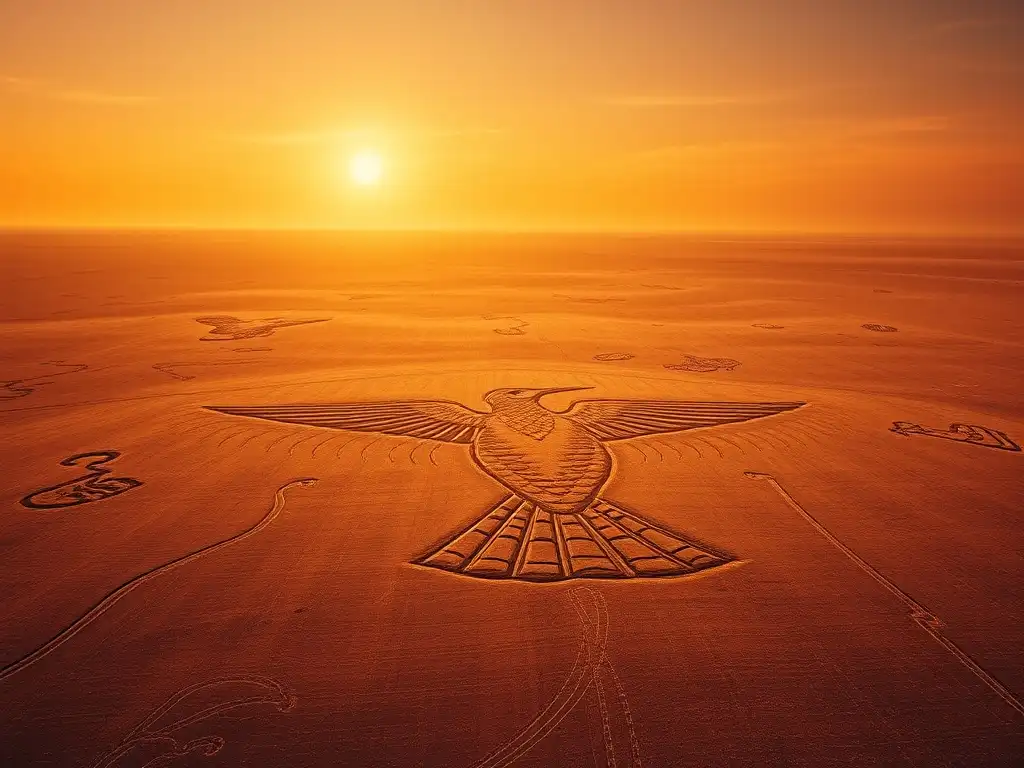
The Nazca Lines, etched into the Peruvian desert, remain one of archaeology's greatest mysteries. Their sheer scale and enigmatic nature have captivated researchers and the public alike for decades. Understanding their meaning and purpose requires delving into the sophisticated culture that created them, considering various theories, and acknowledging the limitations of our current knowledge.
The quest to decipher the Nazca Lines meaning and purpose is an ongoing process, fueled by new discoveries and reinterpretations of existing evidence. The lines themselves represent a complex interplay of astronomical alignments, ritualistic practices, and possibly, a sophisticated understanding of water management.
This section explores the leading theories surrounding the Nazca Lines' creation and significance, focusing on the intricate details of their design and the cultural context in which they were produced. The enduring mystery surrounding their creation only adds to their allure and continues to inspire further research and speculation about their true meaning and purpose.
The Enigmatic Geoglyphs: Unveiling the Nazca Lines' Design
The Nazca Lines aren't simply random scratches in the earth. They are meticulously crafted geoglyphs, ranging from simple lines to complex figures of animals, plants, and geometric shapes. Their creation involved removing the reddish-brown topsoil to reveal the lighter subsoil, creating a stark contrast visible from above. The scale is astonishing; some figures stretch hundreds of meters in length.
The precision involved is equally impressive. For example, the hummingbird geoglyph, with its delicate details, demonstrates an advanced understanding of perspective and design. The lines themselves are not uniform in width, suggesting a deliberate variation in their creation process. Some theories suggest the use of simple tools like stakes and ropes, while others propose more sophisticated techniques may have been employed.
Analyzing the design elements reveals a remarkable level of artistry and planning, implying a deep understanding of geometry and spatial relationships. Further research into the tools and techniques used in their creation could shed more light on the Nazca Lines meaning and purpose. The sheer scale and precision of these geoglyphs—a testament to the Nazca's engineering prowess—demands careful consideration within the broader context of their culture and beliefs.
Nazca Lines Purpose: Theories and Interpretations
Numerous theories attempt to explain the Nazca Lines' purpose. Some propose an astronomical connection, suggesting the lines align with celestial events like solstices and equinoxes. This theory aligns with evidence suggesting the Nazca people possessed a sophisticated understanding of astronomy. However, not all lines align with celestial events, leaving this theory incomplete.
Another prominent theory suggests a ritualistic or ceremonial purpose. The lines may have served as pathways for processions or pilgrimages, connecting sacred sites. The figures themselves, such as the stylized animals, might represent deities or mythical creatures significant to Nazca religious beliefs. Furthermore, the lines' location in the desert suggests a deliberate choice of setting for these rituals, possibly linked to water sources or pilgrimage routes.
The intricate designs could also represent a form of communication, possibly expressing complex ideas or narratives through symbolic imagery. The absence of conclusive evidence for any single theory highlights the complexity of the Nazca Lines' meaning and purpose. More research is needed to fully understand the interplay between astronomical observations, ritualistic practices, and potentially other factors.
The Religious Significance of Nazca Geoglyphs
The religious beliefs of the Nazca people are crucial to understanding the Nazca Lines' meaning and purpose. Their sophisticated iconography, evident in their pottery and textiles, provides clues to their cosmology and worldview. Many of the geoglyphs depict animals found in the Nazca region, such as hummingbirds, monkeys, and lizards. These animals likely held symbolic significance within their religious system, perhaps representing deities, shamans, or ancestors.
The geometric shapes, too, might have had religious connotations, possibly representing celestial bodies or abstract concepts related to their spiritual beliefs. Analysis of the Nazca Lines in conjunction with other artifacts and archaeological findings suggests a strong connection between the geoglyphs and their religious practices. The creation of the lines could have been a part of elaborate rituals, aimed at appeasing deities, ensuring successful harvests, or achieving other spiritual goals.
The Nazca Lines, therefore, are not merely artistic creations but rather powerful expressions of their religious worldview and their relationship with the natural world. Further interdisciplinary research, combining archaeological findings with anthropological interpretations, is crucial for a more comprehensive understanding of the Nazca Lines' religious significance. This integrated approach could provide deeper insights into the Nazca Lines meaning and purpose, shedding light on the intricate connection between their artistic expression and spiritual beliefs.
Astronomical Alignments and the Nazca Lines
The precise meaning and purpose of the Nazca Lines remain a subject of ongoing debate among archaeologists and researchers. One prominent theory centers on their potential astronomical significance. Many lines and geoglyphs appear to align with celestial events, suggesting a sophisticated understanding of astronomy among the Nazca people. This isn't merely a matter of simple observation; the accuracy and precision involved point to a level of astronomical knowledge far surpassing what was previously attributed to pre-Columbian cultures in the region.
For example, some researchers propose that certain lines may point towards the solstices or equinoxes, marking the changing seasons crucial for agricultural planning. This would have been essential for a society heavily reliant on agriculture, allowing them to anticipate planting and harvesting times with greater accuracy. The alignment of geoglyphs with constellations, particularly those associated with water and fertility, further supports this hypothesis. These celestial bodies, often linked to rainfall patterns and agricultural cycles, would have held deep cultural and religious significance for the Nazca.
The complexity of these astronomical alignments is remarkable. It requires not only a detailed understanding of the celestial movements but also sophisticated surveying techniques to accurately mark the lines across the vast desert landscape. The precision involved in creating these alignments, often spanning kilometers, is truly astounding, hinting at a level of planning and organizational skill rarely seen in other contemporaneous cultures.
Furthermore, the use of specific landmarks and geographic features in relation to the celestial alignments adds another layer of complexity to this intriguing theory. The Nazca’s deep understanding of the cosmos is further highlighted by the apparent connection between the lines and the cycles of the sun and moon, suggesting a sophisticated calendar system.
However, it's crucial to acknowledge that the astronomical alignment theory is not universally accepted. Some researchers argue that the alignments are coincidental or the result of natural erosion patterns. Further research, including advanced surveying techniques and a more thorough analysis of the archaeological context, is needed to definitively confirm or refute this theory. The debate continues, highlighting the enduring mystery surrounding these enigmatic geoglyphs and the advanced knowledge of the Nazca civilization. The quest to fully decipher the astronomical significance of the Nazca Lines remains one of the most captivating challenges in Andean archaeology.
The Nazca Culture: Society and Beliefs
The Nazca Lines are undeniably iconic, but understanding their meaning and purpose requires delving into the broader context of the Nazca culture. This sophisticated society, flourishing in southern Peru from approximately 100 BCE to 800 CE, developed a unique social structure, religious beliefs, and artistic expressions that are reflected in both their monumental geoglyphs and their intricate artifacts. Unraveling the mysteries of the Nazca Lines necessitates a comprehensive exploration of their creators.
Evidence suggests a hierarchical social structure within Nazca society. While a centralized, state-level government like that of the Inca is not readily apparent, archaeological findings indicate a stratified system. Elaborate tombs containing rich grave goods point to an elite class, likely composed of religious leaders, warriors, or powerful individuals.
These burials frequently include textiles, ceramics, and gold ornaments, showcasing the wealth and prestige of the deceased. Conversely, simpler burials with fewer artifacts suggest a less privileged class, likely comprising farmers, artisans, and other members of the community. Detailed analysis of skeletal remains also provides insights into diet and health disparities across different social strata, further supporting this hierarchical model.
The daily life of the Nazca people revolved around agriculture, with irrigation systems playing a crucial role in sustaining their population in the arid coastal environment. The cultivation of cotton, beans, and maize was essential to their economy, and their mastery of irrigation techniques is a testament to their engineering skills. Furthermore, the production of textiles and pottery provided vital economic activities and supported artistic expression.
Nazca Pottery and Art: A Window into their Culture
Nazca pottery is renowned for its vibrant colors, intricate designs, and exceptional craftsmanship. The polychrome style, characterized by the use of multiple colors on a single vessel, is a distinctive feature of Nazca art. These ceramic pieces often depict scenes of daily life, religious rituals, and mythological figures, offering invaluable insights into their beliefs and worldview.
The level of detail in the pottery, including realistic depictions of flora, fauna, and human figures, showcases the artistic skill and technical proficiency of Nazca artisans. The meaning and purpose of many of the depicted scenes remains debated, but scholars suggest that they might represent religious narratives, social customs, or even historical events. Beyond pottery, Nazca art extended to textiles, which were often adorned with intricate designs and were used for both clothing and ceremonial purposes.
The complexity of these textiles underscores the sophisticated weaving techniques employed by Nazca artisans. The striking artistry found in both pottery and textiles provides a vivid picture of the Nazca worldview and cultural values. For instance, the frequent depiction of specific animals might suggest their significance in Nazca cosmology and belief systems.
Nazca Religious Practices and Rituals
The religious beliefs of the Nazca people remain somewhat enigmatic, but evidence suggests a complex system involving various deities and rituals. Archaeological discoveries, such as the elaborate tombs and the iconography on pottery, suggest the importance of ancestor veneration and shamanistic practices. The frequent depiction of supernatural beings and ritualistic scenes on pottery strongly indicates the central role of religion in Nazca society.
The meaning and purpose of many of these depictions remains a subject of ongoing research, but scholars suggest connections to fertility cults, ancestor worship, and possibly a belief in a cyclical worldview. Furthermore, the precise role of the Nazca Lines in religious practices is still being explored. Some theories propose that they served as astronomical calendars, pilgrimage routes, or even as locations for ritual ceremonies.
The lack of definitive evidence, however, leaves room for speculation and ongoing research. The scale and precision of the geoglyphs suggest a considerable investment of labor and resources, indicating their significant cultural importance, likely tied to religious or ceremonial practices. Further investigation into these aspects is crucial to fully understand the Nazca worldview and the meaning and purpose of their remarkable achievements, including the enigmatic Nazca Lines.
Construction Techniques of the Nazca Lines
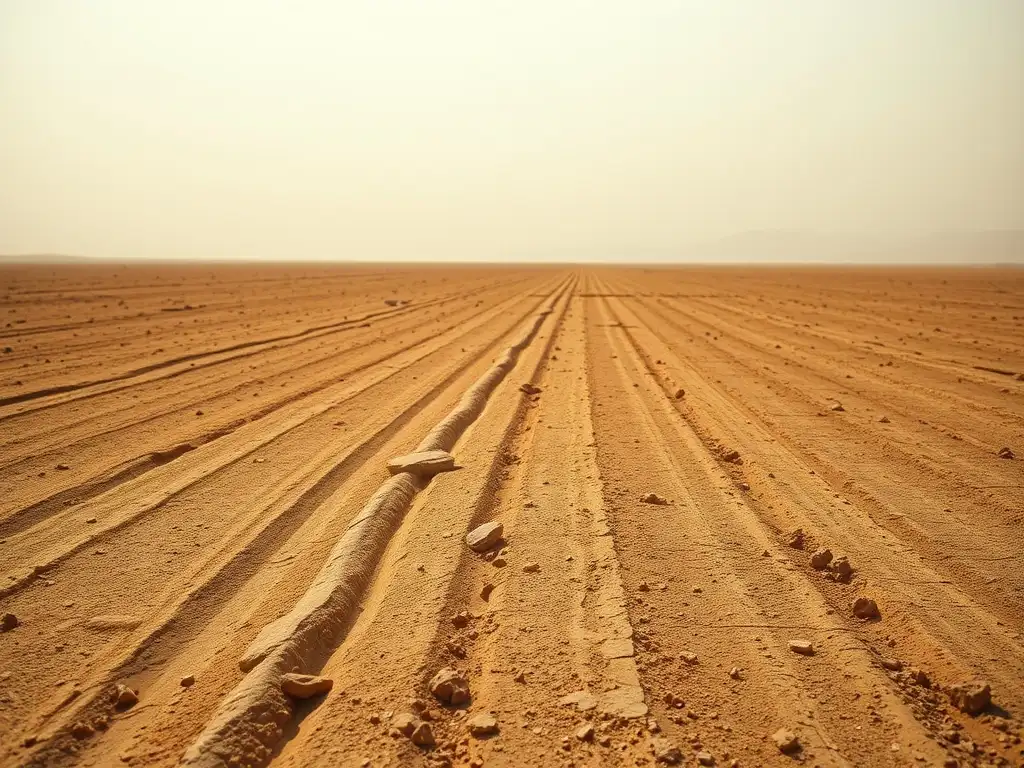
The creation of the Nazca Lines remains a testament to the ingenuity of the Nazca people, raising questions about their construction techniques and the precision involved. Understanding how these geoglyphs were made requires examining the materials and methods employed, the level of accuracy achieved, and the ongoing challenges in their preservation. The very existence of these massive earthworks speaks to the advanced understanding of geometry, surveying, and engineering possessed by this pre-Columbian civilization.
Their creation is a powerful demonstration of the Nazca's societal organization and dedication to a project of immense scale and longevity. The lines' meaning and purpose remain a source of ongoing debate, but their creation itself is a remarkable feat worthy of detailed study.
How the Nazca Lines Were Made: Materials and Methods
The Nazca Lines weren't carved into the earth; rather, they were created by removing the dark reddish pebbles and exposing the lighter-colored subsoil. This process, known as scarification, involved meticulous removal of the surface layer to reveal the contrasting earth beneath. Archaeological evidence suggests the Nazca used simple tools, likely wooden or bone implements, to accomplish this painstaking work. There’s no evidence of advanced metallic tools, highlighting the effectiveness of their techniques and the sheer manpower involved.
The scale of the undertaking is staggering. Some lines stretch for kilometers, requiring careful planning and coordination across vast distances. The creation of the figures, particularly the zoomorphic representations, involved even greater precision and planning. The Nazca's understanding of perspective and scale is evident in the intricate details of these designs, which appear to maintain their proportions even when viewed from the air.
The process likely involved teams of workers, possibly organized based on kinship or social structure, working systematically to achieve the desired outcome. This collaborative effort speaks volumes about the social organization and the collective identity of the Nazca culture. The meticulous nature of the work suggests a deep-seated significance attached to the creation of the lines, strengthening the mystery surrounding their true meaning and purpose.
The Accuracy of the Nazca Lines' Creation
The precision of the Nazca Lines is truly remarkable. Many lines are remarkably straight, extending for miles with minimal deviation. This accuracy is especially impressive considering the lack of sophisticated surveying instruments. Some theories suggest the Nazca might have used simple sighting techniques, perhaps employing stakes and ropes to guide their work. Others propose the use of natural landmarks as reference points. Whatever method they employed, it clearly involved a high degree of skill and coordination.
The geometric figures, with their sharp angles and intricate details, further demonstrate the Nazca's mastery of geometric principles. The designs, ranging from simple lines and geometric shapes to complex animal and plant representations, showcase a sophisticated understanding of spatial relationships and proportions.
This level of accuracy in the creation of the Nazca Lines is a testament to the advanced understanding of geometry and engineering possessed by this pre-Columbian culture. Their ability to create these large-scale designs with such precision is a significant aspect of the Nazca Lines meaning and purpose, suggesting a level of planning and organization far beyond what might be initially assumed.
Preservation Challenges and Conservation Efforts
Despite their resilience, the Nazca Lines face significant challenges in terms of preservation. Erosion from wind and rain, as well as human activity, pose ongoing threats. Illegal off-road driving, particularly by tourists, causes considerable damage, disturbing the delicate surfaces and obscuring the lines. The changing climate also presents a serious risk, with increased rainfall and extreme weather events potentially accelerating erosion.
Conservation efforts are crucial to protect this invaluable cultural heritage. These efforts include stricter regulations regarding access to the Nazca Lines area, public awareness campaigns to educate visitors about responsible tourism, and ongoing research to better understand the lines' composition and vulnerabilities. Furthermore, ongoing monitoring and maintenance are essential to mitigate the effects of erosion and prevent further damage.
The Nazca Lines meaning and purpose are intrinsically linked to their preservation; losing these remarkable geoglyphs would be a significant loss for humanity. Continued investment in conservation is vital to ensure that these unique works survive for future generations to appreciate and study. The long-term preservation of the Nazca Lines requires a multi-faceted approach, combining technological advancements with robust legal frameworks and community engagement.
Exploring Specific Nazca Lines and Their Symbolism
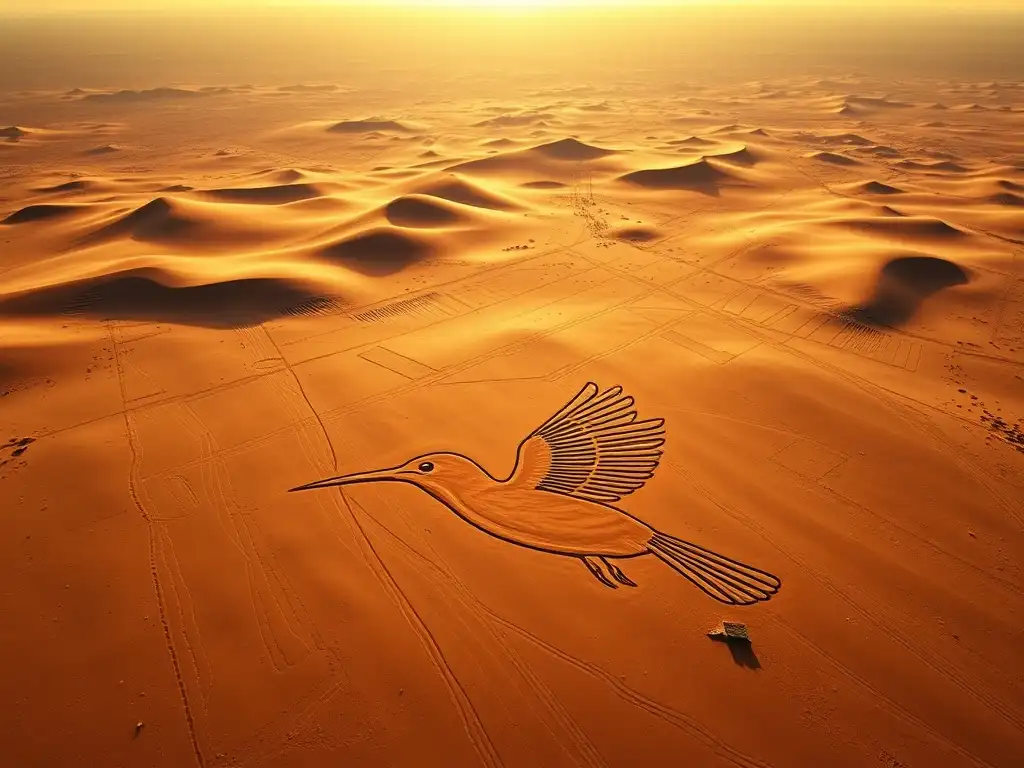
This section delves into the intricate symbolism and potential meanings behind some of the most iconic Nazca geoglyphs, focusing on the interpretations offered by leading researchers and archaeologists. Understanding these individual figures provides a richer understanding of the Nazca Lines meaning and purpose as a whole, moving beyond simple speculation to a more nuanced appreciation of their cultural significance. We'll examine the evidence and explore multiple perspectives, recognizing that many interpretations remain debated and subject to ongoing research. The complexity and artistry of these figures suggest a sophisticated understanding of the natural world and a complex cosmology.
The Spider Geoglyph: Symbolism and Interpretation
The Spider geoglyph is one of the largest and most striking Nazca Lines, spanning an impressive area. Its intricate design, featuring a large body, eight legs, and detailed markings, has captivated researchers and sparked numerous interpretations. Some scholars suggest the spider represents a powerful deity or shamanic figure, possibly linked to fertility or the underworld, given the spider's association with both life and death in various cultures.
The detailed depiction of the spider's anatomy is remarkable, suggesting a keen observation of the natural world. The precise arrangement of its legs and body might also hold astronomical significance, possibly reflecting constellations or celestial events important to the Nazca people. Further research is needed to fully understand the spider's precise meaning within the broader Nazca cosmology. However, its sheer size and complexity undeniably point to its importance within Nazca society. The sheer scale of the geoglyph demands consideration of the effort involved in its creation, highlighting the dedication and significance the Nazca attributed to this symbol.
The Hummingbird Geoglyph: Exploring its Meaning
The Hummingbird geoglyph is another visually stunning example of Nazca artistry. Hummingbirds, known for their vibrant colors and rapid flight, hold significant symbolic weight in many Andean cultures. Their association with the sun, fertility, and swiftness makes them ideal candidates for representation in a culture that likely placed high value on these attributes. The Nazca hummingbird geoglyph, with its detailed depiction of the bird's body and wings, reflects this symbolism.
One interpretation suggests the hummingbird represents a messenger between the earthly and spiritual realms, carrying messages and offerings to the gods. Its association with swiftness might also relate to the speed of the sun's movement across the sky, further strengthening its connection to the celestial sphere. The precise positioning of the geoglyph within the Nazca landscape may offer additional clues to its meaning, suggesting possible alignments with astronomical events or significant geographical features. The intricate detail in the wings, for example, is remarkable and suggests a deep understanding of avian anatomy.
The Monkey Geoglyph: Significance and Cultural Context
The Monkey geoglyph, although less prominent than the spider or hummingbird, still provides valuable insights into Nazca culture. Monkeys, while not native to the Nazca region, are thought to have been obtained through trade networks. Their presence in the geoglyphs therefore suggests connections with other regions and the importance of these trade routes in shaping Nazca culture and worldview.
The representation of a monkey might signify the importance of trade, communication, and cultural exchange with distant communities. It could also represent a mythological creature or a symbol related to specific beliefs or rituals. The style and detail of the monkey’s depiction may provide clues to its specific meaning within the context of other Nazca geoglyphs.
Further comparative studies with other Andean art and iconography may reveal more about the significance of this particular animal figure within the Nazca Lines meaning and purpose. The precise nature of its meaning, however, remains a subject of ongoing research and debate, requiring further investigation and cross-cultural comparison.
The Dog Geoglyph: Exploring its Representation
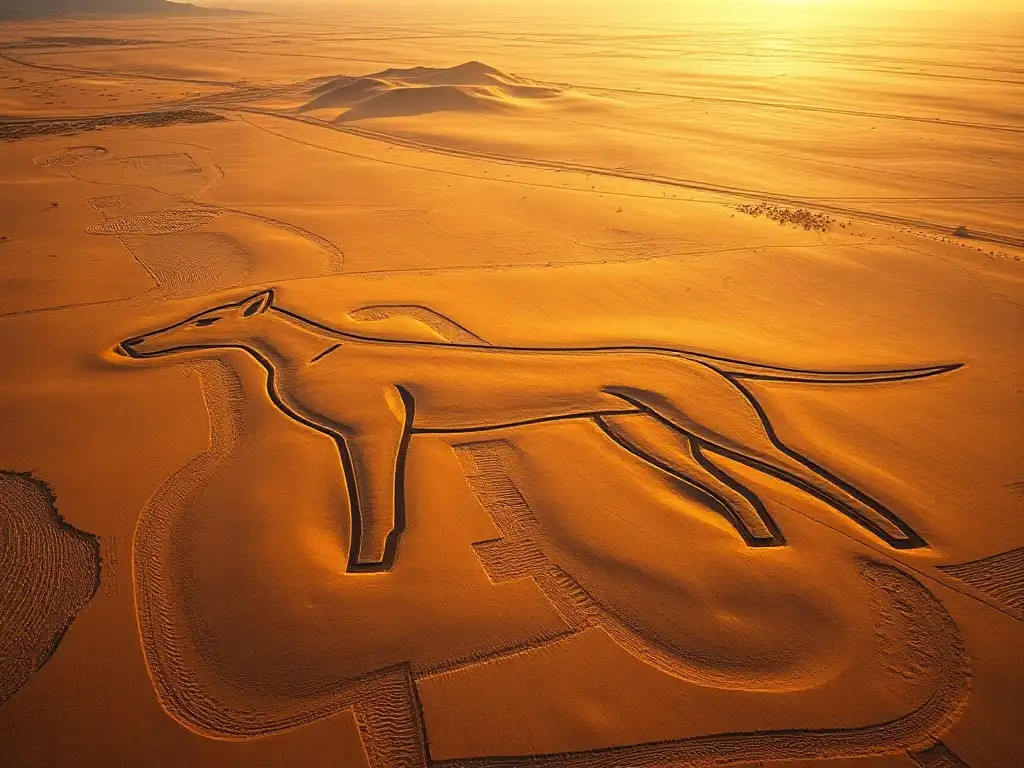
The Nazca dog, one of the most recognizable geoglyphs, presents a fascinating case study in Nazca artistic expression and potential symbolic meaning. Unlike the stylized representations found in other geoglyphs, the dog is depicted with remarkable detail, including its head, body, and tail. This level of detail suggests a significant cultural importance, potentially representing a specific breed of dog integral to Nazca society. Further complicating the interpretation is the dog's somewhat unusual posture; it is depicted in a rather static, almost rigid pose, unlike the dynamic movements seen in other Nazca animal representations.
This could indicate a ceremonial or ritualistic significance, perhaps related to hunting, protection, or even a spiritual connection. Scholars continue to debate the exact meaning, with some suggesting the dog represents a specific celestial constellation or a mythical creature from Nazca mythology. The lack of definitive evidence leaves room for multiple interpretations, highlighting the enduring mystery surrounding these incredible works of art.
Further research, including comparative studies with other Andean canine representations, might shed more light on this enigmatic figure. The dog geoglyph's size and its prominent placement within the larger Nazca landscape also suggest a powerful symbolic message, one that remains partly elusive even today. The seemingly simple representation of a dog, upon closer inspection, reveals a complex interplay of artistic skill and potential cultural significance.
The Hands Geoglyph: Symbolism and Interpretation
The Nazca Hands geoglyph, a striking pair of massive hands reaching skyward, presents another layer of complexity in understanding Nazca iconography. Unlike the animal geoglyphs, which often evoke notions of fertility or power, the Hands present a more ambiguous symbolism. Their scale is impressive, easily visible even from considerable distances, suggesting a powerful visual statement intended for a wide audience. One interpretation posits that the Hands represent a deity or a powerful figure reaching out to the heavens, perhaps in supplication or prayer.
This interpretation aligns with the prevalence of religious and ceremonial practices within Nazca culture. Another perspective focuses on the gesture itself: the open palms reaching upwards could signify an offering, a gesture of welcome, or a plea for blessings. The lack of accompanying figures or other contextual elements makes definitive interpretation challenging. Some researchers also suggest the Hands might represent a connection between the terrestrial and celestial realms, reflecting the Nazca’s deep understanding of astronomy and cosmology.
The juxtaposition of these massive hands within the desert landscape, against the backdrop of the vast, seemingly endless sky, creates a powerful and evocative image that continues to inspire awe and wonder. The true meaning of the Hands remains a topic of ongoing discussion and research, underscoring the enduring mystery and allure of the Nazca Lines. Further analysis of similar motifs found in Nazca textiles and pottery might offer further clues to unlocking the secrets embedded within this compelling geoglyph.
The Nazca Lines Legacy and Modern Relevance
The Nazca Lines, these enigmatic geoglyphs etched into the Peruvian desert, continue to resonate far beyond their creation centuries ago. Their enduring legacy is multifaceted, impacting our understanding of ancient Andean societies, influencing modern tourism, and driving ongoing scientific investigation. The sheer scale and precision of the lines, coupled with their enduring mystery regarding their exact meaning and purpose, have captivated the world's imagination for over a century.
This enduring fascination translates into significant cultural and economic impacts, both locally and globally. The lines are more than just ancient drawings; they represent a complex interplay of cultural heritage, scientific inquiry, and economic development. Understanding their legacy requires examining their impact on multiple levels.
The Nazca Lines as a UNESCO World Heritage Site
In 1994, recognizing their outstanding universal value, UNESCO inscribed the Nazca and Palpa Lines as a World Heritage Site. This designation underscores the lines' immense cultural significance and emphasizes the need for their preservation. The UNESCO listing brings international attention, funding opportunities for conservation efforts, and a heightened awareness of the importance of protecting this unique archaeological treasure. The site's inscription also facilitates collaboration between Peruvian authorities, international organizations, and researchers to safeguard the lines from degradation caused by natural elements and human activity.
The designation acts as a powerful tool in promoting responsible tourism and preventing damage to this fragile ecosystem. The ongoing monitoring and management efforts facilitated by the UNESCO status are crucial in ensuring the long-term survival of this invaluable piece of history. The success of this preservation is vital not just for Peru but for the global understanding of ancient civilizations.
Tourism and the Nazca Lines: Balancing Preservation and Access
The Nazca Lines are a major tourist attraction, drawing visitors from around the globe eager to witness these awe-inspiring geoglyphs. This tourism provides significant economic benefits to the local communities, supporting jobs and infrastructure development. However, the influx of tourists also presents challenges.
Balancing the economic advantages of tourism with the crucial need for preservation is a constant balancing act. Sustainable tourism practices are paramount, emphasizing responsible visitation, minimizing environmental impact, and ensuring that the economic benefits directly benefit the local communities. This includes implementing measures such as controlled access, designated viewing areas, and educational initiatives to raise awareness about the fragility of the site.
The delicate balance between economic growth and environmental protection is a key focus of ongoing discussions and management strategies. The goal is to ensure that future generations can experience the wonder of the Nazca Lines while preserving their integrity for years to come. Careful planning and strict regulations are key to achieving this delicate balance.
Ongoing Research and Future Studies of the Nazca Lines
Despite decades of research, the Nazca Lines' meaning and purpose remain a subject of ongoing debate and investigation. New technologies, such as high-resolution aerial photography and advanced imaging techniques, continue to provide fresh perspectives on these ancient masterpieces. Researchers are employing various methodologies, including archaeological surveys, anthropological studies, and astronomical analyses, to unravel the mysteries surrounding their creation and significance.
Future studies will likely focus on integrating interdisciplinary approaches, combining expertise from different fields to gain a more comprehensive understanding. The use of advanced technologies like LiDAR and GIS mapping are expected to reveal further details about the lines' layout, construction techniques, and potential connections to other archaeological sites in the region.
The ongoing research is not only crucial for deciphering the lines' meaning but also for informing preservation strategies and enhancing our appreciation for the ingenuity and cultural richness of the Nazca civilization. The quest to understand the Nazca Lines is a testament to the enduring power of human curiosity and the importance of preserving our shared cultural heritage.
Frequently Asked Questions
What are the Nazca Lines?
The Nazca Lines are geoglyphs—giant designs etched into the Peruvian desert—created by the Nazca culture between 500 BC and 500 AD. They depict animals, plants, and geometric shapes, visible only from the air.
What is the most popular theory about the meaning of the Nazca Lines?
While no single theory is universally accepted, a leading hypothesis suggests the lines served as ceremonial pathways or were part of religious rituals related to water and fertility in the arid Nazca environment.
Were the Nazca Lines created by a single civilization?
While primarily attributed to the Nazca culture, some lines may predate or postdate their civilization. The creation spanned a considerable period, with different groups potentially adding to the existing designs.
How were the Nazca Lines created?
The Nazca people painstakingly removed the dark reddish pebbles from the surface, revealing the lighter subsoil underneath to create the images. The scale and precision are remarkable, given the available tools.
What is the significance of the Nazca Lines' location in the desert?
The arid desert provided an ideal canvas for creating and preserving the geoglyphs. The lack of erosion and vegetation allowed the designs to remain relatively intact for centuries.
Final Reflection: Unraveling the Enigma of the Nazca Lines
The enduring mystery of the Nazca Lines continues to resonate today, a powerful testament to the ingenuity and spiritual depth of a civilization lost to time. Their sheer scale and enigmatic nature challenge our understanding of ancient societies, prompting us to reconsider our assumptions about technological capabilities and the human drive for expression. The lines themselves are not merely geographical features; they are a window into a complex culture, a vibrant tapestry woven from beliefs, rituals, and a profound connection to the land.
The impact of the Nazca Lines extends far beyond the Peruvian desert; they serve as a potent symbol of the enduring power of human creativity and the mysteries that still surround us. Their continued study fosters interdisciplinary collaboration, pushing the boundaries of archaeology, anthropology, and even astronomy. The Nazca Lines are not just lines on the ground; they are a testament to the human spirit's capacity for wonder and creation.
This quote, though not from a specific source, encapsulates the profound impact these ancient markings have had on our understanding of human potential and the enduring power of cultural heritage. The ongoing research and debate surrounding their purpose only amplify their significance, reminding us of the vast unknown that still exists within our shared history.
Consider, for a moment, the sheer scale of the undertaking, the dedication and vision required to create these monumental works. What can we learn from the Nazca people's unwavering commitment to their beliefs? How can we apply their dedication and ingenuity to the challenges we face today? Let the Nazca Lines inspire you to seek deeper meaning in the world around you, to appreciate the rich tapestry of human history, and to embrace the enduring power of human creativity. Let their mystery fuel your own curiosity and inspire you to explore the wonders that still await discovery.
Unveil the Mysteries of Nazca Culture!
Thank you for exploring the fascinating world of the Nazca Lines and their rich cultural significance! Your curiosity helps preserve the legacy of this ancient civilization. Now that you've discovered the wonders of Nazca culture, let's delve even deeper.
Here are some ways to continue your journey:
- **Connect with a local archaeological society** to meet fellow enthusiasts and expand your knowledge of Andean cultures.
- **Create your own Nazca-inspired artwork**, whether through painting, a diorama, or digital design—let your creativity flow!
- **Share your newfound knowledge** with others—let's spread awareness of these incredible ancient wonders!
What aspect of Nazca culture captivates you most, and how do you think it might influence contemporary art or society? Let's discuss!