
Beyond the Loom: The Ritualistic Use of Textiles in Andean Ceremonies

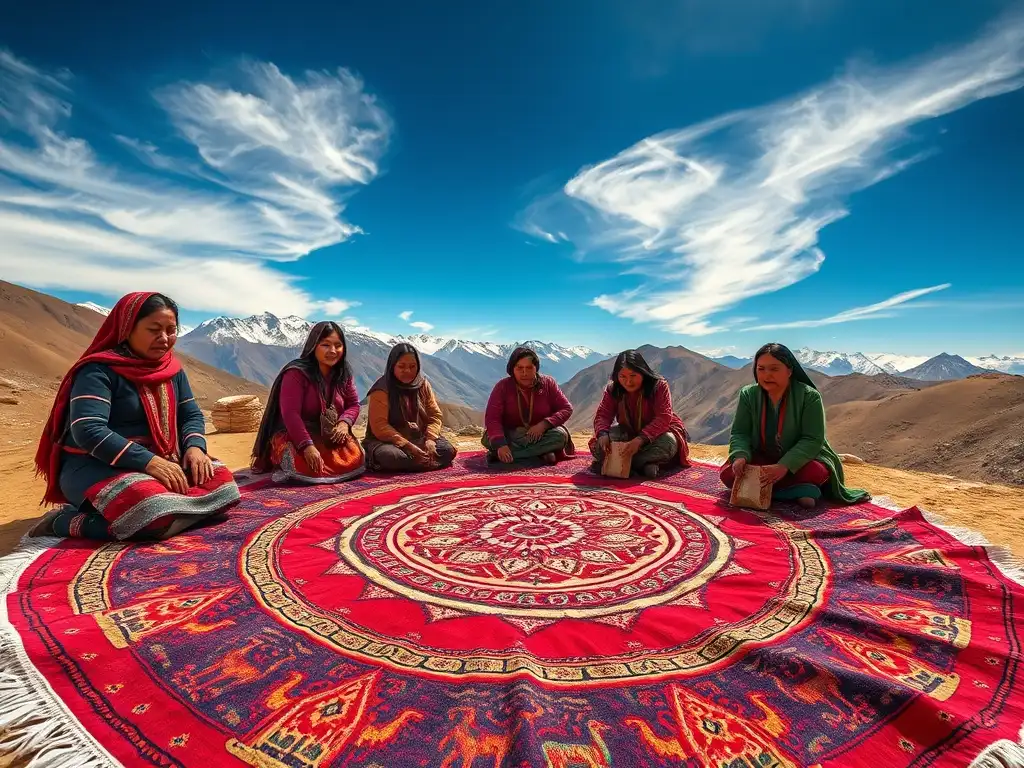
Dive into a world woven with mystery and majesty! Journey through the vibrant tapestry of Andean civilization, where intricate textiles were far more than mere clothing. Discover the hidden meanings and potent symbolism behind Andean textiles ceremonial use, unlocking secrets held within threads for millennia. Prepare to be amazed by the artistry and ritualistic significance of these extraordinary creations – a story waiting to be unveiled.
- Beyond the Loom: The Ritualistic Significance of Andean Textiles in Ceremonies
- Andean Textiles: A Language of Ritual and Power
- Ceremonial Garments: Clothing as an Expression of Ritual
- Textile Banners and Flags: Visual Communication in Andean Ceremonies
- Textiles in Specific Andean Rituals: Case Studies
- Andean Textile Art: Preserving Tradition and Heritage
-
Frequently Asked Questions
- What role did textiles play in Andean ceremonies?
- How were textiles used to represent power and status in Andean societies?
- What types of ceremonies utilized Andean textiles?
- What specific symbols or motifs were common in ceremonial textiles?
- Where can I learn more about the ceremonial use of Andean textiles?
- Final Reflection: Weaving the Past into the Present
- Embrace the Threads of Tradition!
Beyond the Loom: The Ritualistic Significance of Andean Textiles in Ceremonies
The vibrant tapestry of Andean culture is inextricably woven with the threads of its textile traditions. Beyond their practical uses as clothing and household items, Andean textiles played a profoundly significant role in religious ceremonies and rituals, reflecting a deeply spiritual connection between the human world and the cosmos.
This article delves into the ceremonial use of Andean textiles, exploring the intricate techniques employed, the symbolic meanings embedded within the designs, and the crucial role these textiles played in maintaining social order and expressing spiritual beliefs across various Andean cultures, including the Inca, Moche, Nazca, and Tiahuanaco. We will examine how the creation and use of textiles were not merely craft practices, but sacred acts imbued with potent spiritual power, reflecting a sophisticated understanding of the interconnectedness of life, death, and the supernatural.
Understanding this ritualistic use offers a deeper appreciation for the complexity and artistry of Andean civilizations and their enduring legacy. The keyword "Andean textiles ceremonial use" accurately reflects the core topic of this exploration.
Andean Textile Production: A Tapestry of Tradition
Andean textile production was a highly specialized and sophisticated process, passed down through generations. The creation of textiles was far from a simple craft; it was a complex interplay of knowledge, skill, and spiritual understanding. Different Andean cultures developed unique techniques and styles, reflecting their distinct beliefs and artistic sensibilities.
For instance, the intricate designs and vibrant colors of Nazca textiles are renowned for their exquisite detail, while Inca textiles often incorporated sophisticated weaving techniques and symbolic motifs representing their imperial power and cosmology. The process itself, from the preparation of the fibers (often alpaca, llama, vicuña, and cotton) to the dyeing and weaving, was imbued with ritualistic significance.
Specific prayers and offerings were made at various stages of the process, ensuring the successful completion of the textile and its subsequent effectiveness in ritual contexts. The dyes themselves, often derived from natural sources like plants and minerals, were also carefully chosen and prepared, reflecting a deep understanding of the natural world and its symbolic power.
Specific examples of techniques include:
- Backstrap loom: A portable loom used for centuries, allowing for intricate designs.
- Warp-faced plain weave: A basic but versatile technique used for a wide variety of textiles.
- Supplementary weft techniques: Adding extra weft threads to create decorative patterns and textures.
- Spun and plied yarns: Creating strong and durable yarns from different fiber types.
- Natural dyes: Utilizing plants, minerals, and insects to achieve a stunning array of colors.
The meticulous nature of Andean textile production underscores the high value placed upon these objects within their societies. The time, skill, and spiritual energy invested in their creation ensured that these textiles were not merely utilitarian items, but powerful objects imbued with spiritual potency. The intricate designs and symbolic motifs further reinforced this significance, acting as visual representations of Andean cosmology and religious beliefs.
The Spiritual Connection: Weaving as a Sacred Act
The act of weaving itself was considered a sacred act, connecting the weaver to the spiritual realm. Weavers were often seen as intermediaries between the human and divine worlds, capable of channeling spiritual energies into their creations. The intricate designs woven into the textiles were not merely decorative; they served as visual representations of Andean cosmology, mythology, and religious beliefs.
Specific motifs, such as birds, serpents, and geometric patterns, held symbolic significance, representing deities, ancestors, and the forces of nature. These designs were not randomly chosen; they were carefully selected and arranged to convey specific meanings and intentions, reflecting a deep understanding of the symbolic language of textiles.
The use of textiles in Andean ceremonies varied widely depending on the specific culture and ritual. However, some common themes emerge, such as the use of textiles as offerings to deities, as adornments for ritual participants, and as shrouds for the deceased. Textiles were often used to create sacred spaces, such as shrines and temples, further reinforcing their spiritual significance.
Furthermore, the vibrant colors and intricate designs of these textiles were believed to possess the power to influence the forces of nature and ensure a successful harvest or a successful hunt. The careful preservation of these textiles through centuries underscores their enduring importance as tangible links to the spiritual beliefs and practices of Andean civilizations. The symbolic power embedded within the threads themselves served as a powerful reminder of the continuous relationship between the living and the spiritual world.
Andean Textiles: A Language of Ritual and Power
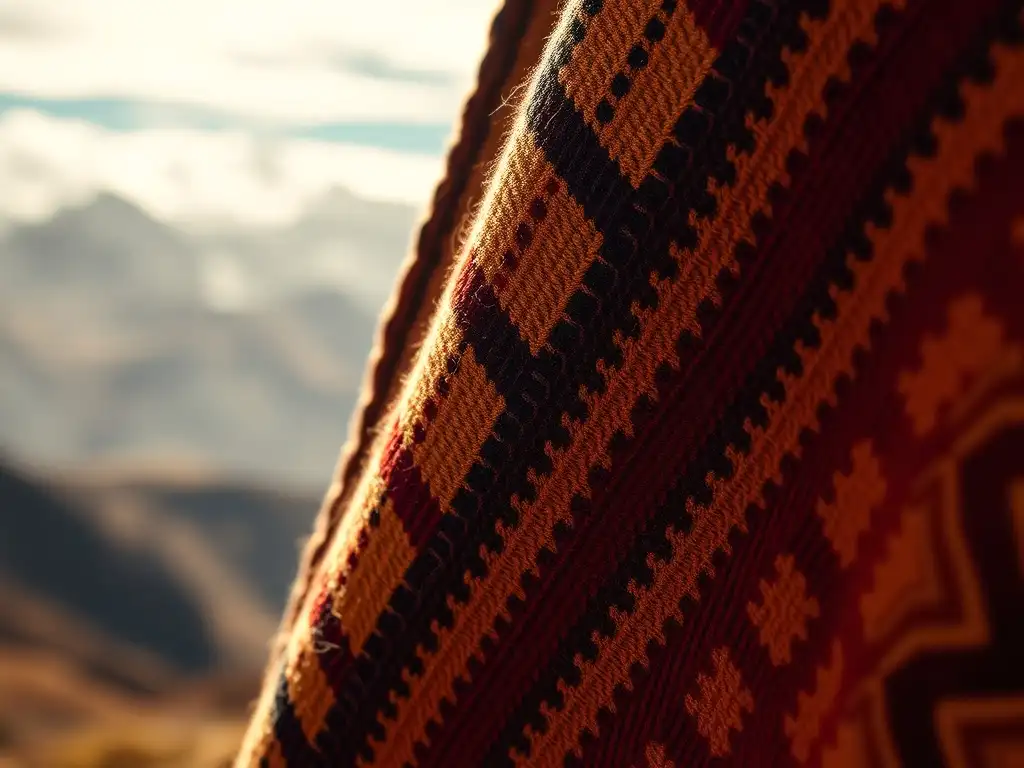
Andean textiles weren't merely clothing; they were powerful symbols, integral to the complex religious and social fabric of ancient Andean civilizations. Their creation, use, and even disposal were deeply imbued with ritualistic significance, reflecting a sophisticated understanding of cosmology, social hierarchy, and the relationship between the human and spiritual worlds. The intricate weaving techniques, symbolic motifs, and carefully chosen colors all contributed to the textiles' potent ceremonial role.
Understanding these elements provides a window into the rich tapestry of Andean belief systems and practices. The study of Andean textiles ceremonial use reveals a profound connection between material culture and spiritual life. This section will delve into the specific symbolic elements embedded within these remarkable artifacts.
Textile Motifs and Their Symbolic Meaning in Andean Ceremonies
The motifs woven into Andean ceremonial textiles were far from arbitrary. Each design held specific meaning, often representing deities, mythical creatures, agricultural cycles, or cosmological concepts. For instance, the recurring motif of the khipu, a complex system of knotted strings used for record-keeping, often appeared on ceremonial textiles, suggesting a connection between earthly record-keeping and the divine realm.
Similarly, representations of jaguars, condors, and snakes – animals revered for their power and association with the supernatural – frequently adorned ritual garments and textiles. These powerful symbols were not merely decorative; they were potent visual expressions of Andean beliefs and worldview.
The placement of motifs also held significance. Central, prominent designs often represented the most important deities or concepts, while smaller, less prominent motifs might represent supporting figures or elements. Furthermore, the density and arrangement of motifs could communicate different levels of power or importance. Detailed analysis of these patterns reveals a complex system of visual communication, enriching our understanding of Andean cosmology and social structures. Researchers continue to uncover new layers of meaning within these intricate designs, highlighting the enduring complexity of Andean textile art.
Colors and Their Significance in Andean Ritual Garments
Color played a crucial role in Andean ceremonial textiles, each hue carrying profound symbolic weight. Specific colors were associated with particular deities, events, or social status. For example, red often represented blood, sacrifice, and the power of the sun, while yellow symbolized gold, royalty, and the divine. White often represented purity and fertility, while black could represent the underworld or night. The careful selection and combination of colors in ritual garments and textiles communicated complex messages, reflecting the wearer's social standing, the occasion, and the spiritual significance of the event.
The use of natural dyes further underscores the ritualistic importance of color. Andean artisans painstakingly extracted dyes from plants, minerals, and insects, resulting in a vibrant array of colors with varying degrees of permanence. The longevity of a dye could also reflect its significance. The specific techniques employed in dyeing, including the use of mordants to enhance colorfastness, further highlight the meticulous attention to detail characteristic of Andean textile production. The precise combination of colors, therefore, reveals a nuanced understanding of the symbolic language woven into these garments.
The Importance of Materials in Ritual Textiles
The materials used in Andean ceremonial textiles were not merely functional; they also held symbolic value. The choice of fiber – alpaca, llama, vicuña, or cotton – often reflected the status of the wearer or the occasion. Vicuña wool, for example, was considered the most luxurious and was reserved for elite members of society. The fineness and softness of the wool added to its spiritual significance.
Beyond fiber, the techniques used in spinning, weaving, and finishing the textiles further contributed to their ritualistic significance. Intricate techniques like tapestry weaving, brocade, and embroidery were not only aesthetically pleasing but also demonstrated the weaver's skill and dedication. These techniques were often passed down through generations, imbued with family traditions and spiritual significance.
The time and effort invested in creating these textiles underscored their importance in Andean ceremonies, further emphasizing the sacred nature of the materials and the skills employed in their creation. The meticulous craftsmanship is a testament to the profound respect given to the act of weaving and its connection to the divine.
Ceremonial Garments: Clothing as an Expression of Ritual
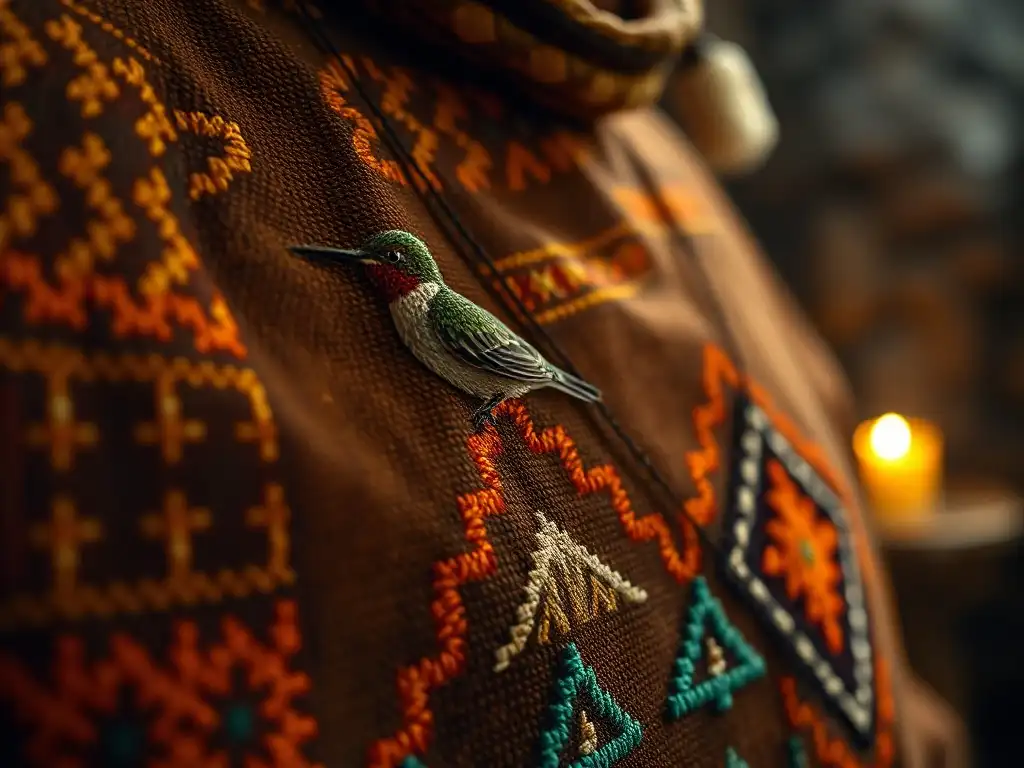
Andean textiles weren't merely practical garments; they served as powerful symbols imbued with deep spiritual and social significance, particularly within the context of Andean ceremonies. The intricate weaving techniques, vibrant colors, and symbolic designs all contributed to the garments' ritualistic purpose. The choice of fiber (alpaca, llama, vicuña, cotton), the dyeing processes using natural pigments, and the specific motifs woven into the fabric all held profound meaning, reflecting the wearer's social status, spiritual role, and connection to the Andean cosmology.
The creation of these ceremonial garments was itself a ritualistic act, often involving community participation and specific prayers and offerings. Understanding the ceremonial use of Andean textiles requires appreciating the complex interplay between material culture and spiritual belief.
The meticulous craftsmanship evident in these garments speaks volumes about the reverence afforded to the act of weaving and the significance of the textiles themselves. The creation, use, and even the eventual disposal of these textiles were all carefully considered actions within the Andean worldview.
Unkus and Llicllas: The Power of Woven Attire in Andean Rituals
The unku (a type of tunic) and lliclla (a shawl or cloak) were fundamental garments in Andean societies, particularly during ceremonies. These weren't simply everyday clothing; their design, material, and decoration directly reflected the wearer's role and status within the community. For example, high-ranking individuals, priests, or rulers might wear unkus and llicllas adorned with elaborate designs depicting deities, sacred animals (such as condors or jaguars), or celestial bodies. These motifs weren't merely decorative; they served as visual representations of power, authority, and spiritual connection.
The use of rare and precious fibers, such as vicuña wool, further emphasized the wearer's high status. Furthermore, the specific colors and patterns used in the textiles could indicate specific clans, lineages, or even the wearer's relationship to specific deities or spirits. The unku and lliclla weren't just clothing; they were powerful visual statements that reinforced social hierarchy and spiritual beliefs during Andean ceremonies.
Headwear and Turbans: Symbols of Status and Spiritual Connection
Headwear played a crucial role in Andean ceremonial attire, signifying social standing and spiritual connection. Elaborate turbans, headdresses, and hats, often adorned with feathers, precious metals, and intricate textile work, were worn by individuals holding positions of authority or participating in sacred rituals. The style and materials used in these headpieces varied significantly across different Andean cultures and periods.
For instance, the use of specific types of feathers could indicate a connection to particular deities or ancestral spirits. Similarly, the intricate weaving patterns on the textile components of the headwear could convey complex messages related to social status or spiritual power. The careful placement and arrangement of these elements, often meticulously planned and executed, underscore the deeply symbolic nature of Andean headwear in ceremonial contexts.
Archaeological evidence consistently reveals the importance of these items, often found in elite burials alongside other valuable objects. The meticulous craftsmanship involved in their creation further emphasizes their significance within Andean societies. The headwear wasn't merely an accessory; it was a visual embodiment of power, prestige, and spiritual authority.
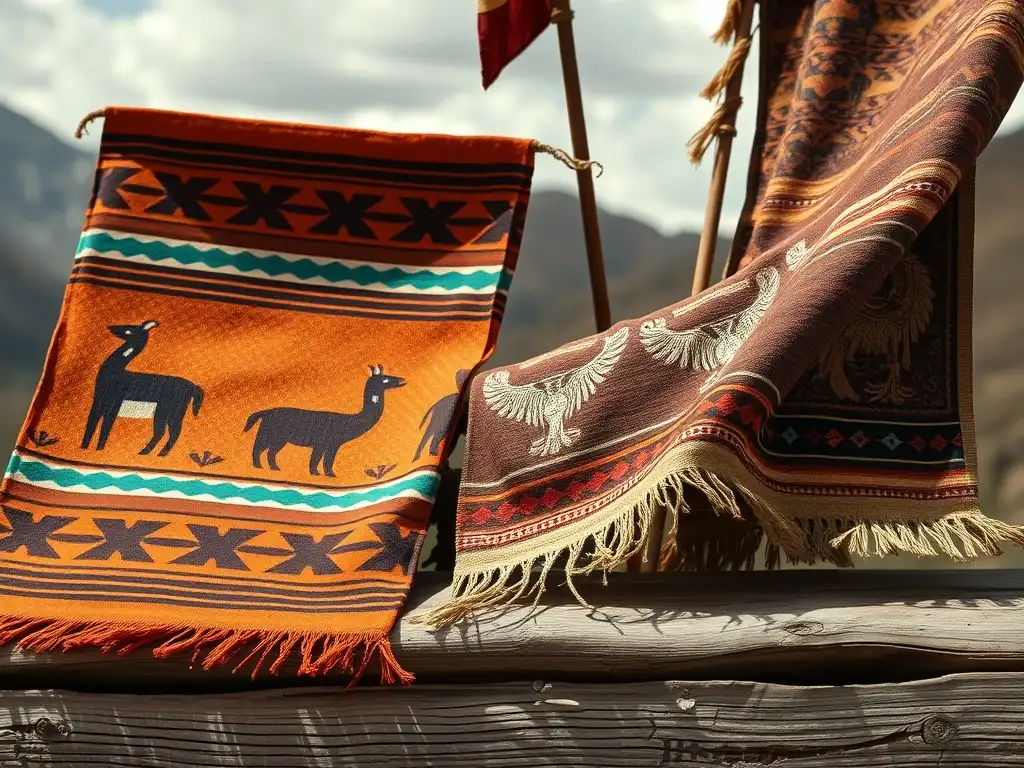
Beyond clothing, textiles played a significant role in Andean ceremonies as banners and flags. These weren't simply decorative items; they served as powerful tools for visual communication, conveying messages of political power, religious beliefs, and social identity. Large, intricately woven banners depicting deities, sacred animals, or ancestral figures were often carried in processions and displayed during important ceremonies.
The vibrant colors and symbolic designs on these banners communicated complex narratives and beliefs to participants and observers alike. Similarly, smaller textile flags, often used as markers or identifying symbols, played important roles in various rituals and celebrations. The creation of these banners and flags involved specialized techniques and expertise, often entrusted to skilled artisans who possessed a deep understanding of Andean symbolism and cosmology.
The size, color, and design of these textiles conveyed specific messages, reflecting the importance of visual communication within Andean culture. The ceremonial use of these textiles served as a powerful visual language, facilitating communication and reinforcing social and religious structures. Analyzing these textiles provides valuable insights into the worldview and beliefs of the Andean civilizations.
This section focuses solely on the ritualistic use of textiles in Andean ceremonies, providing detailed information about specific garments, headwear, and banners. The information provided is intended to be informative and engaging, employing a variety of markdown elements to enhance readability. Further research may be necessary to obtain [specific data on the exact types of dyes used in particular regions].
Textiles in Specific Andean Rituals: Case Studies
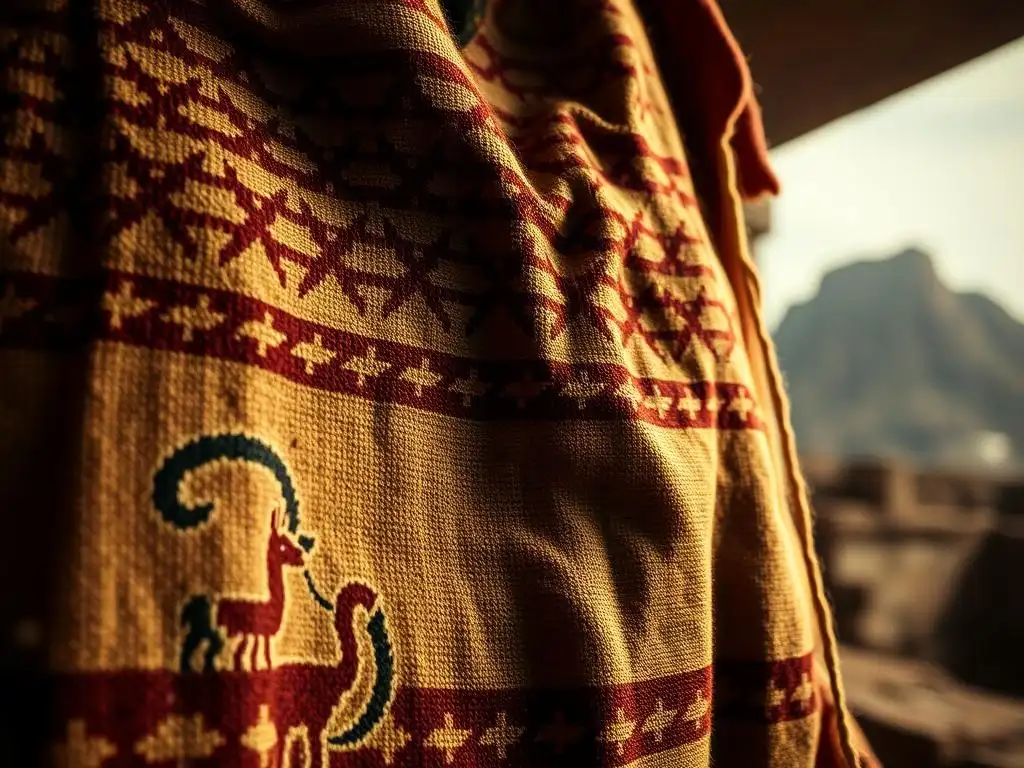
This section delves into the specific ceremonial uses of textiles in various Andean cultures, moving beyond general observations to explore concrete examples and detailed analyses of their ritualistic significance. We will examine how textiles served not merely as adornment, but as integral components of sacred practices, reflecting deeply held beliefs and cosmological understandings.
The rich tapestry of Andean textile traditions reveals a complex interplay between the material and the spiritual, underscoring the profound importance of these artifacts in shaping Andean religious life. Understanding the ceremonial use of Andean textiles provides crucial insight into the beliefs and practices of these remarkable civilizations.
Textiles in Andean Funerary Rites: Wrapping the Deceased
The practice of wrapping mummies in elaborate textiles was widespread across various Andean cultures. These weren't simply shrouds; they were carefully chosen garments and fabrics, often incorporating intricate designs and high-quality materials, reflecting the status and importance of the deceased. For example, Inca mummies were frequently wrapped in layers of fine textiles, including aq'allari (a type of finely woven cloth) and other luxurious materials. These textiles were not only intended to preserve the body but also to provide the deceased with clothing and adornment for their journey to the afterlife.
The choice of colors and designs on these funerary textiles also held symbolic meaning. Certain colors, like red (associated with blood and life force), or specific motifs representing deities or celestial bodies, were believed to aid the deceased's passage into the spirit world. Furthermore, the inclusion of specific textiles with the deceased could indicate their social standing or role in life. A high-ranking official might be buried with more elaborate and luxurious textiles than a commoner, reflecting the hierarchical structure of Andean societies.
Analysis of these textiles often reveals valuable information about the individual's social status, the craftsmanship of the period, and the beliefs surrounding death and the afterlife in Andean cultures. The meticulous nature of the wrapping itself also highlights the ritualistic importance of the act. It was not a hasty process but a carefully orchestrated ceremony, reflecting the deep respect and reverence for the deceased.
Textile Offerings to Pachamama: A Form of Reciprocity
The Andean concept of ayni, reciprocity, is central to understanding the ritualistic offering of textiles to Pachamama, the Earth Mother. Textiles, representing the fruits of human labor and creativity, were presented as gifts to appease and honor this powerful deity. These offerings weren't simply discarded; they were carefully placed in sacred sites, often alongside other offerings like food and coca leaves. The act of offering textiles was a way of expressing gratitude for the bounty of the land and seeking continued prosperity and fertility.
The type and quality of textiles offered to Pachamama likely varied depending on the circumstances and the community's resources. While a wealthy community might offer finely woven cumbi or richly decorated lliclla, smaller communities might offer simpler textiles, demonstrating their commitment to reciprocal exchange regardless of their material wealth. Archaeological evidence supports this, showing a variety of textiles recovered from ceremonial sites, demonstrating the diverse ways in which different communities engaged in this practice.
The act of offering textiles to Pachamama wasn't a passive act but a dynamic interaction, a dialogue between humans and the natural world, reinforcing the intricate relationship between Andean societies and their environment. The textiles themselves, imbued with human effort and creativity, became powerful mediators in this sacred exchange.
Textiles in Inti Raymi: Displaying Inca Heritage
Inti Raymi, the Inca festival celebrating the sun god Inti, was a vibrant spectacle where textiles played a significant role. Elaborate textiles, often featuring intricate designs representing the sun, celestial bodies, and other sacred symbols, were prominently displayed during the festival. These textiles served not only as decorative elements but also as visual representations of Inca power and religious beliefs.
The festival itself was a powerful display of Inca identity and cultural heritage, and textiles were integral to this display. The vibrant colors and intricate designs of the textiles used in Inti Raymi, often incorporating gold and silver threads, further enhanced the spectacle and emphasized the sacred nature of the event.
The creation of these textiles was a highly skilled craft, requiring significant time and expertise. The intricate designs and high-quality materials used reflected the importance of the festival and the reverence for Inti. The involvement of skilled textile artisans in the preparation for Inti Raymi underscores the integral role of textiles in Inca religious life and the cultural significance of the festival.
These textiles served as tangible expressions of Inca identity, religious beliefs, and imperial power, reinforcing the significance of the festival as a central event in the Inca calendar. The use of textiles in Inti Raymi demonstrates the powerful connection between material culture and religious practice in the Inca Empire. The festival showcased not only the splendor of the Inca Empire but also the remarkable skills and artistry of its textile artisans.
Andean Textile Art: Preserving Tradition and Heritage
This section delves into the enduring legacy of Andean textile art, focusing on how traditional techniques and designs continue to be relevant in contemporary society and the efforts undertaken to preserve this invaluable cultural heritage. The intricate weaving techniques and symbolic designs woven into Andean textiles weren't merely decorative; they held profound spiritual and social significance, deeply intertwined with the rituals and ceremonies of these ancient civilizations. Understanding this connection is crucial to appreciating the artistry and cultural depth embedded within each piece.
The vibrant colors, complex patterns, and the very fibers themselves—often sourced from indigenous plants like alpaca and llama—all contribute to the rich narrative woven into the fabric of Andean history. This enduring legacy continues to inspire contemporary artists and craftspeople, ensuring that the tradition thrives.
Contemporary Andean Weavers: Continuing the Legacy of Ceremonial Textiles
Contemporary Andean weavers are vital in preserving the legacy of ceremonial textiles. They carry on ancient techniques, passing down knowledge through generations, adapting to modern contexts while maintaining the integrity of traditional designs. Many communities continue to weave textiles for specific rituals, demonstrating the enduring link between tradition and contemporary life.
For example, in the Peruvian highlands, communities still create intricate textiles for festivals like Inti Raymi (the Inca festival of the sun), showcasing the enduring power of these artistic expressions. The use of natural dyes, sourced from local plants and minerals, also remains a crucial element, preserving not only the aesthetic qualities but also the ecological connection to the Andean landscape. This practice isn't just about creating beautiful objects; it's a living testament to cultural resilience and the ongoing transmission of vital knowledge.
The intricate designs, often depicting mythical beings, celestial events, or agricultural cycles, serve as powerful visual narratives that connect the present with the rich past. This continuous practice ensures the survival of this unique artistic and cultural heritage, enriching the lives of both the weavers and the communities they serve. The economic empowerment that comes with preserving and selling these textiles also plays a vital role in sustaining these traditions.
The Cultural Significance of Andean Textiles and their Ritualistic Use
The cultural significance of Andean textiles in ceremonial practices is multifaceted and deeply rooted in their cosmology and social structure. Textiles were not simply clothing; they were integral components of rituals, embodying spiritual power and social status. Specific designs held symbolic meaning, often linked to deities, ancestors, or agricultural cycles. For instance, the use of particular colors or motifs could signify fertility, prosperity, or protection.
The intricate process of weaving itself was often seen as a ritualistic act, connecting the weaver to the spiritual realm. The creation of textiles for ceremonies involved careful selection of materials, adherence to traditional techniques, and often, specific prayers or invocations. This imbued the finished products with a sacred energy, making them essential to the efficacy of the rituals. The use of textiles in mummification practices, for example, highlights their importance in the Andean worldview.
Wrapping mummies in fine textiles was not merely a practical matter of preservation; it was a way of honoring the deceased and facilitating their journey into the afterlife. Detailed studies of these textiles reveal complex iconography, providing valuable insights into the beliefs and practices of ancient Andean cultures. Analysis reveals a sophisticated system of symbols and meanings, showcasing the depth of their cultural expression.
Andean Textile Conservation Efforts
Several organizations and initiatives are dedicated to the conservation of Andean textiles. These efforts focus on a variety of approaches, including:
- Documentation and Archival Research: Careful cataloging and digital archiving of existing textiles, preserving their visual and textual information.
- Preservation of Traditional Techniques: Supporting contemporary weavers in continuing traditional techniques and designs, preventing the loss of this invaluable knowledge.
- Sustainable Sourcing of Materials: Promoting the use of ethically sourced materials, ensuring the long-term viability of traditional practices.
- Museum Collections and Exhibitions: Displaying Andean textiles in museums and exhibitions, increasing public awareness and appreciation for their cultural significance.
- Community-Based Initiatives: Working directly with Andean communities to support their efforts in preserving their textile traditions.
These efforts are crucial to safeguarding this precious cultural heritage for future generations. The challenges are significant, including the fragility of the textiles themselves and the need for sustainable practices to ensure the continued production of these unique works of art. However, the commitment to preserving Andean textile heritage reflects a deep respect for the cultural legacy of these ancient civilizations. The ongoing research and conservation efforts are essential not just for preserving beautiful objects, but for preserving the stories, beliefs, and traditions they embody—a crucial aspect of understanding the rich tapestry of Andean history and culture.
Frequently Asked Questions
What role did textiles play in Andean ceremonies?
Andean textiles held immense ceremonial significance. They were used in rituals, adorning deities, officials, and participants, and were also offered as gifts to the gods. Their intricate designs often held symbolic meaning related to the cosmos and Andean beliefs.
How were textiles used to represent power and status in Andean societies?
Textiles served as powerful symbols of social status and power. Elaborately woven garments, often adorned with gold and precious stones, indicated high rank within the society. The complexity and materials of a textile directly correlated to the wearer's importance.
What types of ceremonies utilized Andean textiles?
Textiles were integral to a wide array of ceremonies, including religious festivals, initiation rites, and funerary practices. They were used to decorate temples, adorn mummies, and create sacred objects for rituals.
What specific symbols or motifs were common in ceremonial textiles?
Ceremonial textiles frequently featured iconic Andean symbols such as animals (condors, jaguars), geometric patterns representing the cosmos, and depictions of deities. These symbols conveyed religious and cosmological beliefs crucial to Andean worldview.
Where can I learn more about the ceremonial use of Andean textiles?
To delve deeper, explore museums with Andean collections and academic journals specializing in Andean archaeology and anthropology. Many books and online resources also offer detailed information about this fascinating topic.
Final Reflection: Weaving the Past into the Present
The intricate artistry of Andean textiles isn't merely a testament to skilled craftsmanship; it's a living legacy, a vibrant thread connecting ancient traditions to contemporary Andean life. The enduring power of these textiles in ceremonial contexts continues to shape cultural identity and spiritual practices, reminding us of the profound connection between humans and the natural world. Their continued use demonstrates the resilience of cultural heritage in the face of modernization.
The enduring symbolism woven into these textiles – from the intricate patterns representing deities and ancestors to the vibrant colors symbolizing the earth and its bounty – speaks volumes about the Andean worldview. These aren't just fabrics; they are tangible representations of beliefs, stories, and a deep-rooted connection to the land. As the anthropologist, Clifford Geertz, wisely observed: Man is an animal suspended in webs of significance he himself has spun.
The Andean textiles are a powerful example of this, demonstrating how humans create meaning and structure through the meticulous creation and ritualistic use of these objects.
Consider the threads of your own life. What are the symbols, rituals, and objects that hold deep personal meaning? How do these elements connect you to your past, your community, and your future? I invite you to reflect on the power of symbolism and ritual in your own life, and to appreciate the enduring legacy of the Andean people, whose vibrant textiles continue to weave a rich tapestry of cultural heritage and spiritual significance. Let their artistry inspire you to find meaning and connection in the world around you.
Embrace the Threads of Tradition!
Thank you for exploring the rich tapestry of **Andean ceremonial textiles** with us! You've discovered their significant role in cultural rituals and community identity. Now, let's build on that knowledge to deepen your connection with this fascinating tradition.
Here are some ways you can continue your journey:
- Immerse Yourself: Visit a local museum or cultural center to experience the artistry and history of Andean textiles firsthand. Let their stories and craftsmanship inspire you.
- Share Your Discoveries: Discuss what you've learned about the ritualistic significance of these textiles with friends, family, or online. Help others appreciate these cultural treasures.
- Unleash Your Creativity: Create a small textile art project inspired by Andean designs. Let the vibrant colors and intricate patterns fuel your own artistic expression.
How will you integrate the legacy of Andean culture into your life?