
The Evolution of Irrigation Technology in the Andes Over Time

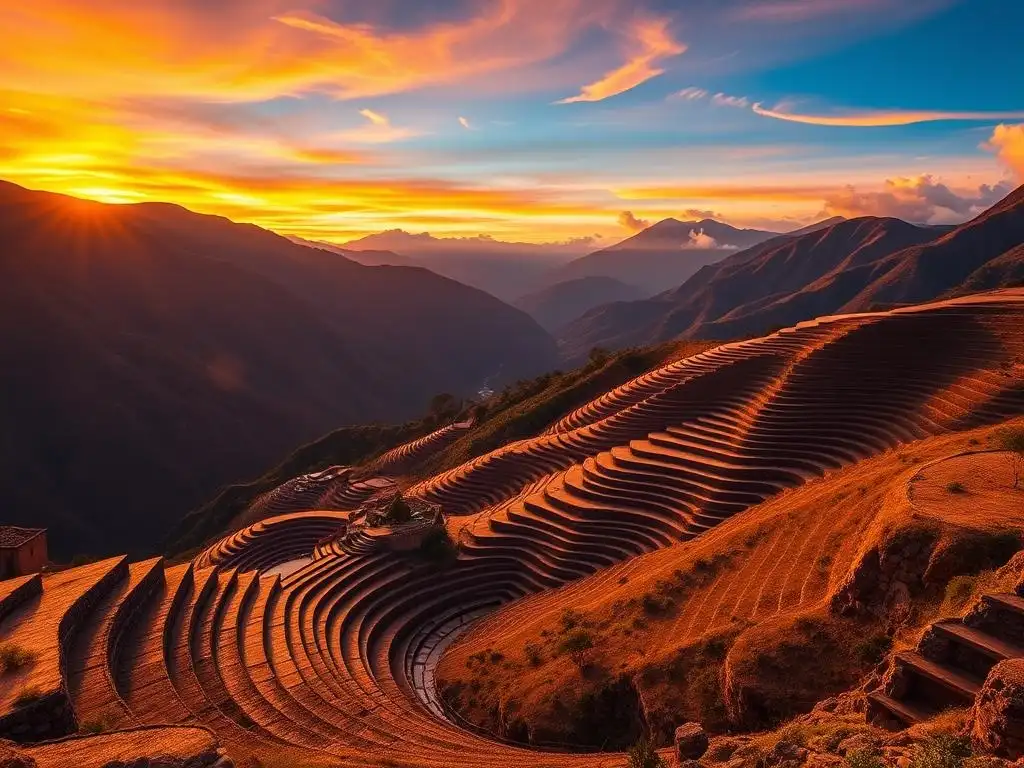
Uncover the secrets of a lost world where ingenuity thrived amidst towering peaks and arid valleys. For centuries, the Andes Mountains witnessed the rise and fall of remarkable civilizations, masters of adaptation and innovation. Prepare to be amazed by the evolution of Andean irrigation techniques, a testament to human resilience and engineering prowess that shaped the very landscape. Journey with us as we delve into the intricate systems that sustained these ancient empires—a story of ingenuity and survival that will leave you breathless.
- The Evolution of Andean Irrigation Techniques: A Historical Perspective
- Key Andean Civilizations and their Irrigation Innovations
- The Inca Empire and Their Sophisticated Irrigation Networks
- Post-Colonial Influences on Andean Irrigation
- Conclusion: The Legacy of Andean Irrigation
-
Frequently Asked Questions
- What is the main focus of this article?
- How did Andean irrigation impact the development of civilizations?
- Which Andean cultures are discussed in relation to irrigation?
- What were some of the key technological advancements in Andean irrigation?
- What challenges did Andean civilizations face in developing their irrigation systems?
- Final Reflection: Water's Legacy: Shaping Andean Civilization and Our Future
- **Transform Your Understanding of Andean Irrigation! **
The Evolution of Andean Irrigation Techniques: A Historical Perspective
The Andes Mountains, a formidable yet fertile landscape, presented unique challenges and opportunities for its inhabitants. Successfully cultivating crops in this geographically diverse region—from arid coastal deserts to high-altitude valleys—depended heavily on sophisticated water management. This article explores the fascinating evolution of Andean irrigation techniques, tracing the ingenuity and adaptation employed by various pre-Columbian cultures across millennia.
We'll examine the progression from rudimentary water diversion methods to the complex canal systems that supported thriving Andean civilizations, highlighting the ingenuity that allowed these societies to flourish in challenging environments. Understanding the evolution of Andean irrigation is crucial to appreciating the sophisticated engineering prowess and deep understanding of their environment that characterized these remarkable cultures.
The innovative strategies employed continue to inspire modern water management practices, demonstrating the enduring legacy of Andean ingenuity. This exploration will cover key advancements in Andean irrigation, focusing on the "Andean irrigation techniques evolution" and its impact on societal development.
Introduction to Andean Irrigation Systems
Andean irrigation systems weren't merely channels for water; they represented a complex interplay of social organization, technological innovation, and environmental understanding. These systems weren't static; they evolved constantly, adapting to changing needs and environmental conditions. The success of these systems was dependent on a deep knowledge of hydrology, topography, and the seasonal variations in water availability.
Different Andean cultures, from the Nazca to the Incas, developed unique approaches, reflecting both their specific environmental contexts and their unique cultural values. The construction and maintenance of these systems required significant labor and coordination, highlighting the importance of communal effort and social organization in Andean societies.
The scale and sophistication of some of these systems are truly remarkable, a testament to the engineering capabilities of these ancient cultures. We will explore the different types of irrigation systems employed, their construction methods, and their impact on the agricultural productivity and societal development of the Andean region.
Early Forms of Water Management in the Andes
The earliest forms of water management in the Andes were likely rudimentary, focusing on simple techniques to capture and utilize available water sources. The exact methods used by the earliest inhabitants remain debated, but archaeological evidence suggests a gradual development of increasingly sophisticated techniques. These early approaches laid the groundwork for later, more elaborate irrigation systems. The need to manage water resources effectively was paramount for survival and the development of agriculture in this challenging landscape.
Pre-Incan Water Diversion Methods
Before the rise of the Inca Empire, various Andean cultures developed their own unique water management strategies. For example, evidence suggests that the use of simple channels and diversion ditches to bring water from streams and rivers to agricultural fields was common. These early systems often involved gravity-fed channels, carefully constructed to follow the contours of the land. The development of these techniques was crucial for the cultivation of crops in arid and semi-arid regions. The ingenuity of these early systems is striking, considering the limited tools and technology available. 1
Development of Canal Systems in Early Andean Cultures
The development of more complex canal systems marked a significant advancement in Andean irrigation technology. Cultures such as the Nazca and the Moche are known for their extensive canal networks, capable of irrigating vast areas of land. These canals were often constructed using sophisticated engineering techniques, demonstrating a deep understanding of hydraulics and topography. The construction of these canals required considerable labor and cooperation, reflecting the social organization and communal efforts essential to their success.
The scale and complexity of these systems, some spanning many kilometers, are a testament to the engineering capabilities and organizational skills of pre-Inca Andean societies. The precise methods used varied across different cultures and regions, reflecting adaptations to local environmental conditions and the available resources. Further research is needed to fully understand the nuances of these early canal systems and their impact on Andean societies.
1 *Further research is needed to provide specific examples and dates for these early water management techniques. *
Key Andean Civilizations and their Irrigation Innovations
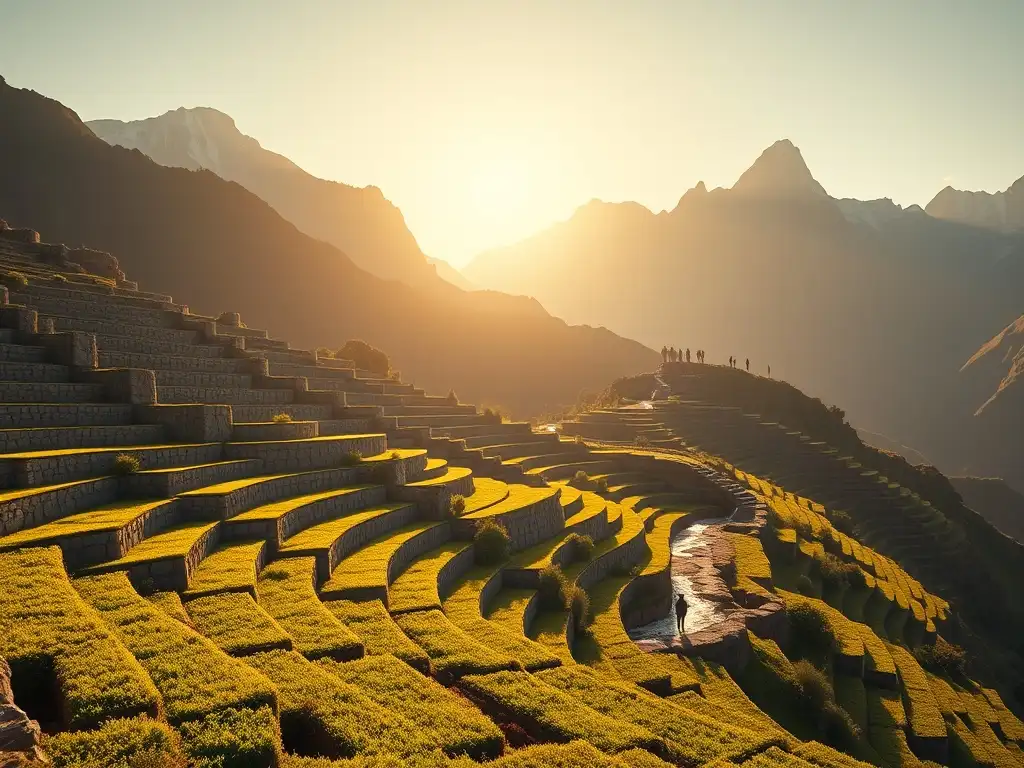
This section delves into the remarkable irrigation achievements of several key Andean civilizations, highlighting their unique approaches to water management and the impact on their agricultural success and societal development. The evolution of Andean irrigation techniques demonstrates a remarkable adaptation to challenging environments and a sophisticated understanding of hydrology and engineering principles. The ingenuity displayed in these systems continues to fascinate and inspire researchers today. Understanding the nuances of each civilization’s approach provides a richer understanding of the complex tapestry of Andean history and the crucial role water played in shaping their cultures.
The Moche and Their Advanced Irrigation Canals
The Moche civilization (circa 100-800 CE), known for its impressive artistry and sophisticated societal structure, also developed remarkably advanced irrigation systems. Their mastery of canal construction allowed them to cultivate vast stretches of otherwise arid coastal land, supporting a dense population and a complex social hierarchy. The Moche weren't simply diverting water; they were actively shaping their environment to maximize agricultural potential. Their success stemmed from a combination of precise engineering, an understanding of water flow dynamics, and a robust system of labor organization.
Moche Engineering for Water Distribution
Moche irrigation canals were not haphazardly dug ditches. They were meticulously planned and constructed, often involving complex systems of channels, reservoirs, and aqueducts. Evidence suggests the use of sophisticated surveying techniques to ensure a consistent gradient, minimizing water loss through seepage and erosion.
They employed various materials, including stone, earth, and possibly even some form of cement in certain sections, to create durable and efficient water conveyance systems. The scale of these projects is staggering, reflecting a considerable investment of labor and resources, indicative of a centralized, well-organized society. Detailed analysis of surviving canal remnants reveals a high degree of precision and attention to detail, reflecting a deep understanding of hydraulic engineering principles.
Moche Irrigation and Agricultural Productivity
The impact of Moche irrigation on agricultural productivity was profound. The ability to control water resources allowed them to cultivate a wide variety of crops, including maize, beans, squash, cotton, and various fruits. This agricultural surplus supported a large population and fueled the growth of urban centers, elaborate religious structures, and the development of a complex social hierarchy.
The abundance of food also facilitated trade and interaction with other Andean societies, contributing to the overall cultural exchange and development within the region. Archaeological evidence, including the remains of extensive agricultural fields and storage facilities, clearly demonstrates the success of their irrigation techniques. The Moche's ability to sustain a large population in a challenging environment stands as a testament to their engineering prowess and their understanding of sustainable agriculture.
Nazca Water Management Strategies
The Nazca civilization (circa 100 BCE – 800 CE), famed for its enigmatic geoglyphs, also faced the challenge of aridity. However, their approach to water management differed significantly from that of the Moche, demonstrating a remarkable adaptation to the specific challenges of their environment. While the Moche focused on extensive canal systems, the Nazca developed ingenious techniques for capturing and distributing water from underground sources. This innovative approach allowed them to thrive in one of the driest regions of the Andes.
Nazca Aqueducts and Underground Water Collection
The Nazca's most remarkable achievement in water management was their extensive network of subterranean aqueducts, known as puquios. These intricate systems involved digging vertical shafts down to underground water sources, followed by horizontal tunnels that channeled water to the surface. The ingenious design involved strategically placing ventilation shafts to maintain a consistent water flow and prevent the tunnels from collapsing.
The construction of puquios required a high level of engineering skill and an in-depth understanding of the region's hydrogeology. The precise location of the shafts and tunnels demonstrates remarkable knowledge of the underground water table and its fluctuations. The meticulous construction of these puquios showcases the advanced engineering capabilities and sophisticated understanding of hydrology possessed by the Nazca.
Nazca Irrigation in Arid Environments
The Nazca's success in managing water resources in an extremely arid environment is particularly noteworthy. Their puquios provided a reliable source of water, even during periods of drought, supporting a relatively large population and enabling the cultivation of a variety of crops. This sustainable approach to water management allowed the Nazca to thrive in a challenging environment for centuries.
Their ability to adapt to the specific constraints of their environment through innovative engineering solutions stands as a compelling example of human ingenuity and resilience. The Nazca’s achievements in irrigation demonstrate a remarkable level of understanding of their environment and a capacity for sustainable resource management, crucial for survival in the harsh Andean desert. The ingenuity displayed in their water management strategies continues to inspire modern-day engineers and researchers.
Tiahuanaco's Raised Field Agriculture
Tiahuanaco, a pre-Columbian civilization flourishing in the Altiplano region of the Andes (modern-day Bolivia) between approximately 500 and 1000 CE, developed remarkably sophisticated agricultural techniques to overcome the challenges of high altitude and unpredictable rainfall. Their mastery of water management is perhaps best exemplified by their widespread use of raised field agriculture, also known as waru waru. This wasn't simply a matter of digging ditches; it was a complex system designed to optimize water use and crop yields in a harsh environment. The raised fields themselves were created by building rectangular plots of land, typically 1-2 meters high, separated by canals.
This design allowed for efficient water management, with the canals serving as both irrigation channels and drainage systems. The system effectively captured and stored rainwater, reducing water loss through evaporation and mitigating the impact of droughts. The raised fields also provided better drainage, preventing waterlogging and improving soil aeration, crucial factors for successful crop cultivation at high altitudes.
The rich organic matter accumulating in the canals further enhanced soil fertility, leading to higher crop yields compared to traditional farming methods. The scale and sophistication of Tiahuanaco's raised field system speak volumes about their deep understanding of hydrology and soil science. The careful planning and execution involved demonstrate a level of engineering skill that is truly impressive, especially considering the technology available at the time.
Tiahuanaco's Waru Waru System
The waru waru system, central to Tiahuanaco's agricultural success, was far more than just raised fields. It represented a holistic approach to water management, integrating multiple elements to create a resilient and productive agricultural landscape. The canals between the raised fields were not simply for irrigation; they also served as a reservoir system, collecting and storing rainwater during the rainy season. This stored water could then be used during dry periods, ensuring a consistent water supply for the crops.
The system also incorporated microclimatic considerations. The raised fields, being elevated above the surrounding canals, experienced less frost and benefited from improved sunlight exposure. This effect minimized crop damage from frost and increased the growing season. The system's design also incorporated a network of smaller channels and ditches to regulate water flow and prevent erosion.
The careful manipulation of water flow, combined with the raised fields, created a microenvironment ideal for crop growth. Evidence suggests the system was remarkably effective, allowing Tiahuanaco to support a large population despite the challenges of the Altiplano environment. The long-term sustainability of the waru waru system is a testament to the ingenuity and foresight of the Tiahuanaco engineers. Modern studies are still uncovering the complexities and benefits of this ancient technology.
The Role of Water in Tiahuanaco's Agriculture
Water was the lifeblood of Tiahuanaco's civilization. Its strategic management was essential for their survival and prosperity. The waru waru system was not just an agricultural technique; it was a crucial component of their socio-political organization. The construction and maintenance of the system likely involved communal labor, fostering social cohesion and cooperation.
Control over water resources would have been a significant source of power, influencing social hierarchies and economic structures. Beyond agriculture, water played a vital role in daily life. It was used for drinking, cooking, cleaning, and other domestic purposes. The availability of water, carefully managed through their sophisticated irrigation systems, was directly linked to their ability to sustain a dense population and a complex social structure.
The importance of water is underscored by the location of Tiahuanaco itself, strategically situated near Lake Titicaca, the largest lake in South America, providing a reliable source of water. The Tiahuanaco people's profound understanding of water's role in their society and their ability to harness its power is a remarkable example of Andean ingenuity. Their mastery of water management serves as a powerful lesson in sustainable resource utilization, particularly relevant in today's world facing the challenges of climate change and water scarcity. The Tiahuanaco's legacy highlights the crucial intersection of water, agriculture, and societal development in the Andes.
The Inca Empire and Their Sophisticated Irrigation Networks

The Inca Empire, renowned for its architectural prowess and sophisticated social organization, also mastered complex irrigation techniques crucial for sustaining its vast population and agricultural output. Their understanding of water management wasn't merely practical; it was deeply intertwined with their worldview, reflecting a profound respect for the life-giving power of water. This section delves into the specific irrigation strategies employed by the Incas, highlighting their ingenuity and lasting impact on Andean agriculture. The evolution of Andean irrigation techniques is vividly exemplified by the Incas' advancements.
Inca Terracing and Water Management
The Inca's mastery of terracing is perhaps their most visible contribution to Andean irrigation. Terraces, essentially steps carved into hillsides, served multiple functions. They not only increased the amount of arable land available but also facilitated water management in several crucial ways.
The Importance of Terraces for Inca Agriculture
Inca terraces weren't simply flat platforms; they were carefully designed to optimize water retention and distribution. The gradient of each terrace was meticulously calculated to prevent soil erosion and runoff. The construction involved strategically placing retaining walls made of stone, often fitted together without mortar, showcasing impressive engineering skills. This precision allowed for efficient water channeling and prevented waterlogging, a common problem in hillside farming.
The size and shape of the terraces varied depending on the topography and the type of crop being cultivated. For example, steeper slopes often featured smaller terraces, while gentler slopes allowed for larger ones. The effective use of terraces significantly increased agricultural productivity, enabling the Inca to support a large population with relatively limited arable land. This innovation in Andean irrigation techniques was crucial to their success.
Water Distribution Techniques in Inca Terraces
Water distribution within Inca terraces involved a complex network of channels and conduits. These were often lined with stone or plastered to minimize water loss through seepage. The channels were carefully graded to ensure a consistent flow of water across the terraces. Overflow channels were also incorporated to prevent flooding during periods of heavy rainfall.
Furthermore, the Incas employed ingenious techniques to regulate water flow, including the use of weirs and spillways. These structures controlled the amount of water reaching each terrace, ensuring that crops received an adequate supply without being over-irrigated. The effectiveness of these techniques is evidenced by the high agricultural yields achieved by the Inca in diverse and challenging environments. This intricate system of water distribution represents a high point in the evolution of Andean irrigation techniques.
Inca Canal Construction and Engineering
Beyond terracing, the Inca also constructed extensive canal systems to irrigate large tracts of land. These canals were remarkable feats of engineering, often traversing challenging terrain and demonstrating an advanced understanding of hydraulic principles.
The Scale of Inca Irrigation Projects
The scale of Inca irrigation projects was breathtaking. Some canals stretched for kilometers, carrying water across valleys and mountains to reach distant fields. The construction of these canals required a massive mobilization of labor and sophisticated planning. Records indicate that the Inca employed a system of mita, a form of rotational labor service, to complete these enormous projects. The sheer size and complexity of these irrigation systems highlight the Inca's organizational capabilities and their commitment to agricultural development. The evolution of Andean irrigation techniques saw its peak in the scale and ambition of Inca projects.
Inca Precision in Canal Design and Implementation
Inca canal construction displayed remarkable precision. The canals were carefully graded to maintain a consistent flow of water, even over long distances. They often incorporated ingenious techniques to overcome obstacles such as steep slopes and rocky terrain.
The use of aqueducts and siphons allowed water to be transported across valleys and ravines. The canals were often lined with stone or plastered to prevent water loss and erosion. The precise alignment and construction of these canals demonstrate a deep understanding of hydraulic principles and an exceptional level of engineering skill.
The durability of many of these canals, some of which remain functional today, is a testament to the Inca's masterful design and construction techniques, a crucial element in the evolution of Andean irrigation techniques. The combination of terracing and canal systems allowed the Incas to create a highly productive and resilient agricultural system, a legacy that continues to inspire awe and admiration.
Inca Water Storage and Reservoirs
The Inca Empire, renowned for its impressive architectural feats and sophisticated social organization, also demonstrated remarkable ingenuity in water management. Their success in cultivating the challenging Andean terrain hinged heavily on their advanced irrigation techniques, which went beyond simple canal systems. A crucial element of their approach was the construction of extensive water storage and reservoir systems.
These weren't merely haphazard collections of water; they were strategically planned and meticulously built structures designed to cope with the highly variable rainfall patterns of the Andes. This foresight ensured a reliable water supply for agriculture, even during prolonged dry periods, significantly boosting agricultural productivity and supporting the empire's large population. The construction of these reservoirs also showcases the Inca's deep understanding of hydrology and their ability to adapt their engineering solutions to the specific topographical conditions of each region.
Their mastery of stonework allowed them to create durable and efficient reservoirs that stood the test of time. The legacy of these ingenious systems can still be observed today in various locations throughout the former Inca empire, bearing testament to the advanced engineering capabilities of this remarkable civilization.
Managing Water Scarcity through Storage
The Andes Mountains are characterized by their dramatic altitude variations, resulting in significant differences in rainfall and temperature across relatively short distances. This variability presented a major challenge to agriculture. In some areas, rainfall could be abundant during certain months, while other regions experienced prolonged droughts.
The Inca addressed this challenge through a multifaceted strategy that prioritized water storage. They recognized that simply diverting water through canals was insufficient; they needed to store surplus water during the wet season to use during the dry season. This approach significantly reduced the risk of crop failure due to water scarcity, ensuring food security for the entire population.
The construction of reservoirs was not a uniform process; it was adapted to the local conditions, utilizing natural features like depressions in the landscape to maximize efficiency and minimize construction effort. This pragmatic approach underlines the Inca's practical understanding of water management and their ability to optimize resource utilization. Evidence suggests that they also developed sophisticated techniques for managing water within the reservoirs, including methods for preventing siltation and ensuring water quality.
Inca Reservoirs and Their Agricultural Significance
The impact of Inca reservoirs on agriculture was profound. By providing a reliable source of water throughout the year, these structures enabled the cultivation of a wider variety of crops and increased agricultural yields. This, in turn, supported the growth of the Inca Empire, allowing for a larger population and more complex social structures.
The increased agricultural productivity also fostered trade and economic development, as surplus crops could be exchanged or used to support specialized craftspeople and other non-agricultural sectors. Specific examples of the agricultural impact of Inca reservoirs remain to be fully documented in many areas, but archaeological evidence, coupled with ethnohistorical accounts, strongly suggests a direct correlation between the presence of these water storage systems and the intensity and diversity of agricultural practices in the surrounding regions.
The success of the Inca agricultural system was intricately linked to their ability to manage water resources effectively, making reservoirs a cornerstone of their economic and social prosperity. The legacy of these reservoirs continues to inspire modern water management practices in the Andes, demonstrating the enduring relevance of Inca ingenuity.
Post-Colonial Influences on Andean Irrigation
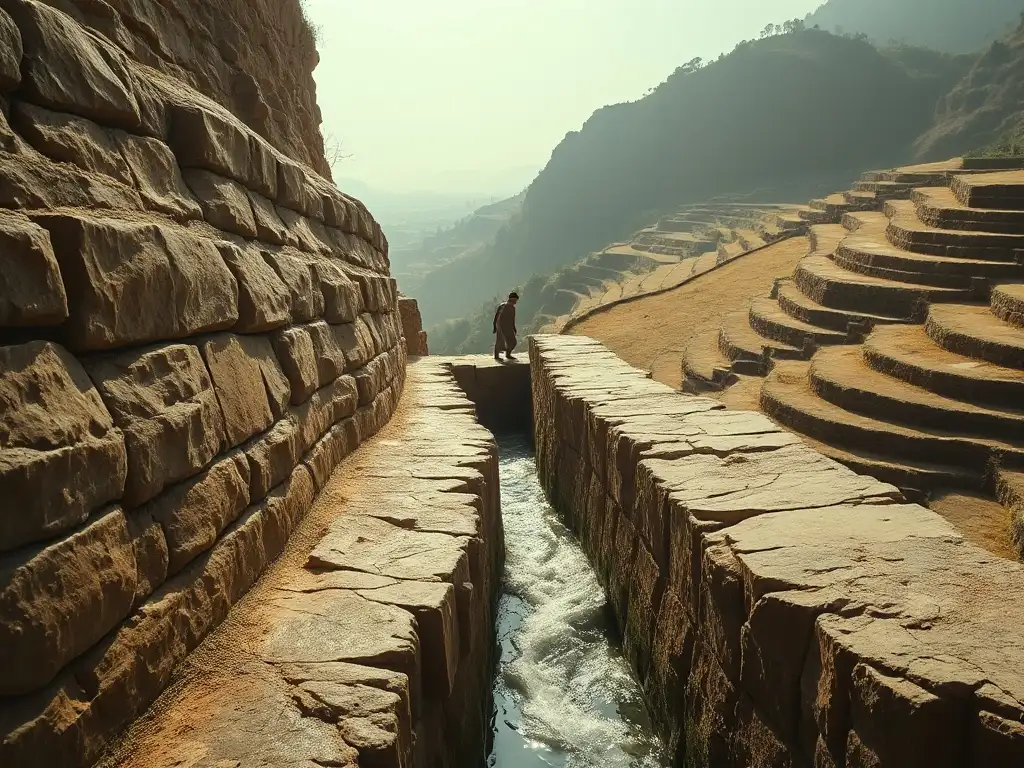
The Spanish conquest of the Andes drastically altered the landscape and, consequently, the existing irrigation systems. While pre-Columbian Andean civilizations had developed sophisticated water management techniques honed over centuries, the colonial period brought significant changes, impacting both the practices and the very fabric of Andean agriculture. Understanding this shift is crucial to comprehending the evolution of Andean irrigation techniques and its lasting impact on the region. The keyword "Andean irrigation techniques evolution" is central to this understanding.
Changes in Irrigation Practices After the Spanish Conquest
The arrival of the Spanish resulted in a complex interplay of disruption and adaptation within Andean irrigation. Existing acequias (irrigation canals) were often repurposed or neglected, leading to the degradation of some systems. The introduction of new crops, such as wheat and barley, demanded different irrigation strategies compared to the native crops like potatoes and maize, which were accustomed to the pre-existing systems. This shift necessitated adjustments in water allocation and canal design.
The Spanish also introduced new tools and techniques, some of which integrated with, and others that superseded, traditional methods. For example, the introduction of the plow altered land preparation, impacting the efficiency and needs of irrigation. However, the indigenous population retained significant knowledge and continued to manage and maintain many aspects of their traditional systems, often adapting them to the new agricultural demands.
The Impact of New Agricultural Techniques on Irrigation
The introduction of the plow, for instance, significantly impacted irrigation needs. Traditional Andean agriculture relied heavily on terracing and hand-cultivation, which required less intensive irrigation. The plow, however, allowed for larger-scale cultivation, increasing the demand for water. This led to increased pressure on existing water resources and a need for modifications or expansions to existing irrigation infrastructure.
The shift towards monoculture farming, favored by the Spanish, also impacted water management. The cultivation of a single crop over large areas, unlike the diverse polyculture systems of the pre-colonial era, increased vulnerability to water scarcity and disease. Data on specific crop yields and water usage during this period are scarce, but historical accounts suggest a significant alteration in water management practices to accommodate these new agricultural trends.
The Adaptation of Traditional Systems
Despite the upheaval caused by the conquest, indigenous populations demonstrated remarkable resilience and adaptability. Many traditional acequias continued to function, albeit with modifications to accommodate the new crops and techniques. Local communities retained control over many aspects of water management, adapting their traditional knowledge to integrate new elements.
This process resulted in a hybrid system, blending colonial influences with pre-existing practices. For instance, the construction of new canals often incorporated traditional techniques of stonework and earthworks, demonstrating a sustained reliance on indigenous expertise and knowledge. This blend of old and new is a key aspect of the evolution of Andean irrigation techniques.
Modern Irrigation Challenges and Adaptations in the Andes
Modern challenges to Andean irrigation systems are multifaceted, ranging from climate change and population growth to issues of equitable water distribution and sustainable management. These challenges demand innovative approaches that consider both the technological advancements and the rich legacy of traditional water management practices. The continued evolution of Andean irrigation techniques is crucial for addressing these contemporary issues.
Current Water Management Issues
Climate change significantly impacts water availability in the Andes, leading to more frequent and intense droughts. Population growth in Andean communities further strains water resources, intensifying competition for access. Inequitable distribution of water remains a persistent issue, particularly between urban and rural areas, and even within rural communities. Moreover, pollution from mining and agricultural runoff threatens water quality, affecting both human health and agricultural productivity. These issues necessitate a comprehensive and integrated approach to water management, combining modern technologies with traditional knowledge.
Integrating Traditional and Modern Techniques
Modern Andean irrigation is increasingly embracing a blend of traditional and modern techniques. For example, the use of modern sensors and remote sensing technologies can improve water allocation efficiency, while the knowledge of traditional water management practices can inform the design and implementation of sustainable irrigation systems. This integration is crucial for ensuring water security and agricultural productivity in the face of growing environmental and social challenges.
The emphasis on community-based water management, drawing on indigenous knowledge and participatory decision-making, is proving to be a vital aspect of this integration. This collaborative approach acknowledges the enduring value of traditional Andean irrigation techniques within the context of modern needs. This ongoing process reflects the dynamic and adaptive nature of Andean irrigation techniques evolution.
Conclusion: The Legacy of Andean Irrigation
The evolution of Andean irrigation techniques reflects not only a sophisticated understanding of hydraulic engineering but also a deep connection between the Andean peoples and their environment. From the simple canal systems of early agricultural societies to the complex networks of the Inca Empire, the ingenuity displayed in harnessing water resources is remarkable.
This continuous adaptation and innovation, driven by the challenging Andean geography and the need to sustain thriving populations, offers valuable lessons for contemporary water management strategies. The ingenuity of the Andean civilizations in developing and refining their irrigation systems stands as a testament to their resilience and adaptability in the face of environmental constraints.
Understanding the nuances of their approach, from the careful selection of terrain to the intricate design of channels and reservoirs, provides insight into sustainable water resource management. The "Andean irrigation techniques evolution" is a story of human ingenuity and environmental stewardship, a narrative that continues to resonate today.
The Enduring Influence of Andean Irrigation Techniques
The legacy of Andean irrigation extends far beyond the ruins of ancient cities. Many of the techniques employed by pre-Columbian cultures continue to inform modern agricultural practices in the Andes. The principles of terracing, for example, are still widely used to cultivate slopes, minimizing erosion and maximizing water retention.
Similarly, the knowledge of water distribution and management, passed down through generations, remains crucial for efficient irrigation in many Andean communities. The enduring relevance of these traditional methods highlights their effectiveness and sustainability, underscoring the importance of preserving and understanding this rich heritage. Furthermore, researchers continue to study ancient Andean irrigation systems to gain insights into sustainable water management strategies applicable in other arid and semi-arid regions worldwide.
The sophisticated understanding of water flow, channeling, and storage demonstrated by Andean civilizations provides valuable models for modern engineering projects focused on water conservation and efficiency. This continued study of “Andean irrigation techniques evolution” contributes significantly to contemporary water management strategies, demonstrating the enduring value of this ancient knowledge.
Lessons from Andean Water Management for Sustainable Practices
The Andean experience offers crucial lessons for addressing contemporary challenges in water resource management. The emphasis on community-based systems, equitable distribution, and careful consideration of environmental impact are particularly relevant in the face of growing water scarcity and climate change.
The ingenuity of the Andean civilizations in developing sustainable irrigation practices, coupled with their deep understanding of their environment, provides a valuable framework for sustainable water management strategies in various contexts. The success of their systems, which sustained large populations for centuries, demonstrates the importance of integrating traditional knowledge with modern technology.
Specifically, the integration of community participation in water resource management, the careful consideration of environmental impact, and the adoption of sustainable practices are pivotal lessons to be learned from the study of “Andean irrigation techniques evolution.” By understanding and emulating the successful approaches of the Andean civilizations, we can strive towards more resilient and equitable water management systems for the future. The careful planning and community involvement demonstrated in their water management provides a model for collaborative and sustainable water use in the 21st century.
Frequently Asked Questions
What is the main focus of this article?
This article explores the evolution of irrigation techniques used by ancient Andean civilizations, highlighting the ingenuity and adaptation employed across different cultures and time periods. It covers advancements from simple methods to more complex systems.
How did Andean irrigation impact the development of civilizations?
Sophisticated irrigation systems were crucial for the development and growth of Andean civilizations. They enabled intensive agriculture, supporting larger populations and the rise of complex societies. These systems allowed for surplus food production.
Which Andean cultures are discussed in relation to irrigation?
The article covers various Andean cultures, including the Inca, Moche, Nazca, and Tiahuanaco, showcasing the diversity of their approaches to water management and the technological advancements made by each. Their innovative solutions are examined in detail.
What were some of the key technological advancements in Andean irrigation?
Key advancements included the development of canals, aqueducts, and sophisticated terracing. These innovations allowed for the efficient distribution of water across diverse terrains, adapting to challenging environments. Improved water storage techniques were also crucial.
What challenges did Andean civilizations face in developing their irrigation systems?
Andean civilizations faced challenges such as arid climates, steep slopes, and unpredictable weather patterns. Their success in overcoming these obstacles through innovative engineering demonstrates their remarkable adaptability and resourcefulness. Maintaining these systems also required significant labor and organization.
Final Reflection: Water's Legacy: Shaping Andean Civilization and Our Future
The ingenious irrigation systems developed in the Andes weren't just feats of engineering; they were the bedrock of a thriving civilization, and their legacy continues to resonate in our struggle for sustainable water management today. The challenges faced by Andean communities in harnessing water resources – from unpredictable rainfall to steep, mountainous terrain – mirror the global water crisis we face in the 21st century. Their innovative solutions offer invaluable lessons for a world grappling with drought, population growth, and climate change.
The ingenuity of the ancient Andean cultures in adapting to their environment is truly awe-inspiring. Their understanding of water's power, their meticulous planning, and their community-based approach to water management are all aspects we can learn from. Water is the driving force of nature.
- Leonardo da Vinci. This simple statement encapsulates the profound truth that the Andeans understood centuries ago: water is not just a resource, but the very lifeblood of a society. Their sophisticated systems, from canals and terraces to sophisticated water storage techniques, are a testament to their deep connection with the land and their commitment to collective well-being.
Consider the implications of their achievements. What can we learn from their sustainable practices? How can we apply their ingenuity to modern challenges? You, the reader, are now part of this ongoing conversation. Let the legacy of Andean irrigation inspire you to explore innovative solutions for water management in your own community, to advocate for sustainable practices, and to appreciate the vital role water plays in shaping our world. The future of water security depends on our collective action, informed by the wisdom of past generations.
**Transform Your Understanding of Andean Irrigation! **
Thank you for exploring the fascinating evolution of irrigation technology in the Andes! You've gained valuable insights into how ancient innovations shaped agricultural practices and community development in this remarkable region. Now, let's put that knowledge to practical use!
Here are some ways to delve deeper into this rich topic:
- **Participate in a hands-on workshop** focusing on traditional Andean irrigation techniques and their modern applications. Many local agricultural organizations offer such opportunities.
- **Share this article** with anyone interested in history, sustainable agriculture, or the ingenuity of ancient civilizations. Let's spark a wider conversation about preserving these invaluable farming methods.
- **Visit a local museum** to see firsthand the artifacts and exhibits showcasing the agricultural innovations of Andean cultures. These displays often offer a compelling visual representation of their achievements.
How can you apply the lessons learned about Andean irrigation to your own life or community? We encourage you to share your thoughts and ideas!