
Inca Architecture and the Concept of Durability: Building to Last

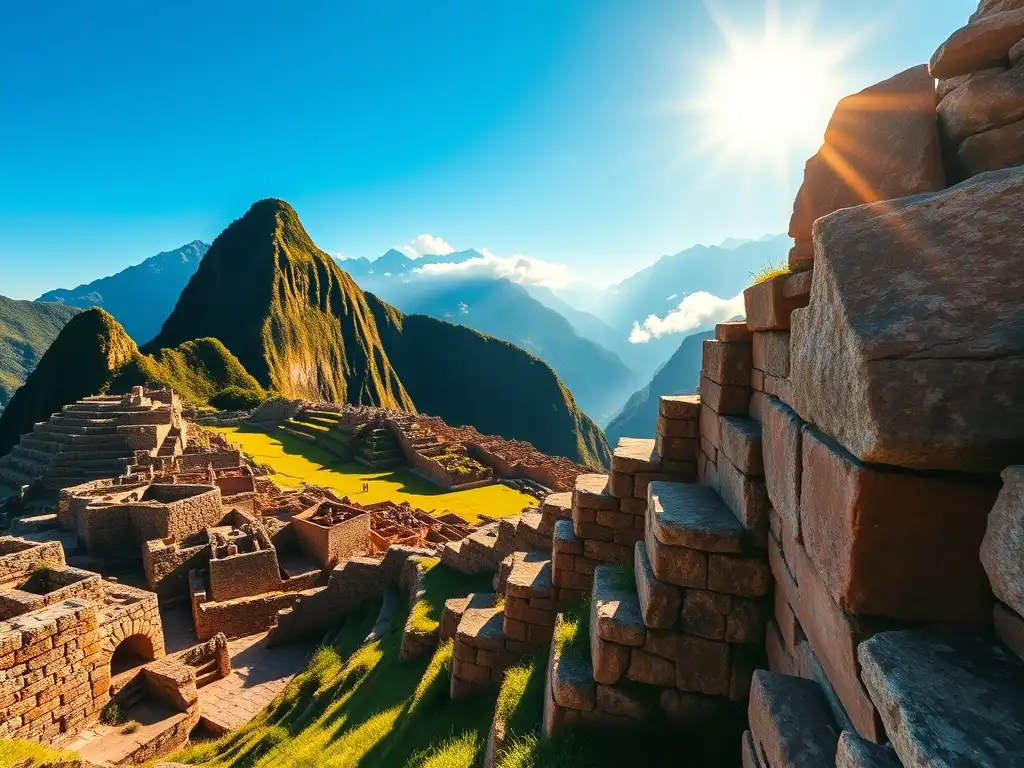
Step into a world lost to time, yet echoing with the ingenuity of a vanished empire. Prepare to be amazed by the unparalleled achievements of the Andean civilizations, from the breathtaking artistry of the Nazca lines to the sophisticated engineering of the Tiahuanaco. But today, we delve into the heart of the Inca Empire, uncovering the secrets behind Inca architecture durability techniques. How did they build structures that defied centuries, even millennia? The answer lies within... continue reading to unravel the mysteries of their enduring legacy.
The Inca Empire, renowned for its vast territorial reach and sophisticated social structures, left behind an architectural legacy that continues to inspire awe and wonder. This article delves into the remarkable durability of Inca architecture, exploring the ingenious techniques and materials employed by these master builders to create structures that have withstood the test of time and the ravages of nature.
We'll examine the key principles behind their approach, revealing how their understanding of engineering and the environment allowed them to construct monumental buildings, intricate road networks, and impressive agricultural terraces that remain, in many cases, remarkably intact even today. Understanding Inca architecture durability techniques provides invaluable insights into their ingenuity and offers valuable lessons for modern construction practices.
This exploration will focus on specific examples, materials, and innovative methods employed by the Inca, highlighting the enduring legacy of their architectural prowess and the profound impact of their sustainable building practices.
Mastering Stonework: Precision and Adaptability
Inca builders were masters of stonework, demonstrating an unparalleled level of precision and artistry. They weren't just building structures; they were creating works of art that seamlessly integrated with their environment. Their success stemmed from a deep understanding of the properties of different stone types and a remarkable ability to shape and fit them together with minimal mortar. This technique, known as ashlar masonry, involved meticulously cutting stones to fit perfectly, creating incredibly strong and stable walls.
The fit was so precise that often a knife blade couldn't be inserted between the stones. Furthermore, their ability to adapt to the varied landscapes is remarkable. They skillfully incorporated diverse stone types and sizes into their constructions, demonstrating a profound understanding of geological conditions and structural engineering.
The integration of these diverse materials highlights their sustainable approach, utilizing locally sourced resources to minimize environmental impact. Examples of this masterful stonework can be seen throughout the Inca Empire, from the majestic walls of Sacsayhuamán to the intricate structures of Machu Picchu. Their mastery of stonework wasn't merely aesthetic; it was fundamental to the extraordinary durability of their buildings.
The Strategic Use of Materials: Beyond Stone
While stone was undoubtedly the primary building material, the Inca cleverly incorporated other materials to enhance durability and functionality. They utilized wood, primarily from local species, for beams, roofing, and scaffolding. This wood, carefully selected for its strength and resistance to decay, played a crucial role in the overall structural integrity.
Adobe bricks, made from sun-dried clay, were employed extensively in less demanding constructions, particularly in residential areas. These bricks were incredibly lightweight yet durable when properly constructed and protected from the elements. The Inca also utilized a type of mortar, although sparingly, which was likely a mixture of lime, sand, and other binding agents.
This mortar acted not as a primary load-bearing component, but as a sealant and further secured the already precise stonework, adding to the longevity of the structures. The strategic selection and integration of these materials demonstrated a sophisticated understanding of material science and a commitment to sustainable building practices.
Earthquake-Resistant Design: Adapting to Seismic Activity
The Andes region is prone to seismic activity, a fact that the Inca architects clearly took into consideration. Their building techniques were remarkably well-suited to withstand earthquakes. The meticulous fitting of stones, minimizing the need for mortar, allowed the structures to flex and absorb seismic energy more effectively than structures built with traditional mortar-based techniques. The use of interlocking stones, often with subtly curved surfaces, further enhanced the earthquake resistance.
Additionally, the Inca often built their structures with a slight inward slope, a technique that helped to distribute weight and further enhance stability. This anticipatory approach to seismic design is a testament to their deep understanding of engineering principles and their commitment to building structures that would endure even the most powerful earthquakes. The survival of many Inca structures through centuries of seismic activity is a striking demonstration of their ingenuity.
Sustainable Practices: A Legacy of Environmental Stewardship
The Inca's approach to architecture wasn't just about building durable structures; it was deeply rooted in a philosophy of environmental stewardship. Their use of locally sourced materials significantly reduced their environmental footprint. They carefully selected materials that were readily available and minimized the need for extensive transportation. Their construction methods were also carefully planned to minimize disruption to the surrounding environment.
They integrated their structures into the landscape seamlessly, often taking advantage of natural features like hillsides and valleys. This holistic approach to construction reflects a profound respect for the environment and demonstrates a commitment to sustainable practices that are increasingly relevant in today’s world. Their legacy serves as a powerful reminder of the importance of responsible resource management and environmentally conscious building practices.
- Mastering Stonework: Precision and Adaptability
- The Strategic Use of Materials: Beyond Stone
- Earthquake-Resistant Design: Adapting to Seismic Activity
- Sustainable Practices: A Legacy of Environmental Stewardship
- What techniques did the Inca use to ensure the durability of their architecture?
- How did the Inca's understanding of their environment impact their building practices?
- What role did stonework play in the durability of Inca structures?
- Were there any specific types of stone preferred by the Inca builders?
- How does Inca architecture compare to other ancient civilizations in terms of durability?
The Foundations of Inca Construction: A Legacy of Strength
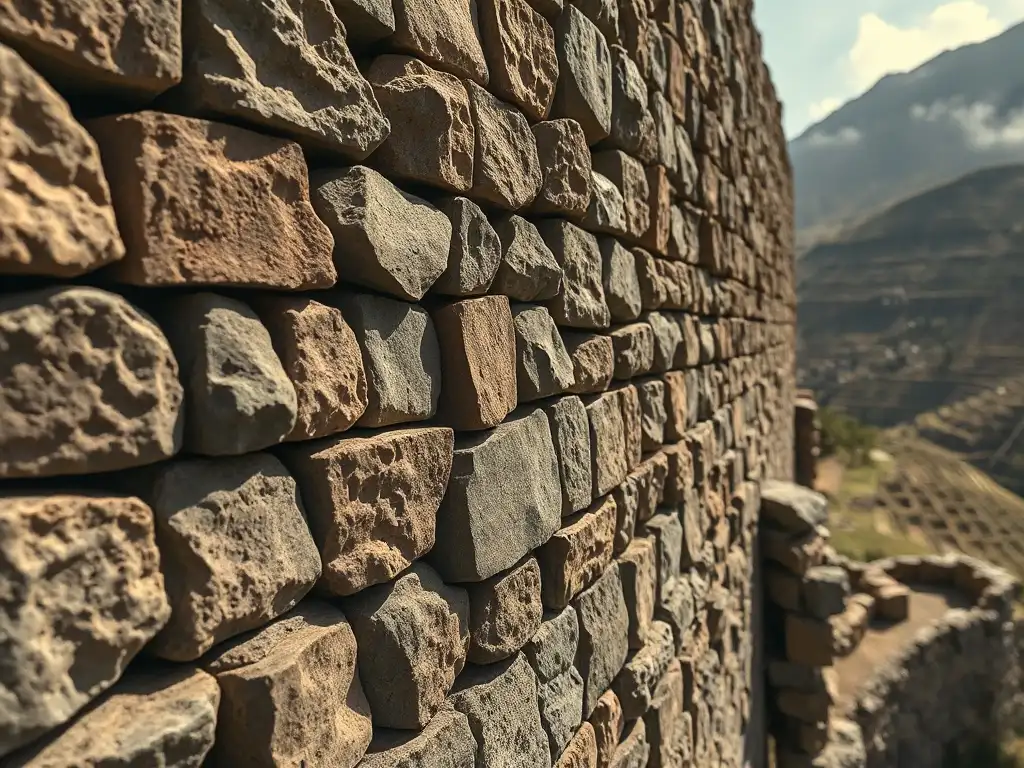
The remarkable durability of Inca architecture is not merely a matter of chance; it's a testament to sophisticated construction techniques and a deep understanding of Andean geology. Inca builders, master craftsmen of their time, meticulously selected materials and employed innovative methods to create structures that have withstood the test of time—and, in many cases, earthquakes—for centuries. Their success lies in a holistic approach, integrating material science, engineering principles, and a profound respect for the environment.
This section will delve into the key elements that contributed to the exceptional longevity of Inca constructions, focusing on the synergy between material selection and construction methods. The resilience of Inca architecture serves as a compelling case study in sustainable building practices, offering valuable insights for modern construction techniques. Understanding the Inca's approach to "Inca architecture durability techniques" reveals a sophisticated understanding of engineering principles far ahead of their time.
Inca Building Materials: Andesite, Diorite, and Limestone
The Inca's choice of building materials directly reflects their understanding of the Andean landscape and its geological resources. They prioritized stones renowned for their strength and resistance to weathering. Andesite, a volcanic rock, was a staple, prized for its hardness, durability, and resistance to erosion. Its readily available abundance in the Andes made it a cost-effective and practical choice.
In areas where andesite was less accessible, they utilized diorite, another igneous rock known for its exceptional strength and resistance to fracturing. The selection of stone wasn't arbitrary; it was dictated by both geological availability and the specific structural requirements of the building project. For instance, larger, more imposing structures often incorporated diorite for its superior load-bearing capacity. In certain regions, limestone played a supporting role, particularly in less structurally critical elements.
The careful selection of these materials, combined with precise cutting and fitting techniques, contributed significantly to the overall durability of Inca structures. This strategic use of readily available materials highlights the ingenuity of Inca builders in adapting their techniques to the local environment. The precision with which they quarried, shaped, and fitted these stones is a testament to their skills and understanding of material properties. Even today, many Inca structures stand as a testament to the quality of the materials employed.
Understanding Inca Construction Techniques for Long-Lasting Structures
Beyond the superior quality of the materials, Inca architecture's durability is also attributed to their sophisticated construction techniques. Instead of relying on mortar, the Inca employed a remarkable dry-stone masonry technique, famously known for its precision. Stones were meticulously shaped and fitted together, creating incredibly tight joints without the use of any binding agent.
This technique, requiring immense skill and patience, resulted in incredibly stable structures. The precision of the cuts minimized the need for mortar, creating strong interlocking joints that were resistant to seismic activity. The remarkable fit of the stones, often described as "puzzle-like", is a testament to the Inca's mastery of stonework.
The careful selection and placement of stones weren't the only key to longevity. Inca builders incorporated other innovative techniques to enhance the durability of their structures. For example, they often used smaller stones to fill gaps and create a more robust structure.
This approach minimized potential weak points in the masonry. Furthermore, the integration of different stone types in a single structure, such as using andesite for load-bearing walls and limestone for less critical elements, demonstrates a sophisticated understanding of material properties and structural engineering. The absence of mortar, often perceived as a weakness, actually proved to be a strength.
It allowed the structures to flex slightly during earthquakes, reducing the risk of catastrophic failure. This inherent flexibility, combined with the precise interlocking of stones, explains the remarkable resilience of Inca structures to seismic activity. The Inca's approach to "Inca architecture durability techniques" showcases a remarkable blend of artistry and engineering.
Key Elements of Inca Architectural Durability
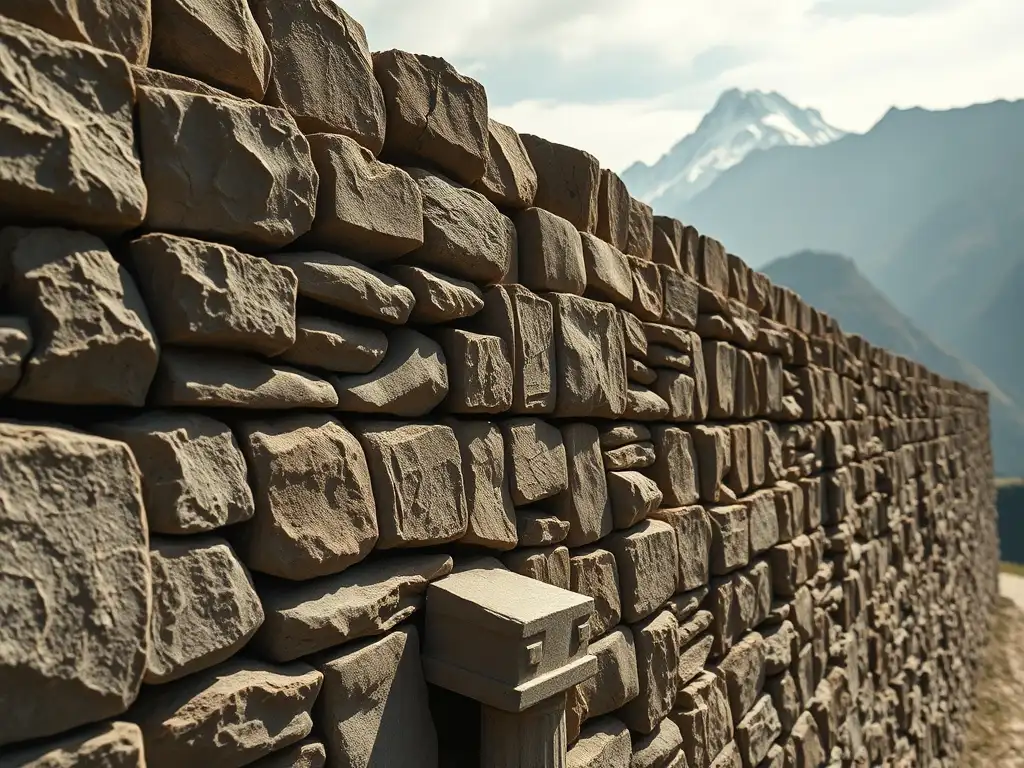
The remarkable longevity of Inca structures is a testament to their sophisticated understanding of engineering and construction. Inca architecture durability techniques were not merely about building something sturdy; they were about creating structures that could withstand the harsh Andean environment for centuries. This involved a complex interplay of meticulous planning, innovative building methods, and a deep respect for the natural landscape. Their success is evident in the many surviving ruins that still stand today, a powerful legacy of their advanced civilization. The key elements contributing to this remarkable durability are explored below.
Precision Stone Cutting and Fitting: The Inca Mastery of Masonry
Inca masons achieved an unparalleled level of precision in their stonework. They employed techniques that resulted in incredibly tight-fitting stones, often without the use of mortar. This wasn't simply aesthetic; it significantly enhanced the structural integrity of their buildings. The stones were meticulously shaped and sized, creating interlocking joints that distributed weight effectively and resisted seismic activity.
Evidence of this mastery can be seen in the remarkably smooth surfaces and near-perfect alignment of stones in structures like Sacsayhuamán. The Inca's ability to cut and fit stones with such precision showcases their advanced understanding of geometry and engineering principles. This careful craftsmanship is a cornerstone of Inca architecture durability techniques.
The level of detail is astonishing; many stones fit together so seamlessly that a knife blade can barely be inserted between them. This precision minimized weaknesses and ensured structural strength. It's a testament to their highly skilled workforce and the advanced tools they employed.
The Importance of Mortarless Construction in Inca Architecture
The absence of mortar in many Inca structures is often cited as a key factor in their longevity. While some mortar was used, particularly in later construction phases, the prevalence of mortarless construction is striking. This technique, rather than being a sign of technological limitation, was a deliberate choice reflecting an advanced understanding of structural mechanics.
By precisely fitting stones together, the Incas created a structure where the weight of the stones themselves provided the primary means of support. This minimized the reliance on a potentially weaker binding agent (mortar), which could deteriorate over time due to weathering or seismic activity. The interlocking nature of the stones created a monolithic structure capable of withstanding considerable stress.
This mortarless construction is a key aspect of Inca architecture durability techniques, demonstrating their innovative approach to building. The success of this method speaks volumes about their mastery of stonework and their understanding of load distribution.
Inca Engineering Innovations for Earthquake Resistance
The Andes are seismically active, and Inca builders were acutely aware of this. Their architectural designs incorporated several features to enhance earthquake resistance. The precise fitting of stones, as mentioned earlier, contributed significantly. The interlocking nature of the stones allowed for a degree of flexibility, enabling the structure to absorb seismic shocks without collapsing.
Furthermore, the use of various stone sizes and shapes, often creating irregular patterns, helped distribute the stress more evenly. The incorporation of strategically placed drainage systems also played a crucial role. These systems prevented water from accumulating within the walls, thus reducing the risk of erosion and weakening of the structure.
This integrated approach to earthquake resistance is a testament to their sophisticated understanding of engineering principles and their ability to adapt their building techniques to the specific challenges of their environment. These innovative solutions are a prime example of Inca architecture durability techniques and showcase their preparedness for the natural hazards they faced. Further research is needed to fully understand [specific details on the types of drainage systems used and their effectiveness pending].
Case Studies: Examining the Durability of Inca Structures
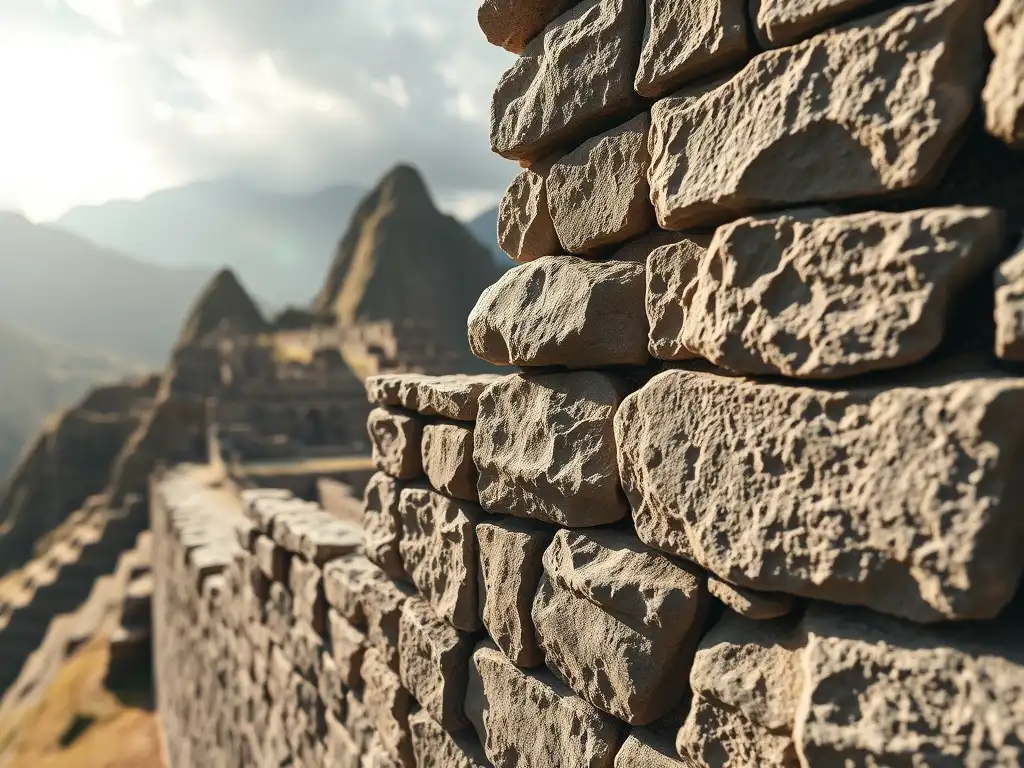
This section delves into specific examples of Inca architecture, analyzing the techniques employed to achieve remarkable durability and longevity. We will examine three iconic sites – Machu Picchu, Sacsayhuaman, and Ollantaytambo – to illustrate the ingenuity and mastery of Inca builders in their pursuit of lasting structures. Understanding these case studies provides crucial insights into the impressive Inca architecture durability techniques that continue to fascinate and inspire researchers today.
Machu Picchu: A Testament to Inca Architectural Ingenuity
Machu Picchu, the famed "Lost City of the Incas," stands as a powerful testament to Inca architectural ingenuity and the effectiveness of their building methods. Its survival for centuries, despite exposure to the elements and seismic activity, speaks volumes about the durability inherent in its design and construction. The careful selection of building materials, primarily granite, plays a crucial role.
Granite's inherent strength and resistance to weathering contributed significantly to the structures' longevity. Furthermore, the precise fitting of stones, often without the use of mortar, created incredibly strong and stable walls. This "dry-stone masonry" technique, a hallmark of Inca architecture, minimized the impact of earthquakes by allowing the structures to flex and absorb seismic energy.
The integration of the city into the mountainous landscape itself enhanced its durability. Terraces carved into the slopes stabilized the ground, preventing landslides and erosion. The careful placement of buildings minimized their environmental impact, further contributing to their long-term survival.
Detailed analysis of Machu Picchu's construction reveals a sophisticated understanding of engineering principles, including drainage systems that prevented water damage and the strategic use of natural features to reinforce structures. The durability of Machu Picchu is not merely a matter of chance; it's a direct result of meticulous planning and masterful execution. The city's enduring legacy underscores the effectiveness of Inca Inca architecture durability techniques and their profound understanding of their environment.
Sacsayhuaman: Demonstrating Inca Stone Working Skills
Sacsayhuaman, a massive fortress located near Cusco, showcases the unparalleled skill of Inca stone masons. The sheer size and precision of the stones used in its construction are breathtaking. Many stones weigh several tons, yet they are fitted together with astonishing accuracy, often with gaps smaller than a human hair.
This level of precision significantly enhanced the structural integrity of the walls, making them highly resistant to both weathering and seismic activity. The impressive durability of Sacsayhuaman is a direct result of the Inca's advanced understanding of stone working, their ability to quarry, transport, and shape massive stones with remarkable precision.
The Inca architecture durability techniques employed at Sacsayhuaman were not simply about brute force; they involved sophisticated engineering principles. The cyclopean walls, characterized by their massive, irregularly shaped stones, were designed to withstand immense pressure. The interlocking nature of the stones distributed weight effectively, making the walls remarkably stable.
The strategic use of different stone sizes and shapes further enhanced the structural integrity of the fortress. The durability of Sacsayhuaman is a testament to the Inca's mastery of stonework and their ability to create structures that could withstand the test of time. The site remains a powerful symbol of Inca engineering prowess and the effectiveness of their Inca architecture durability techniques.
Ollantaytambo: The Integration of Landscape and Architecture
Ollantaytambo, a remarkable complex of agricultural terraces and urban structures, highlights the Inca's ability to integrate architecture seamlessly with the landscape. Its durability stems not only from the quality of construction but also from its harmonious relationship with the surrounding environment. The intricate network of agricultural terraces, carved into the steep slopes of the Andes, prevented soil erosion and created fertile land for cultivation. This careful management of the environment contributed significantly to the long-term sustainability of the site.
The buildings themselves, constructed using similar dry-stone masonry techniques as Machu Picchu, demonstrate remarkable resilience. The precise fitting of stones, combined with the strategic use of natural features such as rock outcrops, created incredibly strong and stable structures. The integration of architecture and landscape at Ollantaytambo is a prime example of sustainable building practices.
The Inca architecture durability techniques employed here were not just about building strong structures; they were about creating a harmonious relationship between human settlements and the natural environment. This holistic approach contributed significantly to the long-term durability and sustainability of Ollantaytambo. The site's continued existence is a testament to the foresight and ingenuity of the Inca builders and their understanding of sustainable Inca architecture durability techniques.
Inca Architectural Adaptations to the Andean Environment
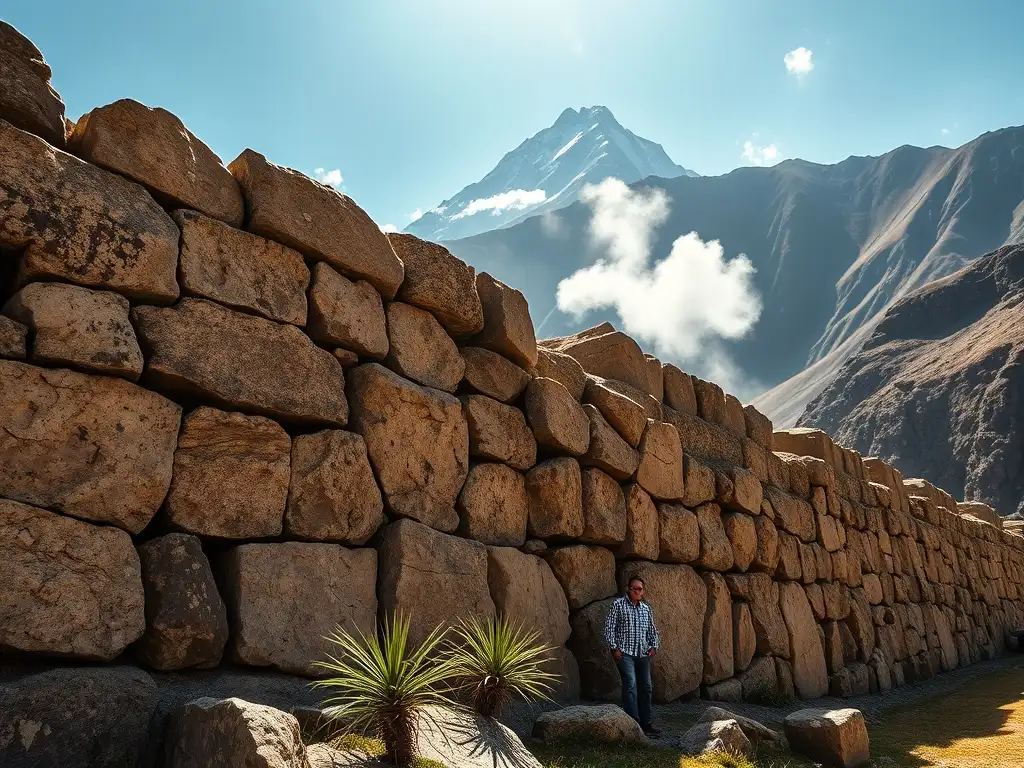
The Inca Empire's remarkable architectural achievements weren't simply aesthetic feats; they were testaments to ingenious engineering solutions tailored to the challenging Andean environment. The Inca's mastery of Inca architecture durability techniques stemmed from a deep understanding of the local geography, climate, and available materials. Their buildings weren't just constructed; they were integrated into the landscape, demonstrating a sophisticated approach to sustainable building practices centuries ahead of their time.
This adaptation was crucial for ensuring the longevity of their structures, which, in many cases, still stand as impressive witnesses to their skill. This section will explore some key examples of this environmental integration.
Design Principles for High Altitude and Variable Climates
Inca architecture wasn't a one-size-fits-all approach. Design principles varied significantly depending on altitude and local climate. High-altitude settlements, often exposed to intense solar radiation, freezing temperatures, and strong winds, required specific considerations. Buildings were frequently designed with thick walls, often incorporating multiple layers of stone, to provide insulation and protect against extreme temperature fluctuations.
The use of strategically placed windows and ventilation shafts ensured optimal internal temperature regulation. For instance, Machu Picchu's structures showcase this expertly. The orientation of buildings minimized wind exposure, while the design maximized solar gain during colder months and minimized it during the hotter periods.
This sophisticated understanding of passive solar design contributed significantly to the Inca architecture durability techniques employed, ensuring the structures could withstand the harsh climatic conditions for centuries. Furthermore, the choice of building materials—locally sourced stone perfectly adapted to the climate—played a crucial role in the longevity of these constructions. This careful selection minimized the impact of freeze-thaw cycles, a significant threat to many building materials in high-altitude environments.
The Role of Terracing in Inca Building Longevity
Terracing wasn't merely a method of agricultural intensification; it was a fundamental component of Inca Inca architecture durability techniques and landscape management. By creating level platforms on steep slopes, the Incas stabilized the land, preventing erosion and landslides, which could have devastating consequences for their settlements and infrastructure. These terraces also served as foundations for buildings, providing a stable base for structures built on otherwise unstable terrain.
The intricate network of retaining walls, often constructed from precisely fitted stones, further reinforced the stability of the terraces and prevented soil slippage. The construction techniques employed, including the use of dry-stone masonry and sophisticated drainage systems, ensured the long-term stability of these terraces, protecting the buildings they supported from the damaging effects of erosion and seismic activity.
The longevity of many Inca terraces is a testament to the effectiveness of this ingenious approach to land management and its contribution to the overall durability of Inca settlements. Data from archeological studies consistently highlight the effectiveness of this approach, showing minimal degradation over centuries.
Inca Water Management Systems and Their Contribution to Durability
The Inca's mastery of water management was integral to the Inca architecture durability techniques employed throughout their empire. Their sophisticated systems of canals, aqueducts, and reservoirs not only provided a reliable source of water for agriculture and domestic use but also played a vital role in protecting buildings from the damaging effects of water. By carefully channeling water away from settlements and structures, the Incas minimized the risk of flooding, erosion, and water damage.
Furthermore, the design of many buildings incorporated features that facilitated efficient drainage, preventing water from accumulating and causing structural damage. For example, the use of sloped roofs and strategically placed gutters ensured that rainwater was quickly diverted away from buildings. This meticulous attention to water management significantly enhanced the durability of Inca architecture, contributing to the longevity of their impressive structures.
The integration of water management systems within the overall design of Inca settlements demonstrates a holistic approach to construction that prioritized both functionality and durability. This approach minimized maintenance needs and maximized the lifespan of their infrastructure. The legacy of their water management systems continues to inspire modern sustainable building practices.
Inca Architecture Durability Techniques: A Summary
Inca architecture stands as a testament to the ingenuity and foresight of this remarkable civilization. Their structures, many of which still stand today despite centuries of weathering and seismic activity, are a compelling example of sustainable and durable building practices. This section delves into the key techniques employed by Inca builders that contributed to the exceptional longevity of their architecture, showcasing their mastery of materials and construction methods. Understanding these techniques offers valuable insights into sustainable construction practices relevant even in the modern world. The keyword phrase "Inca architecture durability techniques" is central to this exploration.
Key Factors Contributing to the Longevity of Inca Buildings
Several key factors underpinned the remarkable durability of Inca architecture. The careful selection of materials, innovative construction techniques, and a deep understanding of the Andean environment all played crucial roles.
First, the Incas were masters of stonework. They utilized readily available materials, primarily andesite and granite, expertly quarried and shaped using techniques that minimized waste and maximized strength. The precision of their stone cutting is astonishing; many stones fit together so perfectly that a knife blade cannot be inserted between them. This meticulous craftsmanship, coupled with the use of dry-stone masonry (without mortar), created incredibly strong and stable structures. This is a prime example of Inca architecture durability techniques in action.
Second, the Incas demonstrated a profound understanding of structural engineering. Their buildings were often built on terraces carved into hillsides, minimizing the impact of earthquakes. They employed sophisticated techniques such as interlocking stones and carefully planned weight distribution to enhance stability. The use of ashlar masonry, characterized by precisely cut and fitted blocks, further strengthened their structures. Consider, for instance, the impressive walls of Sacsayhuamán, which exemplify this mastery.
Third, the Incas' understanding of the Andean environment was critical to their building success. They adapted their construction methods to the specific challenges of the region, including seismic activity, heavy rainfall, and extreme temperature variations. Their choice of materials and construction techniques reflected this deep understanding. For example, the use of lighter materials in higher altitude locations minimized the risk of collapse during earthquakes. This environmental awareness represents another crucial aspect of Inca architecture durability techniques.
The Enduring Legacy of Inca Building Practices
The legacy of Inca building practices extends far beyond the impressive ruins that remain. Their innovative techniques continue to inspire architects and engineers today. The principles of dry-stone masonry, careful site selection, and seismic-resistant design are all relevant to modern sustainable construction. The sheer longevity of Inca structures is a powerful argument for the effectiveness of their methods. Studies of Inca architecture have revealed valuable information about the mechanical properties of their construction, leading to new insights into building materials and techniques. The continued study and analysis of these sites offer valuable lessons in sustainable design and construction. The inherent resilience of Inca buildings, achieved without the use of modern materials and technology, is a remarkable achievement.
Modern Lessons in Sustainable Construction from Inca Techniques
The study of Inca architecture offers numerous valuable lessons for modern sustainable construction. Their emphasis on locally sourced materials, minimal environmental impact, and the creation of structures that seamlessly integrated with the landscape are all highly relevant to contemporary sustainability goals. The Incas' approach to construction was inherently sustainable, relying on readily available materials and employing techniques that minimized waste and maximized longevity. This contrasts sharply with many modern construction practices that prioritize speed and cost-effectiveness over long-term durability and environmental responsibility.
We can learn from Inca architecture by focusing on:
- Minimizing environmental impact: By prioritizing locally sourced materials and reducing waste, we can lessen the carbon footprint of construction.
- Maximizing material longevity: The Incas’ focus on durable materials and construction techniques can inform the development of more resilient and long-lasting buildings.
- Adapting to the environment: Understanding the specific environmental context is crucial for creating structures that can withstand the challenges of the local climate.
The exceptional durability of Inca architecture is a compelling case study in sustainable construction. By analyzing their techniques, we can gain valuable insights into creating buildings that are not only aesthetically pleasing but also environmentally responsible and built to last. The ingenuity and foresight of the Inca builders provide a powerful example for architects and engineers striving to build a more sustainable future. Further research into Inca architecture durability techniques is crucial for understanding and applying these principles in the modern context.
Frequently Asked Questions
What techniques did the Inca use to ensure the durability of their architecture?
The Inca employed several ingenious techniques, including precise stone cutting that minimized the need for mortar, interlocking stone blocks, and adapting buildings to the landscape to withstand earthquakes. Their mastery of local materials also contributed to longevity.
How did the Inca's understanding of their environment impact their building practices?
The Incas displayed a deep understanding of seismic activity and local geology. This knowledge directly informed their building techniques, allowing them to create structures that were incredibly resistant to earthquakes and other environmental stresses. They used locally sourced materials best suited for their environment.
What role did stonework play in the durability of Inca structures?
Precisely cut and fitted stones were fundamental to Inca architecture's durability. The interlocking nature of these stones, often without mortar, created incredibly strong and stable structures capable of withstanding considerable stress. This dry-stone masonry is a testament to their skills.
Were there any specific types of stone preferred by the Inca builders?
While the Incas utilized various stones, they favored granite and andesite for their strength and durability. The selection of stone type was often dictated by local availability and the specific requirements of the structure. The choice always reflected a practical and sustainable approach.
How does Inca architecture compare to other ancient civilizations in terms of durability?
Inca architecture stands out for its remarkable resilience and longevity, even surpassing many other ancient civilizations. The combination of sophisticated techniques and a deep understanding of the environment resulted in structures that have endured centuries of weathering and seismic activity. Their innovative approach remains impressive.
Final Reflection: Echoes of Stone: The Enduring Legacy of Inca Architecture
The ingenuity of Inca architecture continues to resonate today, a testament to their profound understanding of engineering and their deep connection to the Andean landscape. Their mastery of stonework, far from being a relic of the past, offers invaluable lessons in sustainable construction and resource management in our increasingly fragile world. We can learn much from a civilization that prioritized longevity and harmony with nature in their building practices.
The Inca's commitment to durability wasn't merely a practical concern; it was deeply intertwined with their spiritual beliefs and social structures. Their monumental structures served as powerful symbols of their empire's strength and permanence, reflecting a worldview that valued continuity and respect for the land. The stones themselves seemed to whisper of a time before time, of a people who understood the language of the mountains.
This sentiment captures the enduring power and mystery of Inca architecture, a legacy that continues to inspire awe and wonder.
Consider the implications of this legacy for your own life. How can we, in our modern world, embrace the Inca's commitment to building for the future? What choices can we make, both individually and collectively, to ensure that our own creations possess the same enduring quality and respect for the environment? Let the echoes of Inca stone inspire you to build not just structures, but a more sustainable and harmonious future for generations to come.
Embrace the Legacy of Inca Architecture!
Thank you for exploring the fascinating world of Inca architecture and its enduring principles! You've gained valuable insights into the remarkable durability and cultural significance of these ancient structures. Now, let's consider how we can draw inspiration from this legacy and apply it to contemporary building practices.
Here are some ways to connect with the spirit of Inca craftsmanship:
- Explore local historical architecture and identify design features that demonstrate lasting resilience within your community. Consider what elements contributed to their longevity and how those principles might be adapted today.
- Share your newfound appreciation for Inca building techniques with friends and family. Organize a discussion about how ancient methods can inform modern sustainable building practices.
- Participate in community workshops focused on sustainable and resilient building techniques, or consider taking an online course to deepen your understanding of durable design principles inspired by ancient civilizations.
What aspects of Inca architecture—perhaps their masterful use of stone, or ingenious water management systems—would you like to see implemented in modern constructions?