
The Social Significance of Textiles: Identity, Status, and Gender Roles

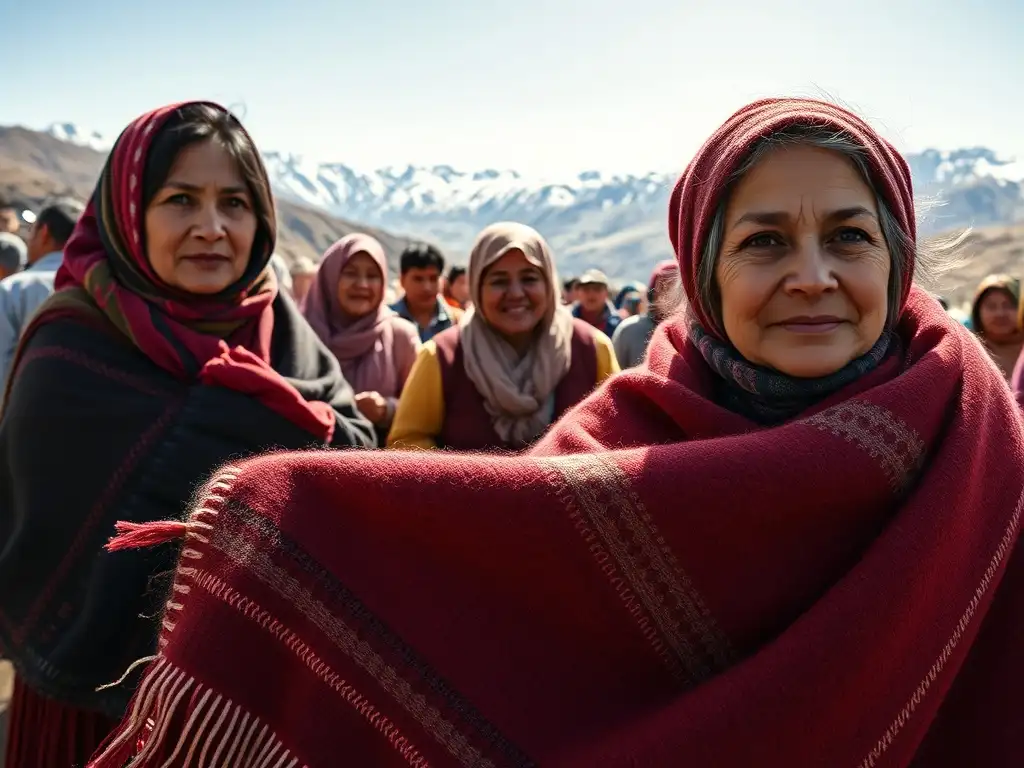
Unravel the mysteries woven into the very fabric of Andean history. For centuries, Andean textiles have whispered secrets of power, identity, and daily life. More than mere adornment, they held profound social significance, reflecting intricate systems of status, gender roles, and community. Discover how these breathtaking creations reveal a captivating story of Andean civilizations—a story waiting to be fully understood. Dive into the rich tapestry of " Andean textiles social significance" and uncover the threads that connect past and present.
- Andean Textiles Social Significance: Identity, Status, and Gender Roles
- The Role of Textiles in Andean Society
- Identity and Andean Textile Art
- Andean Textiles and Gender Roles
- Andean Textile Production: A Social and Economic Activity
- Preserving the Legacy of Andean Textile Art
- Frequently Asked Questions
- Final Reflection: Weaving a Legacy: The Enduring Power of Andean Textiles
- Unveil the Power of Textiles in Society!
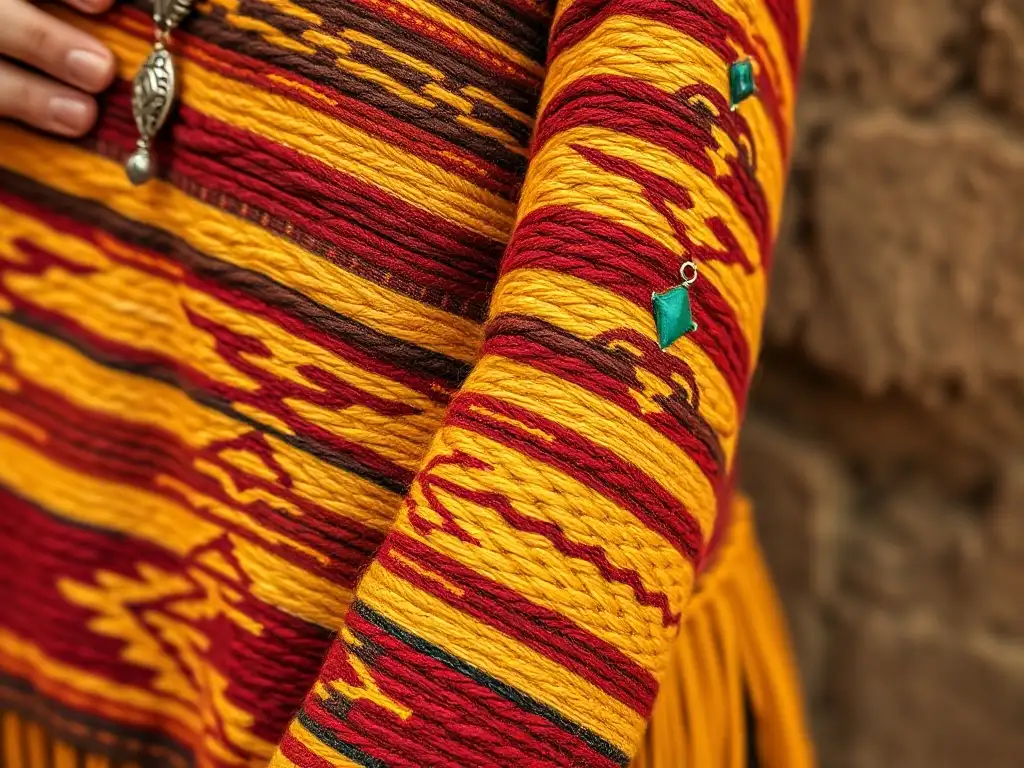
The vibrant tapestry of Andean culture is inextricably woven with the significance of textiles. Far from mere clothing, textiles in Andean societies served as powerful symbols of identity, status, and gender roles, reflecting a complex social hierarchy and worldview.
This article delves into the intricate relationship between Andean textiles and the social fabric of these remarkable civilizations, exploring how these meticulously crafted pieces communicated meaning across generations and social strata. From the intricate designs of the Nazca lines to the finely spun threads of Inca royalty, textiles served as potent visual languages, revealing insights into daily life, religious beliefs, and power structures.
Understanding the social significance of Andean textiles provides a crucial lens through which we can appreciate the depth and complexity of these ancient societies and their enduring legacy. We will explore how variations in material, technique, color, and design were used to convey specific messages, and the lasting impact these textiles have on our understanding of Andean history and culture.
Identity and Ethnicity through Textile Traditions
Andean textiles played a vital role in establishing and maintaining ethnic identity. Different groups, often inhabiting specific geographical regions, developed distinct weaving techniques, color palettes, and symbolic motifs. This regional diversity created a visual language that clearly differentiated one group from another. For example, the intricate geometric patterns characteristic of Paracas textiles starkly contrast with the more figurative representations found in Inca weavings.
These differences weren't merely aesthetic; they were markers of belonging, distinguishing communities and reinforcing their unique cultural identities. The use of specific dyes, sourced from local plants and minerals, further strengthened these regional identities, tying the textiles directly to the land and its resources. The continuity of these traditions over centuries underscores the deep-seated significance of textiles in shaping and preserving cultural memory. The persistence of certain motifs and techniques across generations demonstrates the powerful role of textiles in transmitting cultural knowledge and identity.
The social hierarchy within Andean societies was vividly reflected in the textiles produced and worn. Elaborate garments, often adorned with precious metals, feathers, and intricate embroidery, were reserved for the elite, signifying their high status and power. Inca royalty, for example, wore richly decorated textiles made from fine vicuña or alpaca wool, showcasing their privileged position within society.
The complexity and quality of the textile directly correlated with the wearer's social standing. Simple, utilitarian garments were worn by the common people, while the elite sported garments that were not only visually stunning but also incredibly labor-intensive to create, showcasing the immense resources and skilled artisans at their disposal.
The use of specific colors, such as purple dye obtained from shellfish, further emphasized the wearer's high status, as these dyes were rare and expensive. This system of visual communication through textiles reinforced the existing social structure and served to maintain the power of the ruling class.
Gender Roles and the Production of Textiles
The production of Andean textiles was deeply intertwined with gender roles. While both men and women participated in various stages of textile production, specific tasks were largely assigned based on gender. Women were primarily responsible for spinning the yarn and weaving the cloth, while men often took on tasks like shearing the animals and preparing the dyes.
However, this division of labor should not be interpreted as a rigid separation of roles. The complexity of the process required collaboration and expertise from both genders, creating a dynamic interplay of skills and responsibilities. The designs themselves often reflected gender roles, with certain motifs associated with male or female deities or activities.
This integration of gender into the textile production process highlights the crucial role women played in Andean society, their skills and contributions being essential to the economic and cultural life of their communities. The intricate designs and techniques employed often required years of apprenticeship, demonstrating the high level of skill and expertise valued in female weavers.
The Role of Textiles in Andean Society
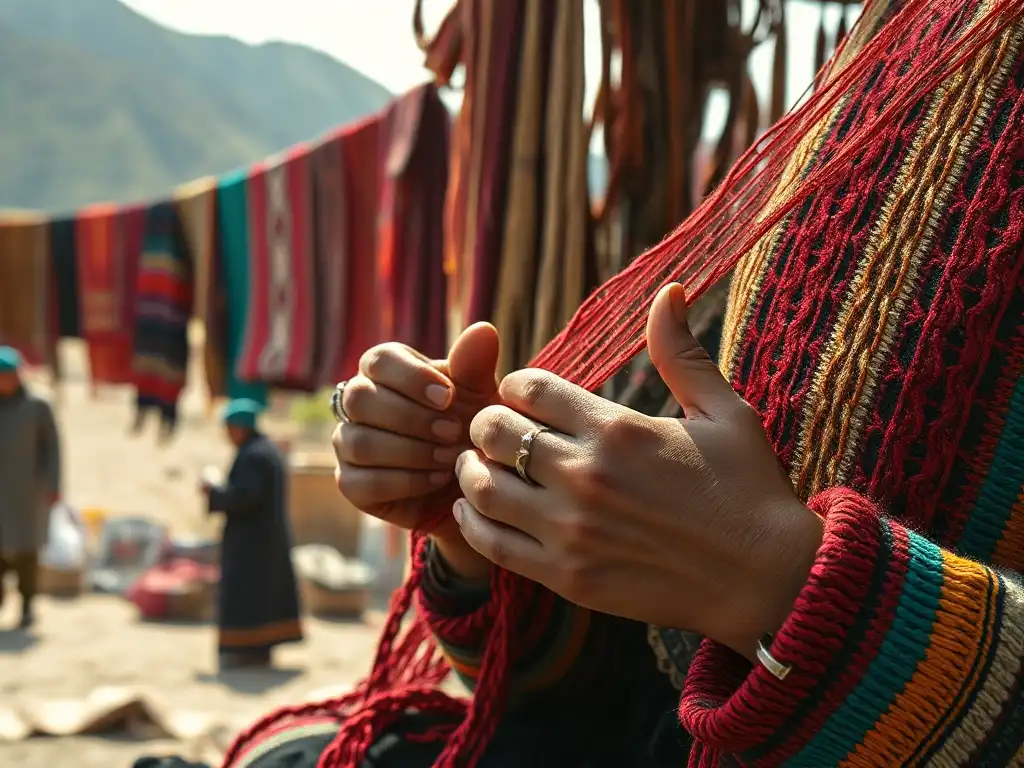
The intricate world of Andean textiles reveals much more than just artistic skill; they serve as powerful indicators of social structure, identity, and gender roles within ancient Andean societies. The vibrant colors, complex designs, and unique weaving techniques weren't merely decorative; they were deeply embedded in the social fabric of these civilizations, communicating crucial information about an individual's place within their community. Understanding the social significance of Andean textiles requires examining their production, distribution, and use across different Andean cultures, from the Incas to the Nazca and beyond.
This section will explore how textiles functioned as powerful symbols of identity, status, and gender, revealing a complex social tapestry woven into the very threads of their existence. The analysis of Andean textiles social significance provides a rich understanding of their past.
Weaving in the Andes wasn't simply a craft; it was a deeply social activity. The process, from shearing the alpaca or llama to spinning the yarn and finally weaving the cloth, often involved entire communities. Cooperative weaving projects strengthened social bonds and facilitated the sharing of knowledge and resources.
For example, in Inca society, ayllus (kinship groups) often collaborated on large-scale textile production, contributing to the creation of magnificent textiles for religious ceremonies or royal use. The shared experience of weaving fostered a sense of collective identity and reinforced social cohesion. Furthermore, specific weaving techniques and designs were often associated with particular communities or regions, creating a visual language that identified individuals and groups.
This regional variation is particularly evident in the diverse textile traditions of the Nazca and Paracas cultures, where intricate designs and unique weaving styles distinguished different social groups and their geographic origins. The very act of weaving, therefore, was a social act, weaving together not just threads but also the social fabric of Andean communities. The diversity in techniques, materials, and designs reflects the complex social organization and regional distinctions within the Andes.
Textiles served as powerful indicators of social status in ancient Andean societies. The quality of the materials, the complexity of the designs, and the type of garment all communicated an individual's position within the social hierarchy. Fine textiles, made from luxurious materials like vicuña wool, were reserved for the elite, while simpler textiles made from llama or alpaca wool were worn by commoners. Intricate designs, often incorporating symbolic motifs representing power, deities, or ancestral figures, were further markers of high social standing.
For instance, the tocapus (headbands) worn by Inca royalty were exquisitely crafted, adorned with gold, silver, and precious stones, showcasing their elevated status. In contrast, the clothing of commoners was simpler in both design and material. Even the colors held significance; certain colors were associated with specific social groups or ceremonies, further reinforcing the social hierarchy.
Archaeological evidence, including the discovery of richly decorated textiles in elite tombs, supports this interpretation, providing tangible proof of the relationship between textiles and social status in ancient Andean cultures. The careful study of these textiles offers invaluable insights into the social stratification and power dynamics within these societies. Analyzing the materials, techniques, and designs allows researchers to reconstruct the social landscape of the past with remarkable accuracy.
Identity and Andean Textile Art
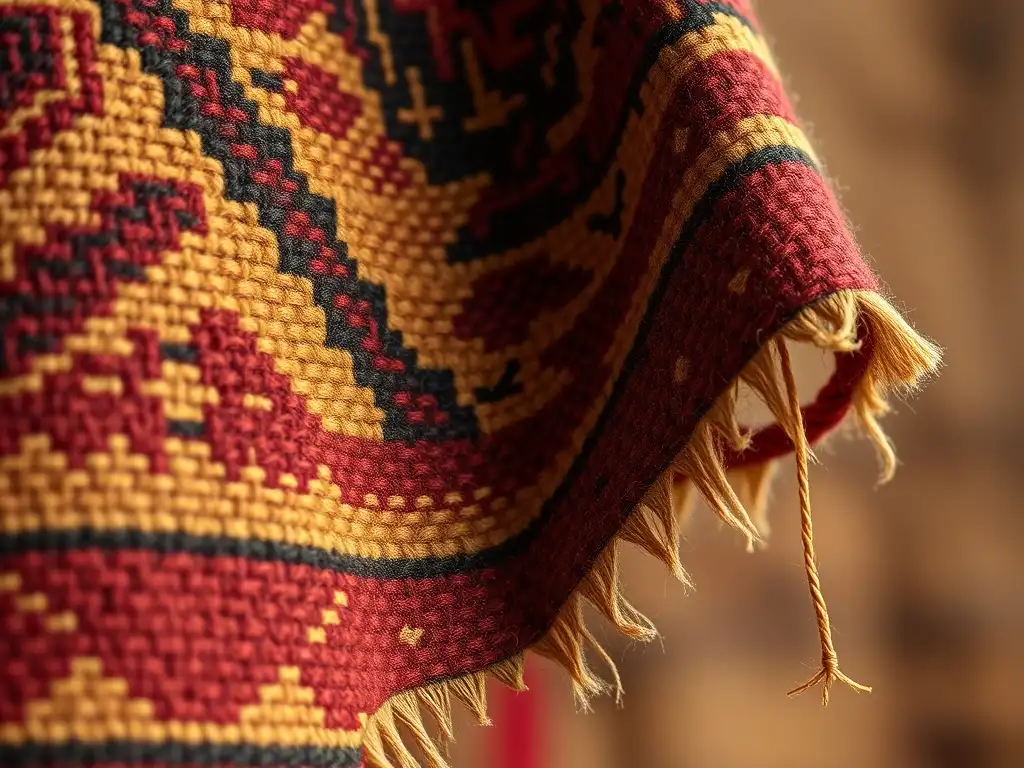
Andean textiles hold a profound social significance, acting as powerful visual markers of identity, status, and gender roles within the diverse societies of the Andes. Their intricate designs, vibrant colors, and unique weaving techniques weren't merely decorative; they were complex systems of communication, conveying a wealth of information about the wearer and their place within the social fabric.
The analysis of Andean textiles offers invaluable insights into the social structures, beliefs, and artistic achievements of these ancient civilizations. Understanding the Andean textiles social significance requires a nuanced approach, examining both the broad cultural context and the intricate details of the textiles themselves.
Regional Textile Traditions and Cultural Identity
The Andes Mountains are characterized by their diverse geography and ecology, leading to the development of distinct regional textile traditions. These traditions weren't merely stylistic variations; they were deeply rooted in local identities and served as powerful markers of regional affiliation. For example, the textiles of the coastal regions, such as those produced by the Moche and Nazca cultures, often featured designs inspired by marine life and desert landscapes, reflecting their unique environments and livelihoods.
In contrast, the highland textiles, associated with cultures like the Inca and Tiahuanaco, frequently incorporated motifs related to agriculture, llamas, and Andean deities, reflecting the challenges and opportunities of the high-altitude environment. The use of specific fiber types – alpaca, llama, vicuña, cotton – also varied regionally, adding another layer to the identification of textile origins and cultural affiliations.
Detailed analysis of fiber content, dye techniques, and weaving styles allows researchers to trace the origins of individual textiles and understand the complex network of exchange and interaction between different Andean communities. This regional specificity is a crucial element in understanding the Andean textiles social significance.
Symbolic Motifs and their Cultural Significance in Andean Weavings
Andean textiles are richly adorned with symbolic motifs that hold profound cultural significance. These motifs, often intricately woven into the fabric, communicate complex narratives and beliefs. Geometric patterns, for example, could represent celestial bodies, agricultural cycles, or even abstract concepts related to Andean cosmology.
Representations of animals, such as condors, jaguars, and llamas, held significant symbolic weight, often associating the wearer with specific power dynamics or spiritual beliefs. The use of specific colors also carried meaning; for example, red might signify blood, sacrifice, or power, while yellow could represent the sun or gold. Researchers have painstakingly cataloged numerous motifs and their associated meanings, revealing a sophisticated system of visual communication embedded within the textiles.
The precise interpretation of these symbols often requires considering the specific context of the textile, including its date, location of origin, and the social status of the wearer. Understanding these symbolic motifs is essential for deciphering the Andean textiles social significance. For instance, the presence of specific bird motifs might indicate a connection to a particular clan or lineage, while geometric patterns could reflect social hierarchy.
How Andean Textiles Reflected Group Affiliation
Beyond regional identities, Andean textiles also served to visually mark group affiliations within a community. Certain designs, colors, and weaving techniques were associated with specific social groups, such as clans, lineages, or even religious orders. This visual identification was crucial in a society where literacy was not widespread.
The textiles acted as a form of visual language, instantly communicating social standing, membership, and even ritual participation. For instance, the use of specific dyes or the incorporation of particular motifs might indicate membership in a particular religious brotherhood or a specific lineage within a larger clan structure. The complexity of these visual cues suggests a sophisticated understanding of social organization and the role of textiles in maintaining social order and cohesion.
Analysis of textile patterns found within specific archaeological contexts can shed light on social structures and group dynamics, revealing the intricate relationships between textile production, social hierarchy, and group identity. The study of Andean textiles social significance in this context offers a unique lens through which to understand the social dynamics of these complex societies.
Andean Textiles and Gender Roles
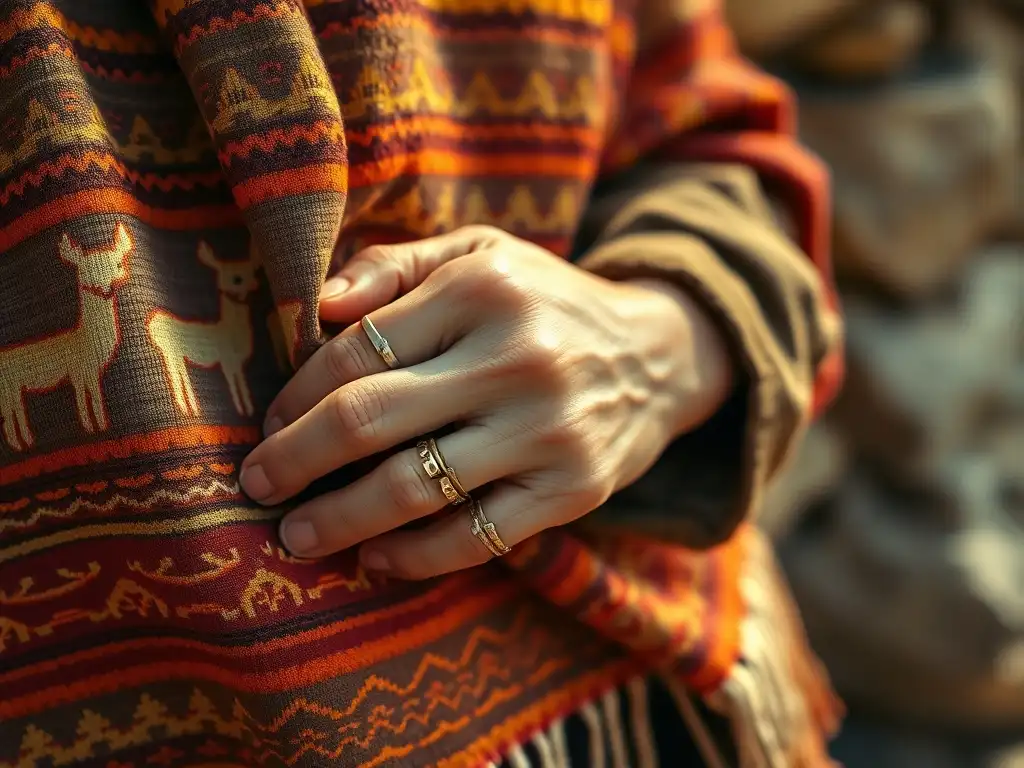
The intricate world of Andean textiles holds a mirror to the complex social structures of the ancient civilizations that created them. A deep understanding of Andean textiles social significance reveals not only artistic mastery but also a nuanced reflection of gender roles, social status, and individual identity.
The vibrant colors, intricate patterns, and diverse techniques employed in textile production were far more than mere aesthetics; they were powerful symbols encoding social messages, transmitting cultural heritage, and shaping individual lives. Analyzing these textiles allows us to glimpse the daily lives and social hierarchies of Andean societies, revealing the significant contributions of both men and women in the creation and utilization of these remarkable artifacts.
The Weaving Process and Women's Roles in Andean Communities
While the exact division of labor varied across different Andean cultures and time periods, weaving was predominantly a female activity. Women's roles in Andean communities were intrinsically linked to textile production, from the initial stages of fiber preparation to the final stages of weaving and finishing. This wasn't simply a matter of task allocation; it was deeply embedded in the social fabric of the communities. The skill and artistry required for weaving were passed down through generations of women, solidifying their position within the social hierarchy.
The process itself was laborious and time-consuming. It began with the cultivation and harvesting of plants like cotton and alpaca, followed by the meticulous cleaning, carding, and spinning of fibers. Women were responsible for creating the yarn, a process requiring considerable skill and patience. They then meticulously prepared the warp threads, setting up the loom, and weaving the intricate patterns.
The creation of a single textile represented a significant investment of time and expertise. Different communities utilized various types of looms, reflecting regional variations in technique and style. The complexity of these looms and the sophisticated techniques required further emphasized the specialized knowledge and skills possessed by women weavers. This expertise was not only valued but often formed the basis of their social standing and economic contribution to their communities.
Men's Involvement in Textile Production and Trade
While women dominated the actual weaving process, men played crucial roles in other aspects of textile production and distribution. They were often involved in the herding and shearing of animals providing the wool, such as alpacas and llamas. The preparation of certain fibers, particularly those requiring more physical strength, might also have involved men. Furthermore, men played a significant role in the trade and exchange of finished textiles, both within their communities and across wider networks.
The economic importance of textiles extended beyond the household level. Fine textiles were often used as tribute, gifts for dignitaries, or as valuable trade goods. Men's participation in these larger economic spheres ensured the circulation and distribution of textiles across the Andean landscape. The control and exchange of textiles, therefore, became a significant factor in establishing and maintaining social and political power structures. While the act of weaving itself remained largely a female domain, the broader economic context of textile production and trade involved both men and women, highlighting the interconnected nature of their roles in Andean society.
Gendered Designs and Their Meanings in Andean Textiles
The designs and motifs woven into Andean textiles were not arbitrary; they communicated specific meanings related to gender, social status, and ritual practices. Certain patterns were associated with female deities, fertility, and domestic life, while others were linked to male deities, power, and warfare. The use of specific colors and symbols also helped to distinguish between textiles intended for men and women. For example, certain vibrant colors might have been reserved for elite garments, reflecting the wearer's high social standing. Similarly, intricate designs could indicate the skill and status of the weaver.
The analysis of Andean textile designs requires careful consideration of the cultural context. Different Andean cultures had unique iconographic systems, and the interpretation of patterns varies accordingly. The symbolism embedded in these textiles offers invaluable insights into the beliefs, values, and social structures of Andean societies. Scholars continue to unravel the intricate layers of meaning encoded in these ancient textiles, revealing a fascinating tapestry of cultural significance.
The study of gendered designs in Andean textiles offers a unique lens through which to understand the interplay between gender, social status, and artistic expression in these remarkable civilizations. Further research is needed to fully understand the regional variations and the evolution of these symbolic systems over time. The ongoing discovery of new textiles and the development of new analytical techniques continue to refine our understanding of Andean textile art and its profound social significance.
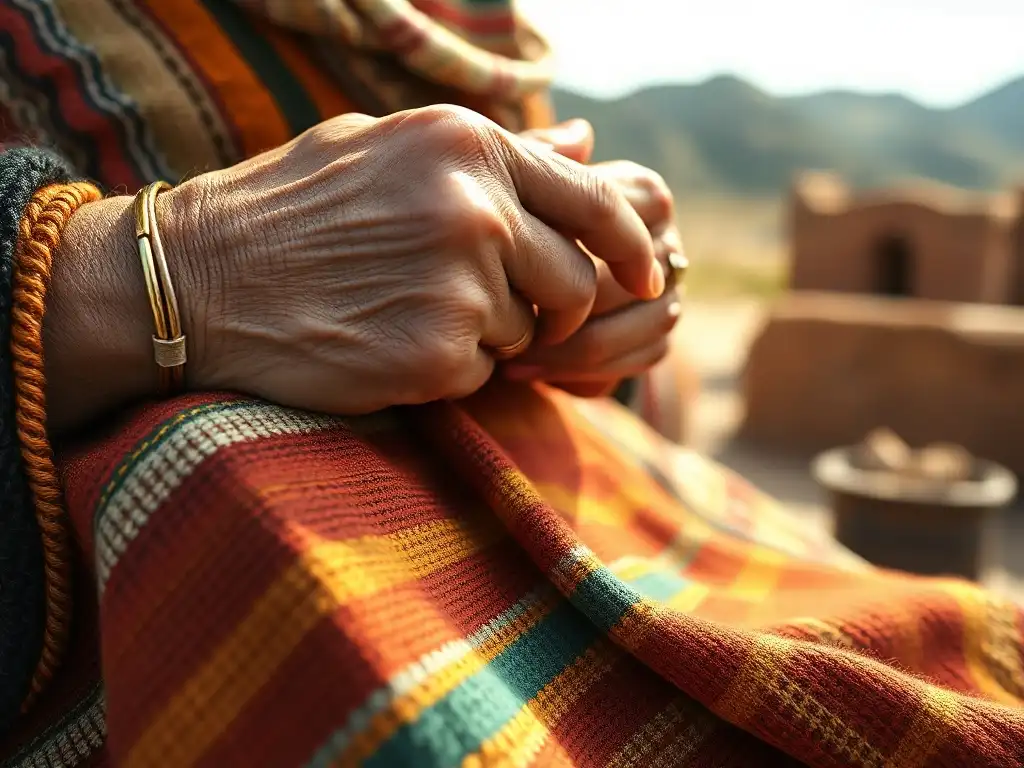
The production of Andean textiles wasn't merely a craft; it was deeply interwoven with the social and economic fabric of Andean societies. Understanding the social significance of Andean textiles requires acknowledging the significant labor invested and the complex systems of exchange that shaped their value and distribution. The intricate designs, vibrant colors, and high-quality materials all point to a sophisticated system of production reflecting social hierarchies and economic realities.
The significance of Andean textiles extended far beyond mere clothing; they represented status, identity, and power within the complex social structures of these civilizations. This section will explore the organization of weaving workshops, textile trade, and the overall economic value of textiles within Andean societies.
The Organization of Weaving Workshops and Labor
Weaving workshops, often associated with specific communities or even individual families, played a crucial role in Andean textile production. The organization of labor varied depending on the scale of production and the social standing of the group involved. In some cases, large-scale workshops may have employed specialized weavers, each with expertise in specific techniques or designs.
This specialization, evident in the diverse textile types and techniques across the Andes, suggests a complex division of labor. Evidence suggests that both men and women participated in textile production, although the specific roles and responsibilities might have differed based on gender and social status. For example, men might have been involved in the shearing of alpaca and llama, while women might have been more involved in the spinning and weaving processes.
This division of labor, however, wasn't necessarily rigid; the exact nature of participation varied across different Andean cultures and time periods. Further research is needed to fully understand the nuances of workshop organization and labor distribution across the diverse Andean societies. [Specific information pending on the exact organization of workshops in different Andean cultures].
Textile Trade and Exchange in Andean Economies
The intricate and high-quality nature of Andean textiles fueled a thriving trade network across the Andes. Textiles weren't just consumed locally; they were traded over vast distances, serving as valuable commodities in regional and inter-regional exchange systems. The exchange of textiles facilitated the movement of goods and ideas, linking different Andean communities and strengthening social ties.
The value of specific textiles varied depending on factors such as the quality of materials, complexity of design, and the prestige of the producing community. Certain textiles were highly prized, serving as symbols of status and power, and were often used as forms of tribute or payment. For example, fine textiles were often given as offerings to deities or used as gifts within the elite classes.
The trade networks facilitated the spread of weaving techniques and designs, leading to a rich diversity of textile styles across the Andes. However, a detailed understanding of the precise routes and mechanisms of trade remains a subject of ongoing research, particularly concerning the logistical challenges and organization of long-distance exchange. The role of specialized traders and the impact of political structures on trade routes are still being investigated.
The Economic Value of Textiles in Andean Society
The economic value of textiles in Andean society is undeniable. Textiles served as a form of currency, a store of wealth, and a means of social exchange. Their economic importance is evident in the vast quantities of textiles found in archaeological sites, as well as their frequent depiction in art and iconography. Beyond their direct economic value, textiles also played a crucial role in the Andean economy by supporting related industries, such as the herding of camelids (llamas and alpacas) for their fiber.
The production and trade of textiles generated employment and income for many individuals and communities. The economic significance of textiles was further enhanced by their use as tribute paid to rulers and elites, ensuring the flow of resources to the ruling classes. This system of tribute, which often involved the delivery of high-quality textiles, solidified the economic and political power of the ruling elites.
Furthermore, the use of textiles in ceremonial contexts—such as in religious festivals and burials—highlights their symbolic and economic importance, reinforcing their status as valuable and prestigious goods. Understanding the full economic impact of textiles requires further research into the complex interplay between production, trade, and consumption across different Andean societies. [Further data needed on the precise economic impact of textile production on different Andean economies].
Preserving the Legacy of Andean Textile Art
The vibrant tapestry of Andean textile art, a testament to centuries of ingenuity and cultural expression, faces numerous challenges in the modern world. Understanding and addressing these challenges is crucial to preserving this invaluable legacy for future generations. The social significance of Andean textiles, deeply intertwined with identity, status, and gender roles, is inextricably linked to the survival of the traditions themselves.
The loss of traditional weaving techniques would represent not only the disappearance of beautiful artifacts but also the erosion of a fundamental aspect of Andean cultural identity. This section explores the critical importance of preserving these techniques and the broader cultural significance of Andean textiles.
Contemporary Andean Weaving and its Cultural Significance
Contemporary Andean weaving continues to thrive, albeit often facing pressures from globalization and changing economic realities. Many communities actively maintain traditional techniques, adapting them to contemporary aesthetics and markets. This dynamic interplay between tradition and innovation is crucial to the ongoing vitality of Andean textile art.
For example, the use of natural dyes, sourced locally and passed down through generations, remains a central aspect of many weaving communities, demonstrating a commitment to both ecological sustainability and cultural preservation. The intricate designs, often imbued with deep symbolic meaning related to cosmology, mythology, and social structures, continue to be woven into contemporary textiles, maintaining a powerful connection to the past. This continuity ensures that the social significance of Andean textiles, with its inherent link to identity and community, remains strong.
The designs themselves often narrate stories, transmit knowledge, and reinforce social bonds within the community. The creation and use of these textiles are not merely artistic endeavors; they are active participations in the ongoing cultural life of Andean communities.
The economic impact of contemporary Andean weaving should also be considered. For many communities, textile production provides essential income and contributes significantly to their economic well-being. Supporting these artisans and their work is vital not only for preserving textile traditions but also for supporting the economic sustainability of Andean communities. The sale of these textiles, both domestically and internationally, allows for the preservation of traditional knowledge and techniques, ensuring their continuation for future generations. The continued demand for authentic Andean textiles, characterized by their unique designs, high-quality craftsmanship, and cultural significance, underpins the economic viability of these traditional practices.
The Importance of Protecting Traditional Textile Techniques
Protecting traditional Andean textile techniques requires a multi-pronged approach. This includes documenting existing techniques through detailed studies and archives, providing educational opportunities for younger generations, and creating supportive economic environments that make it viable for artisans to continue their craft. The loss of knowledge surrounding specific dyeing techniques, intricate weaving patterns, and specialized tools poses a significant threat to the preservation of this rich cultural heritage.
Many of these techniques are not simply passed down through written instructions but are learned through years of hands-on apprenticeship and observation. The passing of master weavers without adequate successors represents a critical loss of irreplaceable knowledge. Efforts are underway to document these practices through detailed photographic records, video documentation, and the creation of comprehensive textile archives, but these efforts need further support and expansion.
Furthermore, the availability of high-quality, sustainably sourced materials is paramount. The use of natural dyes, for example, requires access to specific plants and minerals, many of which are becoming increasingly scarce due to environmental factors and habitat loss. Protecting the biodiversity of the Andean region is therefore essential for preserving the very materials that are necessary for traditional textile production. Initiatives that promote sustainable resource management and the conservation of traditional plant species are vital for the long-term preservation of Andean textile techniques. The protection of traditional knowledge and the materials that sustain it are intrinsically linked.
The Ongoing Relevance of Andean Textiles in Modern Society
Andean textiles maintain a remarkable ongoing relevance in contemporary society. Their aesthetic appeal, combined with their rich cultural significance, continues to attract global interest. Museums and galleries worldwide showcase examples of these textiles, highlighting their artistic merit and historical importance.
This global appreciation has led to increased demand, creating new economic opportunities for Andean artisans while simultaneously raising awareness of the cultural significance of their work. Their incorporation into contemporary fashion and design further highlights their adaptability and enduring appeal, demonstrating their relevance beyond traditional contexts. The use of Andean textile motifs in contemporary art, fashion, and design serves as a powerful reminder of the enduring legacy of Andean culture.
The social significance of Andean textiles transcends geographical boundaries, serving as a powerful symbol of cultural identity and artistic expression on a global scale. The preservation of this rich heritage is not only a matter of protecting the past but also of ensuring the vibrancy and continuity of Andean culture in the modern world. The continued appreciation and support for Andean textile art are essential for its survival and flourishing.
Frequently Asked Questions
What role did textiles play in Andean societies?
Textiles held immense social significance in Andean civilizations. They weren't merely clothing; they were powerful symbols of identity, status, and social roles, reflecting a person's position within the community.
The type of fiber, weaving technique, and decorative elements used in textiles indicated social standing. Elite individuals wore garments made from fine materials and intricate designs, while those of lower status wore simpler clothing.
What was the role of gender in textile production?
Textile production was largely a female domain, with women mastering various weaving techniques and designs. However, men also played a part, particularly in procuring raw materials and potentially in specialized weaving practices.
How did textiles express individual and group identity?
Textiles served as powerful markers of ethnic identity and regional affiliation. Specific designs, colors, and weaving styles identified individuals with particular groups or communities.
What types of fibers were commonly used in Andean textiles?
Andean textiles utilized various fibers, including alpaca, llama, vicuña, and cotton. The choice of fiber further contributed to the social significance of the garment, with finer fibers signifying higher status.
Final Reflection: Weaving a Legacy: The Enduring Power of Andean Textiles
The vibrant threads of Andean textiles continue to speak volumes, not just about artistry, but about the enduring power of cultural identity and social structures. Their intricate designs are not mere decorations; they are living archives, reflecting centuries of societal norms, beliefs, and power dynamics that remain relevant in today's interconnected world. Understanding this legacy is crucial to appreciating the complexities of Andean culture and its ongoing influence.
The impact of Andean textiles extends far beyond their aesthetic appeal; they are potent symbols of heritage, resistance, and social commentary. Their intricate patterns tell stories of ancestral knowledge, gender roles, and social hierarchies, often conveying messages that transcend language. As the anthropologist, Dr. Patricia J. de la Cruz, eloquently stated, Textiles are not simply objects; they are active agents in the construction and negotiation of social identities.
This resonates deeply with me, highlighting the profound way in which these seemingly simple fabrics embody complex social realities.
Consider the stories woven into each piece, the hands that created them, the traditions they uphold. You, the reader, are now part of this conversation. Take a moment to reflect on the power of cultural artifacts and how they shape our understanding of the past and inform our vision of the future. Seek out the stories behind the textiles you encounter, and let their vibrant threads inspire you to appreciate the rich tapestry of human expression and the enduring power of cultural heritage.
Unveil the Power of Textiles in Society!
Thank you for exploring the fascinating world of textiles and their profound impact on society. You've discovered how fabrics shape our identities, reflect social status, and even influence perceptions of gender. Now, let's consider how you can apply this knowledge to make a positive difference in your life and community.
- Explore your family's textile history. Research and document the role fabrics have played in your cultural heritage or family traditions. This could involve interviewing older relatives or examining heirloom garments.
- Share your discoveries. Engage in conversations with friends, family, or online communities about the historical significance of textiles and their power to symbolize identity and belonging. Consider starting a blog or social media campaign to raise awareness.
- Support local textile initiatives. Seek out and support organizations that promote traditional weaving techniques, sustainable textile production, or fair trade practices in your area. Volunteering your time or donating to these groups can have a significant impact.
How will you use the rich narratives woven into textiles to inspire positive change and raise awareness in your community?