
Best Time to Visit Andean Ruins: A Seasonal Guide for Optimal Exploration

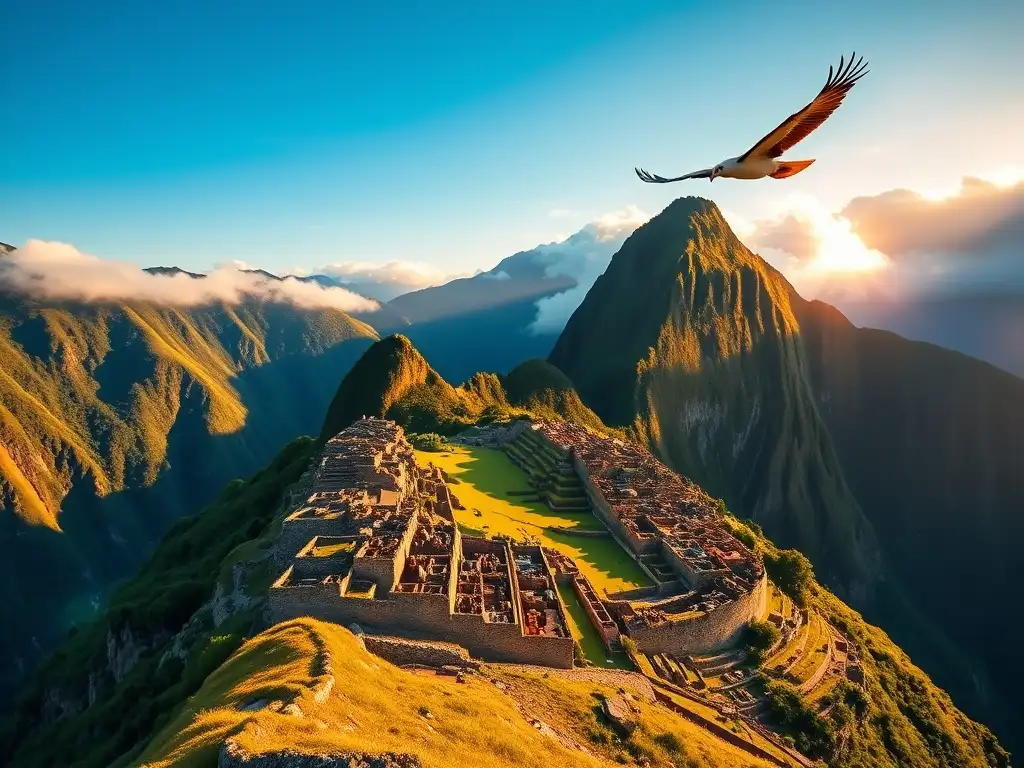
Step into a world lost in time, where majestic mountains hold the secrets of empires past. Dive into the captivating history of the Andean civilizations, from the intricate artistry of the Nazca lines to the breathtaking ingenuity of the Inca. But before you embark on your own Andean adventure, discover the best time to visit these ancient ruins – a crucial key to unlocking their full splendor. Uncover the ideal season for exploring these wonders, and prepare to be amazed by the legacy of the Andes.
Planning a journey to explore the breathtaking Andean ruins—from the majestic Machu Picchu to the enigmatic Nazca Lines—requires careful consideration of the weather. The Andes boast a diverse range of climates, influenced by altitude, proximity to the coast, and the unique geography of the mountain range. Understanding these variations is crucial for maximizing your experience and ensuring comfortable exploration of these ancient wonders.
This comprehensive guide will help you determine the best time to visit Andean ruins, considering factors such as weather conditions, crowd sizes, and accessibility to various sites. We'll delve into seasonal specifics, highlighting the advantages and disadvantages of each period to help you plan your perfect Andean adventure.
Choosing the right time to visit will significantly impact your ability to fully appreciate the rich history and stunning beauty of these incredible sites. Let's embark on this journey together to uncover the optimal time for your unforgettable Andean exploration!
Unveiling the Secrets of the Andes: When to Plan Your Trip
The "best" time to visit Andean ruins is subjective and depends heavily on your priorities. Do you prioritize pleasant weather for hiking and exploring? Or are you more focused on avoiding large crowds? Perhaps you're seeking specific cultural events or festivals? Let's break down the key seasons:
- Dry Season (May to September): This is generally considered the best time to visit for many travelers. The weather is typically sunny and dry, ideal for trekking and exploring outdoor sites. However, this is also peak tourist season, meaning you'll encounter larger crowds and potentially higher prices for accommodation and tours. This period offers the clearest skies for viewing sites like the Nazca Lines.
- Shoulder Seasons (April & October): These transitional months offer a happy medium. You'll experience fewer crowds than the peak season, while still enjoying relatively pleasant weather. Rain is possible, but usually infrequent and short-lived. This presents a fantastic opportunity to explore with less competition for access to popular spots.
- Wet Season (November to March): This season brings significant rainfall, particularly in higher altitudes. While some sites may be inaccessible due to mudslides or flooding, this period offers a unique perspective, with lush greenery transforming the landscape. Expect fewer crowds, and potentially lower prices, but be prepared for unpredictable weather and potential travel disruptions. Certain lower-altitude sites might still be accessible during this period.
This table summarizes the key factors for each season:
| Season | Weather | Crowds | Prices | Accessibility | Best for... |
|---|---|---|---|---|---|
| Dry (May-Sept) | Sunny & Dry | Large | High | Generally good | Pleasant weather & clear views |
| Shoulder (Apr/Oct) | Mild, some rain | Moderate | Moderate | Mostly good | Balance of weather & crowds |
| Wet (Nov-Mar) | Rainy & unpredictable | Small | Low | Potentially limited | Fewer crowds, unique landscape |
Understanding Andean Weather Patterns for Optimal Site Visits
The Andean region's diverse geography leads to significant microclimates. Altitude plays a crucial role; higher elevations experience significantly colder temperatures and more precipitation than lower-lying areas. For example, exploring Machu Picchu in the wet season might involve navigating rain and potential trail closures, while coastal sites like Chan Chan might experience only light showers.
Therefore, detailed research on specific sites is vital before planning your trip. Consider the altitude of each ruin you plan to visit and research the typical weather patterns for that area during your chosen travel dates. Consulting local weather forecasts closer to your travel dates is also highly recommended. Remember to pack appropriate clothing and gear for varying conditions, even during the dry season, as temperatures can fluctuate significantly throughout the day, especially at higher altitudes. Proper preparation will ensure a safe and enjoyable experience, allowing you to fully immerse yourself in the wonders of the Andean civilizations.
The Dry Season Advantage: Ideal Months for Exploring Inca Ruins
The dry season, generally spanning from May to September, presents the most favorable conditions for exploring the majestic Andean ruins. During these months, the weather is typically sunny and dry, making hiking and sightseeing significantly more comfortable. This period offers optimal visibility, allowing for a clearer appreciation of the intricate details of these ancient wonders.
The dry conditions also mean easier access to many sites, with trails less prone to mud and flooding. This makes for a much more enjoyable and less strenuous experience for all visitors, from seasoned adventurers to families with children. The improved accessibility also translates to a wider range of activities available, from trekking to guided tours, maximizing the potential for a truly immersive experience.
May to September: The Peak Season for Machu Picchu and Beyond
May to September marks the peak tourist season for the iconic Machu Picchu and other significant Andean sites. This popularity is directly linked to the favorable weather conditions. The clear skies and stable temperatures allow for easier navigation of the challenging terrains and provide stunning views that are often obscured by cloud cover or rain during other times of the year.
While the increased number of visitors can lead to longer wait times at popular attractions, the overall experience of exploring these sites during optimal weather conditions often outweighs any potential inconvenience. Booking accommodations and tours well in advance is crucial during this peak season to secure your spot and avoid disappointment. Many tour operators offer package deals that include transportation, lodging, and guided tours, simplifying the planning process for visitors.
Clear Skies and Comfortable Temperatures for Hiking the Inca Trail
The Inca Trail, a renowned trekking route leading to Machu Picchu, is best traversed during the dry season. Clear skies provide breathtaking panoramic views of the Andes Mountains and surrounding valleys. Comfortable temperatures, typically ranging from [specific temperature range pending] degrees Celsius, make the arduous hike more manageable.
The absence of rain minimizes the risk of trail closures and significantly reduces the chance of encountering muddy and slippery paths. This allows for a safer and more enjoyable hiking experience, allowing trekkers to fully appreciate the stunning scenery and historical significance of the trail. The dry conditions also reduce the risk of altitude sickness, a common concern for those trekking at high elevations.
Llama Path Adventures Offers Specialized Dry Season Tours
[Information about Llama Path Adventures and their dry season tours pending]. Many tour operators, such as [Name of Tour Operator 1] and [Name of Tour Operator 2], offer specialized tours during the dry season, catering to the increased demand and focusing on specific aspects of Andean exploration. These tours often include experienced guides, comfortable transportation, and pre-arranged accommodations, enhancing the overall visitor experience. Some companies might even offer specialized equipment rentals, like hiking poles or altitude sickness medication, adding to the convenience and safety of the trip.
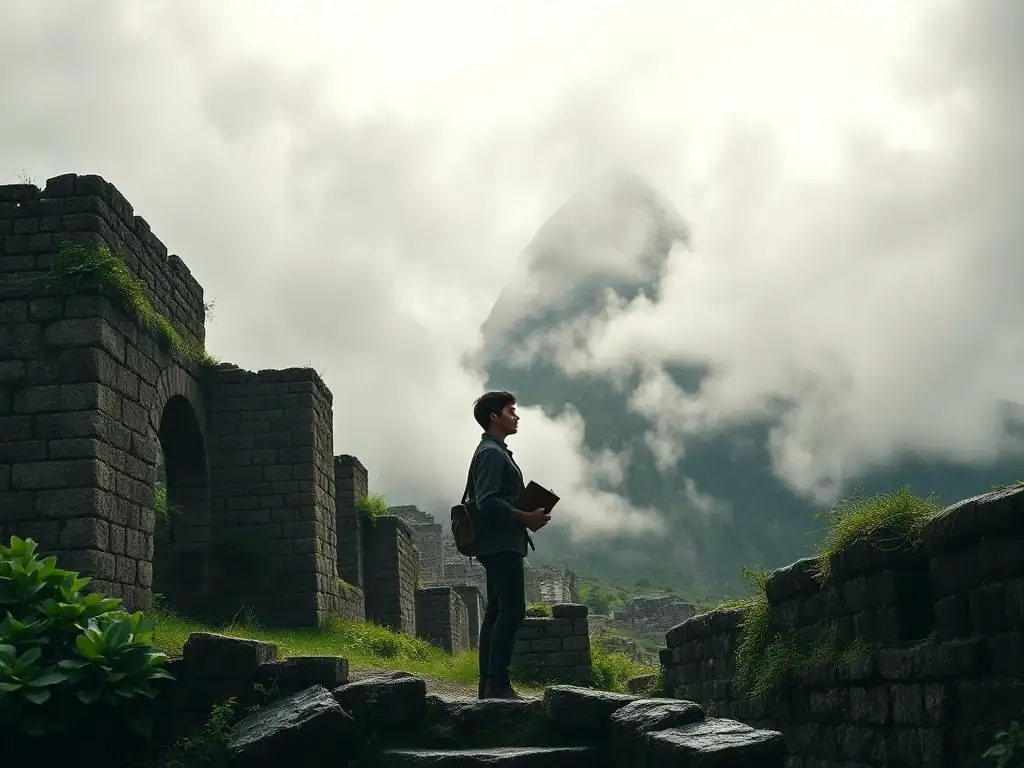
The rainy season, from October to April, presents a different, yet equally rewarding, perspective on exploring the Andean ruins. While the weather might be less predictable, the lush landscapes and vibrant greenery offer a unique charm. The reduced number of tourists creates a more intimate and tranquil atmosphere, allowing for a more immersive experience with a focus on the natural beauty surrounding the historical sites. The rain, while sometimes inconvenient, also adds a dramatic dimension to the ancient stones and contributes to the overall sense of mystery and wonder surrounding these locations.
October to April: Potential for Rain and Muddy Trails
The rainy season brings with it the potential for rain showers, sometimes heavy, and muddy trails. This can make access to certain sites more challenging and requires appropriate preparation. Visitors should be prepared for unpredictable weather conditions and pack accordingly. Some trails may be temporarily closed due to safety concerns, and alternative routes or sites might need to be considered. However, the rain also transforms the landscape, creating a vibrant and lush environment that contrasts sharply with the dry season's arid beauty. This vibrant green landscape adds a unique dimension to the experience of exploring the ruins.
Fewer Crowds and Lush Landscapes: A Unique Experience
One significant advantage of visiting during the rainy season is the significantly smaller number of tourists. This translates into a more peaceful and less crowded experience, allowing visitors to fully appreciate the grandeur of the ruins without the hustle and bustle of the peak season. The lush greenery that flourishes during this period adds another layer of beauty to the sites, creating a more immersive and tranquil atmosphere.
The rain itself can add a sense of mystery and drama to the landscape, enhancing the overall experience. This quieter time allows for more contemplation and a deeper connection with the history and surroundings.
Consider Waterproof Gear and Alternative Site Visits During the Wet Season
Visitors planning to explore Andean ruins during the rainy season should invest in waterproof gear, including jackets, trousers, and sturdy hiking boots. A good quality backpack cover is also essential for protecting belongings. It's advisable to check trail conditions and potential closures before embarking on any hikes.
Consider visiting alternative sites or museums that are less affected by weather conditions, allowing for a more flexible and enjoyable trip. Remember that even with the rain, many sites still offer captivating views and experiences, particularly with the added bonus of fewer crowds. Planning for the potential challenges and embracing the unique aspects of the rainy season can lead to a truly memorable and enriching Andean adventure.
Seasonal Variations Across Different Andean Regions
The Andes Mountains boast incredible diversity in climate and weather patterns, influenced by altitude and proximity to the Pacific Ocean. Understanding these variations is crucial when planning your trip to maximize your experience exploring the ancient ruins. The dry season, generally from April to October, offers the most consistent sunshine and pleasant temperatures across most regions.
However, even during this period, microclimates can significantly impact your experience. For example, coastal areas tend to have milder temperatures year-round, while high-altitude sites like Machu Picchu experience significant temperature fluctuations between day and night. The wet season, from November to March, brings much-needed rainfall, but it also increases the risk of landslides, trail closures, and generally less comfortable sightseeing conditions.
Remember to pack layers regardless of the season, as temperature changes can be dramatic, even within a single day. Planning your visit around the specific region and the type of activity you intend to undertake is key to a successful trip.
Coastal Ruins: Exploring Moche Pyramids and Nazca Lines
The coastal regions of Peru, home to remarkable sites like the Moche pyramids at Huaca del Sol and Huaca de la Luna and the enigmatic Nazca Lines, experience a relatively mild climate throughout the year. The driest months, from May to October, offer ideal conditions for exploring these sites, with clear skies and minimal rainfall.
However, even during the drier months, the coastal desert can be quite sunny and hot, so it's essential to stay hydrated and use sunscreen. The wet season (November to April) brings higher humidity and a greater chance of overcast skies, which can impact visibility, particularly for viewing the Nazca Lines from the air.
While some rain is unlikely to completely ruin your trip, it's a good idea to check the weather forecast before venturing out and consider alternative indoor activities. The coastal region remains accessible year-round, but the best time to visit is undoubtedly during the dry season.
High Altitude Sites: Visiting Tiahuanaco and Lake Titicaca
High-altitude sites like Tiahuanaco and the areas around Lake Titicaca experience significant temperature variations throughout the year. The dry season (April to October) offers the most pleasant weather for exploring these locations, with sunny days and cooler nights. However, even during the dry season, temperatures can drop significantly at night, especially at higher elevations, so packing warm clothing is essential. The wet season (November to March) brings increased rainfall and a greater chance of snow at higher altitudes, which can make access to some sites challenging.
Altitude sickness is also a significant concern at these elevations, and the thinner air can make strenuous activities more difficult. It's recommended to spend a few days acclimatizing at a lower altitude before venturing to high-altitude sites, regardless of the time of year. The dry season offers the best conditions for comfortable exploration of these remarkable sites.
Choosing the Right Time Based on Your Interests
The best time to visit the Andean ruins depends significantly on your travel priorities and the type of experience you seek. Consider your interests when planning your trip to maximize your enjoyment. For example, if you're prioritizing hiking or trekking, you'll want to avoid the wet season. If photography is your main focus, the dry season provides the best lighting and clearer views. And if you're interested in experiencing local festivals and traditions, you'll need to research the dates of specific events that coincide with your travel plans.
Hiking and Trekking: Best Time for Inca Trail and Mountain Adventures
For hiking and trekking enthusiasts, the dry season (April to October) is undoubtedly the best time to explore the Inca Trail and other mountain trails in the Andes. During this period, the trails are generally drier and less muddy, making for a safer and more enjoyable experience. The trails can be challenging even in ideal conditions, and the wet season can significantly increase the risk of landslides, trail closures, and overall difficulty.
The Inca Trail, in particular, requires permits that are often booked far in advance, so planning your trip well in advance is absolutely essential, especially if you want to hike during the peak dry season. The dry season's clear skies and pleasant temperatures also enhance the overall hiking experience, allowing for better views and more comfortable conditions.
Photography: Capturing the Landscapes in Different Seasons
Photographers will find that the dry season (April to October) provides the best conditions for capturing stunning images of the Andean landscapes and ruins. The clear skies and bright sunshine offer optimal lighting for photography, allowing you to capture the vibrant colors of the mountains, ruins, and surrounding vegetation. However, the wet season can also offer unique photographic opportunities, with dramatic cloud formations and lush green landscapes. Consider the type of photos you're aiming to capture when planning your trip.
For classic, bright, and clear images of the ruins and landscapes, the dry season is ideal. For more dramatic and moody shots, the wet season might offer unexpected benefits. Remember to consider the impact of the sun's position on the time of day you choose to photograph.
Cultural Immersion: Exploring Local Festivals and Traditions
To experience the vibrant culture of the Andes, consider timing your trip to coincide with local festivals and traditions. Many Andean communities celebrate festivals throughout the year, with many falling during the dry season. Researching specific events that interest you and planning your trip accordingly will allow for a richer and more immersive cultural experience.
Note that many smaller, local festivals may not be widely advertised, so engaging with local communities and guides can help uncover hidden gems. These events provide unique opportunities to experience traditional music, dance, food, and customs, making your trip far more than just a sightseeing adventure. The timing of these festivals can vary from year to year, so it is crucial to research specific dates well in advance of your planned trip.
Recommended Gear for Your Andean Ruins Adventure
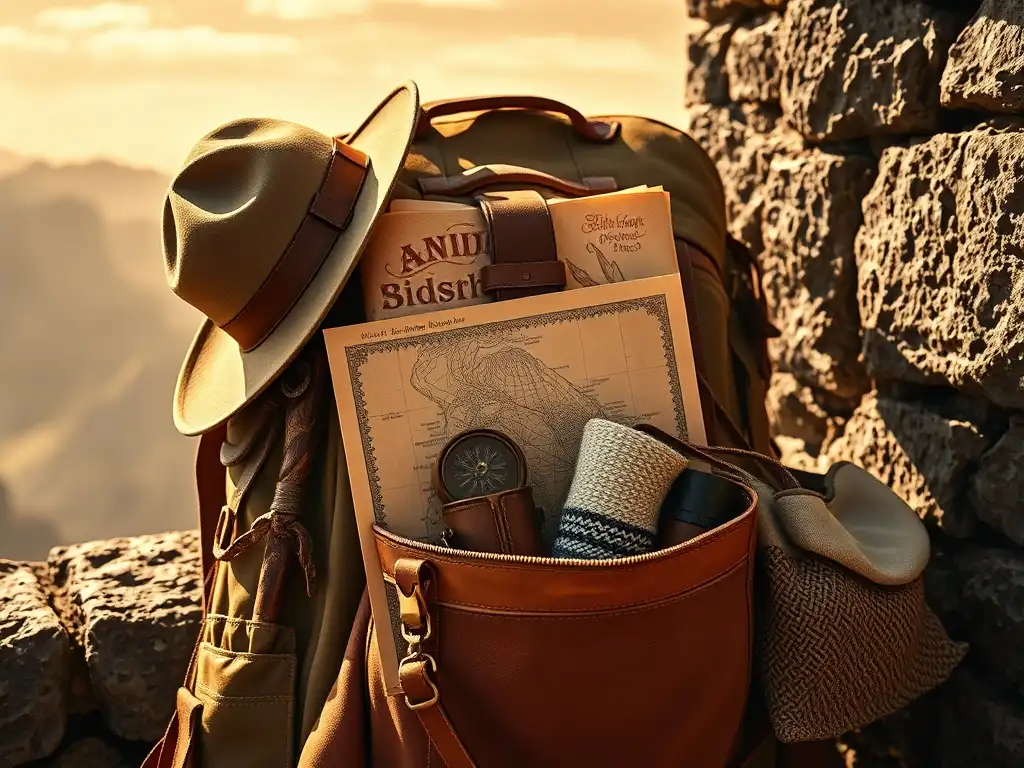
Planning a trip to explore the magnificent Andean ruins requires careful consideration of the environment and the unique challenges it presents. Packing the right gear is crucial for a safe and enjoyable experience, maximizing your exploration of these incredible historical sites. From the high altitudes to the unpredictable weather, preparation is key to ensuring you can fully appreciate the wonders of the Andes. Neglecting proper gear can quickly turn an exciting adventure into a frustrating and potentially dangerous one. Remember, comfort and safety go hand-in-hand when navigating these ancient landscapes.
Essential Hiking Boots: Salomon for Comfort and Support
Your footwear is paramount. The trails leading to many Andean ruins can be uneven, rocky, and steep. Investing in high-quality hiking boots is non-negotiable. Salomon hiking boots, known for their comfort, support, and durability, are an excellent choice. Their advanced technologies provide superior grip on varied terrain, crucial for navigating potentially slippery or unstable paths.
Look for boots with good ankle support to prevent sprains, especially on longer hikes. Remember to break in your boots well before your trip to avoid blisters and discomfort. Consider features like Gore-Tex waterproofing for added protection against unexpected rain or damp conditions frequently encountered in the Andes. Proper footwear significantly impacts your ability to fully enjoy the experience, allowing you to focus on the historical wonders rather than aching feet.
Rain Gear and Waterproof Backpacks: Preparing for All Weather
The Andes' weather can be unpredictable, shifting rapidly from sunshine to rain. Packing reliable rain gear is essential, regardless of the season. A lightweight, waterproof jacket and pants will provide crucial protection against downpours, keeping you dry and comfortable. Choose breathable materials to prevent overheating and sweating.
Similarly, a waterproof backpack is vital to protect your belongings from the elements. Ensure your backpack is appropriately sized for your needs, providing ample space for water, snacks, and extra layers. Consider a backpack with a rain cover for extra protection, especially during extended hikes. Being prepared for unexpected rain will allow you to continue exploring the ruins without interruption, enhancing your overall experience.
Sun Protection: Hats, Sunglasses, and High SPF Sunscreen
The high altitude and intense sun in the Andes necessitate robust sun protection. A wide-brimmed hat will shield your face and neck from harmful UV rays. Sunglasses with UV protection are equally important to safeguard your eyes from glare and potential damage from the intense sunlight. Apply high SPF sunscreen (at least SPF 30) generously and frequently, particularly on exposed skin.
Reapply sunscreen every two hours, especially after sweating or swimming. Consider using a lip balm with SPF to protect your lips from sunburn. Protecting your skin from the sun is crucial for preventing sunburn and long-term skin damage, ensuring you can fully enjoy your Andean adventure without discomfort.
Maximizing Your Experience: Tips for Planning Your Trip
Planning your trip effectively is crucial for a seamless and rewarding experience exploring the Andean ruins. Careful consideration of several factors will significantly impact your enjoyment and understanding of these historical sites. From booking accommodations to respecting local customs, meticulous planning ensures a truly enriching journey.
Booking Accommodations and Tours in Advance
Especially during peak season, securing accommodations and tours in advance is highly recommended. Popular sites often experience high visitor numbers, so pre-booking ensures you have a place to stay and access to guided tours. This also helps you secure better rates and potentially choose from a wider range of options. Consider the proximity of your accommodation to the ruins you plan to visit, factoring in travel time and potential transportation challenges. Pre-booking will minimize stress and allow you to focus on fully enjoying your exploration of these incredible historical sites.
Adjusting to Altitude: Tips for Acclimatization
The high altitude of the Andes can affect some visitors. Allow ample time for acclimatization upon arrival. Avoid strenuous activity for the first few days, gradually increasing your activity level as you adjust. Stay hydrated by drinking plenty of water, and consider coca tea, a traditional remedy for altitude sickness. Listen to your body and rest when needed. Proper acclimatization is crucial for preventing altitude sickness and ensuring you have the energy to fully enjoy your exploration of the Andean ruins. Understanding the potential effects of altitude and taking proactive measures is essential for a comfortable and safe trip.
Respecting Local Culture and Traditions: Ethical Travel Practices
When visiting Andean ruins, it's essential to respect local culture and traditions. Dress modestly when visiting religious sites. Learn a few basic phrases in the local language to show respect. Support local businesses and communities by purchasing souvenirs and employing local guides.
Avoid disturbing any artifacts or structures within the ruins. Remember, you are a visitor in a place with a rich history and vibrant culture. By demonstrating respect and following ethical travel practices, you contribute to the preservation of these incredible sites for future generations. Responsible tourism is essential for ensuring the long-term sustainability and cultural integrity of the Andean region.
Conclusion: Finding Your Perfect Time to Explore Ancient Andean Sites
Choosing the best time to visit the Andean ruins truly depends on your priorities. Do you prioritize pleasant weather for comfortable exploration? Or are you more interested in avoiding crowds and potentially securing better deals on accommodation? Perhaps you're a photographer seeking optimal light conditions for capturing stunning images of these magnificent sites? Weighing these factors is key to planning your ideal trip.
Remember that the "shoulder seasons" – spring (September-November) and autumn (March-May) – often offer a sweet spot. You'll likely encounter fewer fellow travelers than during peak season, while still enjoying relatively agreeable weather conditions in many regions. However, some high-altitude sites might experience unpredictable weather shifts even during these periods, so pack layers regardless of your chosen time of year.
Thorough research into specific sites you plan to visit is crucial to managing expectations and ensuring a smooth and enjoyable experience. Consider factors such as potential rainfall, average temperatures, and the likelihood of sunshine at your chosen destination and time of year.
This level of preparation will allow you to make the most of your journey and truly appreciate the wonders of the ancient Andean civilizations. Don't forget to check for any local festivals or events that might coincide with your travel dates, adding an extra layer of cultural immersion to your adventure!
The Magic of the Andes Awaits You
The breathtaking landscapes, the enigmatic history, the captivating artistry – the Andes offer an unparalleled adventure for any traveler. Whether you choose the dry season for clear skies and sun-drenched explorations or the shoulder seasons for a balance of pleasant weather and fewer crowds, a journey to these ancient sites is an experience unlike any other. Planning ahead, considering the nuances of each season, and understanding your personal preferences will ensure a trip filled with wonder and unforgettable memories. The vibrant culture, stunning architecture, and the sheer scale of these ancient achievements will leave you awestruck.
So, pack your bags, embrace the adventure, and prepare to be captivated by the magic of the Andes. Your journey into the heart of Andean history is waiting. 🌎✨
- Unveiling the Secrets of the Andes: When to Plan Your Trip
- Understanding Andean Weather Patterns for Optimal Site Visits
- The Dry Season Advantage: Ideal Months for Exploring Inca Ruins
- Navigating the Rainy Season: Exploring Andean Ruins with a Different Perspective
- Seasonal Variations Across Different Andean Regions
- Choosing the Right Time Based on Your Interests
- Recommended Gear for Your Andean Ruins Adventure
- Maximizing Your Experience: Tips for Planning Your Trip
- Conclusion: Finding Your Perfect Time to Explore Ancient Andean Sites
- What is the best time of year to visit the Andean ruins?
- Are some ruins better to visit at certain times of year?
- How does the weather affect access to the Andean ruins?
- What should I pack for a trip to the Andean ruins, considering the weather?
- Are there any special events or festivals that influence the best time to visit?
Frequently Asked Questions
What is the best time of year to visit the Andean ruins?
The best time to visit most Andean ruins is during the dry season, generally between May and September. This offers the most pleasant weather for hiking and exploring.
Are some ruins better to visit at certain times of year?
Yes, consider the specific location. High-altitude sites might be better visited during the warmer, drier months to avoid extreme cold or rain. Lower altitude sites may be more accessible year-round.
How does the weather affect access to the Andean ruins?
Heavy rains during the wet season (October to April) can make some trails impassable and ruin visibility. Some sites may even be temporarily closed due to flooding or damage.
What should I pack for a trip to the Andean ruins, considering the weather?
Pack layers of clothing for varying temperatures, sturdy footwear suitable for hiking, rain gear, sunscreen, and a hat. Altitude sickness medication may also be necessary.
Are there any special events or festivals that influence the best time to visit?
While many ruins have year-round access, some local festivals might coincide with specific times of year, potentially increasing crowds and impacting access to certain areas. Check local events calendars before your trip.
Final Reflection: Echoes of Empires, Whispers of Time
The quest for the perfect time to explore the Andean ruins is more than just a logistical exercise; it's a journey into the heart of a civilization that continues to resonate with us today. Understanding the nuances of the Andean climate allows for a deeper, more meaningful connection with these ancient sites, ensuring that our visit respects both the fragile environment and the profound history they hold.
The enduring power of the Inca and pre-Inca cultures is undeniable, their legacy etched not only in stone but also in the very fabric of modern Andean society. Their sophisticated understanding of astronomy, agriculture, and societal organization continues to inspire awe and wonder. The past is never dead. It's not even past.
– William Faulkner. This quote rings particularly true when standing amidst the majestic ruins of Machu Picchu or the enigmatic lines of Nazca, feeling the weight of history and the echoes of a vibrant past. The impact of these sites extends beyond tourism; they are vital to the cultural identity of Peru and other Andean nations, serving as powerful symbols of heritage and resilience.
Now, consider your own journey. Which season speaks to your soul? Do you crave the vibrant energy of a bustling dry season, or the quiet solitude of the shoulder months? Perhaps the challenge of a rainy season trek appeals to your adventurous spirit.
Whatever your choice, remember that your visit is a privilege, a chance to connect with a legacy that spans millennia. Plan your trip thoughtfully, respect the environment, and allow yourself to be moved by the enduring spirit of the Andes. Let the echoes of empires whisper their stories to you, and carry that inspiration forward into your own life.
**Embark on Your Andean Adventure Today! **
Thank you for exploring our seasonal guide to the Andean Ruins! We hope you've found valuable information to help plan your next trip. Now it's time to put that knowledge to use!
Here's how you can delve deeper into the wonders of the Andes:
- **Plan your trip:** Consider the best time of year to visit, pack your bags, and set a date for your Andean exploration!
- **Share your journey:** Connect with fellow travelers in our community forum – share your tips or ask questions!
- **Discover hidden gems:** Research lesser-known archaeological sites, rich in history and beauty, that are often overlooked by the typical tourist.
Which Andean site are you most excited to visit, and why? Share your thoughts in the comments below!