
Nazca Diet: What Foods Fueled the Ancient Civilization?


Dive into the enigmatic world of the Andean civilizations! Prepare to be amazed by the ingenuity and resilience of these ancient cultures. But have you ever wondered exactly what fueled the creators of the breathtaking Nazca Lines? Uncover the secrets of the Nazca diet foods and discover the surprising ingredients that sustained one of history's most fascinating societies. Their story is far more complex and intriguing than you might imagine...explore it now!
The Nazca civilization, famed for its enigmatic geoglyphs etched into the Peruvian desert, thrived for centuries thanks to a sophisticated understanding of agriculture and a resourceful diet tailored to their arid environment. This article delves into the fascinating world of Nazca cuisine, exploring the key food sources that sustained this remarkable culture and provided the energy for their monumental achievements.
We'll uncover the ingenious methods they employed to cultivate food in a challenging landscape and examine the nutritional basis of their diet, revealing how it contributed to their societal success and overall health. Understanding the Nazca diet offers a unique window into their ingenuity, resilience, and profound connection to their environment.
This exploration will illuminate not only what they ate but also how their food choices shaped their society and their legacy. Prepare to be amazed by the resourcefulness and adaptability of this ancient civilization, as we uncover the secrets behind the "Nazca diet foods" that fueled their vibrant culture.
Understanding the Nazca Diet: An Introduction
The Nazca people, inhabiting the arid coastal plains of southern Peru between 100 BCE and 800 CE, developed a surprisingly diverse diet considering the limitations of their environment. Their agricultural practices were remarkably advanced for their time, utilizing sophisticated irrigation systems – like the intricate canal networks still visible today – to cultivate crops in the otherwise barren desert.
This allowed them to produce a range of staple foods, supplemented by resources gathered from the nearby ocean and surrounding highlands. Unlike many other ancient civilizations reliant on a single staple crop, the Nazca diet showcased a varied intake, suggesting a level of agricultural diversification and trade that ensured food security and nutritional balance.
Archaeological evidence, including preserved plant remains and depictions in pottery, provides invaluable insights into their culinary practices and the importance of food in their daily lives. The study of their diet provides a crucial lens through which to understand the complexity and resilience of Nazca society.
Key Components of the Nazca Diet
The Nazca diet was primarily based on a combination of agricultural products and marine resources. Let's examine the key components:
- Agricultural Products:
- Maize (Corn): Maize was a staple crop, forming a significant part of their diet. Different varieties were likely cultivated, providing a range of nutritional benefits. Evidence suggests maize was consumed in various forms, from ground into flour for porridges and breads to being roasted on the cob.
- Beans: Various types of beans, including lima beans and others, were cultivated and formed an important source of protein and other nutrients.
- Squash: Different varieties of squash provided carbohydrates, vitamins, and minerals.
- Cotton: While primarily used for textiles, cotton seeds were also likely a source of food and oil.
- Chili Peppers: Chili peppers, a staple in Andean cuisine, were likely used extensively as a flavoring agent and for their potential medicinal properties. The spiciness of their diet may have provided a natural form of food preservation.
- Tubers: While less prominent than in other Andean cultures, the Nazca likely cultivated some tubers such as potatoes and sweet potatoes, contributing to carbohydrate intake.
- Marine Resources:
- Fish: The proximity to the Pacific Ocean provided access to a variety of fish, providing a crucial source of protein and essential fatty acids. Evidence of fishing practices is abundant in archaeological findings.
- Shellfish: Shellfish such as mussels and clams were also likely consumed, adding to the dietary protein and mineral intake.
- Seabirds: Seabirds and their eggs likely supplemented the diet, especially in coastal areas.
The Nazca diet, therefore, presents a picture of a resilient and resourceful people who maximized the resources available to them, creating a balanced and varied diet that supported their thriving civilization. Further research is needed to fully understand the specific proportions of each food source and the seasonal variations in their diet. However, the available evidence paints a compelling picture of a sophisticated agricultural system and a deep understanding of the nutritional needs of their society. The ingenuity and adaptability reflected in their dietary habits are testament to the remarkable achievements of the Nazca civilization.
Staple Crops in the Nazca Civilization
The Nazca diet, like that of many ancient Andean civilizations, relied heavily on a few key staple crops that provided the bulk of their caloric intake and essential nutrients. These crops were incredibly well-adapted to the arid coastal and desert environments of southern Peru where the Nazca flourished. Their agricultural ingenuity, evidenced by sophisticated irrigation systems, allowed them to cultivate these crops successfully, supporting a relatively large population.
Understanding these staples is crucial to grasping the foundation of Nazca society and its remarkable achievements. The cultivation and consumption of these crops were deeply intertwined with their religious beliefs and social structures, highlighting the essential role of agriculture in their daily lives. The success of the Nazca civilization was, in large part, a testament to their mastery of cultivating these vital food sources.
Maize: A Cornerstone of the Nazca Diet
Maize, or corn, held a prominent position in the Nazca diet. Archaeological evidence reveals its widespread cultivation and consumption. Various types of maize, adapted to different altitudes and microclimates, were likely grown. The Nazca likely consumed maize in a variety of forms, including ground into flour for making breads and porridges, roasted on the cob, or fermented into beverages.
Its versatility made it a crucial element in their food security and dietary diversity. The nutritional value of maize, providing carbohydrates and some essential vitamins and minerals, made it a cornerstone of their sustenance. Depictions of maize in Nazca art further emphasize its importance in their culture and daily life.
The Significance of Potatoes in Nazca Agriculture
Potatoes, another staple crop, played a significant role in the Nazca diet. The diverse Andean ecosystem allowed for the cultivation of various potato varieties, each suited to specific environmental conditions. The Nazca likely employed sophisticated agricultural techniques to maximize potato yields, including terracing and irrigation. Potatoes provided essential carbohydrates and nutrients, contributing significantly to their caloric intake. Similar to maize, potatoes were likely consumed in various ways, boiled, roasted, or perhaps even dried for storage. The widespread cultivation of potatoes across different ecological zones highlights the Nazca's adaptation and resourcefulness.
The Importance of Quinoa for Nazca People
Quinoa, a highly nutritious grain, further enriched the Nazca diet. It is a complete protein source, meaning it contains all nine essential amino acids, a rarity among plant-based foods. Its cultivation required similar agricultural techniques as potatoes and maize, demanding careful water management and soil preparation. Quinoa's high nutritional value, particularly its protein content, made it invaluable for the Nazca, supplementing the protein sources from other plants and animals. Archaeological findings suggest its importance, although perhaps not as prevalent as maize or potatoes. Its cultivation likely contributed to the health and well-being of the Nazca population.
Beans and Legumes: Essential Protein Sources
Beans and other legumes constituted another vital component of the Nazca diet, providing essential protein and other nutrients. They likely cultivated several varieties of beans, supplementing the protein from other sources like quinoa and occasionally meat. The combination of beans and maize, a classic Andean pairing, would have provided a balanced source of nutrients, enhancing the nutritional value of their meals. Legumes, being nitrogen-fixing plants, also likely contributed to soil fertility, improving the overall productivity of their agricultural systems. These crops played a crucial role in ensuring a diverse and balanced diet for the Nazca.
Fruits and Vegetables in the Nazca Food System
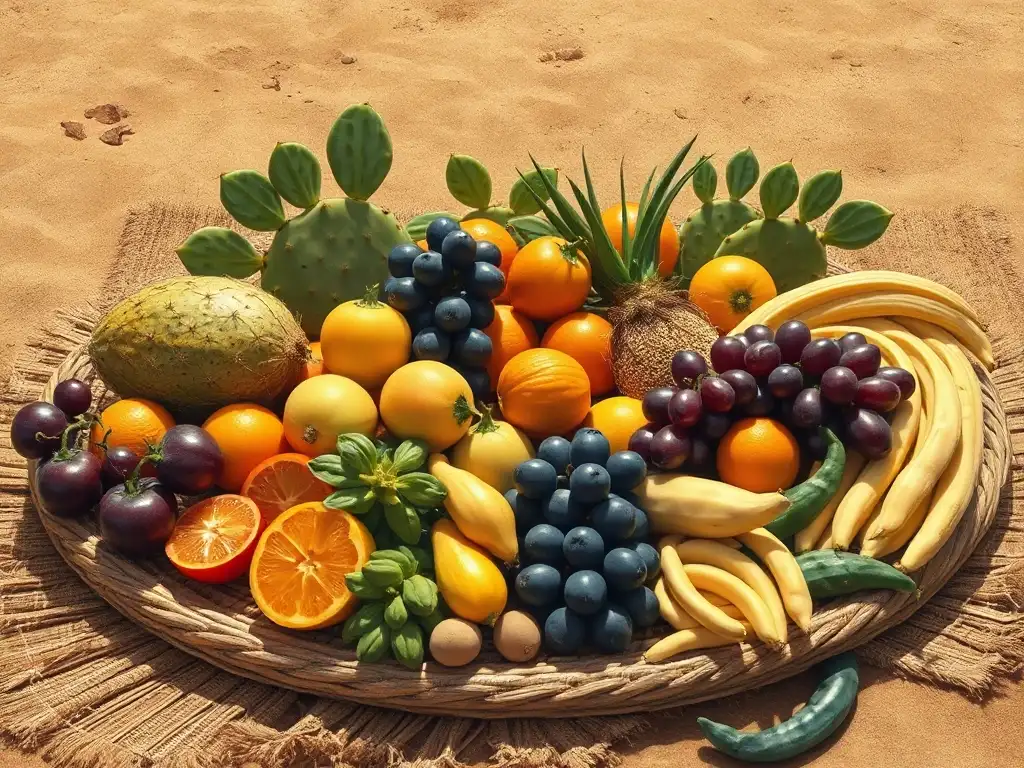
Beyond the staple crops, the Nazca diet included a variety of fruits and vegetables, adding flavor, vitamins, and other nutrients to their meals. The availability of these foods varied depending on the season and the specific microclimate. However, their presence indicates a diverse and relatively sophisticated food system, capable of providing a wide range of culinary options.
The combination of these foods with the staple crops ensured a balanced diet and likely contributed to the overall health and well-being of the Nazca population. Evidence from archaeological sites and artistic representations sheds light on the variety of fruits and vegetables that formed part of their daily meals.
Peppers: Adding Flavor to Nazca Cuisine
Peppers, in various forms, likely added spice and flavor to Nazca cuisine. The cultivation of chili peppers, a staple in many Andean cultures, likely provided a welcome addition to their meals, offering both flavor and potential medicinal properties. Their use in sauces, stews, and other dishes would have enhanced the overall taste and enjoyment of their food. The presence of chili peppers in archaeological sites suggests their significant role in their culinary practices.
Squash and Gourds: Versatile Nazca Crops
Squash and gourds were likely cultivated by the Nazca, providing a source of vitamins and other nutrients. Their versatile nature allowed them to be used in various ways, adding both flavor and texture to their meals. They could be eaten fresh, roasted, or dried for later consumption. Their cultivation added further diversity to their diet, providing a wider range of nutrients and culinary possibilities. The hard shells of some gourds may also have been used for various purposes, showcasing their adaptability beyond food.
Lucuma and Other Local Fruits
Lucuma, a sweet and creamy fruit native to the Andes, likely played a role in the Nazca diet. Its unique flavor and nutritional value would have made it a desirable addition to their meals. Other local fruits, adapted to the arid conditions of the Nazca region, would have further diversified their food sources. The availability of these fruits would have varied depending on the season, providing seasonal variety to their diet. The cultivation and consumption of these fruits highlight the Nazca’s understanding and utilization of their local environment.
Animal Protein Sources in the Nazca Diet
The Nazca people, inhabiting the arid coastal plains of modern-day Peru, relied heavily on animal protein to supplement their agricultural produce. Their diet wasn't solely vegetarian; animal husbandry and fishing played crucial roles in providing essential nutrients. The availability of different animal protein sources likely varied depending on proximity to the coast and access to higher altitudes where camelids thrived.
Analyzing archaeological remains, such as bones and shell middens, provides invaluable insights into the composition of their diet and the importance of animal resources in their sustenance. The diversity of animal protein sources reflects a sophisticated understanding of their environment and the ability to exploit its resources efficiently. This adaptability was key to their survival in a challenging environment.
Llamas and Alpacas: Meat and More
Llamas and alpacas were central to the Nazca economy and diet. These camelids provided not only meat, a significant source of protein, but also wool for textiles, dung for fertilizer, and transportation capabilities. Archaeological evidence suggests llama and alpaca herding was a well-established practice, contributing significantly to their food security.
The size and distribution of llama and alpaca bones in Nazca sites indicate regular consumption of their meat. The animals were likely raised in herds, managed and sheared for their valuable fiber, and slaughtered for meat when needed, reflecting a sustainable and integrated approach to animal husbandry. This efficient system ensured a consistent supply of protein and other essential resources.
Fishing and Seafood Consumption
The proximity of the Nazca culture to the Pacific Ocean provided a rich source of seafood. Fishing played a vital role in supplementing their diet with protein and essential fatty acids. Archaeological excavations near coastal Nazca sites have unearthed substantial quantities of fish bones, mollusk shells, and other marine remains. This evidence strongly suggests that fishing was a common and important activity.
The types of fish and shellfish consumed varied based on seasonal availability and fishing techniques. The Nazca likely employed various fishing methods, including nets, hooks, and traps, adapted to the specific marine environment and resources. The presence of fish hooks and net weights in archaeological contexts supports this assertion.
Guinea Pigs and other small animals
Beyond larger animals, smaller creatures like guinea pigs (cuy) and various birds also contributed to the Nazca diet. Guinea pigs, still a significant food source in some Andean communities today, were likely domesticated and raised for meat. Their bones are frequently found in Nazca sites, indicating their regular consumption.
Evidence suggests that other small animals, such as rodents and birds, may have also been hunted and eaten, providing supplementary sources of protein. The consumption of these smaller animals likely added significant dietary diversity and helped ensure a balanced intake of nutrients. The variety of small animals in their diet reflects a comprehensive understanding of the available resources within their ecosystem.
Nazca Food Preparation Techniques
Understanding Nazca food preparation techniques requires examining archaeological evidence and comparing it with the culinary practices of contemporary Andean communities. While direct observation is impossible, inferences can be drawn from the tools discovered, the remains of food, and the cultural practices of later Andean civilizations. The ingenuity of the Nazca in adapting to their environment is reflected in their methods of food preparation, storage, and preservation. Their techniques demonstrate a sophisticated understanding of food science and resource management, crucial for survival in a harsh climate.
Cooking Methods and Culinary Practices
The Nazca likely employed various cooking methods, including boiling, roasting, and grilling. Archaeological finds of pottery vessels of different shapes and sizes suggest diverse cooking practices. Larger pots were probably used for boiling, while smaller ones may have served for roasting or stewing.
The use of fire for cooking is evident from the presence of hearths and charcoal remains in their settlements. While the specific recipes and culinary techniques remain largely unknown, we can assume they utilized readily available ingredients and simple methods to prepare their food. The diversity of pottery suggests a range of cooking styles and techniques were employed.
Storage and Preservation of Nazca Foods
Preserving food in the arid Nazca environment was crucial for survival. The Nazca likely employed several methods to store and preserve their food, such as drying, salting, and possibly fermentation. The arid climate naturally aided in the preservation of certain foods. Archaeological evidence of storage pits and containers suggests systematic methods for keeping food supplies.
The types of containers used likely varied based on the type of food being stored, reflecting an understanding of the needs of different food products. These preservation techniques were essential for ensuring a consistent food supply throughout the year, particularly during lean periods. The sophistication of their storage and preservation techniques demonstrates their resilience and adaptability.
The Role of Agriculture in the Nazca Society
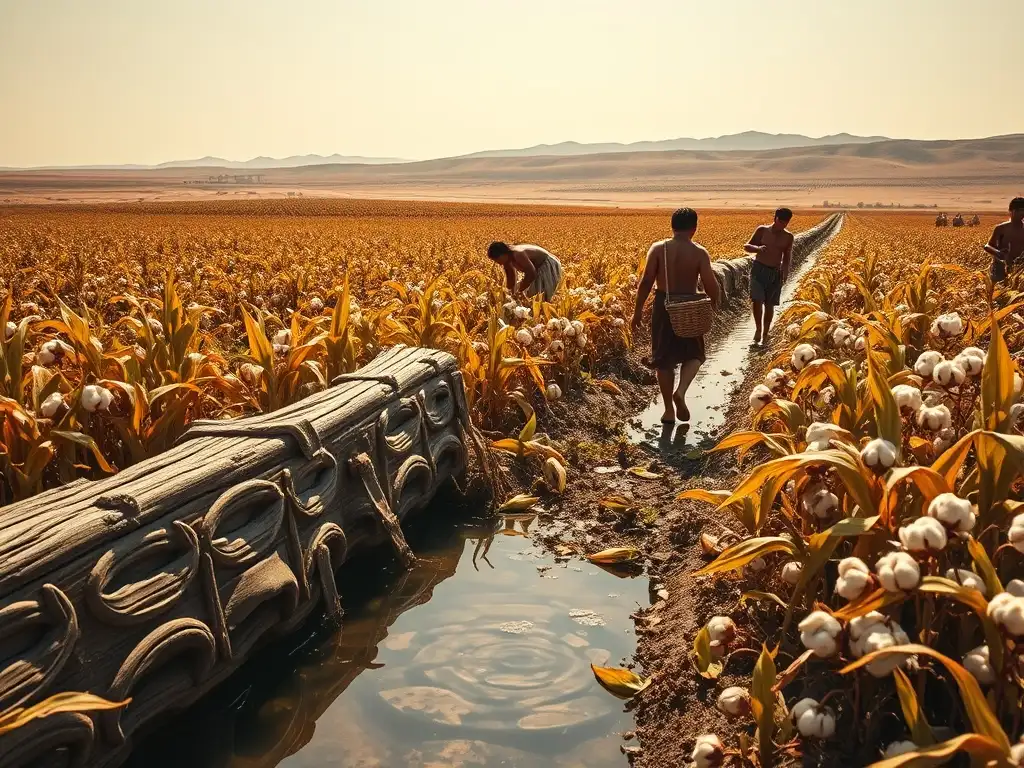
The Nazca civilization, flourishing along the southern coast of Peru between 100 BCE and 800 CE, was profoundly shaped by its agricultural practices. Unlike many other Andean cultures that relied heavily on highland potatoes and other Andean crops, the Nazca people developed sophisticated methods to cultivate food in their arid coastal environment.
Their survival and the remarkable achievements of their civilization were directly tied to their ability to harness scarce water resources and cultivate a diverse range of crops. The ingenuity of their agricultural techniques allowed them to overcome the challenges of their desert environment, producing enough food to sustain a relatively large population and support a complex social structure.
This agricultural success is reflected in their impressive art and architecture, suggesting a surplus of resources that facilitated specialized labor and cultural development. The importance of agriculture permeated all aspects of Nazca life, from their religious beliefs to their social organization.
Irrigation Systems and Nazca Farming
The success of Nazca agriculture hinged on their remarkable irrigation systems. These weren't simply canals; they were complex networks of channels and aqueducts, some stretching for miles, that channeled water from underground sources and rivers to their fields. The Nazca people demonstrated an impressive understanding of hydrology, carefully surveying the terrain to identify subterranean water sources and designing their canals to maximize efficiency.
They employed a variety of techniques, including the construction of subsurface channels and the use of ingenious methods to prevent erosion and water loss. The scale and sophistication of these systems are a testament to their engineering prowess and the importance of water management in their society.
Detailed studies of these systems reveal a deep understanding of water flow and soil conditions, showcasing a high level of technical expertise. Evidence suggests continuous maintenance and improvement of these systems over centuries, indicating a collective effort and commitment to agricultural sustainability.
Agricultural Innovations of the Nazca Culture
Beyond their impressive irrigation systems, the Nazca also developed innovative agricultural techniques. They experimented with different crops, adapting them to the unique conditions of their environment. They cultivated cotton, beans, squash, and various types of maize, demonstrating remarkable adaptability and a deep understanding of plant cultivation. Archaeological evidence suggests the use of raised fields and other techniques to optimize soil fertility and water retention in their arid environment.
Furthermore, their knowledge of plant breeding and selection likely contributed to the development of high-yielding crop varieties. The Nazca's agricultural innovations were crucial not only for their own sustenance but also for the production of materials used in textile production and other crafts. These innovations reflect a culture that valued experimentation and adaptation in the pursuit of agricultural productivity.
Impact of the Nazca Diet on their Civilization
The Nazca diet, heavily reliant on the produce of their sophisticated agricultural systems, played a pivotal role in shaping their civilization. A balanced diet, rich in carbohydrates from maize and other grains, proteins from beans and other legumes, and vitamins and minerals from various fruits and vegetables, provided the energy and nutrients necessary for a thriving population. This nutritional foundation supported the intensive labor required for constructing their irrigation systems, creating their intricate pottery, and producing their renowned textiles.
The availability of surplus food likely contributed to social stratification and the development of specialized roles within society. A reliable food supply also facilitated population growth and the expansion of the Nazca territory. The diet's impact is visible in the overall health and well-being of the population, as evidenced by skeletal remains.
Nutrition and Health in Nazca Society
Analysis of skeletal remains from Nazca burial sites provides insights into the nutritional status of the population. While specific data on micronutrient levels requires further research, the overall bone structure and dental health suggest a diet generally adequate in terms of calories and essential nutrients. However, variations in skeletal health likely reflect social inequalities and access to resources.
The availability of diverse foods likely helped prevent widespread deficiencies, contributing to a relatively healthy population capable of sustaining the demands of their complex society. Further research into isotopic analysis of skeletal remains can provide more detailed information on the specific components of their diet and their impact on individual health. This is an area of ongoing research, promising to reveal more about the health and well-being of the Nazca people.
The Influence of Food on Nazca Culture
The Nazca diet wasn't just about sustenance; it was deeply intertwined with their culture and religious beliefs. The cultivation of specific crops and the preparation of food likely played a significant role in their rituals and ceremonies. The intricate designs on their pottery often depict agricultural motifs, highlighting the importance of food in their worldview.
Furthermore, the production and consumption of food likely served as social bonding activities, strengthening community ties and reinforcing social structures. The abundance of food, a result of their agricultural prowess, might have also contributed to the development of their unique artistic style and the creation of their iconic geoglyphs.
The role of food in Nazca society extended far beyond mere nourishment, shaping their cultural identity and spiritual practices. The detailed depictions of plants and animals in their art serve as a visual record of their agricultural practices and their reverence for the natural world that provided their sustenance.
Nazca Diet: A Look at Ancient Sustenance
The Nazca diet, reflecting the arid coastal environment they inhabited, was surprisingly diverse and ingenious. Unlike some other Andean cultures that relied heavily on potatoes at higher altitudes, the Nazca people adapted their agriculture and food sources to the desert conditions. Their ingenuity in irrigation and farming techniques allowed them to cultivate a range of crops, forming the backbone of their diet. Archaeological evidence, including excavated food remains and depictions in their art, provides valuable insights into their culinary practices and the importance of food in their society.
The Nazca's ability to thrive in such a challenging environment is a testament to their advanced agricultural knowledge and their resourceful approach to food production and consumption. Their success wasn't solely based on quantity but also on the variety and nutritional balance of their food sources. Understanding the Nazca diet helps us appreciate their resilience and adaptability as a civilization.
The primary sources of sustenance for the Nazca people were largely agricultural products, supplemented by marine resources. Careful analysis of excavated sites reveals the presence of various crops, including cotton, beans, gourds, and, notably, maize (corn). Maize, a staple in many ancient American diets, likely played a significant role in the Nazca's daily caloric intake.
The cultivation of maize required sophisticated irrigation systems, which the Nazca mastered with their remarkable network of canals and aqueducts. These systems not only facilitated the growth of maize but also supported the cultivation of other essential crops. The presence of beans indicates a balanced diet rich in protein and other essential nutrients.
Gourds provided additional sustenance and were likely used for various purposes beyond food, such as containers and utensils. The diversification of crops minimized the risk of famine due to crop failure, a testament to their agricultural expertise and forward-thinking approach to food security.
Beyond agriculture, the Nazca also relied on the Pacific Ocean for food. The proximity to the coast provided access to a variety of seafood, including fish and shellfish. These marine resources offered a vital source of protein and essential fatty acids, complementing the carbohydrate-rich agricultural products.
Evidence suggests that fishing played a significant role in the Nazca economy and daily life, as depicted in some of their pottery and textiles. This suggests that fishing was not just a supplementary activity but an integral part of their food-gathering practices. The combination of agriculture and fishing provided a relatively balanced and nutritious diet, allowing the Nazca civilization to flourish in a challenging, resource-limited environment.
The skillful integration of land and sea resources showcases their adept understanding of their surroundings and their ability to optimize their food supply. Understanding the interplay between these two sources is crucial to fully appreciating the complexity of the Nazca diet and their remarkable adaptation to the desert environment.
- Understanding the Nazca Diet: An Introduction
- Key Components of the Nazca Diet
- Staple Crops in the Nazca Civilization
- Fruits and Vegetables in the Nazca Food System
- Animal Protein Sources in the Nazca Diet
- Nazca Food Preparation Techniques
- The Role of Agriculture in the Nazca Society
- Impact of the Nazca Diet on their Civilization
- Nazca Diet: A Look at Ancient Sustenance
Frequently Asked Questions
What did the Nazca people eat?
The Nazca diet consisted primarily of agricultural products, including maize, beans, squash, potatoes, and various fruits. They also consumed fish and seafood from the Pacific Ocean, supplementing their diet with camelids like llamas and alpacas.
How did the Nazca obtain their food?
The Nazca people relied on intensive agriculture, utilizing irrigation systems to cultivate crops in the arid coastal desert. Fishing and hunting also played significant roles in their food supply.
What role did maize play in the Nazca diet?
Maize was a staple crop for the Nazca, forming the basis of many meals. It was processed into various forms, including flour for bread and fermented drinks like chicha. It was central to their culture.
Were there any unique aspects of the Nazca diet?
The Nazca diet included certain plants adapted to their arid environment, and they developed sophisticated techniques for preserving food. Seafood was a crucial source of protein, considering their proximity to the coast.
How did the Nazca diet influence their culture?
The availability and diversity of food influenced Nazca social structures and religious practices. Agricultural success and access to resources were likely factors in their social hierarchy and artistic representations.
Final Reflection: Unearthing the Secrets of the Nazca Diet
Understanding the Nazca diet offers a powerful lens through which to view not only their remarkable achievements but also the enduring relationship between food, culture, and sustainability. The ingenuity of the Nazca people in cultivating a thriving civilization in a seemingly harsh desert environment stands as a testament to their deep understanding of their ecosystem and the resources it provided. Their dietary choices, far from being simply a means of survival, were integral to their social structures, religious beliefs, and artistic expressions.
The impact of the Nazca's agricultural practices and dietary choices continues to resonate today, reminding us of the importance of sustainable food systems and resource management. Their ability to thrive in a challenging environment serves as a powerful example of human resilience and adaptation. The land, even in its aridity, offered sustenance, and the Nazca people, through their ingenuity and respect for nature, transformed this sustenance into a vibrant culture.
This quote encapsulates the profound connection between the Nazca's diet and their overall societal success, a connection that deserves continued study and appreciation.
Consider, for a moment, the choices you make regarding your own diet. What are the sources of your food, and what impact do those choices have on the environment and your community? By reflecting on the ingenuity and resourcefulness of the Nazca, we can gain a deeper appreciation for the interconnectedness of our food systems and our own well-being. Let the legacy of the Nazca inspire you to make conscious and sustainable choices, ensuring that future generations can also thrive on the bounty of our planet.
Unveil the Secrets of the Nazca Diet Today!
Thank you for exploring the fascinating world of the Nazca civilization and their dietary practices! Understanding their culinary choices offers valuable insights into how this ancient society thrived. Let's delve deeper!
Here are some ways to enhance your understanding and appreciation of the Nazca diet:
- **Experiment with traditional ingredients:** This week, try incorporating foods similar to those eaten by the Nazca, such as native grains, beans, and spices, into your meals. You might be surprised by the flavors!
- **Share your discoveries:** Discuss your findings with friends, family, or join an online community dedicated to ancient cultures. Let's continue this exciting exploration together!
- **Explore archaeological findings:** Deepen your knowledge by researching the Nazca civilization. Watch documentaries, read books, and explore online resources to uncover more about their remarkable history.
What aspect of the Nazca diet most captivates you, and how will you apply this ancient knowledge to your own life?