
Beyond the Spade: Agricultural Tools That Shaped Andean Civilizations

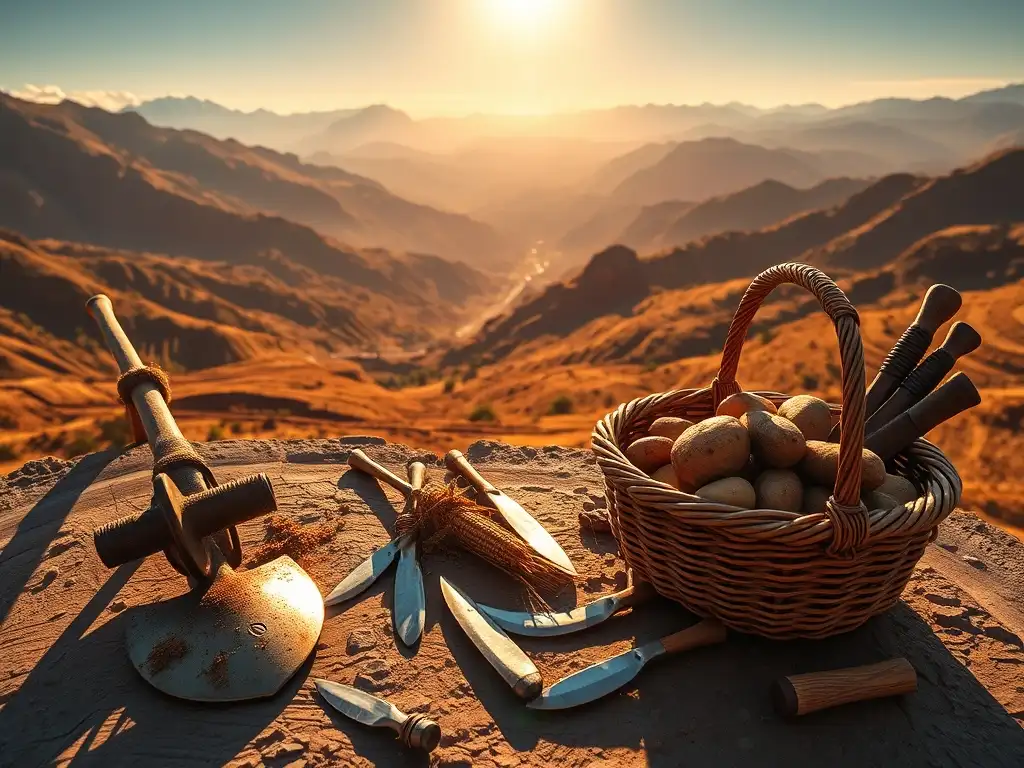
Dive into a world lost in time, where ingenuity blossomed amidst towering peaks and sprawling valleys. Forget everything you think you know about ancient farming. This isn't just a story of simple spades and hoes; it's a journey into the remarkable world of Andean agricultural tools, the ingenious technologies that fueled the rise and longevity of civilizations like the Inca, Moche, and Nazca.
Prepare to be amazed by the sophistication and innovation that shaped these empires – discover how these tools weren't just instruments of survival, but the very foundation of their extraordinary cultures. Uncover the secrets behind their success... continue reading to learn more.
The Andes Mountains, a formidable yet fertile landscape, nurtured some of the most sophisticated pre-Columbian civilizations in the Americas. While majestic cities and intricate textiles often steal the spotlight, the backbone of Andean societies rested firmly on their agricultural prowess.
This article delves into the fascinating world of Andean agricultural tools, exploring their ingenuity, diversity, and profound impact on the development and sustenance of cultures like the Inca, Moche, Nazca, and Tiahuanaco. We will move beyond the simplistic notion of a single "spade" to uncover a complex array of tools that reflect the ingenuity and adaptability of Andean farmers in harnessing the challenging terrain and diverse climates of their environment.
Understanding these tools is crucial to appreciating the depth and complexity of Andean civilization and its remarkable achievements. We will examine not only the tools themselves, but also their societal implications, revealing how technological advancements in agriculture shaped social structures, economic systems, and the very fabric of Andean life.
Introduction to Andean Agricultural Practices
Andean agricultural practices were far from rudimentary. They were sophisticated systems adapted to a variety of challenging environments, ranging from high-altitude plains to coastal deserts. Farmers developed ingenious techniques to overcome limitations imposed by steep slopes, scarce water resources, and unpredictable weather patterns.
These techniques included terracing, irrigation systems (including sophisticated canal networks and underground aqueducts), and the cultivation of diverse crops adapted to different altitudes and microclimates. The success of these agricultural systems hinged on a wide array of specialized tools, each designed to perform specific tasks with remarkable efficiency. From simple digging sticks to complex plows and irrigation implements, these tools represent a testament to the ingenuity and resourcefulness of Andean peoples.
The development and refinement of these tools were crucial to the ability of Andean civilizations to support large, densely populated urban centers and complex social structures. The efficiency of their agricultural practices allowed for surplus production, facilitating trade, specialization of labor, and the growth of powerful empires.
The Importance of Andean Farming Tools
The importance of Andean farming tools cannot be overstated. They were not merely instruments of labor; they were integral to the survival and prosperity of Andean societies. The effectiveness of these tools directly influenced crop yields, food security, and ultimately, the overall stability and success of the civilizations that employed them. The design and manufacture of these tools often reflected local conditions and available resources, showcasing a deep understanding of materials science and engineering.
For example, the choice of materials – from wood and stone to metal alloys – varied depending on the specific task, the availability of resources, and the desired durability. The development of these tools was a continuous process of adaptation and innovation, driven by the need to improve efficiency and productivity in challenging agricultural environments. Different Andean cultures developed unique tool designs, reflecting their distinct environmental contexts and technological traditions.
Understanding the Role of Technology in Andean Agriculture
The development of Andean agricultural technology wasn't a random process. It was a carefully considered response to environmental challenges and the growing demands of a complex society. The innovations in tool design directly contributed to increased agricultural productivity, allowing for the support of larger populations and the development of more complex social structures. The creation of efficient irrigation systems, for example, was a significant technological achievement that allowed for the cultivation of crops in arid regions.
This, in turn, led to increased food production and a more stable food supply. Furthermore, the development of specialized tools for different tasks increased the efficiency of agricultural labor, freeing up time and resources for other activities, such as craft production, construction, and religious ceremonies. This technological advancement played a crucial role in shaping the social and economic landscapes of Andean civilizations.
The Impact of Agricultural Tools on Andean Society
The impact of agricultural tools on Andean society was profound and multifaceted. The increased food production resulting from improved technology led to population growth and the development of larger, more complex settlements. The surplus of food also allowed for specialization of labor, with some individuals focusing on agriculture while others dedicated themselves to crafts, religious activities, or governance.
This specialization contributed to the development of sophisticated social hierarchies and complex political systems. Moreover, the control and distribution of agricultural resources played a significant role in shaping power dynamics and social structures within Andean societies. The importance of agriculture in Andean life is also reflected in their mythology and religious beliefs, where deities associated with fertility and agriculture held prominent positions.
The tools themselves, therefore, were not just functional objects but also held symbolic significance, representing the connection between humans and the natural world, and the ability of Andean peoples to harness the power of nature for their benefit. The study of these tools offers a unique window into the societal organization, religious beliefs, and technological ingenuity of these remarkable civilizations.
- What types of agricultural tools did Andean civilizations use?
- How did Andean agricultural tools differ from those in other parts of the world?
- What role did irrigation play in Andean agriculture?
- Were Andean agricultural tools made of metal?
- How did Andean agricultural tools contribute to the success of their civilizations?
Essential Andean Agricultural Tools
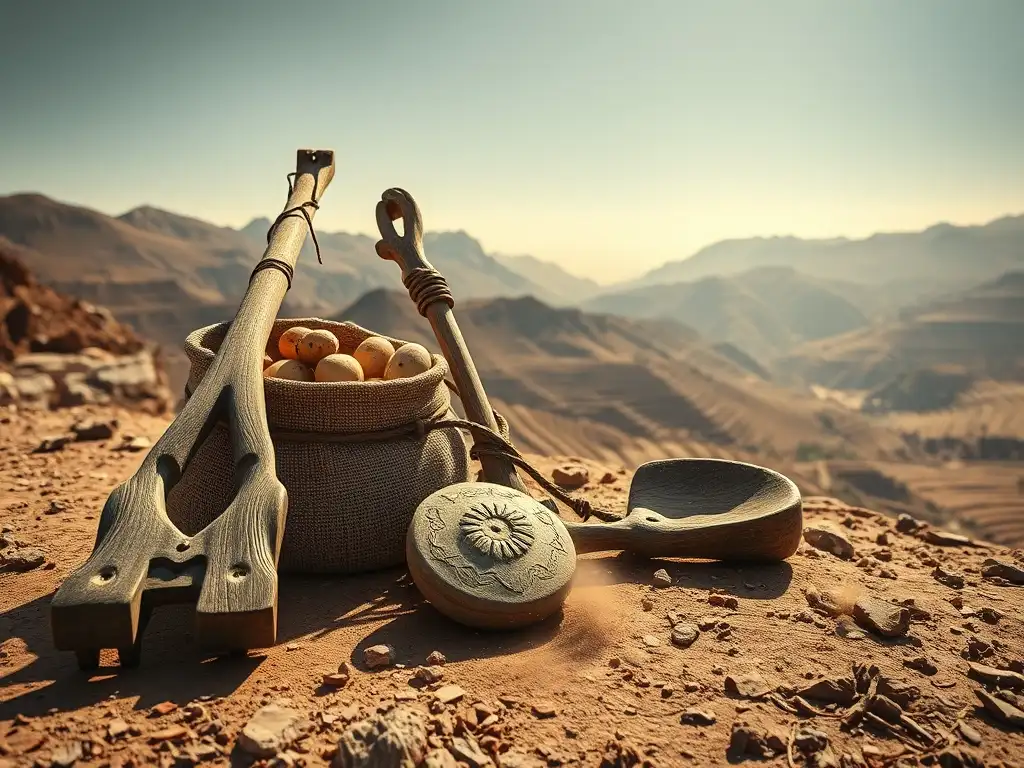
Andean agricultural tools were not merely implements; they were sophisticated instruments reflecting a deep understanding of the Andean environment and its challenges. The ingenuity displayed in their design and use allowed these civilizations to thrive in diverse and often unforgiving terrains, pushing the boundaries of agricultural productivity. This section focuses on two pivotal tools: the chaquitaclla and the raucana, highlighting their construction, functionality, and cultural significance.
Understanding these tools is crucial to grasping the remarkable achievements of Andean agricultural practices and their lasting impact. The study of these "Andean agricultural tools" reveals a complex interplay between technology, environment, and culture.
The Chaquitaclla: The Andean Foot Plow
The chaquitaclla, often referred to as the Andean foot plow, stands as a testament to the ingenuity of Andean farmers. This seemingly simple tool played a crucial role in shaping Andean agriculture, allowing for efficient soil preparation in challenging mountainous environments. Its design, materials, and usage varied across different Andean cultures, highlighting the adaptability of this fundamental instrument. The chaquitaclla is a prime example of how Andean agricultural tools were meticulously adapted to local conditions.
Chaquitaclla Construction and Materials
The chaquitaclla is essentially a T-shaped digging stick. The vertical element, typically made from a hard, durable wood like aliso (alder) or queuña (Polylepis), is sharpened to a point for penetration. The horizontal element, often a shorter piece of wood, acts as a footrest, providing leverage. The materials used varied depending on regional availability.
In some areas, stone points were used instead of sharpened wood, demonstrating an adaptive approach to toolmaking. The construction was relatively simple, relying on basic woodworking skills readily available within Andean communities. Archaeological evidence suggests variations in size and weight, possibly reflecting differences in soil types and farming practices.
How the Chaquitaclla Improved Andean Crop Production
The chaquitaclla significantly improved Andean crop production by facilitating efficient soil preparation. Its design allowed for deep penetration of the soil, aerating it and creating furrows for planting. This is particularly important in Andean soils, which can be compacted and difficult to work with traditional methods. By minimizing the need for extensive hand-tilling, the chaquitaclla increased the speed and efficiency of planting, leading to higher yields. The foot-powered design also reduced the physical strain on the farmer compared to solely using hand tools. The impact on productivity was considerable, enabling the support of larger populations.
Chaquitaclla Variations Across Andean Cultures
While the basic design of the chaquitaclla remained consistent across various Andean cultures, subtle variations existed. These variations often reflected adaptations to specific environmental conditions and agricultural practices. For instance, the size and shape of the tool might differ based on soil type or the crops being cultivated.
Some chaquitacllas featured additional features, such as a small crossbar for improved leverage or a slightly curved point for better penetration. These regional variations highlight the dynamic nature of Andean technology and its responsiveness to local needs. Further research into the specific variations across different Andean cultures is needed to fully understand the range of this tool's adaptations.
The Raucana: The Andean Hoe
The raucana, an Andean hoe, represents another crucial agricultural tool. Unlike the chaquitaclla, which focused on soil penetration, the raucana was primarily used for soil preparation and weeding. Its design and application were intimately connected to the terraced farming systems prevalent in the Andes, illustrating the sophisticated agricultural techniques employed by these civilizations.
Raucana Design and Functionality
The raucana is characterized by its relatively flat, blade-like head, usually made of stone or metal. This blade was attached to a wooden handle, providing the necessary leverage for working the soil. The shape and size of the blade could vary depending on its intended purpose – some were broader for weeding, while others were narrower for more precise work. The materials used reflected the available resources in a given region. Stone raucanas, often made from volcanic rock, were common in areas where metal was scarce. The transition to metal raucanas likely improved efficiency and durability.
The Raucana's Role in Soil Preparation
The raucana played a vital role in preparing the soil for planting. Its flat blade was used to loosen the soil, remove weeds, and create a suitable seedbed. This was particularly important in terraced farming, where maintaining the integrity of the terraces was crucial for preventing erosion and maximizing water retention. The raucana allowed farmers to carefully work the soil within the confines of the terraces without causing damage. Its use ensured that the soil was adequately prepared for planting, contributing to successful harvests.
Raucana Use in Terraced Farming
The raucana’s effectiveness was particularly pronounced in the context of terraced farming. The precise nature of the tool allowed farmers to work the soil within the narrow confines of the terraces without disturbing their structure. This was crucial for preventing soil erosion, a significant concern in mountainous regions.
The raucana’s use, in conjunction with other techniques, allowed Andean farmers to cultivate steep slopes, maximizing arable land and food production in challenging environments. The integration of the raucana within the complex system of terraced agriculture is a testament to the sophisticated understanding of soil management and water conservation prevalent in Andean societies.
Other Significant Andean Farming Implements
Beyond the well-known tools like the chaquitaclla, Andean civilizations developed a diverse array of implements to support their agricultural practices. These tools, often crafted from readily available materials like stone, wood, bone, and even shells, reflect the ingenuity and adaptability of Andean farmers in response to the challenging terrain and varied climates of the Andes Mountains. The effectiveness of these tools, combined with advanced agricultural techniques, allowed for the sustained cultivation of crops essential to the survival and prosperity of these impressive civilizations.
The development of these tools was crucial not only for food production but also for the overall societal structure and economic stability of Andean communities. Their sophisticated understanding of agriculture, reflected in their tool design and implementation, allowed them to thrive in challenging environments for centuries.
The Andean Planting Stick: Coa
The coa was a fundamental tool used for planting crops across the Andes. This simple yet effective implement, typically crafted from hardened wood, was a pointed stick used to create planting holes. Its design varied depending on the specific region and the type of soil being worked. Some coas were relatively short and sturdy, ideal for planting in rocky or compacted soils.
Others were longer and more slender, suitable for softer earth. The precise shape and size of the coa were often adapted to the specific needs of the particular crop being planted. The use of the coa reduced the labor required for planting and ensured consistent depth and spacing, contributing significantly to higher crop yields.
Archaeological evidence reveals the widespread use of the coa across various Andean cultures, highlighting its importance in their agricultural systems. Its enduring legacy is a testament to its practicality and effectiveness. The simplicity of the coa belies its profound impact on Andean agriculture.
The Andean Stone Tools for Harvesting: Stone Knives for Cutting Stalks and Stone Grinders for Processing Grains
Harvesting crops in the Andes required specialized tools capable of handling a variety of plants and grains. Stone knives, meticulously chipped and shaped from obsidian, volcanic rock, or other suitable materials, were used to efficiently cut stalks of maize, quinoa, and other crops. The sharpness and durability of these stone knives were crucial for minimizing crop damage and maximizing the yield. The techniques employed in creating these tools demonstrate a high level of skill and understanding of stone knapping.
Beyond cutting, processing the harvested grains required additional tools. Stone grinders, often consisting of a hand-held muller and a stationary metate (a flat grinding stone), were widely used to process grains into flour or meal. The metates, frequently made from durable volcanic rock, often showed signs of significant wear, testament to their extensive use over time.
The consistent grinding action produced a fine flour, essential for preparing various food products. These stone tools, while seemingly simple, represent a sophisticated understanding of materials science and agricultural processing. Their widespread use underscores their vital role in the Andean food system.
The Importance of Irrigation Tools in Andean Agriculture: Canals and Terraces for Water Management
Water management was paramount to successful agriculture in the Andes, a region characterized by significant variations in rainfall and altitude. Andean civilizations developed sophisticated irrigation systems to effectively channel water to their fields. Canals, meticulously constructed using stone, earth, and other materials, transported water from rivers, streams, and springs across long distances to irrigate crops.
The engineering involved in creating these canals, often traversing challenging terrain, was impressive, demonstrating a deep understanding of hydraulics and civil engineering. Terraces, carved into hillsides, not only increased the amount of cultivatable land but also helped to control water flow and prevent erosion. The construction of terraces was a labor-intensive process requiring significant community effort and organization.
These irrigation systems, including canals and terraces, played a critical role in ensuring consistent water supply to crops, thereby securing food production and supporting the growth of large Andean populations. The ingenuity demonstrated in these water management techniques is a key factor in understanding the success of Andean agriculture. The integration of canals and terraces showcases a remarkable understanding of both the environment and the needs of their agricultural system.
Materials and Craftsmanship of Andean Agricultural Tools

The ingenuity of Andean civilizations is vividly reflected in their agricultural tools, which were meticulously crafted from readily available materials using sophisticated techniques. Understanding the materials and craftsmanship involved provides crucial insight into their technological prowess and resourcefulness, highlighting their adaptation to diverse Andean environments. The effective use of "Andean agricultural tools" was fundamental to their societal success.
Sourcing Local Materials for Tool Creation
The Andean peoples demonstrated a remarkable ability to utilize the resources immediately at hand for tool creation. Their selection wasn't merely practical; it reflected a deep understanding of material properties and their suitability for specific tasks. This resourcefulness is a key element in the study of Andean agricultural tools.
The Use of Wood, Stone, and Bone in Andean Tools
Wood, stone, and bone formed the bedrock of early Andean agricultural tool production. Different wood types, chosen for their strength, flexibility, or resistance to rot, were employed for handles, plows, and digging sticks. For example, huarango wood, known for its durability, was frequently used for tools requiring resistance to wear and tear. Stone, readily available in various forms, served as the primary material for grinding stones, manos (hand stones), and metates (grinding surfaces).
The selection of stone varied based on its hardness and suitability for grinding different grains. Bone, particularly from camelids, was utilized for smaller implements and components requiring precise shaping, showcasing the adaptability of available resources. The meticulous shaping and finishing of these materials demonstrate a high level of skill and understanding of material properties.
Metalworking in Andean Agricultural Tool Production
The introduction of metalworking, particularly in the later periods, significantly advanced Andean agricultural technology. Copper, bronze, and eventually silver and gold were incorporated into the production of tools, leading to increased efficiency and durability. While initially scarce, the mastery of metalworking techniques allowed for the creation of stronger and more refined tools, such as improved plowshares, hoes with sharper edges, and more robust sickles. The transition from simpler stone and wood tools to metal implements represents a significant technological leap, influencing agricultural practices and productivity. The development of metallurgy directly impacted the effectiveness of Andean agricultural tools.
Andean Craftsmanship: Creating Functional and Durable Tools
Beyond the materials themselves, the craftsmanship involved in creating Andean agricultural tools is noteworthy. These tools weren't merely functional; they were often beautifully crafted, reflecting both practical knowledge and artistic sensibility.
Skill and Expertise in Tool Making
The creation of Andean agricultural tools required a high degree of skill and expertise. Specialized artisans, likely possessing inherited knowledge passed down through generations, were responsible for the manufacturing process. Their proficiency extended beyond simple shaping and joining; it included understanding the grain of wood, the best methods for sharpening stone, and the optimal techniques for casting and working metal. The precision and durability of many surviving tools attest to the high level of skill these artisans possessed. The longevity and effectiveness of these tools highlight the mastery of Andean craftsmanship.
The Cultural Significance of Tool Craftsmanship
The production of agricultural tools wasn't solely a practical endeavor; it held significant cultural importance within Andean societies. The creation of these tools was often intertwined with religious beliefs and ceremonies, underscoring their role in sustaining life and ensuring successful harvests. The artistry and care invested in their creation reflected the deep respect for the land and the crucial role agriculture played in Andean life.
The aesthetic quality of many tools suggests that their creation went beyond mere functionality, becoming a form of artistic expression reflecting the spiritual and social fabric of Andean communities. The detailed craftsmanship of these tools serves as a testament to the cultural significance of agriculture in Andean societies.
The Impact of Andean Agricultural Tools
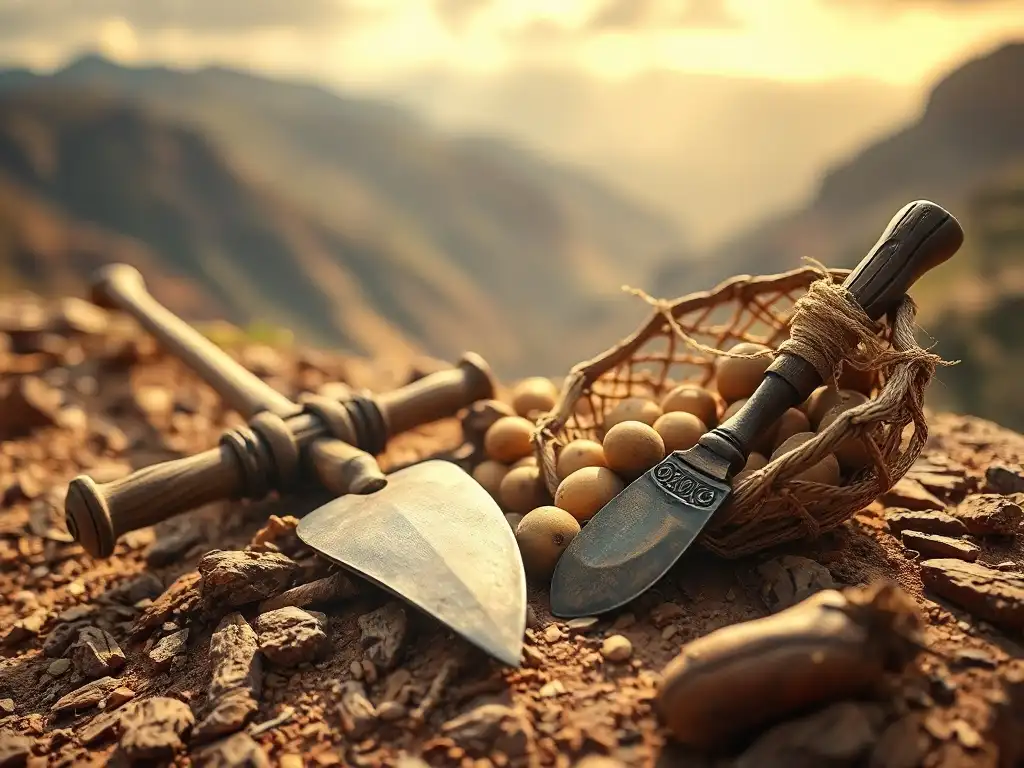
The ingenuity of Andean agricultural tools played a pivotal role in shaping the civilizations of the Andes Mountains. Their advancements in tool design weren't merely about efficiency; they were fundamental to the social, economic, and political structures of these societies. Understanding these tools provides crucial insights into the resourcefulness and adaptability of Andean cultures in the face of challenging environmental conditions.
The impact of these tools extended far beyond the simple act of farming; they fostered complex social hierarchies, supported population growth, and even influenced the development of impressive urban centers. The study of Andean agricultural tools provides a fascinating window into the interplay between technology and societal development.
Increasing Agricultural Yields Through Innovative Tools
The harsh Andean terrain, characterized by steep slopes, varying altitudes, and diverse microclimates, demanded innovative agricultural solutions. Andean farmers didn't simply adapt; they thrived. Their success was significantly linked to their mastery of tool creation and application. The development of tools like the chaquitaclla (a foot-powered plow), the taklla (a digging stick), and various types of hoes allowed for efficient cultivation, even on difficult terrain. These tools, often crafted from readily available materials like wood, stone, and bone, were meticulously designed to maximize yields in challenging environments.
How Tools Contributed to Food Surplus
The effectiveness of Andean agricultural tools directly translated into increased food production. The chaquitaclla, for instance, allowed for deeper soil penetration and better aeration, leading to healthier crops and higher yields compared to manual digging. The sophisticated terracing systems, facilitated by these tools, further maximized arable land, minimizing soil erosion and optimizing water usage. This surplus of food was not just a matter of survival; it fueled population growth, supported specialized labor, and enabled the development of complex social structures. Evidence suggests that certain Andean communities enjoyed a significant food surplus, allowing for trade and the accumulation of wealth.
Impact on Population Growth and Urbanization
The ability to produce food surpluses, thanks to innovative agricultural tools, had a profound impact on population growth and urbanization in the Andes. With a reliable and abundant food supply, populations could expand beyond the limitations imposed by subsistence farming. This surplus also enabled the development of specialized labor, freeing individuals from solely agricultural pursuits to engage in crafts, trade, and governance.
The concentration of population in larger settlements, supported by the increased food production, directly contributed to the rise of complex urban centers and the growth of powerful Andean empires. The availability of resources, facilitated by efficient agriculture, was a key factor in the development of monumental architecture and sophisticated social organization.
The Legacy of Andean Farming Technology
The legacy of Andean agricultural tools extends far beyond their historical context. The ingenuity and practicality of these tools continue to inspire and inform modern agricultural practices, highlighting the enduring value of traditional knowledge. The principles of sustainable agriculture embedded in Andean techniques offer valuable lessons for contemporary farming methods. The techniques used by Andean civilizations offer valuable insights and inspiration for modern agricultural practices.
Modern Application of Traditional Andean Techniques
Today, researchers and farmers are rediscovering the value of traditional Andean farming techniques. The principles behind the chaquitaclla’s design, for example, are being incorporated into modern, sustainable agricultural tools. The emphasis on minimizing soil disturbance, conserving water, and maximizing yields in challenging environments resonates strongly with contemporary concerns about climate change and food security. Furthermore, the knowledge of Andean crop diversification and intercropping techniques offers valuable insights for enhancing biodiversity and resilience in modern farming systems.
Lessons for Sustainable Agriculture from the Andes
The Andean experience provides invaluable lessons for contemporary sustainable agriculture. The emphasis on terracing, crop rotation, and the use of locally adapted tools are all elements that promote environmental stewardship and long-term sustainability. The minimal environmental impact of many traditional Andean techniques stands in stark contrast to the intensive, resource-consuming methods prevalent in modern industrialized agriculture.
By studying and adapting these ancient practices, we can develop more environmentally friendly and resilient agricultural systems capable of feeding a growing global population while protecting the planet's resources. The legacy of Andean agricultural tools serves as a powerful reminder of the enduring wisdom embedded in traditional knowledge and its relevance to contemporary challenges.
Frequently Asked Questions
What types of agricultural tools did Andean civilizations use?
Andean civilizations utilized a diverse range of tools, including plows pulled by llamas, stone-tipped digging sticks, and irrigation canals. Their tools were adapted to the challenging terrain and varied climates.
How did Andean agricultural tools differ from those in other parts of the world?
Andean tools were often uniquely adapted to the high altitude and varied geography. Unlike wheeled plows used elsewhere, they relied on human and animal power combined with ingenious techniques like terracing.
What role did irrigation play in Andean agriculture?
Irrigation was essential for Andean agriculture. Complex systems of canals and terraces, managed with tools for digging and diverting water, allowed for successful crop cultivation in challenging environments.
Were Andean agricultural tools made of metal?
While some metal was used, many Andean agricultural tools were made from stone, wood, and bone, reflecting the available resources and technological capabilities of the time. Bronze and copper were eventually utilized, particularly in later periods.
How did Andean agricultural tools contribute to the success of their civilizations?
The innovative design and use of these tools allowed Andean civilizations to successfully cultivate diverse crops, supporting large populations and the development of complex societies. Efficient farming techniques were crucial to their prosperity.
Final Reflection: Harvesting the Legacy of Andean Innovation
The ingenuity of Andean agricultural tools wasn't merely a matter of survival; it was a testament to human adaptation and a profound understanding of their environment, a legacy that continues to resonate in sustainable agricultural practices today. These innovations, born from necessity and shaped by the challenging Andean terrain, offer invaluable lessons for a world grappling with climate change and food security. The sophisticated techniques employed, from the chaquitaclla to the andenes, represent a sophisticated understanding of ecological balance far exceeding many modern approaches.
The enduring impact of these tools extends beyond their practical applications; they represent a deep cultural connection to the land, a relationship that informs Andean identity to this day. The careful cultivation of the landscape, the reverence for the earth's bounty, and the communal effort involved in farming all speak to a holistic worldview that we, in our increasingly fragmented societies, could learn much from. The land is not merely soil; it is a living entity, a mother who nourishes us, and we must treat her with respect.
This sentiment, though paraphrased, encapsulates the spirit of Andean agricultural practices and their enduring relevance.
Consider, for a moment, the ingenuity behind these tools. Imagine the generations of knowledge passed down, the meticulous observation of nature, and the collaborative spirit that fostered such remarkable achievements. You, too, can cultivate a deeper appreciation for the interconnectedness of humanity and nature. By understanding the past, we can better inform our present and shape a more sustainable future. Let the legacy of Andean agricultural innovation inspire you to explore innovative and respectful approaches to food production and environmental stewardship in your own life.
**Unveil the Secrets of Andean Innovation! **
Thank you for exploring the remarkable agricultural tools that shaped Andean civilizations. You've gained valuable insights into how these innovations transformed farming and supported thriving communities. Let's now apply this knowledge to the modern world.
Here are some ways you can build on what you've learned:
- **Explore Andean Techniques:** Research and adapt ancient Andean farming techniques for your own garden or community farming project. Discover how these time-tested methods can enhance modern practices.
- **Share Your Knowledge:** Discuss your newfound understanding with friends, family, or online. Help others appreciate the ingenuity of Andean civilization.
- **Join a Community:** Connect with local or online gardening groups focused on sustainable practices inspired by ancient techniques. Collaborative learning fosters new perspectives and strengthens community bonds.
How will you integrate your understanding of ancient agricultural practices into your life? Share your thoughts below!