
The Taste of the Andes: Exploring Ancient Flavors and Culinary Traditions

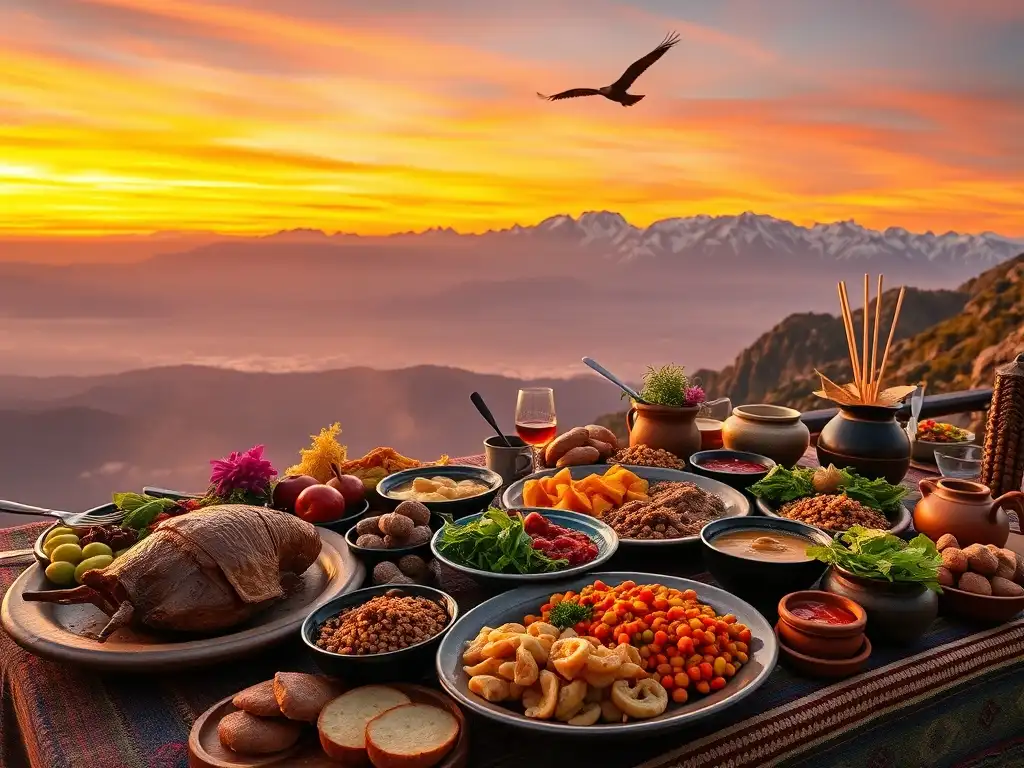
Uncover the secrets whispered on the wind across the Andes Mountains – a legacy etched not just in stone, but in flavor. For centuries, the ingenuity of the ancient Andean civilizations shaped a culinary landscape as breathtaking as its geography. Prepare to embark on a captivating journey into the world of Ancient Andean cuisine, where vibrant ingredients and innovative techniques reveal a story far richer than you ever imagined. Are you ready to taste the past?
The Andes Mountains, a spine of towering peaks running down the western edge of South America, nurtured some of the world's most fascinating and enduring civilizations. Beyond their impressive architectural feats and intricate social structures, these ancient Andean cultures—including the Incas, Moche, Nazca, and Tiahuanaco—developed remarkably sophisticated agricultural practices and culinary traditions. This article delves into the fascinating world of Ancient Andean cuisine, exploring the key ingredients, preparation methods, and the vital role food played in their daily lives and spiritual beliefs.
We'll uncover how their ingenuity in cultivating and utilizing native plants shaped not only their diets but also their societies, economies, and even their understanding of the cosmos. Understanding Ancient Andean cuisine provides a crucial lens through which to appreciate the ingenuity and resilience of these remarkable cultures. Prepare to embark on a culinary journey through time, discovering the flavors and traditions that continue to resonate today.
Introduction to Ancient Andean Cuisine
Ancient Andean cuisine wasn't just about sustenance; it was deeply intertwined with their cosmology, social structures, and religious practices. Food was offered to the gods, used in ceremonies, and played a significant role in social hierarchies. The varied geography of the Andes, ranging from coastal deserts to high-altitude plains, dictated the availability of ingredients, leading to regional variations in culinary styles. However, certain staple crops and ingredients formed the backbone of their diets across different cultures.
Potatoes, in their myriad varieties, were undoubtedly a cornerstone, along with maize (corn), quinoa, and beans. These provided the carbohydrates and protein essential for survival in the challenging Andean environment. Furthermore, the use of sophisticated agricultural techniques like terracing allowed them to maximize yields from often-difficult terrain.
The careful cultivation of these plants wasn't merely a practical necessity; it was a sacred act, connecting the people to the land and their deities. Their understanding of plant properties and their ability to adapt to diverse environments is truly remarkable. Let's explore some of these key ingredients in more detail.
Key Ingredients in Traditional Andean Cooking
The success of Ancient Andean civilizations hinged heavily on their mastery of agriculture. Their diet was rich and varied, thanks to the cultivation of a wide array of plants, each with its unique culinary and cultural significance. Let's examine some of the most important:
- Potatoes (Solanum tuberosum): Far from the single variety we often see today, the Andes boasted hundreds, if not thousands, of potato cultivars, each adapted to specific altitudes and climates. They were prepared in countless ways – boiled, roasted, mashed, fermented, and even freeze-dried (chuño). Their versatility made them a staple in the Andean diet.
- Maize (Zea mays): Another crucial component, maize was used to make various dishes, from simple porridges to more complex stews and breads. It was also fermented to produce chicha, an alcoholic beverage of significant social and religious importance.
- Quinoa (Chenopodium quinoa): This highly nutritious grain, a complete protein source, was a significant part of the Andean diet and remains popular today. It was prepared in a variety of ways, often combined with other ingredients to create hearty and flavorful meals.
- Beans (various species): Beans provided essential protein and were consumed in various forms, often incorporated into stews and soups. Different types of beans were cultivated, each with unique characteristics and uses.
- Coca (Erythroxylum coca): While not strictly a food, coca leaves held immense cultural and religious significance. They were chewed to alleviate hunger and altitude sickness, and played a crucial role in rituals and ceremonies. Its significance deserves a separate, deeper exploration.
The ingenuity and knowledge applied to cultivating and preparing these ingredients highlight the sophisticated understanding of agriculture and food preparation that characterized Ancient Andean societies. The influence of these culinary traditions continues to be felt in modern Andean cuisine, demonstrating the enduring legacy of these remarkable civilizations. The next section will delve deeper into the specific culinary practices of different Andean cultures.
Andean Staple Foods: A Foundation of Flavor
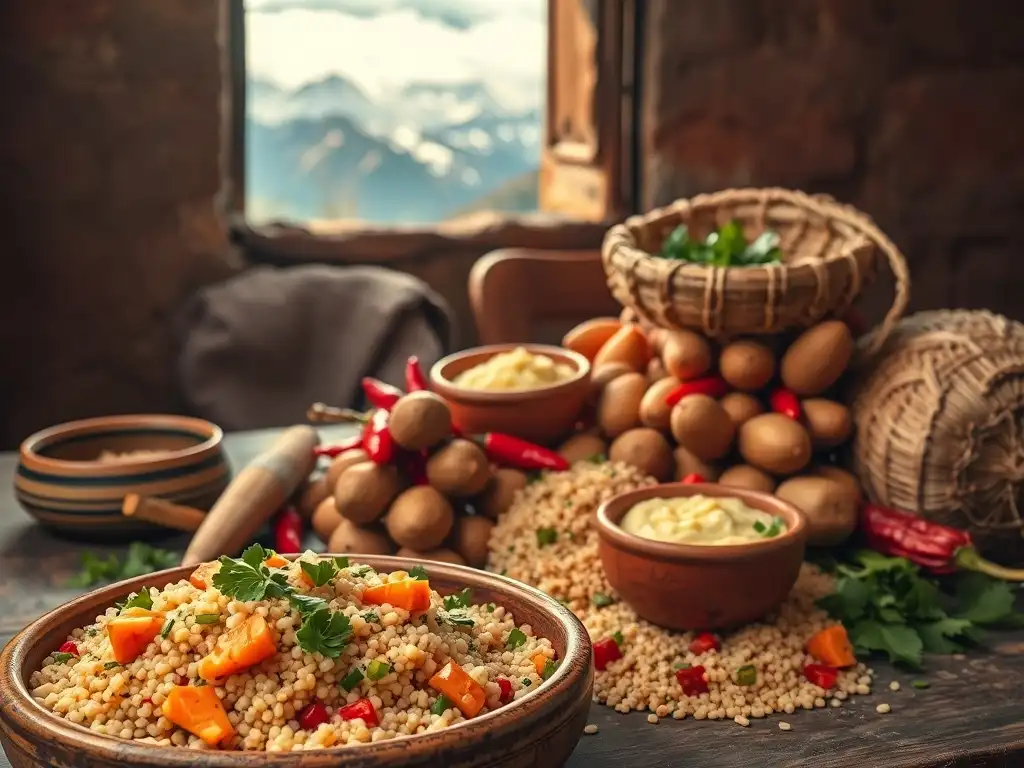
The vibrant tapestry of Ancient Andean cuisine was woven from a relatively small number of staple crops, yet the ingenuity and diversity of their culinary applications resulted in a remarkably rich and varied diet. These foundational foods, cultivated with meticulous care and adapted to the challenging Andean environment, provided sustenance and shaped the cultural identity of these remarkable civilizations. Understanding these staples is crucial to appreciating the sophistication and resilience of Ancient Andean foodways.
This section delves into the significance of potatoes, quinoa, and corn—the "holy trinity"—of Andean agriculture and their impact on the culinary landscape. The study of Ancient Andean cuisine reveals not only a deep understanding of food production but also a profound connection to the land and its bounty.
The impact of these staple foods extended far beyond mere sustenance; they played a vital role in religious ceremonies, social structures, and economic systems. Analyzing these plants reveals a fascinating interplay between agricultural practices, culinary innovation, and cultural significance, all contributing to the enduring legacy of Ancient Andean cuisine.
The Importance of Potatoes in Andean Diets
Potatoes ( Solanum tuberosum) are synonymous with Andean cuisine, and rightly so. Far from the bland, starchy potato often found in modern Western diets, ancient Andean varieties boasted an incredible array of colors, shapes, sizes, and flavors—from creamy white to deep purple, from small fingerlings to large, round tubers. Archaeological evidence suggests potato cultivation began in the Andes thousands of years ago, predating the Inca Empire.
Different varieties were adapted to specific altitudes and climates, demonstrating a sophisticated understanding of agricultural practices. Ancient Andean peoples developed ingenious techniques for storing and preserving potatoes, including freeze-drying (chuño) and fermentation (tunta), ensuring food security throughout the year. These methods not only extended the shelf life of the potatoes but also transformed their flavor profiles, creating unique culinary experiences.
The potato wasn't simply a staple food; it was a versatile ingredient used in soups, stews, porridges, and even desserts. Its importance extended beyond the culinary realm; potatoes played a significant role in religious rituals and social exchanges, underscoring its central place in Andean society. The remarkable diversity of potato varieties in the Andes continues to inspire culinary innovation today, serving as a reminder of the ingenuity and adaptability of ancient Andean agriculture.
Quinoa: The Andean Supergrain and its Culinary Uses
Quinoa ( Chenopodium quinoa), often hailed today as a "superfood," held a position of immense importance in Ancient Andean diets. This highly nutritious grain, rich in protein and essential amino acids, provided a crucial source of sustenance, particularly in high-altitude regions where other crops struggled to thrive. Unlike many grains, quinoa contains all nine essential amino acids, making it a complete protein source.
Ancient Andean cultures developed diverse methods of preparing quinoa, ranging from simple boiled dishes to more elaborate preparations involving other ingredients. It was incorporated into soups, stews, porridges, and even fermented beverages. The versatility of quinoa, combined with its nutritional value, cemented its status as a staple crop, essential for maintaining the health and well-being of Andean populations.
Its significance extended beyond nutrition; quinoa also played a symbolic role in Andean ceremonies and rituals, reflecting its cultural and spiritual importance. The resilience of quinoa, its ability to grow in harsh conditions, and its nutritional richness contributed to the success and longevity of Andean civilizations. Its cultivation and consumption continue to thrive, demonstrating its enduring legacy.
Corn Varieties and their Role in Andean Gastronomy
Corn ( Zea mays) was another cornerstone of Ancient Andean agriculture and cuisine. The Andes boasted a remarkable diversity of corn varieties, each adapted to specific ecological niches. Ancient Andean farmers cultivated various colors of corn—yellow, white, red, purple, and even multicolored varieties—each with unique characteristics and culinary uses. Corn was used to produce a wide range of foods, including:
- Humitas: Steamed corn cakes wrapped in corn husks.
- Tamales: Corn dough filled with meat, vegetables, or other ingredients, wrapped in corn husks or banana leaves.
- Chicha: A fermented corn beverage that held significant cultural and religious importance.
Beyond its culinary applications, corn was also used in the production of textiles, dyes, and construction materials, highlighting its multifaceted significance in Andean societies. The cultivation of corn required sophisticated agricultural knowledge and techniques, including terracing and irrigation systems, which allowed for its successful cultivation in diverse environments.
The variety of corn types and the diverse culinary preparations showcasing this grain demonstrate the ingenuity and deep knowledge of ancient Andean agricultural practices, further underscoring the importance of corn in the development of Ancient Andean cuisine. The enduring legacy of corn in Andean culture is a testament to its vital role in sustaining Andean populations for millennia.
Ancient Andean Techniques and Cooking Methods
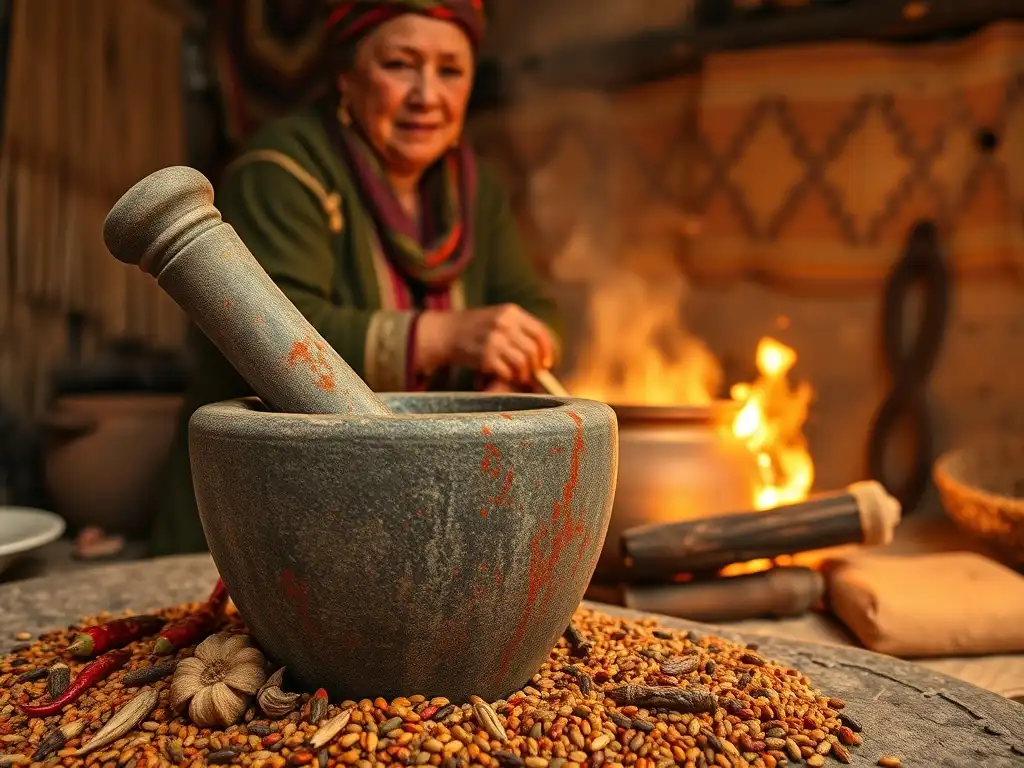
The study of Ancient Andean cuisine reveals not only a fascinating array of ingredients but also a sophisticated understanding of food preparation techniques. These methods, honed over millennia, were deeply intertwined with Andean cosmology and agricultural practices, reflecting a reverence for the Pachamama (Mother Earth) and her bounty. Understanding these techniques is crucial to appreciating the ingenuity and resourcefulness of ancient Andean cultures and their sustainable approach to food production.
The focus on preservation and the utilization of readily available resources showcases a remarkable level of adaptation to the challenging Andean environment. This section will delve into some of the most significant ancient Andean cooking methods, highlighting their importance in shaping the culinary landscape of the region.
Pachamanca: The Underground Oven Tradition
Pachamanca, a Quechua term meaning "hot earth," represents a quintessential example of Ancient Andean culinary ingenuity. This unique cooking method involves preparing food in an underground oven, utilizing the earth's natural heat. The process begins with the digging of a pit, typically lined with volcanic stones. A fire is then built within the pit, heating the stones to a high temperature.
Once the stones are glowing, embers are removed, and the food—often including meats (llama, alpaca, guinea pig), vegetables (potatoes, maize, beans), and tubers—is carefully wrapped in leaves (such as muña) and placed atop the hot stones. The pit is then covered with earth, allowing the food to slowly cook through steam and radiant heat for several hours. This process results in exceptionally tender and flavorful food, infused with the subtle smoky notes of the earth.
The Pachamanca is more than just a cooking method; it's a communal event, often associated with celebrations and rituals, symbolizing the connection between the Andean people and the Pachamama. The precise timing and temperature control required for a successful Pachamanca demonstrate a deep understanding of heat transfer and food chemistry. Variations in preparation exist across different Andean regions, reflecting the diversity of ingredients and local traditions.
Sun-drying and Preservation Methods in the Andes
The harsh Andean climate, characterized by high altitudes and variable weather conditions, necessitated the development of efficient preservation techniques. Sun-drying played a critical role in extending the shelf life of various food staples. Potatoes, maize, and other crops were often sliced or ground and then spread out on flat surfaces to dry under the intense Andean sun.
This process, combined with techniques like freezing at high altitudes, significantly reduced moisture content, inhibiting microbial growth and preventing spoilage. The dried products could then be stored for extended periods, providing a vital food source during lean seasons. This method wasn't simply about preservation; it also concentrated flavors and nutrients, creating a more concentrated food source.
For example, sun-dried potatoes, known as chuño, became a staple food, providing essential carbohydrates and calories. The ingenuity of these methods is particularly remarkable considering the limited technology available to the ancient Andean people. Their sophisticated understanding of the sun's power and its effect on food preservation is a testament to their close observation of the natural world.
Fermentation Techniques and Andean Beverages
Fermentation played a crucial role in the production of a variety of Andean beverages. The most notable example is chicha, an alcoholic beverage made from fermented maize. Different variations of chicha existed across various Andean cultures, each with its own unique recipe and fermentation process. The process typically involved chewing the maize kernels (a practice that introduced enzymes crucial for fermentation) before mixing them with water and allowing them to ferment for several days or weeks.
The resulting beverage varied in flavor and alcohol content depending on the length of fermentation and the specific maize variety used. The creation of chicha wasn't simply a matter of making a drink; it was deeply embedded in religious and social practices. It was often consumed during ceremonies and celebrations, playing a significant role in Andean social life.
Beyond chicha, other fermented beverages and food products were also produced, highlighting the widespread use of fermentation as a food preservation and flavor enhancement technique in Ancient Andean cuisine. The complex processes involved in creating these fermented products demonstrate a sophisticated understanding of microbiology and its applications in food production. Further research into specific fermentation techniques used across different Andean cultures is needed to fully understand the diversity and sophistication of these ancient practices.
The Role of Coca and Other Plants in Andean Food Culture
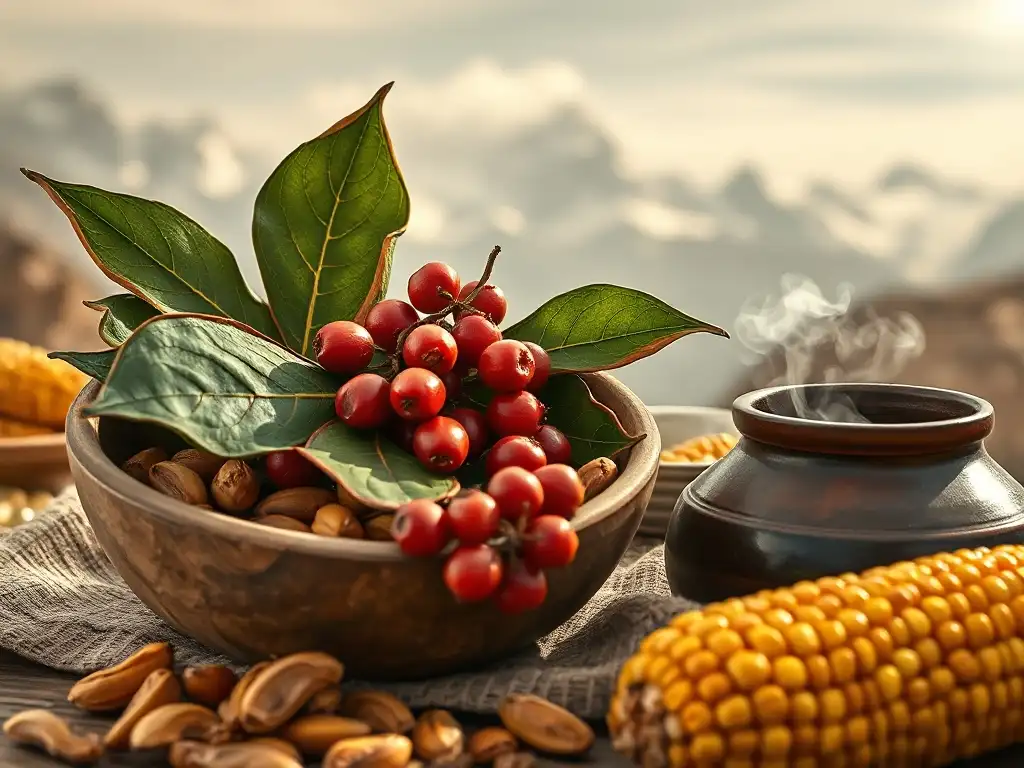
The Andean region's diverse geography and climate fostered a rich tapestry of plant life, profoundly shaping the culinary traditions and daily life of its ancient inhabitants. Understanding the role of plants in Ancient Andean cuisine is crucial to appreciating the ingenuity and resourcefulness of these civilizations. While coca is often associated solely with its stimulating properties, its significance extended far beyond mere consumption as a stimulant; it was deeply integrated into the fabric of Andean society, including their culinary practices.
Beyond coca, a vast array of herbs, spices, tubers, and roots contributed unique flavors and nutritional value to the ancient Andean diet, reflecting a sophisticated understanding of botany and gastronomy. The study of "Ancient Andean cuisine" reveals a complex relationship between people and their environment, where sustenance and spiritual practices were intertwined.
Coca: Beyond the Stimulant, a Culinary Element
Coca leaves ( Erythroxylum coca) were not simply chewed for their stimulating effects; they were also incorporated into various culinary preparations. While precise recipes are lost to time, archaeological evidence and ethnobotanical studies suggest their use in both savory and sweet dishes. The leaves, often dried and ground, may have been added to stews, soups, and even beverages to impart a subtle, slightly bitter, and earthy flavor.
It's important to note that the preparation methods likely varied across different Andean cultures and regions, reflecting local traditions and preferences. The use of coca in cooking was likely tied to its perceived medicinal properties as well, enhancing the nutritional and therapeutic value of the meal. Furthermore, the leaves' distinctive flavor profile would have provided a unique culinary experience, adding complexity to otherwise simple dishes.
Further research into ancient Andean food preparation techniques may reveal more nuanced details about the role of coca in their diet. The use of coca in food wasn't just about taste or energy; it was intrinsically linked to social and religious practices, further emphasizing its multifaceted importance in Andean society.
Andean Herbs and Spices: Flavoring Traditional Dishes
Beyond coca, a wide array of herbs and spices played a vital role in flavoring Ancient Andean cuisine. The mountainous terrain provided a diverse range of aromatic plants, each adding its own unique character to the dishes. For example, ají peppers, ranging in heat intensity from mild to extremely spicy, were essential ingredients, adding a fiery kick to stews, sauces, and other preparations.
Other herbs and spices, many of which are still used in modern Andean cooking, included various types of mint, wild oregano, and a variety of pungent plants. The specific combinations and proportions varied across different regions and cultures, but the overall effect was to create a rich and complex flavor profile that reflected the unique biodiversity of the Andes.
Unfortunately, detailed records of specific spice blends used in ancient times are scarce, but ongoing archaeological and ethnobotanical research continues to shed light on this fascinating aspect of Andean culinary heritage. The careful selection and blending of herbs and spices highlight the sophisticated understanding of flavor profiles possessed by the ancient Andean peoples.
The Use of Andean Tubers and Roots in Cooking
Ancient Andean agriculture was heavily reliant on the cultivation of tubers and roots, forming the backbone of their diet. Potatoes ( Solanum tuberosum), in their incredible variety of shapes, sizes, and colors, were undoubtedly a staple. Beyond potatoes, other important tubers and roots included oca ( Oxalis tuberosa), ulluco ( Ullucus tuberosus), and mashua ( Tropaeolum tuberosum).
These crops, adapted to the high-altitude conditions of the Andes, provided essential carbohydrates and nutrients. They were prepared in numerous ways, from roasting and boiling to being incorporated into soups and stews. The diverse range of tubers and roots available allowed for a varied diet, minimizing nutritional deficiencies.
Moreover, the methods of storing and preserving these crops, often involving techniques like drying and freezing at high altitudes, demonstrate a remarkable understanding of food preservation. The cultivation and utilization of these crops underline the ingenuity and adaptability of the Andean civilizations in harnessing their environment for sustenance and survival. The diversity of tubers and roots alone speaks volumes about the sophistication of their agricultural practices and their impact on the development of Ancient Andean cuisine.
Regional Variations in Andean Culinary Traditions
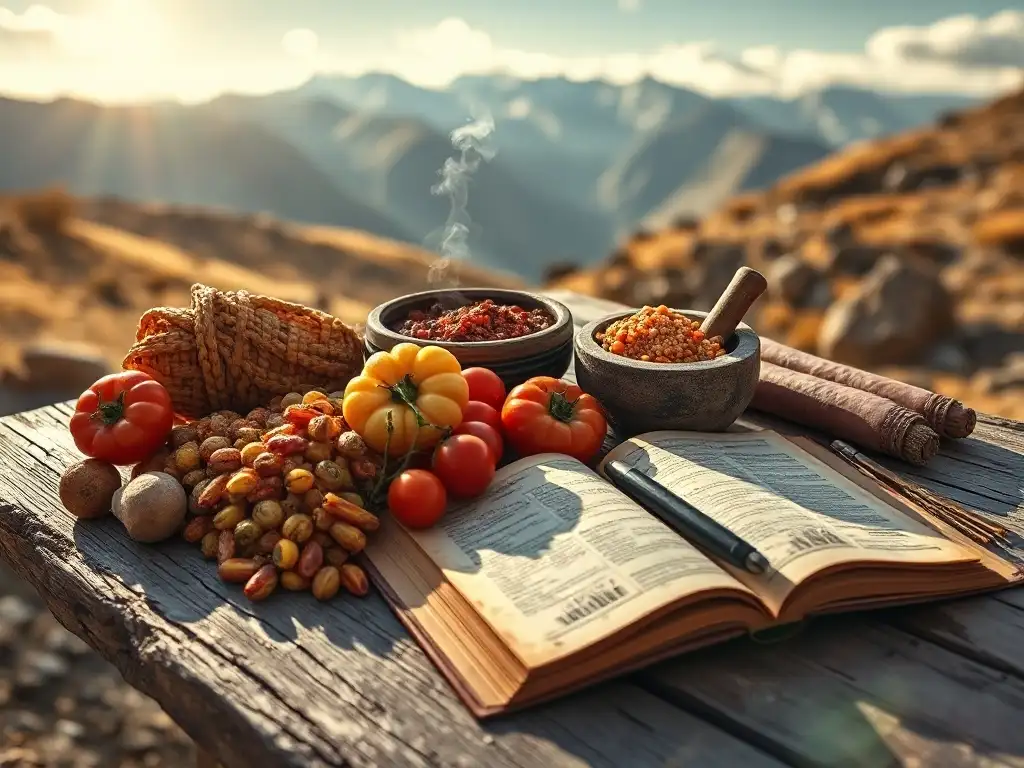
The vast and diverse geography of the Andes Mountains significantly shaped the culinary traditions of its ancient inhabitants. From the arid coastal deserts to the high-altitude plains and the lush Amazonian foothills, each region boasted unique ingredients and cooking techniques, leading to a rich tapestry of flavors and culinary practices. Understanding these regional variations is crucial to appreciating the complexity of Ancient Andean cuisine. The availability of resources, climate, and even altitude profoundly impacted what was grown, hunted, and ultimately, eaten. This section will explore three key regional variations: coastal, highland, and Amazonian influences.
Coastal Cuisine: Seafood and Maritime Influences
The coastal regions of the Andes, bathed by the Pacific Ocean, offered a bounty of seafood that formed the foundation of their culinary traditions. Fish, shellfish, and various types of seaweed were readily available and integrated into a wide range of dishes. Evidence suggests that ancient coastal communities mastered techniques for preserving fish, including sun-drying and salting, allowing them to enjoy these resources year-round. The proximity to the ocean also influenced the development of unique cooking methods. For example, the use of specialized clay ovens for cooking seafood was common, resulting in dishes with distinct smoky flavors. Beyond seafood, coastal communities cultivated crops adapted to the arid climate, including beans, squash, and chili peppers. These ingredients, combined with the abundance of seafood, created a vibrant and diverse coastal cuisine. The integration of seafood into stews, chilis, and other dishes showcases the ingenuity of ancient Andean cooks in adapting their culinary practices to their environment. Archaeological findings frequently reveal remnants of fish bones and shellfish alongside agricultural produce, providing concrete evidence of this diverse diet. The coastal regions also saw the development of unique fermentation techniques, potentially preserving fish and vegetables for extended periods, a crucial adaptation in an environment where food preservation was vital.
The combination of marine resources and agricultural products created a unique culinary identity distinct from the highland and Amazonian regions.
Highland Gastronomy: Adapting to the Mountain Environment
The high-altitude Andean highlands presented unique challenges for agriculture and, consequently, for cuisine. The thin air, harsh weather, and limited arable land necessitated the cultivation of hardy crops capable of thriving in these conditions. Potatoes, quinoa, and various types of beans formed the staple diet of highland communities. These crops were incredibly versatile, prepared in countless ways, from simple boiled dishes to complex stews and fermented products. The use of freeze-drying techniques to preserve potatoes, for instance, demonstrates the sophisticated food preservation methods employed by highland cultures. Llama and alpaca provided essential sources of meat and fiber, further enriching the highland diet. The colder climate also influenced the use of spices and herbs to add flavor and warmth to dishes. Aji Amarillo, a type of chili pepper, was widely used, adding a distinctive flavor profile to many highland recipes. The limited availability of certain ingredients fostered innovation and resourcefulness, leading to the development of unique cooking methods and flavor combinations.
The highland cuisine, therefore, reflects an ingenious adaptation to a challenging environment, demonstrating the resilience and ingenuity of the Andean people in shaping their foodways to suit the constraints of their habitat. Further research into ancient highland cooking methods is needed to fully understand the complexity and sophistication of this culinary tradition.
Amazonian Influences in Andean Food
The Amazonian foothills, with their rich biodiversity, contributed significantly to the culinary landscape of the Andes. The abundance of fruits, vegetables, nuts, and game provided a wide range of ingredients that were incorporated into Andean cuisine, especially in regions bordering the Amazon basin. Manioc (yuca), a starchy root vegetable, became a staple food in many areas, providing a crucial source of carbohydrates. Various types of palm fruits, nuts, and seeds enriched the diet, adding unique flavors and textures to dishes. The use of medicinal plants and herbs also played a prominent role in Amazonian influenced cuisine, reflecting a deep understanding of the therapeutic properties of the local flora. This incorporation of Amazonian ingredients into Andean cuisine highlights the interconnectedness of different ecological zones and the exchange of food practices across diverse geographical regions. The specific ways in which Amazonian influences manifested in different Andean communities varied, depending on proximity and accessibility to the Amazonian ecosystem.
Further research is needed to fully understand the extent and nature of these exchanges and the evolution of culinary practices within the complex interplay between the Andes and the Amazon. The diversity of ingredients and cooking techniques found in the Amazonian influenced Andean cuisine offers a fascinating glimpse into the rich culinary heritage of the region.
Examples of Andean Dishes
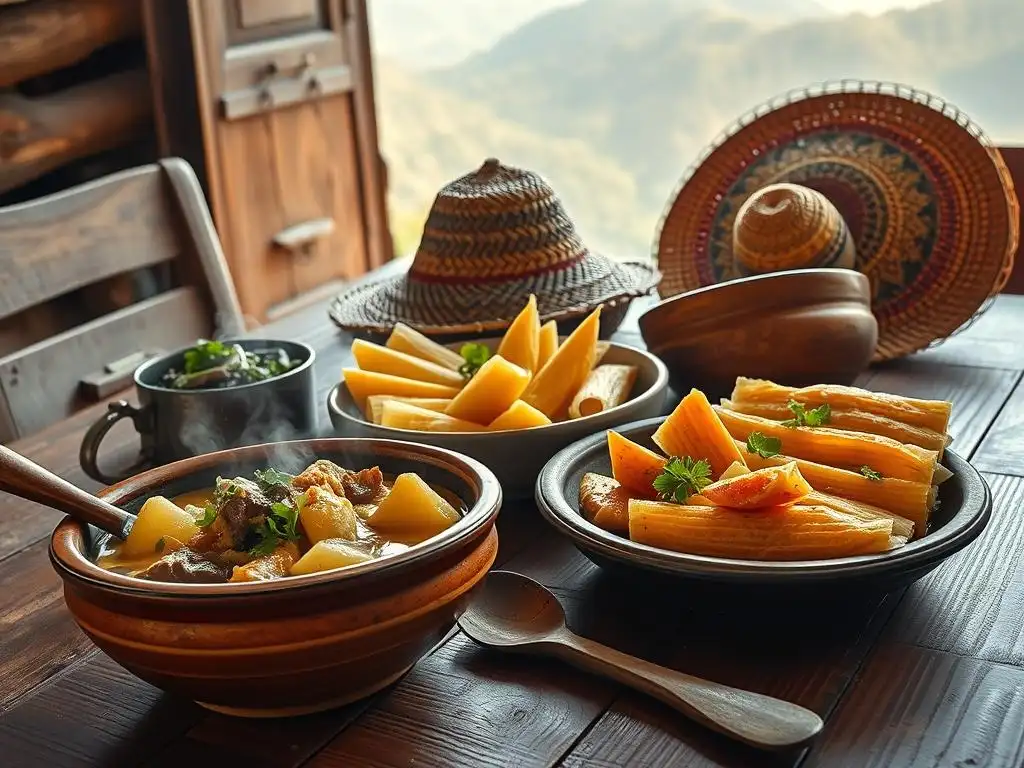
This section delves into the fascinating world of Ancient Andean cuisine, exploring specific dishes that showcase the ingenuity and resourcefulness of Andean cultures in utilizing locally available ingredients. Understanding these dishes provides a deeper appreciation for the intricate relationship between Andean civilizations and their environment, a relationship deeply intertwined with their agricultural practices and culinary traditions. The keyword "Ancient Andean cuisine" is central to understanding the innovative and diverse foodways of these remarkable societies.
Humitas: Steamed Corn Cakes
Humitas, a staple in many Andean countries even today, represent a testament to the ingenuity of ancient Andean agriculture. These savory steamed corn cakes, often prepared with cheese, milk, and spices, highlight the importance of maize (corn) in the Andean diet. The preparation itself is a testament to the skill and knowledge passed down through generations.
Corn, a cornerstone of Andean agriculture, was not only a dietary staple but also held significant cultural and religious importance. The variations in humita recipes across different Andean regions reflect the diverse culinary landscapes and local adaptations of this fundamental dish. Different types of corn, unique spices, and regional variations in preparation methods all contribute to the rich tapestry of humita traditions.
Even today, the simple act of preparing and sharing humitas reinforces the strong bonds of community and the legacy of ancient Andean culinary practices. The meticulous preparation, from harvesting the corn to the careful steaming process, reflects a deep respect for the ingredients and the land that sustains them.
Rocoto Relleno: Stuffed Peppers
Rocoto Relleno, or stuffed rocoto peppers, offers a glimpse into the sophisticated use of spices and flavor combinations in Ancient Andean cuisine. The rocoto pepper, a fiery chili native to the Andes, is the star of this dish, showcasing the boldness and complexity of ancient Andean flavors. The peppers are typically stuffed with a mixture of meat (often beef or chicken), rice, vegetables, and a variety of spices, reflecting the abundance of ingredients available in the Andean agricultural system.
The precise blend of spices would have varied depending on the region and specific culinary traditions. The slow cooking process, often involving long hours over an open fire, allowed the flavors to meld and develop, creating a rich and complex culinary experience.
The availability of diverse vegetables and the mastery of spice blends are indicative of the advanced agricultural techniques and culinary skills of ancient Andean societies. The use of rocoto peppers, in particular, underlines the integration of spicy flavors into their culinary traditions, a feature that distinguishes Andean cuisine from many others.
Cuy al Horno: Roasted Guinea Pig
Cuy al Horno, or roasted guinea pig, is perhaps one of the most iconic and visually striking examples of Ancient Andean cuisine. While it might seem unusual to modern palates, cuy was—and in many places still is—a highly valued source of protein in the Andes. Its significance extends beyond mere sustenance, deeply embedded in Andean cultural and religious practices.
The method of preparation, traditionally roasted over an open fire or in an earthen oven, ensured a tender and flavorful result. The preparation often involves marinating the guinea pig in a blend of herbs and spices before roasting, further enhancing its flavor. The importance of cuy in the ancient Andean diet is evidenced by archaeological findings revealing its widespread consumption across various Andean cultures.
Its presence at ceremonial feasts and its inclusion in ancient art forms highlight its significant cultural and social value. The dish, therefore, represents more than just a meal; it embodies a rich history and cultural heritage. The continued consumption of cuy in many Andean communities today acts as a living testament to the enduring legacy of this unique culinary tradition and its importance within Ancient Andean cuisine.
The Legacy of Ancient Andean Cuisine Today
The vibrant culinary traditions of the Ancient Andes continue to resonate in modern Peru, Bolivia, Ecuador, Colombia, and Argentina. While many ingredients and techniques have evolved, the fundamental principles of utilizing native plants and animals, and respecting seasonal cycles, remain deeply ingrained in the culinary landscape. Understanding the legacy of Ancient Andean cuisine offers a fascinating glimpse into the ingenuity and resourcefulness of past civilizations and their enduring influence on today's gastronomy.
The enduring impact of Ancient Andean cuisine is evident in the continued use of staple crops like potatoes, quinoa, and maize, showcasing the adaptability and nutritional value prized by ancient Andean cultures. These ingredients, cultivated for millennia, form the backbone of numerous contemporary dishes, highlighting the enduring connection between past and present. The sophisticated understanding of food preservation techniques – such as sun-drying, freezing at high altitudes, and fermentation – developed by ancient Andean peoples is still practiced today, ensuring food security and preserving unique flavors.
Understanding this legacy allows us to appreciate not just the food itself, but the deep cultural and historical context that shapes it. This legacy is more than just recipes; it's a testament to the ingenuity and resilience of Andean civilizations.
Preserving Traditional Cooking Practices
Many communities throughout the Andes actively work to preserve traditional cooking practices. This involves passing down recipes and techniques through generations, often within family units. Organizations and initiatives dedicated to the preservation of Andean culinary heritage play a crucial role in documenting and promoting these traditions.
They often collaborate with local communities to organize workshops, festivals, and culinary tourism experiences that showcase traditional dishes and cooking methods. The preservation efforts go beyond simply cooking; they aim to safeguard the knowledge systems associated with food production, including sustainable agricultural practices, plant diversity management, and the understanding of the unique properties of native ingredients. For example, the meticulous preparation of chicha, a fermented corn beverage with ancient roots, is a ritual that embodies the cultural significance of food in Andean communities.
These preservation efforts are vital for ensuring the continuity of these valuable traditions for future generations and preventing the loss of unique culinary knowledge. The emphasis is on sustainability and cultural preservation, ensuring that these culinary traditions are not only enjoyed but also understood within their wider cultural context.
Modern Chefs Inspired by Ancient Flavors
Modern chefs across the Andes are increasingly incorporating ancient Andean ingredients and techniques into innovative dishes. This fusion of ancient and contemporary culinary approaches creates a dynamic and exciting gastronomic landscape. Many acclaimed restaurants highlight traditional dishes with a modern twist, showcasing the versatility of ingredients such as quinoa, amaranth, and diverse varieties of potatoes.
The use of ancient grains and legumes is not just a culinary trend but a conscious effort to promote sustainable and healthy eating habits. These chefs often collaborate with local farmers and communities to source high-quality, ethically produced ingredients, supporting local economies and preserving biodiversity. The renewed interest in ancient Andean cuisine has also led to a surge in culinary research, with scholars and chefs working together to uncover and reinterpret ancient recipes and cooking methods.
This collaborative approach ensures that the revival of ancient Andean flavors is both authentic and innovative. This synergy between tradition and innovation is driving the evolution of Andean gastronomy, contributing to its global recognition and appreciation.
The Growing Interest in Andean Gastronomy
There is a rapidly growing global interest in Andean gastronomy, driven by several factors. The increasing awareness of the nutritional value and sustainability of Andean ingredients is a significant contributor. Quinoa, for example, has gained worldwide popularity as a superfood, driving demand and boosting the economies of Andean communities.
The unique flavors and textures of Andean cuisine provide a refreshing alternative to more familiar culinary traditions. Furthermore, culinary tourism is playing a significant role in promoting Andean gastronomy, attracting visitors eager to experience the authentic tastes and traditions of the region. This global interest, however, brings challenges.
Maintaining the authenticity of Andean cuisine while meeting increasing demand requires careful planning and sustainable practices. The need to balance commercial interests with the preservation of cultural heritage is a crucial aspect of this growing global phenomenon. The future of Andean gastronomy hinges on the ability to manage this growth responsibly, ensuring its continued sustainability and cultural significance.
Frequently Asked Questions
What foods were staples in the Ancient Andean diet?
The staple crops of the Ancient Andean diet included potatoes, quinoa, and corn. These provided essential carbohydrates and nutrients for the populations. Various beans and tubers also played significant roles.
How did the ancient Andean people prepare their food?
Ancient Andean cooking techniques were diverse and innovative. They utilized methods such as boiling, roasting, and sun-drying to preserve and prepare their food. Ground stones were common tools for grinding grains.
What role did animals play in the Ancient Andean cuisine?
Llamas, alpacas, and guinea pigs were important sources of protein in the Andean diet. Fish and birds also featured in coastal and highland regions respectively. The consumption varied depending on geographical location and availability.
Did the ancient Andean civilizations have any unique culinary traditions?
Yes, they developed unique techniques like freeze-drying potatoes (chuño) for preservation. They also practiced fermentation of certain foods and developed specific brewing methods for chicha, a fermented corn beverage.
What evidence do we have about Ancient Andean cuisine?
Archaeological evidence, such as excavated food remains, ceramic pottery, and ancient texts (like the quipu records) provide insights into their culinary practices. Ethnohistorical accounts and modern descendants' traditions also offer valuable information.
Final Reflection: Echoes of the Andes: A Legacy of Flavor and Culture
The vibrant culinary traditions of the Andes continue to resonate today, a testament to the ingenuity and resilience of ancient civilizations. From the humble potato to the exotic quinoa, these ingredients, once sustaining empires, now grace tables worldwide, a powerful reminder of the enduring legacy of Andean culture. The flavors we savor are not merely food; they are stories whispered across millennia.
The impact of Andean cuisine extends far beyond the simple act of eating; it's a cultural narrative woven into the very fabric of the region's identity. The techniques, the ingredients, the rituals surrounding food – all contribute to a rich tapestry of history and community. As the renowned anthropologist Claude Lévi-Strauss observed, Cooking is a kind of symbolic language, a system of communication that expresses social relationships and cultural values.
This rings profoundly true when considering the intricate relationship between the Andean people and their food, a bond forged over centuries of adaptation and innovation.
Consider the ingredients you consume today. Where did they originate? What stories do they hold? I invite you to explore the world of Andean cuisine not just as a culinary adventure, but as a journey through time, a connection to a vibrant past, and a celebration of the enduring power of cultural heritage. Let the taste of the Andes inspire you to appreciate the rich history and diversity embedded within the food we eat, and to seek out the stories behind the flavors on your plate.
Savor the Flavors: Dive into Andean Culinary Traditions!
Thank you for exploring the rich flavors and vibrant culinary traditions of the Andes! You've gained valuable insights into ancient practices that continue to inspire and connect us today. Now, let's put that knowledge to good use!
Here's how you can immerse yourself in the world of Andean cuisine:
- Try an Andean recipe: Prepare a traditional dish, such as quinoa soup or a flavorful ceviche. Share your culinary creations on social media to inspire others!
- Connect with Andean culture: Attend a local cultural festival or cooking class to learn directly from Andean chefs and share the experience with friends.
- Delve into Andean ingredients: Research an intriguing Andean ingredient, such as potatoes or corn, and discover its history and significance within Andean culture.
What Andean dish are you most excited to try, and how do you think it reflects the spirit of the Andean culture?