
Sun Worship at Machu Picchu: Intihuatana and the Ritual Calendar

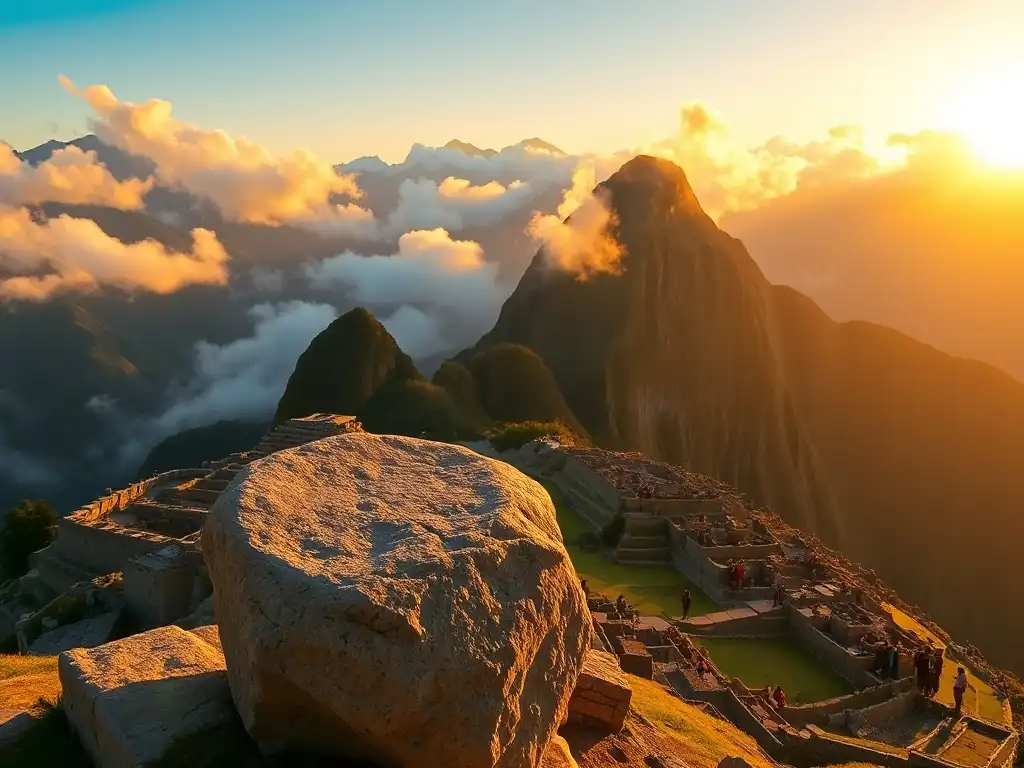
Step into a world lost to time, yet echoing with the whispers of a powerful empire. Dive into the enigmatic heart of the Andes, where the sun held dominion and the sacred Intihuatana stone at Machu Picchu witnessed rituals of unimaginable grandeur. Uncover the secrets behind the Intihuatana Machu Picchu rituals and their place within the intricate Inca calendar – a journey into a civilization that continues to captivate and inspire. Prepare to be amazed.
Machu Picchu, the iconic lost city of the Incas, stands as a testament to the sophisticated astronomical knowledge and deeply ingrained sun worship that characterized Andean civilization. This article delves into the fascinating world of Intihuatana, the central element of Machu Picchu's ritual calendar, exploring its significance in Inca cosmology and the elaborate ceremonies performed to honor the sun god, Inti. We will uncover the mysteries surrounding this sacred stone and examine the intricate relationship between the Inca calendar, astronomical observations, and the religious practices centered around Intihuatana.
Understanding the rituals performed at Machu Picchu provides crucial insights into the Inca worldview, their mastery of engineering and astronomy, and the enduring legacy of their sun-centered faith. This exploration will unveil the profound connection between the Incas, their environment, and their celestial deities, highlighting the sophisticated system of beliefs that shaped their society and culture.
The Intihuatana: A Sacred Stone and Astronomical Observatory
The Intihuatana, meaning "place where the sun is tied," is a monolithic stone structure located at the highest point of Machu Picchu. Its precise function remains a subject of ongoing scholarly debate, but its strategic placement and intricate design strongly suggest its importance as both a religious focal point and an astronomical observatory.
The Intihuatana's position allows for precise observation of the sun's solstices and equinoxes, enabling the Incas to accurately mark the changing seasons and plan their agricultural cycles accordingly. Its carefully carved surfaces and alignments suggest a sophisticated understanding of geometry and astronomy, far exceeding the capabilities often attributed to pre-Columbian societies.
Detailed studies of the Intihuatana's angles and orientations reveal a complex interplay of astronomical alignments that pinpoint key celestial events, further emphasizing its role as a sophisticated tool for both religious observance and agricultural planning. The stone's intricate carvings may also represent symbolic representations of the sun, stars, or other celestial bodies, adding another layer to its multifaceted purpose.
Rituals and Ceremonies at the Intihuatana: Honoring the Sun God Inti
The Intihuatana served as the central location for numerous rituals and ceremonies dedicated to Inti, the Inca sun god. These ceremonies were not merely religious observances; they were integral to the Inca's social and political structure, reinforcing their worldview and maintaining the cosmic order. During the solstices and equinoxes, priests would perform elaborate rituals involving offerings, prayers, and possibly human sacrifices, although the extent of human sacrifice remains a topic of ongoing discussion among researchers.
These events were of paramount importance, drawing participants from across the Inca empire, underscoring the significance of Intihuatana as a unifying symbol of Inca power and religious authority. [Specific details of ritual offerings pending further research]. The rituals likely involved intricate choreography, musical instruments, and symbolic gestures, creating a powerful and awe-inspiring spectacle designed to honor Inti and ensure the continued prosperity of the empire.
The Inca Calendar and its Influence on Rituals at Machu Picchu
The Inca calendar, a sophisticated system based on meticulous astronomical observations, played a crucial role in determining the timing and nature of rituals performed at the Intihuatana. The Incas meticulously tracked the sun's movements, the phases of the moon, and the positions of stars, using this knowledge to predict agricultural cycles and plan religious ceremonies.
The solstices and equinoxes were particularly significant, marking the crucial turning points in the agricultural year and triggering major festivals and rituals at Machu Picchu. The Intihuatana's alignment with these celestial events allowed the Incas to accurately determine the precise timing of these ceremonies, ensuring their effectiveness in maintaining the cosmic balance and securing the empire's prosperity.
The calendar’s integration with agricultural practices and religious observances illustrates the holistic and interconnected nature of Inca society, where the celestial and terrestrial realms were inextricably linked. The precision and complexity of the Inca calendar demonstrate a deep understanding of astronomy and its practical applications, far surpassing the limitations often imposed on pre-Columbian civilizations.
The Enduring Legacy of Sun Worship at Machu Picchu
The Intihuatana at Machu Picchu stands as a powerful symbol of the enduring legacy of Inca sun worship and their advanced understanding of astronomy. Its intricate design and strategic placement reflect a sophisticated worldview that integrated religious beliefs, astronomical knowledge, and agricultural practices. While many questions remain unanswered about the specifics of rituals performed at the Intihuatana, its enduring presence provides a tangible link to the rich cultural and spiritual heritage of the Inca Empire.
The site continues to inspire awe and wonder, prompting ongoing research and deepening our understanding of this remarkable civilization and their profound connection to the sun. The legacy of Intihuatana extends beyond its physical structure, representing the enduring power of belief, the sophistication of Inca engineering, and the lasting impact of their unique culture. The site serves as a powerful reminder of the importance of preserving and understanding our shared human history.
- The Intihuatana: A Sacred Stone and Astronomical Observatory
- Rituals and Ceremonies at the Intihuatana: Honoring the Sun God Inti
- The Inca Calendar and its Influence on Rituals at Machu Picchu
- The Enduring Legacy of Sun Worship at Machu Picchu
The Sacred Landscape of Machu Picchu and Solar Alignment
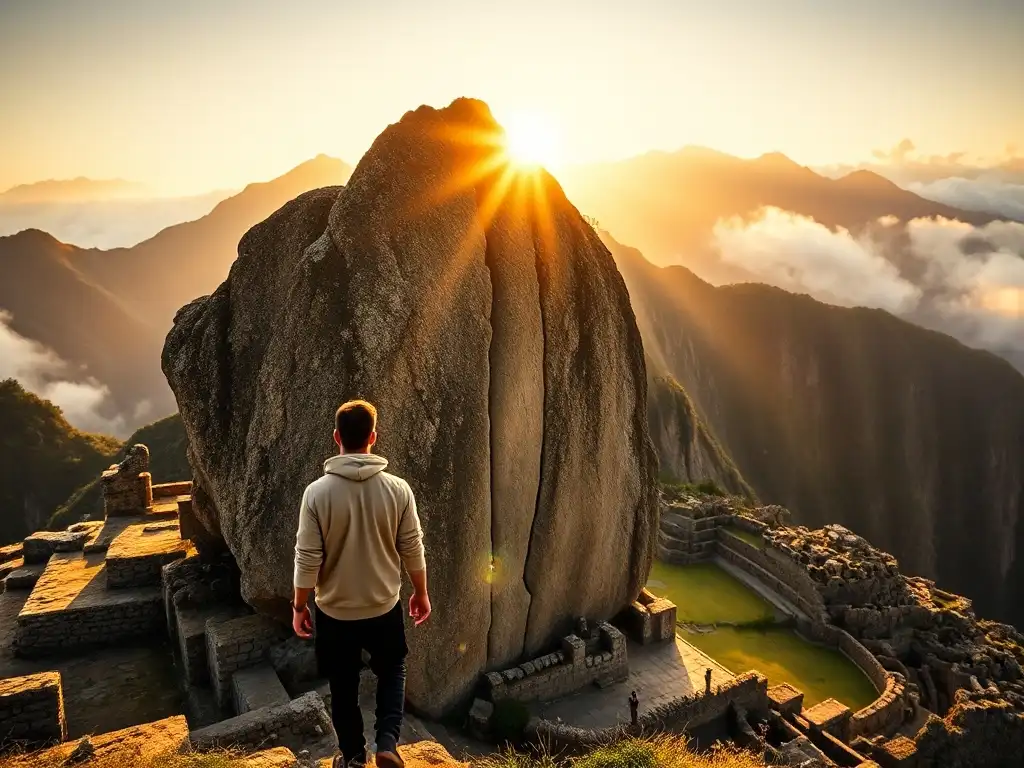
Machu Picchu wasn't just a city; it was a meticulously planned sacred landscape deeply intertwined with the Inca understanding of the cosmos and the sun's power. The Incas, master builders and astronomers, strategically positioned Machu Picchu to harness the sun's energy and align with celestial events, reflecting their profound reverence for Inti, the sun god. This alignment wasn't accidental; it was integral to their religious practices and worldview.
The precise placement of structures, terraces, and even individual stones, all played a role in their complex ritual calendar. Understanding the sacred landscape reveals the depth of Inca spirituality and the significance of Machu Picchu as a center for sun worship and astronomical observation. The Intihuatana stone, a key element of this celestial connection, is just one piece of a larger, intricately designed system.
Studying the architectural features and their relationship to the sun reveals a sophisticated understanding of astronomy and its integration into daily life. The precision involved demonstrates the advanced knowledge and engineering capabilities of the Inca civilization, showcasing their mastery of both architecture and celestial observation.
The Strategic Placement of Machu Picchu
The location of Machu Picchu itself is a testament to Inca ingenuity and their deep connection to the natural world. Perched high in the Andes Mountains, the city's placement wasn't arbitrary. Its position, nestled amongst towering peaks and lush cloud forests, facilitated precise solar observations. The mountain's natural contours were skillfully incorporated into the city's design, creating a harmonious blend of nature and architecture.
The city's orientation, relative to the sun's path throughout the year, suggests a deliberate attempt to track solstices and equinoxes. This strategic placement allowed the Incas to accurately predict agricultural cycles and time important religious ceremonies. Analysis of the city's layout reveals a complex system of alignments, highlighting the importance of astronomy in Inca society. Evidence suggests that specific structures were deliberately positioned to mark significant solar events, further emphasizing the city's role as an astronomical observatory and a center for sun worship.
The precision of these alignments is remarkable, demonstrating a sophisticated understanding of astronomy and its practical applications. Further research is needed to fully understand the nuances of the city's strategic placement and its connection to the Inca calendar. [Specific information pending on precise angular measurements of key structures and their solar alignments].
Inca Beliefs and the Sun God Inti
Inca cosmology centered around the sun god Inti, considered the most important deity in their pantheon. Inti was seen as the source of life, providing warmth, sustenance, and the energy that sustained the entire Inca world. The sun's movements were meticulously observed, as they were believed to dictate agricultural cycles, weather patterns, and the overall well-being of the empire.
The Incas performed elaborate rituals and ceremonies to honor Inti, seeking his favor and ensuring a bountiful harvest. These rituals were deeply ingrained in their social and political structure, reinforcing the emperor's authority and the unity of the empire. The importance of Inti is evident in the numerous sun-related artifacts found throughout the Inca Empire, including gold and silver representations of the sun god, and intricately carved sunstones.
The Inca belief system was deeply intertwined with their astronomical observations, with the sun's movements shaping their religious practices and daily life. The sun wasn't merely a celestial body; it was a living deity, worthy of reverence and respect. Understanding the Inca belief system provides crucial context for interpreting the rituals and ceremonies performed at Machu Picchu.
The Sun's Role in Inca Religion
The sun played a pivotal role in Inca religious practices. The Inti Raymi, the annual festival celebrating the sun god, was the most important religious event in the Inca calendar. This grand ceremony involved elaborate processions, sacrifices, and feasts, all aimed at honoring Inti and ensuring the continuation of prosperity. The festival's timing was closely tied to the solstices and equinoxes, reflecting the significance of these celestial events in Inca cosmology.
Smaller, more localized rituals were also conducted throughout the year, often in connection with agricultural cycles and specific needs of the community. These rituals might involve offerings of food, coca leaves, or other precious items to appease the sun god and ensure a successful harvest. The Incas also practiced divination, using celestial observations to predict the future and guide their decisions. This close relationship between religion and astronomy highlights the integrated nature of Inca culture, where the spiritual and the practical were inextricably linked.
The sun was not only a source of physical energy but also a powerful symbol of spiritual power and divine authority, shaping the fabric of Inca society and influencing their daily lives. The intricate rituals and ceremonies performed at Machu Picchu reflect the profound importance of the sun in Inca religion and their sophisticated understanding of the cosmos. The precision and complexity of these rituals underscore the deeply ingrained spiritual beliefs of the Inca civilization and their profound connection to the natural world. ☀️
The Intihuatana Stone: Heart of Solar Rituals
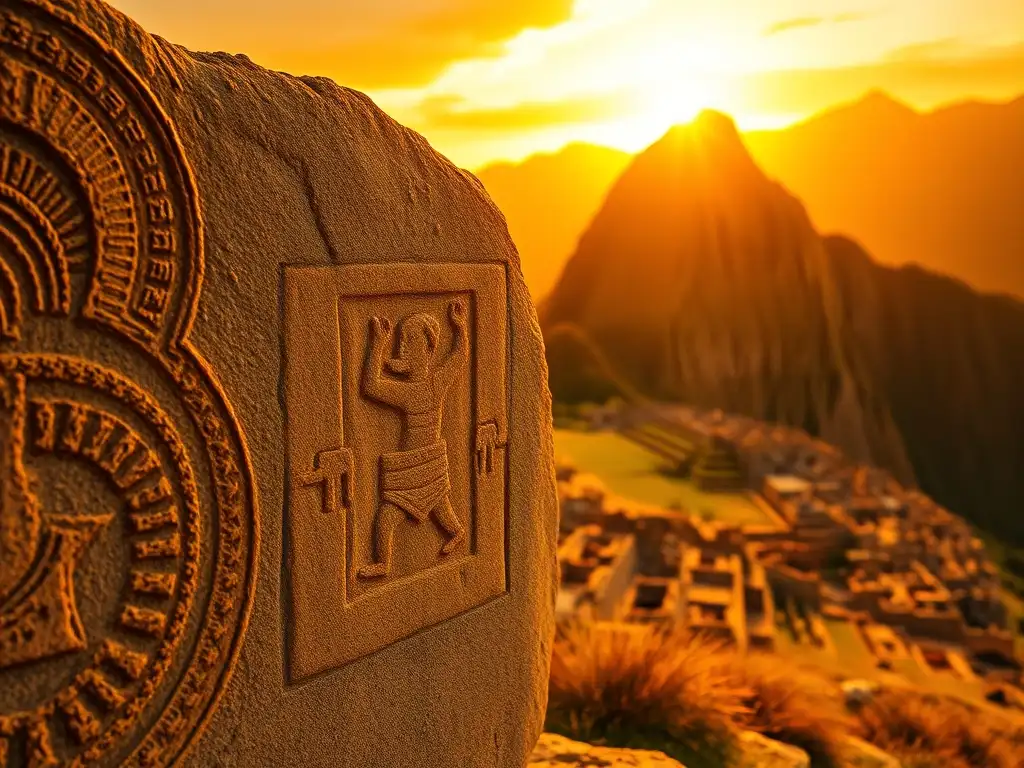
The Intihuatana stone at Machu Picchu stands as a powerful testament to the Inca's sophisticated understanding of astronomy and their deep reverence for the sun, Inti. This monolithic structure, carved from a single granite block, wasn't merely a decorative element; it was the central focus of complex solar rituals integral to Inca life and their agricultural cycle. Understanding the Intihuatana requires appreciating its multifaceted role as both a precise astronomical instrument and a sacred focal point for religious ceremonies.
The very name, Intihuatana, translates to "where the sun is tied," hinting at its symbolic power to bind or control the sun's celestial journey. Research suggests that the Intihuatana's precise positioning and intricate carvings were crucial in the Inca's meticulous observation of the sun's movements, allowing them to predict solstices and equinoxes with remarkable accuracy. This knowledge was fundamental to their agricultural practices and underpinned their worldview.
The precise methods employed in its construction and use remain a subject of ongoing scholarly debate, fueled by the stone's enigmatic nature and the limited surviving written records from the Inca civilization. However, careful analysis of its design and alignment, combined with ethnographic studies of related Andean cultures, allows for a reasonably comprehensive understanding of its function within the broader context of Inca sun worship.
Intihuatana's Function: A Solar Clock and Ritual Stone
The Intihuatana at Machu Picchu functioned as more than just a calendar; it served as a multifaceted instrument for both astronomical observation and religious ritual. Its primary function appears to have been as a sophisticated solar clock, allowing Inca priests to track the sun's path throughout the year. The stone's carefully carved surfaces and strategically placed markers allowed for precise measurements of the sun's altitude and azimuth, providing crucial information for determining the solstices and equinoxes.
These astronomical observations were not merely academic exercises; they were vital for predicting the timing of planting and harvesting, events crucial to the survival of the Inca empire. Beyond its practical applications, the Intihuatana served as a crucial element in religious ceremonies. It is believed that priests conducted rituals here to ensure the sun's continued benevolence, offering prayers and sacrifices to Inti to guarantee bountiful harvests and the overall well-being of the empire.
The stone's location within the sacred urban landscape of Machu Picchu further emphasizes its importance as a focal point for these rituals. Archaeological evidence suggests the presence of ceremonial platforms and other structures nearby, indicating a complex ritual space centered around the Intihuatana.
The Intihuatana Stone's Carving and Orientation
The Intihuatana's intricate carvings are far from random; they are precisely crafted to facilitate astronomical observations and enhance the stone's symbolic significance. The stone's surface features a series of precisely cut channels, grooves, and platforms, some interpreted as representing the paths of the sun and other celestial bodies. The orientation of the stone itself is equally significant.
It is meticulously aligned with the cardinal directions and key astronomical events. For instance, the stone's alignment with the rising and setting sun during the solstices and equinoxes allowed for precise determination of these crucial dates. The precision of the carvings and the stone's alignment showcase the advanced astronomical knowledge of the Inca civilization and their mastery of stone-working techniques.
The level of accuracy achieved in carving and positioning is remarkable, demonstrating a deep understanding of geometry and astronomical principles. Further research using modern surveying techniques and 3D modeling continues to reveal further details about the stone's intricate design and its astronomical functionality. The ongoing studies provide further insights into the sophistication of Inca engineering and their profound connection with the cosmos.
Intihuatana's Use in Determining Solstices and Equinoxes
The Intihuatana's primary role in determining solstices and equinoxes was crucial for the Inca's agricultural calendar. By carefully observing the sun's position relative to the stone's markers on the solstices (the longest and shortest days of the year) and equinoxes (days with equal amounts of daylight and darkness), the Inca priests could accurately predict the optimal times for planting and harvesting. This knowledge was essential for ensuring the success of agriculture, the backbone of the Inca economy and way of life.
The precise alignment of the Intihuatana with the sun's path during these events allowed for a high degree of accuracy in these predictions. The Inca calendar, deeply intertwined with astronomical observations, was not merely a system of timekeeping; it was a complex ritual framework that connected the celestial cycles to the agricultural and social life of the empire. The Intihuatana served as a pivotal instrument in this framework, allowing the Inca to maintain a harmonious relationship between their society and the natural world.
The accuracy achieved through the use of the Intihuatana showcases the advanced understanding of astronomy and the importance placed on the precise timing of agricultural activities within Inca society. ☀️
Theories About Intihuatana's Ritualistic Use
The precise function of the Intihuatana stone at Machu Picchu remains a subject of ongoing scholarly debate, fueling numerous intriguing theories about its ritualistic use. While its name, meaning "Hitching Post of the Sun," suggests a clear connection to solar worship, the specifics of how it was used in ceremonies are less certain. Archaeological evidence, limited as it is, provides only a glimpse into the complex rituals performed at this sacred site.
One prominent theory proposes that the Intihuatana served as a sophisticated astronomical instrument. Its precise positioning and intricate carvings might have allowed Inca priests to track the sun's movements with remarkable accuracy, predicting solstices and equinoxes crucial for agricultural planning and religious observances. This theory is supported by the Inca's demonstrable mastery of astronomy, evident in their sophisticated calendar system and their ability to precisely align structures with celestial events. The stone's design, with its multifaceted surfaces and carefully sculpted angles, could have facilitated these observations, allowing priests to determine the precise moment of the solstice or equinox.
Another theory suggests a more direct role in ritualistic ceremonies. Some researchers believe the Intihuatana was a focal point for offerings and prayers, where Inca priests performed elaborate rituals to ensure the sun's continued benevolence. This would align with the broader Inca religious worldview, which placed immense importance on maintaining a harmonious relationship with the sun, seen as a vital source of life and prosperity.
These rituals may have involved sacrifices, prayers, and the burning of incense, all aimed at appeasing the sun god, Inti. Evidence of such practices is often inferred from the discovery of artifacts near similar structures in other Inca sites, although direct evidence at Machu Picchu remains scarce.
A third, less explored, theory posits the Intihuatana's function as a symbolic representation of the cosmos itself. Its multifaceted structure could represent the mountains, the sun, and the earth, symbolizing the interconnectedness of the Inca worldview. In this interpretation, the rituals performed at the Intihuatana were not merely about sun worship but about reinforcing the cosmic order and the Inca's place within it.
This perspective emphasizes the symbolic and ideological significance of the stone, highlighting its role in reinforcing Inca beliefs and social structures. Further research is needed to fully understand the potential intertwining of astronomical observation, ritualistic practices, and cosmological representation in the use of the Intihuatana. The complexity of the stone and the limited surviving evidence continue to make it a subject of fascinating and ongoing study.
The interplay between these various theories highlights the rich tapestry of possibilities surrounding the Intihuatana's use. It was likely not a single-purpose object but rather a multifaceted element central to the Inca's complex religious and astronomical practices, reflecting their deep understanding of the cosmos and their intricate relationship with the natural world. Unraveling the full story requires further interdisciplinary research combining archaeological investigation, astronomical analysis, and anthropological interpretations. The Intihuatana stone, therefore, remains a powerful symbol, encapsulating the enduring mystery and captivating allure of the Inca civilization.
The Inca Ritual Calendar and Solar Celebrations
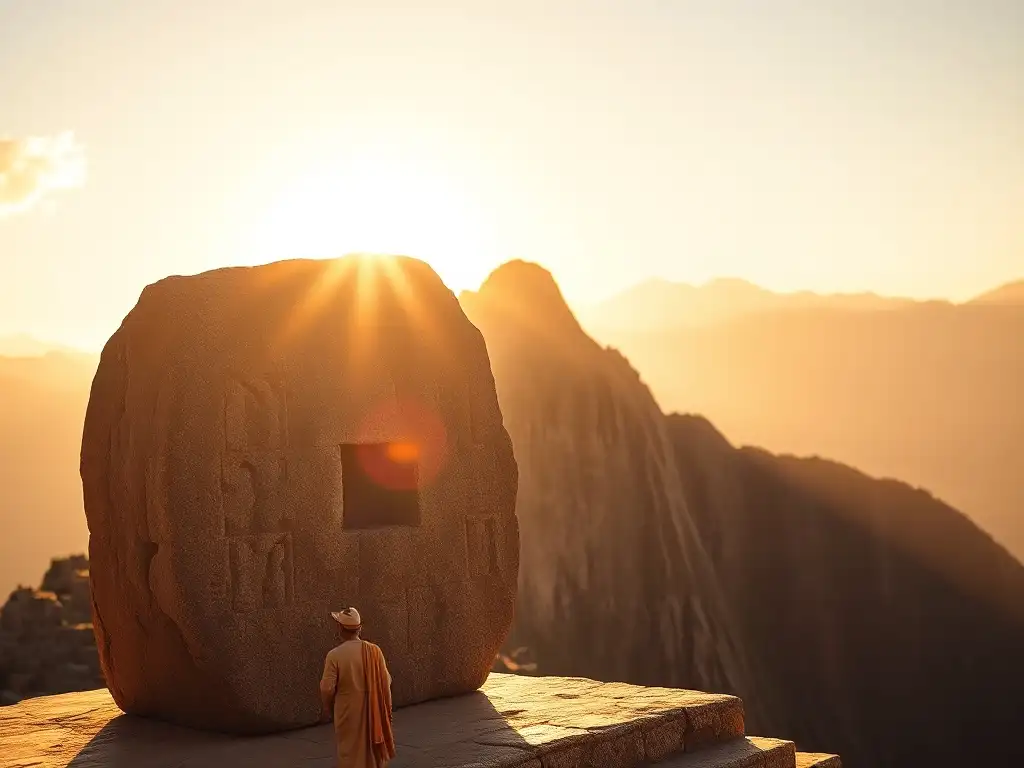
The Inca civilization, renowned for its sophisticated engineering and architectural prowess, possessed an equally complex and deeply spiritual understanding of time. Their calendar, unlike the linear Western calendar, was intricately woven into the fabric of their daily lives, profoundly influencing agricultural practices, social organization, and religious observances. Understanding the Inca calendar is crucial to grasping the significance of sites like Machu Picchu and the rituals performed there, particularly those centered around the Intihuatana.
The Inca's profound respect for the sun, Inti, permeated every facet of their existence, shaping their worldview and defining their relationship with the natural world. This section will delve into the intricacies of the Inca ritual calendar, focusing specifically on the importance of solar events and their connection to Machu Picchu.
The Inca Agricultural Year and its Cycles
The Inca agricultural year, a cornerstone of their societal structure, was meticulously synchronized with the solar cycle. The year was divided into wata, a twelve-month period, each associated with specific agricultural tasks and festivals. The precise length of each wata varied slightly depending on altitude and location within the vast Inca empire, reflecting the remarkable adaptability of their agricultural techniques.
This wasn't simply a matter of practical farming; the agricultural cycle was deeply intertwined with their religious beliefs, reinforcing the sacred connection between humans and nature. For example, the planting season, often coinciding with the rainy season, was marked by elaborate ceremonies aimed at ensuring a bountiful harvest. The harvest season, conversely, was celebrated with feasts and tributes to Pachamama, the Earth Mother, acknowledging her generosity and ensuring continued fertility.
This cyclical relationship between agriculture and religious observance highlights the holistic nature of Inca society, where the spiritual and practical were inextricably linked. Detailed records of these cycles, though fragmentary, are preserved in archaeological findings and the accounts of Spanish chroniclers, providing valuable insights into the intricate workings of Inca society and their calendar. Further research into specific regional variations could reveal even more nuanced understandings of their agricultural practices and their integration with their religious beliefs.
The Significance of Solstices and Equinoxes in Inca Culture
Solstices and equinoxes held paramount importance in Inca cosmology, marking pivotal moments in the solar year and triggering significant rituals. The winter solstice, marking the shortest day of the year, was a time of reflection and renewal, signifying the symbolic death and rebirth of the sun. Conversely, the summer solstice, characterized by the longest day, was celebrated with exuberant festivities, symbolizing the sun's power and the promise of abundance.
Equinoxes, signifying equal day and night, were also significant events, representing balance and harmony within the cosmos. These celestial events were not merely astronomical occurrences but were imbued with deep spiritual meaning, shaping the social and religious life of the Inca people. The Inca calendar, therefore, was not a static system but a dynamic reflection of their understanding of the cosmos and their place within it.
The precise nature of solstice and equinox celebrations varied across different regions of the empire, reflecting the diversity of Inca culture while maintaining a core set of beliefs and practices. Further research into regional variations would provide a more comprehensive understanding of the multifaceted nature of Inca solstice and equinox celebrations. The precision with which these events were observed underscores the Inca's advanced knowledge of astronomy and their ability to integrate this knowledge into their religious and social structures.
Inti Raymi: The Festival of the Sun and its Connection to Intihuatana at Machu Picchu
Inti Raymi, the Festival of the Sun, was the most important festival in the Inca calendar, a grand celebration honoring the sun god, Inti. This spectacular event, typically held during the summer solstice, involved elaborate processions, sacrifices, and feasts. While the exact rituals and their locations varied across the Inca Empire, the Intihuatana at Machu Picchu played a significant role in the celebrations.
This monumental stone structure, whose name translates to "sun-tying post," is believed to have been used for astronomical observations and rituals connected to the sun's movements. Many scholars believe the Intihuatana at Machu Picchu served as a focal point for Inti Raymi celebrations, allowing priests to precisely track the sun's position and perform rituals to ensure its continued vitality and bestow blessings upon the land and its people. The intricate carvings and precise alignment of the Intihuatana suggest a deep understanding of astronomical principles and a sophisticated ability to manipulate natural phenomena for ritualistic purposes.
While the precise details of Inti Raymi celebrations at Machu Picchu remain a subject of ongoing research, the Intihuatana stands as a powerful testament to the Inca's profound reverence for the sun and their ability to integrate their astronomical knowledge into their religious and social practices. The connection between Inti Raymi, the Intihuatana, and the broader Inca ritual calendar underscores the importance of solar worship in Inca culture and its lasting legacy. Further research, incorporating archaeological evidence and ethnohistorical accounts, is crucial to fully understand the intricacies of this significant festival and its connection to Machu Picchu.
Other Solar Rituals Observed at Machu Picchu
Beyond the Intihuatana's prominent role, Machu Picchu hosted a variety of other solar rituals reflecting the Inca's deep reverence for the sun god, Inti. These ceremonies weren't confined to a single structure but integrated the entire urban landscape. The precise nature of many remains shrouded in mystery, due to the incomplete nature of archaeological findings and the limited surviving written records. However, careful observation of the city's layout and the alignment of buildings with celestial events suggests a sophisticated understanding of astronomy and its integration into ritual practice.
For example, the placement of certain buildings and windows likely facilitated the observation of solstices and equinoxes. The precise timing of these astronomical events held immense religious significance, marking crucial moments in the agricultural cycle and the Inca worldview. Scholars speculate that specific locations within the city were designated for observing the sun's path on these key dates, perhaps involving special offerings or prayers. The intricate network of terraces and pathways might have been used in processional rituals, guiding participants through a carefully choreographed sequence of events.
Furthermore, evidence suggests that the Inca utilized specific sites within Machu Picchu to observe other celestial phenomena beyond the solstices and equinoxes. The appearance of specific constellations or the phases of the moon likely played a role in their ritual calendar, influencing agricultural practices, and triggering various ceremonies.
Archaeological discoveries of artifacts, such as ceremonial vessels and textiles, often bearing solar motifs, further support the importance of sun worship in daily Inca life and its impact on the design and functionality of Machu Picchu. The discovery of these artifacts in specific locations within the city suggests ritual activity was not limited to a few prominent sites but rather permeated the entire urban space.
The integration of astronomy and ritual within the city's design underscores the Inca's profound understanding of the cosmos and their ability to seamlessly blend religious observance with practical concerns such as agriculture. The complexity of these rituals, and the subtle ways in which the Inca incorporated them into their daily life, underlines the depth and richness of their sun worship practices at Machu Picchu.
Further research and archaeological investigation are necessary to fully unveil the intricate details of these ceremonies and their connection to the broader Inca cosmology. The ongoing study of Intihuatana Machu Picchu rituals continues to reveal new insights into this fascinating aspect of Andean civilization.
Interpreting the Intihuatana Rituals at Machu Picchu
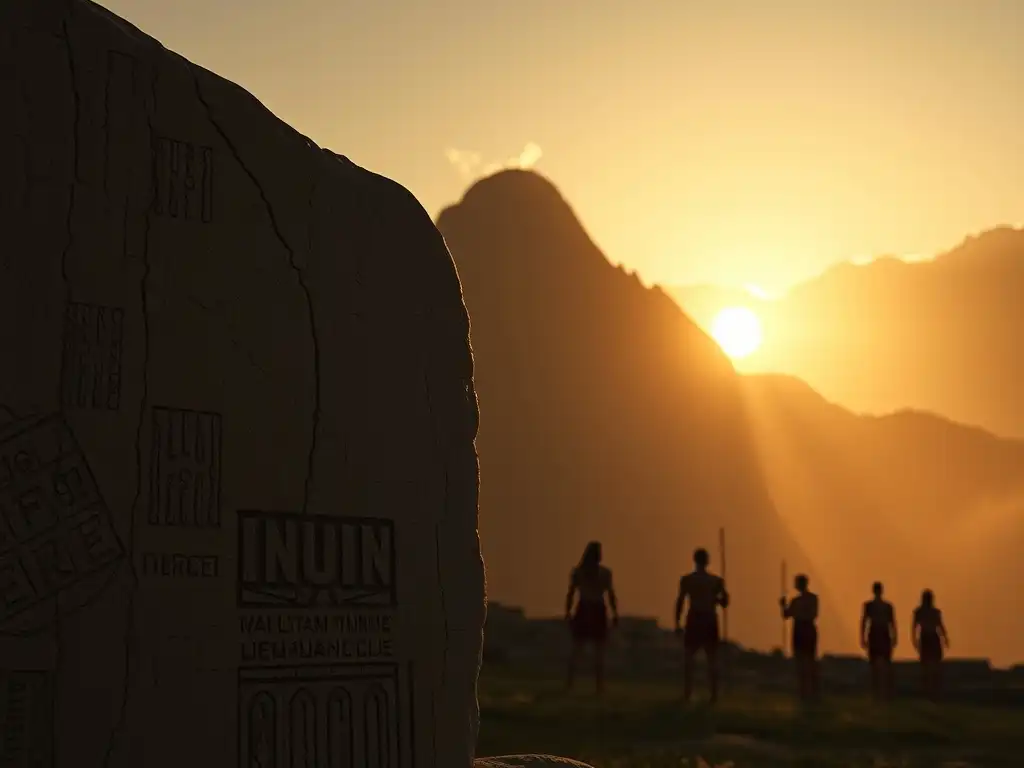
This section delves into the intricacies of Intihuatana rituals at Machu Picchu, focusing on the interpretations offered by archaeological findings and historical accounts. Understanding these rituals requires considering the sophisticated astronomical knowledge of the Inca and their deep-seated reverence for the sun god, Inti.
The Intihuatana itself, meaning "Hitching Post of the Sun," was far more than a simple astronomical device; it served as a focal point for complex religious ceremonies designed to ensure agricultural prosperity and maintain cosmic balance. The precise nature of these ceremonies remains partially shrouded in mystery, but careful analysis of the site and its surrounding structures provides valuable insights into the beliefs and practices of the Inca.
We can reconstruct a picture, albeit incomplete, of a vibrant religious landscape centered around the worship of the sun and the Intihuatana’s pivotal role within it. This exploration will focus on the connection between the Intihuatana and Inca priests, the stone's role in spiritual practices, and the types of ritual offerings and ceremonies that likely took place.
The Connection Between Intihuatana and Inca Priests
The Inca priesthood held immense power and influence within their society. They were responsible for interpreting celestial events, predicting agricultural cycles, and conducting rituals to appease the gods. The Intihuatana, as the primary site of sun worship at Machu Picchu, was undoubtedly under the direct control and supervision of high-ranking priests. These priests, likely trained from a young age in astronomy, mathematics, and religious practices, would have meticulously managed the rituals performed at the Intihuatana.
Evidence suggests a hierarchical structure within the priesthood, with certain priests specializing in specific aspects of the rituals. We can infer that the most senior priests would have been directly involved in the most important ceremonies, possibly those associated with solstices and equinoxes. The meticulous construction and alignment of the Intihuatana itself speaks to the high level of skill and precision possessed by these priestly astronomers and engineers.
Their understanding of the sun's movements was crucial in determining the timing and significance of the rituals conducted at this sacred site. The priests' role extended beyond mere ritual performance; they were the keepers of knowledge, ensuring the continuity of Inca religious traditions and the preservation of their astronomical expertise across generations. Their authority was deeply entwined with the Intihuatana, making it a symbol of both their power and their profound connection to the cosmos.
Intihuatana's Role in Spiritual Practices
The Intihuatana's role extended far beyond simple astronomical observation. It served as a crucial nexus for the Inca's spiritual practices, acting as a conduit between the earthly and celestial realms. The Inca believed that the sun's energy was vital for their survival, influencing agricultural cycles and the overall well-being of their empire. The Intihuatana, perfectly aligned with the sun's movements, allowed priests to harness this energy through ritualistic practices.
These practices were not merely symbolic; they were believed to have a direct impact on the cosmos and the world around them. The precise nature of these practices remains debated, but it's likely that they involved a combination of prayer, offerings, and possibly even symbolic enactments reflecting the sun's journey across the sky. Some scholars suggest that the Intihuatana was used to "tie" the sun, ensuring its continued journey and the continuation of life-giving energy.
This interpretation aligns with the Intihuatana's name, "Hitching Post of the Sun," implying a ritualistic control over the celestial body. Further research, including a more detailed analysis of the site's architecture and iconography, is needed to fully understand the nuances of these spiritual practices. The Intihuatana's role in Inca spirituality highlights the profound connection between their religious beliefs and their sophisticated understanding of astronomy.
Ritual Offerings and Ceremonies at the Intihuatana
The rituals performed at the Intihuatana likely involved a variety of offerings and ceremonies designed to honor Inti, the sun god. These offerings might have included precious metals like gold and silver, intricately woven textiles, and agricultural products such as maize and coca leaves. The specific offerings would have varied depending on the occasion and the purpose of the ritual. For instance, during solstices and equinoxes – significant astronomical events – more elaborate ceremonies and more valuable offerings would have been expected.
These events would have been community affairs, involving not only priests but also other members of Inca society. The ceremonies likely involved processions, chants, prayers, and possibly even human sacrifices, although the extent of human sacrifice at Machu Picchu is still debated amongst scholars. The use of coca leaves, a sacred plant in Inca culture, is a certainty. The evidence suggests that these ceremonies were carefully orchestrated, reflecting the Inca's deep-seated respect for their gods and their meticulous attention to detail.
The precise choreography of these rituals, the sequence of offerings, and the roles of different participants are areas that require further research. Archaeological excavations and a more thorough analysis of existing artifacts could shed more light on the specific nature of these ceremonies, enriching our understanding of Intihuatana Machu Picchu rituals and the deeply-rooted religious practices of the Inca civilization. The study of these rituals helps us better appreciate the complexity and sophistication of Inca culture, revealing a civilization that seamlessly integrated astronomy, religion, and social structure.
The Enduring Legacy of Inca Solar Worship
The Intihuatana stone at Machu Picchu stands as a powerful testament to the Inca's profound reverence for the sun, Inti. Their sun worship wasn't merely a matter of religious observance; it was deeply interwoven with their agricultural practices, social structures, and political power. The Inca believed Inti directly influenced the success of their harvests, the well-being of their communities, and the legitimacy of their rulers.
This belief system permeated every aspect of their lives, shaping their calendar, their architecture, and even their daily routines. The meticulous precision of Inca engineering, evident in Machu Picchu's construction, reflects not only their advanced technical skills but also their dedication to aligning their structures with the celestial movements, particularly the sun's path. This alignment wasn't accidental; it was a deliberate act of worship, a way of physically embodying their devotion to Inti.
The Inca's reverence for the sun extended beyond Machu Picchu. Throughout the Inca Empire, numerous sites were built to observe and honor the sun's journey across the sky. These sites, often incorporating sophisticated astronomical features, served as both religious centers and practical tools for agricultural planning.
The Inca calendar, intricately linked to the solar year, guided their planting and harvesting cycles, ensuring the prosperity of their agrarian society. The success of the Inca Empire, in large part, can be attributed to their sophisticated understanding of astronomy and their ability to harness the power of the sun through their religious practices and agricultural techniques. Their legacy continues to inspire awe and wonder, reminding us of the profound connection ancient civilizations could forge with the natural world.
The Intihuatana, therefore, represents more than just a single stone; it symbolizes the enduring power of Inca faith and its profound influence on their civilization. The meticulous observation and worship of Inti ensured the stability and prosperity of the Inca Empire, leaving behind a remarkable cultural heritage that continues to fascinate and intrigue scholars and visitors alike. Understanding the intricacies of Inca sun worship provides crucial insights into the complex workings of their society and the enduring power of their beliefs.
Preserving the Sacred Intihuatana and Machu Picchu
The Intihuatana stone at Machu Picchu, a testament to Inca astronomical knowledge and religious practices, requires meticulous preservation. Its significance extends beyond its archaeological value; it represents a crucial link to the understanding of Inca cosmology and their intricate relationship with the sun. The challenges in preserving this site are multifaceted, encompassing environmental factors, the sheer volume of visitors, and the delicate nature of the stone itself. The Inca's masterful stonework, while durable, is not impervious to the ravages of time and exposure to the elements.
Conservation Efforts at Machu Picchu and the Intihuatana
The Peruvian government, in collaboration with international organizations and experts, has implemented a series of conservation measures focused on mitigating the impact of both natural and human factors on the Intihuatana and the wider Machu Picchu site. These efforts include:
- Regular cleaning and monitoring: Specialized teams carefully clean the Intihuatana to remove accumulated dust, lichen, and other debris. This process involves gentle techniques to avoid damaging the stone's surface. Continuous monitoring allows for the early detection of any deterioration or damage.
- Structural stabilization: Engineers have undertaken projects to stabilize the surrounding terrain, preventing erosion and landslides that could threaten the Intihuatana's integrity. This includes careful drainage systems to divert water away from the stone.
- Environmental controls: Efforts are underway to manage the impact of environmental factors like rainfall and temperature fluctuations. This might involve the implementation of protective coverings during extreme weather events or the use of specialized materials to protect the stone from weathering.
- Visitor management: Strict regulations regarding visitor access and behavior are in place to minimize physical contact and potential damage caused by human interaction. Guided tours and controlled pathways help to distribute visitor traffic and reduce wear and tear on the stone.
The long-term preservation of the Intihuatana relies on a multi-pronged strategy, combining scientific expertise, technological advancements, and responsible tourism practices. Data on the effectiveness of these measures is continuously collected and analyzed to inform future conservation strategies. This ongoing assessment is crucial for adapting to changing environmental conditions and ensuring the Intihuatana's survival for generations to come.
Responsible Tourism at Inca Sites
Responsible tourism plays a pivotal role in preserving the Intihuatana and other Inca sites. Understanding the fragility of these ancient structures and the importance of respecting their historical and cultural significance is paramount. Tourists are urged to:
- Follow designated paths: Staying on marked trails minimizes damage to the surrounding environment and prevents accidental harm to the archaeological remains.
- Refrain from touching the structures: Physical contact can transfer oils and dirt, accelerating deterioration. Adherence to this simple rule helps significantly in preserving the stone's integrity.
- Respect the cultural significance: The Intihuatana is not merely a stone; it's a sacred site with profound cultural meaning. Respectful behavior, including avoiding loud noises and disruptive actions, is essential.
- Support local communities: Choosing locally owned businesses and guides contributes to the economic well-being of the communities surrounding these sites, encouraging sustainable tourism practices.
The success of conservation efforts largely depends on the responsible behavior of visitors. Educating tourists about the significance of these sites and the impact of their actions is crucial for ensuring the long-term preservation of Inca heritage. Promoting responsible tourism practices is not only crucial for protecting the Intihuatana but also for safeguarding the future of Andean cultural heritage.
Ongoing Research into Inca Solar Rituals
Research into Inca solar rituals and their connection to the Intihuatana continues to evolve. Scholars are employing a variety of methods, including:
- Archaeological excavations: Careful excavations in and around Machu Picchu continue to uncover new artifacts and evidence that shed light on the site's use and the rituals performed there. These findings contribute significantly to our understanding of Inca practices.
- Astronomical studies: Researchers use astronomical data to analyze the alignment of the Intihuatana and other structures within Machu Picchu. This helps determine their precise astronomical functions and the timing of specific rituals.
- Ethnohistorical analysis: Studying colonial-era accounts and indigenous oral traditions provides valuable insights into Inca beliefs and practices. These sources offer complementary perspectives to archaeological findings.
- Technological advancements: New technologies, such as 3D modeling and remote sensing, are increasingly used to create detailed reconstructions of the site and to analyze the structural characteristics of the Intihuatana. This enhances our capacity to understand the stone's construction and function.
The ongoing research into Inca solar rituals at Machu Picchu is a dynamic process, constantly refining our understanding of this fascinating aspect of Andean civilization. The meticulous study of the Intihuatana and its surrounding structures continues to reveal new and valuable insights into the complex religious and astronomical beliefs of the Inca people. New discoveries and interpretations promise to further illuminate the significance of the Intihuatana within the context of Inca culture and cosmology. The integration of diverse research methodologies and technological advancements ensures a comprehensive approach to understanding the rituals and beliefs associated with this remarkable site.
Frequently Asked Questions
What is the Intihuatana stone at Machu Picchu?
The Intihuatana, meaning "place where the sun is tied," is a large stone structure at Machu Picchu. Its precise function remains debated, but it's believed to have played a significant role in Inca astronomical observations and rituals.
What rituals were performed at the Intihuatana?
While the specifics are unknown, evidence suggests the Intihuatana was used for solar observations to mark solstices and equinoxes. Religious ceremonies likely involved offerings and prayers to the sun god, Inti.
How did the Intihuatana relate to the Inca calendar?
The Intihuatana's alignment with celestial events suggests its crucial role in the Inca solar calendar. Its precise positioning allowed for accurate tracking of the sun's movement, informing agricultural practices and religious festivals.
What is the significance of sun worship in Inca culture?
Sun worship was central to Inca religion and society. The sun god, Inti, was considered the most important deity, and his worship influenced many aspects of Inca life, from agriculture to governance.
Are there other Intihuatana stones besides the one at Machu Picchu?
Yes, similar structures have been found at other Inca sites. While the Machu Picchu Intihuatana is the most famous, these other stones likely served similar astronomical and ritualistic purposes.
Final Reflection: Echoes of the Sun God at Machu Picchu
The intricate relationship between the Inca and the sun, as embodied in the Intihuatana stone and the meticulously crafted ritual calendar at Machu Picchu, remains profoundly relevant today. Understanding their sophisticated astronomical knowledge and deeply spiritual connection to the cosmos offers a powerful counterpoint to our modern, often disconnected, relationship with nature. The precision and reverence with which the Inca observed and celebrated the sun's journey serves as a potent reminder of the interconnectedness of all things.
The enduring legacy of Intihuatana and the associated rituals continues to shape our understanding of Inca civilization and its remarkable achievements. The sheer ingenuity and spiritual depth embedded within these structures inspire awe and wonder, even centuries later. Their existence challenges us to reconsider our own place within the natural world. The sun is the heart of the Inca world, the source of all life and energy.
This simple statement encapsulates the profound significance of the sun in Inca cosmology, a significance that resonates deeply with our own need to find meaning and purpose in the universe.
Consider, for a moment, the meticulous planning and communal effort required to build and maintain such a complex system of astronomical observation and ritual practice. What can we learn from their dedication and reverence? How can we cultivate a deeper appreciation for the natural world and its rhythms in our own lives? Let the echoes of the sun god at Machu Picchu inspire you to seek a more meaningful connection with the cosmos and to find wonder in the intricate tapestry of life around you.
Embrace the Power of the Sun: Take Action Today!
Thank you for exploring the enchanting world of Machu Picchu and its sacred sun rituals! You've uncovered the significance of the Intihuatana stone and the ancient Inca calendar, gaining a glimpse into a rich cultural heritage. Now, let's translate that inspiration into action. Here's how you can deepen your connection and continue your journey of discovery:
- **Plan a visit to Machu Picchu** to experience the profound energy of the Intihuatana for yourself. Feel the sun's embrace and witness this incredible historical site firsthand!
- Consider **joining a local community group** dedicated to preserving Andean culture and heritage. Connecting with like-minded individuals can significantly enhance your understanding and appreciation.
- **Share your experiences** with friends and family! Discuss the insights you've gained and inspire them to explore the fascinating world of Andean civilizations.
As you reflect on the remarkable history of Inca sun worship, consider how you can **incorporate the principles of harmony with nature** into your daily life and embrace a more sustainable and mindful existence.