
Manco Inca's Uprising: The Last Stand of the Inca Royal Family

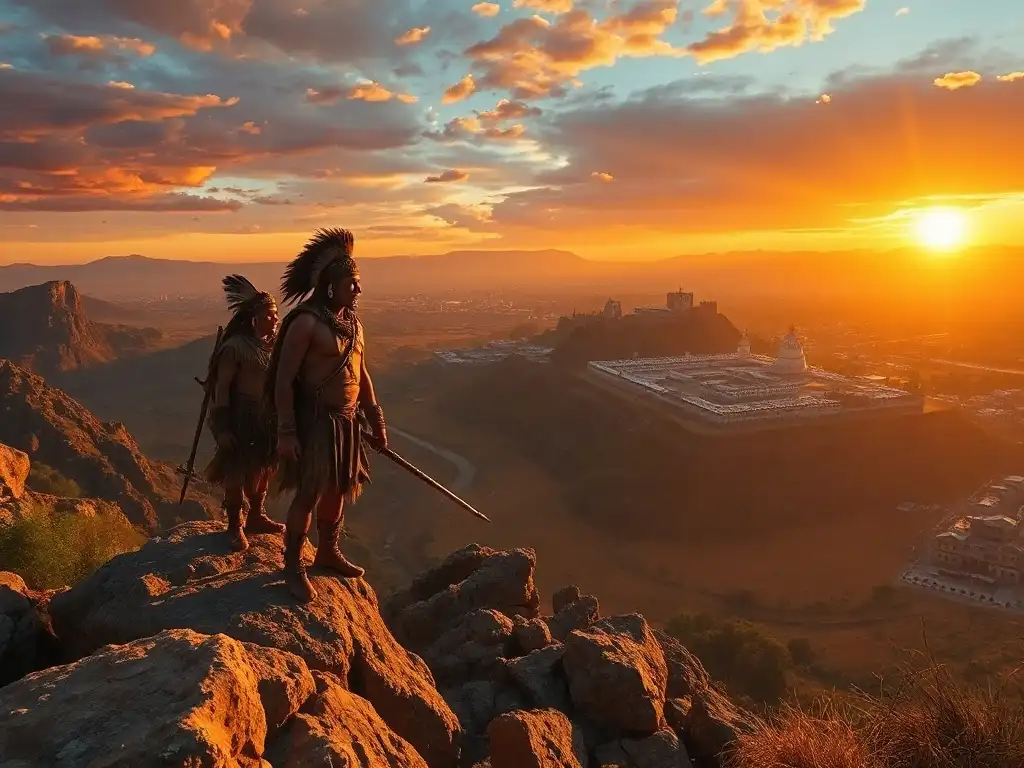
Uncover the mysteries of the Andes! Step into a world of breathtaking artistry, sophisticated engineering, and powerful empires. From the sun-drenched heights of Machu Picchu to the enigmatic Nazca Lines, the Andean civilizations left an indelible mark on history. But what truly ignited the flames of rebellion against the Spanish conquistadors? Delve into the intriguing story of Manco Inca's rebellion causes, and discover the desperate fight for survival waged by the last Inca royal family. Their story is one of resilience, defiance, and a legacy that continues to resonate today. Prepare to be captivated.
The Spanish conquest of the Inca Empire, a monumental event in South American history, wasn't a swift, decisive victory. Instead, it was a protracted struggle marked by resistance, rebellion, and the desperate fight for survival of a once-mighty civilization.
This article delves into the crucial role played by Manco Inca Yupanqui, the last Inca emperor to meaningfully challenge Spanish rule, and the causes behind his powerful rebellion. We will examine the factors that fueled his uprising, exploring the complex interplay of broken promises, cultural clashes, and the inherent resilience of the Inca people in the face of overwhelming odds.
Understanding Manco Inca's rebellion provides crucial insight into the complexities of the Spanish conquest, moving beyond the simplistic narrative of a straightforward military victory and revealing a nuanced story of resistance, betrayal, and the enduring legacy of the Inca Empire. Understanding the Manco Inca rebellion causes is key to comprehending the true scope and lasting impact of the Spanish conquest.
The Seeds of Rebellion: The Spanish Conquest of the Inca Empire
The Spanish conquest, initiated by Francisco Pizarro in 1532, wasn't solely a military triumph. It was also a carefully orchestrated campaign of manipulation, exploiting existing internal conflicts within the Inca Empire. The civil war between Huáscar and Atahualpa, vying for the Inca throne, significantly weakened the empire, leaving it vulnerable to the relatively small Spanish force.
The capture and execution of Atahualpa, despite the vast ransom paid, marked a turning point. The Spanish installed puppet rulers, initially Manco Inca's brother Túpac Huallpa and later Manco Inca himself, a strategy designed to maintain control through a semblance of Inca legitimacy. However, this strategy proved short-sighted, fostering resentment and fueling the conditions for widespread rebellion.
The Spanish ruthlessly exploited Inca resources, imposed their religious beliefs, and systematically dismantled the existing social and political structures, creating a climate ripe for resistance. The early stages of the conquest sowed the seeds of rebellion, setting the stage for Manco Inca's decisive actions. This systematic dismantling of Inca society, coupled with the inherent cultural clashes and the imposition of Spanish authority, provided fertile ground for the rebellion to take root.
Manco Inca's Initial Collaboration and Subsequent Disillusionment
Initially, Manco Inca collaborated with the Spanish, seemingly accepting his role as a puppet emperor. This collaboration, however, was a strategic maneuver born out of necessity. Faced with the overwhelming might of the Spanish conquistadors, Manco Inca likely saw cooperation as a means of survival, hoping to preserve some semblance of Inca power and culture.
However, this initial cooperation quickly soured. The Spanish, driven by greed and a desire for absolute control, consistently broke their promises, disregarding the Inca’s customs and traditions. The Spanish disregard for Inca religious practices, the enslavement of the population, and the systematic plunder of Inca resources proved to be a major catalyst for Manco Inca's disillusionment.
The blatant disregard for agreements and the increasingly oppressive nature of Spanish rule eroded any trust that Manco Inca may have initially had in his Spanish collaborators, ultimately pushing him towards open rebellion. The systematic violation of agreements, the exploitation of resources, and the imposition of foreign religious beliefs created deep-seated resentment within the Inca population.
The Escape from Cusco and the Formation of a Rebel Army
The escalating tensions finally culminated in Manco Inca's daring escape from Cusco, the Inca capital, in 1536. This escape, a testament to his courage and strategic acumen, marked the beginning of his full-scale rebellion. The escape itself was a remarkable feat, showcasing the loyalty and skill of his followers. Following his escape, Manco Inca began to gather support among the Inca population, capitalizing on widespread resentment towards the Spanish.
He skillfully utilized his royal lineage and his understanding of Inca culture and warfare to rally a formidable rebel army. The composition of this army was diverse, drawing upon various Inca groups and leveraging their combined strength and knowledge of the terrain. This diverse army, fueled by a shared desire for liberation and a deep-seated hatred for Spanish oppression, posed a significant threat to Spanish control.
The subsequent years saw a series of battles and sieges, highlighting Manco Inca's military prowess and the enduring resistance of the Inca people against the Spanish conquest. The rebellion, though ultimately unsuccessful in reclaiming the Inca Empire, stands as a powerful symbol of defiance and resistance in the face of overwhelming odds. The Manco Inca rebellion causes, therefore, were multifaceted, stemming from broken promises, cultural clashes, and the inherent resilience of a people fighting to preserve their heritage.
- The Seeds of Rebellion: The Spanish Conquest of the Inca Empire
- Manco Inca's Initial Collaboration and Subsequent Disillusionment
- The Escape from Cusco and the Formation of a Rebel Army
Manco Inca Rebellion Causes: Exploring the Motivations
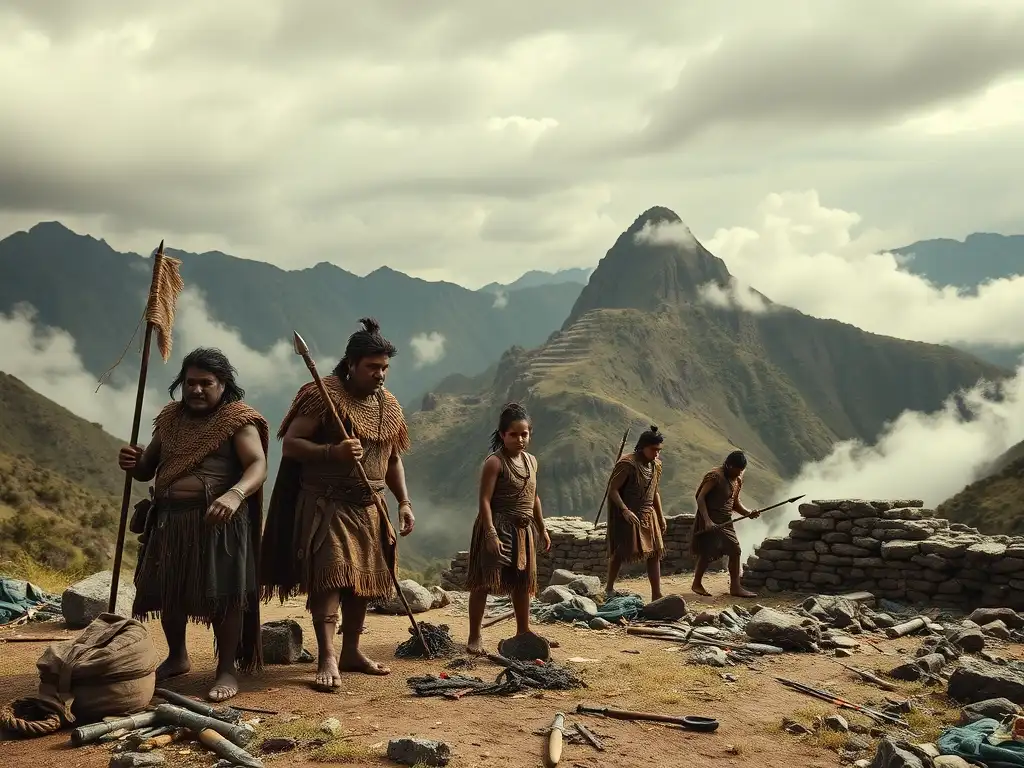
The Manco Inca rebellion, a pivotal moment in the downfall of the Inca Empire, wasn't a spontaneous act of defiance. Instead, it stemmed from a confluence of factors, each contributing to the escalating tensions that ultimately ignited the conflict. Understanding the root causes of this rebellion is crucial to grasping the complexities of the Spanish conquest and its devastating impact on Andean society. The motivations behind Manco Inca's uprising were deeply rooted in the brutal realities of Spanish colonization, encompassing systematic violence, religious oppression, and the ruthless exploitation of Inca wealth and resources.
Spanish Brutality and Cultural Disregard
The Spanish conquest wasn't a swift, clean takeover. It was characterized by widespread brutality and a profound disregard for Inca culture and traditions. The initial phases involved massacres, forced labor ( mita ), and the destruction of sacred sites. This systematic violence fueled resentment and fostered a climate of fear and distrust among the Inca population. The Spanish conquistadors, driven by greed and a thirst for power, often displayed shocking levels of cruelty, violating Inca customs and beliefs with impunity.
The imposition of the encomienda system, granting Spanish colonists control over Indigenous labor and resources, further exacerbated the situation. This system, inherently exploitative, led to the forced relocation of Inca populations, the disruption of traditional agricultural practices, and the overall degradation of their way of life. Accounts from the time detail instances of torture, rape, and arbitrary killings, painting a grim picture of the Spanish colonial regime.
These actions were not isolated incidents but rather part of a broader pattern of oppression that directly contributed to the Manco Inca rebellion. The sheer scale of suffering inflicted upon the Inca people provided fertile ground for resistance.
The Imposition of Christianity and Suppression of Inca Religion
Beyond the physical violence, the Spanish actively sought to eradicate Inca religion and replace it with Catholicism. This cultural assault was deeply offensive to the Inca people, whose worldview was inextricably linked to their religious beliefs and practices. The destruction of Inca temples, the suppression of religious ceremonies, and the forced conversion to Christianity represented a profound attack on their identity and spiritual well-being. The Inca religious system, deeply embedded in their social structure, served as a cornerstone of their civilization. Its destruction caused widespread spiritual disorientation and contributed significantly to the growing unrest.
The Spanish attempt to impose a foreign religion not only undermined the existing social order but also actively suppressed the Inca priests and shamans, who held considerable power and influence within their communities. This suppression created a vacuum of leadership and spiritual guidance, further weakening the Inca's ability to resist Spanish dominance. The forceful imposition of Christianity, therefore, became a major catalyst for the rebellion, adding another layer to the complex tapestry of grievances that fueled Manco Inca's uprising. The religious persecution served as a powerful symbol of Spanish oppression.
The Seizure of Inca Wealth and Resources
The Spanish conquest was also driven by an insatiable appetite for gold and other riches. The seizure of Inca wealth and resources was a key factor in fueling the rebellion. The Spanish systematically looted Inca palaces, temples, and tombs, stripping the empire of its vast treasures. This plunder not only decimated the Inca economy but also served as a stark symbol of Spanish greed and exploitation. The confiscation of land, livestock, and other valuable resources deprived the Inca people of their livelihoods and further eroded their social fabric.
Beyond the immediate economic impact, the appropriation of Inca resources represented a profound violation of their sovereignty and cultural heritage. The Inca viewed their possessions not merely as material wealth but as integral to their identity and spiritual well-being. The systematic plunder by the Spanish, therefore, was perceived as a sacrilege, further exacerbating existing tensions and fueling the flames of rebellion.
The economic hardship imposed upon the Inca population, combined with the cultural desecration, proved to be a potent combination in igniting the Manco Inca rebellion. The sheer scale of the plunder is a testament to the Spanish avarice and a critical element in understanding the causes of the rebellion.
The Stages of Manco Inca's Rebellion: A Detailed Account
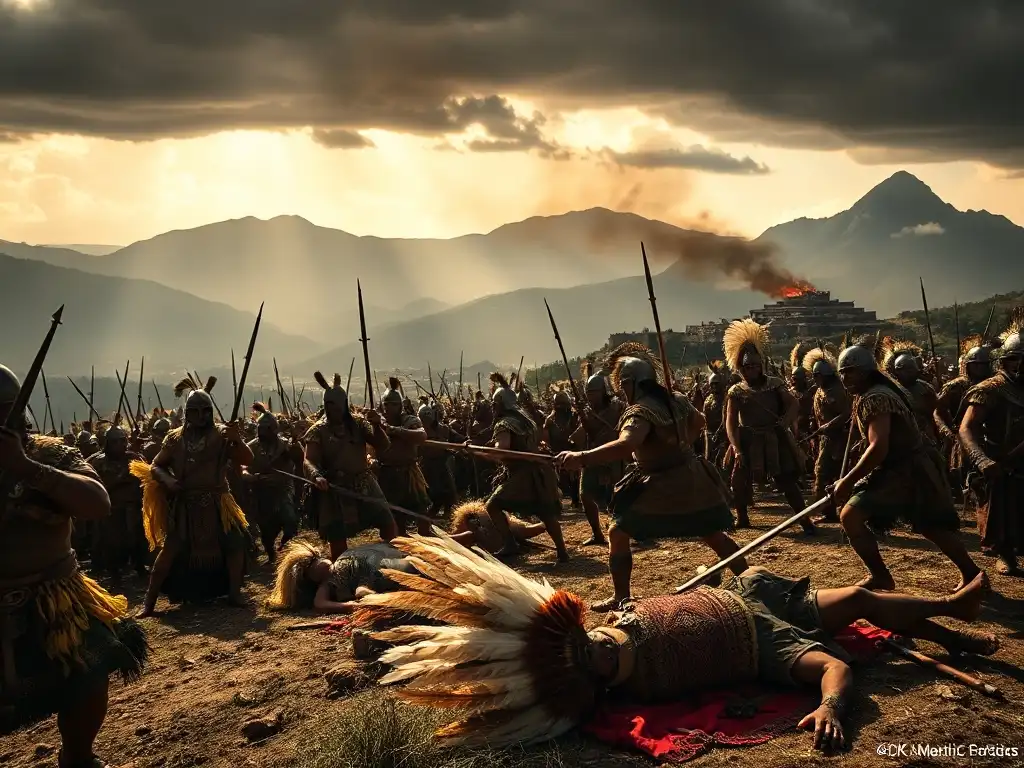
This section delves into the chronological progression of Manco Inca's rebellion, analyzing the key events and strategic shifts that shaped its trajectory. Understanding the phases of this uprising is crucial to grasping the complexities of the Inca resistance against Spanish conquest and the enduring legacy of Manco Inca's struggle. We will explore the Manco Inca rebellion causes through the lens of these pivotal moments.
The Siege of Cusco and Initial Inca Successes
The initial phase of Manco Inca's rebellion, fueled by a potent mix of resentment, broken promises, and the desire to reclaim Inca sovereignty, saw stunning early successes for the Inca forces. Following the assassination of the puppet emperor, Paullu Inca, Manco Inca, legitimate heir to the throne, seized the opportunity. His army, composed of loyal Inca warriors and fueled by widespread dissatisfaction with Spanish rule, launched a surprise attack on Cusco in 1536. The Spanish, initially caught off guard by the scale and ferocity of the assault, found themselves besieged within the city.
The siege itself was a brutal affair, characterized by fierce fighting within the city's confines. Manco Inca's forces effectively utilized their knowledge of the terrain and urban layout to their advantage, employing guerilla tactics and exploiting the Spaniards' vulnerability to close-quarters combat. This initial success was not simply a matter of military prowess; it also reflected the widespread support Manco Inca enjoyed amongst the Inca population.
Many, tired of the Spanish oppression and the injustices inflicted upon them, rallied to his banner. The Manco Inca rebellion causes at this stage were primarily the immediate consequences of Spanish rule, including broken promises and the undermining of the Inca social structure.
The siege lasted for several months, showcasing the Inca's ability to sustain a prolonged campaign against a technologically superior adversary. The Spanish, facing dwindling supplies and mounting casualties, were pushed to their limits. This period highlights the resilience of the Inca military and the effectiveness of their strategies in confronting the Spanish conquistadors. The initial success of the siege, however, would prove to be short-lived.
The Battle of Ollantaytambo and the Shift in Momentum
The Battle of Ollantaytambo (1536) marked a critical turning point in Manco Inca's rebellion. While the siege of Cusco demonstrated the early strength of the Inca resistance, Ollantaytambo represented a significant shift in momentum towards the Spanish. The battle, fought near the imposing Ollantaytambo fortress, witnessed a clash between the Inca army and a reinforced Spanish force, now better equipped and strategically organized.
The Spanish, having learned from their earlier vulnerabilities, employed superior weaponry, including cannons and firearms, which proved highly effective against the Inca formations. The Ollantaytambo fortress, despite its formidable defenses, ultimately fell to the Spanish onslaught. The battle resulted in significant Inca casualties and a devastating blow to the rebellion's morale.
This defeat is often cited as a crucial factor in the eventual failure of Manco Inca's attempt to regain control of Cusco and the wider Inca empire. One of the significant Manco Inca rebellion causes —the simmering resentment against Spanish rule—was not enough to overcome the Spanish military advantage.
The strategic implications of Ollantaytambo were profound. It not only signaled a significant military defeat for Manco Inca but also eroded the widespread support he had initially enjoyed. The loss of Ollantaytambo, a strategically important location, severely hampered Inca communication and logistical capabilities.
The Spanish Consolidation of Power and the Retreat to Vilcabamba
Following the Battle of Ollantaytambo, the Spanish gradually consolidated their power, systematically suppressing remaining pockets of Inca resistance. The Spanish strategy shifted from reactive defense to a more proactive campaign of conquest and subjugation. This involved not only military actions but also the implementation of policies aimed at dismantling the Inca social and political structures.
Faced with overwhelming odds and dwindling support, Manco Inca and his loyal followers retreated to Vilcabamba, a remote and strategically defensible region in the Andes Mountains. Vilcabamba became the last bastion of Inca resistance, a sanctuary where Manco Inca continued to wage a guerilla war against the Spanish for years. This final phase of the rebellion, while ultimately unsuccessful in reclaiming the Inca empire, represents a testament to Manco Inca's determination and the enduring spirit of resistance amongst his people.
The Manco Inca rebellion causes, though initially successful, were eventually overcome by the superior military might and strategic maneuvering of the Spanish conquistadors, leading to the retreat and the continuation of resistance in Vilcabamba. The legacy of this struggle continues to resonate in the historical narrative of the Inca Empire's fall.
The Vilcabamba State: A Center of Resistance
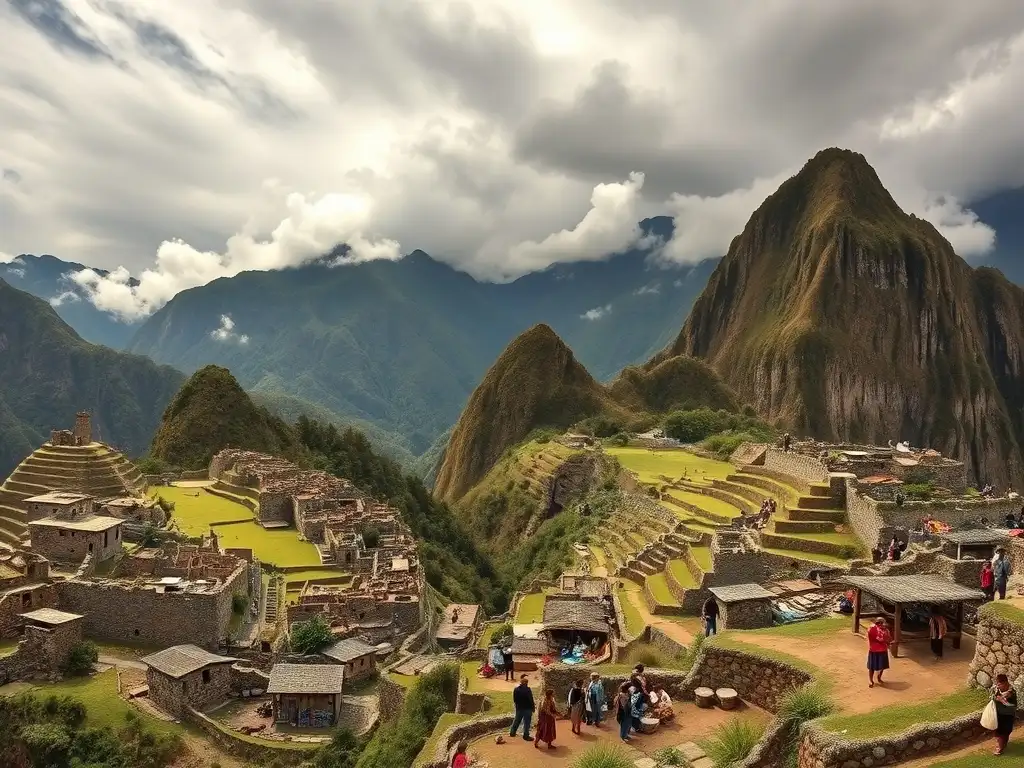
The Vilcabamba region, nestled deep within the Andes mountains, became the unlikely heart of Inca resistance following the fall of Cusco. Its inaccessibility, a formidable natural barrier, provided crucial protection from the Spanish conquistadors. This rugged terrain, characterized by steep valleys and dense forests, made it incredibly difficult for the Spanish cavalry and infantry to advance effectively. The Incas, intimately familiar with the landscape, used this knowledge to their advantage, employing guerrilla warfare tactics that exploited the terrain's complexities.
The Vilcabamba state wasn't merely a geographical refuge; it represented a symbolic bastion of Inca identity and defiance. It became a refuge for many loyalists, preserving Inca traditions, language, and cultural practices, even under the constant threat of Spanish incursion. The strategic location of Vilcabamba allowed Manco Inca and his successors to maintain contact with sympathetic populations in the surrounding areas, garnering support and supplies crucial for sustaining their resistance. This wasn't simply a military stronghold but a functioning state, albeit a smaller, more isolated one, preserving the remnants of a once-mighty empire.
The establishment of Vilcabamba represents a significant phase in the Manco Inca rebellion, showcasing the tenacity of the Inca people and their determination to preserve their heritage in the face of overwhelming odds. The resilience displayed in maintaining this state for decades underscores the profound impact of the rebellion and the enduring legacy of the Inca people. The strategic importance of Vilcabamba in the context of the Manco Inca rebellion cannot be overstated; it was the last gasp of the Inca Empire, a testament to their unwavering spirit in the face of conquest. Its existence, though ultimately ephemeral, significantly prolonged the struggle against Spanish dominance.
Initial Successes and Early Spanish Setbacks
The initial phase of Manco Inca's rebellion was marked by significant successes against the Spanish. Exploiting the Spanish overconfidence and underestimation of Inca military capabilities, Manco Inca's forces launched a series of well-coordinated attacks, inflicting considerable casualties. The siege of Cusco, for instance, demonstrated the effectiveness of Inca guerilla warfare tactics, pushing the Spanish to the brink.
The Spanish, accustomed to fighting in open battlefields, struggled to adapt to the unpredictable nature of Andean warfare. The dense forests and treacherous terrain provided the Incas with a significant advantage, allowing them to ambush and harass the Spanish forces effectively. These early victories were not merely tactical triumphs; they were crucial in bolstering the morale of the Inca resistance and attracting more supporters to their cause.
The initial successes gave credence to Manco Inca's leadership and fueled the hope for a complete expulsion of the Spanish from Inca lands. These early battles are critical in understanding the causes and momentum behind the rebellion, highlighting the deep-seated resentment and determination to resist Spanish domination. The strategic brilliance of Manco Inca's initial campaigns, utilizing the terrain and Inca knowledge to counteract the Spanish military might, significantly contributed to the prolonged nature of the conflict.
Shifting Strategies and the Long Struggle
As the rebellion progressed, Manco Inca adapted his strategies to counter the Spanish response. The initial successes gave way to a protracted conflict characterized by a shift from large-scale battles to a protracted guerrilla war. The Spanish, learning from their early setbacks, adopted new tactics, including the construction of fortified settlements and the deployment of larger, better-equipped forces.
This led to a prolonged period of attrition, where both sides suffered significant losses. Manco Inca's forces, though constantly harassed, managed to maintain a degree of independence in the Vilcabamba region. This prolonged struggle underscores the deep-seated resistance to Spanish rule and the determination of the Inca people to preserve their autonomy.
The shifting strategies employed by both sides highlight the dynamic nature of the conflict and the ingenuity required for survival in the face of overwhelming odds. The resilience of the Inca people, demonstrated in their ability to sustain their resistance for decades, stands as a powerful testament to their determination and cultural resilience. The length of the conflict also reveals the complex interplay of factors contributing to the "Manco Inca rebellion causes", highlighting not only military resistance but also the tenacious preservation of Inca identity and culture.
The Legacy of Manco Inca: A Symbol of Inca Resistance
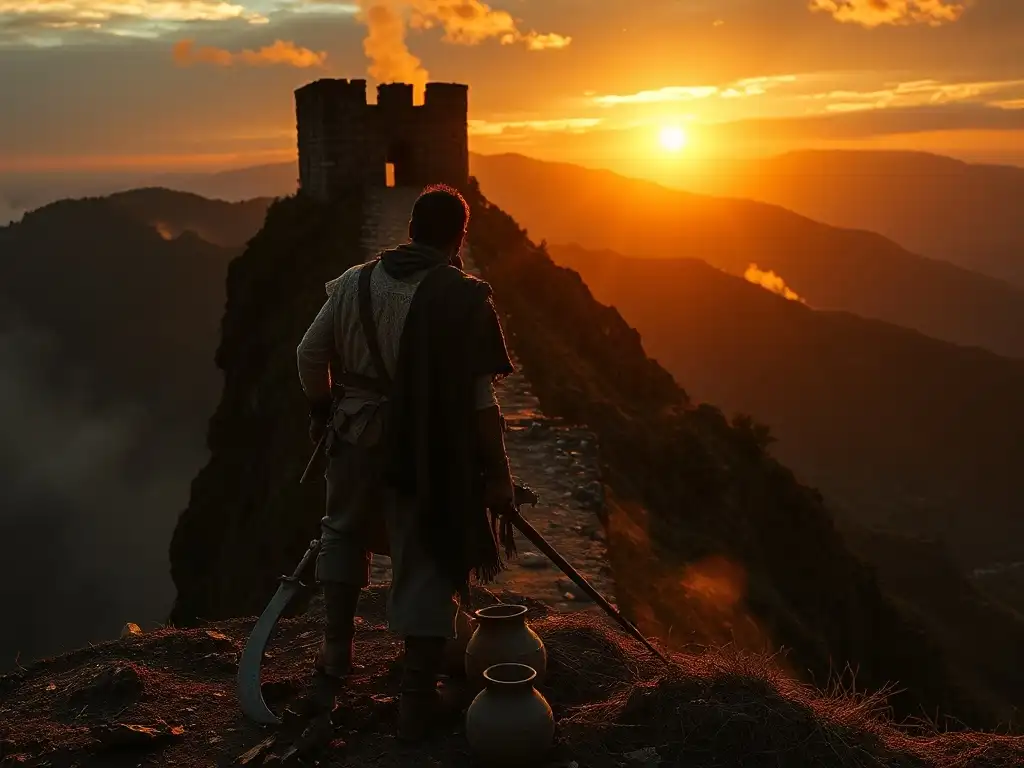
Manco Inca's rebellion, fueled by a complex interplay of factors, solidified his legacy as a pivotal figure in the Inca resistance against Spanish conquest. Understanding the Manco Inca rebellion causes requires analyzing not only the immediate triggers but also the long-term consequences of Spanish actions. His uprising wasn't merely a spontaneous reaction; it was a carefully considered strategy born from broken promises, cultural clashes, and the inherent desire to reclaim a lost empire.
The depth and duration of his resistance, lasting over a decade, significantly impacted the trajectory of the Inca people and their struggle for survival. The seeds of this rebellion were sown long before the first clash of arms.
Manco Inca's Role in Preserving Inca Culture and Identity
Manco Inca's leadership extended beyond military strategy. He actively worked to preserve Inca culture and identity amidst the overwhelming Spanish influence. This involved safeguarding traditional practices, religious beliefs, and social structures. He understood that the fight for territorial control was intertwined with the fight for cultural survival. For instance, [specific examples of cultural preservation efforts pending], highlighting his commitment to maintaining a distinct Inca identity even in the face of subjugation.
This preservation effort wasn't merely symbolic; it was crucial for maintaining morale and unity amongst his followers. The continuity of Inca traditions within Vilcabamba served as a powerful counter-narrative to Spanish attempts at cultural assimilation. His efforts to maintain Inca traditions laid the groundwork for future resistance movements and the eventual resurgence of Andean cultural pride. The cultural legacy he protected is still felt today.
The Significance of Vilcabamba as a Symbol of Defiance
Vilcabamba, the hidden capital established by Manco Inca, transcended its geographical significance. It became a powerful symbol of Inca defiance against Spanish rule. Its strategic location in the Andes Mountains provided a natural defense against the Spanish conquistadors, demonstrating Manco Inca's astute military planning. The very existence of Vilcabamba challenged the Spanish narrative of complete conquest, proving that Inca resistance was far from extinguished.
The city served as a beacon of hope for those who still clung to the dream of an independent Inca state. Its longevity – [specific duration of Vilcabamba's existence pending] – is a testament to the resilience of the Inca people and their unwavering determination to resist colonial rule. The successful defense of Vilcabamba against multiple Spanish attacks further solidified its status as a symbol of unwavering resistance. 🛡️
The Assassination of Manco Inca and the Continuation of Resistance by his Successors
The assassination of Manco Inca in [year pending], though a significant blow, did not extinguish the flames of rebellion. His death, far from signifying the end of Inca resistance, instead served as a catalyst for the continuation of the struggle. His successors, though facing internal conflicts and dwindling resources, continued the fight against the Spanish. The rebellion's continuation under new leadership underscores the deeply rooted desire for independence and the enduring strength of Inca resistance.
The legacy of Manco Inca's rebellion lived on, inspiring future generations to fight for their freedom and cultural heritage. The continuation of the rebellion after his death highlights that the Manco Inca rebellion causes were not solely tied to his personal leadership but to deeper, systemic issues that fueled the desire for independence. The fight for freedom continued long after his untimely demise.
The Failure of the Inca Rebellion: An Analysis
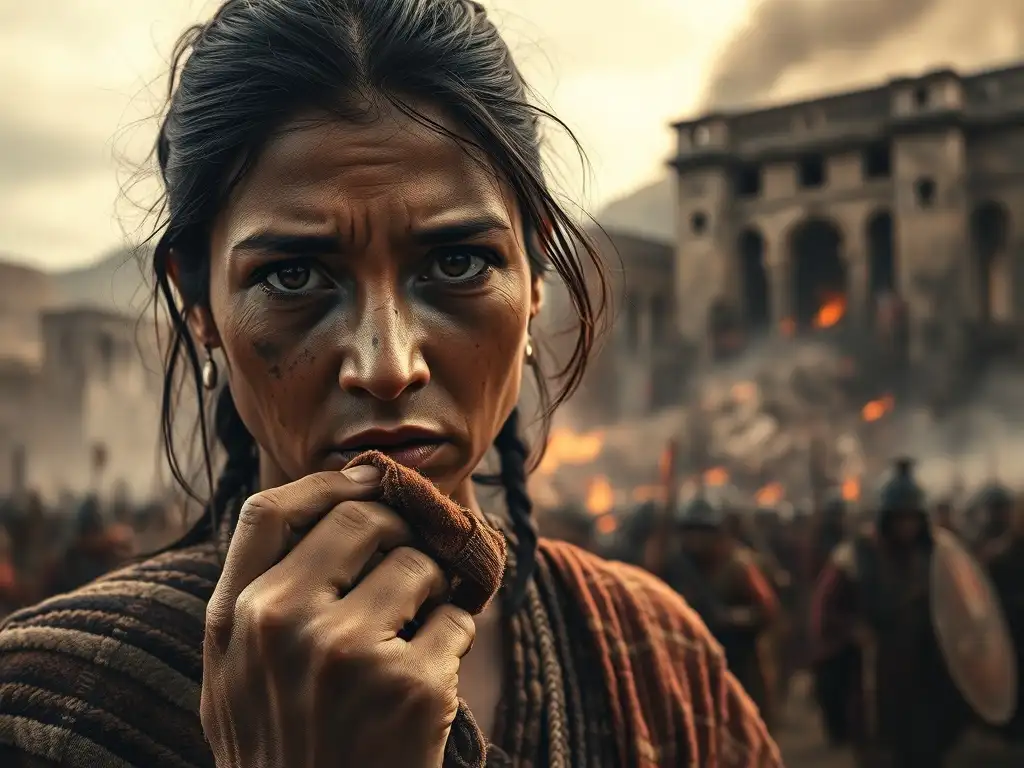
The Manco Inca rebellion, while initially promising, ultimately failed to restore the Inca Empire. Understanding the reasons for this failure requires a nuanced analysis beyond simple narratives of Spanish military superiority. Several interconnected factors contributed to the rebellion's demise, highlighting the complexities of the Inca's struggle against the Spanish conquistadors.
This section delves into the key contributing elements to the failure of Manco Inca's uprising, exploring the crucial disadvantages faced by the Inca forces. The analysis focuses on the lack of access to key technologies, the political landscape of fragmented alliances, and the superior military organization and logistics employed by the Spanish. Understanding these "Manco Inca rebellion causes" is crucial to a complete understanding of the final chapter of the Inca Empire.
The Inca's Limited Access to Firearms and Cavalry
One of the most significant factors contributing to the failure of Manco Inca's rebellion was the stark technological disparity between the Inca army and the Spanish forces. The Spanish possessed superior weaponry, notably firearms and cavalry, which proved decisive in numerous battles. The Inca, while skilled warriors with effective traditional weaponry like macanas (clubs) and chinchillas (sling ammunition), lacked the firepower and mobility provided by muskets and horses.
This imbalance fundamentally altered the dynamics of warfare. While Inca warriors demonstrated remarkable courage and tactical ingenuity, their efforts were often undermined by the devastating effectiveness of Spanish firearms at range. The cavalry, meanwhile, provided the Spanish with unparalleled maneuverability on the battlefield, allowing them to quickly outflank and overwhelm Inca formations.
The lack of access to these technologies wasn't simply a matter of availability; it represented a fundamental difference in technological development and industrial capacity. The Inca Empire, despite its impressive achievements in other areas, lacked the metallurgical expertise and manufacturing infrastructure necessary for mass-producing firearms. Attempts to acquire or replicate these weapons proved insufficient to bridge the technological gap. This technological deficit significantly hampered the Inca's ability to effectively counter the Spanish military advantage, representing a critical component of the "Manco Inca rebellion causes."
The Political Fragmentation and Disunity Among Indigenous Groups
Beyond technological disadvantages, the Manco Inca rebellion was significantly weakened by the lack of unified support among indigenous groups. While Manco Inca initially enjoyed some level of support from various Andean communities, this alliance proved fragile and short-lived. Many groups, exhausted by years of Inca rule or harboring resentments, were hesitant to fully commit to the rebellion. Some actively collaborated with the Spanish, viewing them as a potential means of escaping Inca authority or gaining preferential treatment. Others remained neutral, unwilling to risk involvement in a conflict with uncertain outcomes.
This political fragmentation presented a serious obstacle for Manco Inca's forces. The rebellion lacked the broad-based indigenous coalition necessary to effectively challenge the Spanish. The Inca army faced not only the Spanish but also the opposition or indifference of neighboring groups, limiting their ability to mobilize resources and manpower effectively. This internal division and lack of consistent support from other indigenous communities significantly contributed to the ultimate failure of the rebellion, highlighting a crucial aspect of the "Manco Inca rebellion causes." The strategic advantage of a unified front was lost, leaving Manco Inca's forces vulnerable and outnumbered.
The Superior Military Organization and Logistics of the Spanish
The Spanish conquistadors, despite their smaller numbers, possessed a superior military organization and logistical system that proved crucial to their success. Their armies were more disciplined and better equipped for sustained campaigns. They employed advanced military tactics and strategies, including the effective use of fortified positions and combined arms maneuvers (infantry, cavalry, and artillery). Furthermore, their logistical network, though still developing, allowed for the efficient supply of troops and provisions across longer distances. This contrasted sharply with the Inca's logistical challenges.
The Inca's system, while effective for smaller-scale conflicts within their empire, struggled to support a protracted rebellion against a technologically superior and geographically dispersed enemy. Supply lines were often disrupted, hindering the movement of troops and provisions.
The Spanish, by contrast, were able to maintain a relatively consistent supply of ammunition, food, and reinforcements, giving them a decisive edge in the long-term struggle. This superior logistical capacity, coupled with their disciplined military organization and advanced tactics, proved another significant factor in the "Manco Inca rebellion causes", ultimately leading to the defeat of Manco Inca and the collapse of the final major resistance against Spanish rule in the Andes.
Lessons Learned from Manco Inca's Uprising
The Manco Inca rebellion, erupting in the 1530s, offers crucial insights into the complexities of colonial encounters and the enduring power of indigenous resistance against the Spanish conquest. Understanding the Manco Inca rebellion causes requires a nuanced approach, moving beyond simplistic narratives of conquest and resistance. It necessitates acknowledging the intricate interplay of political machinations, cultural clashes, and the devastating impact of disease on the Inca Empire.
The rebellion wasn't a spontaneous outburst but a calculated response to a rapidly changing and increasingly oppressive reality. Analyzing the rebellion's trajectory allows us to understand not only the immediate consequences but also the long-term effects on Andean societies and their relationship with the colonial power.
The Complexities of Colonial Encounters
The Spanish conquest wasn't a straightforward military victory. It was a multifaceted process marked by strategic alliances, betrayals, and shifting power dynamics. Manco Inca's initial collaboration with the conquistadors, born out of a pragmatic assessment of the situation, quickly soured.
The Spanish, driven by greed and a thirst for power, violated numerous agreements, systematically dismantling the Inca political and social structures. This betrayal, coupled with the widespread devastation caused by introduced diseases like smallpox, fueled widespread resentment and contributed significantly to the Manco Inca rebellion causes. The Inca leadership, witnessing the erosion of their authority and the suffering of their people, saw armed rebellion as the only viable option to reclaim their sovereignty.
The rebellion wasn't simply a reaction to Spanish brutality; it was a response to the systematic dismantling of the Inca world. The Spanish underestimated the Inca's resilience and capacity for organized resistance, a miscalculation that would significantly impact the course of the conquest.
The Enduring Legacy of Indigenous Resistance
Manco Inca's uprising, though ultimately unsuccessful in restoring the Inca Empire, left an indelible mark on Andean history. It demonstrated the unwavering determination of the indigenous population to resist colonial domination. The rebellion showcased the Inca's sophisticated military strategies and their ability to adapt to the changing circumstances.
Despite facing superior weaponry and a numerically larger force, the Inca forces inflicted significant casualties on the Spanish, proving their capacity for prolonged guerrilla warfare. This resistance, continuing long after Manco Inca's death, inspired subsequent uprisings and shaped the trajectory of Andean resistance movements for centuries to come. The legacy of Manco Inca's rebellion transcends its immediate outcome; it serves as a powerful symbol of indigenous resilience and a testament to the enduring struggle for self-determination.
The echoes of this resistance can be heard in the ongoing fight for indigenous rights and cultural preservation in the Andes today. The rebellion's impact is undeniable, shaping the narrative of Andean identity and resistance against oppression.
The Importance of Historical Memory and Cultural Preservation
Understanding the Manco Inca rebellion causes is crucial for preserving historical memory and fostering cultural understanding. The events surrounding the rebellion are often simplified or overlooked in traditional historical narratives, which tend to focus on the Spanish perspective. A thorough examination of the rebellion, however, reveals a far more complex picture, highlighting the Inca perspective and the devastating consequences of colonial violence.
Preserving this history is essential for recognizing the lasting impact of colonialism on Andean societies and for promoting a more accurate and inclusive understanding of the past. The narratives of resistance, like Manco Inca's uprising, are vital for countering the dominant colonial narratives and reclaiming the agency of indigenous populations. This involves actively promoting the study of indigenous languages, preserving oral traditions, and supporting initiatives that highlight the richness and diversity of Andean cultures.
The ongoing efforts to preserve historical sites and artifacts related to the Inca Empire are crucial steps in this process, ensuring that future generations understand the complexities of the past and the enduring legacy of indigenous resistance. The study of the Manco Inca rebellion provides a crucial opportunity to learn from the past and to work towards a more equitable and just future.
Frequently Asked Questions
What were the primary causes of Manco Inca's rebellion?
Manco Inca's rebellion stemmed from broken promises by the Spanish. The Spanish repeatedly failed to uphold agreements regarding Inca autonomy and land rights, fueling resentment and ultimately igniting the uprising. This betrayal of trust was a major catalyst.
How did the Spanish conquest contribute to Manco Inca's rebellion?
The Spanish conquest itself was the root cause of the unrest. The brutal subjugation of the Inca Empire, the execution of Inca leaders, and the imposition of Spanish rule created a climate ripe for rebellion. Manco Inca aimed to restore Inca power.
What were the key events during Manco Inca's rebellion?
The rebellion involved sieges of Cusco, strategic military maneuvers by Manco Inca's forces, and brutal fighting against the Spanish. Ultimately, despite initial successes, the rebellion was crushed due to superior Spanish weaponry and alliances.
What was the outcome of Manco Inca's rebellion?
Despite initial victories, Manco Inca's rebellion was ultimately defeated. The Spanish, with superior weaponry and tactics, eventually overcame the Inca resistance. Manco Inca himself was killed, marking the end of a significant resistance movement.
How did Manco Inca's rebellion impact the Inca people?
The rebellion, while unsuccessful in its primary goal, prolonged the Inca resistance against Spanish rule. It also resulted in significant loss of life and further weakened the Inca social structure, leading to greater Spanish control and the erosion of Inca traditions.
Final Reflection: Echoes of Resistance: Understanding Manco Inca's Legacy
The brutal suppression of Manco Inca's rebellion wasn't just a historical event; it's a stark reminder of the enduring consequences of colonialism and the persistent fight for self-determination. The echoes of this struggle resonate even today, shaping our understanding of resistance movements and the lasting impact of imperial power on indigenous populations. The causes of Manco Inca's uprising, rooted in broken promises and the systematic dismantling of Inca society, continue to serve as a cautionary tale against the dangers of unchecked power and the importance of respecting cultural heritage.
Manco Inca's rebellion wasn't simply a military conflict; it was a profound cultural and spiritual battle. It represented the desperate attempt to preserve a way of life, a civilization, and a deeply ingrained worldview facing annihilation. The sheer scale of the Inca Empire's destruction and the subsequent attempts to erase its memory underscore the lasting impact of such acts of violence. The past is never dead. It's not even past.
– William Faulkner. This quote perfectly encapsulates the enduring relevance of Manco Inca's struggle and its continued influence on our understanding of colonialism's devastating legacy.
Consider the parallels between Manco Inca's fight and contemporary struggles for justice and self-determination. What lessons can we glean from his unwavering resistance in the face of overwhelming odds? You, the reader, hold the power to carry this legacy forward.
By understanding the complexities of Manco Inca's rebellion and its underlying causes, you can contribute to a more informed and empathetic understanding of historical injustices and the ongoing fight for social equity. Let the story of Manco Inca inspire you to actively engage with the past, to learn from its mistakes, and to build a more just and equitable future for all.
**Join the Legacy: Stand with the Spirit of Manco Inca! **
Thank you for exploring the incredible and poignant story of Manco Inca's Uprising. Understanding this crucial chapter in Inca history offers valuable insights into resilience and the fight for freedom. Now, let's translate that understanding into action!
Here are some impactful ways to get involved:
- **Learn More:** Deepen your understanding of the Inca civilization and its rich history through our curated resources on **Andean Civilizations**.
- **Share the Story:** Help keep the memory of Manco Inca alive by sharing this article on social media. Engage your friends and family in a discussion about this important historical figure.
- **Get Involved:** Connect with others who share your passion by joining community groups or online forums dedicated to preserving Andean culture and heritage.
What powerful lessons from Manco Inca's struggle resonate with you today? Let's discuss in the comments below!