
The Language of Lines: Decoding the Symbolic Meanings in Andean Drawings

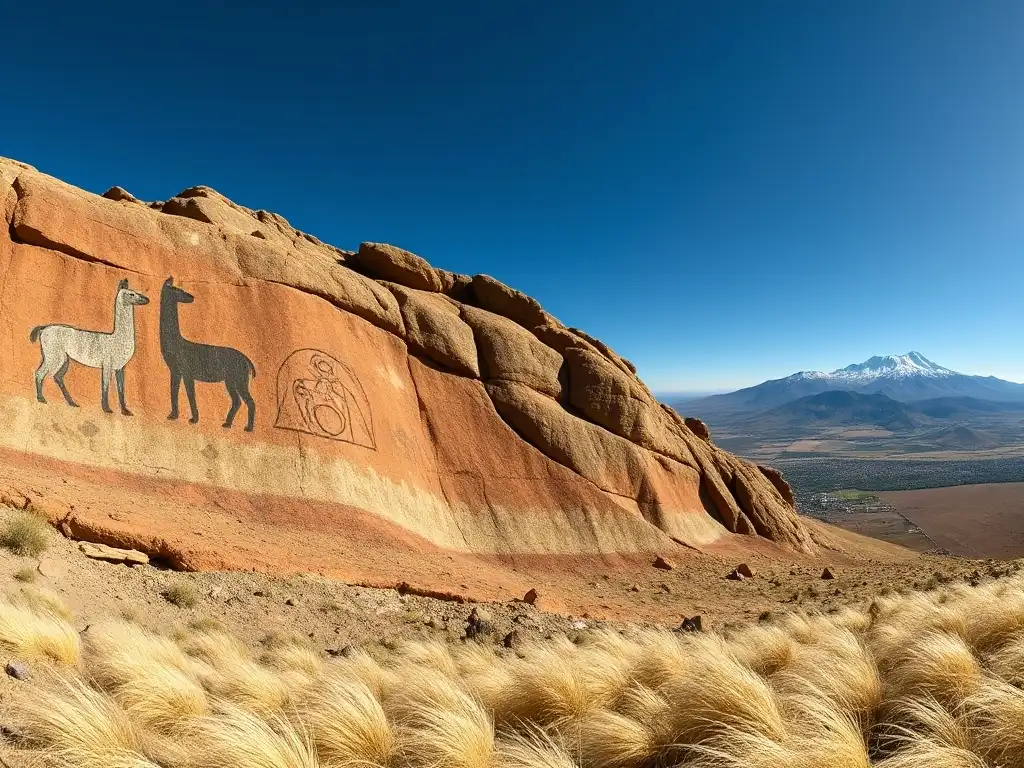
Dive into the mesmerizing world of the Andes! Prepare to uncover the secrets hidden within the intricate lines of Andean drawing symbolism. For centuries, these ancient civilizations wove narratives and beliefs into their art, leaving behind a legacy of captivating imagery. Journey with us as we explore the profound meanings embedded in these remarkable works, revealing a vibrant tapestry of culture and spirituality. Are you ready to decipher the language of the Andes?
The Andes Mountains, a spine of towering peaks running down the western edge of South America, are not just a geographical feature; they are a cradle of civilization. For millennia, diverse Andean cultures—from the Nazca and Moche to the Tiahuanaco and Inca—flourished in this challenging landscape, leaving behind a rich tapestry of artistic expression.
This article delves into the fascinating world of Andean drawings, exploring the intricate symbolism woven into these captivating works. We will journey through the visual language of these ancient peoples, uncovering the hidden meanings behind their lines, shapes, and figures, and ultimately, gaining a deeper understanding of their beliefs, rituals, and social structures.
Understanding Andean drawing symbolism offers a unique window into the minds and hearts of these remarkable civilizations. This exploration will reveal how seemingly simple lines and geometric patterns held profound significance, providing insights into a world far removed from our own yet profoundly connected to our human experience.
Unraveling the Mysteries: Interpreting Andean Art
Andean drawings weren't simply decorative; they were powerful tools of communication, conveying complex ideas and narratives across generations. The interpretation of these drawings is a complex undertaking, requiring a multi-faceted approach. Scholars utilize a combination of methodologies, including:
- Comparative Analysis: Studying similar motifs across different Andean cultures and time periods to identify recurring themes and patterns.
- Contextual Analysis: Considering the location of the drawings, the materials used, and the surrounding archaeological evidence to understand their purpose and meaning.
- Ethnographic Parallels: Drawing comparisons with the art and traditions of later Andean communities to gain insights into the possible meanings of ancient symbols.
This multi-layered approach allows for a more nuanced understanding of the symbolic language embedded within Andean art. For example, the frequent appearance of feline imagery in Moche pottery, often depicted in dynamic hunting scenes, suggests a strong connection to the power and mystery of the natural world. Similarly, the intricate geoglyphs of the Nazca lines, visible only from the air, challenge our understanding of their creation and purpose, leading to ongoing debates about their astronomical or ritualistic significance. The sheer diversity of artistic expression across different Andean cultures highlights the importance of careful, context-specific analysis.
Common Symbols and Their Interpretations: A Glimpse into Andean Cosmology
Many recurring motifs appear in Andean drawings, each imbued with specific symbolic meanings often tied to their cosmology and worldview. These include:
- Geometric Shapes: Squares, triangles, and circles frequently appear, often representing concepts such as earth, sky, and the cosmos. The precise meaning, however, varies greatly depending on the specific culture and context.
- Anthropomorphic Figures: Depictions of human-like figures, often adorned with elaborate headdresses and jewelry, could represent deities, ancestors, or shamans. The attributes and postures of these figures offer crucial clues to their identity and function within the Andean worldview.
- Zoomorphic Representations: Animals, both real and mythical, are frequently depicted, symbolizing power, fertility, and other significant attributes. The choice of animal and its portrayal can provide insights into the beliefs and values of the specific Andean group.
It is crucial to note that the meanings of these symbols are not fixed or universally applicable. The interpretation must always consider the specific cultural and historical context in which the artwork was created.
Beyond the Surface: The Power of Andean Drawing Symbolism
The study of Andean drawing symbolism is not merely an academic pursuit; it is a journey into the heart of a rich and complex cultural heritage. By carefully examining these ancient drawings, we gain a deeper understanding of the beliefs, values, and worldview of the Andean civilizations. This understanding helps us appreciate the ingenuity and creativity of these societies and offers valuable insights into the human experience across time and cultures.
The legacy of Andean art continues to inspire and challenge us, reminding us of the power of visual communication and the enduring significance of cultural heritage. Further research and analysis are crucial to fully unlock the secrets contained within these ancient works, enriching our understanding of Andean drawing symbolism and the remarkable civilizations that created them.
- Unraveling the Mysteries: Interpreting Andean Art
- Common Symbols and Their Interpretations: A Glimpse into Andean Cosmology
- Beyond the Surface: The Power of Andean Drawing Symbolism
Understanding Andean Drawing Symbolism: An Introduction
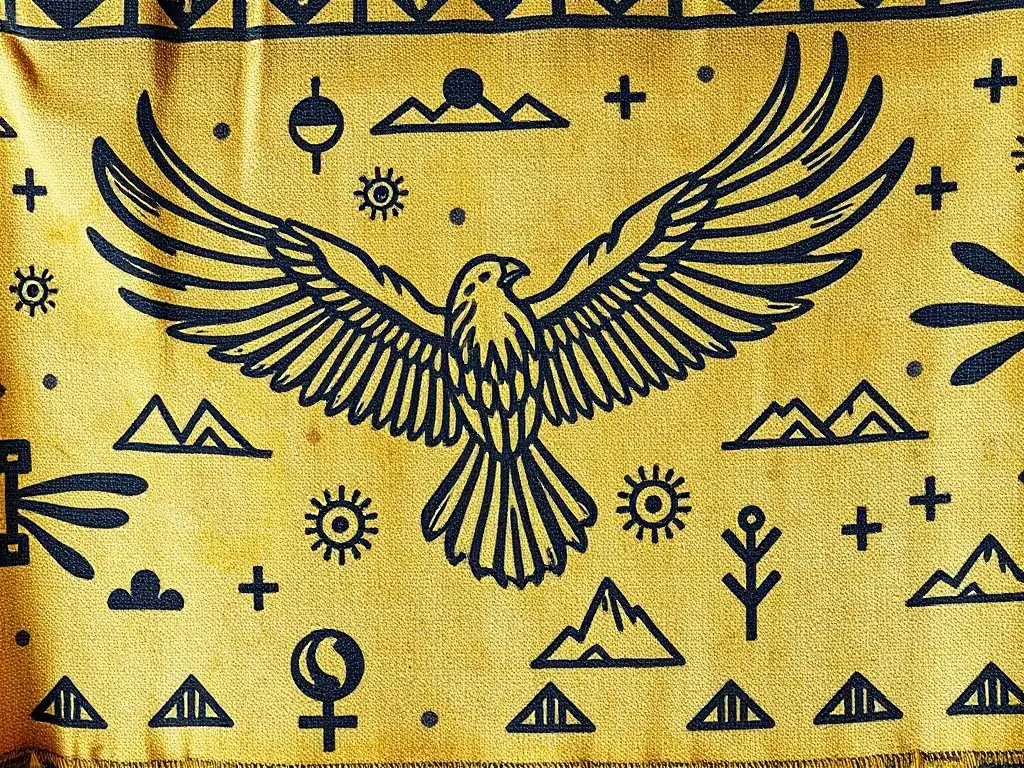
This section delves into the fascinating world of Andean drawing symbolism, exploring the rich tapestry of meaning woven into the lines and figures created by ancient Andean cultures. Understanding these symbols offers a unique window into the beliefs, practices, and worldview of these sophisticated societies. We'll move beyond a simple visual appreciation and uncover the complex narratives embedded within their artistic expressions.
The study of Andean drawing symbolism requires a nuanced approach, acknowledging the regional variations and the evolution of artistic conventions across different periods and cultures. This exploration will touch upon the significance of various motifs, focusing on their symbolic interpretations and contextual significance within the broader framework of Andean cosmology and spirituality.
The analysis will emphasize the importance of considering both the individual symbols and their interrelationships within a given composition, understanding that the overall meaning often emerges from the interplay of multiple elements. This approach is crucial for a deeper understanding of Andean drawing symbolism and its enduring legacy.
The Importance of Lines in Andean Art
Lines, seemingly simple elements, form the backbone of Andean artistic expression. They are not mere outlines but carriers of profound symbolic weight. In Andean art, different types of lines convey distinct meanings. Straight lines, for example, often represent pathways, journeys, or connections between the earthly and spiritual realms. Their thickness and direction can further refine the interpretation. Thick, bold lines might symbolize strength and power, while thin, delicate lines could represent fragility or ephemerality.
Consider the intricate lines found in Nazca geoglyphs. These massive ground drawings, visible only from the air, are composed of hundreds of miles of lines, shapes, and figures. While their precise meanings remain debated, many scholars believe the lines represent pathways to the underworld or celestial bodies, reflecting a deep connection to the cosmos. The precision and scale of these lines underscore the importance of meticulous craftsmanship and the profound symbolic significance attributed to them.
Zigzag lines, another common motif, often represent mountains, lightning, or the movement of energy. Curved lines, on the other hand, can signify water, rivers, or the cyclical nature of life and death. The careful observation of these lines and their contextual placement within a drawing is crucial to deciphering their symbolic meaning. Further research is needed to fully understand the subtle variations in line usage across different Andean cultures, and to establish a comprehensive lexicon of line symbolism. [Specific data on regional variations in line symbolism pending].
Exploring the Visual Language of Ancient Andean Cultures
The visual language of ancient Andean cultures is rich and complex, employing a diverse range of symbols to convey meaning. These symbols are not arbitrary; they are deeply rooted in the Andean worldview, reflecting a profound understanding of the natural world and the cosmos. One of the most common symbols is the khipu, a system of knotted strings used for record-keeping and communication. While not strictly a drawing, the khipu's intricate knotting system demonstrates the Andean appreciation for complex visual codes.
Beyond the khipu, numerous other symbols appear repeatedly in Andean art. Geometric shapes, such as squares, circles, and triangles, frequently represent different aspects of the cosmos or societal structures. For instance, the square often symbolizes the earth, while the circle represents the sun or the cyclical nature of time. The triangle, depending on its orientation, could represent mountains or the connection between the earthly and spiritual realms. Animals, too, hold significant symbolic weight. The condor, for example, often represents power and royalty, while the puma symbolizes strength and ferocity.
The interpretation of these symbols is not always straightforward. The meaning of a particular symbol can vary depending on its context within a given artwork and the specific cultural group that created it. Furthermore, the same symbol might hold different meanings in different regions or time periods. This highlights the importance of considering the broader cultural and historical context when interpreting Andean drawings.
A comprehensive understanding of Andean drawing symbolism requires a multidisciplinary approach, drawing upon insights from archaeology, anthropology, and art history. The ongoing research and analysis of these intricate visual narratives continue to enrich our understanding of these remarkable ancient cultures. 😻
Key Motifs and Their Symbolic Significance in Andean Drawings
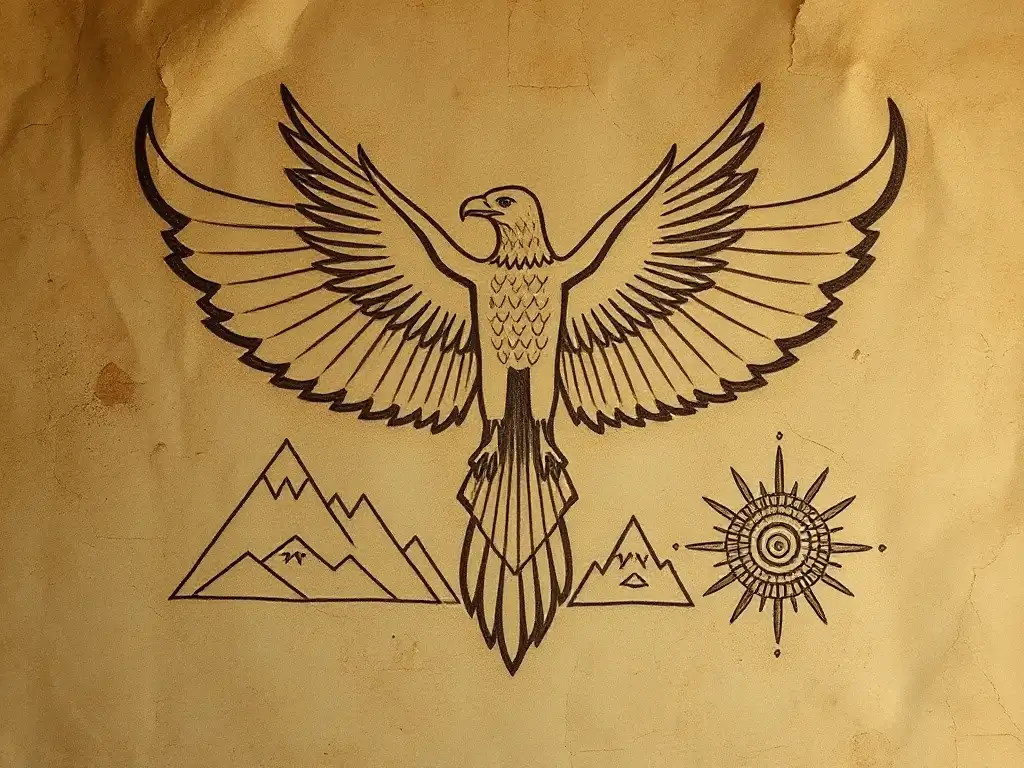
This section delves into the core symbolic motifs frequently depicted in Andean drawings, exploring their nuanced meanings and cultural significance within the context of ancient Andean societies. Understanding these recurring images provides crucial insight into the worldview and beliefs of these fascinating civilizations. The prevalence of certain motifs across different Andean cultures – from the Incas to the Moche – suggests a shared symbolic language, albeit with regional variations.
Analyzing Andean drawing symbolism reveals a complex tapestry woven from mythology, cosmology, and societal structures. The careful observation of these artistic expressions offers a unique window into the minds and hearts of the ancient Andean people.
The Serpent: Symbol of Power and Transformation in Andean Iconography
The serpent, a ubiquitous symbol across numerous cultures worldwide, holds a similarly prominent position in Andean iconography. However, its specific meaning within the Andean context differs significantly from other interpretations. Rather than solely representing evil or temptation, the Andean serpent often embodies power, fertility, and the transformative forces of nature. Its sinuous form reflects the cyclical nature of life, death, and rebirth, mirroring the Andean understanding of the cosmos.
Several examples illustrate this multifaceted symbolism. In Moche pottery, for instance, serpents are frequently depicted alongside deities or in scenes of ritual sacrifice, suggesting a connection to spiritual power and the underworld. Their association with water sources further reinforces their role as symbols of fertility and life-giving energy.
The serpent's ability to shed its skin also symbolizes transformation and renewal, a concept central to Andean spiritual beliefs. The detailed depictions found in Nazca lines, while less directly representative of serpents than other forms, also suggest the importance of serpentine forms in representing the water sources and life-sustaining flow essential to Andean agriculture and worldview. The careful observation of the size, position, and context of the serpent within the drawing provides further clues to its specific meaning within that particular piece.
The symbolic weight of the serpent is not static; its meaning shifts subtly depending on its accompanying imagery. The presence of other animals, human figures, or celestial bodies significantly alters the interpretation. Further research into specific examples and regional variations is needed to fully understand the nuanced meanings embedded within each portrayal. Detailed analysis of Andean textiles and ceramics could reveal additional layers of meaning associated with this powerful symbol.
The Condor: A Messenger Between Worlds
The condor, a majestic bird of the Andes, occupies a significant place in Andean mythology and symbolism, frequently appearing in drawings as a powerful and spiritual entity. Its ability to soar to great heights and its association with the high mountains and the sun granted it a symbolic connection to the celestial realm. Unlike its terrestrial counterparts, the condor was seen as a messenger capable of traversing the boundaries between the earthly and spiritual worlds.
Andean drawings depicting condors often showcase the bird in dynamic poses, emphasizing its power and freedom. It is frequently portrayed carrying offerings or souls to the gods, highlighting its role as an intermediary between humanity and the divine. The condor's sharp vision symbolized wisdom and insight, while its strength represented power and authority. The careful depiction of its feathers, wings, and talons often conveys additional symbolic information.
The representation of the condor also varies between Andean cultures. While the general symbolism remains consistent, the specific details and context can provide insights into regional variations and beliefs. [Specific information pending] regarding the iconographic variations of the condor across different Andean cultures, which could further illuminate the rich tapestry of Andean symbolism. More detailed studies of Andean textiles, pottery, and rock art are needed to fully understand the nuanced interpretations of this powerful avian symbol.
The feline, particularly the puma, holds a prominent place in Andean iconography, symbolizing strength, power, and authority. Its predatory nature and majestic presence made it a fitting representation of rulers and deities. In Andean drawings, the feline is often depicted in a stylized manner, emphasizing its physical attributes and power. The use of color and line also contributes to the overall symbolic effect.
The feline's association with the night and the underworld gave it a mystical quality. It was sometimes seen as a guardian of sacred spaces or a guide to the spiritual realm. In some Andean cultures, the feline was associated with specific deities or ancestral spirits. The careful observation of the feline's posture, expression, and accompanying symbols provides further clues to its specific meaning within a given artwork. [Specific examples of Andean drawings depicting felines and their accompanying symbols are pending]. This would allow for a more detailed analysis of the symbolic nuances associated with these powerful representations. Further investigation into the iconography of felines across various Andean cultures would enhance our understanding of its significance. The detailed study of Andean art can reveal more about the complex and nuanced ways in which the feline was depicted and interpreted. This exploration promises a richer and deeper comprehension of Andean drawing symbolism.
Geometric Patterns: Unveiling the Cosmic Order
Geometric patterns, far from being mere decorative elements in Andean drawings, represent a profound engagement with the cosmos and the Andean worldview. These intricate designs, often featuring repeating motifs of triangles, squares, stepped trapezoids, and spirals, are not arbitrary. They reflect a sophisticated understanding of the universe, its cycles, and the interconnectedness of all things.
The precision and meticulous execution of these patterns suggest a deep spiritual significance, hinting at a cosmology where the earthly and celestial realms are inextricably linked. For example, the frequent use of triangles can symbolize mountains, a crucial element in the Andean landscape and a source of both sustenance and spiritual power. The stepped trapezoid, a common motif in Andean architecture and textiles, likely represents the layered structure of the cosmos, mirroring the Andean understanding of multiple levels of reality.
The repetition within these geometric patterns further emphasizes their symbolic weight. The consistent recurrence of a particular shape or design isn't simply for aesthetic appeal; it reinforces the underlying concept or belief it represents. This repetition could be interpreted as a visual mantra, strengthening the message and reinforcing its significance within the Andean worldview.
The use of color also plays a vital role, with specific hues potentially representing different elements, deities, or cosmic forces. For instance, red might symbolize blood, life force, or the sun, while yellow could represent gold, wealth, or the power of the Inca emperor. Unfortunately, the precise meaning of many color combinations remains a subject of ongoing research and scholarly debate, requiring further investigation to fully decipher their symbolic implications.
Researchers continue to analyze the mathematical relationships within these geometric patterns, uncovering evidence of sophisticated knowledge of geometry and astronomy. The precise angles, ratios, and proportions used in these designs suggest a deep understanding of mathematical principles, possibly reflecting a link between artistic expression and scientific observation. This blending of art and science underscores the integrated nature of Andean knowledge systems, demonstrating a holistic approach to understanding the universe and their place within it.
The study of Andean geometric patterns therefore offers a unique window into the cosmological beliefs and sophisticated knowledge systems of ancient Andean cultures, revealing a worldview deeply connected to the natural world and the celestial order. Further research, particularly in collaboration with indigenous communities, is crucial to fully understand and appreciate the rich symbolism embedded within these seemingly simple geometric designs.
Analyzing Specific Examples of Andean Drawing Symbolism
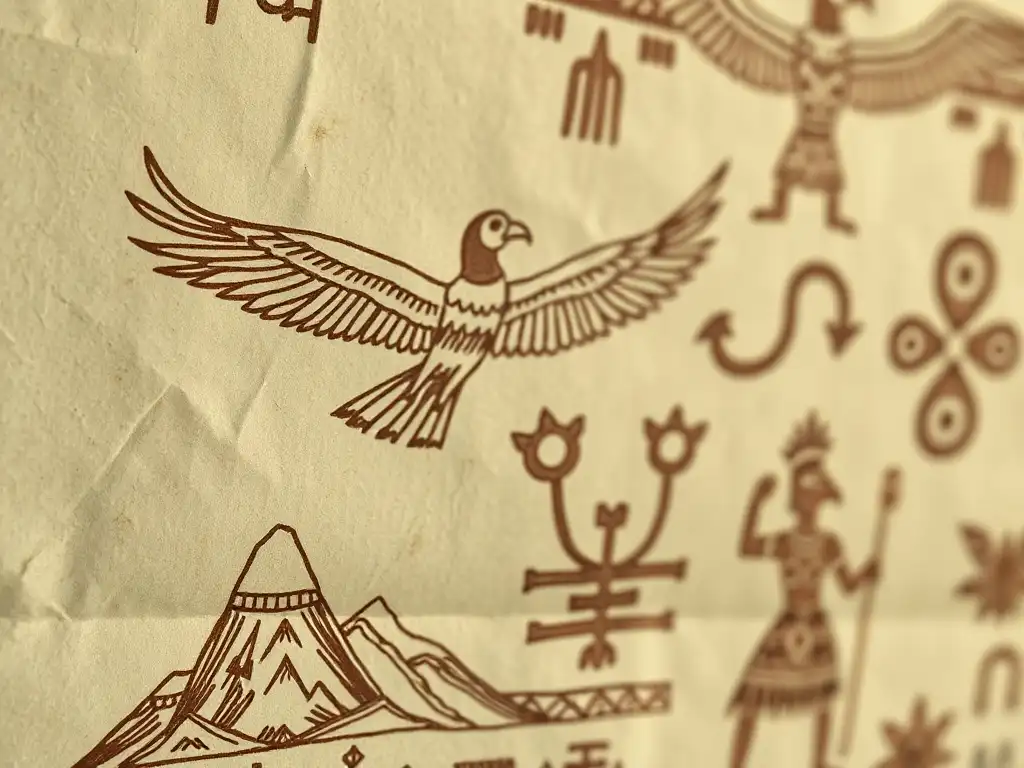
This section delves into the rich tapestry of symbolic meaning woven into Andean drawings, examining specific examples from different cultures to illuminate the diverse ways these societies expressed their worldview through visual art. Understanding Andean drawing symbolism requires careful consideration of context, material, and the specific cultural nuances of each civilization. We will explore the intricate details and layered meanings embedded within these visual narratives, revealing the sophisticated systems of belief and social organization reflected in their art.
This exploration will enhance our understanding of the complex relationship between Andean art and the societies that created it. The diversity of styles and motifs underscores the vibrant and evolving nature of Andean artistic expression, and its enduring power to communicate across millennia.
Moche Pottery Drawings: Depictions of Mythological Scenes
Moche pottery, renowned for its exquisite craftsmanship and vibrant depictions, offers a fascinating window into the mythology and worldview of this ancient Peruvian culture (c. 100-800 CE). Many examples showcase elaborate scenes featuring deities, mythical creatures, and ritualistic practices. The style is characterized by its dynamic composition, detailed figures, and the use of bold colors. Consider, for example, the frequent depiction of the Decapitated God, a recurring motif often interpreted as representing sacrifice, renewal, and the cyclical nature of life and death. These are not merely decorative elements; they are complex narratives reflecting cosmological beliefs and social structures.
The use of specific colors also holds symbolic weight. Red, for instance, is often associated with blood, sacrifice, and power, while yellow might represent the sun or gold, signifying wealth and divinity. The positioning of figures within the scene also contributes to the overall narrative, with central figures often holding greater importance or signifying a hierarchical relationship. Analyzing the spatial arrangement, color palette, and the specific actions of the figures allows for a deeper understanding of the narrative being conveyed.
Further research into specific pottery pieces and their iconographic details is necessary to fully explicate the nuanced meanings encoded within them. Detailed studies of individual pieces, comparing similar motifs across different vessels, could reveal further insights into the evolution of Moche mythology and artistic expression. The precise meaning of some symbols remains debated, highlighting the ongoing need for interdisciplinary collaboration between archaeologists, art historians, and anthropologists.
Nazca Lines: Geoglyphs and their Astronomical Alignments
The Nazca Lines, gigantic geoglyphs etched into the Peruvian desert (c. 500 BCE – 500 CE), represent a unique and enigmatic form of Andean drawing symbolism. These vast designs, ranging from simple lines to complex representations of animals, plants, and geometric shapes, have captivated researchers for decades. While their precise purpose remains a subject of ongoing debate, many scholars believe they served as a form of astronomical calendar or ritualistic landscape.
The alignment of some lines with celestial events, such as solstices and equinoxes, suggests a sophisticated understanding of astronomy and its relationship to agricultural cycles and religious practices. The sheer scale of the geoglyphs, visible only from the air, points to a level of planning and communal effort that speaks volumes about the social organization of the Nazca society.
The creation of these enormous works required immense precision and a deep understanding of the landscape. The meticulous execution of the lines, their precise curves and angles, demonstrate a highly developed artistic skill and a profound connection to their environment.
Analyzing the composition, scale, and astronomical alignments of these geoglyphs allows us to gain insights into the cosmological beliefs and social practices of the Nazca people. Further research into the materials used in creating the lines and the techniques employed could reveal even more information about the cultural and technological sophistication of this ancient civilization.
Tiahuanaco Textiles: Symbolic Weavings of Cosmic Order
The textiles produced by the Tiahuanaco culture (c. 500-1000 CE) are another striking example of Andean drawing symbolism. These intricately woven fabrics, often adorned with complex geometric patterns and stylized figures, are not merely functional garments; they are powerful symbolic representations of cosmic order and social hierarchy. The use of specific colors, such as red, white, and black, are believed to have had significant cosmological meaning, representing elements of the Andean worldview. The repetition of geometric motifs, such as stepped pyramids and stylized feline figures, further reinforces the connection between the textiles and the wider Tiahuanaco cosmology.
The technique of weaving itself can be viewed as a form of artistic expression, with the intricate patterns and textures reflecting a deep understanding of mathematical principles and spatial organization. The use of different materials, such as alpaca wool and cotton, might also have held symbolic significance, reflecting the social status of the wearer or the intended purpose of the textile.
Analyzing the intricate details of these textiles – the color combinations, the patterns, and the weaving techniques – allows us to gain a deeper understanding of the Tiahuanaco worldview and their sophisticated artistic skills. Further investigation into the social context of textile production and use would illuminate the role of these objects in the social and religious life of the Tiahuanaco people.
The enduring legacy of Tiahuanaco textiles is a testament to the enduring power of Andean artistic expression and its ability to communicate complex ideas across time and cultures. The study of Andean drawing symbolism, therefore, offers invaluable insights into the rich cultural heritage of the Andes.
The Role of Andean Drawing Symbolism in Daily Life and Rituals
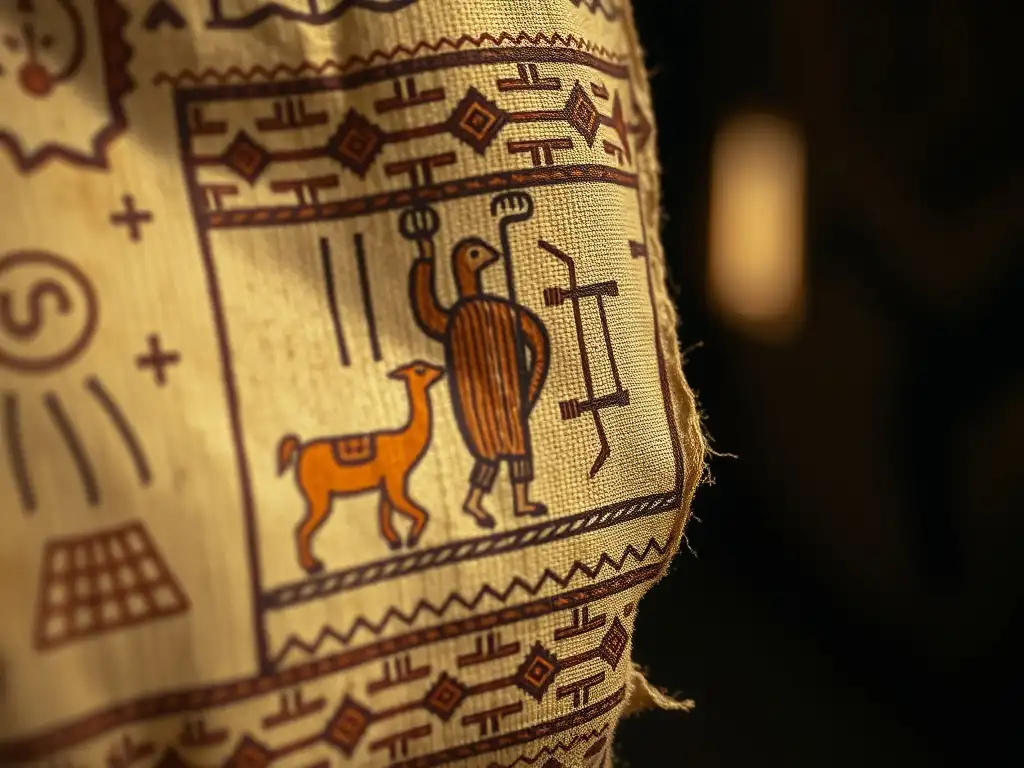
Andean drawing symbolism wasn't merely decorative; it played a vital role in the daily lives and religious practices of ancient Andean cultures. These drawings, found on textiles, pottery, and rock surfaces, served as a powerful form of communication, conveying complex ideas and beliefs across generations. Understanding their symbolism provides a crucial window into the worldview and social structures of these sophisticated societies.
The intricate details and recurring motifs suggest a deeply symbolic language, reflecting a profound connection to the natural world and the spiritual realm. The level of detail and consistency across different sites and time periods indicates a standardized system of meaning, though regional variations undoubtedly existed. Further research is needed to fully unravel the nuances of this complex system, but existing scholarship reveals intriguing insights.
Andean Drawings as a Form of Communication
Andean drawings served as a sophisticated form of visual communication, conveying information that might otherwise have been lost to time. Unlike written language, which was not universally employed across all Andean cultures, drawings transcended linguistic barriers. They acted as a shared visual vocabulary, facilitating communication between individuals and groups with differing spoken languages. This visual language was particularly important in contexts where oral transmission might have been unreliable or insufficient, such as conveying complex narratives or historical accounts.
For instance, depictions of agricultural cycles on textiles could serve as a calendar or a reminder of seasonal rituals. Similarly, drawings on pottery could indicate social status or clan affiliation. The use of standardized symbols ensured consistent interpretation, strengthening community bonds and facilitating social cohesion. The prevalence of specific motifs across various mediums further underscores the importance of this visual communication system.
Symbolism in Religious Practices and Beliefs
Religious beliefs heavily influenced Andean drawing symbolism. Many motifs directly relate to Andean cosmology, featuring representations of deities, spirits, and sacred animals. The recurring presence of certain animals, such as the condor, puma, and serpent, suggests their significance in Andean religious beliefs. These creatures often represented powerful forces of nature or spiritual entities, embodying concepts like power, fertility, and the underworld.
The careful placement and composition of these symbols within larger narratives, like those on textiles or ceramics, reveal a sophisticated understanding of religious iconography. For example, the depiction of a specific deity alongside agricultural symbols might suggest a connection between the deity and the harvest, highlighting the importance of divine intervention for agricultural success. The complexity of these interwoven symbols indicates a rich and nuanced religious worldview. Further study of these religious motifs can shed light on the beliefs and practices that shaped Andean societies.
Andean drawing symbolism also played a significant role in reflecting and reinforcing social hierarchies. Certain motifs, colors, and styles were associated with specific social groups or elites. The presence of particular symbols on textiles or pottery could indicate the wearer's or owner's social standing, clan affiliation, or relationship to power.
For instance, the use of specific colors, such as gold or certain shades of red, might denote royalty or elite status. The complexity of the designs and the level of detail could also indicate social status, with more intricate work signifying higher social rank. Analysis of these visual markers reveals a stratified society where social distinctions were visually encoded and reinforced through art.
The systematic use of these symbols suggests a deliberate effort to visually communicate and maintain social order. Detailed studies of burial sites and associated artifacts are crucial for further understanding the relationship between Andean drawing symbolism and social hierarchies. The interplay between symbolism and social structures remains a rich area for further research within the field of Andean drawing symbolism.
The Enduring Legacy of Andean Drawing Symbolism
The intricate and symbolic language of Andean drawings continues to resonate powerfully today, far beyond the ancient civilizations that created them. Their impact is multifaceted, influencing artistic expression, inspiring scholarly research, and informing our understanding of a rich cultural heritage. The enduring appeal of these drawings lies in their ability to transcend time and speak to universal human themes of spirituality, power, and the relationship between humanity and the natural world.
The vibrant colors, geometric patterns, and stylized representations of animals and deities found in Andean art provide a compelling window into the beliefs and practices of these societies. Understanding this symbolism is crucial to appreciating the depth and complexity of Andean culture. This enduring legacy is not just a matter of historical curiosity; it's a living connection to a past that continues to shape the present.
The Influence of Andean Art on Modern Artists
Andean drawing symbolism has profoundly impacted modern artistic movements, inspiring countless artists across various mediums. The bold geometric designs, the stylized depictions of animals and mythical creatures, and the vibrant color palettes characteristic of Andean art have found their way into contemporary paintings, sculptures, textiles, and even digital art. Artists are drawn to the inherent energy and spiritual depth embedded within these ancient forms.
For instance, the work of [Specific modern artist's name pending] showcases a direct influence, incorporating motifs like the stylized hummingbird or the geometric patterns frequently found in Nazca textiles into their own abstract compositions. The use of vibrant earth tones and the incorporation of symbolic elements often found in Andean ceramics can be seen in the works of [Another specific modern artist's name pending], demonstrating the continued relevance and appeal of these ancient artistic traditions. This cross-cultural exchange highlights the universal power of artistic expression and the enduring relevance of Andean drawing symbolism in a contemporary context.
The influence goes beyond direct imitation; it's a dialogue, a conversation between past and present artistic sensibilities. This enduring legacy ensures that the artistic vocabulary of the Andes continues to inspire and enrich artistic creation globally.
Preserving and Understanding Andean Cultural Heritage
The preservation and understanding of Andean drawing symbolism are vital for safeguarding a significant part of humanity's cultural heritage. Careful documentation, archaeological excavation, and ongoing research are crucial in this endeavor. Museums and research institutions play a pivotal role in this process, cataloging artifacts, conducting analyses, and making this knowledge accessible to scholars and the public. Furthermore, community involvement is paramount in preserving this cultural heritage.
Indigenous communities often hold vital knowledge about the meaning and significance of specific symbols, passed down through generations. Their participation in research and preservation efforts is essential for a complete and nuanced understanding of Andean drawing symbolism. Digital archiving initiatives are also playing an increasingly important role, allowing for broader access to high-quality images and detailed information about Andean artifacts, thereby facilitating research and education globally.
The challenge lies in balancing the need for preservation with the desire for accessibility and the ethical considerations of handling culturally sensitive materials. Striking this balance requires careful collaboration between researchers, institutions, and indigenous communities. By working together, we can ensure that the rich tapestry of Andean drawing symbolism remains vibrant and accessible for generations to come.
Further Research and Exploration of Andean Drawing Symbolism
Despite significant advancements in the field, much remains to be discovered and understood about Andean drawing symbolism. Further research is needed to fully decipher the complexities of these visual languages. Areas requiring further investigation include:
- The development of regional variations: A detailed comparative analysis of drawing styles and symbolism across different Andean cultures is crucial to understanding the diversity within this artistic tradition.
- The role of specific symbols: More in-depth research is needed to determine the precise meaning and significance of individual symbols and their combinations.
- The relationship between drawing and other art forms: Exploring the connections between drawing symbolism and other art forms, like textiles, ceramics, and metalwork, will provide a more holistic understanding of Andean artistic expression.
- The use of technology in analysis: Advanced imaging techniques and digital analysis can reveal hidden details and patterns in Andean drawings, contributing to a deeper understanding of their creation and meaning.
The ongoing exploration of Andean drawing symbolism promises to unveil even richer layers of meaning and significance, enriching our understanding of these remarkable civilizations and their enduring legacy. This continuous process of discovery reinforces the importance of preserving and promoting the study of Andean art and culture for future generations. The field awaits further investigation and collaborative efforts to unlock the secrets embedded within these ancient lines.
Frequently Asked Questions
What is the significance of Andean drawings?
Andean drawings are not merely decorative; they are a powerful form of communication. They convey complex religious beliefs, social structures, and historical events, offering invaluable insights into ancient Andean cultures.
How did Andean artists create their drawings?
Artists employed various techniques, including carving on stone, painting on pottery, and weaving into textiles. The materials used often held symbolic meaning themselves, further enriching the artwork's message.
What are some common symbols found in Andean drawings?
Common symbols include geometric shapes, animals, and anthropomorphic figures. The specific meaning of each symbol varied depending on the culture and context, but often related to fertility, power, or the cosmos.
How can I learn more about Andean drawing symbolism?
Further research into specific Andean cultures (Inca, Moche, Nazca, etc.) will reveal the nuances of their artistic styles and symbolic language. Academic journals and museum collections are excellent resources.
Why is understanding Andean drawing symbolism important?
Understanding these drawings provides critical context for interpreting the beliefs and practices of these ancient civilizations. It allows us to appreciate the complexity and sophistication of their worldview.
Final Reflection: Unraveling the Whispers of Andean Lines
The enduring power of Andean drawings lies not just in their aesthetic beauty, but in their capacity to bridge time and cultures, offering a profound glimpse into a rich and complex worldview. These intricate lines, etched onto textiles, pottery, and rock faces, continue to resonate today, speaking volumes about the enduring human need for symbolic expression and the interconnectedness of all things.
The exploration of Andean drawing symbolism has been a deeply enriching journey, revealing how seemingly simple lines can carry the weight of entire cosmologies. These images, passed down through generations, whisper tales of ancestral spirits, agricultural cycles, and the intricate relationship between humanity and the natural world. The art of a people is a mirror to their soul,
a sentiment that rings profoundly true when considering the emotional depth embedded within these ancient creations. Understanding these symbols allows us to connect with a past that continues to shape the present, fostering a deeper appreciation for the enduring legacy of Andean cultures.
Consider the lines you encounter in your own life – the strokes of a pen, the curves of a road, the patterns woven into the fabric of your daily existence. What stories do they tell? What meanings do they hold? I invite you to look beyond the surface, to seek the deeper narratives hidden within the lines that surround you, and to find your own way to express the rich tapestry of your own experiences. Let the whispers of the Andes inspire you to discover the power of symbolic expression in your own life.
Unlock the Secrets of Andean Drawings Today!
Thank you for exploring the fascinating world of Andean drawings with us! You've discovered the rich symbolic meanings and cultural stories embedded within these captivating art forms. Now, let's delve even deeper!
Here are some ways to further explore and apply your newfound knowledge:
- **Join our community:** Connect with other enthusiasts by subscribing to our newsletter at andeancivilizations.com for the latest news and discussions on Andean art.
- **Expand your knowledge:** Explore our additional resources, including workshops and cultural exhibitions celebrating Andean heritage, to further your understanding of the topics discussed.
- **Share your insights:** Share your interpretation of a symbolic Andean drawing on social media and tag us! Let's celebrate and spread appreciation for Andean culture together.
Which symbolic drawing resonates most with you, and how do you believe it reflects the broader Andean worldview?