
The Role of Inca Allies: Indigenous Groups Who Fought Alongside the Spanish

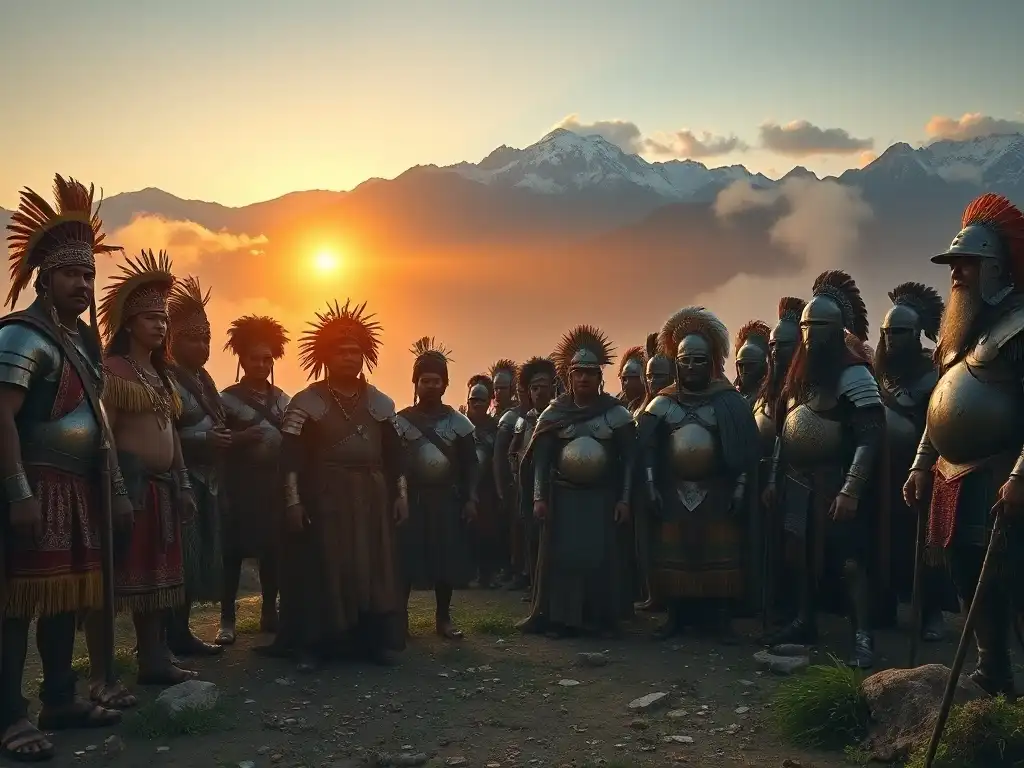
Uncover the hidden truths behind one of history's most dramatic events. Did you know that the Spanish conquest wasn't solely a tale of brutal dominance? The Inca allies in the Spanish conquest played a pivotal, and often overlooked, role in shaping the fate of the Andes. Prepare to delve into a complex narrative of betrayal, ambition, and survival as we explore the surprising alliances that shattered the mighty Inca Empire. Discover the untold stories of those who chose sides—and the lasting consequences that echo even today.
-
Inca Allies in the Spanish Conquest: Indigenous Groups Who Fought Alongside the Spanish
- Understanding the Complex Alliances of the Spanish Conquest
- The Political Landscape Before the Arrival of the Spanish
- The Arrival of the Spanish and the Formation of Alliances
- Key Indigenous Allies of the Spanish
- The Impact of Indigenous Alliances on the Conquest
- The Aftermath of the Conquest for Inca Allies
- Legacy of the Inca Allies: A Complex Historical Narrative
- Conclusion: The Crucial Role of Inca Allies in the Spanish Conquest
-
Frequently Asked Questions
- What role did indigenous groups play in the Spanish conquest of the Inca Empire?
- Were all indigenous groups allied with the Spanish?
- Which indigenous groups were most significant allies of the Spanish?
- What motivated indigenous groups to ally with the Spanish?
- How did the alliances between the Spanish and indigenous groups affect the post-conquest period?
- Final Reflection: Reframing the Conquest: The Untold Stories of Inca Allies
- Unveiling the Impact of Indigenous Collaboration in the Conquest of the Inca Empire
Inca Allies in the Spanish Conquest: Indigenous Groups Who Fought Alongside the Spanish
The Spanish conquest of the Inca Empire wasn't a straightforward military campaign; it was a complex tapestry woven with threads of betrayal, strategic alliances, and simmering resentments. While the Spanish conquistadors possessed superior weaponry and military tactics, their success hinged significantly on exploiting existing tensions and forging alliances with indigenous groups who harbored grievances against Inca rule.
This article delves into the crucial role played by these Inca allies, exploring the political landscape that facilitated their collaboration with the Spanish and examining the diverse motivations behind their choices. Understanding these complex alliances is essential to grasping the true dynamics of the Inca Empire's fall and the subsequent colonization of the Andes.
We will explore the key indigenous groups who sided with the Spanish and analyze the lasting consequences of their actions on the region's history and culture. The keyword "Inca allies in the Spanish conquest" will be explored throughout this text and its synonyms, variations and related terms will be used to optimize SEO.
Understanding the Complex Alliances of the Spanish Conquest
The Spanish conquest of the Inca Empire wasn't a simple story of a superior force overpowering a weaker one. The Spanish victory was significantly aided by the internal weaknesses of the Inca Empire itself, including existing tensions and rebellions among conquered populations. Many indigenous groups, subjugated by the Inca, saw the arrival of the Spanish as an opportunity to overthrow their oppressors and gain independence. This opportunistic alliance proved decisive, providing the Spanish with crucial manpower, logistical support, and invaluable knowledge of the terrain and Inca strategies.
The alliances were not always stable, shifting based on the changing dynamics of the conflict and the promises made by the Spanish. This dynamic, shifting landscape of alliances drastically altered the course of the conquest. The motivations behind these alliances were multifaceted and ranged from seeking revenge against the Inca to the pursuit of political and economic gain.
The Political Landscape Before the Arrival of the Spanish
Before the arrival of Pizarro, the Inca Empire, while vast and powerful, was far from unified or stable. Decades of expansion had created a complex web of relationships, encompassing both loyal subjects and resentful conquered peoples. This internal fragility provided fertile ground for the Spanish to exploit and sow discord among the indigenous population. The Inca system of governance, while effective in many ways, also created vulnerabilities that the Spanish were quick to capitalize upon.
The Inca Empire's Expansion and Resulting Resentments
The Inca Empire's rapid expansion under emperors like Huayna Capac and Huáscar led to the incorporation of numerous diverse ethnic groups. While the Inca implemented a sophisticated system of administration and infrastructure, they also imposed their culture and religion, often suppressing local traditions and customs. This imposed assimilation fueled resentment and resistance among many conquered groups.
The Inca system of mita, a form of mandatory labor, further exacerbated these tensions, leading to widespread discontent. The forceful relocation of populations and the destruction of sacred sites also contributed to the growing unrest that would later aid the Spanish. The brutality of Inca rule, while often overlooked in discussions of the conquest, played a significant role in shaping alliances against them.
Indigenous Groups Under Inca Rule: A Source of Instability
Numerous indigenous groups chafed under Inca rule. The Cañaris, for example, in the southern highlands, had a long history of resistance against Inca expansion. Similarly, groups in the Amazon basin and along the coast maintained a degree of independence or actively rebelled against Inca authority. These existing tensions, combined with the promise of freedom and potential benefits from allying with the Spanish, created a potent cocktail that allowed the conquistadors to dramatically outnumber their Inca opponents in key battles.
The strategic alliances forged with these groups provided the Spanish with crucial intelligence, guides, and soldiers, ultimately proving decisive in their conquest of the Inca Empire. The extent and nature of these alliances varied, however, highlighting the complexities of the situation and the diverse motivations of those who chose to side with the Spanish. Further research is needed to fully understand the nuances of each group's involvement.
The Arrival of the Spanish and the Formation of Alliances
The arrival of the Spanish conquistadors in the Andes in the early 16th century marked a turning point in the history of the Inca Empire. The initial Spanish forces were relatively small, yet their superior weaponry and strategic alliances with indigenous groups proved decisive in their conquest. The Incas, while possessing a vast and well-organized empire, were not without internal weaknesses.
Decades of warfare and expansion had created resentment among conquered populations, fueling discontent and laying the groundwork for alliances with the Spanish. This wasn't a simple case of wholesale betrayal; it was a complex tapestry of shifting allegiances, driven by a multitude of factors, including political ambitions, economic incentives, and the desire for liberation from Inca rule.
The Spanish skillfully exploited these pre-existing tensions, strategically forging alliances that ultimately tipped the scales in their favor. The Spanish conquest wasn't solely a military endeavor; it was a political and social maneuver, strategically leveraging existing power dynamics within the Andean region.
Exploiting Existing Tensions: Spanish Strategies for Recruitment
The Spanish conquest of the Inca Empire wasn't just a matter of superior weaponry; it was a masterclass in strategic manipulation. The conquistadors understood the importance of exploiting existing tensions and grievances within the Inca Empire. They actively sought out indigenous groups who had suffered under Inca rule, promising them freedom, autonomy, and even potential rewards in exchange for their assistance.
This recruitment strategy was particularly effective among groups who had recently been conquered or subjected to harsh Inca policies. The Spanish often exaggerated their own power and capabilities, painting a picture of imminent liberation and a brighter future under their rule. Promises of wealth, land, and social advancement further incentivized collaboration, effectively turning internal conflicts into powerful weapons against the Inca Empire.
This strategy highlights the crucial role of political maneuvering and propaganda in the Spanish conquest. The Spanish weren't just fighting a war; they were waging a psychological and political campaign to divide and conquer.
The Role of Dissatisfied Indigenous Groups in the Fall of the Inca Empire
The downfall of the Inca Empire wasn't solely due to Spanish military might; it was significantly accelerated by the active participation of various indigenous groups who harbored resentment towards Inca rule. These groups, often subjected to forced labor, heavy taxation, and cultural suppression, saw the arrival of the Spanish as an opportunity for liberation. Their knowledge of the terrain, Inca military strategies, and internal weaknesses proved invaluable to the Spanish.
These alliances weren't always based on unwavering loyalty; shifting allegiances and opportunistic betrayals were common, reflecting the complex political landscape of the time. The sheer number of indigenous fighters who joined the Spanish significantly outnumbered the conquistadors themselves, demonstrating the crucial role of these alliances in the conquest's success. The Inca Empire's vastness and internal divisions, coupled with the strategic exploitation of these dissatisfactions, proved to be a devastating combination.
Key Indigenous Allies of the Spanish
The Spanish conquest of the Inca Empire hinged on the crucial support of several key indigenous groups who actively fought alongside them. These alliances, born out of a complex interplay of grievances, strategic calculations, and promises of a better future, proved decisive in the eventual downfall of the Inca Empire. The scale of indigenous participation significantly outweighed the number of Spanish soldiers, highlighting the critical role of these alliances in the conquest's success. Understanding these alliances provides a crucial perspective on the complexities of the conquest, moving beyond a simplistic narrative of Spanish dominance.
The Cañari: A Powerful Force Against the Incas
The Cañari, a powerful indigenous group inhabiting the southern highlands of present-day Ecuador, were among the most significant allies of the Spanish. Known for their fierce resistance to Inca rule, they provided invaluable military support during the conquest. Their knowledge of the terrain and their fighting prowess proved instrumental in several key battles.
The Cañari's resentment towards Inca domination stemmed from their long history of resistance to Inca expansion. Their collaboration with the Spanish wasn't simply opportunistic; it was fueled by a deep-seated desire for liberation from Inca oppression. The Cañari's contribution highlights the importance of understanding the diverse motivations and experiences of indigenous groups during the Spanish conquest.
The Chachapoya: Fierce Warriors Against Inca Domination
The Chachapoya, inhabiting the cloud forests of northern Peru, were another significant ally of the Spanish. Renowned for their exceptional fighting skills and knowledge of their mountainous homeland, they played a crucial role in the conquest. Their resistance to Inca expansion had been long and arduous, fostering a deep-seated desire for independence.
The Spanish alliance offered them a path to freedom from Inca subjugation. The Chachapoya's participation underscores the multifaceted nature of the alliances forged during the Spanish conquest, demonstrating that the Spanish success was not solely due to their own military prowess but also a consequence of strategic alliances with indigenous groups who sought liberation from Inca rule. Their contribution, often overlooked, significantly impacted the outcome of the conquest.
Other Notable Indigenous Groups
Beyond the Cañari and the Chachapoya, numerous other indigenous groups played significant roles in assisting the Spanish during the conquest. These included groups from various regions of the Inca Empire, each with their own unique motivations and contributions. While detailed accounts of all these groups are still being researched and compiled, it’s clear that the Spanish conquest was a collaborative effort, significantly aided by the participation of diverse indigenous populations.
Further research is needed to fully understand the roles played by these other groups and to accurately assess their individual contributions to the Spanish victory. The complexity of these alliances and their impact on the fall of the Inca Empire requires further investigation. Understanding these diverse contributions enriches our understanding of this crucial period in Andean history.
The Impact of Indigenous Alliances on the Conquest
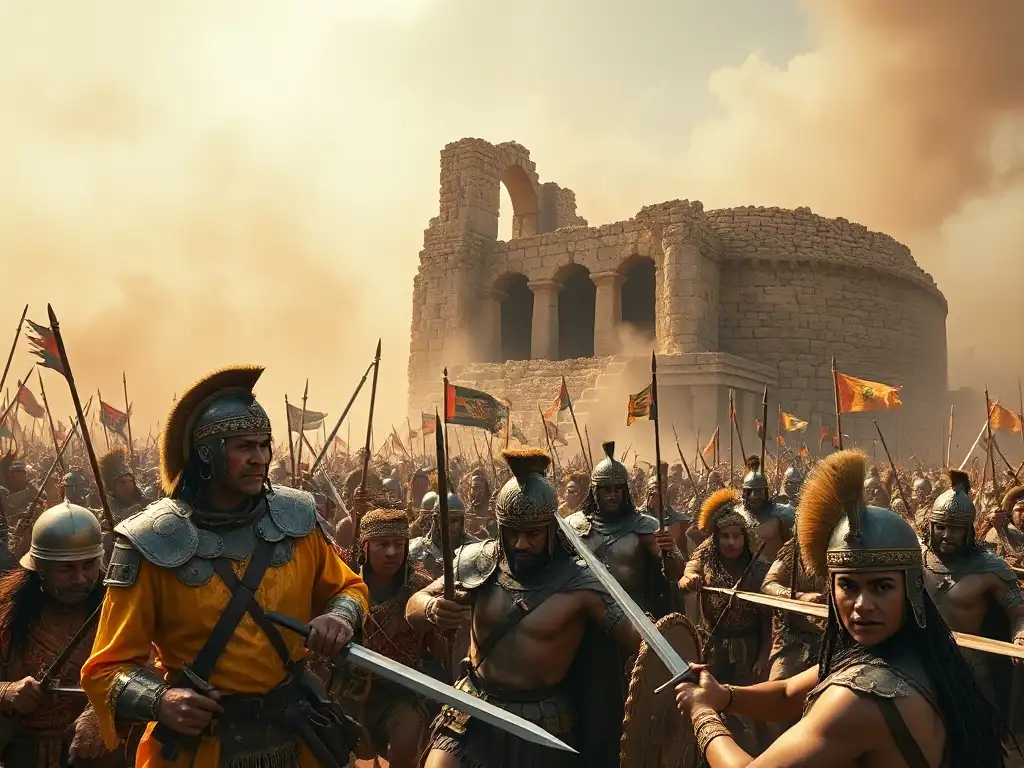
The Spanish conquest of the Inca Empire was not a straightforward military campaign; it was significantly shaped by the alliances forged with various indigenous groups. These alliances, born from a complex interplay of factors including existing inter-tribal rivalries, resentment towards Inca rule, and the promise of rewards from the Spanish, dramatically altered the balance of power. The sheer number of indigenous warriors fighting alongside Pizarro and his men cannot be understated.
Estimates vary, but it's clear that the Spanish army was consistently augmented by significant contingents of native troops, sometimes exceeding the number of Spanish soldiers themselves. This influx of manpower proved crucial in overcoming Inca resistance, particularly during sieges and large-scale battles. Without these alliances, the Spanish conquest would have undoubtedly been a far more protracted and uncertain endeavor.
The strategic knowledge provided by these allies, familiar with the terrain, Inca military tactics, and internal weaknesses of the empire, proved invaluable to the Spanish. Their expertise in navigating the Andes Mountains and understanding local resources gave the Spanish a distinct advantage.
Shifting the Balance of Power: The Importance of Native Allies
The involvement of indigenous allies fundamentally shifted the balance of power in favor of the Spanish. The Inca Empire, while vast and powerful, was not monolithic. Internal conflicts and rivalries between different ethnic groups and regions simmered beneath the surface of imperial control. Many groups chafed under Inca rule, viewing it as oppressive and exploitative.
The Spanish shrewdly exploited these tensions, offering alliances and promises of freedom and autonomy in exchange for military support. This strategy proved incredibly effective, as groups like the Cañaris, Huancas, and Chachapoyas, who had long been subjected to Inca domination, eagerly joined the Spanish forces. Their participation not only provided crucial manpower but also weakened the Inca’s capacity to effectively resist the invaders. The strategic importance of these alliances is evident in key battles, where the combined strength of Spanish and indigenous forces overwhelmed Inca armies.
The Consequences of Indigenous Participation in the Conflict
The consequences of indigenous participation in the conquest were far-reaching and devastating. While some groups initially benefited from their alliances with the Spanish, receiving land and privileges, the long-term effects proved largely negative. The involvement in the conflict often led to internal strife and further fragmentation of indigenous societies.
Alliances were often betrayed by the Spanish, and the indigenous groups who had fought alongside them found themselves ultimately subjected to the same exploitation and oppression as those who had resisted. The devastating impact of disease, introduced by the Spanish, further weakened already vulnerable populations, compounding the destruction wrought by war. The shift in power dynamics also led to the disruption of traditional social structures and economic systems, causing widespread suffering and displacement.
The Aftermath of the Conquest for Inca Allies
The aftermath of the conquest was a period of profound upheaval and transformation for the Inca allies. The initial promises of reward and autonomy made by the Spanish often proved hollow. Many indigenous groups, despite their contributions to the conquest, experienced a decline in their status and influence under the new colonial regime. The Spanish colonial administration, far from rewarding its allies, often implemented policies that marginalized and exploited them.
This betrayal sowed seeds of discontent and resentment, leading to future uprisings and resistance movements. The economic and social consequences were severe, with many indigenous communities losing their land and traditional ways of life. The introduction of new labor systems, such as the encomienda system, forced many into servitude, perpetuating cycles of poverty and oppression.
The Spanish Betrayal of Promises to Native Allies
The Spanish conquest was characterized by a pattern of broken promises and betrayals directed towards their indigenous allies. While initially offering incentives such as land, wealth, and autonomy in exchange for military support, the Spanish consistently failed to uphold their agreements. After the fall of the Inca Empire, many allied groups found themselves subjected to the same forms of exploitation and oppression as those who had resisted the Spanish.
The encomienda system, for example, often enslaved indigenous populations, regardless of their previous alliances. This breach of trust led to widespread disillusionment and resentment amongst the native allies, fueling future resistance movements and contributing to the instability of the Spanish colonial regime. The Spanish disregard for their commitments underscores the cynical nature of their conquest strategy and highlights the devastating consequences of prioritizing short-term gains over long-term stability.
The Long-Term Impact of the Conquest on Indigenous Groups
The long-term impact of the Spanish conquest, exacerbated by the actions of indigenous allies, had a profound and lasting effect on the Andean region. The demographic collapse resulting from disease, warfare, and forced labor drastically altered the population landscape. Traditional social structures were shattered, and indigenous cultures were suppressed under the weight of Spanish colonialism.
The introduction of new religious beliefs and economic systems fundamentally reshaped Andean societies. The legacy of the conquest continues to be felt today, with many indigenous communities still grappling with the consequences of this historical trauma.
The enduring impact on language, social organization, and cultural practices is a stark reminder of the profound and long-lasting changes brought about by this pivotal period in Andean history. The complexities of the alliances formed during the conquest, and their subsequent betrayal, remain a crucial aspect of understanding the fall of the Inca Empire and the enduring legacy of colonialism in the Andes.
Legacy of the Inca Allies: A Complex Historical Narrative
The legacy of the Inca allies in the Spanish conquest is a multifaceted and often uncomfortable aspect of Andean history. While their contributions undeniably facilitated the Spanish victory, understanding their motivations and the long-term consequences requires careful consideration. Many groups, subjugated under Inca rule, saw the Spanish arrival as an opportunity for liberation and revenge.
This doesn't excuse the violence and devastation that followed, but it provides crucial context. The narrative often simplifies their roles, painting them as mere pawns in a larger game. However, a deeper examination reveals the agency and complex decision-making processes of these indigenous groups.
Their actions were driven by a variety of factors, including resentment towards Inca rule, the promise of alliances with the Spanish, and the desire for access to resources and power. The consequences, however, were far-reaching and devastating, reshaping the political and social landscape of the Andes for centuries. The alliances forged during the conquest had lasting impacts, influencing the colonial structure and power dynamics in the region.
Re-evaluating the Role of Indigenous Groups in the Fall of the Inca Empire
Traditional narratives of the Inca conquest often downplay or ignore the significant role played by indigenous groups who sided with the Spanish. These accounts frequently focus on the military prowess of the conquistadors and the internal weaknesses of the Inca Empire, overlooking the crucial contribution of indigenous allies. This re-evaluation necessitates a shift in perspective, acknowledging the agency and strategic choices of these groups.
It's important to move beyond a simplistic narrative of betrayal and instead explore the complex motivations and calculations that led to these alliances. For instance, some groups had long-standing grievances against the Inca, seeing the Spanish as a potential means of resolving these conflicts and gaining independence. Others may have been swayed by promises of material rewards, political advantage, or religious conversion.
By understanding the diverse motivations of these groups, we can develop a more nuanced and accurate understanding of the Inca conquest. This revised narrative must also acknowledge the devastating consequences for these groups, even if their initial actions were motivated by self-preservation or ambition.
Acknowledging the Agency of Indigenous Actors in the Conquest
The Spanish conquest of the Inca Empire was not solely a clash between two distinct entities – the Spanish and the Inca. It was a complex, multi-sided conflict involving numerous indigenous groups, each with its own motivations, strategies, and interests. To understand the conquest fully, it is crucial to acknowledge the agency of these indigenous actors. They were not simply passive participants but active agents who shaped the course of events through their alliances, betrayals, and resistance.
Their actions, often overlooked in traditional accounts, played a pivotal role in the outcome of the conquest. For example, the Cañari, a powerful group in southern Ecuador, actively resisted Inca rule for decades before ultimately allying with the Spanish. Their knowledge of the terrain and their military skills proved invaluable to the conquistadors. Similarly, various groups in the northern Andes strategically used alliances with the Spanish to advance their own political agendas.
Failing to recognize the agency of these indigenous actors leads to an incomplete and inaccurate understanding of this crucial period in Andean history. Their participation, both supportive and resistive, fundamentally shaped the trajectory of the conquest and its aftermath. Therefore, any comprehensive analysis must prioritize their voices and perspectives.
Conclusion: The Crucial Role of Inca Allies in the Spanish Conquest
The role of Inca allies in the Spanish conquest cannot be overstated. Their participation, while often overlooked or minimized, proved absolutely crucial to the Spanish victory. These indigenous groups, driven by a complex array of motivations – from resentment towards Inca rule to the pursuit of self-interest and the promise of alliances – provided the conquistadors with invaluable assistance, including military support, logistical aid, and crucial knowledge of the terrain and Inca defenses.
The Spanish would have faced significantly greater challenges, perhaps insurmountable ones, without the support of these allies. Therefore, understanding the contributions of these groups is essential for a complete and accurate understanding of the fall of the Inca Empire.
This understanding necessitates a nuanced and critical approach, acknowledging both the agency of these groups and the devastating long-term consequences of their choices for the Andean region. The Spanish conquest was not a simple binary conflict, but a complex interplay of forces, and the indigenous allies were key players in this intricate historical drama.
Frequently Asked Questions
What role did indigenous groups play in the Spanish conquest of the Inca Empire?
Many indigenous groups, resentful of Inca rule and oppression, allied with the Spanish conquistadors. This provided crucial military support, significantly aiding the Spanish in their conquest. Their knowledge of the terrain and Inca weaknesses was invaluable.
Were all indigenous groups allied with the Spanish?
No, many indigenous groups fiercely resisted the Spanish conquest, often fighting alongside the Inca. Resistance varied greatly depending on historical grievances and the specific circumstances of each group. Some successfully maintained independence.
Which indigenous groups were most significant allies of the Spanish?
Among the most important allies were the Cañari, the huancas, and various groups from the Amazonian lowlands. These groups provided crucial manpower and logistical support, significantly impacting the outcome of battles.
What motivated indigenous groups to ally with the Spanish?
Motivations were complex and varied but often involved a desire to overthrow Inca dominance, gain access to resources controlled by the Inca, or seek revenge for past injustices. The promise of rewards from the Spanish also played a significant role.
How did the alliances between the Spanish and indigenous groups affect the post-conquest period?
These alliances shaped the political landscape of the post-conquest Andes, creating new power structures and social hierarchies. The collaborations also impacted the spread of disease and cultural transformation throughout the region.
Final Reflection: Reframing the Conquest: The Untold Stories of Inca Allies
The Spanish conquest of the Inca Empire was not a monolithic event; it was a complex tapestry woven from alliances, betrayals, and the shifting sands of indigenous power dynamics. Understanding the role of indigenous groups who fought alongside the conquistadors is crucial to a more accurate and nuanced understanding of this pivotal moment in history. Ignoring their agency perpetuates a simplified narrative that obscures the realities of the time.
The impact of these alliances continues to resonate today, shaping our understanding of colonialism and its lasting legacy. Their participation, often driven by complex motivations ranging from strategic advantage to survival, challenges the traditional narrative of a purely Spanish victory. History is not merely what happened, but what is remembered, and how it is remembered.
This quote highlights the importance of uncovering these often-overlooked stories and re-evaluating the established historical accounts. By acknowledging the agency of these groups, we can gain a deeper appreciation for the complexities of the conquest and its enduring consequences.
Consider the implications of this revised narrative. How does recognizing the agency of Inca allies change your understanding of the conquest? You are invited to delve deeper into this history, to seek out the untold stories, and to challenge the simplistic narratives that often dominate our understanding of the past. By engaging with this complex history, we can foster a more accurate and empathetic understanding of the past, and, in doing so, contribute to a more just and equitable future.
Unveiling the Impact of Indigenous Collaboration in the Conquest of the Inca Empire
Thank you for exploring the fascinating and complex history of the Inca Empire and the crucial role indigenous groups played alongside the Spanish conquistadors. Your investigation has undoubtedly revealed the intricate web of alliances that significantly shaped the outcome of the conquest and our understanding of these remarkable cultures. Now, let's delve deeper!
- Engage with local history: Visit a museum or cultural center dedicated to Andean history to examine artifacts and learn more about the diverse indigenous populations and their interactions with the Spanish.
- Share your insights: Discuss your findings with friends, family, or online communities to foster conversations about the importance of understanding diverse perspectives in historical narratives. Consider the complexities of the alliances formed during this period and how they continue to shape our understanding today.
- Explore further: Expand your knowledge by consulting documentaries, academic books, and reputable online resources focusing on Andean civilizations and the multifaceted dynamics of their relationships with the Spanish colonizers.
What aspect of indigenous collaboration during the Spanish conquest most challenged your preconceived notions of this historical period?