
Inca Urban Planning: Layout and Function of Imperial Cities

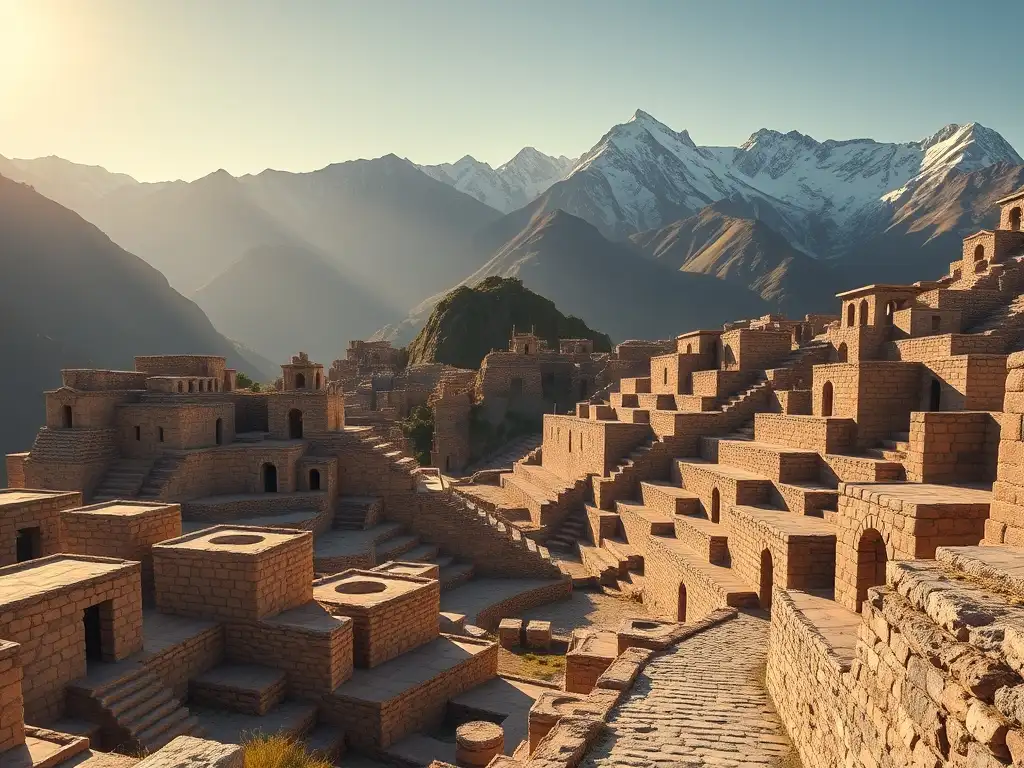
Unravel the mysteries of the Andes! Prepare to be captivated by the ingenuity and grandeur of ancient Andean civilizations. From the intricate artistry of the Nazca Lines to the sophisticated agricultural techniques of the Moche, this journey through time reveals a world of breathtaking achievements.
But did you know the Incas were masters of urban planning? Discover the secrets behind their remarkable Inca city planning examples, and explore the intricate layout and function of their imperial cities – a testament to a civilization far ahead of its time. Begin your exploration now, and witness the enduring legacy of the Andes.
The Inca Empire, a civilization that flourished in the Andes Mountains from the 15th to the 16th centuries, left behind a remarkable legacy of sophisticated urban planning. Unlike many other ancient societies, Inca city design wasn't haphazard; it was meticulously planned, reflecting a complex understanding of social organization, resource management, and spiritual beliefs.
This article delves into the fascinating world of Inca urbanism, exploring the layout and function of their imperial cities, providing concrete examples that illustrate the ingenuity and precision of their city planning. We'll examine the principles that guided their urban development and showcase specific features that demonstrate their advanced understanding of urban design, directly addressing the keyword "Inca city planning examples" and exploring the various ways the Inca Empire implemented these strategies across its vast territory.
Understanding Inca city planning offers valuable insights into the intricate workings of this remarkable civilization and its lasting impact on Andean culture.
The Foundations of Inca City Design
Inca city planning wasn't solely driven by aesthetics; it served practical and symbolic purposes. The foundation of Inca urban design was the kancha, a residential unit typically housing an extended family. These kanchas were organized in a grid-like pattern, creating a highly structured urban layout.
This grid system, often aligned with cardinal directions, facilitated efficient movement and resource distribution within the city. Furthermore, the placement of buildings was not random; it reflected social hierarchy and the importance of specific functions. Temples, palaces, and administrative buildings occupied prominent positions, while residential areas were organized according to social status.
The integration of agricultural terraces into the urban landscape further demonstrates the Inca's holistic approach to city planning, seamlessly blending urban and agricultural spaces. This efficient use of space maximized agricultural output while also providing a visually striking landscape. Specific examples, such as the integration of water channels for irrigation and sanitation within the city grid, show the advanced level of urban engineering achieved by the Inca.
Inca Urbanism: Principles and Key Features
Several key principles guided Inca urban planning. The concept of ayllu, the communal organization of society, heavily influenced the city's structure. The grid-like layout, with its interconnected streets and pathways, facilitated both social interaction and efficient resource distribution amongst the ayllu members. The use of standardized building techniques and materials ensured uniformity and facilitated rapid construction.
Stone masonry, a hallmark of Inca architecture, is a prime example of this standardization. The precise cutting and fitting of stones, without the use of mortar, is a testament to the Inca's engineering prowess and their dedication to creating durable and aesthetically pleasing structures. Moreover, the incorporation of defensive features, such as strategically placed fortifications and watchtowers, highlights the importance of security in Inca city planning. Examples of such fortifications can be found in many Inca cities, emphasizing the interconnectedness of urban design and military strategy.
The careful consideration given to water management, including sophisticated irrigation systems and water fountains, further underscores the sophisticated nature of Inca urban planning. These elements not only provided essential resources but also contributed to the overall aesthetic appeal and functionality of the cities. The integration of religious structures and ceremonial spaces within the urban fabric also served to reinforce the Inca worldview and the importance of religious beliefs in their daily lives. The placement of temples and sacred sites at central locations in many Inca cities is a clear example of the significant role religion played in shaping their urban landscapes.
Planning Principles in Inca Cities
Inca city planning wasn't haphazard; it followed specific principles reflecting their sophisticated understanding of urban design and societal needs. A key principle was symmetry, often evident in the layout of plazas and buildings around central axes. This wasn't merely aesthetic; symmetry likely symbolized balance and harmony, core Inca values. Another crucial element was the integration of urban spaces with the surrounding natural environment.
Inca cities weren't isolated entities but seamlessly blended with the landscape, utilizing natural features like rivers and mountains to their advantage. This is clearly seen in the strategic placement of buildings and agricultural terraces. Furthermore, the cities were designed with practicality in mind. Efficient water management systems, intricate road networks, and well-defined residential areas all contributed to the functionality of Inca urban centers.
The placement of key structures like temples and palaces also reflected a hierarchical social structure, emphasizing the power of the Inca elite. This meticulous planning ensured efficient resource distribution and social order, crucial elements for maintaining a vast empire. The principles weren't rigid, however; adaptations were made based on the specific topography and resources available at each location.
The Significance of Sacred Geography in Inca Urban Design
Inca urban design wasn't solely a practical endeavor; it was deeply intertwined with their cosmology and beliefs. Sacred geography played a pivotal role, with cities often strategically located based on astronomical alignments and the perceived spiritual significance of the landscape. Mountains, rivers, and other natural features weren't just geographical elements; they held profound spiritual meaning and were incorporated into the urban fabric to reflect this.
For example, the placement of temples and other important structures often aligned with celestial events, such as solstices and equinoxes. This suggests a sophisticated understanding of astronomy and its integration into urban planning. Furthermore, the use of specific stones and materials in construction often carried symbolic weight, further reinforcing the sacred nature of the urban environment.
The integration of sacred sites within the city itself, like shrines and ceremonial plazas, served to reinforce the Inca worldview and maintain social order. The city wasn't simply a place of residence; it was a living reflection of their cosmological beliefs, where the earthly and spiritual realms intertwined.
Inca City Planning Examples: Case Studies
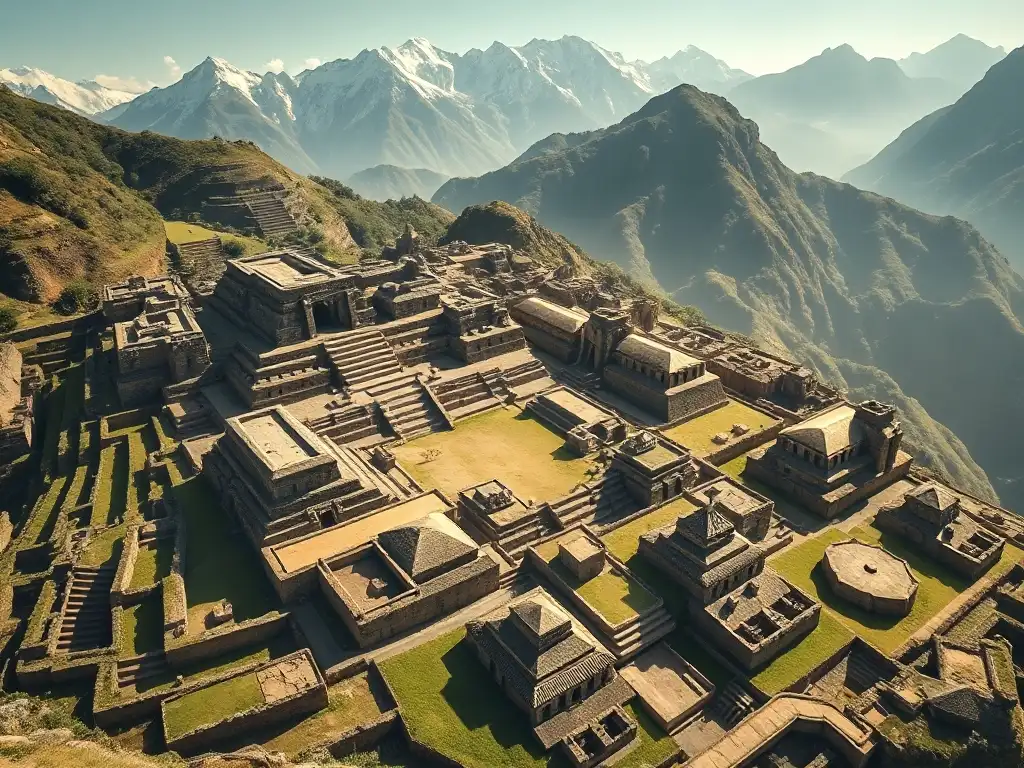
Several Inca cities showcase their remarkable urban planning skills. These examples highlight the diversity of their approach, adapting their principles to the specific geographical context and intended function of each city. Analyzing these case studies reveals the ingenuity and sophistication of Inca urban design, underscoring their advanced understanding of engineering, social organization, and cosmology. The following examples illustrate the key features of Inca city planning and the variations within their approach.
Cusco: The Heart of the Inca Empire and its Urban Layout
Cusco, the capital of the Inca Empire, exemplifies the pinnacle of Inca urban planning. Its layout, characterized by a grid pattern superimposed on the uneven terrain, demonstrates remarkable engineering prowess. The city's central plaza, the Plaza de Armas, served as the hub of political and religious life.
Important buildings, including the Qorikancha (Temple of the Sun), were strategically placed around this central point, reflecting the hierarchical structure of Inca society. The city's intricate network of streets and pathways facilitated efficient movement and communication within the urban area. The integration of water channels and irrigation systems further ensured the city's functionality.
Cusco’s design highlights the Inca ability to seamlessly blend urban development with the natural landscape, adapting to the challenging topography while maintaining a sense of order and symmetry. The use of stone, meticulously cut and fitted, showcases their advanced architectural skills. Cusco’s enduring legacy serves as a testament to the sophistication of Inca urban planning.
Machu Picchu: A Royal Estate and its Strategic Design
Machu Picchu, often referred to as the "Lost City of the Incas," presents a different facet of Inca urban planning. Unlike Cusco, Machu Picchu wasn't a large urban center but rather a royal estate, strategically located in the Andes Mountains for both defense and agricultural purposes. Its design incorporates the surrounding landscape, with terraces carved into the mountainside for agriculture. The city's layout, while not strictly symmetrical like Cusco, demonstrates a careful consideration of functionality and defense.
The placement of buildings, including the royal residences and temples, reflects a hierarchical social structure. Machu Picchu's strategic location and innovative agricultural techniques showcase the Inca’s adaptability and mastery of engineering in diverse environments. Its secluded location and defensive features also suggest a focus on security and control.
Ollantaytambo: A Fortified City with Agricultural Terraces
Ollantaytambo stands as a prime example of an Inca fortified city, strategically situated in a narrow valley. Its impressive agricultural terraces, carved into the mountainside, provided a reliable food source and served as a defensive feature. The city's layout is characterized by a series of interconnected plazas and buildings, reflecting its function as both a military stronghold and an agricultural center.
The massive stonework and defensive structures demonstrate the Inca's advanced engineering and military capabilities. The integration of agricultural terraces into the urban design highlights the close relationship between urban planning and food production in Inca society. The city's strategic location and defensive features underscore the importance of security and resource management in Inca urban planning.
Other Notable Examples of Inca Urban Planning
Beyond Cusco, Machu Picchu, and Ollantaytambo, numerous other Inca cities and settlements demonstrate the principles of their urban planning. Sites like Pisac, with its impressive agricultural terraces and intricate water management systems, and Sacsayhuamán, a massive fortress overlooking Cusco, showcase the diverse applications of Inca urban design. These sites, while varying in size and function, share common threads: integration with the natural environment, strategic location, and a clear reflection of Inca social hierarchy and cosmological beliefs.
Further research and archaeological investigation continue to unveil more examples, enriching our understanding of Inca urban planning and its impact on the development of their empire. The complexity and sophistication of these sites highlight the advanced knowledge and organizational capacity of the Inca civilization. Each site offers unique insights into the adaptive and ingenious nature of Inca city planning, further emphasizing its significance within the context of the Inca Empire.
Functional Divisions within Inca Cities
Inca urban planning wasn't haphazard; it followed a deliberate, functional layout reflecting the empire's hierarchical structure and resource management strategies. Cities weren't simply collections of houses; they were meticulously organized spaces designed to support the needs of their inhabitants and the broader Inca state. This organization ensured efficient resource distribution, effective governance, and a harmonious coexistence between the urban and agricultural spheres.
The Inca approach to urban planning stands as a testament to their sophisticated understanding of both social organization and environmental adaptation. Their cities were not only visually impressive but also incredibly practical, demonstrating a remarkable level of integrated planning. This integrated approach prioritized functionality and efficiency, optimizing the use of space and resources to support the needs of a complex society.
Residential Areas in Inca Cities: Social Hierarchy Reflected
Residential areas within Inca cities were far from uniform. The distribution of housing directly reflected the rigid social hierarchy of the Inca Empire. Elite members, including royalty, priests, and high-ranking officials, occupied the largest and most elaborately constructed houses, often located in proximity to administrative and ceremonial centers. These residences frequently featured intricate stonework, spacious courtyards, and access to premium resources like water and fertile land.
In contrast, commoners lived in smaller, more modestly built houses, often grouped together in neighborhoods or ayllus (kinship-based communities). The size, construction quality, and location of dwellings served as visible markers of social standing, reinforcing the Inca's centralized control and hierarchical social structure. Archaeological evidence consistently supports this division, revealing clear disparities in housing quality and size across different sections of Inca cities.
Administrative and Ceremonial Centers: The Core of Inca Urban Life
The heart of any Inca city was its administrative and ceremonial center. This area housed significant structures such as the huaca (religious shrines), the acllahuasi (women's houses dedicated to religious service), and the administrative buildings where officials managed the city's affairs and collected tributes. These structures were typically constructed with the finest materials and showcased the Inca's mastery of stonework.
Their strategic placement, often on elevated ground or with commanding views, underscored their importance within the urban layout. The ceremonial centers served not only as administrative hubs but also as focal points for religious rituals and community gatherings, reinforcing social cohesion and the authority of the Inca rulers. The scale and grandeur of these centers reflect the importance the Inca placed on both governance and religious practices.
Agricultural Zones and Infrastructure: Sustaining Inca Cities
Inca cities weren't isolated entities; they were deeply integrated with their surrounding agricultural lands. Extensive agricultural zones, often incorporating sophisticated terracing systems, lay adjacent to urban areas, providing a continuous supply of food and resources. The proximity of agricultural lands to the city minimized transportation costs and ensured a reliable food supply for the urban population.
The Inca developed impressive infrastructure, including irrigation canals and storage facilities, to support agriculture and manage water resources effectively. This close relationship between urban and agricultural areas demonstrates a holistic approach to city planning, where the city's sustainability was inextricably linked to the productivity of its surrounding lands. The sophisticated infrastructure further highlights their advanced understanding of resource management.
Inca Infrastructure: Roads, Canals, and Water Management
The Inca Empire boasted an extensive network of roads, canals, and aqueducts that facilitated communication, trade, and the efficient distribution of resources throughout the empire. These impressive feats of engineering connected distant cities and towns, allowing for the rapid movement of goods, troops, and messages. The roads, often paved with stone, were meticulously constructed to withstand harsh weather conditions and traverse challenging terrain.
Similarly, the canals and aqueducts, carefully designed to manage water flow and prevent erosion, provided water for agriculture and urban consumption. These infrastructure projects stand as testaments to the Inca's organizational prowess and engineering skills, showcasing their ability to plan and execute large-scale public works projects. The enduring legacy of these infrastructure projects is a testament to their quality and foresight.
The Role of Engineering in Inca Urban Development
Engineering played a pivotal role in shaping Inca urban development. The Inca's ability to master challenging terrain, adapt to diverse climates, and manage resources effectively was deeply intertwined with their sophisticated engineering practices. From the construction of monumental stone structures to the development of complex irrigation systems, Inca engineers demonstrated remarkable skill and innovation.
Their achievements in stonework, water management, and road construction stand as testaments to their advanced understanding of engineering principles. The integration of engineering expertise into urban planning ensured the functionality, resilience, and sustainability of Inca cities. This is particularly evident in the intricate systems developed for water management and agricultural production.
Inca Architecture: Building Techniques and Materials
Inca architecture is characterized by its precision, durability, and adaptation to the environment. Inca builders employed sophisticated techniques, including precise stone cutting and fitting, to create structures that were remarkably stable and resistant to earthquakes. They utilized locally sourced materials, such as stone, adobe, and wood, adapting their construction methods to the specific characteristics of the region.
The impressive precision of Inca stonework, evident in the intricate fitting of stones without mortar, is a testament to their highly skilled workforce and advanced understanding of construction techniques. The choice of materials and building techniques reflected both practical considerations and aesthetic preferences, resulting in structures that were both functional and visually stunning.
Terracing and Land Management: Adapting to the Andean Landscape
The steep slopes and challenging terrain of the Andes presented significant challenges to agriculture. The Inca overcame these obstacles by developing sophisticated terracing systems that transformed steep hillsides into productive farmland. These terraces, often built with meticulous precision, not only increased arable land but also helped to conserve water and prevent soil erosion.
The construction of terraces required extensive planning, labor, and engineering expertise, reflecting the Inca's commitment to sustainable agriculture and resource management. The enduring legacy of Inca terracing is a testament to their ingenuity and adaptability in the face of environmental challenges. These terraces remain visible today, showcasing the scale and sophistication of Inca agricultural practices.
Water Management Systems in Inca Cities: A Marvel of Engineering
Water management was crucial to the survival and prosperity of Inca cities. The Inca developed sophisticated systems of canals, aqueducts, and reservoirs to manage water resources effectively. These systems not only provided water for drinking and domestic use but also supported irrigation for agriculture. The Inca's ability to channel water across vast distances and manage water flow in challenging terrain demonstrates their advanced understanding of hydraulic engineering.
The ingenuity of these systems is particularly noteworthy considering the lack of sophisticated tools and machinery. The enduring impact of these water management systems on the Andean landscape is a testament to their remarkable engineering achievements. These systems are a crucial part of understanding Inca city planning and their mastery of resource management.
Inca City Planning Examples and their Legacy
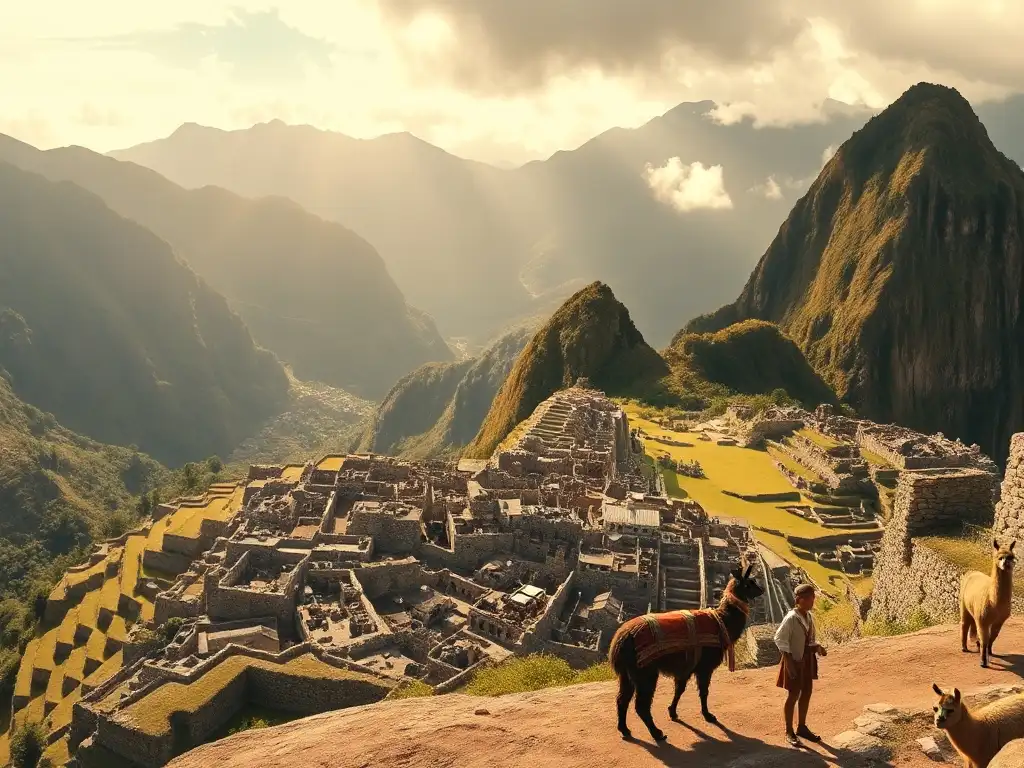
The Inca Empire, renowned for its sophisticated political organization and engineering prowess, left behind a remarkable legacy in urban planning. Their cities, strategically located and meticulously designed, weren't simply haphazard collections of buildings; they were complex systems reflecting their social structure, religious beliefs, and economic practices. Examining specific examples reveals the ingenuity of their approach. Cusco, the imperial capital, serves as a prime example. Its layout, characterized by a grid system superimposed on the natural topography, facilitated efficient administration and movement.
The city's intricate network of streets and canals, cleverly adapted to the mountainous terrain, exemplifies the Inca's mastery of civil engineering. This wasn't merely aesthetic; the design optimized water distribution, crucial in a high-altitude environment. Furthermore, the placement of significant structures, such as the Coricancha (Temple of the Sun) and the royal palaces, reinforced the Inca's power and religious authority. Similarly, Machu Picchu, though often perceived as a secluded sanctuary, showcases the Inca's urban planning principles on a smaller scale. Its terraced agriculture, meticulously integrated into the landscape, ensured food security for the inhabitants.
The strategic placement of buildings, reflecting the social hierarchy, and the advanced water management system demonstrate the consistent application of Inca urban planning principles, even in seemingly isolated locations. These examples, and many others scattered throughout the Andes, highlight not only the Inca’s architectural achievements but also their profound understanding of urban design and its capacity to support a complex society. The meticulous planning, adaptation to the environment, and integration of social and religious structures into the urban fabric all contribute to the enduring fascination with Inca city planning. The legacy of these cities extends beyond their physical remains; they serve as powerful testaments to the sophisticated civilization that created them.
The Enduring Influence of Inca Urban Planning on Modern Architecture and Urbanism
The innovative principles of Inca urban planning continue to resonate in modern architectural and urban design. Their understanding of integrating architecture with the natural environment is particularly relevant today, as sustainable design practices gain prominence. The Inca's mastery of terracing, for instance, offers valuable lessons in hillside development and erosion control. Modern architects and urban planners are increasingly drawing inspiration from the Inca's approach to water management, employing similar techniques to optimize water usage and minimize environmental impact.
The Inca's emphasis on creating functional and aesthetically pleasing spaces, seamlessly blending buildings into the landscape, also provides valuable insights for contemporary urban development. Their use of locally sourced materials and their respect for the natural contours of the land present a compelling model for environmentally conscious design. Furthermore, the Inca's focus on creating a social structure through urban planning, placing key buildings strategically to reflect power hierarchies and communal spaces, informs current design considerations of community spaces and accessibility.
Though separated by centuries, the challenges faced by Inca planners—efficient resource allocation, social cohesion, and environmental adaptation—mirror many contemporary concerns. Analyzing Inca urban planning provides valuable lessons for creating sustainable, functional, and aesthetically pleasing cities that improve the quality of life for their inhabitants. The lessons from Cusco and Machu Picchu continue to inspire innovative solutions to modern urban challenges.
Conclusion: The Genius of Inca Urban Planning
Inca urban planning represents a remarkable feat of engineering, social organization, and environmental adaptation. Their cities, meticulously designed and strategically located, were not merely places of residence but also powerful symbols of imperial authority and social cohesion. The legacy of Inca urban planning is undeniable, influencing modern approaches to sustainable design, water management, and urban development.
From the intricate grid system of Cusco to the terraced agriculture of Machu Picchu, each example reveals a deep understanding of the relationship between urban design, social structure, and the natural environment. The enduring appeal of Inca cities lies not only in their architectural grandeur but also in the sophisticated planning that underpins their very existence. Their ability to adapt to challenging terrains, optimize resource use, and create functional and aesthetically pleasing spaces serves as a testament to their ingenuity.
The study of Inca city planning offers valuable lessons for contemporary urban design, highlighting the importance of integrating environmental considerations, fostering social cohesion, and creating sustainable cities for future generations. The genius of Inca urban planning lies in its holistic approach, seamlessly blending practicality, aesthetics, and social harmony to create truly remarkable urban landscapes. The echoes of their achievements continue to resonate in the modern world, reminding us of the enduring power of thoughtful and sustainable urban design.
- The Foundations of Inca City Design
- Inca Urbanism: Principles and Key Features
- Planning Principles in Inca Cities
- The Significance of Sacred Geography in Inca Urban Design
- Inca City Planning Examples: Case Studies
- Functional Divisions within Inca Cities
- The Role of Engineering in Inca Urban Development
- Inca City Planning Examples and their Legacy
- The Enduring Influence of Inca Urban Planning on Modern Architecture and Urbanism
- Conclusion: The Genius of Inca Urban Planning
Frequently Asked Questions
What makes Inca city planning unique?
Inca urban planning was remarkably sophisticated for its time. Cities were designed with integrated infrastructure, including intricate water systems and carefully planned streets, showcasing advanced engineering and social organization. Their cities were also built to be aesthetically pleasing and functional.
How did the Inca plan their cities?
Inca city planning followed a grid-like pattern, often incorporating natural features into the design. They used standard building sizes and materials to create a sense of order and uniformity. Strategic placement of buildings also considered factors like sunlight and water access.
What are some examples of Inca city planning?
Machu Picchu, Cusco, and Ollantaytambo are prime examples of Inca urban planning. These cities demonstrate the integration of architecture with the landscape, creating functional and visually stunning urban centers. Each city displays unique aspects of Inca planning adapted to its environment.
How did the Inca manage water in their cities?
The Inca were masters of water management. They built complex irrigation systems, canals, and aqueducts to bring water to their cities and agricultural areas. This efficient water distribution was essential to supporting the large populations of their urban centers.
What role did religion play in Inca city planning?
Religious beliefs significantly influenced Inca city planning. Temples and sacred sites were strategically located within cities, often on prominent hills or overlooking important areas. The spatial arrangement reflected the Inca's cosmology and religious hierarchy.
Final Reflection: Echoes of the Inca Empire in Modern Urban Design
The meticulous urban planning of the Inca Empire, with its intricate networks of roads, perfectly positioned agricultural terraces, and strategically located cities, remains a testament to a sophisticated understanding of urban design that continues to resonate today. We see echoes of their innovative solutions in contemporary approaches to sustainable urban development, highlighting the enduring relevance of their achievements in a world grappling with rapid urbanization and environmental challenges.
The Inca's mastery of integrating their cities seamlessly with their environment, prioritizing both functionality and aesthetic harmony, offers a powerful counterpoint to the often-disjointed and unsustainable urban sprawl of modern cities. The Inca were masters of adaptation, not conquerors of nature.
This simple statement encapsulates their profound understanding of the symbiotic relationship between human settlement and the natural world, a lesson that modern urban planners would do well to heed. Their approach, emphasizing community and resource management, stands in stark contrast to many contemporary models that prioritize individual gain over collective well-being.
Consider the ingenuity of their water management systems, the efficiency of their agricultural practices, and the social cohesion fostered by their urban layouts. These are not merely historical curiosities; they are blueprints for a more sustainable and equitable future. You, the reader, are now equipped with a deeper understanding of Inca urban planning.
Let this knowledge inspire you to critically examine the urban spaces around you, to question current practices, and to advocate for designs that prioritize community, sustainability, and harmony with the natural world. The legacy of the Inca is not just in the stones of Machu Picchu, but in the potential for a better future built upon their enduring wisdom.
Unveil the Secrets of Inca Urban Planning!
Thank you for exploring the fascinating world of Inca urban planning! We hope you've discovered the intricate design and functionality of these imperial cities, a testament to their advanced civilization. Now, let's put your newfound knowledge to work!
Here are some ways to delve deeper into this extraordinary history:
- **Connect with fellow history enthusiasts** by joining a local historical society or online forum to share your insights and learn from others.
- **Experience the grandeur firsthand** by visiting a museum or historical site showcasing Inca artifacts and architecture.
- **Share your passion** by creating a digital project or infographic highlighting your favorite aspects of Inca urban design and sharing it with friends or on social media.
What fascinating aspects of Inca urban design are you most eager to share?