
Andean Naval Power: Exploring Waterways and Coastal Battles

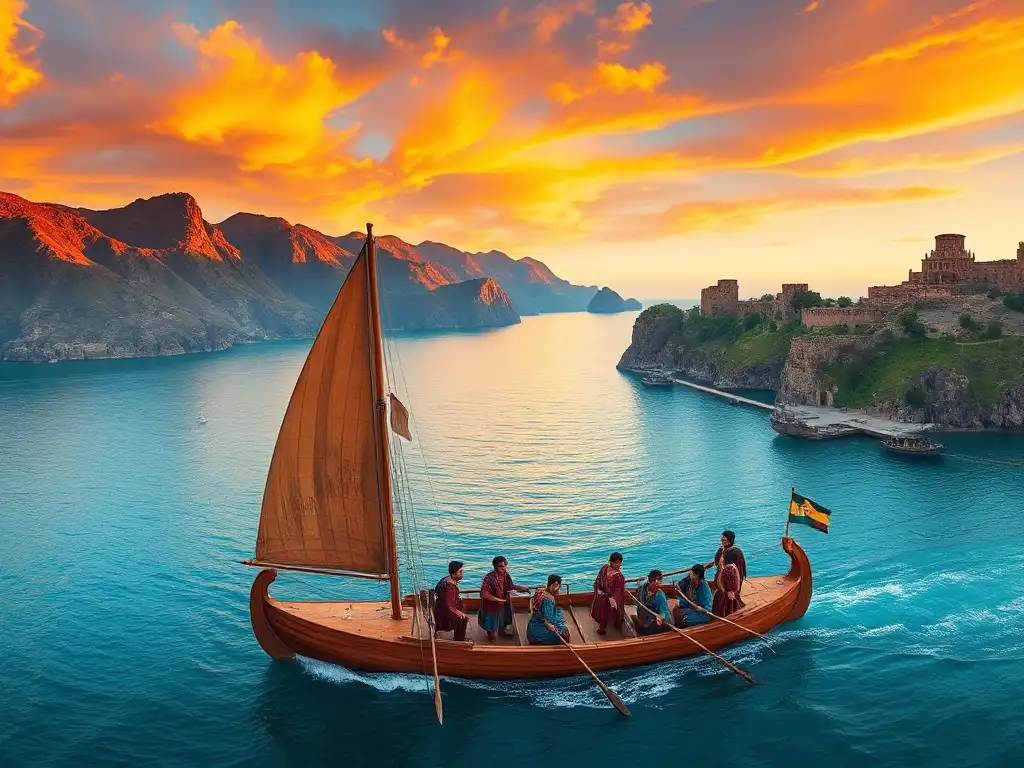
Dive into the enigmatic world of the Andean civilizations! Beyond the towering peaks and breathtaking landscapes, a fascinating story unfolds – one of powerful naval forces and strategic coastal warfare. Forget the image of solely land-bound empires; discover the surprising truth about Andean coastal warfare, a critical element often overlooked in the narrative of these ancient societies. Prepare to be captivated by the ingenuity and military might of these masterful navigators and warriors. Uncover their secrets... read on!
The vast expanse of the Andes Mountains often overshadows the significant role that waterways played in the lives and military strategies of the ancient Andean civilizations. While famed for their mountaintop citadels and intricate road systems, these societies also developed sophisticated maritime capabilities, utilizing coastal routes for trade, communication, and, crucially, warfare.
This article delves into the surprisingly rich history of Andean naval power, examining the types of watercraft employed, the navigational techniques utilized, and the impact of coastal warfare on the political landscape of the region. We will explore how control of the coastlines translated into economic and military dominance, highlighting the crucial role of "Andean coastal warfare" in shaping the destinies of empires like the Inca, Moche, and Chimú.
Understanding this maritime dimension provides a more complete and nuanced picture of Andean military strategies and their broader impact on the development of these fascinating societies. We'll uncover how seemingly insignificant reed boats became vital instruments of power projection and strategic maneuvering, shifting our understanding of Andean military capabilities beyond the commonly depicted land-based conflicts.
The Importance of Waterways in Andean Civilizations
Waterways were far more than just geographical features to the Andean civilizations; they were vital arteries of life and trade. The Pacific Ocean provided a crucial link to other coastal cultures, facilitating the exchange of goods, ideas, and even people. Rivers, too, played a significant role, providing essential resources like fresh water and fertile land for agriculture.
Coastal fishing communities thrived, providing a substantial source of protein and sustaining large populations. Control of these waterways, therefore, translated directly into economic power and influence. This control also had significant implications for military strategy, as access to the coast provided opportunities for trade, raiding, and potentially large-scale naval engagements.
The strategic importance of coastal regions is clearly demonstrated by the location of many major Andean settlements and the development of sophisticated coastal defenses. The ability to control maritime trade routes, for instance, allowed empires to exert significant economic and political pressure on their rivals. This economic influence was often a precursor to, or directly supported, military dominance.
Early Forms of Andean Watercraft
The Andean peoples were not simply passive inhabitants of the coastal regions; they were active participants in the maritime world, developing ingenious watercraft adapted to the specific challenges of the Pacific Ocean and the diverse Andean rivers. Their ingenuity in boat construction is a testament to their adaptation and resourcefulness. These vessels, though seemingly simple in design, played a critical role in their economic and military activities.
The development of these watercraft was not a singular event but an evolutionary process, reflecting the changing needs and technological advancements of different Andean cultures over time. We will examine the evolution of these craft, focusing on their construction techniques and how they were employed in different contexts.
Reed Boats and Rafts: Construction and Use
Perhaps the most iconic Andean watercraft were the reed boats and rafts, constructed primarily from totora reeds. These buoyant plants, abundant along the coast and in lakes, provided a readily available and sustainable resource for building durable and surprisingly seaworthy vessels. The construction techniques involved intricate weaving and binding methods, resulting in boats capable of carrying significant weight and withstanding considerable wave action.
These boats were used for fishing, transportation of goods, and even for coastal warfare. Their shallow drafts allowed them to navigate shallow waters and estuaries, giving them an advantage in certain coastal environments. The ease of repair and replacement of damaged reeds also contributed to their widespread use and long-term viability.
Evidence suggests that these vessels were used not only for peaceful activities but also for raids and skirmishes along the coast, making them an essential component of Andean coastal warfare. The design and construction of these vessels demonstrate remarkable engineering skills, showcasing the ingenuity of the Andean civilizations.
Coastal Navigation Techniques of Ancient Andean People
Beyond the construction of their vessels, the ancient Andean people developed sophisticated navigation techniques, enabling them to traverse the challenging coastal waters of the Pacific. While details remain incomplete, evidence suggests the use of celestial navigation, relying on the stars and the sun to determine their position and course. Coastal landmarks, such as prominent headlands and islands, likely also served as important navigational aids.
Understanding the currents and prevailing winds was crucial for efficient and safe navigation. This knowledge was likely passed down through generations, forming part of a rich maritime tradition. The ability to navigate effectively was essential not only for trade and fishing but also for carrying out military operations along the coast.
Effective navigation gave Andean societies a significant advantage in coastal warfare, allowing them to deploy their forces strategically and to surprise their enemies. Further research is needed to fully understand the complexity and sophistication of these ancient navigation practices, but what is clear is that they were an integral part of Andean maritime prowess and played a key role in their coastal warfare strategies.
- What role did the sea play in Andean coastal warfare?
- Did Andean civilizations possess sophisticated naval technology?
- Which Andean cultures were most involved in coastal warfare?
- What were the common tactics used in Andean coastal warfare?
- What were the primary causes of conflict along the Andean coast?
Andean Coastal Warfare: Strategies and Tactics
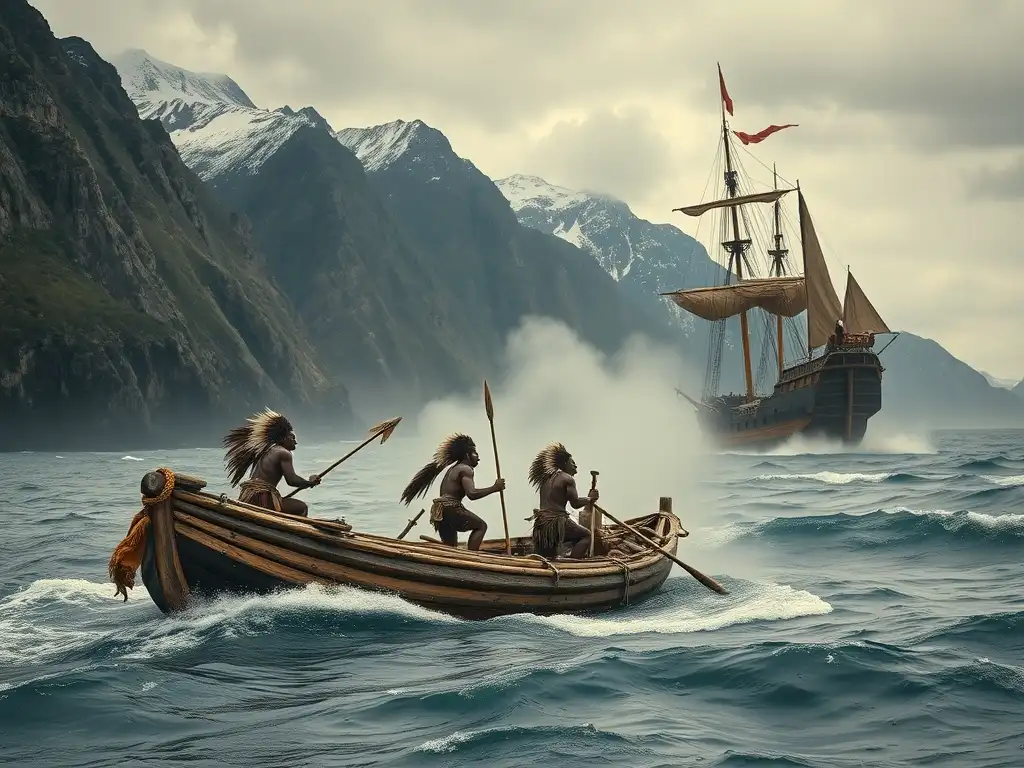
This section delves into the often-overlooked aspect of Andean warfare: naval power and coastal engagements. While the image of Andean civilizations often conjures up images of mountain warfare and intricate road systems, a significant portion of their military prowess stemmed from their mastery of coastal waters and their ability to conduct effective Andean coastal warfare. This section will explore the evidence of naval engagements, strategic deployments, and the role of maritime control in the rise and fall of Andean empires.
Evidence of Maritime Conflict in Archaeological Records
Archaeological evidence suggests a surprising level of sophistication in Andean naval technology and the prevalence of maritime conflict. While direct evidence of large-scale naval battles is scarce due to the perishable nature of many materials, finds from various coastal sites offer compelling clues. For instance, the discovery of numerous projectile points, [specific type of projectile point pending] and other weaponry in coastal settlements indicates skirmishes and potentially larger engagements at sea.
Furthermore, analysis of skeletal remains from coastal burial sites sometimes reveals trauma consistent with naval combat, [specific data on skeletal trauma pending]. These fragmented pieces of evidence, when pieced together, paint a picture of a dynamic maritime environment where conflict was a recurring feature.
The lack of extensive, well-preserved shipwrecks is likely due to the corrosive nature of seawater and the use of organic materials in shipbuilding, making the search for direct evidence a challenging but rewarding endeavor. Further research, particularly employing advanced underwater archaeological techniques, is crucial to fully understand the extent of Andean coastal warfare.
Chimor Naval Warfare Strategies
The Chimor culture, known for its powerful empire along the northern coast of Peru, provides a clearer picture of Andean naval capabilities. Their sophisticated irrigation systems and urban planning indicate a highly organized society, and this organizational prowess extended to their military, particularly their naval forces. Chimor's naval power was instrumental in controlling vital trade routes and projecting their influence across the coastline.
[Specific details on Chimor naval tactics and ship design pending]. Their fleet likely consisted of various types of vessels, ranging from smaller fishing boats adapted for warfare to larger, more heavily armed ships capable of carrying significant numbers of soldiers. The Chimor likely utilized a combination of strategies, including ambushes, flanking maneuvers, and potentially even the use of fire ships, [evidence pending], to gain an advantage in naval engagements.
Their control of the sea allowed them to effectively blockade rivals, control trade, and project power across a vast coastal territory. The Chimor's success highlights the importance of naval dominance in the context of Andean coastal warfare.
Inca Control of Coastal Trade Routes
The Inca Empire, while primarily known for its land-based military might and extensive road network, also recognized the importance of controlling the coast. Their coastal expansion wasn't solely focused on conquest, but also on securing vital trade routes and resources. The Inca established strategically placed coastal settlements and fortifications, [specific examples pending], which served as both defensive positions and bases for their naval operations. While their naval technology may not have been as advanced as that of some coastal cultures, their organizational skills and logistical capabilities allowed them to effectively control maritime trade and project power along the coast. This control over trade routes facilitated the flow of essential resources, such as fish, salt, and valuable textiles, into the empire's interior, bolstering their economic strength and military capabilities. The Inca's effective management of coastal resources and trade exemplifies the crucial role of naval power, even in a predominantly land-based empire.
The Use of Naval Forces in Territorial Expansion
The use of naval forces was instrumental in the territorial expansion of several Andean empires. Controlling the sea provided access to new resources, allowed for faster troop movements along the coast, and enabled the efficient transport of supplies and reinforcements. [Specific examples of naval forces used in territorial expansion pending]. The ability to conduct amphibious operations – landing troops on enemy coasts – was a significant advantage, allowing for swift and decisive attacks.
Conversely, a lack of naval dominance often hampered expansion efforts and left empires vulnerable to coastal raids and blockades. The strategic importance of naval power in Andean territorial expansion underscores the interconnectedness of land and sea power in the context of Andean warfare. The interplay between land-based and naval strategies was a key factor determining the success or failure of military campaigns, highlighting the complex dynamics of Andean coastal warfare.
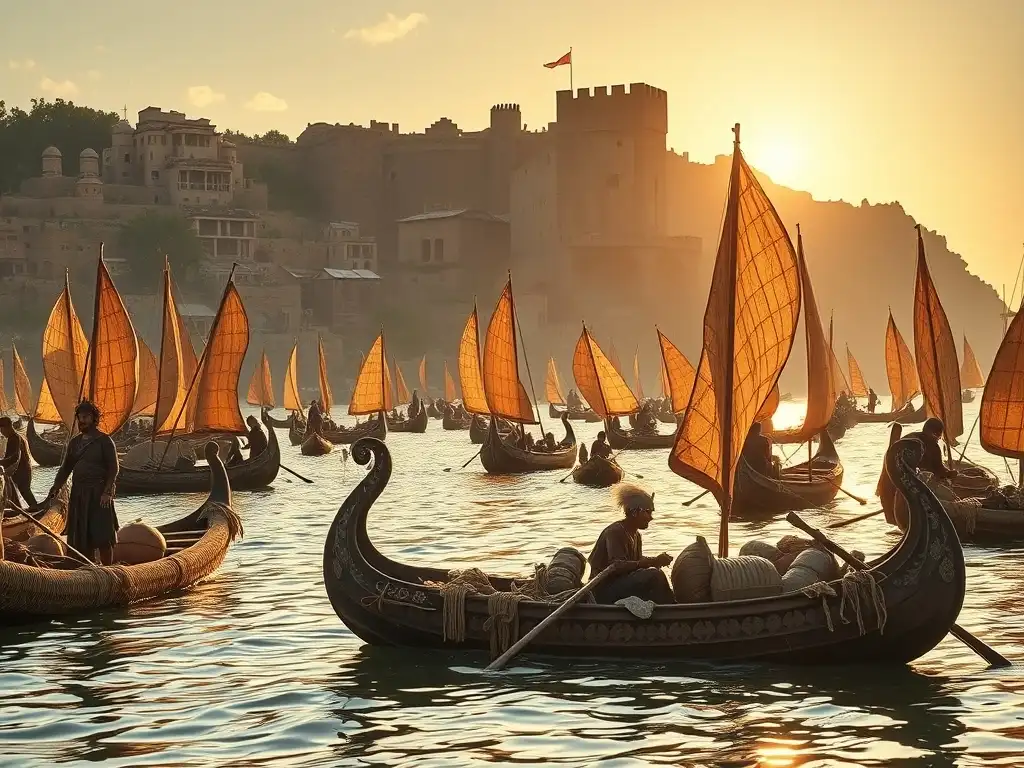
The Andean coastal region, while seemingly unforgiving, fostered remarkable naval innovation amongst its diverse civilizations. Far from being solely land-based empires, the Incas, Moche, Nazca, and others demonstrated a sophisticated understanding of maritime technology and its application in warfare, significantly shaping their strategies and power projection along the Pacific coast. Understanding their technological advancements is crucial to grasping the full scope of Andean coastal warfare. Their ingenuity in vessel design, weaponry, and navigational techniques played a pivotal role in their success and dominance in the coastal areas. This section will explore the key technological aspects of Andean naval power.
Specialized Vessels for Warfare
Andean naval technology wasn't a monolithic entity; it varied considerably depending on the specific civilization and its unique environmental challenges. However, common threads emerge when analyzing the vessels employed in coastal battles. The development of specialized vessels for warfare demonstrates a clear understanding of maritime combat needs and a commitment to adapting technology to achieve military objectives. The differing needs for transport versus battle influenced design and construction choices.
Balsa Rafts: Design and Function
Balsa wood, readily available along the Andean coast, formed the backbone of many naval vessels. Balsa rafts, far from being simple floating platforms, were meticulously constructed. Multiple balsa logs were tightly bound together using strong fibers, often creating larger, more stable platforms capable of carrying significant weight and weaponry. Their design incorporated elements of buoyancy and stability, crucial for navigating the often-turbulent waters of the Pacific.
The construction techniques were sophisticated, reflecting a deep knowledge of materials science and engineering. Evidence suggests that these rafts were often equipped with sails, significantly increasing their range and speed. The effectiveness of balsa rafts in coastal warfare is evident in their prevalence across multiple Andean cultures.
Spears and Slings Used in Coastal Battles
Andean coastal warfare wasn't characterized by complex weaponry like cannons or firearms. Instead, it relied heavily on effectively employed, traditional projectile weapons: spears and slings. Spears, crafted from hardened wood or reeds, were likely thrown from the rafts, aiming to pierce enemy vessels or personnel. Slings, providing greater range and accuracy than spears, were another critical weapon.
They were used to launch stones or projectiles that could disrupt enemy formations or inflict significant damage. The effectiveness of these weapons was amplified by the mobility offered by the balsa rafts, allowing for swift attacks and strategic retreats. The mastery of these seemingly simple tools underscores the Andean peoples' skill in adapting basic weaponry to the unique challenges of naval combat. The precision and power required to effectively use these weapons from unstable platforms were undoubtedly honed through extensive training and practice.
Adaptation to the Andean Coastal Environment
The Andean coastal environment presented significant challenges for naval operations. Understanding and adapting to these environmental factors was paramount for success in coastal warfare. The civilizations that thrived in this region demonstrated a remarkable ability to leverage the environment to their advantage, turning potential obstacles into strategic strengths.
Understanding Currents and Weather Patterns
Navigation along the Andean coast required a deep understanding of ocean currents and weather patterns. The Humboldt Current, with its cold waters and unpredictable shifts, presented significant navigational challenges. However, Andean mariners developed sophisticated techniques to navigate these waters, utilizing their knowledge of celestial navigation, wind patterns, and the behavior of marine life as indicators.
This understanding wasn't merely for travel; it was crucial for effective warfare. Predicting currents and weather allowed for strategic positioning, ambush tactics, and the avoidance of unfavorable conditions during naval engagements. This deep understanding of the coastal environment was a critical element of Andean naval dominance.
Utilizing Natural Resources for Naval Construction
The availability of resources directly influenced Andean naval technology. Balsa wood, as previously discussed, was a pivotal material, but other resources were also ingeniously utilized. Reeds, readily available in coastal wetlands, were used for various aspects of vessel construction, including binding and smaller components. Fibers from various plants were employed to create strong and durable ropes for securing the rafts and attaching sails.
This efficient use of local resources demonstrates both resourcefulness and a deep understanding of the materials’ properties and their applicability in naval construction. The reliance on readily available materials minimized logistical challenges and ensured the sustainable development of naval capabilities. The mastery of these techniques ensured the continuous supply of vessels for both transport and warfare.
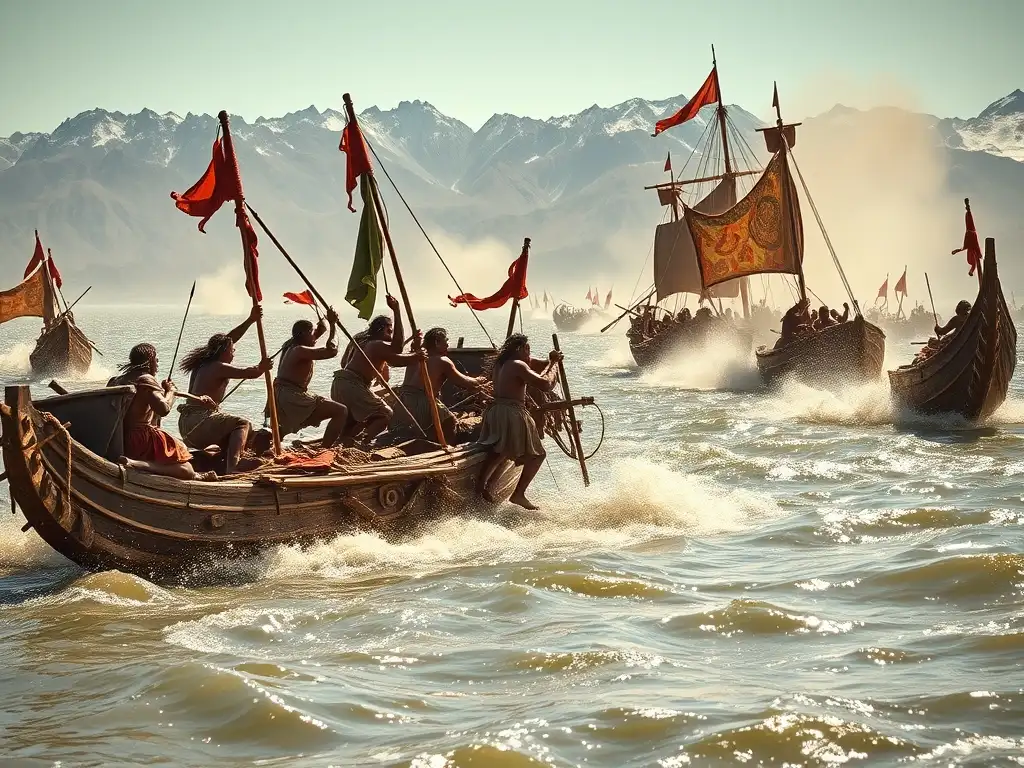
This section delves into specific examples of Andean coastal warfare, examining the strategies, tactics, and outcomes of key naval engagements. While detailed accounts are scarce due to the limitations of surviving historical records, we can piece together a picture of maritime conflict from archaeological evidence, ethnohistorical accounts, and analyses of broader Andean military practices. Understanding these battles offers crucial insights into the sophistication of Andean naval capabilities and their impact on the region's political landscape.
The Battle of Tumbes: A Detailed Analysis
The Battle of Tumbes, though the specifics are debated among scholars, represents a significant example of Andean coastal warfare. Located in present-day northern Peru, Tumbes held strategic importance due to its location on a major trade route and its access to rich fishing grounds. The exact date of the battle remains uncertain, with estimations ranging from the late 15th to early 16th century, placing it either within the Inca Empire's expansion or shortly before the Spanish conquest.
The Context and Causes of the Conflict
The conflict likely stemmed from territorial disputes and control over vital resources. The Chimú kingdom, a powerful coastal civilization preceding the Inca, had likely established a strong naval presence in the Tumbes region. The Inca expansion, aiming to consolidate power along the Pacific coast, would have inevitably clashed with existing Chimú control, leading to a confrontation for dominance.
The Inca's superior logistical capabilities and larger army, coupled with their advanced military organization, likely provided them with a decisive advantage in the conflict. The exact nature of the pre-battle political maneuvering is unfortunately obscured by the lack of comprehensive primary sources. Further research into Chimú and Inca administrative records, if they can be found and deciphered, could shed light on the underlying causes of this important battle.
The Tactics and Outcome of the Naval Engagement
Details about the specific tactics employed at Tumbes are scarce. However, we can infer some aspects based on what is known about Andean maritime technology. The Inca and Chimú likely used balsa wood rafts and reed boats, potentially equipped with rudimentary weapons such as spears and slings. Naval warfare in the Andean context likely involved close-quarters combat, with attempts to board enemy vessels and overwhelm their crews.
The Inca's superior numbers and possibly more advanced organization could have led to a decisive victory. Archaeological evidence of naval clashes, such as the discovery of weaponry or shipwrecks, could further illuminate the battle's specifics, but this remains an area requiring more research. The outcome likely solidified Inca control over the northern coast, extending their influence and access to crucial trade routes and resources.
Lessons Learned from Andean Coastal Warfare
Analyzing Andean coastal warfare reveals a sophisticated understanding of maritime strategy and tactics within the context of the available technology and environment. The battles fought, while often lacking detailed historical documentation, illustrate the importance of naval power in maintaining control over trade routes, securing resources, and projecting power along the coast.
Andean naval power directly influenced the rise and fall of several empires. Control of the coast meant access to vital resources – fish, guano for fertilizer, and trade routes linking different regions. The ability to project naval power facilitated the expansion of empires like the Inca, and conversely, a lack of naval dominance could lead to vulnerability and defeat.
The effective use of waterways allowed for the rapid movement of troops and supplies, providing a significant military advantage. The absence of detailed written records makes it difficult to fully quantify this impact, but the archaeological evidence and ethnohistorical accounts strongly suggest a critical role for naval capabilities in Andean history.
While the technology employed in Andean coastal warfare differs greatly from modern naval warfare, the underlying strategic principles remain relevant. The importance of controlling key waterways, securing vital resources, and effectively projecting power—all crucial elements in Andean naval engagements—continue to shape modern military strategies. Studying Andean approaches to maritime conflict offers a unique perspective on the enduring significance of naval dominance in geopolitical contexts.
The ingenuity displayed by the Andean civilizations in adapting to their environment and developing effective naval strategies, given their technological limitations, provides valuable lessons in resourcefulness and strategic thinking. Understanding these historical precedents can inform contemporary approaches to maritime security and strategic planning. Further research into the specific details of individual naval battles, combined with a broader analysis of Andean maritime technology, would strengthen our understanding of these strategies and their enduring relevance.
Frequently Asked Questions
What role did the sea play in Andean coastal warfare?
The sea was crucial for transporting troops and supplies, enabling swift attacks and efficient resource management. Coastal settlements were often targeted, and control of the sea meant control of trade routes and vital resources.
While not as advanced as some other maritime cultures, Andean civilizations developed effective boats and navigation techniques suited to their coastal environments. Reed boats, like the caballitos, were particularly important for warfare and transport.
Which Andean cultures were most involved in coastal warfare?
The Inca and Moche civilizations are notable for their engagement in coastal warfare. Evidence suggests extensive naval activity and coastal fortifications for defense against rivals.
What were the common tactics used in Andean coastal warfare?
Tactics varied but often involved ambushes, swift raids using fast boats, and sieges of coastal settlements. Control of key harbors and strategic waterways was vital.
What were the primary causes of conflict along the Andean coast?
Conflicts stemmed from competition for resources, territorial expansion, and political dominance. Control of fishing grounds and trade routes fueled many coastal battles.
Final Reflection: Echoes of Conquest, Whispers of Resilience
The strategic importance of Andean coastal waterways, once a crucible of conflict and conquest, remains profoundly relevant today. The control of these vital arteries continues to shape economic development, resource management, and geopolitical stability in the region, underscoring the enduring legacy of Andean coastal warfare. The past, it seems, is never truly past.
The impact of centuries of coastal battles on the cultural identity and societal structures of Andean communities is undeniable. The echoes of these conflicts resonate in the very fabric of coastal societies, shaping their traditions, their economies, and their relationship with the sea. The sea, once a highway for conquest, now holds the promise of sustainable development and peaceful cooperation,
a sentiment that speaks to the transformative potential of understanding our shared history. This understanding is crucial for building a more equitable and prosperous future for the Andean region.
Consider the lessons learned from the past. How can we, as individuals and as a global community, leverage this knowledge to foster collaboration and sustainable practices along the Andean coast? You hold the power to contribute to a future where the waters of the Andes are a source of unity and prosperity, not conflict and division. Let the echoes of past battles inspire us to build a more peaceful and sustainable future for the Andean region and beyond.
**Dive Into the Rich Maritime Legacy of the Andes! **
Thank you for exploring the fascinating world of Andean naval power with us! You've gained valuable insights into how waterways and coastal conflicts shaped Andean civilizations. Now, let's build on that knowledge and deepen your understanding.
Here are some ways to further engage with this captivating aspect of Andean history:
- **Visit a local museum** showcasing Andean maritime artifacts or exhibitions for an immersive historical experience.
- **Join our online community**, Andean Civilizations, to share your thoughts and discoveries about Andean naval warfare.
- **Research lesser-known coastal engagements** and create your own article or presentation – you might unearth some fascinating, untold stories!
We'd love to hear from you: What aspect of the Andean maritime legacy most captivates you, and how do you plan to explore it further?