
The Fragile Beauty: Protecting Andean Ceramics and Pottery

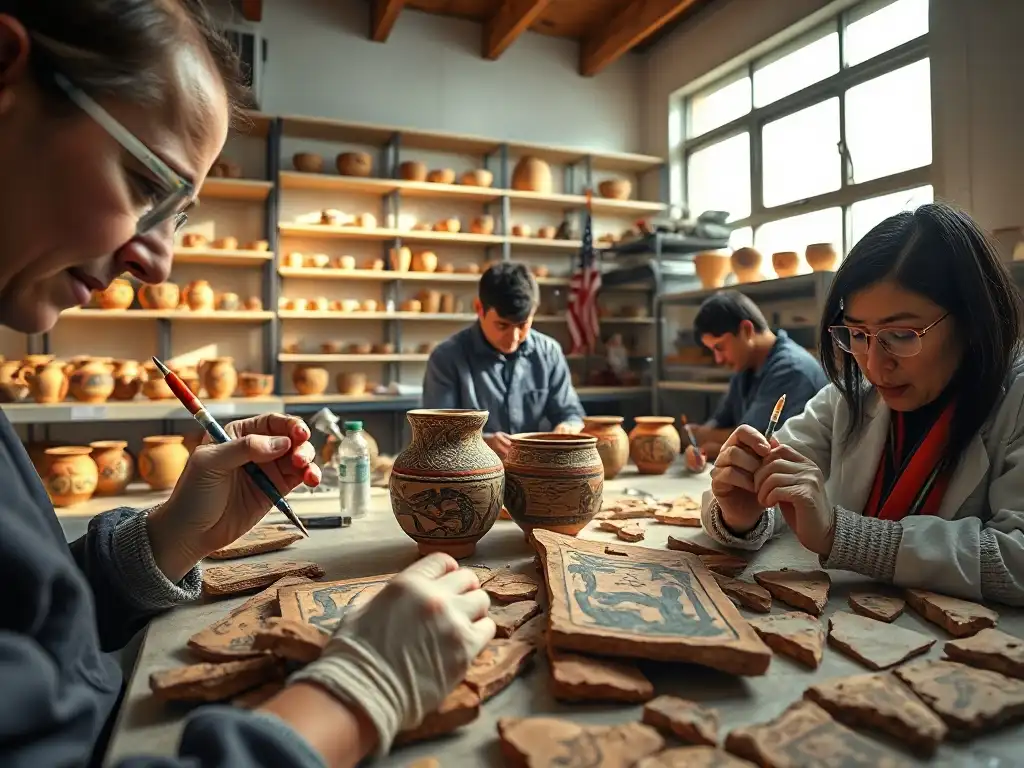
Dive into the mesmerizing world of Andean Civilizations, where towering empires and breathtaking artistry intertwine. From the intricate textiles of the Nazca to the monumental architecture of the Incas, their legacy continues to captivate. But how do we safeguard this fragile beauty? Discover the secrets behind Andean pottery preservation methods and unravel the mysteries surrounding the delicate art of protecting these ancient treasures. Uncover the stories embedded within the clay... the journey begins now.
The Andean region, cradle of vibrant civilizations like the Inca, Moche, Nazca, and Tiahuanaco, bequeathed to us a breathtaking legacy: exquisitely crafted ceramics and pottery. These artifacts, often imbued with intricate designs and symbolic meaning, offer invaluable insights into the daily lives, religious beliefs, and artistic prowess of these ancient cultures. However, the passage of time and exposure to the elements have rendered many of these treasures incredibly fragile.
This article delves into the challenges of preserving this irreplaceable heritage, exploring the various Andean pottery preservation methods employed to safeguard these delicate remnants of a rich past. Understanding these methods is crucial not only for preserving the physical objects but also for protecting the cultural narratives they embody.
We will examine the vulnerabilities of these ancient ceramics and the sophisticated techniques used to ensure their survival for future generations to appreciate and learn from. The preservation of Andean pottery is not merely a matter of conservation; it is a vital act of cultural stewardship.
Introduction to Andean Pottery and its Significance
Andean pottery represents a remarkable tapestry of artistic expression and technological innovation spanning millennia. From the simple utilitarian vessels of early agricultural societies to the elaborate ceremonial wares of the Inca Empire, pottery served a multitude of purposes. These ranged from everyday uses like cooking and storage to highly significant roles in religious rituals and social status. The styles, techniques, and materials used varied considerably across different cultures and time periods.
For instance, the Nazca culture is renowned for its polychrome pottery, characterized by vibrant, multi-colored designs depicting intricate scenes of mythical beings and daily life. The Moche, on the other hand, were masters of modeling, creating lifelike representations of humans, animals, and deities. The Inca, known for their sophisticated empire, produced pottery in a wide range of styles, often decorated with geometric patterns and symbolic motifs.
These differences highlight the remarkable diversity within Andean pottery, offering a window into the unique characteristics of each civilization. The significance of Andean pottery extends beyond its aesthetic appeal; it provides crucial archaeological data, informing our understanding of social structures, trade networks, and belief systems. The intricate details found on these vessels offer clues to the complex lives and beliefs of the people who created them, making their preservation a critical task for historians and archaeologists alike.
The Vulnerability of Ancient Andean Ceramics
Ancient Andean ceramics face numerous threats that compromise their structural integrity and aesthetic value. The primary challenges stem from the materials used in their creation and the environmental conditions to which they've been exposed over centuries. Many pieces are made from relatively porous clay, making them susceptible to water damage. Exposure to moisture can lead to cracking, flaking, and the leaching of pigments, resulting in irreversible damage to the artwork and the loss of valuable information.
Furthermore, the effects of temperature fluctuations, particularly rapid changes, can cause stress fractures and disintegration. Salt crystallization, a common issue in arid and semi-arid climates, can exert significant pressure within the pottery's structure, leading to its deterioration. Biological factors also pose a considerable risk. The growth of microorganisms and the activity of insects can cause significant damage, further compromising the stability of these fragile artifacts.
Finally, improper handling and storage techniques, even in museums and archaeological sites, can inadvertently contribute to the degradation process. Understanding these specific vulnerabilities is a crucial first step in developing and implementing effective Andean pottery preservation methods. The challenge lies not only in mitigating existing damage but also in preventing further deterioration.
- What are the biggest threats to the preservation of Andean pottery?
- What are some common preservation methods used for Andean ceramics?
- How is Andean pottery's unique surface decoration preserved?
- What role does digital documentation play in Andean pottery preservation?
- Where can I learn more about Andean pottery preservation techniques?
Threats to Andean Pottery: Understanding the Challenges
Andean pottery, a testament to the ingenuity and artistry of ancient civilizations, faces numerous threats that jeopardize its survival. Understanding these challenges is crucial for developing effective preservation strategies. The fragility of these artifacts, combined with the harsh environmental conditions and human activities, necessitates a multi-faceted approach to conservation. Effective Andean pottery preservation methods require a deep understanding of these pervasive threats.
Environmental Factors Affecting Ceramic Preservation
The Andean region's diverse and often harsh climate significantly impacts the longevity of its ceramic heritage. High altitudes, extreme temperature fluctuations, intense UV radiation from the sun, and fluctuating humidity levels all contribute to the deterioration of pottery. These environmental stressors cause a range of damage mechanisms:
- Thermal Shock: Rapid temperature changes, particularly between day and night in high-altitude regions, can induce cracking and fracturing in pottery due to differential expansion and contraction. This is especially problematic for porous ceramics.
- UV Degradation: Prolonged exposure to sunlight leads to the fading of pigments and the weakening of the ceramic matrix, resulting in surface discoloration and flaking. This is particularly noticeable in brightly colored pottery.
- Water Damage: Rainfall, humidity, and even ground water can cause significant damage, leading to salt efflorescence (the formation of salt crystals on the surface), leaching of soluble components, and microbial growth, which further weakens the structure. The porous nature of many Andean ceramics exacerbates this issue.
- Wind Erosion: In exposed sites, wind erosion can gradually abrade the surface of pottery, causing loss of detail and weakening the overall integrity of the artifact.
The specific impact of these environmental factors varies depending on the type of clay used, the firing techniques employed, and the geographical location of the artifact. For example, pottery unearthed from dry desert environments might suffer more from thermal shock and UV degradation, while pieces found in humid coastal regions are more susceptible to water damage and microbial growth. Detailed studies on the specific environmental conditions at each archaeological site are essential for tailoring effective preservation strategies. This requires careful monitoring of temperature, humidity, and UV radiation levels.
Human Impact and Looting of Archaeological Sites
Beyond environmental factors, human activity poses a significant threat to Andean pottery. Illegal looting of archaeological sites, driven by the lucrative antiquities market, is a major concern. This activity causes irreversible damage, not only by removing artifacts from their context but also by employing destructive excavation methods that further damage surrounding pottery. The lack of proper documentation during looting also eliminates crucial information about the artifacts' origins and cultural significance. Furthermore, poorly managed tourism can inadvertently contribute to damage through unintentional contact and the trampling of fragile sites.
Unfortunately, precise figures on the scale of looting and its impact on Andean pottery are difficult to obtain due to the clandestine nature of the activities. However, anecdotal evidence and the prevalence of illicit artifacts in the market clearly indicate a substantial and ongoing problem. Strengthening legal frameworks, enhancing site security, and promoting responsible tourism practices are all crucial steps in mitigating this threat. Public awareness campaigns aimed at reducing the demand for looted artifacts are equally important in tackling this pervasive problem.
Inadequate Storage and Handling of Pottery Artifacts
Even after excavation and recovery, Andean pottery remains vulnerable to damage due to inadequate storage and handling practices. Improper storage conditions, such as fluctuating temperatures and humidity, can accelerate deterioration processes already mentioned. Rough handling during transport, cleaning, and display can also cause chips, cracks, and other forms of physical damage. A lack of appropriate materials and techniques for handling and packaging delicate artifacts further exacerbates the problem.
The ideal storage environment for Andean pottery involves stable temperature and humidity levels, protection from light (especially UV), and minimized vibration. Specialized handling techniques, the use of appropriate packaging materials, and proper documentation of each artifact's condition are also critical. Training museum staff and archaeologists in best practices for handling and storing these fragile artifacts is vital for long-term preservation.
The development and implementation of standardized protocols for the care and management of Andean pottery collections are necessary for ensuring their continued survival for future generations. This includes regular monitoring of the condition of artifacts and the implementation of timely interventions to address any deterioration.
Andean Pottery Preservation Methods: A Deep Dive
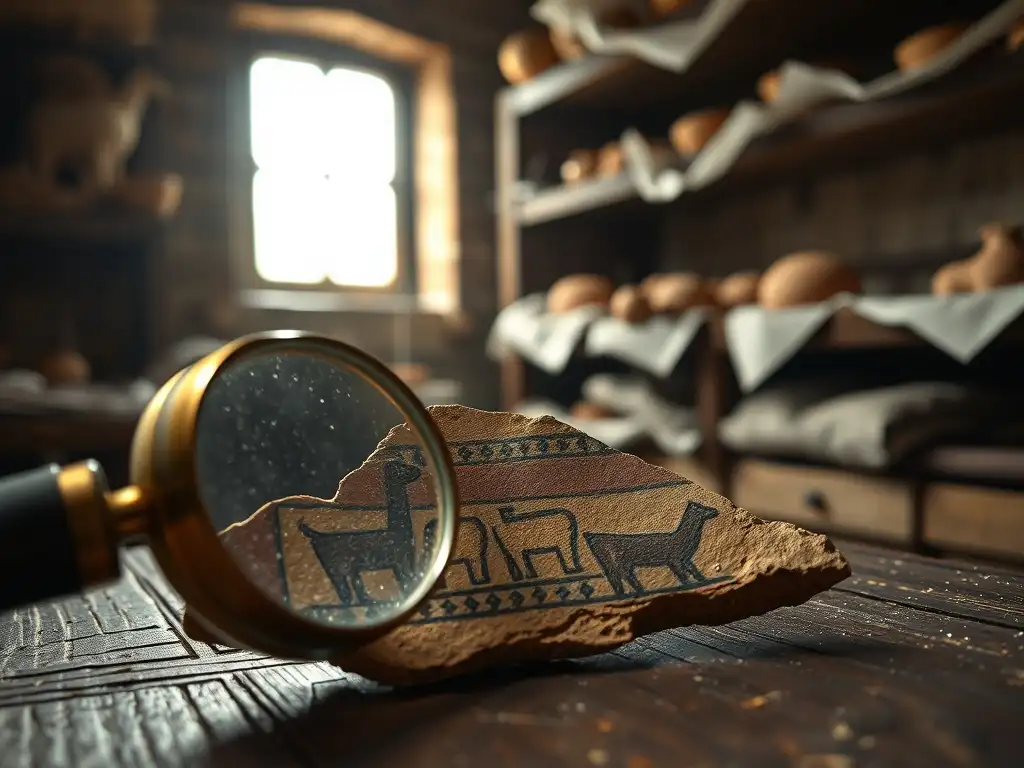
The preservation of Andean pottery, a testament to the ingenuity and artistry of ancient civilizations, presents unique challenges. The fragility of these artifacts, coupled with the diverse materials and techniques used in their creation, necessitates a multifaceted approach to conservation. Effective strategies must consider both traditional knowledge and cutting-edge technologies to ensure the longevity of this invaluable cultural heritage.
This section explores various methods employed in Andean pottery preservation, highlighting both established and innovative techniques. The goal is not only to maintain the physical integrity of these pieces but also to safeguard their historical and cultural significance for future generations. Understanding the nuances of these methods is crucial for effective "Andean pottery preservation."
Traditional Techniques for Ceramic Conservation
For centuries, Andean communities have employed time-tested methods to preserve their ceramic heritage. These techniques, often passed down through generations, utilize readily available natural resources and demonstrate a deep understanding of the materials and their vulnerabilities. The effectiveness of these methods underlines the importance of incorporating traditional knowledge into modern conservation practices.
Use of Natural Resins and Binders
Natural resins, such as those derived from trees native to the Andes, have long served as effective binders in ceramic repair. These resins, when carefully applied, consolidate fragile fragments and provide structural support without obscuring the original surface details. The specific resin used often depended on regional availability and the type of pottery being repaired.
For instance, the resin from the copaiba tree was known for its adhesive properties and was widely used across various Andean cultures. Careful selection and application were crucial; excessive amounts could darken the pottery's surface or hinder future analysis. The use of these natural resins represents a sustainable and minimally invasive approach to Andean pottery preservation.
Application of Local Clays for Repair
Another common traditional method involved the use of local clays for filling cracks and repairing broken fragments. The clay, often sourced from the same region as the pottery itself, offered a compatible material for mending. This ensured minimal visual disruption and a harmonious integration with the original piece. However, the successful application of this technique required a deep understanding of the clay's properties and its compatibility with the existing ceramic matrix.
Incorrectly applied clay could lead to further deterioration or even damage the artifact. The careful selection and preparation of the clay were, therefore, critical steps in this process. This approach highlights the importance of considering the provenance of the materials in the preservation of Andean pottery.
Modern Approaches to Preserving Andean Ceramics
While traditional techniques offer valuable insights and remain relevant, modern scientific advancements have significantly enhanced Andean pottery preservation efforts. These approaches combine technological innovation with a respect for the artifacts' historical context.
Laser Cleaning and Chemical Consolidation Techniques
Laser cleaning provides a non-invasive method for removing surface accretions, such as dirt, grime, and salts, without damaging the underlying ceramic. Different wavelengths of laser light can be targeted to specific materials, allowing for precise cleaning. This technique is particularly useful for delicate or intricately decorated pieces. Chemical consolidation, on the other hand, involves the application of carefully selected chemicals to strengthen weakened or fragile areas of the pottery.
These chemicals penetrate the ceramic matrix, binding the particles together and increasing the overall structural integrity. The selection of appropriate chemicals is critical, as some can cause discoloration or other undesirable effects. Both laser cleaning and chemical consolidation require specialized expertise and careful monitoring to ensure the preservation of the pottery's aesthetic and historical value.
3D Modeling and Photogrammetry for Documentation
3D modeling and photogrammetry offer powerful tools for documenting Andean pottery in detail. Photogrammetry involves taking numerous photographs of an object from different angles, which are then processed by software to create a three-dimensional model. This allows for the creation of highly accurate digital replicas, which can be used for study, analysis, and even virtual restoration.
3D modeling can also be used to create virtual reconstructions of damaged pieces, offering insights into their original form and appearance. This non-invasive approach to documentation is invaluable for preserving information about these fragile artifacts for future generations. Moreover, these digital archives provide valuable resources for researchers and educators worldwide, further advancing our understanding of Andean cultures.
Climate-Controlled Museum Storage and Display
The environmental conditions within museums play a vital role in the long-term preservation of Andean pottery. Climate-controlled storage facilities maintain stable temperatures and humidity levels, minimizing the risks of thermal shock, moisture damage, and the growth of harmful microorganisms. Careful consideration of lighting is also crucial, as prolonged exposure to ultraviolet (UV) radiation can cause fading and deterioration of the pigments. Display cases with UV-filtering glass help mitigate this risk.
These controlled environments ensure the longevity of these artifacts, allowing them to remain accessible for study and appreciation for years to come. Proper museum storage is a fundamental aspect of Andean pottery preservation. The integration of sophisticated environmental controls is key to minimizing the impact of external factors on these delicate objects.
Case Studies in Andean Pottery Conservation
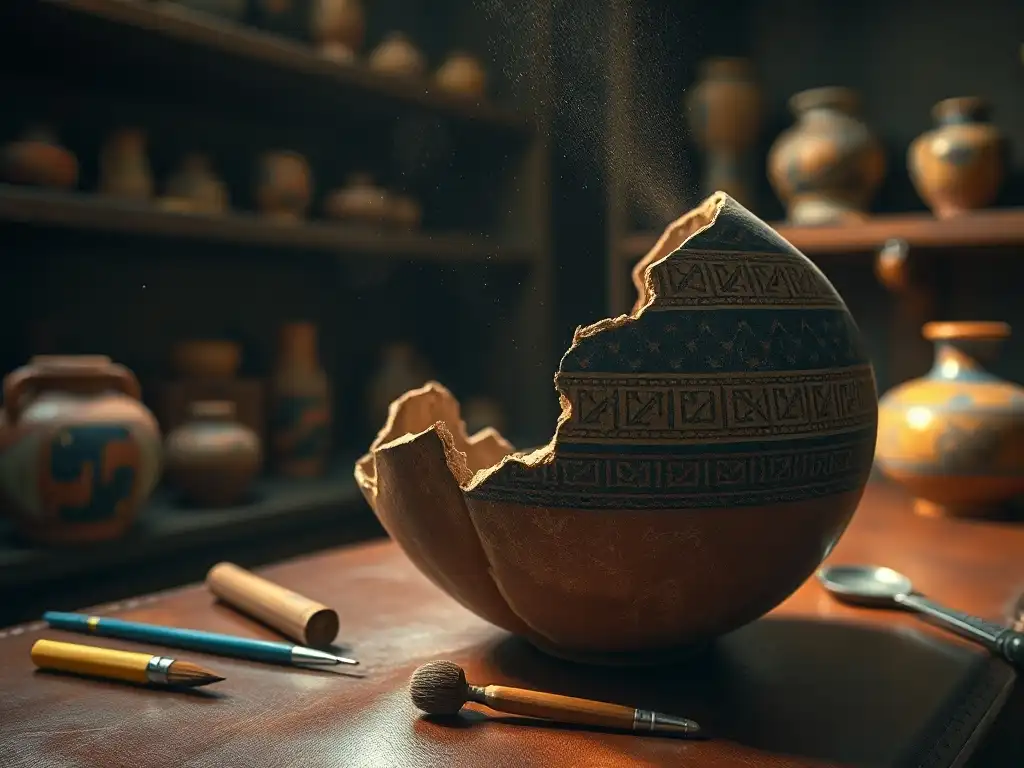
This section delves into specific examples of Andean pottery preservation methods, showcasing successful strategies and highlighting the unique challenges posed by different ceramic styles and environmental factors. Understanding these case studies provides crucial insights into the complexities of preserving this fragile cultural heritage for future generations. The effective application of Andean pottery preservation methods requires a multifaceted approach, combining scientific analysis with cultural sensitivity.
Successful Restoration Projects of Moche Ceramics at the Larco Museum
The Larco Museum in Lima, Peru, houses a remarkable collection of Moche pottery, renowned for its intricate detail and vibrant colors. However, the passage of time and exposure to the elements have taken their toll. The museum's conservation program employs a meticulous approach to Andean pottery preservation, prioritizing minimal intervention and the use of reversible techniques.
The restoration process often begins with a thorough assessment of the damage. Experts carefully document the condition of each piece, noting cracks, fissures, and areas of deterioration. This detailed documentation is crucial for tracking the effectiveness of the preservation methods employed. For example, a specific Moche huaco retrato (portrait vessel) exhibiting significant surface flaking underwent a stabilization process using a consolidant specifically designed for earthenware.
This involved carefully applying the consolidant with a fine brush, ensuring even penetration into the damaged areas without obscuring the original surface details. The museum meticulously records the type and quantity of consolidant used, the duration of application, and the observed results. This meticulous record-keeping allows for continuous improvement of techniques and informs future Andean pottery preservation efforts. The museum also utilizes controlled environmental conditions – temperature and humidity are carefully monitored to prevent further deterioration.
The Larco Museum's commitment to Andean pottery preservation extends beyond individual pieces. They invest in ongoing research into new materials and techniques, ensuring their methods remain at the forefront of conservation science. Their success serves as a model for other institutions seeking to safeguard their collections of fragile Andean artifacts.
Preservation Efforts at Nazca Archaeological Sites like Cahuachi
Preserving Nazca pottery in situ presents unique challenges compared to museum collections. The arid climate of the Nazca desert, while initially seeming protective, contributes to its own set of problems. The fluctuating temperatures and occasional intense rainfall can cause rapid deterioration of the earthenware. At sites like Cahuachi, a major ceremonial center, preservation efforts focus on mitigating environmental factors and minimizing human impact.
One key strategy is the controlled excavation and reburial of artifacts. Archaeologists carefully remove fragile pottery fragments, document their location and context, and then rebury them in specially prepared containers to protect them from the elements. This method aims to preserve the pottery within its original archaeological context while minimizing exposure to the harsh desert environment. The containers themselves are designed to allow for natural drainage and ventilation, preventing the accumulation of moisture and promoting air circulation.
This careful approach is essential for preserving the integrity of the archaeological record and the context of the discovered Andean pottery. Furthermore, access to the sites is often restricted to protect the fragile pottery from damage caused by tourism. Strict protocols are in place to limit visitor interaction and ensure that any necessary interventions are carried out by trained professionals.
Ongoing monitoring and assessment of the site's microclimate are also crucial. Researchers track temperature and humidity levels to identify periods of increased risk and adjust preservation strategies accordingly. This proactive approach is essential for the long-term protection of these invaluable archaeological treasures. The adoption of sustainable tourism practices is also critical, ensuring that the economic benefits of tourism are not at the expense of the irreplaceable Andean pottery and the Nazca site itself.
The Challenges of Conserving Tiahuanaco Pottery at Tiwanaku
The Tiahuanaco culture, known for its monumental architecture and sophisticated pottery, presents distinct challenges for preservation. The pottery, often made of a coarse clay and decorated with intricate geometric designs, is particularly susceptible to weathering and erosion. The Tiwanaku site itself faces significant threats from environmental factors, including frost, rain, and wind erosion.
One major challenge is the porous nature of the Tiahuanaco pottery. This porosity makes it highly susceptible to water damage, leading to cracking and disintegration. Traditional Andean pottery preservation methods may not be sufficient in these cases, necessitating the development of specialized techniques.
Researchers are exploring the use of advanced materials and technologies to address the unique challenges posed by the Tiahuanaco pottery. This includes investigating the use of consolidants and protective coatings that are compatible with the porous nature of the clay and the delicate surface decoration. Furthermore, the conservation efforts must consider the scale of the Tiwanaku site itself.
The sheer size of the area and the number of artifacts scattered across the site make systematic preservation a monumental undertaking, requiring significant resources and collaboration between archaeologists, conservators, and local communities. The development of comprehensive preservation plans, incorporating both short-term and long-term strategies, is essential to ensure the long-term survival of this important cultural heritage. The integration of local communities in the preservation efforts is vital, ensuring the sustainability and cultural sensitivity of the project.
The Importance of Community Involvement in Preservation
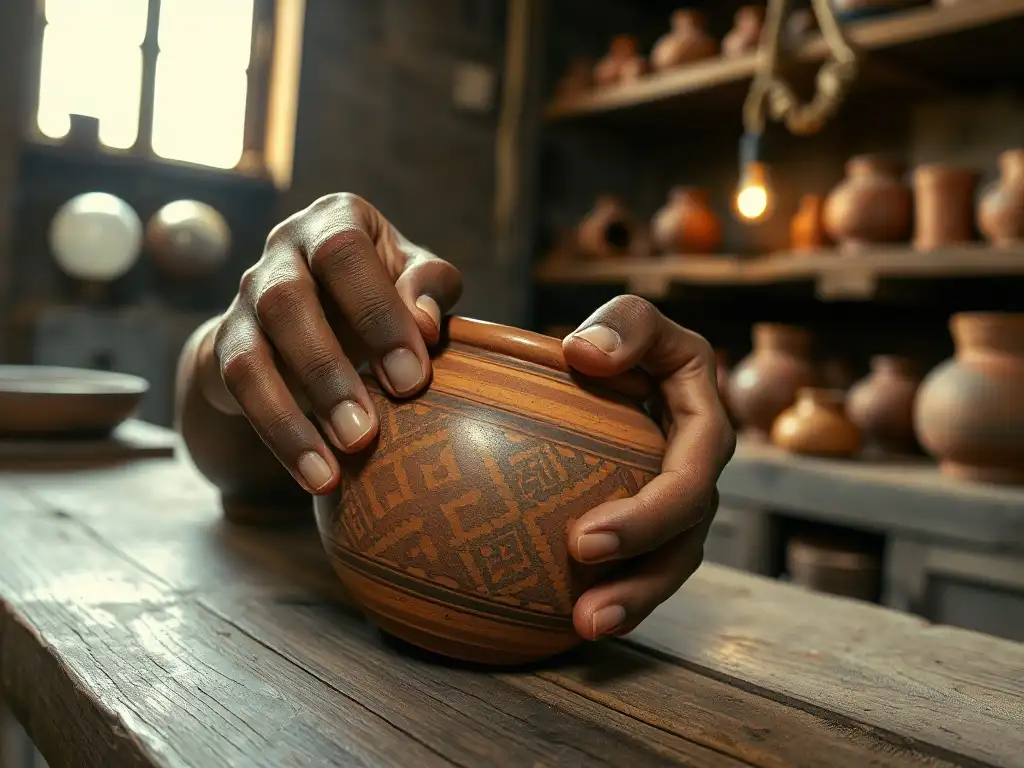
Protecting Andean pottery isn't solely the responsibility of archaeologists and museum curators; it's a collective endeavor demanding robust community participation. The success of any Andean pottery preservation method hinges on the active involvement of local populations, who are often the most knowledgeable custodians of their cultural heritage. Their intimate understanding of the historical context, traditional techniques, and even the very soil where these artifacts are found, provides invaluable insight for effective conservation strategies.
Ignoring this crucial element risks misinterpretations, inefficient resource allocation, and ultimately, the loss of irreplaceable cultural treasures. Furthermore, community engagement fosters a sense of ownership and pride, ensuring long-term commitment to preservation efforts. This isn't merely about safeguarding objects; it's about safeguarding cultural identity.
Empowering Local Communities in Heritage Protection
Empowering local communities is paramount for sustainable Andean pottery preservation. This involves several key strategies: Firstly, providing training and capacity building workshops focused on conservation techniques appropriate for the specific environmental conditions of the Andes. This might include training on proper cleaning methods, storage techniques, and the identification of environmental threats like humidity and temperature fluctuations.
Secondly, establishing community-based museums or heritage centers allows for the safe display and preservation of locally discovered pottery, creating economic opportunities through tourism and promoting cultural pride. Thirdly, involving communities in the decision-making process regarding the management and preservation of their heritage ensures that initiatives are relevant and sustainable.
This participatory approach fosters a sense of responsibility and ownership, leading to more effective and enduring results. For example, a successful program in [Specific location pending] involved training local artisans in traditional restoration techniques, resulting in a significant increase in the number of preserved artifacts and the creation of new employment opportunities.
Education and Awareness Programs for Andean Pottery
Effective Andean pottery preservation methods necessitate a well-informed public. Education and awareness programs are crucial for fostering a culture of respect and responsible stewardship toward these fragile artifacts. These programs should target diverse audiences, from school children to adult community members, using various methods to convey the importance of preserving this rich heritage. Interactive museum exhibits, workshops demonstrating traditional pottery-making techniques, and public lectures by archaeologists and conservators can all play a vital role.
Furthermore, the development of educational materials, such as brochures, websites, and documentaries, specifically addressing Andean pottery preservation methods, can significantly increase public awareness and understanding. The use of engaging multimedia tools, such as virtual reality tours of archaeological sites, can further enhance the learning experience and emphasize the vulnerability of these artifacts. The ultimate goal is to cultivate a society that actively participates in the protection of its cultural heritage.
Collaborative Efforts Between Researchers and Local Populations
Successful Andean pottery preservation relies heavily on collaborative research between academics and local communities. Researchers bring their scientific expertise in conservation science and material analysis, while local communities provide their invaluable traditional knowledge and understanding of the artifacts’ context. This synergistic approach leads to more effective and culturally sensitive conservation strategies.
For instance, researchers might use advanced techniques like X-ray fluorescence to analyze the chemical composition of the clay used in ancient pottery, while local potters could share insights into traditional firing methods and the types of clay used in their region. This combined knowledge informs better decision-making regarding storage conditions, cleaning protocols, and even the development of new, more effective preservation techniques tailored to the specific needs of Andean pottery.
Open communication and mutual respect are essential for building strong and productive partnerships that ensure the long-term preservation of this invaluable heritage. The collaborative spirit is key to the success of any Andean pottery preservation method.
Future Directions in Andean Ceramic Preservation
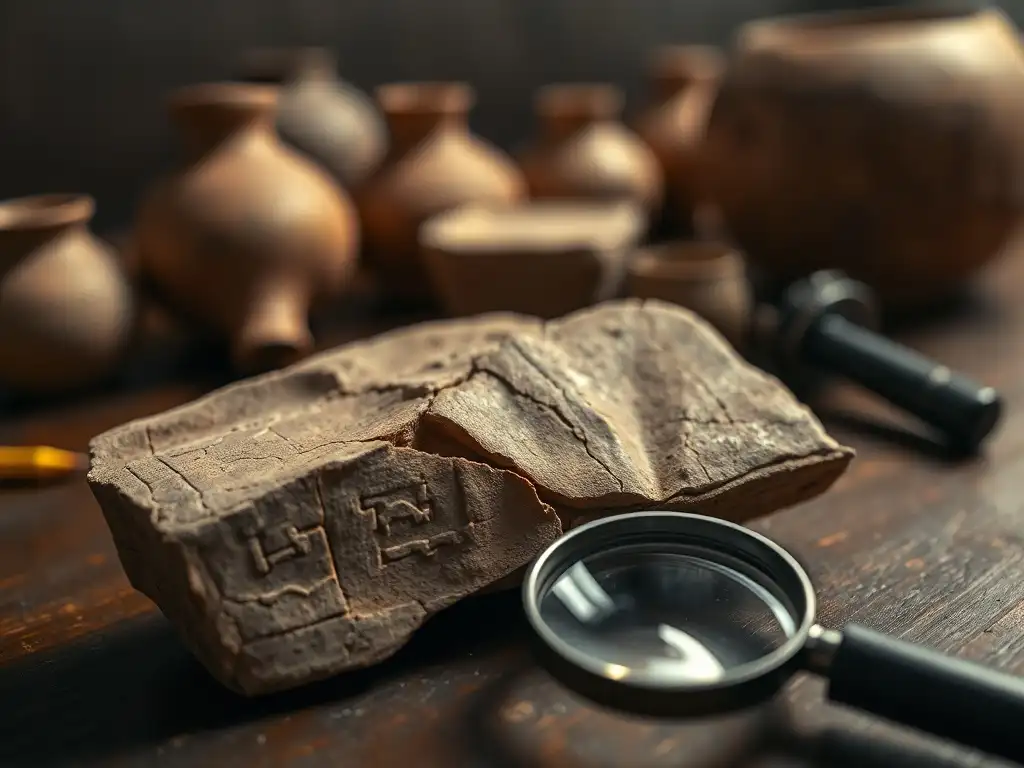
The preservation of Andean pottery, a vital aspect of understanding these ancient cultures, requires a constant evolution of techniques and strategies. Current methods, while effective, are often limited by factors such as cost, accessibility, and the long-term stability of materials used. Therefore, exploring innovative approaches is crucial for ensuring the longevity of these irreplaceable artifacts.
The field needs to move beyond simply preserving the status quo and embrace proactive, sustainable practices that minimize future intervention and maximize the lifespan of these fragile treasures. Successfully implementing these future directions will significantly improve our ability to safeguard Andean pottery for generations to come, allowing for continued research and appreciation of these invaluable cultural relics. This section will detail some promising avenues of investigation and implementation for Andean pottery preservation methods.
Innovations in Materials and Techniques
Current Andean pottery preservation often relies on traditional methods like consolidation using consolidants like Paraloid B-72. However, limitations exist. Paraloid B-72, while effective, can yellow over time and may not be suitable for all types of ceramic materials found in Andean collections. Future research should focus on developing novel, environmentally friendly consolidants with improved long-term stability and minimal impact on the artifact's aesthetic qualities. This includes exploring bio-based consolidants derived from natural sources, minimizing the environmental footprint of the preservation process.
Further innovation is needed in the area of protective coatings. Traditional coatings can sometimes impede the study of the pottery's surface details. The development of reversible, non-invasive coatings that provide protection without compromising access for researchers is a critical area for development. Ideally, these coatings would be easily removable, allowing future generations to utilize more advanced analytical techniques without damaging the artifact.
The use of nanomaterials in conservation is an exciting new frontier. Nanomaterials, due to their unique properties, offer potential advantages in consolidating fragile ceramics and creating more effective protective barriers. However, thorough research is needed to assess the long-term effects of nanomaterials on the pottery and to ensure their compatibility with existing materials and techniques. This includes detailed studies on potential risks and mitigation strategies. This innovative approach offers the potential to significantly enhance the effectiveness of Andean pottery preservation methods.
Sustainable Practices for Long-Term Conservation
Sustainable practices are essential for the long-term preservation of Andean pottery. This encompasses a holistic approach that considers the entire lifecycle of the artifact, from excavation and storage to display and research. Minimizing the use of harmful chemicals and prioritizing environmentally friendly materials is paramount. This involves a shift towards using renewable resources and reducing waste throughout the preservation process.
A critical aspect of sustainability is the development of standardized, easily replicable preservation protocols. The lack of universally accepted best practices leads to inconsistencies in preservation efforts, potentially impacting the long-term integrity of the artifacts. Establishing clear guidelines and training programs for conservators will ensure consistency and improve the overall effectiveness of preservation efforts. This standardization will also facilitate the sharing of knowledge and best practices across institutions, leading to a more collaborative and effective approach to Andean pottery preservation methods.
Furthermore, a focus on preventative conservation is crucial. This involves creating optimal storage conditions to minimize environmental degradation, including controlling temperature, humidity, and light exposure. Proper handling techniques, including the use of appropriate equipment and protective materials, are also essential to prevent accidental damage. By prioritizing preventative measures, we can reduce the need for extensive and potentially damaging interventions in the future. This proactive strategy represents a crucial element of sustainable Andean pottery preservation methods.
The Role of Technology in Advancing Preservation Efforts
Technological advancements offer significant potential for enhancing Andean pottery preservation efforts. Non-destructive imaging techniques, such as X-ray fluorescence (XRF) and multispectral imaging, provide valuable insights into the composition and condition of the artifacts without causing damage. This allows for a more informed approach to conservation, enabling conservators to make better decisions about treatment strategies.
Digital documentation plays a crucial role in preserving information about the artifacts and their condition over time. 3D scanning and photogrammetry create detailed digital records that can be used for research, education, and future restoration efforts. This digital archive provides a valuable backup, safeguarding the information even if the physical artifacts are damaged or lost. This digital approach also allows for wider access to these invaluable cultural resources for researchers and the public alike.
Furthermore, advancements in materials science and engineering can be leveraged to develop new materials and techniques for conservation. The development of smart materials that respond to changes in environmental conditions, or self-healing materials that can repair minor damage autonomously, holds significant promise for the future of Andean pottery preservation. These technologically advanced preservation methods will allow for more effective and efficient long-term preservation of these irreplaceable artifacts. The integration of technology promises to revolutionize Andean pottery preservation methods.
Conclusion: Safeguarding Andean Ceramic Heritage
This exploration of Andean pottery preservation methods has highlighted the fragility and immense cultural significance of these artifacts. From the delicate Nazca pottery depicting intricate figures to the robust Inca vessels showcasing sophisticated craftsmanship, these objects represent not just aesthetic achievements but also invaluable windows into the beliefs, practices, and daily lives of past Andean societies. Understanding the challenges of preservation, ranging from environmental factors to human intervention, is crucial for ensuring the long-term survival of this irreplaceable heritage. The continued application and refinement of preservation techniques are paramount to protecting this legacy for future generations.
The Ongoing Need for Preservation and Conservation
The ongoing need for Andean pottery preservation is multifaceted. Climate change, for instance, poses a significant threat. Fluctuations in temperature and humidity can cause irreversible damage, such as cracking, flaking, and even disintegration. Furthermore, the inherent chemical composition of the clays used in Andean pottery makes them susceptible to degradation over time.
Many pieces are also fragile due to age and previous damage, requiring specialized handling and storage conditions. The ongoing research into new materials and techniques for conservation, therefore, remains critical. For example, studies into the use of bio-based consolidants are showing promising results in strengthening weakened ceramics without altering their original properties.
This continuous development of strategies is essential to counteract the ever-present threats to the survival of these priceless artifacts. We need sustained investment in research and development to combat these challenges effectively. Furthermore, ongoing monitoring of existing collections is crucial to detect early signs of deterioration and implement timely interventions.
The Enduring Value of Andean Pottery
Beyond their aesthetic appeal, Andean pottery holds immense cultural and historical value. These artifacts serve as primary sources for understanding ancient Andean societies, offering insights into their religious beliefs, social structures, agricultural practices, and technological advancements. The iconography depicted on the pottery, for example, provides clues to their cosmological views and ritual practices. The stylistic variations across different cultures and time periods allow archaeologists and historians to trace the evolution of Andean societies and establish chronological frameworks.
The enduring value of these pieces goes beyond their material worth; they are essential tools for reconstructing the past and enriching our understanding of human history. Preserving Andean pottery is not merely about protecting fragile objects; it's about safeguarding a crucial part of our shared human heritage. The detailed analysis of these artifacts continues to provide valuable insights into the complexity and sophistication of Andean civilizations.
Final Thoughts on the Legacy of Andean Ceramics
The preservation of Andean ceramics is a continuous process requiring a multidisciplinary approach. Collaboration between archaeologists, conservators, scientists, and museums is vital for the successful implementation of effective preservation strategies. Public awareness campaigns are also crucial for fostering a sense of responsibility and appreciation for this invaluable heritage. Education plays a key role in promoting responsible tourism and discouraging illicit trafficking of artifacts. By implementing comprehensive preservation programs and raising public awareness, we can ensure that the legacy of Andean ceramics continues to inspire and educate future generations. The protection of this unique cultural heritage is not merely a responsibility but an investment in our collective understanding of the past and a testament to our commitment to preserving cultural treasures for the future. The vibrant colors and intricate designs of these artifacts are a testament to the skill and artistry of Andean cultures, and their preservation is a moral imperative.
Frequently Asked Questions
What are the biggest threats to the preservation of Andean pottery?
The biggest threats are environmental factors like humidity and temperature fluctuations, as well as physical damage from handling and looting. Pest infestations and soil acidity also pose significant risks.
What are some common preservation methods used for Andean ceramics?
Common methods include controlled environmental storage (stable temperature and humidity), cleaning with specialized tools and solutions, and consolidation of fragile pieces using appropriate adhesives. Careful handling is crucial throughout the process.
How is Andean pottery's unique surface decoration preserved?
Preservation focuses on minimizing abrasion and preventing chemical reactions. This involves careful cleaning techniques and protective coatings to stabilize pigments and prevent fading or flaking.
What role does digital documentation play in Andean pottery preservation?
Digital 3D modeling and photography create detailed records, allowing for study and analysis without handling the fragile artifacts. This minimizes risk of damage during research and allows for wider access to the collections.
Where can I learn more about Andean pottery preservation techniques?
You can find more information through academic journals, museum websites, and specialized conservation organizations. Many universities offer courses and research opportunities in this field.
Final Reflection: The Enduring Legacy of Andean Ceramics
The delicate artistry of Andean pottery, a testament to millennia of cultural heritage, faces an ongoing battle against time and the elements. Its preservation is not merely a matter of safeguarding artifacts; it's a fight to protect the stories, beliefs, and identities woven into each piece. These fragile treasures hold the key to understanding complex societies and their enduring connection to the land.
The impact of effective Andean pottery preservation methods extends far beyond the museum walls. These methods are crucial for ensuring future generations can appreciate the skill and ingenuity of past artisans. The knowledge gained through preservation efforts enriches our understanding of ancient techniques, allowing for informed conservation practices and even inspiring contemporary artists. The past is never dead. It's not even past.
– William Faulkner. This quote resonates deeply, reminding us that by preserving these artifacts, we are actively engaging with the past and shaping a more informed future.
Consider the intricate details, the vibrant colors, the stories whispered by each shard. You, the reader, now hold the power to contribute to this vital work. Support museums and archaeological initiatives dedicated to preserving Andean pottery. Learn more about the techniques used, and share your knowledge with others. By actively engaging with this legacy, we ensure that the fragile beauty of Andean ceramics continues to inspire and enlighten for generations to come.
**Embrace and Protect the Heritage of Andean Ceramics! **
Thank you for exploring the fragile beauty of Andean ceramics with us! Your interest in this rich cultural heritage is vital to ensuring its preservation for future generations. Let's work together to make a difference!
- **Learn traditional pottery techniques** by participating in a local workshop and supporting community artisans.
- **Spread awareness** of the importance of protecting this cultural heritage by sharing this article with friends and family.
- **Deepen your understanding** of Andean civilizations and participate in preservation initiatives through our website.
How will you contribute to preserving the stunning legacy of Andean pottery? We'd love to hear your ideas!