
Inca Architecture: Grand Structures Displaying Imperial Authority

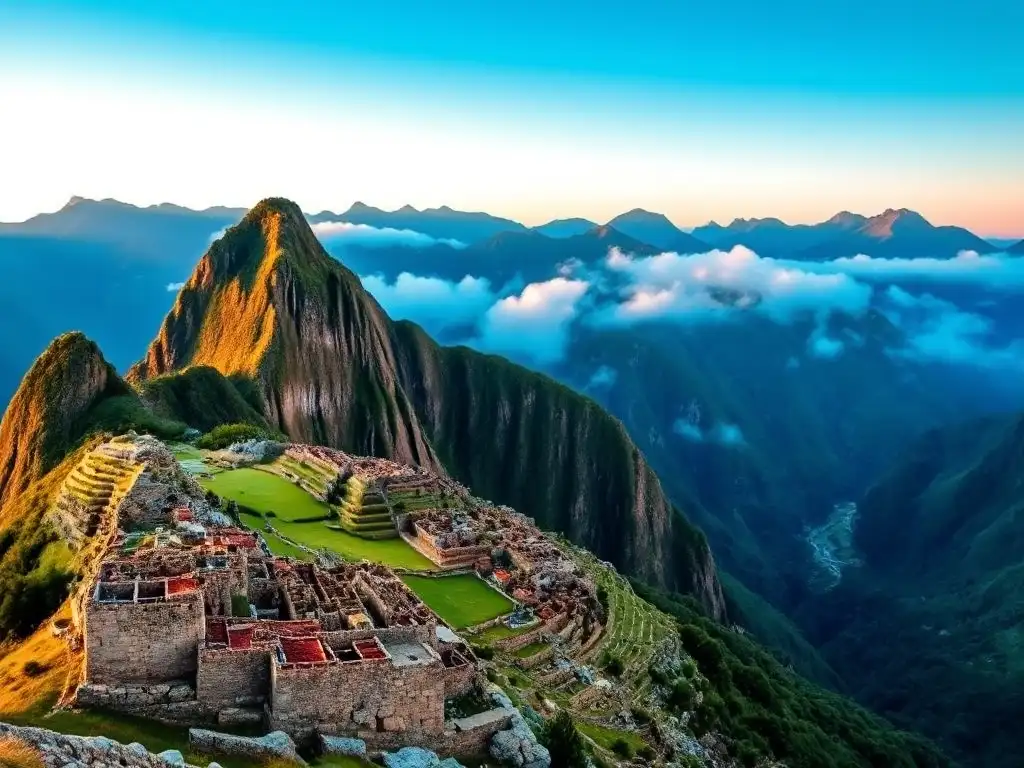
Step into a world lost to time, yet echoing with the grandeur of empires past. Andean Civilizations unveils the mysteries and marvels of the ancient Andes, from the intricate artistry of the Nazca lines to the awe-inspiring engineering feats of the Incas. But what secrets lie within the Inca architectural styles that allowed them to construct such monumental structures? Prepare to be captivated by the ingenuity and power reflected in their buildings – a testament to a civilization that continues to fascinate and inspire. Discover more about the breathtaking legacy of the Inca Empire and its remarkable architecture.
Inca architecture stands as a testament to the ingenuity and power of the Inca Empire, a civilization that thrived in the challenging Andean highlands. This article delves into the fascinating world of Inca architectural styles, exploring the techniques, materials, and symbolism employed to construct the monumental structures that defined their imperial authority.
From the meticulously crafted stonework of Machu Picchu to the intricate urban planning of Cusco, Inca architecture reveals a sophisticated understanding of engineering, aesthetics, and the strategic use of space to project power and control. We will examine the key features of Inca architectural styles, their significance within the Andean world, and how these structures served as powerful symbols of Inca imperial might.
Understanding Inca architectural styles provides crucial insight into the social, political, and religious organization of this remarkable civilization, highlighting their advanced knowledge and remarkable achievements. This exploration will reveal how their building practices reflected their worldview and their ambition to create a unified and enduring empire.
Introduction to Inca Architectural Mastery
Inca builders demonstrated exceptional skill in manipulating stone, creating structures that seamlessly integrated with their mountainous environment. Their mastery of dry-stone masonry, a technique that involved fitting stones together without mortar, is legendary. The precision and artistry involved are breathtaking; stones were cut and shaped with such accuracy that even a knife blade could not be inserted between them.
This remarkable technique, combined with their understanding of structural engineering, enabled them to construct buildings that withstood earthquakes and the test of time. The use of locally sourced materials, such as granite, andesite, and limestone, further showcases their adaptability and resourcefulness. Beyond the technical prowess, Inca architecture employed sophisticated techniques like ashlar masonry, characterized by precisely cut, rectangular blocks, and rusticated masonry, using roughly hewn stones to create textured surfaces.
These techniques, combined with the impressive scale of their projects, highlight the highly organized and skilled workforce that the Inca Empire commanded. The integration of astronomical alignments in many structures further suggests a deep understanding of the cosmos and its influence on their society. For instance, the orientation of certain buildings in Machu Picchu is believed to align with significant celestial events, highlighting the profound connection between Inca architecture and their cosmology.
The Significance of Inca Architectural Styles in the Andean World
Inca architectural styles were not merely aesthetic choices; they were powerful statements of imperial authority and control. The monumental scale of their structures, such as the imposing walls of Sacsayhuamán, served to intimidate and impress conquered populations. The strategic placement of fortresses and administrative centers across the vast empire facilitated effective governance and control over a diverse population.
The standardization of architectural elements, like the use of specific stone types and construction techniques across different regions, further reinforced the unity and power of the Inca Empire. The design and layout of cities like Cusco, with its carefully planned streets and strategically positioned buildings, reflect a sophisticated understanding of urban planning and social control. The integration of religious elements into many structures, such as temples and sacred plazas, demonstrates the close relationship between religious beliefs and political power within Inca society.
The construction of impressive road networks, connecting distant parts of the empire, further solidified Inca control and facilitated communication and trade. These architectural achievements, therefore, served both practical and symbolic purposes, showcasing the empire's power and its ability to unify diverse populations under a single, centralized authority. The enduring legacy of Inca architecture continues to inspire awe and fascination, offering invaluable insights into the remarkable achievements of this sophisticated civilization.
- Introduction to Inca Architectural Mastery
- The Significance of Inca Architectural Styles in the Andean World
- What are some key characteristics of Inca architectural styles?
- How did the Incas manage to create such impressive structures without mortar?
- What were some of the main functions of Inca buildings?
- How did Inca architecture reflect imperial authority?
- What materials did the Incas primarily use in their construction?
Defining Inca Architectural Styles and Techniques
The Inca Empire, renowned for its sophisticated administrative and social structures, also left behind a remarkable legacy in architecture. Understanding Inca architectural styles requires examining not just the aesthetic aspects but also the underlying engineering principles and symbolic meanings embedded within their constructions. The Inca's architectural achievements were a powerful display of imperial authority, reflecting their control over resources, labor, and the landscape itself.
Their style, while exhibiting regional variations, shared common characteristics that distinguished it from other Andean cultures. This wasn't simply about building; it was about projecting power and establishing a visual representation of their dominion. The meticulous planning and execution visible in Inca structures speak volumes about their advanced understanding of engineering and their ability to mobilize vast human resources.
The consistent use of specific techniques and materials, along with the careful integration of buildings into their environment, showcase a sophisticated approach to architecture that continues to fascinate and inspire today. The empire's impressive infrastructure, from monumental urban centers to intricate road networks, served not only practical purposes but also symbolized the Inca's control and organization of their vast territory.
The Use of Ashlar Masonry in Inca Construction
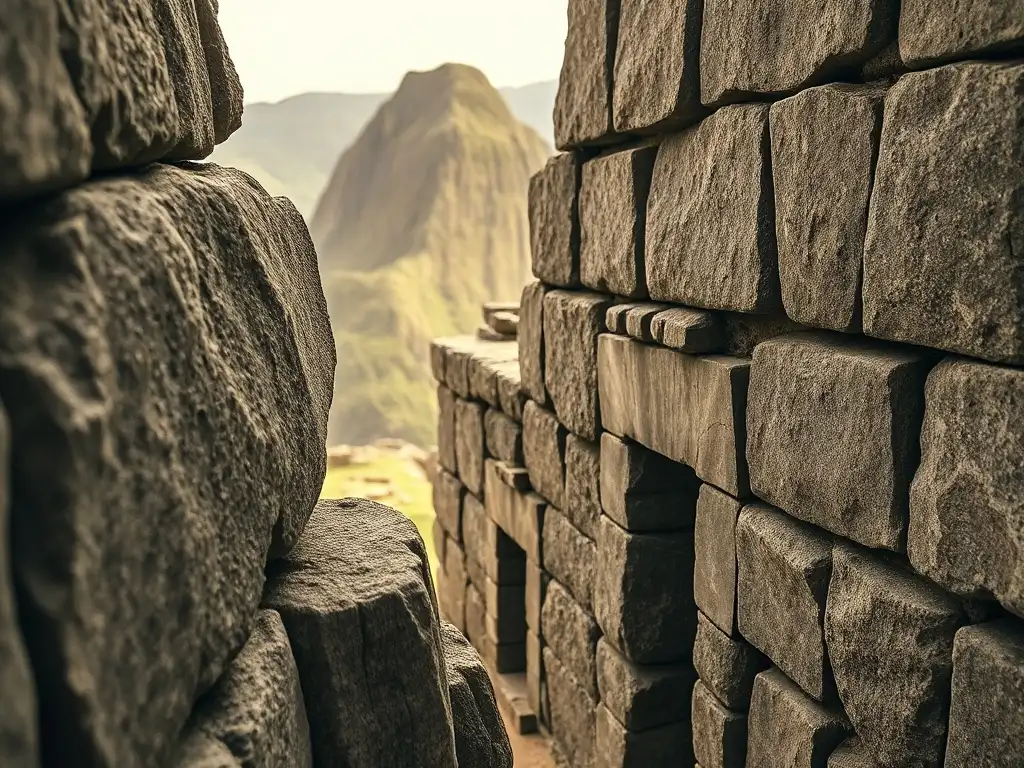
Inca architecture is most readily identified by its masterful use of ashlar masonry. This technique involved precisely cutting and fitting large, rectangular blocks of stone without using mortar. The stones were often so perfectly shaped that a knife blade could not be inserted between them. This wasn't merely a matter of aesthetics; the precision was crucial for seismic stability in the mountainous regions where the Inca built.
The interlocking nature of the stones allowed the structures to withstand earthquakes, a testament to their advanced understanding of engineering principles. Variations existed in the quality of ashlar masonry; some structures utilized smaller, less precisely cut stones, while others, particularly those of high symbolic importance, showcased the finest examples of this technique. The scale of some projects, such as the walls of Sacsayhuamán, is breathtaking, demonstrating both the Inca's engineering prowess and their ability to organize and manage massive labor forces.
The skill involved in shaping and fitting these enormous stones, often weighing several tons, is truly remarkable and speaks to the high level of craftsmanship within Inca society. Analyzing the different types of ashlar masonry used across the empire reveals regional variations and potential indications of social hierarchy or the importance of specific sites. The precision and scale of ashlar masonry remain a hallmark of Inca architectural styles.
Key Elements of Inca Architectural Design
Beyond ashlar masonry, several key elements characterize Inca architectural styles. The use of trapezoidal doorways and windows is a prominent feature, giving structures a distinctive look. These trapezoidal shapes, often found in conjunction with other geometric patterns, are thought to have had symbolic significance, possibly representing the sun or other celestial bodies important to Inca cosmology. Another defining characteristic is the incorporation of niches into walls.
These niches, of varying sizes and shapes, served diverse purposes, potentially for storage, ritualistic offerings, or simply as decorative elements. Their presence adds to the complexity and visual richness of Inca structures. Furthermore, the careful integration of buildings into their natural surroundings is a noteworthy aspect of Inca architectural design. Structures were often strategically placed to take advantage of natural features, such as hillsides or rocky outcrops, and were constructed using materials readily available in the immediate environment.
This approach not only demonstrated practicality but also highlighted the Inca's deep connection to their land and their ability to harmoniously blend their constructions into the existing landscape. The overall effect is one of impressive scale and monumental grandeur, yet with a remarkable sense of balance and integration with nature. These features, in combination with the use of ashlar masonry, define the unique aesthetic of Inca architecture.
Construction Techniques: Precision and Engineering
The construction techniques employed by the Inca were as impressive as the structures themselves. The precise cutting and fitting of stones, as discussed above, required advanced tools and a high degree of skill. While the exact tools used remain a subject of ongoing research, evidence suggests the use of copper and bronze chisels, hammers, and other specialized instruments. The transportation of massive stones to construction sites presented another significant challenge, requiring sophisticated logistical planning and the mobilization of large numbers of workers.
Inca engineers developed ingenious methods for moving these stones, likely involving ramps, rollers, and levers. The remarkable accuracy achieved in the placement of stones suggests a deep understanding of geometry and engineering principles. The ability to construct structures that could withstand earthquakes and other natural hazards underlines the Inca's sophisticated knowledge of structural mechanics. Furthermore, the Inca's mastery of hydraulic engineering is evident in their construction of irrigation systems and water management infrastructure, which were essential for supporting their agricultural economy.
The integration of these systems into their architectural designs further highlights their advanced engineering capabilities. The combination of precise stonework, sophisticated logistics, and advanced engineering principles made the Inca's construction techniques truly remarkable, leaving behind a legacy of impressive structures that still stand as a testament to their ingenuity. The precision and scale of these projects continue to challenge modern engineers and inspire ongoing research into Inca building methods.
Major Examples of Inca Architectural Achievements
This section delves into the remarkable architectural prowess of the Inca Empire, showcasing key examples that embody their distinct style and engineering capabilities. The Inca's mastery of stonework, their understanding of structural mechanics, and their adaptation to diverse terrains resulted in structures that remain awe-inspiring testaments to their ingenuity. Understanding these architectural styles provides crucial insights into Inca government, administration, and the symbolic representation of imperial power. The precision and scale of these projects highlight the sophisticated organization and resources of the Inca state.
Machu Picchu: The Lost City of the Incas
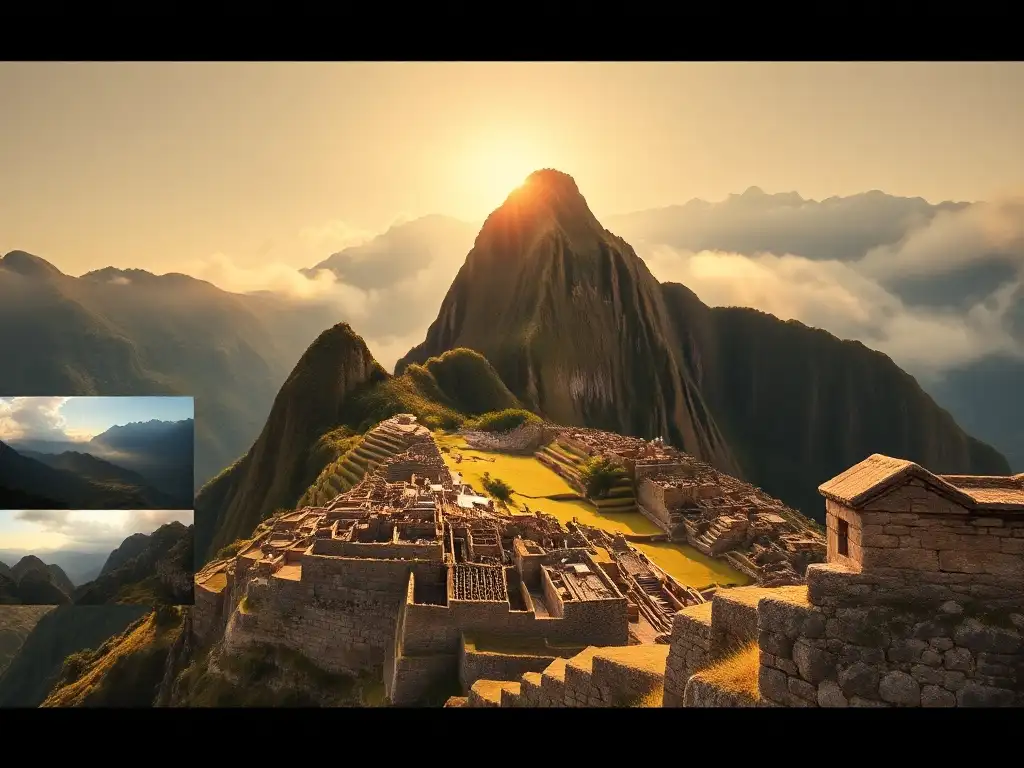
Machu Picchu, often called the "Lost City of the Incas," stands as a prime illustration of Inca architectural styles. Its breathtaking location high in the Andes Mountains, coupled with its intricate stonework and remarkable integration with its environment, showcases the Inca's exceptional skills. The city's design, incorporating agricultural terraces, residential areas, and religious structures, reveals a sophisticated understanding of urban planning and resource management.
The precision-cut stones, fitted together without mortar, exemplify the Inca's mastery of dry-stone masonry, a technique that allowed them to create incredibly strong and durable structures capable of withstanding earthquakes and the elements. The use of different stone types and colors, while aesthetically pleasing, likely also held symbolic meaning within the Inca worldview. Further research is needed to fully understand the specific purposes of every structure within Machu Picchu, and ongoing archaeological excavations continue to reveal new insights into this remarkable site.
The careful placement of buildings to maximize sunlight and airflow demonstrates an advanced understanding of environmental engineering. Many structures, such as the Intihuatana stone, are believed to have served astronomical and ritualistic purposes, reflecting the close connection between Inca religion and their built environment. The complexity of Machu Picchu, its strategic location, and the precision of its construction clearly demonstrate the power and sophistication of the Inca civilization.
Sacsayhuaman: A Fortress of Immense Scale
Sacsayhuaman, located near Cusco, is a monumental example of Inca military architecture and a powerful symbol of imperial authority. This massive fortress, built from colossal stones, some weighing over 100 tons, is a testament to the Inca's organizational capacity and engineering skills. The cyclopean masonry of Sacsayhuaman, characterized by its incredibly large and precisely fitted stones, is unparalleled in its scale and precision.
The arrangement of these massive stones, some exhibiting intricate carvings, remains a source of fascination and debate among scholars. The fortress's strategic location, overlooking the city of Cusco, served as a crucial defensive position and a powerful visual statement of Inca dominance. The sheer scale of the construction project required a massive workforce and sophisticated logistical planning, reflecting the centralized nature of the Inca government and its ability to mobilize resources on an unprecedented scale.
The dry-stone technique used at Sacsayhuaman, similar to that at Machu Picchu, shows a remarkable consistency in Inca building practices across different regions and contexts. The survival of significant portions of Sacsayhuaman despite centuries of weathering and earthquakes further underscores the durability and resilience of Inca architectural styles. The imposing presence of Sacsayhuaman served as a constant reminder of Inca power and a deterrent against potential enemies.
Ollantaytambo: A Strategic Inca Center
Ollantaytambo, a significant Inca site in the Sacred Valley, showcases a combination of military architecture and urban planning. The site's strategic location, situated in a narrow valley, allowed for effective defense. The impressive terraces, carved into the mountainside, were crucial for agriculture, providing sustenance for the population and demonstrating the Inca's ability to modify and adapt the landscape to meet their needs. The impressive stonework, characterized by its precision and scale, is evident throughout the site, including the massive stone walls and temples.
Ollantaytambo's layout, with its intricate network of streets, plazas, and buildings, reveals a well-organized urban plan. The presence of both residential and administrative structures highlights the site's importance as a significant administrative center. The complex water management systems, including canals and fountains, further demonstrate the Inca's advanced understanding of hydraulic engineering.
The combination of military fortifications, agricultural terraces, and urban infrastructure at Ollantaytambo represents a holistic approach to Inca urban planning and displays the Inca's capability to manage resources and control a large population. The site's survival, despite the passage of time, provides valuable insights into Inca architectural styles and their sophisticated understanding of engineering and urban design. The strategic location and impressive scale of Ollantaytambo underscore its significance as a crucial center within the Inca Empire.
Coricancha: The Temple of the Sun
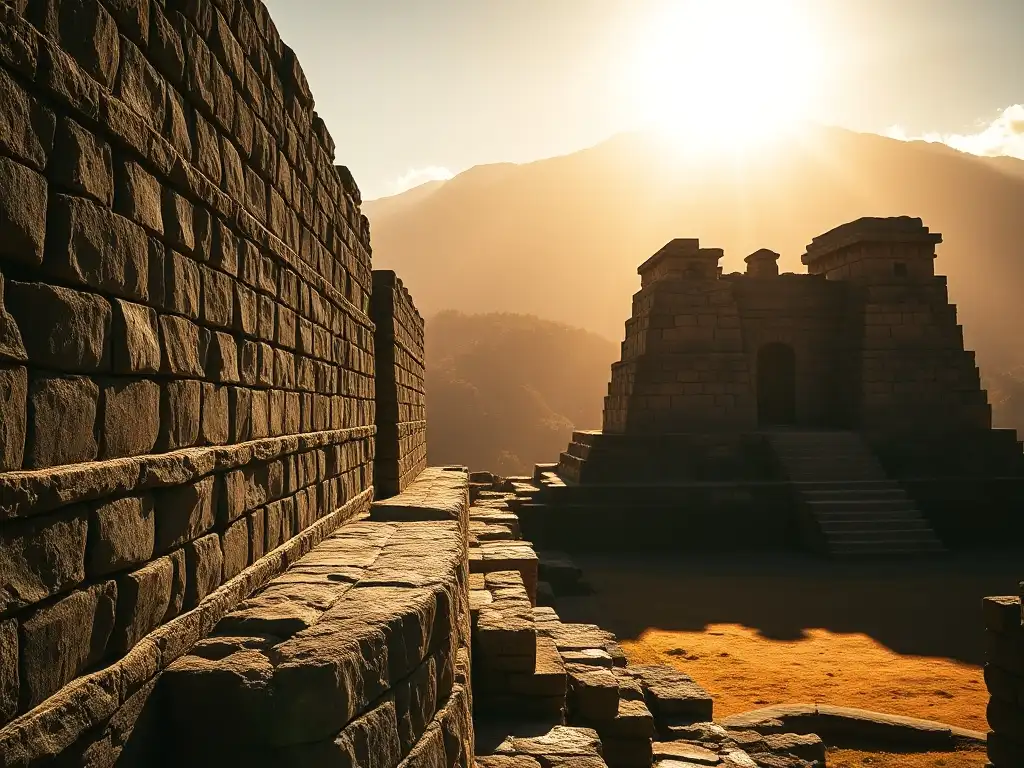
The Coricancha, or Qorikancha (Quechua for "Golden Enclosure"), stands as a testament to Inca architectural prowess and religious devotion. Located in present-day Cusco, Peru, this temple was the most important religious site within the Inca empire. Its construction, likely beginning in the 15th century, showcases the Inca's mastery of stonework. The massive walls, built from precisely cut and fitted stones, are renowned for their impeccable craftsmanship.
The stones, sourced from various locations, were expertly shaped and joined without mortar, creating incredibly strong and aesthetically pleasing structures. The precision of the fit is so remarkable that even a knife blade cannot be inserted between many of the stones – a feat of engineering that continues to amaze archaeologists and visitors alike. Furthermore, the Coricancha's original appearance was even more spectacular, adorned with immense quantities of gold and silver, reflecting the Inca's immense wealth and power. Chroniclers describe walls covered in gold leaf, intricate gold ornaments, and statues depicting deities bathed in golden light.
While much of the original temple was destroyed by the Spanish conquistadors, who built a church on its foundations, the remaining walls still offer a glimpse into the grandeur of Inca religious architecture and the sophisticated techniques employed in its construction. The surviving structures serve as a powerful reminder of the Inca’s advanced understanding of stonework and their profound religious beliefs. The sheer scale and meticulous detail of the Coricancha highlight the Inca's ability to mobilize vast resources and skilled labor to create impressive monuments reflecting their imperial authority. The surviving walls, despite the damage, continue to inspire awe and wonder, illustrating the enduring legacy of Inca architectural styles.
Inca Road System: Engineering Marvels
The Inca road system, a truly remarkable feat of engineering, is another outstanding example of Inca architectural styles and their ability to manage vast territories. Stretching over 40,000 kilometers across the Andes Mountains, this network of roads connected the far-flung corners of the empire, facilitating communication, trade, and military movement. The construction of these roads presented immense challenges, requiring the Inca to overcome steep slopes, treacherous terrain, and diverse climates. Their solution was innovative and impressive.
The roads were carefully engineered to accommodate the varied landscape, utilizing sophisticated techniques such as suspension bridges, tunnels, and strategically placed retaining walls. The Inca utilized a complex system of relay runners to transmit messages quickly across vast distances, highlighting the crucial role of the road system in maintaining control and stability across the empire. The roads weren't simply paths; they were carefully constructed pathways, often paved with stone and featuring strategically placed resting places (tambos) for travelers. These tambos provided shelter, food, and supplies, ensuring the smooth flow of people and goods along the extensive network.
The system's impact extended beyond mere transportation; it fostered cultural exchange and facilitated the movement of goods, solidifying Inca control and projecting their imperial power. The Inca road system is not only a marvel of engineering but also a powerful symbol of the Inca Empire's administrative efficiency and its ability to integrate diverse regions under a unified rule. The scale and sophistication of this network stand as a testament to the Inca's advanced understanding of infrastructure development and their commitment to creating a unified and prosperous empire. The ingenuity displayed in overcoming the geographical challenges of the Andes highlights the advanced level of Inca architectural styles, reflecting the power and organization of their empire.
How Inca Architecture Reflected Imperial Power
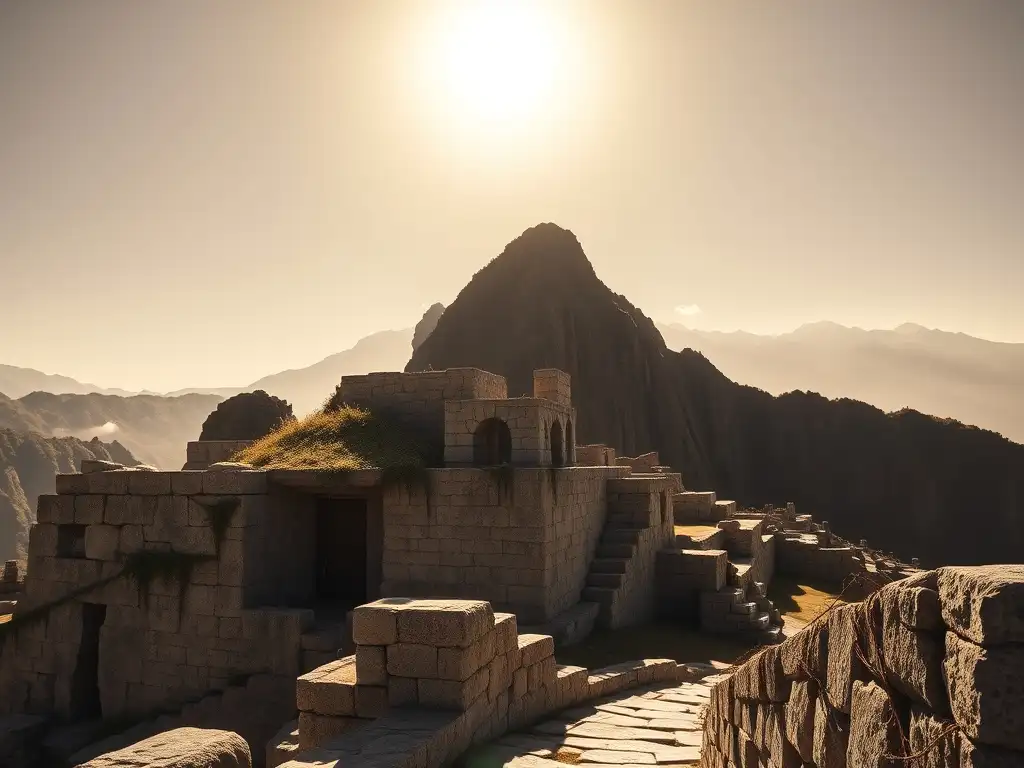
Inca architectural styles weren't merely aesthetic choices; they were powerful statements of imperial authority, meticulously designed to project power and control across the vast Inca Empire. The scale, precision, and strategic placement of Inca structures served as a constant reminder of the empire's might and the Inca's divine right to rule. This wasn't simply about building impressive buildings; it was about creating a landscape that embodied Inca dominance.
The very stones themselves, carefully cut and fitted together without mortar, symbolized the Inca's mastery over nature and their ability to harness vast resources for the benefit of the empire. The uniformity and standardization of architectural elements across the empire further reinforced the idea of a unified, centralized state under the absolute control of the Sapa Inca.
The monumental scale of Inca structures, such as Sacsayhuamán near Cusco, served as a potent symbol of Inca power. The massive stones, some weighing over 100 tons, were a breathtaking display of engineering prowess and an unmistakable demonstration of the empire's resources and manpower. These structures weren't just functional; they were designed to inspire awe and reverence, reinforcing the emperor's authority and the divine nature of the Inca state.
The strategic placement of these structures, often on high vantage points overlooking valleys and settlements, further emphasized Inca control and surveillance. The very act of constructing such immense structures was a demonstration of power, a tangible manifestation of the Inca's ability to command labor and resources on a scale unparalleled in the Andes. This wasn't just construction; it was a performance of power, a carefully orchestrated display intended to inspire both obedience and admiration.
Inca architectural styles also played a crucial role in social control. The layout of cities, with clearly defined administrative centers and residential areas, reflected a hierarchical social structure. The placement of temples, palaces, and storehouses emphasized the Inca's control over religious practices, resources, and the distribution of goods.
The construction of roads and bridges facilitated communication and the movement of troops, further strengthening imperial control. This sophisticated infrastructure wasn't just about convenience; it was a strategic network designed to maintain order and suppress dissent. The ability of the Inca to quickly mobilize resources and troops across vast distances was essential to their control of the empire, and the infrastructure reflected this need.
The meticulous planning and execution of these projects underscore the Inca's sophisticated understanding of logistics and their commitment to maintaining a tightly controlled empire. Even seemingly minor details, like the standardized sizes of doorways and windows, contributed to a sense of order and uniformity, reflecting the centralized nature of Inca governance.
Inca Architecture and Religious Beliefs
Inca architectural styles were deeply intertwined with religious beliefs. Temples and other sacred structures were often located on strategically important sites, such as mountaintops or near water sources, reflecting the Inca's reverence for nature and their belief in the power of the apus (mountain spirits). The precise orientation of buildings, the use of specific materials, and the incorporation of religious symbols all contributed to the sacred nature of these sites.
The intricate stonework itself was seen as a reflection of the Inca's connection to the divine, a testament to their ability to create structures that were both beautiful and sacred. The use of specific colors and materials, often linked to particular deities or ceremonies, further emphasized the religious significance of Inca architecture. The integration of religious elements into the very fabric of Inca cities served to reinforce the authority of the Inca, linking their power to the spiritual realm and solidifying their position as intermediaries between the human and divine worlds.
This seamless blending of religious and political power was a key element of Inca imperial control, demonstrating the profound influence of religious beliefs on their architectural styles and the overall structure of the empire. The very act of building was a ritual, a sacred undertaking imbued with religious significance, which further enhanced its symbolic power.
Inca Urban Planning and its Imperial Significance
Inca urban planning wasn't merely about creating functional cities; it was a powerful statement of imperial control and Andean worldview. The meticulous organization of urban spaces, from the grand plazas of Cusco to smaller settlements throughout the empire, served to reinforce Inca dominance and project an image of power and stability. This wasn't haphazard development; it was a carefully orchestrated system reflecting a sophisticated understanding of engineering, social organization, and symbolic representation.
The layout of Inca cities often followed a standardized pattern, reflecting a centralized administrative system. Straight, meticulously planned streets intersected at right angles, creating a grid-like structure that facilitated easy navigation and control. This contrasts sharply with the more organic layouts of pre-Inca settlements, highlighting the Inca's imposition of order and their desire for efficient administration.
The placement of key buildings, such as the acllahuasi (women's houses) and qorikancha (Temple of the Sun), further emphasized the Inca's control over religious and social life. These carefully positioned structures served not only practical functions but also symbolic ones, reinforcing the emperor's authority and the sacred nature of Inca rule.
One striking example of this imperial significance is Cusco, the Inca capital. Cusco's layout, with its central plaza and radiating streets, served as a model for other urban centers throughout the empire. The city's strategic location in a fertile valley, coupled with its carefully planned infrastructure, allowed for efficient resource management and facilitated the movement of people and goods. This efficient infrastructure directly supported the Inca's military and administrative might, allowing for rapid response to potential threats and the seamless flow of tributes and resources to the imperial center.
The grandeur of Cusco, with its monumental architecture and extensive network of roads and canals, served as a constant reminder of the Inca Empire's power and prosperity. It projected an image of stability and strength, both internally to the subject populations and externally to potential rivals. The very structure of the city reinforced the Inca's claim to legitimacy and control.
Furthermore, the integration of urban planning with agricultural practices underscored the Inca's comprehensive approach to imperial control. The andenes (terraced agricultural fields) that surrounded many Inca cities not only provided food security but also served as a visual representation of the empire's control over the land and its resources. This integration of urban and agricultural spaces symbolized the Inca's mastery over both the human and natural worlds, reinforcing their status as divinely appointed rulers.
The careful management of water resources, through sophisticated irrigation systems, further solidified their control and provided another visual testament to their engineering prowess and imperial power. This intricate interplay of urban design and agricultural practices served as a powerful symbol of Inca dominance, reinforcing their authority and legitimacy across the vast Andean landscape. The Inca's ability to manage and control these essential resources was a key element in maintaining their power and stability.
Analyzing the Legacy of Inca Architectural Influence
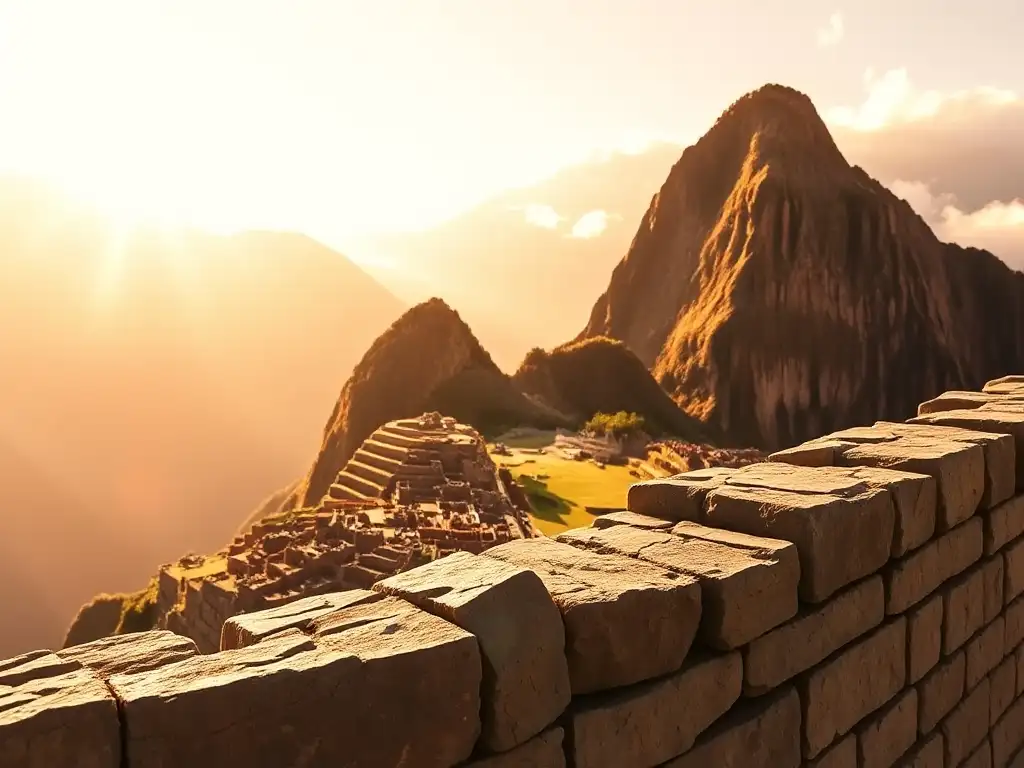
This section delves into the enduring impact of Inca architectural styles on subsequent Andean cultures and the world at large. The Inca Empire, at its zenith, boasted a sophisticated architectural style that transcended mere functionality; it served as a powerful symbol of imperial authority and control. This legacy continues to resonate today, influencing both preservation efforts and contemporary construction techniques. Understanding this influence requires examining both the direct and indirect impacts of Inca architectural innovations. The remarkable precision and scale of Inca structures, particularly their mastery of stonework, left an indelible mark on the cultural landscape of the Andes.
The Impact of Inca Architecture on Later Andean Cultures
The fall of the Inca Empire did not signal the end of its architectural influence. Post-conquest Andean cultures, while adopting new elements, continued to draw upon and adapt Inca building techniques and aesthetics. For example, colonial structures in Cusco, while incorporating Spanish architectural features, often integrated existing Inca stonework into their foundations and walls.
This pragmatic approach, reflecting both resourcefulness and a respect for the preceding culture, showcases a fascinating blend of styles. Many smaller settlements in the Andes also continued to utilize Inca-inspired building methods, particularly the dry-stone techniques that were so characteristic of Inca architecture. This continuity suggests a profound and lasting impact of Inca architectural styles on the region's building traditions, even after the empire's collapse.
The enduring appeal of Inca architectural principles is evidenced by their continued use in some communities even today. This isn't simply imitation; it's an adaptive process, where traditional methods are modified to meet contemporary needs, demonstrating the inherent flexibility and practicality of Inca architectural styles.
Preservation Efforts for Inca Architectural Sites
Preservation of Inca architectural sites faces numerous challenges, ranging from natural erosion and seismic activity to the impact of tourism. However, significant efforts are underway to protect these invaluable historical landmarks. These efforts encompass a wide range of strategies, from careful excavation and stabilization of crumbling walls to the implementation of sustainable tourism practices.
International organizations, in collaboration with local communities and governments, are investing heavily in the long-term preservation of sites like Machu Picchu, Ollantaytambo, and Sacsayhuamán. These initiatives often involve advanced technologies for monitoring structural integrity, preventing further decay, and mitigating the effects of environmental factors. Furthermore, community involvement is crucial, ensuring that preservation efforts are sensitive to the cultural significance of these sites and involve the participation of those whose heritage is directly connected to them.
The preservation of Inca architectural sites is not merely an act of historical preservation; it's a vital step in safeguarding a significant part of Andean cultural identity. Ongoing research continues to refine preservation techniques, aiming for a balance between accessibility for visitors and the long-term protection of these fragile monuments. The challenge lies in finding innovative and sustainable solutions that ensure these remarkable examples of Inca architectural styles remain accessible for future generations.
Inca Architectural Adaptations in Modern Construction
While seemingly ancient, the principles behind Inca architectural styles hold surprising relevance in modern construction. The ingenious use of interlocking stones, requiring minimal mortar, offers valuable lessons in seismic resilience, particularly relevant in earthquake-prone regions. The Inca's mastery of adapting to varied terrains and utilizing locally sourced materials provides inspiration for sustainable and environmentally conscious building practices. Modern architects and engineers are increasingly studying Inca techniques to develop innovative, earthquake-resistant structures.
For example, the precise fitting of stones, minimizing the need for binding agents, is being explored as a means of creating more durable and environmentally friendly buildings. Furthermore, the Inca's ability to integrate their structures seamlessly into the landscape serves as a model for environmentally sensitive design. The use of local materials and the minimization of waste are principles that resonate strongly with contemporary sustainable building initiatives.
The incorporation of Inca architectural principles into modern design is not simply a stylistic choice; it’s a practical response to the challenges of sustainable and resilient construction. The legacy of Inca architectural styles continues to inspire innovative and ecologically responsible approaches to building design in the 21st century. This represents a powerful testament to the enduring ingenuity and foresight of Inca architects.
The Enduring Fascination with Inca Engineering
The Inca Empire's architectural achievements continue to captivate researchers and the public alike. The sheer scale of projects like Machu Picchu, Sacsayhuamán, and Ollantaytambo, coupled with the sophisticated engineering techniques employed, defy easy explanation. Centuries after their construction, these structures stand as testaments to the Inca's mastery of stonework, their understanding of structural mechanics, and their ability to organize massive labor forces. The precision of the stone fitting, often without mortar, remains a source of wonder, leading to ongoing debates about the tools and techniques used.
Modern engineers are still studying Inca techniques to understand how they achieved such impressive feats, particularly in seismic zones. The ingenuity displayed in water management systems integrated into the architecture further highlights the sophistication of Inca engineering. These weren't merely buildings; they were complex, integrated systems designed for both functionality and symbolic power. The enduring fascination stems from a combination of aesthetic appeal, technological prowess, and the enduring mystery surrounding some aspects of their construction.
The legacy of Inca engineering continues to inspire innovation in fields such as construction and civil engineering, demonstrating the timeless relevance of their achievements. Further research into Inca quarries, transport methods, and construction methodologies promises to unlock even more secrets about these remarkable structures and the people who built them. The study of Inca architectural styles continues to yield new insights into their societal organization, beliefs, and technological capabilities. Understanding the Inca's approach to building reveals a deep connection between their culture and their environment.
Conclusion: The Lasting Impact of Inca Architecture
The study of Inca architectural styles reveals not only a sophisticated understanding of engineering and design but also a powerful tool used to project imperial authority and consolidate control across a vast and diverse empire. From the meticulously planned urban centers like Cusco to the awe-inspiring mountaintop fortresses like Sacsayhuamán, Inca structures served a multifaceted purpose, reflecting the Inca worldview and their mastery of the Andean environment. Their architectural achievements continue to inspire and amaze, showcasing the ingenuity and innovation of a civilization that thrived in a challenging landscape.
Understanding these styles offers a deeper appreciation for the complexity and sophistication of the Inca Empire, highlighting their remarkable ability to integrate their architectural prowess with their political and religious systems. The legacy of Inca architecture is far-reaching, influencing subsequent Andean cultures and continuing to captivate researchers and visitors alike.
The precise methods employed in stone cutting, transportation, and construction remain a subject of ongoing study and debate, adding to the enduring mystique surrounding these impressive structures. Further research into lesser-known Inca sites and the application of modern technologies may unlock even more secrets about their architectural mastery.
Reflecting on the Grandeur of Inca Architectural Styles
The grandeur of Inca architectural styles is undeniable. The scale of projects like Machu Picchu, with its intricate network of terraces, temples, and residential structures, is simply breathtaking. But beyond the sheer size and complexity, it's the precise stonework that truly sets Inca architecture apart.
The famed "perfectly fitted stones" of Sacsayhuamán, where massive blocks are joined with such precision that blades of grass can barely fit between them, exemplify the mastery of Inca stonemasons. This wasn't merely a matter of aesthetic preference; the precise fitting was crucial for the structural integrity of their buildings, enabling them to withstand earthquakes and other natural disasters common in the Andes. Furthermore, the incorporation of natural elements into the design, such as the use of local stone and the integration of structures with the surrounding landscape, demonstrates a deep understanding of and respect for the environment.
This harmonious integration is a hallmark of Inca architectural styles, contributing to their enduring beauty and symbolic power. The use of specific architectural motifs, such as trapezoidal doorways and niches, further reinforces the unique identity and cultural significance of Inca construction. Understanding the nuances of these styles provides essential insights into the Inca worldview and their complex social hierarchy.
The Enduring Legacy of Inca Engineering and Design
The enduring legacy of Inca engineering and design is evident in the continued existence of many of their structures, despite the passage of centuries and the ravages of time and natural disasters. Their mastery of hydraulic engineering, as seen in the sophisticated irrigation systems that sustained their agricultural production, is particularly noteworthy. These systems, often built along steep slopes and across challenging terrain, demonstrate a remarkable understanding of water management and its critical role in supporting a large population.
The ingenuity of Inca engineers is further highlighted by their innovative building techniques, including the use of sophisticated tools and labor organization to transport and assemble massive stone blocks. While the exact methods remain partially shrouded in mystery, the results are undeniably impressive, leaving behind a legacy of architectural innovation that continues to fascinate and inspire. The resilience of Inca structures, many of which have withstood earthquakes and other environmental challenges, is a testament to their advanced understanding of structural engineering and building materials.
This legacy of resilient design serves as a valuable lesson for modern architects and engineers, highlighting the importance of sustainable and environmentally conscious practices. The lasting impact of Inca engineering and design is not merely aesthetic; it represents a profound understanding of the natural world and a remarkable capacity for innovation in the face of adversity. The continuing study and analysis of Inca structures provide invaluable insights for contemporary architectural and engineering practices.
Frequently Asked Questions
What are some key characteristics of Inca architectural styles?
Inca architecture is known for its precise stonework, massive structures, and integration with the landscape. They famously used dry-stone construction, fitting stones together without mortar.
How did the Incas manage to create such impressive structures without mortar?
The Incas were master stone masons, employing incredibly precise techniques to fit stones together so tightly that mortar wasn't necessary. Their skill ensured the stability and longevity of their buildings.
What were some of the main functions of Inca buildings?
Inca buildings served diverse purposes, including religious sites, administrative centers, storage facilities, and residential quarters for the elite. Fortifications were also crucial.
The scale and grandeur of Inca structures, such as Machu Picchu and Sacsayhuamán, directly reflected imperial power and control. Their strategic locations also demonstrated political dominance.
What materials did the Incas primarily use in their construction?
The Incas primarily used stone, often sourced locally, for their buildings. Other materials included wood, adobe, and thatched roofs, depending on the region and purpose of the structure.
Final Reflection: Echoes of Empire in Stone
The ingenuity of Inca architecture continues to resonate today, a testament to a civilization's ambition and a powerful reminder of the enduring legacy of human creativity. From the meticulously crafted stones of Machu Picchu to the intricate network of roads spanning the Andes, the Inca's architectural achievements stand as a symbol of sophisticated engineering and a profound understanding of their environment. Their mastery of stonework, their innovative building techniques, and their ability to adapt to challenging terrains remain sources of wonder and inspiration for architects and engineers alike.
The impact of Inca architectural styles extends far beyond the physical structures themselves; they represent a powerful expression of imperial authority and cultural identity. The sheer scale of projects like Sacsayhuamán, with its cyclopean walls, speaks volumes about the Inca's ability to mobilize resources and command the loyalty of their vast empire. Their architectural choices, from the strategic placement of cities to the symbolic use of specific materials, served to reinforce their power and legitimize their rule. As the historian John Hemming eloquently stated, The Inca Empire was not just a political entity, but a carefully constructed cultural landscape, with architecture playing a central role in its creation and maintenance.
Consider the enduring power of these structures. Think about the precision of the stonework, the breathtaking vistas commanded by Inca cities, and the ingenuity of their irrigation systems. You too can find inspiration in their resilience and ingenuity. Let the legacy of Inca architecture challenge you to appreciate the power of human collaboration, the importance of sustainable design, and the lasting impact of creative vision. Embrace the opportunity to learn from the past, and let the echoes of this lost empire inspire your own endeavors.
**Unveil the Legacy of Inca Architecture! **
Thank you for joining us on this journey through the magnificent world of Inca architecture! We hope you've discovered how these grand structures showcase not only architectural brilliance but also the deep-seated ingenuity and power of the Inca Empire. Now, let's continue exploring this fascinating subject!
Here are a few suggestions to further your exploration:
- **Experience Inca architecture firsthand** through local tours or virtual museum experiences. Many museums offer online tours that bring history vividly to life.
- **Expand your knowledge** by learning more about Inca daily life and how their architectural choices reflected their culture. Consider reading a book or article on the subject.
- **Share your discoveries! ** Discuss what you've learned about Inca architecture and its monumental significance with friends and family.
What aspect of Inca architecture most surprised you, and how might it inspire your own creativity?