
Mountain Majesty: Sacred Peaks as Symbols in Andean Culture

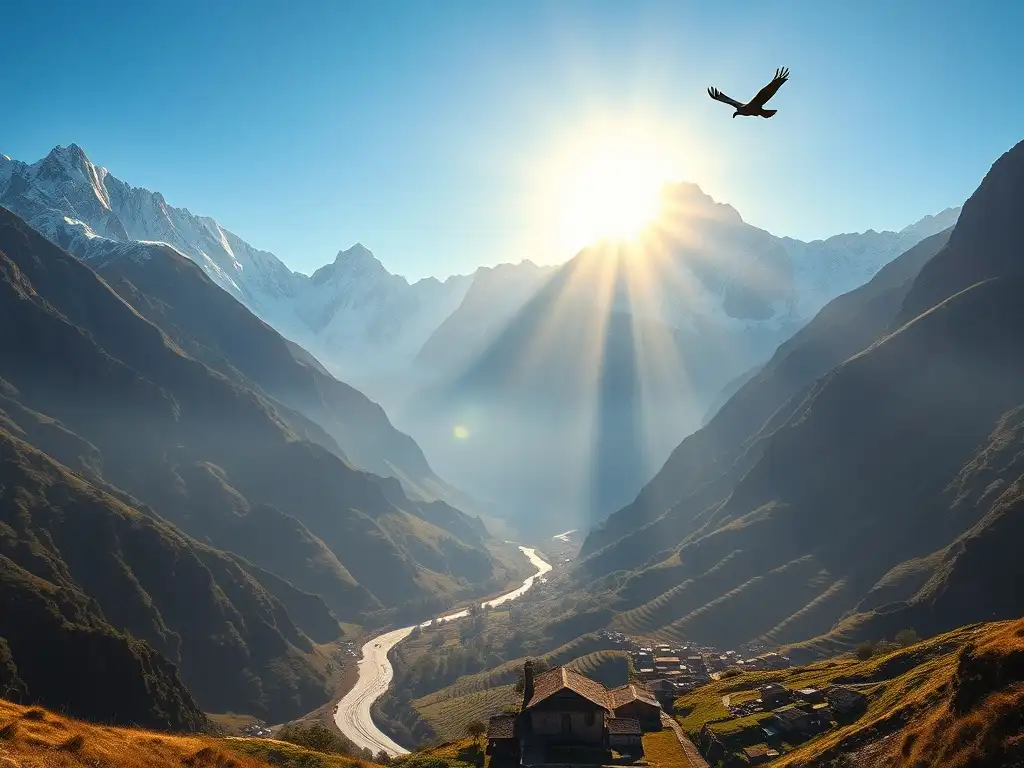
Step into a world lost in time, where the towering Andes weren't just mountains, but living deities. Discover the enigmatic power of Andean sacred mountain symbolism, a key to unlocking the secrets of the Incas, Moche, and other magnificent Andean civilizations. From breathtaking artistry to awe-inspiring engineering, prepare to be captivated by the profound spiritual significance woven into the very fabric of their existence. Unravel the mysteries—explore the heights of Andean culture now.
The towering Andes Mountains, a spine of rock and ice running down the length of South America, were far more than just a geographical feature to the ancient Andean civilizations. These majestic peaks formed the very foundation of their worldview, deeply interwoven with their spiritual beliefs, social structures, and daily lives.
This article delves into the profound symbolism of sacred mountains in Andean culture, exploring how these imposing natural formations served as powerful symbols of connection between the earthly and spiritual realms. We will examine specific examples from various Andean cultures, including the Inca, Moche, Nazca, and Tiahuanaco, uncovering the rich tapestry of beliefs and practices surrounding Andean sacred mountain symbolism.
Understanding this intricate relationship reveals a deeper appreciation for the ingenuity and spiritual depth of these remarkable civilizations, and illuminates the enduring legacy of their reverence for the natural world. Prepare to ascend with us into the heart of Andean spirituality and uncover the secrets held within these awe-inspiring peaks.
The Significance of Mountains in Andean Worldview
The Andean worldview was profoundly shaped by the dramatic landscape of the Andes Mountains. These towering peaks weren't simply obstacles to overcome; they were considered sacred entities, imbued with spiritual power and serving as vital links between the heavens and the earth. Mountains were perceived as the dwelling places of powerful deities, ancestral spirits, and apus (mountain spirits).
Many Andean cultures believed that the apus directly influenced the well-being of the communities living in their shadow, controlling the weather, harvests, and overall prosperity. This intimate relationship fostered a deep respect and reverence for the mountains, reflected in intricate rituals, offerings, and artistic representations. The act of climbing a mountain was not just a physical feat but a spiritual journey, a way to commune with the divine and seek blessings.
This profound connection is evident in the numerous archaeological sites built on mountaintops or in close proximity to significant peaks, highlighting the importance of these locations as sacred spaces. The Inca, for example, meticulously planned their cities and agricultural systems around mountain ranges, demonstrating a sophisticated understanding of the environment and a deep integration of their spiritual beliefs into their daily lives. Their intricate road system, the Qhapaq Ñan, often followed mountain ridges, connecting sacred sites and facilitating communication across vast distances, further emphasizing the importance of mountains in their societal and spiritual fabric.
Andean Sacred Mountain Symbolism: An Overview
Andean sacred mountain symbolism manifests in diverse ways across different cultures and time periods. While specific interpretations varied, common themes emerge. Mountains were often depicted as anthropomorphic figures, possessing human-like characteristics and agency. Artistic representations frequently show mountains with faces, arms, or other human features, emphasizing their divine status and power.
The colors used in these depictions also held symbolic meaning; for instance, certain colors were associated with specific deities or natural elements. Furthermore, the orientation and arrangement of mountains in art often reflected the cosmological beliefs of the culture, representing the different levels of the universe. We see this in the meticulous placement of astronomical observatories on mountaintops, aligning with celestial events to enhance the spiritual significance of these sites. The use of specific materials, such as gold and precious stones, in the creation of mountain representations underscored their sacred nature and the high value placed upon these natural formations.
The practice of making offerings to the mountains — including llamas, textiles, and other precious goods — further demonstrates the deep-seated belief in the apus' power and the importance of maintaining a harmonious relationship with these spiritual entities. Detailed studies of Andean art and iconography reveal a complex and nuanced system of symbols related to sacred mountains, reflecting the profound spiritual and cosmological beliefs of the Andean civilizations. The study of these symbols provides invaluable insights into their worldview and their relationship with the natural environment, highlighting the enduring power of these majestic peaks in shaping their culture and identity.
Apu: The Living Spirits of the Mountains
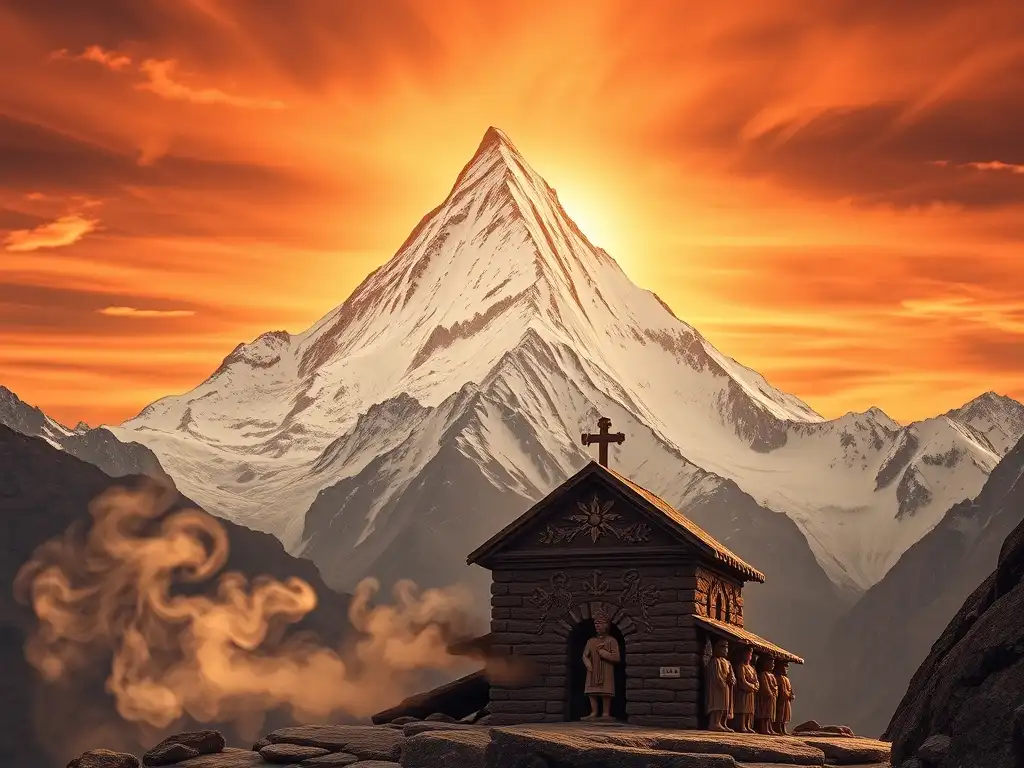
The Andes Mountains weren't merely geographical features to the ancient Andean civilizations; they were vibrant, sentient beings—the Apus. This deeply spiritual connection shaped their worldview, influencing their art, agriculture, and social structures. Understanding the Apu is key to unlocking the rich tapestry of Andean sacred mountain symbolism.
The concept of the Apu transcends simple mountain worship; it represents a complex interplay of nature, spirituality, and social organization. This section will delve into the multifaceted role of the Apu in Andean culture, examining their representation as deities, their place within the cosmological framework, and the rituals employed to maintain a harmonious relationship with these powerful mountain spirits. The enduring legacy of Apu veneration continues to resonate in contemporary Andean communities, demonstrating the profound and lasting impact of this ancient belief system.
Apu as Deities: Reverence and Worship
The Apus were not simply revered; they were actively worshipped as powerful deities. Each mountain peak, with its unique characteristics and geographical position, possessed its own individual Apu, imbued with specific attributes and powers. These weren't abstract gods; they were intimately tied to the land, influencing weather patterns, agricultural cycles, and the overall well-being of the communities residing in their shadow.
Evidence of this reverence is found in numerous archaeological sites, including mountaintop shrines, intricate rock carvings depicting Apus, and the presence of ritual offerings left at high-altitude locations. For example, archaeologists have unearthed evidence of elaborate ceremonies at sites like Machu Picchu, where offerings of coca leaves, textiles, and ceramics were presented to appease and honor the Apus. The sheer scale and sophistication of these rituals underscore the central role the Apus played in the spiritual lives of the Andean people.
This devotion wasn't limited to the elites; evidence suggests that all social strata participated in rituals aimed at maintaining a favorable relationship with these powerful mountain spirits. The intensity of this devotion underscores the crucial role of the Apu in the Andean worldview.
The Apu's Role in Andean Cosmology
The Apus weren't isolated entities; they were integral components of a complex and interconnected Andean cosmology. They formed a vital link between the earthly realm and the celestial sphere, acting as intermediaries between humans and the supernatural world. The mountain peaks, often shrouded in mist and clouds, were seen as gateways to otherworldly realms, places where the Apus resided and exerted their influence.
This cosmological perspective is reflected in Andean art, which frequently depicts Apus alongside celestial bodies like the sun and moon, emphasizing their role in maintaining cosmic balance. The concept of Pachamama, the Earth Mother, further illustrates the interconnectedness of the Andean worldview. Pachamama and the Apus were not separate entities but rather interconnected forces, contributing to the overall harmony and fertility of the Andean landscape.
Understanding the Apu's role within this broader cosmological framework is crucial for comprehending the significance of Andean sacred mountain symbolism. Further research into specific regional variations in cosmological beliefs would provide a more nuanced understanding of this intricate system.
Connecting with the Apus: Rituals and Offerings
Maintaining a harmonious relationship with the Apus was paramount for the survival and prosperity of Andean communities. This was achieved through a variety of rituals and offerings, designed to appease, honor, and solicit the favor of these powerful mountain spirits. These rituals varied depending on the specific community and the occasion, but generally involved offerings of coca leaves, chicha (a fermented maize beverage), textiles, and other precious goods.
These offerings weren't simply acts of appeasement; they were expressions of reciprocity, acknowledging the Apus' role in providing resources and ensuring the well-being of the community. Furthermore, specific ceremonies were conducted to mark important life events, such as harvests, births, and deaths, underscoring the ongoing and ever-present connection between the Andean people and the Apus. The intricate details of these rituals, often passed down through generations of oral tradition, highlight the depth and complexity of Andean sacred mountain symbolism.
More research into specific ritual practices across different Andean cultures is needed to gain a more comprehensive understanding of the diverse ways in which communities interacted with the Apus. Detailed ethnographic studies could shed further light on the nuances of these rituals and their significance in contemporary Andean communities.
Mountain Iconography in Andean Art
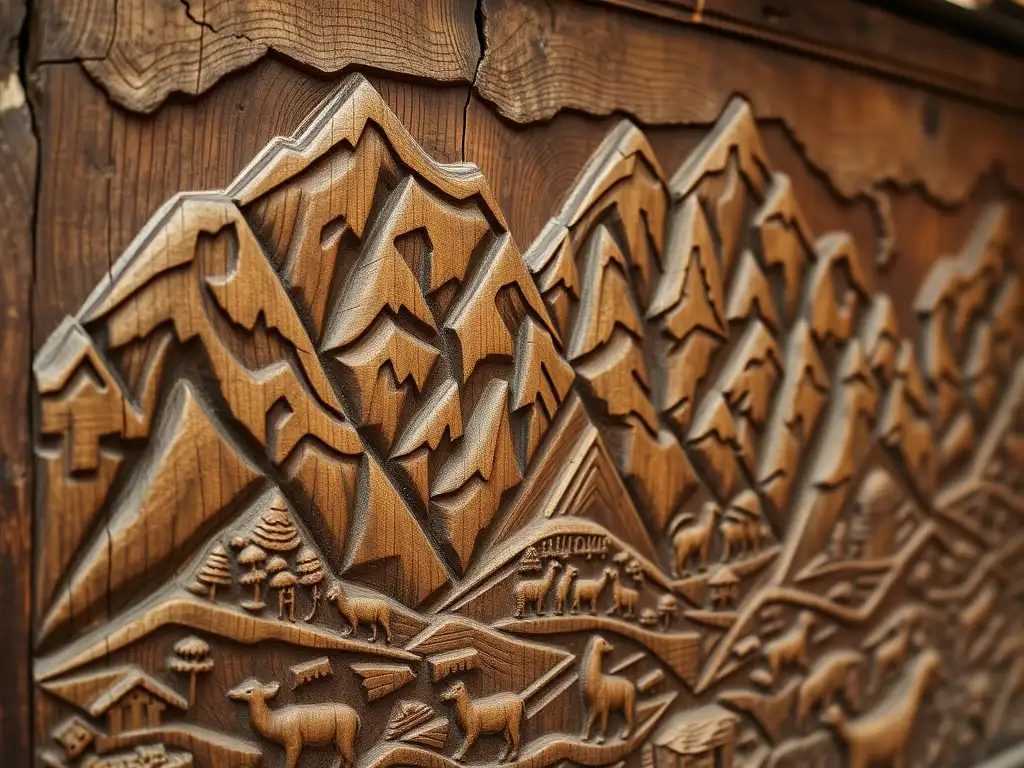
This section delves into the pervasive presence of mountain imagery in Andean art, exploring how these majestic peaks were not merely geographical features, but potent symbols deeply embedded in the cosmology and worldview of various Andean cultures. The representation of mountains varied across different civilizations and time periods, reflecting unique cultural beliefs and artistic styles.
Understanding these artistic depictions offers crucial insight into the spiritual significance these sacred spaces held for Andean peoples, solidifying the importance of Andean sacred mountain symbolism in their society. We will examine specific examples from ceramics, textiles, and architecture to illuminate this rich tapestry of artistic expression.
Depictions of Mountains in Ancient Andean Ceramics
Ancient Andean ceramics provide a vibrant window into the cultural significance of mountains. Pottery from diverse cultures, including the Moche, Nazca, and Inca, frequently showcases stylized mountain representations. These depictions often go beyond simple landscape renderings; they incorporate symbolic elements that reveal deeper meanings.
For instance, Moche pottery frequently depicts anthropomorphic mountains, with human-like features and attributes. These mountains are often shown interacting with other elements of the Moche pantheon, highlighting their central role in their religious beliefs. The intricate detail and vibrant colors used in these depictions underscore the importance of these sacred sites. Specific examples include vessels depicting mountain deities dispensing water or engaging in ritualistic activities, showcasing the profound connection between the mountains, water sources, and the spiritual world.
Nazca ceramics, on the other hand, often display mountains as part of broader landscapes, integrated into scenes depicting deities, animals, and mythical creatures. The mountains in these contexts appear as integral components of a complex cosmological system, emphasizing their role as intermediaries between the earthly and celestial realms. The style is frequently more geometric and less anthropomorphic than the Moche examples, reflecting a distinct artistic approach but maintaining the core symbolism of the mountain's importance.
Inca ceramics often depict mountains in a more simplified, schematic style, emphasizing the grandeur and power of the peaks rather than intricate details. These representations frequently appear as backdrop elements in scenes showcasing Inca rulers or important events, illustrating the mountains’ role as a symbol of power and authority. The consistent presence of mountains across diverse Inca pottery styles underscores their enduring cultural significance during this period.
Mountain Motifs in Andean Textiles
Andean textiles offer another compelling avenue for exploring mountain symbolism. The intricate weaving techniques and symbolic designs employed in textiles from various Andean cultures reveal a sophisticated understanding of the relationship between humans and the mountains. The use of colors, patterns, and specific motifs all contribute to a rich visual language that communicates profound spiritual and cosmological meanings.
The use of specific colors in Andean textiles often held symbolic significance. For instance, certain shades of red might represent the earth or blood, while other colors could symbolize celestial bodies or spiritual energies. These colors, when used in the depiction of mountains, would further enhance the symbolic power of the image.
Furthermore, the patterns woven into textiles frequently replicated mountain landscapes or incorporated stylized representations of mountain peaks. These patterns, often geometric or abstract, were not merely decorative; they were imbued with symbolic meanings that connected the wearer to the sacred mountains. The textiles themselves, often worn during ceremonies or special occasions, served as tangible links between the human world and the spiritual realm.
The intricate skill and precision evident in the weaving suggests the profound reverence for the mountains held by the Andean artisans. Detailed studies of these textiles are still ongoing, and further research is needed to fully decipher the complex meanings conveyed in certain patterns. [Specific information pending on the exact meanings of certain textile patterns].
The Presence of Peaks in Andean Architecture
Andean architecture provides striking evidence of the profound cultural significance attributed to mountains. The placement, design, and orientation of many Andean structures reflect a deliberate integration with the surrounding mountain landscape. The very act of building a structure in a specific location, often with a view to a sacred peak, could be considered a powerful act of symbolic connection.
The Inca, for example, strategically located their cities and structures in relation to significant mountain peaks. The capital city of Cusco, itself nestled in a mountain valley, was meticulously planned to reflect the cosmological order, with streets and buildings aligned with the cardinal directions and important mountain features. This careful integration of architecture and landscape highlights the profound influence of mountain symbolism on urban planning and construction.
Furthermore, many Andean structures, such as temples and ceremonial centers, incorporated mountain-like features into their design. These features, including stepped pyramids and elevated platforms, may have been intended to symbolize mountains or to create a microcosm of the sacred landscape. The use of stone, a material readily available in the mountainous terrain, further enhanced the connection between the structures and their natural environment.
The precise engineering and architectural prowess demonstrated in these structures underscore the importance attributed to these sacred sites and their careful integration into the Andean worldview. Further research is needed to fully understand the precise symbolic meanings embedded within the architectural design of specific structures. [Specific information pending on the exact symbolic meanings of certain architectural features].
The Connection Between Mountains and Water
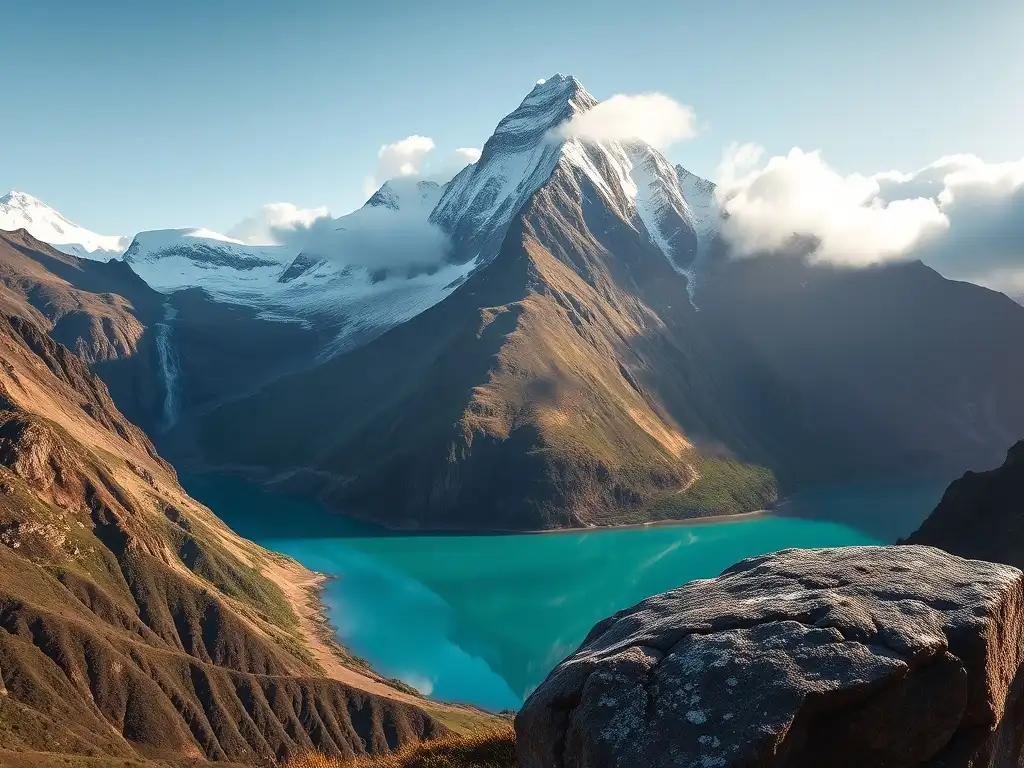
The Andean worldview deeply intertwines the sacredness of mountains with the life-giving power of water. For Andean cultures, mountains weren't simply geological formations; they were apu, powerful deities embodying the very essence of the land and its resources. This reverence extended profoundly to the water sources originating from these majestic peaks, shaping their religious practices, agricultural techniques, and understanding of the natural world.
Understanding this connection is crucial to grasping the profound significance of Andean sacred mountain symbolism. The relationship wasn't merely symbolic; it was a fundamental aspect of their survival and spiritual well-being. The availability of water, directly linked to the health and generosity of the apu, dictated the success of their agricultural endeavors and the overall prosperity of their communities.
Mountains as Sources of Life-Giving Water
The Andes Mountains are the source of numerous rivers and lakes crucial to the survival of Andean civilizations. These waterways, born from melting glaciers and snowpack high in the apu's domain, cascaded down the slopes, irrigating fertile valleys and providing essential water for drinking, agriculture, and daily life. The Incas, for example, developed sophisticated irrigation systems, channeling water from high-altitude sources to sustain their extensive agricultural production.
These systems weren't just practical engineering marvels; they also reflected a deep understanding of the sacred relationship between the mountains, water, and human life. The very act of managing and distributing water was a ritualistic process, reinforcing the spiritual connection to the apu and ensuring their continued benevolence. Consider the intricate network of canals and terraces found at sites like Moray, a testament to both Inca ingenuity and their reverence for the mountain's life-giving bounty.
The careful management of water resources was a direct reflection of their belief that the apu controlled the flow of life itself. This is a key element in understanding Andean sacred mountain symbolism – the mountains are not just visually impressive; they are the wellspring of life.
The Sacredness of Lakes and Rivers Originating in the Andes
The lakes and rivers originating in the Andes weren't merely sources of water; they were considered sacred entities, imbued with spiritual power. Many of these waterways were associated with specific apu or deities, becoming sites for pilgrimage, ritual offerings, and ceremonies. The presence of water, often associated with fertility and purification, further enhanced the sacredness of these locations.
For instance, Lake Titicaca, the highest navigable lake in the world, held immense significance for numerous Andean cultures, believed to be the birthplace of the Inca civilization and a dwelling place of powerful deities. The lake’s waters, originating from the surrounding mountains, were seen as a direct manifestation of the apu's power and generosity. Similarly, numerous rivers were seen as pathways for communication with the spirit world, carrying offerings and prayers to the mountain deities.
This sacredness wasn't limited to major lakes and rivers; even smaller streams and springs were often considered sacred sites, reflecting the pervasive influence of the mountain's spiritual presence on the landscape. The reverence for these water sources is inextricably linked with the broader understanding of Andean sacred mountain symbolism, highlighting the interconnectedness of the natural world and the spiritual realm.
Water Rituals and their Connection to Mountain Spirits
Andean cultures performed various rituals to honor the apu and ensure the continued flow of life-giving water. These rituals often involved offerings of coca leaves, food, and other precious items, presented at sacred springs, lakes, and waterfalls. These weren't simply acts of appeasement; they were expressions of gratitude and a recognition of the apu's vital role in sustaining their communities.
The rituals aimed to maintain a harmonious relationship with the mountain spirits, ensuring the continued abundance of water and fertility of the land. Furthermore, many rituals involved the purification of individuals and objects using water from sacred sources, highlighting the cleansing and restorative power associated with water and the apu. The intricate details of these rituals varied across different Andean cultures, but the underlying principle remained consistent: a deep reverence for the mountains and their connection to the life-giving water they provided.
The persistence of these traditions, even in modern times, underscores the lasting impact of Andean sacred mountain symbolism on the region’s cultural identity. Understanding these rituals provides a crucial insight into the depth and complexity of their spiritual beliefs and their intimate connection with the natural world. The water, a gift from the apu, was not merely a resource; it was a sacred element that sustained both physical and spiritual life.
Specific Sacred Mountains and their Cultural Significance
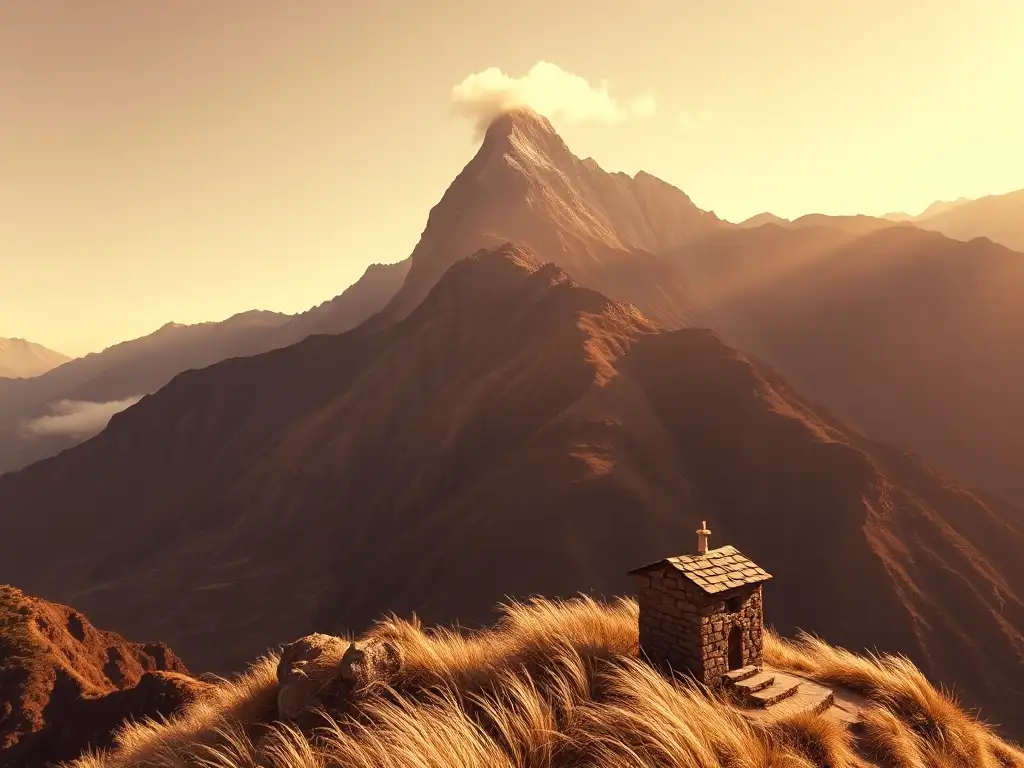
This section delves into the specific cultural significance attributed to individual sacred mountains in the Andes, exploring their unique histories, associated legends, and archaeological evidence supporting their revered status. Understanding these specific examples enhances our appreciation for the complex and multifaceted nature of Andean sacred mountain symbolism. The reverence for these peaks wasn't a monolithic concept; rather, it varied regionally and reflected the specific beliefs and practices of different Andean cultures. The mountains weren't merely geographical features; they were active participants in the cosmology of these ancient societies.
Ausangate: History and Importance
Ausangate, the vibrant, snow-capped peak in the Vilcanota mountain range, holds immense significance in Andean cosmology, particularly for the Quechua people. More than just a beautiful mountain, Ausangate is considered an apu, a powerful mountain spirit, and a deity. Its significance is deeply entwined with the region's agricultural cycles and water sources.
The annual pilgrimage to Ausangate, a vibrant display of Andean spirituality, highlights its enduring importance. Participants offer coca leaves, make offerings, and perform rituals to appease and honor the apu, seeking blessings for their crops and livestock. These rituals, passed down through generations, demonstrate the continuity of Andean sacred mountain symbolism and the enduring connection between the people and their environment.
The vibrant colors of Ausangate, often described as iridescent, further enhance its mystical aura, contributing to its powerful symbolism. Anthropological studies have documented the intricate details of these ceremonies, revealing a complex system of beliefs and practices centered around this sacred mountain. The precise details of these rituals, passed down orally, are often kept within communities, showcasing the secretive nature of some aspects of Andean spiritual practices.
Salcantay: Legends and Beliefs
Salcantay, another imposing peak in the Vilcabamba mountain range, is shrouded in legend and plays a central role in Inca mythology. Unlike Ausangate, whose importance is predominantly linked to agricultural prosperity, Salcantay is more closely associated with the Inca creation myth and the power of the natural world. Legends depict Salcantay as a powerful guardian spirit, sometimes linked to the Inca sun god, Inti.
The mountain's dramatic, imposing presence contributes to its mythical status. Many narratives surround Salcantay, often incorporating elements of challenging treks and encounters with supernatural beings. These narratives, passed down through generations of storytellers, contribute to the mountain's enduring mystique.
The stories, often embellished with vivid descriptions of the mountain's landscape and its inhabitants, serve to reinforce the mountain's sacred status. Interestingly, Salcantay's significance is also intertwined with the Inca trail to Machu Picchu, further highlighting its importance within the broader context of Inca civilization. The combination of its imposing presence, the surrounding landscape, and the embedded legends contributes to its powerful symbolism within the Andean context.
Pachatusan: Archaeological Evidence
Pachatusan, located near Cusco, provides compelling archaeological evidence supporting the significance of Andean sacred mountain symbolism. While less visually striking than Ausangate or Salcantay, Pachatusan's importance stems from its strategic location and the archaeological remains found on its slopes. Excavations have revealed significant Inca structures, including terraces and ceremonial sites, indicating its use as a sacred site for rituals and ceremonies.
These findings support the hypothesis that Pachatusan served as a crucial link between the human world and the spiritual realm, reinforcing the deep-rooted connection between the Incas and their sacred mountains. The precise nature of the rituals performed at Pachatusan remains a subject of ongoing research, but the architectural features suggest a complex system of beliefs and practices surrounding this particular mountain. The discovery of artifacts and the careful analysis of the structures provide valuable insights into the daily and ritualistic lives of the Inca people, further enriching our understanding of Andean sacred mountain symbolism.
Further research, including detailed analysis of recovered artifacts and advanced dating techniques, is crucial to fully understand the significance of Pachatusan in the broader context of Inca religious practices and its role within the Andean sacred landscape. The ongoing research underscores the dynamic nature of our understanding of Andean sacred mountain symbolism and the continued potential for new discoveries.
The Enduring Legacy of Andean Sacred Mountain Symbolism
The Andes Mountains, a colossal spine running down the western edge of South America, are far more than just a geographical feature to the Andean peoples. For millennia, these towering peaks have served as potent symbols, deeply embedded in the spiritual, social, and political fabric of numerous Andean cultures, from the Incas to the pre-Inca societies. Understanding Andean sacred mountain symbolism requires appreciating the complex interplay between cosmology, ritual, and daily life.
This enduring legacy continues to resonate in modern Andean communities, shaping their worldviews and practices. The sacred mountains weren't merely picturesque backdrops; they were—and remain—living entities, imbued with spiritual power and intimately connected to the well-being of the people. This section will explore the lasting impact of this profound relationship.
Modern Andean Communities and their Relationship with Mountains
Even today, the reverence for Andean sacred mountains persists. Many indigenous communities continue to perform rituals and ceremonies on or near these peaks, seeking blessings for harvests, health, and prosperity. These practices, often passed down through generations, demonstrate the unbroken link between past and present. For example, in the Peruvian Andes, communities still make pilgrimages to Apus, powerful mountain spirits, offering coca leaves and other gifts as signs of respect and to maintain a harmonious relationship.
These aren't merely symbolic gestures; they are vital acts that reaffirm a deep-seated connection with the natural world and the ancestral spirits that inhabit it. The vibrant tapestry of Andean culture is inextricably woven with the threads of this ongoing dialogue between humanity and the mountains. The relationship isn't static; it's a dynamic exchange, constantly evolving while retaining its core essence.
The Preservation of Traditions and Beliefs
The preservation of Andean sacred mountain symbolism faces numerous challenges in the modern world. Globalization, urbanization, and the pressures of modernization threaten to erode traditional practices and beliefs. However, there's a growing awareness and effort to protect and revitalize these traditions. Indigenous communities are actively working to safeguard their cultural heritage, often collaborating with researchers, anthropologists, and government agencies.
Educational initiatives aim to raise awareness among younger generations about the significance of Andean sacred mountain symbolism and its importance for their cultural identity. This concerted effort is crucial not only for the preservation of a unique cultural heritage but also for promoting sustainable development practices that respect the environment and the spiritual significance of the Andes. The fight to preserve these beliefs is a fight to preserve a vital part of Andean heritage.
The Importance of Understanding Andean Mountain Symbolism
Understanding Andean sacred mountain symbolism offers a profound insight into the rich tapestry of Andean cultures. It provides a key to unlocking their worldview, their cosmology, and their intricate relationship with the natural world. By studying the symbolism embedded in Andean art, architecture, and rituals, we can gain a deeper appreciation for the ingenuity and spirituality of these ancient civilizations. Furthermore, this understanding is critical for fostering respect and collaboration with contemporary Andean communities. Recognizing the deep spiritual connection between Andean people and their sacred mountains is essential for promoting sustainable development and ensuring the preservation of their cultural heritage. Ignoring this symbolism would be to disregard a fundamental aspect of Andean identity and the long-standing relationship between humans and their environment. The continued study and appreciation of Andean sacred mountain symbolism is therefore not just an academic pursuit; it is a vital component of intercultural dialogue and environmental stewardship.
Frequently Asked Questions
What is the significance of mountains in Andean culture?
Mountains held immense spiritual significance for Andean civilizations. They were considered sacred places, the homes of gods and spirits, and deeply connected to the ancestral world.
How did the Incas view sacred mountains?
The Incas viewed mountains as powerful entities, often associating them with specific deities and ancestors. They built temples and shrines on mountaintops, reflecting their reverence.
Were all mountains considered sacred in the Andes?
While many mountains held sacred status, not all were considered equally important. Specific peaks gained prominence based on their geographical location, perceived power, and historical associations.
What role did mountain symbolism play in Andean art and religion?
Mountain imagery is prominent in Andean art and religious practices. Representations of mountains appeared in textiles, ceramics, and other artifacts, reflecting their central role in cosmology and worldview.
How did Andean people interact with sacred mountains?
Andean people engaged in rituals and ceremonies on sacred mountains, offering sacrifices and seeking blessings. These interactions reinforced the spiritual connection between the people and their sacred landscape.
Final Reflection: Echoes of the Apus: A Legacy of Reverence
The reverence for Andean sacred mountains, the Apus, remains a potent force shaping not only the cultural landscape of the Andes but also our understanding of humanity's relationship with the natural world. This enduring connection, woven into the fabric of Andean societies for millennia, offers a powerful counterpoint to the often exploitative relationship modern society maintains with its environment. The continued significance of these peaks highlights the urgent need for a more respectful and sustainable approach to our planet.
The enduring power of Apus symbolism underscores the deep-seated human need to find meaning and connection within the natural world. Their presence, both physically imposing and spiritually significant, continues to inspire awe and reverence. The stories, rituals, and artistic expressions surrounding these mountains are a testament to the enduring strength of indigenous traditions. The mountains are not just stones; they are living beings, ancestors, and protectors.
This sentiment, echoing through generations, speaks to the profound interconnectedness between the Andean people and their sacred landscape.
Consider the impact of this ancient wisdom on your own life. How can we, in our modern world, cultivate a similar sense of reverence and responsibility towards the environment? Let the majesty of the Apus inspire you to find your own connection with the natural world, to appreciate its inherent value, and to act as a steward of its future. The legacy of the Andes calls us to a deeper understanding of our place within the intricate web of life, urging us to protect and cherish the sacred spaces that sustain us all.
Embrace the Majesty – Connect with Andean Culture!
Thank you for exploring the profound significance of sacred peaks in Andean culture with us! Your journey into these majestic symbols has opened a door to a deeper understanding of their rich heritage. Now, let's put this knowledge into practice.
- Join a local hiking group to experience the breathtaking beauty of the Andes firsthand. Witness the stunning landscapes and feel the spirit of the mountains.
- Share this article with friends and family to inspire conversations about the importance of preserving cultural heritage. Let's spread awareness and appreciation for these incredible traditions.
- Learn more about Andean traditions by watching documentaries, attending cultural events, or exploring local communities. Immerse yourself in the vibrant tapestry of Andean life.
What sacred peak resonates most with you, and how does it connect to your personal journey? Share your thoughts and experiences below!