
The Andean Ritual of the Serpent: Representing Wisdom and Transformation

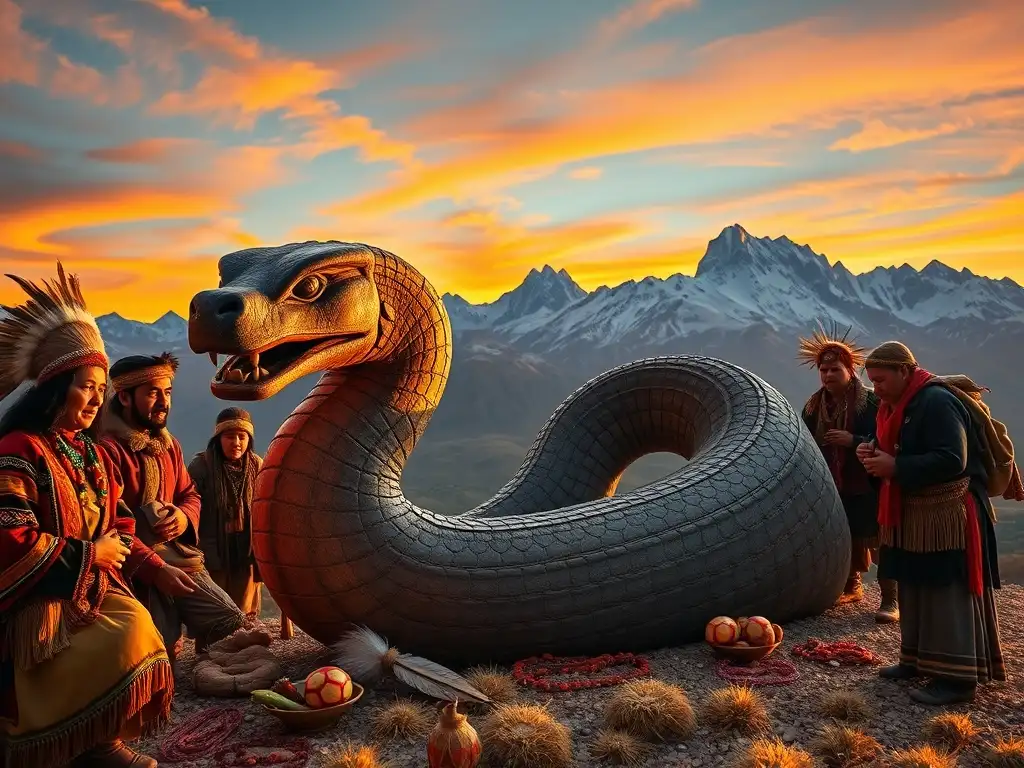
Welcome, explorer! Prepare to unravel the mysteries of the Andes, a land steeped in ancient power and breathtaking ingenuity. For centuries, the towering peaks have guarded secrets of civilizations that flourished—the Incas, Moche, Nazca, and Tiahuanaco among them. But what truly lies beneath the surface? This journey begins with the enigmatic Andean serpent ritual, a potent symbol of wisdom and transformation. Dare to delve deeper and discover the meaning behind this captivating practice...
- The Andean Serpent Ritual: Unveiling Wisdom and Transformation
- The Serpent's Role in Andean Cosmovision
- Key Andean Civilizations and Their Serpent Rituals
- Exploring the Ritual Practices of the Andean Serpent
- The Serpent's Enduring Legacy in Andean Culture
-
Frequently Asked Questions
- What is the significance of the serpent in Andean cultures?
- How was the serpent depicted in Andean art and artifacts?
- What role did serpent rituals play in Andean societies?
- Did all Andean cultures share the same interpretation of the serpent symbol?
- Where can I learn more about Andean serpent rituals and their meaning?
- Final Reflection: Echoes of the Serpent: Wisdom, Transformation, and Our Modern World
- Embrace Wisdom and Transform Your Life!
The Andean Serpent Ritual: Unveiling Wisdom and Transformation
The Andes Mountains, a spine of towering peaks running down the western coast of South America, have been home to a rich tapestry of vibrant civilizations for millennia. These cultures, including the Incas, Moche, Nazca, and Tiahuanaco, left behind a legacy of breathtaking artistry, sophisticated engineering, and deeply spiritual beliefs. Central to their understanding of the cosmos and their place within it were elaborate rituals, ceremonies, and offerings, many of which remain shrouded in mystery.
This article delves into one particularly fascinating and recurring motif: the Andean serpent ritual, exploring its symbolic significance and revealing the profound meaning it held for these ancient Andean societies. We will examine the varied interpretations of the serpent across different Andean cultures, highlighting the common threads that weave together this potent symbol of wisdom, transformation, and the interconnectedness of life.
Understanding the Andean serpent ritual meaning offers a valuable glimpse into the complex spiritual landscape of these remarkable civilizations and their enduring legacy. The careful study of archaeological findings, combined with interpretations of surviving texts and oral traditions, allows us to reconstruct, at least partially, the significance of this compelling ritualistic practice.
Understanding the Symbolic Significance of the Serpent in Andean Cultures
The serpent, a creature embodying both danger and power, held a multifaceted symbolic meaning across various Andean cultures. It wasn't simply viewed as a dangerous animal; instead, it represented a potent force of nature, often associated with water, fertility, and the earth's generative power. In some interpretations, the serpent symbolized the cyclical nature of life, death, and rebirth, mirroring the patterns observed in the Andean landscape itself – the constant cycle of planting, harvest, and renewal.
Several Andean cultures depicted serpents in their art, often intricately woven into textiles, carved into pottery, and sculpted in stone. These depictions vary in style and detail, reflecting the unique artistic expressions of each culture. However, the recurring presence of the serpent motif strongly suggests a shared understanding of its symbolic importance across the Andean region. For example, the Moche culture frequently depicted serpents in their elaborate ceramics, often associating them with deities and powerful figures. These depictions often show serpents intertwined with other symbolic elements, hinting at complex mythological narratives and cosmological beliefs.
The serpent's ability to shed its skin also resonated deeply with Andean cosmologies, representing transformation, renewal, and the shedding of old identities to embrace new beginnings. This interpretation aligns with the cyclical nature of life and the importance placed on the continuity of existence within Andean spiritual beliefs. The ability of the serpent to move both on land and in water further reinforced its association with the interconnectedness of the natural world and the cyclical processes of life.
The Andean Serpent Ritual Meaning: A Journey into Ancient Beliefs
The Andean serpent ritual, while not uniformly practiced across all Andean cultures, involved a range of practices designed to harness the power and symbolism of the serpent. These rituals likely incorporated offerings, prayers, and possibly even shamanistic practices aimed at connecting with the spiritual world and ensuring fertility, prosperity, and protection. Unfortunately, the precise details of many of these rituals remain elusive due to the limited surviving documentation.
Further Research Needs
Further research is crucial to fully understand the nuances of Andean serpent rituals. More archaeological excavations, careful analysis of existing artifacts, and a deeper engagement with surviving oral traditions are needed to shed more light on these fascinating practices. This includes a more detailed examination of the specific offerings used in these rituals and the contexts in which they were found.
The meaning of the Andean serpent ritual was deeply intertwined with the belief systems of the time. It was not a mere performance; it was a powerful act of communion with the spiritual world, seeking to maintain harmony and balance within the cosmos. The serpent, as a symbol of transformation and renewal, played a pivotal role in these rituals, acting as a conduit between the human world and the spiritual realm.
The intricate details of these rituals, including specific offerings, chants, and movements, likely varied across different Andean cultures and regions, reflecting the diverse expressions of Andean spirituality. However, the underlying theme of harnessing the power of the serpent for positive outcomes remained consistent.
The study of the Andean serpent ritual and its meaning continues to be an active area of research. As new discoveries are made and existing evidence is re-evaluated, our understanding of these ancient practices will undoubtedly evolve. However, even with the current limited information, the significance of the serpent as a powerful symbol of wisdom, transformation, and the interconnectedness of life within Andean cultures is undeniable. The enduring legacy of these rituals serves as a testament to the rich spiritual heritage of the Andes and their profound connection to the natural world.
The Serpent's Role in Andean Cosmovision
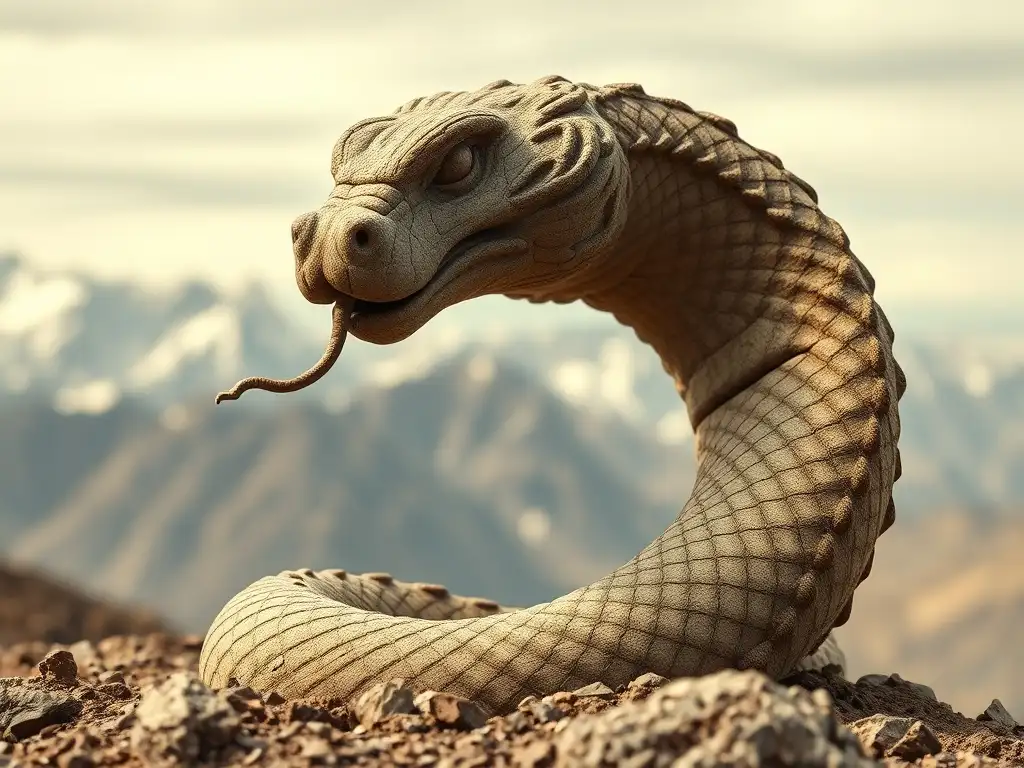
The Andean serpent, far from being a purely malevolent creature as depicted in some cultures, held a complex and multifaceted symbolic role within the Andean cosmovision. Its representation in art, mythology, and ritual practices reveals a deep understanding of the natural world and the cyclical nature of life. The serpent wasn't simply a single entity but a powerful symbol representing multiple interconnected concepts crucial to Andean beliefs.
Understanding the Andean serpent ritual meaning requires appreciating its nuanced position within this broader cosmological framework. This powerful symbol transcended simple fear; instead, it embodied the very essence of transformation, duality, and the interconnectedness of life, death, and rebirth.
The prominence of the serpent in Andean iconography underscores its importance in shaping their religious and spiritual beliefs. This section explores the multifaceted role of the serpent in Andean cosmology, highlighting its significance as a symbol of duality, life cycles, and its intimate connection with the earth's vital elements.
The Serpent as a Symbol of Duality and Balance
The Andean serpent frequently embodies duality, representing both creation and destruction, life and death, order and chaos. This duality wasn't viewed as inherently conflicting but rather as complementary forces necessary for maintaining cosmic balance. Ancient Andean art often depicts serpents in intertwined positions, symbolizing the harmony between opposing forces.
For example, the representation of a serpent coiled around a staff or mountain could be interpreted as the serpent's control over both the earthly and spiritual realms, demonstrating its power to mediate between these contrasting domains. This duality is also reflected in the serpent's association with both the underworld and the sky, signifying its ability to navigate and connect different levels of existence. The serpent, therefore, acted as a powerful symbol of equilibrium, reminding the Andean people of the interconnectedness of all things and the importance of maintaining balance in the cosmos.
This duality is further emphasized in certain narratives where the serpent is portrayed as both a benevolent protector and a potentially dangerous force, depending on the context and the actions of those who interact with it. This ambiguity highlights the Andean understanding that even seemingly opposing forces are integral parts of a larger, dynamic system.
The serpent's ability to shed its skin also symbolizes renewal and transformation, further reinforcing its role as a mediator between opposing forces. The continuous cycle of shedding and regeneration mirrors the cyclical nature of life itself, emphasizing the constant interplay between destruction and creation within the Andean worldview.
The Serpent and the Cycle of Life, Death, and Rebirth
The serpent's ability to shed its skin is profoundly symbolic within the Andean context, representing the cycle of life, death, and rebirth. This continuous renewal mirrors the cyclical nature of the Andean understanding of time and the cosmos. The shedding of the old skin symbolizes death, while the emergence of the new skin represents rebirth and regeneration. This powerful imagery underscores the Andean belief in the cyclical nature of existence, where death is not an end but a transition to a new phase.
Many Andean rituals involved offerings and ceremonies designed to honor this cyclical process, ensuring the continuous renewal of life and the fertility of the land. The serpent, therefore, became a symbol of hope and renewal, a reminder that even in the face of death, life will inevitably return. This connection to cyclical processes is further emphasized by the serpent's association with agricultural cycles and the seasonal changes experienced in the Andes.
The serpent's emergence from the earth during the rainy season and its retreat during the dry season directly mirrored the rhythms of nature and the agricultural cycles vital to Andean survival. The understanding of this cyclical relationship highlights the deep connection between the Andean people and their environment.
The Serpent's Connection to Water, Fertility, and the Earth
The Andean serpent is strongly associated with water, fertility, and the earth itself. Water, a life-giving force in the arid Andean landscape, is often depicted visually alongside the serpent, reinforcing its association with life-giving power and abundance. The serpent’s connection to underground springs and rivers symbolizes its control over these crucial water sources, essential for agriculture and survival. In this context, the serpent is a powerful symbol of fertility, ensuring the abundance of crops and the prosperity of the community.
Further strengthening this association, the serpent is frequently depicted in Andean art intertwined with vegetation, further emphasizing its connection to fertility and the earth's bounty. The serpent's subterranean dwelling also links it to the underworld, considered a source of life-giving energy and spiritual power. This connection to the earth's depths underscores the serpent's role as a guardian and protector of the land and its resources, highlighting the Andean respect for the natural world and its interconnectedness.
The serpent’s role, therefore, extends beyond simple symbolism; it represents the very foundation of Andean life, reflecting their deep understanding of and reverence for the natural world. This deep understanding is reflected in the many rituals and offerings dedicated to ensuring the serpent's continued benevolence and the prosperity of the land it protects. 🐍
Key Andean Civilizations and Their Serpent Rituals
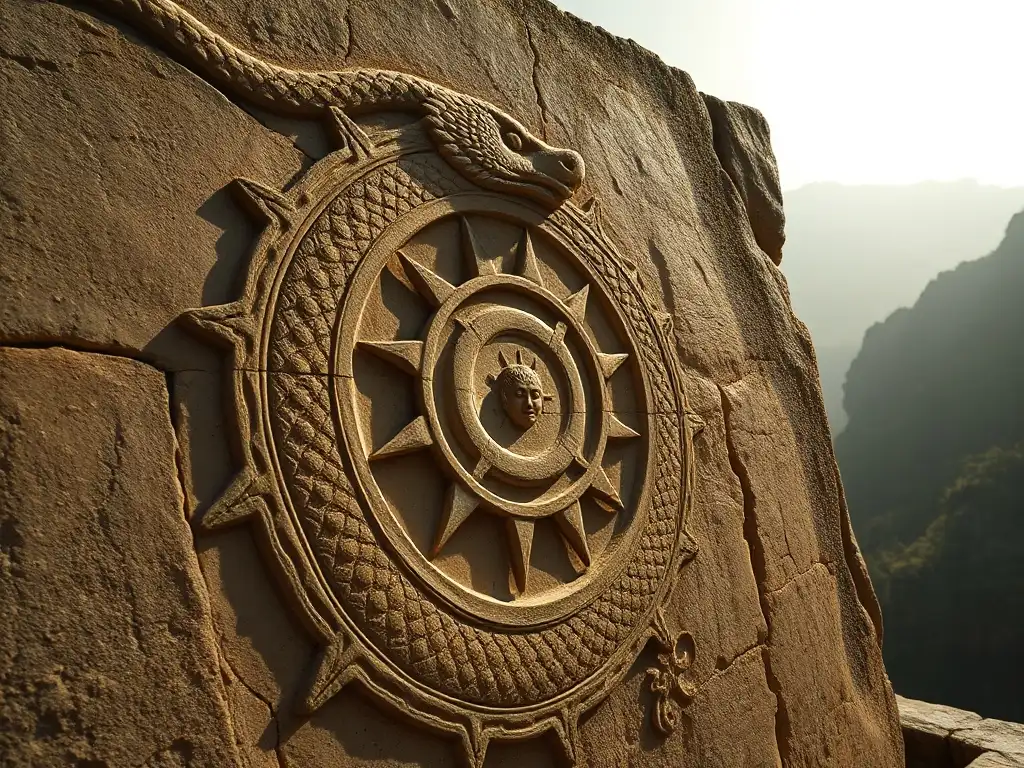
This section delves into the diverse interpretations and manifestations of serpent symbolism within the rituals of key Andean civilizations. While the serpent's representation varied across cultures and time periods, a common thread of wisdom, transformation, and connection to the earth and underworld consistently emerges. Understanding these variations provides crucial insight into the nuanced religious beliefs and practices of these fascinating societies.
The Andean serpent ritual meaning is far from monolithic, reflecting the richness and complexity of Andean cosmovision. We will explore this rich tapestry of beliefs through the lens of three prominent civilizations: the Moche, the Nazca, and the Inca.
The Serpent in Moche Iconography and Rituals
The Moche civilization (c. 100-800 CE) of northern Peru left behind a remarkable artistic legacy, particularly in their pottery. Serpents frequently appear in Moche artwork, often depicted in dynamic poses, sometimes intertwined with other creatures, or even humanoid figures. These depictions are not merely decorative; they offer valuable clues into Moche religious beliefs and rituals.
The serpent's significance in Moche culture is multifaceted. It's often associated with water, fertility, and the cyclical nature of life and death. Many Moche ceramic vessels depict scenes of ritual sacrifice, with serpents prominently featured, suggesting their involvement in these important ceremonies. The presence of serpents in scenes of both life and death underscores the Andean belief in continuous transformation and the cyclical regeneration of the world.
Some scholars suggest that the serpent represented a powerful deity, perhaps associated with the underworld or with ancestral spirits. The intricate details of the serpent's depiction, such as scales and fangs, further emphasize its importance and power within the Moche pantheon. Further research into specific iconographic patterns and their context within Moche burial sites could further illuminate the specific role of the serpent in their rituals.
Serpent Representations in Nazca Lines and Ceremonies
The Nazca civilization (c. 100 BCE – 800 CE), also located in southern Peru, is renowned for its enigmatic geoglyphs—the Nazca Lines. While the primary purpose of these lines remains debated, some scholars suggest a ritualistic function, with certain designs potentially representing celestial bodies or mythical creatures, including serpents. Although direct evidence of serpent-focused rituals is scarce compared to the Moche, the presence of serpentine forms within the broader context of Nazca iconography warrants attention.
Unlike the Moche's direct depictions, the Nazca’s serpent representations are more abstract and integrated within a larger cosmological system. The scale and complexity of the Nazca Lines suggest a significant investment of time, resources, and labor, indicating a deep-seated religious significance. The serpents depicted, if indeed they represent serpents, might symbolize the connection between the earthly realm and the celestial, reflecting the Nazca understanding of the cosmos.
Further research is needed to determine the exact meaning of these figures, as the context surrounding their creation remains largely mysterious. The challenging terrain and the lack of written records from the Nazca civilization present significant obstacles to a full understanding of their rituals and beliefs surrounding the serpent. Analysis of associated artifacts found near the geoglyphs could help unravel this mystery.
Inca Serpent Worship and its Significance
The Inca Empire (c. 1438-1533 CE) held a complex religious system, with a pantheon of deities and a sophisticated understanding of the cosmos. While not as prominently featured as in other Andean cultures, the serpent still held symbolic meaning within Inca religion. The serpent, in this context, may not have been a primary deity, but rather a powerful symbol representing important concepts like fertility, water, and the underworld.
The Inca utilized both real and symbolic representations of serpents in their rituals. For instance, certain ceremonies involving water sources might have incorporated live snakes, reflecting the serpent's association with life-giving water. Furthermore, the serpent's connection to the underworld, Pachamama (Mother Earth), and the cyclical nature of life and death was likely significant.
The Inca worldview emphasized balance and harmony within the cosmos, and the serpent, as a symbol of transformation and renewal, could have played a vital role in maintaining this equilibrium. Analysis of Inca textiles, ceramics, and even architectural designs could reveal further evidence of serpent symbolism within Inca religious practices. Unfortunately, much of the Inca religious knowledge was destroyed during the Spanish Conquest, leaving us with incomplete information and requiring further scholarly work to fully understand the Inca perspective on the serpent.
The Serpent in Tiahuanaco Art and Religious Practices
The Tiahuanaco culture, flourishing in the Andean altiplano between approximately 500 and 1000 CE, integrated the serpent motif deeply into its art and religious practices. Unlike some other Andean cultures where the serpent might be primarily associated with a single deity or specific myth, the Tiahuanaco serpent held a more multifaceted symbolic role, reflecting the complexity of their cosmology. Its representations in monumental architecture, ceramics, and textiles suggest a connection to both the earthly and spiritual realms, embodying concepts of fertility, water, and possibly even underworld deities.
The serpent's frequent depiction intertwined with other symbolic elements, such as feline figures and stylized plants, hints at a complex web of interconnected beliefs. For example, the famous Gate of the Sun, a monumental stone structure at Tiahuanaco, features a central figure often interpreted as a deity, surrounded by a frieze of stylized creatures, including serpents. The exact meaning of this composition is still debated among scholars, but the prominent placement of the serpent suggests its significant role within the Tiahuanaco pantheon and worldview.
Furthermore, analysis of Tiahuanaco pottery reveals a variety of serpent representations, ranging from realistic depictions to highly stylized forms. Some ceramics showcase serpents coiled around vessels, potentially symbolizing the life-giving waters held within. Others depict the serpent in a more aggressive posture, perhaps reflecting its connection to the power of nature and its potential for both creation and destruction.
The diversity of these artistic representations underscores the multifaceted nature of the serpent's symbolic meaning within Tiahuanaco culture. Further research, including detailed analysis of iconographic patterns and contextual archaeological findings, is crucial to fully understand the nuances of the serpent's significance in Tiahuanaco religious beliefs and practices. The ongoing excavation and study of Tiahuanaco sites continue to shed light on this fascinating aspect of Andean cosmology.
Understanding the symbolism of the serpent within the broader context of Tiahuanaco's sophisticated religious system is essential to fully appreciating the richness and complexity of this remarkable civilization. The detailed analysis of these artifacts, combined with anthropological interpretations, helps us to piece together a more complete picture of their beliefs and rituals. The prevalence of the serpent motif suggests its importance in understanding the core tenets of Tiahuanaco religion.
Exploring the Ritual Practices of the Andean Serpent
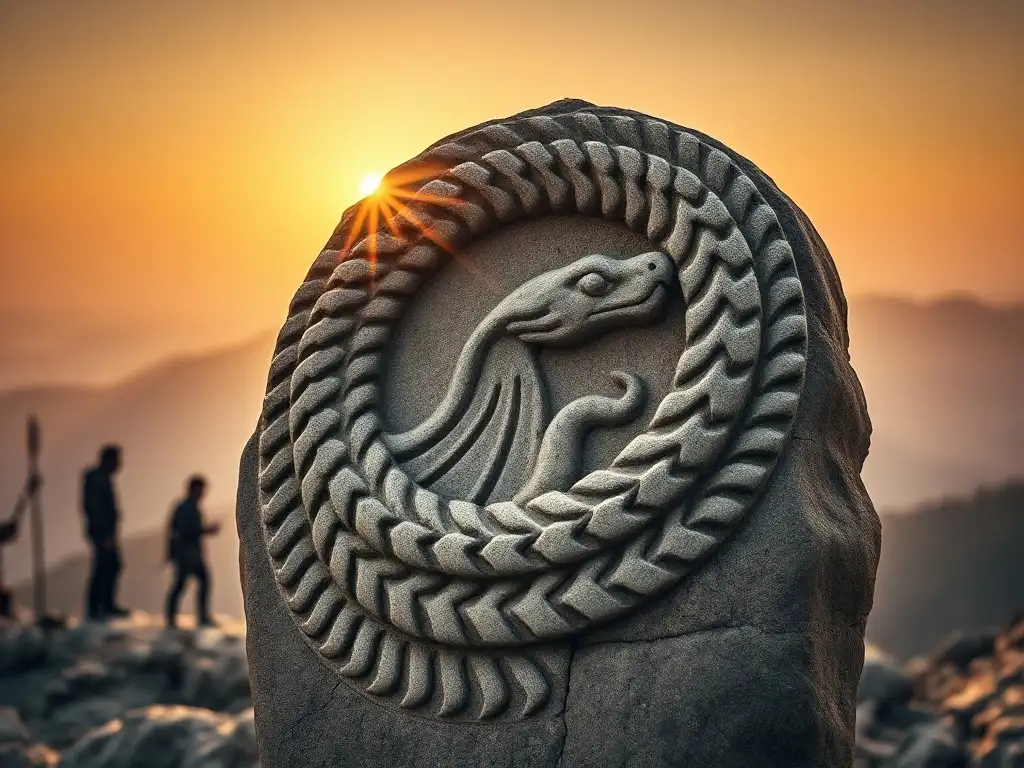
This section delves into the fascinating world of Andean serpent rituals, exploring their diverse manifestations across different cultures and time periods. Understanding the Andean serpent ritual meaning requires examining not only the symbolic representation of the serpent itself but also the intricate ceremonies, shamanic practices, and offerings associated with it. The serpent, far from being a simple symbol of danger, represented profound concepts within the Andean worldview, encompassing wisdom, transformation, fertility, and the cyclical nature of life and death.
The complexity of these rituals underscores the sophisticated religious and cosmological beliefs of these ancient civilizations. We will explore the rich tapestry of evidence, including archaeological findings and anthropological interpretations, to illuminate the significance of this powerful symbol.
The Andean Serpent Ritual: An Overview of Ceremonies
Andean serpent rituals varied significantly depending on the specific culture and time period. While precise details are often scarce due to the limitations of surviving historical records, archaeological evidence provides valuable clues. For instance, the Moche culture, known for its intricate pottery depicting daily life and religious practices, frequently featured serpents in their iconography.
These depictions often show serpents intertwined with other deities or participating in elaborate ceremonies, suggesting their importance in Moche religious life. The Nazca culture, famous for its geoglyphs, also incorporated serpent motifs into their artwork and possibly into their rituals, though the nature of these rituals remains partially enigmatic.
The Incas, who inherited and adapted many traditions from preceding Andean cultures, likely integrated the serpent into their own complex religious system. While direct evidence of specific Inca serpent rituals is limited, the presence of serpent imagery in Inca textiles, pottery, and architecture suggests the continuation of serpent symbolism and possibly ritual practices. The serpent, therefore, wasn't a monolithic symbol across all Andean cultures; rather, its meaning and ritualistic expression evolved and adapted across different societies and time periods. Further research is needed to fully elucidate the nuances of these rituals within each specific Andean civilization.
Shamanic Practices and the Serpent's Power
Shamanic practices played a crucial role in Andean serpent rituals. Shamans, often considered intermediaries between the human and spiritual worlds, were believed to possess the ability to communicate with and harness the power of the serpent. Through altered states of consciousness, achieved through various techniques such as fasting, chanting, or the use of hallucinogenic plants, shamans could access the spiritual realm and interact with serpent deities or spirits. This interaction was believed to confer blessings, healing, or knowledge upon the community.
The serpent's power was often associated with healing and fertility. The serpent's shedding of its skin was seen as a symbol of renewal and transformation, mirroring the cyclical nature of life and death in the Andean worldview. Shamans might have used serpent imagery or effigies during healing ceremonies, invoking the serpent's transformative power to cure illnesses or restore vitality.
The precise methods employed remain a subject of ongoing research, but the centrality of shamanic practices in harnessing the serpent's power is undeniable. The symbolic power of the serpent, interpreted through the lens of shamanic practices, offered a powerful means of understanding and interacting with the spiritual world.
Offerings and Sacred Spaces in Serpent Rituals
Serpent rituals often involved offerings presented to appease or honor serpent deities or spirits. These offerings varied depending on the culture and context, but frequently included agricultural products such as maize, coca leaves, and other crops, reflecting the importance of agriculture in Andean societies. Precious metals, such as gold and silver, were also sometimes offered, highlighting the value placed on these resources. In some cases, human sacrifices may have been made, although evidence for this practice is debated and requires careful consideration within the broader context of Andean religious practices.
These offerings were often presented in sacred spaces, which might have included natural sites like caves or springs, or specially constructed structures such as temples or shrines. The location of these sacred spaces was likely significant, often chosen based on their perceived connection to the spiritual world. Archaeological excavations have uncovered evidence of such spaces, containing remnants of offerings and other ritual paraphernalia.
The careful selection of offerings and the specific location of the ritual suggest a deep understanding of the spiritual landscape and the importance of maintaining a harmonious relationship with the supernatural world. The precise nature of these sacred spaces and the rituals performed within them continue to be areas of active research and scholarly debate, promising further insights into the rich and complex religious practices of the Andean civilizations.
The Serpent's Enduring Legacy in Andean Culture
The Andean serpent, far from being a simple creature of myth, embodies a complex tapestry of meanings woven into the very fabric of Andean cosmology. Its significance transcends simple folklore; it represents a potent symbol of wisdom, transformation, and the cyclical nature of life and death. Representations of serpents are found across various Andean cultures, from the pre-Inca civilizations to the Inca Empire itself, demonstrating its enduring relevance throughout centuries.
The iconography varies across cultures, with some depicting feathered serpents, others emphasizing the serpent's connection to water sources, and still others focusing on its association with the underworld. Understanding the nuanced symbolism of the Andean serpent requires examining its multifaceted representation across different Andean societies and time periods. Analysis of artifacts, such as pottery, textiles, and metalwork, reveals the deep-seated reverence for this powerful creature.
This enduring legacy continues to resonate in contemporary Andean cultures, influencing art, spirituality, and even modern interpretations of ancient beliefs. The Andean serpent ritual meaning is not singular but multifaceted, reflecting the complexity of Andean spiritual thought.
The Modern Relevance of the Andean Serpent Ritual
Even today, the symbolism of the serpent retains its power in Andean communities. While the elaborate rituals of the past may have evolved or been adapted, the underlying spiritual significance persists. Many contemporary Andean artists continue to incorporate serpent imagery into their work, reflecting a continued connection to ancestral traditions.
This enduring presence speaks volumes about the resilience of Andean culture and its ability to integrate ancient beliefs into modern life. The symbolism is not merely decorative; it carries a weight of history and spiritual meaning, often serving as a powerful reminder of the cyclical nature of life and the importance of respecting the natural world. The continued use of serpent motifs in textiles, jewelry, and other crafts serves as a tangible link to the past, a testament to the enduring legacy of Andean spiritual practices.
Further research into contemporary Andean spiritual practices could provide invaluable insights into how this ancient symbolism continues to shape modern beliefs and rituals. [Specific examples of modern Andean art featuring serpent imagery pending].
Preserving the Wisdom and Traditions of the Past
The preservation of Andean traditions, including the understanding and interpretation of the serpent's symbolism, is crucial for maintaining cultural heritage. Efforts to document and archive ancient artifacts and oral histories are vital in ensuring that the knowledge associated with the Andean serpent ritual meaning is not lost. Ethnographic studies focusing on contemporary Andean communities offer valuable insights into how these traditions are being passed down through generations.
These studies often highlight the importance of storytelling and ritual practices in transmitting cultural knowledge, including the symbolic significance of the serpent. Furthermore, museums and cultural centers play a vital role in disseminating this knowledge to a wider audience, promoting a deeper understanding and appreciation of Andean culture and its rich history.
The challenge lies in balancing the preservation of these traditions with the need to adapt them to modern contexts, ensuring their continued relevance and vitality for future generations. The ongoing effort to preserve the wisdom and traditions of the past is essential for maintaining the richness and complexity of Andean cultural identity.
Contemporary Expressions of Andean Serpent Symbolism in Art and Spirituality
Contemporary Andean artists often reinterpret ancient serpent symbolism, blending traditional motifs with modern aesthetics. This fusion creates a dynamic and evolving representation of the serpent's meaning, reflecting the adaptability of Andean culture. The serpent, often depicted intertwined with other symbolic elements, continues to represent themes of transformation, healing, and connection to the earth.
In spiritual practices, the serpent's symbolism might be incorporated into healing ceremonies or rituals aimed at restoring balance and harmony. The serpent's association with water and fertility also continues to resonate in contemporary practices, connecting ancient symbolism with ongoing concerns about environmental sustainability and the well-being of communities. Understanding these contemporary expressions provides a valuable lens through which to examine the enduring influence of Andean cosmology and its ongoing relevance in the 21st century.
The continued exploration of these expressions is vital for appreciating the dynamism and richness of Andean culture and its ability to adapt ancient traditions to modern contexts. [Examples of specific contemporary Andean artists who use serpent symbolism in their work pending].
Frequently Asked Questions
What is the significance of the serpent in Andean cultures?
The serpent held a powerful symbolic meaning in various Andean cultures. It represented wisdom, transformation, fertility, and the underworld, often linked to water sources and agricultural cycles. Its depiction varied across different civilizations.
How was the serpent depicted in Andean art and artifacts?
Serpents were depicted in diverse ways, from realistic representations to stylized forms, often intertwined with other motifs like feathers or plants. They appeared in pottery, textiles, metalwork, and stone carvings, reflecting their importance in Andean societies.
What role did serpent rituals play in Andean societies?
Serpent rituals likely played a vital role in maintaining cosmic order and ensuring agricultural prosperity. These rituals might have involved offerings, dances, and ceremonies aimed at appeasing or honoring serpent deities.
While the serpent held broad symbolic significance across Andean cultures, specific interpretations varied regionally and between different civilizations. The Moche, Inca, and Nazca, for instance, each had unique artistic and ritualistic expressions related to the serpent.
Where can I learn more about Andean serpent rituals and their meaning?
You can explore further by researching specific Andean cultures like the Moche or Inca, examining archaeological findings and iconography, and consulting scholarly works on Andean religion and symbolism. Many museums and academic databases provide valuable resources.
Final Reflection: Echoes of the Serpent: Wisdom, Transformation, and Our Modern World
The Andean serpent ritual, far from being a relic of the past, offers a potent metaphor for the ongoing human journey of self-discovery and societal evolution. Its enduring symbolism speaks directly to our contemporary struggles with identity, change, and the search for meaning in a rapidly shifting world. The cyclical nature of the serpent's shedding of skin mirrors our own personal transformations, reminding us that growth often requires letting go of old patterns and embracing the unknown.
The enduring power of the Andean serpent ritual lies in its ability to transcend cultural boundaries and resonate with universal human experiences. Its representation of wisdom, healing, and the cyclical nature of life continues to inspire artists, spiritual seekers, and scholars alike. The serpent is not just a symbol of death and rebirth, but also of continuous transformation and the cyclical nature of existence.
This quote encapsulates the core message of the ritual, highlighting its relevance to our own personal and collective journeys. The serpent's wisdom, its ability to shed its skin and emerge renewed, is a potent reminder of our own capacity for growth and change.
Consider, then, the lessons embedded within this ancient practice. How can you embrace the shedding of old habits and beliefs that no longer serve you? How can you cultivate the wisdom to navigate the complexities of life, drawing strength from the cyclical nature of existence? Let the image of the Andean serpent, a symbol of transformation and renewal, inspire you to embark on your own journey of self-discovery and growth. Embrace the change, shed the old, and emerge renewed, just as the serpent does.
Embrace Wisdom and Transform Your Life!
Thank you for exploring the rich symbolism of the Andean serpent ritual. We hope you've gained valuable insights into wisdom and personal transformation. Ready to deepen your understanding?
Here are some practical steps you can take:
- **Expand your knowledge of Andean traditions** by researching Andean cultures and their practices. Numerous resources are available online and in libraries.
- **Reflect on your personal growth**. Journaling can be a powerful tool for tracking your experiences and identifying how wisdom has shaped your life.
- **Share your perspective! ** Join our community and share your thoughts on the meaning of wisdom and transformation in your own life. Your insights will inspire others.
How will you apply the lessons of the serpent ritual to your own journey of self-discovery? Let's inspire one another!