
The Andean Pantheon: A Complex System of Gods and Spirits

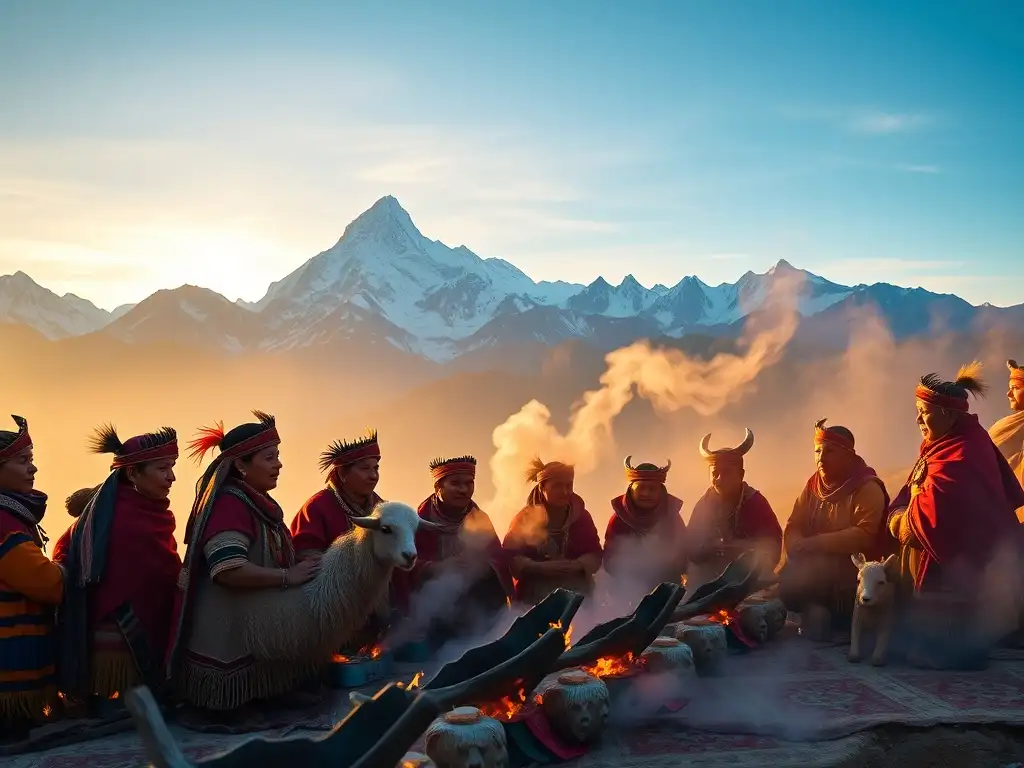
Step into a world lost to time, yet echoing with the whispers of powerful Andean gods and spirits. Uncover the intricate tapestry of Andean religion and cosmovision, a realm where celestial beings intertwined with earthly life, shaping the destinies of mighty civilizations like the Incas, Moche, and Nazca. Prepare to be captivated by the mysteries surrounding their beliefs – a journey that awaits you within the pages of The Andean Pantheon. Dare to delve deeper?
The Andes Mountains, a spine of towering peaks stretching along the western coast of South America, were not only a geographical feature but also the cradle of a complex and fascinating religious system. For centuries, diverse Andean cultures – including the Incas, Moche, Nazca, and Tiahuanaco – developed intricate belief systems revolving around a vast pantheon of gods and spirits.
This article delves into the captivating world of Andean deities, exploring their roles, interactions, and significance within the rich tapestry of Andean cosmovision. We will examine the hierarchical structure of these belief systems, highlighting the key figures and their influence on daily life, rituals, and artistic expression.
Understanding the Andean pantheon offers a crucial key to unlocking the profound spiritual understanding that shaped these remarkable civilizations. This exploration of Andean gods and spirits will reveal the depth and complexity of their religious landscape, showcasing the intricate relationship between the human and divine realms.
Understanding Andean Deities and Their Significance
Andean religion wasn't a monolithic entity; rather, it was a diverse tapestry woven from the beliefs and practices of numerous cultures across vast geographical areas and time periods. While specific deities and their attributes varied between these cultures, certain overarching themes and commonalities emerged. The Andean worldview was deeply intertwined with the natural world.
Mountains, rivers, celestial bodies, and even animals were often imbued with spiritual significance, acting as intermediaries between the human and divine realms. Many deities were associated with specific natural phenomena or aspects of life, such as agriculture, fertility, war, and the weather. The worship of these deities often involved elaborate rituals, offerings, and sacrifices, reflecting the importance given to maintaining a harmonious relationship with the supernatural world.
Furthermore, the concept of camayoc, or guardian spirits, played a significant role, providing protection and guidance to individuals and communities. The power dynamics between these deities, including the interactions between supreme creators and lesser gods, created a dynamic and ever-evolving spiritual landscape.
The Andean understanding of the divine wasn't limited to anthropomorphic gods. Spirits inhabited the natural world, influencing everything from the harvest to the weather patterns. These spirits, often represented in art and ritual, underscore the deep connection between the Andean peoples and their environment. Understanding this nuanced approach to spirituality is essential to appreciating the complexity of the Andean pantheon.
The Supreme Creator God: Wiracocha and His Role
Wiracocha, often considered the supreme creator god in Inca mythology, holds a central position in the Andean pantheon. Depicted as a powerful and mysterious figure, Wiracocha is credited with the creation of the world, the sun, the moon, and humanity itself. His role extended beyond mere creation; he was also seen as a benevolent deity who intervened in the affairs of mortals, offering guidance and protection.
Different Andean cultures had their own versions of a supreme creator, with variations in attributes and narratives. However, the overarching theme of a powerful, world-creating deity remained consistent across many belief systems. The worship of Wiracocha, and other supreme creators, often involved grand ceremonies and elaborate rituals aimed at appeasing the deity and ensuring continued prosperity.
The influence of Wiracocha is evident in Inca architecture, art, and literature, reflecting his enduring importance in the Inca worldview. [Specific examples of Wiracocha's depiction in Inca art pending]
Inti: The Sun God and Source of Life in Andean Religion
Inti, the sun god, was another immensely important deity in the Andean pantheon, particularly for the Inca civilization. Considered the source of all life and energy, Inti was revered as a benevolent and powerful deity, responsible for the growth of crops, the success of harvests, and the overall well-being of the Inca Empire. The Inca emperors traced their lineage directly to Inti, strengthening the connection between the divine and the ruling class.
The worship of Inti involved elaborate ceremonies, including sacrifices and offerings, often performed at significant sites like Machu Picchu. The sun's daily journey across the sky was mirrored in Inca rituals, reflecting the importance of cyclical time and the sun's life-giving power. The sun's significance is clearly evident in Inca iconography, with countless representations of Inti in art, architecture, and textiles.
The annual Inti Raymi festival, a celebration of the sun god, was a major event in the Inca calendar, highlighting the centrality of Inti within Inca religious life. The profound reverence for Inti demonstrates the importance of solar worship within the Andean spiritual landscape. ☀️
Mama Killa: The Moon Goddess and Her Influence on Andean Life
Mama Killa, the moon goddess, held a position of immense importance in the Andean pantheon. More than just a celestial body, she represented fertility, femininity, and the cyclical nature of life and death. Her influence permeated various aspects of Andean life, from agriculture and childbirth to social structures and ritual practices. The phases of the moon were meticulously observed and linked to agricultural cycles, dictating the timing of planting and harvesting. Farmers relied on Mama Killa's guidance to ensure bountiful crops, understanding her phases as a reflection of the earth's own rhythms.
Furthermore, Mama Killa's influence extended to women's roles in society. She was seen as a protector of women, presiding over childbirth and fertility. Many rituals and ceremonies were dedicated to ensuring her favor, particularly those related to pregnancy, childbirth, and the well-being of women and children. The intricate relationship between Mama Killa and the sun god, Inti, further highlights her significance.
Their celestial dance symbolized the balance and harmony of the cosmos, a vital principle in Andean cosmology. The connection between the moon and the tides was also understood, influencing fishing practices and the lives of coastal communities. Therefore, Mama Killa's presence wasn't merely a celestial observation; she was an active participant in the daily lives of the Andean people, a powerful deity shaping their beliefs and practices. Her influence is still felt today in various Andean communities, demonstrating the enduring power of this ancient moon goddess.
Illapa: The God of Thunder, Lightning, and Rain in Andean Beliefs
Illapa, the powerful god of thunder, lightning, and rain, held a pivotal role in the Andean worldview. His dominion over atmospheric phenomena directly impacted the agricultural success of the Andean civilizations. A good harvest depended entirely on Illapa's benevolent disposition, making him a deity of paramount importance. Depictions of Illapa often show him wielding lightning bolts, showcasing his formidable power and ability to both nurture and destroy. His storms could bring life-giving rain, essential for crops, or unleash devastating floods capable of wiping out entire villages.
This duality reflected the Andean understanding of nature's unpredictable yet essential forces. The worship of Illapa involved elaborate rituals and sacrifices aimed at appeasing his power and ensuring favorable weather patterns. These ceremonies often involved offerings of coca leaves, chicha (a fermented corn beverage), and llama sacrifices, meant to demonstrate respect and secure his blessings. The sounds of thunder and the flashes of lightning were not merely natural events; they were interpreted as Illapa's direct communication, demonstrating his presence and power. Moreover, Illapa's influence extended beyond agriculture.
He was also associated with fertility and virility, playing a key role in ensuring the prosperity and continuity of the Andean communities. His image, often depicted with a club or a spear, reinforced his powerful and sometimes fearsome nature. The Andean people, deeply reliant on agriculture, understood the profound connection between Illapa and their survival, making him a central figure in their religious and social life. His legacy continues to resonate in contemporary Andean traditions, illustrating the lasting impact of this powerful god.
Pachamama: The Earth Mother and Her Importance to the Andean People
Pachamama, the Earth Mother, is arguably the most revered deity in the Andean pantheon. She represents the fertile earth, the provider of sustenance, and the life-giving force that sustains all living beings. Her importance is deeply rooted in the agricultural practices of the Andean civilizations, where the land was the source of their livelihood. Pachamama's role extends beyond simply providing crops; she embodies the very essence of life, fertility, and abundance. The Andean people viewed the earth not merely as a resource but as a sacred entity, a mother who nurtured and sustained them.
Therefore, Pachamama's worship involved a profound sense of respect and reciprocity. Offerings of food, drink, and coca leaves were routinely made to Pachamama as a way of expressing gratitude and ensuring her continued benevolence. These offerings were not seen as mere gifts but as acts of communion, reinforcing the deep connection between the people and the earth. Moreover, Pachamama's influence extended beyond agriculture. She was associated with healing, fertility, and the cyclical nature of life and death.
The Andean people believed that Pachamama's spirit resided within the mountains, rivers, and all aspects of the natural world. Consequently, respecting the environment was crucial to maintaining a harmonious relationship with Pachamama and ensuring the well-being of the community. The reverence for Pachamama continues to be a strong element in contemporary Andean cultures, demonstrating the enduring legacy of this powerful Earth Mother. Her importance transcends time, highlighting the deep and lasting connection between the Andean people and the land that sustains them.
Apus: The Mountain Spirits and Their Connection to the Sacred Landscape
The Andes Mountains, a colossal spine running down the western edge of South America, were not merely geographical features to the Andean peoples; they were living entities, imbued with spiritual power. The Apus, powerful mountain spirits, held a central place in their cosmology. These weren't simply personifications of mountains; they were considered deities, each with its own personality, temperament, and influence over the surrounding environment and the communities inhabiting the valleys below.
Their worship was deeply intertwined with the agricultural cycle, with offerings and rituals performed to ensure bountiful harvests and protection from natural disasters. The most important Apus were often those closest to a particular community, their snowy peaks visible as constant reminders of the divine presence.
The connection between the Apus and the sacred landscape was profound and multifaceted. Mountains weren't merely venerated; they were actively engaged with through rituals, pilgrimages, and the construction of sacred sites along their slopes. These sites, often located at strategic points such as mountain passes or springs, served as focal points for communication with the Apus, facilitating offerings and prayers.
The landscape itself—the rivers, lakes, and valleys—was understood as a complex network of interconnected spiritual energies, all ultimately connected to the power of the Apus. The Andean worldview emphasized a harmonious relationship between humans and nature, where respect for the sacred landscape was essential for maintaining cosmic balance.
This deep connection is reflected in the artistic representations of the Apus, often depicted in textiles, ceramics, and stone carvings, showcasing their power and majesty. Archaeological evidence, such as the numerous mountaintop shrines and the elaborate offerings found within them, provides tangible proof of the significance of Apus worship in Andean life.
The Role of Huacas: Sacred Places and Objects in Andean Spirituality
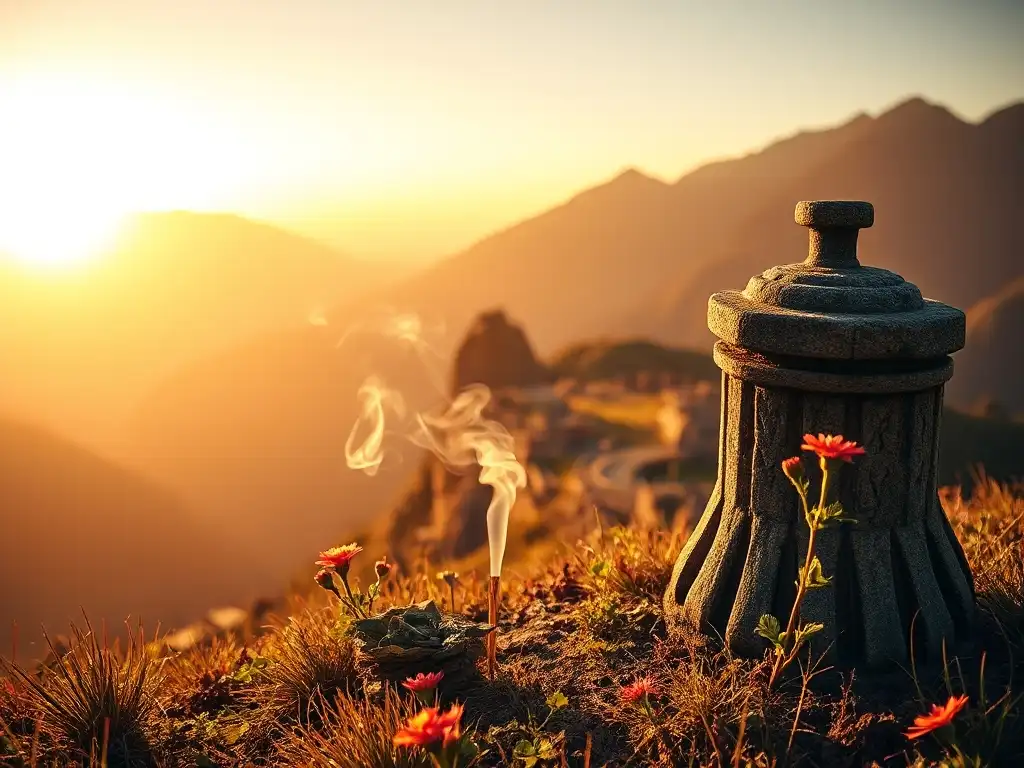
Huacas represent a broad category encompassing sacred places and objects imbued with spiritual power in Andean cultures. These weren't simply religious icons; they were integral to the Andean worldview, acting as conduits between the human and spiritual realms. Huacas could be anything from mountains (like the Apus discussed earlier) and springs to rocks, caves, and even specific plants or animals.
Their sacredness often stemmed from a perceived connection to ancestors, powerful spirits, or the gods themselves. The Inca, for example, designated numerous sites as huacas, some of which were associated with specific deities or events in their history. These sites were often carefully guarded and maintained, with rituals performed to ensure their continued power.
The importance of huacas extended beyond simple veneration. They played a crucial role in daily life, influencing agricultural practices, political organization, and even personal well-being. Offerings of food, drink, and precious objects were frequently made at huacas to appease the spirits and ensure their favor.
The Inca Empire, in particular, strategically incorporated existing huacas into its administrative and religious structures, recognizing the importance of these sites in maintaining social order and cosmic harmony. The careful preservation and management of huacas underscore the profound significance of these places and objects in Andean spirituality and the belief that their power was essential to the well-being of both individuals and the community. This deep-seated respect is evident in the meticulous care taken in their preservation, even after the decline of the Inca Empire.
Animism and the Belief in Spirits in Andean Cosmovision
Animism, the belief that spirits inhabit natural objects and phenomena, was a cornerstone of Andean spirituality. This wasn't a simple belief in spirits; it was a fundamental principle structuring their understanding of the world. Everything, from mountains and rivers to plants and animals, was considered to possess a spirit or chayña, possessing its own agency and power. This worldview fostered a profound respect for the natural world and a sense of interconnectedness between the human and spiritual realms. The Andean people weren’t merely interacting with the physical world; they were navigating a complex web of spiritual energies and forces.
This animistic perspective permeated all aspects of Andean life. Agricultural practices, for instance, were intimately linked to the spirits inhabiting the land, with rituals performed to ensure the fertility of the soil and the successful growth of crops. Similarly, the selection of settlements and the construction of buildings often took into account the presence and influence of local spirits.
The belief in these spirits wasn't merely a matter of superstition; it was a practical consideration that shaped their daily lives and interactions with the environment. This animistic worldview fostered a sense of responsibility towards the natural world, emphasizing the importance of maintaining a harmonious relationship with all living beings and the spiritual forces that animated them.
The deep-seated respect for the environment is a testament to the profound influence of animism in shaping Andean culture and worldview. The careful stewardship of resources and the integration of spiritual practices into daily life demonstrate the lasting impact of this belief system.
Specific Andean Spirits and their Functions
Andean spirituality wasn't solely focused on a pantheon of major gods. A rich tapestry of lesser spirits, each with specific roles and influence, permeated daily life. These spirits inhabited natural features, objects, and even aspects of human experience. Understanding their functions is crucial to grasping the complexity of Andean religious belief. For instance, mallquis were spirits associated with mountains and archaeological sites, often seen as guardians of the land and its resources.
Respecting them was vital for ensuring a successful harvest and protection from natural disasters. Similarly, achuyas were mischievous spirits, often blamed for minor misfortunes or illnesses. Appeasement rituals, involving offerings and prayers, were common to maintain their favor and avoid their wrath. The diverse range of these spirits highlights the deeply animistic nature of Andean religion, where the supernatural wasn't confined to a distant celestial realm but interwoven with the everyday world.
The precise nature and functions of many of these lesser spirits varied across different Andean cultures, reflecting the regional diversity of beliefs and practices. Further research into regional folklore is crucial to fully appreciate the nuances of this rich spiritual landscape. Detailed ethnographic studies of surviving Andean communities are continuously revealing new insights into these often-overlooked aspects of the Andean worldview. These spirits weren't simply abstract entities; they were active participants in the lives of Andean people, demanding respect and influencing everything from agricultural cycles to personal well-being.
Supay: The Spirit of Death and the Underworld
Supay, a prominent figure in the Andean pantheon, represents the spirit of death and the underworld, often depicted as a fearsome and powerful entity. Unlike benevolent deities associated with life and fertility, Supay embodies the darker aspects of the Andean cosmology. His domain is the ukhu pacha, the underworld, a shadowy realm contrasting with the vibrant kay pacha, the earthly realm, and the celestial hanan pacha. Supay's power extended beyond simply presiding over death; he was believed to influence sickness, misfortune, and various forms of chaos.
Different Andean cultures had varying representations of Supay, sometimes portrayed as a single entity, other times as a group of demonic spirits. However, the common thread across these representations is Supay's association with fear and the unknown. While feared, Supay wasn't necessarily seen as purely malevolent.
Certain rituals and offerings were made to appease him, highlighting a complex relationship between the living and the dead, a relationship far from a simple binary opposition of good versus evil. Understanding Supay requires analyzing his role within the broader context of Andean beliefs about death, the afterlife, and the cyclical nature of life and regeneration. The fear associated with Supay was not simply irrational terror, but a profound respect for the forces that governed life and death, reminding the living of their mortality and the interconnectedness of all existence.
Amaru: The Serpent Spirit of the Rivers and Underground
The Amaru, a powerful serpent spirit, holds a significant place within Andean mythology, symbolizing both life-giving waters and the hidden forces of the earth. Unlike the fearsome Supay, the Amaru is often depicted as a dualistic figure, capable of both destruction and creation. Its association with rivers and underground springs highlights its importance as a source of life and fertility. The Amaru's connection to water is deeply symbolic, representing the lifeblood of Andean agriculture and the cyclical nature of the seasons.
Depictions of the Amaru often feature intricate designs and scales, reflecting its power and mystery. In some Andean cultures, the Amaru was considered a protector deity, linked to the prosperity of the community and the abundance of resources. In other traditions, it was seen as a force of nature, capable of both nurturing and devastating the landscape. The duality of the Amaru's nature reflects the complex relationship between humans and the natural world in the Andean region, emphasizing the interconnectedness of life and the unpredictable forces of nature.
Archaeological findings, such as depictions of Amaru on textiles and ceramics, further confirm its importance in Andean religious practices and beliefs. The enduring presence of the Amaru in contemporary Andean cultures underscores its continuing significance as a symbol of power, fertility, and the mysteries of the natural world. The Amaru's enduring legacy demonstrates the importance of understanding the Andean worldview's intricate balance between revered and feared forces.
Ukumari: The Bear Spirit, Representing Strength and the Wild
The ukumaris, powerful bear spirits, held a prominent place in the Andean pantheon, particularly among the pre-Inca cultures. These weren't simply representations of the animal; they embodied the untamed power of the Andes mountains, their strength, and their connection to the wild. Depictions of ukumaris in pottery and textiles often show them with human-like features, emphasizing their connection to the human world and their role as powerful intermediaries between the human and spiritual realms.
The ukumari wasn't just a symbol of physical strength; it also represented the resilience and endurance necessary to survive in the harsh Andean environment. Stories and myths surrounding the ukumari frequently highlight their cunning and their ability to shape-shift, adding to their mystical aura. Different Andean communities may have had varying interpretations of the ukumari, with some considering it a benevolent protector and others viewing it with a mixture of fear and respect.
This ambiguity reflects the complex relationship between humans and the wild in the Andean worldview. The ukumari's enduring presence in Andean folklore underscores its continued significance as a powerful symbol of the Andes' untamed spirit. Understanding the ukumari is crucial to understanding the broader Andean concept of animism and the interconnectedness of the natural and spiritual worlds.
Regional Variations in Andean Religious Practices and Deities
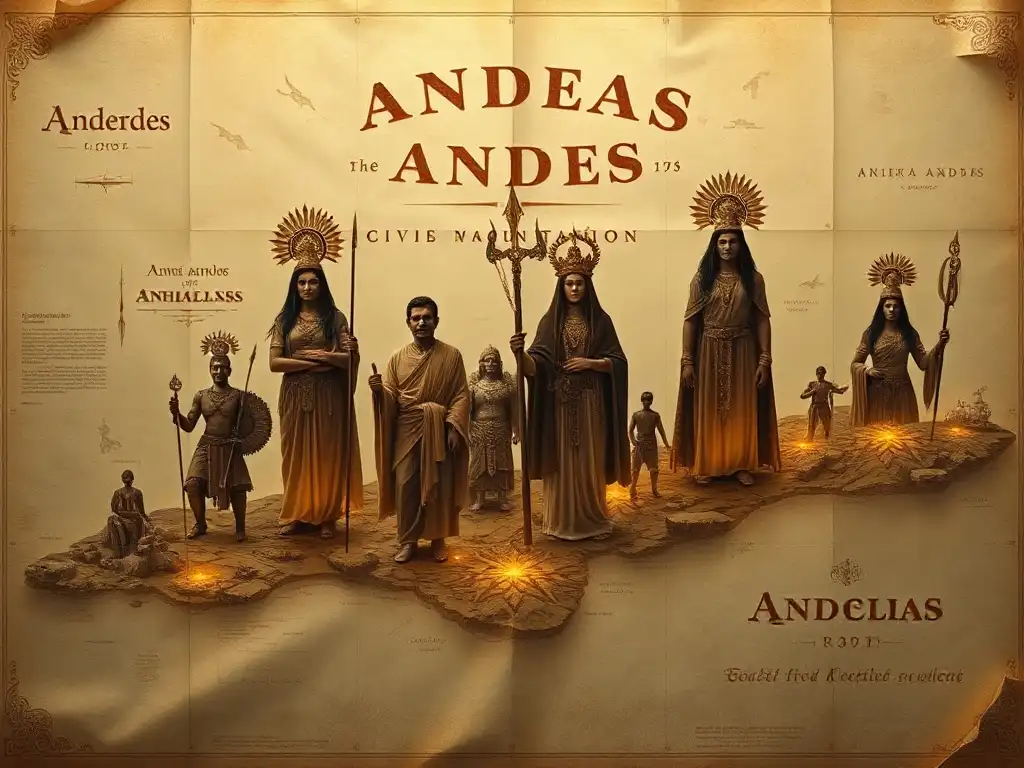
The Andean region wasn't a monolith in terms of religious beliefs. Significant variations existed in the pantheon and religious practices across different regions and cultures. For example, coastal communities, like the Moche, developed distinct deities reflecting their marine environment, while those in the highlands, like the Tiwanaku, focused on deities associated with agriculture and mountain worship.
The worship of specific deities, even those with similar names, varied significantly in their attributes and rituals. This diversity is reflected in the archaeological record, with distinct iconography and ceremonial practices found in different regions. The Huari and Wari cultures, for example, had a complex pantheon with deities reflecting their sophisticated social organization and control over vast territories.
These variations highlight the importance of considering the specific cultural context when studying Andean religion. Understanding the regional variations in Andean religious practices and deities provides a deeper appreciation for the rich tapestry of beliefs and rituals that characterized the Andes. A comprehensive study of Andean gods and spirits requires acknowledging this diverse and multifaceted religious landscape.
The Influence of the Inca Empire on Andean Pantheon
The Inca Empire, at its zenith, exerted a significant influence on the Andean pantheon, although it did not completely erase pre-existing beliefs. The Inca imposed their own supreme deity, Inti (the sun god), and Viracocha (a creator god), at the top of the religious hierarchy. However, they often incorporated local deities into their system, syncretizing them with their own pantheon. This process of syncretism allowed the Inca to consolidate their power and integrate diverse populations into their empire.
Local deities were often reinterpreted and given new roles within the Inca system, retaining some of their original characteristics but also reflecting Inca ideology. For example, local mountain gods might be assimilated into the broader Inca system as powerful regional manifestations of the Inca deities. The Inca’s sophisticated state organization led to a standardization of certain religious practices and rituals across the empire, but regional variations persisted.
This complex interplay between Inca domination and local religious traditions resulted in a dynamic and evolving Andean pantheon, reflecting the empire's vast reach and the resilience of local beliefs. The Inca's influence on the Andean pantheon is a testament to the power of imperial expansion to reshape religious landscapes while simultaneously acknowledging the persistence of pre-existing beliefs and practices. The study of the Andean pantheon must therefore account for this intricate process of assimilation and adaptation.
The Legacy of Andean Gods and Spirits in Modern Times
The influence of Andean gods and spirits persists strongly in contemporary Andean cultures. While formal religious practices may have shifted with the introduction of Christianity, many indigenous communities continue to incorporate ancient beliefs into their daily lives and celebrations. The veneration of apus (mountain spirits) remains prevalent, with offerings and rituals performed to ensure good harvests and protection.
Many Andean communities still consult paqos (shamans) for guidance and healing, drawing upon traditional Andean cosmology and spiritual practices. This enduring connection is not simply a nostalgic clinging to the past; it's a vibrant, living tradition that shapes social structures, agricultural practices, and personal worldviews. For example, the use of coca leaves, long associated with spiritual offerings and rituals in Andean traditions, continues to be a significant part of daily life for many people, representing a tangible link to their ancestors and spiritual beliefs.
The enduring power of these ancient beliefs highlights the resilience and adaptability of Andean spiritual practices in the face of cultural change. Furthermore, the resurgence of indigenous pride and the growing interest in Andean culture have led to a renewed appreciation and study of these ancient deities and spirits, fostering a deeper understanding of their significance. This renewed interest isn't just confined to academic circles; it's also manifest in the growing number of cultural festivals and celebrations dedicated to honoring Andean deities.
The Celebration of Inti Raymi: Honoring the Sun God
Inti Raymi, the Festival of the Sun, stands as a powerful testament to the enduring reverence for the Andean sun god, Inti. Observed annually on June 24th, the winter solstice in the southern hemisphere, this vibrant festival is a spectacular display of Andean culture and spirituality. Originally a major Inca festival, Inti Raymi was suppressed during the Spanish conquest but has experienced a remarkable revival in recent decades.
The celebration involves elaborate processions, traditional music and dance, and offerings to Inti, reflecting the deep-rooted connection between the Andean people and their sun god. Participants often dress in traditional clothing, representing various aspects of Inca society, highlighting the rich tapestry of Andean culture. The festival is not merely a historical reenactment; it's a living tradition that brings together communities, strengthening social bonds and reinforcing a shared cultural identity.
The symbolic significance of Inti Raymi extends far beyond the spectacle; it represents a reaffirmation of Andean identity and a powerful assertion of cultural continuity in the face of historical oppression. The festival’s growing popularity underscores the enduring importance of Inti and the broader Andean pantheon in the hearts and minds of contemporary Andean people. The vibrant energy and widespread participation in Inti Raymi vividly demonstrate the ongoing relevance of ancient Andean religious practices.
Syncretism and the Evolution of Andean Beliefs
The arrival of Christianity in the Andes did not result in the complete eradication of pre-Columbian beliefs. Instead, a complex process of syncretism occurred, blending indigenous Andean spiritual practices with Catholic traditions. This fusion created a unique religious landscape where traditional deities were often assimilated into the Christian pantheon, sometimes taking on new roles or attributes. For instance, the Virgin Mary is often associated with Pachamama, the Earth Mother, reflecting the merging of indigenous and Christian beliefs around fertility and abundance.
Similarly, certain saints are seen as intermediaries between the human world and the Andean pantheon, facilitating communication and intercession. This blending of beliefs is not a simple overlay; it's a dynamic process of adaptation and negotiation, resulting in a rich and multifaceted religious tapestry. The syncretic nature of Andean beliefs is evident in numerous rituals and practices, highlighting the resilience and adaptability of indigenous spiritual traditions in the face of external influences.
The ongoing evolution of Andean beliefs reflects the fluid and dynamic nature of religious expression, demonstrating the capacity of spiritual systems to adapt and integrate new elements while preserving core values and beliefs. This process continues to shape the religious landscape of the Andes, highlighting the complexity and richness of Andean spirituality. The study of this syncretism offers valuable insights into the ways in which cultural encounters shape religious practices and belief systems.
Conclusion: The Enduring Power of Andean Gods and Spirits
The Andean pantheon, a vibrant tapestry woven from diverse beliefs and practices across millennia, continues to resonate even today. While the formal structures of ancient Andean religion may have faded with the arrival of the Spanish conquistadors and subsequent societal shifts, the core beliefs in the power of nature, the interconnectedness of the cosmos, and the importance of ancestor veneration persist. These fundamental tenets have adapted and transformed, subtly influencing contemporary Andean cultures in myriad ways.
The reverence for apus (mountain spirits) remains strong in many communities, with rituals and offerings continuing to be made to ensure good harvests and protect the land. Similarly, the belief in the pachamama, the Earth Mother, endures, shaping agricultural practices and influencing environmental consciousness.
The enduring power of Andean gods and spirits is not simply a matter of historical preservation; it's a testament to the deep-rooted connection between the Andean peoples and their environment. The deities and spirits weren't simply abstract concepts; they were integral parts of the daily lives of the ancient Andean societies. Their influence permeated every aspect of existence, from agriculture and warfare to healing and social organization.
This profound integration explains why, despite centuries of cultural upheaval, the fundamental beliefs and spiritual practices associated with the Andean pantheon continue to thrive, albeit in often subtly altered forms. The persistence of these beliefs highlights the resilience of Andean spirituality and its enduring relevance in the modern world. Understanding the Andean pantheon, therefore, is not just a historical exercise; it's a key to comprehending the enduring cultural identity and spiritual landscape of the Andes.
The study of Andean gods and spirits offers invaluable insights into the complex relationship between humans and the natural world, a relationship that remains profoundly relevant in our increasingly interconnected and environmentally conscious era. The legacy of these beliefs continues to shape the lives and perspectives of Andean communities today, proving the enduring power of their ancient spiritual traditions.
- Understanding Andean Deities and Their Significance
- The Supreme Creator God: Wiracocha and His Role
- Inti: The Sun God and Source of Life in Andean Religion
- Mama Killa: The Moon Goddess and Her Influence on Andean Life
- Illapa: The God of Thunder, Lightning, and Rain in Andean Beliefs
- Pachamama: The Earth Mother and Her Importance to the Andean People
- Apus: The Mountain Spirits and Their Connection to the Sacred Landscape
- The Role of Huacas: Sacred Places and Objects in Andean Spirituality
- Animism and the Belief in Spirits in Andean Cosmovision
- Specific Andean Spirits and their Functions
- Supay: The Spirit of Death and the Underworld
- Amaru: The Serpent Spirit of the Rivers and Underground
- Ukumari: The Bear Spirit, Representing Strength and the Wild
- Regional Variations in Andean Religious Practices and Deities
- The Influence of the Inca Empire on Andean Pantheon
- The Legacy of Andean Gods and Spirits in Modern Times
- The Celebration of Inti Raymi: Honoring the Sun God
- Syncretism and the Evolution of Andean Beliefs
- Conclusion: The Enduring Power of Andean Gods and Spirits
- What were the most important Andean gods?
- How did Andean people interact with their gods and spirits?
- Did all Andean cultures share the same beliefs about gods and spirits?
- What role did mountains play in Andean religion?
- How did Andean beliefs about gods and spirits influence their art and architecture?
Frequently Asked Questions
What were the most important Andean gods?
The Andean pantheon was vast and varied across different cultures. However, some prominent deities included Viracocha, the creator god, and Pachamama, the earth mother, whose worship was widespread across many Andean civilizations. Inti, the sun god, was also incredibly significant, especially within the Inca Empire.
How did Andean people interact with their gods and spirits?
Andean people interacted with their gods and spirits through rituals, offerings, and sacrifices. These practices aimed to maintain balance and harmony in the world, ensuring good harvests and prosperity. They also built elaborate temples and created intricate artwork to honor their deities.
No, while some deities like Pachamama were widely revered, beliefs varied significantly across different Andean cultures. The Moche, Inca, Nazca, and Tiahuanaco each had unique pantheons and rituals reflecting their specific environments and social structures. There were regional and cultural variations.
What role did mountains play in Andean religion?
Mountains held immense spiritual significance, often considered sacred places inhabited by powerful apus (mountain spirits). Many rituals and offerings were directed towards the apus to ensure protection and good fortune. Mountains were seen as intermediaries between the human and divine realms.
How did Andean beliefs about gods and spirits influence their art and architecture?
Andean art and architecture were deeply intertwined with their religious beliefs. Temples, sculptures, and textiles often depicted gods and spirits, reflecting their importance in society. The elaborate designs and craftsmanship demonstrate the significance placed on honoring these divine beings.
Final Reflection: Echoes of the Andes: A Legacy of Faith and Power
The vibrant tapestry of Andean spirituality, woven from threads of myth, ritual, and reverence for the natural world, remains profoundly relevant today. Its enduring power lies not just in historical significance, but in its capacity to illuminate our own relationship with the environment and the spiritual dimensions of life. Understanding the complex pantheon of Andean gods and spirits offers a crucial lens through which to examine our own beliefs and values.
The influence of the Andean worldview continues to shape the cultural landscape of the Andes, enriching artistic expression, informing social structures, and inspiring contemporary spiritual practices. The echoes of ancient rituals and beliefs resonate in modern festivals, ceremonies, and even everyday life. As the writer and anthropologist, Gary Urton, eloquently stated, The Andes are not just a geographical location; they are a living landscape, imbued with spiritual significance and a deep connection to the past.
This sentiment encapsulates the enduring power of the Andean pantheon, its ability to transcend time and continue to shape the lives of millions.
Consider the intricate interplay of forces represented in the Andean pantheon. Reflect on the lessons of balance, reciprocity, and respect for the natural world that these ancient beliefs embody. You, too, can find inspiration in this rich tapestry of spirituality, learning to appreciate the interconnectedness of all things and fostering a deeper connection with the world around you. Let the echoes of the Andes inspire you to cultivate a more mindful and respectful relationship with the earth and the unseen forces that shape our lives.
**Discover the Rich Tapestry of Andean Mythology! **
Thank you for exploring the fascinating world of the Andean pantheon with us! We hope you've discovered the intricacies of these ancient gods and spirits and are inspired by their enduring legacy. Let's continue your exploration!
- **Learn More:** Delve deeper into the Andean deities and their cultural significance with our detailed articles on each god and spirit.
- **Join the Discussion:** Share your thoughts and favorite myths in the comments below and connect with other enthusiasts in our community forum.
- **Share Your Inspiration:** Create a visual tribute to your favorite deity and share it on social media using #AndeanMythology to inspire others!
Which aspect of Andean mythology resonates most with you, and how does it influence your understanding of contemporary cultures?