
The Art of Haggling: Navigating Andean Markets for the Best Deals

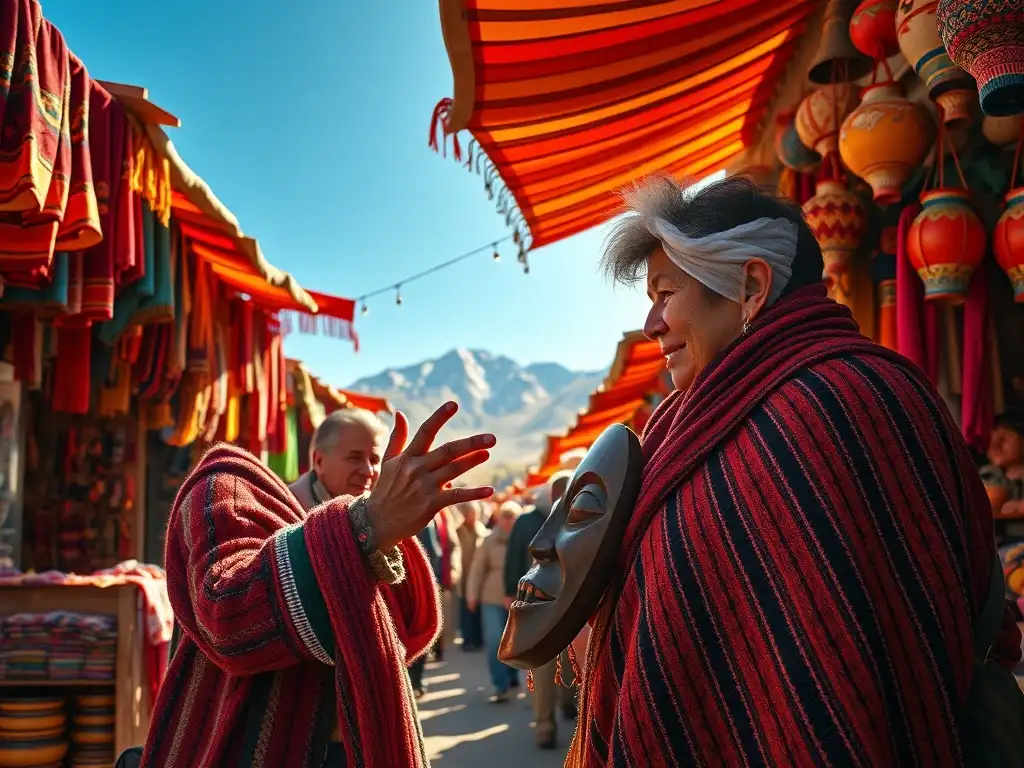
Step into a world lost in time, where vibrant textiles whisper ancient secrets and the echoes of empires still resonate. Prepare to uncover the fascinating tapestry of Andean civilization, a realm of breathtaking artistry and innovative engineering. But before you delve into the majestic ruins and captivating myths, let's equip you with the essential knowledge for your own Andean adventure: mastering the art of haggling in Andean markets. Discover the secrets to securing the best deals and unlock a truly authentic experience – your journey begins now.
The vibrant tapestry of Andean culture is richly woven with the threads of ancient traditions, breathtaking landscapes, and bustling markets overflowing with handcrafted treasures. From intricately woven textiles to meticulously carved figurines, the markets offer a captivating glimpse into the artistry and ingenuity of Andean civilizations. However, the experience extends beyond mere observation; it’s an interactive dance of negotiation, a lively exchange known as haggling. This article serves as your guide to mastering the art of Andean market bargaining, ensuring you secure the best deals while respecting local customs and fostering positive interactions with artisans and vendors. We'll explore the nuances of this age-old practice, providing practical tips and insights to enhance your Andean market experience and allow you to truly appreciate the cultural richness embedded within each transaction. This isn't just about saving money; it's about engaging in a time-honored tradition and connecting with the heart of Andean culture.
Unveiling the Secrets to Successful Andean Market Bargaining
Haggling in Andean markets is not merely a transaction; it's a social interaction, a playful negotiation that reflects the vibrant spirit of the region. Success hinges on a delicate balance of respect, firmness, and a genuine appreciation for the craftsmanship. Unlike some cultures where haggling is considered rude, in Andean markets, it's expected and even welcomed. It’s a chance to connect with the seller, learn about their craft, and build a relationship, even if only for a brief moment. The process is often more about the experience than simply obtaining the lowest price.
Many factors influence the success of your bargaining. The initial offer should be significantly lower than the asking price – roughly half, or even less depending on the item and the perceived value. This isn't an insult; it's the starting point of a friendly negotiation. Remember to always maintain a polite and respectful demeanor, even if the seller's counteroffer is far from your ideal price. A smile and friendly conversation can go a long way in creating a positive atmosphere.
Here's a breakdown of key strategies:
- Research beforehand: Understanding the approximate value of items can give you a better bargaining position. While exact prices vary, some general knowledge helps.
- Observe other customers: Watching how others negotiate can provide valuable insights into typical bargaining practices and price ranges.
- Be patient and persistent: Don't rush the process. A drawn-out, respectful negotiation can often lead to better results.
- Learn basic Quechua phrases: Even a few basic phrases can greatly enhance your interaction and show respect for the local culture. A simple "gracias" (thank you) goes a long way!
- Walk away if necessary: If you're truly unsatisfied with the final price, sometimes walking away can lead to the seller reconsidering their offer. This tactic should be used sparingly and with consideration.
- Respect the artisan: Remember that the items are often handcrafted with care and skill. Value the effort and artistry involved in creating these unique pieces. Fair bargaining is key—avoid aggressively trying to get the lowest possible price at the expense of the artisan's livelihood.
This initial section provides a solid foundation for the article, setting the stage for more detailed discussions on specific market locations and haggling strategies in subsequent sections. The use of bold text, lists, and a conversational tone aims to engage the reader and encourage them to continue reading. The inclusion of practical tips and cultural insights ensures the article is both informative and valuable to those planning a trip to the Andes.
Understanding the Andean Market Culture: Preparing for Your Haggling Adventure
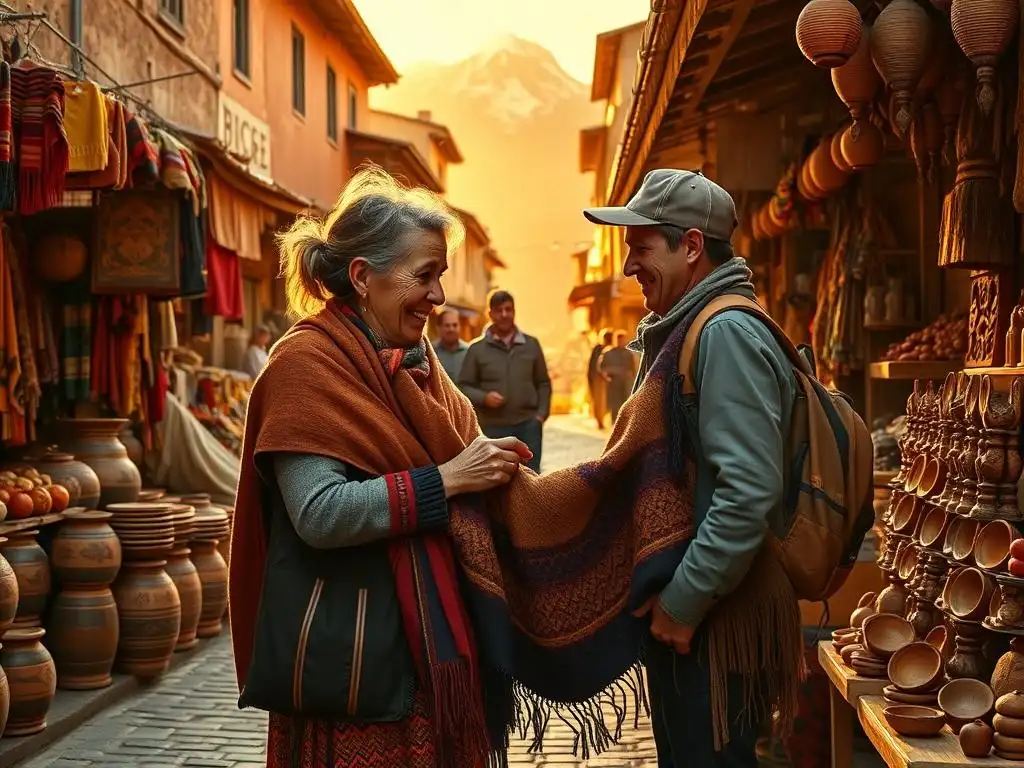
This section delves into the nuances of Andean market culture, providing crucial context for successful haggling. Understanding the underlying social dynamics is as important as knowing the right phrases. Mastering this aspect will not only help you secure better deals but also foster respectful interactions with local artisans. Successful haggling in Andean markets isn't just about getting the lowest price; it's about building a relationship based on mutual respect and appreciation.
The Importance of Respect and Etiquette in Andean Bargaining
Haggling in Andean markets is a social dance, not a battle. Respect is paramount. A friendly demeanor, a genuine interest in the artisan's work, and a willingness to engage in conversation are crucial. Avoid aggressive tactics or demanding attitudes. Remember, these artisans often pour their heart and soul into their creations, and treating them with respect enhances the entire experience. A simple "Buenos días" or "Buenas tardes" goes a long way.
Taking the time to examine the craftsmanship, asking about the materials and techniques used, shows genuine appreciation and builds rapport. This approach often leads to better deals than aggressive bargaining. Consider it an exchange of cultural understanding as much as a transaction. Think of it as building a relationship, not just securing a bargain. Even if you don't purchase something, a polite conversation leaves a positive impression.
Recognizing the Value of Artisan Work: Beyond the Price Tag
While securing a good deal is a key goal, remember that Andean handicrafts often represent generations of knowledge and skill. The price reflects not only the materials and labor but also the cultural heritage embedded within each piece. Many artisans use traditional techniques passed down through families, making each item unique and valuable. Consider the time and effort involved in creating intricate textiles, hand-carved wooden sculptures, or meticulously crafted silver jewelry.
Appreciating this artistry allows for a more meaningful and respectful haggling experience. Don't just focus on the monetary value; acknowledge the artistic merit and cultural significance. This understanding helps you approach the negotiation with a greater sense of appreciation and fairness. For example, a seemingly simple woven tapestry might take weeks to produce using ancient techniques, adding significant value beyond its immediate aesthetic appeal.
Language Basics for Haggling: Essential Phrases for Andean Markets
While many vendors in popular tourist markets speak some English, knowing a few basic Spanish phrases significantly improves your haggling experience. It demonstrates respect and allows for a more nuanced interaction. Here are some essential phrases:
- "¿Cuánto cuesta?" (How much does it cost?) – This is your starting point for any negotiation.
- "Demasiado caro" (Too expensive) – Use this politely but firmly to express your initial counter-offer.
- "¿Puedes bajarlo un poco?" (Can you lower the price a little?) – A gentler alternative to "Demasiado caro."
- "Está bien, lo compro" (Okay, I'll buy it) – Use this only when you've reached an agreeable price.
- "Gracias" (Thank you) – Always express your gratitude, regardless of the outcome.
Learning even these few phrases can significantly enhance your experience and demonstrate your respect for the Andean culture. Remember to speak slowly and clearly, and don’t be afraid to use gestures to aid communication. A smile and friendly attitude will often smooth over any communication barriers. Beyond these basic phrases, learning about regional dialects can further enhance your interaction and show a deeper appreciation for the local culture. Consider using a phrasebook or translation app to expand your vocabulary. Practicing these phrases beforehand will boost your confidence and allow you to focus on the art of haggling itself.
Mastering the Art of Andean Market Haggling: Step-by-Step Guide
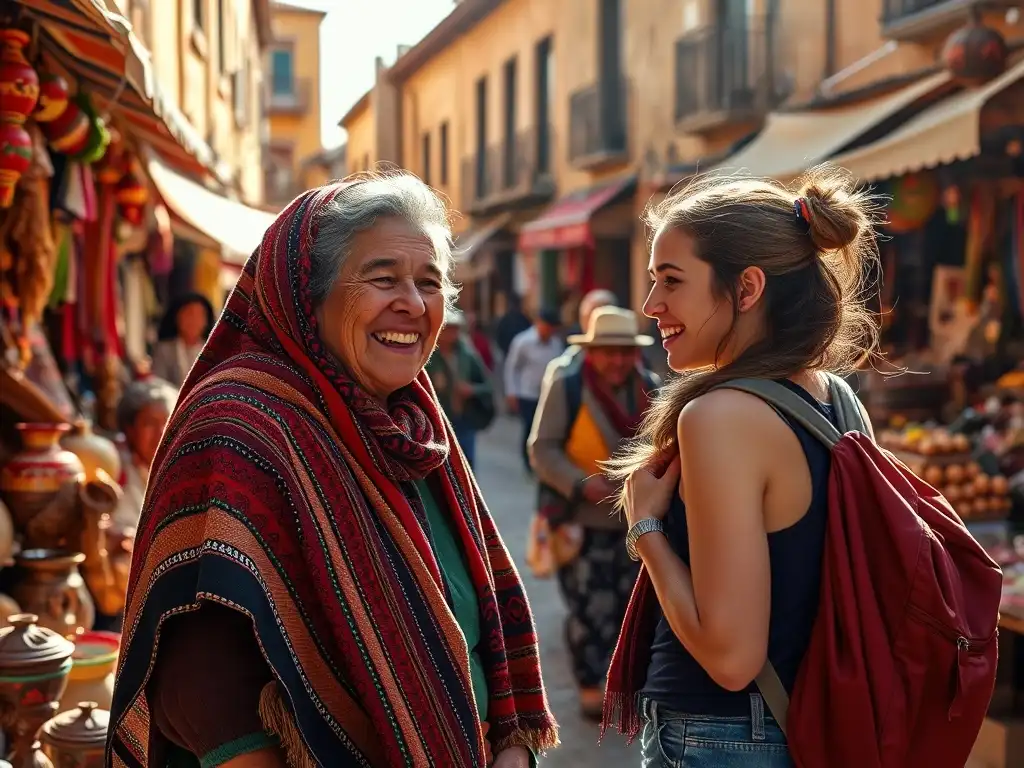
This section provides a detailed, step-by-step guide on how to effectively negotiate prices in Andean markets, maximizing your chances of securing the best deals on authentic Andean handicrafts. Remember, haggling is a customary and expected part of the shopping experience in many Andean markets, so embrace it! This guide will help you navigate this cultural aspect with confidence and respect.
Step 1: Initial Assessment - Identifying Your Desired Andean Handicrafts
Before you even begin to negotiate, understanding what you're buying is crucial. This involves both recognizing quality and authenticity and researching typical costs. This initial assessment will significantly strengthen your bargaining position.
Recognizing Quality and Authenticity: How to Spot Genuine Andean Textiles and Ceramics
Authentic Andean handicrafts are often imbued with intricate details and traditional techniques passed down through generations. Knowing what to look for can save you from purchasing imitations.
- Textiles: Look for hand-spun yarns, uneven weaving (a sign of hand-weaving), and natural dyes. Examine the quality of the stitching and the overall craftsmanship. Genuine Andean textiles often incorporate traditional patterns and motifs specific to particular regions. For example, the intricate designs of the chumpi (a type of belt) from the Cusco region are distinctly different from those found in the highlands of Bolivia. Pay close attention to the materials; alpaca wool is often more expensive and higher quality than llama wool.
- Ceramics: Authentic Andean pottery often features hand-painted designs, imperfections that indicate hand-crafting, and unique textures. Avoid pieces that look overly perfect or mass-produced. Look for the distinctive styles associated with different Andean cultures – the black-on-white pottery of the Nazca, for instance, is easily distinguishable from the polychrome wares of the Moche. The weight of the piece can also be an indicator; heavier pieces often indicate denser clay and higher quality.
Remember, the imperfections are often what make Andean handicrafts so special. They tell a story of the artisan's skill and the cultural heritage behind the piece.
Gauging Fair Prices: Researching Typical Costs Before You Haggle
Knowing the approximate price range for the items you want is vital. This prevents you from offering prices that are either insulting to the vendor or unrealistic.
While exact prices vary depending on the market and the specific item, some general research can be beneficial. Browse online marketplaces specializing in Andean handicrafts or consult guidebooks. Talking to other tourists can also provide valuable insights into typical prices. However, remember that these are just guidelines; prices can fluctuate based on factors such as material, craftsmanship, and the vendor's individual pricing strategy.
Don't be afraid to politely inquire about the price of similar items in other stalls to get a sense of the market average. This demonstrates your interest and your understanding of the local market dynamics.
Step 2: Initiating the Bargaining Process - Techniques for Andean Market Negotiation
Once you've identified your desired items and have a sense of fair pricing, it's time to begin the negotiation. Remember, this is a social interaction, so politeness and respect are key.
The Gentle Approach: Starting with a Lower Offer Respectfully
Begin your negotiation by offering a price significantly lower than the asking price. However, avoid making an insultingly low offer, as this can offend the vendor and hinder further negotiation. A good starting point is around 50% of the asking price, adjusting this based on your assessment of the item's value and the overall market conditions. Always maintain a friendly and respectful demeanor. A simple "Buenos días" and a smile can go a long way.
Remember to use phrases like "mucho gracias" and "por favor" to show your appreciation and respect throughout the negotiation process.
The Art of the Pause: Using Silence to Your Advantage in Andean Markets
In Andean markets, silence can be a powerful tool. After making your offer, allow a moment of pause. This gives the vendor time to consider your proposal and allows you to gauge their reaction. Avoid rushing the process; patience is key to successful haggling. The pause creates a space for negotiation and can often lead to a more favorable outcome. It allows both parties to assess the situation and potentially find a mutually agreeable price.
Combining Purchases: Bargaining for a Discount on Multiple Items
Buying multiple items from the same vendor often opens opportunities for better deals. If you find several items you like, politely inquire about a discount for purchasing them together. This demonstrates your commitment and can often lead to a more substantial price reduction than negotiating individual items separately. This strategy is particularly effective for smaller, less expensive items.
For example, if you are purchasing several small alpaca wool scarves, you can ask for a discount on the bundle. This shows the vendor you are a serious customer and are willing to make a larger purchase. This tactic is widely accepted and often appreciated in Andean markets.
Step 3: Securing the Best Deal - Strategies for Successful Andean Market Purchases
Successfully haggling in Andean markets requires more than just knowing the starting price; it's about employing effective strategies to secure the best possible deal. This involves a delicate balance of assertiveness, respect, and understanding the local customs. Remember, the goal isn't to aggressively lower the price to the absolute minimum, but to reach a mutually agreeable price that feels fair to both you and the vendor.
A successful negotiation leaves both parties feeling satisfied with the transaction. This fosters a positive atmosphere and encourages future interactions, particularly important when considering repeat visits to the same market or vendor. Building rapport is key to long-term positive experiences within these vibrant marketplaces.
The Walking Away Tactic: Creating Urgency in the Andean Bargaining Process
The "walking away" tactic is a powerful tool in Andean market haggling, but it must be employed carefully and respectfully. It's not about being rude or dismissive; instead, it's about subtly demonstrating that you're not desperate for the item. If you've reached a point in the negotiation where the vendor's price is still too high, politely express your appreciation for their time and begin to walk away. Often, a vendor who sees a potential sale slipping away will call you back with a more agreeable offer. This strategy is particularly effective with items that are not unique or easily replaceable.
However, remember that in some Andean cultures, direct confrontation is avoided, and a gentler approach might be more appropriate. This might involve expressing a budget constraint rather than abruptly walking away. The key is to maintain a polite and respectful demeanor throughout the process. 🛍️
The Final Offer: Knowing When to Conclude the Negotiation
Knowing when to make your final offer is crucial. This requires careful judgment based on your assessment of the vendor's willingness to negotiate and your own comfort level with the price. Avoid making multiple counter-offers once you've reached a point you consider your "bottom line." A firm, but polite, final offer conveys confidence and seriousness. If the vendor rejects your final offer, gracefully accept their decision, thanking them for their time.
Remember, the goal is to find a mutually acceptable agreement, not to win a battle. Sometimes, walking away is the best option, even if it means missing out on the item. The experience itself, however, is valuable in learning how to better negotiate in future market visits. This understanding, gained through practice, is an essential part of mastering the art of Andean market haggling. 🤝
Building Relationships: Creating a Positive Experience for Future Andean Market Visits
Haggling in Andean markets is not just about getting the best price; it's also about building relationships. A friendly and respectful approach goes a long way. Even if you don't get the exact price you wanted, a positive interaction can create a more pleasant shopping experience. Smile, use basic Quechua phrases if you know any (even a simple "gracias" goes a long way!
), and show genuine interest in the vendor's crafts. This approach can lead to better deals in the future, as vendors are more likely to give discounts or preferential treatment to returning customers with whom they've established a rapport. Remember, these markets are vibrant hubs of social interaction, and building positive relationships enhances the overall experience. By treating vendors with respect and appreciation, you not only secure better deals but also contribute to a sustainable and enriching cultural exchange.
Consider leaving a slightly larger tip than you would elsewhere—this gesture of goodwill is highly appreciated and can solidify a positive relationship for future visits. This fosters a sense of community and mutual respect, enriching your Andean market experience. ✨
Monetization Opportunities: Enhancing Your Andean Market Experience
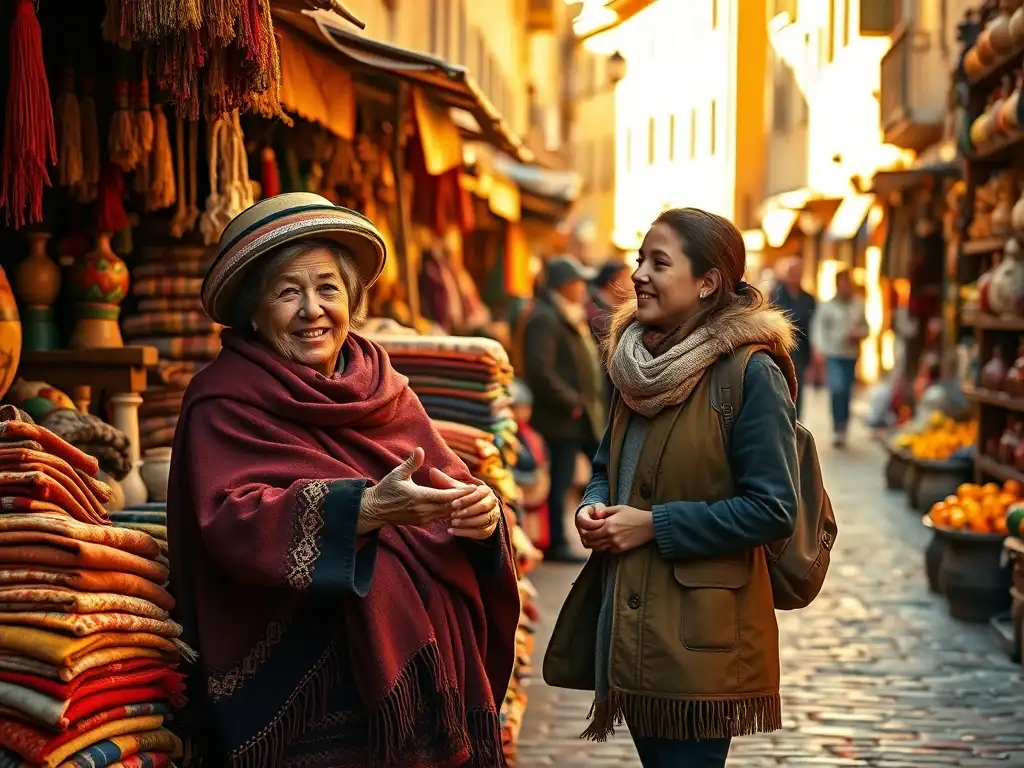
This section explores how savvy travelers can leverage their Andean market experiences beyond simply acquiring handicrafts. Understanding the economic realities of these markets allows for mutually beneficial interactions and potentially even contributes to the local economy.
Recommended Travel Gear for Andean Market Explorations
Navigating Andean markets effectively requires preparation. Investing in the right gear can enhance your experience and ensure you're ready to haggle effectively and protect your purchases. Consider these essential items:
- A sturdy backpack: Essential for carrying your purchases comfortably and securely. Look for a pack with multiple compartments to organize your belongings. A daypack with good back support is ideal for extended market explorations.
- A reusable shopping bag: Reduce your environmental impact and avoid using plastic bags provided by vendors. A strong, lightweight bag is perfect for carrying smaller items.
- A small, lightweight notebook and pen: Useful for jotting down prices, details about items you like, and even practicing your bargaining phrases in the local language (Quechua, for example).
- A magnifying glass: Essential for closely examining the intricate details of handcrafted textiles and ceramics. This is crucial for identifying high-quality pieces and authentic craftsmanship.
- A portable scale: Although not always necessary, a small, digital scale can be useful for verifying the weight of items, especially if purchasing larger quantities of goods like coffee beans or spices. This can be especially helpful when haggling on price per weight.
Supporting Local Artisans: Fair Trade Options for Andean Handicrafts
Beyond the thrill of the haggle, supporting local artisans directly contributes to the sustainability of Andean craft traditions. Fair trade principles ensure that artisans receive fair compensation for their work, fostering economic empowerment and preserving cultural heritage. Look for these indicators when shopping:
- Direct interaction with the artisan: Whenever possible, try to buy directly from the artisan or from cooperatives that guarantee fair wages and working conditions. This is the best way to ensure your money directly supports the creators.
- Certification: Some cooperatives and artisan groups hold fair trade certifications, indicating adherence to ethical labor practices and environmental sustainability. Look for these labels as a guarantee of authenticity and fair pricing.
- Understand the pricing: Ask about the materials and the time invested in creating the piece. This gives you a better understanding of the value behind the price and allows for a more informed negotiation. Consider that intricate weaving or detailed ceramics require significant time and skill.
- Consider the impact: Your purchase isn't just about owning a beautiful object; it's about supporting a community and preserving a rich cultural legacy. By choosing ethically sourced goods, you contribute to the continued vitality of Andean craftsmanship.
Preserving Your Purchases: Care and Storage Tips for Andean Textiles and Ceramics
Your Andean treasures deserve proper care to ensure they remain beautiful for years to come. Here's how to protect your acquisitions:
| Item Type | Care Instructions | Storage Tips |
|---|---|---|
| Textiles (Alpaca, etc.) | Hand wash gently in cold water with a mild detergent; air dry flat; avoid direct sunlight. | Store in a cool, dry place, preferably in a breathable fabric bag or container. |
| Ceramics | Hand wash gently; avoid harsh detergents or abrasive cleaners; avoid sudden temperature changes. | Store carefully to prevent breakage; use soft padding if necessary. |
Remember, proper care is essential for preserving the integrity and beauty of your Andean handicrafts. By following these simple guidelines, you can ensure that your souvenirs remain cherished reminders of your Andean market adventures for years to come. Enjoy your treasures! 🛍️
Common Mistakes to Avoid When Haggling in Andean Markets
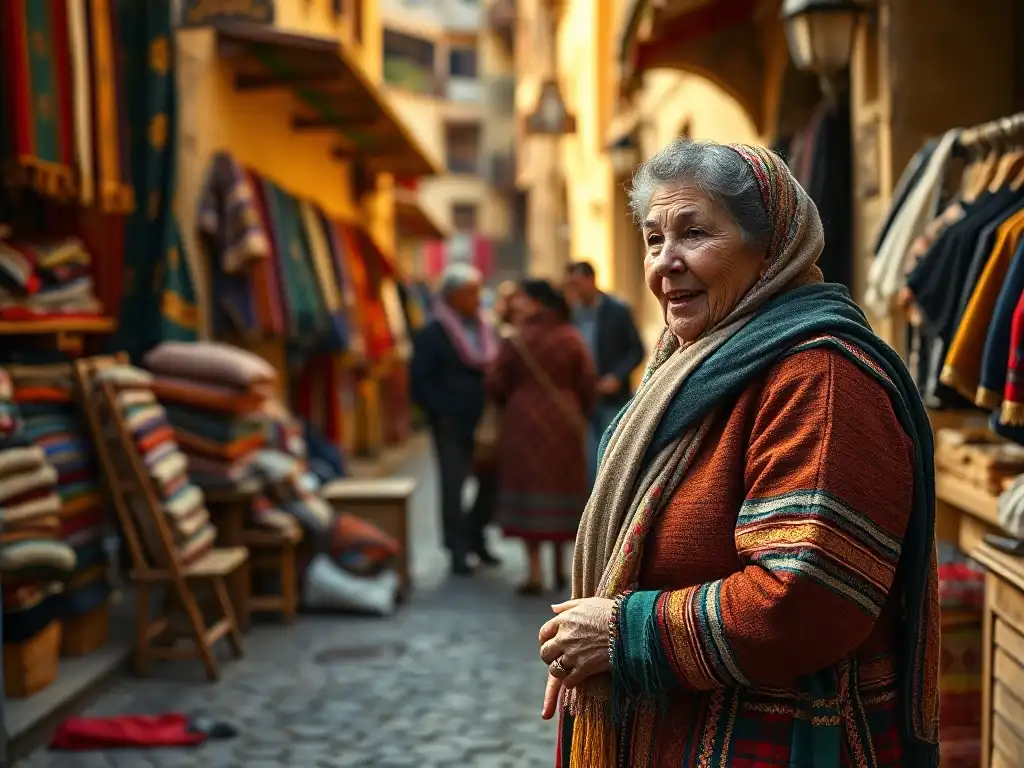
Haggling, or regateo as it's known in Spanish, is a deeply ingrained part of the Andean market experience. It's an art form, a dance of mutual respect and negotiation, where both buyer and seller strive for a fair price. However, navigating this cultural exchange requires sensitivity and awareness.
Making certain mistakes can not only sour the interaction but also lead to overpaying or even offense. This section focuses on common pitfalls to avoid when practicing the art of haggling in Andean markets, ensuring a positive and mutually beneficial experience for all. Mastering these points will significantly enhance your Andean market haggling tips and lead to successful negotiations.
Being Overly Aggressive: Maintaining Respectful Interactions
Aggressiveness is a surefire way to derail negotiations in Andean markets. While a spirited exchange is expected, remember that you're interacting with individuals who pour their heart and soul into their craft. Shouting, demanding, or using aggressive body language is deeply disrespectful and counterproductive. Instead, adopt a calm and polite demeanor. A smile goes a long way! Remember that building rapport is key; a friendly approach often yields better results than a confrontational one.
Think of it like this: you're not just buying a textile; you're engaging in a cultural exchange. Many artisans have generational knowledge passed down through their families. Their pricing reflects not only the materials and labor involved but also the cultural significance of their work. Approaching them with respect demonstrates your appreciation for their skill and heritage.
Consider the following approach: Start with a polite offer, acknowledging the beauty of the item. Engage in friendly conversation, asking about the creation process or materials used. This shows genuine interest and builds trust, creating a more conducive environment for negotiation. Remember, patience and politeness are your greatest allies in Andean market haggling.
Lowballing Too Much: Recognizing the Value of Artisan Work
While haggling is expected, drastically undercutting the initial price is disrespectful and often unproductive. Artisans, particularly those in remote Andean communities, rely on the income generated from their sales. Offering a price significantly below their asking price not only insults their hard work but also undermines their livelihood. Understanding the value of handcrafted goods is crucial for a successful negotiation.
Researching similar items before visiting the market provides a baseline for your offer. Consider factors such as materials, craftsmanship, and time invested in creation. A fair offer acknowledges the artisan's skill and effort while still aiming for a mutually agreeable price. A good rule of thumb is to aim for a price reduction of 20-30%, depending on the item and the initial price. Anything beyond that might be considered excessively low. Remember that a fair price benefits both you and the artisan.
Failing to Research Prices: Avoiding Overpaying for Andean Handicrafts
Entering an Andean market without any prior price research is a recipe for overpaying. Prices can vary significantly depending on location, material, and craftsmanship. Taking the time to browse online marketplaces, inquire about prices in different shops, or even consult with local guides can significantly improve your negotiating position. This pre-market research empowers you to make informed decisions and avoid being taken advantage of.
Before you start haggling, you should have a good idea of the average price range for the items you're interested in. This knowledge allows you to make a reasonable opening offer. Remember, knowledge is power, and in the Andean markets, informed haggling leads to better deals. This isn't about exploiting the seller; it's about ensuring a fair transaction that respects both parties. By understanding the market values, you can approach the negotiation with confidence and respect, leading to a more successful and enjoyable experience.
Conclusion: Your Journey to Becoming a Skilled Andean Market Negotiator
Mastering the art of haggling in Andean markets isn't just about securing the best price; it's about engaging in a vibrant cultural exchange. It's a dance of respect, understanding, and skillful negotiation, where a friendly smile and a genuine interest in the artisan's craft can go a long way. Remember, patience is key.
Don't rush the process. Allow time for conversation, for building rapport, and for appreciating the unique history and artistry embedded in each item. By following the tips outlined above, you'll not only refine your bargaining skills but also deepen your appreciation for the rich tapestry of Andean culture.
Each successful negotiation is a small victory, a testament to your growing understanding of the Andean market dynamic and a rewarding experience in itself. The thrill of the chase, the satisfaction of a fair deal, and the connection forged with the artisan—these are the hallmarks of a truly enriching Andean market experience. Practice makes perfect; with each interaction, your confidence and skill will grow, transforming you from a hesitant shopper into a savvy Andean market negotiator.
Enjoying the Unique Cultural Experience of Haggling in Andean Markets
Haggling in Andean markets is far more than a simple transaction; it's a cultural immersion. It's an opportunity to connect with the artisans, learn about their techniques, and understand the stories behind their creations. Think of it as a conversation, not a confrontation. A simple "Buenos días" or "Hola" can set a positive tone.
Showing genuine interest in the craftsmanship—asking about the materials, the process, the inspiration—demonstrates respect and fosters a more pleasant interaction. The artisans often appreciate the opportunity to share their knowledge and passion. This exchange adds a layer of depth to your shopping experience, creating memories that extend far beyond the acquisition of a souvenir. You're not just buying a product; you're participating in a living tradition, building a connection with the heart of Andean culture.
Embrace the opportunity to learn a few basic Quechua phrases; even a simple "Gracias" (thank you) can go a long way in showing your appreciation. This cultural exchange enriches your journey and makes the experience far more meaningful. Remember, the best deals often come from building relationships, not just focusing on the price tag. The smiles, the shared stories, and the newfound friendships are invaluable aspects of the Andean market experience.
Supporting the Local Economy and Artisans with Your Purchases
By engaging in fair haggling and making purchases in Andean markets, you directly contribute to the local economy and empower the artisans. Your support helps sustain traditional crafts, preserving cultural heritage for generations to come. Remember that these artisans often work tirelessly, pouring their heart and soul into their creations. A fair price, negotiated respectfully, ensures they receive a just compensation for their skill and dedication.
Moreover, supporting local artisans helps maintain the vibrancy of Andean communities, fostering economic independence and preserving traditional practices. Your purchases contribute to the sustainability of these communities, ensuring that the unique artistry and craftsmanship of the Andes continue to thrive. Consider the impact of your choices: by prioritizing handcrafted items over mass-produced goods, you actively contribute to a more ethical and sustainable tourism model.
This conscious consumerism not only benefits the artisans but also helps protect the environment and cultural heritage of the Andean region. Your participation in this vibrant marketplace is a powerful act of support, a contribution to the preservation of a rich cultural legacy. Every purchase is a vote of confidence in the artisans, their skills, and their communities.
Frequently Asked Questions
How much should I expect to haggle in Andean markets?
Haggling is expected and often part of the fun! You can typically negotiate for a 20-40% discount on most items, but be respectful and polite. Start your offer lower than your desired price.
What's the best way to approach haggling?
Begin with a friendly smile and polite greeting. Show genuine interest in the item and ask about its origin and craftsmanship. Then, make a reasonable offer, leaving room for negotiation.
Are there any items not suitable for haggling?
While haggling is common, it's generally considered inappropriate to haggle over very small purchases or items with clearly marked prices. Also, be mindful of the seller's livelihood.
What currency is used in Andean markets?
The local currency varies depending on the specific country. In many Andean countries, you'll likely use the national currency, though some vendors might accept US dollars. It's always best to have local currency on hand.
What if I don't speak the local language?
Don't worry! Many vendors speak some basic English or Spanish. You can also use gestures and a calculator to communicate your offer and the seller's counter-offer. Learning a few basic phrases in the local language can go a long way!
Final Reflection: The Enduring Spirit of the Andean Bargain
The art of haggling, far from being a relic of the past, remains a vibrant and essential element of the Andean cultural landscape, a testament to the enduring power of human connection and skillful negotiation. It's more than just securing a lower price; it's a dance of respect, understanding, and mutual benefit that reflects the deeply ingrained social fabric of the region.
The experience of navigating Andean markets, engaging in the playful give-and-take of haggling, leaves an indelible mark. It's a lesson in cultural sensitivity, patience, and the importance of building rapport. The true value of a bargain is not just in the price, but in the relationship forged.
This simple truth underscores the deeper meaning behind the seemingly simple act of negotiating a price. It's a reminder that commerce, at its heart, is a human interaction, and the best deals are often built on mutual respect and understanding.
Now, consider your own interactions – be it negotiating a salary, purchasing a car, or even simply agreeing on a price at a local farmer's market. Can you apply the principles of respectful negotiation, the patience, and the emphasis on building a relationship, that you’ve learned about Andean markets to your own life?
Embrace the spirit of the Andean bargain, not just for the best price, but for the enriching human connection it fosters. Let the vibrant energy of these markets inspire you to approach your own negotiations with a newfound appreciation for the art of the deal, and the people behind it.
Master the Art of Haggling Today!
Thank you for exploring the fascinating world of Andean markets with us! You've learned valuable tips for navigating these vibrant spaces and securing the best deals. Now, it's time to put your knowledge into action and experience the thrill of haggling firsthand!
Here's how you can begin your haggling journey:
- Practice your negotiating skills: Visit a local market or flea market to practice the strategies you've learned. Each experience will boost your confidence!
- Connect with fellow enthusiasts: Join our online community forum to share your experiences, tips, and tricks with others who share your passion for market culture.
- Plan your trip: If you're feeling adventurous, consider a trip to the Andes! Experiencing these markets in person will deepen your understanding and appreciation of the art of haggling.
Are you ready to embrace the challenge and haggle like a pro? What unique item are you most excited to find on your next market adventure?