
Aymara Water Management: Ingenious Irrigation Systems

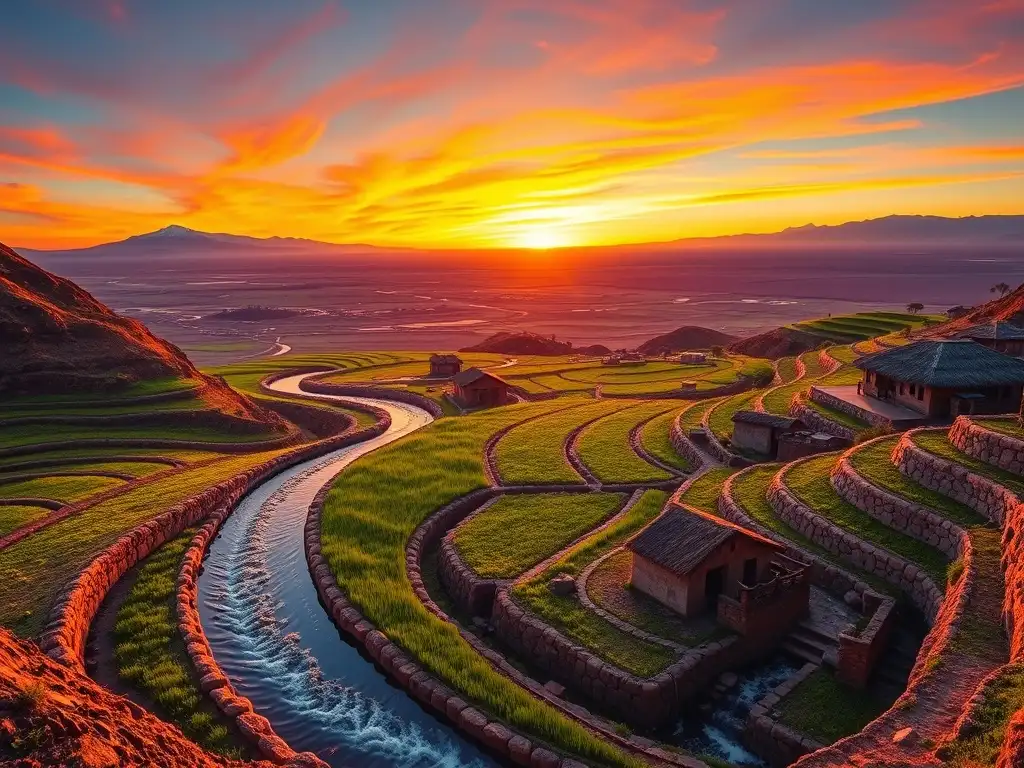
Step into a world lost to time, yet echoing with ingenuity. The Andean Civilizations website unveils the secrets of a remarkable past, where empires rose and fell amidst breathtaking landscapes. From the intricate artistry of the Nazca lines to the architectural marvels of Machu Picchu, we delve into the heart of these ancient cultures. But what truly sustained their power? Discover the answer as we unravel the mysteries of Aymara irrigation techniques, a testament to their profound understanding of water management and a key to their enduring legacy. Prepare to be amazed.
The Aymara people, inhabiting the high Andes of Bolivia and Peru for centuries, developed sophisticated water management techniques crucial for their survival and prosperity in a challenging high-altitude environment. This article delves into the ingenious irrigation systems employed by the Aymara, highlighting their remarkable adaptability and resourcefulness in harnessing scarce water resources for agriculture. We will explore the intricate relationship between Aymara agricultural practices, their deep understanding of water needs, and the lasting impact of their innovative water management strategies on their communities and the environment.
Understanding these techniques provides valuable insights into the ingenuity of pre-Columbian Andean civilizations and their sustainable approaches to agriculture, which remain relevant even today in the face of climate change and increasing water scarcity. The Aymara's mastery of "Aymara irrigation techniques" stands as a testament to their profound connection with their environment and their ability to thrive in seemingly inhospitable conditions.
Understanding Aymara Agricultural Practices and Water Needs
Aymara agriculture is fundamentally shaped by the high-altitude Andean environment, characterized by steep slopes, limited arable land, and unpredictable rainfall. The Aymara, facing these challenges, developed a diverse range of agricultural practices finely tuned to maximize water use efficiency. Their agricultural calendar was closely tied to the seasonal availability of water, with crops carefully selected to suit the specific microclimates and water availability within their territories. This involved a deep understanding of water infiltration rates, soil types, and the impact of elevation on water runoff.
They cultivated a variety of crops, including potatoes, quinoa, and barley, each adapted to different water requirements and growing conditions. Their agricultural practices emphasized water conservation through techniques like terracing, which reduced soil erosion and improved water retention. Furthermore, the Aymara utilized various water harvesting methods to collect and store rainwater for later use, supplementing the water from natural springs and streams.
The Significance of Water for Aymara Communities
Water was not merely a resource for the Aymara; it was central to their spiritual and cultural identity. Their worldview intricately linked water with life, fertility, and prosperity. Access to water sources often determined the location of settlements and the organization of Aymara communities.
Water rights and their management were governed by complex social structures and customary laws, ensuring equitable distribution and sustainable use. The construction and maintenance of irrigation systems were communal endeavors, reflecting the importance of cooperation and shared responsibility within Aymara society. Rituals and ceremonies related to water played a vital role in ensuring the continued flow and abundance of this precious resource, showcasing the deep spiritual significance water held within their culture.
The Aymara's respect for water and their sustainable management practices offer valuable lessons for contemporary societies grappling with issues of water scarcity and environmental degradation. Their legacy serves as a powerful reminder of the interconnectedness of culture, environment, and sustainable resource management.
- Understanding Aymara Agricultural Practices and Water Needs
- The Significance of Water for Aymara Communities
- What makes Aymara irrigation techniques so unique?
- How did the Aymara adapt their irrigation to the harsh Andean climate?
- What crops did the Aymara cultivate using their irrigation systems?
- How did Aymara irrigation systems impact their social organization?
- Are Aymara irrigation techniques still used today?
Traditional Aymara Irrigation Methods: A Deep Dive
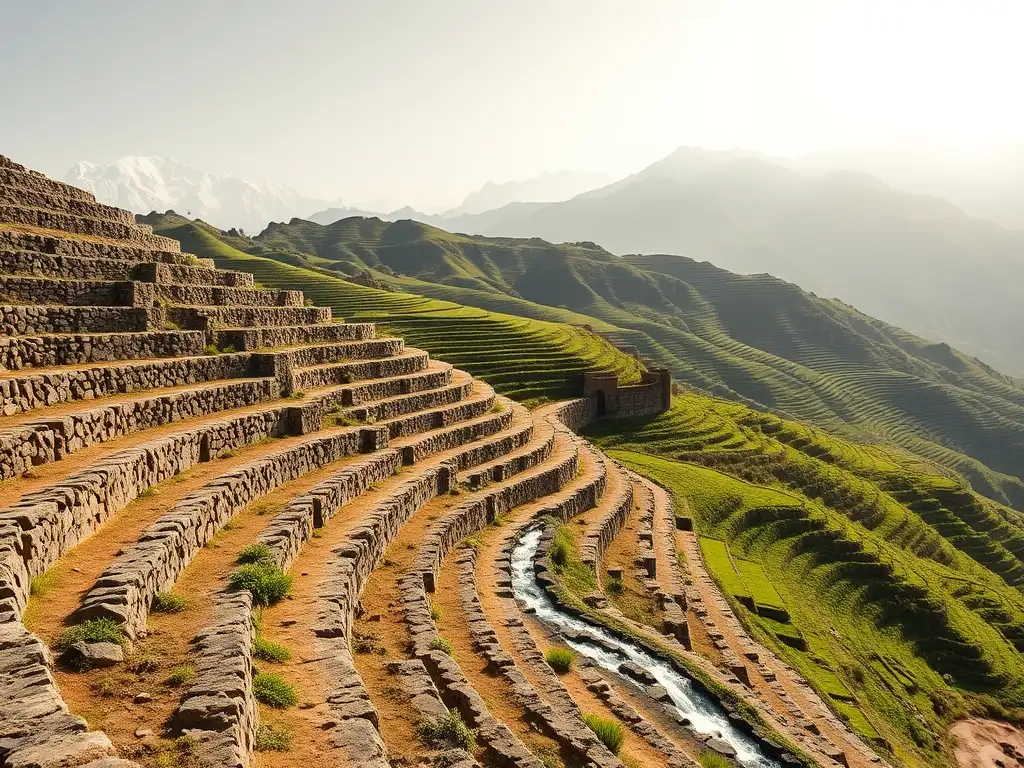
The Aymara people, inhabiting the Altiplano region of the Andes, developed sophisticated irrigation techniques over centuries to thrive in a challenging high-altitude environment characterized by scarce and unpredictable rainfall. Their ingenuity in water management is a testament to their deep understanding of their environment and their ability to adapt to its limitations. This section delves into the key methods employed by the Aymara, highlighting their effectiveness and resilience. Mastering these Aymara irrigation techniques was crucial for their agricultural success and societal stability.
Andean Terracing and Water Conservation
Andean terracing, a hallmark of Aymara agricultural practices, is a testament to their mastery of water management. These meticulously constructed terraces, carved into the steep slopes of the Andes, significantly increase arable land and optimize water use. The terraces' design minimizes soil erosion and runoff, allowing water to permeate the soil more effectively.
This is achieved through a system of carefully graded levels, often incorporating channels and small retaining walls. The terraces also create microclimates, providing more favorable conditions for crops. The effectiveness of this technique is demonstrated by the sustained agricultural productivity in the region for centuries, even in the face of climate variability.
The construction itself was a significant undertaking, requiring a high degree of cooperation and community involvement, reflecting the strong social fabric of Aymara society. Studies show that terraced fields can retain up to 70% more water than unterraced slopes, significantly enhancing crop yields in arid conditions.
The Role of Qochas in Aymara Water Storage
The qocha, or artificial lake, played a vital role in Aymara water management. These strategically constructed reservoirs collected rainwater and meltwater from the Andes, providing a crucial water source during dry periods. The size and location of qochas varied depending on local conditions and needs, ranging from small ponds serving individual families to larger reservoirs supporting entire communities. The construction involved careful planning and engineering, often involving the diversion of streams and the use of natural depressions in the landscape.
The qochas not only provided irrigation water but also served as a source of drinking water and supported fisheries, contributing to the overall resilience of the Aymara ecosystem. The maintenance of these reservoirs required ongoing community effort, reflecting the long-term commitment to sustainable water management ingrained in Aymara culture. Evidence suggests that some qochas remain functional even today, a testament to the durability and ingenuity of their design.
A Closer Look at Suka Kollus (Raised Fields)
Suka Kollus, or raised fields, represent another ingenious Aymara irrigation technique. These elevated plots of land, constructed in swampy areas, allowed for increased agricultural productivity in otherwise unsuitable terrain. The raised fields were built using layers of organic material and soil, creating a fertile growing medium above the water table. This system improved drainage, reduced soil erosion, and maintained optimal soil moisture levels.
The raised fields also benefited from the naturally warmer temperatures of the water, extending the growing season. The construction and maintenance of Suka Kollus required significant labor and community cooperation, demonstrating the Aymara's ability to transform challenging environments into productive agricultural landscapes. Archaeological evidence reveals the sophistication of these systems, with intricate networks of channels and drainage systems designed to optimize water flow and nutrient cycling.
The success of Suka Kollus highlights the Aymara's deep understanding of hydrology and their adaptive capacity in managing water resources. The system’s efficiency in maximizing crop production in marshland environments is a compelling example of sustainable agricultural practices. Further research is needed to fully quantify the yield increases achieved using this method, but existing evidence strongly suggests a significant improvement over traditional farming techniques in comparable areas.
Analyzing Mayus and their Function in Water Distribution
The mayu, a crucial element in Aymara irrigation systems, deserves detailed analysis. These weren't simply canals; they were meticulously engineered waterways, demonstrating a sophisticated understanding of water flow, topography, and soil composition. Their design wasn't haphazard; the Aymara carefully considered the gradient of the land, ensuring a consistent, gravity-fed flow of water to fields often located at considerable distances from the water source. This wasn't a simple matter of digging a ditch; the construction of a mayu involved careful planning and community effort.
The precise alignment and gradient were crucial for efficient water distribution and minimizing water loss through seepage or evaporation. Variations in mayu design existed, adapting to the unique geographical features of different regions. For instance, in steeper terrains, the mayus might be narrower and more deeply dug to control the water's speed and prevent erosion. In flatter areas, they could be wider and shallower.
The construction of mayus also involved techniques to manage sediment buildup. Regular maintenance was essential to ensure the continued efficacy of the system. This involved clearing debris, repairing eroded sections, and periodically dredging the canals to remove accumulated sediment.
The Aymara developed sophisticated methods for this maintenance, often involving community participation and shared responsibility. The success of their irrigation systems depended not only on initial construction but also on ongoing collective effort in maintaining the mayus. The knowledge and skills needed to build and maintain these complex systems were passed down through generations, solidifying their importance within Aymara culture and societal structure.
This intricate network of mayus wasn't just a technological achievement; it was a symbol of communal cooperation and resource management, crucial for their survival in a challenging high-altitude environment. The precise methods of sediment management varied depending on the specific characteristics of each mayu and the local geological conditions. Further research into the specific techniques employed would illuminate the depth of Aymara engineering knowledge.
Aymara Ingenuity: Adapting to the Andean Landscape
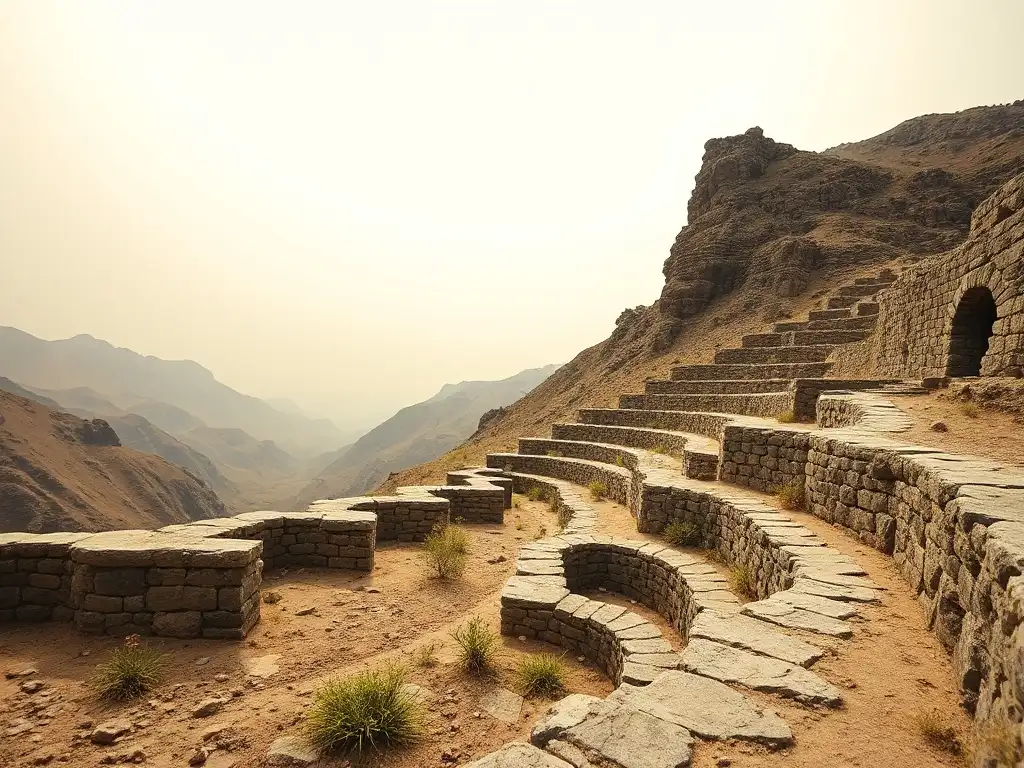
The Aymara people, inhabiting the high Andes for millennia, developed sophisticated techniques for water management, reflecting an intimate understanding of their challenging environment. Their success in cultivating crops at high altitudes, often in arid or semi-arid conditions, is a testament to their ingenuity and resilience. Understanding their Aymara irrigation techniques reveals a complex interplay of practical knowledge, community cooperation, and deep spiritual connection to the land and water resources.
This section explores the key elements of their water management systems, highlighting their remarkable adaptability and sustainability. The effectiveness of these systems is particularly relevant today, given the increasing challenges of climate change and water scarcity in the Andes. Analyzing these ancient methods can offer valuable insights for modern water resource management strategies in similar environments.
Water Management in High-Altitude Environments
The Andes present unique challenges for agriculture. High altitudes mean lower temperatures, shorter growing seasons, and intense solar radiation. Furthermore, water availability is often unpredictable, with periods of heavy rainfall interspersed with prolonged droughts.
The Aymara faced these challenges head-on, developing Aymara irrigation techniques specifically tailored to these conditions. Their solutions weren't simply about transporting water; they involved a holistic approach that considered the topography, soil type, and microclimate of each agricultural area. They understood the importance of water conservation and maximized the use of available resources through a range of ingenious techniques.
For example, they constructed intricate systems of canals and terraces to capture and distribute water efficiently, minimizing water loss through evaporation and runoff. This careful management was crucial for ensuring crop yields in a harsh environment. Evidence suggests that these systems were remarkably effective, allowing the Aymara to cultivate a variety of crops, including potatoes, quinoa, and maize, even at altitudes exceeding 4,000 meters above sea level.
Harnessing Natural Water Sources: Rivers, Springs, and Rainfall
Aymara irrigation techniques relied heavily on harnessing naturally occurring water sources. Rivers, though often swift and unpredictable, were a primary source. Ingenious systems of diversion canals were built to channel water from rivers to agricultural fields. These canals, often lined with stone or compacted earth, were carefully graded to ensure a steady flow of water.
Springs, offering a more reliable source of water, were also strategically integrated into irrigation systems. Their location often determined the layout of agricultural terraces and fields. The Aymara displayed exceptional skill in identifying and tapping into springs, even in seemingly dry areas. Rainfall, though intermittent, was also harnessed.
They constructed sophisticated systems of water collection and storage, including reservoirs and cisterns, to capture and store rainwater for use during dry periods. These structures, often built into the landscape, were integrated seamlessly into the overall water management system. The construction of these systems required considerable labor and planning, demonstrating a high level of community cooperation and shared understanding of water resource management.
Community-Based Water Management Systems
The success of Aymara Aymara irrigation techniques depended heavily on strong community-based systems of water governance. Water wasn't a commodity; it was a shared resource managed collectively. This collective approach ensured equitable distribution and sustainable use.
Communities established rules and regulations governing water access and use, often based on traditional customs and social structures. These rules ensured that all members of the community had access to water, regardless of their social standing. The system also included mechanisms for conflict resolution and dispute settlement, ensuring the smooth functioning of the collective water management system.
This community-based approach was crucial for the long-term sustainability of Aymara agriculture and reflects a deep understanding of the interconnectedness of water, land, and society. The effective management of water resources was not just a matter of engineering skill but also of social organization and community cooperation, showcasing the intricate relationship between technology and social structures in the Andean world. The Aymara's success serves as a powerful example of how sustainable water management can be achieved through a combination of ingenious techniques and strong community involvement.
The Impact of Aymara Irrigation Techniques on Agriculture
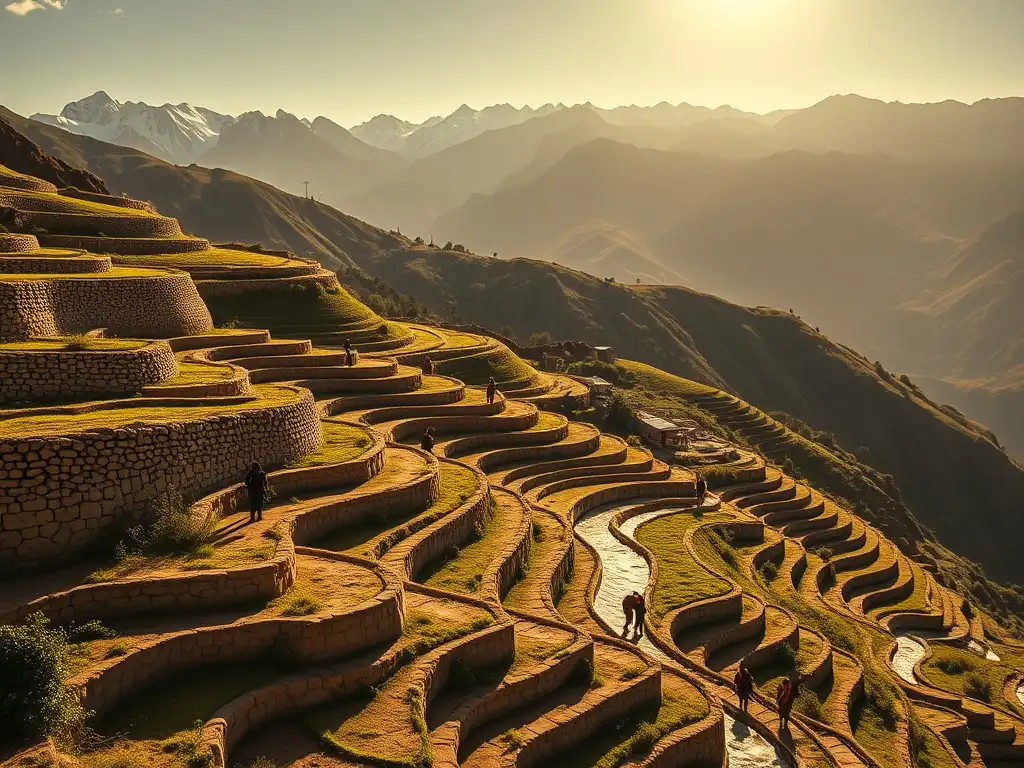
The Aymara people, inhabiting the high Andes for centuries, developed sophisticated irrigation techniques crucial to their survival and prosperity. Their ingenuity in harnessing scarce water resources significantly impacted their agricultural output, shaping their social structures and cultural practices. Understanding these techniques offers valuable insights into their resilience and adaptability in a challenging environment.
The effectiveness of Aymara irrigation is not just a historical curiosity; it holds lessons for modern sustainable agriculture, especially in arid and semi-arid regions facing water scarcity. The keyword "Aymara irrigation techniques" is central to understanding this remarkable adaptation to a harsh climate. Their success highlights the importance of understanding and respecting indigenous knowledge systems in addressing contemporary challenges.
Increasing Crop Yields through Effective Irrigation
Effective water management was paramount for the Aymara, allowing them to cultivate diverse crops in the challenging high-altitude environment. Their irrigation systems, often involving complex networks of canals, channels, and terraces, maximized water use efficiency. For example, the suka collcas, underground storage systems, played a vital role in storing meltwater from the Andes for later use during dry seasons.
This ensured a consistent water supply for crops like potatoes, quinoa, and maize, leading to increased and more reliable crop yields. The ingenious design of these systems minimized water loss through evaporation and seepage, making the most of every drop. Data on specific crop yields from historical records is unfortunately scarce, but ethnographic studies and archaeological evidence strongly suggest a significant increase in agricultural productivity compared to rain-fed agriculture alone.
The Aymara's understanding of water flow, soil types, and microclimates allowed them to optimize irrigation for maximum impact, a testament to their deep ecological knowledge. Their success in cultivating a variety of crops speaks to the ingenuity and effectiveness of their irrigation techniques.
Ensuring Food Security with Sustainable Water Use
Beyond boosting crop yields, Aymara irrigation techniques played a crucial role in ensuring food security. The sustainable nature of their water management practices prevented depletion of water resources, guaranteeing long-term agricultural productivity. Unlike many modern agricultural systems that often deplete aquifers and rivers, the Aymara methods focused on careful water distribution and reuse.
The integration of water storage systems like the suka collcas provided a buffer against droughts, mitigating the risk of crop failure and famine. This sustainable approach to water management was not merely a practical strategy; it was deeply embedded in their worldview, reflecting a harmonious relationship between humans and their environment. Their practices demonstrate a long-term perspective on resource management, something increasingly relevant in our era of climate change and water stress.
The Aymara's success in maintaining food security for generations underscores the importance of sustainable water management practices. This is a valuable lesson for modern agriculture, facing increasing pressure from population growth and climate change.
The Resilience of Aymara Agricultural Systems
The Aymara irrigation systems demonstrated remarkable resilience in the face of environmental challenges. Their techniques adapted to the specific conditions of different microclimates and terrains, showcasing a flexible and adaptable approach to agriculture. The ability to withstand droughts and other climatic variations highlights the robustness of their methods.
Their integrated approach, combining water management with terracing and other soil conservation practices, contributed to the overall resilience of their agricultural systems. This resilience is further evidenced by the fact that Aymara agricultural practices continue to thrive in many areas, demonstrating their long-term viability and sustainability. The enduring legacy of Aymara irrigation techniques serves as a powerful example of how indigenous knowledge can provide valuable solutions to modern agricultural challenges.
Their success in adapting to a harsh environment offers valuable insights for building more resilient and sustainable agricultural systems in the face of climate change and resource scarcity. The study of Aymara irrigation techniques provides a valuable case study in the development of sustainable agricultural practices, highlighting the importance of integrating traditional knowledge with modern technology.
Modern Applications of Aymara Irrigation Principles
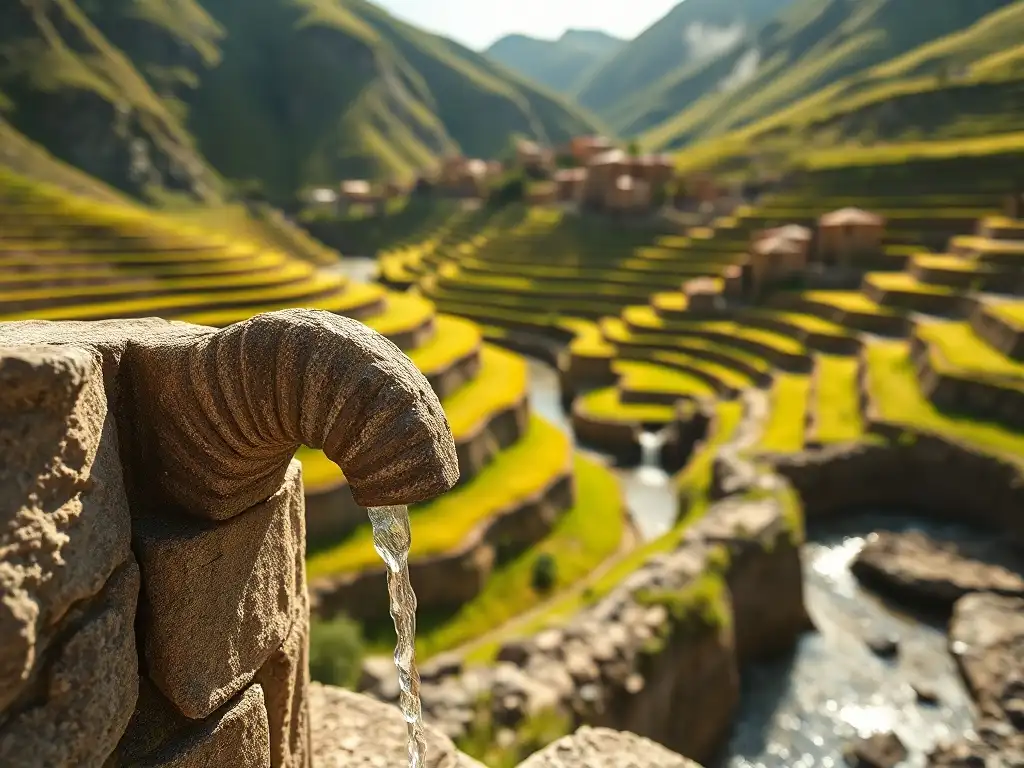
The ingenuity of Aymara irrigation techniques continues to inspire modern water management strategies. While the scale and technology have advanced, the underlying principles of water conservation and efficient distribution remain strikingly relevant. Several contemporary applications demonstrate this enduring legacy:
Lessons for Sustainable Water Management Today
The Aymara's emphasis on water conservation resonates deeply with the modern focus on sustainable water management. Their systems, characterized by intricate networks of canals, terraces, and reservoirs, minimized water loss through evaporation and runoff. This contrasts sharply with many modern agricultural practices that often prioritize yield over sustainability, leading to water depletion and environmental degradation.
Modern agricultural engineers and water resource managers are increasingly turning to Aymara principles to design more efficient and environmentally friendly irrigation systems. For example, the incorporation of terraced farming techniques, mimicking the Aymara andenes, is being employed in arid and semi-arid regions globally to reduce soil erosion and optimize water use. Studies have shown that these techniques can significantly increase water-use efficiency by up to 40% compared to traditional furrow irrigation, a substantial improvement in water conservation strategies.
Furthermore, the Aymara understanding of microclimates and their impact on water availability informs modern precision irrigation methods, allowing for targeted water application based on specific plant needs and environmental conditions. This targeted approach contributes to reduced water consumption and minimized environmental impact, offering a significant improvement over traditional "one-size-fits-all" irrigation techniques. The Aymara legacy, therefore, offers invaluable insights into creating sustainable agricultural practices for the 21st century.
The Importance of Indigenous Knowledge in Agriculture
The success of Aymara irrigation highlights the critical importance of integrating indigenous knowledge into modern agricultural practices. Too often, traditional farming methods are dismissed in favor of technologically advanced solutions without fully considering the accumulated wisdom and practical experience embodied in these techniques. The Aymara case powerfully demonstrates the limitations of a purely technological approach to water management. Their systems, developed over centuries through close observation of their environment and meticulous adaptation to local conditions, represent a deep understanding of hydrology, soil science, and plant biology.
This knowledge, often passed down through generations orally, is invaluable in developing context-specific and sustainable solutions. Ignoring this rich body of knowledge represents a significant loss of potential for innovation and effective resource management. The integration of indigenous knowledge with modern scientific techniques offers a powerful synergy, leading to more resilient and environmentally responsible agricultural practices.
This collaborative approach is essential not only for water management but also for tackling broader challenges related to food security and climate change. Recognizing the value of indigenous expertise is paramount for achieving truly sustainable agricultural practices globally. The Aymara example serves as a powerful reminder of the profound wisdom embedded within traditional knowledge systems.
Preserving Aymara Irrigation Practices for Future Generations
Preserving Aymara irrigation practices is not merely a matter of historical preservation; it is crucial for maintaining the cultural heritage and ecological sustainability of the region. The ongoing challenge lies in balancing the need to adapt these techniques to changing environmental conditions and technological advancements while safeguarding their core principles and cultural significance. This necessitates a multi-pronged approach involving:
- Documentation and research: Thorough documentation of Aymara irrigation techniques, including detailed descriptions, maps, and oral histories, is essential for preserving this knowledge for future generations. This involves collaborating with Aymara communities to ensure accurate and respectful representation of their practices.
- Education and training: Incorporating Aymara irrigation principles into educational curricula at various levels can raise awareness and promote the adoption of sustainable water management practices. Training programs for local communities and agricultural professionals can facilitate the transfer of traditional knowledge and its integration with modern technologies.
- Community involvement: Active participation of Aymara communities in the preservation and adaptation of their irrigation systems is paramount. This ensures that the process respects their cultural heritage and empowers them to manage their water resources sustainably. This participatory approach is crucial for ensuring the long-term success of any conservation efforts.
- Policy support: Government policies and funding mechanisms should prioritize the support of Aymara irrigation practices, recognizing their contribution to both cultural preservation and ecological sustainability. Incentivizing the adoption of these techniques can encourage wider implementation and promote their long-term viability.
The preservation of Aymara irrigation techniques is not just about saving an ancient practice; it is about safeguarding a sustainable future for the region and beyond. The wisdom embedded within these systems holds invaluable lessons for addressing global challenges related to water scarcity and climate change. By actively working to preserve and adapt these practices, we can ensure that the ingenuity of the Aymara people continues to inspire sustainable water management for generations to come.
The Cultural Significance of Water in Aymara Society
The Aymara people, inhabiting the high Andes of Bolivia, Peru, and Chile, hold a profound reverence for water, viewing it not merely as a resource but as a sacred element integral to their cultural identity and survival. Their sophisticated water management systems, honed over centuries, are deeply intertwined with their spiritual beliefs and social structures. Understanding Aymara irrigation techniques requires appreciating this deep-seated cultural connection.
The scarcity of water in the high-altitude environment has forced the Aymara to develop ingenious solutions, but these solutions are not simply technological achievements; they are expressions of their worldview and their relationship with the natural world. This intricate relationship shapes their social organization, their rituals, and their very understanding of themselves as a people. The Aymara worldview emphasizes reciprocity and balance within the ecosystem, reflecting a deep respect for the life-giving properties of water and the need for sustainable practices.
Their ingenious irrigation systems are not just about practicality; they are a testament to their enduring wisdom and adaptability in the face of environmental challenges. The success of their agricultural practices, directly linked to their water management, has allowed them to thrive in one of the world's most challenging environments for centuries, highlighting the critical role of water in their cultural heritage. The careful stewardship of water resources remains a cornerstone of Aymara identity and a key element of their continuing cultural survival.
Water as a Sacred Element in Aymara Beliefs
Water in Aymara cosmology is far more than a mere liquid; it's a sacred element, imbued with spiritual power and considered a source of life, fertility, and purification. Many Aymara communities believe that water is inhabited by spirits or apus (mountain spirits), who are responsible for its flow and distribution. These spirits are revered and appeased through offerings and rituals, ensuring the continued flow of water for agricultural purposes and daily life.
The concept of Pachamama (Mother Earth) is central to Aymara spirituality, and water is considered one of her vital components. Respect for Pachamama necessitates respectful treatment of water, emphasizing the interconnectedness of all living things and the need for sustainable practices. This holistic perspective informs their approach to water management, ensuring that their actions are in harmony with the natural world and its spiritual forces.
The very act of irrigating their crops is not just a practical activity, but a ritualistic interaction with the sacred, a way of giving thanks and maintaining balance within the ecosystem. This deep-seated belief system underscores the importance of water conservation and sustainable irrigation practices within Aymara culture. Violation of this sacred balance is believed to bring misfortune and disrupt the harmonious flow of life.
Aymara irrigation practices are deeply interwoven with a rich tapestry of rituals and ceremonies designed to ensure the abundance and proper flow of water. These rituals, often performed communally, involve offerings of coca leaves, alcohol, and other symbolic items to the apus and Pachamama. These offerings are not merely superstitious acts; they are expressions of gratitude and a plea for continued prosperity.
The ceremonies often involve prayers and chants requesting a bountiful harvest and the protection of water sources. Specific rituals may be performed at the beginning and end of the planting season, during periods of drought, or to celebrate the successful completion of irrigation works. These events strengthen community bonds and reinforce the shared responsibility for water management.
For example, the Challa ceremony, a ritualistic offering to the earth and water, is a widespread practice amongst Aymara communities. This ceremony involves pouring chicha (a fermented corn beverage) onto the land and into irrigation canals, symbolizing a renewal of life and a request for abundant water. The precise rituals and their timing vary between communities, reflecting the diversity of Aymara traditions and local environmental conditions, but the underlying principle of communal participation and reverence for water remains consistent.
The Connection between Water and Aymara Identity
The Aymara's sophisticated water management systems are not merely technological achievements; they are intrinsically linked to their cultural identity and self-perception. Their ability to thrive in a challenging high-altitude environment, largely due to their mastery of water resources, is a source of immense pride and a defining characteristic of their cultural heritage. The knowledge and skills required to build and maintain these intricate irrigation systems are passed down through generations, reinforcing social structures and community ties.
The shared responsibility for water management fosters a strong sense of collective identity and mutual dependence. This collective effort underscores the importance of cooperation and shared resources within Aymara communities, highlighting the social and cultural significance of their irrigation systems. The continued use and preservation of these ancient techniques serve as a powerful symbol of their resilience, their connection to the land, and their enduring cultural identity.
The intricate balance between their spiritual beliefs, social structures, and technological prowess makes their water management practices a testament to their unique cultural heritage and their deep-seated relationship with the Andean landscape. The Aymara identity is inextricably woven into the fabric of their water management practices, making the study of their irrigation techniques an exploration of their very essence as a people.
Frequently Asked Questions
What makes Aymara irrigation techniques so unique?
Aymara irrigation systems are unique due to their sophisticated understanding of water flow and terrain. They employed ingenious techniques like terracing, canals, and reservoirs to maximize water use in challenging Andean environments. This allowed for successful agriculture in high-altitude areas.
How did the Aymara adapt their irrigation to the harsh Andean climate?
The Aymara adapted by creating complex systems of channels and reservoirs to store meltwater and rainwater. They also developed techniques for managing water flow based on the steep slopes and unpredictable rainfall patterns of the Andes. This ensured a reliable water supply for crops.
What crops did the Aymara cultivate using their irrigation systems?
Using their ingenious irrigation, the Aymara successfully cultivated a variety of crops including potatoes, quinoa, maize, and beans. These crops formed the basis of their diet and economy, showcasing the effectiveness of their water management.
Aymara irrigation systems heavily influenced their social structure, requiring community cooperation and labor for maintenance and construction. This fostered a strong sense of collective responsibility and shared resources.
Are Aymara irrigation techniques still used today?
Yes, many Aymara communities continue to use and adapt traditional irrigation methods today. While modern techniques are sometimes integrated, the core principles of water management remain relevant and effective in the challenging Andean environment.
Final Reflection: The Enduring Legacy of Aymara Water Wisdom
The ingenious irrigation systems developed by the Aymara people remain a powerful testament to human ingenuity and a crucial lesson for our water-stressed future. Their sophisticated understanding of water management, honed over centuries in the challenging Andean environment, offers vital insights as we grapple with the increasingly urgent global challenge of water scarcity. These are not just historical practices; they are blueprints for sustainable solutions applicable today.
The Aymara's deep connection to their environment, reflected in their intricate water systems, serves as a potent reminder of the interconnectedness of human societies and the natural world. Their approach, prioritizing community collaboration and sustainable resource management, stands in stark contrast to many modern practices that prioritize short-term gains over long-term sustainability. Water is life, and life is water. We must respect it and use it wisely.
- This ancient Aymara proverb encapsulates the profound wisdom embedded within their irrigation techniques, a wisdom we would do well to heed.
Consider the implications of the Aymara's achievements. What can we learn from their community-based approach to water management? How can we adapt their innovative techniques to address the challenges of modern agriculture and urban development? You, the reader, hold the power to translate this knowledge into action. Embrace the spirit of innovation and collaboration demonstrated by the Aymara, and let their legacy inspire you to find sustainable solutions for the water challenges facing our world today.
Harness the Power of Aymara Wisdom!
Thank you for exploring the remarkable world of Aymara water management and their ingenious irrigation systems. You've gained valuable insights into their sustainable practices, and now you're ready to apply these principles to create innovative water solutions in your own life.
**Take action today with these steps:**
- **Implement a Water Conservation Project:** Begin by installing a simple rainwater harvesting system at home or within your community. This practical step honors the Aymara approach and promotes sustainable water use.
- **Explore Traditional Farming Methods:** Research and experiment with ancient irrigation techniques employed by Aymara farmers. You might find ways to increase productivity and conserve resources in your garden or local community farm.
- **Share Your Knowledge:** Spread the word about the Aymara's effective water management strategies. Discuss them with friends, family, and on social media to inspire others to learn from this ancient civilization's wisdom.
Consider how you can adapt these time-tested techniques to promote sustainability in your daily life.