
Andean Military Formations: Strategies of Engagement and Control

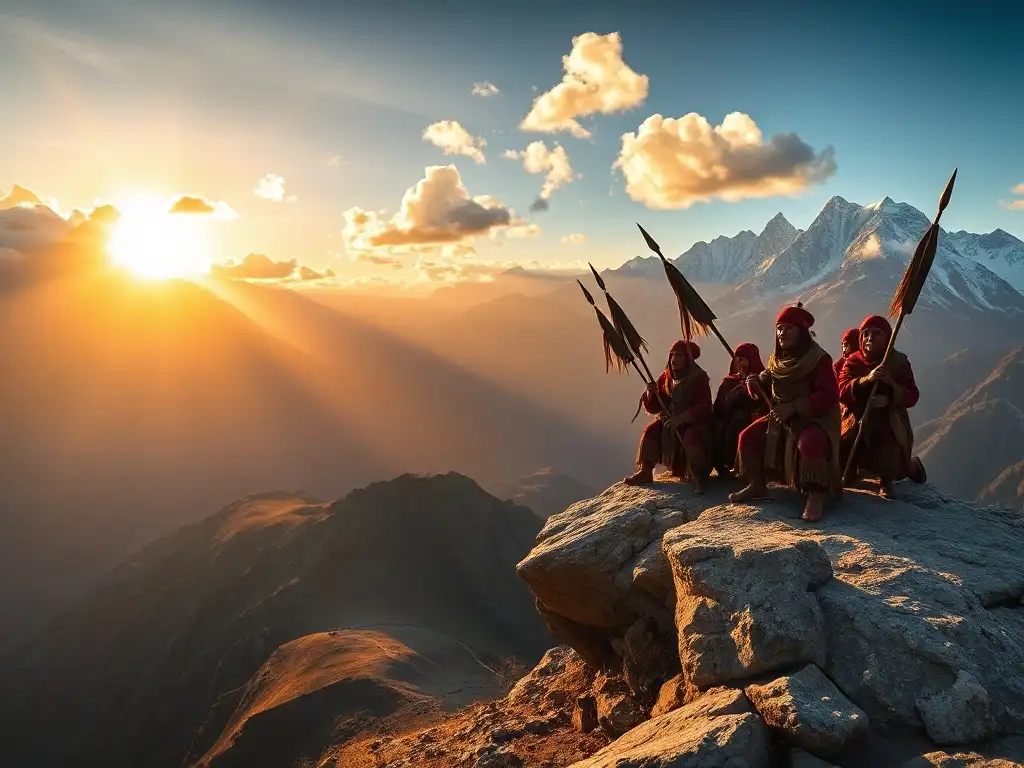
Step into a world lost to time, yet echoing with the thunder of ancient armies. Explore the breathtaking ingenuity of the Andean civilizations, where intricate societies thrived amidst towering peaks and unforgiving landscapes. But beyond the stunning artistry and architectural marvels, lies a fascinating story of strategic warfare. Discover the secrets behind Andean Inca military tactics, a complex system of engagement and control that shaped the fate of empires. Unravel the mysteries of their military prowess and witness the power of their strategies—a journey into a history both captivating and surprisingly relevant.
The vast and diverse Andean region, home to a succession of powerful civilizations, witnessed the development of sophisticated military strategies and tactics. From the pre-Inca cultures of the Moche, Nazca, and Tiahuanaco to the expansive Inca Empire, Andean warfare was not simply a matter of brute force, but a complex interplay of organization, logistics, and strategic thinking. This article delves into the evolution of Andean military formations, examining the organizational structures, engagement strategies, and methods of control employed by these remarkable societies.
We will explore how these tactics, honed over centuries, allowed for both the consolidation of power and the effective governance of vast territories. Understanding Andean military practices provides invaluable insight into the political, social, and economic dynamics of these ancient civilizations, revealing a fascinating interplay between military prowess and societal development.
The focus will be primarily on Inca military tactics, given their significant impact and the relative abundance of surviving information, but we will also examine the pre-Inca foundations that shaped their approach. This exploration will illuminate how the Inca built upon and adapted existing traditions to create a formidable military machine, ultimately leading to the creation of one of the largest empires in pre-Columbian America.
The Foundations of Andean Warfare: Military Organization Before the Inca
Pre-Inca Military Structures and Their Influence
Before the rise of the Inca Empire, numerous Andean societies developed their own unique military structures and fighting styles. The Moche, for example, are known for their elaborate warfare imagery depicted in their ceramics, suggesting a highly organized and possibly professionalized military. Evidence suggests a complex system of fortifications and defensive strategies, indicating a significant investment in military preparedness.
Similarly, the Nazca's advanced irrigation systems, while primarily for agriculture, also played a crucial role in controlling access to vital resources, effectively functioning as strategic fortifications. The Tiahuanaco, with their extensive empire, possessed a formidable military capable of conquering and controlling a wide swathe of territory. The details of their military organization remain somewhat elusive, but archaeological evidence points to a centralized power structure capable of mobilizing large forces.
These pre-Inca military traditions, with their varied strengths and weaknesses, undoubtedly influenced the later development of Inca military practices. The Inca, in a sense, inherited and refined these existing models, adapting them to the needs of their expanding empire.
Regional Variations in Andean Warfare
Andean warfare was not monolithic. Significant regional variations existed in military organization and tactics, reflecting the diverse environments and cultural practices across the region. Coastal societies, such as the Moche, may have focused on naval warfare and coastal defense, while highland groups like the Tiahuanaco likely emphasized mountain warfare and control of mountain passes.
These variations in terrain and resource availability profoundly shaped military strategies and the types of weapons and armor employed. For instance, the use of slings, spears, and clubs would likely have varied in effectiveness depending on altitude and geographic features. Understanding these regional differences is crucial for appreciating the complexity of Andean military history and the adaptability of its peoples.
Early Forms of Andean Combat Tactics
Early forms of Andean combat likely involved smaller, more localized conflicts, often centered around resource control or territorial disputes. These engagements likely involved relatively simple tactics, focusing on close-quarters combat and ambushes. The use of terrain was almost certainly a key element, with strategic positioning offering a significant advantage.
As societies grew in size and complexity, so too did their military strategies, leading to the development of more sophisticated tactics and organizational structures. However, the foundations of these later, more complex formations were undoubtedly laid in these earlier, smaller-scale conflicts. Further research into pre-Inca archaeological sites and iconography is needed to fully understand the nuanced evolution of these early combat tactics.
The Rise of Inca Military Power: Organization and Expansion
Inca Military Hierarchy and Command Structure
The Inca military was a highly organized and efficient force, reflecting the centralized nature of the Inca Empire. A strict hierarchical structure ensured effective command and control, even across vast distances. The Sapa Inca, the emperor, served as the supreme commander, with various levels of officers and commanders beneath him, each responsible for specific units or regions.
This hierarchical system facilitated swift communication and efficient deployment of troops, crucial for maintaining control over such a vast and diverse empire. The exact details of this hierarchy and the lines of authority are still being researched, but the evidence points to a well-defined and effective command structure.
The Inca Army: Composition and Recruitment
The Inca army was a conscript army, drawing its soldiers from across the empire. Able-bodied men were required to serve, with the duration and nature of service likely varying based on factors such as location and social standing. This system ensured a large pool of potential soldiers, allowing the Inca to raise substantial armies when needed. The army was not a purely professional force, but rather a combination of conscripted soldiers and specialized units trained in specific combat techniques. This combination of manpower and specialized skills allowed for flexibility and adaptability on the battlefield.
Logistics and Supply Lines in the Inca Military
The Inca's success was partly due to their mastery of logistics. An extensive network of roads, qhapaq ñan, enabled rapid troop movement and the efficient transport of supplies. The mit'a system, a form of labor tax, was crucial in maintaining these roads and providing essential supplies for the army. This sophisticated logistical system allowed the Inca to sustain large-scale military campaigns over extended periods, giving them a significant advantage over their adversaries. The efficiency of this system allowed them to project power across vast distances, solidifying their control over conquered territories.
The Role of Specialized Units in the Inca Army
The Inca army wasn't just a mass of conscripted soldiers; it also included specialized units trained in specific combat roles. These units, often equipped with specialized weaponry and armor, played crucial roles in different types of warfare. Some units may have specialized in siege warfare, while others focused on close-quarters combat or ranged attacks. The presence of these specialized units demonstrates the sophistication of Inca military planning and their ability to adapt their tactics to various situations. Further research is needed to fully understand the specific roles and organization of these specialized units within the broader Inca military machine.
Andean Inca Military Tactics: Strategies of Conquest and Control
Understanding Inca War Strategies
Inca war strategies weren't solely about brute force; they were sophisticated blends of military prowess, political maneuvering, and psychological warfare. The Inca Empire, at its zenith, controlled a vast territory through a combination of conquest and incorporation. Their military campaigns weren't simply about conquering new lands; they were strategically planned operations aimed at expanding the empire's influence and securing its resources.
Successful campaigns often involved a careful assessment of the enemy's strengths and weaknesses, leveraging the terrain to their advantage, and employing a combination of offensive and defensive tactics. The Inca's ability to swiftly mobilize large armies, coupled with their effective logistical systems, allowed them to project power across immense distances.
This logistical efficiency, often overlooked, was crucial to their military successes. The Inca army wasn’t a monolithic force; it was a highly organized and adaptable fighting machine capable of adjusting its strategies based on the specific challenges presented by each campaign.
The Use of Terrain in Inca Military Campaigns
The Inca army expertly utilized the challenging Andean terrain to their advantage. Their knowledge of the high-altitude landscapes, treacherous passes, and narrow valleys allowed them to effectively ambush enemies and cut off their lines of supply. They often chose battlegrounds that favored their strengths and exploited the weaknesses of their adversaries.
For instance, they might lure an enemy into a narrow gorge where their superior numbers could be brought to bear, or they might use the rugged terrain to create defensive positions that were difficult to attack. The ability to adapt to the diverse geographical conditions of the Andes was a key component of their military successes.
This mastery of terrain wasn't just about tactical advantage; it also played a crucial role in their logistical planning, ensuring the efficient movement of troops and supplies across vast distances. This intimate knowledge of the land gave them a significant edge over less familiar opponents.
Siege Warfare and Fortifications in the Andes
While the Inca army excelled in open warfare, they also understood the importance of siege warfare and fortifications. Their construction of impressive stone fortresses, strategically positioned across their empire, served as both defensive strongholds and symbols of Inca power. These structures, often located on high ground, were incredibly well-engineered and designed to withstand prolonged sieges.
Inca siege tactics involved a combination of direct assault, undermining walls, and the use of projectile weapons to weaken enemy defenses. The construction of these fortifications wasn't just a military endeavor; it also showcased the Inca's advanced engineering skills and their ability to mobilize significant labor forces for large-scale projects. The strategic placement of these fortifications ensured effective control over key trade routes and resource-rich territories.
Inca Battle Formations and Offensive Maneuvers
Inca battle formations were known for their discipline and organization. They often employed a combination of spearmen, slingers, and club-wielding warriors, arranged in tightly packed formations that could withstand enemy attacks. Their offensive maneuvers were characterized by a combination of coordinated attacks, flanking maneuvers, and the use of psychological warfare to demoralize their opponents.
The Inca army's discipline and ability to maintain formation under pressure allowed them to effectively exploit enemy weaknesses and press their advantage. The use of diverse weaponry and the coordinated deployment of different troop types provided the Inca army with tactical flexibility on the battlefield. This flexibility allowed them to adapt their strategies based on the specific conditions of each encounter.
The Importance of Psychological Warfare in Inca Conquests
Psychological warfare played a significant role in Inca conquests. The Inca army often employed strategies aimed at demoralizing their opponents before battle even began. This included the use of propaganda, displays of military might, and the strategic use of fear to create psychological pressure.
The sheer size and impressive organization of the Inca army often intimidated enemy forces, leading to surrenders before any significant fighting took place. The Inca's reputation for military prowess also contributed to their psychological advantage, often causing enemy groups to submit without resistance. This combination of military strength and psychological manipulation was a crucial element of their successful imperial expansion.
Weapons and Armor of Andean Warriors: Tools of Engagement
Andean Weaponry: Spears, Clubs, and Slings
Andean weaponry was diverse, reflecting the varied terrain and fighting styles of the region. Spears were a common weapon, used both for thrusting and throwing. Clubs, often made from wood or stone, were used for close-quarters combat. Slings were also prevalent, capable of launching projectiles with considerable force and accuracy over significant distances. The effectiveness of these weapons depended not only on their construction but also on the skill and training of the warriors wielding them. The materials used varied widely depending on regional availability, ranging from readily available wood to meticulously crafted obsidian blades.
The Role of Projectile Weapons in Andean Warfare
Projectile weapons, such as slings and blowguns, played a crucial role in Andean warfare. Slings allowed for ranged attacks, disrupting enemy formations and weakening their defenses before close-quarters combat. Blowguns, using darts tipped with toxins, could inflict debilitating wounds, potentially turning the tide of battle. The strategic use of these weapons allowed Andean warriors to maintain a tactical advantage in combat, particularly against larger and better-equipped opponents. The effectiveness of these weapons was enhanced by the training and skill of the warriors, who were adept at using them with precision and accuracy.
Andean Armor and Protective Gear
Andean armor varied significantly across different cultures and time periods. While full-body armor was less common than in other parts of the world, warriors often used protective gear such as padded clothing, leather shields, and helmets. The materials used for armor depended heavily on regional resources, ranging from leather and textiles to metal plates in some cases. The design and effectiveness of this protective gear were closely linked to the types of weapons used in combat. The availability and quality of materials often dictated the level of protection afforded to individual warriors.
Material and Construction of Andean Military Equipment
The materials used in the construction of Andean military equipment varied greatly depending on the specific item and the geographic location. Wood, stone, obsidian, bone, and metal were all commonly used. The construction techniques employed were often sophisticated, reflecting the advanced craftsmanship of Andean artisans.
For example, obsidian blades were carefully shaped and sharpened, while stone clubs were often meticulously carved and polished. The quality of the materials and the skill of the artisans played a critical role in the effectiveness of the weaponry and armor used in Andean warfare. The durability and effectiveness of these items were vital to the success of the Andean armies.
Control and Consolidation: Military Presence and Administration
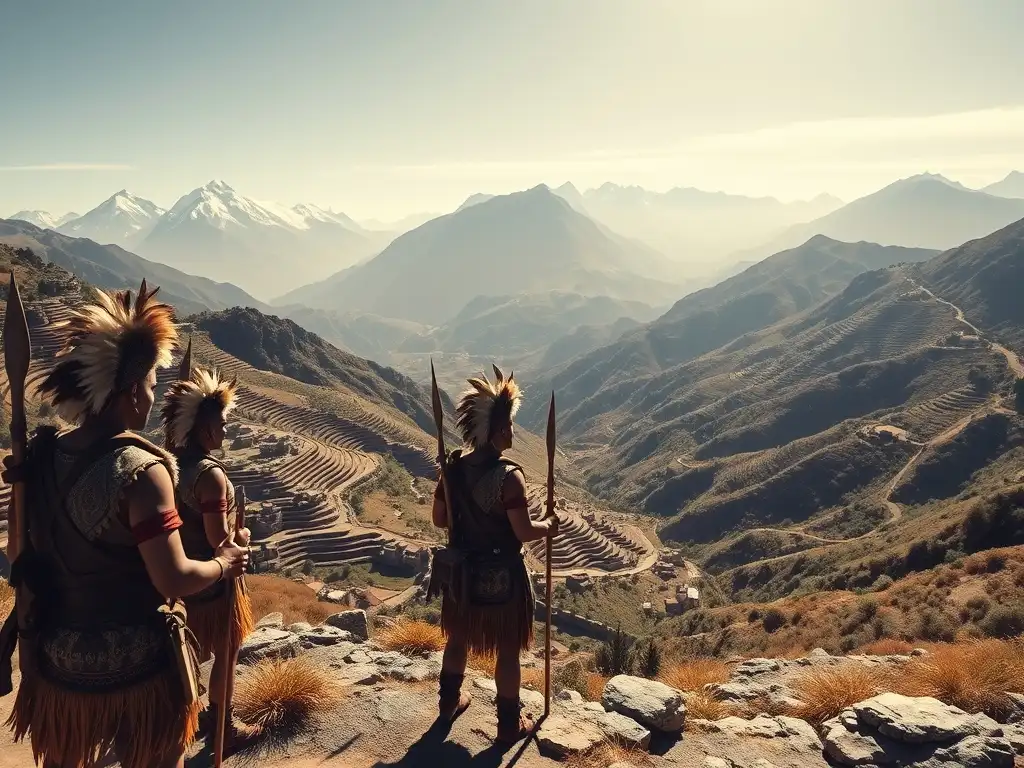
The Inca Empire's vast territorial expanse necessitated sophisticated strategies for maintaining control and consolidating power. Effective military presence wasn't solely about brute force; it intertwined seamlessly with administrative structures, ensuring the empire's stability and longevity. The Inca leadership understood that a strong military was only one component of a successful governing system. Efficient communication networks, reliable supply lines, and a loyal administrative class were equally crucial for suppressing dissent and maintaining order across diverse regions.
This integrated approach ensured that the military's influence extended beyond immediate conflict resolution, shaping the daily lives of the conquered populations and fostering a sense of (albeit often imposed) stability. The Inca's ability to seamlessly integrate military might with civilian administration is a testament to their political acumen and organizational prowess. They didn't just conquer; they governed, and their military played a key role in this process.
Establishing Control through Military Garrisons
The strategic placement of military garrisons played a pivotal role in Inca control. These weren't simply isolated units; they functioned as vital links within the empire's administrative network. Garrisons were often located in strategically important areas – near borders, major trade routes, or in regions with a history of rebellion.
Their presence served as a constant reminder of Inca authority, deterring potential uprisings and ensuring swift responses to any unrest. Furthermore, these garrisons weren't just warriors; they also fulfilled administrative roles, collecting taxes, overseeing public works projects, and acting as intermediaries between the central government and local populations. This dual function minimized the need for separate administrative bodies in outlying areas, streamlining governance and reducing administrative costs.
The size and composition of these garrisons varied depending on the specific location and its perceived threat level. In more volatile regions, larger, more heavily armed forces were stationed, while smaller units sufficed in areas considered more stable.
The Role of Infrastructure in Military Control
The Inca's mastery of infrastructure significantly aided their military control. The extensive network of roads, qhapaq ñan, facilitated rapid troop deployment, allowing for swift responses to rebellions and ensuring efficient communication across the vast empire. The roads not only connected distant provinces but also provided access to vital resources, ensuring the logistical support of military operations.
Furthermore, strategically placed tambos (roadside inns) served as rest stops and supply depots for troops, enabling long-distance campaigns and sustaining a constant military presence throughout the empire. This meticulously planned infrastructure wasn't simply a logistical advantage; it served as a powerful symbol of Inca dominance, showcasing their engineering prowess and reinforcing their control over the landscape and its people. The very existence of this infrastructure served to remind conquered populations of the Inca's capacity for organization and control, fostering a sense of awe and, in many cases, acceptance of their rule.
Inca Military Law and Discipline
A highly disciplined military force was essential to Inca imperial control. Strict military law, enforced rigorously, maintained order and ensured obedience. Punishments for infractions ranged from fines and demotions to severe physical penalties, depending on the severity of the offense. This strict code of conduct fostered a culture of discipline and loyalty, minimizing internal conflicts and ensuring that the military remained a cohesive and effective instrument of power.
The Inca military wasn't solely about fighting; it was about upholding the empire's laws and maintaining order within its vast territories. This emphasis on discipline extended beyond the battlefield, impacting all aspects of military life, from training and provisioning to the conduct of soldiers in occupied territories. This rigid structure contributed significantly to the Inca army's effectiveness and its ability to maintain control over such a large and diverse empire.
Maintaining Order within the Empire
Maintaining order within the vast Inca Empire required a multifaceted approach that extended far beyond military might. While the military was undoubtedly crucial in suppressing rebellions and enforcing the Inca's authority, other factors were equally important. The Inca implemented a sophisticated system of administration, with appointed officials responsible for governing different regions. This administrative structure, coupled with the mit'a labor system, ensured that the empire functioned smoothly and that resources were effectively distributed.
Furthermore, the Inca promoted a sense of unity and shared identity through religious practices and cultural assimilation. By integrating conquered peoples into the imperial system and offering them incentives for loyalty, the Inca reduced the likelihood of rebellion and fostered a sense of stability. This combined strategy of military power, effective administration, and cultural integration formed the foundation of Inca imperial control and ensured the empire's stability for over a century.
Case Studies of Andean Military Engagements
Analyzing specific Andean military engagements reveals crucial insights into their tactics, strategies, and the broader dynamics of Andean warfare. Examining these battles provides a clearer understanding of the factors contributing to Inca success and the challenges they faced in maintaining control over their vast empire. Understanding these case studies allows us to move beyond broad generalizations and delve into the specific details of Andean military practices.
The Battle of Yahuar Pampa: Tactics and Outcomes
The Battle of Yahuar Pampa (circa 1471) represents a significant turning point in Inca military history. While the exact details remain debated, it's clear that the battle involved a large-scale confrontation between the Inca forces under Túpac Yupanqui and the Chanca Confederacy. The Inca's victory, achieved through superior organization, weaponry, and possibly superior numbers, marked a consolidation of Inca dominance in the central Andes.
The battle showcased Inca military tactics, including the use of specialized units, such as slingers and spearmen, and the strategic deployment of forces to exploit enemy weaknesses. The outcome resulted in the expansion of the Inca Empire and the integration of previously independent groups into the Inca system. Further research into the specifics of troop deployments, logistical support, and post-battle administration would provide a more nuanced understanding of the battle's significance.
The Inca Conquest of the Chimor Kingdom: Lessons in Andean Warfare
The Inca conquest of the Chimor Kingdom (late 15th century) provides valuable insights into Inca military strategy. The Chimor, a powerful coastal kingdom, presented a unique challenge to the Inca due to their sophisticated urban centers, strong defenses, and naval capabilities. The Inca conquest wasn't a swift, decisive victory but a prolonged campaign requiring a combination of military force, diplomacy, and siege warfare.
The Inca's ultimate success can be attributed to their ability to adapt their strategies to the specific challenges presented by the Chimor and to effectively integrate their military prowess with political maneuvering. The campaign demonstrates the Inca's flexibility and adaptability in warfare, highlighting their capacity to overcome diverse challenges and expand their empire. Detailed analysis of the campaign's different phases and the specific tactics employed would reveal more about Inca military capabilities and adaptability.
Analysis of Key Andean Military Campaigns
Analyzing key Andean military campaigns requires a multi-faceted approach, considering various factors beyond simple battlefield tactics. Geographical factors, such as terrain and climate, played a significant role in shaping military strategies. The availability of resources, including food, water, and weapons, also influenced the success or failure of campaigns. Furthermore, political factors, such as alliances and betrayals, often played a crucial role in determining the outcome of conflicts.
A comprehensive analysis must consider these broader contextual factors to gain a complete understanding of Andean military engagements. Comparative analysis of various campaigns, focusing on similarities and differences in strategies and outcomes, would further illuminate the complexities of Andean warfare and the factors that contributed to the Inca’s remarkable military successes. More detailed research, especially regarding logistical aspects and the role of intelligence gathering, is necessary to fully understand the intricacies of these campaigns.
The Legacy of Andean Military Strategies
The Andean region boasts a rich tapestry of military strategies employed by various civilizations, each adapted to their unique environments and geopolitical landscapes. From the sophisticated logistical networks of the Inca Empire to the highly specialized weaponry of the Moche, these strategies weren't simply about brute force; they were intricately woven into the fabric of their societies, impacting everything from resource management to social structures.
Understanding these legacies allows us to appreciate the complexity and innovation of Andean warfare, far beyond the simplistic notion of "conquest." The effectiveness of these strategies, particularly the Inca's, stemmed from a deep understanding of terrain, logistics, and the psychological impact of warfare.
Their ability to swiftly mobilize large armies across challenging mountain passes and diverse ecosystems is a testament to their organizational prowess and advanced infrastructure. This wasn't merely about military might; it was a reflection of a highly organized and centralized state capable of projecting power across vast distances.
Lasting Influence of Inca Military Tactics
The Inca military machine, arguably the most sophisticated in the Andes, left an enduring mark on military thinking. Their innovative strategies, including the use of chasquis (runners) for rapid communication and the deployment of diverse troop types tailored to specific battlefield roles, highlight their tactical acumen. The Inca's mastery of logistics, facilitated by their extensive road network, allowed for the swift movement of troops and supplies, a crucial element in maintaining control over their vast empire.
Their system of mit'a, a form of rotational labor, provided a consistent supply of soldiers and laborers for construction projects, further enhancing their military capabilities. The effective integration of psychological warfare, such as the strategic use of propaganda and intimidation, further cemented their dominance.
These tactics weren't merely replicated; they were adapted and modified by subsequent societies, demonstrating their lasting significance. The impact of Inca military organization is still evident in some aspects of modern Andean societies, showcasing the enduring legacy of their strategic thinking.
Archaeological Evidence of Andean Warfare
Archaeological discoveries continue to shed light on the complexities of Andean warfare. Sites like the battlefield at [Specific location pending] provide tangible evidence of military engagements, including weaponry, fortifications, and human remains. The analysis of these remains, along with the study of artifacts like weaponry and defensive structures, offers valuable insights into combat techniques, military organization, and the social impact of war.
For example, the discovery of specialized weaponry, such as the macuahuitl (a type of obsidian-bladed club) amongst certain Andean cultures, reveals sophisticated craftsmanship and a focus on effective combat strategies. Further analysis of fortifications, like those found at [Specific location pending], illustrate the strategic importance of defensive positions and the use of terrain in military planning.
The combination of these archaeological findings with historical accounts and ethnohistorical data paints a more comprehensive picture of Andean military practices. Ongoing research and new discoveries continue to refine our understanding of Andean warfare, challenging previous assumptions and revealing the nuanced strategies employed by these ancient societies.
Lessons from Andean Military History
The study of Andean military strategies offers valuable lessons applicable even today. The emphasis on logistics, adaptability, and the integration of diverse military units highlights the importance of comprehensive planning and resource management. The Inca's success in controlling a vast empire was not solely due to military strength; it was a consequence of effective political organization, infrastructure development, and a sophisticated understanding of human psychology.
The Inca's ability to integrate conquered populations into their military structure is a testament to their understanding of social control and the strategic use of alliances. These lessons underscore the importance of considering not just the military aspects of conflict but also the broader social, political, and economic factors. Analyzing the successes and failures of Andean military campaigns allows us to gain a deeper appreciation of the complexities of warfare and the enduring relevance of strategic thinking.
The Andean experience serves as a reminder that military victory is often a result of meticulous planning, adaptability, and an understanding of the broader context in which conflict occurs. The legacy of Andean military strategies continues to inspire and inform military studies, offering a rich source of knowledge for both historians and strategists alike.
- The Foundations of Andean Warfare: Military Organization Before the Inca
- The Rise of Inca Military Power: Organization and Expansion
- Andean Inca Military Tactics: Strategies of Conquest and Control
- Weapons and Armor of Andean Warriors: Tools of Engagement
- Control and Consolidation: Military Presence and Administration
- Case Studies of Andean Military Engagements
- The Legacy of Andean Military Strategies
- What were the key components of Inca military tactics?
- How did the Inca Empire maintain control over such a vast territory?
- What role did weaponry play in Inca military success?
- How did Inca military strategies differ from those of other Andean civilizations?
- What were the most significant Inca military campaigns or battles?
Frequently Asked Questions
What were the key components of Inca military tactics?
The Inca military relied on superior organization and logistics, utilizing a system of chasquis (runners) for rapid communication and mobilization. Their strength also lay in well-defined formations and the effective use of terrain.
How did the Inca Empire maintain control over such a vast territory?
The Inca maintained control through a combination of military might, a sophisticated road network facilitating troop movement, and administrative strategies including the resettlement of conquered populations and the implementation of tribute systems.
What role did weaponry play in Inca military success?
While not technologically advanced compared to other civilizations, Inca weaponry, including macanas (clubs) and boleadoras (throwing bolas), was effective in close-quarters combat. Their numerical superiority and strategic deployment often proved decisive.
How did Inca military strategies differ from those of other Andean civilizations?
While sharing some common threads, Inca military tactics emphasized large-scale mobilization and state-sponsored organization to a greater extent than other Andean civilizations, such as the Moche or Nazca, who may have relied more on smaller, independent armies.
What were the most significant Inca military campaigns or battles?
Significant campaigns included the conquests of various Andean groups expanding the empire's reach. Detailed accounts of specific battles are scarce, but the consistent success of the Inca army points to effective tactics and organization.
Final Reflection: Echoes of Conquest: Understanding Andean Military Strategies
The sophisticated military strategies employed by the Inca Empire remain remarkably relevant today. Their ability to control vast territories and diverse populations through a combination of strategic alliances, infrastructure development, and carefully planned military campaigns offers valuable lessons in power dynamics and conflict resolution, even in the modern era. The echoes of their ingenuity resonate in contemporary discussions of geopolitical strategy and resource management.
The Inca's mastery of logistics, their understanding of terrain, and their ability to integrate conquered populations into their system of control are aspects that continue to fascinate and inform military and political studies. Their success wasn't solely based on brute force, but on a complex interplay of factors that created a lasting, albeit ultimately fragile, empire. The Inca state was not simply a military machine; it was a complex system of administration, communication, and social control, all of which were essential to its success.
This quote highlights the nuanced approach the Inca took, an approach that deserves deeper consideration in our understanding of historical power structures.
Consider the enduring impact of Inca road networks, their sophisticated system of communication, and their ability to mobilize resources across vast distances. These elements, while seemingly historical artifacts, offer valuable insights into effective governance and resource management. You, the reader, are now equipped with a deeper understanding of these strategies. Reflect on how these ancient techniques might inform our modern approaches to conflict resolution, resource allocation, and the building of sustainable societies. Let the legacy of the Inca inspire you to think critically about the complexities of power and the enduring importance of strategic planning.
Unveil the Secrets of Andean Warfare!
Thank you for exploring the fascinating world of Andean military formations! We hope you've gained valuable insights into the strategies employed by these ancient civilizations and how they maintained control. Now, let's delve even deeper into this rich historical landscape.
Here are some engaging ways to continue your exploration:
- **Join a local historical reenactment group** to experience Andean warfare firsthand—a fun and active way to connect with history!
- **Explore related resources** on our website to further enhance your understanding of Andean cultures and their military tactics.
- **Share your newfound knowledge** with friends, family, or in online communities. Discuss how these ancient strategies might offer parallels to modern challenges.
Which aspect of Andean military strategies most captivates you, and how do you believe they influenced the development of Andean societies?