
The Future of Quechua: Will the Ancient Tongue Endure?

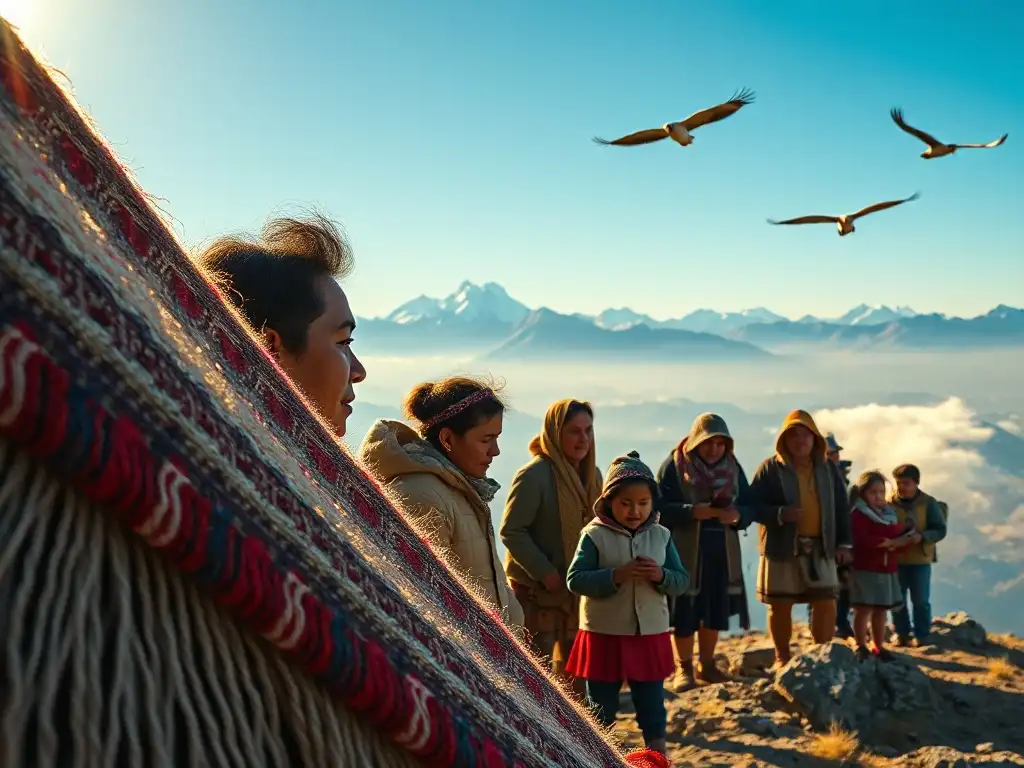
Step into a world lost in time, yet echoing with vibrant voices. The Andean Civilizations website unveils the mysteries and marvels of ancient empires – from the Incas' ingenuity to the Nazca's enigmatic lines. But what of their legacy? The future of the Quechua language, a thread woven through the tapestry of Andean history, hangs in the balance. Will this ancient tongue endure? Discover the surprising answer and explore the fascinating complexities of its future prospects within.
Quechua, the language of the Inca Empire and its predecessors, boasts a rich history interwoven with the vibrant tapestry of Andean civilization. For centuries, it served as a unifying force across vast territories, a testament to its adaptability and resilience.
However, the arrival of European colonizers and the subsequent imposition of Spanish (and other languages) presented an unprecedented challenge to Quechua's survival. This article delves into the current state of Quechua, exploring the multifaceted factors influencing its future prospects, examining the challenges it faces, and highlighting the ongoing efforts to ensure its continued vitality.
We will analyze the complex interplay of socio-political factors, technological advancements, and community initiatives that will ultimately determine whether this ancient tongue endures in the 21st century and beyond. This exploration will be crucial to understanding not just the future of Quechua, but also the preservation of a vital part of Andean cultural heritage, directly impacting the "Quechua language future prospects".
Introduction to Quechua's Historical Significance
Quechua's historical significance cannot be overstated. Far from a monolithic entity, Quechua comprises a family of related languages, each with its own unique dialects and variations. Its origins trace back to pre-Inca times, evolving and diversifying across diverse Andean ecosystems.
The Inca Empire's expansion in the 15th and 16th centuries saw Quechua elevated to a language of administration and communication, facilitating trade, governance, and cultural exchange across a vast and diverse empire. Even after the Spanish conquest, Quechua persisted, adapting and evolving within a changing social and political landscape. Its enduring presence is a powerful testament to its deep roots in Andean society and its inherent capacity for adaptation.
The language itself carries within it centuries of knowledge, traditions, and cultural practices, making its preservation essential for understanding the full scope of Andean history and identity. Many ancient stories, songs, and medical practices are only preserved orally in Quechua. The loss of the language would represent an irreparable loss to humanity's collective knowledge.
The Current State of Quechua: Challenges and Opportunities
The current state of Quechua is complex and multifaceted. While it remains a vital language for millions of speakers across the Andes, it faces significant challenges. The dominance of Spanish, particularly in formal settings like education and government, presents a persistent threat to Quechua's continued use. Many younger generations are increasingly fluent in Spanish, while their knowledge of Quechua is limited or non-existent, creating a linguistic shift that threatens the language's long-term viability.
Furthermore, the lack of standardized orthography and the diversity of dialects present obstacles to widespread literacy and communication. However, there are also significant opportunities for Quechua's revitalization. Growing awareness of linguistic diversity and the importance of indigenous languages has led to increased support for Quechua language education and preservation initiatives. Community-based programs, supported by governmental and non-governmental organizations, are working to promote Quechua in schools, media, and everyday life.
The use of technology, such as online dictionaries and language learning apps, offers exciting possibilities for expanding access to Quechua resources and facilitating language learning. The future of Quechua hinges on the success of these initiatives and the continued commitment of communities to preserve and promote their ancestral tongue. The ongoing efforts to document and revitalize Quechua demonstrate a powerful commitment to preserving a vital part of Andean cultural heritage and ensuring that the "Quechua language future prospects" remain positive.
- Introduction to Quechua's Historical Significance
- The Current State of Quechua: Challenges and Opportunities
Quechua Language Future Prospects: Analyzing Key Factors

The future of the Quechua language, a vibrant tapestry woven through the Andes for centuries, hangs in a delicate balance. Its survival depends on a complex interplay of factors, ranging from globalization's relentless tide to the transformative power of education and the shifting demographics of Andean communities. Understanding these dynamics is crucial to predicting the Quechua language future prospects and developing effective preservation strategies. This section delves into key influences shaping the language's trajectory, examining both challenges and opportunities. The question isn't simply whether Quechua will survive, but how it will adapt and endure in a rapidly changing world.
The Impact of Globalization on Quechua Speakers
Globalization, a double-edged sword, presents both threats and opportunities for the Quechua language. The influx of Spanish, English, and other dominant languages through media, technology, and international commerce undeniably poses a significant challenge. Many younger Quechua speakers, particularly in urban areas, are increasingly adopting Spanish as their primary language, leading to a decline in Quechua fluency across generations. This linguistic shift is often driven by perceived economic advantages associated with fluency in globally dominant languages, limiting access to opportunities for those who primarily speak Quechua.
However, globalization also offers avenues for Quechua revitalization. The internet, for example, provides platforms for online Quechua courses, dictionaries, and communities, fostering connections among speakers across geographical boundaries. Social media platforms allow for the creation of digital spaces where Quechua is actively used and promoted, countering the dominance of Spanish and English in the digital sphere. The challenge lies in harnessing these opportunities effectively to counteract the negative impacts of globalization and ensure Quechua's continued presence in the digital age. This requires strategic investment in digital resources and outreach programs targeting younger generations.
Urbanization and its Effects on Quechua Language Transmission
The rapid urbanization across the Andes significantly impacts Quechua language transmission. As rural communities migrate to urban centers in search of better economic prospects, the close-knit social structures that traditionally supported Quechua's intergenerational transmission often dissolve. In rural areas, Quechua frequently serves as the primary language of family and community interactions, reinforcing its use and facilitating natural language acquisition. Conversely, in urban settings, the prevalence of Spanish often leads to Quechua being relegated to the home, weakening its usage and ultimately its transmission to younger generations.
This phenomenon is particularly evident in larger cities like Cusco and Quito, where Spanish is almost universally spoken in public spheres. While some urban Quechua communities strive to maintain the language through local initiatives, the sheer scale of urbanization and the dominance of Spanish present a formidable challenge. Further research is needed to understand the specific dynamics of Quechua language use within various urban contexts and to develop tailored strategies to support its continued use within these environments. [Specific data on Quechua speaker demographics in major Andean cities pending].
The Role of Education in Preserving Quechua
Education plays a pivotal role in shaping the future of Quechua. The integration of Quechua into the formal education system is paramount in ensuring its survival. However, the extent to which Quechua is incorporated varies significantly across different regions and educational institutions. In some areas, Quechua is taught as a second language alongside Spanish, while in others, it remains largely absent from the curriculum. The effectiveness of Quechua language education programs also varies considerably, depending on factors such as teacher training, resource availability, and community engagement.
The success of Quechua language preservation efforts hinges on creating effective and engaging educational programs that promote fluency and appreciation for the language. This includes developing high-quality educational materials, training teachers proficient in both Quechua and pedagogical techniques, and fostering a positive learning environment that values linguistic diversity. Furthermore, incorporating Quechua into all aspects of the school day, not just language classes, can significantly enhance its presence and relevance in students' lives.
The integration of Quechua literature, music, and cultural practices into the curriculum can also strengthen students' connection to their linguistic heritage and promote language pride. Ultimately, investing in quality Quechua language education is an investment in the future of the language itself.
Government Initiatives and Policies Supporting Quechua
Several Andean governments have implemented initiatives to revitalize and preserve the Quechua language, recognizing its cultural significance and the importance of linguistic diversity. These initiatives vary in scope and effectiveness, but they represent a crucial step in securing the language's future. For example, Peru, home to a significant Quechua-speaking population, has enacted legislation promoting bilingual education. This means that in many schools, Quechua is taught alongside Spanish, fostering a sense of pride in the language and ensuring that younger generations are fluent in both.
However, the success of these programs often hinges on factors such as teacher training, resource availability, and community engagement. A lack of adequately trained Quechua teachers, for instance, can severely hamper the effectiveness of bilingual education programs. Furthermore, the unequal distribution of resources between urban and rural areas can create disparities in access to quality bilingual education.
Beyond bilingual education, some governments are investing in the creation and dissemination of Quechua-language media. This includes radio and television programs, online resources, and the publication of books and other materials in Quechua. This effort aims to increase the visibility of the language and make it more accessible in everyday life, counteracting the dominance of Spanish in media and public life.
However, the sustainability of these media initiatives often depends on consistent funding and effective strategies to reach diverse audiences. The challenge lies in creating engaging and relevant content that appeals to both younger and older generations of Quechua speakers, ensuring the language remains a vibrant and dynamic means of communication. Furthermore, the digital divide can limit the reach of online Quechua resources, particularly in rural communities with limited internet access.
Another significant aspect of government support is the official recognition of Quechua as a national language in several countries. This official status grants Quechua a certain level of protection and allows it to be used in official contexts, such as government documents and legal proceedings. This recognition, however, doesn't automatically translate to widespread use or equal status with the dominant language. Significant societal shifts are needed to ensure Quechua's practical application in daily life across all sectors of society.
The effectiveness of this official recognition depends on the consistent enforcement of language rights and the active promotion of Quechua in government institutions and public services. Without active implementation and enforcement, formal recognition remains symbolic rather than transformative. The ongoing struggle for true linguistic equality highlights the complex interplay between legal frameworks and societal attitudes towards language preservation.
Revitalization Efforts and Community Engagement
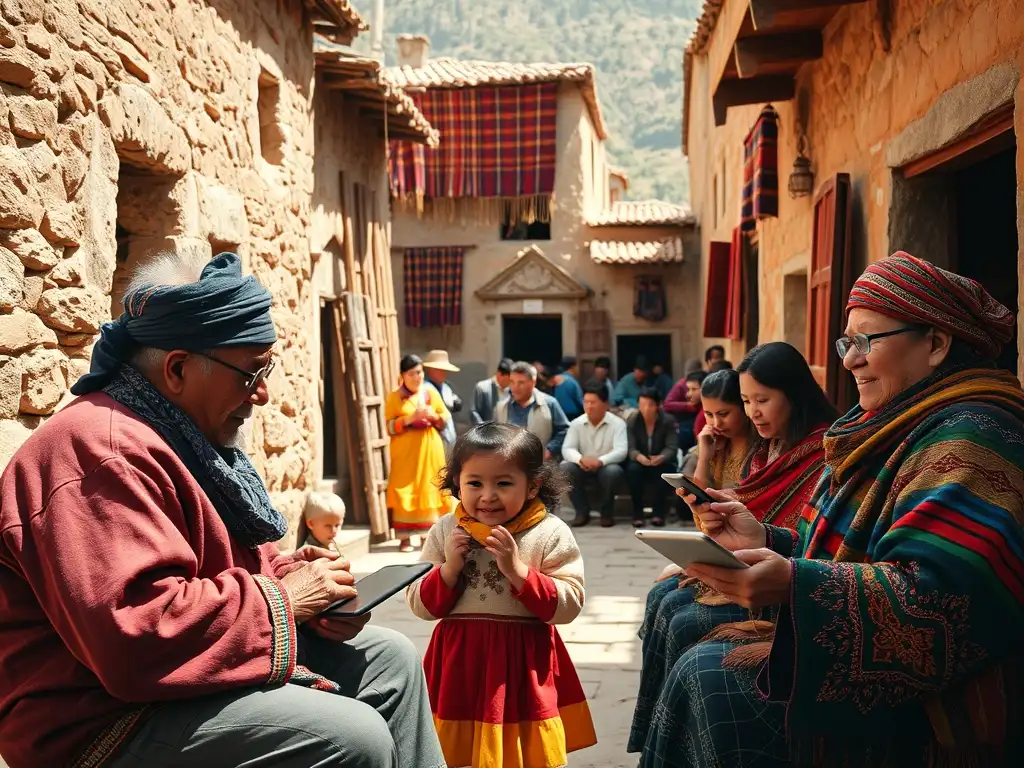
The future of the Quechua language hinges significantly on the dedication and innovative strategies employed in its revitalization. While facing considerable challenges, numerous efforts are underway to ensure its survival and continued use across generations. These initiatives demonstrate a powerful commitment to preserving a vital part of Andean cultural heritage and linguistic diversity. The success of these efforts directly impacts the "Quechua language future prospects."
Grassroots Movements for Quechua Language Preservation
Numerous grassroots movements across the Andes are spearheading the fight to preserve Quechua. These initiatives often operate within specific communities, leveraging local knowledge and adapting strategies to the unique circumstances of each region. For example, in the Cusco region of Peru, community-led language nests ( wawa wasi) provide immersive Quechua language education for young children, fostering fluency from an early age.
These nests often incorporate traditional storytelling, songs, and games, making learning engaging and culturally relevant. Similarly, in Ecuador, community radio stations broadcast programs entirely in Quechua, offering news, music, and discussions that cater to Quechua speakers of all ages. These efforts are crucial in creating a supportive environment where Quechua is valued and used daily, thereby combating language shift and promoting intergenerational transmission.
The dedication and resourcefulness of these grassroots movements are vital to the overall prospects for the language's survival. They are truly the backbone of Quechua language revitalization.
The Use of Technology in Promoting Quechua Literacy
The digital age presents both challenges and opportunities for language preservation. While the dominance of Spanish online can pose a threat, technology also offers powerful tools for promoting Quechua literacy and access. The development of Quechua language apps, for example, provides convenient and accessible learning resources.
These apps often incorporate interactive exercises, vocabulary builders, and audio recordings, making language acquisition more engaging and effective. Furthermore, the creation of online Quechua dictionaries and translation tools expands access to resources and facilitates communication among Quechua speakers across geographical boundaries. The use of social media platforms, such as Facebook groups and YouTube channels dedicated to Quechua, also fosters a sense of community and provides opportunities for language practice and cultural exchange.
The strategic integration of technology is proving to be an invaluable asset in the quest to secure a positive future for the Quechua language. This technological approach is a key factor when considering "Quechua language future prospects."
Cultural Events and their Importance in Maintaining Quechua Identity
Cultural events play a vital role in maintaining Quechua identity and promoting language use. Festivals, traditional ceremonies, and theatrical performances provide opportunities for Quechua speakers to come together, celebrate their heritage, and engage in their native tongue. These events often incorporate traditional music, dance, and storytelling, reinforcing the connection between language and cultural identity. The vibrant expression of Quechua culture through these events fosters a sense of pride and belonging, motivating younger generations to embrace and learn their ancestral language.
For instance, the annual Inti Raymi festival in Cusco, Peru, is a powerful example of how cultural events can strengthen the position of Quechua. The event's scale and significance contribute greatly to the visibility and prestige of the language, positively impacting the long-term "Quechua language future prospects." The continued support and promotion of such events are essential for the language's survival and flourishing within the broader Andean cultural landscape.
Quechua Dialects and their Varied Trajectories
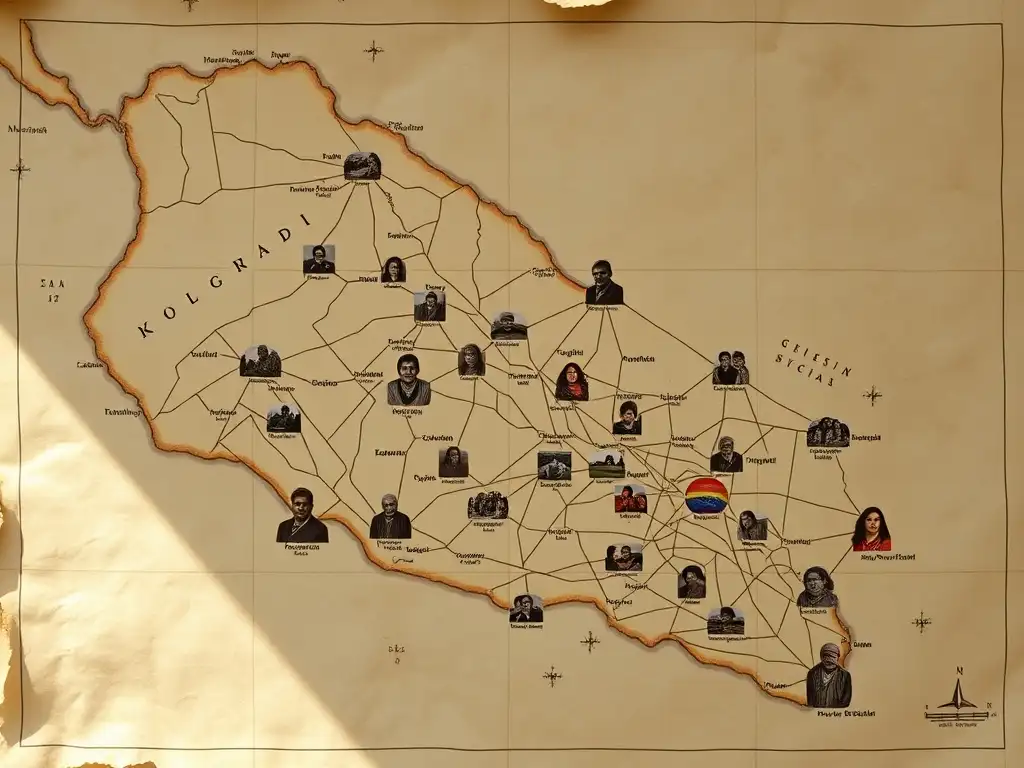
The Quechua language, far from being a monolithic entity, encompasses a diverse tapestry of dialects, each with its own unique trajectory and facing distinct challenges in the 21st century. Understanding this diversity is crucial to accurately assessing the future prospects of the "Quechua language," a term that, in itself, masks a rich linguistic landscape. The variations aren't merely superficial; they can significantly impact mutual intelligibility, hindering communication between speakers of different dialects. This internal linguistic fragmentation presents a considerable hurdle to broader language revitalization efforts.
The Diversity Within Quechua: A Look at Regional Differences
Quechua's dialects are geographically clustered, reflecting the historical and social structures of the Andean region. For instance, the Quechua spoken in the Cusco region, often considered a standard, differs noticeably from the Quechua spoken in Ecuadorian highlands or the Bolivian Altiplano. These differences extend beyond pronunciation; they encompass vocabulary, grammar, and even sentence structure. Consider the word for "potato," a staple crop across the Andes: it can vary significantly depending on the specific dialect.
Some dialects have preserved archaic features lost in others, making the task of linguistic comparison and documentation even more intricate. This rich diversity, while a testament to the language's adaptability, also contributes to the challenges of its preservation. A comprehensive linguistic atlas mapping these variations across the Andean region is still a work in progress, highlighting the need for further research to fully understand the extent of this diversity and the implications for language planning.
Which Quechua Dialects Face the Greatest Risk?
Not all Quechua dialects are equally vulnerable. Those spoken in remote, rural communities, often with limited access to education and technology, face the most significant risk of extinction. These dialects, frequently lacking robust documentation and lacking support from governmental or non-governmental organizations focused on language preservation, are particularly susceptible to language shift – the process by which speakers abandon their native language in favor of a dominant language, typically Spanish in this case. Sociolinguistic factors also play a crucial role.
Dialects associated with marginalized communities or those lacking economic opportunities often experience a faster decline. Quantifying the risk for each dialect requires detailed sociolinguistic studies focusing on factors such as the number of speakers, intergenerational transmission, and the degree of language use in different domains of life (home, school, work). Unfortunately, data on many dialects remains scarce, hindering accurate risk assessment and the prioritization of preservation efforts.
Efforts to Unify and Standardize the Quechua Language
The inherent diversity of Quechua poses a significant challenge for language revitalization efforts. While some advocate for the standardization of a single Quechua variety, others argue that such a move would inevitably lead to the marginalization of less dominant dialects. The debate revolves around the balance between achieving greater linguistic unity and preserving the rich cultural and linguistic heritage embedded within each dialect.
Current efforts focus on developing educational materials and resources that acknowledge and respect this diversity while promoting a degree of inter-dialectal understanding. This involves creating dictionaries and grammars that cater to multiple dialects, developing bilingual education programs that incorporate local dialectal variations, and fostering a sense of linguistic pride within communities. However, the success of these efforts depends on securing sustained funding, training teachers proficient in various Quechua dialects, and engaging with communities to ensure that language planning initiatives are culturally sensitive and relevant.
The future of Quechua hinges on navigating this complex interplay between unification and the preservation of its rich linguistic diversity. The path forward requires careful consideration of all these factors, along with ongoing research and collaboration among linguists, educators, and community members.
The Intergenerational Transmission of Quechua
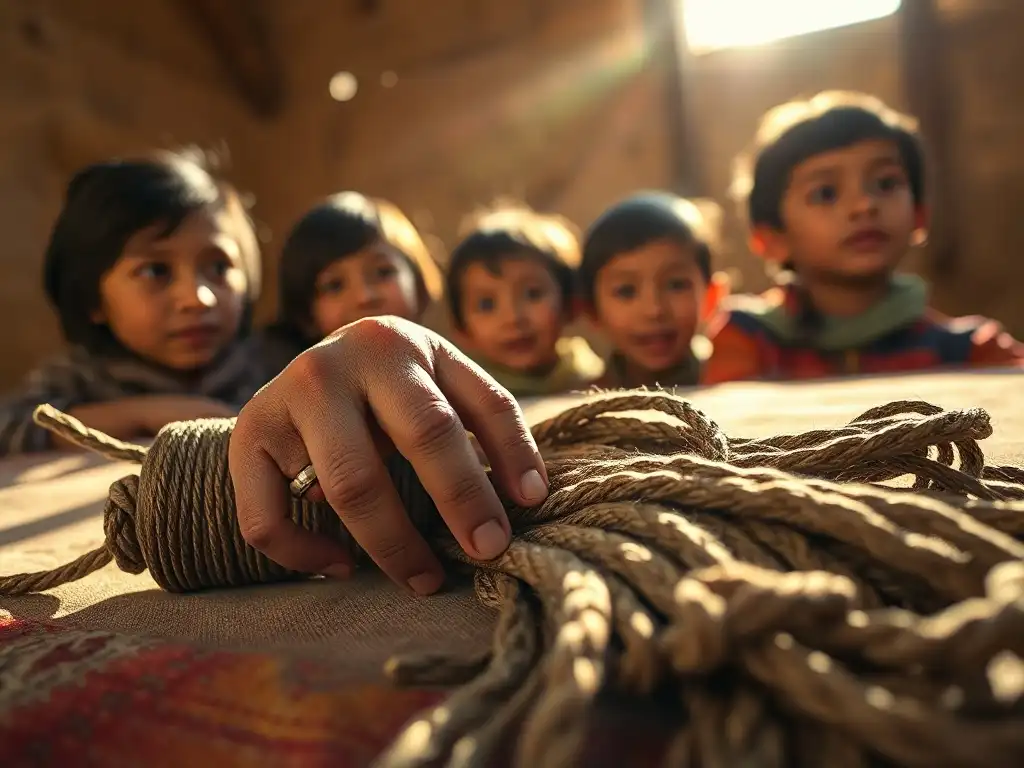
The future of the Quechua language hinges significantly on its successful transmission across generations. While facing considerable challenges, vibrant communities actively work to ensure the language's survival. Understanding how Quechua is passed down within families provides crucial insight into its long-term prospects. This involves examining not just formal education, but also the informal, everyday practices that embed Quechua within family life. The success of these efforts directly impacts the "Quechua language future prospects".
How Families are Keeping the Language Alive
Many Quechua-speaking families employ a range of strategies to maintain the language within their households. These aren't always formalized programs, but rather ingrained practices passed down through generations. For example, some families exclusively speak Quechua at home, creating a linguistic environment where children naturally absorb the language.
Others might incorporate Quechua storytelling, songs, and traditional games into their daily routines, fostering a connection to the language's cultural richness. The use of Quechua in everyday conversations about mundane topics – discussing the weather, sharing meals, or recounting daily events – is crucial in normalizing its use and making it feel relevant to younger generations. This immersion, rather than formal instruction, often proves highly effective.
One compelling example is the family of Apolinar in the Cusco region of Peru. Despite living in a predominantly Spanish-speaking community, Apolinar and his wife actively choose to speak only Quechua to their children. They believe that this immersion is essential for their children’s linguistic and cultural identity. This dedication highlights the power of parental commitment in securing the language's future.
Anecdotal evidence from numerous communities suggests that families who prioritize Quechua in their homes see significantly higher rates of fluency in subsequent generations. Further research is needed to quantify these observations and determine the most effective strategies. However, the consistent pattern of successful intergenerational transmission in these families strongly points to the importance of family-based language preservation.
The Role of Elders in Passing Down Quechua Traditions
Elderly members of Quechua communities play a pivotal role in the language's continuity. They are the custodians of traditional knowledge, storytelling, and cultural practices deeply intertwined with the language itself. Their fluency and deep understanding of Quechua's nuances are invaluable in shaping the linguistic development of younger generations. Elders often serve as informal language teachers, passing down not just vocabulary and grammar but also the cultural context that gives the language its meaning. Their active participation in community events, where Quechua is used extensively, creates a powerful model for younger speakers.
The knowledge transmission extends beyond mere linguistic instruction. Elders often share traditional songs, stories, and proverbs in Quechua, enriching the language learning experience and fostering a sense of cultural pride. These narratives often contain valuable historical and cultural insights, passing down generational wisdom and strengthening the connection between language and identity.
For example, in many communities, elderly women are particularly instrumental in teaching traditional weaving techniques, which are often accompanied by Quechua songs and instructions. This interweaving of language and practice ensures that the language remains vibrant and relevant to daily life. The loss of these elders represents a significant threat to the language's future prospects; their knowledge and skills are irreplaceable.
Challenges Faced by Younger Generations Learning Quechua
Despite the efforts of families and elders, younger generations face significant challenges in mastering Quechua. The dominance of Spanish, particularly in urban areas and educational settings, creates a linguistic environment that often marginalizes Quechua. Many young people perceive Quechua as a less useful language in accessing education, employment, and wider social opportunities, leading to a shift towards Spanish as the primary language of communication. This pressure to adopt Spanish can lead to language shift, impacting fluency and the transmission of the language to future generations.
Furthermore, the lack of standardized Quechua instruction in schools poses a considerable obstacle. While some initiatives exist to integrate Quechua into the curriculum, these are often inconsistent and lack sufficient resources and trained teachers. This lack of formal support contrasts sharply with the readily available resources for Spanish language education, further disadvantaging Quechua speakers. The digital divide also plays a significant role.
The limited availability of Quechua language materials online and in digital formats hinders accessibility and makes it harder for young people to engage with the language in a modern, engaging way. Addressing these challenges requires a multifaceted approach involving governmental support, community initiatives, and the development of innovative language learning resources tailored to the needs of young Quechua speakers. Overcoming these hurdles is essential to ensuring a positive outlook for the "Quechua language future prospects".
Quechua in the 21st Century: Adapting and Evolving

The Quechua language, far from being a relic of the past, is navigating the complexities of the 21st century with remarkable resilience. Its survival and continued evolution depend on a complex interplay of factors, ranging from governmental policies and educational initiatives to the active engagement of Quechua speakers themselves in maintaining and revitalizing their linguistic heritage. Understanding the current state of Quechua allows us to better predict its future prospects and the challenges it faces.
The continued use and adaptation of Quechua in various spheres of life are crucial indicators of its long-term viability. This section will delve into specific areas showcasing the language's dynamism and its capacity for adaptation in the modern world, examining its future prospects within the context of globalization and technological advancements. The sustained interest in Quechua language future prospects is a testament to its cultural significance and enduring power.
The Presence of Quechua in Media and Arts
The representation of Quechua in media and the arts plays a vital role in its preservation and promotion. While historically marginalized, Quechua is increasingly finding its voice in various creative platforms. We're seeing a surge in Quechua-language films, music, and literature, reflecting a growing awareness and appreciation for the language's cultural richness.
For example, several independent filmmakers are producing short films and documentaries entirely in Quechua, showcasing the daily lives and traditions of Quechua-speaking communities. This provides valuable exposure to a broader audience, fostering a deeper understanding and appreciation of the language and its cultural significance. Moreover, musicians are incorporating Quechua lyrics into their songs, blending traditional melodies with modern musical styles, reaching younger generations and widening the language's appeal.
The use of Quechua in these creative mediums not only entertains but also serves as a powerful tool for language revitalization, making it accessible and engaging for a wider audience. This increased visibility counters the historical dominance of Spanish and creates a space for Quechua expression and identity.
Quechua Language Usage in Digital Platforms
The digital revolution presents both challenges and opportunities for the Quechua language. While the dominance of English and Spanish online poses a threat, the internet also offers unprecedented opportunities for language preservation and promotion. The development of Quechua-language websites, social media groups, and online dictionaries is increasing, creating digital spaces where speakers can connect, share information, and learn the language.
Moreover, the use of mobile applications for language learning and translation is on the rise, making Quechua more accessible to both native and non-native speakers. However, the lack of standardized digital resources and the need for greater internet access in Quechua-speaking communities remain significant hurdles. [Specific data on the number of Quechua-language websites and apps pending].
Overcoming these challenges requires collaborative efforts between technological developers, language experts, and community leaders to ensure the creation of user-friendly and culturally relevant digital tools. The successful integration of Quechua into the digital realm will significantly contribute to its long-term survival and expansion.
The Future of Quechua Literature and Storytelling
The future of Quechua literature and storytelling is intrinsically linked to the language's overall vitality. While oral traditions have long been central to Quechua culture, the written word plays an increasingly important role in preserving and disseminating stories, poems, and other forms of literary expression. The emergence of new Quechua authors and poets, writing in diverse genres and styles, signals a vibrant literary scene.
However, challenges remain in terms of publishing opportunities, access to educational resources, and the need to promote Quechua literature within a broader literary landscape. [Specific data on the number of published Quechua books and authors pending]. The support of initiatives that promote Quechua literature, such as translation projects, writing workshops, and literary festivals, is crucial for ensuring the continued growth and development of Quechua literary expression.
The preservation and promotion of Quechua storytelling traditions, both oral and written, are essential for maintaining cultural identity and transmitting knowledge across generations, thereby strengthening the foundations for the language's continued existence. The future of Quechua rests, in part, on the continued flourishing of its rich literary heritage.
The Long-Term Viability of the Quechua Language
The Quechua language, a family of languages spoken across the Andes Mountains for centuries, faces an uncertain future. While its historical significance is undeniable, assessing its long-term viability requires a nuanced understanding of several interconnected factors. The future of Quechua hinges on a complex interplay of socioeconomic pressures, governmental policies, and the active engagement of its speakers. Demographic shifts, particularly the migration of Quechua speakers to urban areas where Spanish is dominant, pose a significant threat.
This linguistic shift, often associated with perceived socioeconomic advantages of Spanish fluency, leads to a decline in intergenerational Quechua transmission. Furthermore, the lack of widespread Quechua language education in formal settings further exacerbates the issue, creating a cycle where fewer and fewer young people are becoming fluent speakers. However, the resilience and cultural significance of Quechua should not be underestimated.
Its continued use in various communities, particularly in rural areas and within specific cultural practices, demonstrates a tenacious spirit that could potentially ensure its survival. The key lies in understanding the challenges and implementing effective strategies to promote and preserve this vital part of Andean heritage. A comprehensive analysis of these factors, coupled with concrete action, is crucial to determine the long-term viability of the Quechua language.
Potential Scenarios for Quechua's Future
Several potential scenarios could unfold regarding the future of Quechua. A pessimistic outlook suggests a continued decline, potentially leading to the language's marginalization and eventual extinction. This scenario is characterized by a lack of governmental support, limited resources for language revitalization programs, and a persistent preference for Spanish within the broader society. In this case, Quechua would likely survive only in isolated pockets, its use restricted to elderly speakers and specific ceremonial contexts.
A more optimistic scenario envisions a future where Quechua thrives alongside Spanish. This requires a concerted effort from governments, educational institutions, and Quechua communities themselves. Increased investment in Quechua language education, the development of Quechua-language media, and the promotion of bilingualism are crucial elements of this positive outcome.
This scenario also necessitates a shift in societal attitudes, where Quechua is valued not as a barrier to progress but as a rich cultural asset. The successful implementation of language revitalization programs in other parts of the world provides a blueprint for such an approach. The survival of Quechua in this scenario is not merely a matter of linguistic preservation but a celebration of cultural diversity and identity.
A third, intermediate scenario involves a degree of language shift, where Quechua retains its presence but with a reduced number of fluent speakers. This scenario acknowledges the challenges of language maintenance in a globalized world but suggests that Quechua could maintain a significant cultural role, even with a reduced base of native speakers. This could involve the continued use of Quechua in specific domains, such as religious ceremonies or traditional storytelling, alongside its integration into aspects of modern life, such as literature and music. This outcome would represent a compromise between complete language loss and complete language maintenance.
What Can be Done to Ensure Quechua's Survival?
Several practical steps can be taken to ensure the survival of Quechua. These actions require a multi-pronged approach involving governmental policies, educational initiatives, and community engagement.
- Governmental Support: Governments need to prioritize the development and implementation of comprehensive language policies that actively promote Quechua. This includes funding for language education programs at all levels, from early childhood to higher education. Furthermore, governmental support should extend to the creation of Quechua-language media, including radio, television, and online platforms. Translation services for official documents and public services are also crucial aspects of effective governmental support for Quechua.
- Educational Initiatives: Integrating Quechua into the formal education system is paramount. Bilingual education programs, where Quechua and Spanish are taught concurrently, can empower younger generations to become fluent in both languages. Teacher training programs focused on effective bilingual instruction are necessary to ensure the success of these initiatives. The development of high-quality Quechua-language educational materials, including textbooks and digital resources, is also crucial.
- Community Engagement: The active participation of Quechua-speaking communities is essential. Community-based language programs, involving elders and younger speakers, can foster intergenerational language transmission. Supporting cultural events and festivals that utilize Quechua can strengthen community identity and pride in the language. This also involves promoting Quechua in various cultural spheres, such as music, literature, and art.
Empowering Quechua Speakers: The Key to Language Longevity
Empowering Quechua speakers is the key to the language's longevity. This involves not just preserving the language but also recognizing and valuing the cultural richness it embodies. This means:
- Promoting Bilingualism: Rather than viewing Quechua as a barrier, fostering bilingualism (Quechua and Spanish) should be encouraged. This empowers individuals with increased opportunities and allows for the continued use of Quechua within their lives.
- Economic Opportunities: Linking Quechua proficiency to economic opportunities, such as tourism or translation services, can incentivize language maintenance. This demonstrates the practical value of the language beyond cultural significance.
- Technological Integration: Incorporating Quechua into digital platforms and technologies, making it accessible through apps, online dictionaries, and digital storytelling platforms, can make it more relevant to younger generations.
- Celebrating Quechua Culture: Active promotion and celebration of Quechua culture—its music, art, literature, and traditions—reinforces its value and incentivizes its continued use. This involves supporting Quechua artists, writers, and musicians.
The future of Quechua is not predetermined. With concerted efforts from various stakeholders, including governments, educational institutions, and Quechua-speaking communities, the language can not only survive but thrive, continuing to enrich the vibrant tapestry of Andean culture for generations to come. The key lies in recognizing the inherent value of linguistic diversity and actively working towards its preservation.
Conclusion: A Hopeful Outlook for the Quechua Language
Despite the undeniable challenges facing the Quechua language, the future isn't entirely bleak. The persistence of Quechua speakers across generations, coupled with growing efforts towards revitalization and preservation, offers a glimmer of hope. While the language may not achieve the widespread dominance it once held, its survival seems increasingly likely.
The key lies in continued support for educational initiatives, media production in Quechua, and the fostering of a sense of cultural pride amongst Quechua speakers. The younger generation's growing interest in their ancestral heritage, visible in the increasing popularity of Quechua music, literature, and online communities, bodes well for the language's long-term prospects. Moreover, the recognition of Quechua as an official language in several Andean nations provides a crucial legal framework for its protection and promotion.
These combined factors suggest that while the path ahead is challenging, the Quechua language possesses the resilience to endure, albeit in a potentially evolving form, for many years to come. The fight for its survival is far from over, but the signs are encouraging. The future of Quechua is not merely about linguistic survival; it's about safeguarding a rich cultural heritage and ensuring the continuity of a unique Andean identity.
The ongoing efforts to document and archive Quechua dialects are also crucial. The vast diversity within Quechua, with many distinct dialects spoken across different regions, presents both a challenge and an opportunity. Preserving this diversity ensures the richness and complexity of the language are not lost. This is not simply a matter of academic interest; it is vital for the cultural survival of the communities who speak these dialects.
Each dialect represents a unique perspective and a valuable contribution to the overall tapestry of Quechua culture. By supporting the documentation and preservation of all dialects, we ensure a more complete and vibrant future for the language. The future of Quechua is not just about one standardized form; it is about recognizing and celebrating the multiplicity of voices within the language itself. This approach fosters inclusivity and empowers communities to own and protect their linguistic heritage.
Frequently Asked Questions
What is the current status of the Quechua language?
Quechua is still spoken by millions of people across the Andes, primarily in Peru, Bolivia, Ecuador, Colombia, and Argentina. However, it faces significant challenges in the face of Spanish dominance.
What are the biggest threats to the Quechua language's survival?
The primary threats are the pressure to learn and use Spanish, limited access to Quechua-language education, and the perceived lack of economic opportunities associated with fluency in Quechua.
Are there any efforts to revitalize the Quechua language?
Yes, there are numerous grassroots and government-led initiatives focused on promoting Quechua education, media, and cultural events. These aim to increase prestige and usage of the language.
What role does technology play in the future of Quechua?
Technology, including online resources, mobile apps, and digital media, offers new avenues for language learning and preservation. This is crucial for reaching younger generations.
What are the long-term prospects for the Quechua language?
The future of Quechua is uncertain but not hopeless. Its survival depends on sustained community effort, government support, and a shift in societal attitudes towards linguistic diversity.
Final Reflection: Echoes of the Andes: Will Quechua's Voice Persist?
The fight to preserve Quechua is not merely a linguistic battle; it's a fight for cultural survival. The vibrant tapestry of Andean life, woven through centuries of tradition and storytelling, is inextricably linked to the continued existence of this ancient tongue. Its decline represents a profound loss, not just for speakers, but for the global community that benefits from the richness of linguistic diversity.
The enduring power of Quechua resonates deeply with me, a testament to the resilience of a people who have faced immense challenges while clinging to their heritage. A language is a dialect with an army and a navy,
a quote often attributed to Max Weinreich, perfectly encapsulates the political and social forces that have threatened Quechua's survival. Yet, despite these pressures, the language persists, a testament to the unwavering spirit of its speakers and the growing global recognition of its importance. The ongoing efforts to revitalize Quechua, through education initiatives, media production, and community engagement, offer a beacon of hope for its future.
Consider the legacy you wish to leave. Will you be a passive observer of linguistic erosion, or will you actively contribute to the preservation of a language that holds centuries of wisdom and cultural expression? Engage with Quechua communities, support initiatives dedicated to its revitalization, and learn to appreciate the beauty and complexity of this ancient tongue.
The future of Quechua rests not only in the hands of its speakers but also in the hearts and minds of those who recognize its intrinsic value. Let us ensure that the echoes of the Andes continue to resonate for generations to come.
Embrace and Preserve the Quechua Legacy Today!
Thank you for exploring the fascinating world of the Quechua language. You've learned about the challenges and successes in preserving this ancient language, and now you can take meaningful action to help revitalize it.
Here are a few ways you can make a difference:
- Learn Quechua: Enroll in a local or online class to enhance your language skills and connect with the rich Quechua culture.
- Support Quechua Communities: Find and support organizations working to preserve Quechua language and culture through programs and initiatives. Consider volunteering your time or donating resources.
- Spread the Word: Share your experiences learning about Quechua with friends, family, and online communities to raise awareness of its importance.
What will you do to help ensure the Quechua language thrives for generations to come?