
The Andean Diet: The Nutritional Powerhouse of Ancient Civilizations

Step into a world lost to time, yet echoing with the whispers of a powerful legacy. Imagine a civilization that thrived for centuries, mastering agriculture and engineering in the harsh Andes mountains. Their secret? It might surprise you. Discover the fascinating intricacies of the Andean civilization diet, a nutritional powerhouse that fueled empires and shaped the very landscape of South America. Unravel the mysteries of their ingenious farming techniques and the surprisingly diverse foods they consumed – a journey awaits you into the heart of Andean agriculture and food.
The Andean region, a geographically diverse area spanning the Andes Mountains of South America, nurtured some of the most remarkable civilizations in history. Their ingenuity wasn't limited to architectural marvels like Machu Picchu or intricate textiles; their understanding of agriculture and nutrition played a crucial role in their societal development and success. This article delves into the fascinating world of the Andean diet, exploring the diverse crops cultivated, the nutritional benefits they provided, and the impact this food system had on the health and prosperity of ancient Andean societies.
We'll examine how their innovative agricultural techniques allowed them to thrive in challenging environments and how their diet contributed to the resilience and longevity of these incredible civilizations. Understanding the Andean civilization diet offers invaluable insights into their remarkable adaptability and sustainable practices, still relevant and inspiring today.
This exploration will reveal the nutritional powerhouse that fueled these ancient societies, highlighting the crucial role of food in shaping their history and culture. We will uncover the secrets behind their dietary choices and the lasting legacy of their agricultural knowledge.
Understanding the Dietary Habits of Andean Civilizations
The Andean diet wasn't uniform across all civilizations and varied based on altitude, climate, and available resources. However, several common threads unite these diverse cultures. Their diets were predominantly plant-based, relying heavily on crops uniquely adapted to the high-altitude conditions. These staples provided a rich source of carbohydrates, proteins, and essential vitamins and minerals.
The key to their success lay in their mastery of diverse agricultural techniques, including terracing, irrigation systems, and crop diversification, allowing them to maximize food production in challenging terrain. Their sophisticated understanding of plant cultivation ensured a diverse and nutritious food supply, contributing significantly to their societal stability and resilience. The importance of community and shared resources also played a significant role in ensuring food security.
The Andean diet wasn't solely vegetarian. While plant-based foods formed the core of their diets, animal protein, albeit less prevalent, was also consumed. This included camelids like llamas and alpacas (providing meat, wool, and transportation), guinea pigs (a significant source of protein), and fish from coastal regions. The utilization of these resources was carefully managed and integrated into their sustainable agricultural practices. The integration of animal husbandry with agriculture reflects a holistic approach to food production, maximizing resource utilization within their environment. This careful balance ensured a sustainable and resilient food system capable of supporting large populations.
Key Crops of the Andean Diet: A Nutritional Powerhouse
The Andean region boasts an incredible array of crops, many of which are still cultivated today. These crops weren't just a source of sustenance; they were integral to their religious beliefs, social structures, and economic systems. Some of the most important included:
- Potatoes: The undisputed king of Andean crops, potatoes provided a crucial source of carbohydrates and essential nutrients. The Andes are considered the center of origin for potatoes, with thousands of varieties adapted to different altitudes and climates. Their nutritional value is undeniable, providing energy, fiber, and essential vitamins.
- Quinoa: This complete protein source was a dietary staple, offering a balanced amino acid profile that rivals animal proteins. Its adaptability to high altitudes and resilience to harsh conditions made it a crucial crop for Andean civilizations. Its high nutritional value contributed significantly to the health and wellbeing of the population.
- Maize (Corn): While perhaps more associated with Mesoamerica, maize played a significant role in the Andean diet, providing carbohydrates and serving as a base for various dishes and beverages. Its cultivation was integrated into their complex agricultural systems and contributed to their food security.
- Beans: Various types of beans, including kidney beans, lima beans, and others, complemented the diet by providing additional protein and fiber, enhancing the nutritional value of the overall food system. Their cultivation practices were integrated with other crops, contributing to soil fertility and overall agricultural productivity.
- Other Important Crops: The Andean diet also included other important crops such as amaranth (a high-protein grain), various types of squash, and a wide array of fruits and vegetables adapted to the high-altitude conditions. This diversity ensured a balanced and nutritious diet, contributing to the resilience and overall health of these ancient societies.
The Impact of Altitude and Environment on Andean Agriculture and Diet
The high altitude and challenging environmental conditions of the Andes significantly shaped both agricultural practices and dietary habits. The ingenuity of Andean farmers is remarkable, as they developed sophisticated techniques to overcome these challenges:
- Terracing: This ingenious technique transformed steep slopes into cultivatable land, increasing agricultural productivity. Terraces not only prevented soil erosion but also helped to manage water resources more effectively.
- Irrigation Systems: Complex systems of canals and channels were built to transport water from rivers and streams to fields, ensuring adequate water supply even in dry seasons. These systems were crucial for the success of Andean agriculture.
- Crop Diversification: The cultivation of a wide range of crops was essential for resilience against crop failure. Diversification minimized the risk of famine and ensured a varied and nutritious diet.
These adaptations demonstrate the deep understanding and respect that Andean civilizations had for their environment. Their agricultural practices were not only sustainable but also incredibly efficient, allowing them to thrive in a challenging environment. This sophisticated understanding of their environment is a testament to their ingenuity and resourcefulness. The ingenuity shown in overcoming these challenges is still relevant and inspiring today.
- Understanding the Dietary Habits of Andean Civilizations
- Key Crops of the Andean Diet: A Nutritional Powerhouse
- The Impact of Altitude and Environment on Andean Agriculture and Diet
Core Components of the Ancient Andean Diet
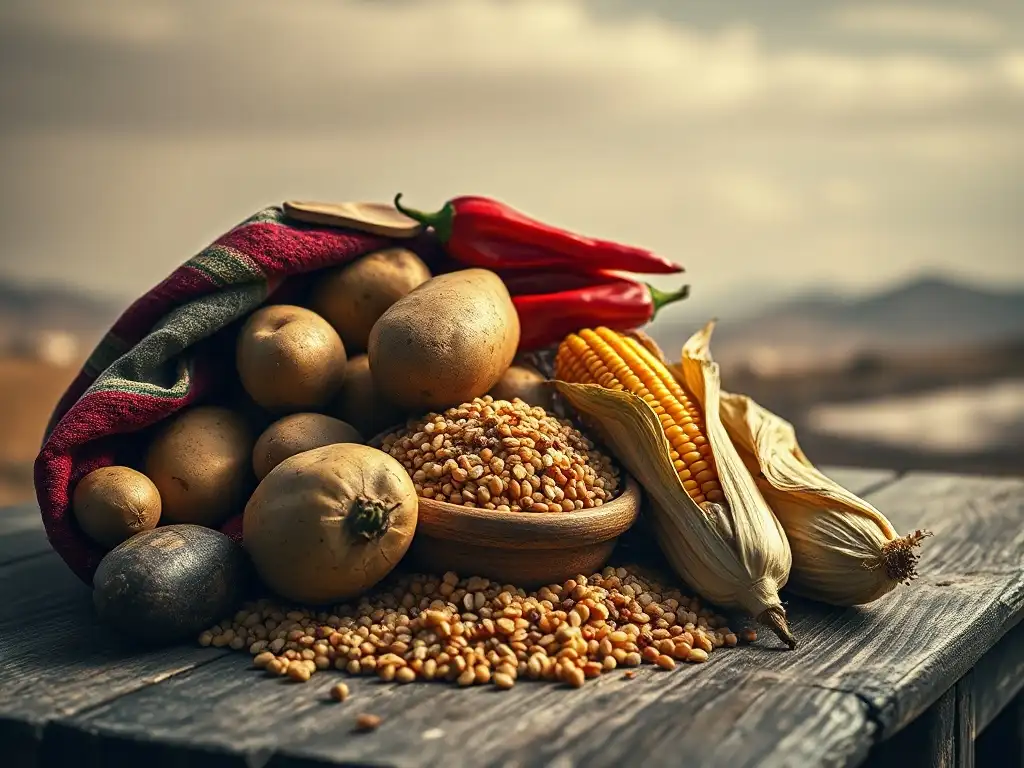
The Andean civilization diet was remarkably diverse and sophisticated, reflecting the ingenuity of its people in adapting to the challenging Andean environment. This nutritional powerhouse relied heavily on a variety of crops, many of which are still cultivated and consumed today. Understanding the core components of this diet reveals not only the nutritional prowess of these ancient cultures but also their remarkable agricultural achievements.
The success of the Andean civilizations was intrinsically linked to their mastery of agriculture, which allowed them to thrive in high-altitude, often harsh conditions. Their ingenuity in developing diverse and resilient crops is a testament to their knowledge and adaptability. The focus on sustainable farming practices further underscores their commitment to long-term food security.
Staple Crops: Potatoes and Their Importance
Potatoes ( Solanum tuberosum) were, and remain, the cornerstone of the Andean diet. Far from the single variety found in many parts of the world today, the Andes boast an incredible biodiversity of potato species, numbering in the thousands. This incredible genetic diversity allowed for adaptation to varied altitudes, climates, and soil conditions. Ancient Andean farmers meticulously selected and cultivated specific potato varieties for their unique characteristics, such as taste, texture, nutritional value, and resistance to diseases and pests. This careful selection process ensured both food security and nutritional variety.
The potato provided a vital source of carbohydrates, essential for energy and sustenance. Beyond carbohydrates, potatoes are a good source of Vitamin C, potassium, and dietary fiber. Their versatility in preparation—boiled, roasted, fried, or dried—made them a staple across all social strata. Different varieties were used for different purposes, reflecting a deep understanding of their properties. Some varieties were ideal for storage, ensuring food availability during lean seasons, while others were best suited for immediate consumption. The potato was not merely a food source; it was a cultural symbol, deeply intertwined with Andean identity and traditions.
Andean Tubers: Oca, Ulluco, and Mashua
Beyond potatoes, the Andean diet incorporated a fascinating array of other tubers, each offering unique nutritional profiles and culinary applications. Oca ( Oxalis tuberosa), ulluco ( Ullucus tuberosus), and mashua ( Tropaeolum tuberosum) are three prime examples. These crops, often overlooked in modern diets, provided valuable carbohydrates, vitamins, and minerals, complementing the nutritional profile offered by potatoes.
Oca, with its slightly tart flavor, could be consumed fresh or processed into various dishes. Ulluco, known for its sweet and nutty taste, was also versatile in its preparation, while mashua, with its slightly peppery flavor, added a unique dimension to Andean cuisine.
These tubers were not simply substitutes for potatoes; they were integral parts of a balanced and diverse diet, ensuring nutritional security and reducing the risk of nutritional deficiencies. The cultivation of these crops, often in conjunction with potatoes, showcased the sophisticated agricultural practices of the Andean civilizations, demonstrating an understanding of crop rotation and intercropping techniques to maximize yields and maintain soil fertility.
Grains of the Andes: Quinoa and Kiwicha
Quinoa ( Chenopodium quinoa) and kiwicha ( Amaranthus caudatus) represent the significant contribution of grains to the Andean diet. These "pseudo-cereals" are not true grasses but rather possess similar nutritional properties to grains. Both quinoa and kiwicha are complete proteins, meaning they contain all nine essential amino acids, a rarity among plant-based foods. This made them crucial components of the Andean diet, providing essential building blocks for growth and repair.
Quinoa, known for its fluffy texture and slightly nutty flavor, was a versatile ingredient, used in soups, stews, and porridges. Kiwicha, with its small, round seeds, was often ground into flour for bread and other baked goods. Both quinoa and kiwicha are excellent sources of fiber, iron, and various other micronutrients.
Their cultivation in high-altitude environments demonstrates the resilience and adaptability of these crops, and the ingenuity of the Andean farmers who cultivated them. The inclusion of these grains in the Andean diet highlights the comprehensive approach to nutrition, ensuring a balanced intake of essential nutrients. The nutritional value of quinoa and kiwicha, combined with their adaptability to harsh environmental conditions, contributed significantly to the success and longevity of Andean civilizations.
Legumes and Pulses: Beans, Lupine, and Tarwi
Legumes formed a cornerstone of the Andean civilization diet, providing essential protein and nutrients crucial for sustaining their large populations and physically demanding lifestyles. Beans, in their incredible variety, were ubiquitous. From the small, intensely flavored black beans to the larger, creamy white varieties, beans were incorporated into stews, soups, and even ground into flours for breads. Archaeological evidence consistently reveals the presence of bean remains in ancient settlements, highlighting their importance in the daily diet.
The cultivation techniques employed, including terracing and crop rotation, allowed for high yields even in challenging Andean terrains. This ensured a reliable source of protein, fiber, and essential minerals like iron and zinc, vital for preventing deficiencies and maintaining good health. Beyond simple sustenance, beans also played a significant role in Andean religious and ceremonial practices. Specific bean varieties were associated with particular deities or ceremonies, underscoring their cultural importance beyond nutritional value.
Beyond beans, lupine and tarwi (also known as lupines) provided additional sources of protein and unique flavors. Lupine, a hardy legume that thrives in harsh conditions, offered a valuable alternative protein source. However, it required specific preparation to remove bitter compounds before consumption. This process, passed down through generations, involved soaking, boiling, and sometimes even fermentation techniques.
Tarwi, another important Andean legume, boasts a high protein content and a unique, nutty flavor. It was, and continues to be, a staple in many Andean communities, often consumed as a porridge or added to soups and stews. Both lupine and tarwi contributed significantly to dietary diversity and nutritional security in the ancient Andean world, showcasing the ingenuity of their agricultural practices and their ability to adapt crops to challenging environments. The resilience of these legumes ensured food security even during periods of drought or other environmental hardships.
Andean Fruits and Vegetables: Lucuma, Papaya, and Peppers
The vibrant array of fruits and vegetables cultivated by the Andean civilizations contributed significantly to the nutritional richness of their diet. Lucuma, a uniquely flavored fruit with a sweet, caramel-like taste, was a prized delicacy. Its creamy texture lent itself to various culinary applications, from desserts and beverages to savory dishes.
Lucuma wasn't merely a source of carbohydrates and sugars; it also provided essential vitamins and minerals. Its widespread cultivation across varying altitudes demonstrates its adaptability and the sophisticated understanding of Andean farmers regarding environmental factors and crop suitability. The preservation techniques employed for lucuma, such as drying and storage, allowed for its consumption year-round, enhancing food security and dietary variety.
Papaya, with its rich vitamin C content, provided crucial protection against scurvy and other vitamin deficiencies. Its sweet taste made it a popular addition to both sweet and savory dishes, offering a refreshing contrast to other staples of the Andean diet. The papaya's cultivation played a crucial role in maintaining the health and wellbeing of the Andean populations, supporting their physical endurance and resistance to disease. Its ease of cultivation and relatively short growing season made it a valuable asset to the Andean agricultural system.
Finally, peppers, ranging from mild to intensely hot, added both flavor and beneficial compounds to the Andean diet. Capsaicin, the active component that gives peppers their heat, possesses anti-inflammatory properties and has been linked to various health benefits. Beyond their culinary use, peppers played a significant role in Andean culture and religion, with certain varieties associated with specific rituals and ceremonies.
The cultivation of diverse pepper varieties demonstrates a high level of agricultural knowledge and an appreciation for the nuances of flavor and texture. The integration of peppers into the Andean diet showcases the sophisticated understanding of both the nutritional and cultural importance of this versatile crop. The variety of peppers available demonstrates a sophisticated understanding of agriculture and a commitment to diverse flavors and nutritional benefits.
The Role of Animal Protein in the Andean Diet
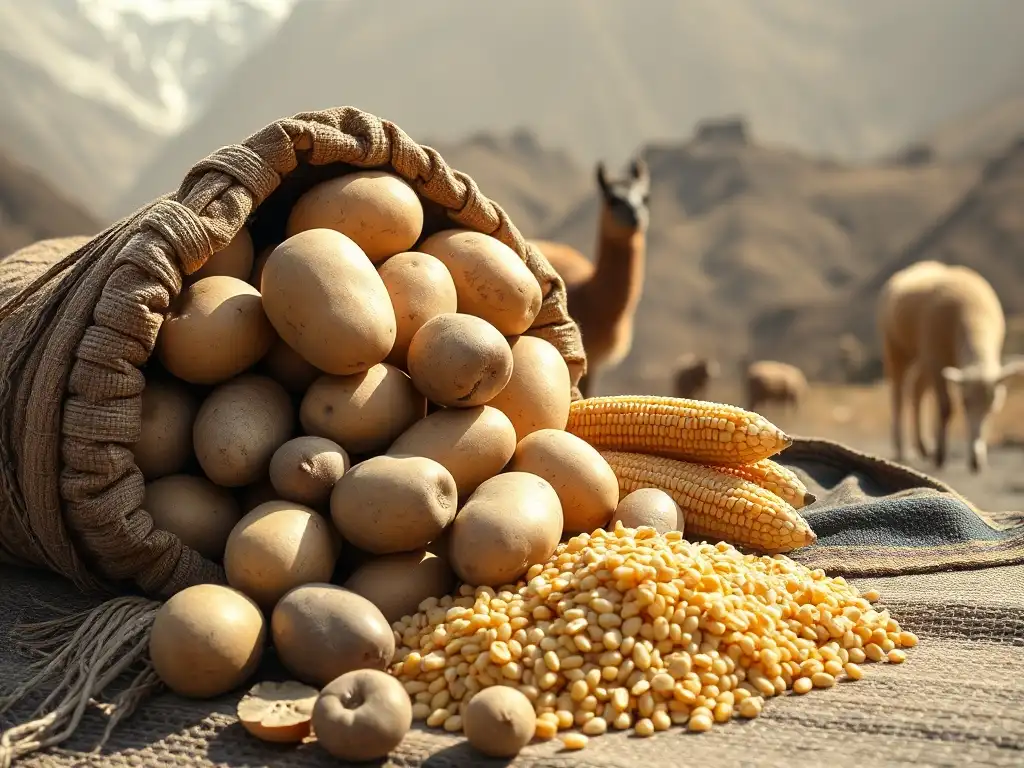
While the Andean civilization diet is predominantly known for its diverse array of plant-based foods, animal protein played a significant, albeit varying, role across different cultures and time periods. The availability and importance of animal protein depended heavily on geographical location, altitude, and the specific advancements in agricultural and herding practices of each civilization. Understanding the contribution of animal protein provides a more complete picture of the nutritional powerhouse that sustained these ancient societies.
The reliance on animal protein wasn't uniform; some groups depended heavily on it, while others incorporated it more sparingly into their diet. This section will delve into the primary sources of animal protein in the Andean diet.
Domesticated Animals: Llamas, Alpacas, and Guinea Pigs
Llamas and alpacas were cornerstones of the Andean economy, providing not only wool and transportation but also a crucial source of meat. Their domestication, dating back thousands of years, allowed for a sustainable supply of protein, particularly in the high-altitude regions where crop yields could be limited. The meat itself was a valuable source of protein and essential nutrients. Archaeological evidence suggests that llama and alpaca meat consumption was widespread, varying in importance depending on the specific Andean culture. For instance, evidence from Inca sites shows a significant presence of llama bones, indicating their importance in the Inca diet.
Guinea pigs, or cuy, hold a unique place in the Andean diet. Beyond their role as a food source, cuy were also significant in Andean religious and social practices. Their meat, rich in protein and relatively easy to raise, provided a reliable source of animal protein, especially for families and communities lacking access to larger livestock. Even today, cuy remains a popular dish in many Andean communities, highlighting the enduring legacy of this small but significant animal in the region's culinary tradition.
The nutritional value of cuy, particularly its protein content, contributed significantly to the overall health and well-being of Andean populations. Further research is needed to fully quantify the precise contribution of cuy to the overall caloric and protein intake of ancient Andean populations. [Specific data on cuy consumption percentages pending].
Hunting and Fishing: Wild Game and Freshwater Fish
Beyond domesticated animals, hunting and fishing provided supplementary sources of animal protein. The types of animals hunted and fish caught varied greatly depending on the geographical location and the specific environment. In the highlands, hunting might have focused on vicuñas (though hunting them was often regulated), while in lower altitudes, a wider variety of game animals would have been available. The specific techniques and tools used for hunting and fishing varied across different Andean cultures, reflecting their unique adaptations to diverse environments.
Freshwater fish, from lakes and rivers, constituted another important source of protein, especially in areas closer to water bodies. The types of fish consumed varied across regions and depended on the available species. Archaeological evidence, including fish remains found in ancient settlements, confirms the importance of fishing in the Andean diet.
The contribution of hunting and fishing to the overall protein intake likely varied considerably depending on factors such as proximity to hunting grounds and fishing waters, seasonal variations, and the success of hunting and fishing expeditions. [Data on the relative contribution of hunting and fishing to the overall protein intake of different Andean groups pending]. More detailed analysis of archaeological findings is needed to fully understand the nuances of wild game and fish consumption in the Andean civilization diet.
Traditional Andean Cooking Techniques
The Andean civilization diet wasn't just about what they ate, but crucially how they prepared their food. Their cooking methods, honed over millennia, were remarkably sophisticated and efficient, maximizing nutritional value and extending shelf life in challenging high-altitude environments. These techniques, passed down through generations, showcase an intimate understanding of both their ingredients and the principles of food science. Understanding these techniques is key to appreciating the ingenuity and resilience of Andean cultures. The focus on preserving nutrients and preventing spoilage is a testament to their resourcefulness in a sometimes harsh climate.
Methods of Food Preparation: Baking, Boiling, and Fermenting
Andean cooking methods weren't limited to simple roasting over an open fire. While this was certainly common, they developed diverse techniques to enhance flavor and texture. Baking, for example, involved using earthen ovens— hornos—to create breads and other baked goods.
These ovens, often built into the ground, utilized the earth's heat to cook food slowly and evenly, resulting in a unique flavor profile. The types of breads varied across different Andean groups, reflecting regional differences in ingredients and preferences. For instance, the Incas used quinoa and other grains in their breads, while other groups might have incorporated tubers like potatoes or oca.
Boiling, another prevalent method, was often done in simple clay pots over open fires or hearths. This method was particularly useful for cooking grains, tubers, and meats, ensuring they were thoroughly cooked and safe for consumption. The boiling process also helped to soften tough meats and vegetables, making them easier to digest. The use of simple tools and readily available resources highlights the practicality and efficiency of Andean cooking practices.
Fermentation played a significant role in the Andean diet, adding depth of flavor and extending the shelf life of food. Chicha, a fermented maize beverage, was a staple drink across many Andean cultures. Its production involved a complex process of soaking, grinding, and fermenting maize, creating a drink rich in probiotics and nutrients. Beyond chicha, other foods were fermented as well, such as various types of vegetables and meats, which improved their digestibility and nutritional profile. The development of fermentation techniques showcases a deep understanding of microbiology and its application to food preservation.
Preservation Techniques: Freeze-drying and Salting
The challenging Andean environment necessitated ingenious methods of food preservation. Freeze-drying, though not explicitly documented in the same way as other techniques, was likely practiced, especially at higher altitudes. The combination of low temperatures and low humidity at high elevations would have naturally preserved certain foods, such as potatoes and other tubers. This natural freeze-drying process would have significantly extended the shelf life of these staple crops. Further research is needed to fully document the extent of freeze-drying practices in different Andean civilizations. [Specific information pending on quantitative data regarding freeze-drying practices]
Salting was another crucial preservation method. Salting meats and fish helped to inhibit the growth of spoilage microorganisms, extending their shelf life considerably. This method allowed Andean communities to store protein sources for longer periods, ensuring a consistent food supply throughout the year. The use of salt also contributed to the unique flavor profiles of many Andean dishes. The strategic use of salt demonstrates a practical understanding of food science principles, crucial for survival in the Andean highlands.
The table below summarizes the key preservation techniques employed:
| Preservation Method | Food Preserved | Mechanism of Preservation | Andean Group Examples |
|---|---|---|---|
| Freeze-drying | Potatoes, Tubers | Low temperature and humidity | Incas, Quechua |
| Salting | Meats, Fish | Inhibits microbial growth | Incas, Moche, Nazca |
| Fermentation | Maize (for chicha), vegetables | Microbial activity producing preservatives | Various Andean groups |
The development of these techniques demonstrates a sophisticated understanding of food science and resource management, integral to the success and resilience of Andean civilizations. The Andean civilization diet, therefore, wasn't simply a matter of sustenance, but a testament to the ingenuity and adaptability of these ancient cultures.
The Nutritional Benefits of the Andean Diet
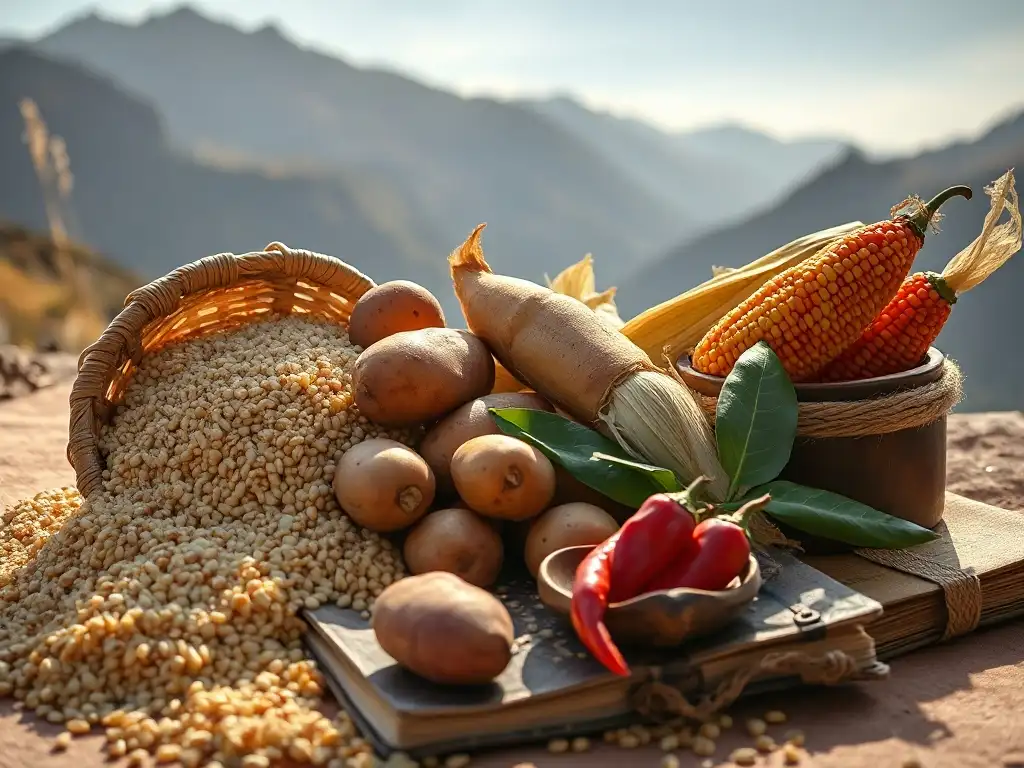
The Andean civilization diet, a cornerstone of the thriving societies that once flourished in the Andes Mountains, wasn't just about sustenance; it was a powerhouse of nutrition, meticulously tailored to the challenging environment and contributing significantly to the health and longevity of its people. Understanding the nutritional composition of this ancient diet offers a fascinating glimpse into the ingenuity and wisdom of these remarkable civilizations. The focus on diverse crops and sustainable farming practices resulted in a diet surprisingly rich in essential nutrients, far exceeding the nutritional profile of many modern diets.
This section will delve into the key nutritional benefits, highlighting the abundance of antioxidants, fiber, complex carbohydrates, protein, and healthy fats present in the Andean diet. This knowledge not only illuminates the past but also offers valuable insights for modern health and wellness, prompting a re-evaluation of our own dietary choices.
Rich in Antioxidants and Vitamins
The Andean diet was remarkably rich in antioxidants and vitamins, primarily due to the abundance of colorful fruits, vegetables, and tubers cultivated by these civilizations. Think vibrant purple potatoes, bursting with anthocyanins – potent antioxidants linked to reduced risk of chronic diseases. The inclusion of quinoa, a complete protein source also packed with antioxidants, further enhanced the diet's protective qualities.
Additionally, the consumption of various berries, such as murta and camu camu, provided significant amounts of Vitamin C, a crucial antioxidant and immune system booster. These antioxidants played a vital role in protecting against environmental stressors, such as high altitude and UV radiation, prevalent in the Andean region.
The concentration of these vital nutrients varied depending on the specific Andean civilization and their geographical location. For example, coastal communities likely had access to a wider variety of seafood, providing additional sources of Vitamin D and Omega-3 fatty acids. However, the consistent thread across these diverse cultures was a strong emphasis on plant-based foods brimming with antioxidants and essential vitamins.
This dietary emphasis on natural, unprocessed foods, rich in phytochemicals, likely contributed to the overall health and resilience of the Andean populations. Modern research continues to unearth the full extent of the health benefits associated with these ancient crops, revealing their potential to combat various modern health challenges.
High in Fiber and Complex Carbohydrates
A significant component of the Andean diet was its high fiber content, largely derived from the consumption of various tubers, grains, and legumes. Potatoes, in their diverse forms, were a dietary staple, providing a significant source of complex carbohydrates and dietary fiber. Quinoa, with its unique nutritional profile, offered both protein and fiber, contributing to satiety and digestive health.
The inclusion of beans and other legumes further boosted the fiber intake, promoting healthy gut microbiota and aiding in the prevention of digestive disorders. This high-fiber diet likely contributed to improved gut health, better blood sugar control, and reduced risk of chronic diseases such as heart disease and type 2 diabetes.
The Andean people's reliance on complex carbohydrates, as opposed to refined sugars, provided a sustained release of energy, crucial for their physically demanding lifestyles. This contrasts sharply with many modern diets, often heavy in refined carbohydrates, leading to energy crashes and other health problems. The slow digestion of complex carbohydrates provided a steady stream of glucose, fueling their daily activities without the sharp peaks and valleys associated with simple sugars. This aspect of the Andean diet offers a valuable lesson in sustainable energy management and the importance of choosing complex carbohydrates over their refined counterparts.
Balanced Protein and Healthy Fats
The Andean civilization diet demonstrated a sophisticated understanding of balanced nutrition, incorporating both plant-based and animal-based protein sources. Quinoa, as previously mentioned, provided a complete protein source, meaning it contained all nine essential amino acids. Beans, another dietary staple, also contributed significantly to the protein intake. Animal protein sources, such as llama and alpaca meat, were likely consumed more sporadically, depending on the availability and the specific traditions of each civilization. This balanced approach ensured adequate protein intake for growth, repair, and overall bodily function.
The inclusion of healthy fats, though less abundant compared to carbohydrates, was still a part of the Andean diet. These fats, primarily from sources like avocados and nuts, provided essential fatty acids crucial for brain function and overall health. The reliance on plant-based fats, rich in monounsaturated and polyunsaturated fatty acids, minimized the consumption of saturated fats, reducing the risk of heart disease.
The overall balance of protein and healthy fats in the Andean diet underlines the holistic approach to nutrition employed by these ancient civilizations, highlighting the interconnectedness of various nutrients for optimal health and well-being. Further research into the specific proportions of macronutrients in the Andean diet would provide even more valuable insights into their nutritional wisdom.
Impact on the Health and Longevity of Ancient Andean Peoples
The Andean diet, rich in diverse crops and animal products, played a significant role in the health and longevity of ancient Andean peoples. While precise life expectancy figures remain debated among researchers, archaeological evidence and anthropological studies strongly suggest a relatively healthy population compared to contemporaneous societies elsewhere. The high consumption of nutrient-dense foods likely contributed to this.
For example, the abundance of potatoes, quinoa, and other grains provided substantial carbohydrates for energy, alongside essential vitamins and minerals. These crops were complemented by a variety of beans, offering significant protein and fiber, further enhancing the nutritional profile of their diet.
The inclusion of diverse vegetables, fruits, and tubers—like oca, ulluco, and mashua—provided a wide range of micronutrients crucial for immune function and overall well-being. These foods, often cultivated at high altitudes, adapted to challenging conditions and developed unique nutritional properties. The presence of these varied crops in the Andean diet likely mitigated the risks associated with nutritional deficiencies, common in other regions with less diverse food sources.
Furthermore, the integration of animal proteins, though varying across different Andean cultures and periods, also contributed to a balanced nutritional intake. Llama and alpaca provided lean protein, essential fatty acids, and iron. Fish, where available, offered additional protein and omega-3 fatty acids, further enhancing cardiovascular health.
The overall dietary pattern, therefore, appears to have minimized the risk of chronic diseases and supported a healthy lifestyle, contributing to the well-being and longevity of the ancient Andean populations. Further research focusing on isotopic analysis of skeletal remains and analysis of ancient coprolites could provide more definitive evidence on the long-term health impacts of this remarkable diet.
However, the existing evidence strongly suggests a positive correlation between the Andean diet and the health of its people. It's important to note that factors beyond diet, such as access to clean water and healthcare practices, also influence overall health and longevity, and a holistic approach is needed to fully understand the health of these ancient populations.
The Modern Relevance of the Andean Diet
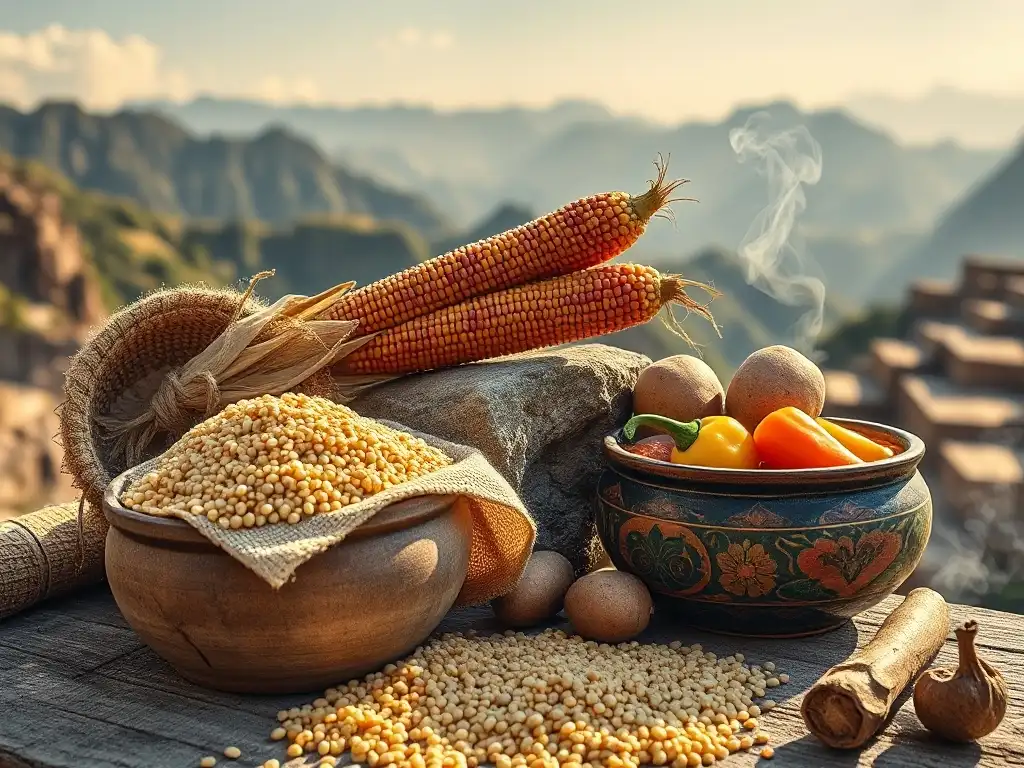
The Andean civilization diet, far from being a relic of the past, offers valuable lessons for contemporary nutritional strategies. Understanding the dietary habits of ancient Andean cultures provides insights into sustainable food systems and the potential for improved health outcomes in the modern world. Their reliance on diverse crops, many of which are now gaining popularity as "superfoods," highlights the ingenuity and nutritional wisdom of these ancient societies.
The emphasis on whole grains, tubers, legumes, and a variety of fruits and vegetables resulted in a balanced diet rich in essential nutrients, fiber, and antioxidants. This stands in stark contrast to many modern diets heavily reliant on processed foods, often leading to deficiencies and associated health problems. Examining the Andean approach to nutrition allows us to re-evaluate our own dietary choices and consider the long-term benefits of a more plant-based, diverse, and sustainable approach.
The resurgence of interest in quinoa, amaranth, and other Andean crops is a testament to the enduring appeal and nutritional power of this ancient food system. The Andean civilization diet provides a compelling model for achieving optimal health and well-being while promoting sustainable agricultural practices.
Rediscovering Ancient Nutritional Wisdom
The Andean people possessed a deep understanding of the nutritional properties of the plants they cultivated. Their knowledge, passed down through generations, ensured a balanced diet rich in vitamins, minerals, and other essential nutrients. They understood the importance of diversification, consuming a wide range of foods to meet their nutritional needs. This contrasts sharply with modern monoculture farming practices that often lead to nutrient deficiencies.
For example, the Inca empire, known for its advanced agricultural techniques, cultivated a vast array of crops, including potatoes (with thousands of varieties! ), maize, quinoa, beans, and various fruits. This diversity ensured resilience against crop failure and provided a varied and nutritious diet. The integration of these crops into a balanced diet minimized the risk of micronutrient deficiencies, a problem prevalent in many regions today.
Their understanding of food preservation techniques, such as drying and freeze-drying, also ensured access to nutritious food throughout the year. This sophisticated understanding of nutrition and food preservation is a testament to their advanced knowledge and practical application of agricultural science. Rediscovering and applying this ancient wisdom can significantly improve modern diets and contribute to better health outcomes globally.
Integrating Andean Foods into Modern Diets
Integrating Andean foods into contemporary diets is surprisingly straightforward and offers numerous health benefits. The increasing availability of quinoa, amaranth, and other Andean crops in supermarkets worldwide makes incorporating these nutritious foods easier than ever. These grains are excellent sources of protein and fiber, contributing to satiety and improved digestive health. Additionally, many Andean crops are rich in antioxidants, which help protect against cell damage and chronic diseases.
For example, incorporating quinoa into salads, soups, or as a side dish provides a significant boost of protein and essential amino acids. Similarly, amaranth can be used as a breakfast cereal or incorporated into baked goods. The diverse range of Andean potatoes also offers culinary versatility, with various varieties suitable for boiling, roasting, or frying. Beyond grains and tubers, incorporating Andean fruits like lucuma and camu camu, known for their high vitamin C content, adds further nutritional value to modern diets.
By consciously choosing and incorporating these ancient foods, individuals can significantly enhance their nutritional intake and contribute to a healthier lifestyle. Recipes featuring Andean ingredients are readily available online and in cookbooks, making the transition to a more diverse and nutritious diet accessible to everyone. The incorporation of these foods is not just about adding exotic ingredients; it's about adopting a healthier, more sustainable, and culturally enriching dietary pattern.
The Sustainable Practices of Andean Agriculture
The agricultural practices of Andean civilizations provide valuable insights into sustainable food production. Their techniques, developed over millennia, focused on maximizing yields while minimizing environmental impact. Terracing, for example, was a crucial technique used to cultivate steep slopes, preventing soil erosion and maximizing arable land. This method, still used in some regions today, demonstrates an understanding of environmental conservation that is remarkably relevant in the face of modern challenges like deforestation and soil degradation.
The Andean people also employed sophisticated irrigation systems, effectively managing water resources in often arid environments. These systems, often involving canals and reservoirs, ensured a reliable water supply for crops, even during periods of drought. Furthermore, the Andean civilization diet's emphasis on crop diversification minimized the risk of crop failure and reduced the need for chemical fertilizers and pesticides, demonstrating a naturally sustainable approach. The use of diverse crops and crop rotation techniques further enhanced soil health and resilience.
The integration of these ancient farming practices into modern agriculture could contribute significantly to sustainable food production and environmental conservation efforts. Understanding and applying these techniques can help mitigate the negative impacts of modern agricultural practices and promote a more environmentally friendly approach to food production. The Andean legacy of sustainable agriculture offers a valuable roadmap for building more resilient and environmentally responsible food systems.
Andean Diet vs. Modern Western Diets: A Comparison
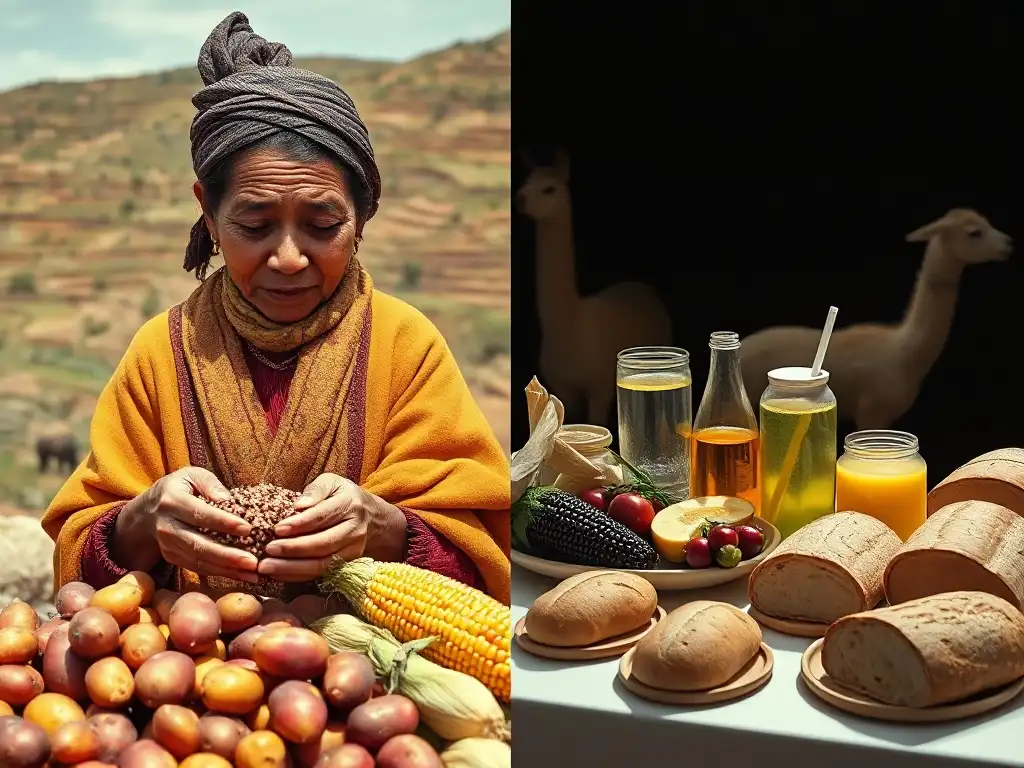
The Andean civilization diet, a cornerstone of their thriving societies, presents a stark contrast to the modern Western diet. Understanding these differences is crucial to appreciating the nutritional prowess of the ancient Andean civilizations and the potential benefits of incorporating some of their dietary principles into contemporary lifestyles. This section focuses on comparing the key aspects of these two distinct dietary approaches, highlighting the nutritional implications and potential health benefits.
Differences in Food Processing
One of the most significant distinctions lies in food processing techniques. The Andean diet emphasized minimally processed foods. Ingredients were largely consumed in their natural state, with techniques like sun-drying, fermentation, and simple cooking methods preserving food without altering its nutritional composition significantly. For example, quinoa was typically parched and ground into flour, or cooked whole, retaining its complete nutritional profile.
Potatoes, a staple crop, were consumed boiled, roasted, or sun-dried (chuño), minimizing processing and maximizing nutrient retention. This contrasts sharply with the modern Western diet, which relies heavily on heavily processed foods: refined grains, added sugars, artificial sweeteners, and industrially produced oils. These processes often strip away essential nutrients and introduce harmful additives, contributing to a less nutrient-dense diet.
The table below summarizes the key differences in food processing:
| Feature | Andean Diet | Modern Western Diet |
|---|---|---|
| Processing | Minimal, natural methods (sun-drying, fermentation) | Extensive processing, refinement, additives |
| Grain Consumption | Whole grains, minimally processed | Refined grains, white flour, processed cereals |
| Fats | Primarily healthy fats from nuts, seeds, and avocados | High levels of saturated and trans fats |
| Sugar Consumption | Naturally occurring sugars in fruits | High levels of refined and added sugars |
Contrasting Nutritional Profiles
The stark differences in food processing translate into vastly different nutritional profiles. The Andean diet was rich in complex carbohydrates from whole grains like quinoa and amaranth, providing sustained energy and fiber. It also boasted an abundance of micronutrients, including vitamins A, C, and E, and minerals like iron, calcium, and zinc, thanks to the diverse array of fruits, vegetables, and tubers cultivated. Protein sources were varied, including beans, quinoa, and llama/alpaca meat, offering a complete amino acid profile. Healthy fats came from nuts, seeds, and avocados.
In contrast, the modern Western diet often lacks sufficient fiber and micronutrients, leading to deficiencies and increased risks of chronic diseases. The overconsumption of refined carbohydrates, saturated and trans fats, and added sugars contributes to weight gain, insulin resistance, and inflammation. This difference is not merely quantitative; it's qualitative. The Andean diet provided a balance of nutrients in their natural forms, while the modern Western diet often presents an imbalance, leading to nutritional deficiencies and an increased risk of chronic diseases. Further research is needed to [specific information pending] on the precise quantitative differences in specific micronutrient levels.
Health Implications
The contrasting nutritional profiles of the Andean and modern Western diets have significant implications for health. The Andean diet, with its emphasis on whole, unprocessed foods and a diverse range of nutrients, is associated with lower rates of chronic diseases like obesity, diabetes, heart disease, and certain cancers. This is supported by anthropological studies showing a relatively low prevalence of these diseases in Andean populations traditionally adhering to their ancestral diet. This is not to say that diseases were absent; however, the overall health outcomes appear to have been significantly better.
Conversely, the modern Western diet is a major contributing factor to the global epidemic of chronic diseases. The high intake of processed foods, added sugars, and unhealthy fats contributes to inflammation, oxidative stress, and metabolic dysfunction, increasing the risk of various health problems. While the modern Western diet offers convenience and variety, it often comes at the cost of nutritional value and long-term health.
The Andean diet serves as a powerful example of how a diet rich in whole, unprocessed foods can contribute to better health outcomes. More research is needed to [specific information pending] on the long-term comparative health outcomes of these diets. The potential benefits of incorporating elements of the Andean diet into modern lifestyles warrant further investigation.
Preserving the Legacy of the Andean Diet
The Andean civilization diet, a cornerstone of ancient Andean societies, continues to offer valuable insights into sustainable food systems and nutritional well-being. Understanding and preserving this legacy is crucial not only for historical accuracy but also for addressing contemporary challenges related to food security and public health. The remarkable adaptability of Andean crops to high-altitude environments, coupled with sophisticated agricultural techniques, resulted in a diverse and resilient food system capable of sustaining large populations. This system, however, faces modern pressures that threaten its continued success.
Climate change, shifting agricultural practices, and the globalization of food systems pose significant risks to the biodiversity and nutritional richness of the Andean diet. Therefore, concerted efforts are needed to safeguard this invaluable heritage for future generations. The continued cultivation and consumption of traditional Andean crops, such as quinoa, potatoes, and amaranth, are essential for maintaining both biodiversity and nutritional diversity.
Supporting Andean Farmers and Producers
Sustaining the Andean diet requires empowering the farmers and producers who are the custodians of this knowledge. This necessitates fair trade practices, access to credit and resources, and the development of sustainable agricultural techniques that mitigate the impacts of climate change. Providing farmers with access to improved seeds, irrigation systems, and training programs can significantly enhance crop yields and improve their livelihoods.
Furthermore, establishing robust market linkages between producers and consumers, both domestically and internationally, is crucial for ensuring the economic viability of traditional Andean agriculture. Supporting local markets and promoting the consumption of Andean products can create a virtuous cycle, encouraging the continued cultivation of these essential crops.
Initiatives that focus on value-added products, such as processed quinoa or unique potato varieties, can also increase the profitability of Andean agriculture and contribute to the preservation of the Andean diet. Data from [specific data on farmer income and crop yields pending] would further substantiate the economic impact of these support programs.
Promoting Awareness of Andean Food Culture
Raising awareness about the nutritional benefits and cultural significance of the Andean diet is vital for its continued relevance. Educational programs aimed at both children and adults can promote the consumption of traditional Andean crops and highlight their nutritional value. This includes emphasizing the high protein content of quinoa, the diverse micronutrients found in potatoes, and the versatility of amaranth.
Integrating Andean food culture into school curricula and public health campaigns can foster a deeper understanding and appreciation of this unique dietary tradition. Cookbooks, documentaries, and online resources can further disseminate information about preparing and enjoying Andean dishes. The use of social media and other digital platforms can also play a significant role in promoting the Andean diet, especially among younger generations.
For example, showcasing visually appealing recipes and highlighting the cultural context of Andean food can increase its appeal and attract wider consumption. Furthermore, celebrating Andean food festivals and culinary events can help to preserve and promote this rich cultural heritage.
Future Research: Investigating the Microbiome
The impact of the Andean diet on the human gut microbiome remains an area ripe for further investigation. Studies have shown that diets rich in plant diversity, such as the traditional Andean diet, can contribute to a healthier gut microbiome, potentially reducing the risk of chronic diseases. Future research should focus on identifying specific beneficial microorganisms associated with the consumption of Andean crops and exploring the mechanisms by which these microorganisms contribute to human health.
This could involve analyzing the gut microbiome of individuals who consume a traditional Andean diet compared to those who consume a more Westernized diet. The results of such studies could have significant implications for public health, informing dietary recommendations and the development of targeted interventions to improve gut health.
Furthermore, investigating the traditional methods of food processing and preservation used in Andean cultures could reveal additional insights into the impact of the Andean diet on human health. Understanding the complex interactions between the diet, the microbiome, and overall health is essential for fully appreciating the nutritional powerhouse that is the Andean civilization diet.
Frequently Asked Questions
What did the Andean civilizations eat?
The Andean diet was incredibly diverse, varying by region and altitude. It primarily consisted of potatoes, quinoa, corn, beans, and various fruits and vegetables, supplemented by llama and alpaca meat where available. This provided a balanced and nutritious food source.
How did altitude affect the Andean diet?
Altitude significantly impacted food choices. Higher elevations meant a reliance on cold-hardy crops like potatoes and quinoa, while lower areas supported a wider variety of plants and animals. Adaptation to altitude was crucial for survival.
Were the Andean civilizations self-sufficient in food?
Generally, yes. They developed sophisticated agricultural techniques like terracing and irrigation to maximize food production. This allowed for a level of self-sufficiency unusual for societies of the time, though trade networks did exist.
What role did animals play in the Andean diet?
Animals played a vital, though not always dominant, role. Llamas and alpacas provided meat, wool, and transport. Guanacos and vicuñas were hunted for meat, while smaller animals and fish also contributed to the diet.
How healthy was the typical Andean diet compared to modern diets?
The traditional Andean diet is considered remarkably healthy and nutritious. It was rich in complex carbohydrates, protein, and essential vitamins and minerals, lacking the processed foods and high sugar content prevalent in many modern diets.
Final Reflection: Rediscovering the Nutritional Wisdom of the Andes
The Andean diet, far from being a relic of the past, offers a potent model for sustainable and healthy eating in the 21st century. Its emphasis on diverse, locally sourced, and nutrient-rich foods stands in stark contrast to the often processed and homogenized diets prevalent in modern society, highlighting the enduring power of traditional food systems.
The impact of the Andean diet extends beyond mere nutrition; it speaks to a deep connection between people and their environment, a relationship that modern industrial agriculture often overlooks. The ingenuity and resilience of Andean civilizations in cultivating and preserving such a diverse range of crops is a testament to their understanding of ecological balance. The land nourishes us, and we must nourish the land in return.
This simple truth, deeply embedded in Andean culture, offers a powerful counterpoint to the unsustainable practices that threaten our planet's resources today.
Consider the lessons of the Andean diet. Think about the vibrant colors and diverse textures of their foods, and how they might inspire you to explore new ingredients and cooking methods. Embrace the principles of sustainability and mindful eating; choose foods that nourish your body and respect the planet. Let the wisdom of ancient Andean civilizations guide you towards a healthier and more harmonious relationship with the food you consume and the world around you.
**Unleash the Power of the Andean Diet Today! **
Thank you for exploring the amazing nutritional heritage of the Andean diet with us! Discovering its vibrant ingredients and traditional practices is a fantastic first step towards a healthier and happier you. Now, let's put that knowledge to good use!
Here are some exciting ways to incorporate the Andean diet into your life:
- **Boost your nutrition** by adding quinoa, amaranth, and kiwicha to your meals. These Andean staples are packed with nutrients!
- **Join our thriving community** and share your Andean-inspired creations on social media using #AndeanEats. Connect with fellow enthusiasts and share your culinary journey!
- **Support local farmers and sustainable agriculture** by exploring your local farmers' markets for authentic Andean ingredients.
What delicious Andean-inspired dish will you create today? Share your thoughts and recipes in the comments below!