
Hidden Worlds: Discovering the Mysterious Origins of Andean Civilization

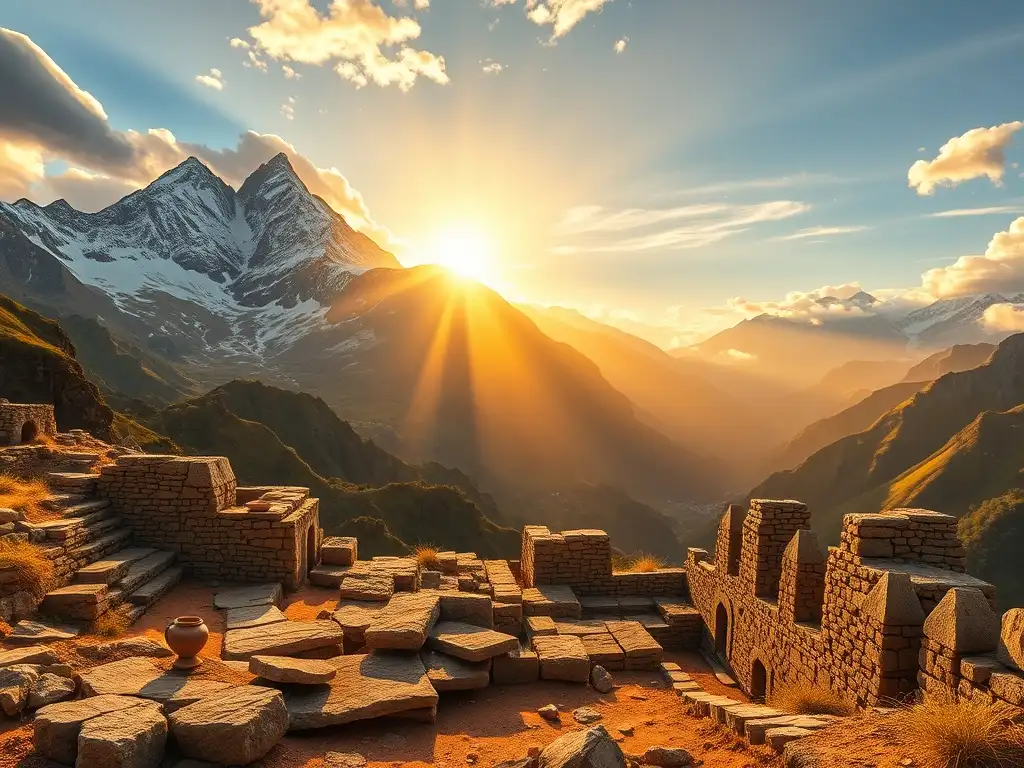
Unravel the enigma of the Andes! For centuries, the towering peaks have guarded secrets of remarkable civilizations. Journey with us as we delve into the captivating world of Ancient Andean civilization origins, exploring the mysteries surrounding their rise, their ingenuity, and their enduring legacy. Prepare to be astonished by the intricate tapestry of cultures that shaped this breathtaking region – a story waiting to be uncovered.
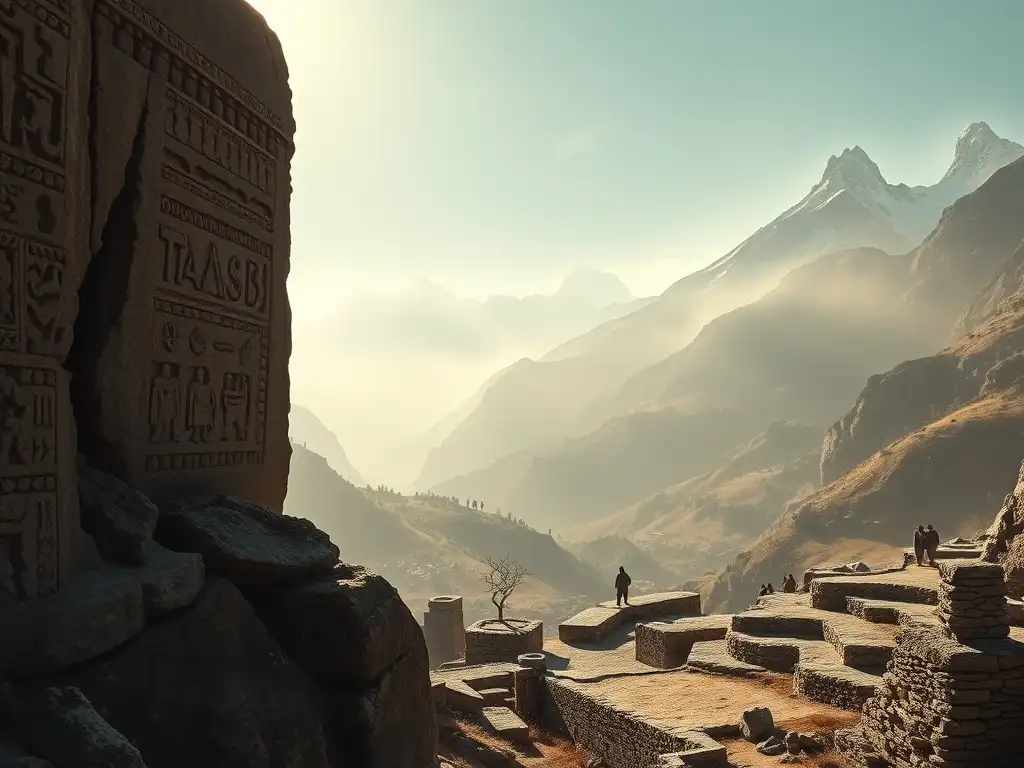
The Andes Mountains, a spine of rock and ice snaking down the western edge of South America, have borne witness to millennia of human history. This majestic landscape, a crucible of diverse climates and ecosystems, nurtured a series of remarkable civilizations whose ingenuity and cultural achievements continue to captivate and inspire.
This article delves into the fascinating, and often mysterious, origins of Ancient Andean civilization, exploring the complex interplay of environmental factors, societal structures, and technological advancements that shaped these remarkable societies. We will journey through time, examining the archaeological evidence and anthropological interpretations that shed light on the emergence of cultures like the Incas, Moche, Nazca, and Tiahuanaco, uncovering the roots of their sophisticated societies and the enduring legacy they left behind.
Understanding these origins is key to appreciating the full scope of Ancient Andean civilization's impact on the world. Prepare to unravel the secrets embedded within the very fabric of this ancient land.
The Enigma of Early Andean Settlements
The earliest evidence of human presence in the Andes dates back tens of thousands of years, with findings suggesting a gradual adaptation to the challenging Andean environment. These initial inhabitants, hunter-gatherers navigating the diverse terrains, laid the groundwork for future societal development. Archaeological digs have unearthed remnants of early settlements, revealing rudimentary tools, evidence of early agriculture (like the domestication of certain plants), and the beginnings of social organization.
However, much remains shrouded in mystery, with many questions surrounding the exact migratory patterns of these early peoples and the precise nature of their cultural interactions. Further research and the careful analysis of existing artifacts are crucial to piecing together a more complete picture of this formative period. The development of agriculture, in particular, proved to be a pivotal turning point, allowing for sedentism and the emergence of more complex social structures.
Environmental Influences and Adaptation
The Andes' diverse geography – from coastal deserts to high-altitude plains – presented both challenges and opportunities for early settlers. The availability of water resources, fertile valleys, and access to specific plant and animal life significantly influenced settlement patterns and the development of unique agricultural techniques. Early Andean communities demonstrated remarkable adaptability, developing sophisticated irrigation systems, terracing techniques to cultivate steep slopes, and specialized agricultural practices tailored to the specific ecological niches they occupied.
This intimate connection with the environment shaped not only their subsistence strategies but also their worldview and spiritual beliefs, as evidenced in their art and religious practices. Understanding the intricate relationship between humans and their environment is key to understanding the rise of Andean civilizations. For example, the development of sophisticated irrigation systems in the arid coastal regions is a testament to their ingenuity and resourcefulness.
The Rise of Complex Societies: From Villages to Empires
Over time, the scattered villages of early Andean settlers gradually coalesced into larger, more complex societies. This transition involved the development of specialized labor, hierarchical social structures, and sophisticated political systems. The emergence of monumental architecture, such as the impressive structures at Caral, provides compelling evidence of centralized power and the capacity for large-scale organized labor. The development of sophisticated technologies, including metallurgy and pottery, further fueled societal growth and facilitated trade and exchange networks.
The transition from small, egalitarian communities to large, stratified societies was a gradual process, marked by significant social and technological advancements. We are still uncovering the details of this critical transformation, with new archaeological discoveries constantly refining our understanding. The intricacies of social organization and power dynamics within these early societies remain a subject of ongoing scholarly debate.
The Legacy of Early Andean Civilizations
The early Andean civilizations, while diverse, left behind a legacy that profoundly influenced the later, more well-known empires like the Inca. Their innovations in agriculture, architecture, and social organization laid the foundation for the remarkable achievements of subsequent Andean cultures. Their sophisticated understanding of their environment, their adaptability, and their capacity for collective action are testaments to their resilience and ingenuity.
The enduring impact of these early cultures is evident in the cultural practices, architectural styles, and even the genetic makeup of modern Andean populations. Their story is not simply one of the past, but a living legacy that continues to shape the region today. Understanding their origins is therefore not just an academic exercise, but a journey into the heart of Andean identity and cultural continuity.
- The Enigma of Early Andean Settlements
- Environmental Influences and Adaptation
- The Rise of Complex Societies: From Villages to Empires
- The Legacy of Early Andean Civilizations
- What are the earliest known Andean civilizations?
- How did geography influence the development of Andean civilizations?
- What were some key technological advancements of the Andean civilizations?
- What is the significance of the Nazca Lines in understanding Andean culture?
- How did the Inca Empire impact the development of Andean civilizations?
Unveiling the Enigma: The Earliest Andean Settlements
This section delves into the fascinating, and often debated, origins of Andean civilization, focusing on the earliest settlements and their development. Understanding these initial communities is crucial to appreciating the later, more complex societies that flourished in the Andes. The puzzle of Ancient Andean civilization origins is multifaceted, involving intricate interactions between geography, resource availability, and societal innovation. We'll explore the evidence that sheds light on this captivating period.
Tracing the Roots: Pre-Ceramic Andean Societies
The pre-ceramic period, preceding the development of pottery, provides invaluable insights into the earliest Andean societies. These groups, dating back to approximately 8000 BCE, laid the foundation for future advancements. Archaeological discoveries, primarily focusing on coastal sites, reveal evidence of early human adaptation to the challenging Andean environment.
Sites like Guitarrero Cave in the northern Andes showcase evidence of early plant domestication, including squash and chili peppers. This suggests a shift from a purely hunter-gatherer lifestyle to one incorporating agriculture, a pivotal moment in the development of settled communities. The discovery of sophisticated stone tools, such as grinding stones and projectile points, indicates a growing understanding of resource management and technological innovation.
These early inhabitants of the Andes were not simply surviving; they were actively shaping their environment and building the groundwork for future societal growth. Further research is needed to fully understand the social structures and belief systems of these early groups, but the available evidence points to a complex and adaptive society.
Coastal Adaptations: Early Fishing and Gathering Communities
The coastal regions of Peru played a critical role in the development of early Andean societies. The abundance of marine resources provided a reliable food source, allowing for the development of settled communities focused on fishing and gathering. Archaeological evidence suggests a complex understanding of maritime technology, with evidence of sophisticated fishing techniques and specialized tools used for harvesting shellfish and other marine life.
The coastal environment fostered a unique cultural development, distinct from the inland communities that emerged later. The Caral civilization, located on the central coast of Peru, is a prime example of a large, complex pre-ceramic coastal settlement. Caral, dating back to approximately 3000 BCE, features monumental architecture, including large pyramids and plazas, indicating a highly organized society with sophisticated social structures.
The absence of pottery at Caral, coupled with its impressive scale, highlights the remarkable achievements of these early coastal communities. The successful adaptation to the coastal environment laid the groundwork for future coastal development and trade networks. Further investigation into coastal sites is needed to fully comprehend the diversity and interconnectedness of these early groups.
Inland Expansion: The Rise of Agricultural Practices
As Andean societies developed, there was a gradual expansion inland, driven largely by the development of more sophisticated agricultural practices. The challenging Andean terrain required innovative techniques for cultivating crops at varying altitudes. The domestication of potatoes, maize, and other Andean staples played a crucial role in supporting larger, more sedentary populations.
The development of irrigation systems, terracing, and other agricultural technologies allowed for increased food production and supported the growth of complex societies. The rise of agriculture not only provided a reliable food source but also facilitated population growth, leading to the development of larger settlements and the emergence of social hierarchies. The shift from a nomadic or semi-nomadic lifestyle to settled agricultural communities had profound implications for the development of Andean civilization.
Different regions developed unique agricultural strategies, reflecting the varied ecological conditions. This process of agricultural innovation and adaptation was essential for the growth and prosperity of later Andean civilizations. Further research into these agricultural innovations is critical for understanding the long-term sustainability and resilience of Andean societies.
Key Sites and Discoveries: Exploring the Cradle of Andean Culture
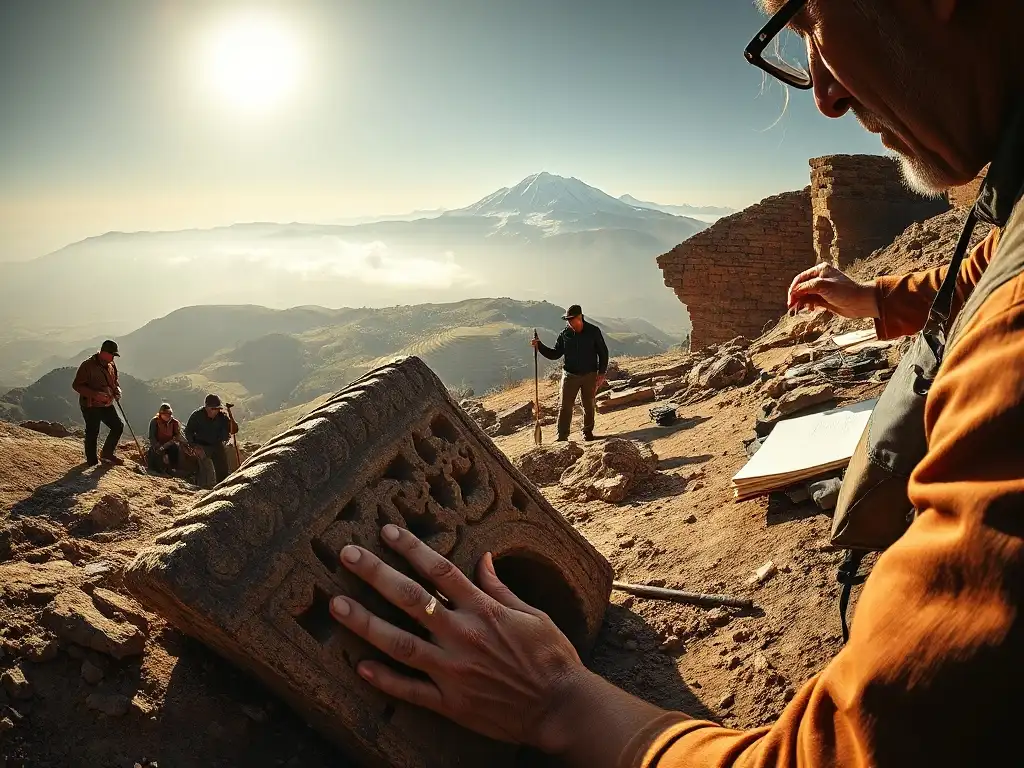
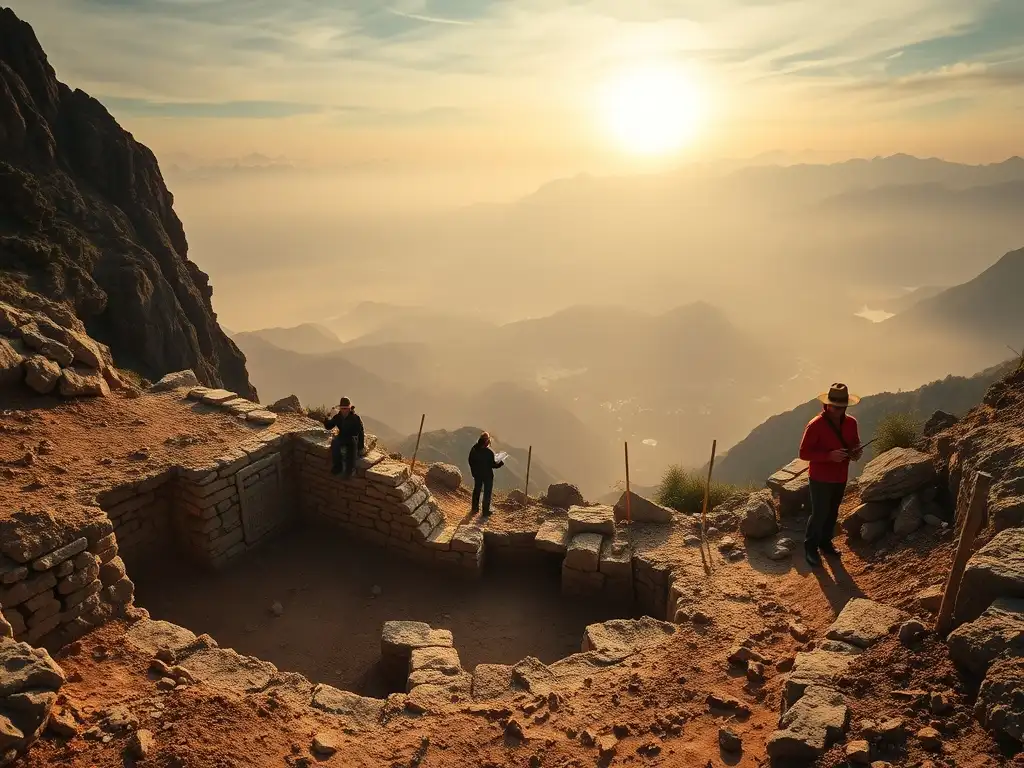
This section delves into the key archaeological sites that have provided invaluable insights into the origins of Andean civilization. These locations offer glimpses into the complex social structures, technological advancements, and spiritual beliefs that shaped the early Andean societies, challenging previous assumptions about the timeline and development of these fascinating cultures. Understanding these sites is crucial to piecing together a more complete picture of the "Ancient Andean civilization origins".
Caral: A Monumental City of the Late Archaic Period
Caral, located in the Supe Valley of Peru, stands as a remarkable testament to the sophistication of the Norte Chico civilization, predating the Inca by millennia. Excavations have unearthed a sprawling city complex featuring monumental structures, including large pyramids, plazas, and residential areas. The absence of weaponry or evidence of warfare suggests a society focused on internal organization and resource management.
The impressive scale of Caral's architecture points to a highly organized society capable of mobilizing significant labor resources. This suggests a complex social hierarchy and a system of centralized authority, characteristics previously believed to have emerged much later in Andean history. Furthermore, the discovery of sophisticated irrigation systems at Caral demonstrates an advanced understanding of water management, crucial for agricultural productivity in the arid coastal region.
The city's layout, with its carefully planned plazas and residential areas, also hints at a structured urban planning system. Analysis of unearthed artifacts, including musical instruments and ceremonial objects, reveals a rich cultural life centered around ritual and possibly religious practices. The advanced understanding of mathematics, reflected in the precise construction of structures, further solidifies Caral's position as a sophisticated and complex society, challenging the traditional narrative of "Ancient Andean civilization origins".
Kotosh: The Temple of Crossed Hands and its Significance
Kotosh, situated in the central highlands of Peru, is renowned for its "Temple of Crossed Hands," a structure dating back to the Early Horizon period. This temple, with its iconic relief sculpture depicting crossed hands, is a key site for understanding the development of religious beliefs and ceremonial practices in the Andean region. The "crossed hands" motif is interpreted by some scholars as a symbol of supplication or offering, highlighting the importance of ritual and religious practices in early Andean societies.
The architecture of Kotosh, characterized by its layered construction and use of adobe bricks, reveals a gradual evolution of building techniques over time. The discovery of multiple phases of construction at the site suggests continuous occupation and expansion of the settlement. Furthermore, the presence of intricately carved stone objects and ceramic artifacts indicates a developing artistic tradition and a growing complexity in social organization.
The significance of Kotosh lies not only in its artistic and architectural achievements but also in its role as an early center of religious activity, influencing the development of religious beliefs and practices across the central Andes. Kotosh's importance in understanding the development of Andean religious traditions sheds further light on the complex tapestry of "Ancient Andean civilization origins".
Huaca Prieta: Evidence of Early Textile and Ritual Practices
Huaca Prieta, located on the north coast of Peru, is known for providing some of the earliest evidence of cotton cultivation and textile production in the Americas. Excavations at the site have uncovered numerous fragments of cotton textiles dating back to approximately 4,500 years ago. The discovery of these textiles pushes back the timeline for the development of textile technology in the Andes and underscores the importance of cotton as a resource in early Andean societies.
Beyond textiles, Huaca Prieta offers insights into early ritual practices. Archaeological evidence suggests the presence of ritual structures and the use of pigments in ceremonial contexts. The discovery of painted gourds and other ceremonial objects points to a developing symbolic system and the emergence of ritual practices that would become central to Andean cultures.
Analysis of plant remains from the site reveals a sophisticated understanding of agriculture and the cultivation of various crops, demonstrating the importance of agriculture in shaping early Andean societies. The findings at Huaca Prieta highlight the interconnectedness of technological innovation, ritual practices, and agricultural development in shaping the "Ancient Andean civilization origins". The development of textiles and sophisticated agricultural practices laid the groundwork for the later flourishing of Andean civilizations.
The Development of Complex Societies: From Villages to Chiefdoms
The origins of complex societies in the Andes remain a subject of intense scholarly debate, but the archaeological record reveals a fascinating trajectory from small, egalitarian villages to powerful chiefdoms. This transition, spanning millennia, involved a complex interplay of environmental factors, technological innovations, and evolving social structures. Understanding this process is crucial to unlocking the mysteries of Ancient Andean civilization origins.
The shift from a primarily hunter-gatherer lifestyle to intensive agriculture played a pivotal role, creating surpluses that supported larger, denser populations and fostered social stratification. The development of irrigation systems, as we will discuss later, dramatically increased agricultural yields, enabling the emergence of specialized labor and the concentration of power in the hands of a select few.
The rise of social hierarchy in the early Andean societies wasn't a sudden event. Evidence suggests a gradual process, with early elites likely gaining influence through control over vital resources, such as water or fertile land. Archaeological excavations have unearthed evidence of differential burial practices, indicating the existence of individuals with higher social status.
Grave goods, including elaborate textiles, fine pottery, and precious metals, are often associated with these elite burials, further reinforcing their privileged position. For example, the discovery of richly adorned tombs at sites like [Specific site name pending] reveals a clear distinction between the elite and the common population. The sheer scale of some of these burial complexes suggests the mobilization of substantial labor forces, indicating the growing power and influence of the early elites.
Further research into the isotopic composition of human remains from these sites could reveal dietary differences between social strata, providing additional insights into the nature of early social inequality. The development of sophisticated accounting systems, possibly using quipu (knotted strings), may have played a role in managing resources and reinforcing the authority of the elites.
Technological Advances: Early Irrigation and Agricultural Techniques
Technological innovation was a key driver in the development of complex societies in the Andes. The challenging Andean environment demanded ingenuity, and the early inhabitants developed sophisticated agricultural techniques to maximize food production. The construction of intricate irrigation systems, often involving canals, terraces, and reservoirs, allowed for the cultivation of crops in otherwise arid or steep terrain.
These systems required significant coordinated labor, suggesting the emergence of social organization and leadership. Evidence of early irrigation can be found at sites like [Specific site name pending], where sophisticated canal systems demonstrate a remarkable understanding of hydraulic engineering. Furthermore, the development of raised field agriculture in the Amazonian lowlands, involving the creation of artificial islands for cultivation, showcases another impressive feat of engineering.
The increased agricultural productivity resulting from these innovations undoubtedly contributed to population growth and the emergence of larger settlements, paving the way for the development of increasingly complex social structures. The mastery of these techniques significantly impacted the Ancient Andean civilization origins, allowing for sustained population growth and societal complexity.
Religious Beliefs and Ritual Practices: Shaping Early Andean Worldviews
The religious beliefs and ritual practices of early Andean societies played a crucial role in shaping their social and political structures. While the specifics of these beliefs remain largely unknown, archaeological evidence points to the importance of ancestor veneration, shamanistic practices, and rituals related to fertility and the agricultural cycle. The construction of monumental architecture, such as platforms and temples, suggests the existence of centralized religious authority.
Furthermore, the discovery of elaborate ceremonial objects and the presence of ritual deposits within settlements highlight the significance of religious activities in daily life. The iconography found on early pottery and textiles offers clues to the nature of these beliefs, often depicting deities, animals, and supernatural beings. The widespread use of specific materials, such as obsidian and spondylus shells, in ceremonial contexts suggests the existence of established trade networks and the importance of symbolic resources in religious practice.
Understanding the religious worldview of these early societies is essential for interpreting their social organization, political structures, and the development of their unique cultural identity, impacting the understanding of Ancient Andean civilization origins. Further research into the iconography and symbolism of these early societies could reveal more about their complex beliefs and their influence on the development of Andean civilization.
Cultural Continuity and Change: Laying the Foundation for Later Civilizations
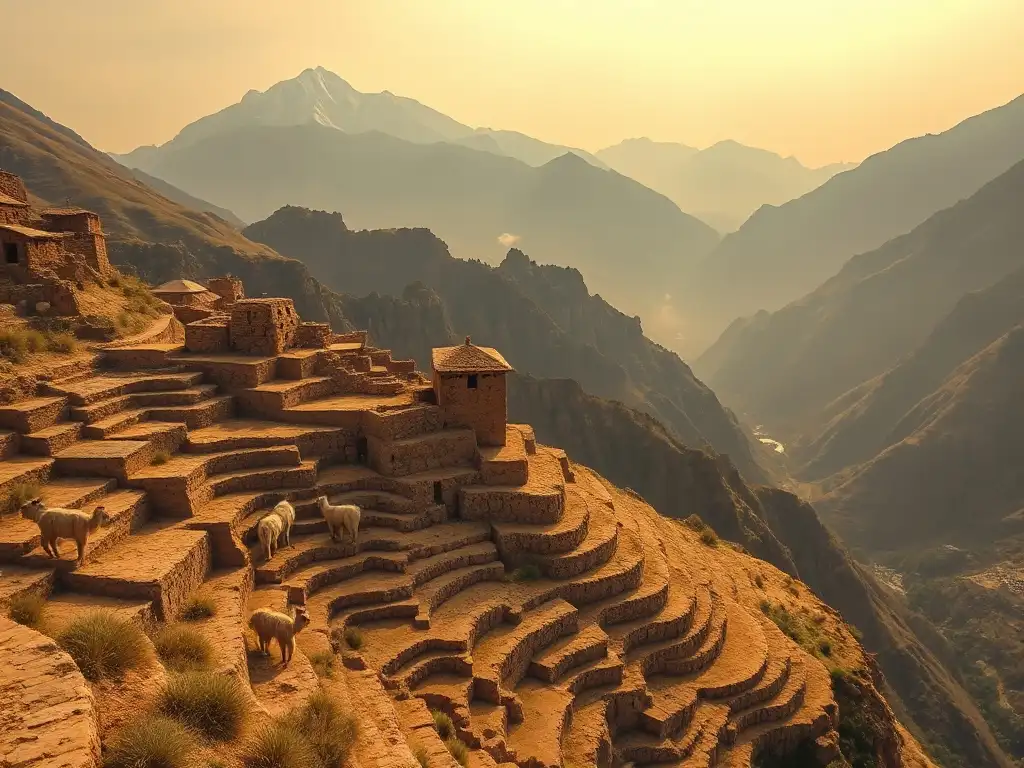
The origins of Ancient Andean civilization are not a sudden eruption but a gradual unfolding, a complex tapestry woven from the threads of numerous early cultures. Understanding this process of cultural continuity and change is crucial to grasping the unique trajectory of Andean development. While pinpointing precise dates and influences remains a challenge for archaeologists, the evidence suggests a remarkable interplay between innovation and adaptation.
Early hunter-gatherer societies, adapting to the diverse Andean landscape, laid the groundwork for later, more complex social structures. The shift from nomadic lifestyles to settled agriculture, for example, profoundly impacted population density and social organization, paving the way for the emergence of chiefdoms and, eventually, states. This transition wasn't uniform across the Andes; different regions experienced varying paces of development, leading to a rich diversity of cultural expressions.
However, certain common threads—such as reverence for ancestors, sophisticated agricultural techniques, and a deep understanding of the Andean environment—connected these disparate groups and contributed to the remarkable achievements of later Andean civilizations. The development of irrigation systems, for instance, a feat of engineering and social cooperation, demonstrates the ability of these early societies to harness their environment for their benefit, a skill that would be further refined and expanded upon by subsequent cultures. Analyzing the remnants of early settlements, from simple dwellings to more elaborate structures, provides invaluable insights into the evolving social structures and beliefs of these formative societies, contributing greatly to our understanding of Ancient Andean civilization origins.
The Influence of Early Cultures on Later Andean Societies
The impact of early Andean cultures on later societies is profound and multifaceted. For instance, the sophisticated agricultural techniques developed by pre-ceramic societies, such as the use of raised fields and terracing, were adopted and refined by later civilizations like the Inca, demonstrating a remarkable continuity in agricultural practices. These early innovations not only ensured food security but also shaped the landscape, creating a complex interplay between human activity and the environment.
Furthermore, the religious beliefs and ritual practices of these early cultures, often centered around ancestor veneration and fertility rites, evolved and adapted, influencing the religious systems of subsequent civilizations. Archaeological evidence, such as the discovery of elaborate burial sites containing intricate grave goods, points towards the importance of ancestor worship in shaping social hierarchies and political power.
The continuity of these practices underscores the deep-rooted cultural connections between early and later Andean societies, highlighting the enduring influence of these formative cultures on the development of Ancient Andean civilization origins. The Chavín culture, for example, exerted a significant cultural influence across a vast region, suggesting the existence of extensive trade networks and the spread of religious ideas.
Artistic Expressions: Early Forms of Pottery and Textile Art
The artistic expressions of early Andean cultures offer a captivating window into their beliefs, social structures, and daily lives. Early pottery, often characterized by simple forms and geometric designs, evolved over time, becoming increasingly sophisticated and elaborate. The development of distinctive pottery styles, often associated with specific regions or time periods, provides valuable insights into the cultural diversity of the Andes.
Similarly, the production of textiles, using materials like cotton and camelid fibers, demonstrates a remarkable level of technical skill and artistic creativity. The intricate weaving techniques and complex designs found in early Andean textiles reflect a deep understanding of both natural materials and artistic expression. These early forms of pottery and textile art laid the groundwork for the remarkable achievements of later Andean civilizations, demonstrating a continuous development of artistic traditions and techniques.
The vibrant colors and intricate patterns found in later textiles, for example, show a clear evolution from the simpler designs found in earlier examples. Analyzing these artistic expressions helps us understand the evolution of aesthetic sensibilities and the role of art in shaping Andean cultural identity within the context of Ancient Andean civilization origins.
The Role of Trade and Exchange in the Development of Andean Culture
Trade and exchange played a pivotal role in the development of Andean culture, fostering connections between different regions and facilitating the spread of ideas, technologies, and artistic styles. While the exact nature of early Andean trade networks remains a subject of ongoing research, evidence suggests the existence of extensive exchange systems, connecting distant communities and contributing to cultural exchange. The presence of exotic materials, such as obsidian and spondylus shells, in archaeological sites far from their sources points to the existence of well-established trade routes.
These trade networks not only facilitated the exchange of goods but also fostered cultural interaction and the diffusion of innovative techniques. The spread of agricultural practices, for example, demonstrates the importance of trade in disseminating knowledge and improving agricultural productivity. Furthermore, the exchange of artistic styles and religious beliefs suggests a complex interplay of cultural influences, shaping the development of Andean societies.
The role of trade in fostering cultural exchange and shaping the development of Ancient Andean civilization origins cannot be overstated, showcasing a dynamic process of interaction and adaptation that defined the Andean world. Understanding the complex networks that linked different Andean communities sheds light on the interconnectedness of the region and the factors that contributed to the remarkable cultural diversity of the Andes.
Challenges in Understanding the Ancient Andean Civilization Origins

Unraveling the mysteries surrounding the origins of Ancient Andean civilization presents significant challenges for researchers. The sheer scope of time and the complex interplay of environmental factors, societal structures, and cultural shifts make definitive conclusions difficult to reach. While significant progress has been made, many questions remain unanswered, hindering a complete understanding of this fascinating period.
This section will explore some of the key obstacles in piecing together the narrative of Ancient Andean civilization origins, focusing on the limitations of available evidence, chronological inconsistencies, and the challenges of interpreting ancient symbolism. Understanding these challenges is crucial to appreciating the ongoing research and the provisional nature of many current theories regarding "Ancient Andean civilization origins".
The Limited Archaeological Evidence: Gaps in our Knowledge
The archaeological record, while rich in artifacts and sites, is inherently incomplete. Erosion, looting, and the natural processes of decay have resulted in significant gaps in our understanding. Many early settlements were likely constructed using perishable materials like wood and thatch, leaving little trace for modern archaeologists to discover.
This is particularly true for the earliest phases of Andean development, where settlements were smaller and less densely populated, resulting in fewer and less substantial archaeological remains. Furthermore, the uneven distribution of archaeological surveys and excavations across the vast Andean region contributes to a biased understanding, potentially overlooking crucial evidence in under-researched areas. For instance, while significant progress has been made in understanding coastal cultures like the Moche, knowledge of contemporaneous highland settlements remains comparatively limited, creating an incomplete picture of the broader societal landscape.
This unevenness in the archaeological record directly impacts our ability to reconstruct a comprehensive narrative of Ancient Andean civilization origins, leading to a fragmented and often incomplete understanding of early societal structures and interactions. The discovery of new sites and the application of new technologies, such as advanced imaging techniques, offer hope for filling some of these gaps in the future. However, the inherent limitations of the archaeological record will likely always pose a significant challenge.
Dating and Chronological Issues: Establishing Accurate Timelines
Establishing accurate timelines for the development of Ancient Andean civilization is another major hurdle. Radiocarbon dating, while a valuable tool, has its limitations, particularly in regions with complex environmental conditions. The accuracy of radiocarbon dates can be affected by factors like contamination and the nature of the organic material being tested.
Furthermore, the reliance on relative dating methods, such as stratigraphy, can be problematic in areas with complex geological histories or where sites have been disturbed. The challenge is further compounded by the fact that different regions of the Andes developed at different rates, creating chronological inconsistencies that make it difficult to establish a unified timeline for the entire region. This makes comparing and contrasting the development of different cultural groups challenging.
For example, pinpointing the precise chronological relationship between early coastal and highland settlements is crucial for understanding the dynamics of early Andean societies, yet this remains a topic of ongoing debate and research. Improving dating techniques and integrating various dating methods are crucial to refining our understanding of the chronological sequence of events, ultimately leading to a more accurate and nuanced picture of Ancient Andean civilization origins.
Interpreting Ancient Symbols and Beliefs: The Difficulty of Deciphering the Past
Interpreting the symbolic language and beliefs of Ancient Andean cultures is a particularly challenging aspect of understanding their origins. The lack of a written language for many of these early societies necessitates reliance on iconography found on pottery, textiles, and other artifacts. However, the meaning of these symbols is often debated and not always easily understood, leading to multiple interpretations and potential misinterpretations.
Cultural biases and limited contextual information can further complicate the process. For example, the interpretation of religious iconography can be highly subjective, leading to divergent views on the nature of early Andean belief systems. Furthermore, understanding the socio-political structures of these early societies is often difficult based solely on archaeological evidence.
The absence of written records makes determining the nature of power, social hierarchies, and economic systems a complex task, requiring careful analysis of limited material remains and their contextual setting. Improved collaborative efforts between archaeologists, anthropologists, and linguists, along with the development of new methods for interpreting ancient iconography, are essential to better understand the beliefs and social structures of these early Andean peoples and ultimately to gain a deeper understanding of the origins of their civilization.
Future Directions in Andean Archaeological Research
The quest to understand the origins of Ancient Andean civilization is far from over. While significant strides have been made, numerous questions remain unanswered, demanding innovative approaches and a renewed commitment to research. Future investigations must move beyond traditional methods, embracing interdisciplinary collaborations and advanced technologies to shed light on the complex tapestry of Andean societies. This necessitates a holistic approach, integrating archaeological findings with insights from other fields such as anthropology, linguistics, and environmental science.
Only through such synergistic efforts can we hope to unravel the mysteries surrounding the emergence and development of these remarkable cultures. The focus should shift towards a more nuanced understanding, moving beyond broad generalizations to encompass the diversity of experiences and adaptations across different regions and time periods. This will require a reevaluation of existing data, coupled with the acquisition of new information using cutting-edge techniques.
New Technologies and Methodologies: Enhancing our Understanding
The application of new technologies is crucial for advancing our understanding of Ancient Andean civilization origins. Techniques like LiDAR (Light Detection and Ranging) allow for the non-invasive mapping of vast landscapes, revealing previously unknown settlements, agricultural terraces, and infrastructural networks. This technology is particularly valuable in challenging Andean terrains, where traditional survey methods are often limited.
Furthermore, the use of ground-penetrating radar (GPR) can identify subsurface features, such as burial sites and foundations, offering invaluable insights into settlement patterns and social organization. Advances in DNA analysis are also transforming our understanding of population movements and genetic relationships between different Andean groups, providing crucial information about migration patterns and cultural interactions. The application of isotopic analysis to bone and other organic materials sheds light on diet and environmental factors that shaped the development of these societies.
For example, recent isotopic studies have revealed shifts in dietary patterns correlated with periods of environmental change, offering compelling evidence of societal adaptation and resilience. Finally, advanced imaging techniques, such as X-ray fluorescence (XRF) and multispectral imaging, are providing detailed analyses of artifacts and artwork, unveiling previously hidden details and offering new perspectives on artistic techniques and cultural symbolism.
The Importance of Collaboration: Working with Local Communities
Understanding the origins of Ancient Andean civilization requires more than just scientific investigation; it necessitates a profound respect for the cultural heritage and the active participation of local communities. Collaboration with indigenous populations is not merely ethically responsible; it is essential for the success of any archaeological project. Indigenous communities possess invaluable traditional knowledge, passed down through generations, that can significantly enrich our understanding of the past.
Their oral histories, local place names, and traditional practices often hold clues that may be missed by outside researchers. Moreover, their involvement ensures that archaeological research is conducted in a culturally sensitive and respectful manner, avoiding the exploitation and misrepresentation that have marred past archaeological endeavors. This collaborative approach should extend beyond mere consultation; it should involve joint research projects, shared decision-making, and the equitable distribution of benefits arising from archaeological discoveries.
This is crucial for fostering trust and ensuring that archaeological research contributes to the empowerment and well-being of local communities. This collaborative approach can also help address issues of repatriation and the responsible management of cultural heritage.
Preserving the Andean Archaeological Heritage: Protecting the Past for the Future
The preservation of Andean archaeological sites is paramount. These fragile remnants of the past are vulnerable to a range of threats, including looting, erosion, and climate change. Effective preservation requires a multi-pronged strategy that combines preventative measures with active conservation efforts. This involves establishing protected areas, implementing stricter regulations against looting and unauthorized excavations, and investing in site stabilization and restoration projects.
Moreover, it is crucial to raise public awareness about the importance of preserving Andean archaeological heritage, promoting responsible tourism and fostering a sense of stewardship among local communities and the wider public. Investing in education and training programs can help develop local expertise in archaeological preservation and management. Furthermore, the development of sustainable tourism initiatives can provide economic incentives for communities to protect their heritage, creating a virtuous cycle of preservation and economic development.
The adoption of advanced technologies, such as drone monitoring and remote sensing, can also aid in the detection of threats and the proactive management of sites. This comprehensive approach is essential to ensure that the rich legacy of Ancient Andean civilization is preserved for future generations. The long-term protection of these invaluable sites requires sustained commitment and collaboration between researchers, governments, and local communities.
Frequently Asked Questions
What are the earliest known Andean civilizations?
The earliest known Andean civilizations date back to around 3000 BCE, with early agricultural societies emerging in the coastal regions of Peru. Later, cultures like the Caral and Chavín developed complex social structures and technologies.
How did geography influence the development of Andean civilizations?
The diverse geography of the Andes Mountains, including coastal deserts, highlands, and rainforests, significantly impacted the development of distinct regional cultures. Adaptation to varied environments shaped their agricultural practices, technologies, and social organization.
What were some key technological advancements of the Andean civilizations?
Andean civilizations made significant advancements in irrigation systems, terracing, and metallurgy. They also developed sophisticated textile production techniques and astronomical knowledge.
What is the significance of the Nazca Lines in understanding Andean culture?
The Nazca Lines are a series of geoglyphs etched into the desert, whose purpose remains debated. They represent a high level of engineering and planning, offering insights into the religious beliefs and cosmological understanding of the Nazca culture.
How did the Inca Empire impact the development of Andean civilizations?
The Inca Empire, which arose in the 15th century CE, unified a vast territory and brought many previously independent Andean cultures under its control. Inca rule left a lasting legacy on language, administration, and infrastructure across the Andes.
Final Reflection: Unraveling the Threads of Andean Legacy
The mysteries surrounding the origins of Andean civilization continue to resonate today, challenging our understanding of societal development and offering a powerful counterpoint to Eurocentric narratives of history. The intricate tapestry woven from archaeological discoveries, linguistic analysis, and anthropological insights reveals a complex and sophisticated society that thrived for millennia, leaving an indelible mark on the world. Understanding their achievements allows us to appreciate the diversity of human ingenuity and the enduring power of cultural adaptation.
The enduring impact of Andean civilization is undeniable, shaping the cultural landscape of South America and influencing global perspectives on ancient societies. Their innovative agricultural techniques, intricate social structures, and breathtaking architectural feats continue to inspire awe and wonder. The past is never dead. It's not even past,
wrote William Faulkner, and this rings profoundly true when considering the lasting legacy of the Andes. Their story, still unfolding through ongoing research, reminds us of the interconnectedness of human history and the importance of preserving and understanding our shared past. The vibrant traditions and cultural practices that persist today are a testament to the resilience and adaptability of Andean peoples.
Consider the ingenuity of the Andean civilizations, their mastery of their environment, and the sophisticated systems they created. Now, consider how these achievements can inspire us today. You too, can find strength in adapting to challenges, building community, and leaving a lasting legacy. Let the echoes of their achievements inspire you to explore your own potential, to appreciate the richness of diverse cultures, and to contribute to a world where innovation and understanding flourish. Embrace the enduring power of the past to shape a brighter future.
Unveil the Secrets of the Andean Civilization!
Thank you for exploring the captivating world of Andean civilizations! Discovering their mysterious origins offers a deeper understanding of their rich heritage and lasting influence. Now, let's delve even further into this fascinating history.
- Dive Deeper: Explore our extensive resources to uncover more about specific Andean cultures, their remarkable artifacts, and their impact on the modern world.
- Join the Conversation: Share your thoughts and discoveries in the comments section below or on social media! Let's build a vibrant community of enthusiasts eager to learn and share their passion.
- Explore a New Perspective: Visit a local museum or attend a cultural event showcasing Andean art and history – firsthand experience can be truly inspiring!
What aspect of Andean civilization has captivated you the most, and how will you continue to explore it?