
Whispers of the Ancients: Tracing the Earliest Andean Settlers

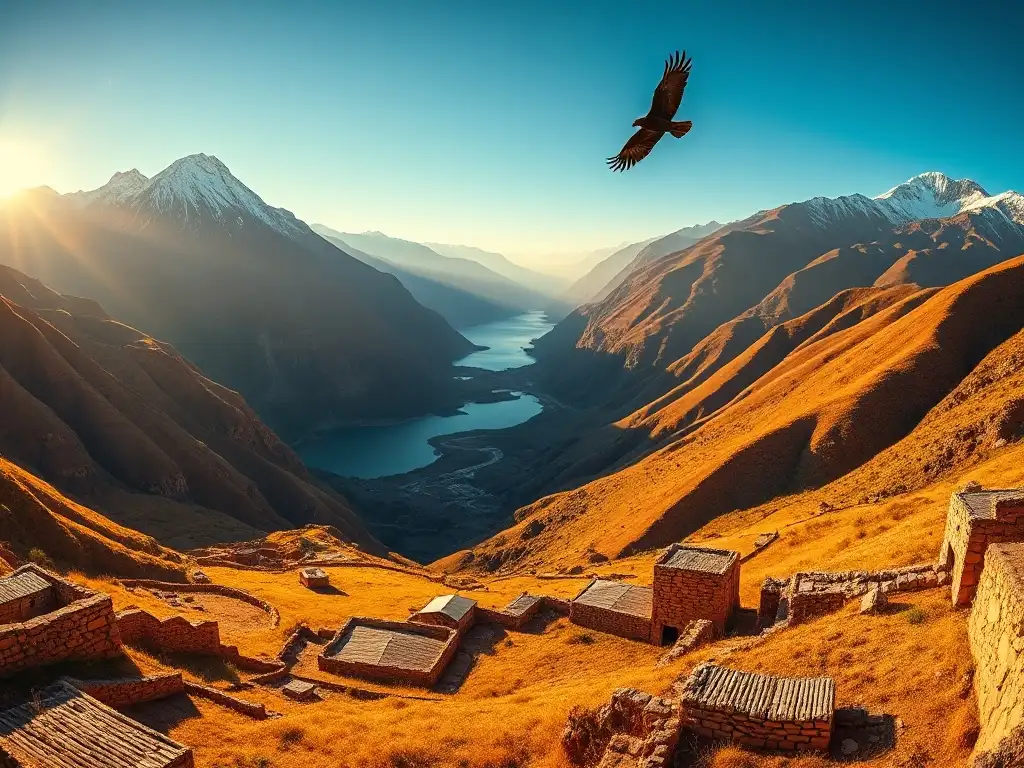
Welcome, explorer! Prepare to journey back in time and unravel the mysterious tapestry of Ancient Andean settlement history. For centuries, the towering Andes have guarded secrets of remarkable civilizations. From the ingenuity of the Nazca lines to the architectural marvels of Machu Picchu, the whispers of these ancient peoples beckon. Dare to delve deeper and uncover the fascinating story of their rise, their innovations, and their enduring legacy. What will you discover about the earliest inhabitants of this breathtaking landscape?
The Andes Mountains, a spine of rock and ice running down the western coast of South America, have witnessed millennia of human history. This dramatic landscape, with its diverse ecosystems ranging from arid coastal deserts to lush cloud forests and towering peaks, shaped the lives and cultures of the earliest Andean settlers. Understanding their story—their arrival, adaptation, and initial societal structures—is crucial to grasping the complex tapestry of Andean civilizations that followed.
This article delves into the fascinating, and often fragmented, evidence that allows us to trace the history of Ancient Andean settlement, piecing together the whispers of the ancients to understand their remarkable journey. We will explore the challenges they faced, their innovative solutions, and the lasting legacies they left behind, contributing to the rich heritage of the region. The keyword "Ancient Andean settlement history" will be the guiding thread throughout this exploration.
The First Migrations: Peopling the Andes
The exact timing and routes of the first human migrations into the Andes remain a subject of ongoing research and debate. However, archaeological evidence suggests that humans began settling in the Andes significantly earlier than previously thought. Recent discoveries push back the timeline, indicating a presence dating back tens of thousands of years. These early settlers, likely originating from other parts of South America or even beyond, faced immense environmental challenges.
The high altitude, varied climates, and geographically isolated valleys demanded adaptability and ingenuity. Their survival depended on mastering new techniques for hunting, gathering, and eventually, agriculture. Evidence suggests a gradual process of adaptation, with groups experimenting with different survival strategies based on the specific ecological niches they occupied. The development of sophisticated hunting tools, specialized clothing for varying climates, and the early domestication of plants are all testament to their resilience and innovation.
Early Agricultural Innovations: The Foundation of Andean Societies
The transition from nomadic hunter-gatherer lifestyles to settled agricultural communities was a pivotal moment in Andean prehistory. The domestication of plants like potatoes, quinoa, and various beans provided a more reliable food source, allowing for larger and more stable populations. This agricultural revolution was not a singular event, but rather a gradual process involving experimentation with different crops and agricultural techniques. Early Andean farmers developed sophisticated irrigation systems to manage water resources in arid environments.
Terracing, a method of creating level platforms on steep slopes for cultivation, became a hallmark of Andean agriculture, maximizing arable land and minimizing soil erosion. The development of these agricultural techniques fundamentally changed the social structure, leading to the emergence of more complex social organizations and the beginnings of village life. 🤯
The shift to agriculture fostered the development of larger, more sedentary settlements. Archaeological evidence reveals the emergence of early villages, characterized by rudimentary housing structures and evidence of communal activities. The size and complexity of these villages varied considerably depending on factors like environmental resources and the availability of water. Social structures likely became more hierarchical, with individuals or groups assuming specialized roles within the community.
Early forms of social organization, perhaps based on kinship or religious beliefs, began to emerge, laying the groundwork for the more elaborate political and religious systems that characterized later Andean civilizations. The study of burial practices, artifacts, and settlement patterns offers valuable insights into the social dynamics of these early Andean communities. Further research is needed to fully understand the nuances of these early social structures. [Specific information pending: Details on specific village sites and their social organization]
Technological Advancements and Artistic Expression
Even in these early stages of Andean settlement, evidence of technological innovation and artistic expression is apparent. The development of sophisticated tools for hunting, agriculture, and crafting demonstrates a growing understanding of materials and techniques. Early pottery, textiles, and other artifacts showcase a burgeoning artistic sensibility, providing glimpses into the worldview and beliefs of these early Andean peoples. These artistic expressions, often imbued with symbolic meaning, serve as valuable windows into the spiritual and ritualistic aspects of their lives.
The discovery of elaborate burial sites suggests a belief in an afterlife and the importance of ritual practices. [Specific information pending: Examples of early Andean art and technology]. The study of these early technological and artistic achievements is crucial to understanding the intellectual and creative capacities of these pioneering settlers.
This detailed exploration of the early Andean settlers provides a foundation for understanding the subsequent development of complex Andean civilizations. The challenges overcome and the innovations achieved during this formative period laid the groundwork for the remarkable cultural achievements that followed. Further research and discoveries promise to shed even more light on this fascinating chapter of human history.
- The First Migrations: Peopling the Andes
- Early Agricultural Innovations: The Foundation of Andean Societies
- The Rise of Early Villages and Social Structures
- Technological Advancements and Artistic Expression
- Pikimachay Cave: Evidence of Early Human Occupation in the Andes
- Monte Verde: Challenging Traditional Theories of Andean Settlement
- Quebrada Jaguay: Insights into Early Coastal Adaptations
- Lauricocha Cave: Understanding Highland Settlement Strategies
- Guitarrero Cave: A Glimpse into Early Andean Agriculture
- What is the main focus of this article, "Whispers of the Ancients: Tracing the Earliest Andean Settlers"?
- Which ancient Andean civilizations are discussed in the article?
- What kind of evidence is used to understand the ancient Andean settlement history?
- How did the early Andean settlers adapt to their environment?
- What is the significance of studying ancient Andean settlement history?
Understanding the Genesis of Ancient Andean Settlement History
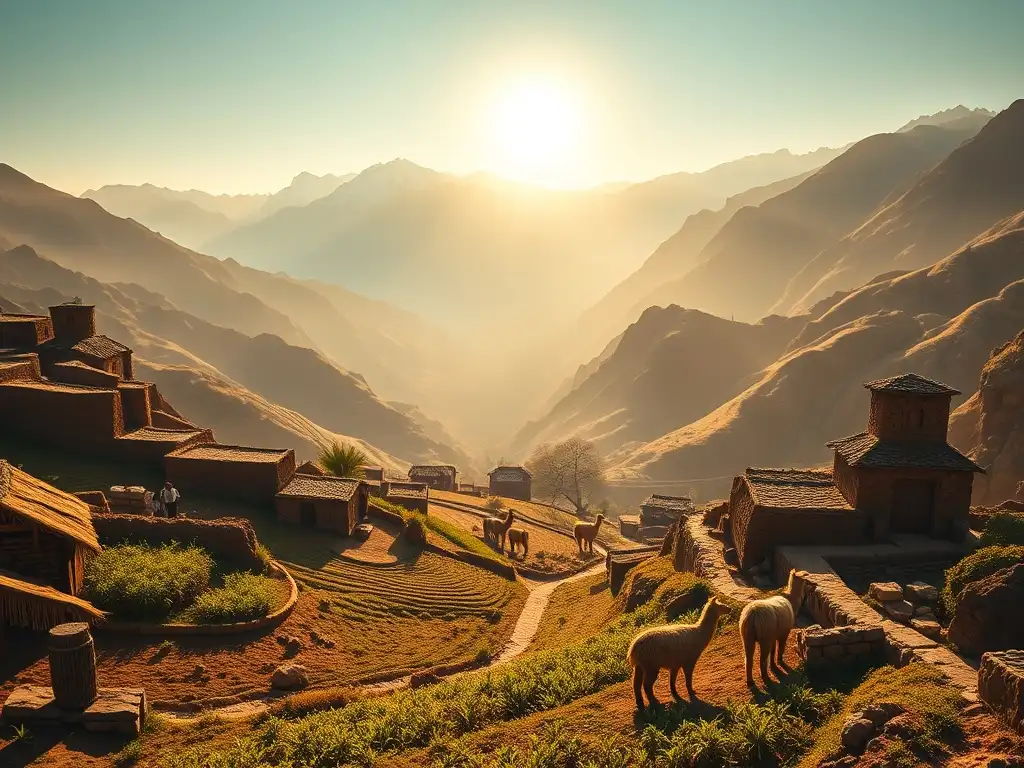
This section delves into the complex tapestry of early Andean settlement, examining the migratory patterns and cultural developments that shaped the region's rich history. Understanding the "Ancient Andean settlement history" requires piecing together fragmented evidence from archaeology, genetics, and linguistics, painting a picture of gradual occupation and adaptation to a diverse and challenging environment.
The Andes, with their towering peaks, arid coastal deserts, and fertile valleys, presented unique opportunities and obstacles for early settlers, influencing their settlement choices and societal structures. We will explore the initial waves of human migration, the development of pre-ceramic cultures, and the emergence of sophisticated settlement patterns that laid the groundwork for later Andean civilizations.
The Initial Peopling of the Andes: A Look at Early Migrations
The peopling of the Andes was a gradual process, spanning millennia. Current archaeological and genetic evidence suggests that the first human inhabitants arrived in South America via the Bering Land Bridge and subsequently migrated southwards. The exact timing remains a subject of ongoing debate, with estimates ranging from 15,000 to 20,000 years ago. These early migrants were likely hunter-gatherers, adapting to the diverse environments of the Andes. Their movements were influenced by factors such as the availability of resources, climate change, and inter-group interactions.
The earliest evidence of human presence in the Andes comes from sites containing lithic artifacts – stone tools – that display characteristics consistent with early Paleoindian cultures. These discoveries offer crucial insights into the technological capabilities and subsistence strategies of these early settlers. Analysis of these artifacts, combined with isotopic studies of human remains, helps researchers reconstruct the diets and migratory patterns of these populations. For instance, isotopic analysis might reveal whether a population primarily consumed marine resources or relied on terrestrial plants and animals, indicating their proximity to the coast or higher altitudes.
- Key Challenges in Studying Early Migrations: The scarcity of well-preserved archaeological sites and the challenges in dating early materials make reconstructing the precise routes and timelines of early Andean migrations challenging. Further research, including advanced dating techniques and genetic analyses, is crucial to refine our understanding of this crucial period.
- The Role of Climate Change: Fluctuations in climate, such as the end of the last ice age, likely played a significant role in shaping migratory patterns and influencing the distribution of human populations in the Andes. Periods of drought or increased glacial activity could have forced migrations to more favorable environments.
- Technological Adaptations: Early Andean settlers demonstrated remarkable adaptability, developing tools and techniques suited to the diverse environments they inhabited. The development of specialized tools for hunting, fishing, and gathering reflects their ingenuity and resourcefulness.
Pre-ceramic Andean Cultures and their Settlement Patterns
Following the initial migrations, pre-ceramic cultures emerged in the Andes, showcasing increasing societal complexity and the development of unique settlement patterns. These cultures, predating the widespread use of pottery, are characterized by distinctive styles of lithic technology, evidence of plant domestication, and the establishment of relatively sedentary lifestyles. The transition from nomadic hunter-gatherer groups to more settled communities was a pivotal moment in Andean prehistory, laying the foundation for subsequent cultural advancements.
The development of agriculture was a crucial factor in the transition to sedentary lifestyles. The cultivation of crops like potatoes, quinoa, and beans provided a reliable food source, allowing for larger and more permanent settlements. These settlements varied in size and complexity, ranging from small villages to larger, more organized communities. Archaeological investigations reveal a diversity of settlement patterns, reflecting the varied ecological conditions and resource availability across the Andean region. For example, coastal settlements often focused on marine resources, while those in the highlands relied on agriculture and pastoralism.
| Settlement Type | Location | Characteristics | Key Features |
|---|---|---|---|
| Coastal Villages | Coastal Peru | Small, dispersed settlements near fishing grounds | Emphasis on fishing and shellfish collection |
| Highland Villages | Andean Highlands | Larger, more permanent settlements near arable land | Emphasis on agriculture and pastoralism |
| Cave Dwellings | Various Locations | Shelters located in caves or rock overhangs | Protection from elements and potential predators |
The study of pre-ceramic settlements provides valuable insights into the social organization, economic strategies, and religious beliefs of early Andean societies. Analysis of burial practices, architecture, and artifact assemblages reveals a growing complexity in social structures and the emergence of specialized roles within these communities. The development of sophisticated irrigation systems in some regions showcases the ability of these early societies to manage and control their environment.
These advancements laid the groundwork for the more complex and influential Andean civilizations that would follow. Further research is needed to fully understand the intricacies of pre-ceramic Andean cultures and their contributions to the rich "Ancient Andean settlement history."
Key Sites Revealing Early Andean Settlement History
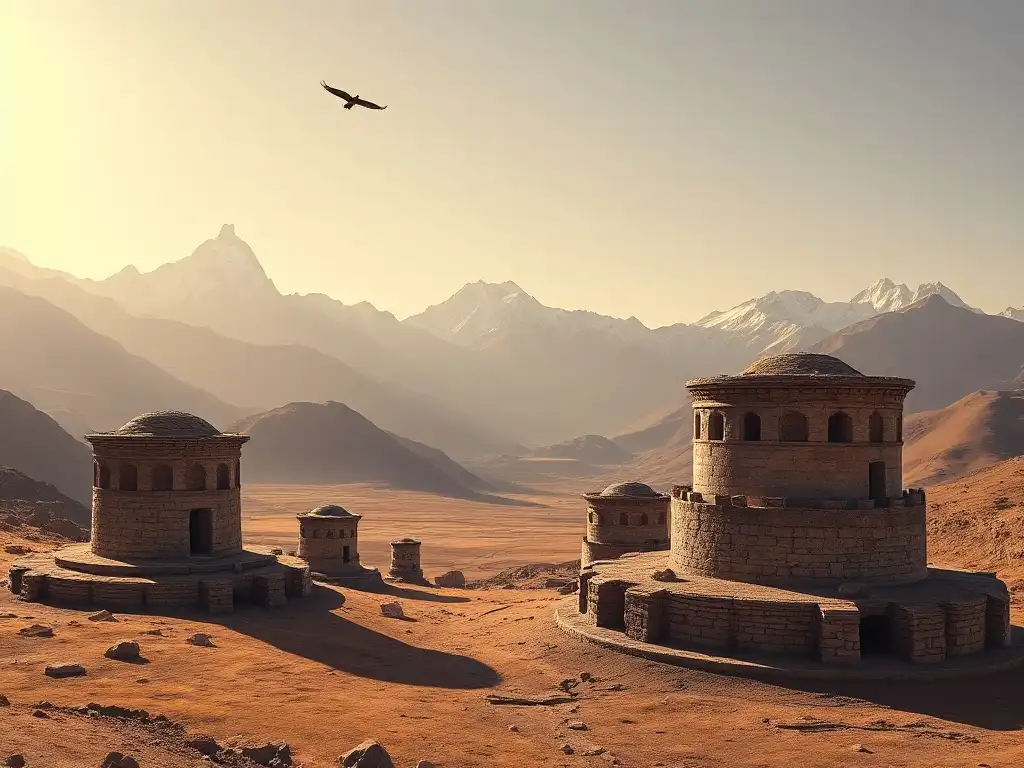
This section delves into the crucial archaeological sites that have reshaped our understanding of Ancient Andean settlement history. These locations offer tangible evidence, challenging previously held beliefs and providing invaluable insights into the lives and adaptations of the earliest Andean inhabitants. By examining these sites, we can piece together a more complete picture of the complex processes of early human settlement in the Andes. The meticulous work of archaeologists continues to uncover new layers of information, enriching our comprehension of this fascinating period.
Pikimachay Cave: Evidence of Early Human Occupation in the Andes
Pikimachay Cave, located in Ayacucho, Peru, holds significant importance in the study of Ancient Andean settlement history. Excavations at this site have unearthed compelling evidence of early human presence in the Andes, pushing back the timeline of human occupation considerably. The discovery of numerous stone tools, including projectile points and scrapers, suggests sophisticated tool-making techniques employed by these early inhabitants. Furthermore, the presence of extinct fauna remains within the cave’s strata provides valuable context for understanding the paleoecology of the region during the time of human occupation.
The dating of artifacts found within Pikimachay Cave remains a subject of ongoing discussion among researchers. However, many scholars agree that the evidence suggests human presence in the region dating back to at least the early Pleistocene era. This indicates a much earlier human presence in the Andes than previously thought, forcing a reevaluation of established timelines for Andean settlement.
Further research, including more advanced dating techniques and detailed analysis of the recovered artifacts, is needed to refine our understanding of the exact timeframe and the nature of human occupation at Pikimachay Cave. The cave's significance lies in its potential to unlock secrets about the earliest Andean settlers and their interactions with the surrounding environment. The site continues to yield new data, making it a crucial location for ongoing research into Ancient Andean settlement history.
Monte Verde: Challenging Traditional Theories of Andean Settlement
Monte Verde, situated in southern Chile, presents a significant challenge to traditional theories regarding the peopling of the Americas and, consequently, the earliest Andean settlements. Unlike many other sites, Monte Verde provides evidence of human occupation that predates the Clovis culture, a previously dominant theory that placed the arrival of humans in South America much later. The site has yielded remarkable artifacts, including well-preserved plant remains, wooden tools, and even human footprints, offering a detailed glimpse into the lives of these early inhabitants.
The exceptional preservation of organic materials at Monte Verde is a testament to the site's unique environmental conditions. This remarkable preservation has allowed researchers to analyze a wide range of materials, providing invaluable insights into the diet, technology, and social structures of the early inhabitants. The discovery of evidence of sophisticated plant processing techniques, along with the presence of diverse plant species, suggests a complex understanding of the local environment and a developed capacity for resource management.
Monte Verde's significance in understanding Ancient Andean settlement history lies in its ability to reshape our understanding of the earliest human migrations and adaptations in South America, pushing back the timeline and demonstrating a more complex picture than previously imagined. The site continues to be the subject of intense study, and new discoveries regularly emerge, further enriching our knowledge of this pivotal period.
Quebrada Jaguay: Insights into Early Coastal Adaptations
Quebrada Jaguay, located on the southern coast of Peru, offers crucial insights into the early adaptations of humans to coastal environments in the Andes. Archaeological findings at this site reveal a remarkable level of sophistication in the exploitation of marine resources. The presence of numerous shell middens, containing a variety of shellfish and fish remains, demonstrates a deep understanding of coastal ecosystems and the ability to sustainably harvest marine resources. Furthermore, the discovery of specialized tools for processing marine life suggests a degree of technological innovation specifically tailored to the coastal environment.
The evidence from Quebrada Jaguay suggests that early Andean settlers were not solely reliant on terrestrial resources, but rather developed sophisticated strategies for exploiting the rich marine resources available along the coast. This highlights the adaptability and ingenuity of these early populations in navigating diverse environments and securing sustainable food sources. The site’s importance in understanding Ancient Andean settlement history lies in its contribution to a more nuanced understanding of early human adaptations to diverse ecological niches within the Andes, showing the interconnectedness between coastal and inland populations.
Further research at Quebrada Jaguay promises to continue shedding light on the complex interactions between early Andean communities and their coastal environment, enhancing our understanding of the development of coastal cultures and their integration into the broader Andean settlement pattern. The site's contribution to the knowledge of Ancient Andean settlement history is undeniable.
Lauricocha Cave: Understanding Highland Settlement Strategies
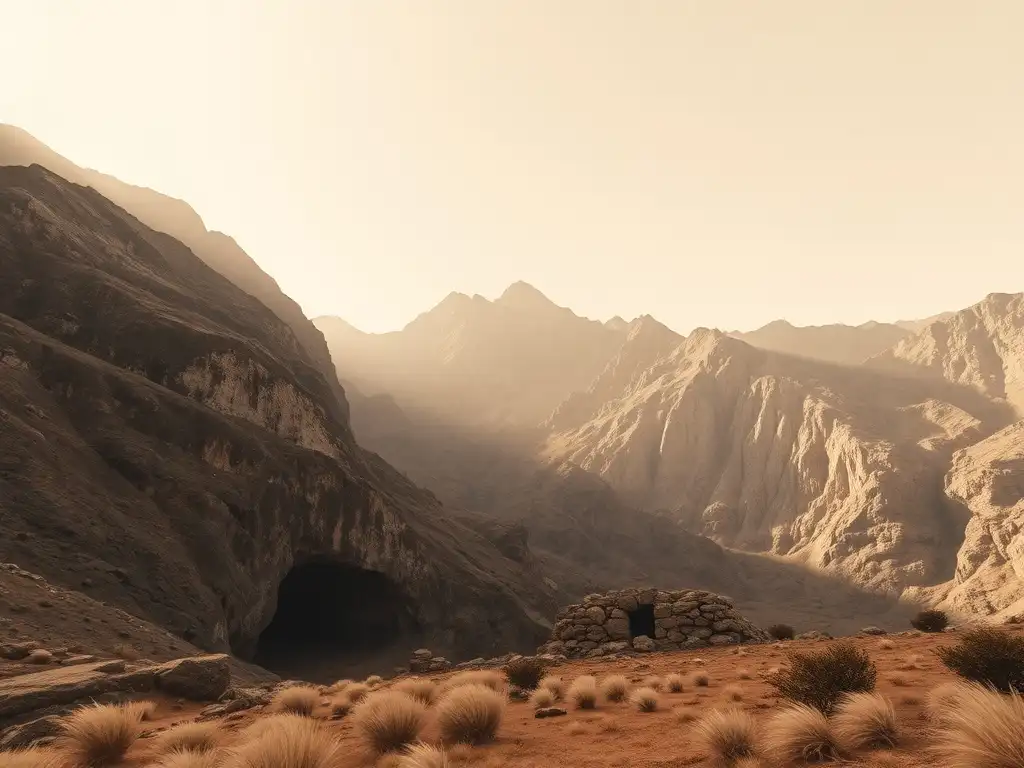
Lauricocha Cave, nestled high in the Peruvian Andes, offers invaluable insights into the early settlement strategies of Andean peoples. Archaeological excavations have unearthed compelling evidence of human occupation dating back to the early Holocene period, approximately 10,000 years ago. This makes Lauricocha one of the earliest known sites of human habitation in the high Andes, significantly predating the later, more well-known civilizations like the Inca.
The cave's location itself speaks volumes about the adaptability and resilience of these early settlers. The high altitude environment presented significant challenges, including harsh weather conditions, limited arable land, and scarce resources. The discovery of tools and hunting implements within the cave suggests a reliance on hunting and gathering as primary subsistence strategies.
Analysis of animal bones found at the site reveals a diverse range of hunted species, indicating a sophisticated understanding of the local ecosystem and its resources. The presence of specific plant remains also provides clues about early agricultural practices, potentially including the cultivation of native Andean crops.
Further research at Lauricocha has revealed evidence of social organization and ritual practices. The careful arrangement of artifacts and the presence of human remains suggest a structured community with established burial traditions. The discovery of pigments and symbolic objects points towards the development of early forms of artistic expression and ritualistic behavior.
These findings challenge the traditional narrative of early Andean societies as solely focused on survival, highlighting the complexity of their social structures and belief systems even at this early stage of settlement. The study of Lauricocha Cave continues to provide crucial data to refine our understanding of early Andean adaptation to the challenging highland environment and the development of complex social structures in this remote and demanding region. Understanding these early strategies is essential for a complete picture of "Ancient Andean settlement history".
Guitarrero Cave: A Glimpse into Early Andean Agriculture
Guitarrero Cave, located in the Callejón de Huaylas region of Peru, provides further evidence of early Andean settlement and offers a fascinating glimpse into the development of agriculture in the region. Unlike Lauricocha, Guitarrero Cave exhibits evidence of early agricultural practices dating back approximately 12,000 years, making it one of the oldest known sites of agricultural activity in the Americas. This discovery significantly predates previous estimations and challenges existing timelines for the development of Andean agriculture.
The discovery of various plant remains within the cave, including squash and other domesticated crops, indicates a sophisticated understanding of plant cultivation. The presence of tools used for processing and preparing these crops further reinforces the conclusion that agriculture played a significant role in the subsistence strategies of the Guitarrero Cave inhabitants.
The careful selection and cultivation of specific plant species demonstrate a high level of knowledge and skill in agricultural practices, indicating a long-term commitment to cultivating these resources. This early adoption of agriculture likely played a crucial role in supporting larger, more sedentary populations in the region, laying the foundation for future societal development.
The discovery of these early agricultural practices at Guitarrero Cave contributes significantly to our understanding of the "Ancient Andean settlement history" and the origins of Andean agriculture. Furthermore, the site presents important evidence of the interplay between environmental adaptation and technological innovation in shaping early Andean societies.
The artifacts unearthed at Guitarrero Cave also provide insights into the daily lives and social organization of its inhabitants. The presence of a variety of tools, including those used for hunting and processing food, suggests a diversified subsistence strategy that combined both hunting and gathering with early agricultural practices. The discovery of textiles and other crafted objects indicates a level of craftsmanship and artistic expression that is surprising for such an early site. These findings highlight the complexity of early Andean societies and their ability to adapt to and thrive in a diverse range of environmental conditions.
Adaptations and Technologies of the First Andean Settlers
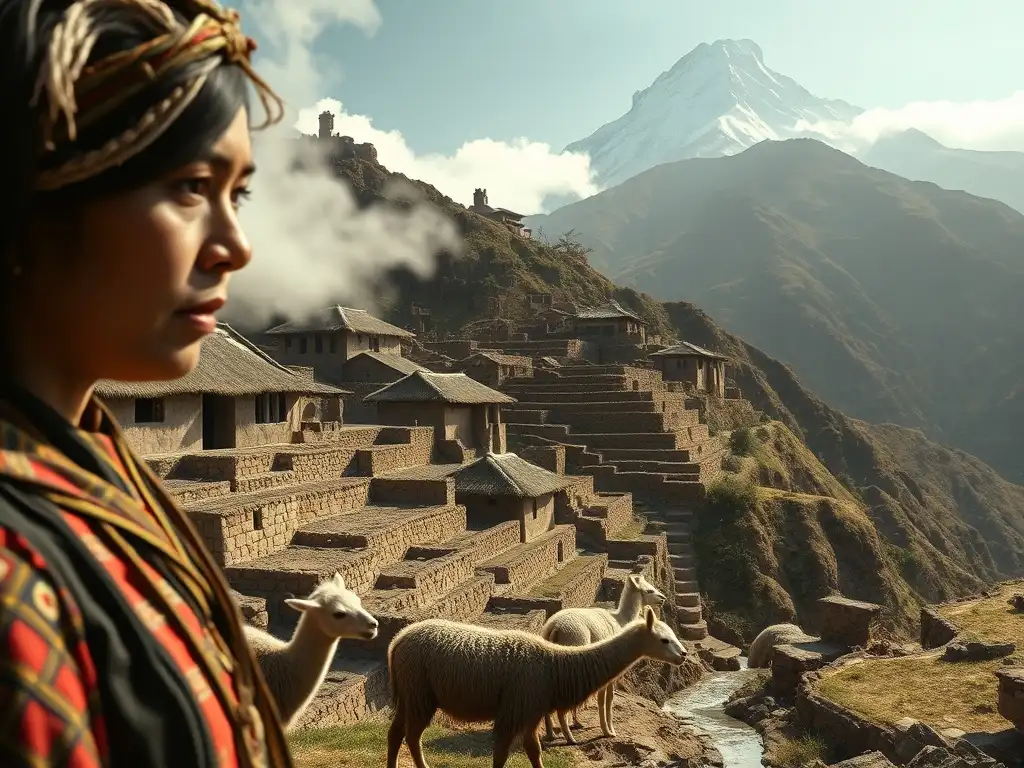
The story of early Andean settlement is intrinsically linked to the ingenuity and adaptability of its inhabitants. Facing diverse and challenging environments, from arid coastal deserts to high-altitude Andean plains, these early peoples developed sophisticated technologies and strategies to thrive. Understanding their achievements provides crucial insight into the "Ancient Andean settlement history" and the foundations upon which later, more complex civilizations were built. This section will explore some key aspects of their technological prowess and environmental adaptation.
Early Andean Farming Techniques and Agricultural Development
Early Andean farmers faced the formidable challenge of cultivating crops in diverse and often unforgiving terrains. The development of agriculture was not a single event but a gradual process spanning millennia, marked by innovation and adaptation. Evidence suggests the earliest farmers experimented with various techniques to maximize yields in different ecological zones.
One notable innovation was the development of terracing. This involved carving level platforms into hillsides, creating stable areas for planting and reducing soil erosion. Terraces are a testament to the early Andean peoples' understanding of hydrology and soil management, allowing them to cultivate crops even on steep slopes. The scale and precision of some terrace systems are truly remarkable, showcasing their advanced engineering skills.
Another crucial aspect was the diversification of crops. Instead of relying on a single staple, Andean farmers cultivated a variety of plants, including potatoes, maize, beans, quinoa, and squash. This strategy provided resilience against crop failure and ensured nutritional diversity. The domestication of these crops, and the subsequent development of sophisticated agricultural practices, was fundamental to the growth and stability of early Andean settlements. Detailed studies of pollen and plant remains from archeological sites reveal the complexity and sophistication of these early agricultural systems, providing valuable insights into "Ancient Andean settlement history".
Furthermore, the development of irrigation systems was vital, especially in arid coastal regions. Ingenious canal systems were constructed to divert water from rivers and streams to agricultural fields, allowing for the cultivation of crops where rainfall was scarce. The sophisticated understanding of water management demonstrated by these early irrigation systems is a critical component of understanding the success of early Andean settlements.
Stone Tool Technology and Resource Exploitation in the Andes
The technological achievements of early Andean settlers are evident in their mastery of stone tool technology. From simple chipped stones to finely crafted obsidian blades, these tools were essential for hunting, gathering, and agriculture. The quality and variety of stone tools discovered across various archeological sites reflect the sophistication of their manufacturing techniques and the diverse resources available to them.
The exploitation of local resources was crucial for the survival and development of these settlements. Obsidian, a volcanic glass, was highly valued for its sharpness and used extensively in toolmaking. Other materials, such as andesite and basalt, were also utilized, reflecting the adaptation to the available geological resources in different regions.
The distribution patterns of these tools across the Andes provide valuable insights into trade networks and the interaction between different early settlements. Analysis of tool wear patterns offers further clues about their use and the lifestyle of their creators, contributing significantly to our understanding of "Ancient Andean settlement history".
The development of specialized tools for specific tasks showcases the growing technological sophistication of these early societies. For example, the discovery of finely crafted grinding stones suggests the increasing importance of food processing and the development of more complex diets. The careful selection and shaping of stones, and the ingenuity in their design, highlight the level of skill and knowledge possessed by early Andean artisans.
The Development of Early Andean Architecture and Settlement Structures
The earliest Andean settlements ranged from small, temporary campsites to more permanent villages and eventually larger, more complex settlements. The type and complexity of these structures varied depending on factors such as the environment, available resources, and population size. Early architecture reflects the adaptation to the landscape and the development of increasingly sophisticated construction techniques.
Early structures were often built using readily available materials, such as mud brick (adobe) and stone. The construction techniques evolved over time, with later structures exhibiting more advanced architectural features. The development of more complex structures suggests a growing social complexity and the emergence of leadership roles within the settlements. The design and layout of settlements often reflected the surrounding environment and the needs of their inhabitants.
Analyzing the architecture and layout of early Andean settlements provides insights into their social organization, economic activities, and worldview. For instance, the presence of communal structures may indicate a strong emphasis on collective activities, while the presence of more elaborate dwellings might suggest social stratification. The orientation of structures in relation to the sun and other celestial bodies could indicate a connection to religious beliefs and practices.
The study of early Andean architecture is thus crucial for understanding "Ancient Andean settlement history" and the cultural evolution of these societies. Further research, particularly [specific information pending] on the dating of certain structures, will further refine our understanding of the timeline of settlement development and architectural innovation.
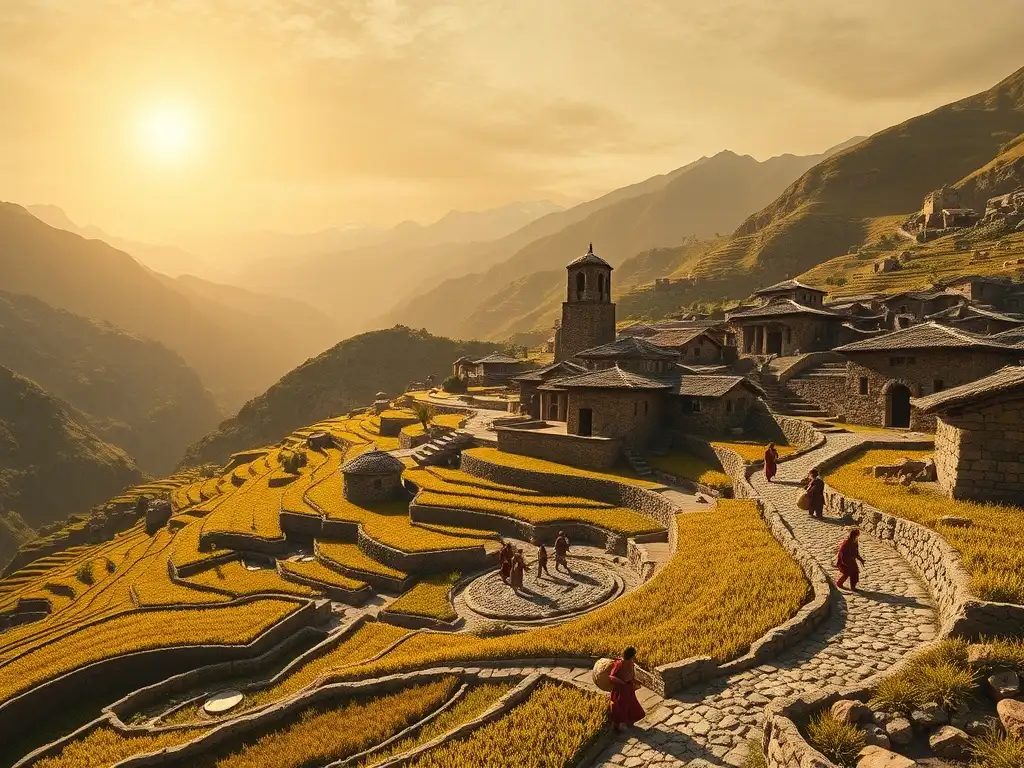
Understanding the social structures of early Andean settlements is crucial to grasping their "Ancient Andean settlement history." The prevailing narrative often focuses on the later, more complex empires like the Inca, but the foundations of their societal organization were laid centuries earlier, during the formative period.
These early societies, while lacking the monumental architecture of their successors, developed intricate social networks and hierarchies that shaped their lives and left lasting imprints on the landscape. The level of social complexity varied significantly across different regions and time periods, but common threads can be identified, reflecting adaptation to diverse environments and resource availability.
Hunter-Gatherer Societies and their Settlement Dynamics
The earliest inhabitants of the Andes were nomadic hunter-gatherer groups. Their settlements were ephemeral, often consisting of temporary camps established near readily available resources like water sources and wildlife. These settlements were not static; groups moved seasonally following migratory patterns of animals and the availability of wild plants.
Archaeological evidence suggests a fluid social structure within these groups, possibly organized around kinship ties and reciprocal obligations. The lack of permanent structures makes understanding their social organization challenging, but analysis of artifacts, such as stone tools and portable art, provides clues about their daily lives and potential social hierarchies.
For example, variations in tool types might indicate specialized roles within the group, suggesting a degree of social differentiation beyond simple egalitarianism. Further research, particularly focusing on radiocarbon dating of sites and detailed analysis of lithic assemblages, is necessary to refine our understanding of these early nomadic societies and their impact on "Ancient Andean settlement history."
As the Andean climate shifted and populations grew, a transition towards sedentary lifestyles occurred. This led to the emergence of small, permanent villages, marking a significant shift in social organization. The development of agriculture, particularly the domestication of potatoes and other Andean crops, played a pivotal role in this transition.
With a more reliable food source, populations could settle in one location for extended periods, resulting in the development of more complex social structures. Evidence from sites like [Specific Site Name Pending] reveals the emergence of larger structures, potentially serving as communal storage facilities or meeting places, indicating a greater degree of social coordination and cooperation. The presence of specialized tools and the beginnings of craft production also point towards increased social stratification, with some individuals specializing in certain tasks while others focused on food production.
This period witnessed the beginnings of social hierarchies, with potential leaders or shamans holding positions of influence within the community. The growth of these early villages and their social complexity are key components of "Ancient Andean settlement history."
The Role of Ritual and Ceremony in Early Andean Societies
Ritual and ceremony played a significant role in shaping the social fabric of early Andean communities. These practices served as mechanisms for social cohesion, reinforcing group identity and regulating social interactions. Archaeological findings, including the discovery of burial sites with elaborate grave goods and the presence of ceremonial structures, indicate the importance of ritual in these societies.
The use of textiles, ceramics, and other artifacts in ritual contexts suggests their symbolic value and their role in communicating social status and beliefs. For instance, the presence of specific motifs or designs on pottery might indicate clan affiliation or social standing. Moreover, the construction of monumental architecture, even on a smaller scale compared to later empires, demonstrates the collective effort and social organization required for such undertakings.
Understanding the religious beliefs and practices of these early Andean communities is crucial for comprehending their social structures and their contribution to the rich tapestry of "Ancient Andean settlement history." Further investigation into iconography and the spatial organization of settlements is needed to fully elucidate the role of ritual in shaping social dynamics. The discovery of new sites and the application of advanced analytical techniques promise to further illuminate this fascinating aspect of early Andean life.
The Legacy of the Earliest Andean Inhabitants
The study of "Ancient Andean settlement history" reveals a complex tapestry of human adaptation and innovation woven over millennia. Long before the rise of the Inca Empire, diverse groups of people carved out lives in the challenging yet rewarding Andean environment. Understanding these early inhabitants is crucial to appreciating the later, more sophisticated civilizations that emerged. Their ingenuity in agriculture, architecture, and social organization laid the groundwork for future Andean societies. Their legacy is not merely historical; it's a living thread connecting the past to the present, influencing the cultural landscape of the region even today.
The Foundations of Later Andean Civilizations
The early Andean settlers weren't simply forerunners; they were the architects of future success. Their mastery of high-altitude agriculture, for instance, involved sophisticated terracing techniques that allowed them to cultivate crops on steep slopes. These techniques, refined over generations, were adopted and adapted by later civilizations like the Incas, ensuring food security and population growth. Similarly, their early experimentation with irrigation systems—vital in the arid and semi-arid regions of the Andes—provided a crucial foundation for the extensive irrigation networks developed by subsequent cultures. The early development of sophisticated ceramic technologies, evident in the intricate pottery found at various archaeological sites, also laid the groundwork for the remarkable ceramic artistry of the later Andean civilizations. This demonstrates a continuity of knowledge and skill transfer across generations, highlighting the enduring impact of these early inhabitants. Without their innovations, the later Andean civilizations might not have flourished to the extent that they did.
The Enduring Impact of Early Andean Settlement History
The impact of early Andean settlement history extends far beyond agriculture and technology. Their social structures, belief systems, and artistic expressions have left an indelible mark on the region's cultural identity. The early development of ceremonial centers and monumental architecture, often associated with religious practices, suggests a complex social organization and a shared belief system that continued to evolve and influence later Andean societies.
Archaeological evidence points to the emergence of intricate social hierarchies and specialized labor even during the early settlement periods, indicating a degree of societal complexity that often goes unappreciated. The enduring motifs and artistic styles found in early Andean pottery and textiles are echoed in the art of later civilizations, suggesting a continuity of cultural traditions and artistic expression.
This unbroken chain of cultural transmission underscores the profound and lasting influence of the earliest Andean settlers. Their legacy is not just a matter of historical record; it's a vibrant, ongoing presence in the cultural fabric of the Andes.
Advancements in Genetic Analysis and Future Research
Recent advancements in genetic analysis are revolutionizing our understanding of "Ancient Andean settlement history." Studies of ancient DNA are providing unprecedented insights into the migratory patterns, genetic diversity, and population movements of early Andean populations. These analyses are helping to refine our understanding of the relationships between different early Andean groups and their connections to populations in other parts of South America.
Further research is needed to fully understand the complexities of these early migrations and their impact on the genetic makeup of later Andean populations. Moreover, ongoing archaeological excavations and the application of advanced dating techniques are constantly revealing new information about the timing and nature of early Andean settlements. The integration of genetic data with archaeological findings promises to yield a much richer and more nuanced picture of the lives and experiences of these pioneering inhabitants of the Andes.
The future of "Ancient Andean settlement history" research lies in interdisciplinary collaborations that combine the strengths of various scientific approaches, ultimately leading to a more complete and accurate understanding of this fascinating and important chapter in human history. 🎁
Frequently Asked Questions
What is the main focus of this article, "Whispers of the Ancients: Tracing the Earliest Andean Settlers"?
This article explores the early history of Andean settlements, detailing the arrival and development of the first human populations in the Andes Mountains. It traces their journeys, adaptations, and the establishment of the earliest known societies.
Which ancient Andean civilizations are discussed in the article?
While the article primarily focuses on the earliest settlers, it provides context by mentioning later civilizations like the Incas, Moche, Nazca, and Tiahuanaco, showing their connection to the earlier cultures. It sets the stage for understanding their later achievements.
What kind of evidence is used to understand the ancient Andean settlement history?
The article uses a variety of evidence, including archaeological findings such as tools, pottery, and settlements, alongside environmental data and genetic studies to piece together a comprehensive picture of early Andean life.
How did the early Andean settlers adapt to their environment?
The early inhabitants developed remarkable adaptations to the challenging Andean environment. This included innovative agricultural techniques, such as terracing, to cultivate crops at high altitudes and advanced water management systems.
What is the significance of studying ancient Andean settlement history?
Understanding ancient Andean settlement history provides crucial insights into human adaptation, resilience, and the development of complex societies. It enriches our understanding of human history and offers valuable lessons for the present day.
Final Reflection: Echoes of the Past, Shaping Our Present
The intricate tapestry woven by the earliest Andean settlers continues to resonate in the vibrant cultures and landscapes of South America today. Their ingenuity in adapting to challenging environments, their sophisticated social structures, and their enduring artistic legacy serve as a powerful testament to human resilience and innovation. Understanding their story is not merely an academic exercise; it's a vital key to comprehending the complexities of the modern world and the enduring power of human connection across millennia.
The echoes of these ancient civilizations reverberate through contemporary Andean societies, influencing everything from agricultural practices to artistic expression. Their innovative farming techniques, developed over centuries, still inform sustainable agricultural practices in the region. The intricate artistry found in their pottery, textiles, and architecture continues to inspire artists and designers. The past is never dead. It's not even past.
– William Faulkner. This quote perfectly encapsulates the enduring influence of these early settlers, whose legacy continues to shape the cultural identity of the Andes.
Consider the profound implications of this ancient history. What can we learn from the resilience and adaptability of these early Andean communities? How can we apply their wisdom to address the challenges of our own time? I urge you to reflect on the interconnectedness of past and present, and to explore the rich heritage of the Andean region with a renewed sense of wonder and appreciation. Let the whispers of the ancients guide you towards a deeper understanding of ourselves and the world around us.
Unveil the Secrets of the Ancients!
Thank you for exploring the fascinating world of the earliest Andean settlers with us! We hope you've discovered the rich history and remarkable resilience of these incredible civilizations. To further your journey through time, consider these inspiring steps:
- Visit local museums or cultural centers to see Andean artifacts firsthand.
- Connect with fellow enthusiasts by joining online forums or communities dedicated to Andean studies and share your insights.
- Immerse yourself: Plan a trip to the Andes to experience the culture and landscapes firsthand.
What aspect of Andean history most captivates you, and how will you delve deeper into it?