
The Mystery of Lost Inca Treasures: Funding the Fight for Freedom

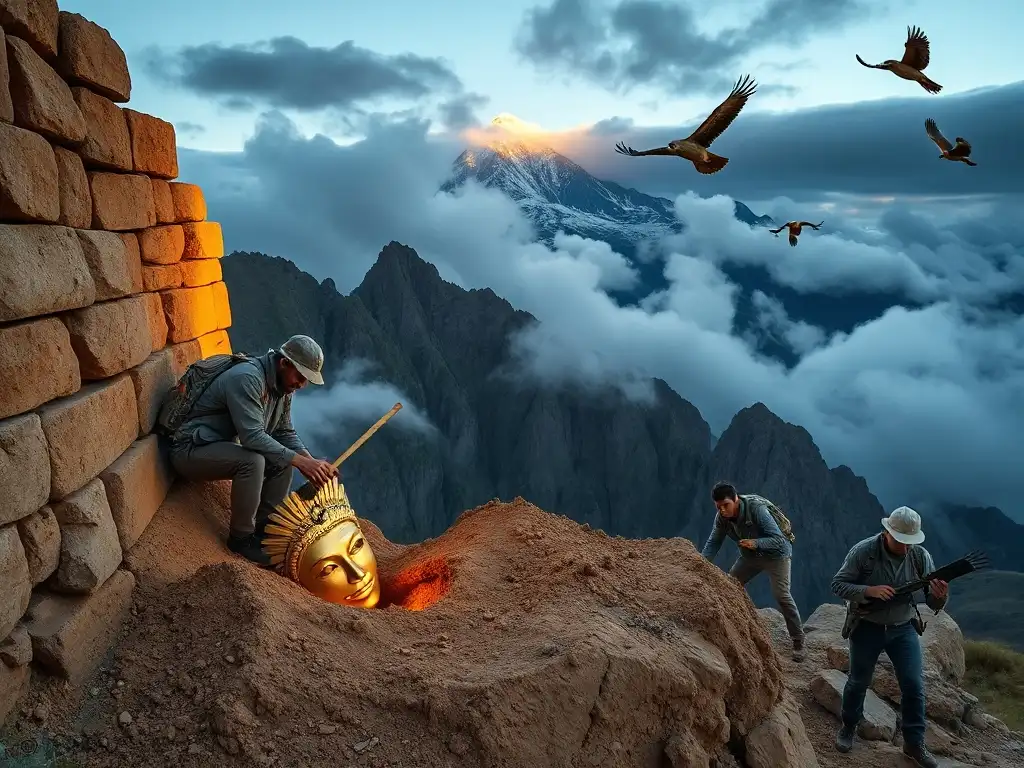
Step into a world lost to time, a realm of towering empires and breathtaking artistry. The Andean Civilizations website unveils the secrets of the Incas, Moche, Nazca, and Tiahuanaco, revealing a tapestry of ingenuity and power. But some secrets remain buried… The mystery surrounding lost Inca treasures fuels a captivating story of cultural preservation and rediscovery – a fight for freedom echoing through the centuries. Discover how funding Inca treasure recovery is shaping our understanding of this remarkable past. Dare to explore further…
The Spanish conquest of the Inca Empire, while ultimately successful in subjugating the indigenous population, was far from a swift or bloodless affair. The Inca, renowned for their sophisticated civilization and advanced engineering, mounted a fierce resistance against the invading forces. This resistance, fueled by a deep-seated desire for freedom and independence, was significantly bolstered by the strategic use of resources, notably the vast wealth accumulated by the Inca over centuries.
The mystery surrounding the fate of lost Inca treasures is intrinsically linked to the funding of this rebellion, a crucial element often overlooked in traditional narratives of the conquest. This article delves into the intriguing connection between the legendary riches of the Inca and their struggle for survival against Spanish domination, exploring how the pursuit of these treasures directly impacted the course of the conflict and the resilience of the Inca people. Understanding this financial aspect of the resistance provides a more complete and nuanced perspective on the complexities of the Inca rebellion and the enduring legacy of their fight for freedom.
We will examine how the Inca cleverly utilized their remaining wealth to fund their resistance, highlighting the ingenuity and determination that characterized their struggle against overwhelming odds. The quest for "funding Inca treasure recovery" today mirrors this historical struggle, underscoring the enduring significance of this period in Andean history.
The Allure of Inca Gold and the Spanish Conquest
The Spanish conquistadors were driven by an insatiable greed for gold and silver, a lust that fueled their brutal conquest of the Inca Empire. Chronicles of the time vividly describe the immense wealth accumulated by the Inca, a wealth manifested in elaborate gold and silver artifacts, intricately crafted jewelry, and vast quantities of precious metals stored in temples and palaces. This wealth, representing centuries of accumulated power and prestige, became a primary target for the Spanish.
The sheer quantity of gold and silver seized by Pizarro and his men is staggering, contributing significantly to the Spanish crown's coffers and fueling further exploration and conquest. However, the Spanish conquest didn't simply involve seizing readily available treasure; it also involved a relentless pursuit of rumored, hidden stores of Inca wealth, further fueling the conflict. The legend of these hidden treasures, some potentially linked to royal burials or sacred sites, became a powerful motivating force for both sides of the conflict.
The Inca, aware of the Spanish obsession with gold, strategically utilized remaining reserves to finance their resistance, employing guerilla warfare and sophisticated logistical strategies to evade capture and continue their fight for independence. This demonstrates a sophisticated understanding of the value of their resources and their strategic importance in the ongoing conflict.
Inca Resistance: A Legacy of Rebellion
The Inca resistance against the Spanish was not a singular event, but rather a complex series of uprisings and rebellions that spanned decades. These rebellions, often led by powerful Inca leaders and supported by loyal subjects, were significantly bolstered by the strategic allocation of remaining resources. This wasn't simply about amassing armies; it involved the procurement of weapons, supplies, and the maintenance of communication networks across vast territories.
The Inca skillfully utilized their knowledge of the Andean terrain and their mastery of guerilla warfare tactics, effectively utilizing their remaining wealth to sustain their prolonged struggle. Examples abound of Inca leaders using gold and silver to forge alliances with other indigenous groups, securing crucial support against the Spanish. Further research into the financial aspects of these rebellions is needed to fully understand the extent to which Inca treasures fueled the fight for freedom.
The resilience and ingenuity displayed by the Inca in this struggle serve as a powerful testament to their cultural strength and resistance against oppression. The enduring legacy of this resistance continues to inspire and inform our understanding of the complexities of the Spanish conquest and the enduring spirit of the Andean people. The ongoing efforts to uncover and understand the fate of lost Inca treasures are a testament to this enduring legacy and the importance of understanding the full story of the Inca struggle for freedom.
- How can I help fund Inca treasure recovery efforts?
- What is the significance of recovering lost Inca treasures?
- Are there any ethical concerns surrounding Inca treasure recovery?
- How is funding used in Inca treasure recovery projects?
- Where can I find information on legitimate Inca treasure recovery projects?
The Search for Lost Inca Treasures
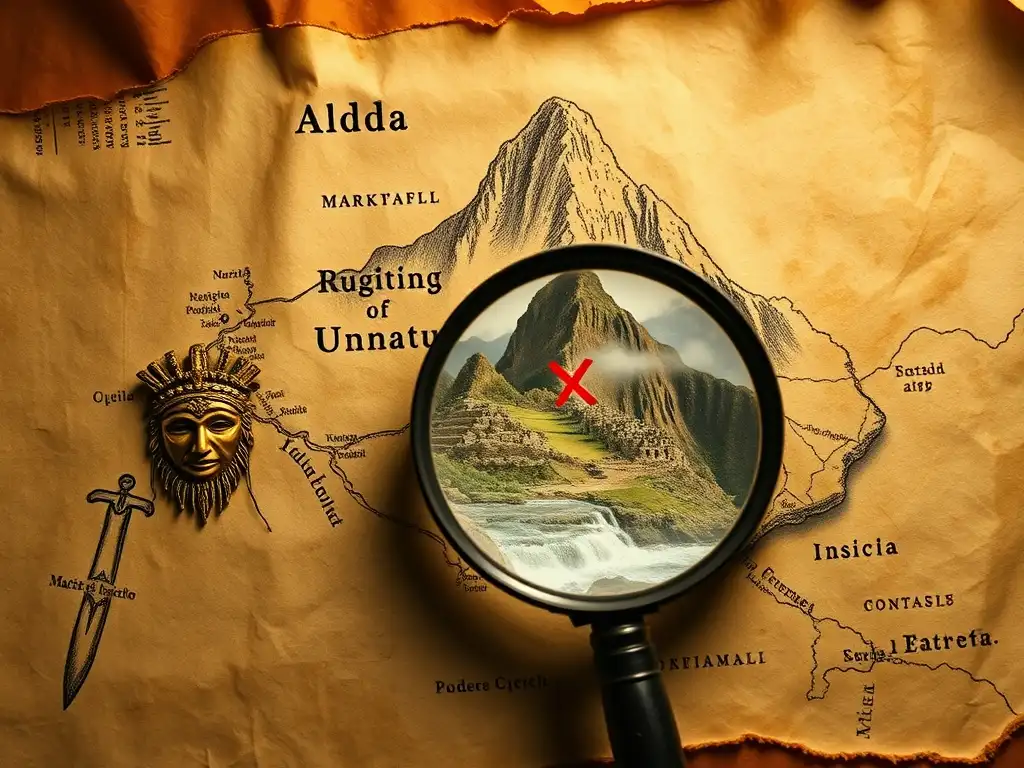
The allure of lost Inca treasures fuels ongoing efforts to uncover the riches hidden during the Spanish Conquest. "Funding Inca treasure recovery" is a crucial aspect of these endeavors, encompassing archaeological expeditions, meticulous preservation techniques, and the vital work of researchers and historians dedicated to piecing together the fragmented history of the Inca Empire. The quest for these lost artifacts is not merely about monetary value; it's about reclaiming a vital part of Andean heritage and understanding the complexities of a civilization shaped by both ingenuity and brutal conquest.
The financial resources needed are substantial, often requiring a combination of public and private funding, international collaborations, and dedicated fundraising campaigns. The rewards, however, are immeasurable: a deeper understanding of Inca culture, technology, and societal structures, and the preservation of irreplaceable pieces of the past for future generations.
Legends of the Lost City of Paititi
Legends surrounding the mythical city of Paititi, a supposedly hidden Inca refuge brimming with untold riches, have captivated explorers and treasure hunters for centuries. These narratives, passed down through generations of indigenous communities, speak of a city shrouded in mystery, protected by formidable natural barriers and guarded by ancient spirits. While the precise location of Paititi remains elusive, the persistence of these legends highlights the enduring belief in the existence of significant Inca treasures yet to be discovered.
Many expeditions, fueled by both the romantic pursuit of adventure and the financial incentive of potential discovery, have been launched based on these accounts. Funding such expeditions often relies on a combination of private investment, crowdfunding initiatives, and, in some cases, government grants dedicated to archaeological research.
The pursuit of Paititi, therefore, is not merely a search for gold and silver; it's a quest to validate oral histories and uncover a potential missing piece of the Inca puzzle, a process requiring significant funding to support extensive fieldwork and analysis. The search continues, fueled by tenacious explorers and the enduring power of legend.
Historical Accounts of the Ransom of Atahualpa
The ransom of Atahualpa, the last Inca emperor, offers a stark, historical example of the immense wealth possessed by the Inca Empire. Forced by Francisco Pizarro to fill a room with gold and twice its volume with silver as a ransom for his life, the Inca amassed a staggering quantity of precious metals. Historical accounts, though often biased by Spanish perspectives, detail the sheer scale of the treasure, highlighting the sophisticated Inca goldsmithing techniques and the empire's extensive control over resources.
Even after the ransom was paid, significant amounts of Inca gold and silver were looted and dispersed, making the task of tracking and recovering these artifacts exceedingly challenging. The financial resources required to investigate and potentially recover these lost artifacts from private collections or secure their repatriation to Peru are substantial.
Funding efforts in this area often involve international collaborations between governments, museums, and private organizations dedicated to cultural heritage protection, demonstrating the global importance of securing these pieces of history. The recovery of even a fraction of Atahualpa's ransom would significantly enhance our understanding of Inca economy, metallurgy, and artistic practices.
The Impact of the Conquest on Inca Material Culture
The Spanish Conquest had a devastating impact on Inca material culture. The systematic destruction of Inca temples, palaces, and other structures, coupled with the widespread looting of artifacts, resulted in an irreplaceable loss of cultural heritage. Much of the surviving Inca art and technology is scattered across the globe, found in museums and private collections.
The process of identifying, cataloging, and potentially repatriating these objects requires significant financial investment. "Funding Inca treasure recovery" in this context includes supporting research into the provenance of Inca artifacts, funding conservation efforts to prevent further deterioration, and supporting legal battles for the return of artifacts to their rightful place in Peru. The ethical implications of recovering these artifacts are also significant, requiring careful consideration of indigenous communities' rights and perspectives.
This aspect of "funding Inca treasure recovery" necessitates collaboration with Andean communities and organizations dedicated to cultural preservation, ensuring that the recovery process respects cultural sensitivity and promotes a just and equitable return of cultural heritage. The long-term goal is not simply to recover artifacts, but to ensure their preservation and accessibility for future generations, a task requiring ongoing and substantial financial commitment.
Funding the Fight: Utilizing Inca Wealth for Resistance
The Spanish conquest of the Inca Empire wasn't just a military victory; it was also a systematic dismantling of the Inca economic system. The vast wealth accumulated over centuries – gold, silver, textiles, and agricultural surpluses – became a crucial resource in the subsequent rebellions against Spanish rule. Understanding how indigenous populations accessed and utilized this wealth is key to comprehending the tenacity and longevity of their resistance.
The concept of "funding Inca treasure recovery" takes on a new meaning when viewed through this lens; it's not just about retrieving artifacts, but about recognizing the strategic role these treasures played in fueling the fight for freedom. This section will explore how Inca wealth, both readily accessible and hidden, financed the resistance movements.
Many accounts suggest that Inca leaders, anticipating the Spanish invasion or in the aftermath of initial defeats, strategically hid significant portions of their empire's wealth. This wasn't merely a desperate attempt to preserve material goods; it was a calculated move to safeguard resources for future resistance. These hidden treasures served as a financial lifeline for rebellions, providing crucial funding for weaponry, supplies, and the sustenance of rebel armies.
The locations of these caches, often shrouded in legend and guarded by intricate knowledge systems, remain largely unknown, fueling ongoing interest in "funding Inca treasure recovery" efforts. The recovery of these artifacts would not only shed light on Inca artistry and engineering but would also offer invaluable insights into the strategies and organization of the resistance movements. Some historians speculate that the survival of certain rebellions depended heavily on access to these hidden stores of wealth.
The sheer scale of Inca gold and silver production, even a fraction of which might have been hidden, would have been sufficient to sustain significant resistance for extended periods. The challenge, of course, lies in locating these caches, a task complicated by the passage of time, deliberate obfuscation, and the often-fragmented nature of historical records. The effort to recover these lost treasures is intertwined with the broader narrative of indigenous resistance and the fight against colonial oppression.
The Tupac Amaru II Rebellion and its Financial Backing
The Tupac Amaru II Rebellion (1780-1783) stands as a prime example of a large-scale rebellion significantly fueled by the strategic use of existing resources, including potentially hidden Inca wealth. While the rebellion's funding wasn't solely dependent on recovered Inca treasures, access to pre-existing wealth, both readily available and potentially hidden, played a crucial role. The rebellion drew support from a broad spectrum of Andean society, including indigenous communities, mestizos, and even some criollos.
This broad-based support translated into a diverse range of resources – agricultural produce, livestock, and possibly, access to caches of Inca gold and silver. The rebellion's initial success in seizing control of certain regions provided access to additional resources, including Spanish-held funds and tax revenues. However, the precise extent to which hidden Inca treasures contributed to the rebellion's financing remains a matter of ongoing research and debate.
Further investigation into the financial records of the rebellion, alongside archaeological research and the analysis of oral histories, is needed to provide a more complete picture of the role of Inca wealth in this pivotal moment of Andean resistance. The rebellion's ultimate failure underscores the immense challenges faced by indigenous populations in their struggle against the might of the Spanish Empire, despite resourceful utilization of existing resources and potentially, hidden Inca treasures.
The Challenge of Recovering Lost Inca Artifacts
The recovery of lost Inca artifacts, central to "funding Inca treasure recovery" initiatives, presents significant challenges. These challenges are not merely logistical; they are deeply intertwined with ethical considerations and the complexities of historical interpretation. Firstly, the sheer scale of the Inca Empire and the vastness of the Andean terrain make the search for hidden treasures a monumental task. Secondly, many potential sites are located in remote and environmentally challenging areas, requiring significant resources and expertise.
Thirdly, the process of excavation and preservation needs to be carried out with utmost care to avoid damaging invaluable artifacts. Ethical concerns surrounding the ownership and repatriation of recovered artifacts also need careful consideration. The question of who has the right to these treasures – descendant communities, national governments, or international institutions – is a complex and sensitive one.
Finally, the interpretation of recovered artifacts requires a nuanced understanding of Inca culture and history, avoiding potentially harmful biases and misrepresentations. Successful "funding Inca treasure recovery" initiatives must therefore prioritize a collaborative and ethical approach, engaging with descendant communities and respecting the cultural significance of these artifacts. The potential rewards, however, are immense – not only the recovery of precious artifacts, but also a deeper understanding of Inca society, its resilience, and its enduring legacy.
Modern Efforts to Recover Inca Heritage
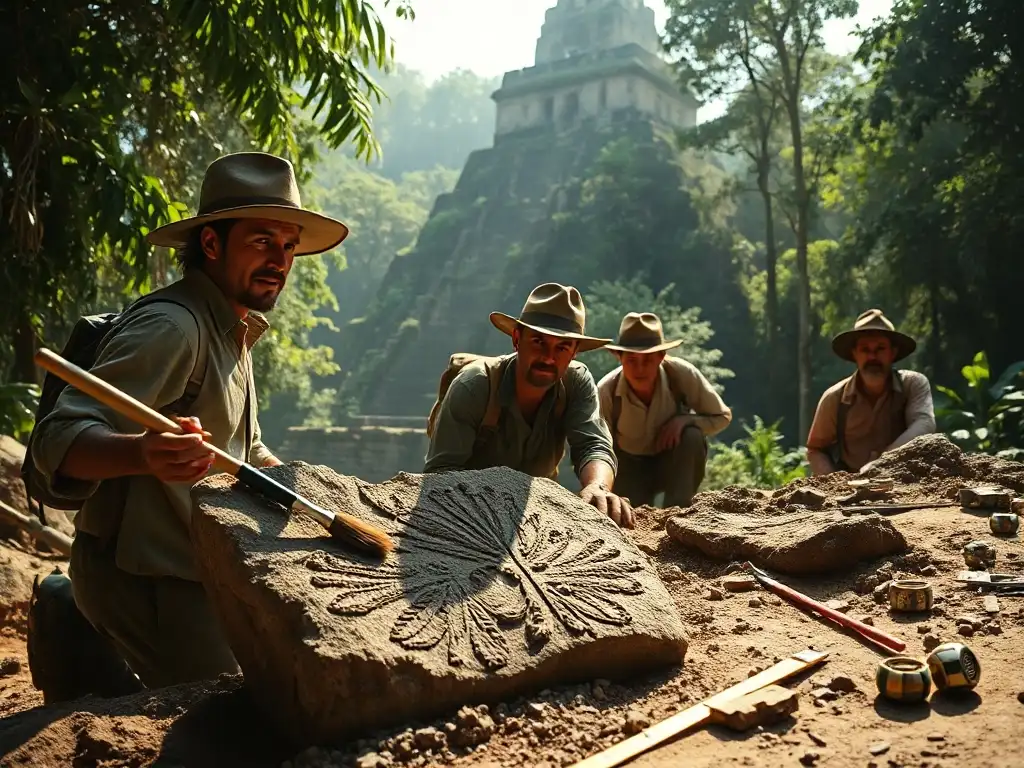
This section delves into the contemporary initiatives focused on the recovery and preservation of Inca heritage, directly addressing the crucial aspect of "funding Inca treasure recovery". The rediscovery and responsible management of Inca artifacts are not merely historical pursuits; they represent a vital connection to cultural identity and a powerful tool for fostering national pride and economic development in the Andean region. Understanding the funding mechanisms behind these efforts is key to appreciating the scale and impact of this ongoing work.
Archaeological Expeditions in the Vilcabamba Region
The Vilcabamba region, the last refuge of the Inca resistance against the Spanish conquistadors, remains a treasure trove of potential archaeological discoveries. Numerous expeditions, funded through a combination of governmental grants, private donations, and academic research budgets, are actively exploring this remote and challenging terrain. These expeditions, often employing cutting-edge technologies like ground-penetrating radar and LiDAR, aim to uncover lost Inca cities, ceremonial sites, and burial grounds.
The discovery of new artifacts not only enriches our understanding of Inca history and culture but also contributes significantly to the national heritage of Peru and other Andean nations. Funding for these expeditions is often secured through competitive grant applications, requiring detailed proposals outlining the research methodology, potential impact, and a comprehensive budget encompassing personnel costs, equipment, and logistical support. The successful recovery of even a single significant artifact can justify the substantial investment, generating considerable public interest and attracting further funding opportunities.
For example, the recent discovery of [specific artifact discovery pending] in the Vilcabamba region highlights the potential rewards of such endeavors, attracting significant media attention and bolstering future funding prospects. The meticulous documentation and preservation of these findings are equally crucial, adding to the overall cost but ensuring the long-term value of the project.
Ethical Considerations in Inca Artifact Handling
The recovery of Inca treasures presents significant ethical challenges. The question of ownership and repatriation of artifacts remains a complex issue, requiring careful consideration of the rights of indigenous communities and national governments. Funding Inca treasure recovery must therefore be coupled with a strong ethical framework ensuring responsible excavation, documentation, and preservation practices. This includes:
- Community Consultation: Engaging local communities in the planning and execution of archaeological projects is paramount. Their knowledge and perspectives are invaluable, and their consent must be obtained before any excavation begins.
- Repatriation Policies: Clear and transparent policies concerning the repatriation of artifacts to their countries of origin are essential. This involves establishing collaborative agreements between international institutions and national governments to ensure the artifacts' safe return and appropriate display.
- Museum Partnerships: Collaborations with museums equipped to handle and exhibit artifacts ethically and responsibly are crucial. This includes ensuring appropriate storage conditions, conservation techniques, and public access for educational purposes. Funding models should include provisions for long-term conservation and management of recovered artifacts.
The ethical dimension is not merely a matter of principle; it is also vital for securing long-term funding. Projects perceived as lacking ethical integrity are less likely to attract support from reputable organizations and private donors. Transparency and accountability are paramount, ensuring that funding is used responsibly and ethically.
The UNESCO Convention on Cultural Property
The 1970 UNESCO Convention on the Means of Prohibiting and Preventing the Illicit Import, Export and Transfer of Ownership of Cultural Property provides a critical international framework for protecting cultural heritage, including Inca treasures. This convention emphasizes the importance of international cooperation in preventing the illicit trafficking of artifacts and encourages the return of stolen cultural objects to their countries of origin. Funding Inca treasure recovery initiatives often requires adherence to this convention's principles, demonstrating compliance with international standards for ethical artifact handling and repatriation.
This can be a crucial factor in securing funding from international organizations and governments, which prioritize projects aligned with UNESCO's guidelines. Furthermore, the convention provides a legal basis for reclaiming illegally exported artifacts, potentially leading to the return of invaluable Inca treasures and boosting efforts towards the sustainable funding of future recovery projects.
The convention's emphasis on preventing illicit trafficking underscores the importance of investing not only in excavation and recovery but also in robust security measures to protect newly discovered artifacts from theft and illegal trade. This necessitates additional funding for security personnel, advanced security systems, and public awareness campaigns.
The Potential Impact of Funding Inca Treasure Recovery
The recovery of Inca treasures holds immense potential, extending far beyond the mere acquisition of precious artifacts. Strategic funding for such endeavors can unlock significant benefits across various sectors, fostering economic growth, cultural preservation, and academic advancement within Andean communities and globally. The economic impact alone could be substantial, stimulating tourism, creating jobs in archaeology and conservation, and generating revenue for local communities.
Moreover, the recovered artifacts offer unparalleled insights into a rich and complex civilization, enriching our understanding of human history and culture. This section explores some key areas where funding Inca treasure recovery can create a lasting positive impact.
Supporting Indigenous Communities Through Cultural Revitalization
Funding Inca treasure recovery presents a unique opportunity to directly support Indigenous communities. By actively involving local communities in the excavation, preservation, and exhibition of artifacts, we can empower them to reclaim their cultural heritage and foster a sense of pride in their ancestral past. This can manifest in several ways:
- Job creation: Funding can support the training and employment of local individuals in archaeological fieldwork, artifact conservation, museum curation, and tourism-related services. This provides sustainable livelihoods and strengthens the local economy.
- Cultural preservation: The recovered artifacts can be used to develop educational programs and cultural centers, teaching future generations about their heritage and fostering cultural transmission. Imagine vibrant museums showcasing the recovered treasures, staffed and managed by members of the local community.
- Community-led initiatives: Funds can be allocated to support community-driven projects focused on reviving traditional crafts, languages, and practices, directly linking the recovered treasures to living cultural traditions. For example, funding could support the revival of traditional weaving techniques using designs inspired by recovered textiles.
The successful integration of Indigenous communities in the process ensures that the recovery of Inca treasures is not just an academic exercise but a powerful catalyst for cultural revitalization and empowerment, a true embodiment of "funding Inca treasure recovery" for the benefit of those most directly affected.
Reinvesting in Andean Studies and Research
The retrieval of Inca artifacts is not merely about collecting shiny objects; it's a crucial step in advancing our understanding of Andean civilizations. Funding directed towards research and scholarship can dramatically improve our understanding of Inca society, technology, and beliefs. This includes:
- Advanced analytical techniques: Funding can facilitate the use of cutting-edge scientific techniques, like radiocarbon dating, DNA analysis, and material science analysis, to gain precise information about the age, origin, and use of the artifacts. This allows for a more detailed and accurate reconstruction of Inca life.
- Interdisciplinary collaboration: Funding should support collaborative research projects involving archaeologists, anthropologists, historians, linguists, and other specialists. This interdisciplinary approach fosters a holistic understanding of Inca civilization, going beyond simple artifact descriptions.
- Dissemination of knowledge: Funding should be allocated to ensure the findings of research are widely disseminated through publications, conferences, and public outreach programs. This makes the knowledge accessible to a broader audience, both academic and general public, contributing to a better understanding of the Inca legacy.
By investing in research and analysis, we not only uncover the secrets held within the Inca treasures, but we also foster a deeper understanding of the Andean world, significantly advancing our knowledge and appreciation of human history.
The Significance of Inca Artifacts for Understanding Andean Cosmology
Inca artifacts often hold profound religious and cosmological significance. Their intricate designs, materials, and placement often reflect the Inca worldview and their relationship with the natural world. Funding for the recovery and study of these artifacts can unlock a wealth of information about their beliefs, rituals, and societal structures.
- Deciphering iconography: Many Inca artifacts feature complex iconography that requires specialized knowledge to decipher. Funding can support the work of experts in Andean iconography, allowing for a deeper understanding of Inca mythology, religious practices, and social hierarchies.
- Contextual analysis: Understanding the context in which artifacts were found is crucial. Funding for meticulous excavation and recording of context can reveal valuable information about ritual practices, burial customs, and the social organization of Inca society.
- Preservation for future study: Proper preservation of these artifacts is paramount to ensure their availability for future research and analysis. Funding for preservation techniques and storage facilities is essential for the long-term protection of this invaluable cultural heritage.
The meticulous study of Inca artifacts, made possible through dedicated funding, allows us to delve into the rich tapestry of Andean cosmology, revealing a sophisticated and nuanced understanding of their spiritual beliefs and their intricate connection to the Andean landscape. This contributes significantly to a more complete understanding of the Inca civilization and its enduring legacy.
The Future of Inca Treasure Recovery and its Implications
The pursuit of funding for Inca treasure recovery is not merely an archaeological endeavor; it's a complex interplay of historical preservation, cultural repatriation, and economic development. Successfully securing funding for these projects requires a multi-pronged approach, addressing both the scientific needs and the broader socio-political context. The potential rewards, however, are immense – not only the recovery of invaluable artifacts, but also the revitalization of local communities and a deeper understanding of Inca civilization.
The economic impact, through tourism and research opportunities, could be transformative for regions still bearing the scars of colonial exploitation. Furthermore, the ethical implications of recovering and managing these treasures must be carefully considered, emphasizing collaboration with indigenous communities and ensuring that profits benefit them directly. The future of Inca treasure recovery hinges on securing sustainable, ethical funding models that prioritize both preservation and community empowerment.
Advanced Remote Sensing in Archaeological Exploration
Advanced remote sensing technologies are revolutionizing the search for lost Inca treasures. Techniques like LiDAR (Light Detection and Ranging), ground-penetrating radar (GPR), and hyperspectral imaging are proving invaluable in identifying previously unknown sites and features hidden beneath the surface. LiDAR, for example, can penetrate dense vegetation, revealing subtle changes in topography that might indicate buried structures or pathways.
GPR uses radio waves to detect subsurface anomalies, helping locate potential burial chambers or other artifacts. Hyperspectral imaging, meanwhile, analyzes the spectral signatures of materials, identifying variations that might indicate the presence of specific materials or even pigments used in Inca art. The application of these technologies significantly reduces the need for extensive and potentially destructive excavation, allowing for a more precise and minimally invasive approach to archaeological investigation.
Funding for these advanced technologies is crucial, as they dramatically increase the efficiency and effectiveness of treasure recovery efforts, ultimately leading to a more comprehensive understanding of Inca history and culture. The cost-effectiveness of these methods, when compared to traditional excavation techniques, presents a compelling argument for increased investment. Data analysis and interpretation also require specialized expertise and software, demanding further investment in skilled personnel and technological infrastructure.
Challenges and Opportunities in Funding Andean Heritage Conservation
Securing funding for Andean heritage conservation presents significant challenges. Competition for limited resources is fierce, with numerous cultural heritage sites worldwide vying for attention and investment. Furthermore, the often-remote and geographically challenging locations of many Inca sites increase the costs associated with access, research, and preservation efforts. However, opportunities abound.
The growing global interest in Inca culture and history provides fertile ground for attracting private philanthropic donations and sponsorships. Collaborations with international organizations and government agencies can leverage additional funding sources. Developing sustainable tourism initiatives centered around Inca sites can generate revenue that can be reinvested in conservation and community development. Crafting compelling narratives that emphasize the cultural and historical significance of Inca heritage is key to securing funding.
Highlighting the potential economic benefits of preservation, such as increased tourism and job creation, can also make a strong case for investment. Moreover, engaging with local communities and ensuring that they are active partners in the conservation process is not only ethically crucial but also increases the likelihood of securing long-term, sustainable funding. A multifaceted approach that combines public and private funding, along with community engagement, is essential to address the challenges and unlock the opportunities for preserving Andean heritage.
The Ongoing Legacy of Inca Resistance and the Pursuit of Cultural Sovereignty
The pursuit of funding for Inca treasure recovery is intrinsically linked to the ongoing legacy of Inca resistance and the fight for cultural sovereignty. The recovery and repatriation of Inca artifacts are not merely about reclaiming material possessions; they represent a powerful assertion of cultural identity and a rejection of colonial narratives that sought to erase or diminish Inca heritage. Funding initiatives must therefore actively support the participation of indigenous communities in all aspects of the recovery and management process. This includes providing opportunities for community members to participate in research, conservation, and interpretation efforts.
It also means ensuring that the benefits of treasure recovery—economic, social, and cultural—directly benefit the communities most affected. The recovery of Inca treasures is thus not just an archaeological endeavor but a vital component of the ongoing struggle for cultural self-determination and the reclamation of a rich and complex history. This necessitates a shift away from extractive models of archaeological research towards collaborative approaches that prioritize the rights and perspectives of indigenous communities.
The ethical implications of funding and managing these treasures must be at the forefront of all decision-making processes. This includes transparent and accountable management of funds, ensuring that the resources are used responsibly and equitably. 💰 The financial support provided should empower Andean communities to tell their own stories and to shape the future of their cultural heritage.
Frequently Asked Questions
How can I help fund Inca treasure recovery efforts?
Several organizations dedicated to archaeological preservation and research are actively seeking funding. You can donate directly to these groups or participate in crowdfunding campaigns specifically focused on Inca sites and artifacts. Look for reputable organizations with transparent financial practices.
What is the significance of recovering lost Inca treasures?
Recovering lost Inca treasures provides invaluable insights into their advanced civilization, engineering feats, and artistic achievements. These discoveries help us to understand their culture, beliefs, and daily lives, enriching our knowledge of history. It also helps protect these artifacts from looting and destruction.
Are there any ethical concerns surrounding Inca treasure recovery?
Yes, ethical considerations are paramount. Respect for indigenous communities and their cultural heritage is crucial. Any recovery efforts must prioritize the preservation of sites and ensure the artifacts are handled responsibly, with a focus on cultural repatriation when appropriate.
How is funding used in Inca treasure recovery projects?
Funding supports various aspects of recovery, including excavation, conservation, and analysis of artifacts. It also covers the costs of research, documentation, and community engagement. Finally, it aids in the long-term preservation and display of recovered treasures.
Where can I find information on legitimate Inca treasure recovery projects?
Reputable academic institutions, museums, and non-profit organizations involved in archaeological research are good sources. Look for projects that emphasize scientific methodology, community collaboration, and ethical practices. Avoid projects that seem secretive or lack transparency.
Final Reflection: Unearthing the Past, Funding the Future
The search for lost Inca treasures is not merely an archaeological pursuit; it's a potent symbol of reclaiming cultural heritage and empowering marginalized communities. The meticulous excavation and preservation of these artifacts are crucial, not only for understanding a rich civilization but also for fostering economic development and social justice in the regions where these treasures lie buried. The financial investment in such endeavors is an investment in a more equitable and informed future.
The enduring legacy of the Inca Empire continues to resonate today, shaping our understanding of societal structures, engineering marvels, and the resilience of the human spirit. Their sophisticated agricultural techniques, intricate social systems, and breathtaking architectural achievements remain a source of inspiration and wonder. The past is never dead. It's not even past.
– William Faulkner. This quote rings especially true when considering the potential of Inca treasure recovery to not only illuminate the past but also to actively shape a more just and prosperous future for the descendants of this remarkable civilization. The ethical and responsible management of any discovered treasures is paramount, ensuring that the benefits directly support the communities from which they originated.
Consider the implications of this for a moment. What responsibility do we, as global citizens, have to ensure the ethical and sustainable recovery of these historical treasures? How can we, through informed engagement and responsible funding, contribute to a future where the past is not only preserved but also empowers those whose ancestors created it? I urge you to reflect on the power of cultural heritage and the potential for collaborative efforts to unlock the mysteries of the Inca past while simultaneously building a brighter future for the communities who are its rightful inheritors.
Uncover Your Adventure and Make a Difference!
Thank you for exploring the fascinating world of Inca treasures and their connection to freedom. Your interest not only deepens your understanding but also supports a vital cause. Now, let's turn that curiosity into action!
Here's how you can make a real impact:
- Support the Cause: Contribute to organizations dedicated to preserving cultural heritage and protecting indigenous rights. Your donation helps safeguard these invaluable treasures and empowers local communities.
- Share Your Knowledge: Discuss what you've learned with friends and family. Whether through social media or personal conversations, your passion can inspire others to appreciate and advocate for this rich history.
- Continue Exploring: Take a virtual tour of Inca sites or attend a relevant lecture or workshop. Further discovery will deepen your appreciation and strengthen your commitment to this important cause.
What new discoveries and insights await you on your journey of exploration?