
Unveiling the Secrets of Ancient Andean Granaries: More Than Just Storage

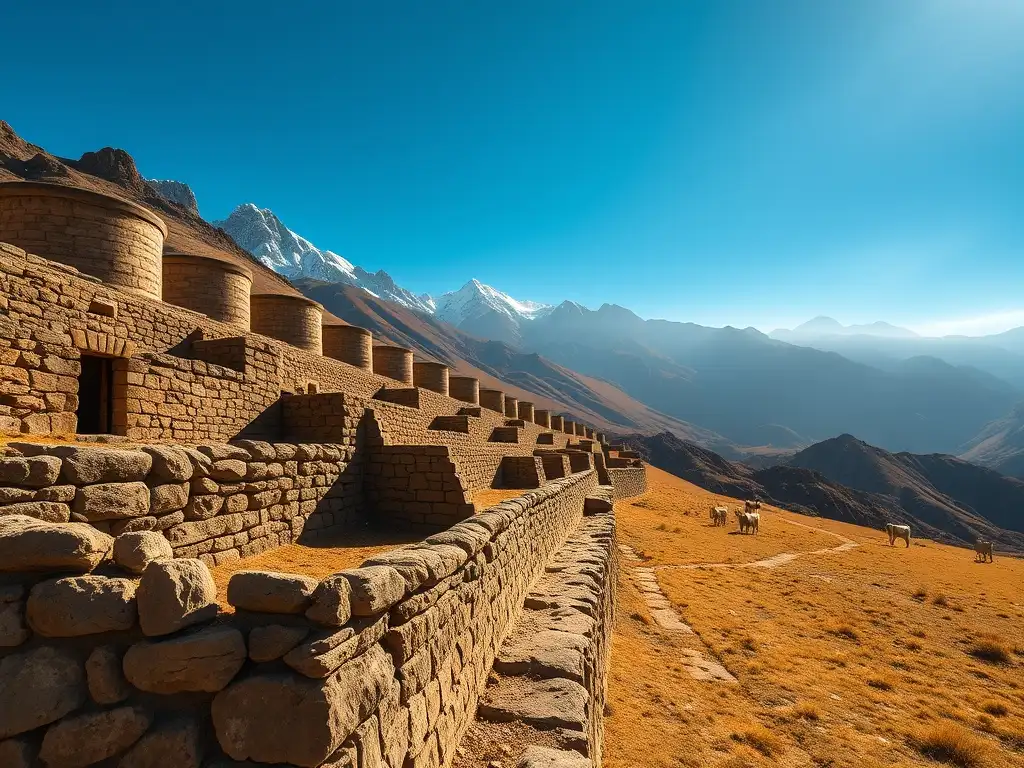
Step into a world lost to time, yet echoing with the ingenuity of the Andes. For centuries, the towering peaks and fertile valleys have witnessed the rise and fall of magnificent civilizations. But what secrets lie hidden within their remarkable achievements? This journey into the heart of Andean Civilizations begins with an exploration of the Ancient Andean granary function, revealing a story far more complex than simple storage—a tale of societal structure, agricultural mastery, and survival against the odds. Prepare to be amazed.
The vast, complex societies of the Andes, including the Inca, Moche, Nazca, and Tiahuanaco civilizations, thrived thanks to sophisticated agricultural techniques and efficient food distribution systems. Central to this success were their remarkable granaries – structures far more intricate and significant than simple storage facilities. This article delves into the multifaceted functions of these ancient Andean granaries, revealing their crucial role in not only preserving food but also in shaping social structures, economic stability, and even religious practices.
We will explore the architectural ingenuity, the social implications, and the enduring legacy of these remarkable constructions, shedding light on the vital role they played in the daily lives and the long-term survival of these impressive ancient cultures. Understanding the function of the ancient Andean granary provides key insights into the complexities and resilience of Andean civilizations.
Architectural Marvels: Design and Construction of Andean Granaries
Andean granaries varied significantly in design and construction depending on the specific civilization and geographical location. Many were built from stone, reflecting the readily available materials and the advanced masonry skills of the builders. Some were integrated into cliff faces, offering natural protection from the elements and potential intruders.
Others were freestanding structures, often circular or rectangular, with carefully constructed walls and roofs designed to regulate temperature and humidity. The ingenuity of their design is remarkable. For example, the use of specific ventilation techniques, such as strategically placed openings and internal chambers, prevented spoilage and maintained optimal conditions for long-term food storage.
The precise methods employed varied, showcasing regional adaptations and reflecting the specific agricultural products stored. Detailed studies of surviving granaries reveal sophisticated engineering principles that ensured the longevity and effectiveness of these structures. Consider the intricate stonework of some granaries, or the careful placement of ventilation shafts – these weren't just haphazard piles of rocks; they were carefully planned and executed engineering feats.
The function of ancient Andean granaries extended far beyond mere food storage. They served as vital components of the social and economic fabric of Andean societies. The size and location of granaries often reflected the power and wealth of a community or ruling elite. Larger, more elaborately constructed granaries indicated greater agricultural productivity and a more robust social hierarchy.
Furthermore, the controlled distribution of stored food from these granaries played a crucial role in maintaining social order and preventing famine during lean times. The ability to manage and distribute food resources effectively ensured social stability and allowed for the support of specialized labor, religious activities, and public works projects. The granaries weren't just storage facilities; they were crucial instruments in maintaining the social contract and the economic viability of these civilizations.
Religious Significance: Granaries as Sacred Spaces
Evidence suggests that many Andean granaries held significant religious importance. Their construction and location often coincided with sacred sites or were incorporated into broader religious complexes. The act of storing and distributing food might have been imbued with ritualistic significance, reflecting the deep connection between agriculture, religious beliefs, and the cyclical nature of life and death.
Specific ceremonies or offerings might have been associated with the filling or emptying of granaries, highlighting the sacred nature of food and its connection to the spiritual realm. Further research is needed to fully unravel the religious symbolism associated with granaries, but the available evidence strongly points to their role extending beyond the purely practical. The careful placement and construction, combined with archaeological findings, hint at a deeper, more symbolic meaning associated with these structures.
The Enduring Legacy: Granaries and Modern Andean Cultures
The legacy of ancient Andean granaries continues to resonate in modern Andean cultures. Traditional storage techniques and architectural features persist in many rural communities, demonstrating the enduring relevance of these ancient practices. The knowledge accumulated over centuries about optimal storage conditions and efficient food preservation continues to inform modern agricultural practices.
Studying these ancient granaries offers invaluable insights into sustainable agricultural techniques and the importance of community-based resource management. Understanding their function is not simply a historical exercise; it provides valuable lessons for contemporary societies grappling with issues of food security and sustainable resource management. The wisdom of the past, encapsulated in these remarkable structures, offers valuable lessons for the future.
- Architectural Marvels: Design and Construction of Andean Granaries
- Beyond Storage: Social and Economic Implications of Granaries
- Religious Significance: Granaries as Sacred Spaces
- The Enduring Legacy: Granaries and Modern Andean Cultures
- What was the primary function of ancient Andean granaries?
- How did the design of Andean granaries contribute to their function?
- What types of goods were stored in ancient Andean granaries?
- What does the construction of Andean granaries tell us about Andean societies?
- How did the location of Andean granaries impact their function and purpose?
The Multifaceted Role of Andean Food Storage Structures
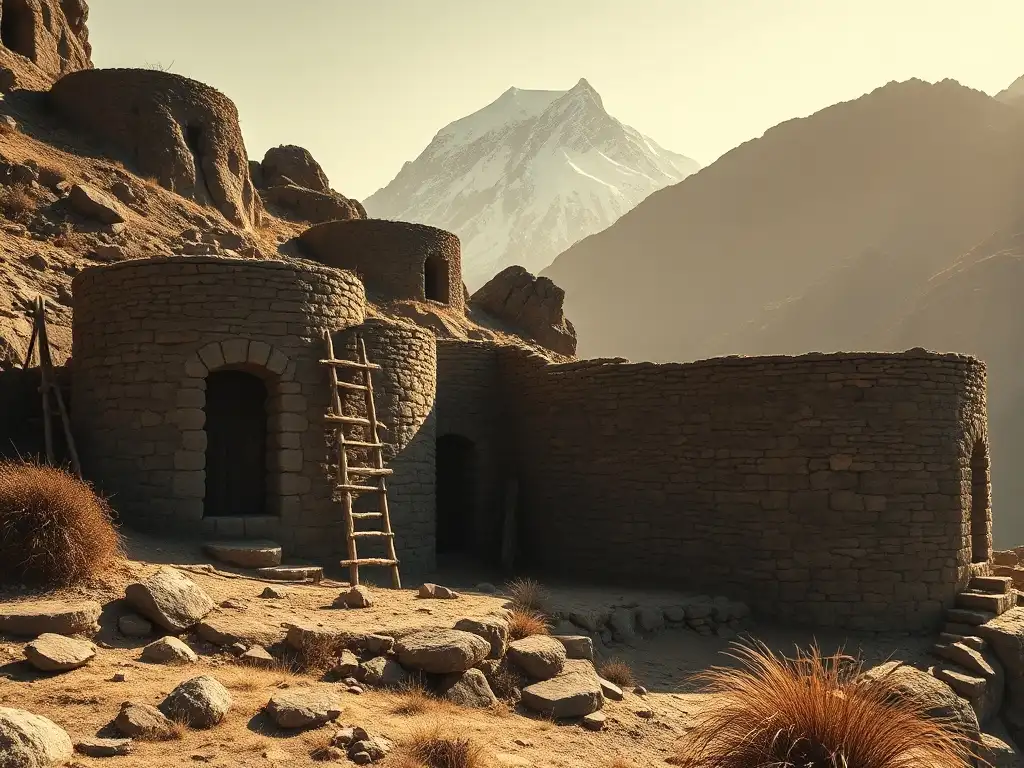
The term "Ancient Andean granary function" often evokes a simplistic image: a place to store surplus grain. However, a deeper examination reveals a far more complex reality. These structures, meticulously constructed across diverse Andean landscapes, served a multitude of crucial roles extending beyond mere food preservation.
They were integral components of a sophisticated socio-political system, reflecting the intricate relationship between Andean societies and their environment. Their design, location, and associated rituals underscore the profound symbolic and economic significance of food storage in these civilizations. Understanding their multifaceted roles requires moving beyond the immediate function of storage and exploring their broader implications within the Andean worldview.
Beyond Simple Storage: The Significance of Ancient Andean Granaries
Ancient Andean granaries were not simply static repositories of food. Their construction, often incorporating advanced architectural techniques for ventilation and pest control, speaks to a deep understanding of agricultural practices and preservation methods. For example, the use of specific materials like stone and adobe, chosen for their insulating properties, minimized temperature fluctuations and prevented spoilage.
The strategic placement of granaries, frequently on elevated ground or within fortified settlements, further indicates their importance in community defense and social organization. These weren't just buildings; they were strategic assets, reflecting the community's capacity for planning, resource management, and defense against both environmental challenges and potential conflicts. The size and complexity of the granary often reflected the wealth and power of a particular community or elite group, underscoring their role in social stratification and economic control.
Furthermore, archaeological evidence suggests that some granaries were associated with religious rituals, highlighting the sacred nature of food and its connection to the spiritual realm within Andean cultures. The act of storing food wasn't merely practical; it was a deeply symbolic act, reinforcing social structures and spiritual beliefs.
Understanding the Context: Andean Agriculture and Surplus Production
The very existence of large-scale granaries hinges on the ability to produce agricultural surpluses. Ancient Andean agriculture, characterized by sophisticated irrigation systems, terracing techniques, and crop diversification, fostered significant productivity. The cultivation of staple crops like potatoes, maize, and quinoa, adapted to diverse ecological zones, allowed for a degree of food security and surplus generation. This surplus was not simply a matter of luck; it was the result of carefully planned agricultural practices and a deep understanding of the Andean environment.
The ability to predict and manage water resources, coupled with innovative farming techniques, enabled Andean communities to produce more food than was immediately necessary for subsistence. This surplus, stored in granaries, served as a crucial buffer against periods of drought, crop failure, or other unforeseen circumstances. It also played a vital role in supporting specialized labor, religious activities, and the maintenance of complex social structures. The management and distribution of stored food likely involved intricate systems of social organization and political control, ensuring equitable access and preventing famine.
The evidence suggests a sophisticated understanding of resource management that facilitated the survival and prosperity of these remarkable civilizations. The scale of granary construction and their strategic locations across diverse landscapes directly reflect the success of Andean agricultural practices and their capacity for surplus production. Analyzing the size and distribution of granaries alongside evidence of agricultural techniques provides crucial insights into the overall economic and social organization of Andean societies.
Exploring Different Types of Ancient Andean Granaries
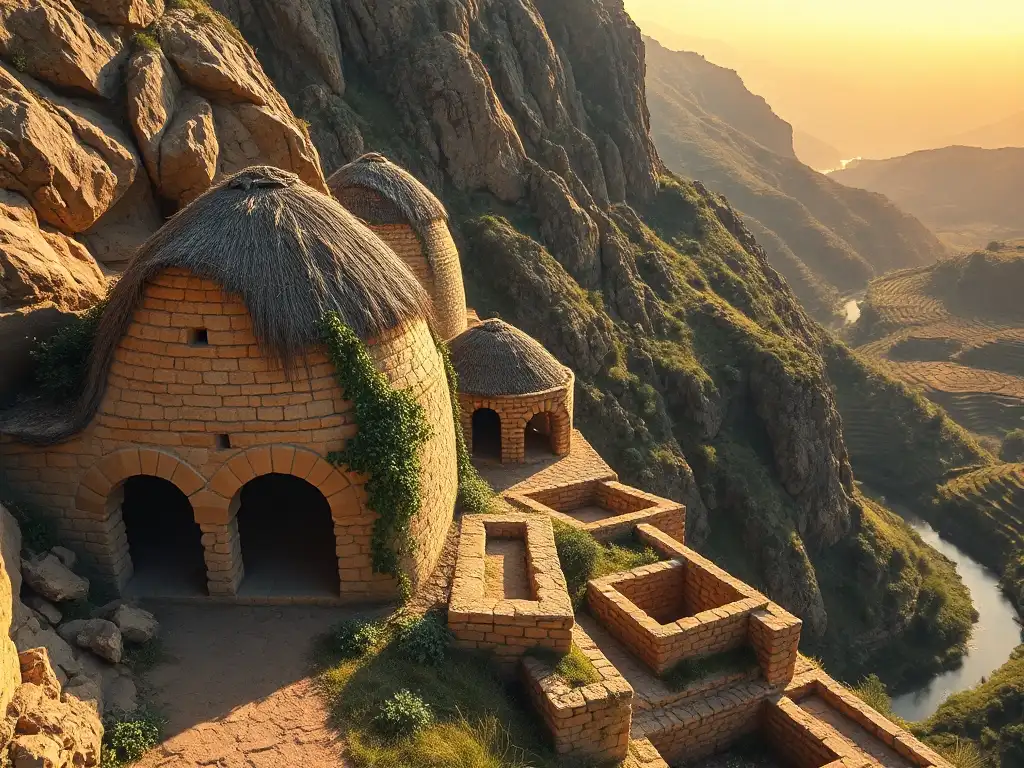
The term "Ancient Andean granary function" often evokes a simple image: a place for storing surplus food. However, the reality is far richer and more nuanced. Ancient Andean societies, including the Incas, Moche, Nazca, and Tiahuanaco, developed a sophisticated range of granaries, each designed to meet specific needs and reflect the unique environmental conditions of their respective regions.
These structures weren't merely repositories; they played crucial roles in social organization, economic stability, and even ritual practices. Understanding their diversity is key to appreciating the ingenuity and complexity of Andean agricultural systems. This section will explore the different types of granaries, highlighting their design, construction, and functional variations across the Andes.
The Design and Construction of Colcas: The Most Common Andean Granary
The colca is arguably the most iconic type of Andean granary. These structures, typically built from stone, were prevalent throughout the Inca Empire and beyond, adapting to diverse terrains and climates. Their design often featured cylindrical or rectangular shapes, with thick walls designed for insulation and protection from the elements. Many colcas were built into hillsides or cliffs, utilizing natural formations to enhance stability and security.
This strategic placement minimized exposure to extreme weather conditions and provided natural defense against potential raiders. The construction itself involved meticulous craftsmanship, with precisely cut stones fitted together without mortar, demonstrating the advanced engineering skills of Andean builders. The internal space was often divided into compartments, allowing for the storage of different types of grains and other foodstuffs.
Some colcas even incorporated ventilation systems, further enhancing the preservation of stored goods. The size and complexity of colcas varied significantly, reflecting the scale of agricultural production and the social status of their owners. Larger, more elaborate colcas often belonged to elites or served as community storehouses.
Regional Variations in Granary Architecture: The Case of Incan Colcas
While the colca design was widespread, significant regional variations existed, particularly within the vast Inca Empire. The specific materials used, the overall shape and size of the structures, and even the methods of construction differed depending on the local environment and available resources. For instance, Incan colcas in the high Andes, characterized by harsh climates and limited vegetation, often utilized locally-sourced stone and were built into the landscape to maximize protection from the elements.
In contrast, colcas in more temperate regions might incorporate different materials, such as adobe bricks or even wood, reflecting the abundance of these resources. The integration of colcas into the broader landscape also varied. In some areas, they were strategically located near agricultural fields, facilitating easy access and transport of harvested crops.
In other areas, they were incorporated into larger settlements or religious complexes, highlighting their importance in the social and religious fabric of Inca society. Archaeological evidence suggests a complex system of management and control over these granaries, with records potentially kept to track stored goods and manage distribution. Further research is needed to fully understand the intricate network of Incan granaries and their role in the empire’s logistical prowess.
Underground Storage: Chullpas and Their Function in Food Preservation
Beyond the surface structures like colcas, ancient Andean societies also utilized underground storage facilities. Chullpas, while often associated with funerary practices, also served as important spaces for food preservation. These structures, typically built from stone, were often cylindrical or tower-like, with internal chambers designed to maintain a stable temperature and humidity.
Their subterranean location provided natural insulation, protecting stored food from extreme temperature fluctuations and reducing the risk of spoilage. This method of storage was particularly effective in preserving perishable items like potatoes and other root vegetables. While the primary function of many chullpas was indeed mortuary, their design and location suggest a dual purpose: the stable environment made them suitable for long-term food storage, potentially supplementing the capacity of above-ground granaries.
The precise extent to which chullpas were used for food storage compared to their funerary role requires further investigation, but their unique construction and environmental characteristics strongly suggest their important contribution to Andean food security. The careful management of these underground stores, coupled with the above-ground colcas, showcases the sophisticated techniques employed by Andean civilizations to ensure food security and social stability.
The Strategic Placement of Granaries in the Andean Landscape
The strategic placement of ancient Andean granaries wasn't arbitrary; it was a carefully considered aspect of logistical planning and resource management, deeply intertwined with the complex agricultural practices of these civilizations. Understanding their location reveals crucial insights into the sophistication of Andean societal organization and their mastery of their challenging environment. The placement of these structures directly reflects an intimate understanding of the Andean landscape and its resources, maximizing efficiency and minimizing risk.
This strategic approach to granary placement ensured the long-term sustainability of Andean communities, allowing them to withstand periods of drought or other environmental challenges. Analyzing the location of these granaries provides a window into the ingenuity of ancient Andean engineers and planners, highlighting their capacity for complex logistical organization and resource management. The "Ancient Andean granary function" extended far beyond simple storage.
Granaries and Terraced Agriculture: An Interconnected System
The relationship between ancient Andean granaries and terraced agriculture is undeniable. Granaries were frequently constructed in close proximity to agricultural terraces, minimizing the distance food needed to travel from field to storage. This efficient system reduced the risk of spoilage and theft, ensuring the preservation of vital food supplies. The terraces themselves, carved into the steep Andean slopes, often provided natural protection for the granaries, integrating the structures seamlessly into the agricultural landscape.
For example, the steep slopes around Cusco often had granaries nestled amongst the terraces, benefiting from the natural protection and proximity to the agricultural fields. This symbiotic relationship highlights the integrated approach to food production and storage employed by Andean societies. The location of granaries thus served as a visual representation of the sophisticated agricultural systems that supported these civilizations.
The Importance of Altitude and Climate in Granary Location
Altitude and climate played a crucial role in the selection of granary sites. Higher altitudes, while offering cooler temperatures ideal for preserving certain grains and goods, presented challenges in terms of accessibility and construction. Lower altitudes, on the other hand, offered easier access but might have presented greater risks of spoilage due to higher temperatures and humidity.
The choice of location often involved a careful balancing act, considering factors such as the type of crops being stored, the prevailing climate, and the accessibility of the site. Data from archaeological excavations suggests that different types of granaries were used at different altitudes, suggesting a nuanced understanding of the specific climatic requirements for storing various types of food. This adaptability demonstrates the advanced knowledge of Andean communities regarding the intricate relationship between altitude, climate, and food preservation.
Granaries as Centers of Community and Control: The Case of Inca Administrative Centers
In Inca administrative centers, granaries served not only as storage facilities but also as symbols of power and control. Their strategic placement within these centers facilitated the redistribution of food resources, ensuring the sustenance of the population and the maintenance of social order. The Inca state meticulously managed food production and distribution, using granaries as central hubs for this process.
These granaries, often large and imposing structures, served as visible reminders of the Inca's authority and their ability to provide for their subjects. The size and construction of these granaries varied, reflecting the administrative importance of the specific location. For instance, larger, more elaborately constructed granaries would be found in the capital Cusco, compared to smaller ones in outlying regions.
This demonstrates how the "Ancient Andean granary function" extended to social control and the consolidation of power. The strategic positioning of these structures within the Inca administrative system highlights the sophisticated organizational capacity of the Inca Empire and its ability to manage vast resources effectively. This system was fundamental to the empire's stability and longevity.
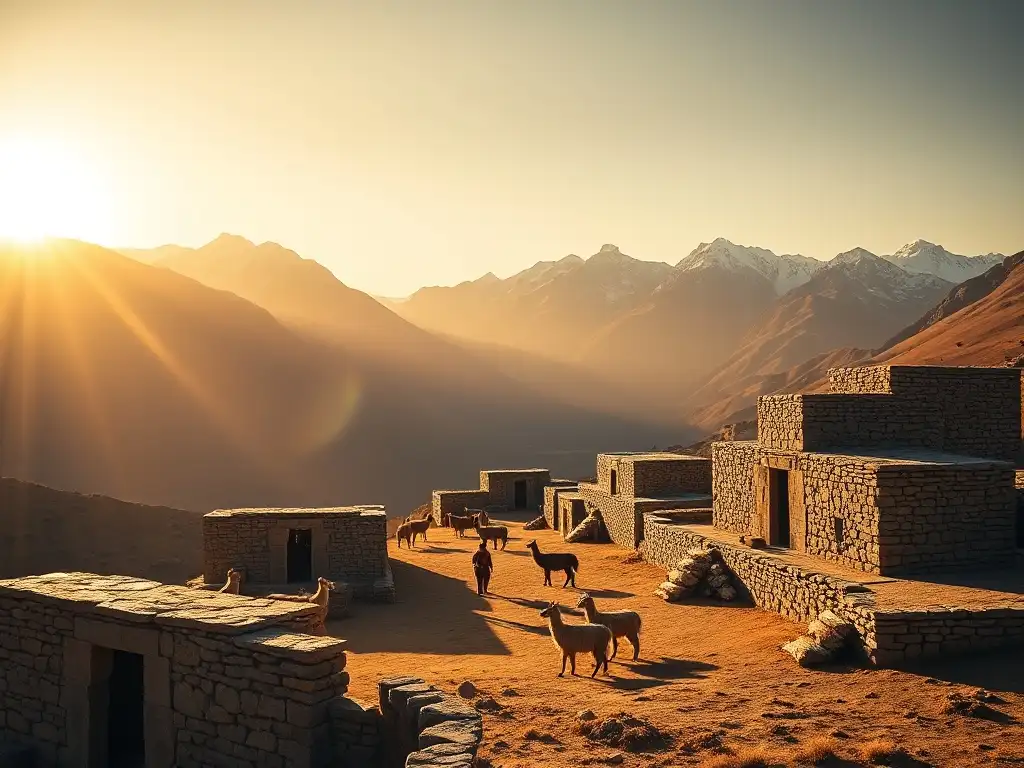
The management of ancient Andean granaries extended far beyond simple food storage; it was deeply intertwined with the social fabric, economic stability, and political power of these sophisticated societies. Understanding the function of these structures requires examining their role in shaping social hierarchies, facilitating food distribution, and reflecting the wealth and power dynamics within the different Andean cultures.
The sheer scale and sophisticated design of many granaries, especially those belonging to the Inca Empire, speak volumes about the importance placed on their construction and maintenance. The "Ancient Andean granary function" was multifaceted and crucial to the survival and success of these civilizations.
Granary management in Andean societies wasn't a monolithic system; it varied depending on the specific culture and its social structure. In many societies, access to stored food wasn't universally equal. The elite, including priests, nobles, and rulers, often had privileged access to granary resources.
This control over food resources solidified their social standing and influence. For example, archaeological evidence suggests that in some Moche communities, the size and location of granaries might have indicated the status of a household or family. Larger, more centrally located granaries could have belonged to the elite, demonstrating their control over agricultural surplus.
This unequal distribution wasn't necessarily oppressive; it could have been part of a complex system of reciprocal obligations and redistribution, where the elite played a crucial role in managing resources during times of scarcity. However, it certainly highlighted the existing social hierarchy. The implications of this unequal access are still being debated by scholars, with ongoing research aiming to better understand the nuances of these social structures and the role played by food storage.
Food Distribution and Control: The Role of the State
The state played a vital role in the management and distribution of food stored in granaries, especially during the Inca Empire. The Inca state implemented a highly organized system of agricultural production and distribution, relying heavily on a network of granaries strategically located throughout the empire. These weren't just simple storage facilities; they were integral parts of a complex system of redistribution designed to ensure food security for the entire population.
The state controlled access to granaries, ensuring that food was available to communities during times of drought, famine, or other crises. This centralized control allowed the Inca to maintain order and stability within their vast empire. This control over resources was a key element in the Inca's ability to maintain political power and social cohesion.
The efficiency of this system is evident in the empire's longevity and the relatively low incidence of widespread famine, considering the challenging Andean environment. Precise data regarding the exact mechanisms of distribution is still being researched but the evidence points towards a highly structured and efficient system.
Granaries as Indicators of Wealth and Power: The Case of Inca Royal Storehouses
Inca royal storehouses represent a prime example of how granaries served as potent symbols of wealth and power. These massive structures, often built with meticulous craftsmanship and located in strategic locations, served as visible demonstrations of the Inca state's control over agricultural production and resources. The sheer scale of these storehouses, often capable of holding vast quantities of food, underscored the Inca's economic dominance and their ability to manage and control the resources of their vast empire.
Archaeological excavations of Inca royal granaries reveal sophisticated construction techniques and careful planning, further emphasizing the importance attached to these structures. Their size and location were not arbitrary. The strategic placement of royal granaries near administrative centers and major roads facilitated efficient distribution and reinforced the Inca's authority.
These storehouses weren't merely functional; they were powerful symbols of the Inca’s power, designed to project an image of abundance, control, and imperial might. The meticulous record-keeping associated with Inca administration likely included detailed inventories of these granaries, though deciphering the surviving records remains a complex task for scholars. The study of Inca royal storehouses provides invaluable insights into the relationship between food security, political power, and imperial control in the Andes.
The Preservation Techniques Used in Ancient Andean Granaries
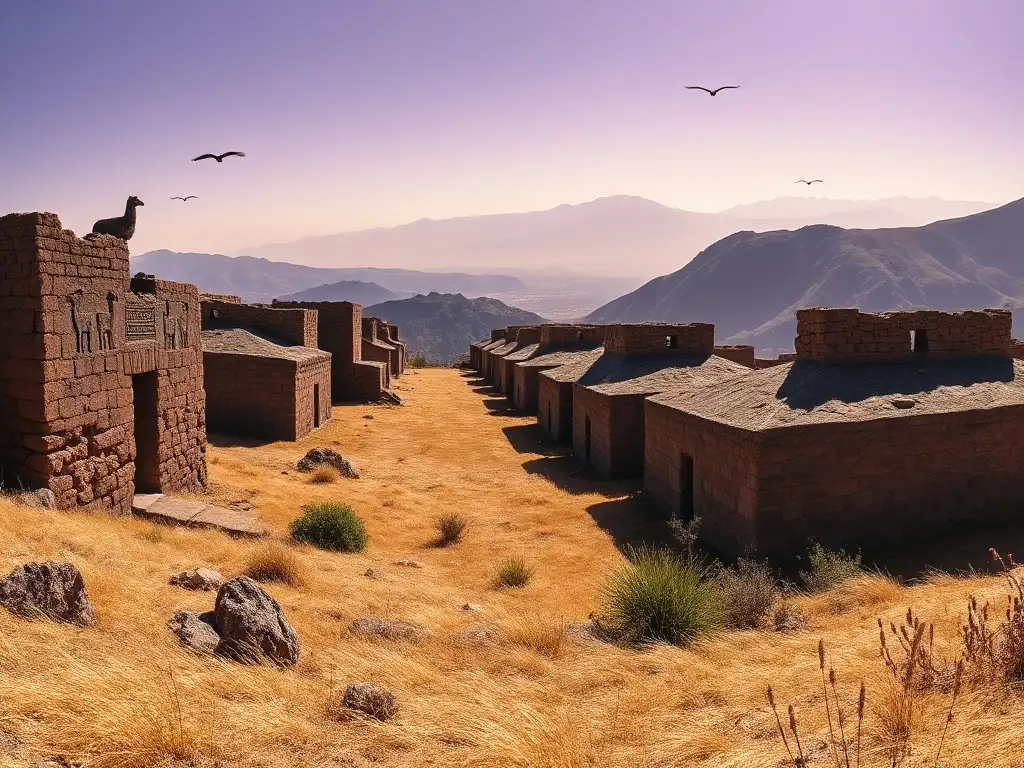
Ancient Andean granaries weren't simply rudimentary storage structures; they were sophisticated systems designed to preserve food for extended periods, crucial for the survival of these complex societies. Understanding their function requires examining the ingenious preservation techniques employed, showcasing remarkable ingenuity in adapting to challenging environmental conditions. The effectiveness of these methods hinged on a combination of architectural design and the strategic use of natural resources. The "Ancient Andean granary function" extended far beyond simple storage; it involved a complex interplay of factors that ensured the long-term viability of food supplies.
Natural Ventilation and Temperature Control Methods
The architecture of Andean granaries played a vital role in maintaining optimal storage conditions. Many were built with raised platforms, allowing for airflow beneath the structures. This natural ventilation helped regulate temperature and humidity, preventing the growth of mold and insects, common enemies of stored food.
The design often incorporated multiple small openings strategically placed to maximize air circulation while minimizing direct sunlight exposure. The walls, frequently constructed from stone or adobe, provided thermal mass, moderating temperature fluctuations throughout the day and night. This passive temperature control was particularly important in regions with significant diurnal temperature variations.
Studies of remaining granaries suggest that the orientation of the structures themselves, often aligned to prevailing winds, was another factor contributing to effective ventilation. For example, the qollqas of the Inca Empire, characteristically circular or rectangular structures, often featured carefully positioned entrances and vents to optimize air circulation. This sophisticated approach to ventilation significantly extended the shelf life of stored agricultural products.
The Use of Natural Preservatives in Stored Food
Beyond architectural design, the ancient Andeans employed a range of natural preservatives to protect their stored food. Evidence suggests the use of dried herbs and plants, such as muña (a mint-like herb) and huacatay (black mint), known for their antimicrobial properties. These were often placed amongst the stored food to deter insects and inhibit microbial growth.
The practice of drying food thoroughly before storage was also crucial. This method reduced moisture content, a key factor in preventing spoilage. Furthermore, the layering of different crops within the granaries might have created microclimates with varying humidity levels, further enhancing preservation.
While specific techniques remain uncertain due to limited documentation, archaeological findings consistently point to a nuanced understanding of natural preservation methods, reflecting a deep knowledge of botany and its implications for food storage. The precise quantities and combinations of these natural preservatives remain an area requiring further research to fully understand the "Ancient Andean granary function" in relation to food preservation.
The Impact of Climate on Food Preservation Practices: The High Altitude Advantage
The high-altitude environments where many Andean civilizations thrived offered a natural advantage in food preservation. The lower temperatures and lower humidity at higher elevations naturally inhibited the growth of microorganisms and slowed down the spoilage process. This climatic advantage reduced the reliance on some preservation techniques compared to lower-lying regions.
However, the extreme conditions also presented challenges. The intense solar radiation at high altitudes could cause rapid drying and degradation if not properly managed. Therefore, the design and construction of granaries needed to account for these specific climatic conditions.
For instance, the use of thicker walls in high-altitude granaries likely served to further regulate temperature swings, mitigating the impact of intense sunlight and cold nights. The interplay between climate, architectural design, and preservation methods highlights the integrated approach to food storage in the Andean context, emphasizing the sophisticated understanding of their environment and its influence on the "Ancient Andean granary function". Further research into specific regional variations in granary design and preservation techniques will further illuminate this complex relationship.
The Legacy of Andean Granaries: Lessons for Today
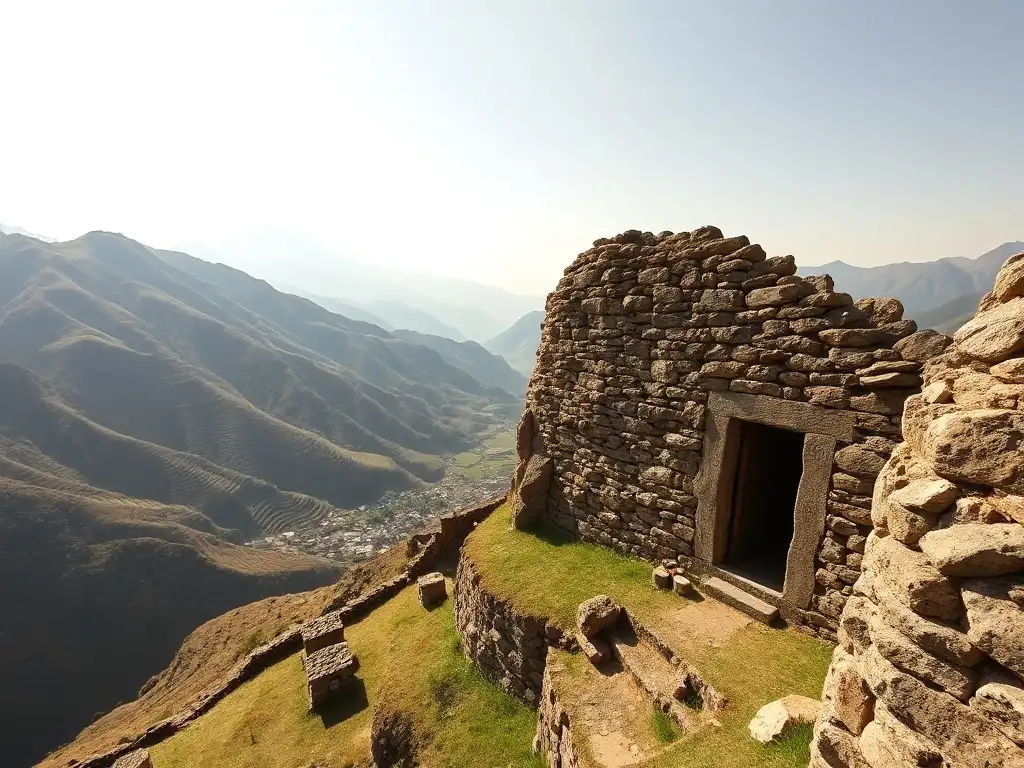
The ingenuity of ancient Andean civilizations extended beyond their impressive architectural feats and intricate social structures. Their sophisticated systems of food storage, exemplified by their granaries, offer invaluable lessons for modern societies grappling with issues of food security and sustainability. These structures, far from being mere repositories of harvested crops, represent a complex interplay of engineering, agricultural knowledge, and social organization. Understanding their function reveals a deep understanding of resource management and community resilience, offering insights applicable to contemporary challenges. The "Ancient Andean granary function" was multifaceted, going far beyond simple storage.
Modern Applications of Ancient Andean Food Storage Techniques
Ancient Andean granaries utilized ingenious techniques to preserve food, often incorporating natural ventilation, strategic placement to leverage microclimates, and the use of natural materials with inherent pest-repelling properties. These techniques, refined over centuries, resulted in remarkably effective long-term storage solutions. Modern food storage facilities can draw inspiration from these methods. For instance, the use of natural ventilation systems, mimicking the design of qollqas (Andean granaries), could reduce reliance on energy-intensive cooling technologies, lowering carbon footprints and operational costs.
Furthermore, exploring the use of natural pest deterrents, inspired by the materials used in traditional granaries, could lead to safer and more sustainable alternatives to synthetic pesticides. The study of these ancient techniques offers a pathway towards more environmentally friendly and economically viable food preservation strategies. Detailed analysis of the construction materials and their properties within different types of qollqas across various Andean cultures could reveal optimized designs for modern applications.
The Importance of Sustainable Food Storage Practices
The ancient Andean civilizations understood the critical link between sustainable food storage and community well-being. Their granaries were not simply about storing surplus; they were integral to risk mitigation and social stability. Periods of drought or crop failure were less devastating because of the carefully managed reserves. This resonates strongly with contemporary concerns about climate change and its impact on food production. Modern food systems are vulnerable to unpredictable weather patterns, pest infestations, and supply chain disruptions.
Adopting sustainable food storage practices, informed by Andean traditions, can enhance resilience and reduce vulnerability to these challenges. This includes optimizing storage conditions to minimize waste, developing resilient supply chains, and promoting diversified food production to reduce dependence on single crops. The efficient use of resources, a hallmark of Andean granary design, remains a crucial principle in achieving sustainable food security. The efficient "Ancient Andean granary function" serves as a powerful example.
The Enduring Relevance of Andean Agricultural Wisdom in Modern Food Security
The ingenuity displayed in ancient Andean granary design highlights the importance of integrating traditional knowledge with modern technologies to address contemporary food security challenges. The emphasis on local adaptation, resource efficiency, and community participation, inherent in Andean agricultural practices, offers valuable lessons for designing more sustainable and equitable food systems. The focus should be on integrating the principles of traditional food storage with advanced technologies to create a more robust and resilient food system.
For instance, combining the natural ventilation strategies of qollqas with modern monitoring systems to optimize temperature and humidity control could significantly improve food preservation. This approach, which blends ancient wisdom with modern innovation, is crucial for ensuring food security in a world facing increasing environmental and social pressures.
The study of the "Ancient Andean granary function" provides a roadmap for the future of food storage and resource management. The lessons learned from the past can help shape a more secure and sustainable future for all.
Ancient Andean Granary Function: Conclusion and Further Research
This section summarizes the multifaceted roles of ancient Andean granaries, moving beyond the simplistic notion of mere food storage. We've explored evidence suggesting their crucial involvement in social organization, economic control, and even ritualistic practices within various Andean cultures. Understanding the "Ancient Andean granary function" requires a nuanced approach, considering the specific context of each civilization and the unique features of their respective granaries.
The diverse architectural styles, sizes, and locations of these structures highlight the adaptability and ingenuity of Andean societies in managing their food resources. Their design, often integrated into the landscape and incorporating sophisticated engineering principles, reflects a deep understanding of environmental factors and the need for long-term food security.
Summarizing the Multifaceted Functions of Andean Granaries
Andean granaries were far more than simple repositories for agricultural surpluses. Their functions were interwoven with the social fabric of these complex societies. Evidence suggests several key roles:
- Food Storage and Distribution: This is the most obvious function, enabling communities to survive lean seasons and periods of scarcity. The capacity of granaries varied greatly depending on the size of the community and the agricultural output. Larger, more elaborate structures likely served as central stores for redistribution, potentially controlled by elites or religious authorities.
- Social Control and Power: Control over food resources was a significant source of power. The construction and management of granaries could have served as a mechanism for social control, reinforcing hierarchies and demonstrating the authority of ruling classes. The strategic placement of granaries, often in prominent locations, could also have been a symbolic display of power.
- Economic Management: Granaries facilitated economic planning and resource allocation. The ability to store and distribute food allowed for the organization of large-scale public works projects and the support of specialized craftspeople and officials. This sophisticated system of economic management was essential for the stability and growth of Andean societies.
- Ritual and Religious Significance: Some granaries may have held a ritualistic or religious significance. Their architecture, location, and the types of food stored within them might have played a role in religious ceremonies or beliefs related to fertility and abundance. Further research is needed to fully understand this aspect of their function.
The table below summarizes the key functions, highlighting the interconnectedness of these roles:
| Function | Description | Evidence |
|---|---|---|
| Food Storage & Distribution | Storing agricultural surpluses to ensure food security during lean seasons and for redistribution. | Size and capacity of granaries; proximity to agricultural lands and settlements. |
| Social Control & Power | Control over food resources as a mechanism for maintaining social hierarchies and demonstrating elite authority. | Strategic placement; architectural grandeur; association with elite residences. |
| Economic Management | Facilitating economic planning, resource allocation, and the support of public works and specialized craftspeople. | Large-scale granary complexes; evidence of organized labor and resource management. |
| Ritual & Religious Significance | Potential role in religious ceremonies and beliefs related to fertility and abundance. | Architectural features; location; types of stored goods (potentially sacred crops). |
Future Research Directions in Andean Food Storage Systems
Further research on Ancient Andean granary function requires a multidisciplinary approach, integrating archaeological investigation with ethnohistorical studies and advanced analytical techniques. Key areas for future investigation include:
- Detailed Archaeological Surveys: Systematic excavation and analysis of granaries across different Andean regions are crucial to understand regional variations in design, construction techniques, and function. This includes detailed study of the contents of granaries, providing insights into dietary patterns and agricultural practices.
- Advanced Dating Techniques: Precise dating of granaries will help clarify the chronological development of food storage systems and their relationship to broader societal changes. This will allow a more accurate understanding of the evolution of Andean agricultural practices.
- Ethnohistorical Analysis: Studying historical accounts and indigenous knowledge can shed light on the social and ritual significance of granaries. These accounts can provide valuable contextual information that complements archaeological data.
- Comparative Studies: Comparing granaries across different Andean cultures will reveal commonalities and differences in their design, function, and social significance. This comparative approach will provide a broader understanding of food storage systems in the Andes.
- Paleoenvironmental Reconstruction: Understanding the environmental context in which granaries were built is crucial for interpreting their function. Reconstructing past climates and agricultural conditions can help explain the design choices and the management strategies employed by Andean societies.
The study of ancient Andean granaries offers a fascinating window into the complex interplay between agriculture, society, and religion in the Andes. By pursuing these research directions, we can gain a more comprehensive understanding of the "Ancient Andean granary function" and the ingenuity of these remarkable civilizations. The potential for new discoveries and insights is immense, promising a deeper appreciation of Andean history and culture.
Frequently Asked Questions
What was the primary function of ancient Andean granaries?
While primarily used for food storage, Andean granaries served a much broader purpose than simple preservation. They played a crucial role in managing resources and supporting social structures.
How did the design of Andean granaries contribute to their function?
The unique architectural designs, often incorporating raised platforms and ventilation systems, protected stored goods from moisture, pests, and extreme temperatures, ensuring long-term preservation.
What types of goods were stored in ancient Andean granaries?
Granaries stored a variety of agricultural products including corn, potatoes, beans, and quinoa. They also sometimes housed textiles and other valuable goods.
What does the construction of Andean granaries tell us about Andean societies?
The labor-intensive construction of granaries demonstrates the sophisticated organizational capabilities and community cooperation within Andean societies. They reflect a complex social and economic system.
How did the location of Andean granaries impact their function and purpose?
The strategic placement of granaries, often in accessible yet protected locations, facilitated efficient distribution of food and reinforced the control of resources by elites or the community.
Final Reflection: Echoes of the Andes: Granaries as Symbols of Resilience
The ingenious architecture of ancient Andean granaries continues to resonate today, a testament to the ingenuity and foresight of past civilizations, offering valuable lessons in sustainable resource management in the face of modern challenges. Their sophisticated design, far from being mere storage solutions, represents a profound understanding of environmental adaptation and community resilience – qualities desperately needed in our increasingly volatile world.
The enduring legacy of these granaries extends beyond their physical presence; they represent a powerful symbol of community cooperation and long-term planning. Their construction and maintenance required collective effort, highlighting the importance of social cohesion in ensuring food security. The granaries were not simply structures; they were living embodiments of the community's spirit, its capacity for foresight and its commitment to collective well-being.
This quote, though hypothetical, encapsulates the spirit of collaboration and foresight evident in the construction and use of these remarkable structures. The impact of this social structure continues to inspire research into community-based solutions for modern food security issues.
Consider the intricate details of these ancient structures – their placement, ventilation, and ingenious methods of pest control. These weren't accidental features; they were the result of centuries of observation, experimentation, and adaptation to a challenging environment. You, too, can draw inspiration from this legacy. Think about how you can apply the principles of foresight, community collaboration, and sustainable resource management to your own life and community. Let the echoes of the Andes inspire you to build a more resilient and sustainable future.
**Unlock the Wonders of Andean Granaries Today! **
Thank you for exploring the fascinating world of ancient Andean granaries! You've discovered their remarkable importance extended far beyond simple storage. Let's delve deeper into this rich heritage.
Here are some ways to continue your exploration:
- **Expand your knowledge:** Visit local museums and cultural centers to learn more about Andean civilization and their ingenious agricultural techniques.
- **Share your discoveries:** Discuss your newfound knowledge with friends, family, or online. Inspire others to appreciate the wisdom of the Andean people.
- **Connect with others:** Join online forums or local groups focused on Andean history and culture to expand your understanding and connect with fellow enthusiasts.
What aspect of Andean civilization captivates you most, and how can you integrate that into your daily life?