
Nazca Textile Techniques: From Raw Fibers to Exquisite Patterns

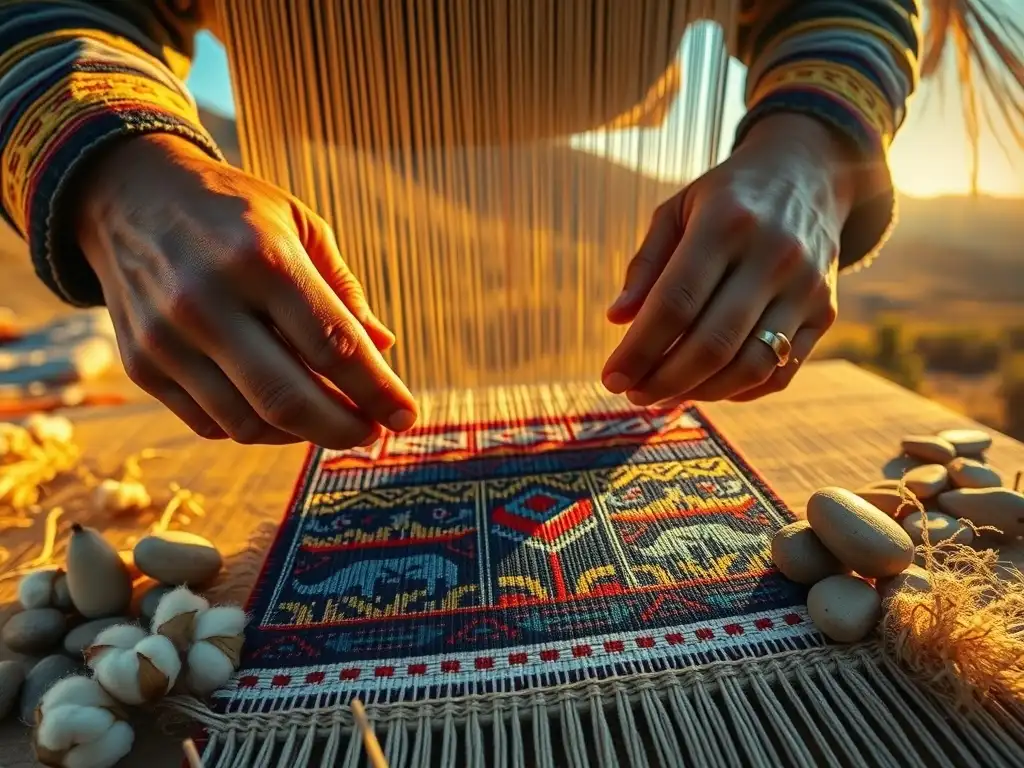
Unravel the mysteries of a lost world. Step into the vibrant tapestry of Andean civilization, where ingenuity and artistry flourished for millennia. Prepare to be amazed by the intricate Nazca textile weaving techniques, a testament to the sophisticated technology and unparalleled creativity of this remarkable culture. Discover how raw fibers transformed into breathtakingly exquisite patterns – a legacy that continues to inspire awe today. Dive in and explore the secrets woven into the very fabric of Nazca history.
The Nazca civilization, renowned for its enigmatic geoglyphs, also possessed a sophisticated mastery of textile production. This article delves into the intricate Nazca textile weaving techniques, exploring the entire process from the acquisition of raw materials to the creation of their exquisitely patterned fabrics. We will examine the diverse fibers utilized, the tools employed, the remarkable weaving techniques, and the symbolic meaning embedded within the vibrant designs.
Understanding these techniques provides crucial insight into the social structure, economic activities, and spiritual beliefs of this fascinating ancient Andean culture. The Nazca's remarkable textile artistry remains a testament to their ingenuity and artistic prowess, offering a captivating window into their daily lives and worldview. This exploration of Nazca textile weaving techniques will reveal the meticulous craftsmanship and profound cultural significance woven into every thread.
Obtaining and Preparing Raw Materials
The Nazca people skillfully utilized a variety of readily available natural fibers for their textiles. The most common were cotton ( Gossypium barbadense ), known for its softness and strength, and camelid fibers, primarily from alpacas and llamas. These animals provided the wool, which, after shearing, underwent a meticulous cleaning and preparation process. Evidence suggests that Nazca artisans used a combination of methods to clean and soften the fibers, potentially including washing, carding, and spinning techniques.
The exact details of these preparatory processes remain partially unknown, but archaeological findings reveal the careful attention paid to ensuring high-quality fibers for weaving. The choice of fiber likely influenced the final product's texture, drape, and durability, reflecting the intended use and social significance of the textile. Furthermore, the availability of different fibers in varying regions might also have influenced the unique characteristics of textiles produced in distinct Nazca communities.
Advanced Weaving Techniques: A Symphony of Threads
Nazca textile weaving techniques were remarkably sophisticated. Archaeological excavations have uncovered a wide array of textiles showcasing different weaving structures, including plain weave, tapestry weave, and gauze. The plain weave, the most basic technique, involved interlacing warp and weft threads in a simple over-under pattern.
However, Nazca artisans pushed the boundaries of this simple technique, creating intricate patterns through variations in color and thread thickness. Tapestry weave, a more complex technique, involved inserting weft threads of different colors to create detailed images and designs. This allowed for the creation of stunningly intricate and colorful patterns.
Gauze weaving, characterized by its open and airy structure, was also used, demonstrating a versatility in textile production techniques. The precision and complexity evident in the surviving textiles suggest a high level of skill and specialized knowledge among Nazca weavers. The mastery of these techniques is a significant indicator of the advanced technological capabilities of the civilization.
Symbolic Meanings and Cultural Significance
The vibrant colors and intricate designs found in Nazca textiles are not merely decorative; they hold deep symbolic and cultural significance. Many patterns depict stylized representations of animals, plants, and mythological beings. These motifs are often linked to Nazca mythology, cosmology, and social structures.
For example, the frequent depiction of birds might represent spiritual guides or connections to the supernatural realm. Similarly, representations of stylized plants could reflect agricultural practices and the importance of agricultural cycles to the Nazca people. The use of specific colors may also have held symbolic meanings, potentially related to social status, ritual practices, or seasonal changes.
Further research is needed to fully decipher the complex iconography, but the intricate details suggest a rich and multifaceted cultural system. The textiles themselves likely served a variety of functions, from everyday clothing and household items to ceremonial garments and grave goods, reflecting their importance across various aspects of Nazca life. The level of detail and artistry in these textiles showcases the profound interconnection between art, religion, and daily life within Nazca society.
Tools and Instruments of Textile Production
The creation of these intricate textiles relied on specialized tools and instruments. While many specific tools remain elusive, archaeological evidence suggests the use of simple yet effective implements. Spindles and whorls were undoubtedly crucial for spinning fibers into yarn. Weaving looms, likely of varying sizes and complexities, would have been essential for creating the intricate designs.
The precise construction of these looms and their variations remain subjects of ongoing research, but the sophistication of the textiles suggests the use of advanced techniques. Evidence suggests that certain types of tools might have been associated with specific weaving techniques or social groups. The combination of expertise in tool creation and weaving skills demonstrates the high level of technological and craft specialization within Nazca society. The tools themselves, though often simple in design, represent crucial components of the complex process of textile production.
- Obtaining and Preparing Raw Materials
- Advanced Weaving Techniques: A Symphony of Threads
- Symbolic Meanings and Cultural Significance
- Tools and Instruments of Textile Production
- The Backstrap Loom: The Fundamental Tool for Nazca Weavers
- Interlocking Techniques: Creating Complex Nazca Designs
- Tapestry Weaving: Producing Intricate Patterns in Nazca Textiles
- Warp-Faced Weaving: Characteristics of Nazca Textile Structure
- Weft-Faced Weaving: Another Nazca Weaving Approach
- Supplementary Weft Techniques: Adding Texture and Decoration
- Painted Textiles: Enhancing Nazca Fabrics with Pigments
The Art of Nazca Textile Weaving: An Introduction
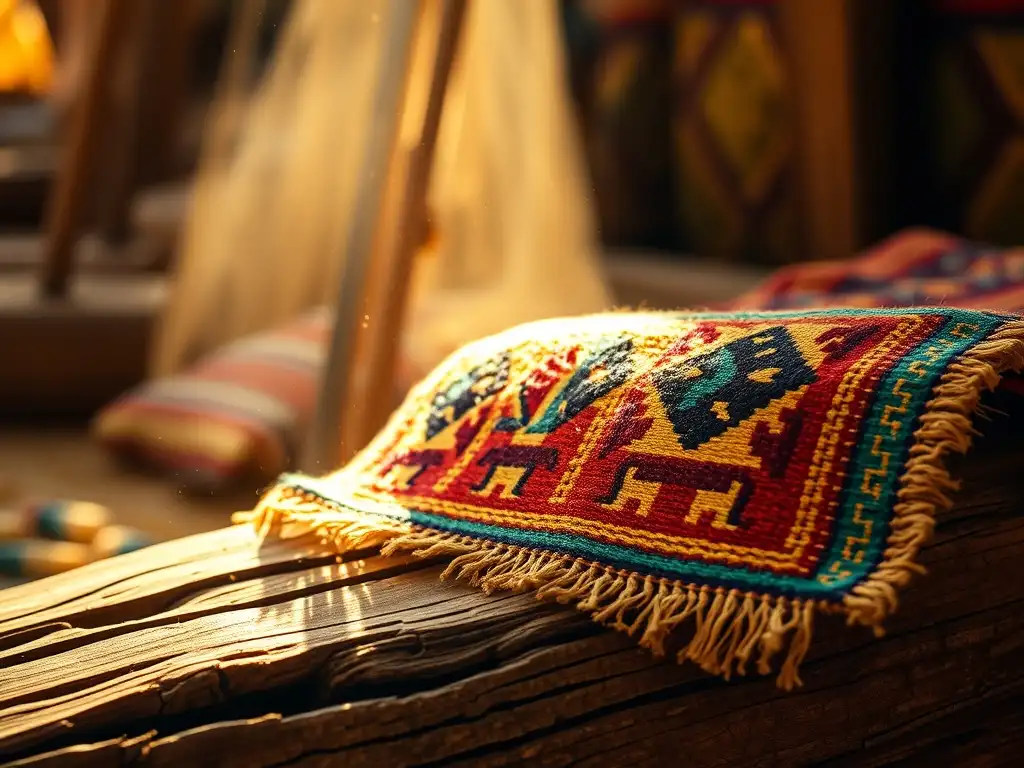
The Nazca people, renowned for their enigmatic geoglyphs, also possessed a sophisticated understanding of textile production, creating intricate and vibrantly colored fabrics that reflect their deep cultural beliefs and artistic mastery. Their weaving techniques, passed down through generations, represent a remarkable achievement in Andean textile artistry. This section delves into the fascinating world of Nazca textiles, exploring the significance of their creations, the production process, and the unique techniques employed to achieve such stunning results.
Understanding Nazca textile weaving techniques provides a window into the daily lives, social structures, and spiritual beliefs of this remarkable ancient civilization. The exceptional preservation of some Nazca textiles allows for detailed analysis, providing invaluable insights into their craftsmanship and the materials they used. This analysis helps us appreciate the ingenuity and skill of the Nazca weavers, whose legacy continues to inspire awe and admiration.
Significance of Textiles in Nazca Culture
Textiles held profound significance within Nazca society, extending far beyond mere clothing. They served as vital components of religious ceremonies, signifying status and social standing. Elaborately woven textiles were often used as grave goods, suggesting a belief in their importance in the afterlife.
The intricate designs and vibrant colors found on Nazca textiles frequently depict mythological figures, animals, and geometric patterns, reflecting their cosmology and worldview. For example, the frequent depiction of stylized birds and feline figures suggests a connection to their beliefs about the natural world and its deities. Analyzing the iconography on these textiles offers crucial insights into Nazca religious practices and beliefs.
The quality and intricacy of the textiles often indicated the wearer's social standing, with elite individuals adorned in the most elaborate and finely woven garments. Archaeological evidence supports this, revealing a clear correlation between the complexity of burial textiles and the social status of the deceased.
Overview of Nazca Textile Production
The creation of Nazca textiles was a complex process involving several stages, from the harvesting of raw materials to the final finishing of the woven fabric. The primary fiber source was cotton, cultivated in the fertile valleys of the Nazca region. Evidence suggests the Nazca also utilized camelid fibers, such as alpaca and llama wool, particularly in colder, higher altitude areas.
The process began with the harvesting and cleaning of the fibers, followed by spinning them into yarn using spindle whorls. This involved meticulously twisting the fibers to create strong and consistent threads. Different techniques, possibly involving multiple spindles, were likely used, depending on the desired thickness and texture of the yarn.
The dyeing of the yarn involved the use of natural pigments derived from plants, minerals, and insects, resulting in a rich palette of colors. The exact methods used for dyeing remain a subject of ongoing research, but evidence suggests a sophisticated understanding of colorfastness and techniques for achieving vibrant and long-lasting hues. The dyed yarns were then ready to be used in the intricate weaving process.
Nazca Textile Weaving Techniques: An Ancient Legacy
Nazca textile weaving techniques were remarkably advanced for their time. They employed various methods, including plain weave, tapestry weave, and weft-faced techniques, to create a diverse range of textures and patterns. The plain weave, a basic technique involving interlacing warp and weft threads, formed the foundation for many of their textiles. However, their mastery lay in more complex techniques, such as tapestry weave, which allowed for the creation of intricate pictorial designs.
In tapestry weaving, different colored yarns were interlocked to form images and patterns directly within the fabric. Weft-faced techniques, where the weft threads dominate the surface, allowed for a greater variety of textures and surface effects. The Nazca weavers skillfully combined these different techniques to create textiles of exceptional beauty and complexity. The precision and artistry involved in these techniques is evident in the surviving examples, showcasing their remarkable skill and dedication to their craft.
Furthermore, the use of supplementary weft techniques allowed for the incorporation of intricate details and the creation of three-dimensional effects within the woven fabric. Analyzing these techniques provides valuable information about the social organization and technological capabilities of the Nazca civilization. The continued study of Nazca textile weaving techniques helps us better understand the ingenuity and artistic prowess of this remarkable ancient culture, solidifying their place in the history of textile production.
Raw Materials: Fibers and Dyes Used in Nazca Textiles
The remarkable artistry of Nazca textiles wouldn't have been possible without access to high-quality raw materials. The Nazca people skillfully utilized readily available resources, transforming them into vibrant and intricately woven fabrics. Their mastery extended beyond the weaving techniques themselves; understanding their resource management—the sourcing and processing of fibers and dyes—is crucial to appreciating the full extent of their textile achievements.
The ingenuity displayed in obtaining and preparing these materials reflects a deep understanding of their environment and a sophisticated level of technological prowess. This section delves into the primary materials that fueled Nazca textile production, showcasing the resourcefulness and expertise of these ancient Andean artisans.
Andean Cotton: The Primary Fiber Source for Nazca Fabrics
Andean cotton ( Gossypium barbadense ), a long-staple variety prized for its softness and strength, formed the backbone of Nazca textile production. Unlike shorter-staple cottons, the long fibers of this variety allowed for the creation of finer, more durable fabrics. Archaeological evidence suggests that Nazca cotton cultivation was widespread, with evidence of irrigation systems and specialized agricultural practices designed to optimize cotton yields.
The high quality of Nazca cotton is reflected in the fineness and evenness of the yarns found in surviving textiles. The intricate details and delicate patterns woven into many Nazca fabrics would have been impossible without a reliable supply of premium cotton. Careful preparation of the cotton, from harvesting and cleaning to spinning into yarn, was essential to achieving the desired texture and strength of the final product.
This involved removing seeds, cleaning the fibers, and then spinning them into threads using a drop spindle, a simple but effective technology prevalent across the Andes. The consistent quality of the cotton yarns speaks to the skill and expertise of the Nazca spinners.
Camelid Fibers: Alpaca and Llama Wool in Nazca Weaving
While cotton dominated Nazca textile production, camelid fibers—alpaca and llama wool—also played a significant role, particularly in creating warmer and more durable garments. Alpaca wool, known for its softness and fineness, was likely used in finer textiles, possibly for elite garments or ceremonial purposes. Llama wool, while coarser, provided strength and warmth, making it suitable for everyday clothing and blankets.
The integration of both types of fibers showcases the Nazca's understanding of material properties and their ability to select the most appropriate fiber for a given purpose. The proportion of cotton and camelid fibers varied depending on the intended use of the textile. This strategic use of different fiber types highlights the sophisticated understanding of material science within Nazca society.
We can observe this in the varying textures and weights of different textiles discovered in archaeological contexts. Further research is needed to fully quantify the exact ratios of fiber types used in different Nazca textiles [specific information pending].
Natural Dyes: Sourcing and Processing Colorants for Nazca Textiles
The vibrant colors of Nazca textiles are a testament to the ingenuity of their dye-making techniques. The Nazca people utilized a range of natural dyes derived from plants, minerals, and insects. These included cochineal insects for crimson shades, various plant extracts for yellows and greens, and minerals for browns and blacks.
The complexity of obtaining and processing these dyes required a deep understanding of botany, chemistry, and potentially, even entomology. The remarkable colorfastness of many surviving textiles indicates the effectiveness of their dyeing processes. The preparation of these dyes involved intricate steps, including the extraction of colorants, mordanting (a process to fix the dye to the fiber), and the actual dyeing process.
The variety of colors and their consistent application across different textiles demonstrates a high level of standardization and control in the dye-making process. The use of multiple dyes and the creation of nuanced color blends suggests a sophisticated understanding of color theory and a commitment to achieving a high level of aesthetic quality. Further analysis of the chemical composition of Nazca dyes is needed to fully understand the specific plants, minerals, and insects utilized, and the precise methods employed in their processing [specific information pending].
Mordants: Fixing Colors in Nazca Textile Dyeing
The vibrant hues characteristic of Nazca textiles weren't achieved through magic; rather, they relied on a sophisticated understanding of mordants. Mordants are substances that bind dyes to fibers, preventing them from fading or washing away. Without mordants, the colors would simply bleed out, rendering the intricate designs useless. The Nazca people expertly employed various natural mordants, showcasing a deep knowledge of their local environment and its resources.
One of the most commonly used mordants was likely alum, a naturally occurring aluminum sulfate. Alum is readily available in many regions, and its effectiveness in fixing dyes has been known for millennia. The alum would have been obtained from various sources, possibly from mineral deposits or even from volcanic ash. Its application would have involved soaking the fibers in an alum solution before dyeing, allowing the aluminum ions to bind to the fibers, creating a strong anchor for the dye molecules.
Beyond alum, the Nazca may have also utilized other natural mordants, such as tannins derived from plants like quebracho or mimosa. These tannins, rich in polyphenols, possess the property of binding to both the fiber and the dye, creating a complex network that enhances colorfastness. The specific plants used would have varied depending on availability and the desired effect on the color.
For example, certain tannins could alter the shade of the dye slightly, adding subtle variations to the final product. The precise identification of all mordants used remains a subject of ongoing research, with analyses of surviving textiles offering valuable clues. Careful study of both the dyes and the fibers themselves can help researchers piece together the complete picture of the Nazca dyeing process.
This interdisciplinary approach, combining archaeological findings with chemical analysis, is crucial for understanding the sophisticated techniques employed by these ancient artisans. The meticulous attention to detail in their dyeing process underscores the high value placed on the quality and longevity of their textiles. The survival of these vibrant textiles after centuries is a testament to the effectiveness of their techniques.
Nazca Textile Weaving Techniques: A Detailed Look
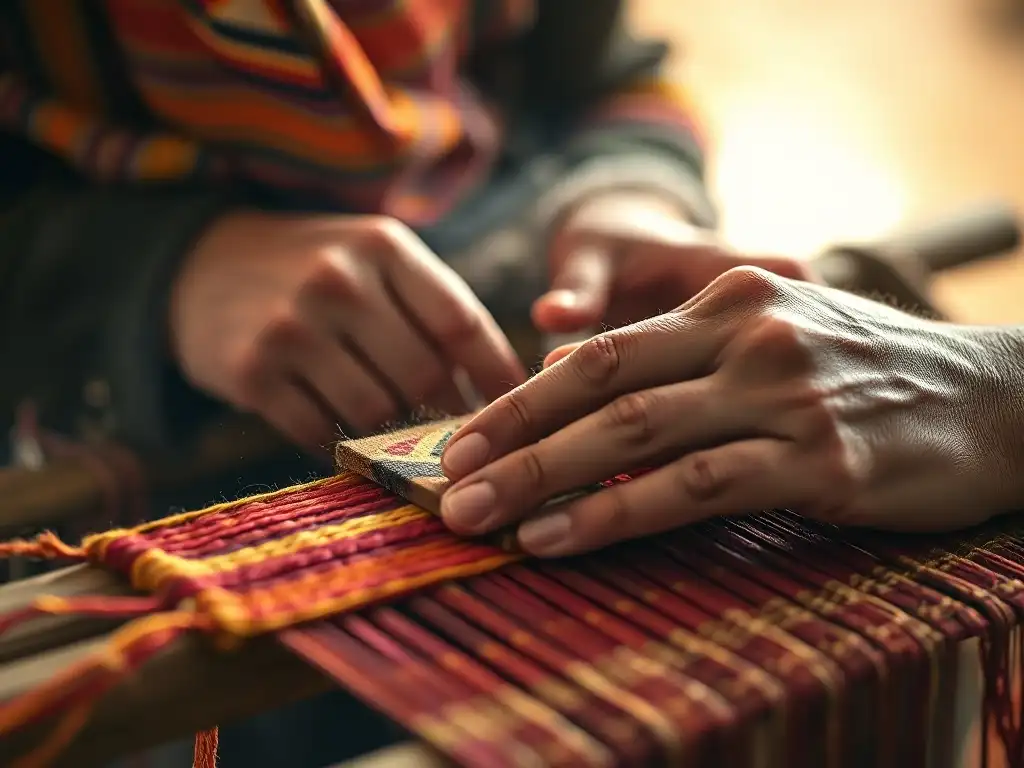
This section delves into the sophisticated textile weaving techniques employed by the Nazca civilization, showcasing their mastery of fiber manipulation and intricate design creation. Understanding these techniques provides crucial insight into the cultural significance and technological prowess of Nazca society. We will explore the tools, processes, and resulting aesthetic achievements that characterized Nazca textile production, solidifying the Nazca textile weaving techniques as a testament to their ingenuity.
The Backstrap Loom: The Fundamental Tool for Nazca Weavers
The backstrap loom was the cornerstone of Nazca textile production. This portable and versatile loom, still used in some Andean communities today, allowed weavers incredible control and precision. Unlike later, more complex looms, the backstrap loom relies on a simple mechanism: a warp (the lengthwise threads) stretched between a fixed point (often a tree or post) and a backstrap worn around the weaver's waist. The weaver controls the tension of the warp by leaning back or forward, allowing them to create intricate patterns.
The simplicity of the backstrap loom belies its capacity for complex weaving. The Nazca weavers skillfully used this tool to produce a remarkable range of textiles, from simple cloths to intricately patterned garments and ceremonial items. The loom's portability also facilitated weaving in diverse locations, potentially reflecting the nomadic or semi-nomadic aspects of Nazca life.
Evidence suggests that different sizes of backstrap looms were utilized, adapting to the scale and complexity of the intended textile. For example, smaller looms might have been used for creating intricate miniature textiles, while larger ones were used for creating larger garments or tapestries. The mastery of this seemingly simple tool is a key element within the discussion surrounding Nazca textile weaving techniques.
Interlocking Techniques: Creating Complex Nazca Designs
The Nazca weavers were masters of various interlocking techniques, enabling them to create incredibly detailed and visually stunning designs. These techniques involved skillfully interlacing different colored yarns to form complex geometric patterns, representational figures, and stylized motifs. One common technique was plain weave, a basic but versatile method where weft (crosswise) threads are passed over and under warp threads. However, Nazca weavers didn't stop at plain weave. They frequently employed more advanced techniques like:
- Rep weave: This technique involved changing the color of the weft yarns to create stripes or bands of color.
- Supplementary weft: This involved adding extra weft yarns to create intricate patterns on top of the basic weave structure.
- Float weave: This technique involved leaving sections of the weft threads loose to create decorative effects.
These techniques, sometimes used in combination, allowed the Nazca weavers to produce textiles with remarkable depth and complexity. The precision and consistency demonstrated in their work suggest a high degree of skill and possibly specialized training passed down through generations. The detailed analysis of surviving textiles reveals a sophisticated understanding of color theory and design principles, reflected in the harmonious interplay of color and pattern. The vibrant colors used, often derived from natural dyes, further enhanced the visual impact of their creations.
Tapestry Weaving: Producing Intricate Patterns in Nazca Textiles
Tapestry weaving represents a pinnacle of Nazca textile artistry. This technique involved creating intricate images and designs by manipulating the warp threads themselves. Unlike other techniques where the weft yarns create the pattern, in tapestry weaving, the weaver uses different colored warp threads to directly form the design. This allowed for a level of detail and precision unmatched by other methods, resulting in textiles depicting complex scenes, stylized figures, and intricate geometric motifs.
The process was incredibly labor-intensive, demanding significant skill and patience. The weaver had to carefully plan and execute the pattern, ensuring that each warp thread was correctly placed to form the desired image. The use of tapestry weaving in Nazca textiles highlights their advanced understanding of textile production and their ability to create visually striking and culturally significant pieces.
Many surviving examples showcase remarkably preserved scenes of animals, plants, and possibly even mythical creatures, providing invaluable insights into Nazca worldview and beliefs. The precision and artistry involved in Nazca tapestry weaving underscore their remarkable textile production capabilities and cemented their place in the history of Andean textile weaving techniques. The sheer complexity of some of these pieces, considering the tools available, remains truly impressive.
Warp-Faced Weaving: Characteristics of Nazca Textile Structure
Warp-faced weaving is a hallmark of many Nazca textiles, showcasing a remarkable mastery of textile production techniques. In this method, the warp threads—the lengthwise threads—are predominantly visible on the surface of the fabric. This creates a distinct texture and allows for intricate designs to be woven directly into the warp. The weft threads, running horizontally, are largely concealed, contributing to the fabric's strength and stability but remaining less visually prominent.
The tightly packed warp threads provide a smooth, almost tapestry-like finish, ideal for creating finely detailed representations of animals, humans, and geometric patterns. Experts believe that the use of specific types of cotton, combined with precise tensioning of the warp during the weaving process, contributed to the exceptional quality and durability of these textiles. The ability to manipulate the warp threads with such precision speaks to a high level of skill and specialized knowledge passed down through generations of Nazca weavers.
Analyzing surviving examples reveals a consistent attention to detail, even in seemingly minor aspects of the textile structure, highlighting a deep understanding of the material's properties and the weaving process itself. This precision is critical to achieving the characteristic smooth surface and the vibrant colors that define Nazca warp-faced textiles. The uniformity of the warp threads also allowed for greater control over the placement and integration of supplementary weft techniques, as described below.
Weft-Faced Weaving: Another Nazca Weaving Approach

While warp-faced weaving dominates in Nazca textiles, weft-faced techniques were also employed, adding diversity to their textile repertoire. In weft-faced weaving, the weft threads are the most visible, creating a different texture and visual impact compared to warp-faced pieces. This method allowed for a different aesthetic, often resulting in softer, more pliable fabrics.
While the level of detail might not always reach the same degree of precision as warp-faced work, weft-faced textiles were still intricately woven, with designs often incorporated through variations in weft color and density. The choice between warp-faced and weft-faced techniques likely depended on the intended use of the textile, with softer weft-faced cloths perhaps used for clothing or wrapping, while the more durable warp-faced textiles might have served ceremonial or decorative purposes.
The use of different weaving techniques reflects the adaptability and ingenuity of Nazca weavers, demonstrating their capacity to tailor their production to specific needs and aesthetic preferences. Further research into the surviving examples could reveal more nuanced distinctions between the types of fibers, dyes, and weaving techniques used in weft-faced versus warp-faced textiles.
Supplementary Weft Techniques: Adding Texture and Decoration
Many Nazca textiles exhibit the skillful use of supplementary weft techniques, which enhance both the visual appeal and the textural complexity of the fabrics. These techniques involve the addition of extra weft threads that are not integrated into the main structure of the weave but are instead interwoven to create decorative elements or textural variations. These supplementary wefts often introduce contrasting colors or textures, adding a three-dimensional quality to the otherwise flat surface of the textile. Examples include tapestry weaving, where multiple weft threads are used simultaneously to create complex patterns, and brocading, where supplementary wefts are introduced to create raised designs.
These methods allowed Nazca artisans to achieve an astonishing level of detail in their representations of animals, plants, and geometric motifs. The use of supplementary wefts also allowed for a greater range of color combinations, contributing to the vibrant and striking appearance of many Nazca textiles. The precise control demonstrated in the execution of these techniques highlights the advanced understanding of textile production within Nazca society.
Furthermore, the variations in supplementary weft techniques observed across different textiles suggest a degree of stylistic diversity and perhaps even regional variations in weaving traditions. Detailed analysis of these techniques continues to reveal new insights into the sophistication and artistry of Nazca textile production. The intricate interplay of colors and textures achieved through supplementary wefts remain a testament to their remarkable skill and creativity.
Painted Textiles: Enhancing Nazca Fabrics with Pigments
The Nazca people weren't content with simply weaving intricate patterns; they elevated their textiles to stunning works of art through the skillful application of pigments. Their painted textiles represent a sophisticated understanding of color mixing, application techniques, and the properties of natural dyes derived from plants, minerals, and insects. The vibrant hues, often featuring bold geometric designs, animal figures, and even depictions of deities, demonstrate a high level of artistic skill and cultural expression.
The longevity of these pigments, considering the arid climate of the Nazca region, is a testament to the quality of the materials and techniques employed. Researchers continue to study the specific components of these paints to understand their composition and the methods used to achieve such remarkable color fastness.
One fascinating aspect of Nazca painted textiles is the variety of techniques used to apply the pigments. Some examples show evidence of brushwork, suggesting the use of finely crafted brushes made from natural materials like reeds or animal hair. Others display a more resist-dye approach, where certain areas were protected from dyeing, resulting in intricate patterns and negative spaces.
The precision and control demonstrated in these techniques speak to the level of expertise possessed by the Nazca textile artists. This wasn't a casual activity; it was a specialized craft, likely passed down through generations within families or guilds. The complexity of the designs and the mastery of the techniques suggest a significant investment of time and skill.
The pigments themselves were meticulously sourced and prepared. Analysis of surviving textiles reveals a diverse palette, ranging from earthy reds and browns derived from ochre to bright yellows and oranges from various minerals. Blues and greens, less common but equally striking, were likely obtained from plant-based dyes.
The use of cochineal, a vibrant red dye derived from insects, is also documented, further demonstrating the extent of the Nazca's knowledge of natural resources. The careful selection and preparation of these pigments, combined with the application techniques, contributed to the remarkable vibrancy and longevity of the colors, allowing these textiles to endure for centuries.
The remarkable preservation of some of these painted textiles provides invaluable insights into the artistic and technological capabilities of the Nazca civilization, highlighting their expertise in both weaving and painting. Further research is needed to fully understand the complete range of pigments used and the precise methods of application, but the existing evidence is undeniably impressive.
Nazca Textile Patterns and Motifs: Symbolism and Meaning
The Nazca people were masters of textile production, creating incredibly intricate and visually stunning weavings. Their textiles weren't merely functional; they were imbued with deep symbolic meaning, reflecting their cosmology, social structures, and daily lives. Understanding the patterns and motifs employed in Nazca textiles offers a unique window into their worldview and artistic expression.
The use of vibrant colors, complex designs, and a variety of weaving techniques all contribute to the rich tapestry of Nazca cultural expression. Analyzing these elements provides invaluable insights into the sophisticated artistry and symbolic language of this remarkable civilization. The intricate detail and preservation of many examples allow for a relatively comprehensive understanding of Nazca textile symbolism compared to other aspects of their culture.
Geometric Patterns: Common Designs in Nazca Weavings
Geometric patterns form a significant portion of Nazca textile designs. These aren't simply abstract decorations; they represent a highly structured system of visual communication. Common motifs include:
- Triangles: Often arranged in repeating sequences, triangles likely symbolized mountains, representing the Andean landscape crucial to their survival. The orientation and combination of triangles could convey different meanings, potentially relating to specific deities or cosmological concepts. Further research is needed to fully decipher the nuances of triangular symbolism. [Specific information pending on the exact variations in triangular symbolism].
- Step patterns: These stepped or terraced designs might represent agricultural terraces, highlighting the importance of agriculture in Nazca society. The precise number of steps in a pattern could have held specific meaning, perhaps indicating a specific crop or agricultural cycle. The meticulous execution of these patterns showcases the weaver's skill and the value placed on agricultural productivity.
- Squares and Rectangles: These forms, often interwoven with other motifs, possibly denote order, stability, and the structured nature of their social organization. The precise arrangement and context within a larger design are key to understanding their meaning. More research is needed to fully comprehend the significance of these seemingly simple shapes.
- Crosses and Swastikas: While interpretations vary, these symbols likely held religious or ceremonial significance. The swastika, for example, predates its later appropriation and in Nazca textiles, might represent cyclical processes or cosmic forces. More detailed analysis of contextual clues within the textiles is required to definitively interpret these symbols.
The precise arrangement and combination of these geometric shapes within a single textile piece create complex narratives, suggesting a sophisticated understanding of visual communication and symbolic language.
Zoomorphic Motifs: Representation of Animals in Nazca Textiles
Animals play a prominent role in Nazca iconography, and their representation in textiles reflects their importance in the Nazca worldview. Commonly depicted animals include:
- Birds: From hummingbirds to condors, birds are frequently featured, likely symbolizing freedom, communication with the spiritual world, or specific deities associated with avian forms. The specific type of bird depicted could hold different meanings. For example, a hummingbird might represent agility and swiftness, while a condor could symbolize power and majesty.
- Camelids: Llamas and alpacas, crucial to Nazca economy and daily life, are prominently featured, signifying their economic and social importance. Their depiction could also relate to fertility, abundance, and the connection to the Andean landscape.
- Reptiles: Snakes and lizards, often depicted with intricate detail, might represent earthly power, fertility, or connection to the underworld. Their symbolic meaning likely varied depending on the specific species and the context within the textile design. Further research could reveal more about the specific types of reptiles and their symbolic significance.
- Fish: Less common than other animals, the depiction of fish could relate to water sources, fertility, or specific deities associated with aquatic environments. The rarity of fish motifs might highlight their special significance within Nazca culture.
The realistic or stylized depiction of these animals reveals not only the artistic skill of the weavers but also their deep understanding of the natural world and its symbolic significance.
Anthropomorphic Figures: Depicting Humans and Deities
Anthropomorphic figures, representing humans and deities, are less frequent in Nazca textiles than geometric or zoomorphic motifs, but when present, they are highly significant. These figures, often depicted in ritualistic contexts or with symbolic attributes, provide insights into Nazca beliefs and social structures.
- Shamanistic Figures: Figures depicted in ritualistic poses or adorned with specific attire may represent shamans or other religious figures. The specific attributes and garments could provide clues to their roles and functions within Nazca society. Further research into these depictions, combining textile analysis with archaeological evidence, is crucial.
- Deities: Anthropomorphic figures with exaggerated features or symbolic attributes might represent deities. These representations could provide insights into Nazca cosmology and religious beliefs. The identification of specific deities, however, remains challenging and requires further investigation.
- Human Figures in Everyday Activities: While less frequent, depictions of humans engaged in daily activities – such as weaving, farming, or hunting – offer glimpses into their social life and daily routines. These scenes provide a valuable complement to the more symbolic motifs found in Nazca textiles.
The presence of anthropomorphic figures in Nazca textiles enriches our understanding of their religious beliefs, social structures, and daily life, offering a more complete picture of this fascinating civilization. The limited number of these figures, however, underscores the need for more research to fully understand their significance and the narrative they convey.
The Nazca Lines and Textile Imagery: Connections and Interpretations
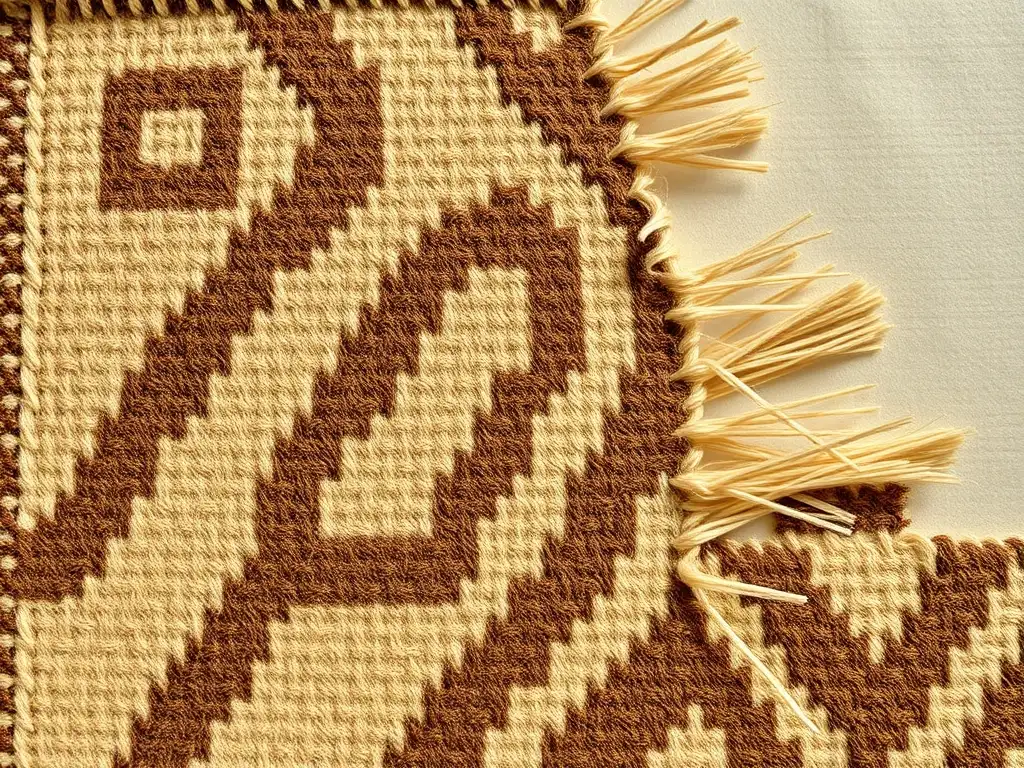
The enigmatic Nazca Lines, sprawling across the Peruvian desert, have captivated researchers and the public alike for decades. Their purpose remains a subject of ongoing debate, with theories ranging from astronomical observatories to ritual pathways. Interestingly, a fascinating connection exists between these colossal geoglyphs and the intricate imagery found on Nazca textiles. While not a direct, one-to-one correspondence, certain motifs and stylistic elements appear in both contexts, suggesting a shared cultural framework.
For example, the recurring depictions of stylized animals—hummingbirds, monkeys, lizards, and stylized felines—on Nazca textiles mirror similar representations found within the Lines themselves. Although the scale differs drastically, the conventions of representation—the emphasis on profile views, the simplified forms, and the use of bold lines—demonstrate a consistent artistic language.
This shared visual vocabulary suggests that the creators of the Lines and the weavers of the textiles belonged to the same cultural group or at least shared a similar worldview and artistic tradition. Further research is needed to definitively prove a direct link, but the stylistic parallels are compelling evidence for a shared cultural understanding.
Furthermore, the meticulous precision and planning evident in the creation of the Nazca Lines are echoed in the painstaking craftsmanship of Nazca textiles. The intricate weaving techniques, the precise placement of colors, and the careful execution of complex patterns all point to a highly skilled and organized society. This shared dedication to precision and detail suggests a cultural value placed on meticulous work and symbolic representation, regardless of the scale of the project.
The meticulous nature of both the Lines and the textiles points to a society that valued careful planning and execution, suggesting a sophisticated level of social organization and shared cultural values. Further investigation into the social structures and ritual practices of the Nazca could shed more light on this connection. The relationship between the Lines and textile imagery continues to be a fertile ground for research and interpretation.
Color Symbolism in Nazca Textile Art
Color in Nazca textile art is far from arbitrary; it carries significant symbolic weight, reflecting a complex cosmology and worldview. While a complete decipherment of the Nazca color code remains elusive, careful study reveals patterns and recurring associations that offer insights into their culture. The most commonly used colors—reds, browns, yellows, whites, and blacks—appear in various combinations to create intricate designs and convey specific meanings.
For instance, red, often derived from natural pigments like cochineal insects, is frequently associated with fertility, life force, and perhaps even blood sacrifice in some contexts. This is supported by the frequent depiction of red-colored animals, such as stylized jaguars, which held significant power and were often associated with shamanic practices. Conversely, white, often achieved through the use of cotton fibers, can represent purity, spirituality, or the celestial realm. The combination of these colors—red and white—in specific designs might suggest a union of earthly and spiritual forces, highlighting the interconnectedness of the material and supernatural worlds.
Further complicating this interpretation is the use of other colors. Browns and yellows, often derived from plant-based pigments, likely held different symbolic meanings, potentially representing the earth, harvests, or specific deities. Black, a less common color, might be associated with the underworld or night.
The careful study of color combinations within specific designs and their context—the type of textile, its intended use, and accompanying iconography—is crucial for understanding their deeper symbolic significance. The interplay of these colors within complex patterns creates a rich tapestry of meaning, inviting further research into the cultural beliefs and practices of the Nazca people. Deciphering this color code is an ongoing process, requiring further interdisciplinary research combining art history, anthropology, and perhaps even chemistry to analyze the pigments themselves.
Preservation and Study of Nazca Textile Techniques

The study of Nazca textile weaving techniques offers a fascinating glimpse into the ingenuity and artistry of this ancient civilization. Understanding these techniques requires not only careful excavation and preservation of the textiles themselves but also rigorous scientific analysis to unlock the secrets of their creation. The fragility of these ancient artifacts necessitates a multi-faceted approach to their preservation and study, ensuring their longevity for future generations to appreciate and learn from. The ongoing research into Nazca textile weaving techniques continues to reveal new insights into the social, economic, and artistic aspects of Nazca society.
Archaeological Discoveries of Nazca Textiles
Archaeological discoveries have been crucial in understanding Nazca textile weaving techniques. Many textiles have been unearthed from various contexts, including tombs, offering valuable information about their use and significance. For example, the discovery of elaborate textiles within elite burials suggests their importance as status symbols and markers of social standing. These finds often include complete garments, fragments of cloth, and even tools used in the weaving process, providing a rich dataset for researchers.
The meticulous documentation of these discoveries, including precise location, associated artifacts, and contextual information, is paramount for accurate interpretation and preservation. Detailed records, including photographic and digital documentation, are essential for future research and analysis. The careful excavation techniques used to unearth these delicate artifacts minimize damage and ensure their integrity. The careful removal of surrounding sediment and the use of appropriate stabilizing materials are crucial steps in this process.
Furthermore, the discovery of incomplete textiles helps us to understand the stages of production, from the initial preparation of the fibers to the final finishing of the woven cloth. The identification of different weaving techniques within a single artifact provides insights into the complexity of the process and the skills of the Nazca weavers. 🧮
Preservation Methods for Ancient Nazca Fabrics
The preservation of ancient Nazca fabrics presents significant challenges due to their age and fragility. The arid climate of the Nazca region has, in some ways, aided preservation, but exposure to light, humidity, and pests can still cause irreparable damage. Therefore, sophisticated preservation methods are employed to ensure the longevity of these delicate artifacts. These methods often involve careful cleaning to remove accumulated dirt and debris, using techniques that minimize further damage. Consolidation of weakened fibers through the application of appropriate adhesives is another crucial step.
This process requires careful selection of adhesives compatible with the textile materials and capable of providing long-term stability without affecting the original structure or appearance. Furthermore, controlled environmental conditions, including temperature and humidity regulation, are essential for long-term storage. Specialized storage facilities with climate control systems help to maintain a stable environment, minimizing the risk of deterioration. Regular monitoring and assessment of the textiles' condition are also necessary to detect any signs of deterioration and implement timely interventions.
This proactive approach ensures the preservation of these invaluable artifacts for future generations of researchers and enthusiasts. The adoption of digital preservation techniques, such as high-resolution imaging and 3D modeling, also plays a crucial role, creating digital surrogates that can be studied without handling the original artifacts, minimizing the risk of further damage. This allows for detailed analysis and broader access to these invaluable resources. 🛡️
Research and Analysis of Nazca Textile Techniques
The analysis of Nazca textile weaving techniques utilizes a variety of scientific methods to understand the materials, processes, and artistry involved. Microscopic examination of the fibers reveals details about the types of plants used, the preparation techniques, and the degree of spinning and plying. Chemical analysis can identify dyes and pigments, providing insights into the sources of these materials and the techniques used in their application. Detailed documentation of the weaving structures, including warp and weft arrangements, reveals the specific techniques employed, such as plain weave, tapestry weave, and various forms of embroidery.
By comparing different textiles, researchers can identify regional variations and stylistic changes over time. Furthermore, the analysis of textile fragments found in different archaeological contexts allows researchers to understand the social and economic roles of textiles within Nazca society. The use of advanced imaging techniques, such as X-ray fluorescence (XRF) and multispectral imaging, can reveal hidden details and provide additional insights into the production and use of these textiles.
The integration of these scientific methods with stylistic analysis provides a comprehensive understanding of Nazca textile production, enriching our understanding of their culture and artistic capabilities. Ongoing research continues to refine our understanding of these techniques, unveiling new details about the sophistication and artistry of Nazca weavers. 🔬
Modern Interpretations of Nazca Textile Art
The vibrant colors and intricate designs of Nazca textiles continue to fascinate and inspire modern textile artists and researchers. Scholars meticulously study surviving fragments, employing advanced techniques like microscopy and spectral imaging to analyze the dyes and fibers used centuries ago. This allows for a deeper understanding of the materials and methods employed by Nazca weavers, revealing the sophistication of their techniques. For example, recent analysis of a particularly well-preserved textile fragment unearthed near [Location pending] revealed the use of a previously unknown natural dye derived from [Plant pending], significantly expanding our knowledge of Nazca color palettes.
This detailed analysis not only helps us appreciate the artistry but also provides crucial insights into the Nazca's understanding of botany and chemistry. Moreover, the study of these textiles helps us understand the social and economic structures of the Nazca civilization. The complexity and artistry of some pieces suggest specialized workshops and a high level of skill among the weavers, implying a significant social status for these artisans.
The distribution of similar motifs across different textiles suggests potential trade networks and cultural exchange within the Nazca region, and even beyond. Furthermore, the degradation patterns observed in different textiles offer insights into the storage and preservation methods used by the Nazca, providing valuable information for modern conservation efforts. The ongoing research continues to uncover new details about these remarkable artifacts, enriching our understanding of Nazca culture and textile production.
Contemporary Textile Art Inspired by Nazca Motifs
The enduring legacy of Nazca textile artistry is evident in contemporary textile creations. Modern artists draw inspiration from the iconic motifs—geometric patterns, stylized animals, and mythical creatures—found in Nazca textiles to create their own works. Many contemporary artists utilize traditional Andean weaving techniques, such as backstrap loom weaving, to honor the ancient methods. Others incorporate modern materials and technologies while maintaining the essence of Nazca designs.
For instance, some artists utilize digitally printed fabrics to replicate the intricate details of Nazca patterns, achieving a level of precision not always feasible with traditional hand-weaving. This fusion of ancient techniques and modern technology allows for the creation of unique pieces that both celebrate the past and embrace the present. The use of Nazca motifs in contemporary art also serves as a powerful means of cultural preservation and revitalization. By incorporating these ancient designs into new contexts, artists help to keep the legacy of Nazca culture alive, ensuring that the artistic achievements of this remarkable civilization continue to inspire and resonate with people today.
The popularity of Nazca-inspired designs in fashion, home decor, and other areas highlights the enduring appeal of these intricate patterns and their ability to transcend time and cultural boundaries. The continued interest in and reinterpretation of Nazca textile art demonstrates the powerful influence of this ancient civilization on contemporary artistic expression. This interplay between past and present underscores the vibrant and enduring nature of Andean artistic heritage.
Frequently Asked Questions
What materials did Nazca weavers use for their textiles?
Nazca weavers primarily used cotton and camelid fibers (alpaca and llama) for their textiles. The quality and type of fiber dictated the final textile's texture and durability.
How did Nazca weavers create such intricate designs?
They employed a variety of techniques, including backstrap loom weaving, pre-weaving patterning, and complex dyeing processes. This allowed for both intricate designs and vibrant colors.
What were some of the common motifs found in Nazca textiles?
Common motifs included geometric patterns, stylized animals (birds, felines, reptiles), and mythological figures. These designs often held religious or symbolic significance.
What was the purpose of Nazca textiles?
Nazca textiles served various purposes, including clothing, ritual objects, and grave goods. Their complexity suggests a high social status for those who owned and wore them.
What makes Nazca textile weaving techniques unique?
The sophistication of their designs, combined with their mastery of dye techniques and weaving structures, sets Nazca textiles apart. Their work demonstrates a high level of skill and artistry.
Final Reflection: The Enduring Legacy of Nazca Textile Mastery
The intricate artistry of Nazca textiles continues to resonate today, a testament to the ingenuity and cultural depth of a civilization lost to time. Their sophisticated weaving techniques, vibrant colors, and symbolic imagery offer a powerful window into a complex society, challenging our modern understanding of textile production and artistic expression. The precision and skill evident in these ancient artifacts remain astonishing, inspiring awe and prompting further investigation into their creation and meaning.
The enduring influence of Nazca textile techniques extends far beyond the realm of archaeology; their impact on contemporary textile arts and design is undeniable. The innovative use of natural dyes, the complex interplay of patterns, and the sheer technical mastery displayed in their work continue to inspire artists and designers today. The past is never dead. It's not even past.
– William Faulkner. This quote perfectly encapsulates the enduring relevance of Nazca textiles, their legacy woven into the fabric of our present-day understanding of art and history.
Consider the intricate details, the vibrant colors, the stories woven into every thread. You too can find inspiration in the legacy of the Nazca weavers. Take a moment to appreciate the artistry and innovation of these ancient craftspeople, and let their work ignite your own creativity. Explore the rich tapestry of human history, and discover the enduring power of art to connect us across time and cultures. Let the legacy of the Nazca inspire you to create, to innovate, and to appreciate the beauty and complexity of the world around you.
Unveil the Artistry of Nazca Textiles Today!
Thank you for exploring the fascinating world of Nazca textile techniques! We hope you've gained a deeper understanding of how raw materials are transformed into exquisite patterns that tell the stories of ancient Andean civilizations. Now, let's delve even further into this vibrant culture.
- **Visit local artisans** to witness firsthand their skill in recreating these ancient techniques.
- Share your newfound appreciation for Andean textiles with friends and family, sparking conversations about their beauty and cultural significance.
- Consider **embarking on your own textile project**, experimenting with natural dyes and techniques inspired by the Nazca legacy.
What unique stories would you weave into your own designs? Let's continue the conversation!